Llevant
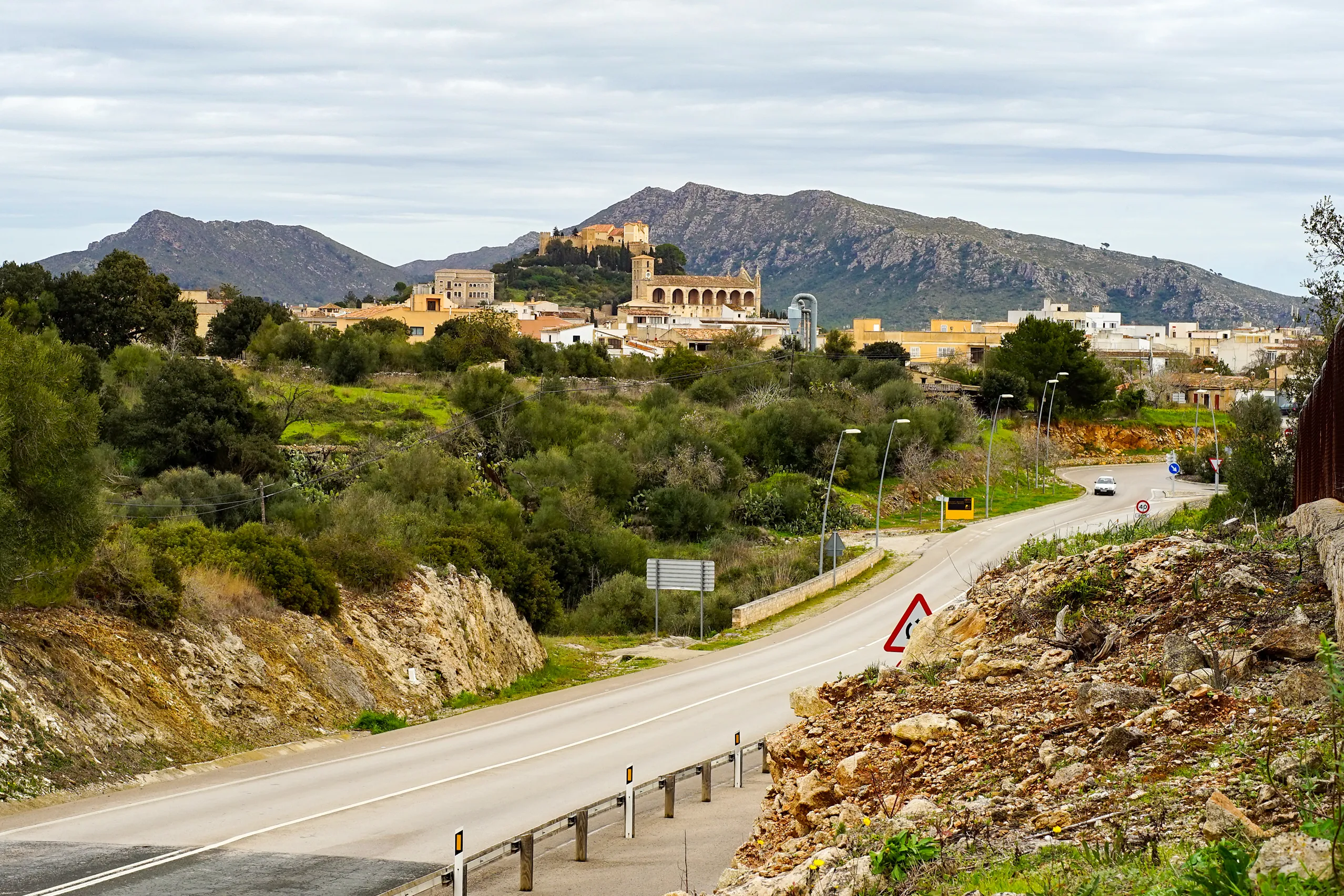
Your first view of Artà is often the hillside town with its fortress above. The climb between them shapes a visit.
Llevant covers the east of the island: Artà, Capdepera, Manacor, Sant Llorenç des Cardassar and Son Servera. The sea has cut deep inlets into the limestone coast. Inland are old market towns, while beneath the surface lie some of Mallorca’s best-known caves.
The coast
From Cala Mesquida and Cala Agulla in the north through Cala Ratjada and Canyamel to Cala Millor and Porto Cristo, there’s a succession of bays and coves. Many sit between rocky headlands, with pines close to the water. Shelter varies with wind direction and the shape of each bay. Most of the smaller beaches fill quickly in high summer.
Places to visit
Explore the Coves del Drac and Coves dels Hams near Porto Cristo, or the Coves d’Artà near Canyamel. Castell de Capdepera is a walled stronghold above the town. In Artà, Sant Salvador sits within a fortified precinct on the hill. The region also has important prehistoric sites: Ses Païsses, near Artà, is among the island’s best-preserved Talayotic settlements.
Where it gets busy
Cala Agulla, Cala Ratjada and Porto Cristo become busy early in the day during July and August, as do the cave car parks. Places reached on foot can be quieter: Cala Moltó beside Cala Agulla, the coast below Torre de Son Jaumell, or the area around Colònia de Sant Pere on the northern side of the Artà peninsula. Allow for the heat if you’re walking.
When to come
May, June, September and October are good months to explore. In September, the sea retains its summer warmth. Different coves offer shelter in different winds; check the conditions where you intend to swim. Between November and March, many businesses in the beach resorts close, while Artà, Capdepera and Manacor continue with everyday town life.
All the places in the region
Llevant: towns, coves and places to visit
Artà
A small north-eastern town beneath a fortified hilltop sanctuary, surrounded by some of Mallorca’s least developed countryside. Nearby Ses Païsses is on…
Cala Agulla
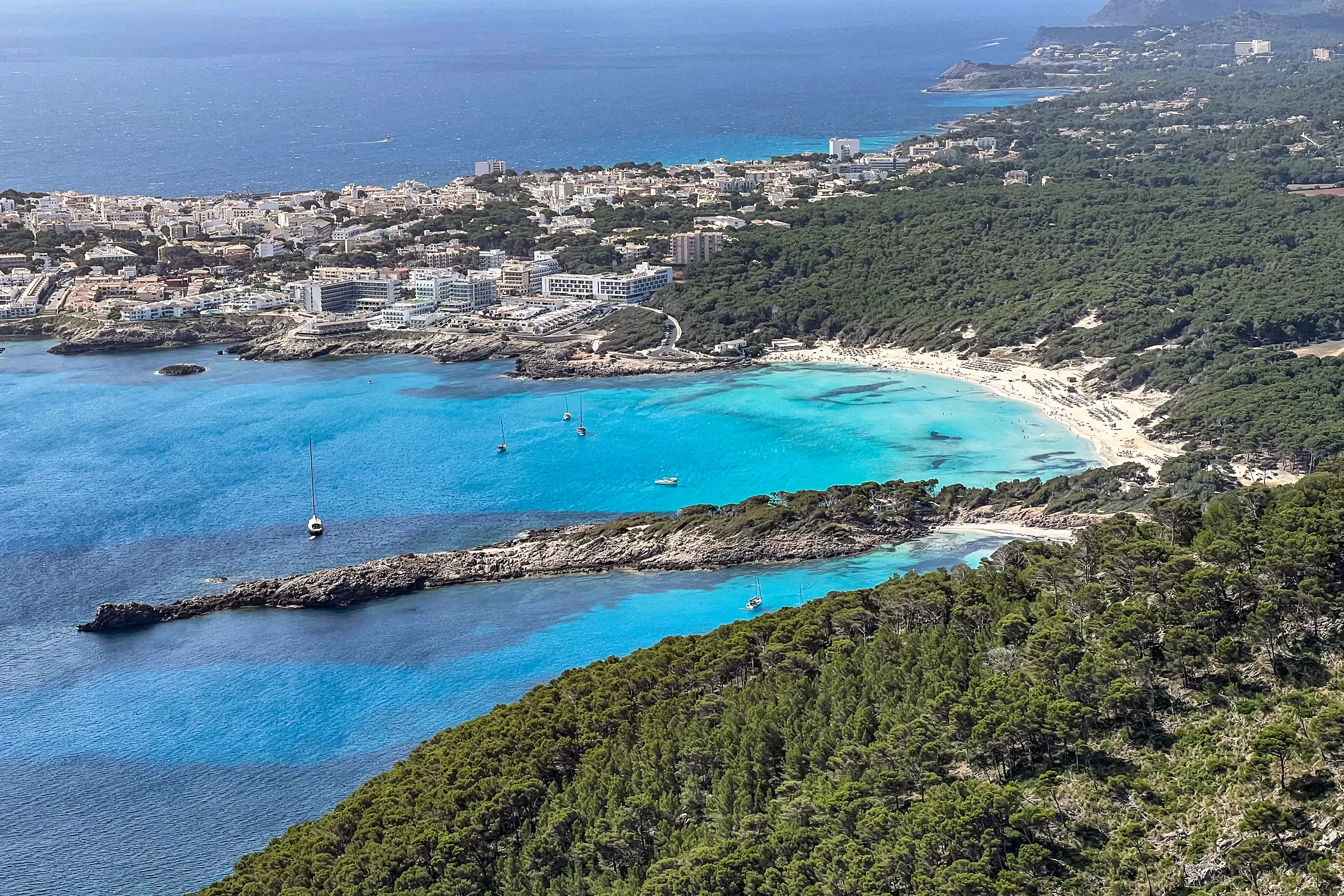
A broad sandy bay north-west of Cala Ratjada, backed by pine woods and dunes. Pale sand fills the centre, with rocky shelves in the shallow water at eit…
Cala Anguila
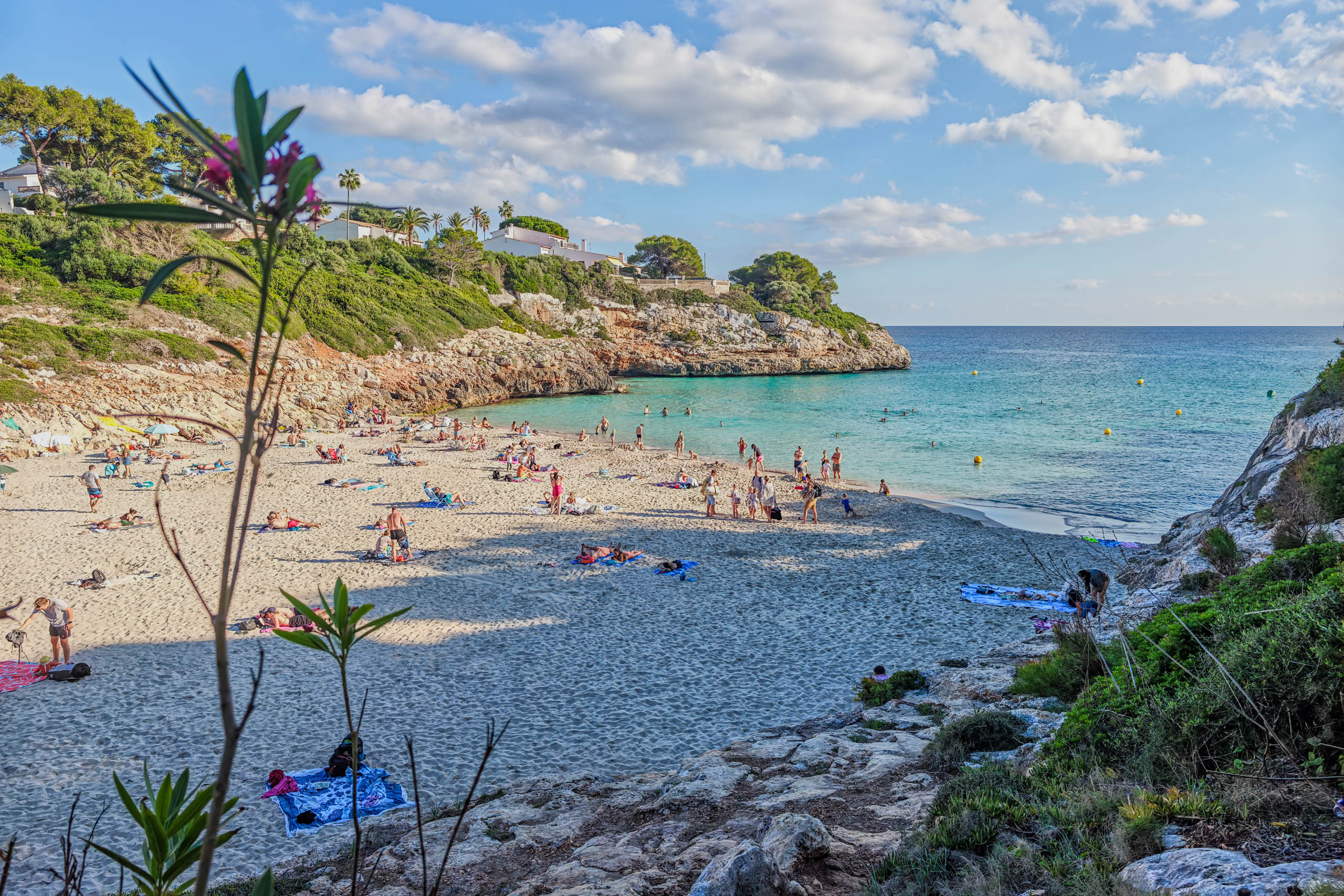
Cala Anguila lies south of Porto Cristo, beside Cala Mandia. A small sandy beach opens between low rocks and pines, with clear, shallow water. A restaur…
Cala Bona
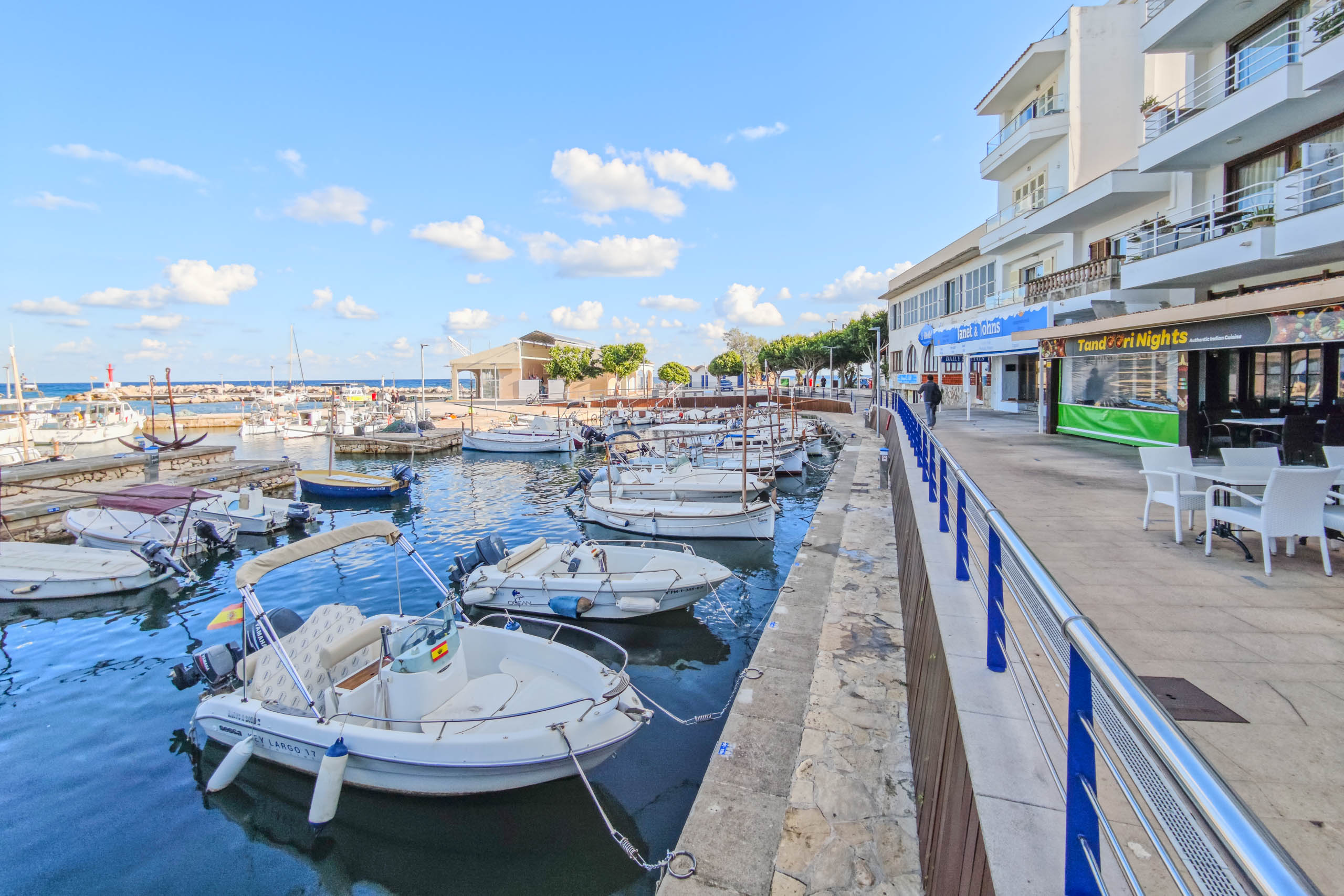
Walk north from Cala Millor and the seafront stroll becomes a wander around the harbour. In Cala Bona, little boats are moored right beside the cafés an…
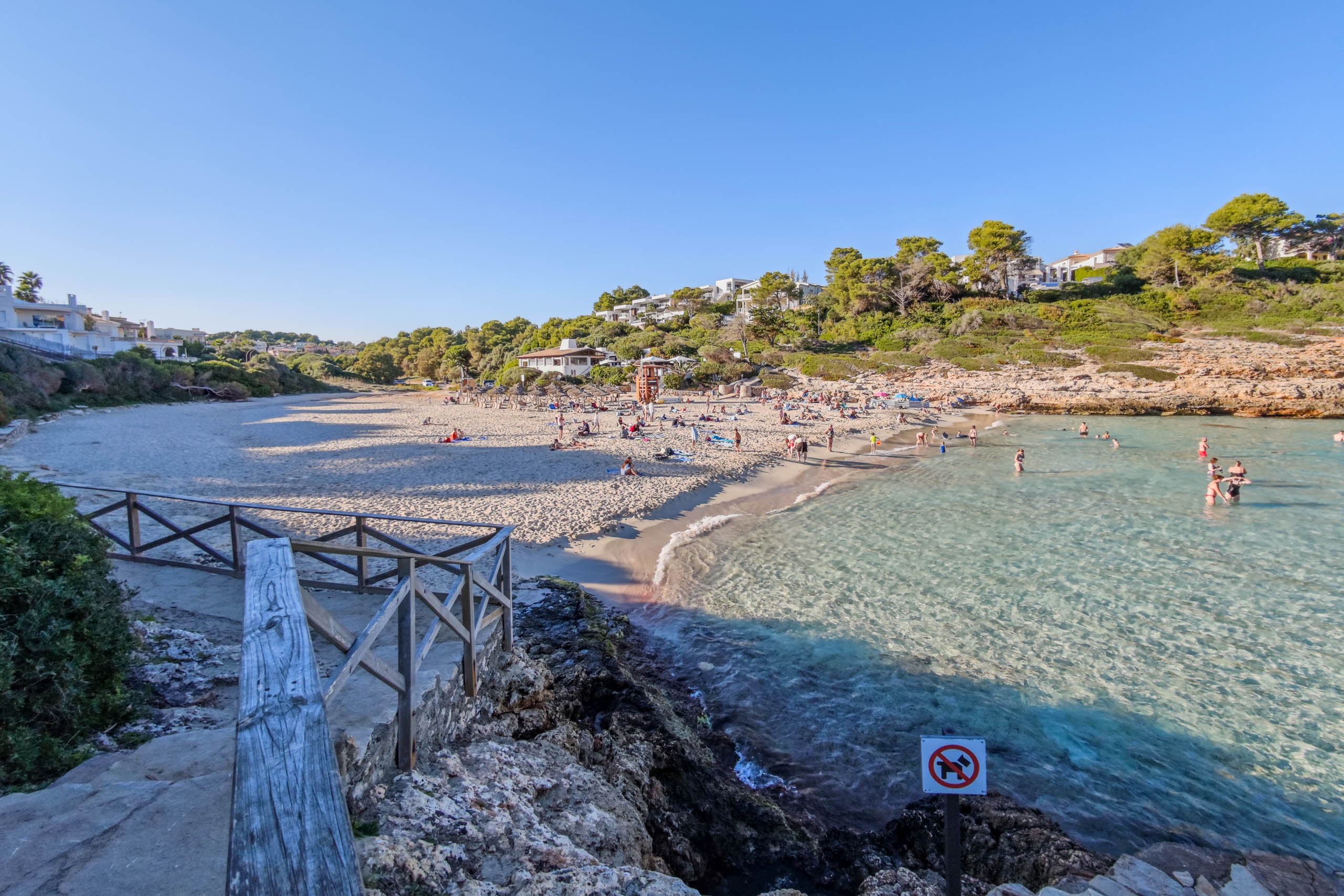
Cala Mandia
Cala Mandia, also called Cala Mendia, lies south of Porto Cristo. Pale sand, clear water and gently shelving shallows make this small bay popular with f…
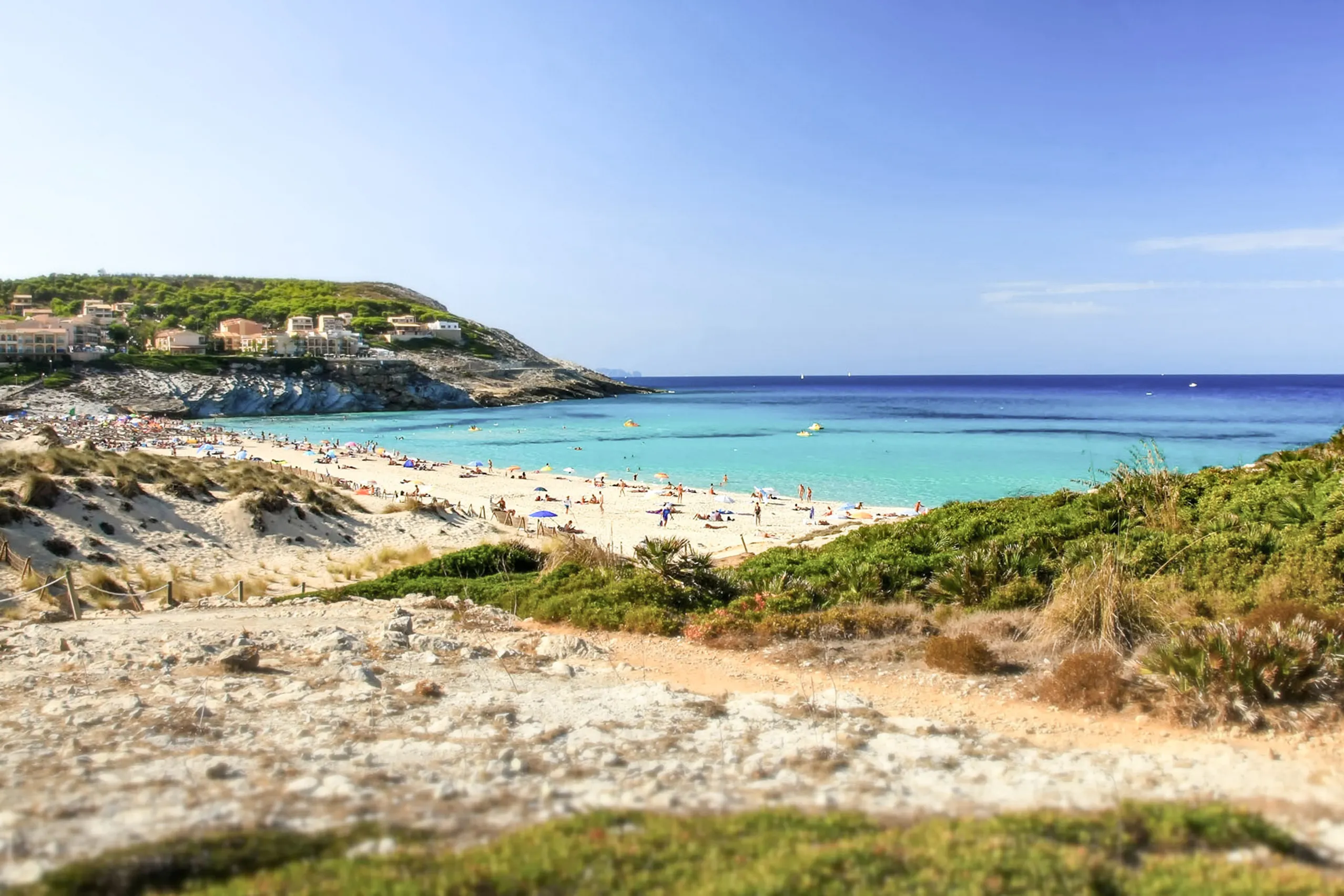
Cala Mesquida
A broad stretch of pale sand with protected dunes behind it and a wooden boardwalk crossing them. Cala Mesquida faces north, so waves and currents can b…
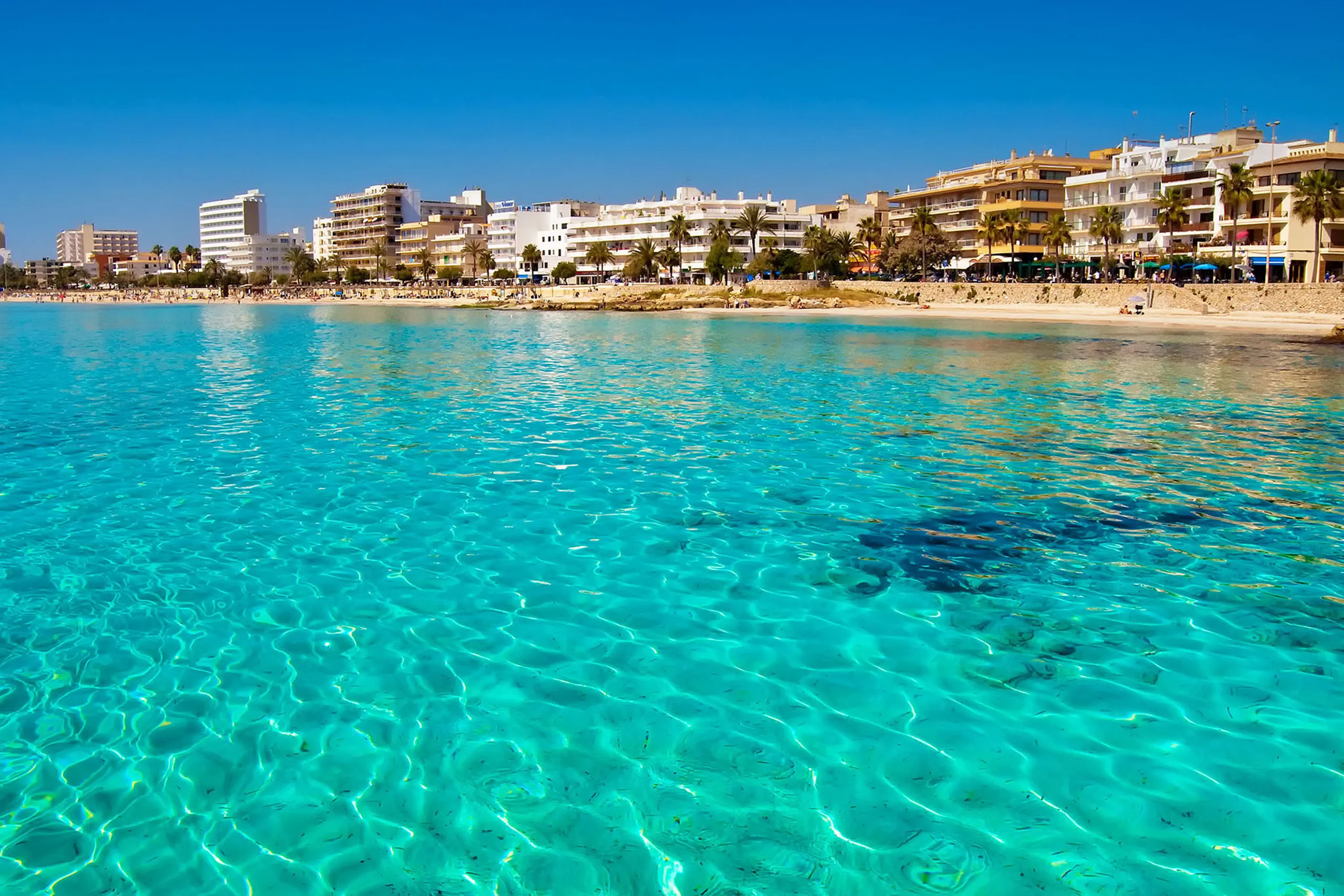
Cala Millor
Nearly two kilometres of pale sand, a car-free promenade and hotels behind it. Cala Millor is an unmistakable holiday resort, with a few more year-round…
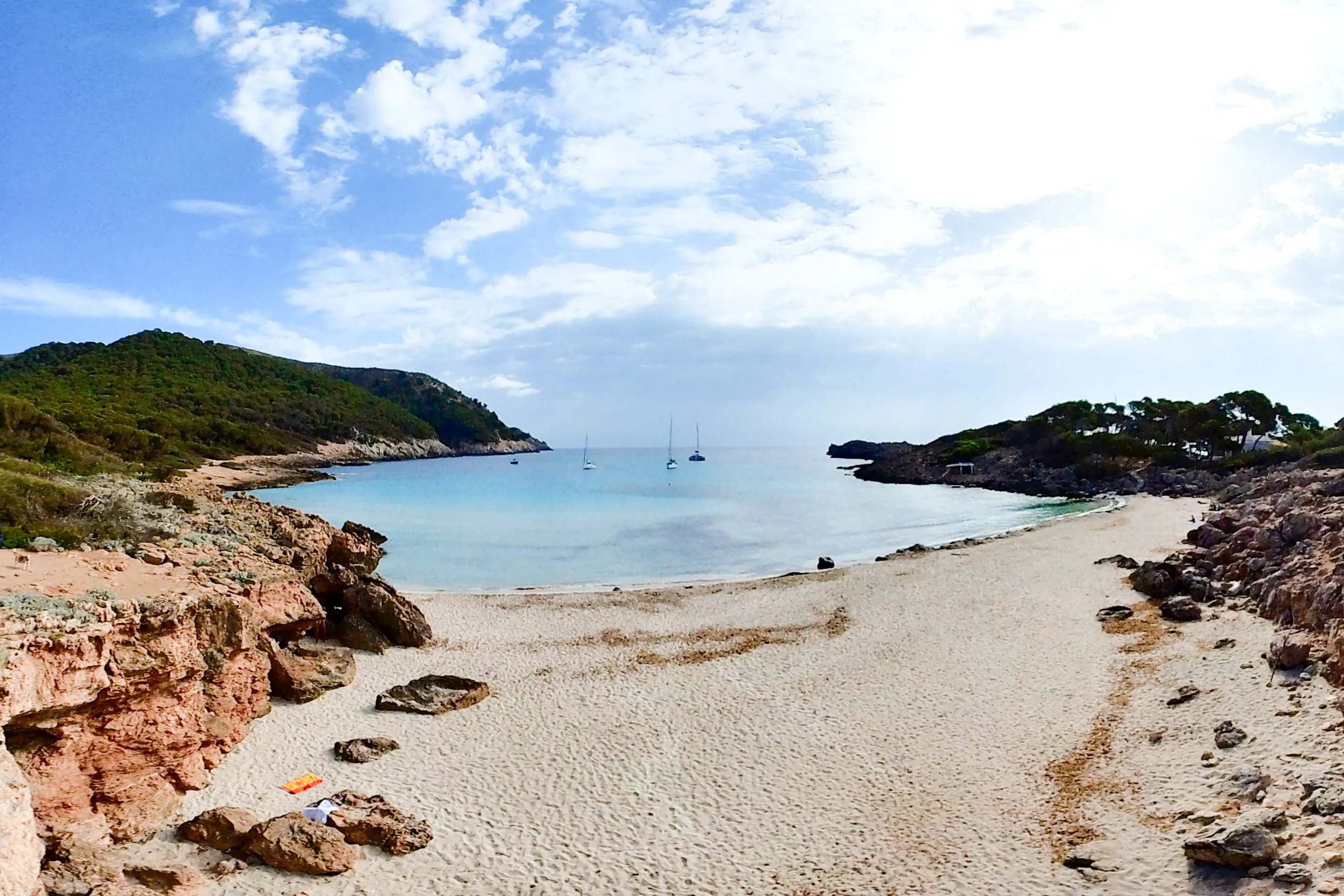
Cala Moltó
A small cove beyond Cala Agulla, reached by a ten-minute walk over rocky ground. There is a narrow strip of sand between the rocks, sometimes boats offs…
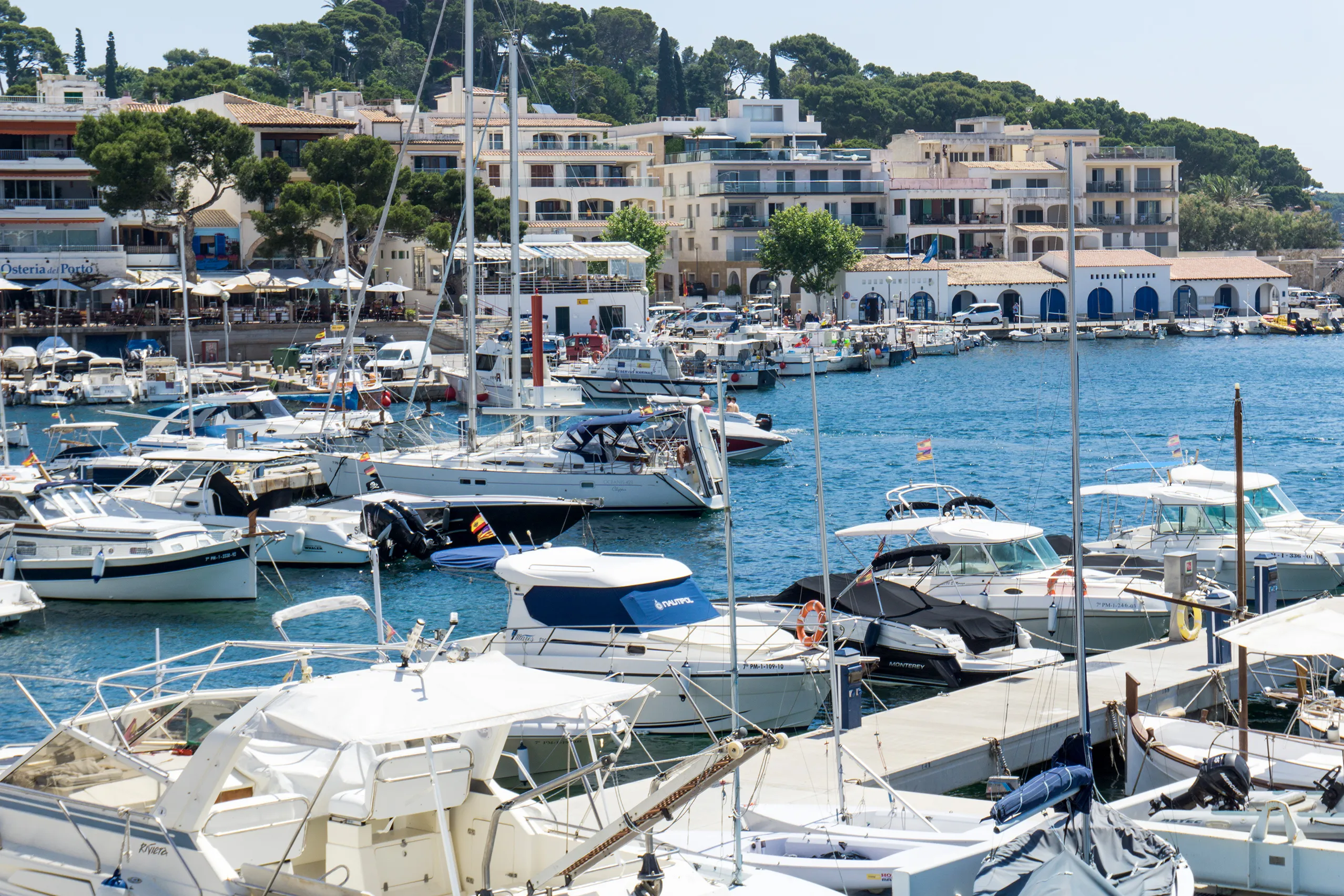
Cala Ratjada
A working fishing harbour and lively holiday resort on Mallorca's north-east coast. Three different beaches are within reach on foot, with a 19th-centur…
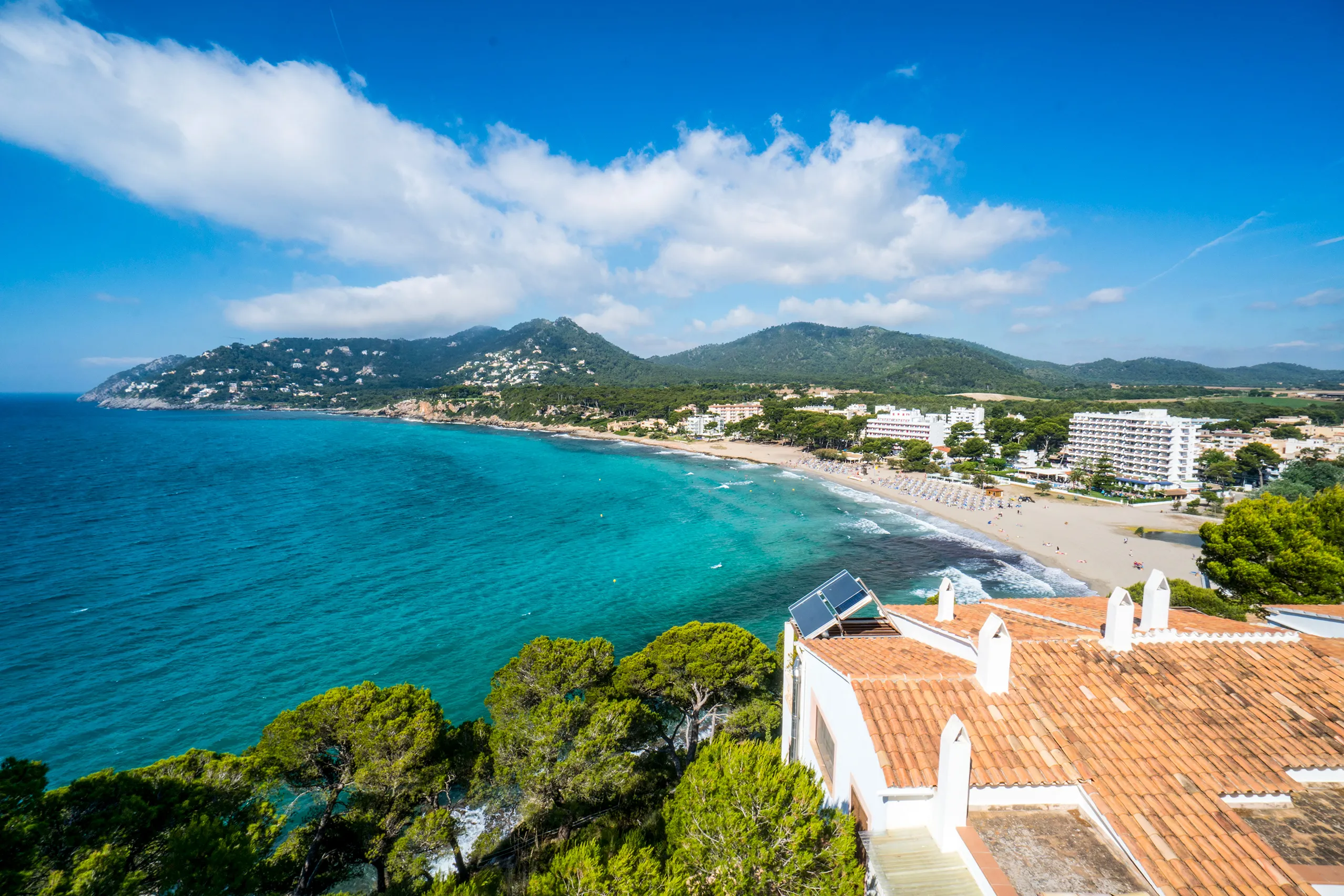
Canyamel
A sandy bay backed by pine-covered slopes, a handful of hotels and a golf course. Canyamel is one of the quieter beach resorts in the north-east, with t…
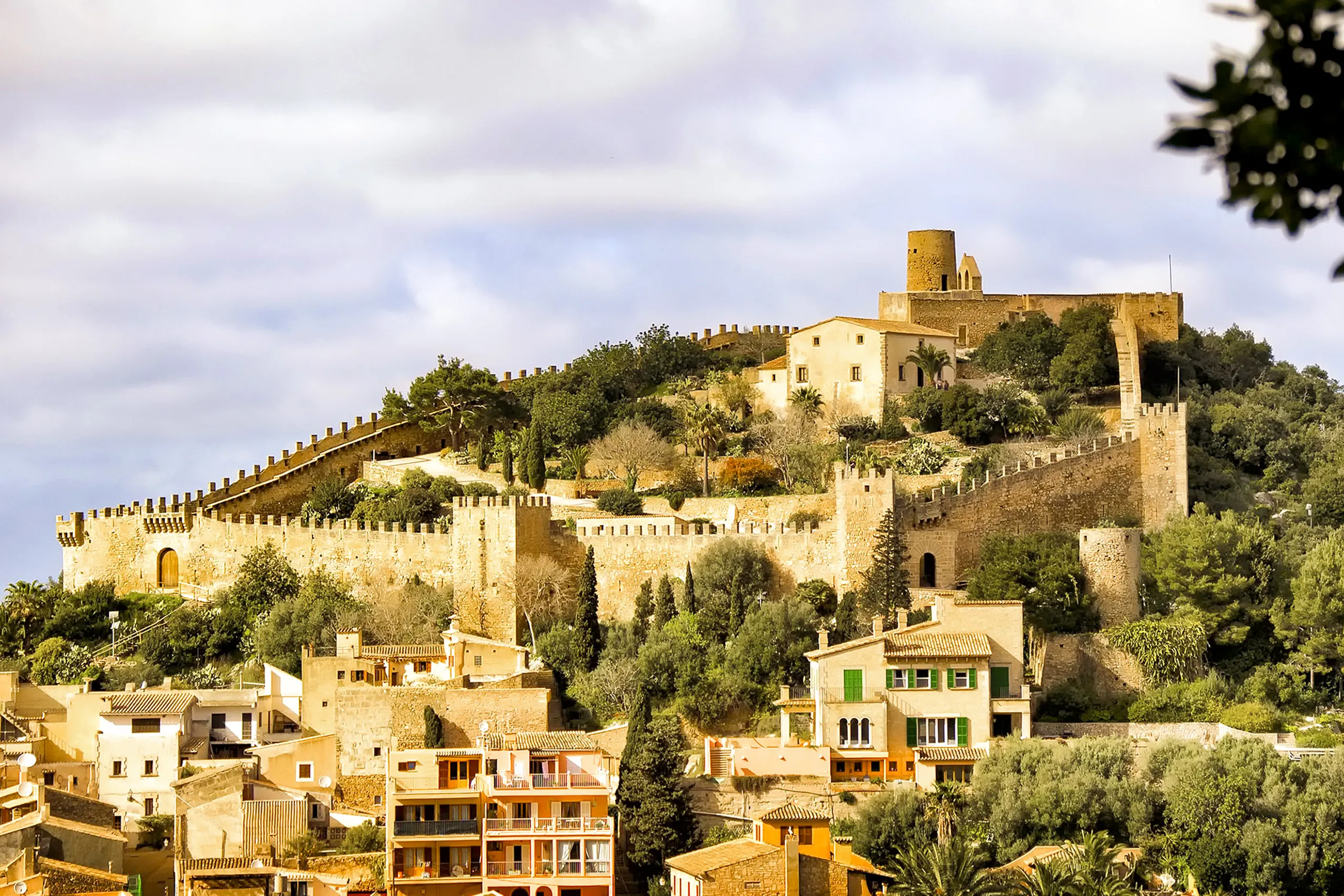
Capdepera
Founded by royal order in 1300, Capdepera rises beneath a large medieval fortress. Explore the stone lanes and walk the castle walls; in May, the Mercat…
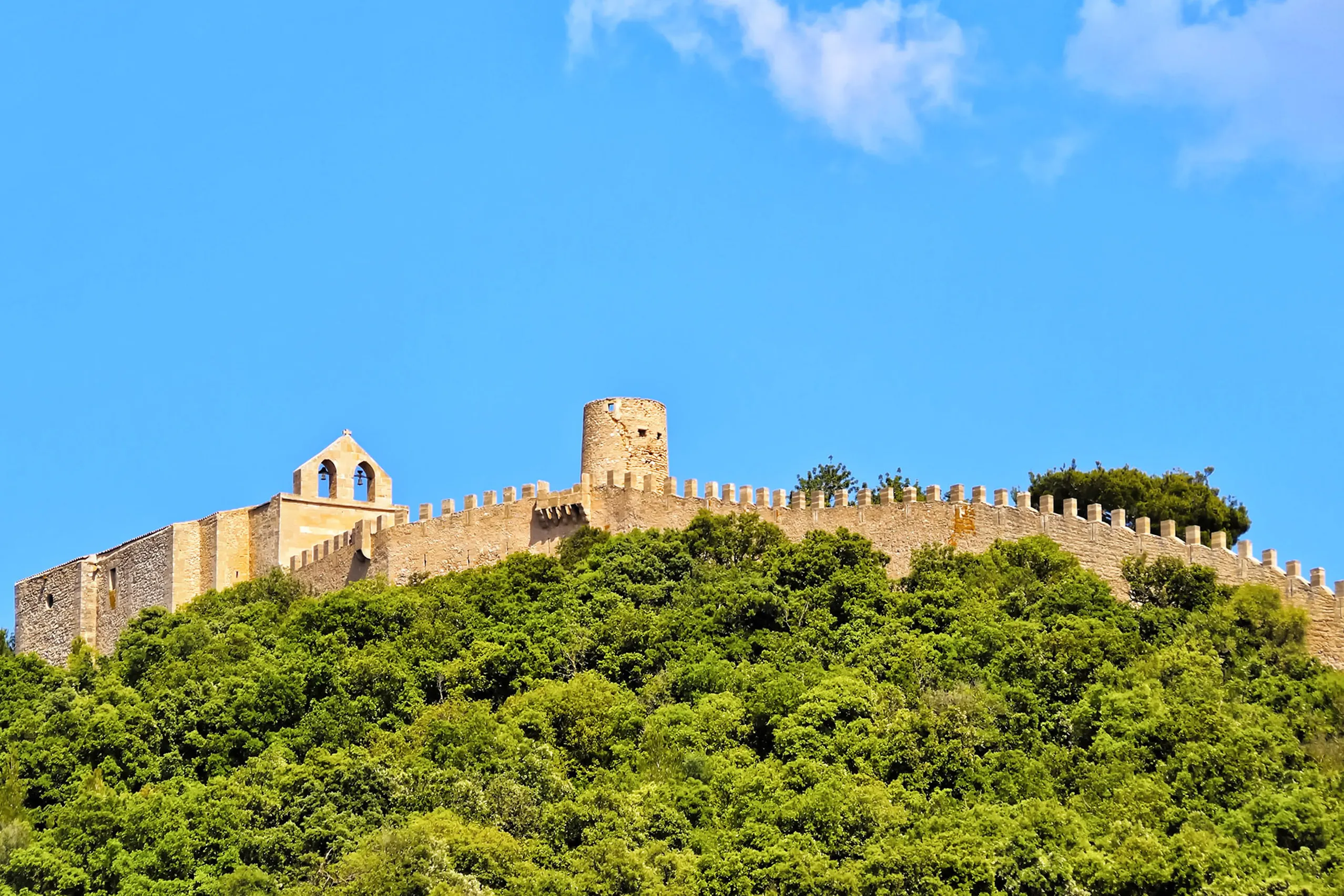
Castell de Capdepera
Above Capdepera stands a former walled settlement, with walkable defensive walls, the Miquel Nunis tower and a medieval chapel. Its residents gradually…
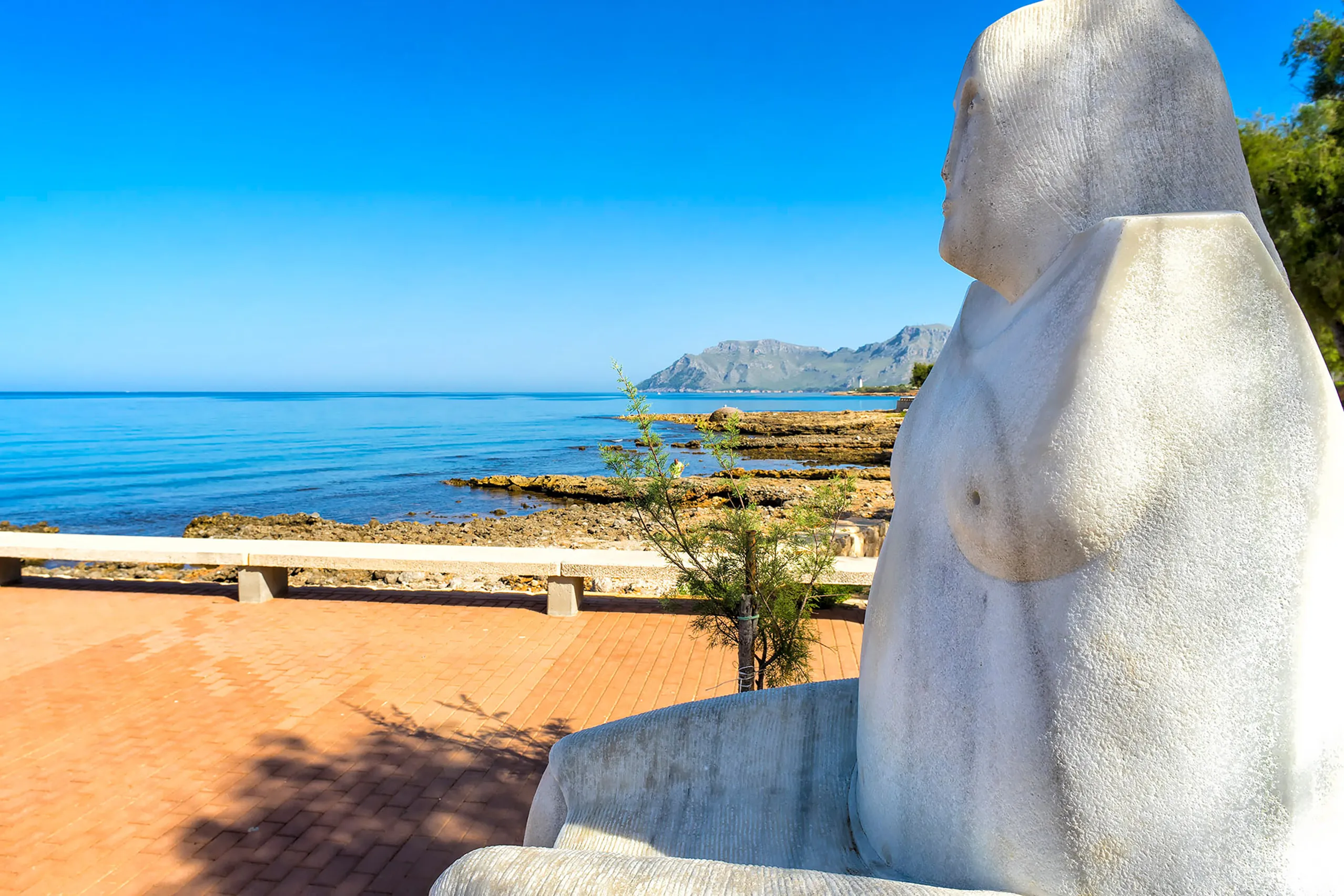
Colònia de Sant Pere
Founded in 1880, this small coastal town has a harbour, a short beach and a promenade with a handful of restaurants, backed by the mountains of Artà. A…
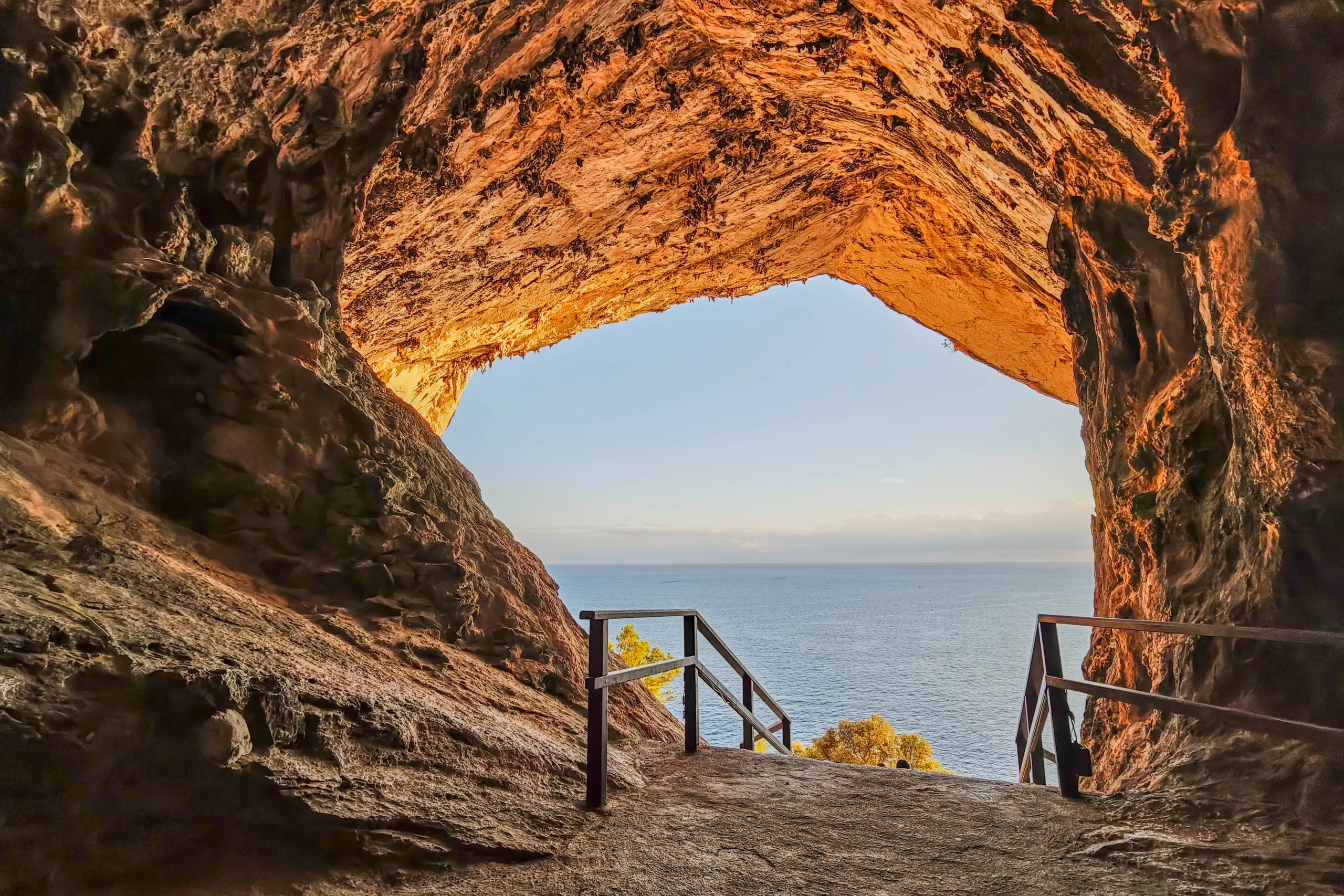
Coves d'Artà
A limestone cave with a huge opening above the sea near Canyamel. Inside, a guided route climbs and descends steps through lofty chambers filled with ro…
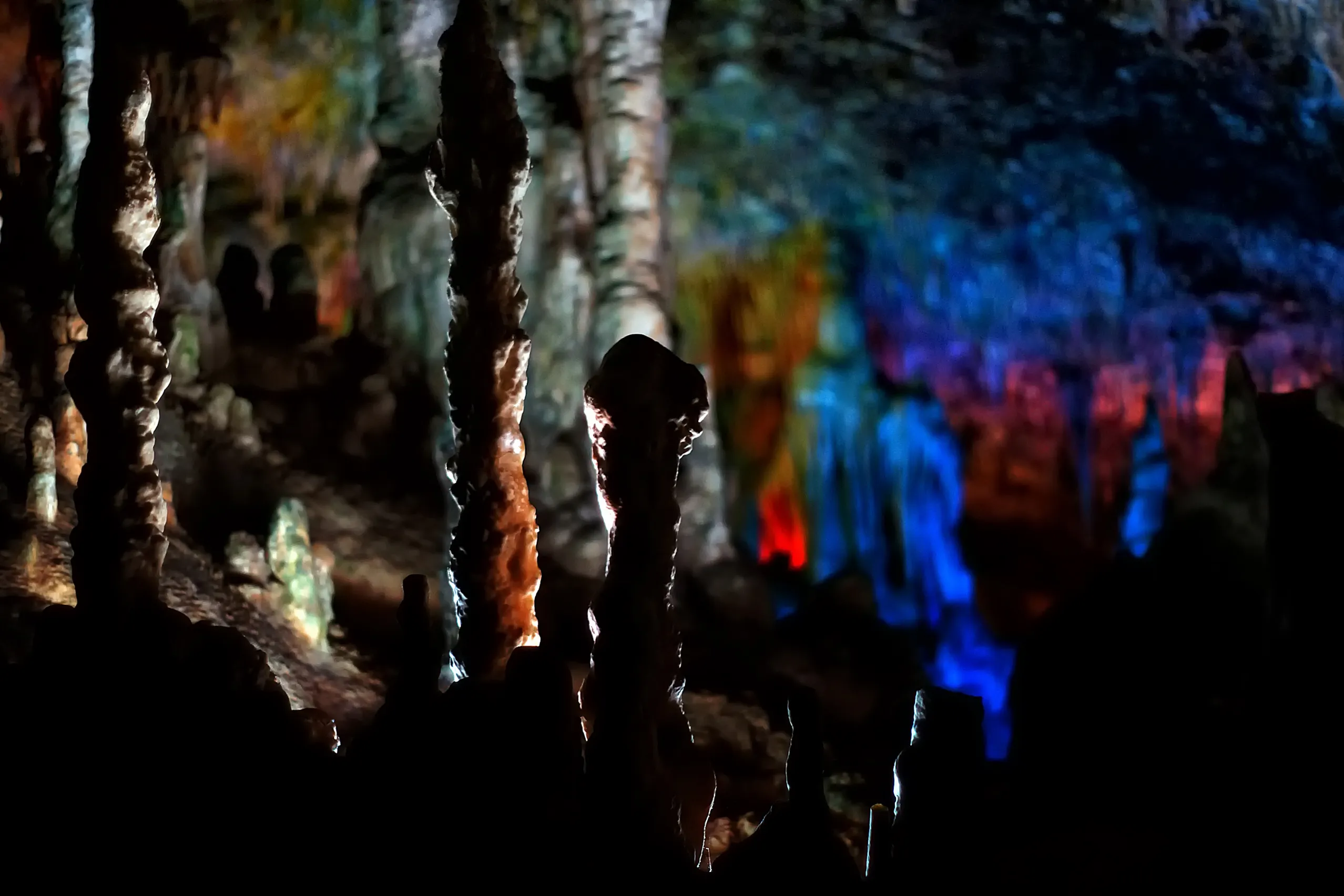
Coves dels Hams
The caves near Porto Cristo take their name from their hook-shaped formations. Smaller than the nearby Coves del Drac, they combine unusual limestone sh…
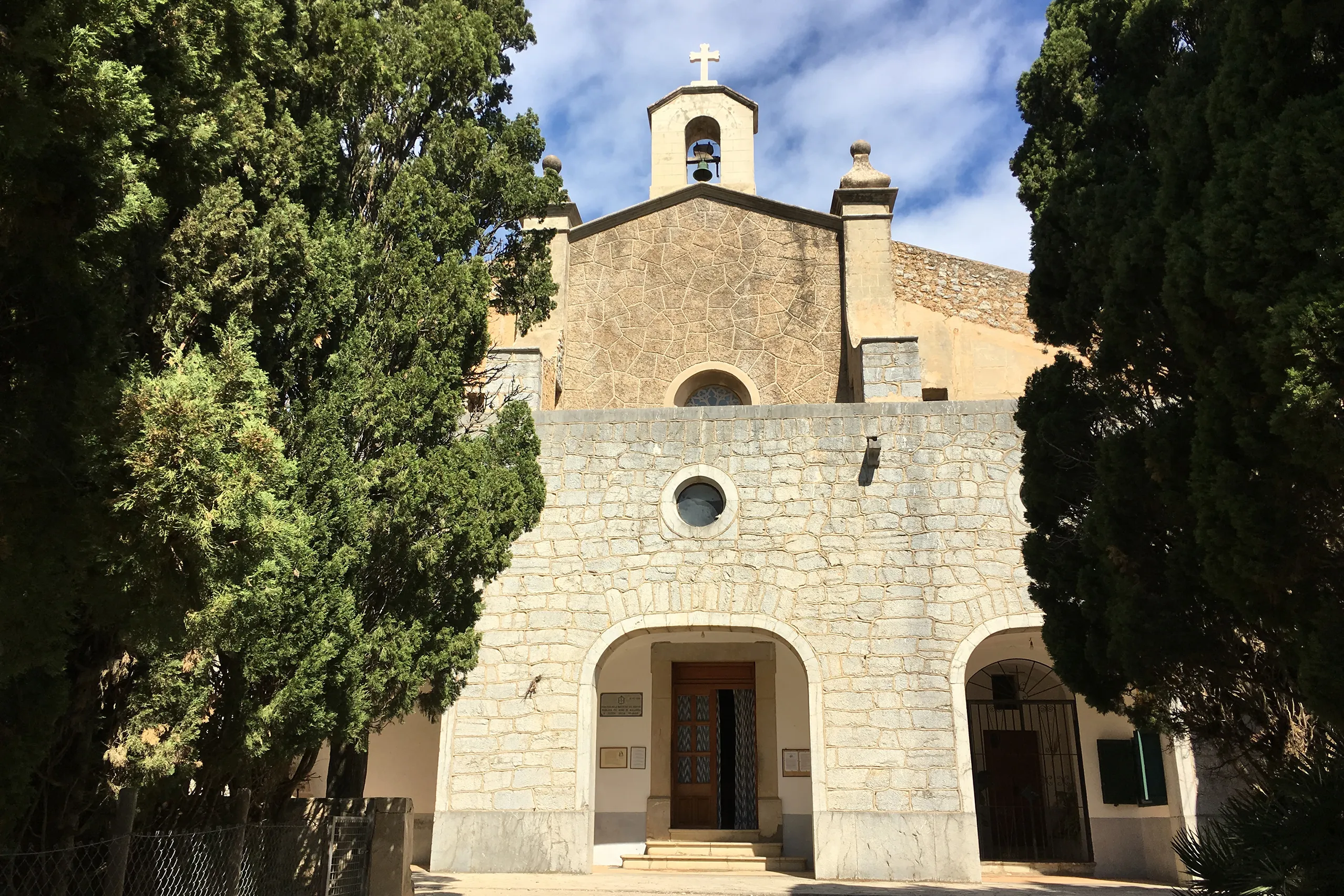
Ermita de Betlem
A hermitage founded in 1805 in the hills of Artà, reached by a narrow, winding road. The last resident hermits left in 2010. You can also walk up from t…
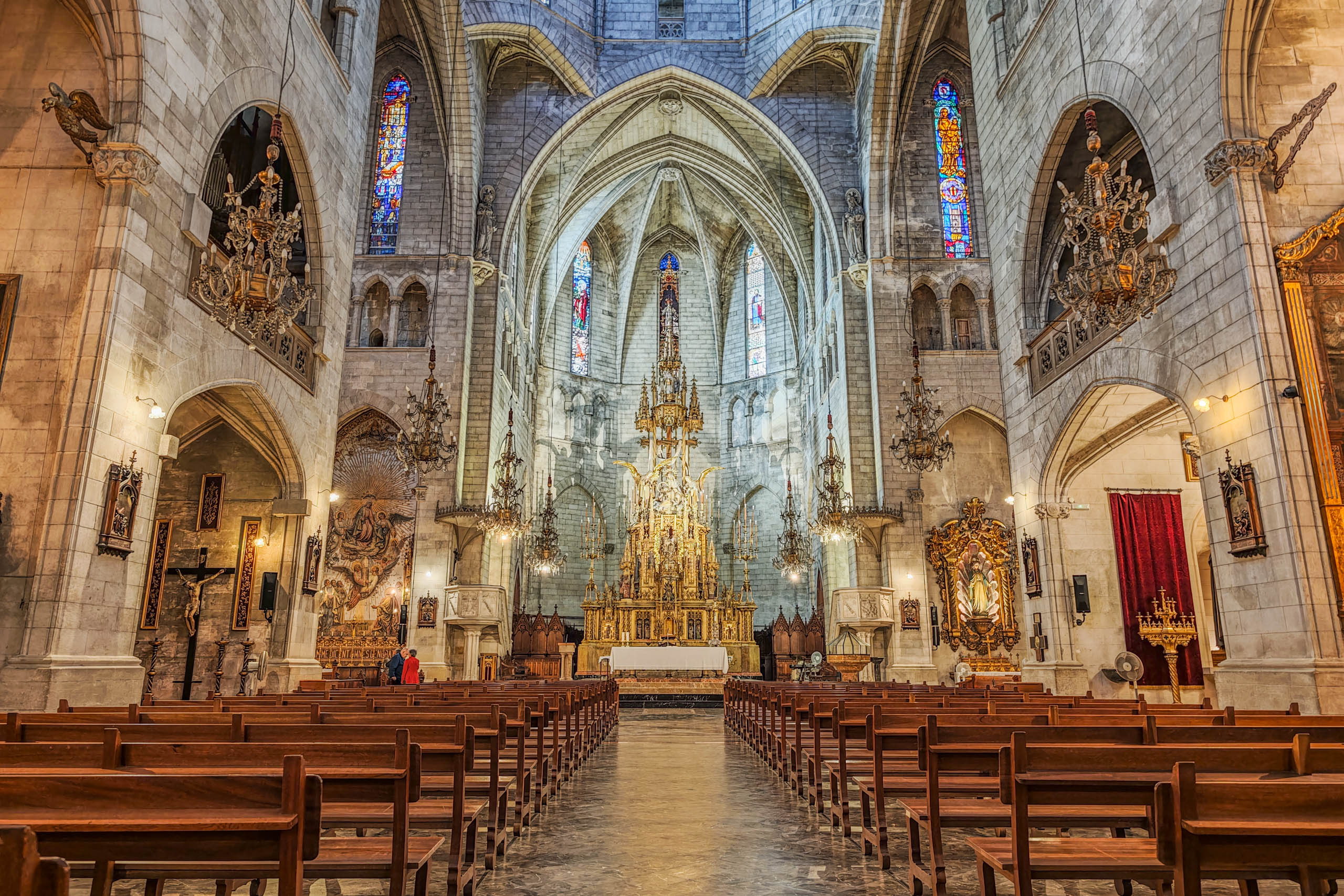
Església de Nostra Senyora dels Dolors
The tall bell tower of Nostra Senyora dels Dolors rises above Manacor’s rooftops. Inside are a lofty vaulted nave, richly decorated side chapels and a l…
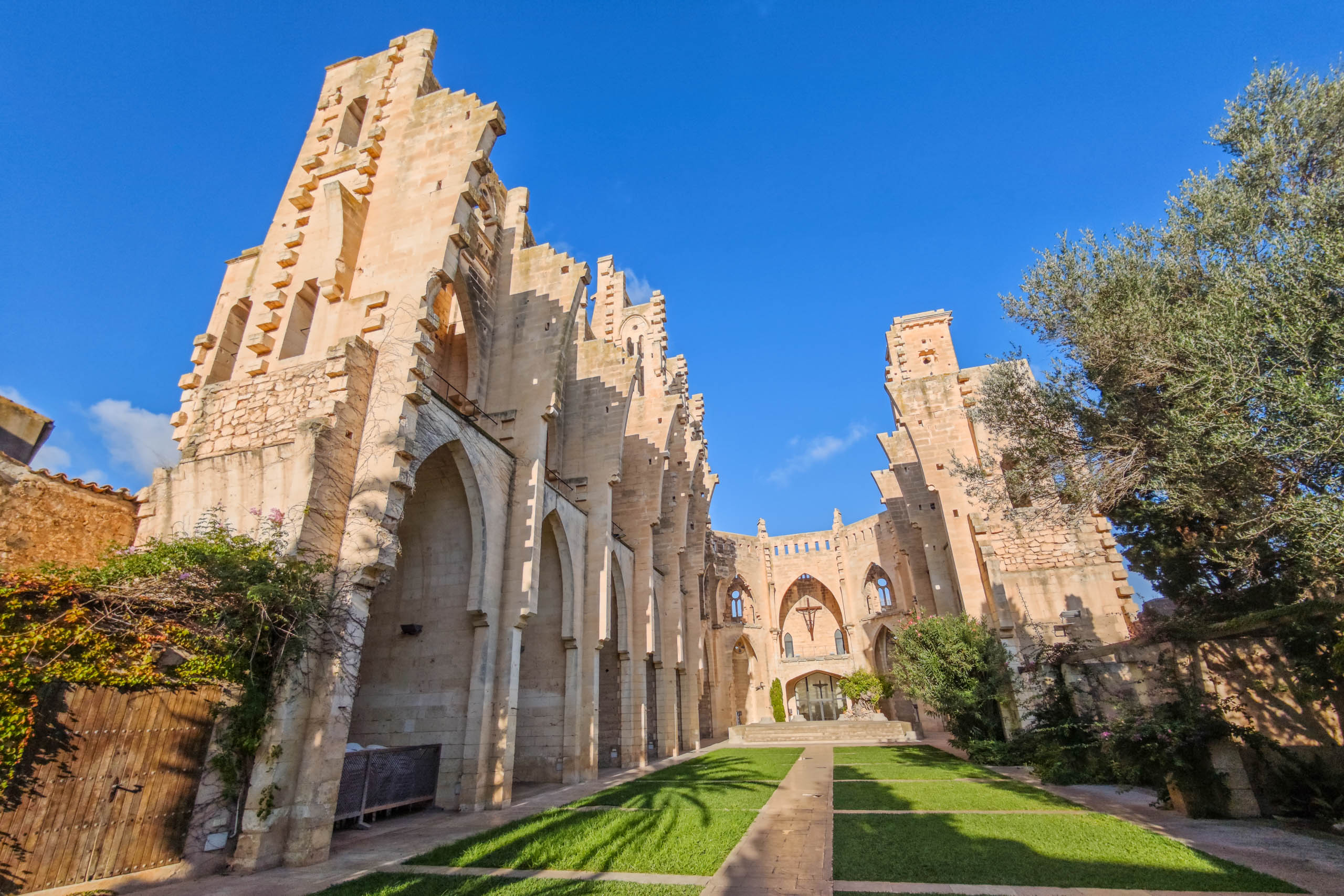
Església Nova
A church without a roof stands in the middle of Son Servera. Beyond Església Nova’s iron gate, garden paths pass between high walls and pointed arches,…
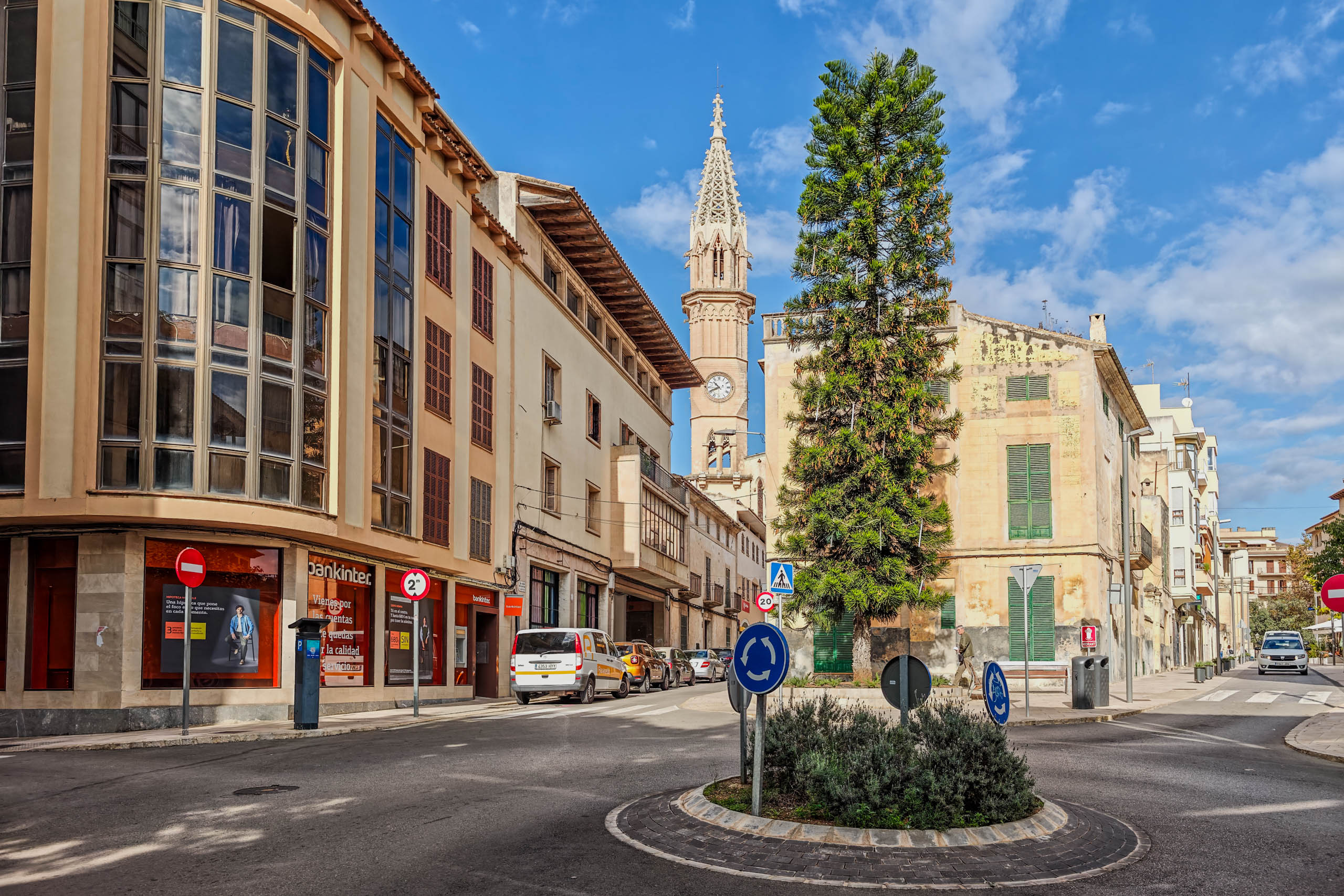
Manacor
Manacor is a town for wandering, shopping and watching everyday life. Café-lined squares open between shops, narrow lanes run through the old centre, an…
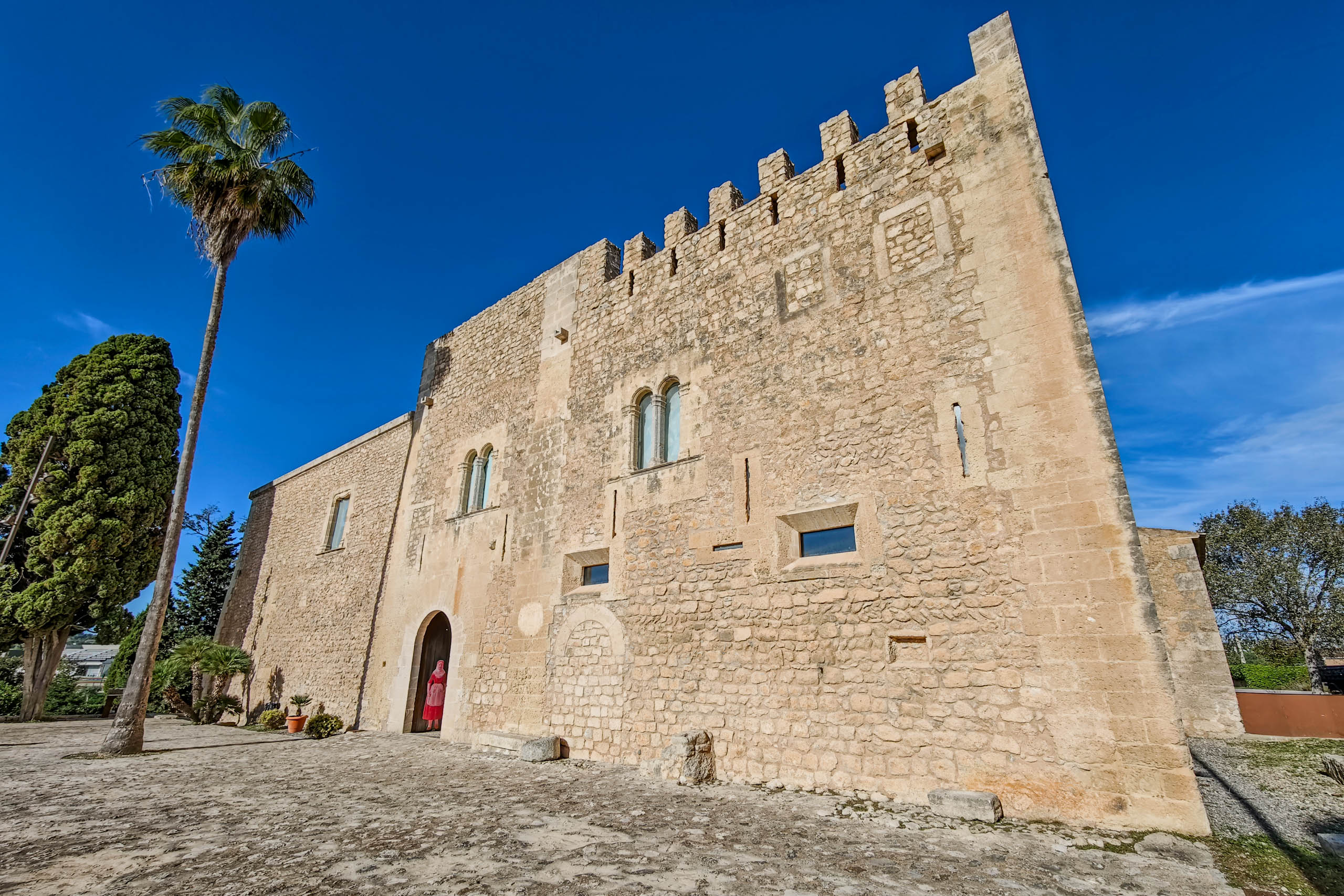
Museu d'Història de Manacor
Behind the Rafa Nadal Sports Center is a museum worth taking time over. Inside Torre dels Enagistes, the galleries explore the history of Manacor and it…
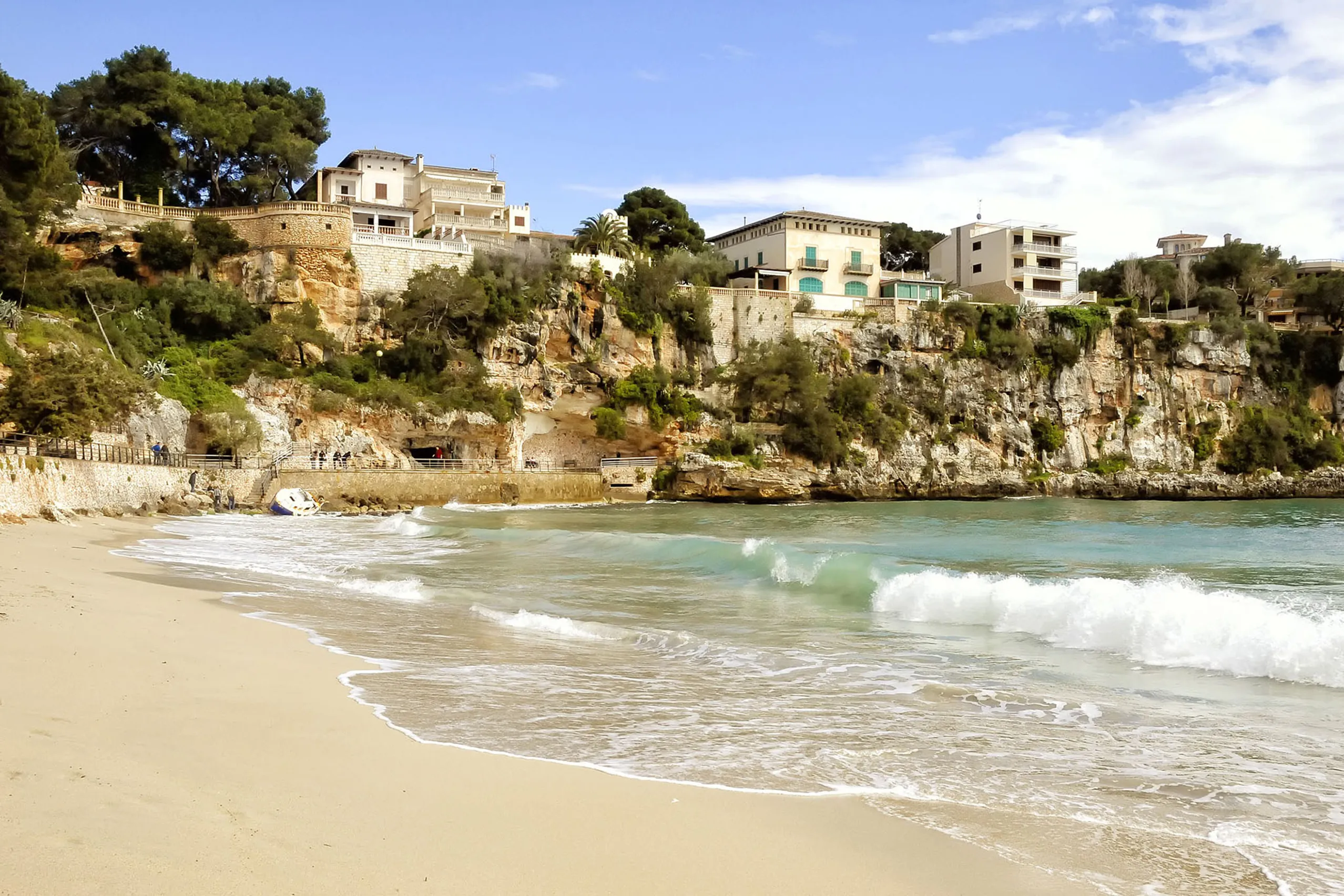
Porto Cristo
A town with two different daily moods. From ten until four, coaches bring visitors to the Coves del Drac. Before and after, Porto Cristo is a quiet harb…
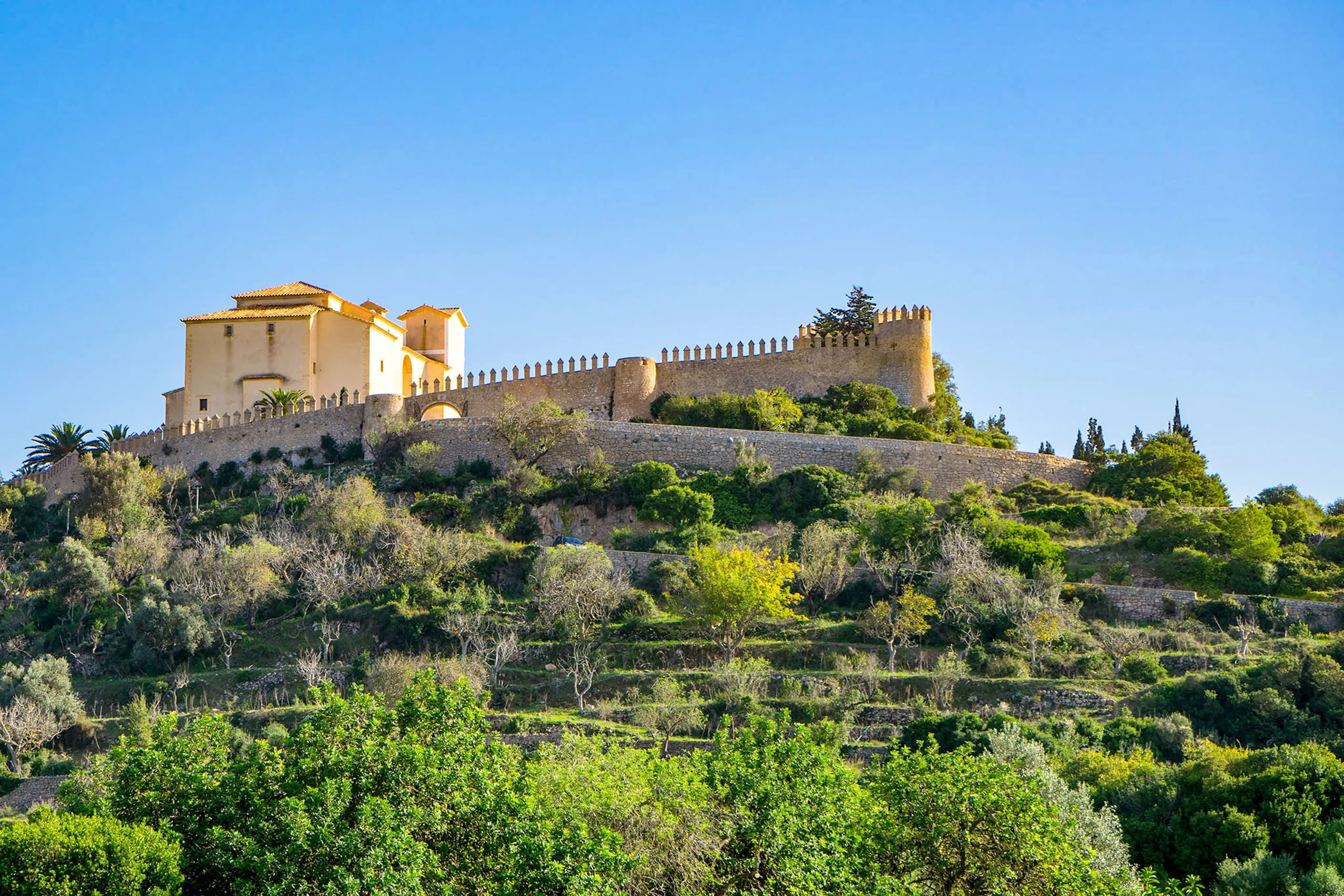
Santuari de Sant Salvador (Artà)
A fortress with a church inside, high above Artà. Walls with nine towers surround a courtyard of palms, an old well and the pilgrimage church. The climb…
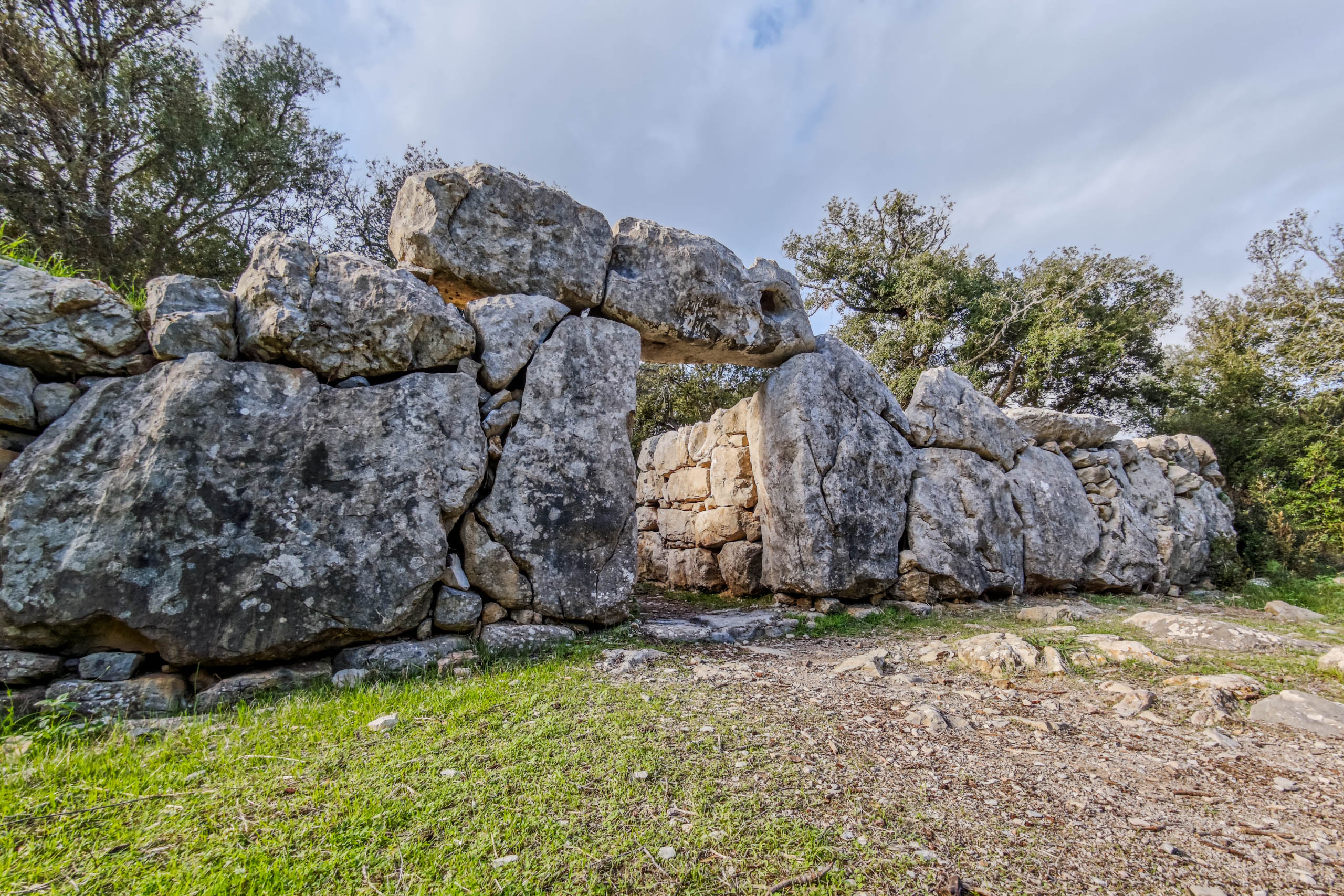
Ses Païsses
Behind a wall of enormous stone blocks on the edge of Artà lies a Talayotic settlement with around 3,000 years of history. Paths beneath old trees lead…
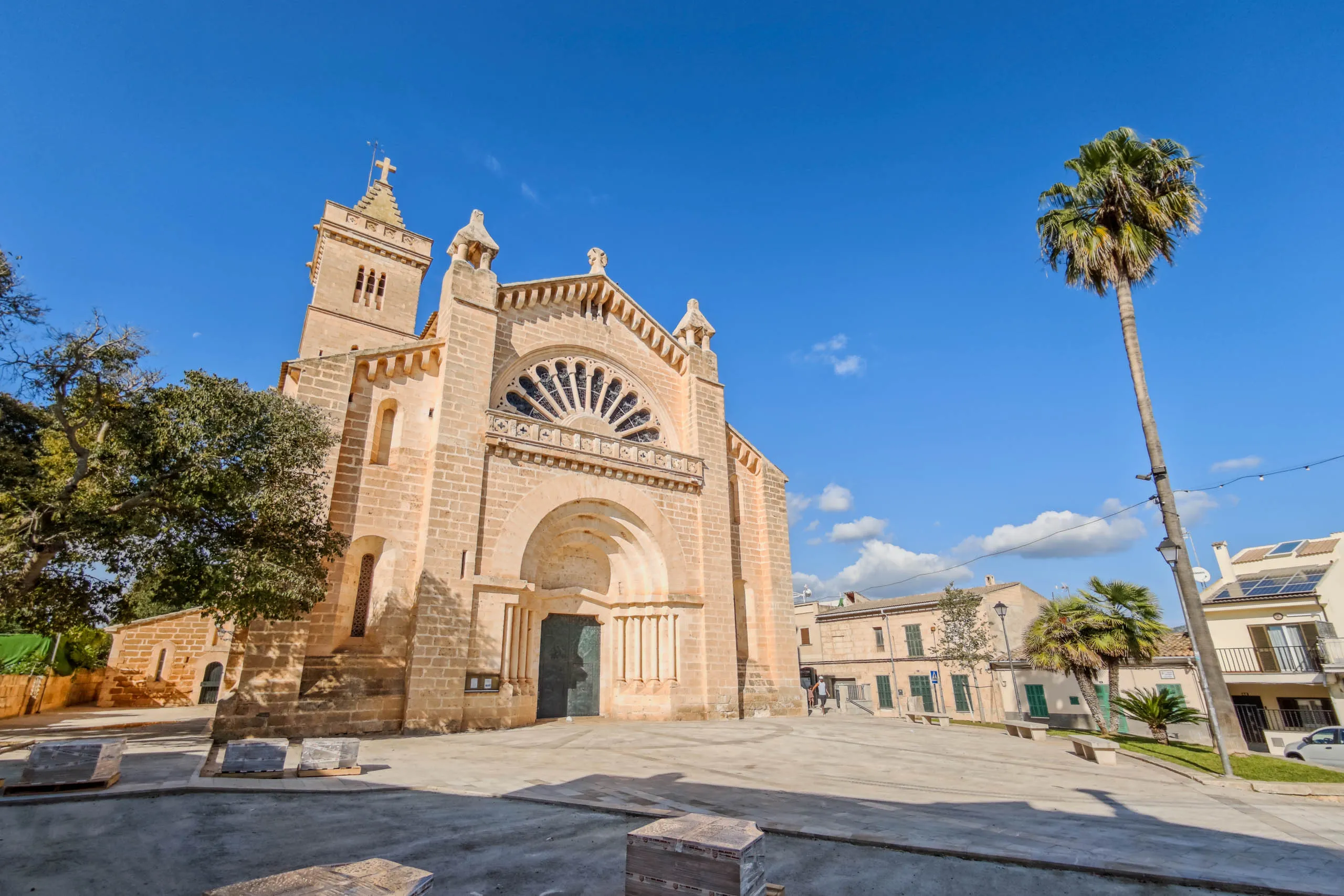
Son Carrió
A village inland from Sa Coma and Cala Millor with a church that seems far too grand for its size. Sant Miquel has an arched entrance, a fan-shaped wind…
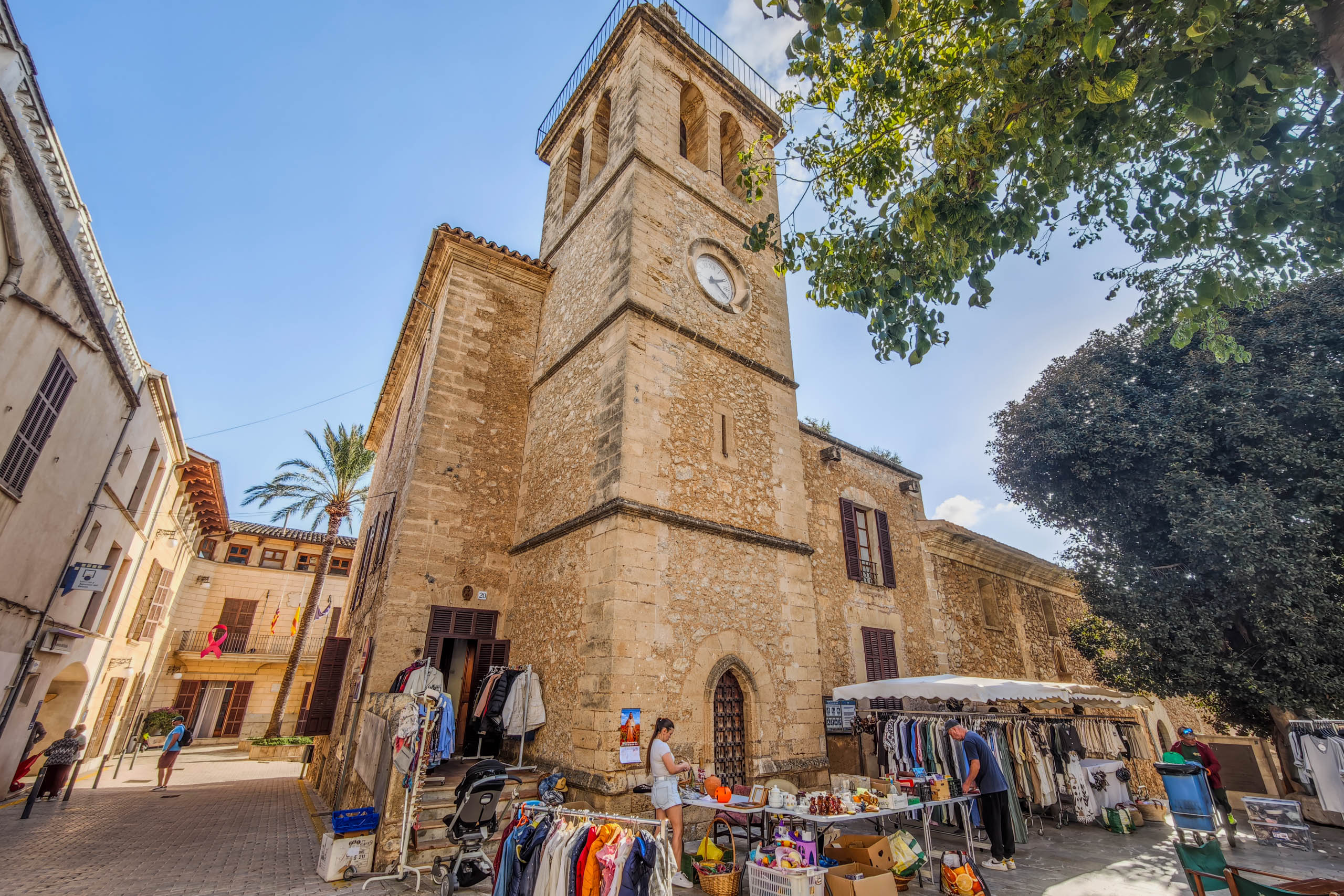
Son Servera
Son Servera lies inland from Cala Millor and Cala Bona. Cafés surround Plaça de Sant Joan, and Friday market stalls fill the centre. A few steps away st…
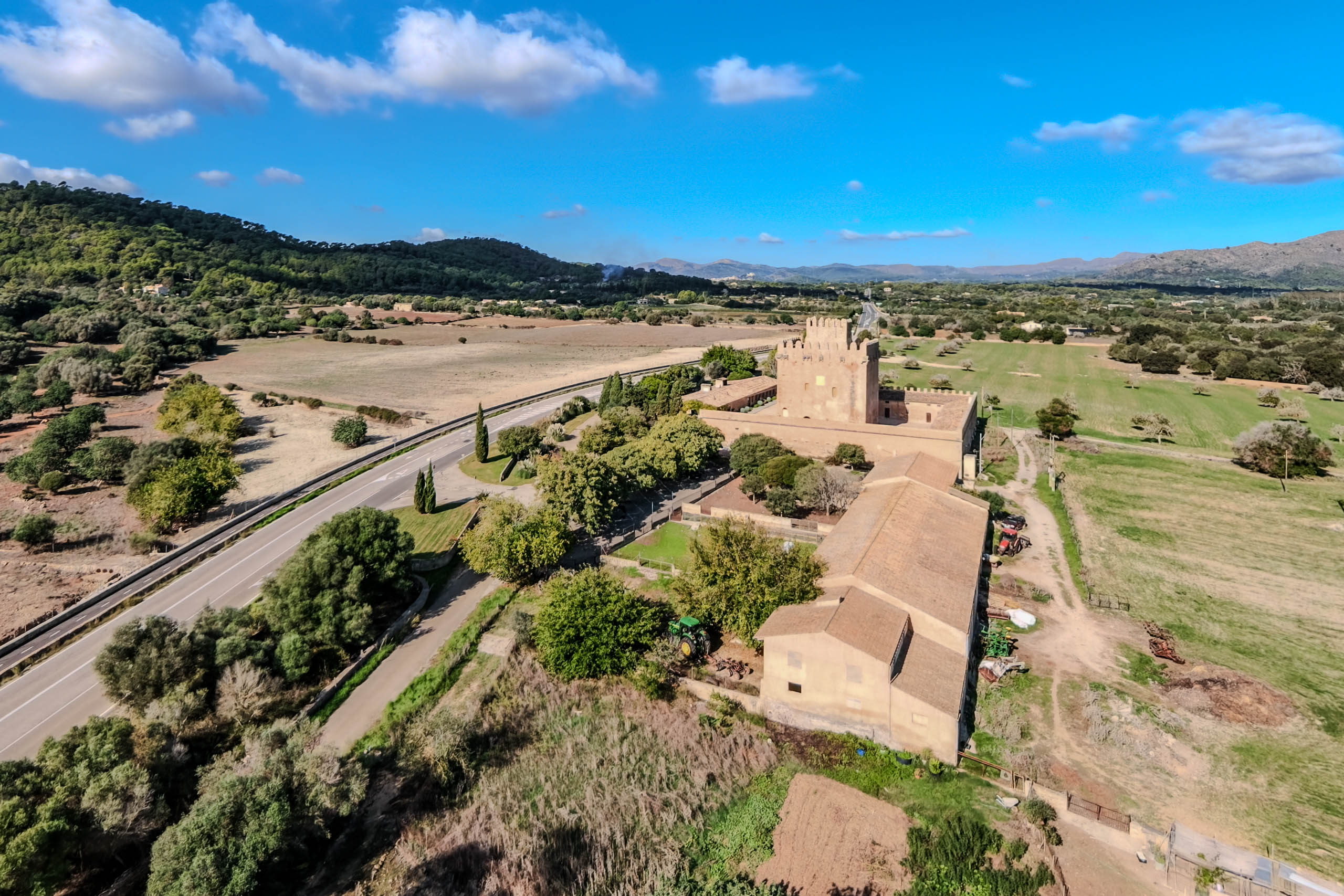
Torre de Canyamel
Torre de Canyamel stands in the valley beside the road to the coast. The imposing 13th-century defensive tower rises above the surrounding farm building…
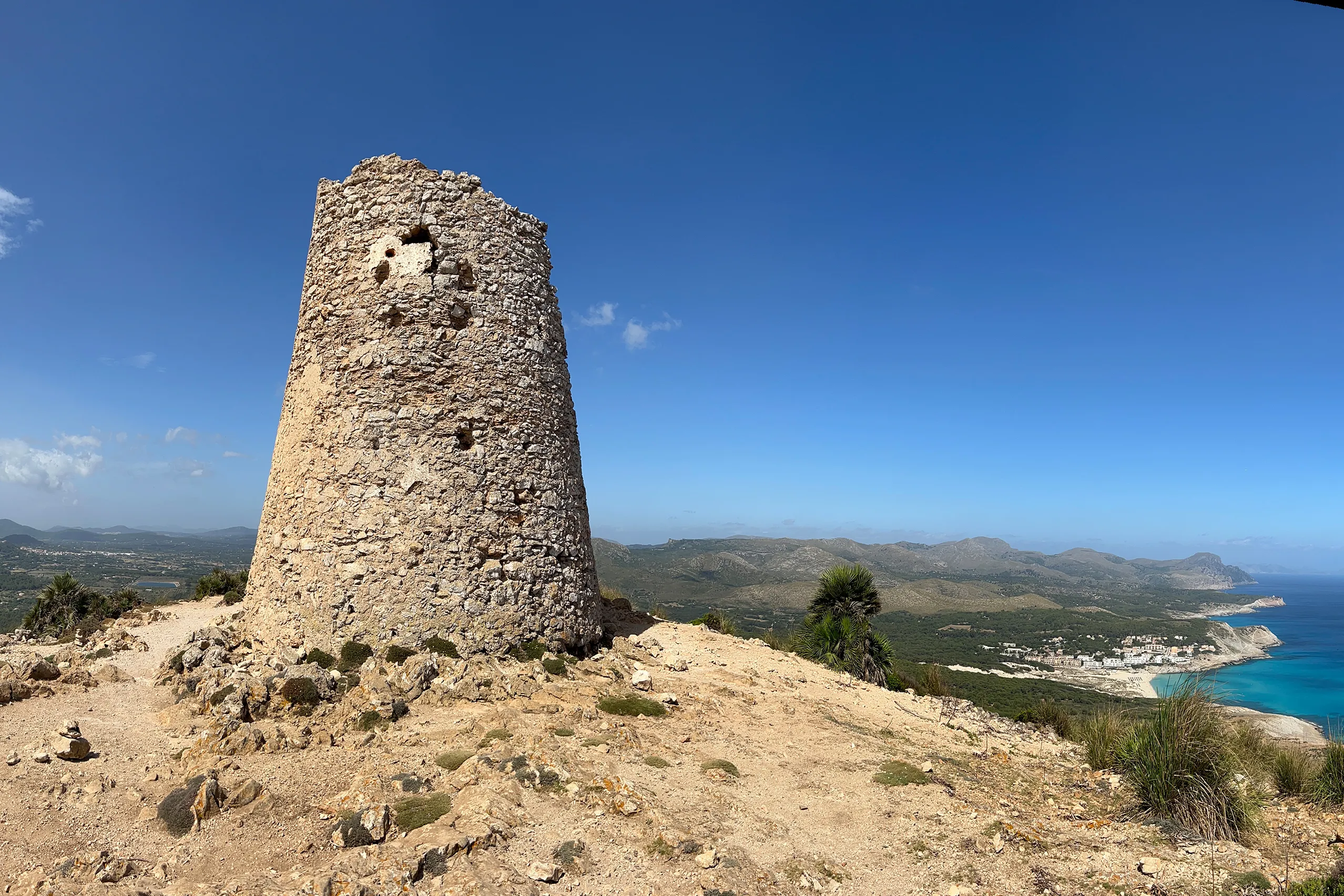
Torre de Son Jaumell
A watchtower dating from 1566 on the summit above Cala Agulla and Cala Mesquida, now a ruin. The walk up takes just under an hour, with views across the…
Where it is
Llevant on Mallorca
- In Mallorca Fritz
- 27
- Places to explore
- Town: 2, Inland village: 3, Seaside resort: 6, Cove: 5, Place to visit: 11
- By the sea
- 11 of 27 places
- Largest place
- Capdepera , 12,200 residents
- Highest place
- Ermita de Betlem , 280 m above sea level
- Area
- About 14% of the island
All 27 places in the region Open Google Maps
The shaded area is not an administrative boundary. Mallorca’s comarques have no officially defined boundaries. It shows which part of the island is closest to this region’s places, calculated from the coordinates in the place guides.