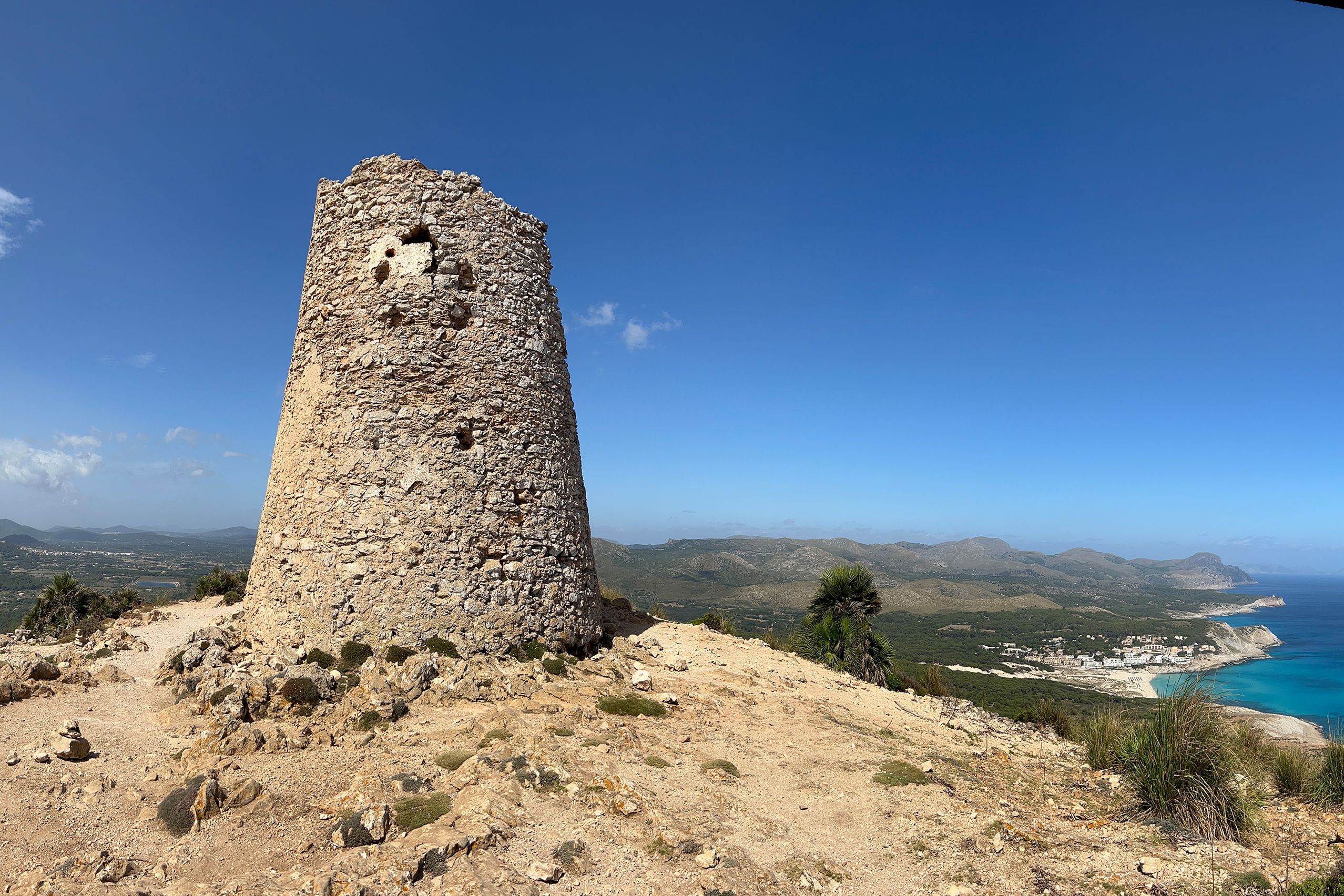
A watchtower dating from 1566 on the summit above Cala Agulla and Cala Mesquida, now a ruin. The walk up takes just under an hour, with views across the island's eastern tip.
Torre de Son Jaumell
Torre de Son Jaumell in 30 seconds
The essentials at a glance
- Worth visiting for
- A short visit
- Best for
- Sure-footed walkers and coastal views
- Best months
- January–May, October–December
- Time to allow
- Two to three hours for the return walk and a break at the top
- Without a car
- Easy enough
- Parking
- Paid parking at Cala Agulla, or on the edge of Cala Mesquida
- Highlight
- A ruined watchtower above Cala Agulla and Cala Mesquida
- Keep in mind
- An easy, step-free stroll to a viewpoint
- Access
- Pushchairs: Not suitable · Wheelchairs: Not suitable
Get a feel for Mallorca. Find your kind of place.
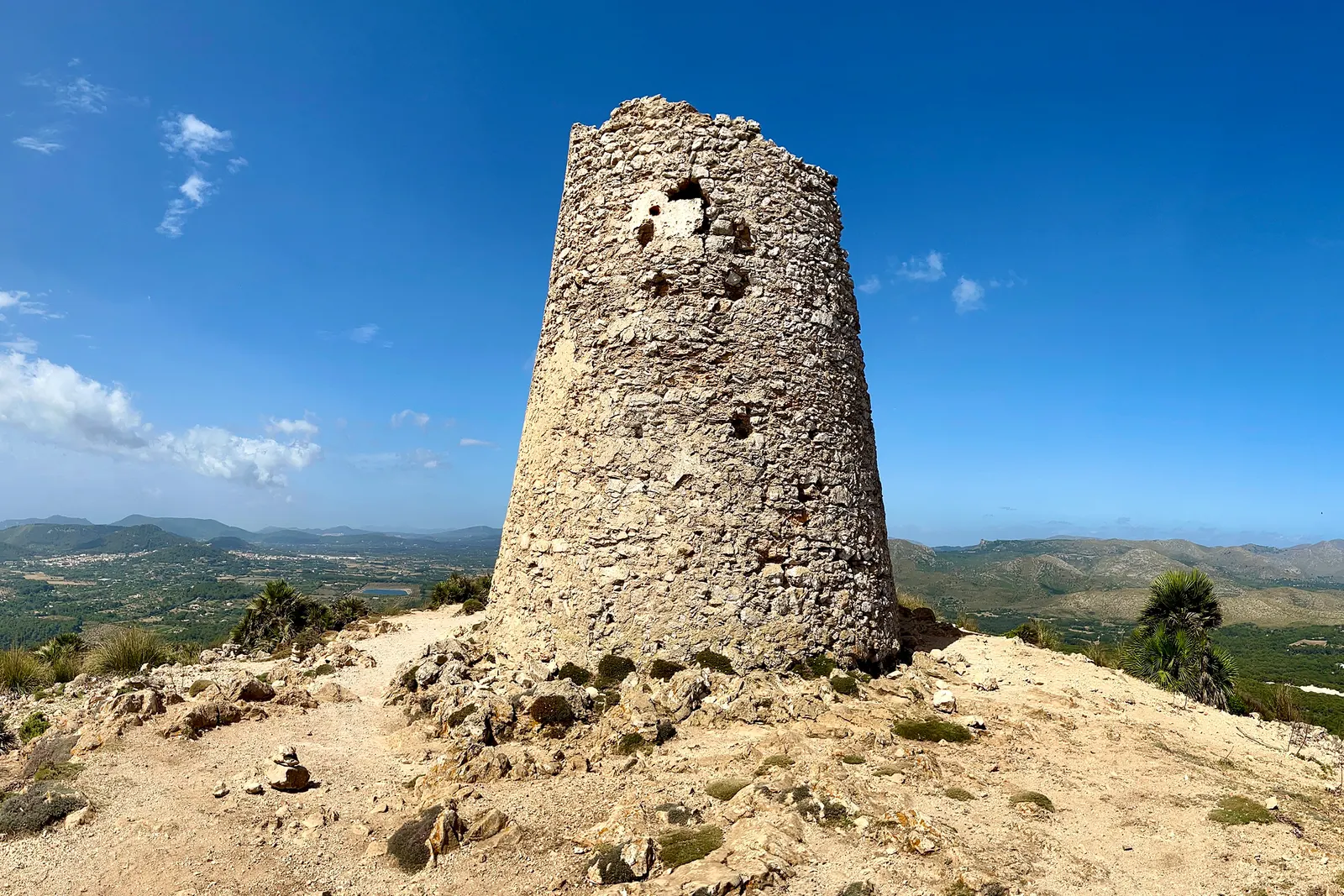
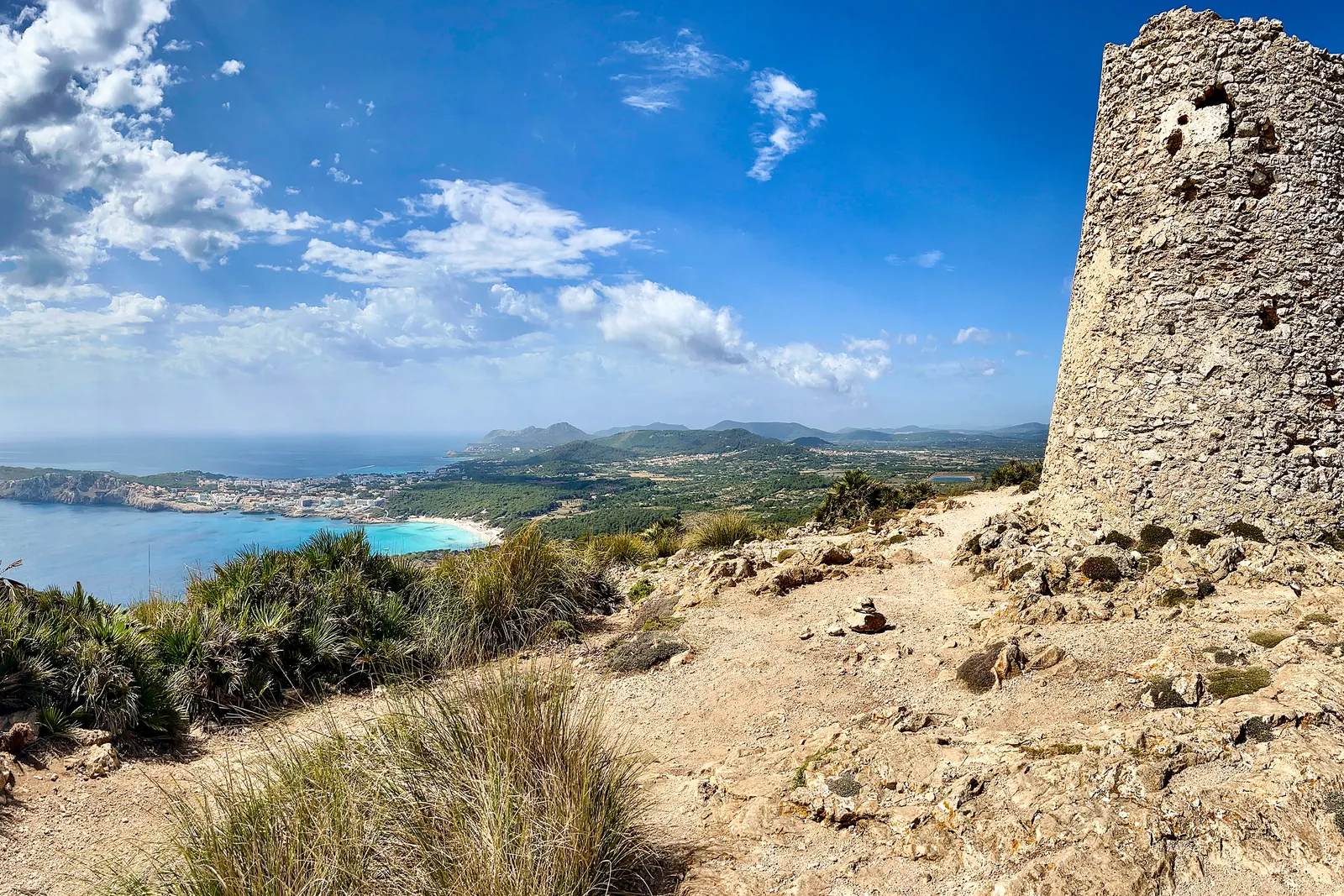
The wall openings served as observation points rather than ordinary windows.
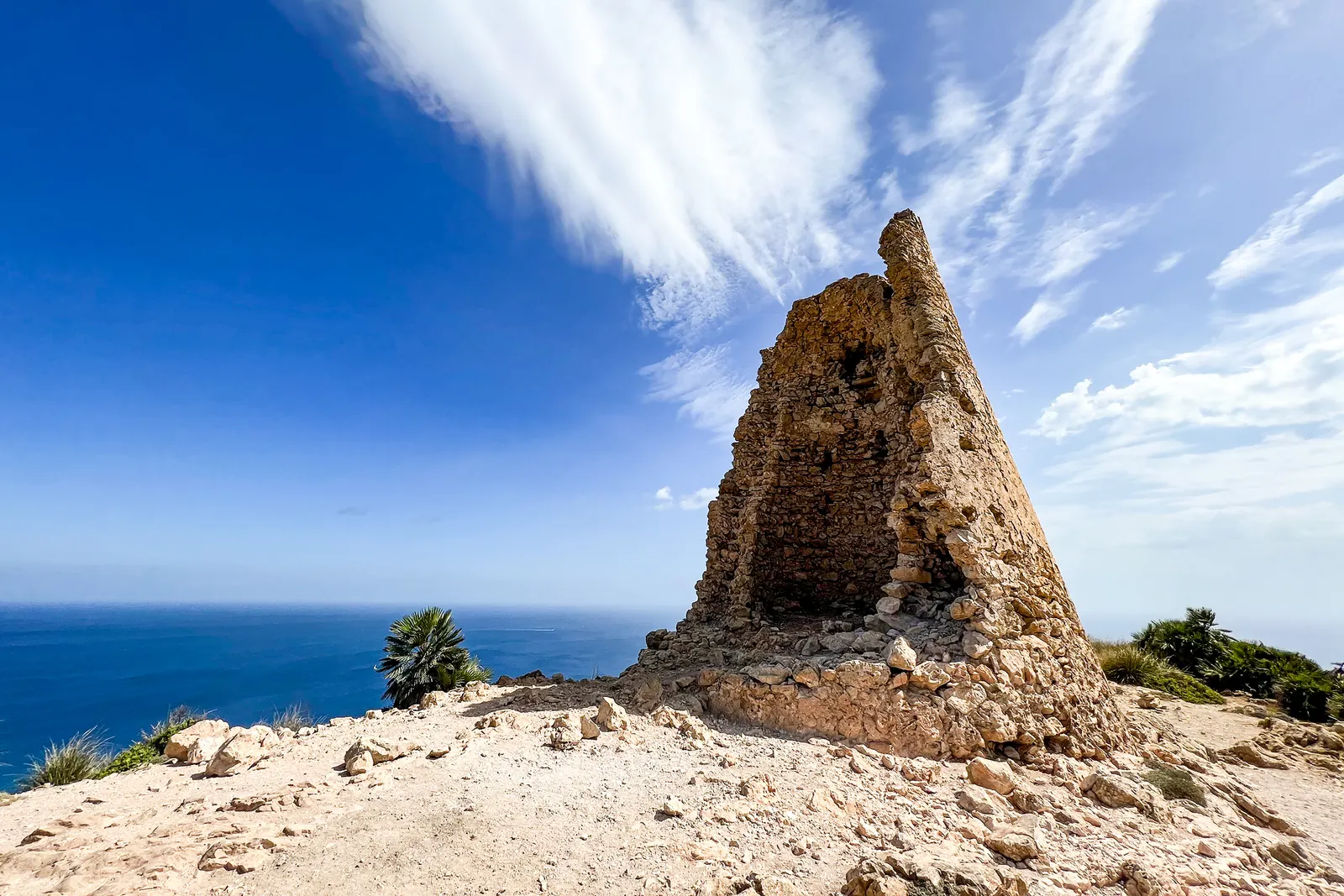
Part of the tower is missing, leaving this side especially exposed to the wind.
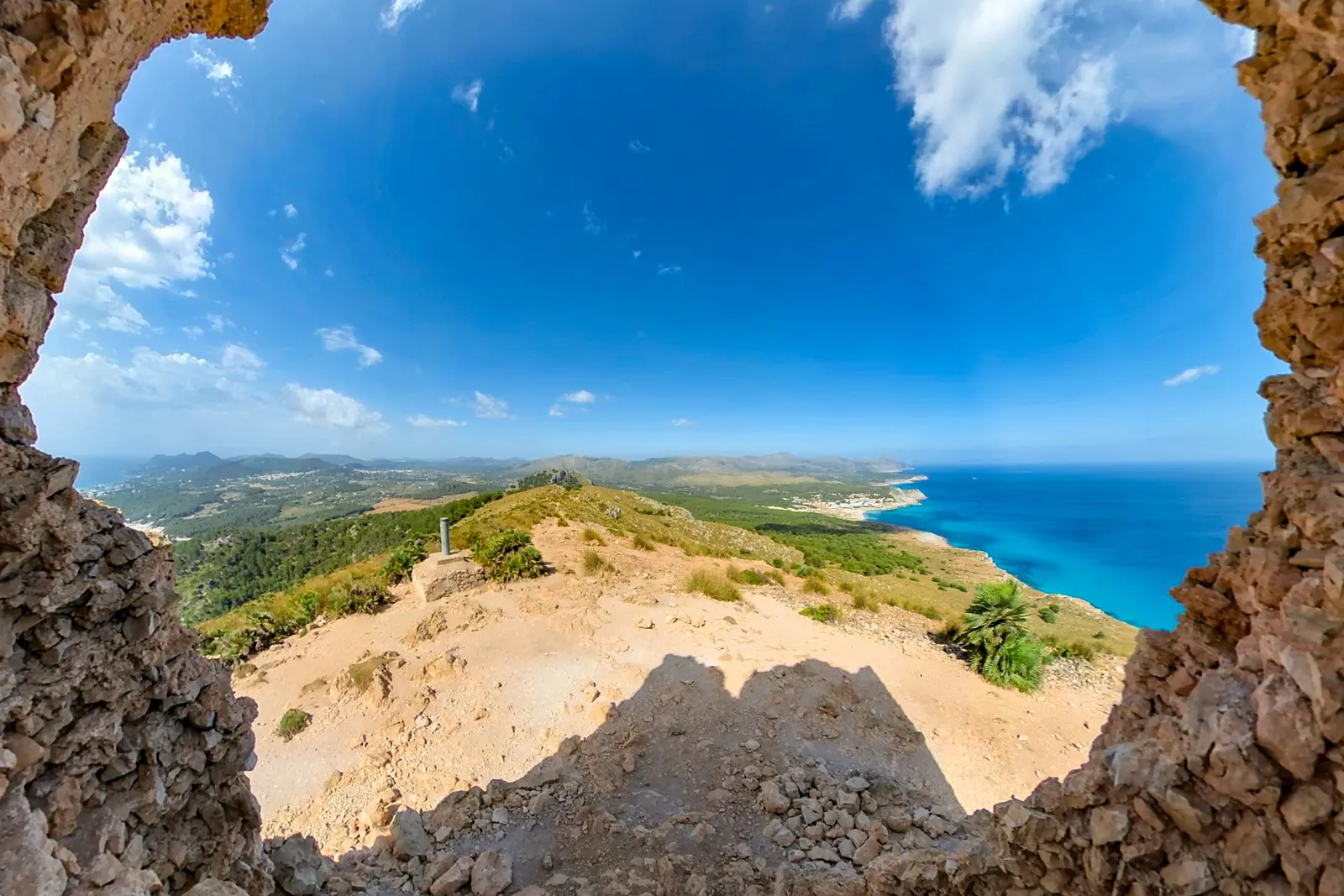
Through the opening, a lookout could see the coastline and ships approaching it.
Drive from the airport
80 minutes
80 km
Bus connections
To Cala Agulla or Cala Mesquida
Region
Llevant
Nearest beach
Cala Moltó
1 km
Elevation
271 m
above sea level
Season guide for Torre de Son Jaumell
November Worth a visit
Very quiet Open
Worth visiting in January, February, March, April, May, October, November and December. Less suitable in July and August.
Location
Location of Torre de Son Jaumell
- Region
- Llevant
- Municipality
- Capdepera
- Elevation
- 271 m above sea level
- Airport
- 80 km , around 80 minutes
- Hire car
- not essential
- Worth visiting for
- a brief stop
- Coordinates
- 39.7331,3.4467
Why the tower was built
Torre de Son Jaumell was built in the 16th century, commonly dated to 1566, as part of a warning system along Mallorca’s coast. Towers stood within sight of one another. When a pirate attack threatened, smoke or fire signals carried the warning inland.
The tower was around ten metres high. Today, only a roofless round ruin remains, with part of one side missing.
It stands on Es Telègraf, 271 metres above the coast. The hill’s name reflects the continuation of that role: signals were still sent from here in the 19th century.
Two routes up
From Cala Agulla: roughly three kilometres from the car park, taking about fifty minutes. The climb is steady and technically straightforward, making it the better option if you have little mountain-walking experience.
From Cala Mesquida: a shorter but much steeper route, taking about an hour.
Both cross natural ground, rock and scree. Neither offers shade.
What to bring
Wear sturdy footwear and bring plenty of water and sun protection. There are no barriers at the tower; stay away from the edge in strong wind.
Avoid climbing at midday in July and August. In dry summers, paths may close because of wildfire risk.
The view from the top
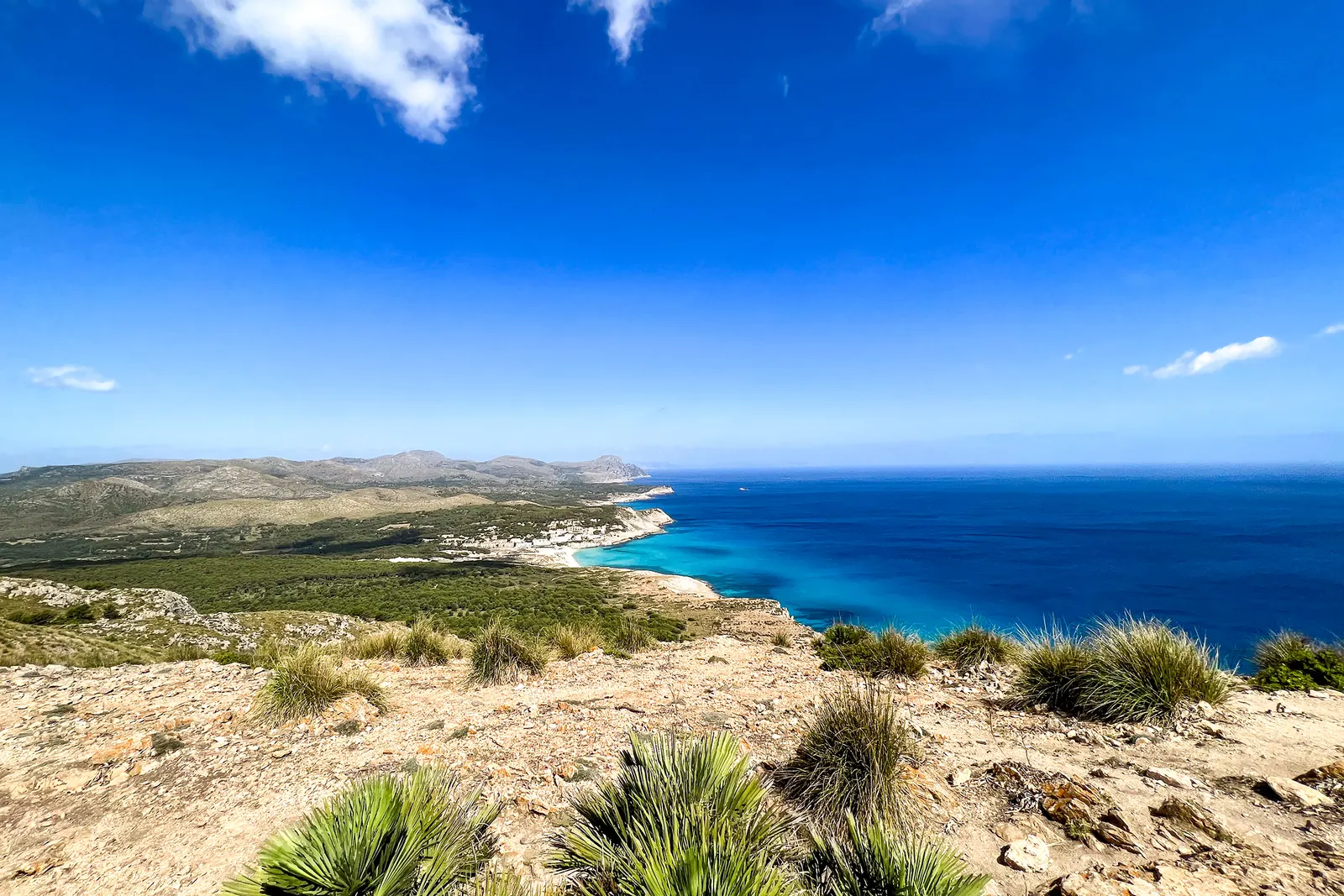
You can see both Cala Agulla and Cala Mesquida, along with Cala Ratjada, the headland and Far de Capdepera, and the inland hills. In clear air, Menorca appears on the horizon.
The tower’s purpose becomes obvious: this is exactly the stretch of coast a lookout needed to watch.
Photographs
Torre de Son Jaumell in Mallorca
Practical details
- Parking
- Paid parking at Cala Agulla, or on the edge of Cala Mesquida
- Time to allow
- Two to three hours for the return walk and a break at the top
- Good to know
- No shade, drinking water or barriers at the tower. Bring plenty to drink, wear sturdy footwear and keep away from the edge in windy conditions.
- Bus
- To Cala Agulla or Cala Mesquida, then on foot only
- Access
- Unsurfaced path across rock, scree and scrub, climbing throughout · Pushchairs: Not suitable · Wheelchairs: Not suitable · Dogs: Keep on a lead and watch for grazing animals
- What you will not find
- Shade · Drinking water · A surfaced path · Barriers at the tower
- Coordinates
- 39.7331,3.4467 Google Maps Apple Maps
Within reach
Places to visit
Nearby

Above Capdepera stands a former walled settlement, with walkable defensive walls, the Miquel Nunis tower and a …
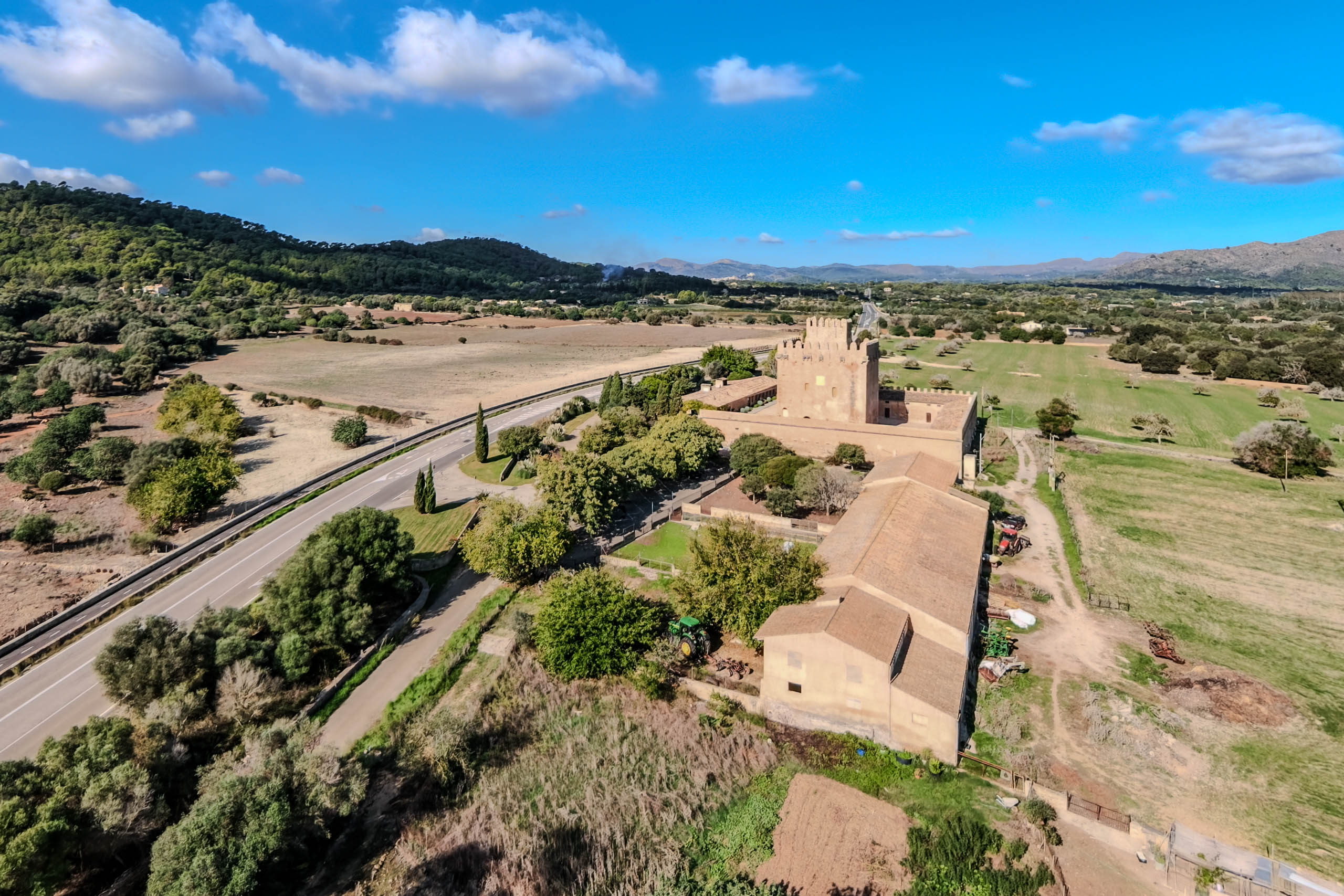
Torre de Canyamel stands in the valley beside the road to the coast. The imposing 13th-century defensive tower …

A limestone cave with a huge opening above the sea near Canyamel. Inside, a guided route climbs and descends steps …

A fortress with a church inside, high above Artà. Walls with nine towers surround a courtyard of palms, an old …
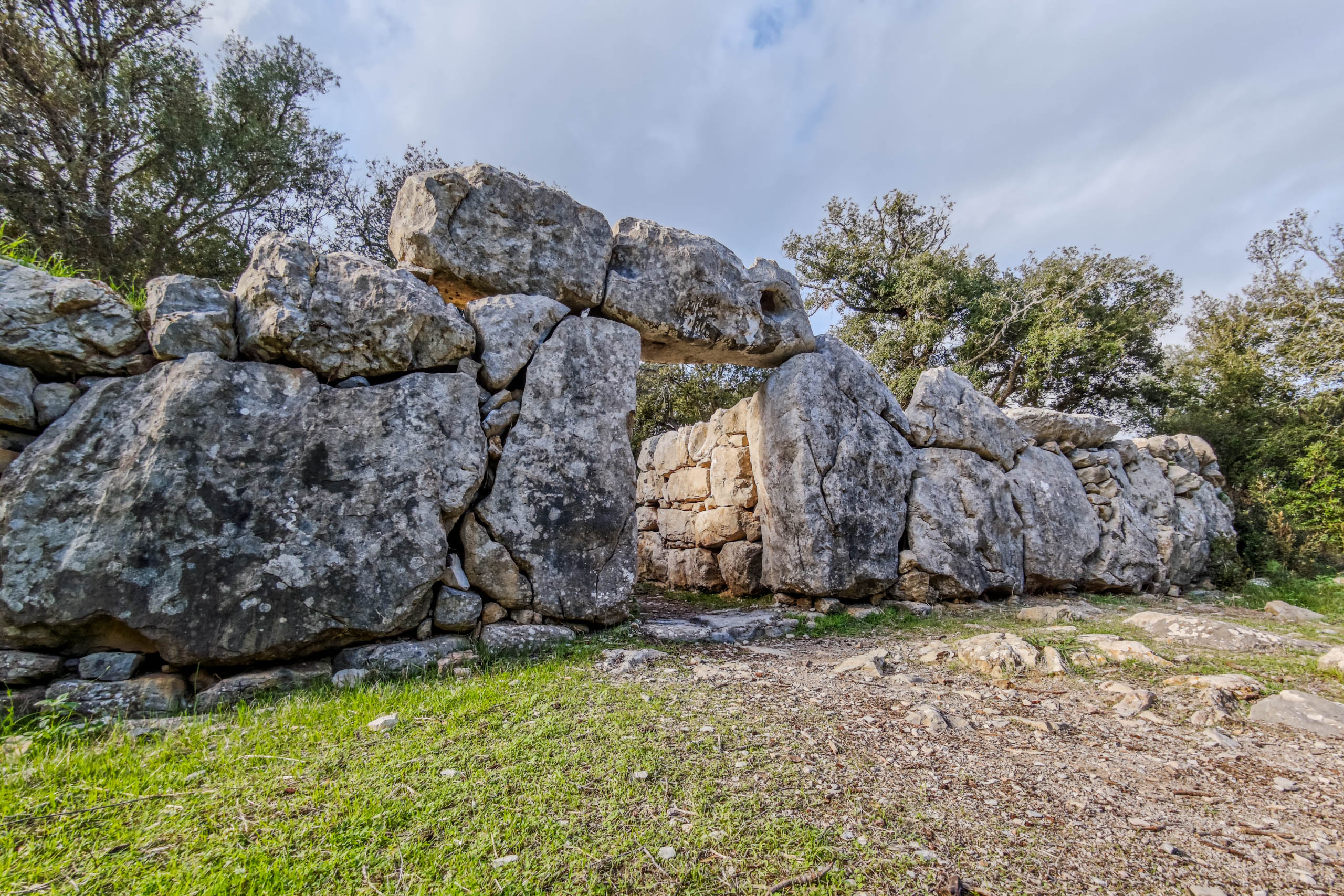
Behind a wall of enormous stone blocks on the edge of Artà lies a Talayotic settlement with around 3,000 years of …

A hermitage founded in 1805 in the hills of Artà, reached by a narrow, winding road. The last resident hermits …
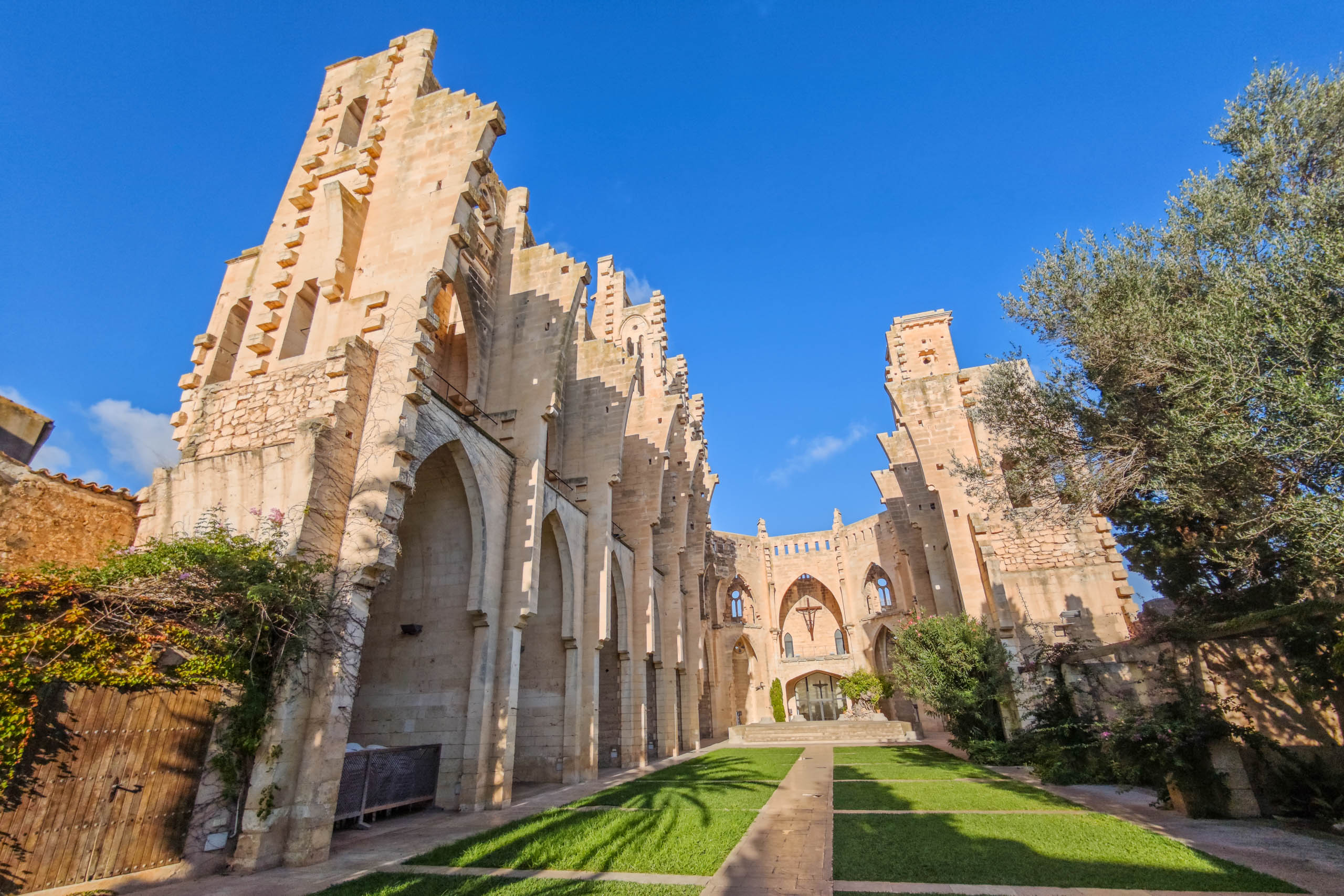
A church without a roof stands in the middle of Son Servera. Beyond Església Nova’s iron gate, garden paths pass …
Distances without a driving time are measured in a straight line. The road journey can be much longer; known driving times are shown alongside.
Where to swim nearby
Beaches and swimming nearby

A small cove beyond Cala Agulla, reached by a ten-minute walk over rocky ground. There is a narrow strip of sand …

A working fishing harbour and lively holiday resort on Mallorca's north-east coast. Three different beaches are …

A sandy bay backed by pine-covered slopes, a handful of hotels and a golf course. Canyamel is one of the quieter …
Places to stay within reach
Explore from here
Your questions answered
Your questions about Torre de Son Jaumell
How do you reach Torre de Son Jaumell?
On foot only. The easier route starts at Cala Agulla car park, around three kilometres and fifty minutes with a steady climb. The second route climbs steeply from Cala Mesquida and takes about an hour.
How old is Torre de Son Jaumell?
The tower was built in the 16th century, commonly dated to 1566. It belonged to a coastal warning system against pirate attacks. Towers stood within sight of one another and passed on signals using smoke or fire.
How high is Torre de Son Jaumell?
It stands at 271 metres on the summit of Es Telègraf, directly above the coast. The tower itself was around ten metres high; only its ruins survive today.
What can you see from Torre de Son Jaumell?
Cala Agulla and Cala Mesquida at the same time, plus Cala Ratjada, the headland with Far de Capdepera lighthouse and the inland hills. Menorca is visible in clear air.
Is the climb strenuous?
The Cala Agulla route is technically straightforward but climbs throughout and has no shade. Sturdy footwear and plenty of water are essential. Avoid the midday heat in July and August.
Practical questions
When is the best time to visit Torre de Son Jaumell?
Recommended months: January, February, March, April, May, October, November, December. Clear air gives the best views of the year, reaching Menorca on good days.
Is Torre de Son Jaumell worth visiting in July and August?
July: another month may suit you better. Usually quiet. Too hot for a comfortable walk, with no shade or drinking water on the route. August: another month may suit you better. Usually quiet. Paths may close because of wildfire risk.
How far is Torre de Son Jaumell from Palma airport?
About 80 km from Palma airport. Allow roughly 80 minutes by car. Two routes lead up. From Cala Agulla car park, allow about fifty minutes for roughly three kilometres on the easier route. From Cala Mesquida, the climb is steep and takes around an hour.
Do I need a hire car for Torre de Son Jaumell?
Easy to manage without a car To Cala Agulla or Cala Mesquida, then on foot only
Where can I park in Torre de Son Jaumell?
Paid parking at Cala Agulla, or on the edge of Cala Mesquida
Can I visit Torre de Son Jaumell with a pushchair or wheelchair?
Unsurfaced path across rock, scree and scrub, climbing throughout Pushchairs: Not suitable Wheelchairs: Not suitable
Are dogs allowed at Torre de Son Jaumell?
Keep on a lead and watch for grazing animals
Words and photographs: Friedhelm Fischer. Exploring Mallorca since 2013 — by bike, on foot and with a camera.