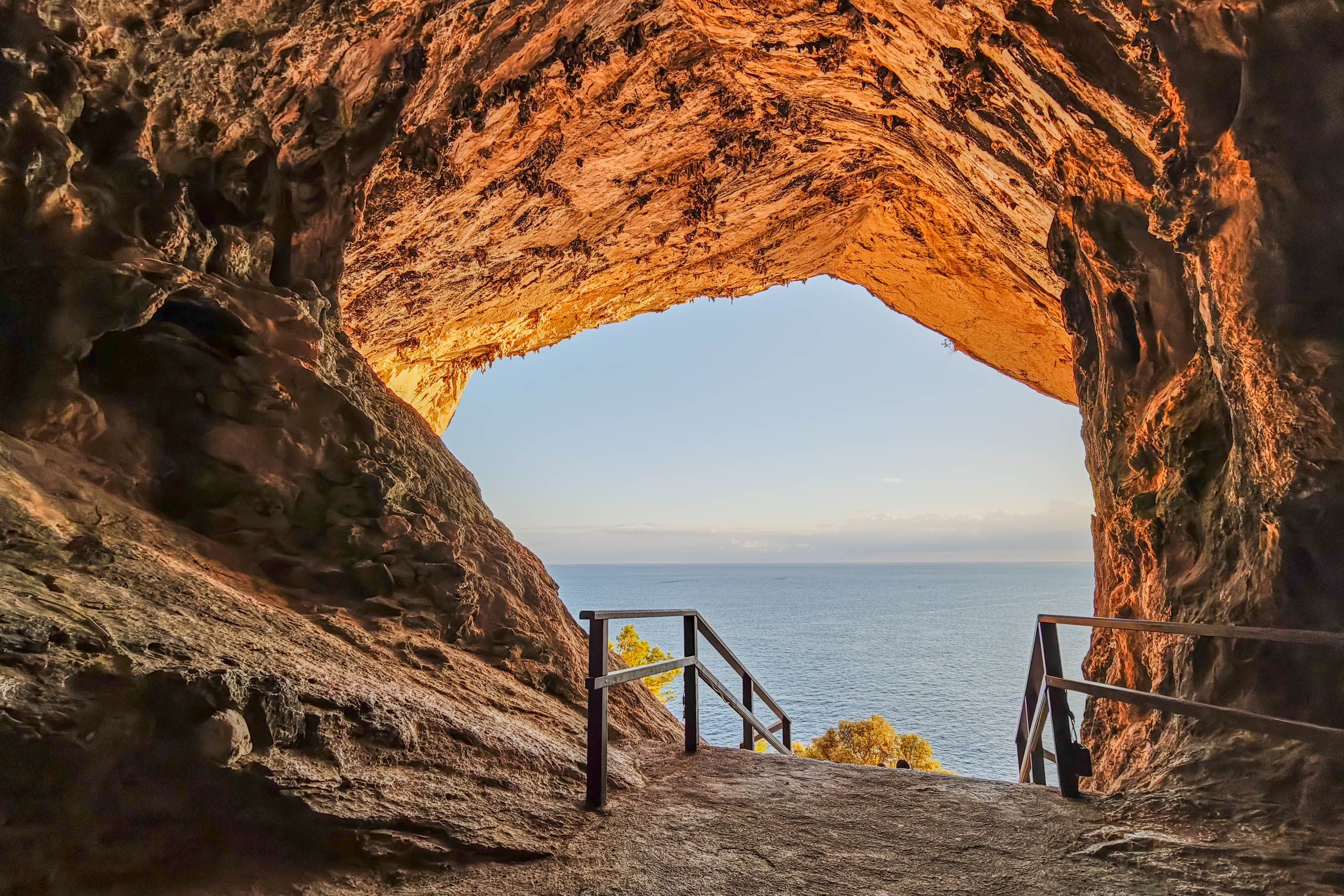
A limestone cave with a huge opening above the sea near Canyamel. Inside, a guided route climbs and descends steps through lofty chambers filled with rock formations.
Coves d'Artà
Coves d'Artà in 30 seconds
The essentials at a glance
- Worth visiting for
- A short visit
- Best for
- Limestone formations and a guided cave visit
- Best months
- January–June, September–December
- Time to allow
- Around forty-five minutes for the guided visit; allow roughly an hour and a half with the approach and waiting time
- Without a car
- Hire car needed
- Parking
- Parking near the entrance; allow for demand in busy periods
- Highlight
- The cave opening above the sea
- Keep in mind
- A visit without steps
- Access
- Pushchairs: Not suitable for the cave route · Wheelchairs: The cave route is not step-free
Get a feel for Mallorca. Find your kind of place.
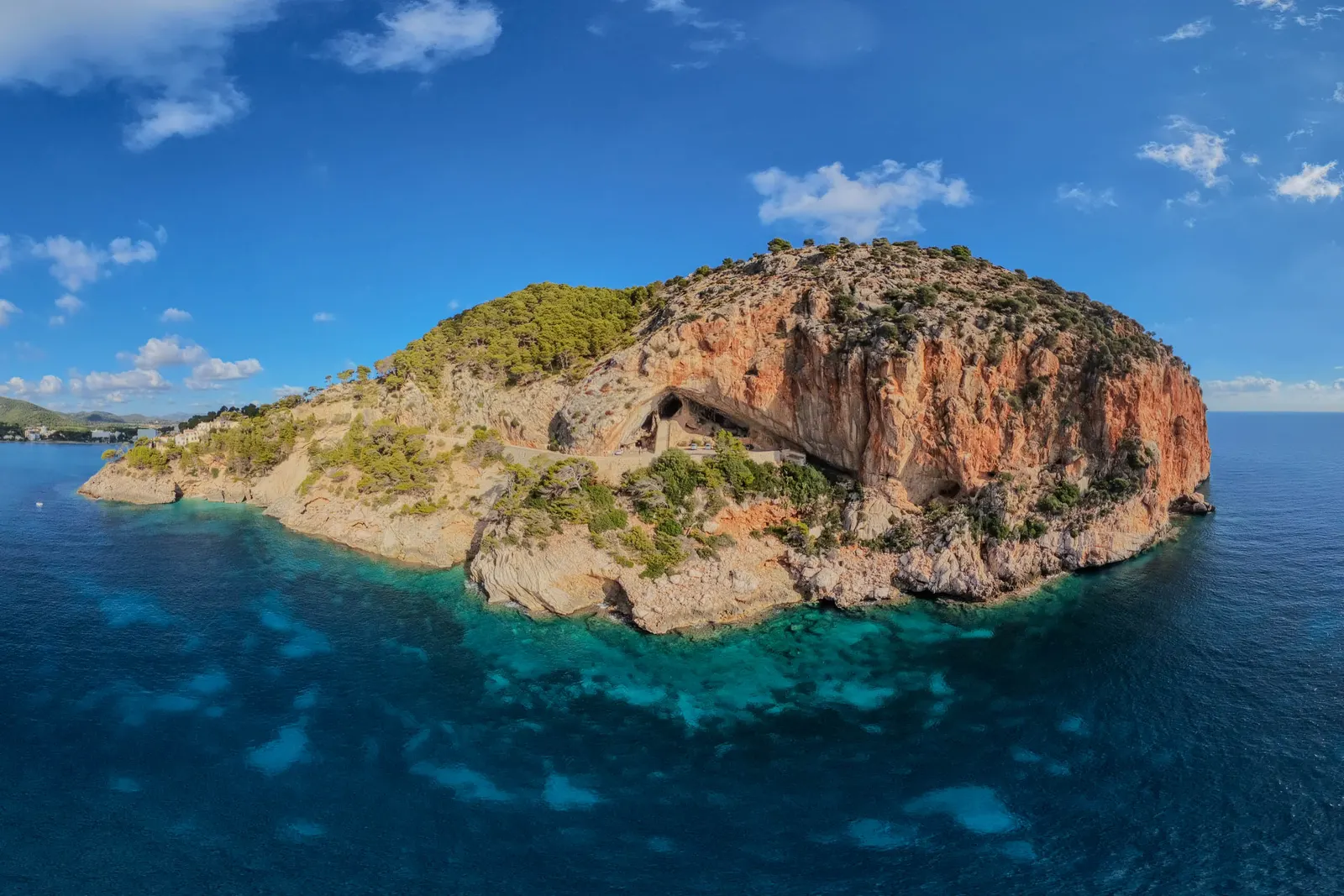
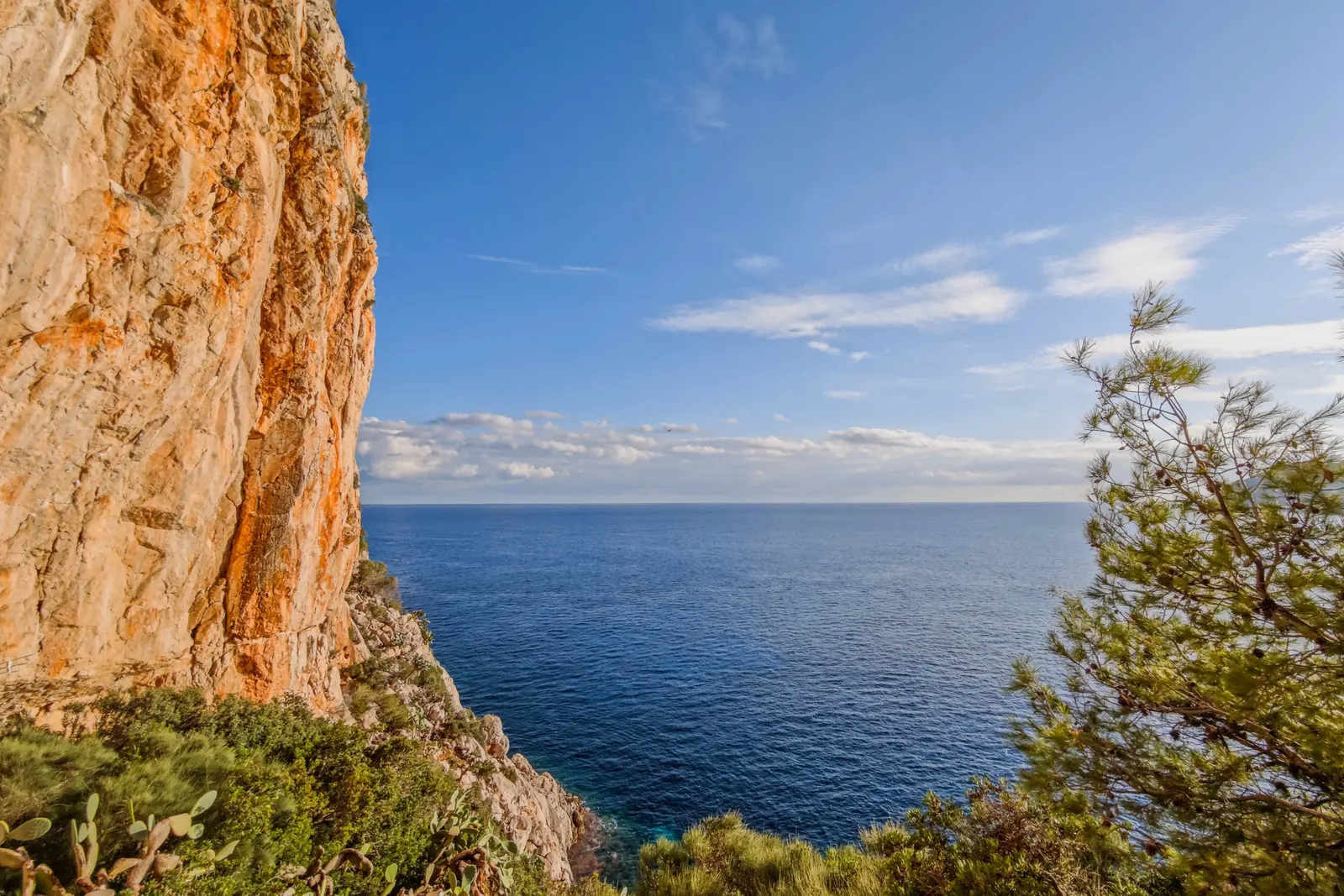
The cliffs around the caves, seen from the seaward side.
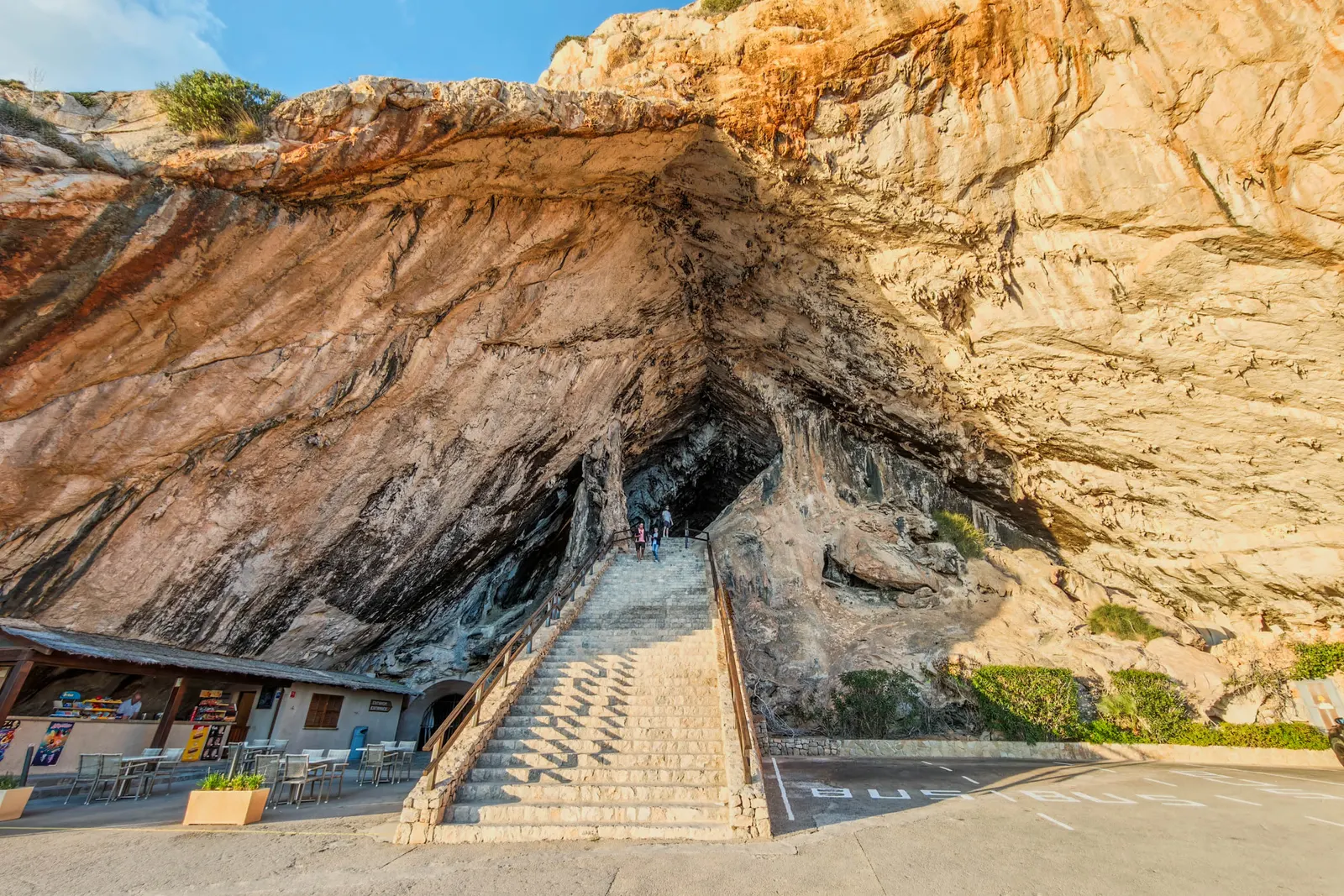
Broad steps beside the towering cliff at the cave opening.
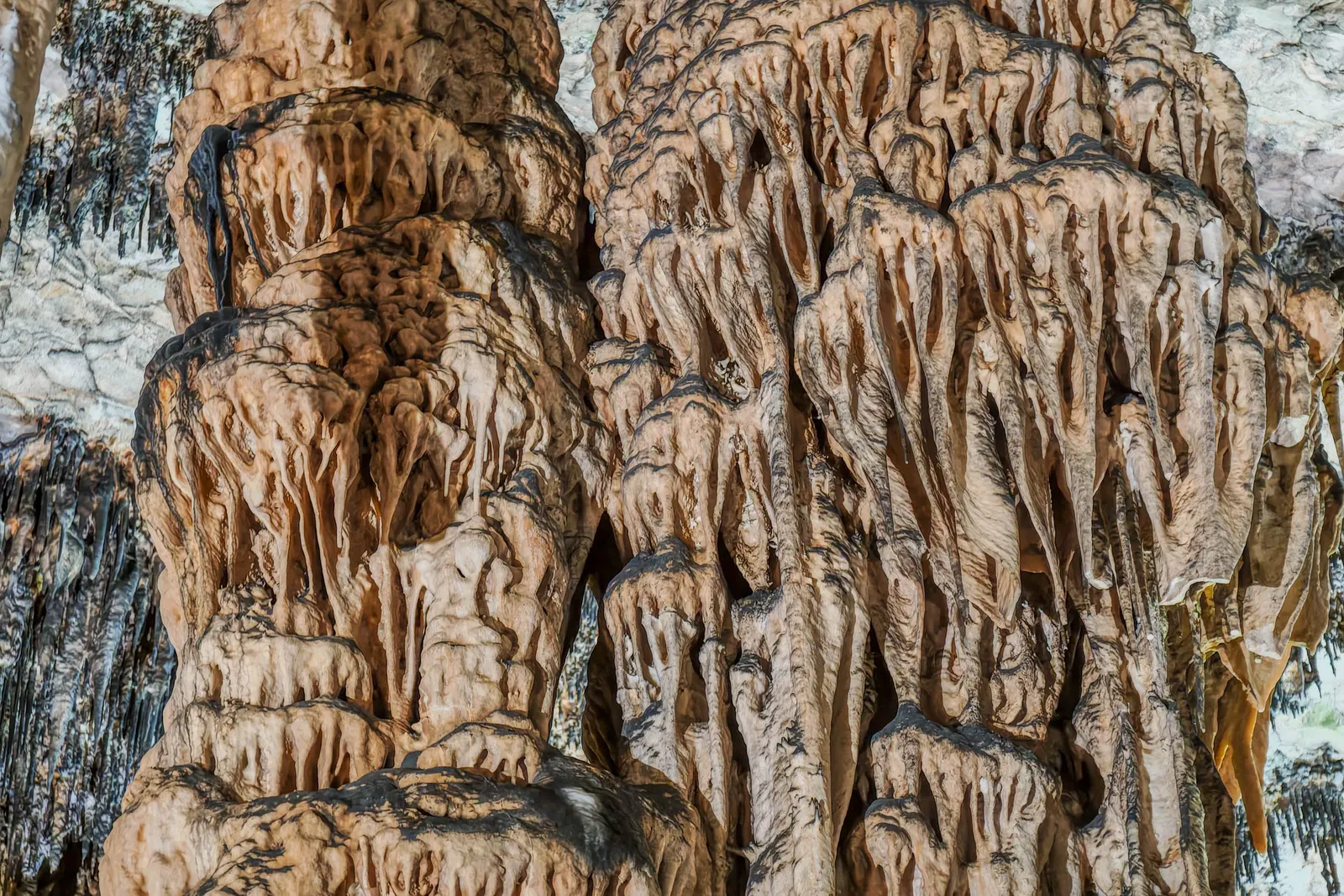
Fine folds and ridges become visible when you look closely.
Drive from the airport
75 minutes
72 km
Bus connections
Check current services to Canyamel
Region
Llevant
Nearest beach
Canyamel
1 km
Elevation
40 m
above sea level
Season guide for Coves d'Artà
November Worth a visit
A useful rainy-day option in the north-east, generally quieter than in summer.
Very quiet Open
Worth visiting in January, February, March, April, May, June, September, October, November and December.
Location
Location of Coves d'Artà
- Region
- Llevant
- Municipality
- Capdepera
- Elevation
- 40 m above sea level
- Airport
- 72 km , around 75 minutes
- Hire car
- needed
- Worth visiting for
- a brief stop
- Coordinates
- 39.6561,3.4508
The coastal entrance
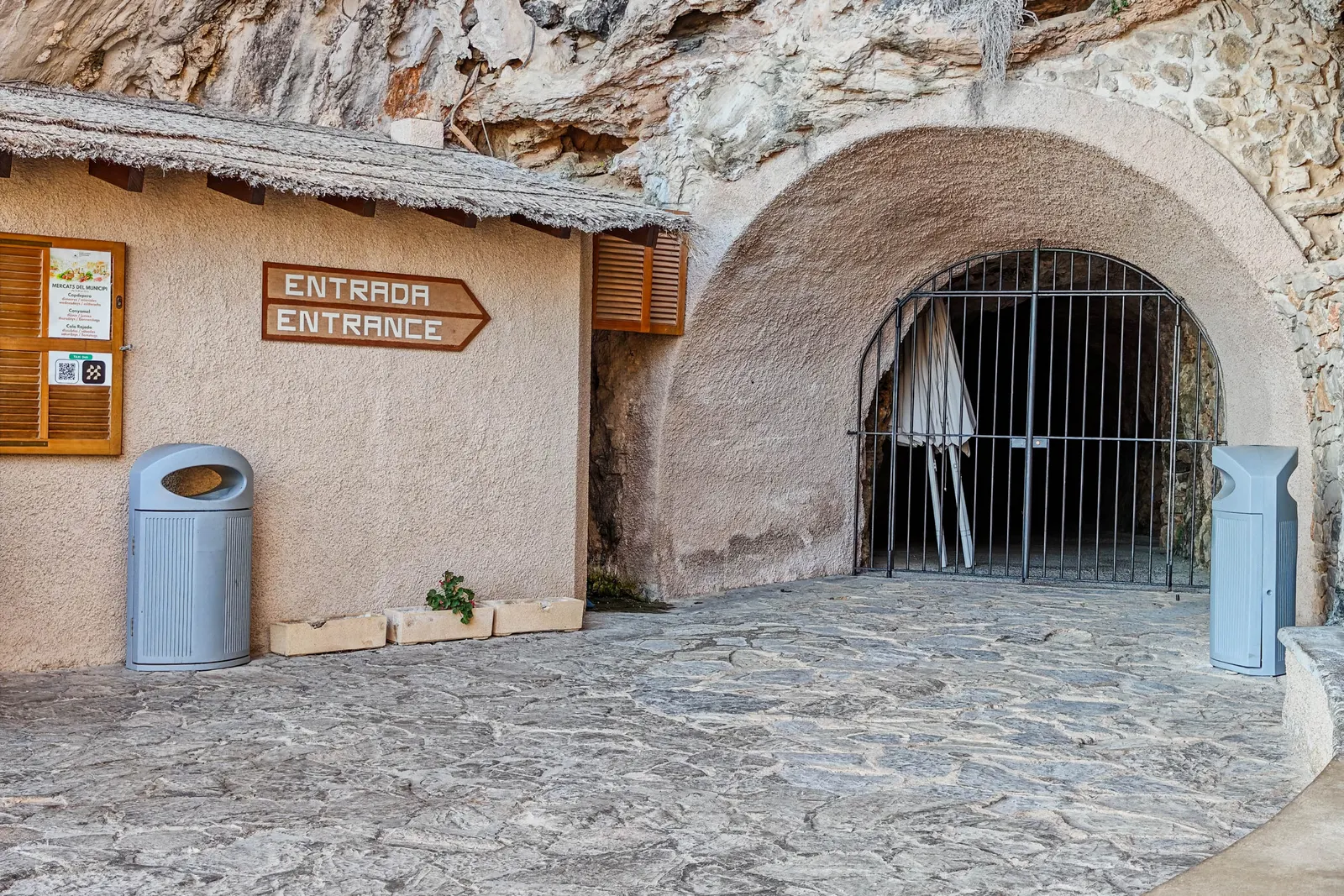
The huge rock opening above the sea is one of the most memorable features of the Coves d’Artà. Stand beside it and look out across the bay before beginning the visit.
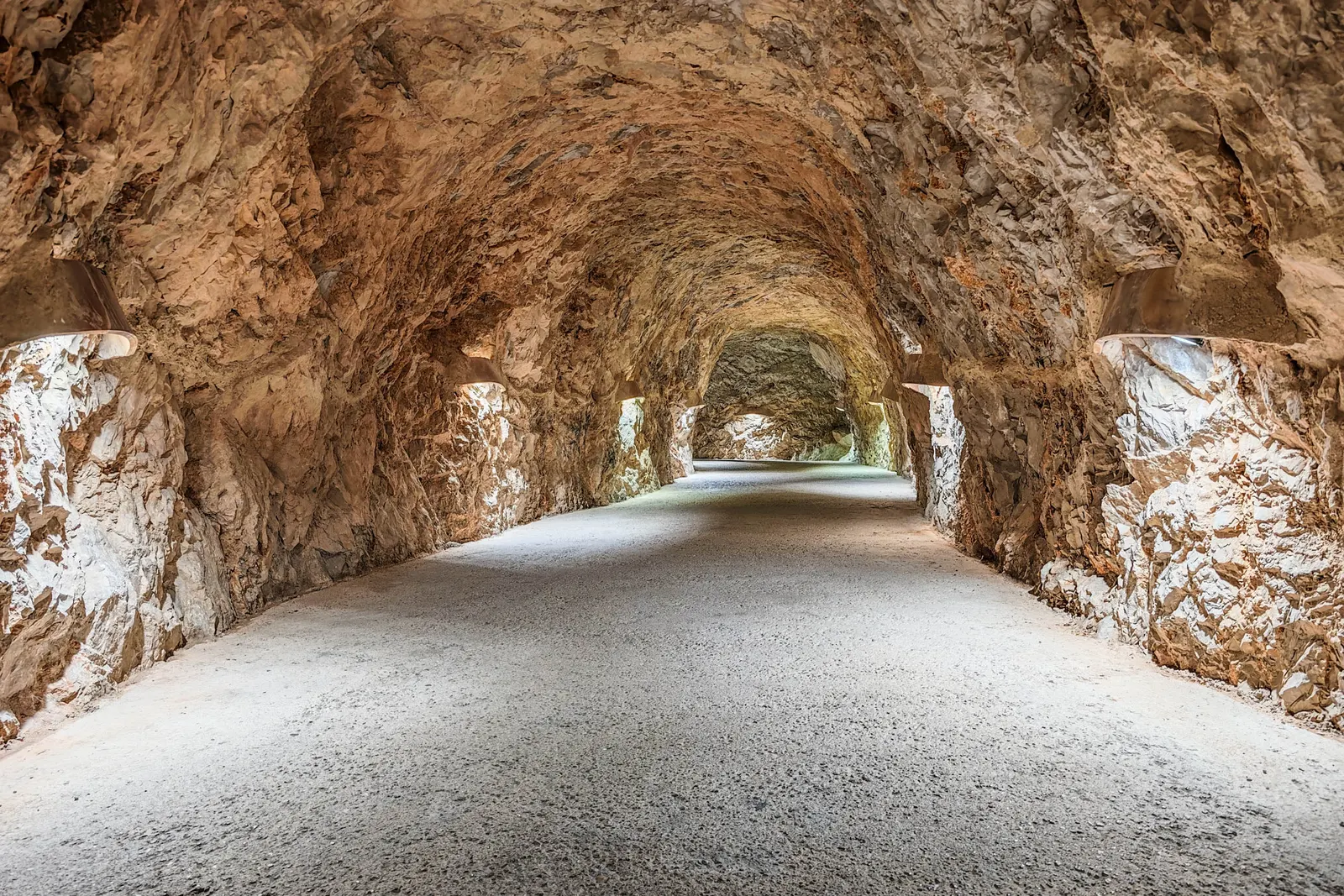
Broad stone steps follow the cliff around the opening. Expect steps outside as well as on the route through the caves.
Inside
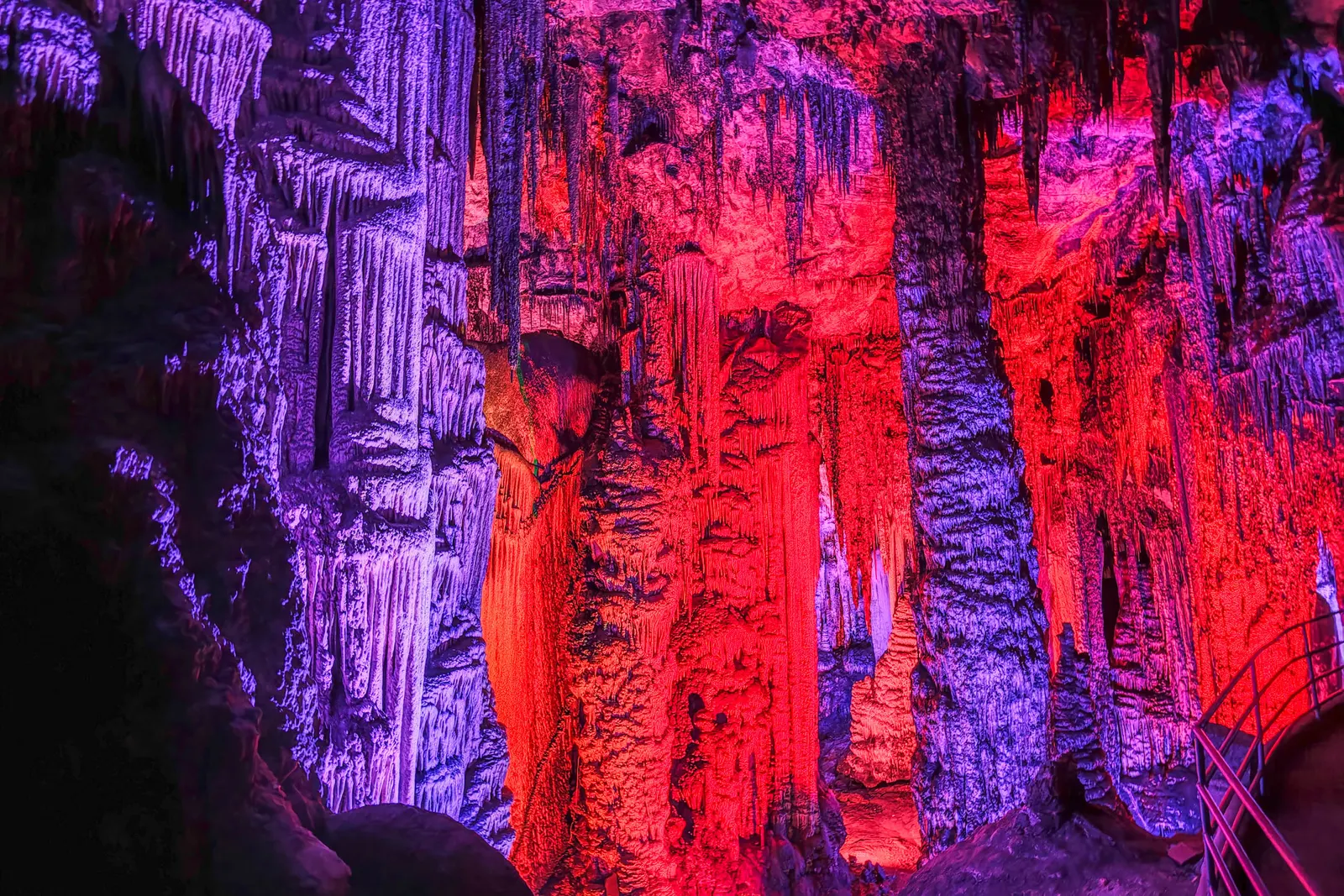
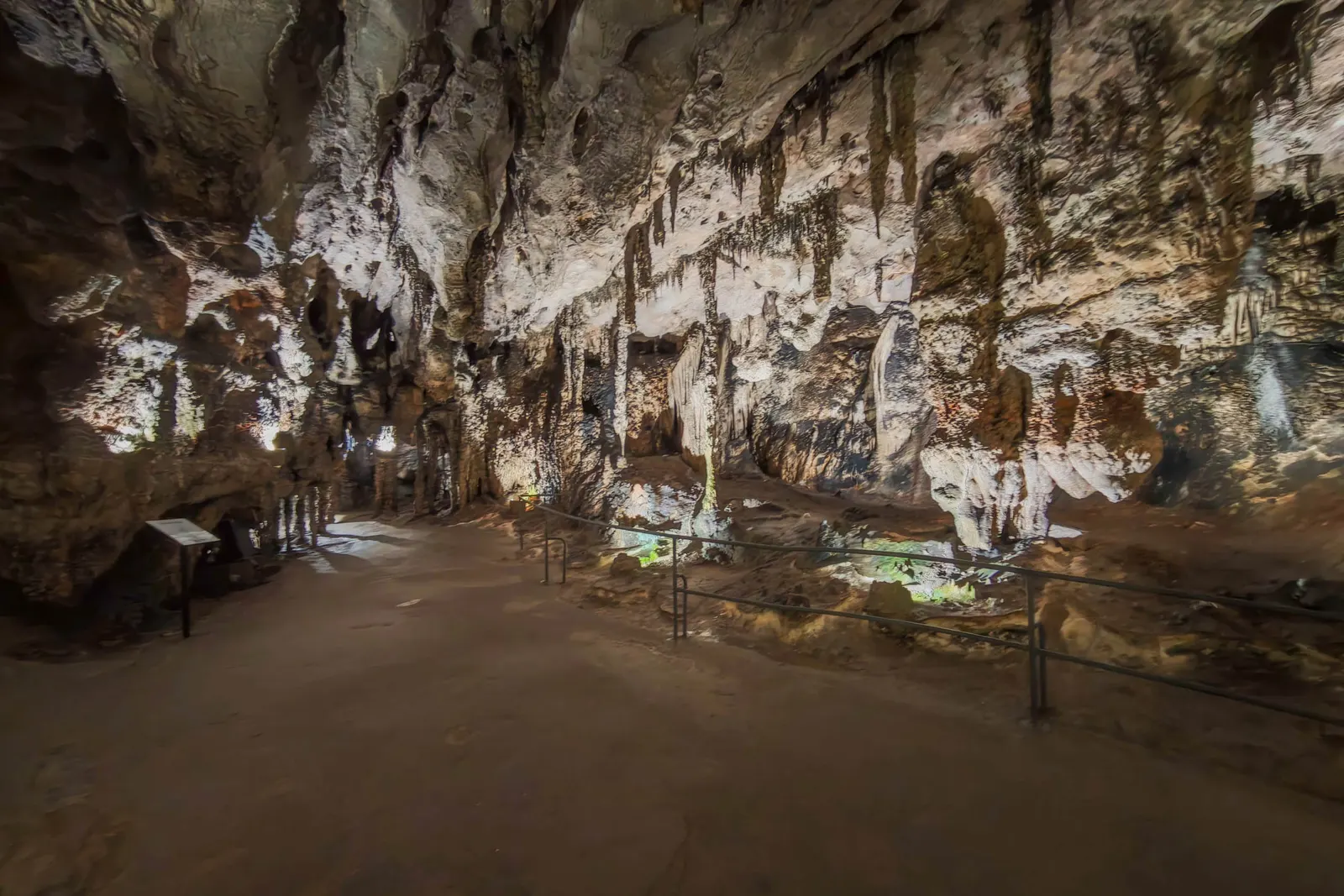
A guided path leads through several high chambers, with large stalactites, stalagmites and other limestone formations. Visits are guided, take around forty-five minutes and require a ticket.
The cave can feel cool and damp, especially after the summer heat outside. Wear shoes with a good grip and bring a light layer.
Access and steps
This is not a step-free visit. There are numerous stairs along the route, so wheelchairs and pushchairs are not suitable. If you have difficulty with steps, ask the operator about the route before booking.
When to visit
Conditions underground vary much less than the weather outside. In July and August, the approach can be hot and the tours busy.
November to March is generally quieter. The caves are a useful rainy-day option, although that can mean more people arriving with the same plan. Check opening hours and available tour times before travelling.
Nearby
Canyamel is around eight minutes away by car, or a good half-hour walk. Capdepera and its fortress are roughly fifteen minutes away, and Cala Ratjada around twenty.
Photographs
Coves d'Artà in Mallorca
Practical details
- Parking
- Parking near the entrance; allow for demand in busy periods
- Time to allow
- Around forty-five minutes for the guided visit; allow roughly an hour and a half with the approach and waiting time
- Good to know
- Admission is charged and visits are guided. Expect many steps and some damp surfaces; wear shoes with a good grip.
- Bus
- Check current services to Canyamel; the uphill walk from there takes around thirty minutes
- Access
- Steps around the entrance and inside, with potentially damp paths · Pushchairs: Not suitable for the cave route · Wheelchairs: The cave route is not step-free · Dogs: Check current admission rules; pets are generally not admitted
- What you will not find
- A step-free cave route · Independent visits without a guide · A direct bus connection you can assume without checking
- Coordinates
- 39.6561,3.4508 Google Maps Apple Maps
Within reach
Places to visit
Nearby
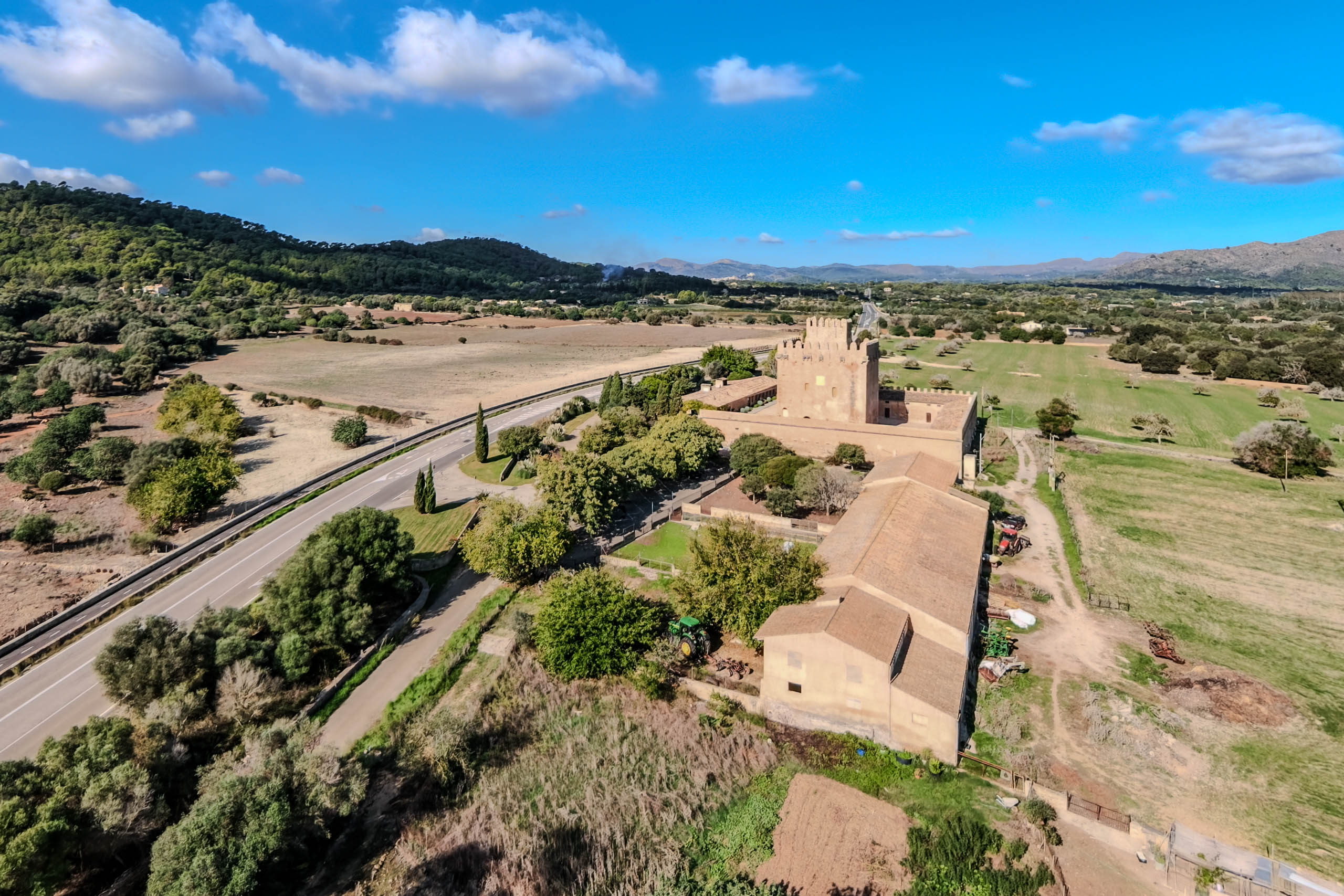
Torre de Canyamel stands in the valley beside the road to the coast. The imposing 13th-century defensive tower …

Above Capdepera stands a former walled settlement, with walkable defensive walls, the Miquel Nunis tower and a …
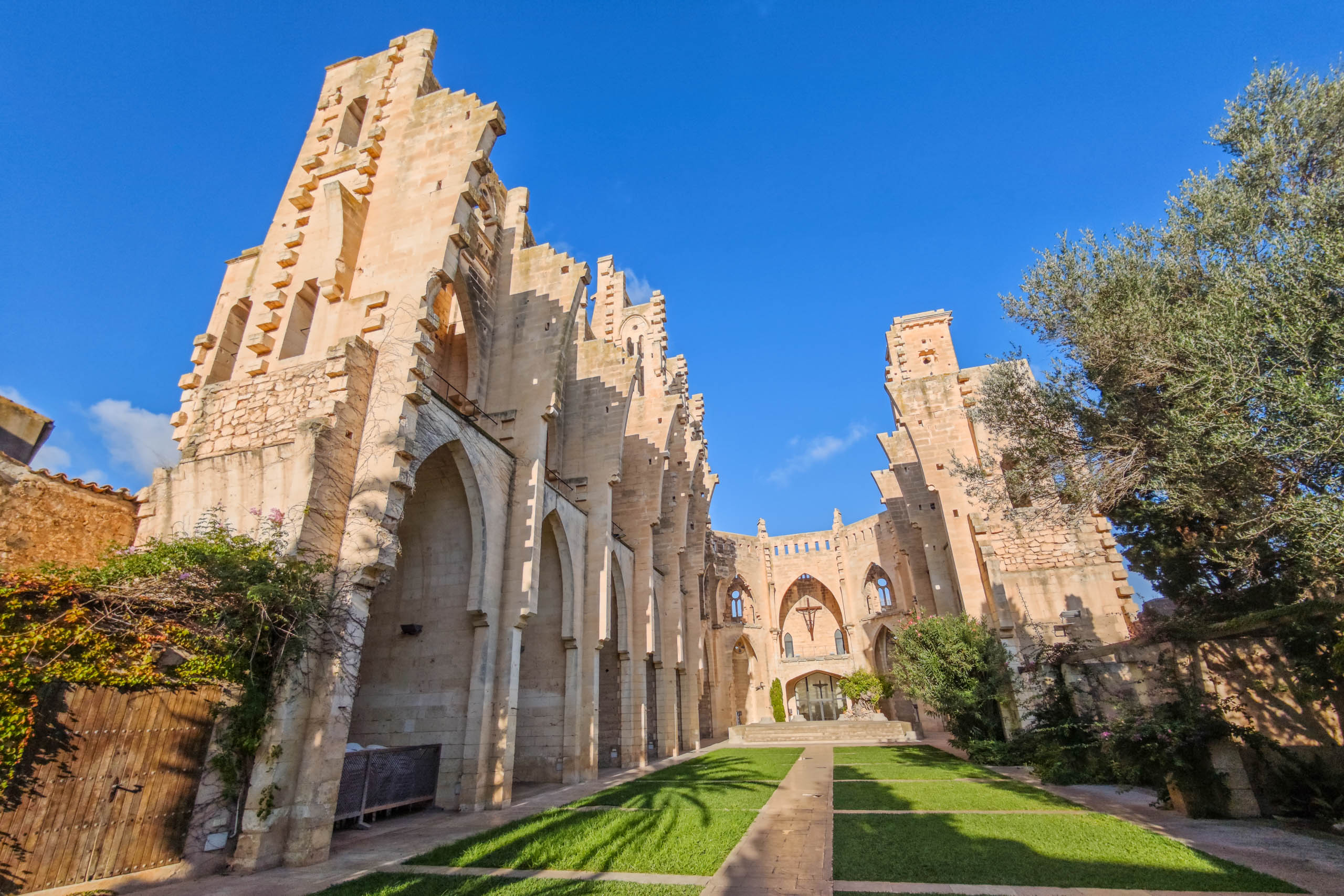
A church without a roof stands in the middle of Son Servera. Beyond Església Nova’s iron gate, garden paths pass …
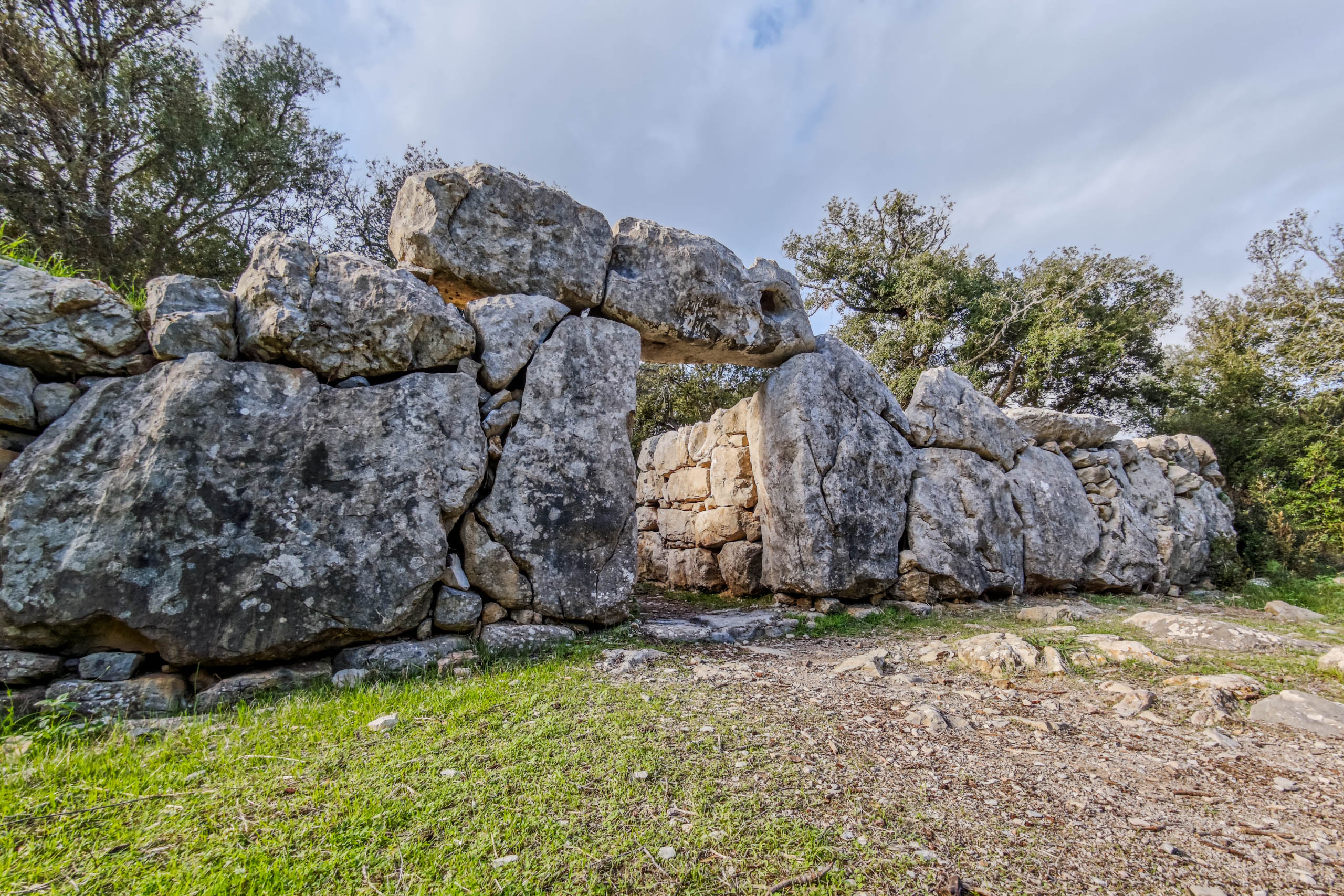
Behind a wall of enormous stone blocks on the edge of Artà lies a Talayotic settlement with around 3,000 years of …

A watchtower dating from 1566 on the summit above Cala Agulla and Cala Mesquida, now a ruin. The walk up takes …

A fortress with a church inside, high above Artà. Walls with nine towers surround a courtyard of palms, an old …

A hermitage founded in 1805 in the hills of Artà, reached by a narrow, winding road. The last resident hermits …

The caves near Porto Cristo take their name from their hook-shaped formations. Smaller than the nearby Coves del …
Distances without a driving time are measured in a straight line. The road journey can be much longer; known driving times are shown alongside.
Where to swim nearby
Beaches and swimming nearby

A sandy bay backed by pine-covered slopes, a handful of hotels and a golf course. Canyamel is one of the quieter …
Around thirty minutes on foot

A working fishing harbour and lively holiday resort on Mallorca's north-east coast. Three different beaches are …

A broad sandy bay north-west of Cala Ratjada, backed by pine woods and dunes. Pale sand fills the centre, with …
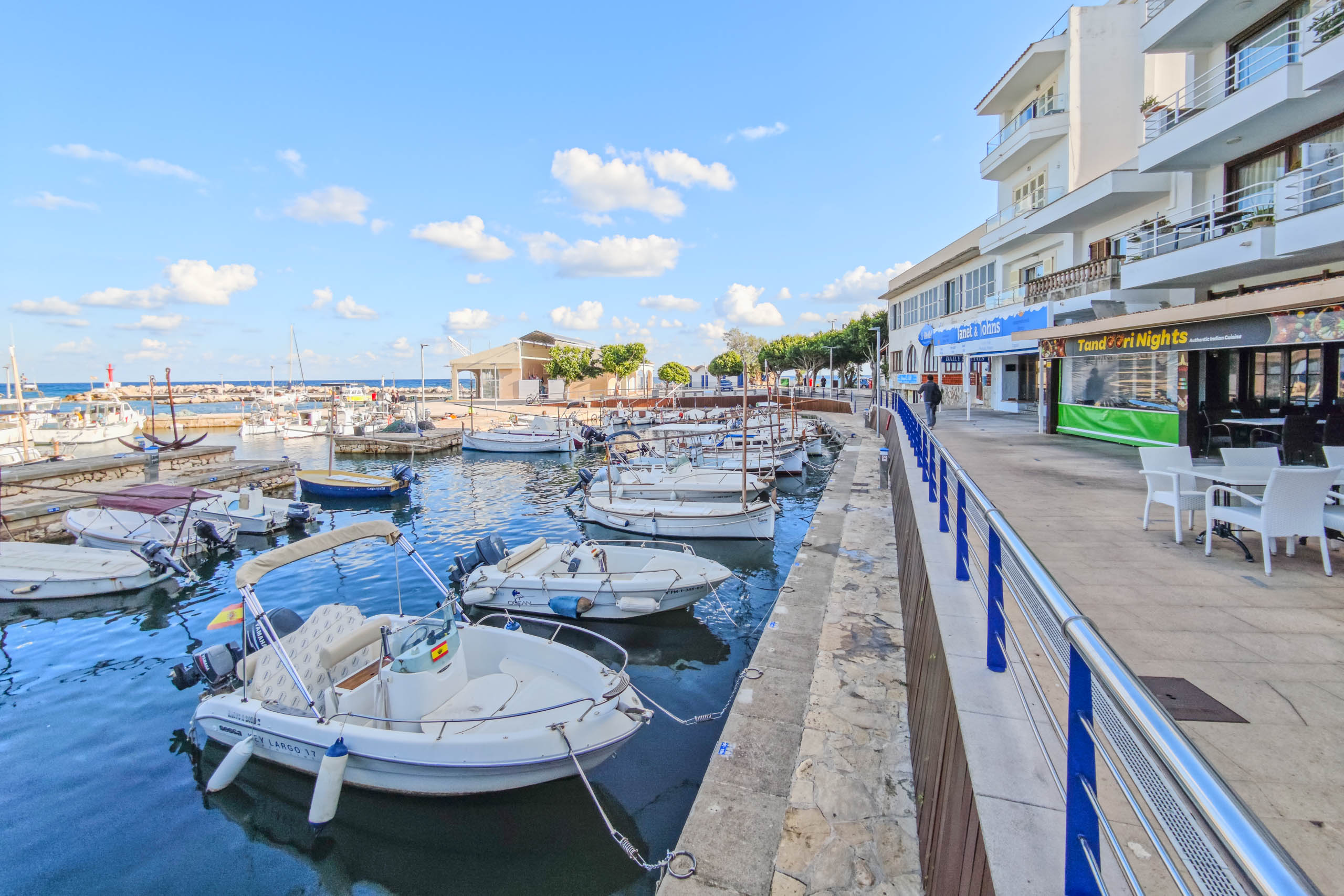
Walk north from Cala Millor and the seafront stroll becomes a wander around the harbour. In Cala Bona, little …
Places to stay within reach
Explore from here
Your questions answered
Your questions about Coves d'Artà
What are the Coves d'Artà?
A limestone cave system on Mallorca's east coast near Canyamel, in the municipality of Capdepera. The huge opening above the sea and the tall chambers inside make it a memorable visit.
How long does the guided visit take?
Around forty-five minutes. Allow roughly an hour and a half overall for the approach, waiting and the visit itself.
Are the Coves d'Artà accessible without steps?
No. The route includes numerous steps and potentially damp surfaces, so it is not suitable for wheelchairs or pushchairs. Ask the operator about the route before booking if you have limited mobility.
Are the caves a good rainy-day visit?
Yes, much of the visit is indoors. Other visitors often have the same idea, so check tour availability and allow for a busier day. The outdoor approach can still be wet.
What should I bring?
Shoes with a good grip and a light layer. The cave can feel cool after the summer heat, and some surfaces are damp.
Practical questions
When is the best time to visit Coves d'Artà?
Recommended months: January, February, March, April, May, June, September, October, November, December. Conditions inside change little through the year, and winter is generally quieter.
Is Coves d'Artà worth visiting in July and August?
July: worth considering with some reservations. Usually busy. The cave offers relief from the heat, but the approach can be hot. August: worth considering with some reservations. Usually busy.
How far is Coves d'Artà from Palma airport?
About 72 km from Palma airport. Allow roughly 75 minutes by car. The access road winds up from Canyamel towards the parking area. There are steps around the entrance and along the cave route.
Do I need a hire car for Coves d'Artà?
A car is needed Check current services to Canyamel; the uphill walk from there takes around thirty minutes
Where can I park in Coves d'Artà?
Parking near the entrance; allow for demand in busy periods
Can I visit Coves d'Artà with a pushchair or wheelchair?
Steps around the entrance and inside, with potentially damp paths Pushchairs: Not suitable for the cave route Wheelchairs: The cave route is not step-free
Are dogs allowed at Coves d'Artà?
Check current admission rules; pets are generally not admitted
Words and photographs: Friedhelm Fischer. Exploring Mallorca since 2013 — by bike, on foot and with a camera.