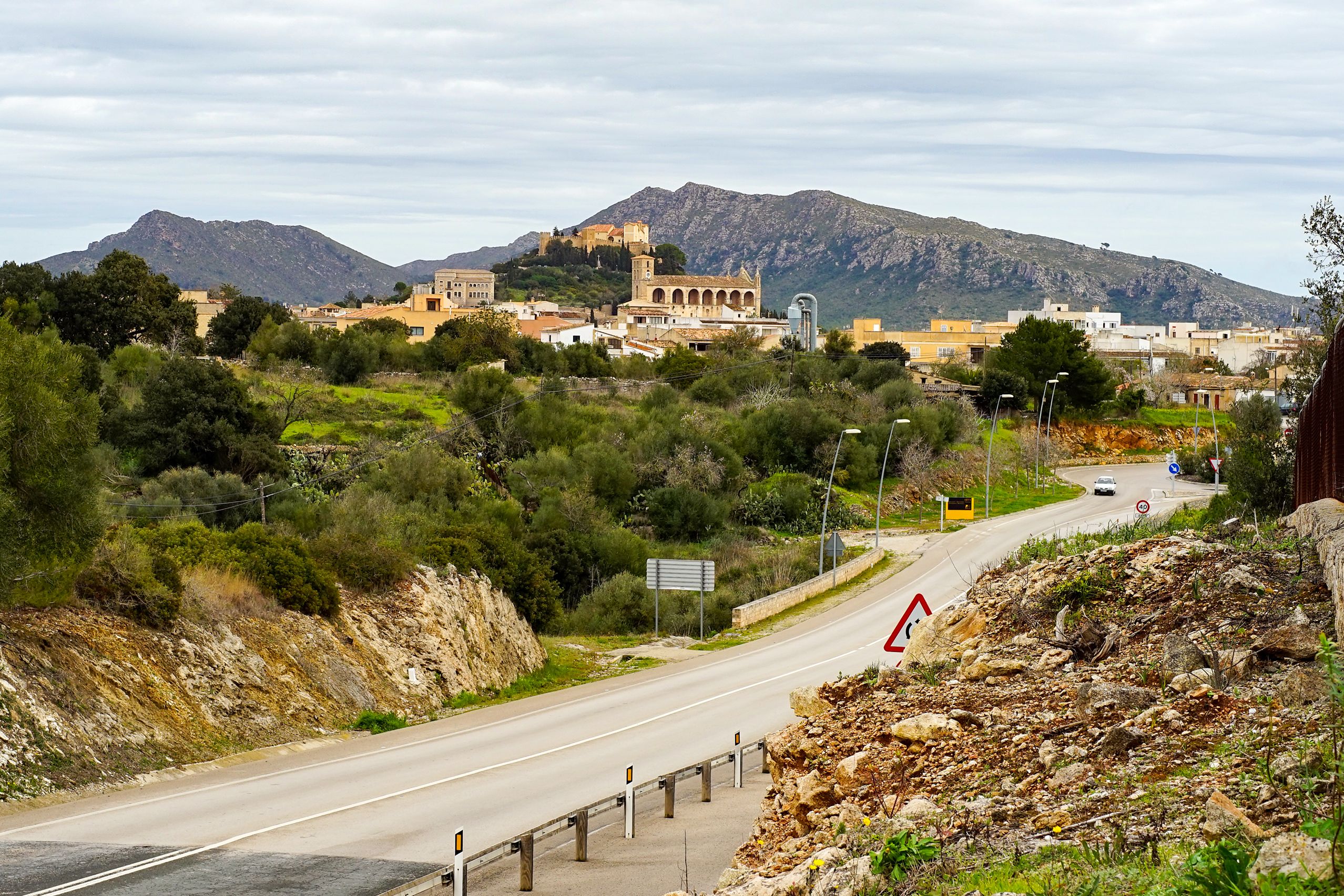
A small north-eastern town beneath a fortified hilltop sanctuary, surrounded by some of Mallorca’s least developed countryside. Nearby Ses Païsses is one of the island’s best-preserved Talayotic settlements.
Artà
Artà in 30 seconds
The essentials at a glance
- Worth visiting for
- A day trip
- Best for
- You’d like to see a Mallorcan town that hasn’t been arranged around visitors.
- Best months
- January–May, September–December
- Time to allow
- Half a day including Sant Salvador and Ses Païsses, or several days as a base for the north-east.
- Without a car
- Hire car recommended
- Parking
- Usually straightforward except during Tuesday’s market. Stay on the edge of town; central lanes are narrow, steep and sometimes one-way.
- Keep in mind
- The nearest beach is about 10 km away.
- Access
- Pushchairs: Manageable in the main streets, but not on the staircase. · Wheelchairs: Limited access in the centre; the sanctuary can only be approached by the road.
Get a feel for Mallorca. Find your kind of place.
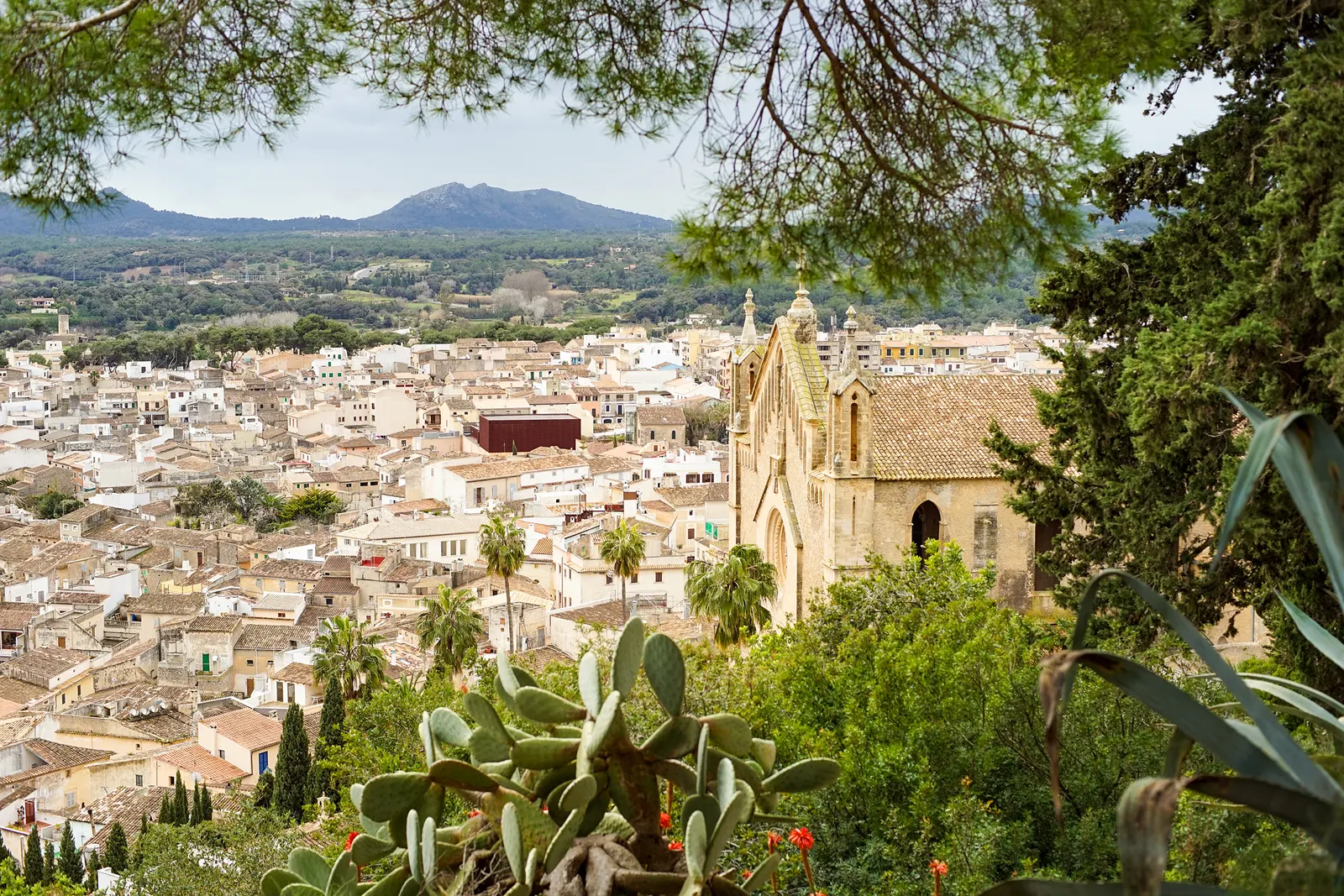
The climb gives you an unusual view down onto the parish church.
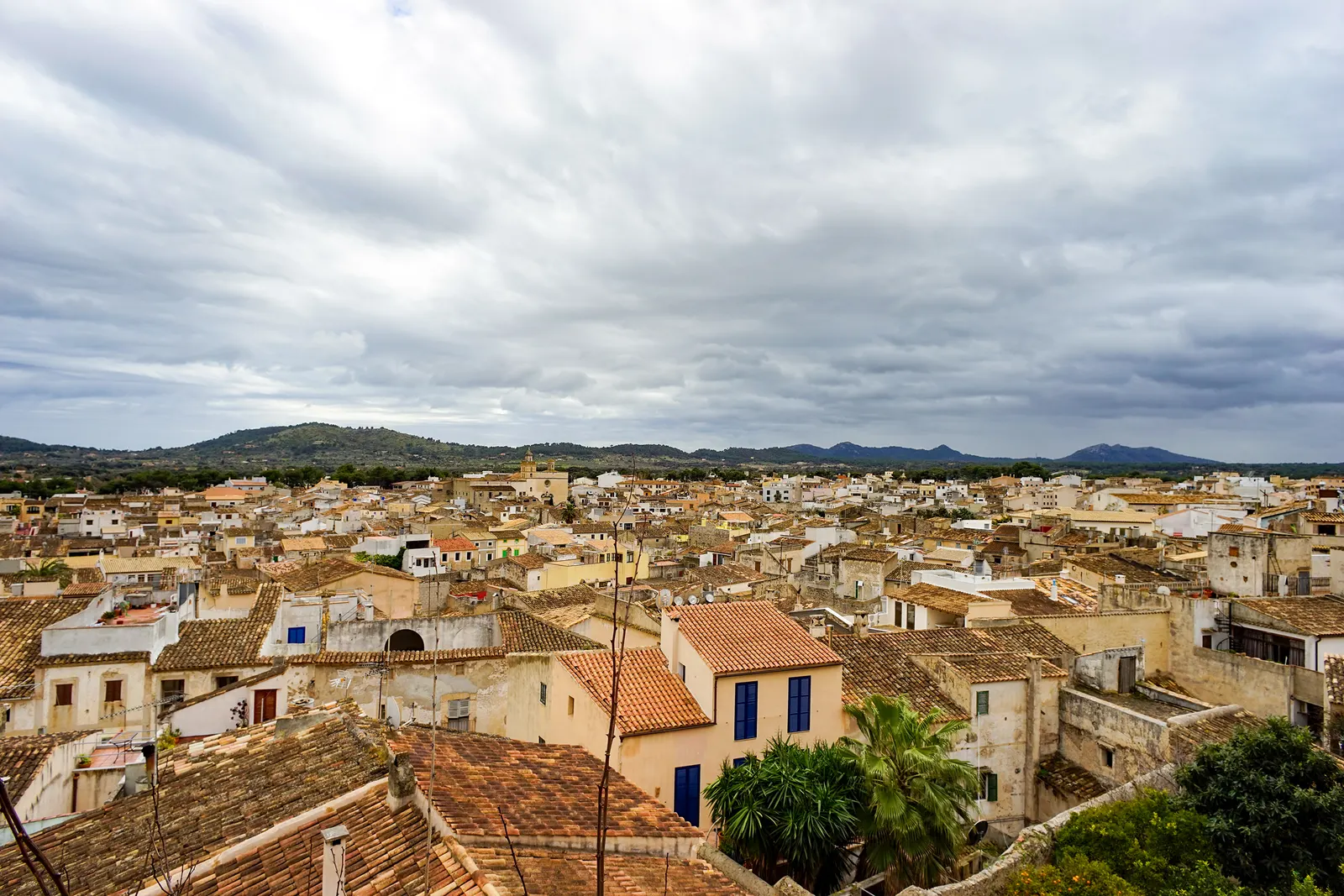
These are people’s homes, rather than rows of holiday apartments.
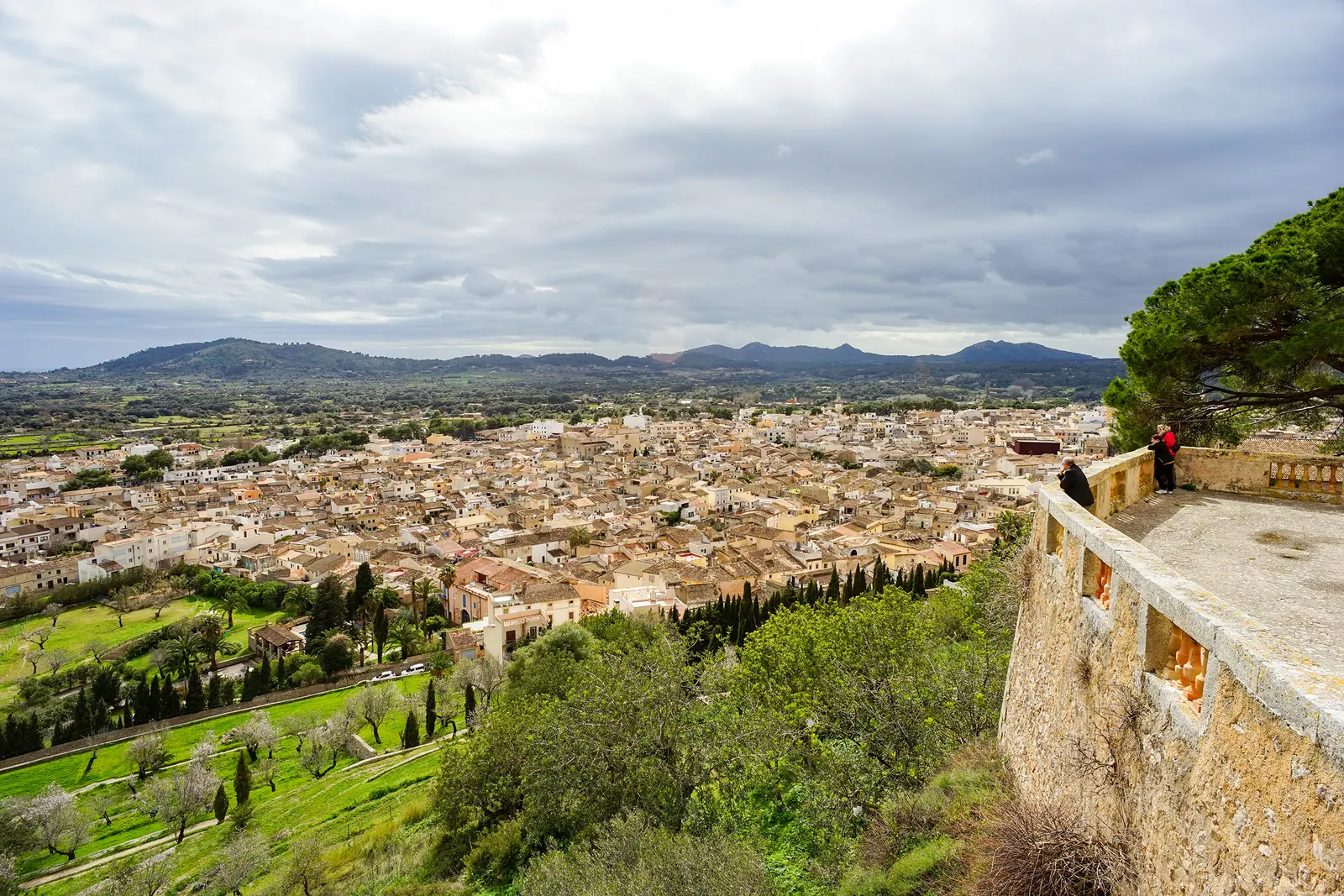
From the walls, the view reaches across the plain to the hills, and on clear days towards Alcúdia bay.
Getting to know Artà
Does Artà suit your plans?
What to expect and what to know before you visit.
Who it suits
- You’d like to see a Mallorcan town that hasn’t been arranged around visitors.
- You can come on Tuesday for one of the island’s most rewarding markets.
- You enjoy history — a Talayotic settlement, a former Moorish stronghold and a pilgrimage church can fit into one morning.
- You’re heading into Llevant nature park; Artà is a useful starting point.
Things to bear in mind
- The nearest beach is about 10 km away.
- The steep streets and long staircase are difficult if you have limited mobility.
- Don’t expect nightlife or extensive shopping streets.
- Avoid midday in high summer; inland Artà gets little cooling sea breeze.
Drive from the airport
70 minutes
72 km
Bus connections
Connections via Manacor and the north-eastern resorts
Region
Llevant
Nearest beach
Colònia de Sant Pere
8 km
Elevation
130 m
above sea level
Markets
Tuesday
Season guide for Artà
November Worth a visit
Very quiet Open
Worth visiting in January, February, March, April, May, September, October, November and December. Less suitable in August.
Location
Location of Artà
- Region
- Llevant
- Population
- 7,700
- Elevation
- 130 m above sea level
- Airport
- 72 km , around 70 minutes
- Hire car
- recommended
- Worth visiting for
- a day trip
- Coordinates
- 39.6944,3.3500
The town’s beginnings
Artà first appears in records in 1232, under the name Yartân. People had lived in the area for thousands of years before that, as the prehistoric sites of Ses Païsses, S’Aigua Dolça and Sa Canova show.
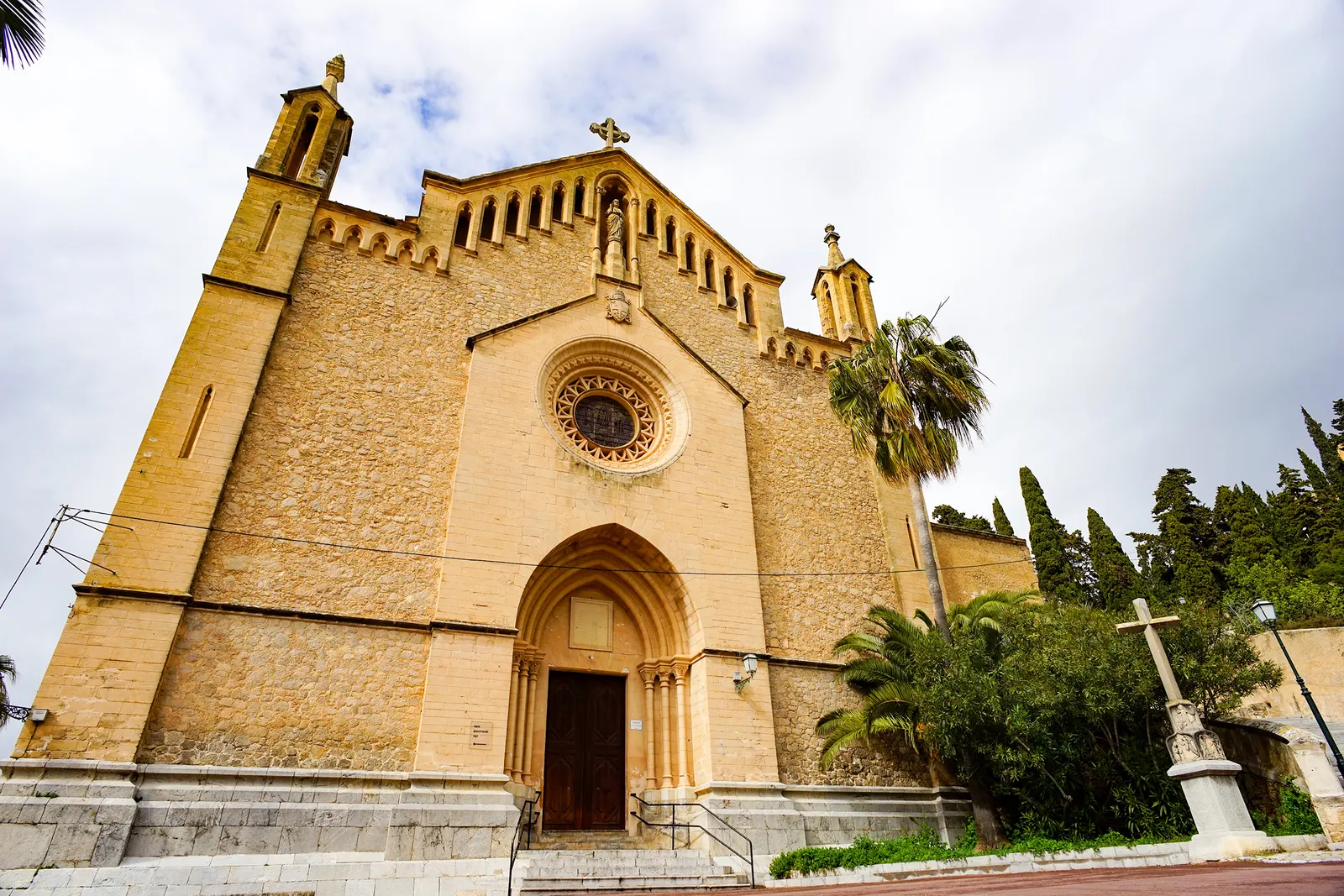
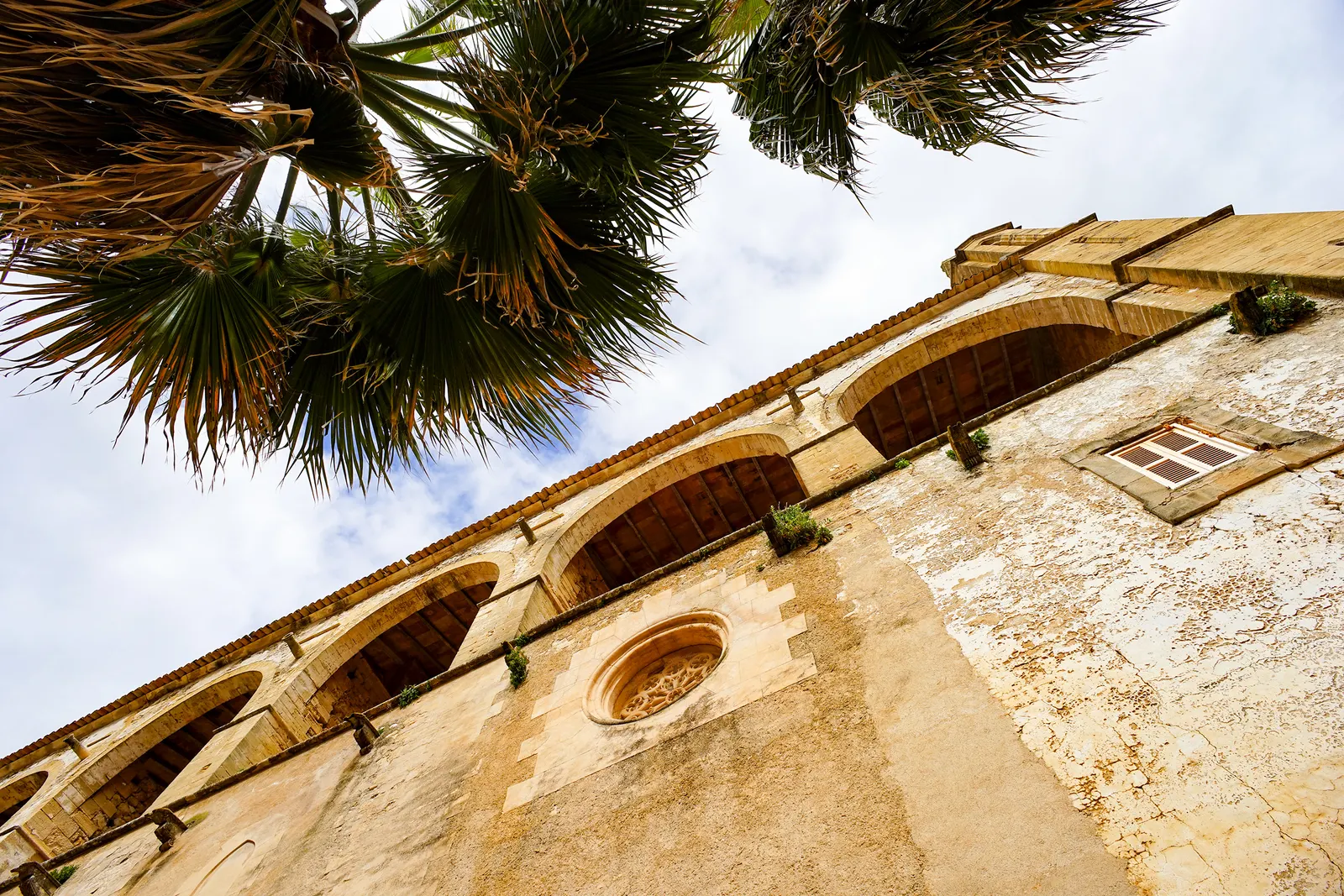
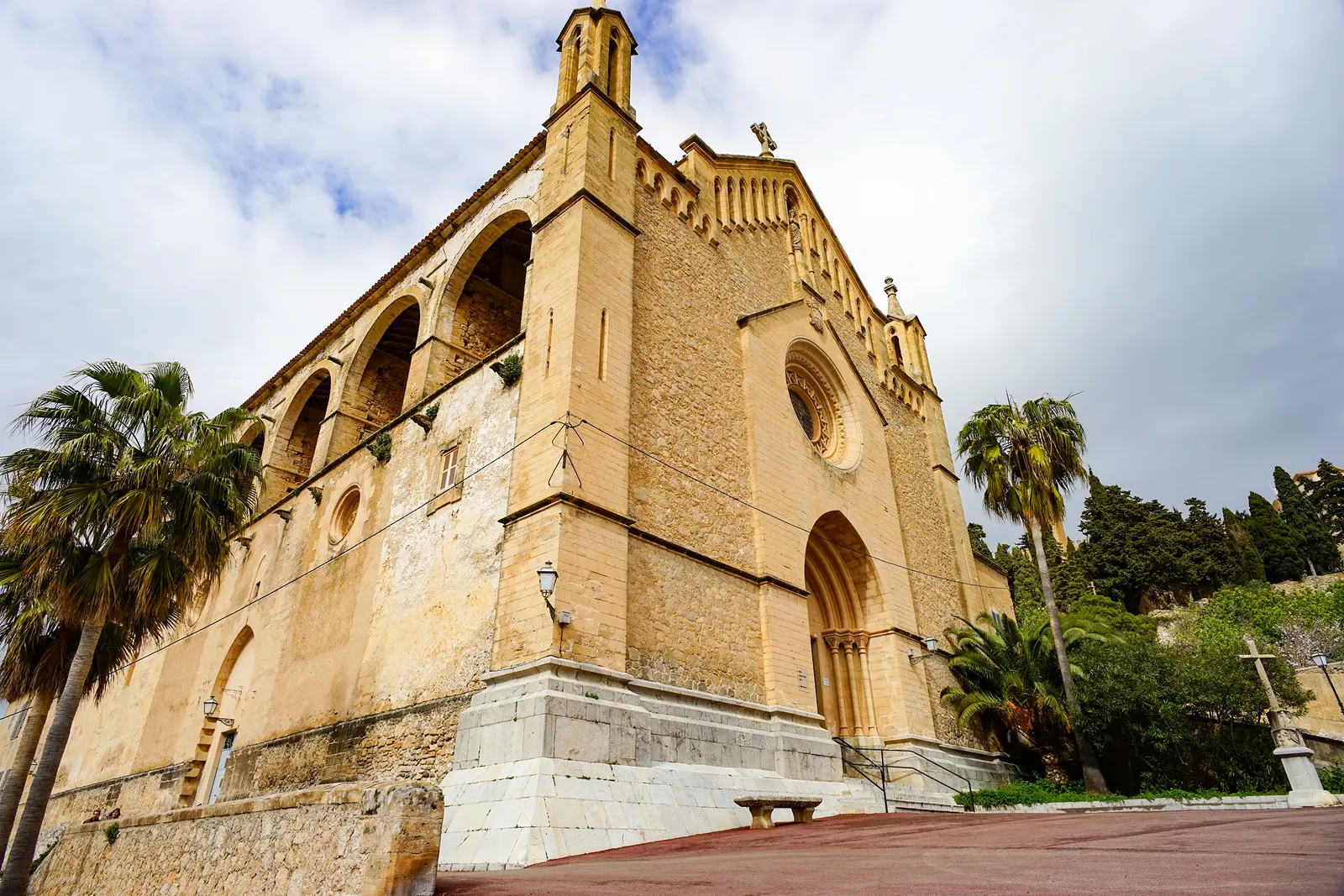
In Moorish times, a fortress called the Almudaina stood on the hill — the same name used for Palma’s royal palace. After the conquest of 1229, the mosque there was converted into a Christian church. Work on the present hilltop church began in 1825, and it was consecrated in 1832. The defensive wall and its nine towers are considerably older.
Sant Salvador
The sanctuary above the town stands inside a ring of crenellated walls with a wall walk. These were working defences from a time when corsairs regularly raided the north-east coast. You can walk around the walls, looking across the bay of Alcúdia towards the Tramuntana.
The route up has 180 steps, following the Way of the Cross between cypresses and the Calvari arcades from Transfiguració del Senyor parish church. There’s also a narrow road. Take it if walking is difficult; otherwise, I recommend the steps. Climbing gives you a sense of Artà’s hillside setting that you miss from a car.
Read more on the Sant Salvador page.
Ses Païsses
On the south-eastern edge of town, Ses Païsses has around 3,000 years of history. The tourist information dates the settlement’s beginnings to about 850 BC. Its boundary wall and imposing stone gateway came later, probably between 650 and 540 BC. Paths beneath old trees lead through excavated rooms towards the central talayot.
Standard admission is €4 per person in the current guide. Visiting hours apply, and the site is closed on Sundays and public holidays. Artà council publishes current opening times. The separate Ses Païsses page has photographs, directions and my own impressions.
Everyday Artà
Artà doesn’t depend on day-trippers. You notice it in the shops and prices, and in the fact that some businesses take their annual holiday in August. The Tuesday market around Plaça del Conqueridor is for weekly shopping, with fruit, vegetables, cheese and crafts, as well as visitors browsing.
The town also had a railway station, with trains running via Manacor to Palma. The railway is no longer in use; its former route provides a way to explore the area by bicycle.
Llevant nature park
North-east of Artà, the coastal mountains are largely undeveloped, with walking paths leading towards coves such as Cala Torta, Cala Mitjana and Cala Estreta. It is one of Mallorca’s largest stretches of undeveloped coast. Plan the access to your chosen cove rather than assuming there’s a road all the way to the sand.
When to come
Think about the hilltop climb when choosing your time. March and October are pleasant; at midday in July and August, it is hard work, so come early.
January gives you a different reason to visit. Sant Antoni on 16–17 January, documented here since 1581, fills the streets with fires, dimonis and a correfoc fire run. It’s a good reason to head north-east during a winter stay.
Check TIB’s current services for bus journeys and return connections.
Photographs
Artà in Mallorca
How much time do you have?
Things to do in Artà
Three hours
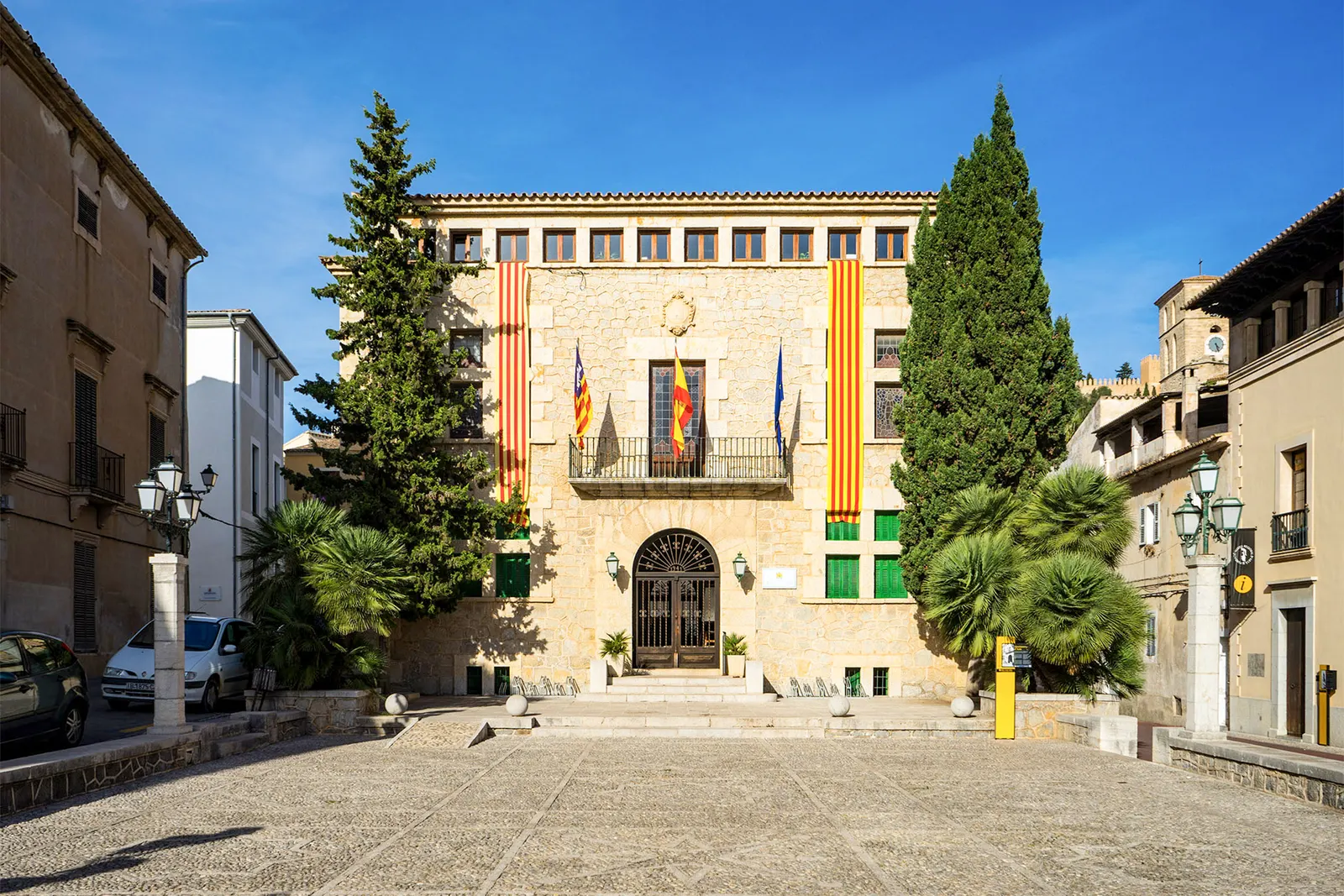
Park on the edge of town, walk up to the parish church and follow the Calvari steps to Santuari de Sant Salvador. Walk around the walls, then return through the lanes to Plaça de l’Ajuntament for a coffee.
Half a day
Add a walk around Ses Païsses on the south-eastern edge of town, checking opening times. On Tuesday, you can combine it with the market.
A full day
Explore the town and hill in the morning, then head to Ermita de Betlem in the mountains or walk towards Llevant’s remote coves. Finish at the beach in Colònia de Sant Pere.
On a rainy day
Visit the parish church and Museu Regional d’Artà, with its finds from Ses Païsses, then take your time over lunch. The hilltop climb is less rewarding in rain, when steps become slippery and views disappear.
Local celebrations
- 16–17 January — Sant Antoni The town’s main celebration, documented since 1581, with street fires, dimonis, a correfoc fire run and the blessing of animals.
- Tuesday — Weekly market Around Plaça del Conqueridor, approximately 8 am–1 pm.
- Early August — Sant Salvador Patron saint celebrations with concerts and fireworks.
Practical details
- Parking
- Usually straightforward except during Tuesday’s market. Stay on the edge of town; central lanes are narrow, steep and sometimes one-way.
- Public transport
- Connections with Manacor, Palma and Cala Ratjada; check current routes and changes with TIB.
- Time to allow
- Half a day including Sant Salvador and Ses Païsses, or several days as a base for the north-east.
- Good to know
- A narrow road also reaches the sanctuary. It avoids the steps, although walking up is one of the best parts of a visit if you’re able to.
- Bus
- Connections via Manacor and the north-eastern resorts. Journeys from Palma usually involve a change; check current TIB routes and allow plenty of time.
- Shops and services
- Supermarkets: Several in town, open year-round · Pharmacy: Several in the centre · Medical care: Local health centre; hospital in Manacor, 25 km away · Cash machines: Several on the main street and square · Fuel: On the road towards Capdepera
- Access
- Cobbled streets climbing steadily uphill, with 180 Calvari steps. · Pushchairs: Manageable in the main streets, but not on the staircase. · Wheelchairs: Limited access in the centre; the sanctuary can only be approached by the road. · Dogs: Generally straightforward; keep dogs on a lead at the hilltop site.
- What you will not find
- Beach · Large resort hotels · Level streets · Nightlife
- Coordinates
- 39.6944,3.3500 Google Maps Apple Maps
Dates that change the town
When a race comes to town
Mallorca 312 Road cycling · 25 April 2026
Road closures begin in the morning. The affected roads and reopening times follow the organiser’s traffic plan. Allow extra time for transfers and day trips.
The season guide describes whole months. A race weekend can transform a normally quiet town for a couple of days. Find the dates in our guide to Sporting events.
Within reach
Places to visit
In the town

A fortress with a church inside, high above Artà. Walls with nine towers surround a courtyard of palms, an old …
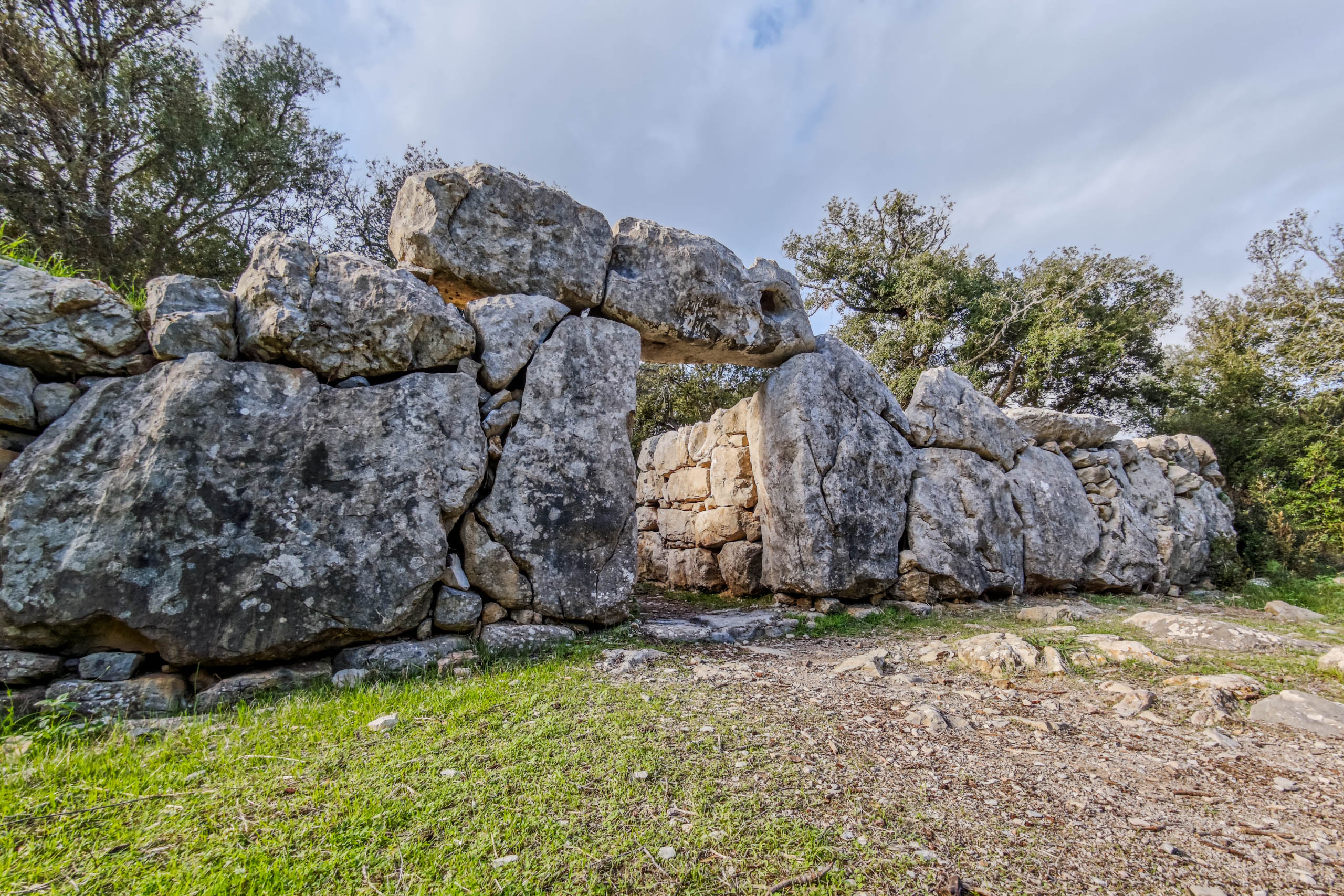
Behind a wall of enormous stone blocks on the edge of Artà lies a Talayotic settlement with around 3,000 years of …
Nearby

A hermitage founded in 1805 in the hills of Artà, reached by a narrow, winding road. The last resident hermits …
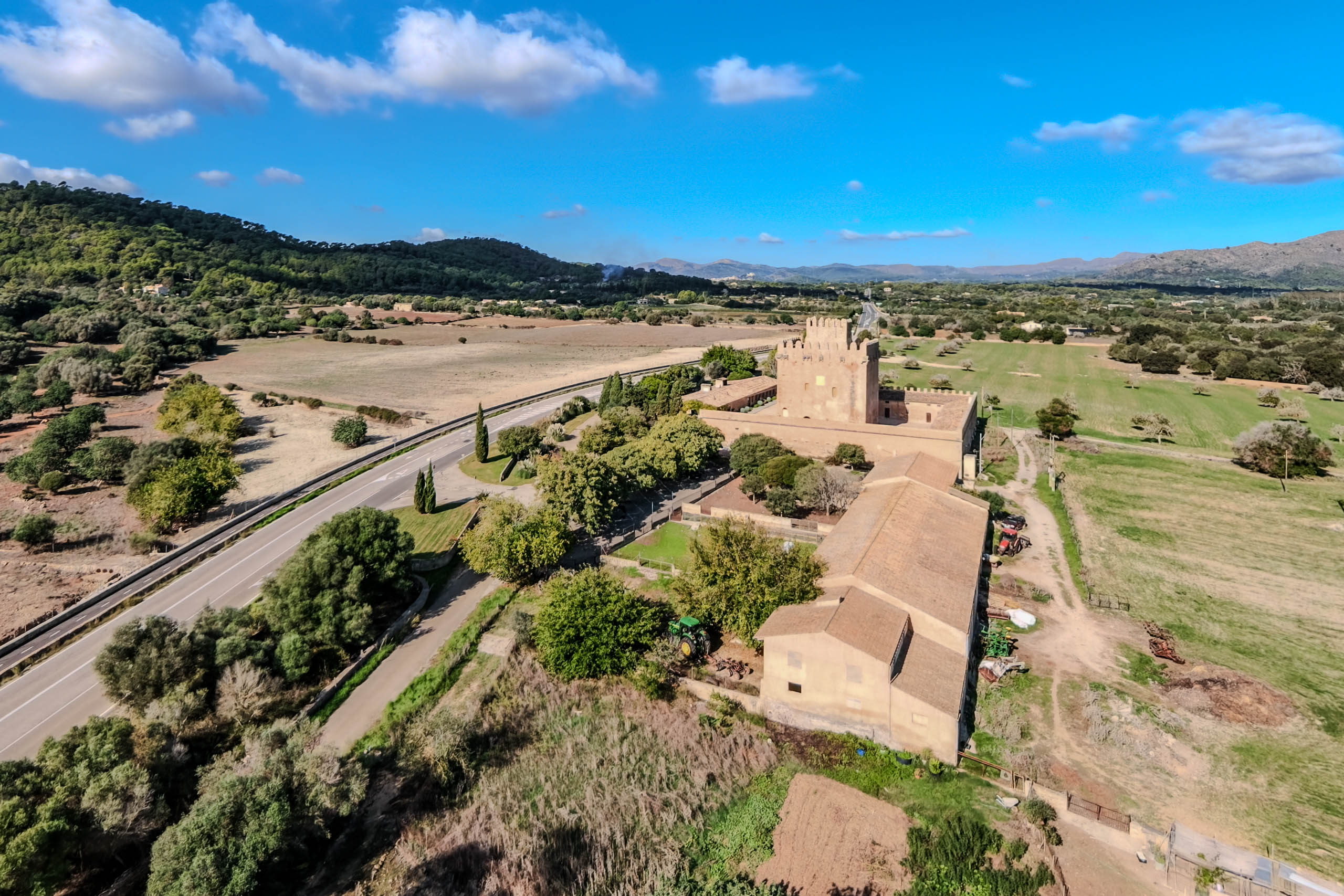
Torre de Canyamel stands in the valley beside the road to the coast. The imposing 13th-century defensive tower …

Above Capdepera stands a former walled settlement, with walkable defensive walls, the Miquel Nunis tower and a …
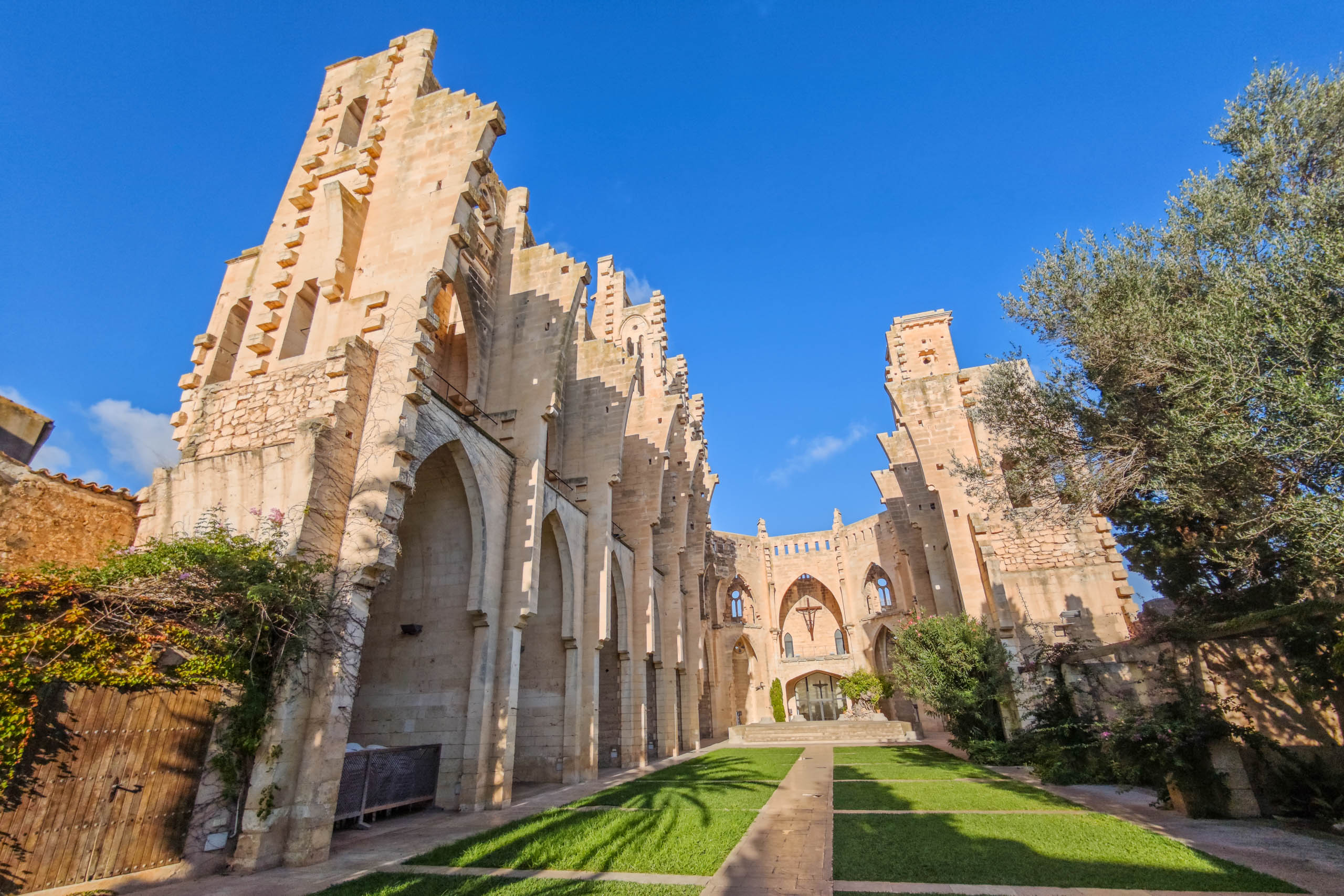
A church without a roof stands in the middle of Son Servera. Beyond Església Nova’s iron gate, garden paths pass …

A watchtower dating from 1566 on the summit above Cala Agulla and Cala Mesquida, now a ruin. The walk up takes …

A limestone cave with a huge opening above the sea near Canyamel. Inside, a guided route climbs and descends steps …
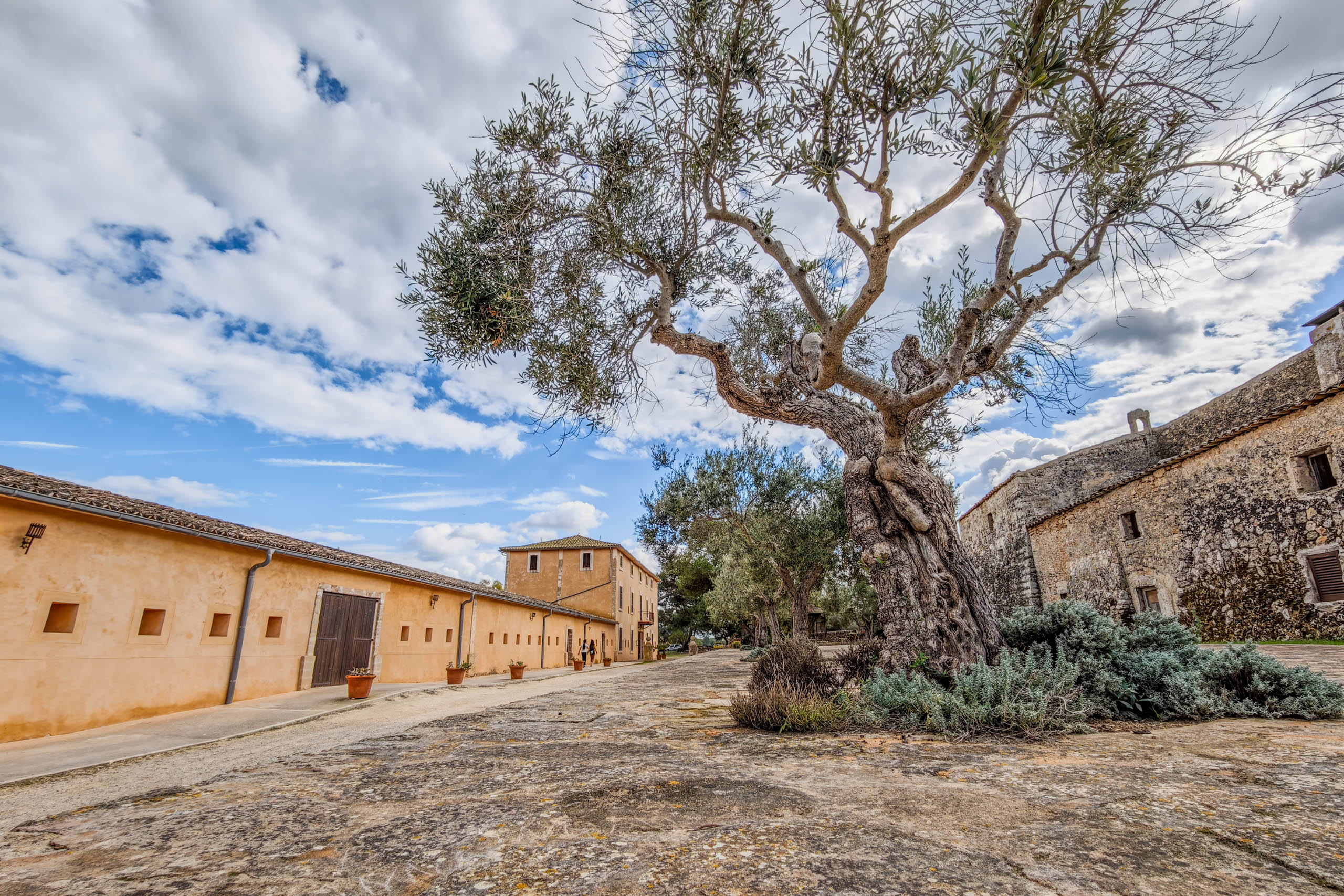
Old farm buildings, gnarled olive trees and a museum about earlier life on Mallorca. Son Real lies between Can …
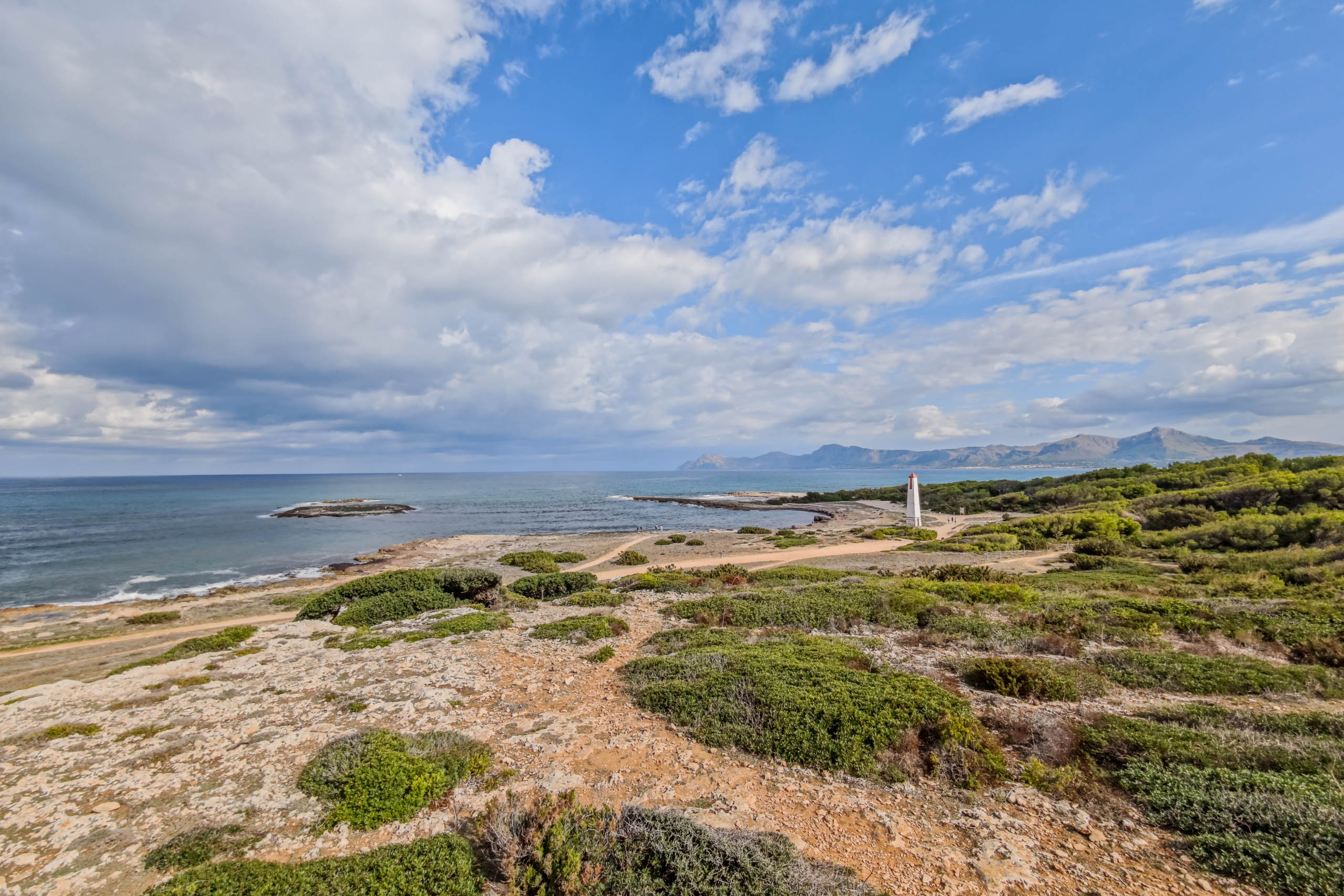
A few steps onto a wooden platform reveal the coast of Son Real. A dolmen lies beside the viewpoint, with the …
Distances without a driving time are measured in a straight line. The road journey can be much longer; known driving times are shown alongside.
Where to swim nearby
Beaches and swimming nearby

Founded in 1880, this small coastal town has a harbour, a short beach and a promenade with a handful of …

A broad sandy bay north-west of Cala Ratjada, backed by pine woods and dunes. Pale sand fills the centre, with …

A broad stretch of pale sand with protected dunes behind it and a wooden boardwalk crossing them. Cala Mesquida …

A sandy bay backed by pine-covered slopes, a handful of hotels and a golf course. Canyamel is one of the quieter …
Explore from here
Your questions answered
Your questions about Artà
What is there to see in Artà?
The hilltop Santuari de Sant Salvador, enclosed by a defensive wall with nine towers; Transfiguració del Senyor parish church below; and the 180 Calvari steps between them. Ses Païsses lies on the south-eastern outskirts. There’s also the town hall square and, on Tuesdays, the weekly market.
When is Artà’s market?
Tuesdays, around 8 am–1 pm, near Plaça del Conqueridor. It sells fruit, vegetables, cheese and crafts, with more everyday local shopping than many coastal markets.
How many steps lead to Sant Salvador?
There are 180 Calvari steps, lined with cypresses, from the parish church to the sanctuary on its 182-metre hill. Allow ten to twenty minutes at an easy pace. Avoid the midday climb in high summer.
Can you drive up to Santuari de Sant Salvador?
Yes. A narrow tarmac road leads up, with a few parking spaces at the top. It’s useful if walking is difficult. If you can manage the steps, they give you a much better sense of the town’s steep setting.
How old is Artà?
The town is first recorded in 1232 under the name Yartân, though the area was settled much earlier, as Ses Païsses, S’Aigua Dolça and Sa Canova show. In Moorish times, a fortress called the Almudaina stood on the hill.
What is Ses Païsses?
A Talayotic settlement on the south-eastern outskirts with around 3,000 years of history. Its large boundary wall was built later, probably between 650 and 540 BC. The monumental gateway, central talayot and many building remains survive. Standard admission is €4 per person in the current guide; the site closes on Sundays and public holidays. Check official visiting times before setting off.
What happens at Sant Antoni in Artà?
The town’s main festival takes place on 16–17 January and is documented here from 1581. Fires burn in the streets, dimonis dressed as devils parade through town, and there is a correfoc fire run. Animals are blessed the next day. It’s worth planning around if you’re on Mallorca in January.
Practical questions
When is the best time to visit Artà?
Recommended months: January, February, March, April, May, September, October, November, December. Sant Antoni on 16–17 January brings street fires, devil figures and crowds of local people — one of the island’s oldest celebrations.
Is Artà worth visiting in July and August?
July: worth considering with some reservations. Usually lively. Very hot inland, without much sea breeze. August: another month may suit you better. Usually busy.
How far is Artà from Palma airport?
About 72 km from Palma airport. Allow roughly 70 minutes by car. The Ma-15 runs directly through. Come early on market day, or finding a parking space may take longer than the journey.
Do I need a hire car for Artà?
A car is useful Connections via Manacor and the north-eastern resorts. Journeys from Palma usually involve a change; check current TIB routes and allow plenty of time.
Where can I park in Artà?
Usually straightforward except during Tuesday’s market. Stay on the edge of town; central lanes are narrow, steep and sometimes one-way.
Can you swim at Artà?
There is no beach here. See the nearby swimming options on this page.
Can I visit Artà with a pushchair or wheelchair?
Cobbled streets climbing steadily uphill, with 180 Calvari steps. Pushchairs: Manageable in the main streets, but not on the staircase. Wheelchairs: Limited access in the centre; the sanctuary can only be approached by the road.
Are dogs allowed at Artà?
Generally straightforward; keep dogs on a lead at the hilltop site.
Artà features in our Mallorca highlights
Words and photographs: Friedhelm Fischer. Exploring Mallorca since 2013 — by bike, on foot and with a camera.