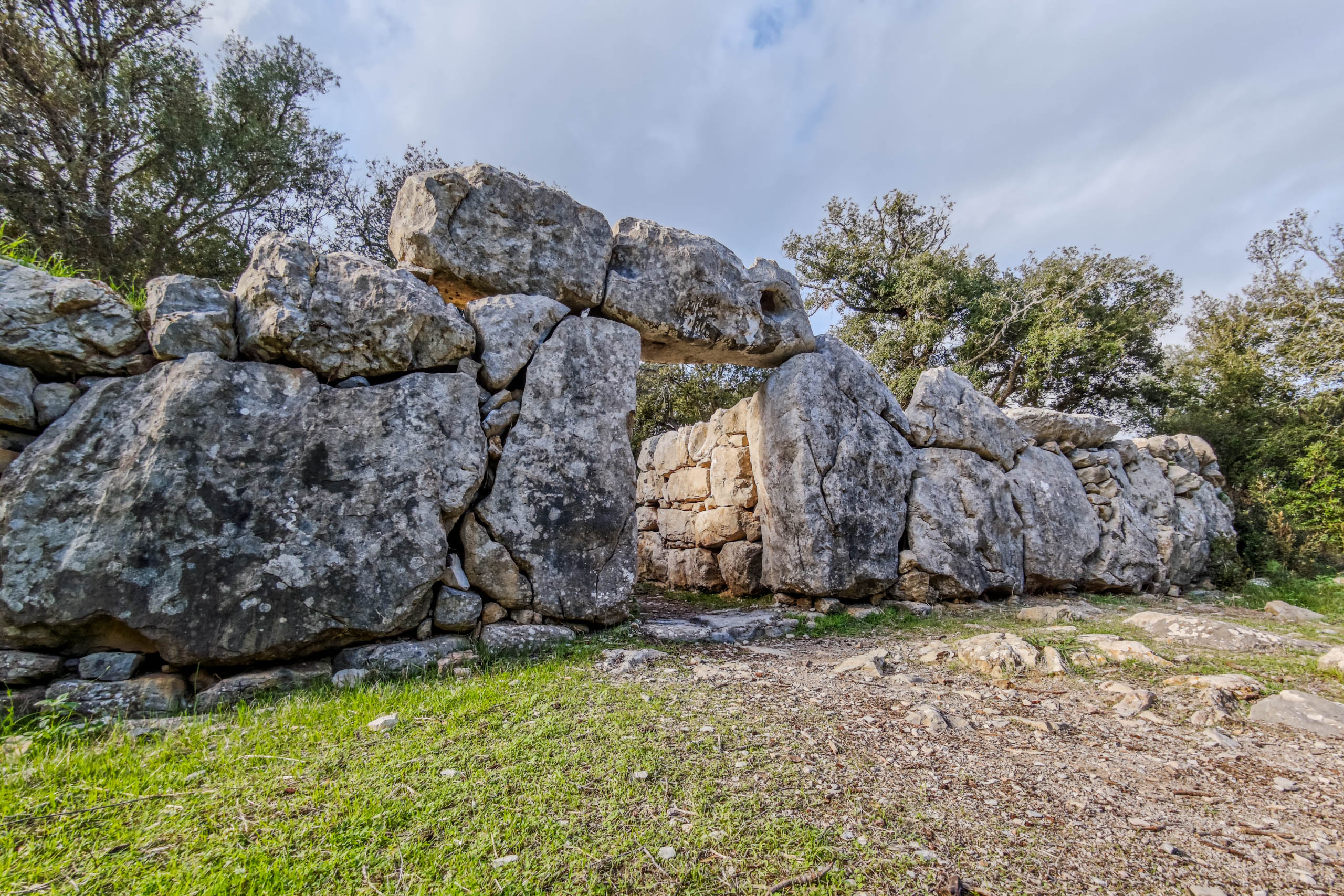
Behind a wall of enormous stone blocks on the edge of Artà lies a Talayotic settlement with around 3,000 years of history. Paths beneath old trees lead through excavated rooms to the central talayot. A peaceful stop to explore Mallorca's past close up.
Ses Païsses
Ses Païsses in 30 seconds
The essentials at a glance
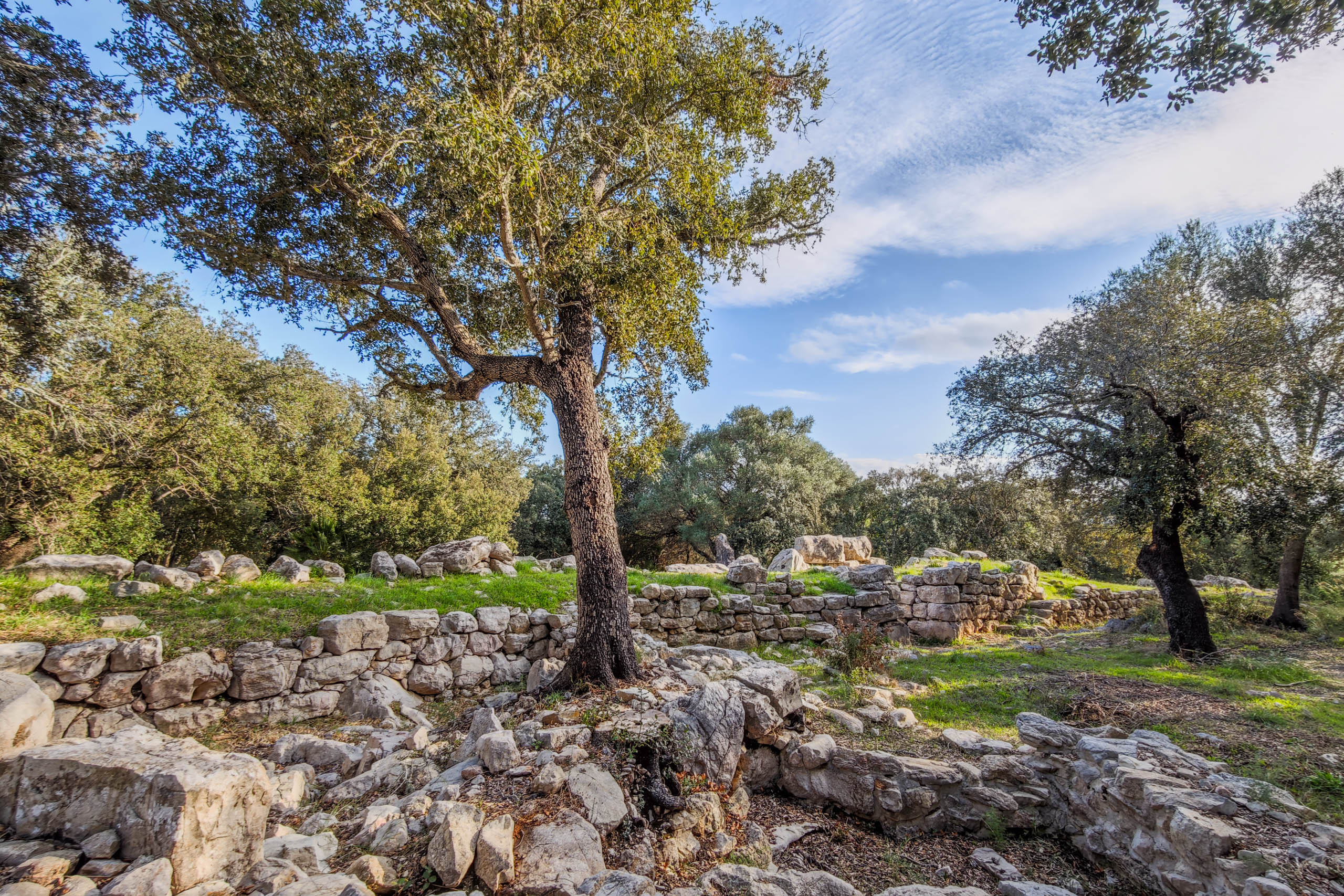
Old trees and mighty stones.
- Worth a visit?
- Worth visiting for history and a peaceful walk near Artà
- Best for
- History lovers and anyone curious about ancient stone buildings
- Best months
- January–June, September–December
- Time to allow
- A short outing with time for the information panels and a break
- Without a car
- Walkable from Artà, along a narrow road shared with traffic
- Parking
- Small parking area immediately outside the entrance
- Highlight
- The monumental stone gateway and central talayot
- Keep in mind
- A fully level route or a Sunday visit
- Access
- Natural ground, stones and roots among the ruins
Get a feel for Mallorca. Find your kind of place.
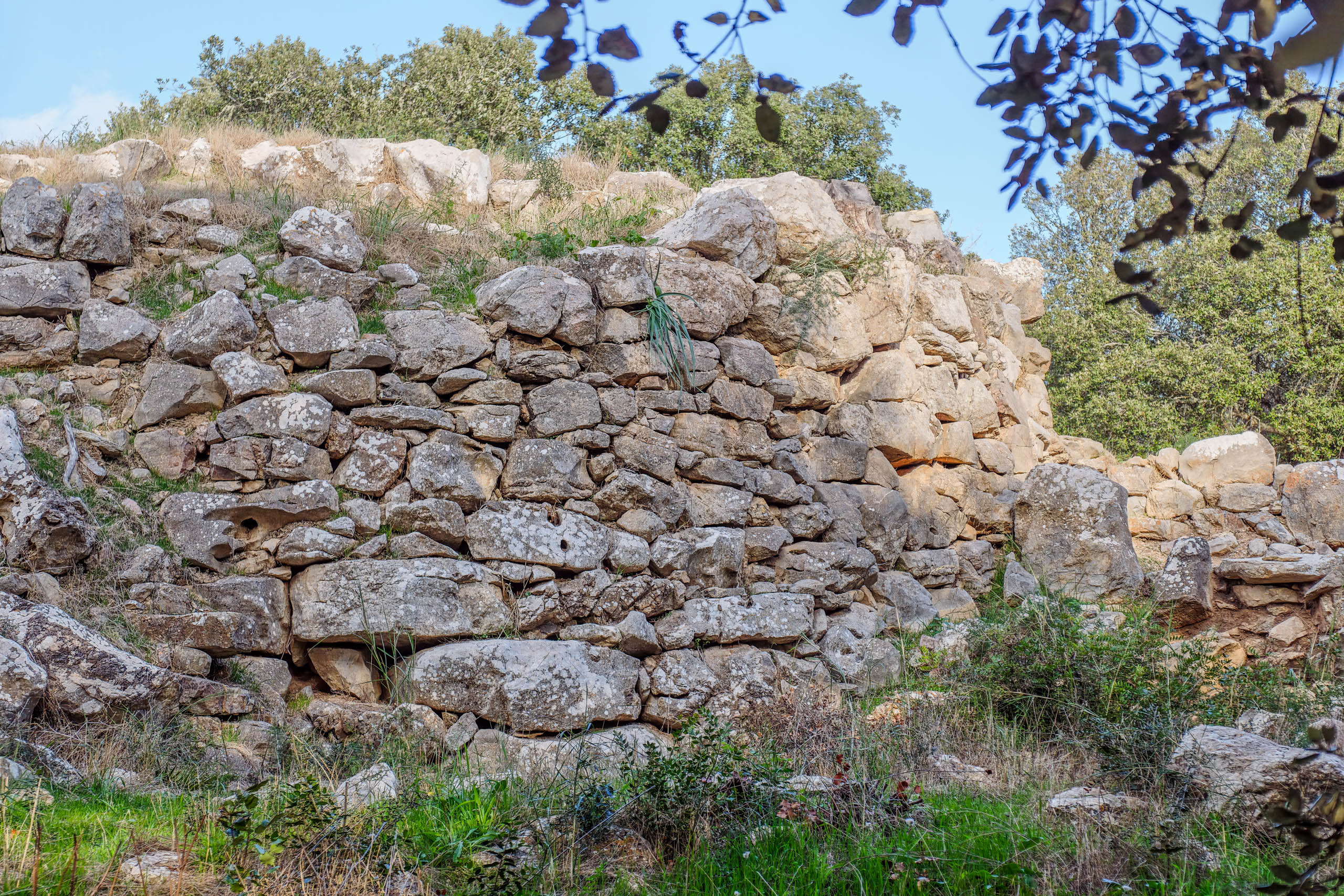
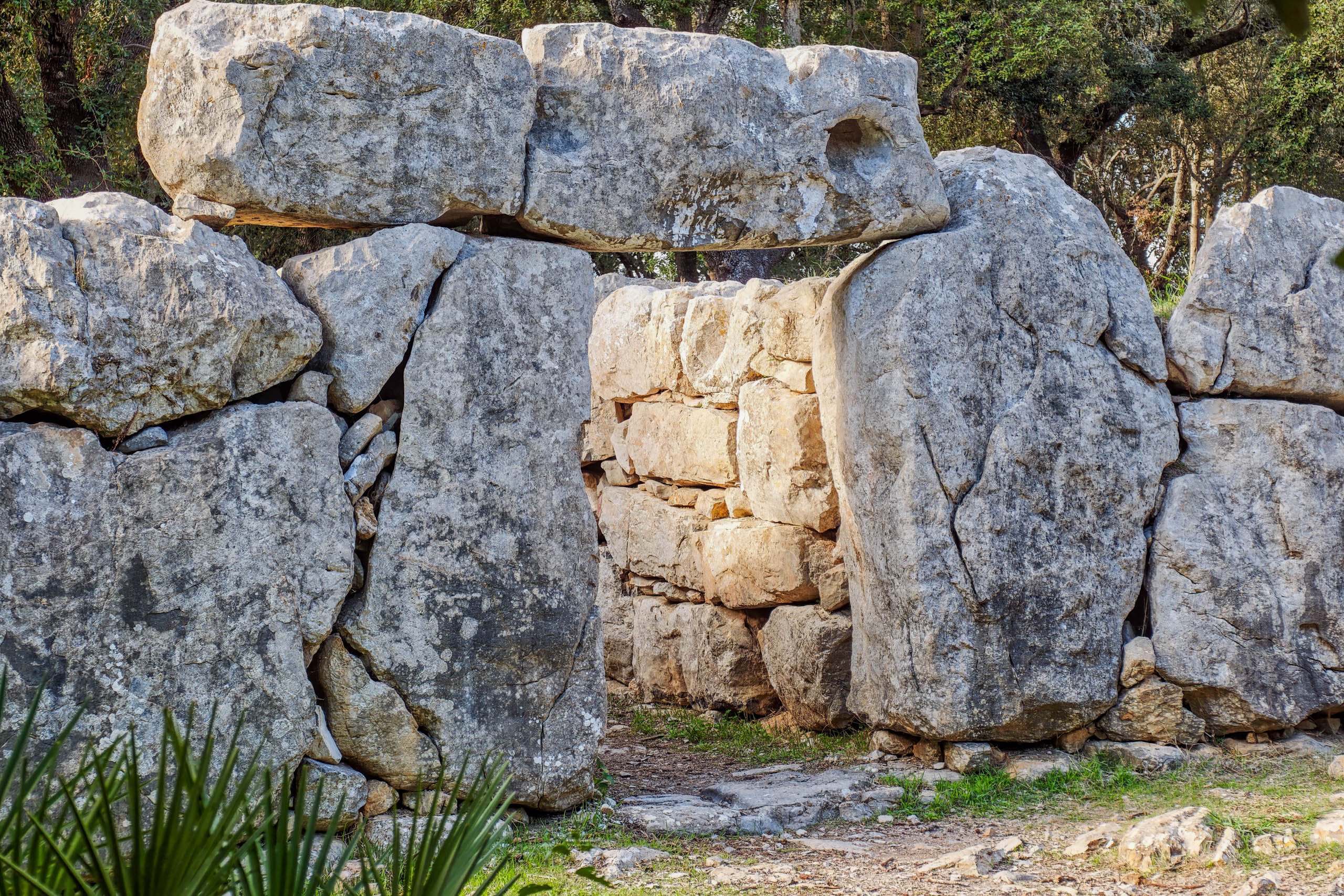
The monumental gateway belongs to the later enclosure wall, dated roughly to 650–540 BC.
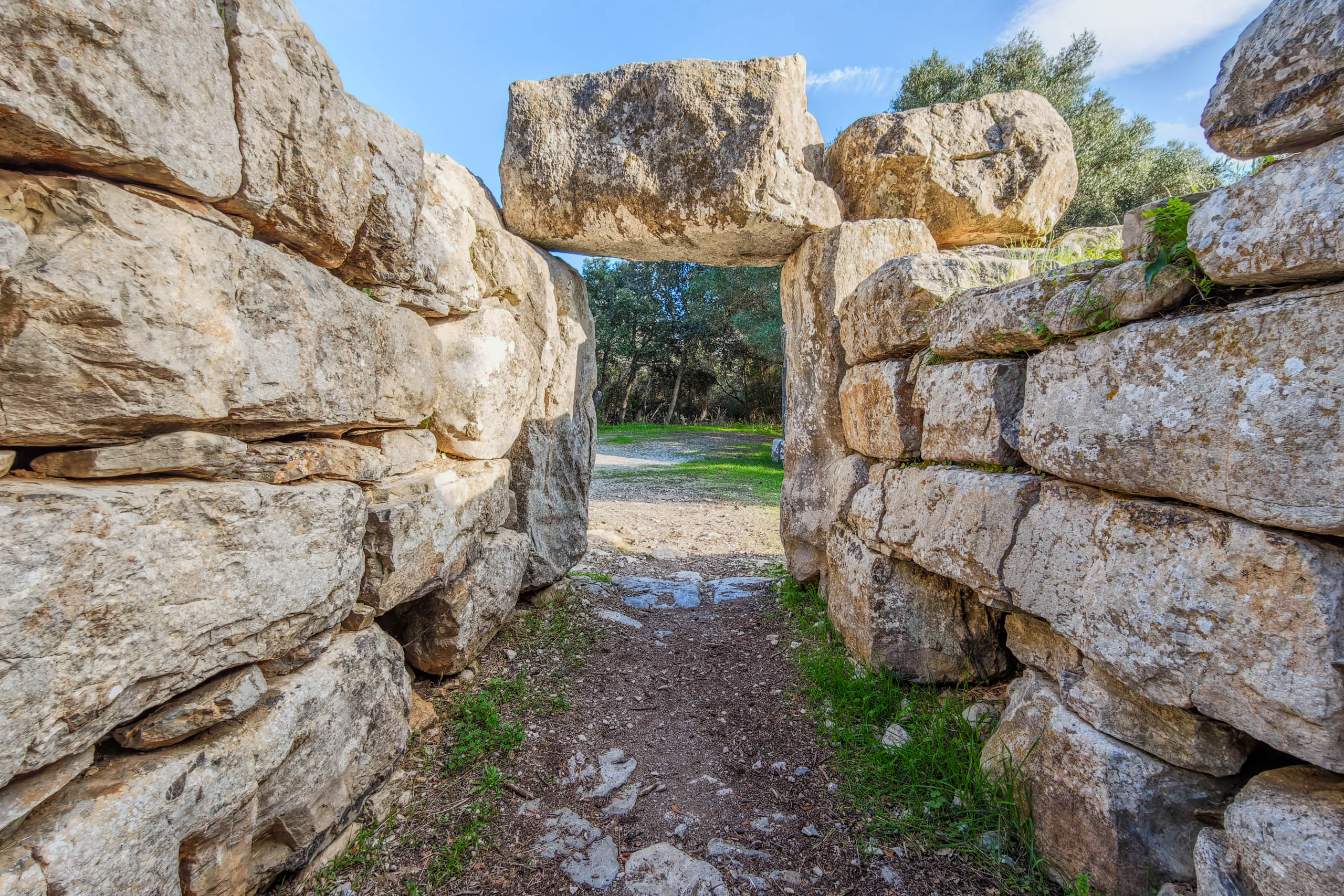
The gateway reveals the wall's thickness, with a huge lintel spanning the passage.
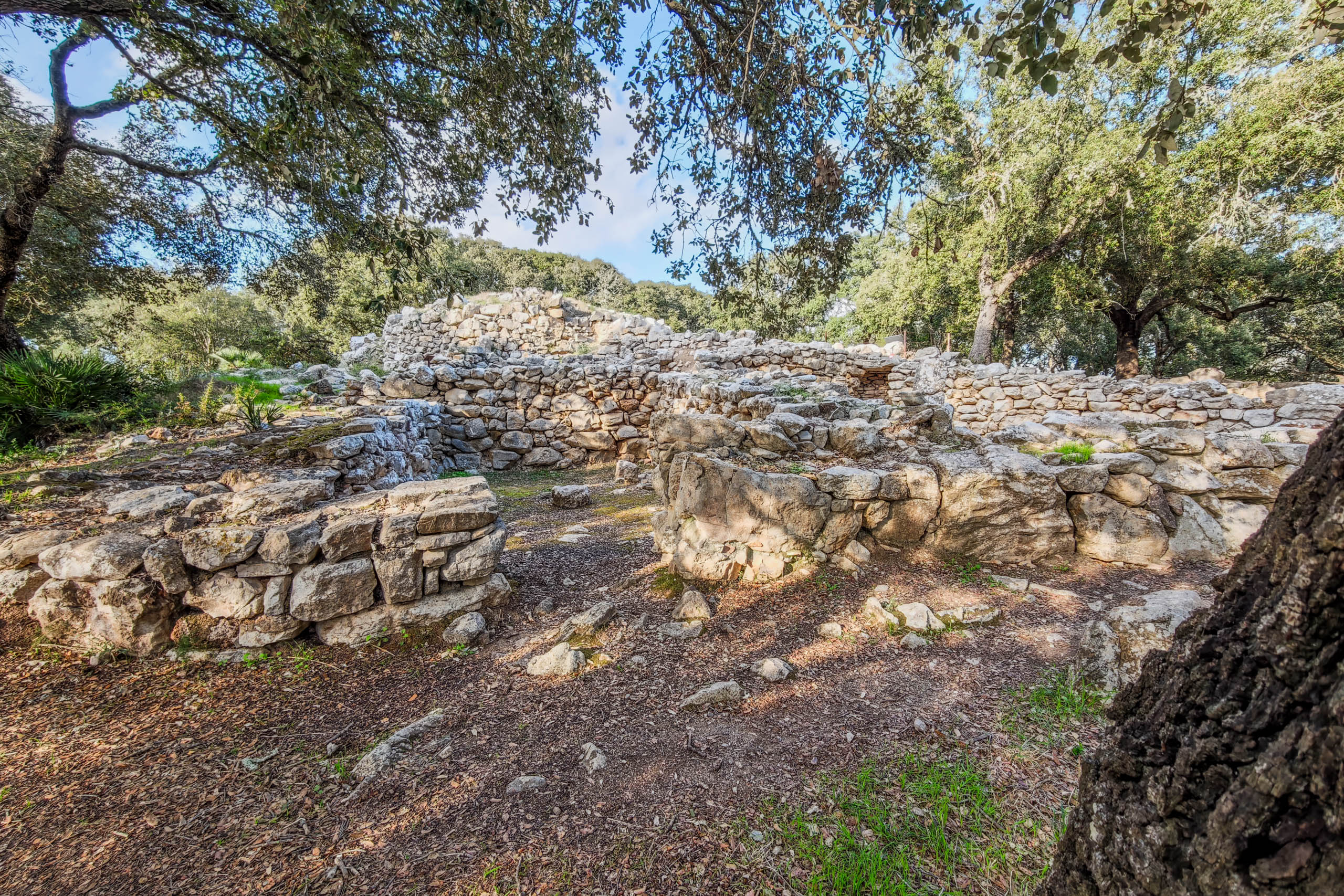
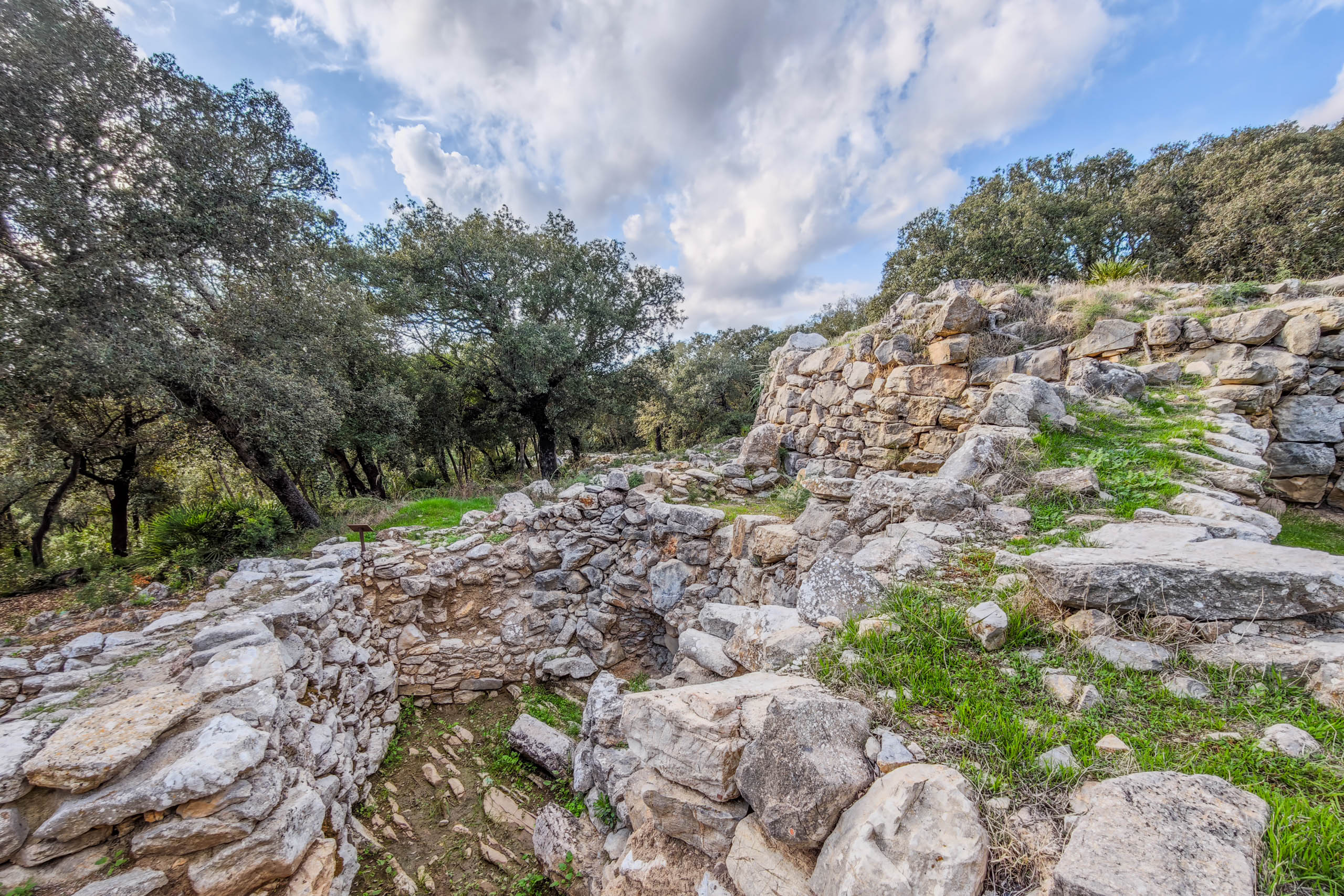
The central talayot formed the starting point of the settlement. Buildings gradually grew around it.
Getting to know Ses Païsses
Does Ses Païsses suit your plans?
What to expect and what to know before you visit.
Who it suits
- You want to see ancient buildings close up
- You would like a peaceful walk alongside a visit to Artà
- You enjoy taking time over information panels, foundations and large stone blocks
Things to bear in mind
- You need level access throughout the ruins
- You can only visit on a Sunday or public holiday
Region
Llevant
Nearest beach
Canyamel
8 km
Season guide for Ses Païsses
November Worth a visit
Visit during opening hours; closed on Sundays and public holidays.
Worth visiting in January, February, March, April, May, June, September, October, November and December.
Location
Location of Ses Païsses
- Region
- Llevant
- Municipality
- Artà
- Hire car
- recommended
- Worth visiting for
- a brief stop
- Coordinates
- 39.6874,3.3538
Through the great stone gateway
Ses Païsses stands on the south-eastern edge of Artà, on Camí de sa Corballa. The entrance deserves a close look: two huge upright blocks support a long lintel, with the path passing between them through the thick wall.
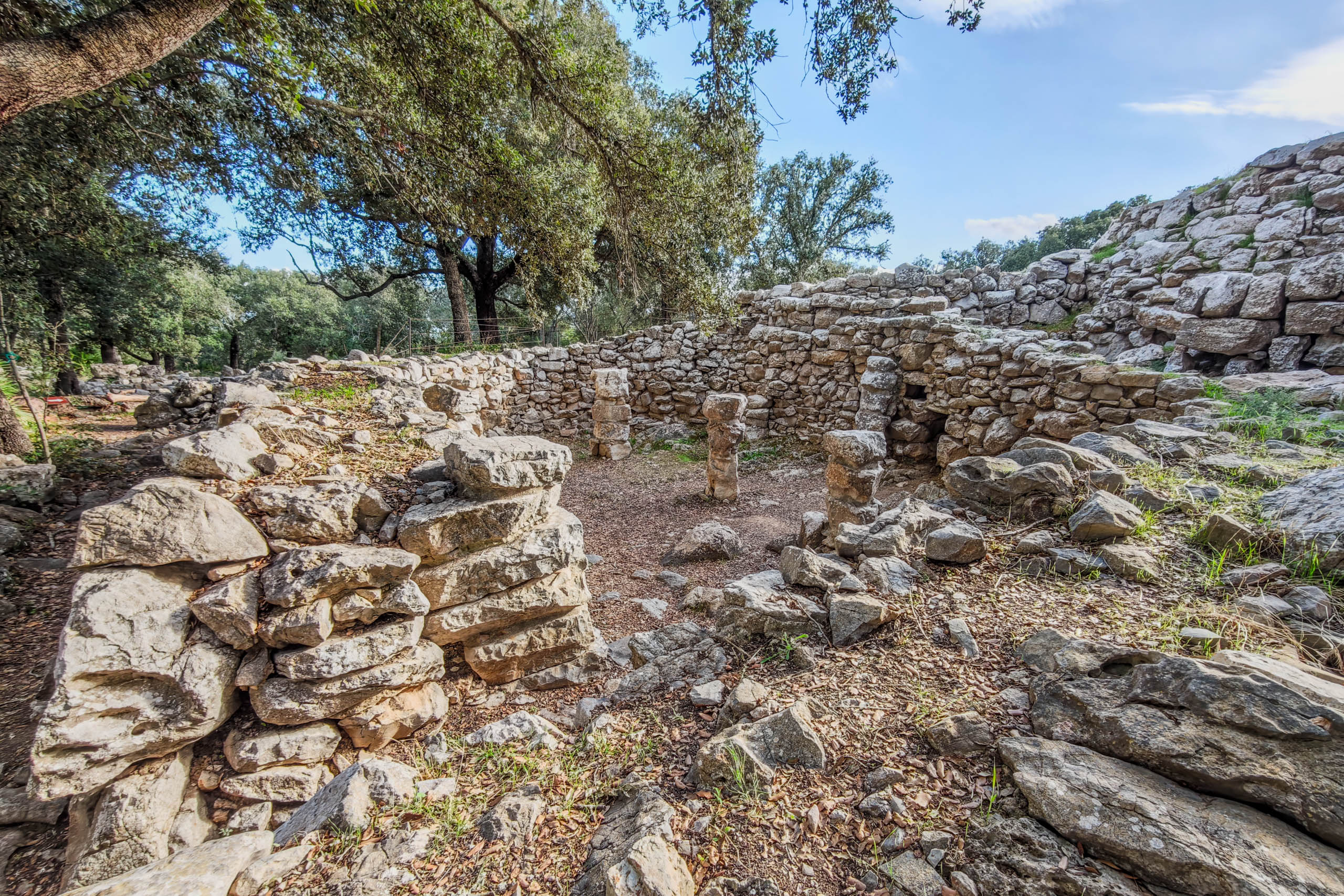
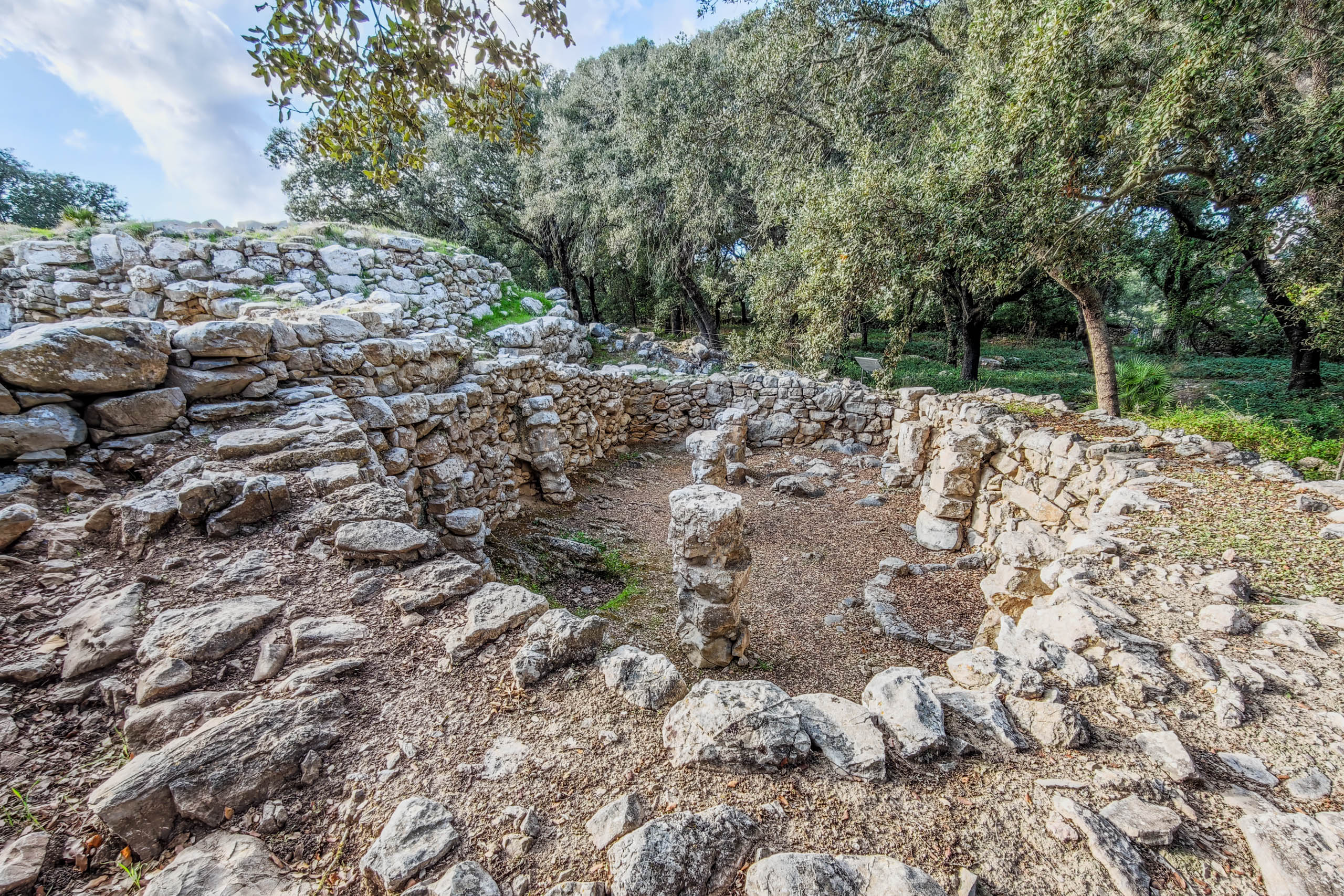
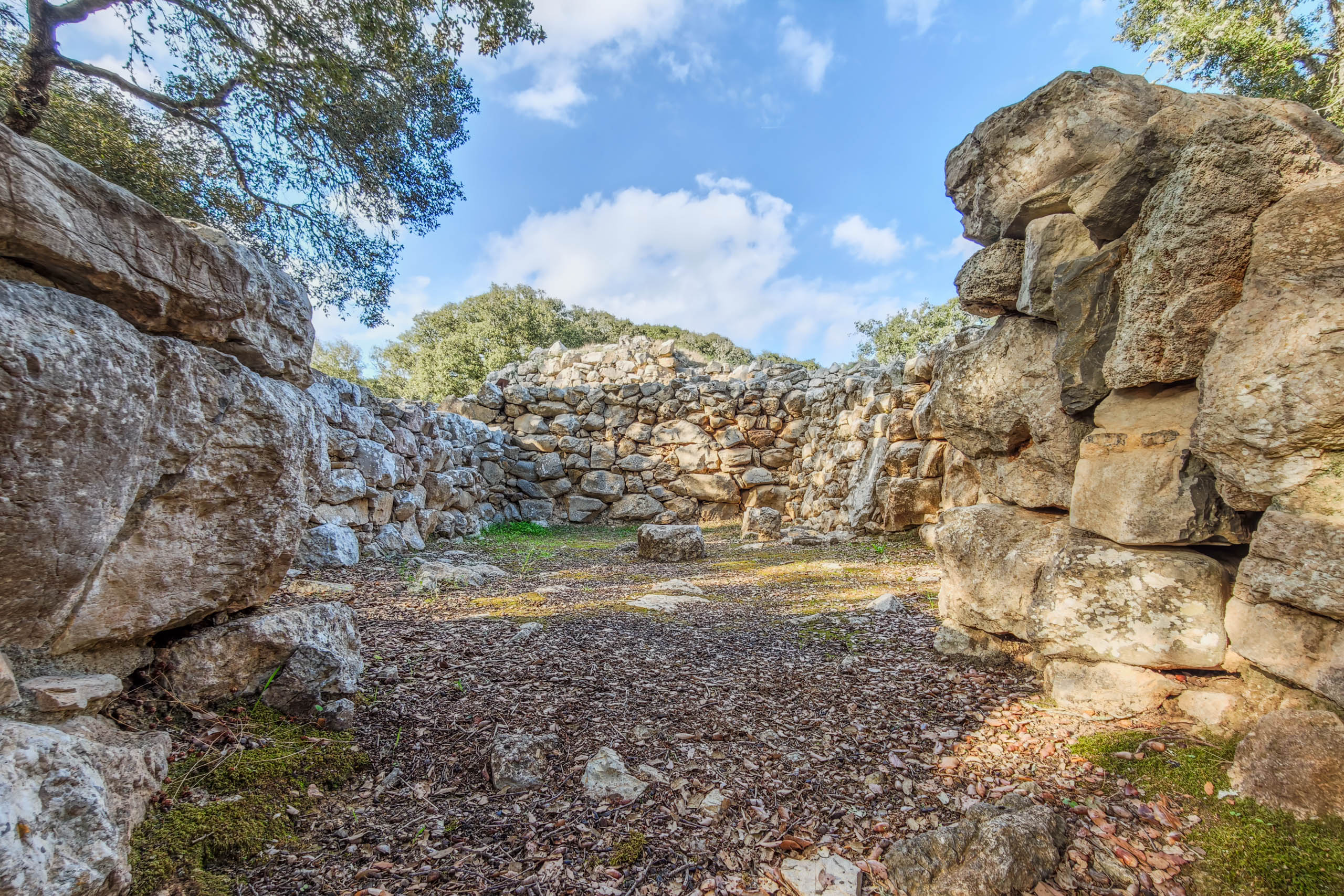
Beyond the gate, old trees grow among excavated buildings. Low walls trace rooms, while others survive much higher. Paths link the different areas, and information panels help explain the remains.
Around 3,000 years of history
Artà’s tourist office places the settlement’s beginnings around 850 BC, starting with the central talayot, a tower built from large stone blocks. Other structures, including houses, were added later.
The huge enclosure wall is younger, dated there to roughly 650–540 BC. Standing at its gate, you are looking at a part of the site around 2,600 years old. The talayot, houses and wall belong to different building phases.
The large blocks were laid without mortar. How people moved and positioned them is a question that comes naturally as you walk around. The gateway makes the construction especially clear.
The talayot and surrounding houses
The talayot stands at the centre of the settlement, with the outlines of other buildings around it. Excavated areas form only part of the former village; many remains are still underground.
The first archaeological excavations began in 1959, led by Giovanni Lilliu. Later investigations uncovered further areas. Look at the different room shapes, passages and connections between walls as you explore.
Do not count on going inside the talayot. I did not find the entrance on my visit. Ask at the ticket hut which areas are currently open.
Getting there and taking a break
Coming from the west, follow the Ma-15 along the lower edge of Artà. After Agromart supermarket, take the first exit at the next roundabout. The road narrows, turns right and continues to the entrance. Watch for oncoming traffic on the narrow stretch.
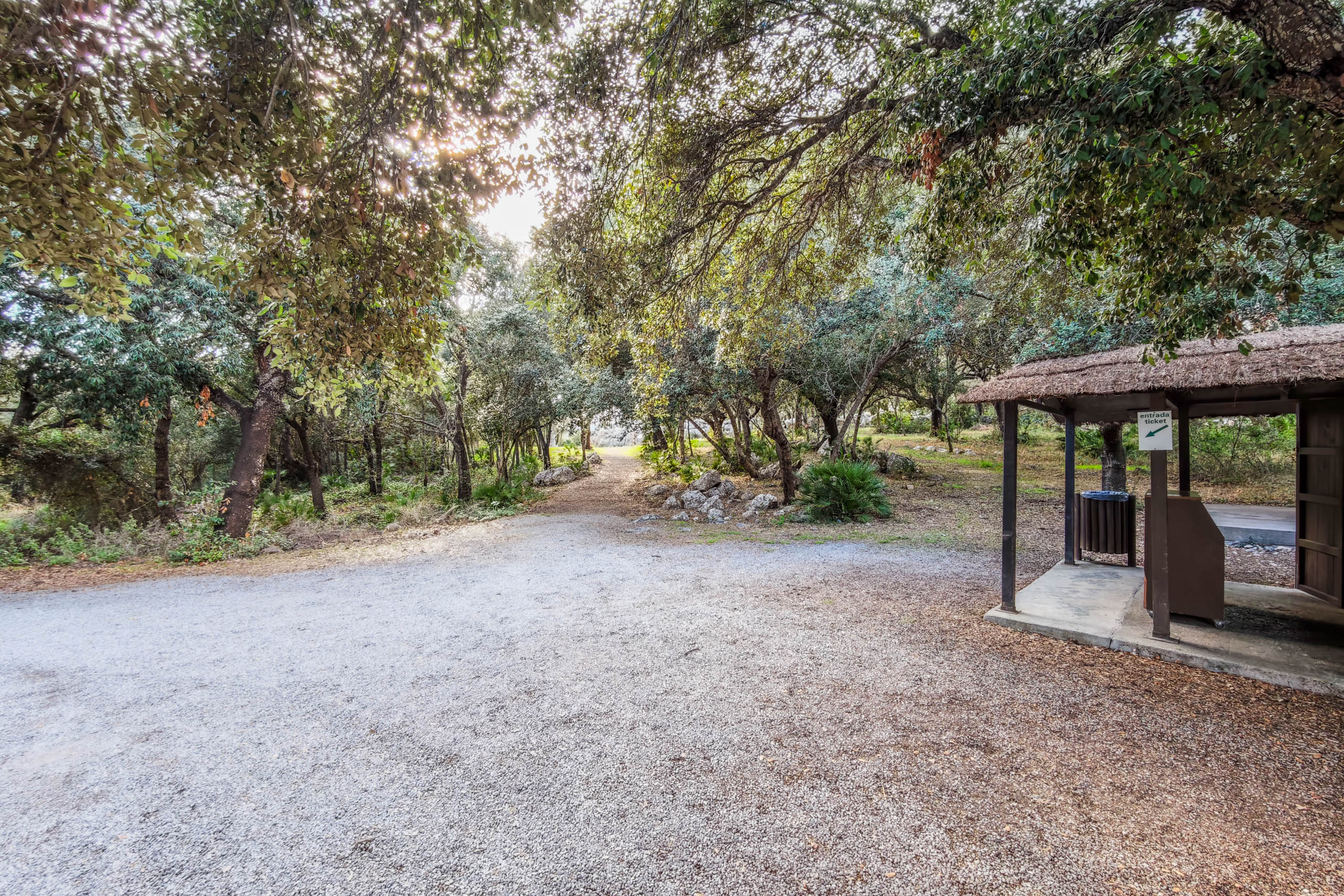
A small shaded parking area stands outside the iron gate. I estimated space for five to eight cars on my visit. Tables and benches provide somewhere to rest, and the ticket hut also sold drinks.
The site has earth, stones and roots underfoot. Sturdy shoes make walking among the excavated rooms easier. Trees shade parts of the route, while other sections are exposed.
Admission and opening hours
Standard admission is €4 per person. The council publishes these opening hours:
- Winter: Monday–Saturday, 10am–2pm.
- Summer: Monday–Friday, 10am–5pm; Saturday, 10am–2pm.
- Closed on Sundays and public holidays.
Check the council’s current visitor information before setting out. Group rates are also listed there.
Ses Païsses belongs to the Spanish state and is managed by Artà council. Charging admission does not mean it has a private operator.
Combine it with Artà
Pair Ses Païsses with a walk through Artà. Continue up to Sant Salvador sanctuary to see two very different periods of local history: a prehistoric settlement outside town and a fortified pilgrimage church above it.
Historical sources: Artà tourist information and the archaeological study dating the enclosure wall.
Photographs
Ses Païsses in Mallorca
Practical details
- Parking
- Small area outside the entrance; room for roughly five to eight cars on my visit
- Time to allow
- A short outing with time for the information panels and a break
- Good to know
- Standard admission is €4 per person. Closed on Sundays and public holidays. Tables and benches are near the entrance, and drinks were sold at the ticket hut on my visit. Sturdy footwear helps on the uneven paths among stones and roots.
- Access
- Natural ground, stones, roots and thresholds among the building remains · Pushchairs: Uneven ground and narrow passages make access difficult · Wheelchairs: No fully level route through all the ruins
- Price guide
- Admission €4 per person at the standard rate (as of 2026)
- Coordinates
- 39.6874,3.3538 Google Maps Apple Maps
Within reach
Places to visit
Nearby

A fortress with a church inside, high above Artà. Walls with nine towers surround a courtyard of palms, an old …
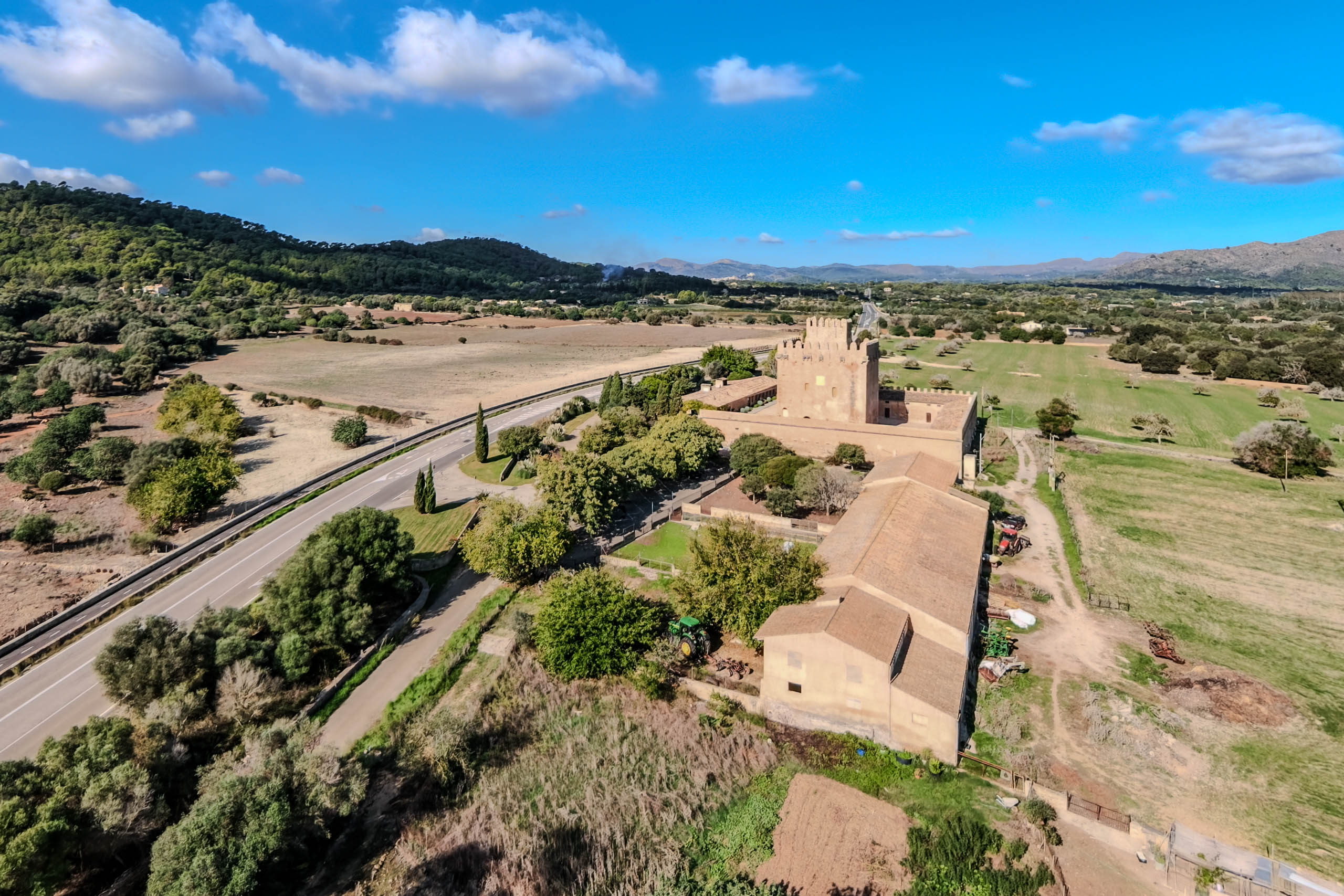
Torre de Canyamel stands in the valley beside the road to the coast. The imposing 13th-century defensive tower …

Above Capdepera stands a former walled settlement, with walkable defensive walls, the Miquel Nunis tower and a …

A hermitage founded in 1805 in the hills of Artà, reached by a narrow, winding road. The last resident hermits …
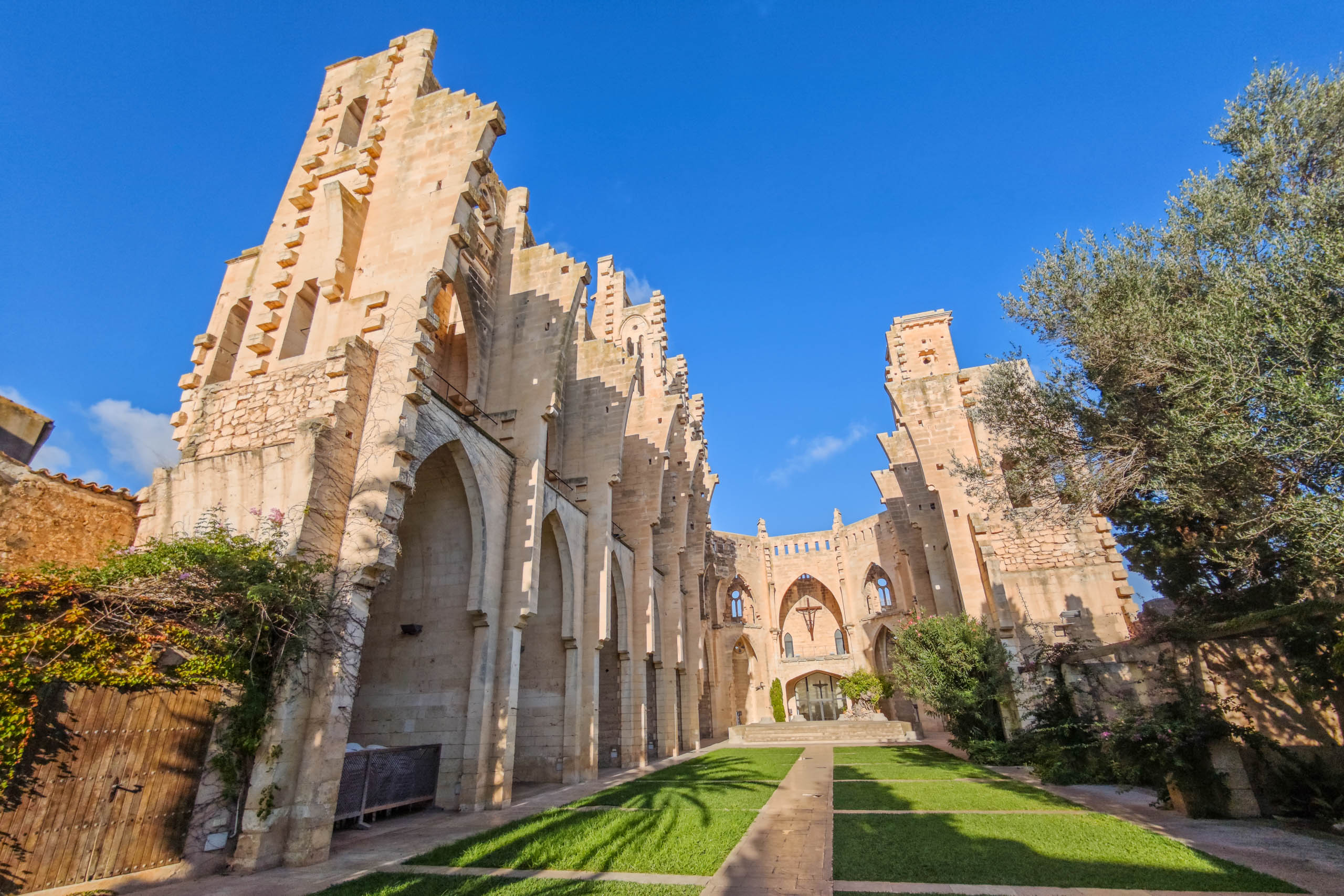
A church without a roof stands in the middle of Son Servera. Beyond Església Nova’s iron gate, garden paths pass …

A limestone cave with a huge opening above the sea near Canyamel. Inside, a guided route climbs and descends steps …

A watchtower dating from 1566 on the summit above Cala Agulla and Cala Mesquida, now a ruin. The walk up takes …

The caves near Porto Cristo take their name from their hook-shaped formations. Smaller than the nearby Coves del …
Distances without a driving time are measured in a straight line. The road journey can be much longer; known driving times are shown alongside.
Where to swim nearby
Beaches and swimming nearby

A sandy bay backed by pine-covered slopes, a handful of hotels and a golf course. Canyamel is one of the quieter …

Founded in 1880, this small coastal town has a harbour, a short beach and a promenade with a handful of …

A broad sandy bay north-west of Cala Ratjada, backed by pine woods and dunes. Pale sand fills the centre, with …
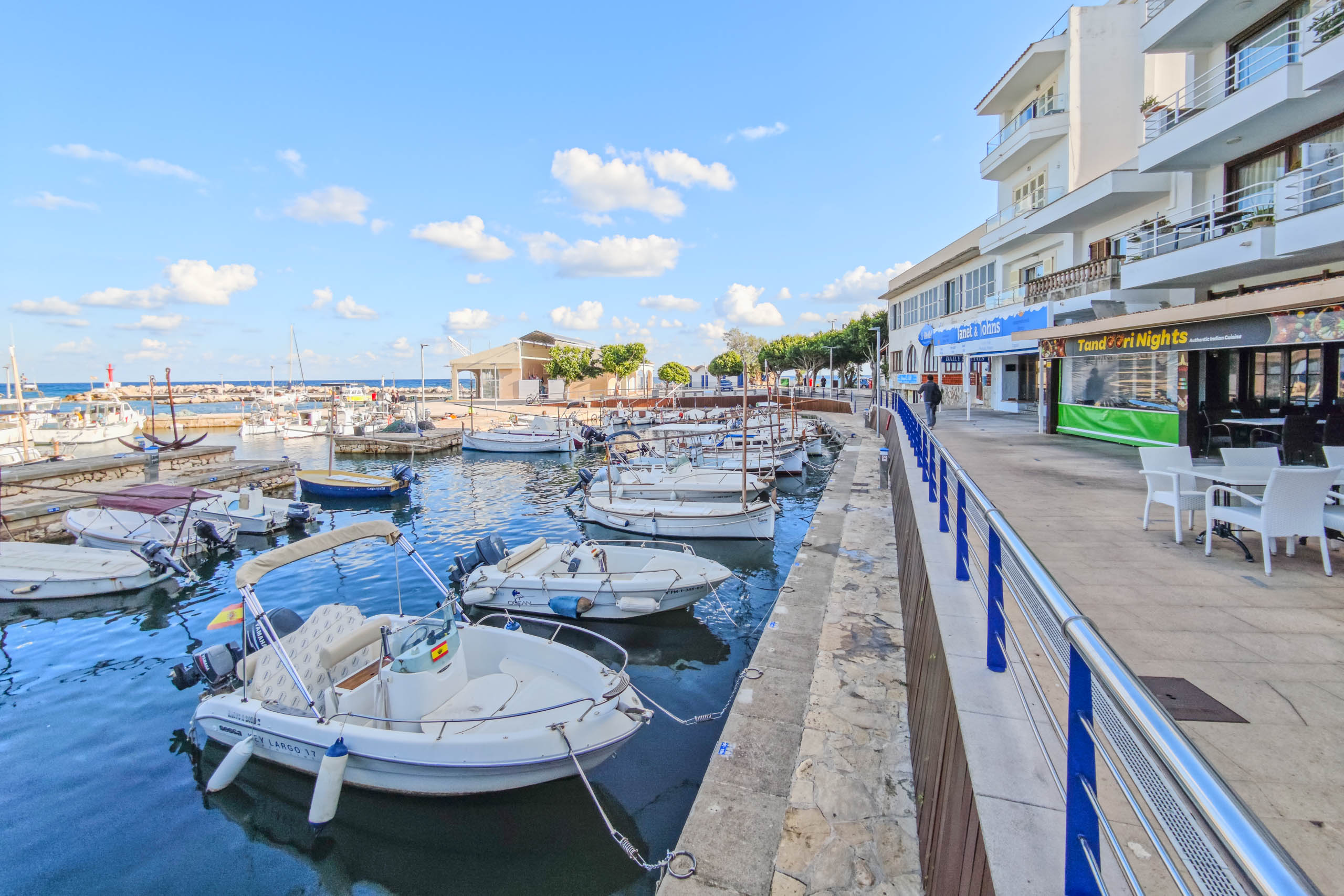
Walk north from Cala Millor and the seafront stroll becomes a wander around the harbour. In Cala Bona, little …
Places to stay within reach
Explore from here
Your questions answered
Your questions about Ses Païsses
What is Ses Païsses?
A Talayotic settlement on Artà's south-eastern edge. Its huge enclosure wall and stone gateway survive, along with a central talayot and many building remains. Information panels explain the site, much of which is still unexcavated.
How old are the settlement and its wall?
The site's history stretches back roughly 3,000 years. Artà's tourist office dates its foundation to around 850 BC. The enclosure wall came later, probably between 650 and 540 BC, making it roughly 2,600 years old.
How much is admission to Ses Païsses?
Artà council lists standard admission at €4 per person, with separate group rates. The site is accessible during published hours and closes on Sundays and public holidays.
When does Ses Païsses open?
The council lists winter hours as Monday–Saturday, 10am–2pm. In summer, opening is Monday–Friday, 10am–5pm, and Saturday, 10am–2pm. Closed on Sundays and public holidays. Check current hours on the council website before setting out.
Is Ses Païsses privately run?
The site belongs to the Spanish state and is managed by Artà council. An admission charge does not mean it is a privately owned attraction.
Can you enter the central talayot?
I did not find the entrance on my visit, so I cannot confirm interior access. Ask at the ticket hut which areas are currently accessible.
Is there parking and somewhere to take a break?
A small parking area stands immediately outside the entrance. I estimated space for around five to eight cars on my visit. There were shaded tables and benches, with drinks available from the ticket hut.
Practical questions
When is the best time to visit Ses Païsses?
Recommended months: January, February, March, April, May, June, September, October, November, December. Visit during opening hours; closed on Sundays and public holidays.
Is Ses Païsses worth visiting in July and August?
July: worth considering with some reservations. Even with tree-shaded paths, it can get very hot. Come in the morning and bring water. Closed on Sundays and public holidays. August: worth considering with some reservations. Even with tree-shaded paths, it can get very hot. Come in the morning and bring water. Closed on Sundays and public holidays.
Do I need a hire car for Ses Païsses?
A car is useful
Where can I park in Ses Païsses?
Small area outside the entrance; room for roughly five to eight cars on my visit
Can I visit Ses Païsses with a pushchair or wheelchair?
Natural ground, stones, roots and thresholds among the building remains Pushchairs: Uneven ground and narrow passages make access difficult Wheelchairs: No fully level route through all the ruins
Words and photographs: Friedhelm Fischer. Exploring Mallorca since 2013 — by bike, on foot and with a camera.