Getting around Mallorca
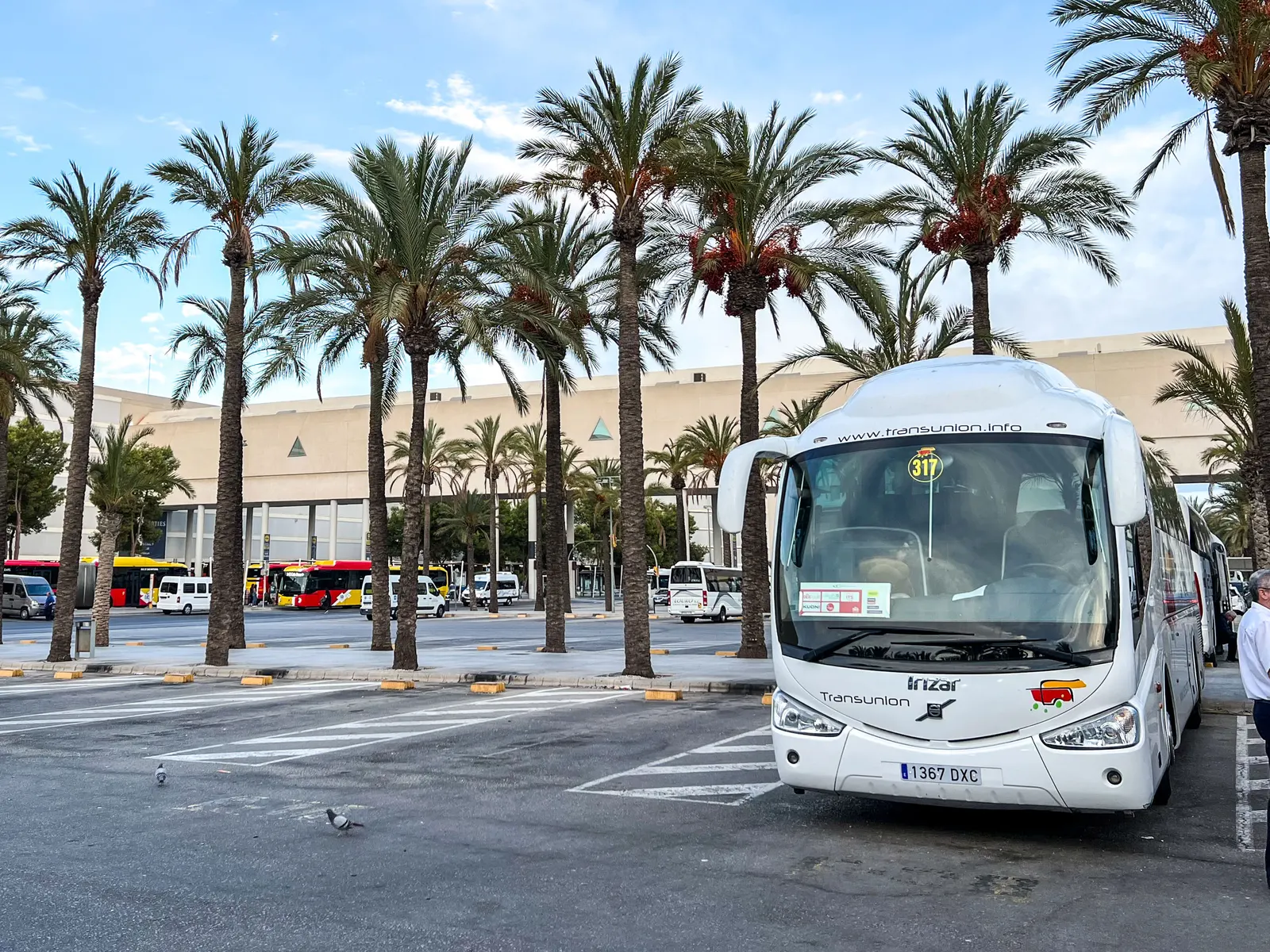
The bus station at Palma airport
Where you want to go matters more than how small the island looks on a map. Here is how to choose the transport that suits your holiday.
A beach holiday in Port d’Alcúdia calls for a different plan from a tour of the Tramuntana. Think about the journeys between your accommodation and the places you want to visit.
Do I need a hire car in Mallorca?
It depends on your holiday. What would you like to do? How much freedom do you want to head out on a whim? And what time of year are you coming?
If you are mainly staying in one place
You often do not need a car for beach days. For occasional trips, check the bus connections first, then compare hiring a car for individual days with the weekly price. Which works out cheaper depends on the offer, collection point and insurance. In Palma, going without a car saves you the search for parking.
If you want to explore the island
A hire car is useful for remote coves, country estates and some walking routes. Plenty of well-known places are also reachable by bus or train. Plan your days out first, then decide when a car would help.
If you are coming outside summer
Some bus routes run less often in the winter months or stop for the season. A car can give you more flexibility, although it is not necessary everywhere. Book ahead if you will be relying on one: you cannot always count on finding a car at short notice. The weather can change at any time of year.
A quick way to decide
- A beach holiday: check transfers and connections for your day trips.
- Lots of different destinations: compare car hire for several days.
- Out of season: check the timetable that applies to your actual dates.
- A city break in Palma: usually straightforward without a car.
If you decide to hire, look closely at insurance, excess, deposit, fuel policy, collection and return. Our guide to car hire in Mallorca takes you through what to check before booking.
Trains
There are two quite different systems. SFM services from Palma’s Plaça d’Espanya towards Inca, Sa Pobla and Manacor are ordinary, inexpensive public transport. They are a sensible way to explore inland, perhaps for the market in Sineu. The Ferrocarril de Sóller is a historic tourist railway, with fares to match. Both can be worthwhile, for different kinds of day out.
Buses
The TIB network covers more of Mallorca than you might expect and is good value. As well as routes to Palma, there are direct connections between the bays of Pollença and Alcúdia and along the east coast. Some are seasonal. The bus and train guide explains the routes. For your own trip, check journey times and the last bus back.
Where driving can be slow
- The Ma-10 through the Tramuntana from June to September, especially between Valldemossa and Sóller.
- The Ma-10 in spring: allow time for groups of cyclists on the bends. Only overtake when you have a clear view and enough room.
- The road to Sa Calobra: hairpin bends and oncoming traffic make the journey slower than the distance suggests.
- Parking in mountain villages: use the signed car parks and keep entrances and narrow lanes clear.
Scooters and bicycles
Mallorca is one of Europe’s major road-cycling destinations. From February to May, training groups fill the Tramuntana passes. Lovely if you are cycling yourself; if you are driving, expect to meet riders around every bend.
From the airport
EMT route A1 connects the airport with Palma, while A2 serves the beach resorts towards S’Arenal. TIB airport buses run to other resorts. Check the operator’s timetable for a connection that reaches your accommodation on your arrival day.