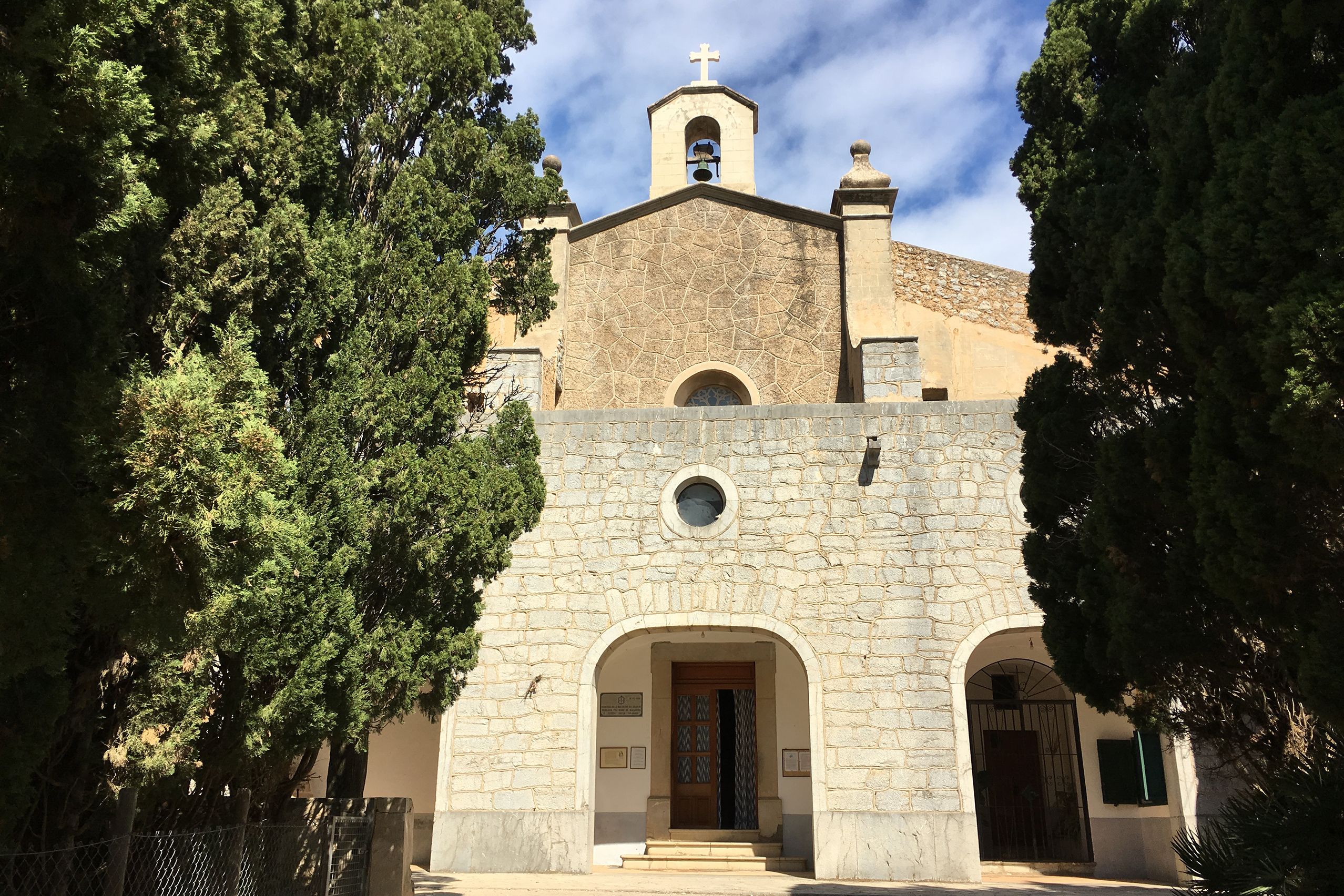
A hermitage founded in 1805 in the hills of Artà, reached by a narrow, winding road. The last resident hermits left in 2010. You can also walk up from the coastal area around Betlem.
Ermita de Betlem
Ermita de Betlem in 30 seconds
The essentials at a glance
- Worth visiting for
- A short visit
- Best for
- Quiet surroundings, mountain scenery and a short hermitage visit
- Best months
- January–May, October–December
- Time to allow
- Around half an hour on site; allow longer for the drive, or half a day for a walking trip
- Without a car
- Hire car needed
- Parking
- A few spaces at the end of the road near the buildings
- Highlight
- A hermitage in the hills of Artà
- Keep in mind
- An outing with a restaurant on site
- Access
- Pushchairs: Limited use around the site; not suitable for the mountain path · Wheelchairs: The forecourt can be reached by road, but access within the site is limited
Get a feel for Mallorca. Find your kind of place.
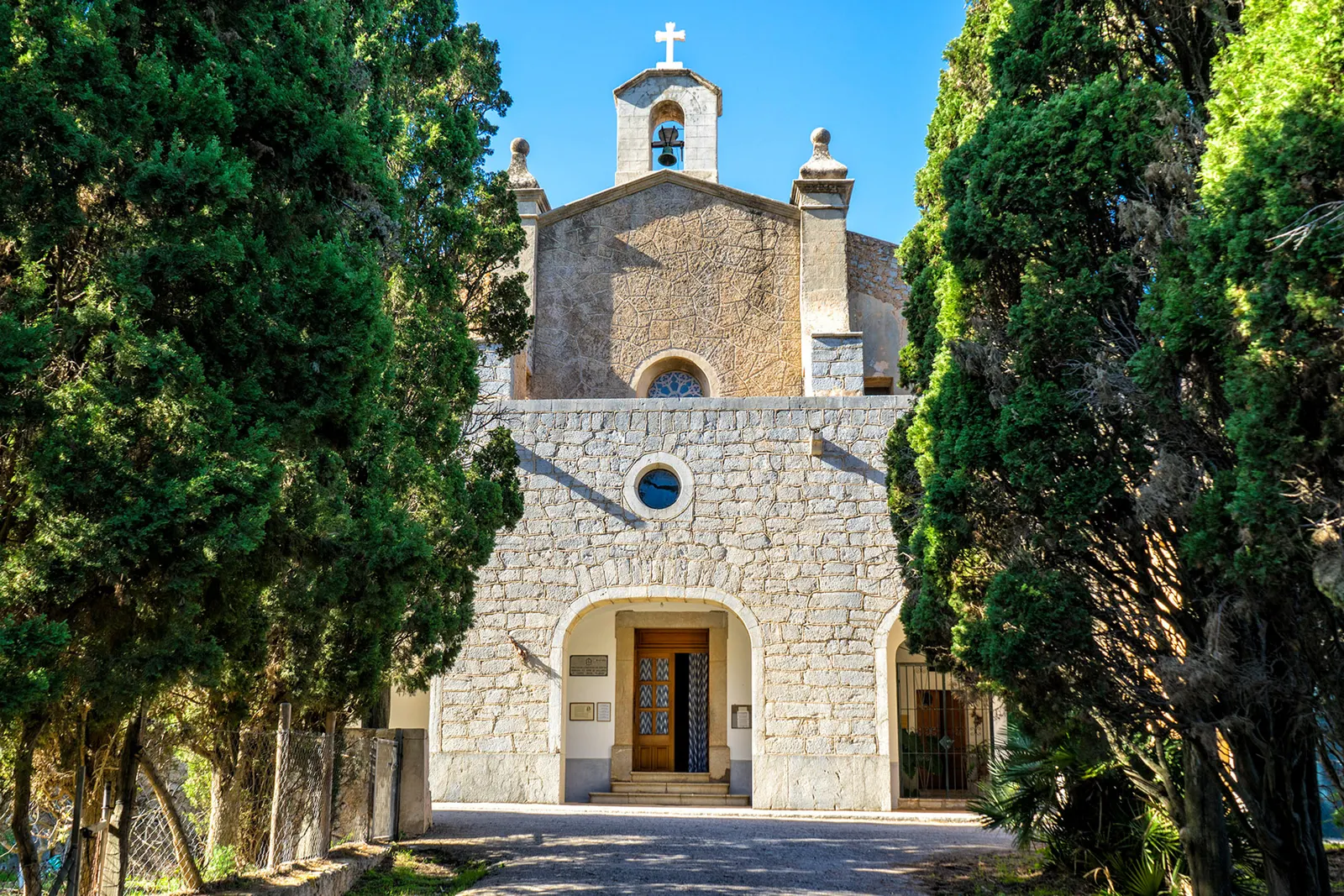
A simple stone façade at the hermitage.
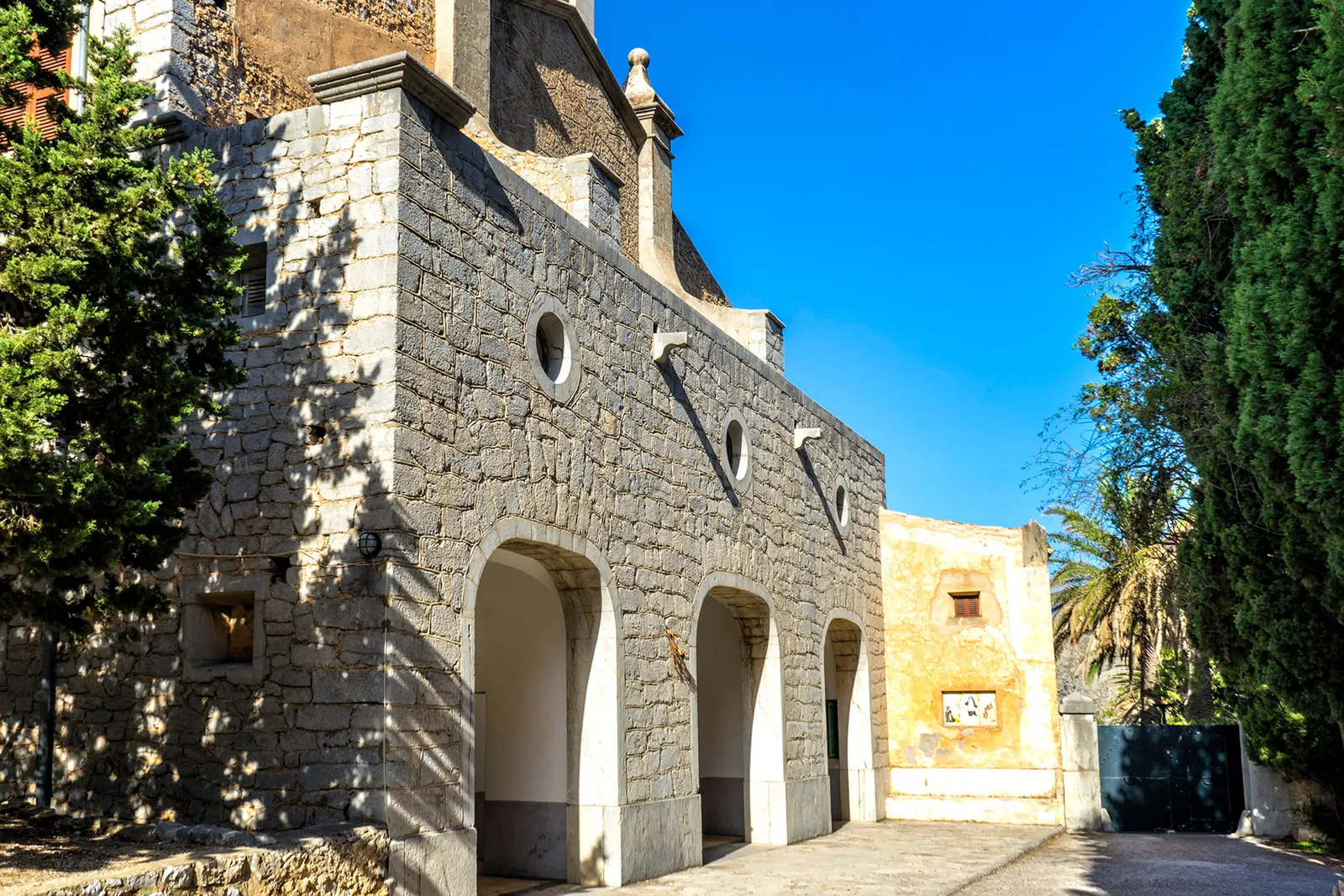
The arcaded side of the former residential buildings.
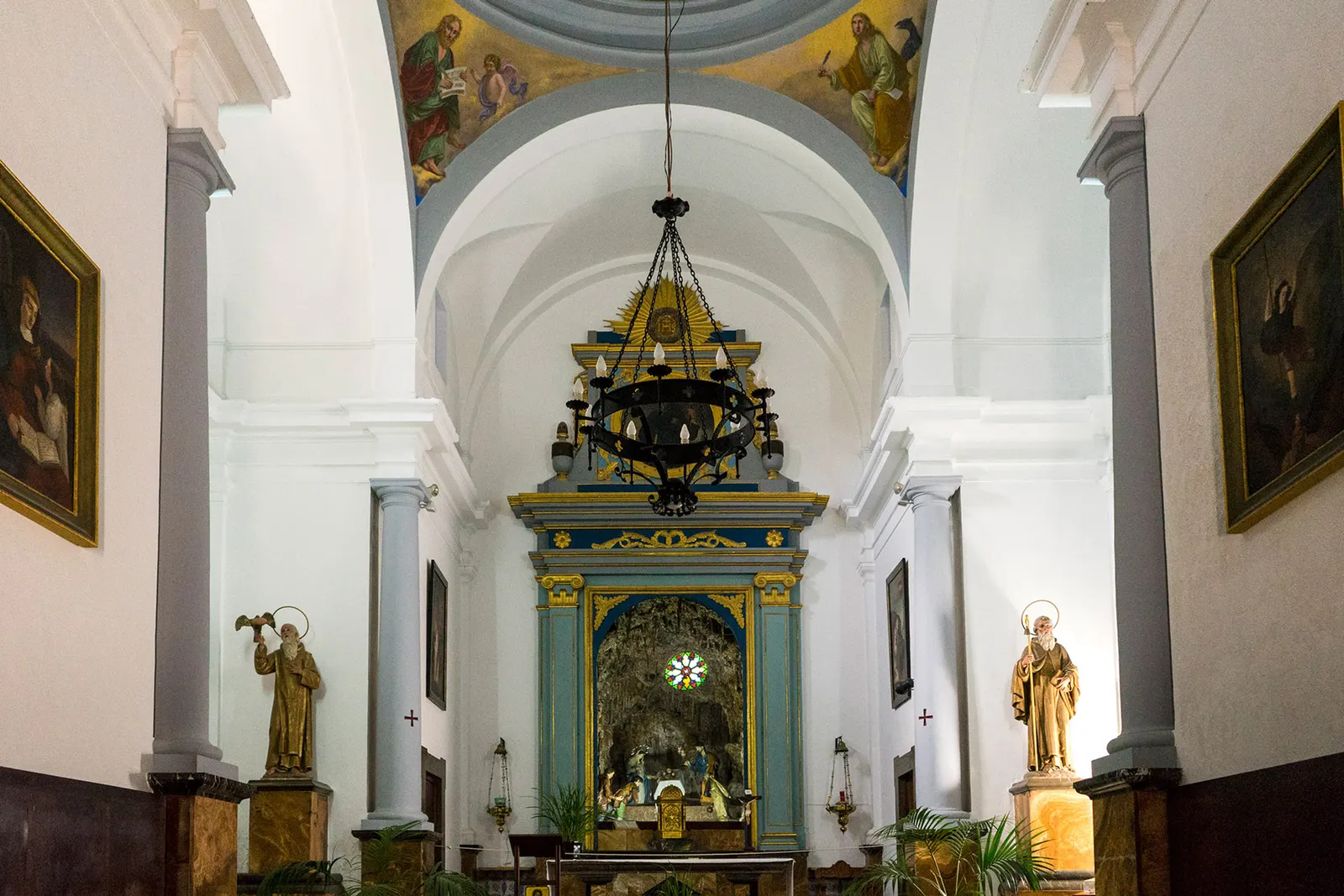
Colour inside the church, with painted vaulting and a blue-and-gold altarpiece.
Drive from the airport
85 minutes
78 km
Bus connections
No bus to the hermitage
Region
Llevant
Nearest beach
Colònia de Sant Pere
3 km
Elevation
280 m
above sea level
Season guide for Ermita de Betlem
November Worth a visit
Very quiet Open
Worth visiting in January, February, March, April, May, October, November and December. Less suitable in July and August.
Location
Location of Ermita de Betlem
- Region
- Llevant
- Municipality
- Artà
- Elevation
- 280 m above sea level
- Airport
- 78 km , around 85 minutes
- Hire car
- needed
- Worth visiting for
- a brief stop
- Coordinates
- 39.7372,3.3112
What is the Ermita de Betlem?
The hermitage stands around 280 metres above sea level in the hills of Artà, roughly nine kilometres north-west of the town by road. Founded in 1805 on an older estate, it remained home to a small religious community until 2010.
A plain stone church with a bell gable, arcaded residential buildings and cypresses form the setting. Inside, the church is more colourful, with a white barrel vault, painted decoration and a blue-and-gold altarpiece. Check opening arrangements before expecting to go in.
Getting up to the hermitage
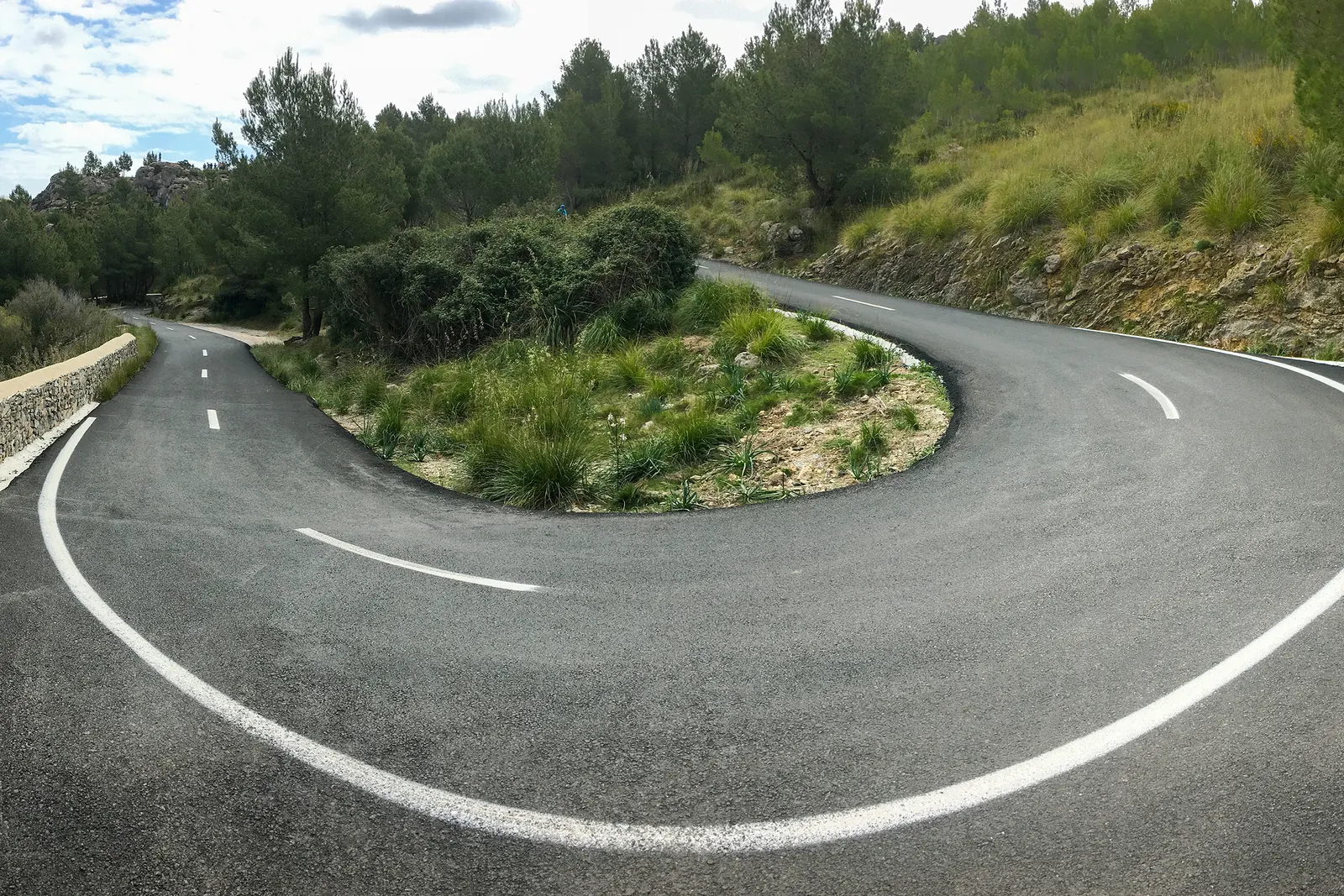
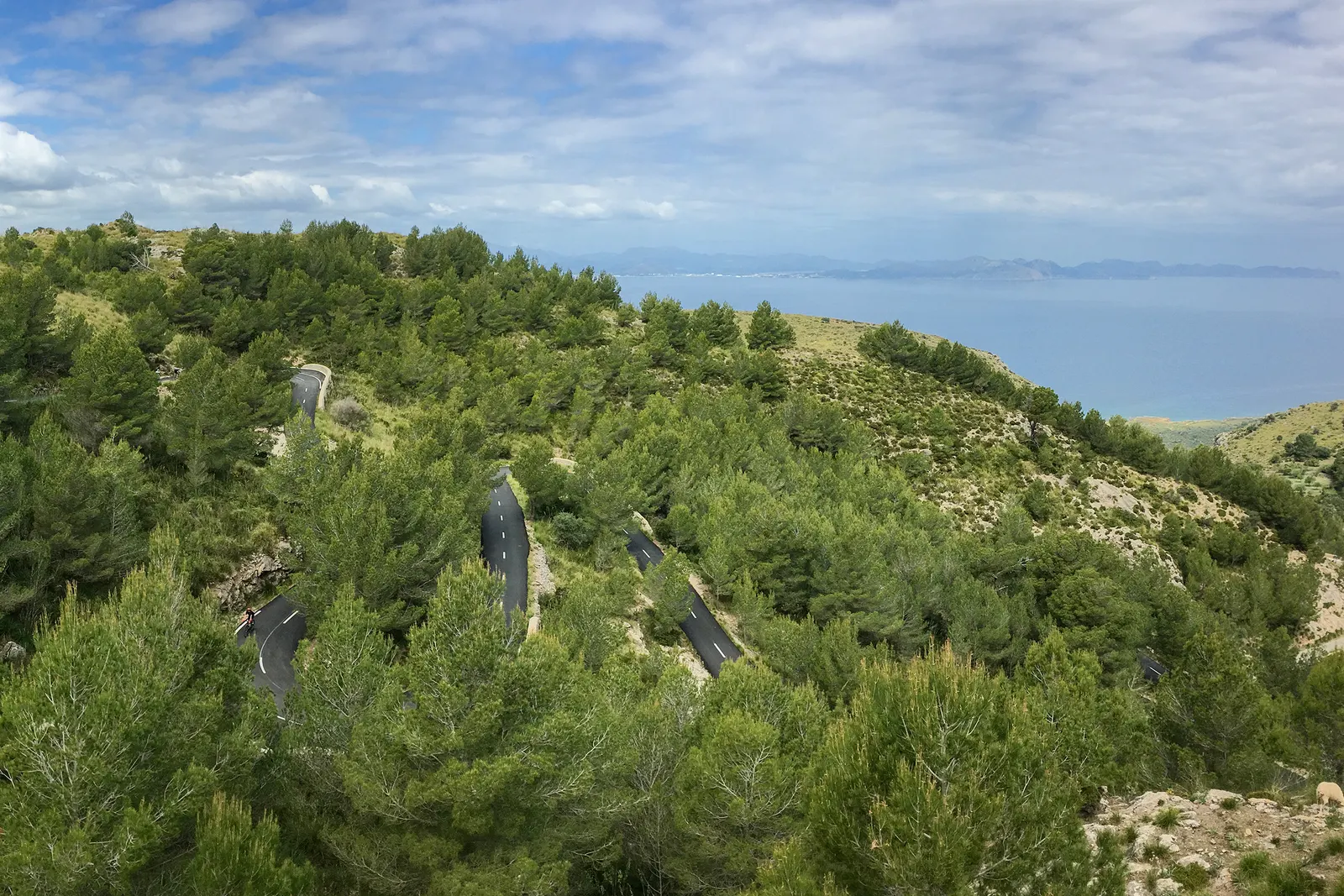
By car, follow the narrow winding road from Artà, around nine kilometres long. Large vehicles may find the bends difficult, so check suitability beforehand.
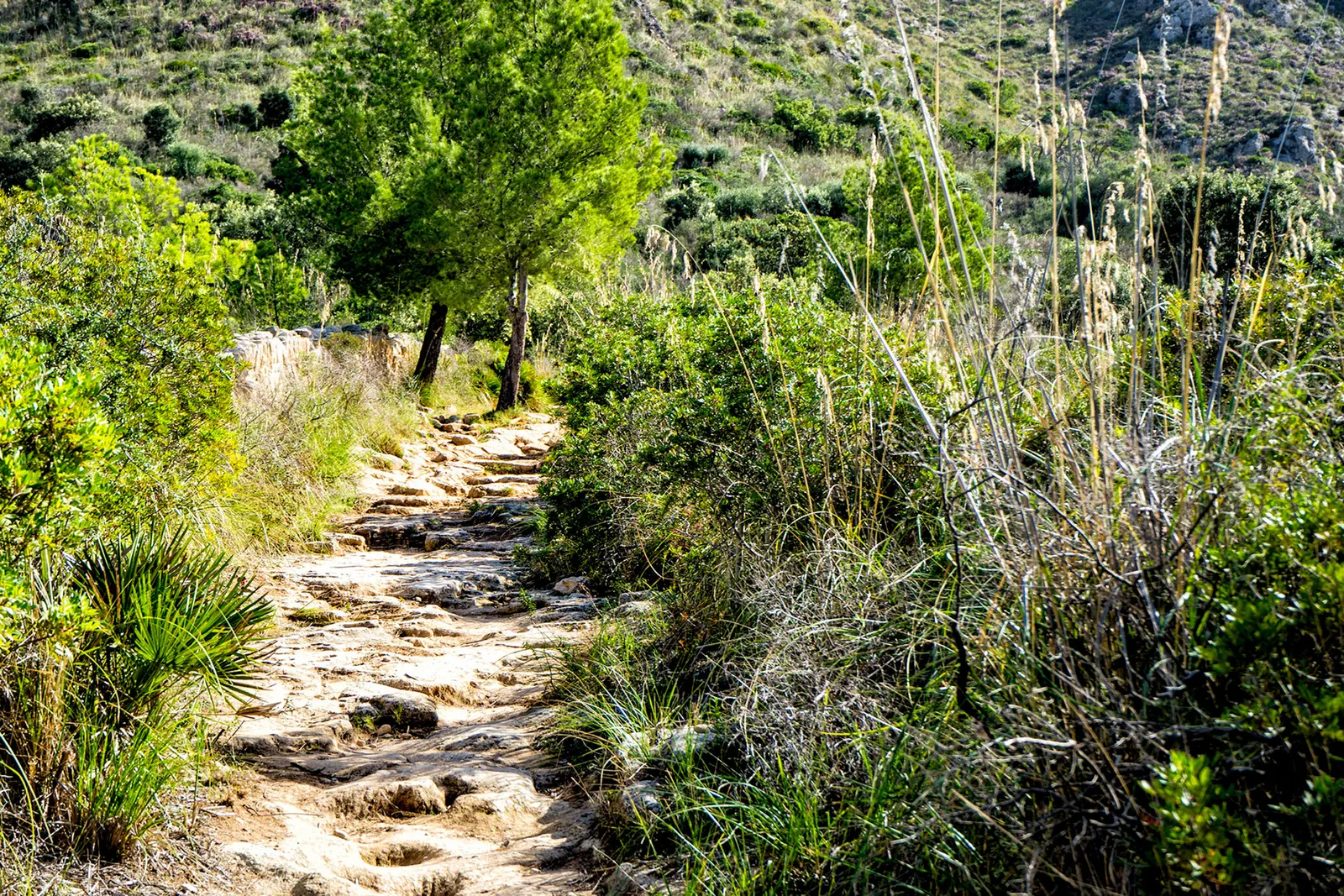
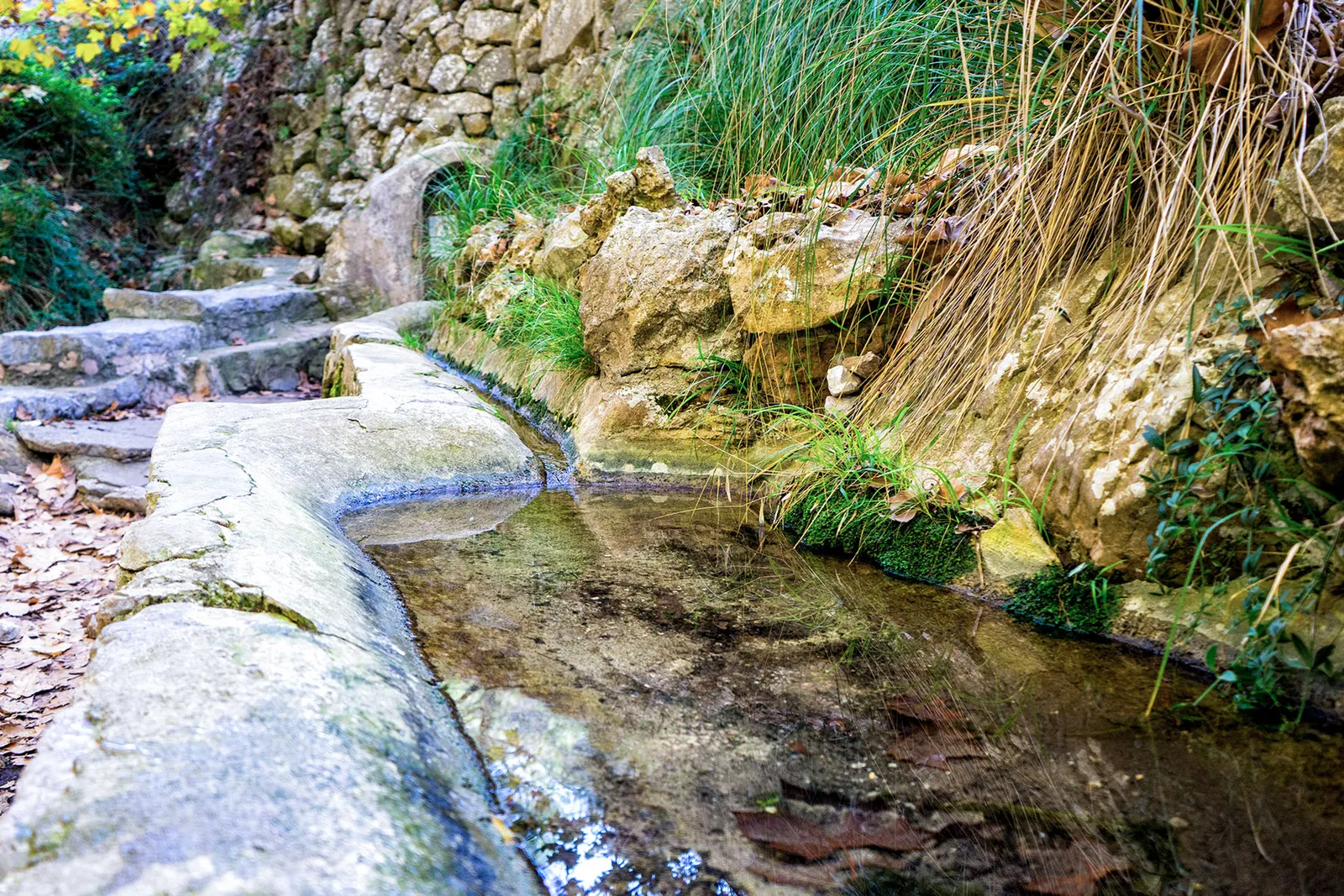
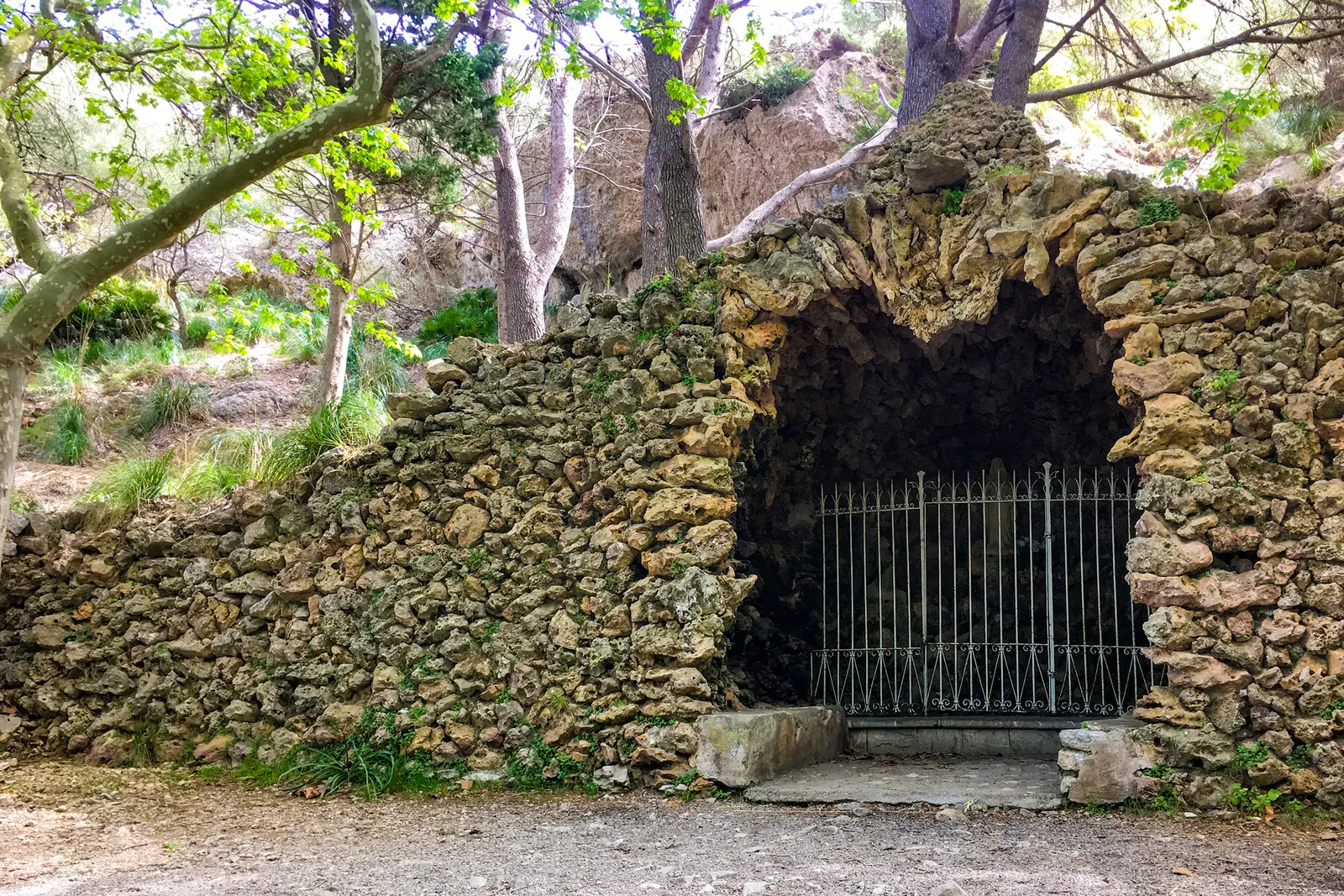
On foot, a mountain route climbs from the Betlem coastal area. It has rough and narrow sections and needs appropriate footwear and a current route plan. Near the hermitage are a Marian grotto and a spring with a trough.
By bike, the climb offers a series of bends through the hills. Share the narrow road carefully and leave enough energy for a controlled descent.
What to bring
Bring water, suitable shoes and any food you need. There is no dependable restaurant or drinking-water supply at the top, and no bus to take you back.
Do not treat the spring beside the path as a drinking fountain unless it is explicitly confirmed safe.
When to go
March and October often offer comfortable conditions for the walk. Clear days make the scenery particularly rewarding.
In July and August, exposed paths can be very hot. Check current access conditions, as dry weather and fire risk can lead to closures.
Photographs
Ermita de Betlem in Mallorca
Practical details
- Parking
- A few spaces at the end of the road near the buildings
- Time to allow
- Around half an hour on site; allow longer for the drive, or half a day for a walking trip
- Good to know
- Bring water and food as needed. Do not assume water from the spring or trough is safe to drink.
- Bus
- No bus to the hermitage; travel from Artà by car, bike or on foot
- Access
- Tarmac road to the site, followed by gravel and steps · Pushchairs: Limited use around the site; not suitable for the mountain path · Wheelchairs: The forecourt can be reached by road, but access within the site is limited · Dogs: Keep dogs on a lead and respect grazing animals and local restrictions
- What you will not find
- A bus service to the hermitage · On-site dining · A dependable drinking-water supply · A wide access road
- Coordinates
- 39.7372,3.3112 Google Maps Apple Maps
Within reach
Places to visit
Nearby

A fortress with a church inside, high above Artà. Walls with nine towers surround a courtyard of palms, an old …
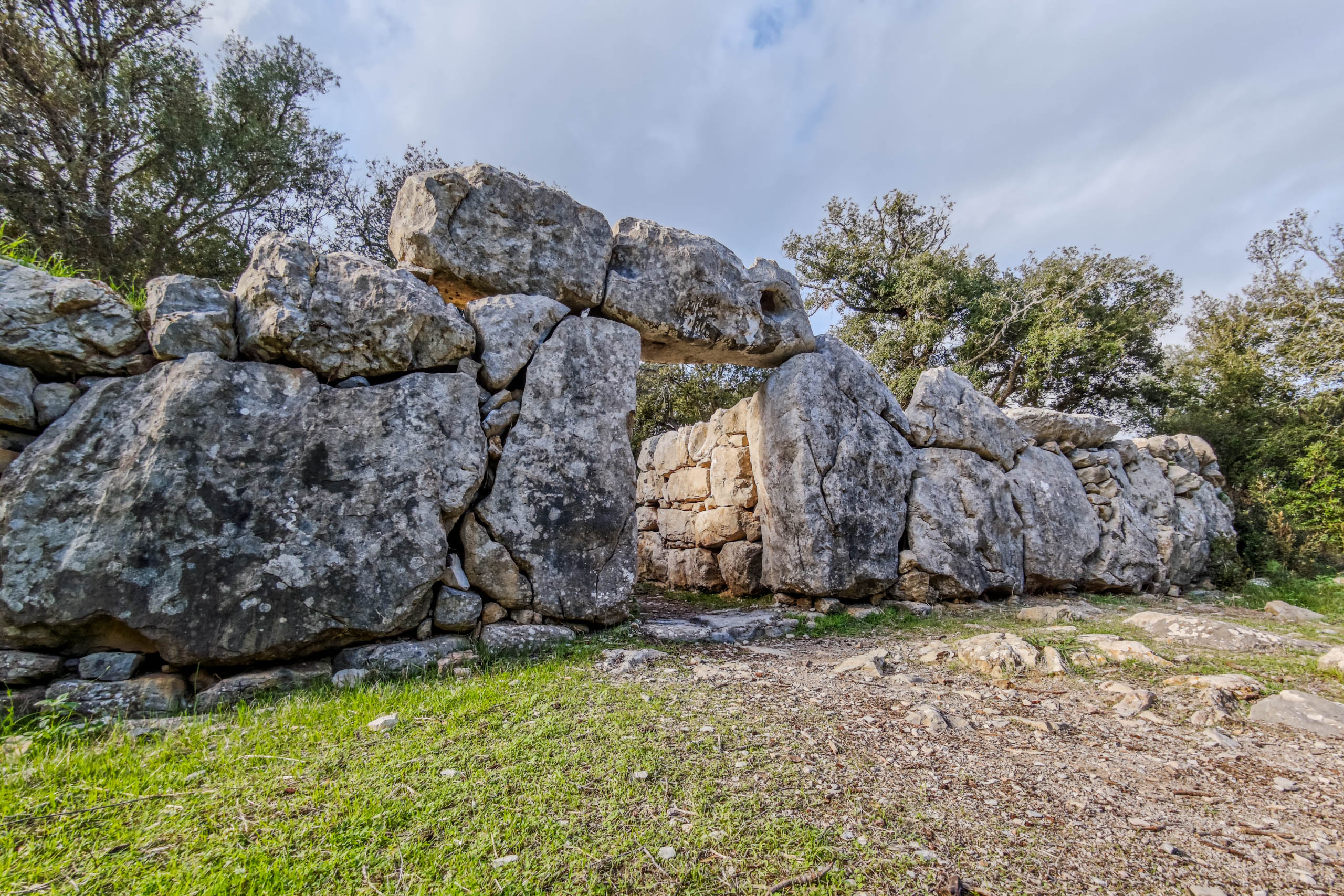
Behind a wall of enormous stone blocks on the edge of Artà lies a Talayotic settlement with around 3,000 years of …

Above Capdepera stands a former walled settlement, with walkable defensive walls, the Miquel Nunis tower and a …
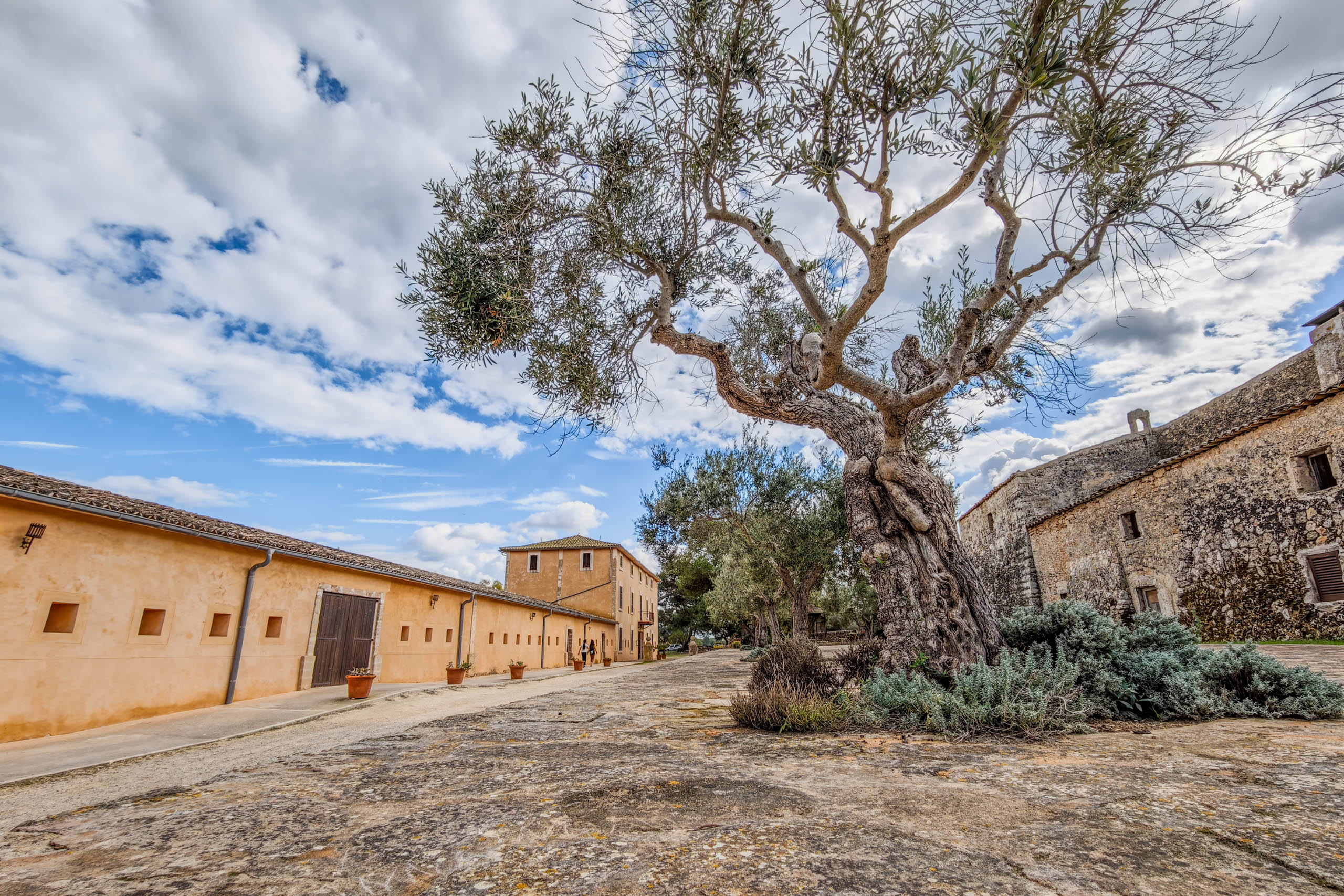
Old farm buildings, gnarled olive trees and a museum about earlier life on Mallorca. Son Real lies between Can …
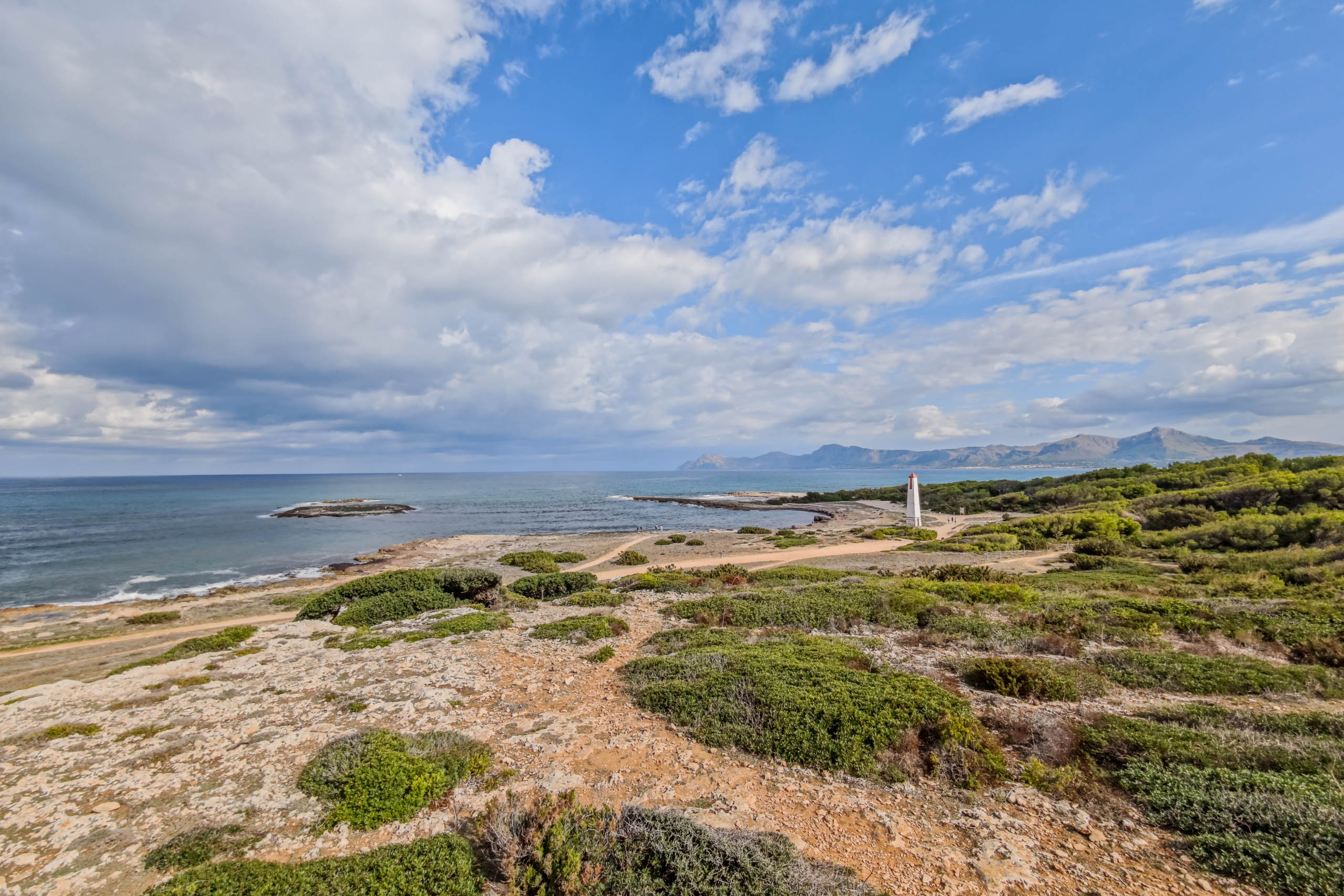
A few steps onto a wooden platform reveal the coast of Son Real. A dolmen lies beside the viewpoint, with the …

A Talayotic burial ground right beside the sea between Can Picafort and Son Serra de Marina. Around 110 tombs …
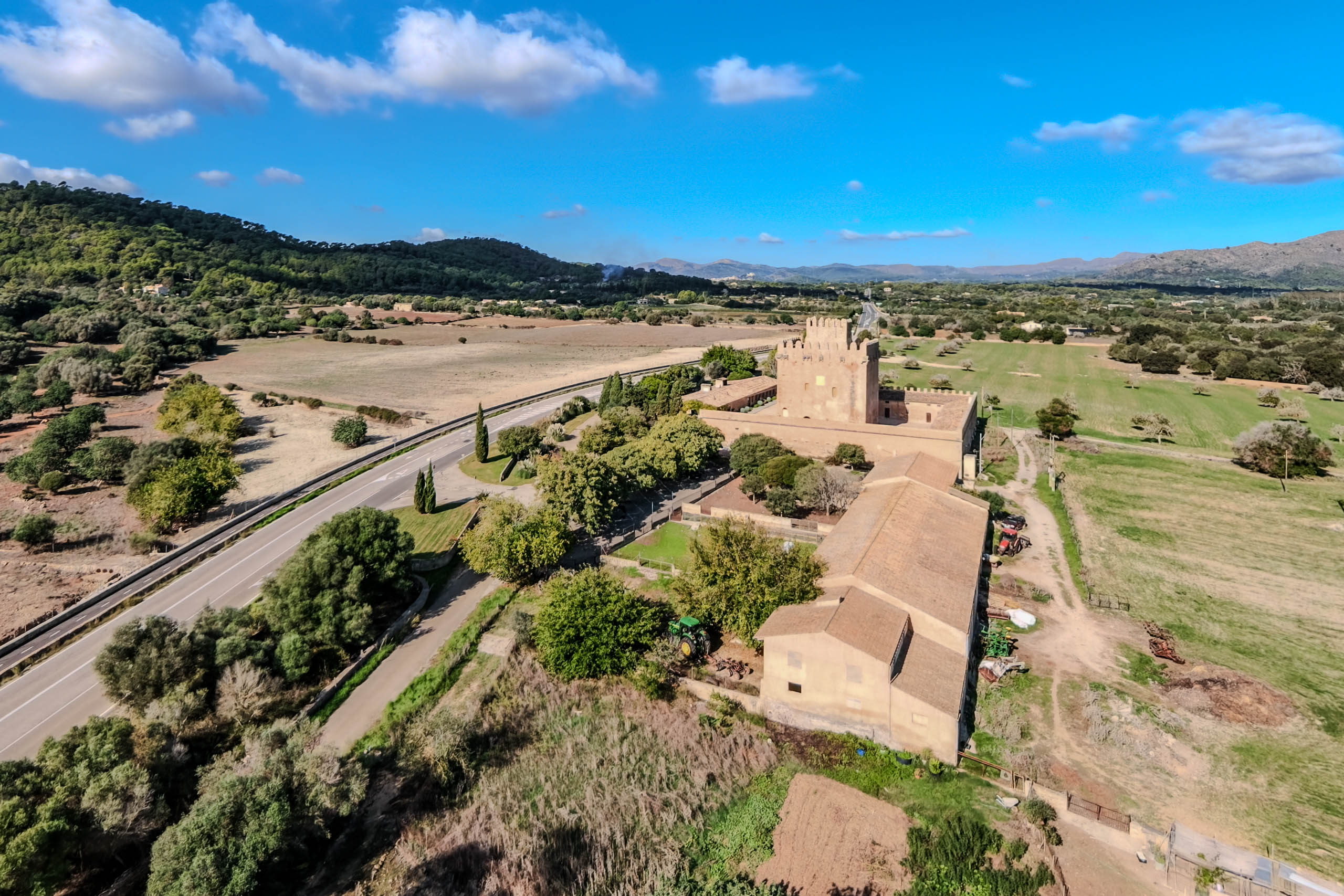
Torre de Canyamel stands in the valley beside the road to the coast. The imposing 13th-century defensive tower …

A watchtower dating from 1566 on the summit above Cala Agulla and Cala Mesquida, now a ruin. The walk up takes …
Distances without a driving time are measured in a straight line. The road journey can be much longer; known driving times are shown alongside.
Where to swim nearby
Beaches and swimming nearby

Founded in 1880, this small coastal town has a harbour, a short beach and a promenade with a handful of …

A planned village of grid-pattern streets, no hotels and houses no higher than two storeys. In front lies a long …

A broad stretch of pale sand with protected dunes behind it and a wooden boardwalk crossing them. Cala Mesquida …

A broad sandy bay north-west of Cala Ratjada, backed by pine woods and dunes. Pale sand fills the centre, with …
Places to stay within reach
Explore from here
Your questions answered
Your questions about Ermita de Betlem
How do I reach the Ermita de Betlem?
By the narrow winding road from Artà, around nine kilometres long, or on foot from the coastal Betlem area. There is no direct bus to the hermitage. Choose a current walking route before setting off.
Is the walk difficult?
It is an uphill mountain path with rough, narrow and exposed sections. Wear suitable shoes, carry water and choose a route that matches your experience. Avoid the heat of high summer.
Do hermits still live there?
The last resident hermits left in 2010. Check current church opening arrangements if you want to see inside.
How old is the hermitage?
It was founded in 1805 on an earlier estate, around 280 metres above sea level in the hills north-west of Artà.
Is it a good road-bike ride?
The winding climb from Artà is popular with cyclists comfortable on narrow roads. Allow for gradients, bends and traffic, and descend carefully rather than treating the return as a race.
Practical questions
When is the best time to visit Ermita de Betlem?
Recommended months: January, February, March, April, May, October, November, December. Clear days bring broad views. After rain, watch for stones and leaves on the road.
Is Ermita de Betlem worth visiting in July and August?
July: another month may suit you better. Usually quiet. The exposed walking routes can be very hot. August: another month may suit you better. Usually quiet. Fire risk may lead to route closures; check current conditions.
How far is Ermita de Betlem from Palma airport?
About 78 km from Palma airport. Allow roughly 85 minutes by car. The narrow winding road from Artà is around nine kilometres long. Check suitability before taking a large vehicle. A separate walking approach climbs from the Betlem coastal area.
Do I need a hire car for Ermita de Betlem?
A car is needed No bus to the hermitage; travel from Artà by car, bike or on foot
Where can I park in Ermita de Betlem?
A few spaces at the end of the road near the buildings
Can I visit Ermita de Betlem with a pushchair or wheelchair?
Tarmac road to the site, followed by gravel and steps Pushchairs: Limited use around the site; not suitable for the mountain path Wheelchairs: The forecourt can be reached by road, but access within the site is limited
Are dogs allowed at Ermita de Betlem?
Keep dogs on a lead and respect grazing animals and local restrictions
Ermita de Betlem features in our Mallorca highlights
Words and photographs: Friedhelm Fischer. Exploring Mallorca since 2013 — by bike, on foot and with a camera.