Finca pública de Son Real
Old farm buildings, gnarled olive trees and a museum about earlier life on Mallorca. Son Real lies between Can Picafort and Son Serra de Marina. Explore the courtyard, visit the exhibition and take a break at the picnic tables. With more time, follow the path to the coastal necropolis.
Finca pública de Son Real
Finca pública de Son Real in 30 seconds
The essentials at a glance
There’s more beyond the courtyard.
- Worth a visit?
- Yes, for an enjoyable glimpse of rural Mallorca
- Best for
- Curious visitors, history lovers and anyone who enjoys being outdoors
- Best months
- January–June, September–December
- Time to allow
- Allow one to two hours for the courtyard and museum, or half a day including the necropolis.
- Without a car
- Allow for an extra walk or a taxi from Can Picafort
- Parking
- Large car park in front of the estate
- Highlight
- The old farm buildings, museum and olive trees
- Keep in mind
- A long walk in the midday heat in July and August
- Access
- Free museum admission; some buildings are closed to visitors
Get a feel for Mallorca. Find your kind of place.
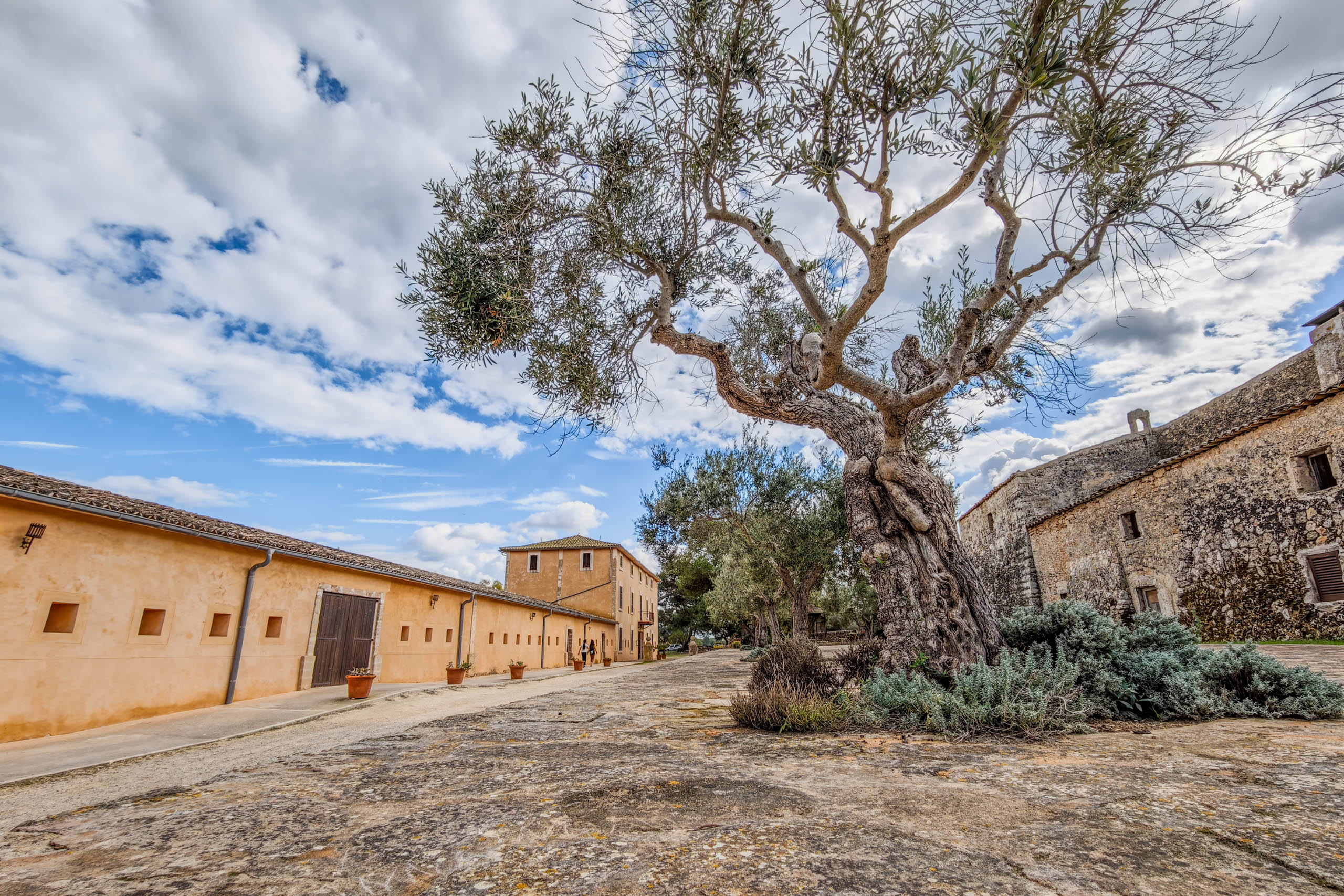
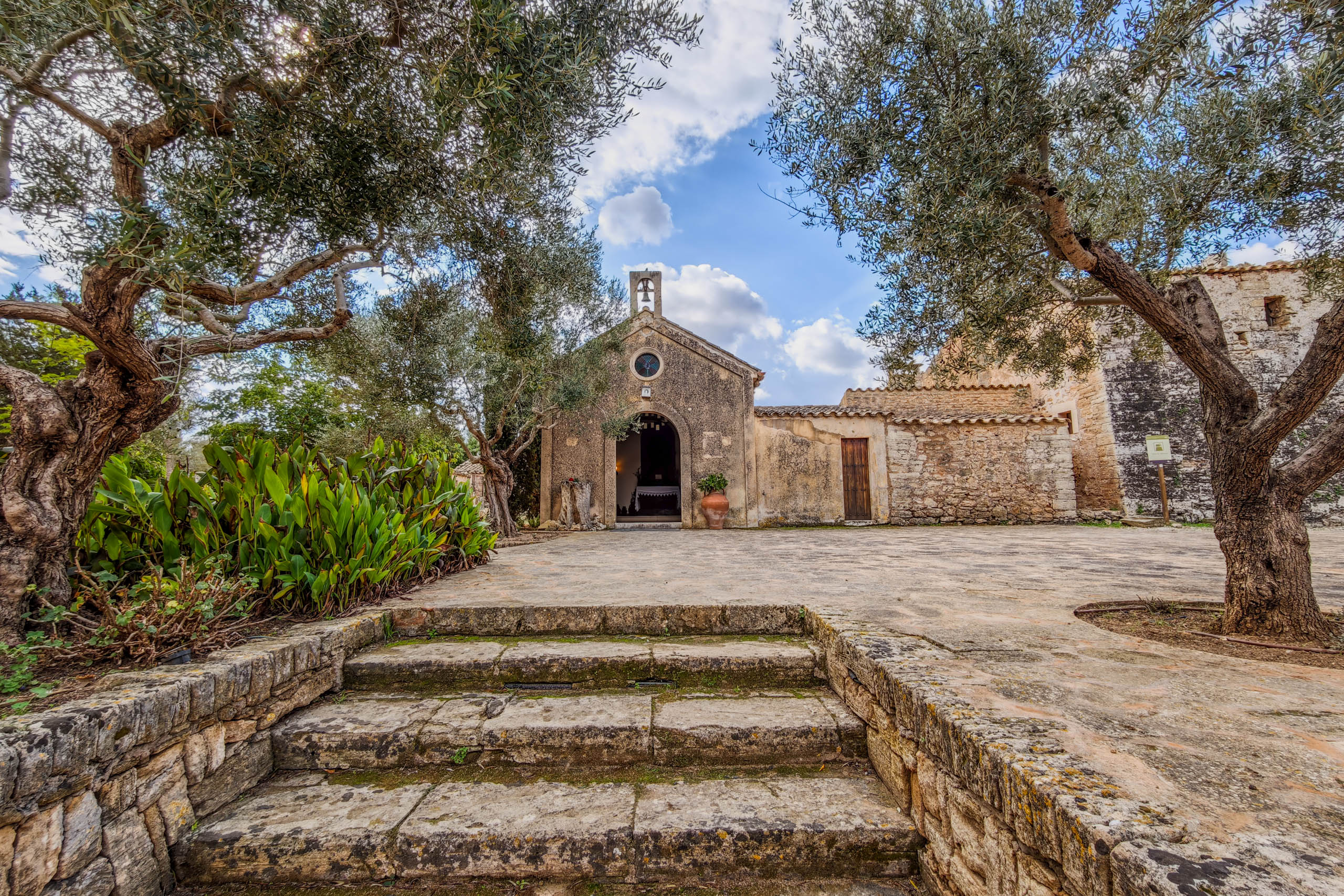
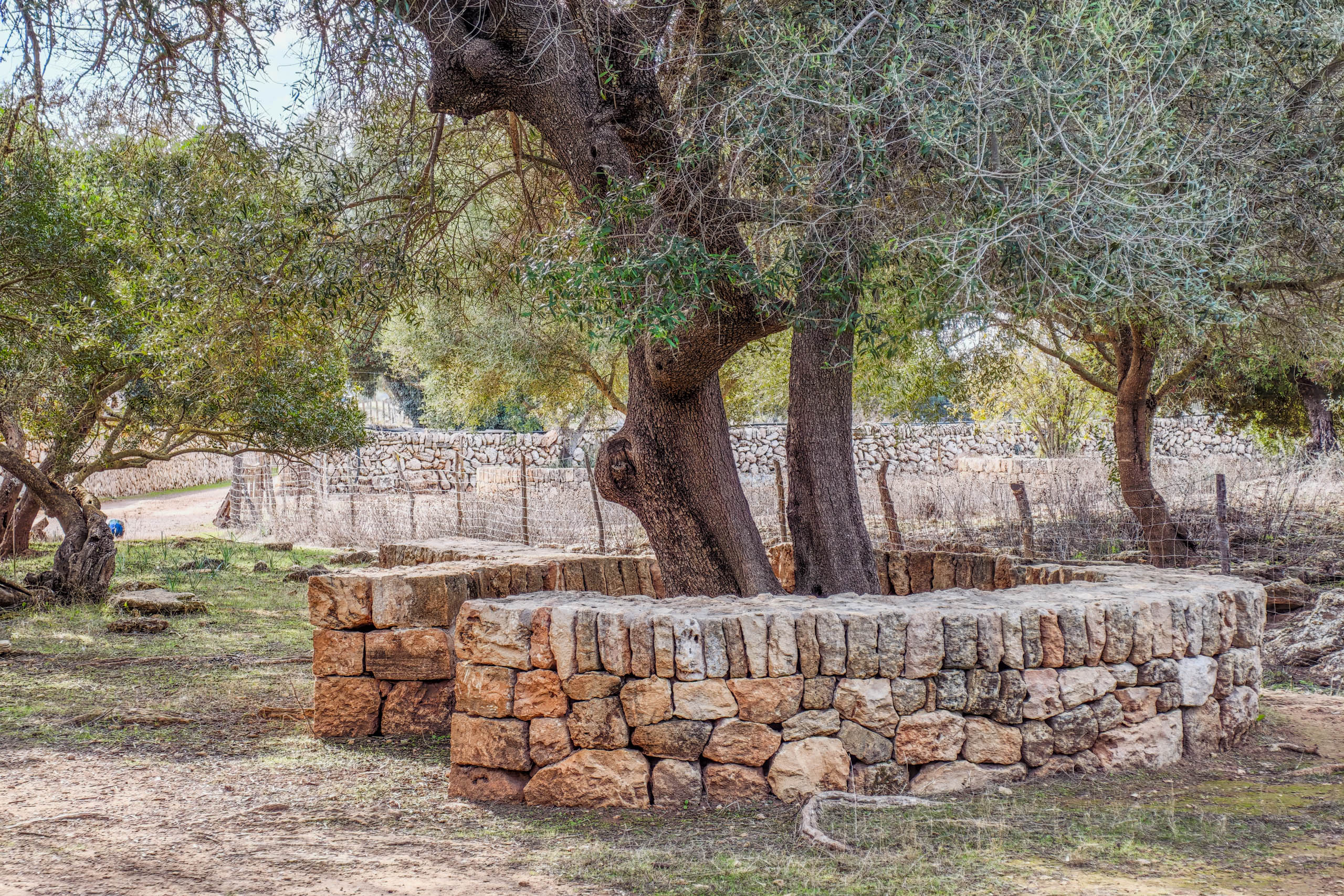
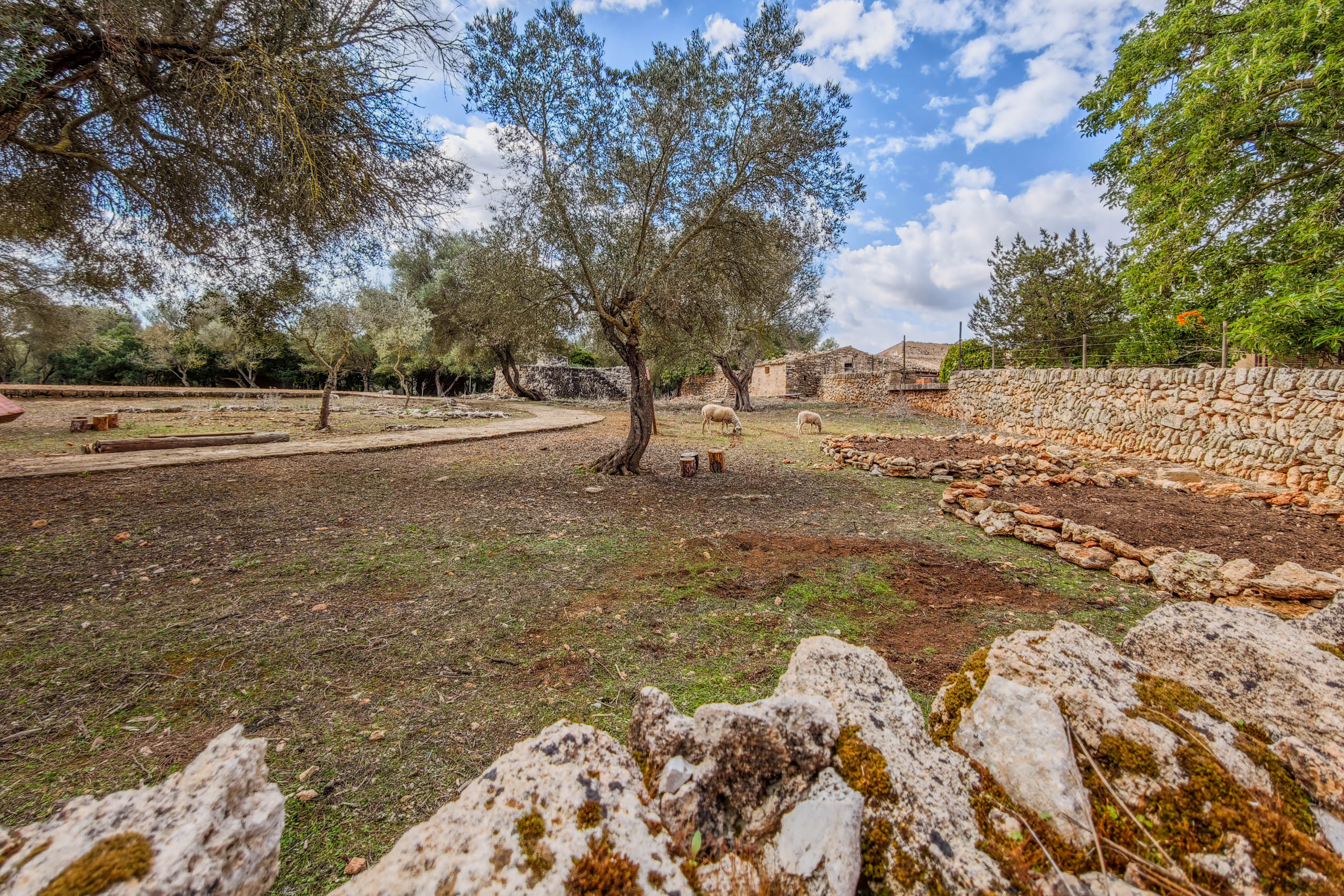
The old courtyard olive trees, their twisted trunks seeming to grow straight out of the stones.
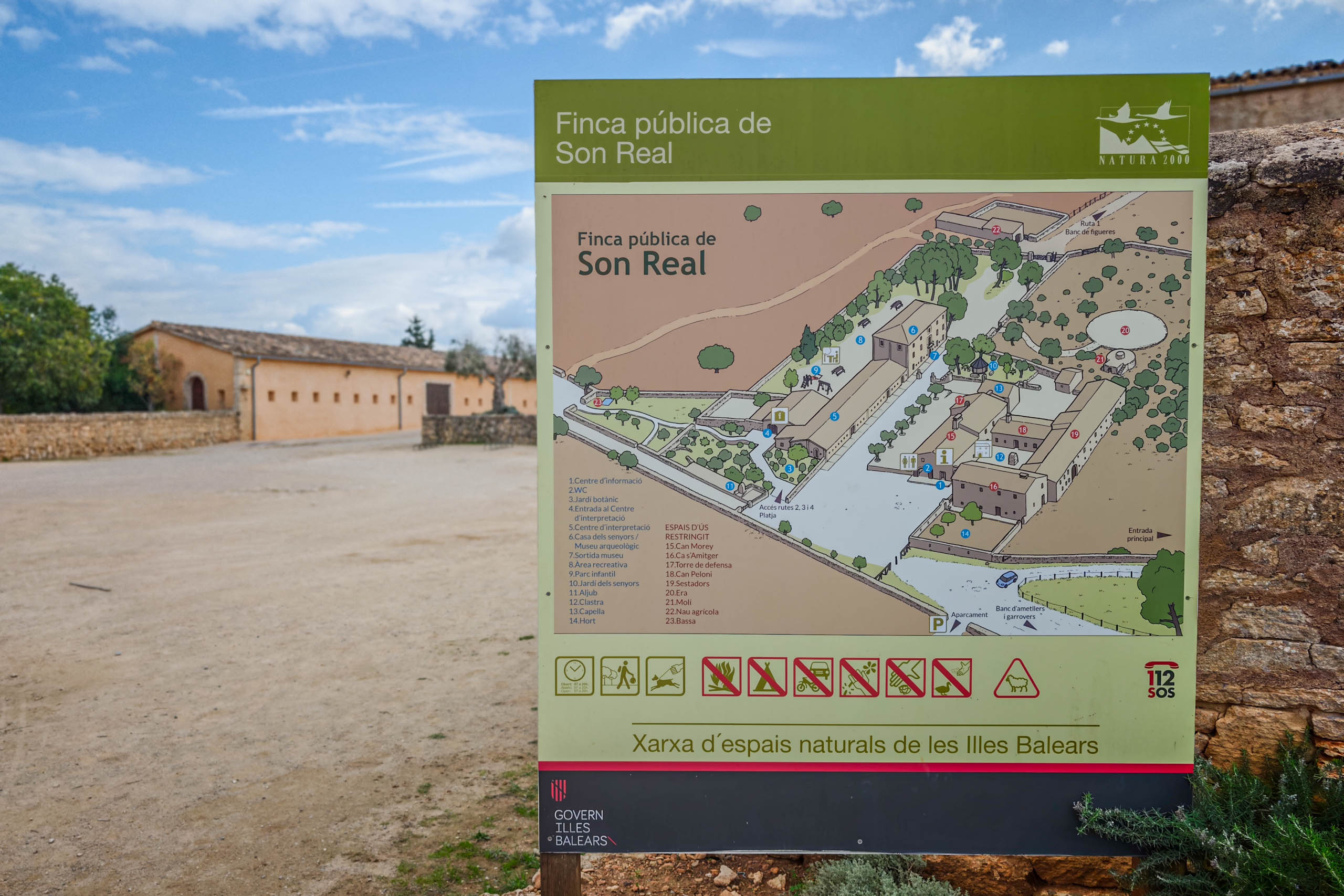
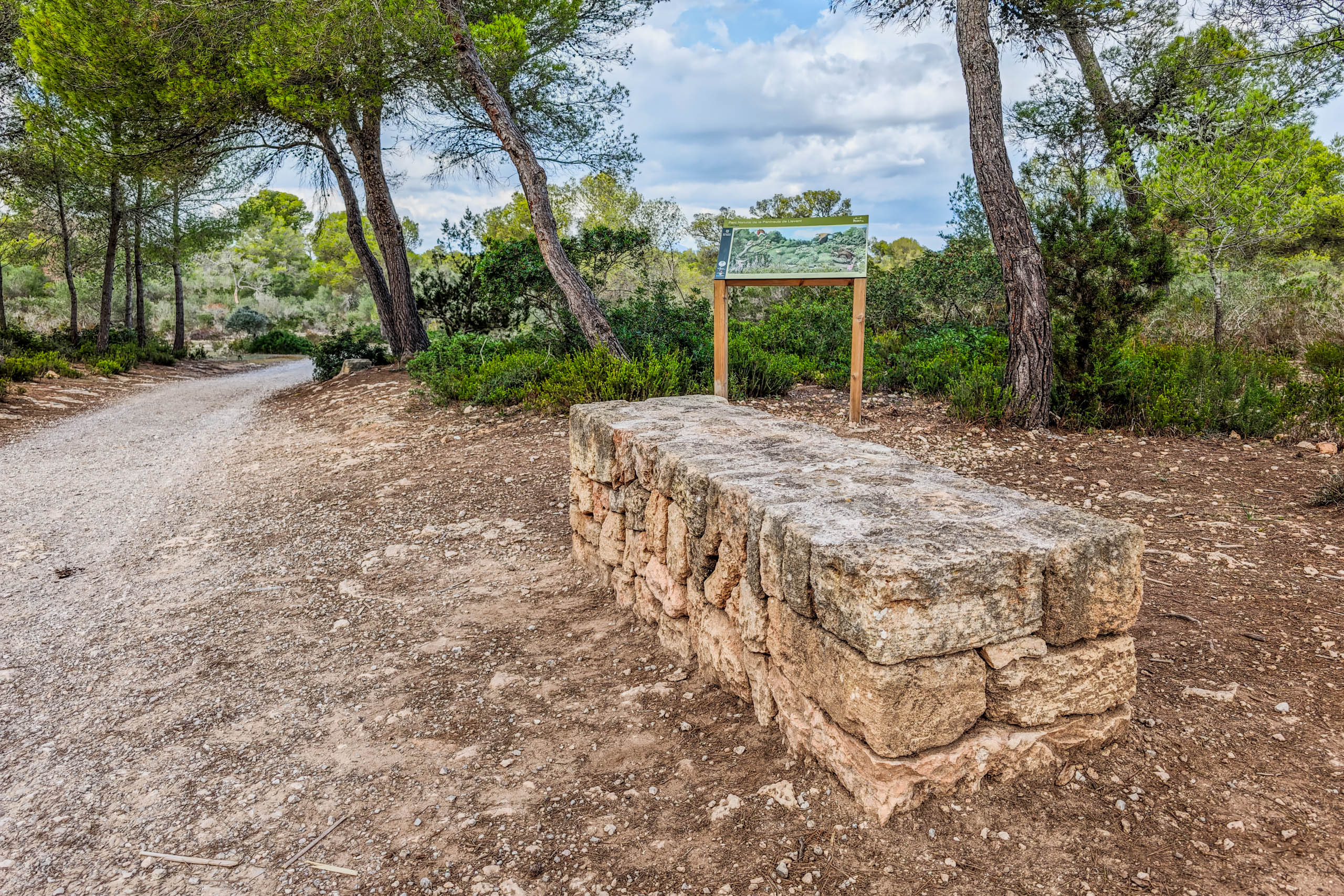
The first view from the car park: the large information board in front and the Son Real buildings beyond.
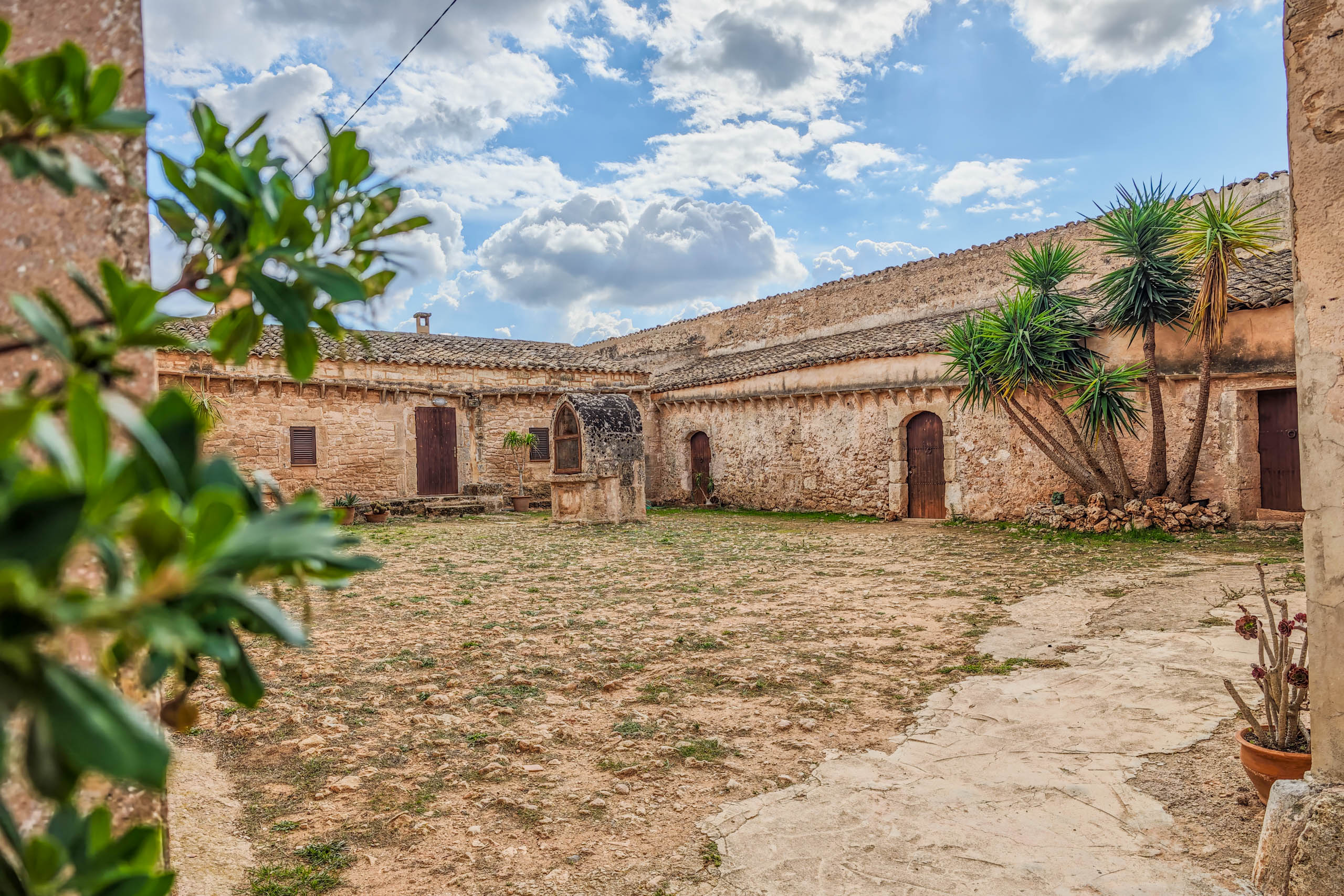
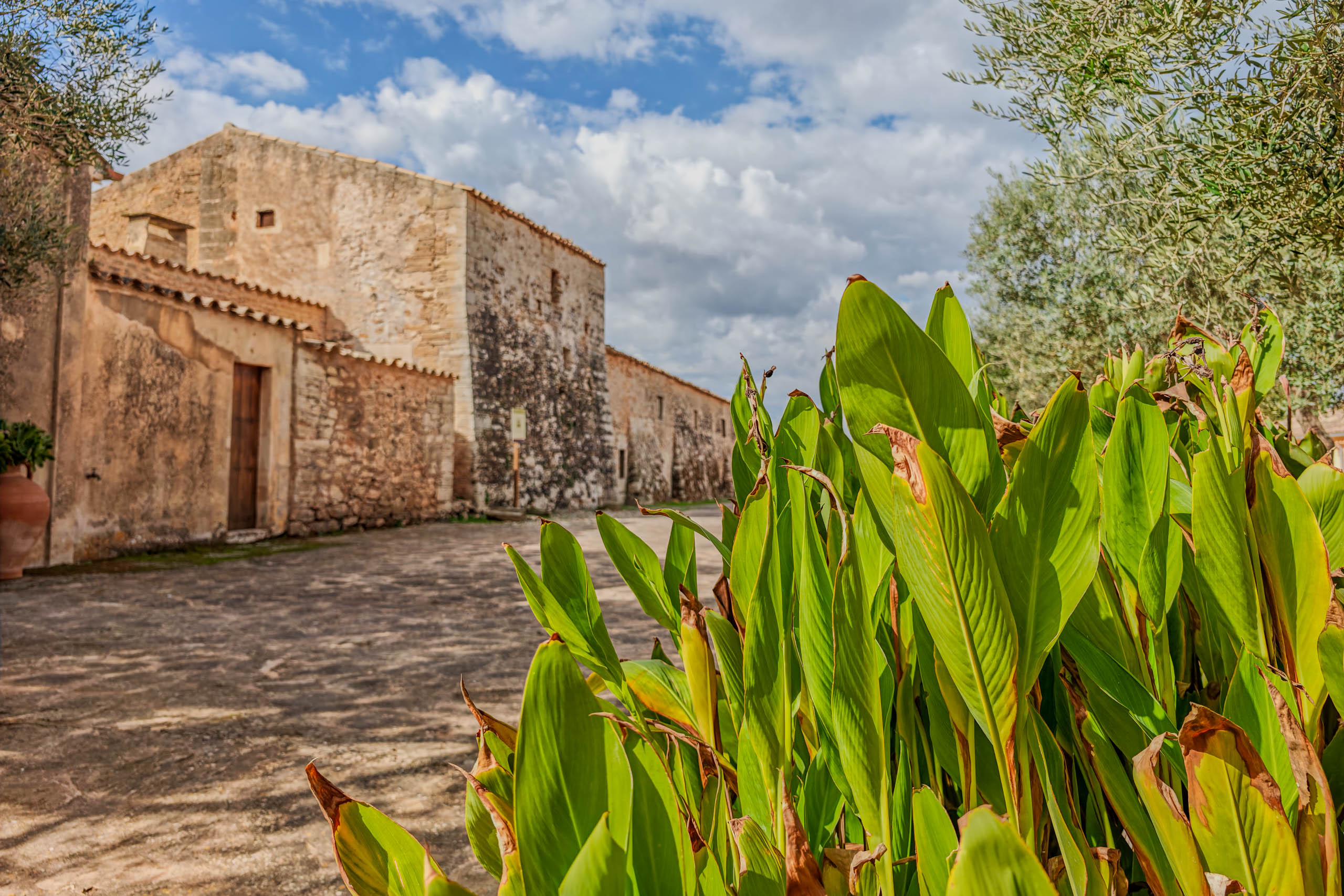
Son Real’s courtyard, surrounded by old buildings. This is where I first looked around.
Getting to know Finca pública de Son Real
Does Finca pública de Son Real suit your plans?
What to expect and what to know before you visit.
Who it suits
- You’d like to learn about Mallorca’s rural past.
- You enjoy taking your time around old farm buildings, trees and animals.
- You’d like to combine a museum visit with a courtyard break or a walk.
Things to bear in mind
- You plan to walk to the sea in high summer without water or sun protection.
- You expect access to every building and all the farming areas.
Region
Pla de Mallorca
Nearest beach
Son Serra de Marina
3 km
Season guide for Finca pública de Son Real
November Worth a visit
Worth visiting in January, February, March, April, May, June, September, October, November and December.
Location
Location of Finca pública de Son Real
- Region
- Pla de Mallorca
- Municipality
- Santa Margalida
- Hire car
- recommended
- Worth visiting for
- a day trip
- Coordinates
- 39.7363,3.1813
Old walls and olive trees
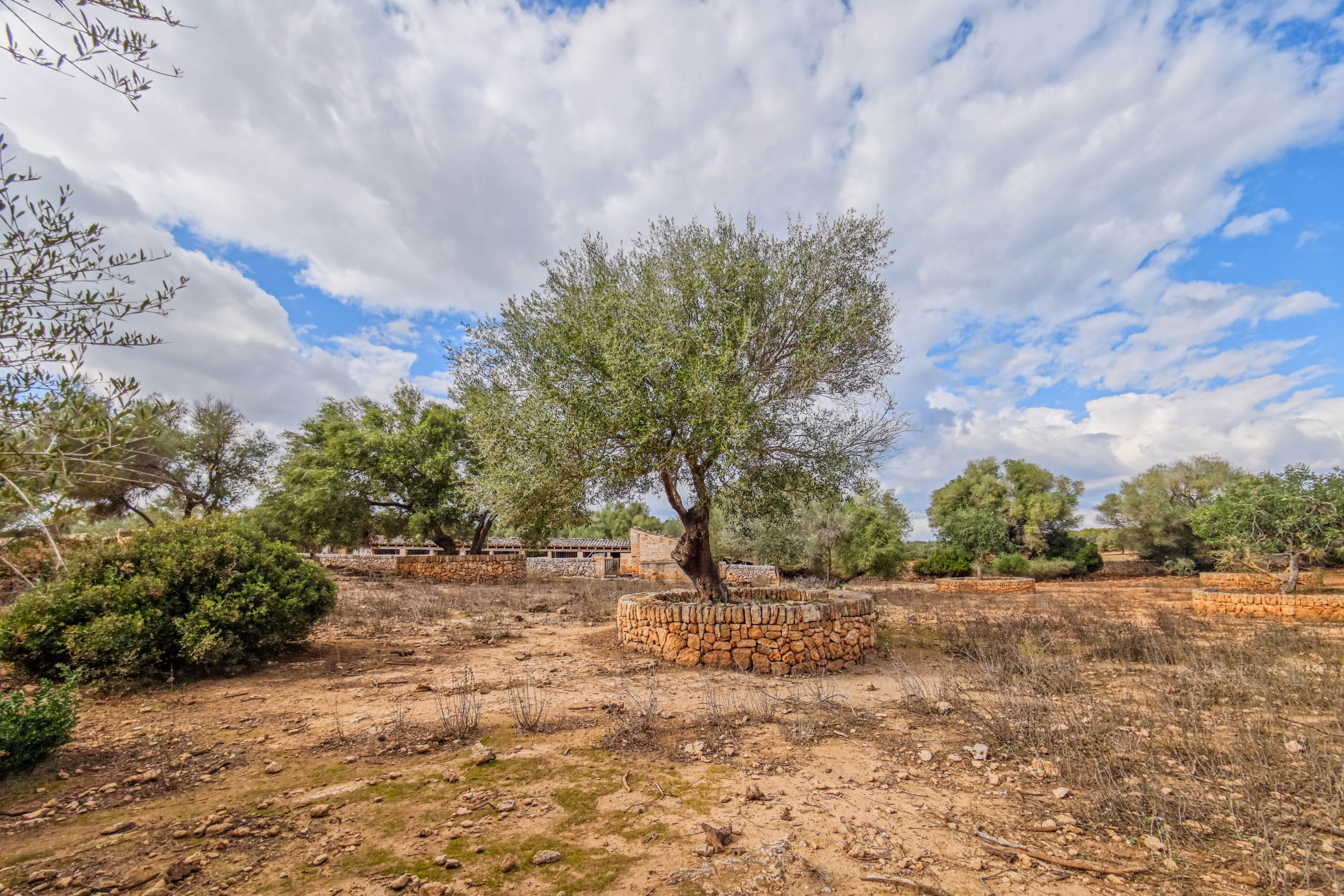
Between Can Picafort and Son Serra de Marina, a small access road leads from the Ma-12 to Finca pública de Son Real. From the car park you can already see the old buildings and information board. Look around for a while and you’ll soon find that Son Real is much more than a starting point for a walk to the sea.
Gnarled olive trees surround the courtyard. Some trunks seem to grow straight from the stones. There’s a small chapel, farm buildings and places to sit at benches and tables. Take your time exploring the areas open to visitors and stop for a break whenever you like.
Some doors and parts of the buildings remain closed. Follow the signs; the visitor route doesn’t continue through every gate.
Finding the museum entrance
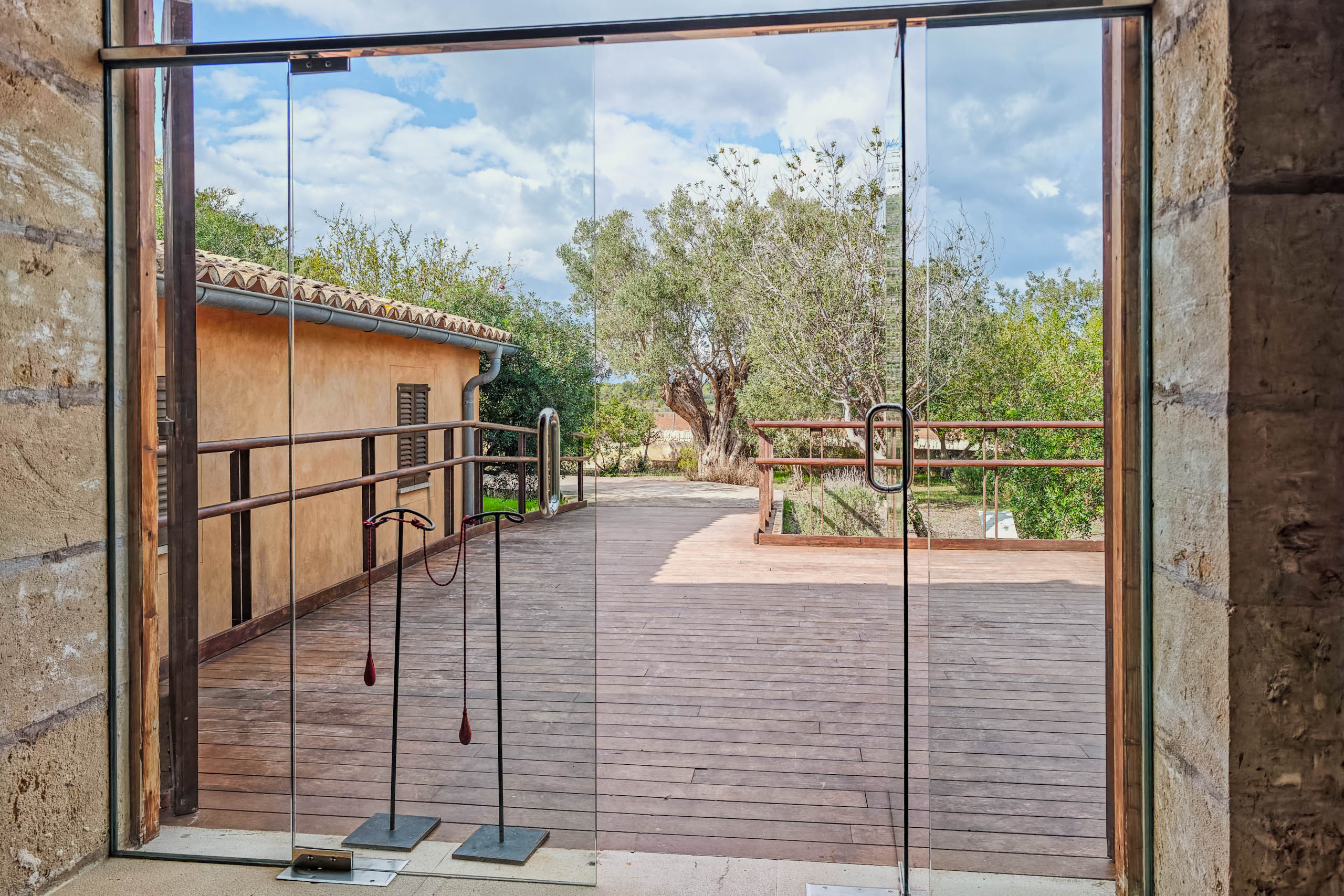
From the car park, walk through the courtyard straight towards the gate on the far side. Beyond it, a small garden leads to the museum. If, like Friedhelm, you’re distracted by the buildings and trees, it’s easy to miss.
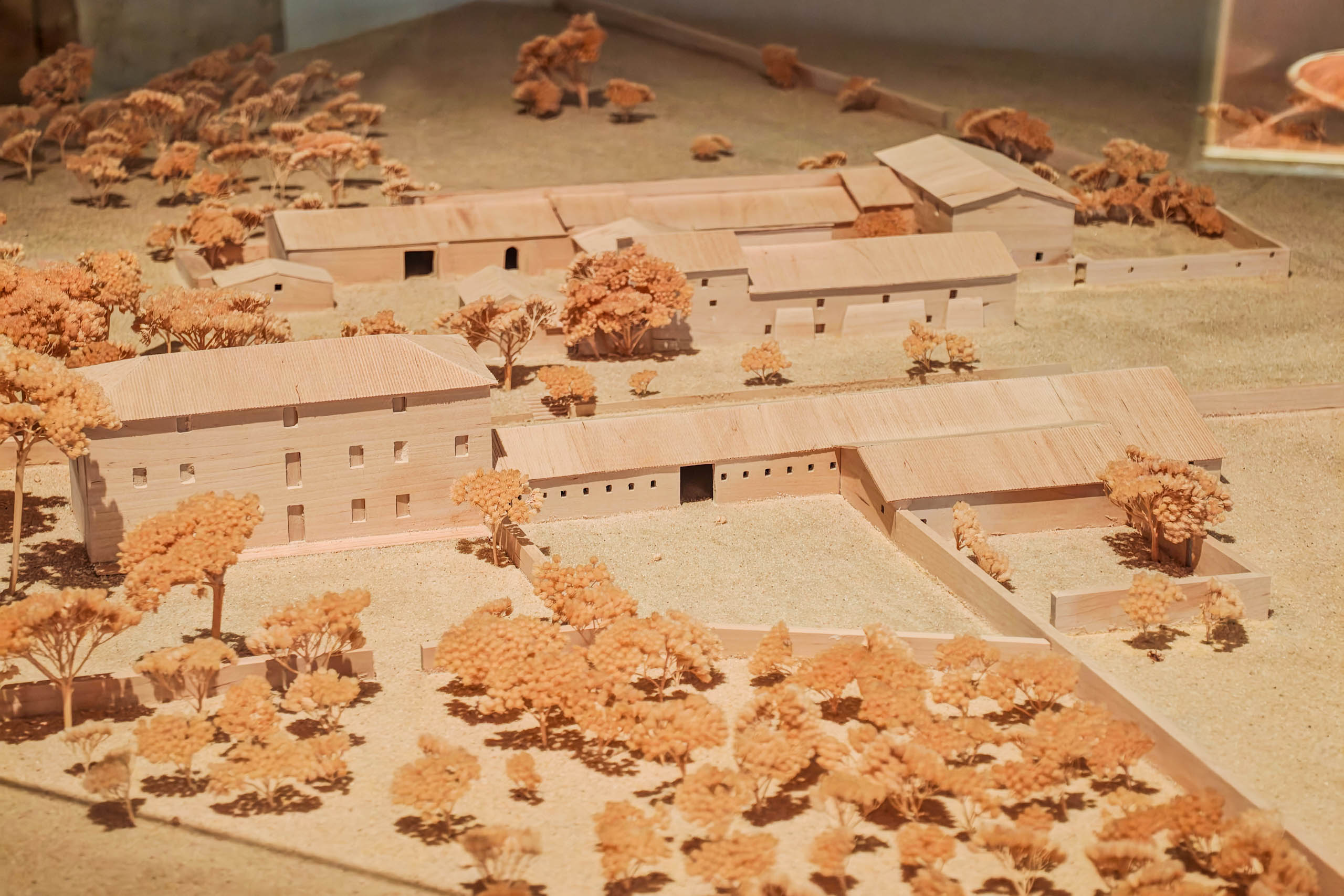
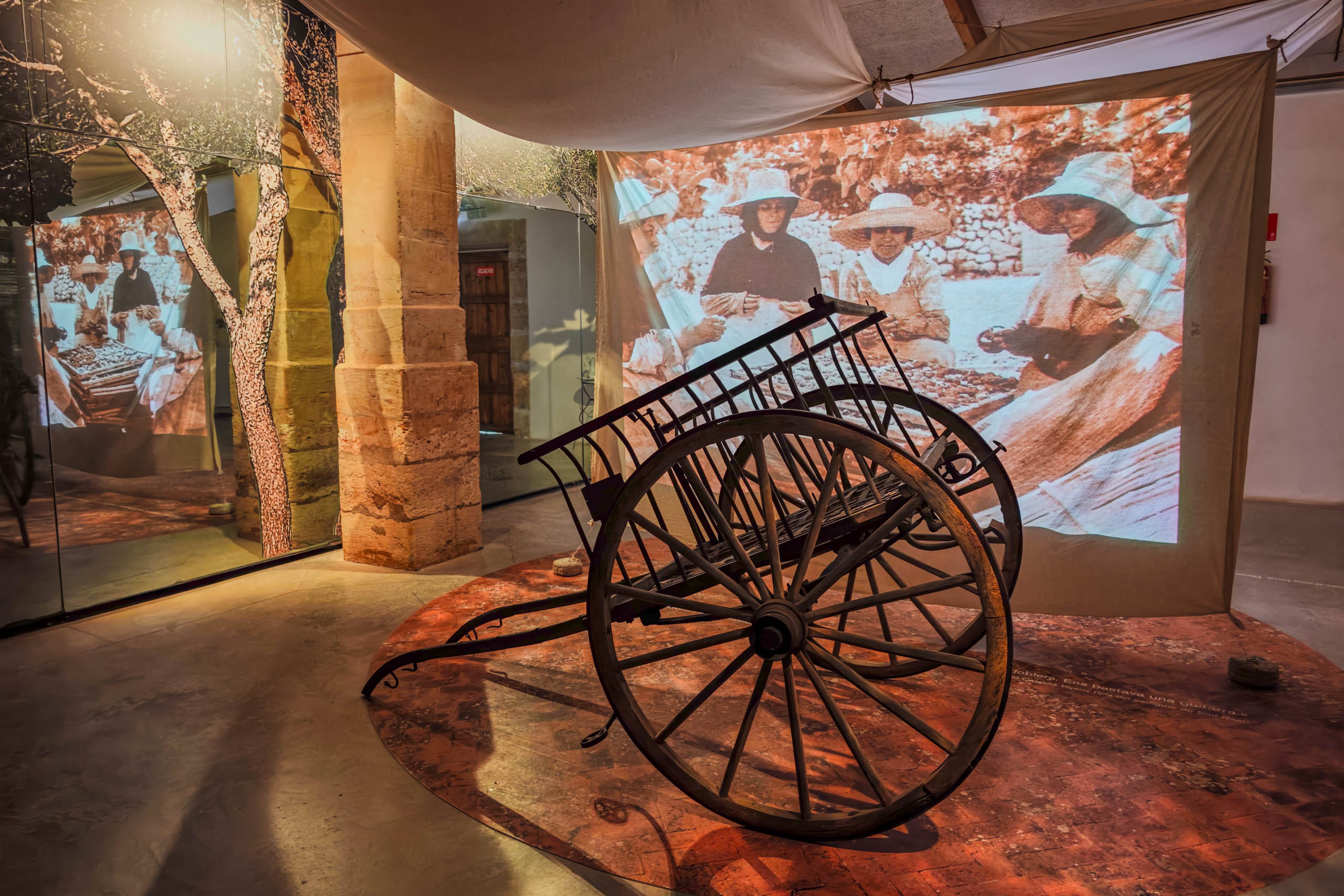
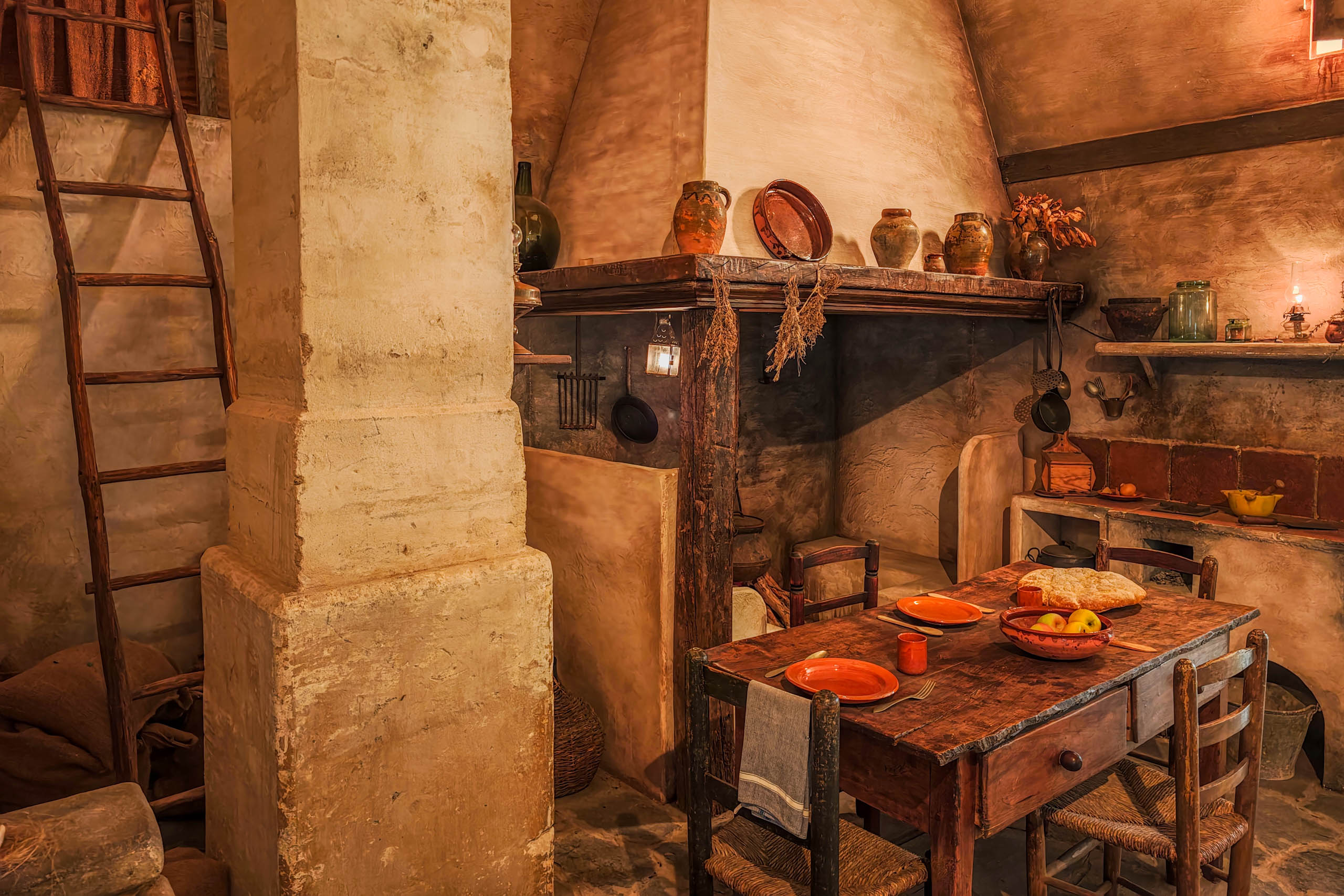
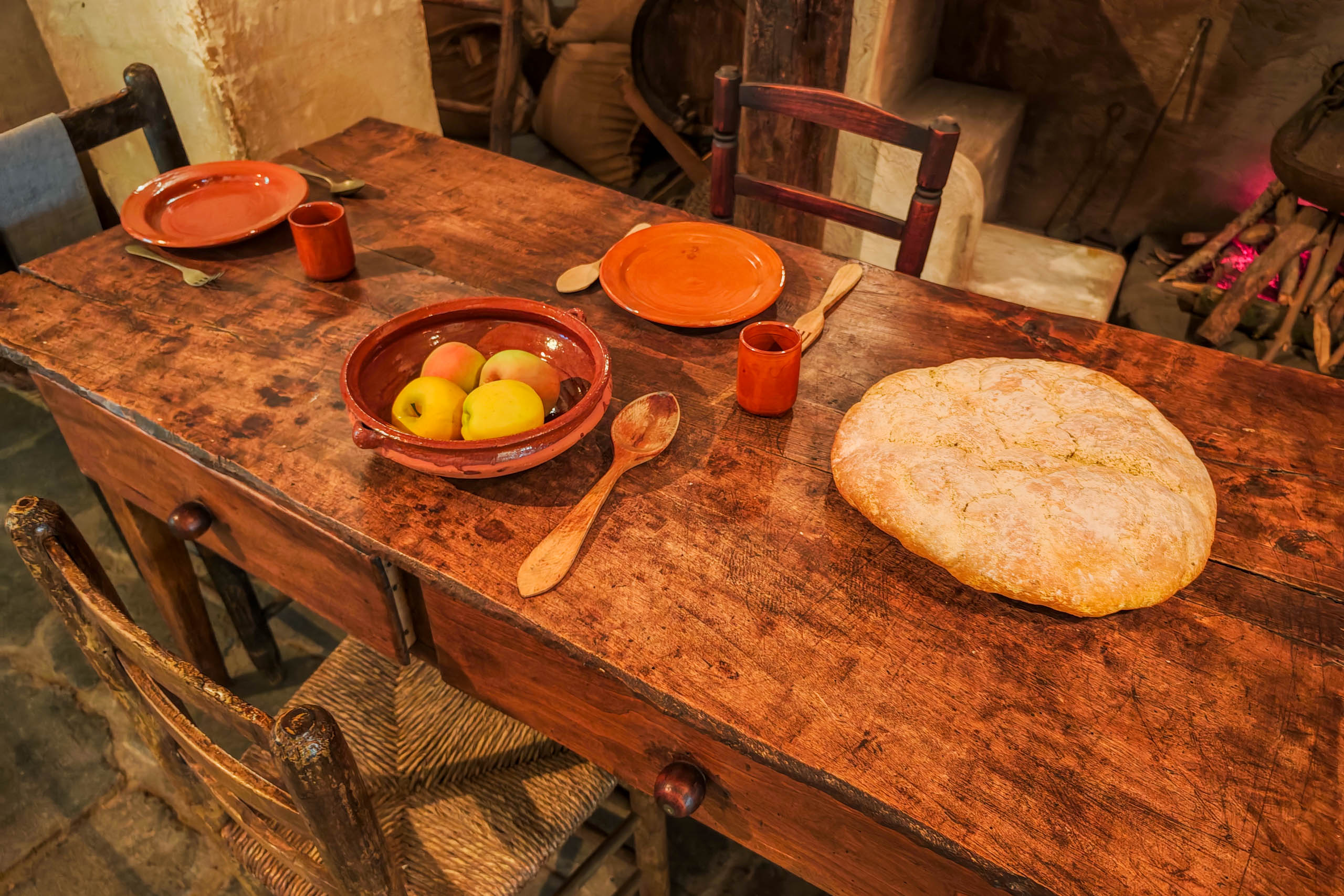
The museum and information centre explain earlier life and work on the estate through large images, spoken accounts and objects. The furnished kitchen and model of the grounds deserve a closer look too. They help you picture what everyday life on Mallorca was like.
The Son Real management publishes opening times and current closure notices. You’ll also find practical details further down this page.
Sheep, lambs and a pig in the shade
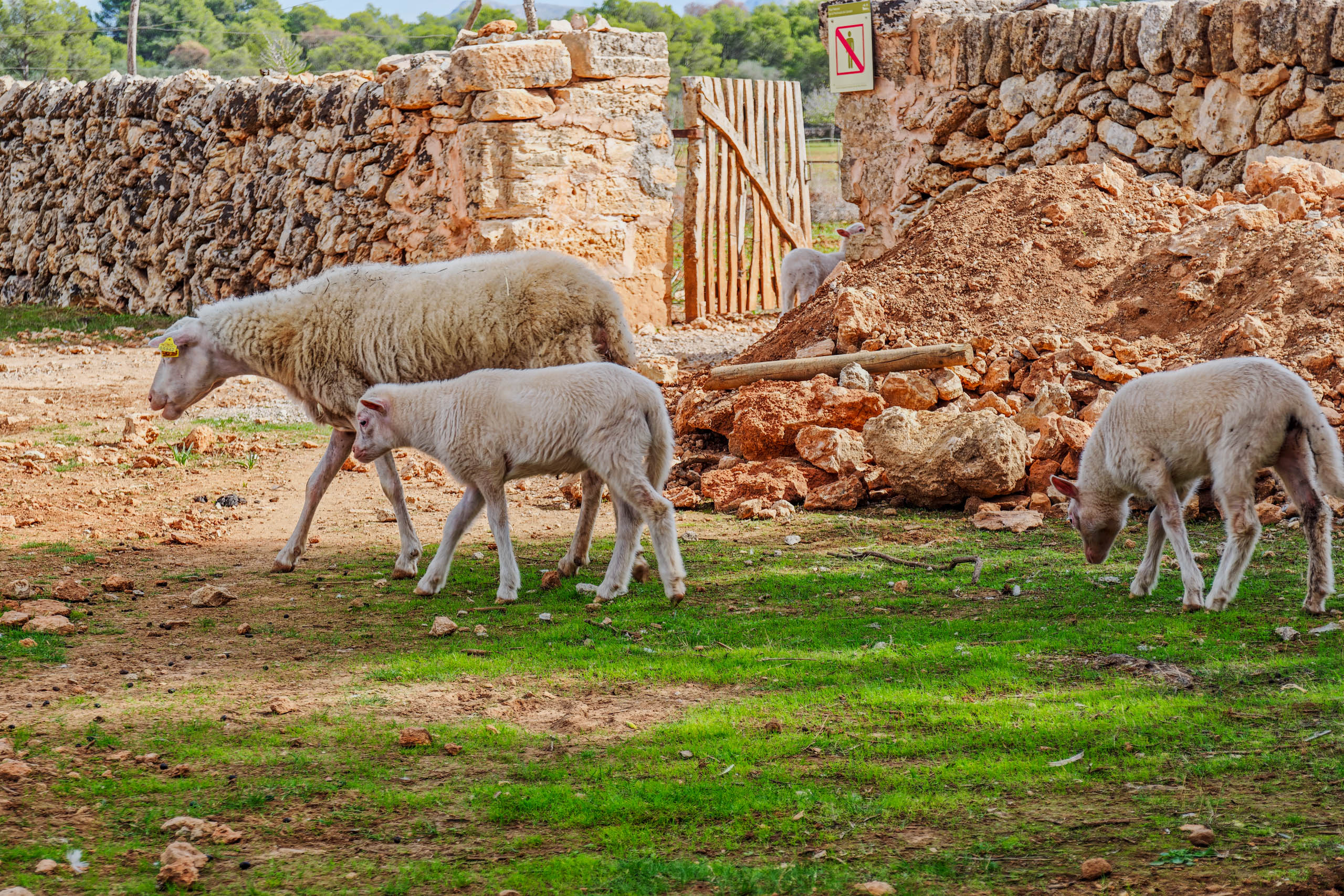
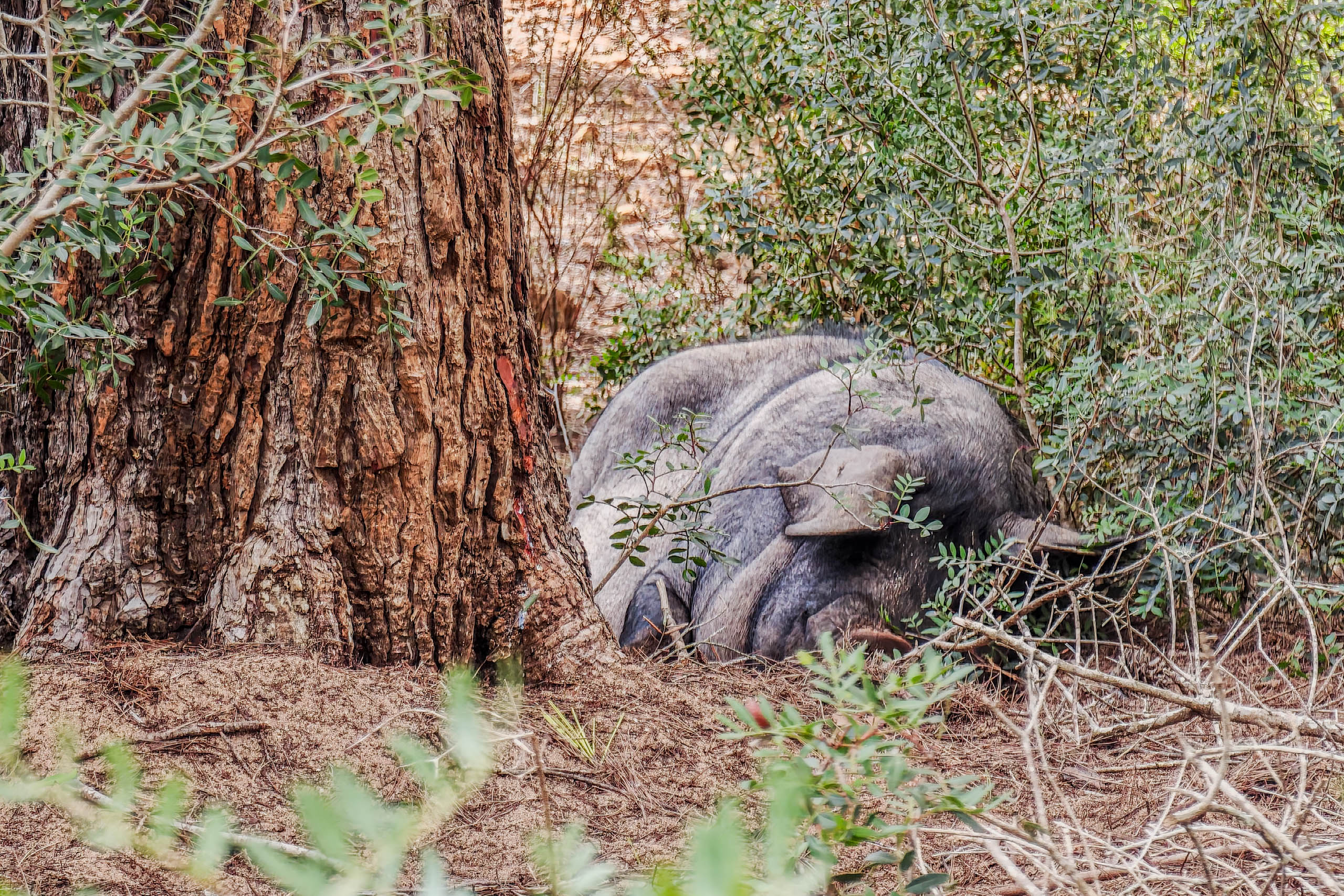
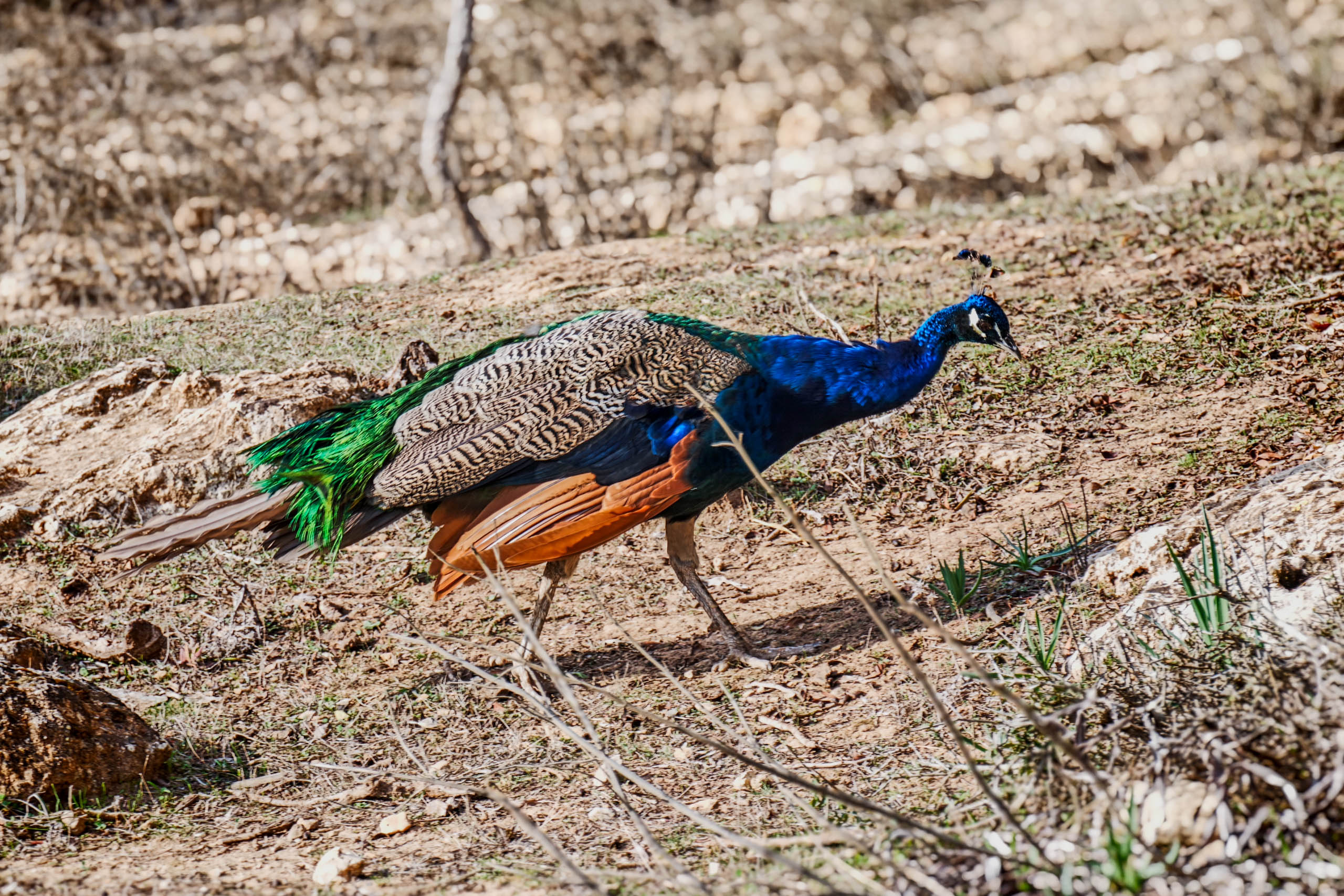
Son Real has retained its farming character. During Friedhelm’s visit, sheep and their little lambs were behind the courtyard. He heard pigs further away and eventually spotted one settled comfortably among the bushes. A peacock was wandering around too.
Watch the animals quietly and stay on the permitted paths. You can’t plan which ones will appear, of course, but these encounters are part of the pleasure of walking around the estate.
On to the graves by the sea
After the museum, you can follow the signed route to Necròpolis de Son Real, where ancient graves lie right beside the sea.
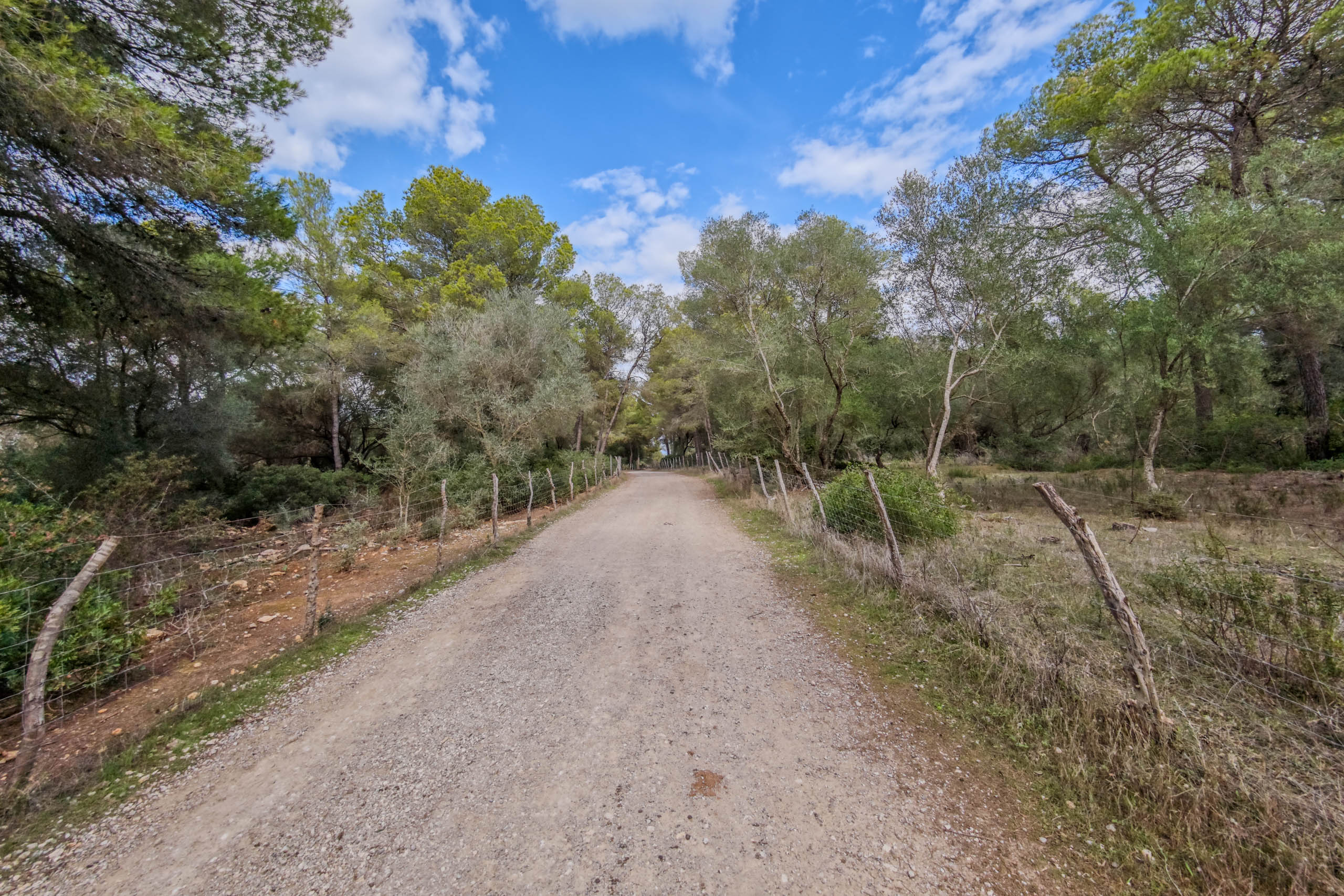
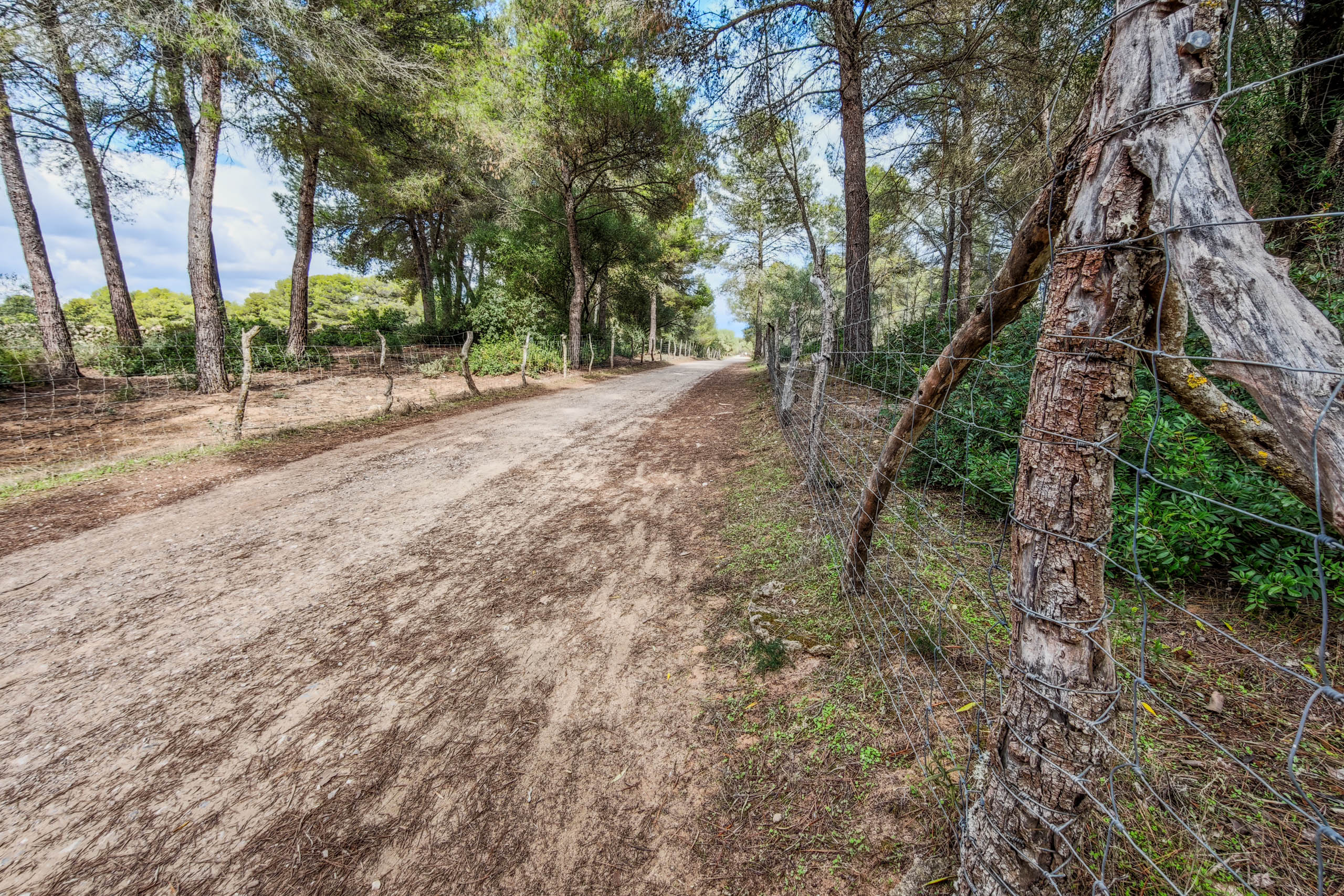
The route is mostly flat. The official trail description gives 2.6 kilometres and about 40 minutes each way. That makes roughly 5.2 kilometres return, before allowing time at the necropolis or for breaks.
There are trees and places to rest, but not continuous shade. Bring water, sun protection and shoes suitable for natural paths. The sea may look close on a map, but this walk can feel long in warm weather. You can always stay around the courtyard and museum and save the coast for another day.
Spring, autumn or a rainy day
Son Real is particularly lovely in spring, when the grounds are green, and in autumn, even late in the year. For Friedhelm, these are the best seasons to combine the museum and courtyard with a longer walk.
July and August need more care. The coastal walk can be tiring in the heat. If you visit then, adapt your route to the temperature and check the latest opening notices.
On a rainy day, concentrate on the museum. The courtyard and trails are outdoors. You don’t have to walk all the way to the necropolis to make a visit worthwhile; the estate itself has plenty to see.
Photographs
Finca pública de Son Real in Mallorca
How much time do you have?
Things to do in Finca pública de Son Real
Three hours
Explore the courtyard, see the chapel from outside and visit the museum. Afterwards, leave time for the old trees, animals and a break at the tables.
Half a day
Visit the museum first, then follow the signed path to the necropolis. Allow for a 5.2-kilometre return walk, time at the coastal graves and rest stops. Bring water and something to eat.
On a rainy day
Concentrate on the museum. The courtyard and walking paths are outdoors; leave the coast walk for another day in heavy rain or thunderstorms.
Practical details
- Parking
- Large car park at the estate; the onward journey to the necropolis is on foot.
- Time to allow
- Allow one to two hours for the courtyard and museum, or half a day including the necropolis.
- Good to know
- The information centre and museum normally open from 9.30am to 3.30pm, with free admission. The management lists Saturday closures in July and August. Check current notices before travelling. The necropolis trail is around 2.6 kilometres each way, or 5.2 kilometres return.
- Access
- Courtyards and natural paths, with some stony stretches and uneven ground on the coast. · Wheelchairs: The management describes the estate as not fully accessible; ask ahead about access to individual museum rooms.
- Price guide
- Admission Free (as of 2026)
- Coordinates
- 39.7363,3.1813 Google Maps Apple Maps
Within reach
Places to visit
Nearby

A church among the pines, beside the old Son Serra estate with its towers and farm buildings. A glimpse of the …
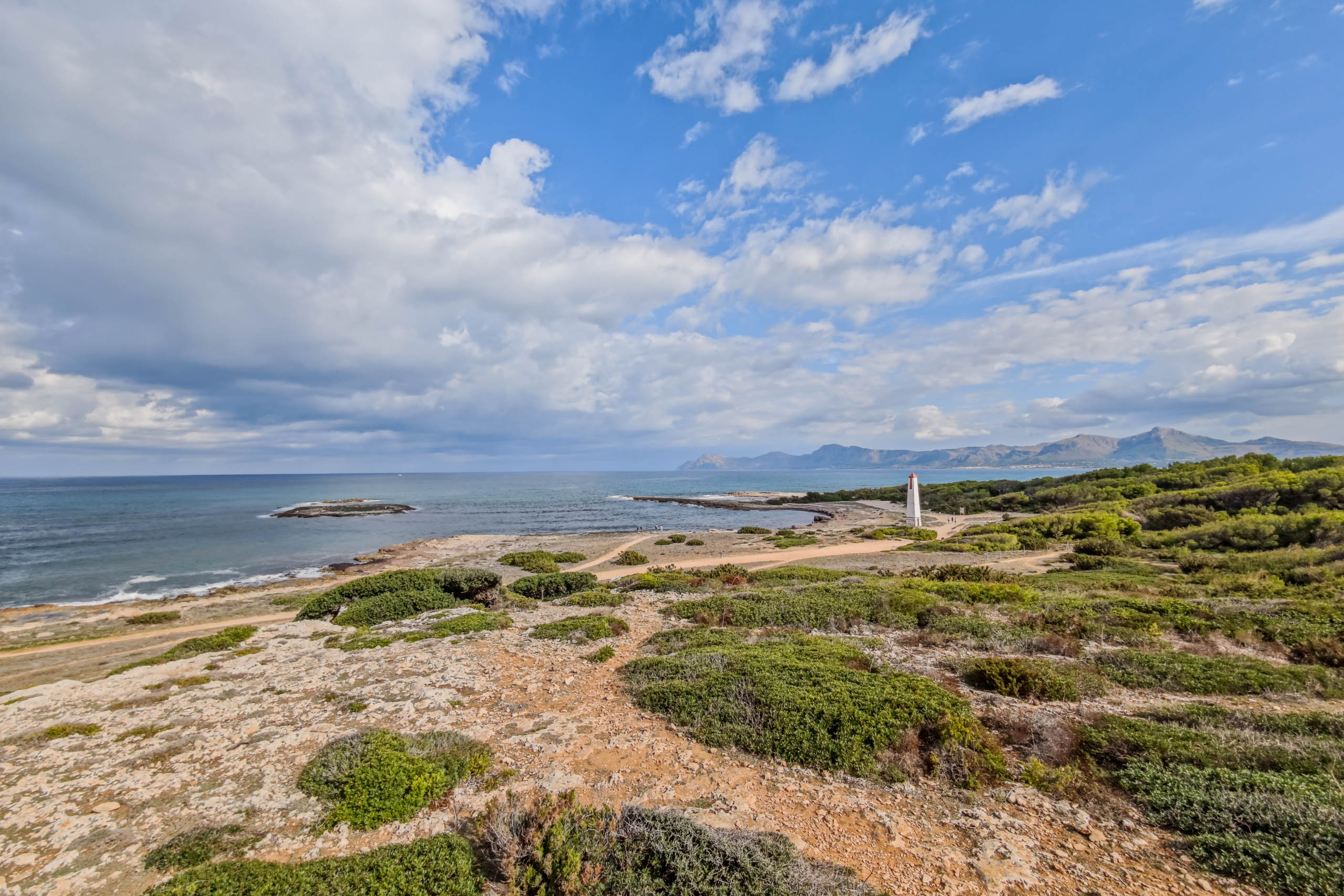
A few steps onto a wooden platform reveal the coast of Son Real. A dolmen lies beside the viewpoint, with the …

A Talayotic burial ground right beside the sea between Can Picafort and Son Serra de Marina. Around 110 tombs …

A hermitage founded in 1805 in the hills of Artà, reached by a narrow, winding road. The last resident hermits …

The remains of an important Roman town just outside Alcúdia. An urban centre developed here after the conquest of …

A pilgrimage church on the Victòria peninsula, seven kilometres north-east of Alcúdia. The road ends at a …

A fortress with a church inside, high above Artà. Walls with nine towers surround a courtyard of palms, an old …

A small pilgrimage chapel among pines near Sa Pobla, on the site of an older settlement. A paved path leads up to …
Distances without a driving time are measured in a straight line. The road journey can be much longer; known driving times are shown alongside.
Where to swim nearby
Beaches and swimming nearby

A planned village of grid-pattern streets, no hotels and houses no higher than two storeys. In front lies a long …

A small fishing settlement first recorded in 1860 has become a busy holiday resort. Come for the beach, the …

Founded in 1880, this small coastal town has a harbour, a short beach and a promenade with a handful of …

A long sandy stretch of the Bay of Alcúdia, with protected dunes and pines at Es Comú rather than a continuous …
Places to stay within reach
Explore from here
Your questions answered
Your questions about Finca pública de Son Real
What is Finca pública de Son Real?
A country estate open to the public near Can Picafort, with historic farm buildings, a museum and walking trails. The necropolis is a separate site on the coast, reached on foot.
Where is the museum entrance?
From the car park, walk straight through the courtyard to the gate. The entrance is through a small garden. Follow the signs, as not all parts of the buildings are open.
How far is the necropolis from the estate?
The management gives the signed route as 2.6 kilometres, taking about 40 minutes each way. That makes around 5.2 kilometres return, plus time at the graves and for breaks.
Can you visit Son Real in the rain?
The museum is worth visiting on a rainy day. The courtyard and coastal paths are outdoors, so it’s better to postpone the longer walk in poor weather.
How much does the museum cost?
Admission is free. Normal opening hours are 9.30am to 3.30pm. The management lists Saturday closures in July and August; check current notices before visiting.
Practical questions
When is the best time to visit Finca pública de Son Real?
Recommended months: January, February, March, April, May, June, September, October, November, December.
Is Finca pública de Son Real worth visiting in July and August?
July: worth considering with some reservations. The long walk to the coast can be very hot. The management also lists Saturday closures for the museum and information centre. August: worth considering with some reservations. The long walk to the coast can be very hot. The management also lists Saturday closures for the museum and information centre.
Do I need a hire car for Finca pública de Son Real?
A car is useful
Where can I park in Finca pública de Son Real?
Large car park at the estate; the onward journey to the necropolis is on foot.
Can I visit Finca pública de Son Real with a pushchair or wheelchair?
Courtyards and natural paths, with some stony stretches and uneven ground on the coast. Wheelchairs: The management describes the estate as not fully accessible; ask ahead about access to individual museum rooms.
Words and photographs: Friedhelm Fischer. Exploring Mallorca since 2013 — by bike, on foot and with a camera.