Pla de Mallorca
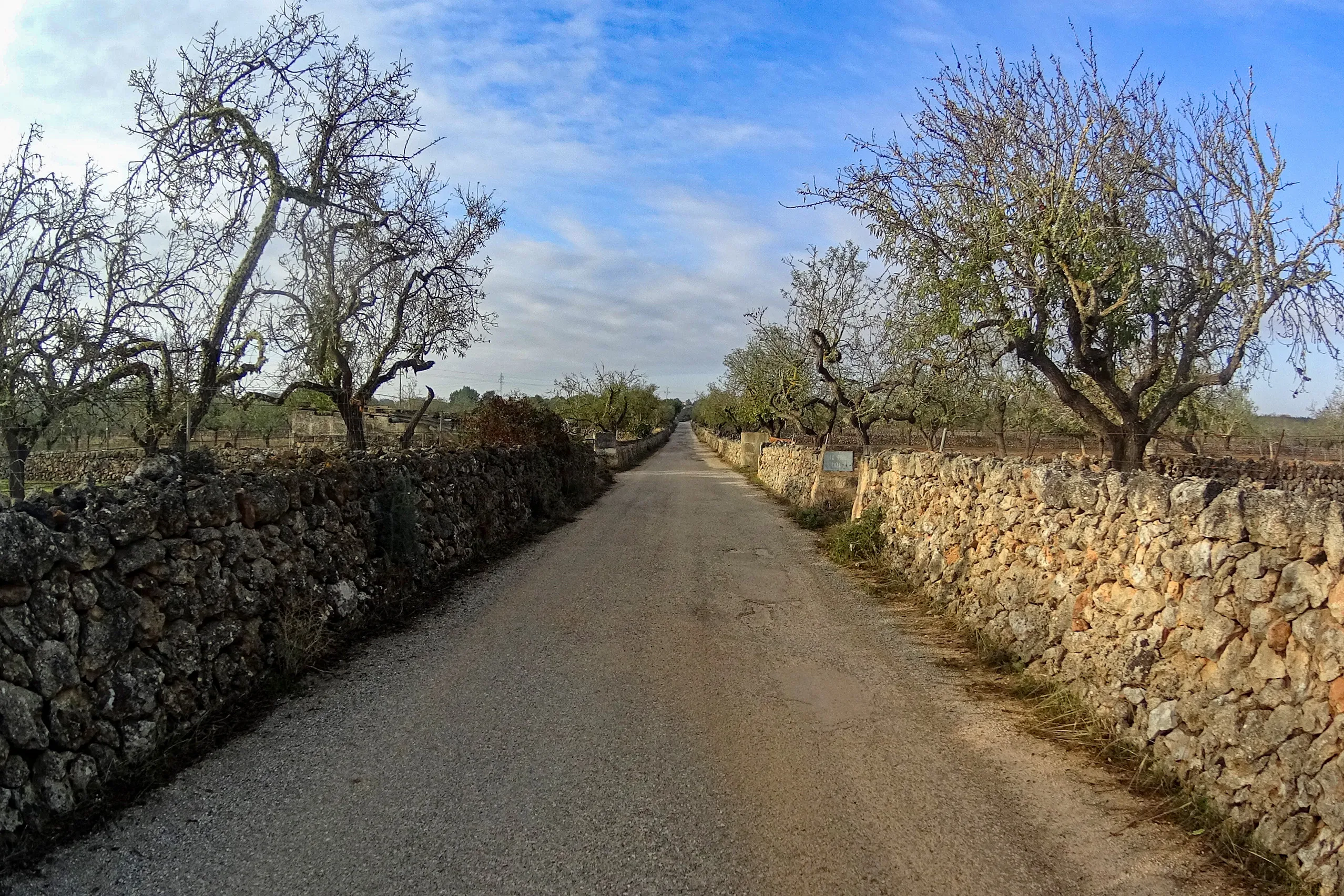
Dry-stone walls and almond trees: the central plain in winter.
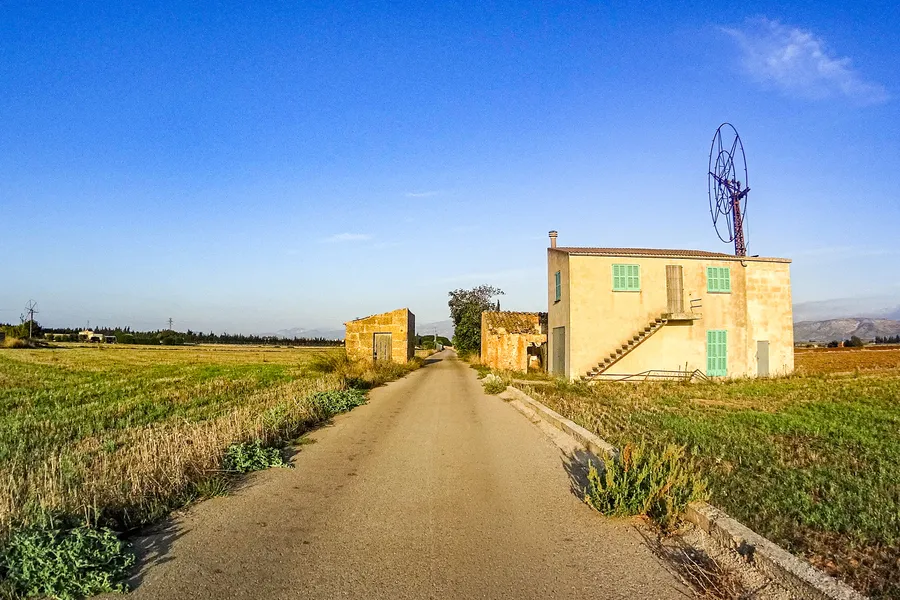
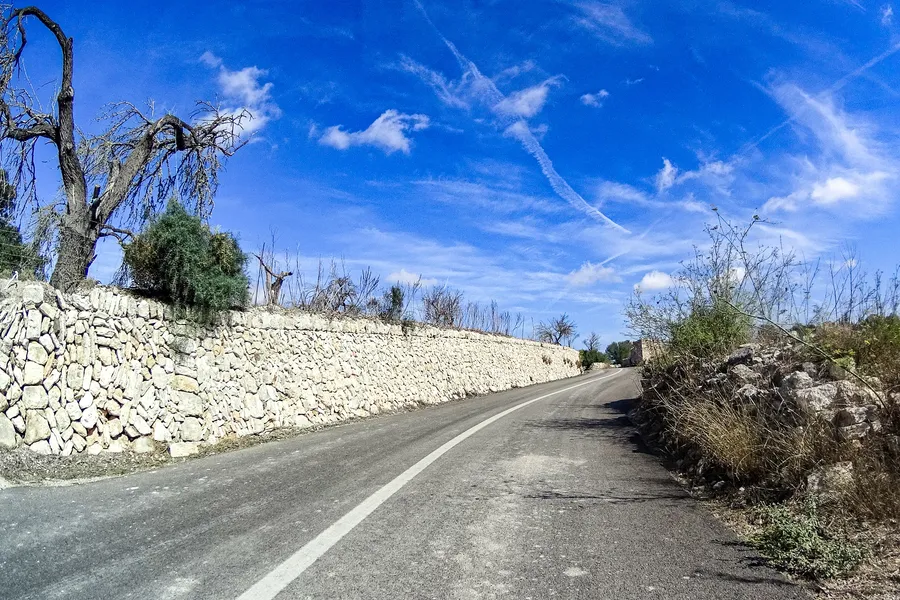
Many holidaymakers cross the island’s central plain on their way from Palma to the east coast. It’s worth stopping. There are fields of grain, almond and carob trees, old water-pumping windmills and villages built from golden stone. In the north-east, the municipalities of Muro and Santa Margalida reach Alcúdia bay, giving this inland region a coast too.
A working agricultural landscape
Farming is still part of life in the Pla. Grain, almonds, figs, carob and grapes for the Pla i Llevant wines grow here. The old pumping windmills lifted groundwater onto the fields; some survive, while others are now ruins. It’s a good place to understand how Mallorca made its living before tourism.
Places to visit
Visit Sineu on a Wednesday for its historic market, including the livestock area. Petra was laid out on a planned street pattern around 1300 and has the birthplace of Juníper Serra, later associated with California’s missions. Look up to the hilltop sanctuaries: Cura, Gràcia and Sant Honorat on Puig de Randa, Bonany above Petra and Consolació above Sant Joan. Each offers wide views over the plain. In Montuïri, the Cossiers dances remain a living tradition.
When to come
Around February, almond blossom spreads across the countryside. March and April bring green fields, and October is harvest time. July and August can be particularly hot in the inland villages, away from the sea breeze. Streets are quiet in the afternoon heat; the coast is usually the more comfortable choice then.
The north-east coast
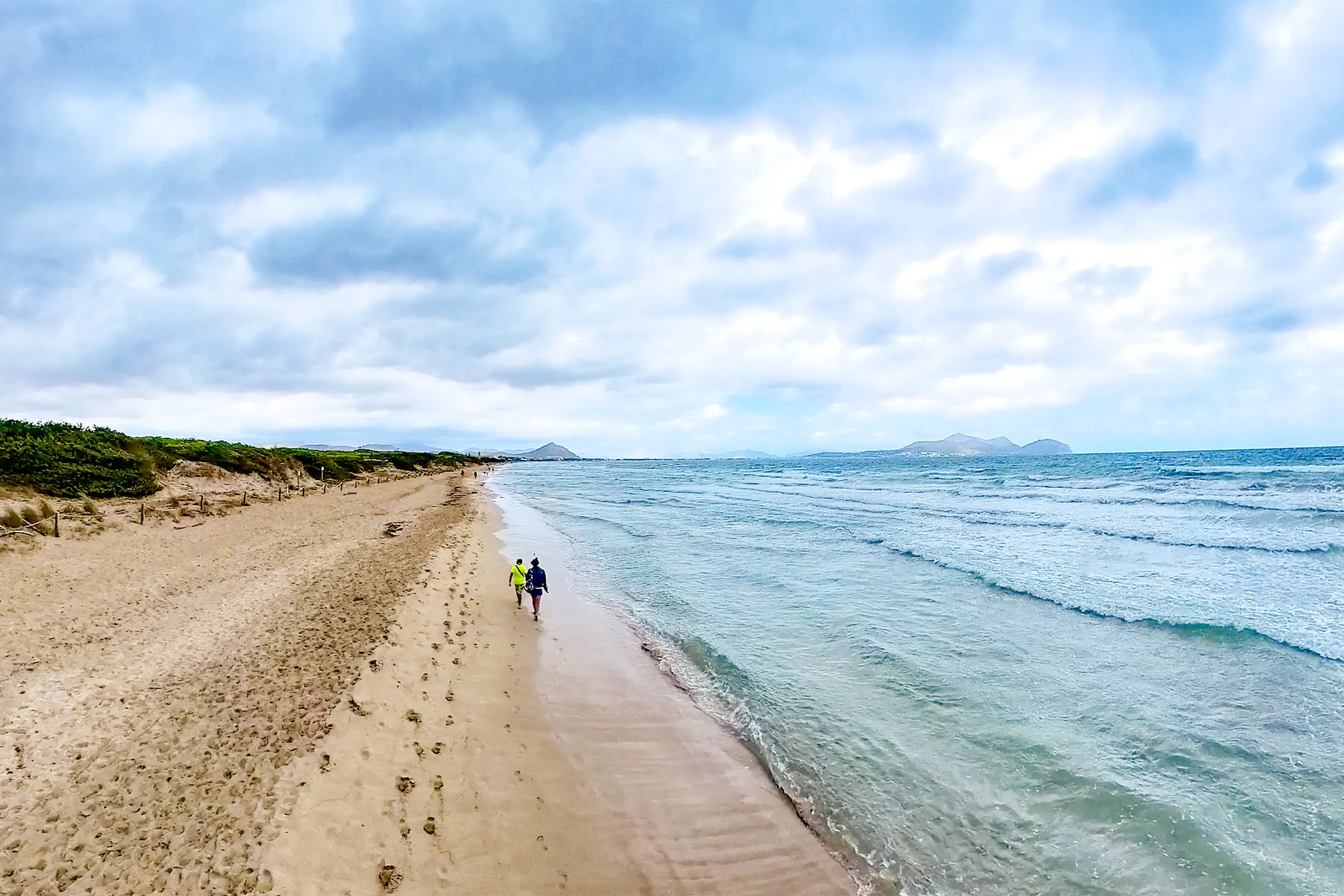
Two municipalities of the Pla reach the sea. Platja de Muro belongs to Muro; Can Picafort and Son Serra de Marina belong to Santa Margalida. Sandy beaches slope gently into the bay for kilometres, with S’Albufera behind them. This is the Balearics’ largest wetland, with more than two hundred recorded bird species. Es Comú de Muro remains undeveloped within the natural park. The coast and the inland villages can be less than 20 km apart, yet feel very different.
All the places in the region
Pla de Mallorca: towns, coves and places to visit
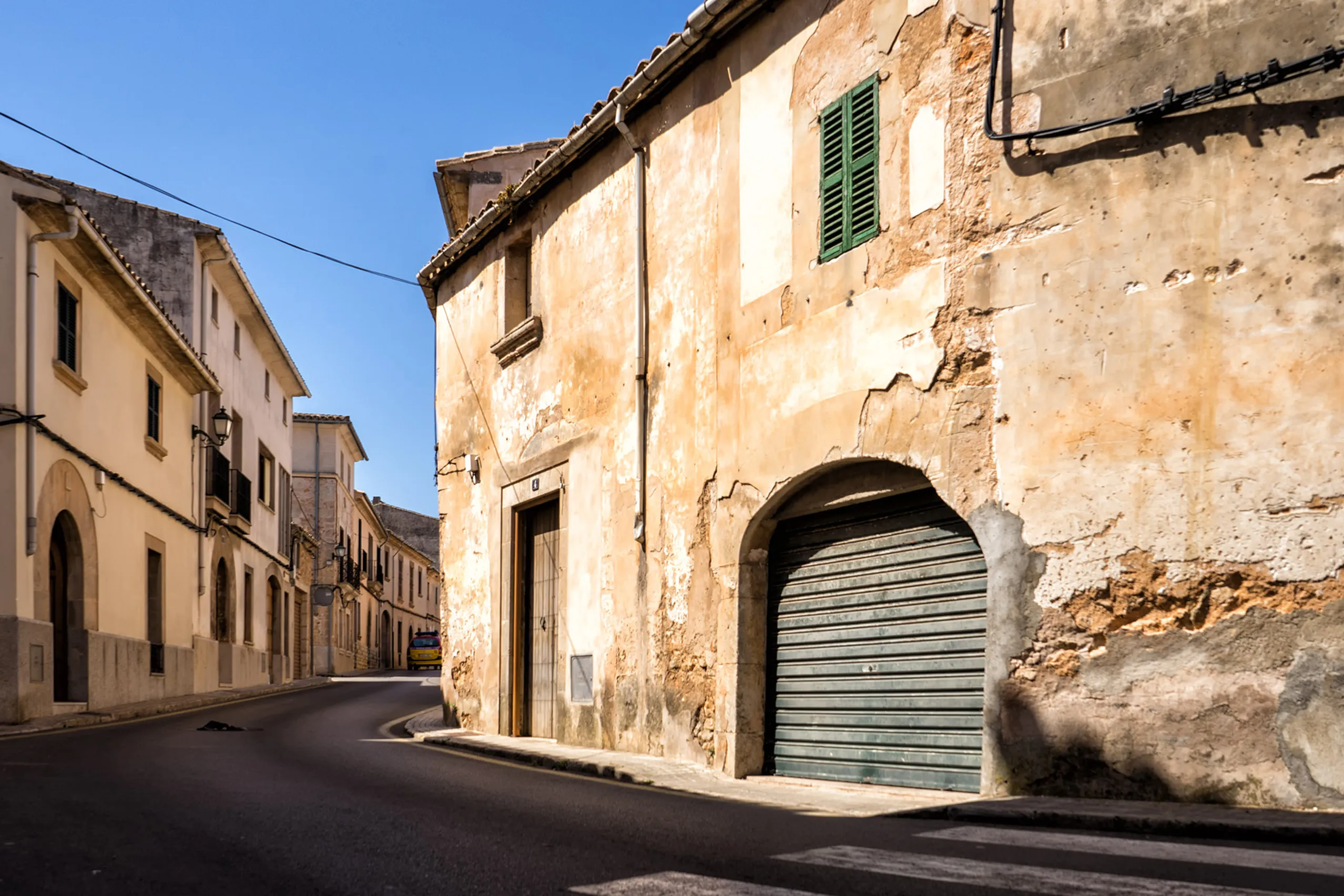
Algaida
Most people know Algaida only from the sign on the Palma–Manacor road. It’s the turn-off for Puig de Randa, but the village itself has old windmill towe…
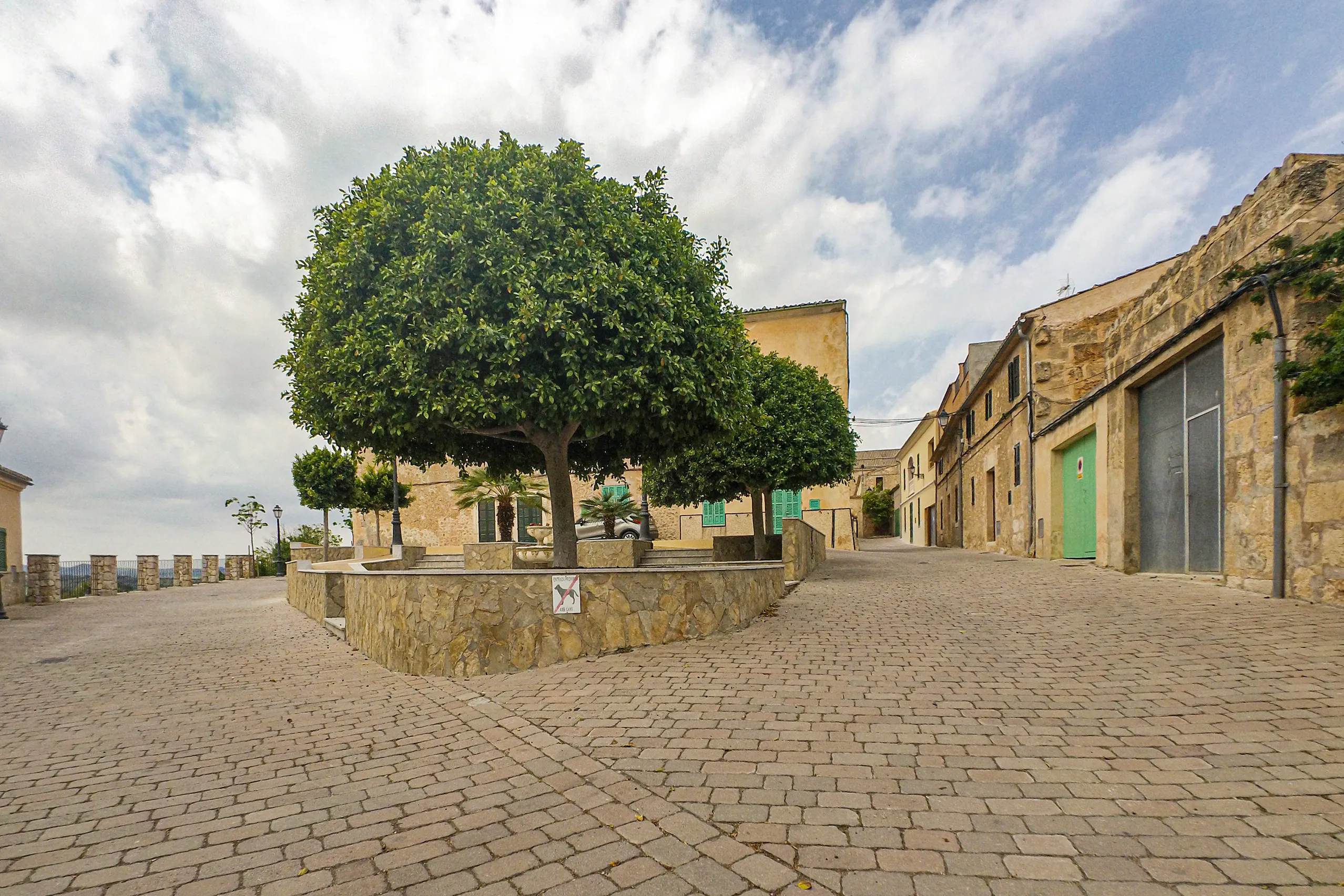
Ariany
Mallorca’s youngest municipality, Ariany only separated from Petra in 1982, after two unsuccessful attempts. This ridge-top village in the Pla has a chu…
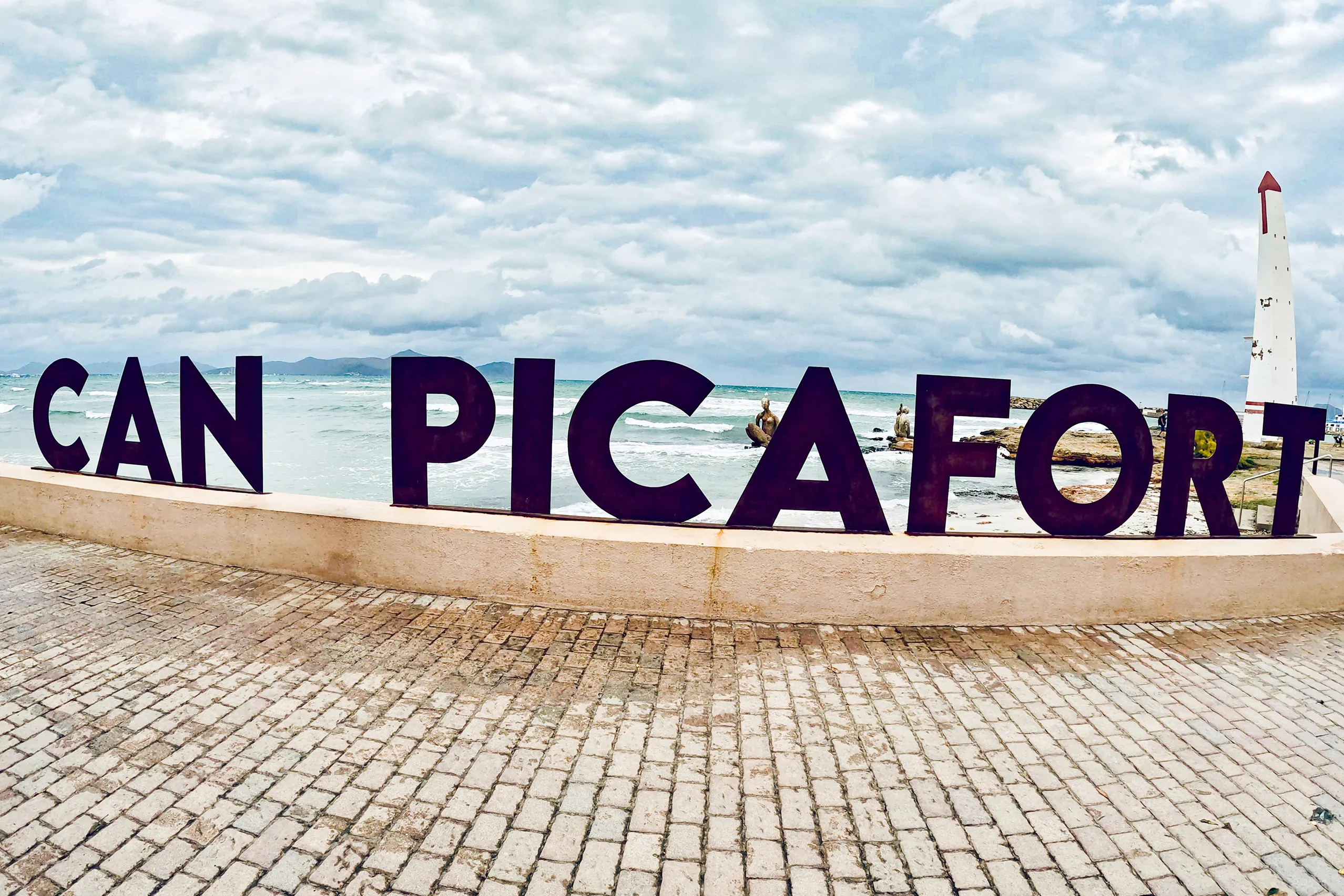
Can Picafort
A small fishing settlement first recorded in 1860 has become a busy holiday resort. Come for the beach, the promenade and everything within walking dist…
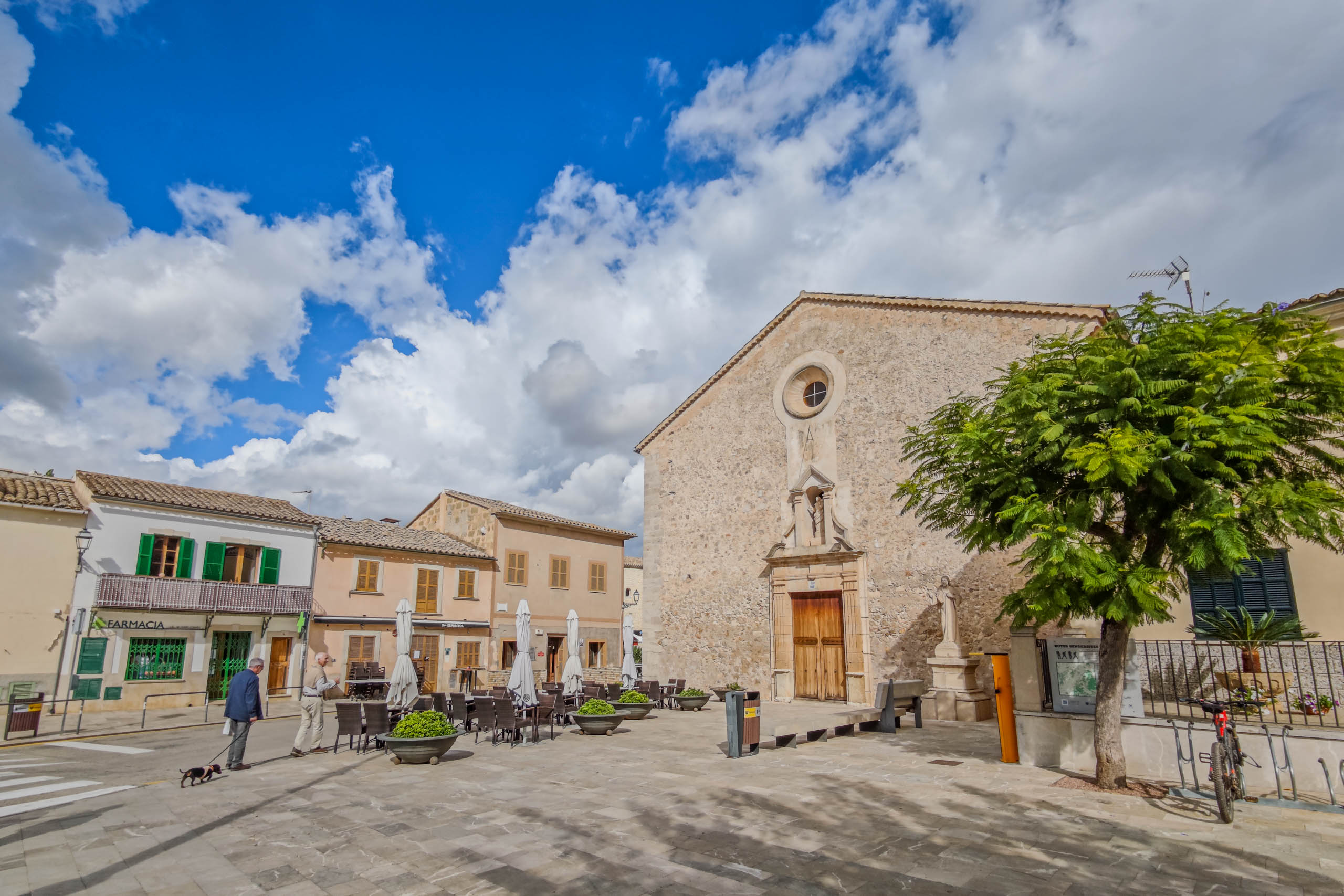
Costitx
A coffee, a few lanes and a church at the heart of the village: Costitx lies north-east of Sencelles in central Mallorca. It makes a lovely short stop a…
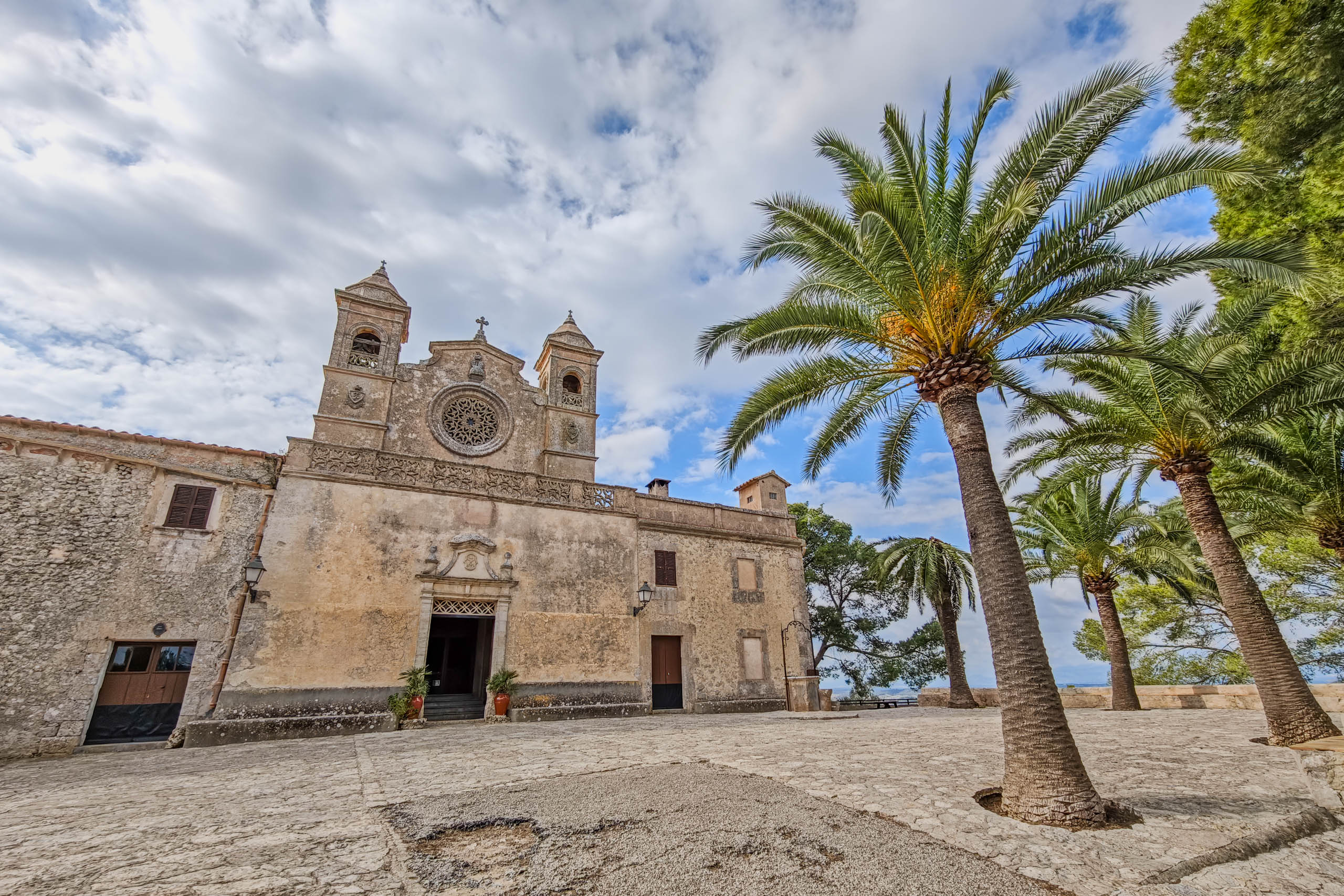
Ermita de Bonany
A pilgrimage sanctuary on the Puig de Bonany above Petra, 317 metres above sea level. Hermits lived here until 1990. On clear days, the terrace looks ac…
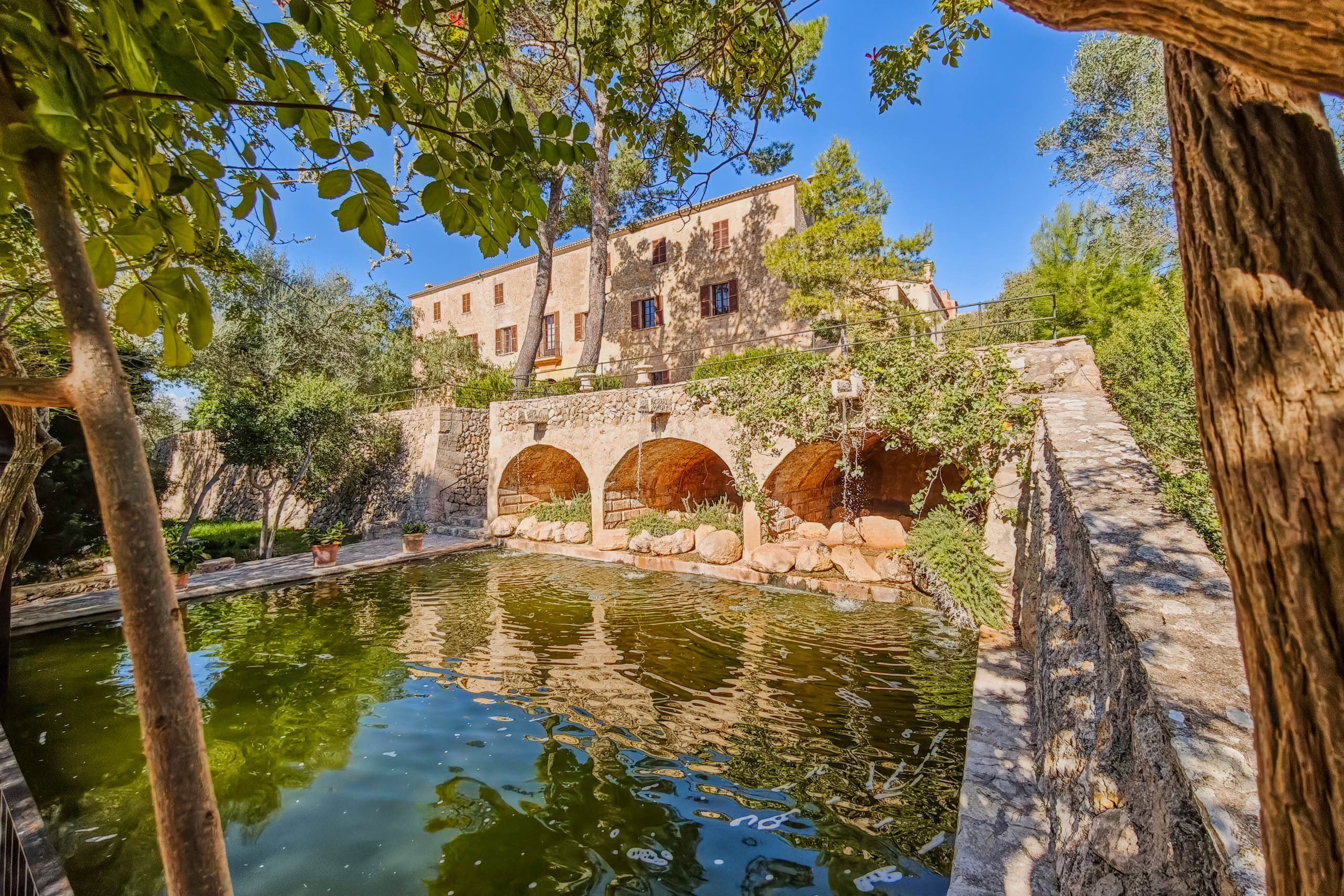
Es Calderers
An old country estate near Sant Joan where it’s easy to stay longer than planned. Behind the substantial walls are furnished living rooms, a private cha…
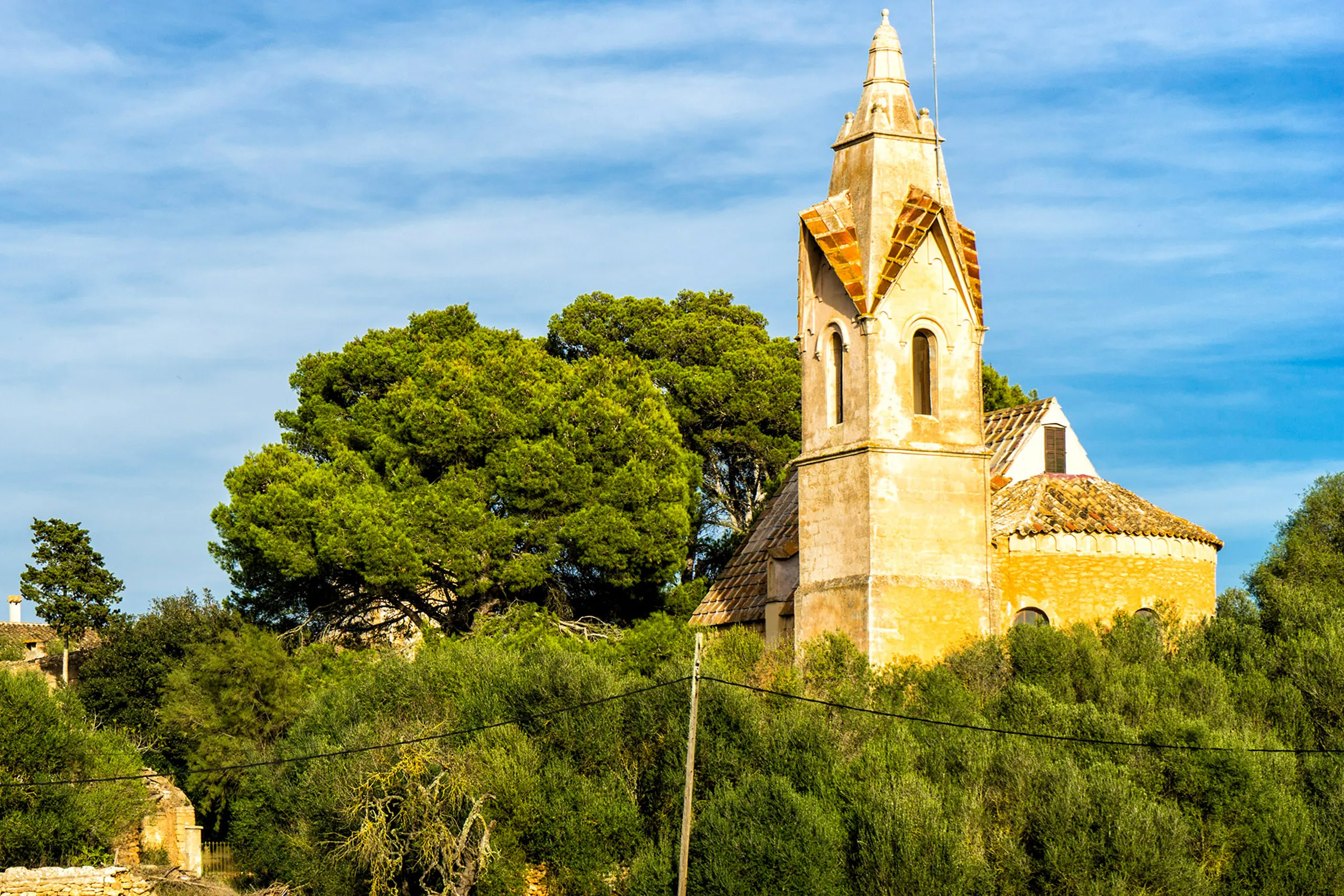
Església de Son Serra
A church among the pines, beside the old Son Serra estate with its towers and farm buildings. A glimpse of the rural countryside behind Son Serra de Mar…
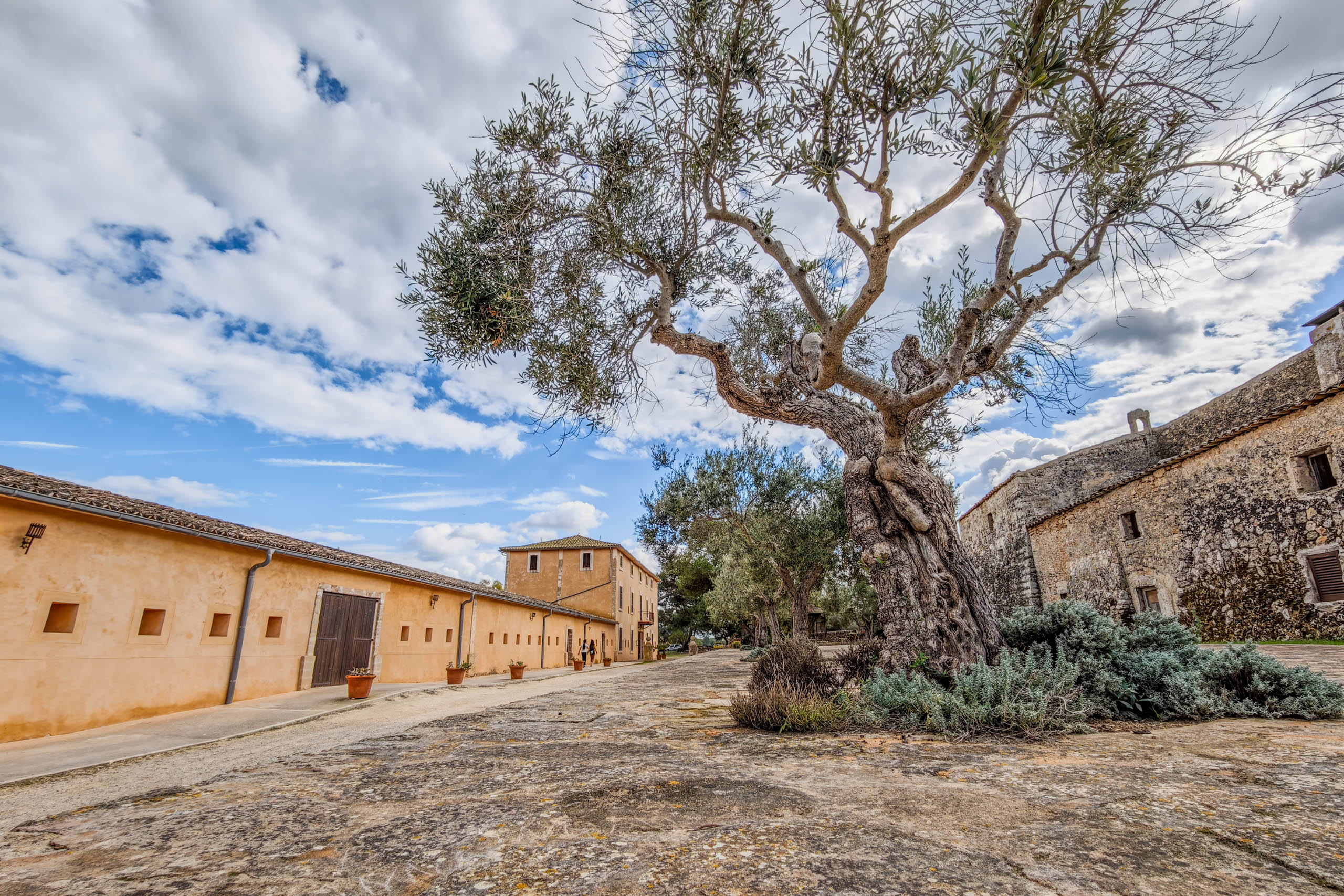
Finca pública de Son Real
Old farm buildings, gnarled olive trees and a museum about earlier life on Mallorca. Son Real lies between Can Picafort and Son Serra de Marina. Explore…
Gordiola
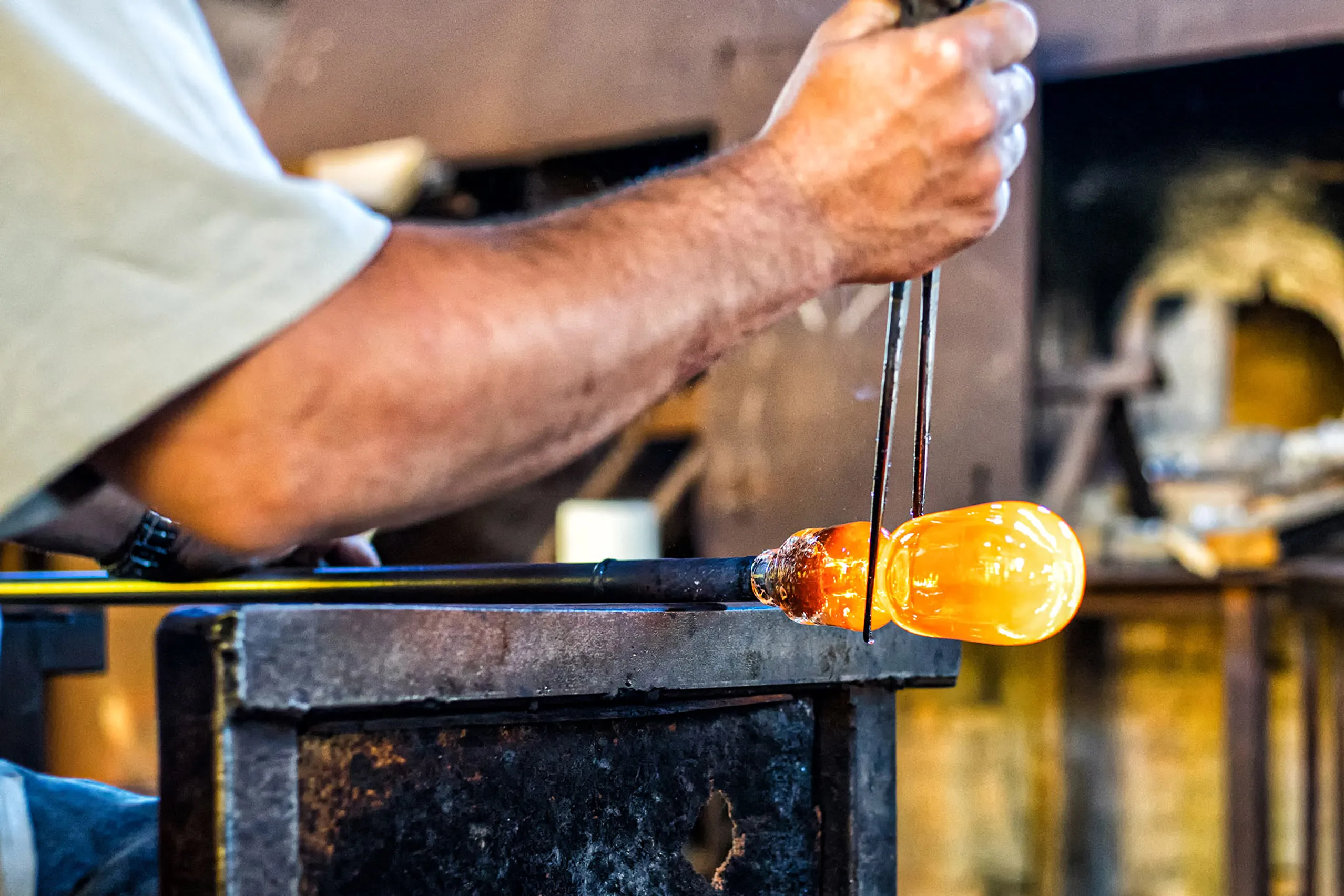
A family glassworks dating back to 1719, beside the road to Manacor in a castle-like building. Watch glassblowers at work downstairs, then explore the c…
Llubí
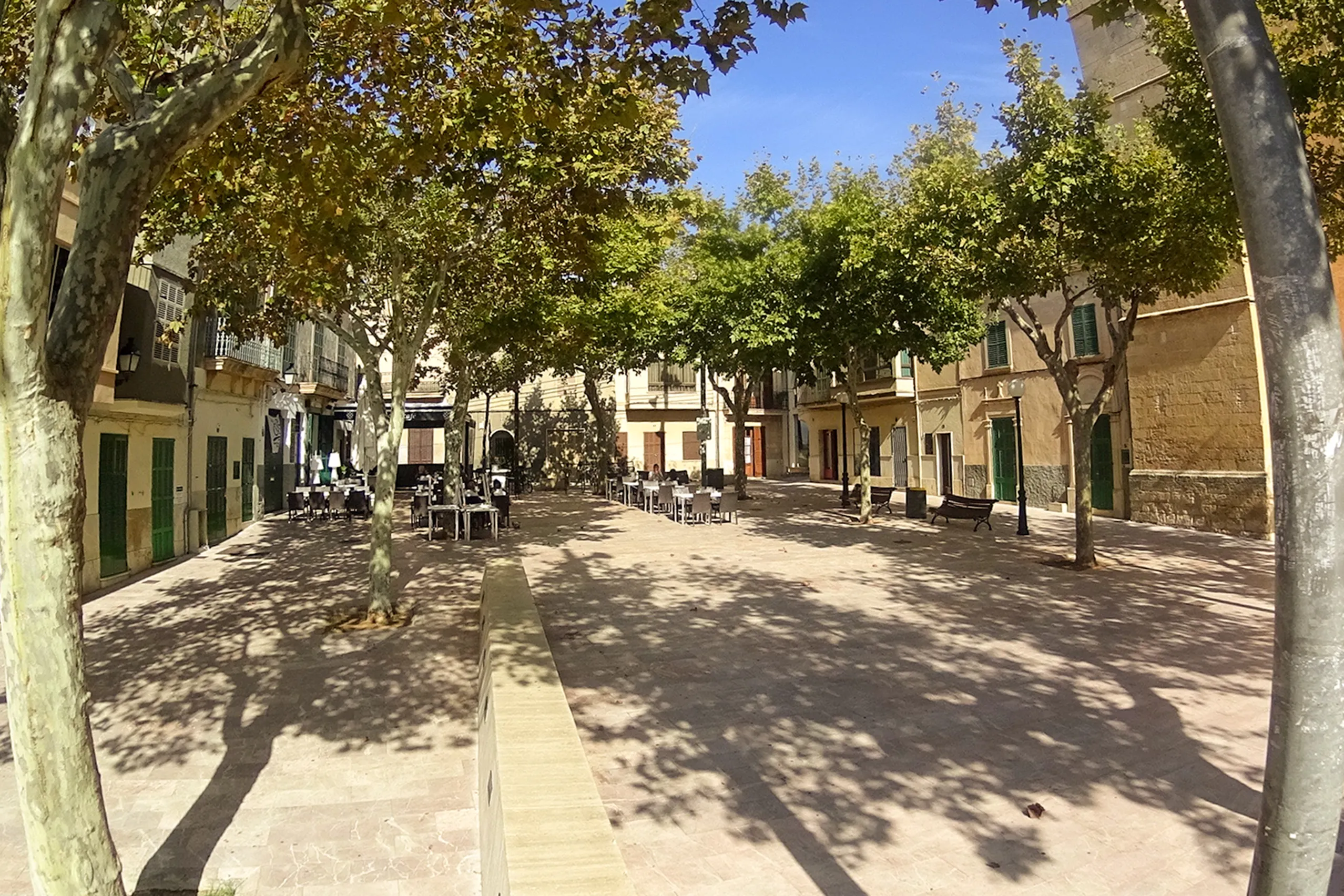
A village in the Pla known for capers rather than conventional sightseeing. A church above the rooftops, a shaded square and just over two thousand resi…
Maria de la Salut
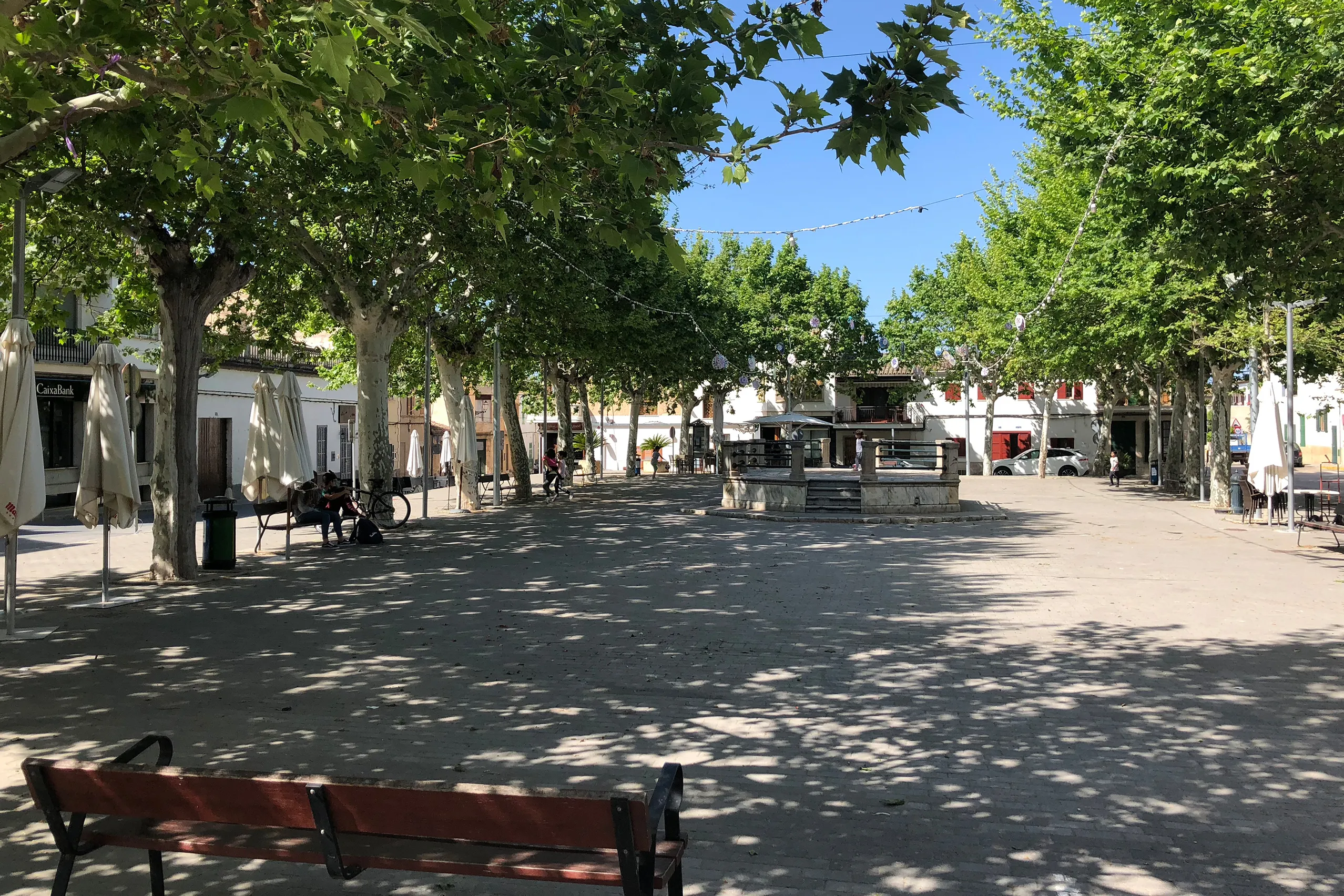
Just over two thousand people live on this rise in the Pla, with a substantial fieldstone church and a long square beneath plane trees. There’s little a…
Mirador Son Real
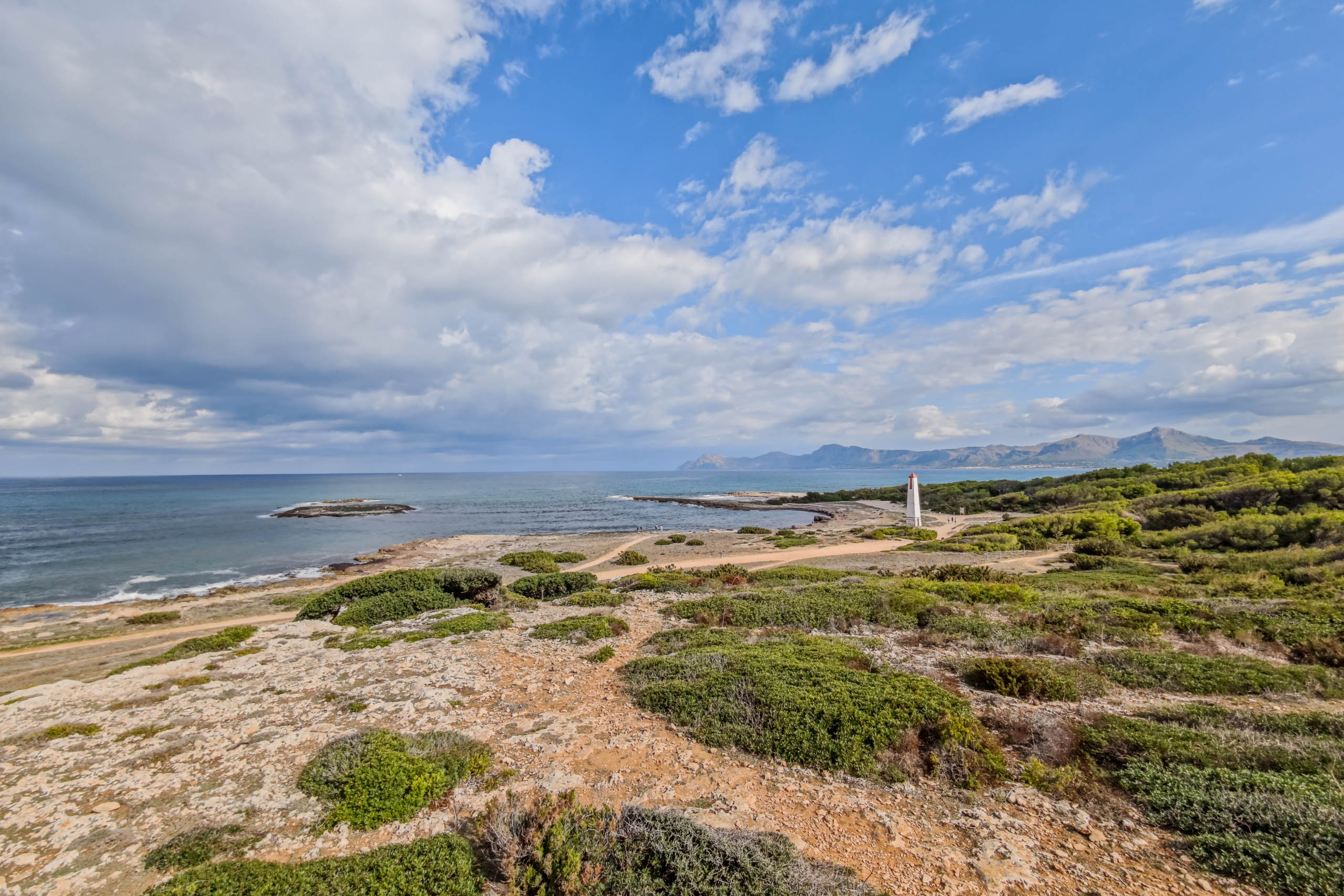
A few steps onto a wooden platform reveal the coast of Son Real. A dolmen lies beside the viewpoint, with the necropolis and distinctive red-and-white n…
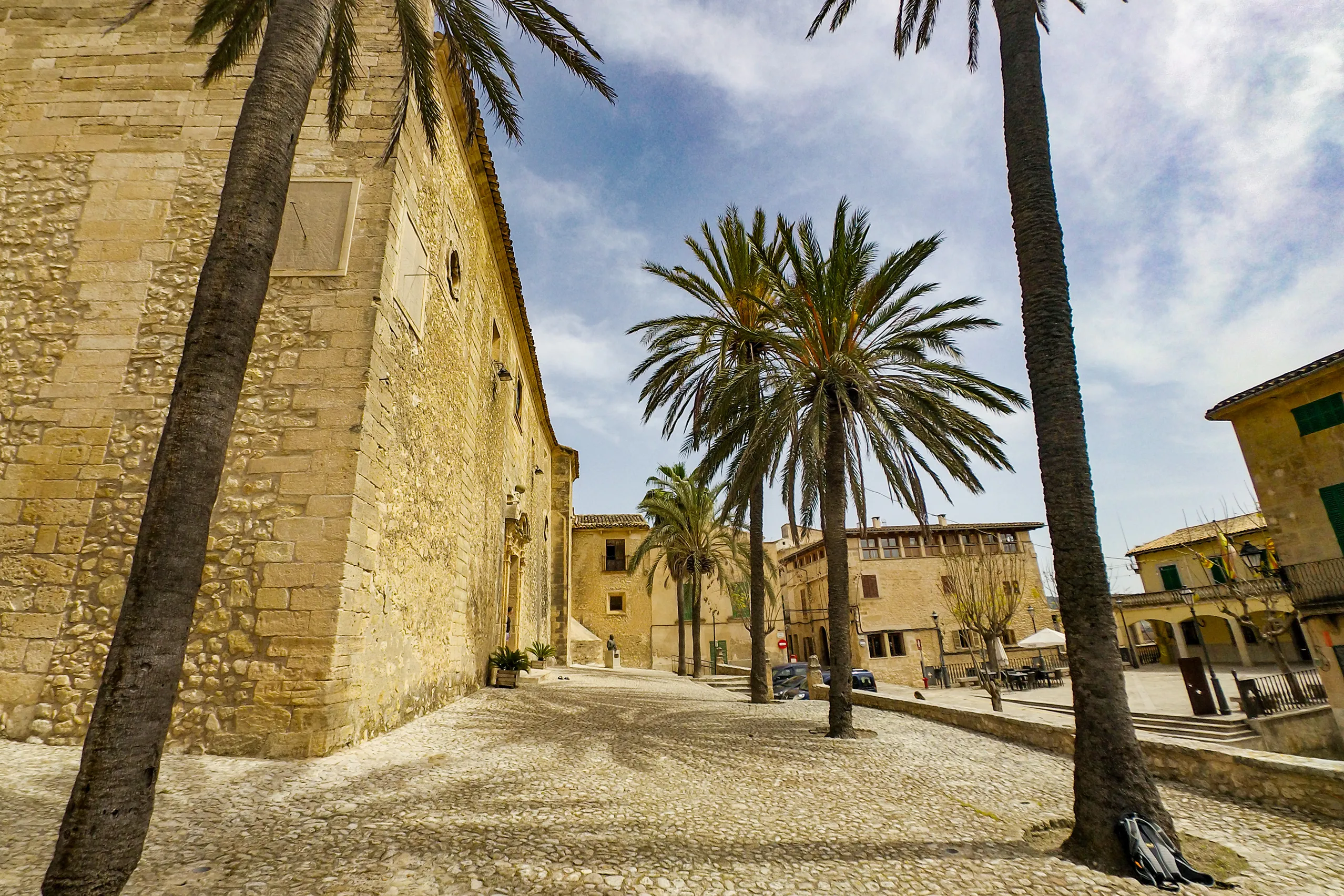
Montuïri
A hilltop village in the Pla, with eight old windmills along one street and steps climbing to the church. It’s best known for a dance tradition that has…
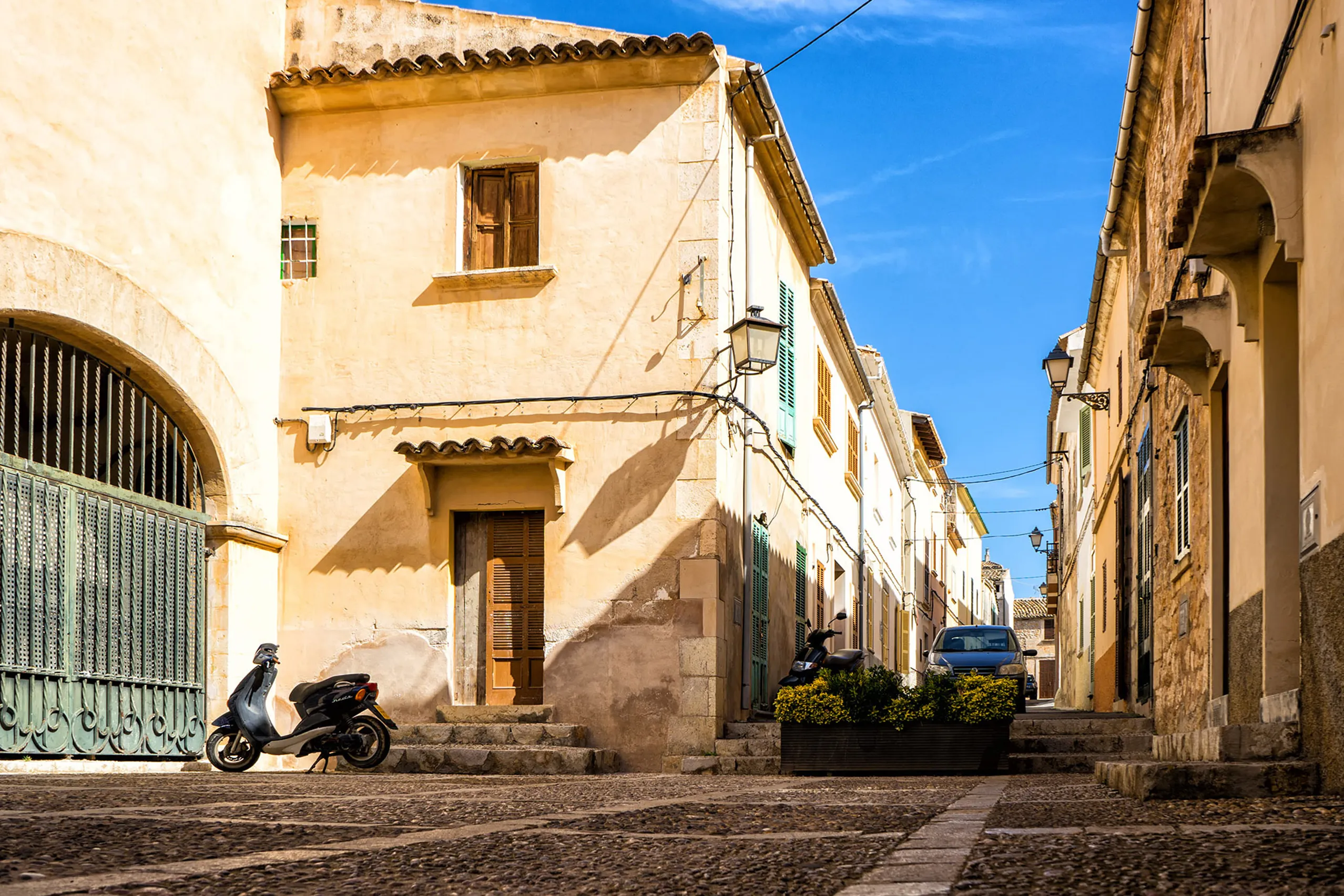
Muro
Behind Platja de Muro lies the town that gave the beach its name, often overlooked by holidaymakers. It has a late-Gothic church with a bridge to its se…
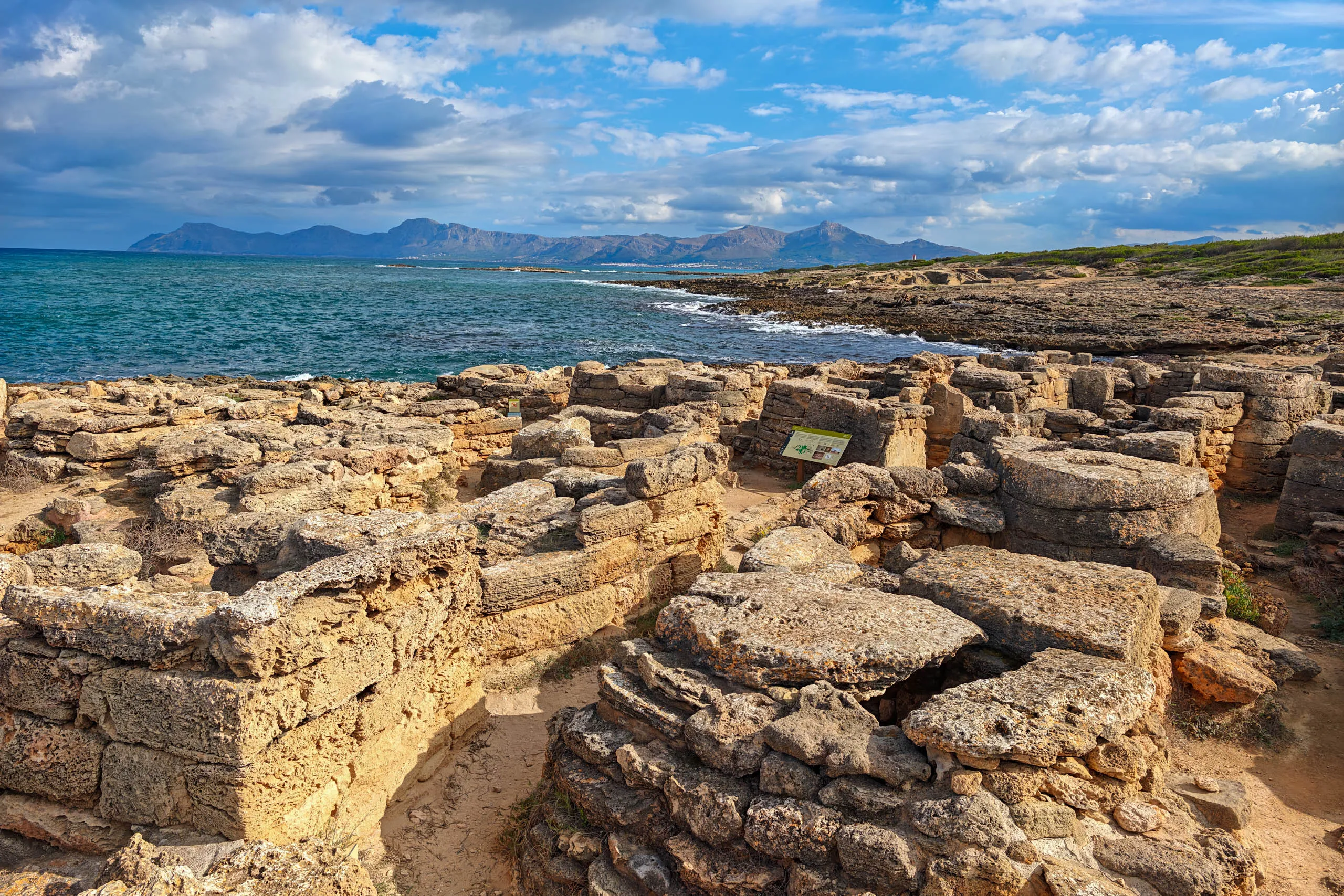
Necròpolis de Son Real
A Talayotic burial ground right beside the sea between Can Picafort and Son Serra de Marina. Around 110 tombs occupy eight hundred square metres, where…
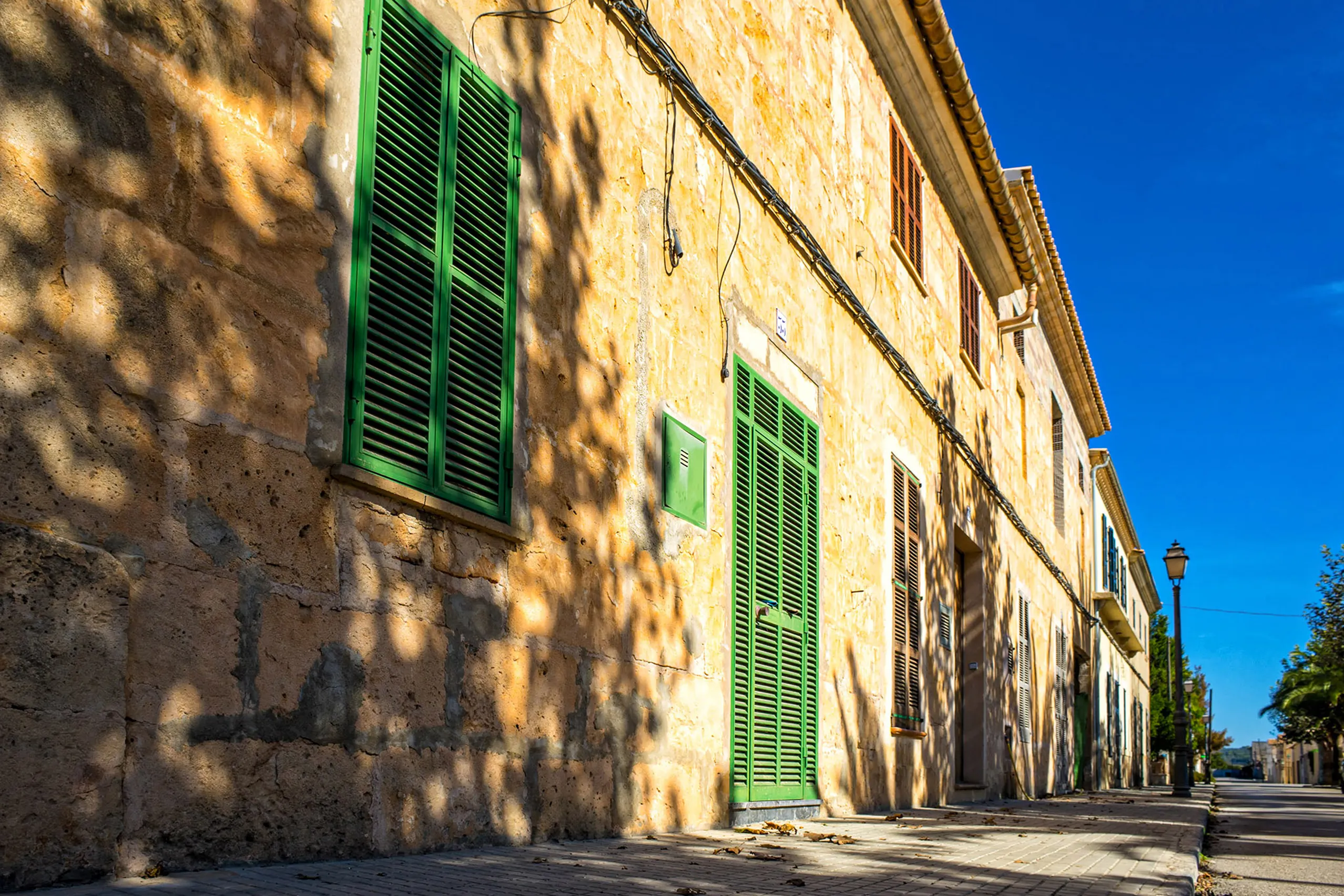
Petra
A golden sandstone village in the Pla, birthplace in 1713 of Juníper Serra, whose name is especially familiar in California. His small, low house still…
Pina
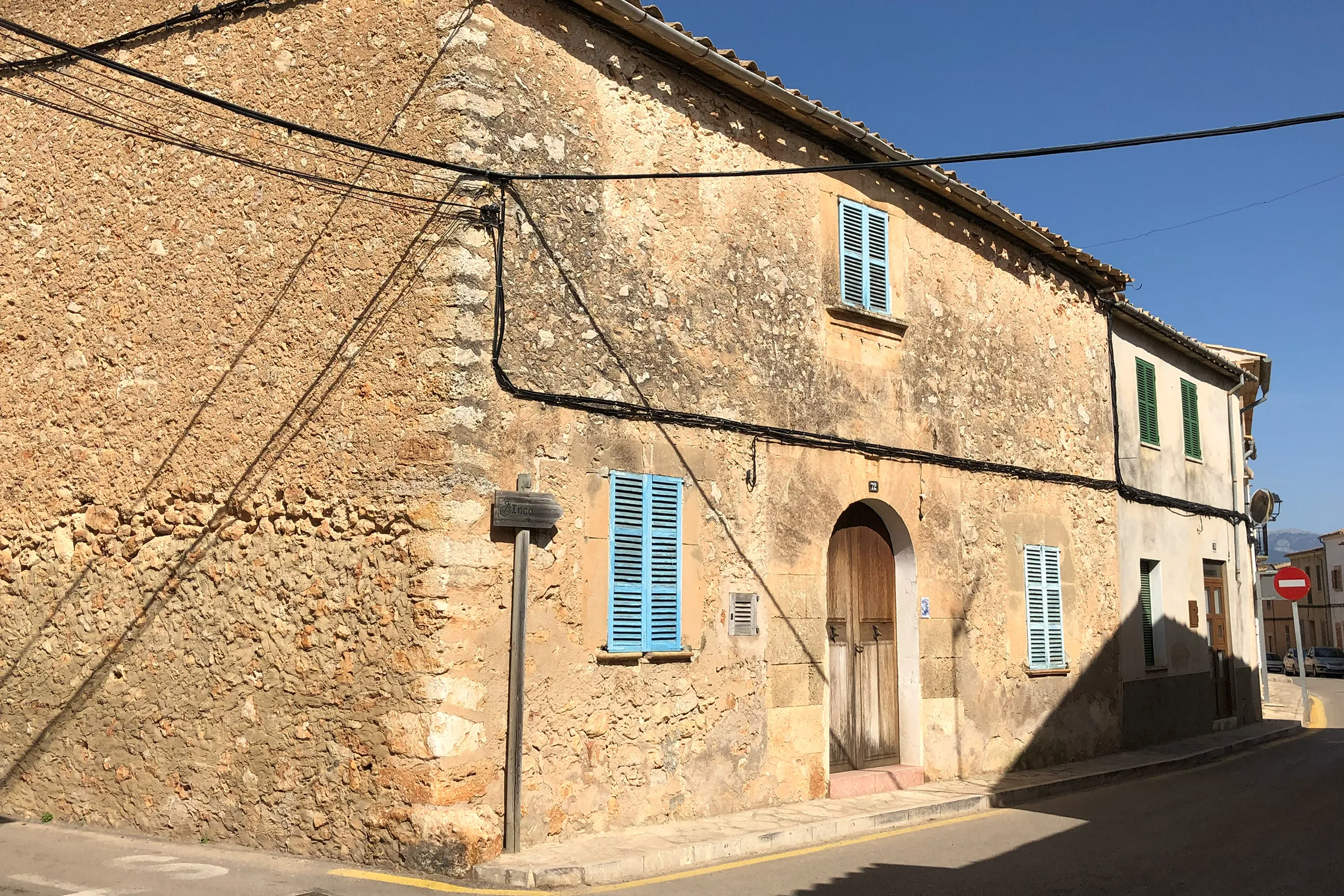
Around 450 residents, a Baroque church, an old well and natural-stone lanes, plus a convent whose religious community spread across Mallorca from 1856.…
Platja de Muro
A long sandy stretch of the Bay of Alcúdia, with protected dunes and pines at Es Comú rather than a continuous hotel frontage. S'Albufera lies behind it…
Porreres
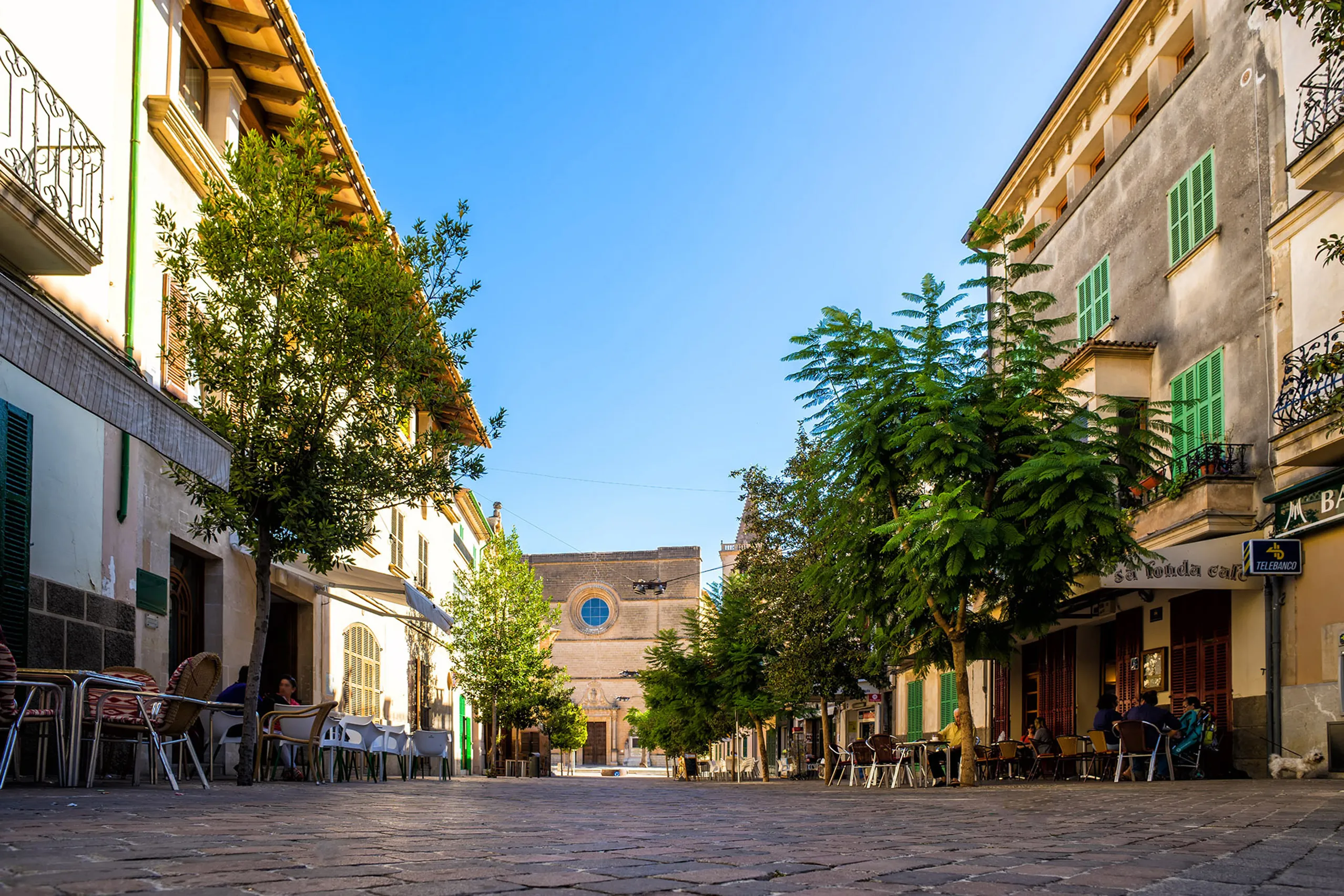
A village in the Pla known for its apricots and windmills. An unexpectedly large church stands in the centre, while the hilltop sanctuary of Monti-sion…
Randa
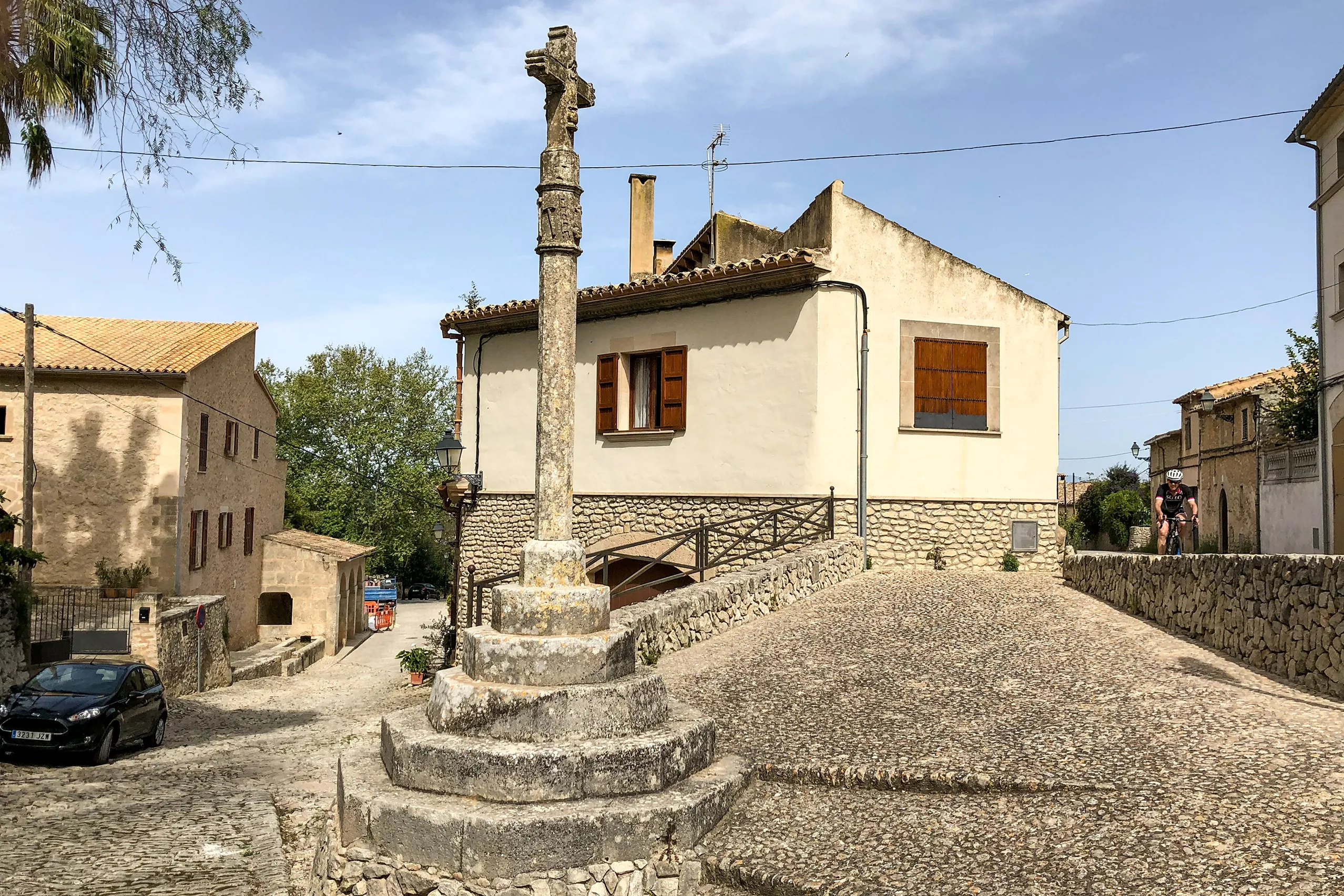
A village of a hundred people at the foot of Puig de Randa, with a stone cross at the fork in the road and lanes of rough stone houses. The climb to the…
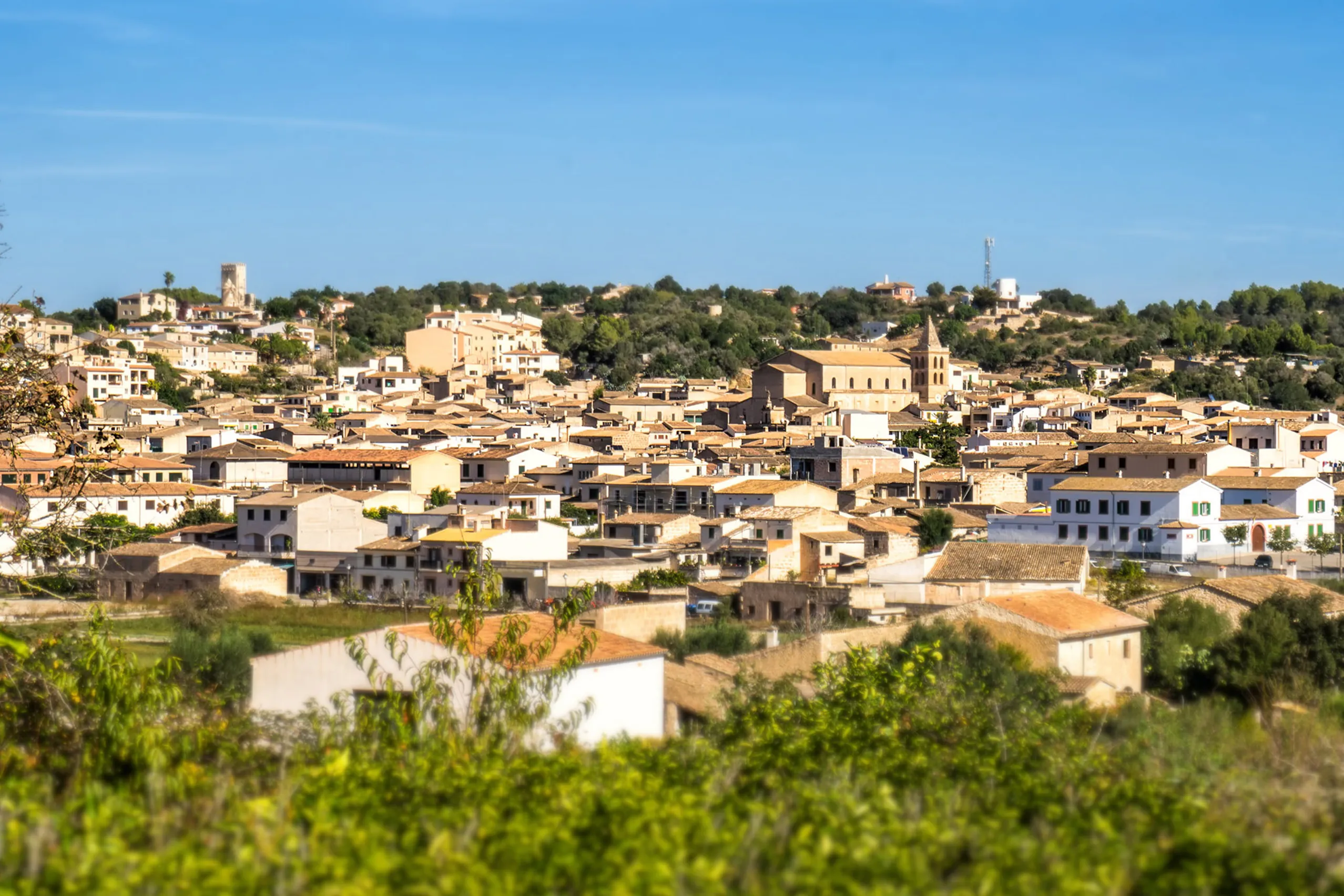
Sant Joan
Two thousand residents on a rise in the Pla, a church with a hefty tower and a town hall with a figure on its gable. Above the village stands the Consol…
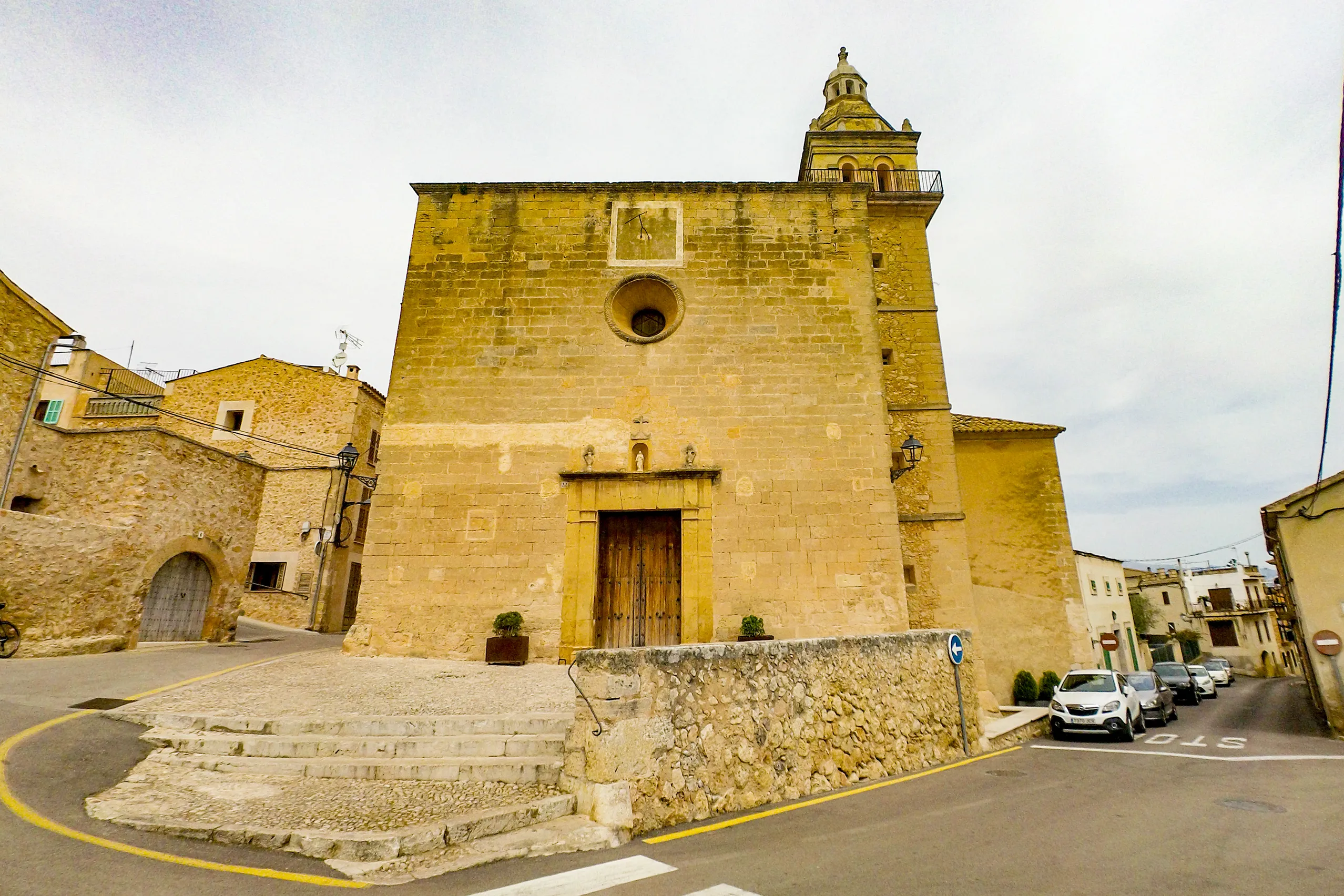
Santa Eugènia
A rarely visited village halfway between Palma and Inca, with stone houses, a shady square and a hillside church — plus views across the plain that you…
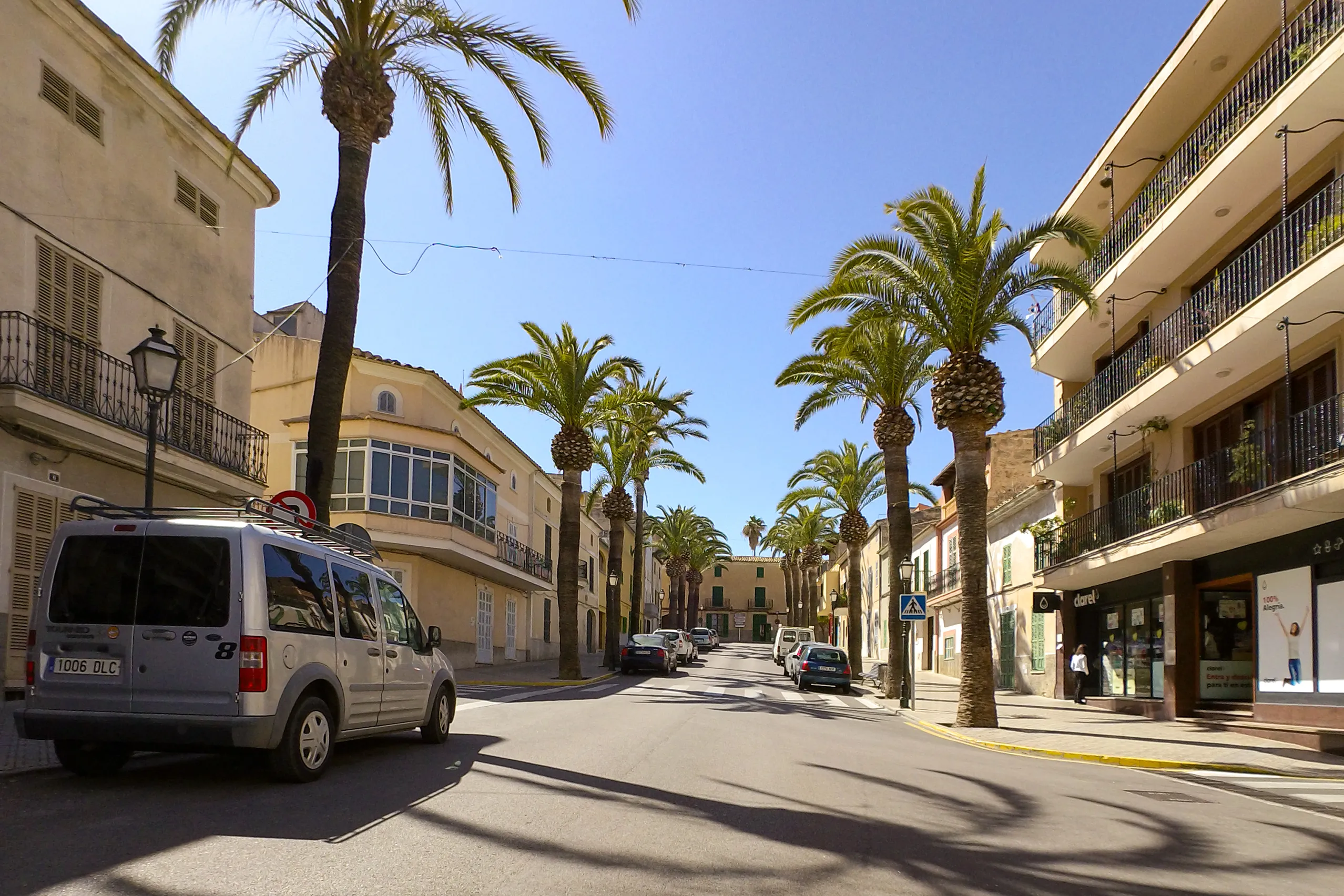
Santa Margalida
The inland village at the highest point of a municipality that also includes Can Picafort and Son Serra de Marina. A Baroque church rises above the roof…
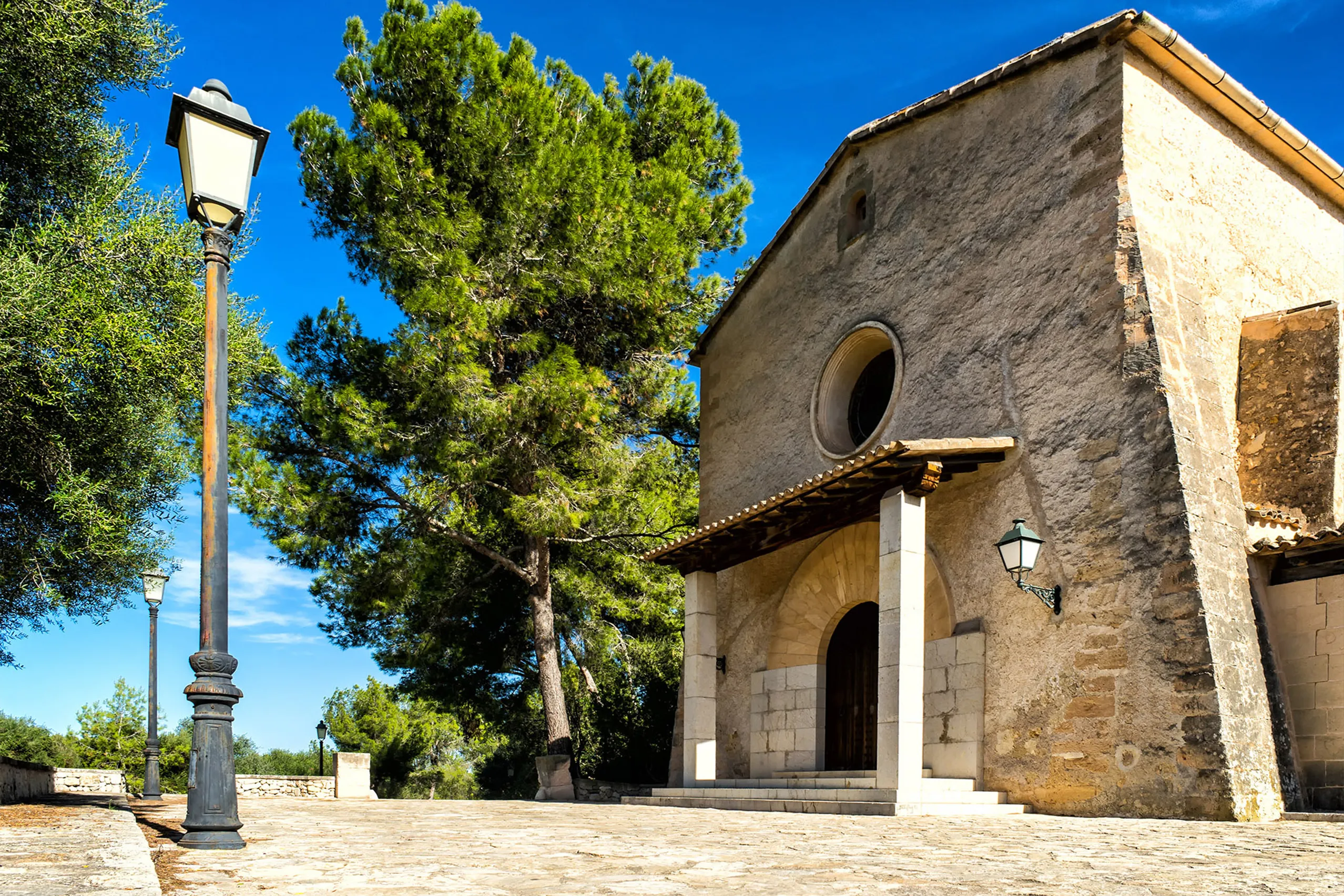
Santuari de Consolació
A small pilgrimage church on a hill above Sant Joan, reached by a broad stone staircase. There is a well, shade beneath the pines and picnic tables, wit…
Santuari de Cura
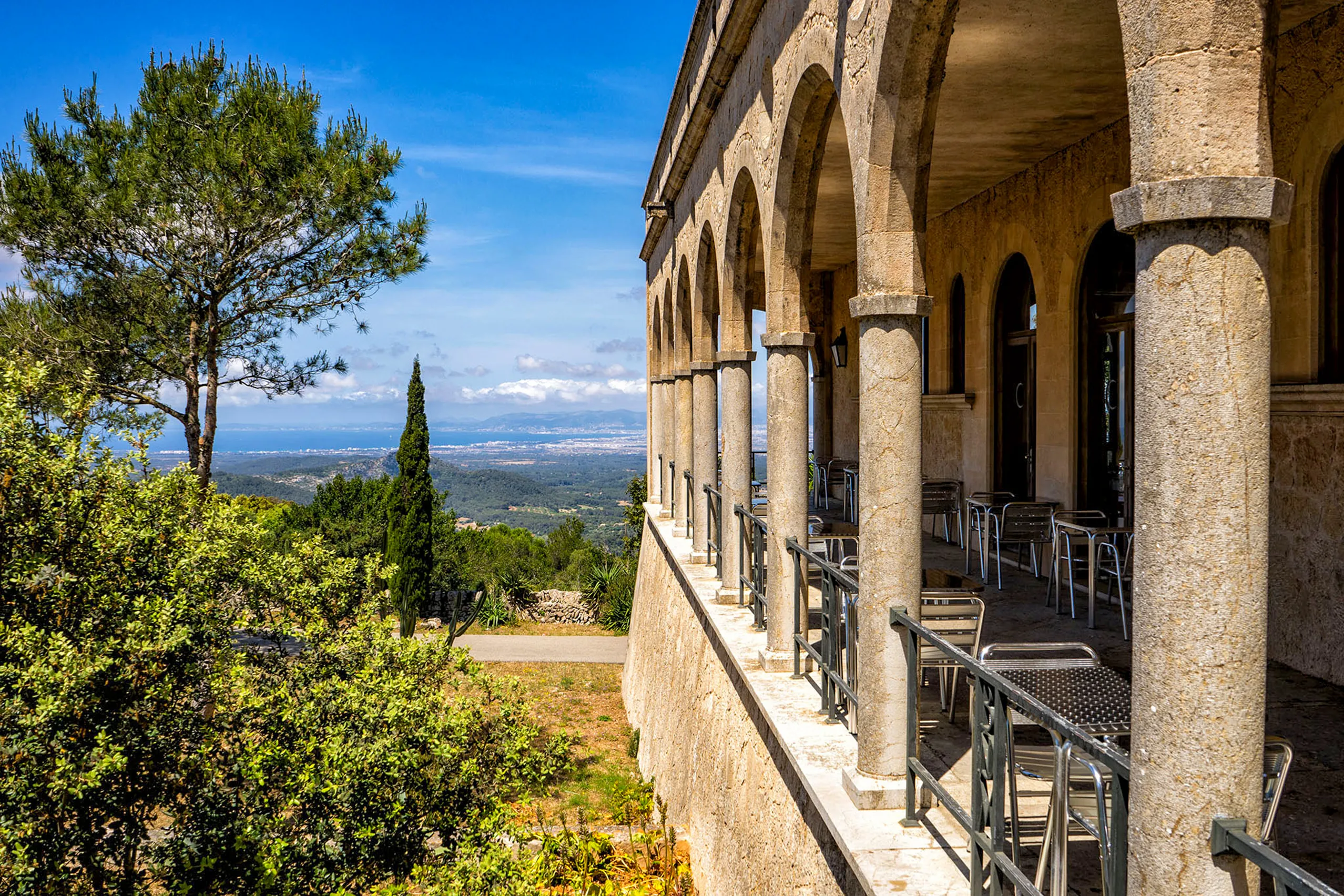
A monastery estate on the highest point of the Pla, 548 metres above the plain. Ramon Llull retreated here in the 13th century. Today, there is a cloist…
Santuari de Gràcia
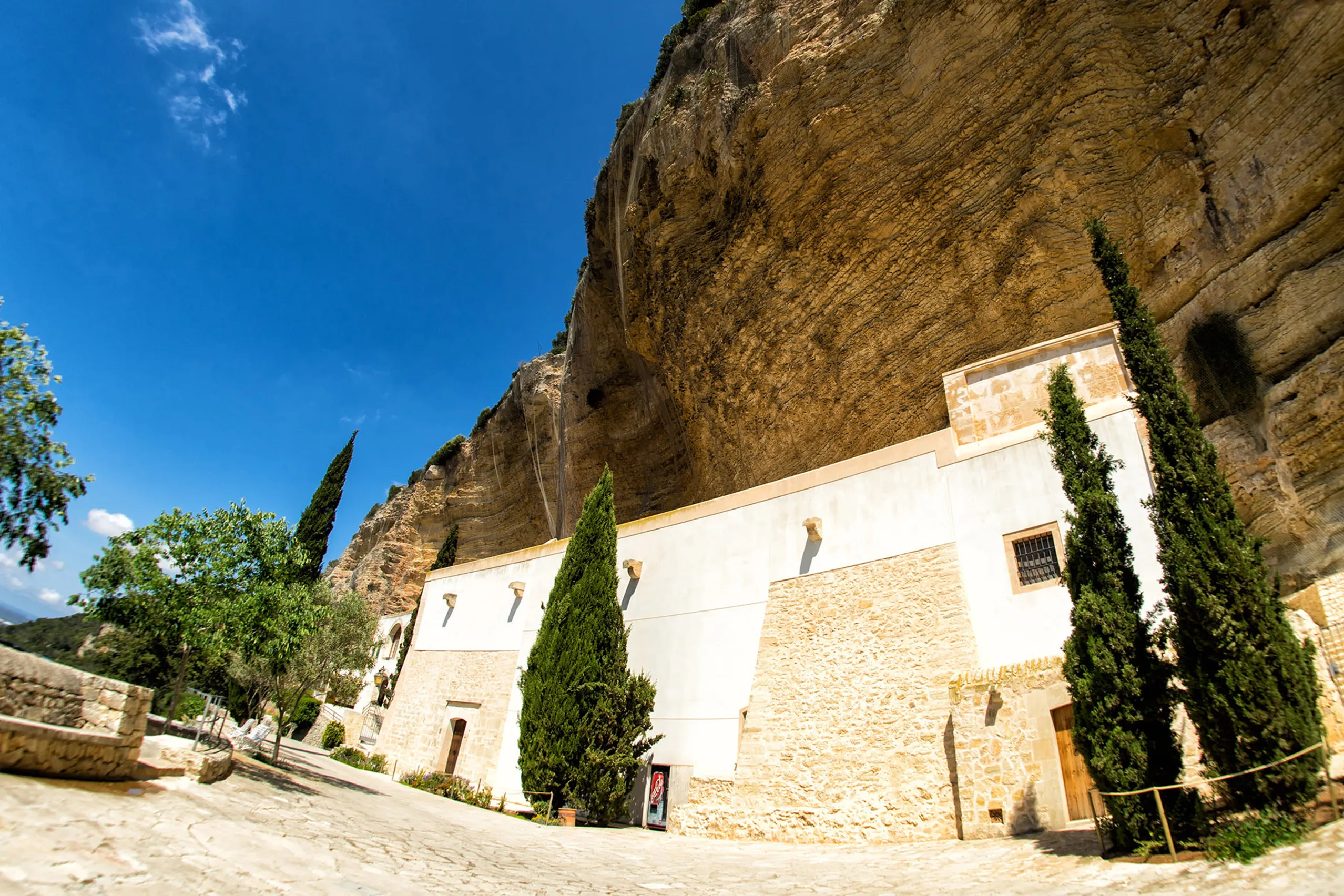
The middle of the three religious houses on Puig de Randa, built beneath an overhanging cliff that extends right above the roof. Cypresses fill the fore…
Sencelles
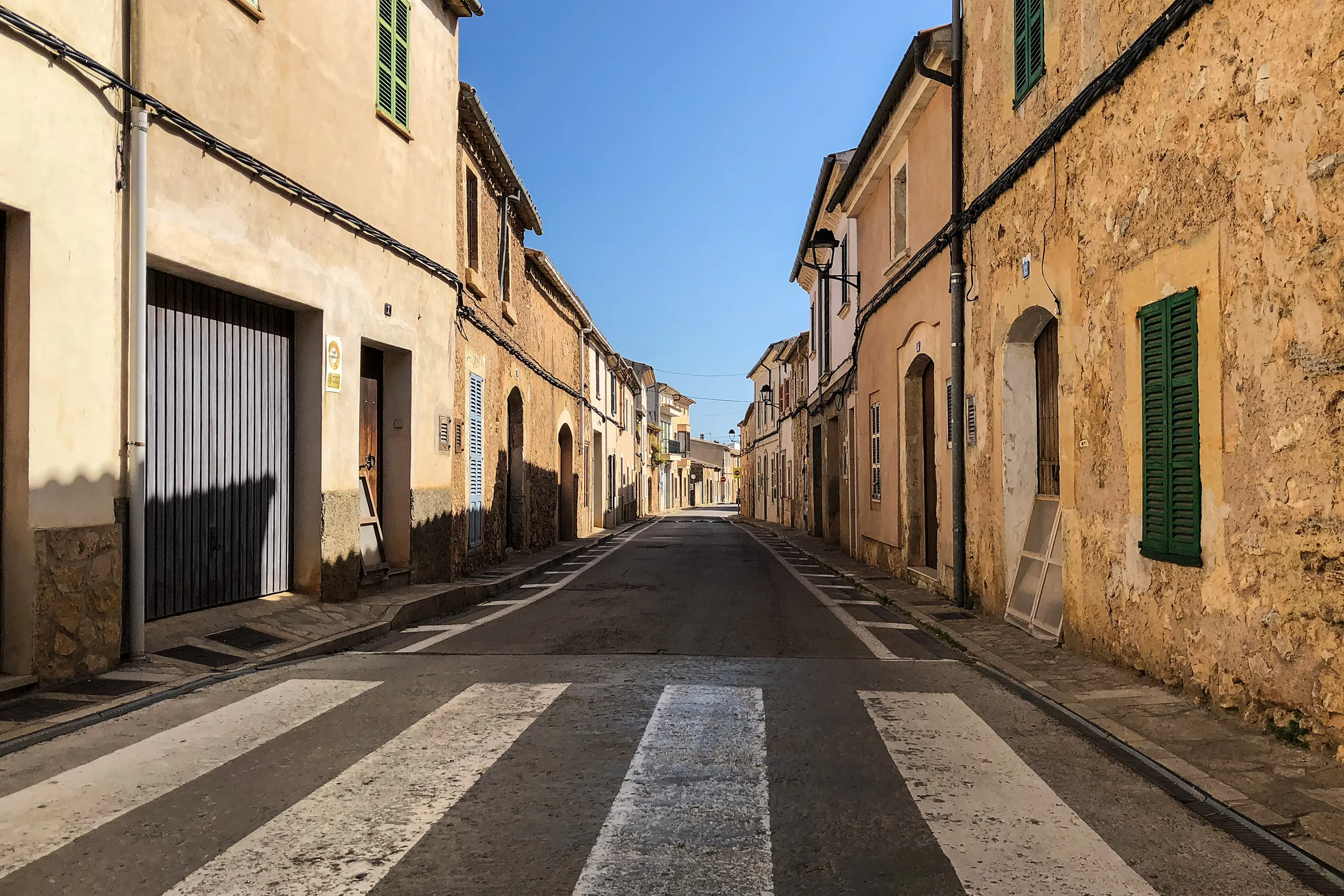
A quiet village between Palma and Inca, birthplace of Sor Francinaina Cirer, who was later beatified. Her house remains a place of pilgrimage and explai…
Sineu
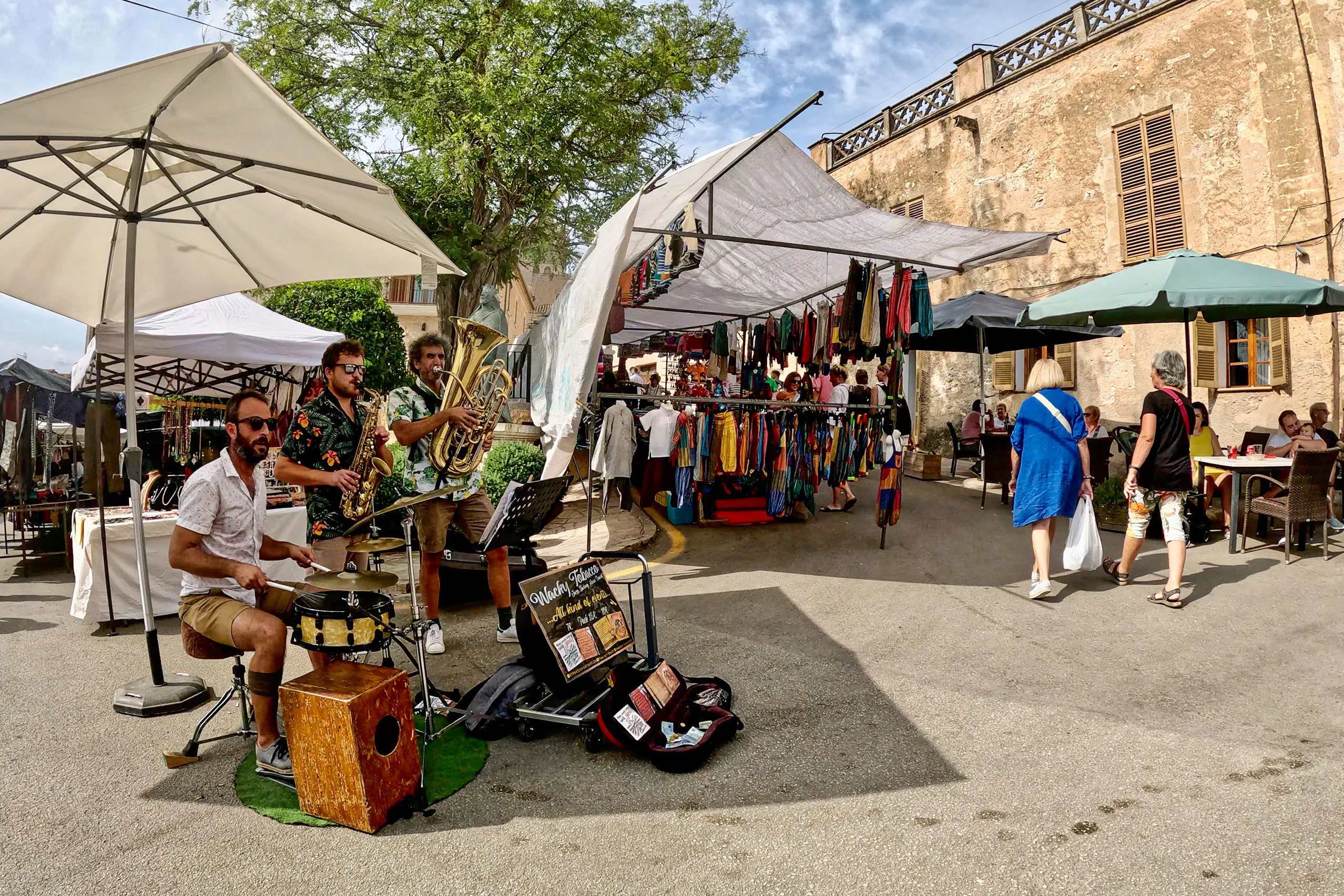
In the heart of Mallorca, Sineu hosts one of the island's oldest markets every Wednesday, under a royal charter dating from 1306. Its livestock section…
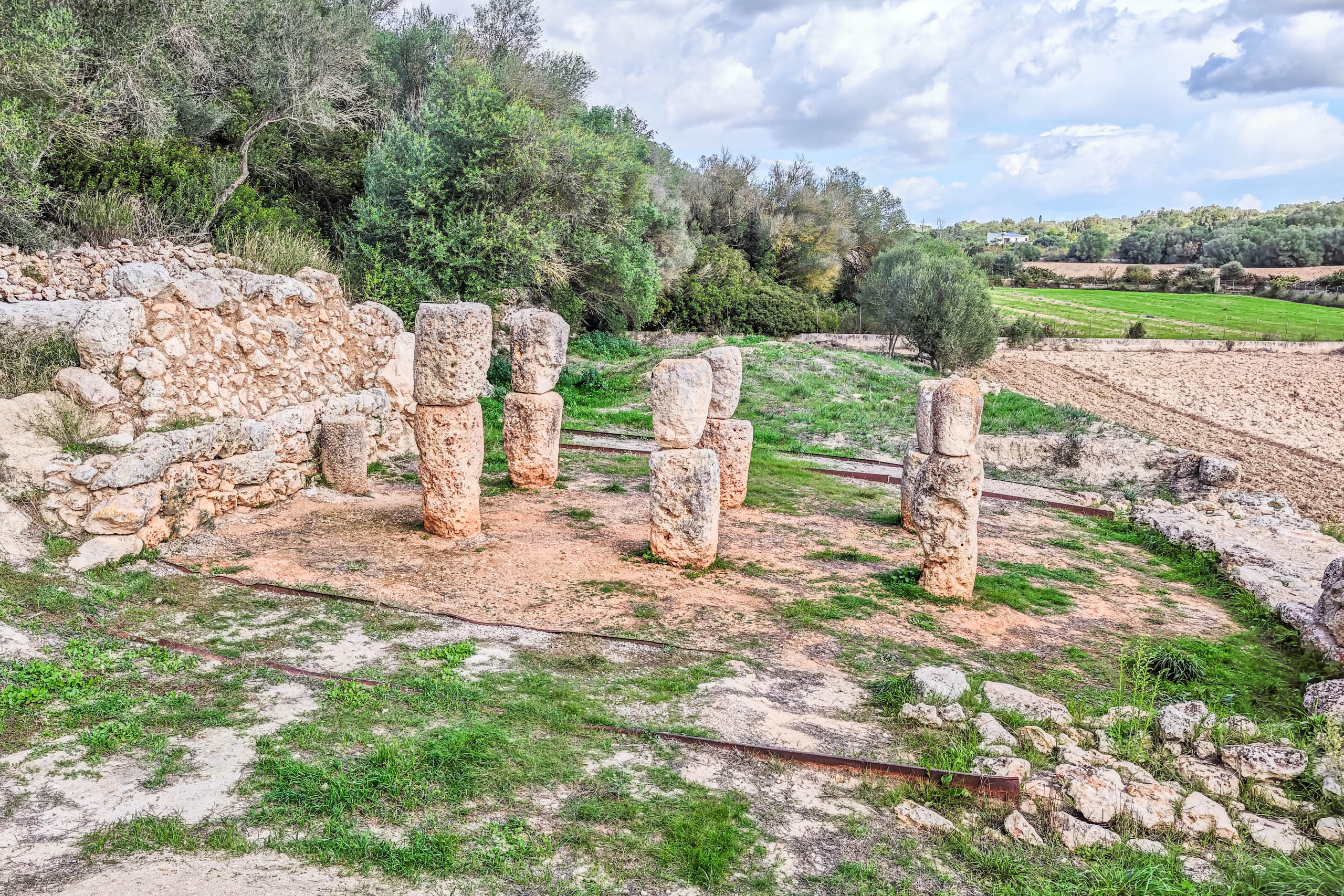
Son Corró
Son Corró is a small prehistoric sanctuary near Costitx. Six re-erected stone columns stand among low walls. The famous bronze bull heads of Costitx wer…
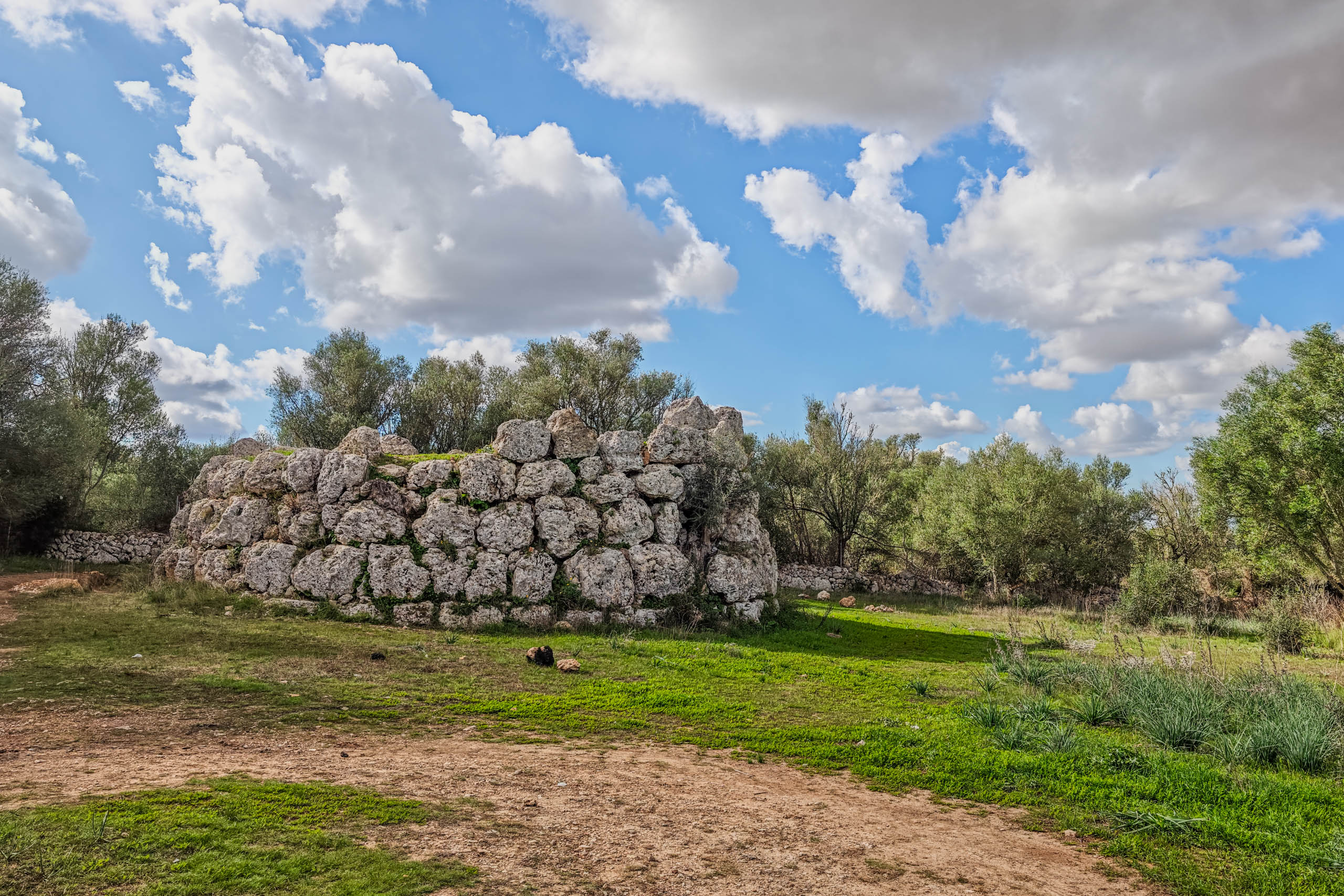
Son Fred
Son Fred is a well-preserved talayot near Sencelles, a round tower built from enormous stone blocks. Duck through its low entrance to reach the massive…
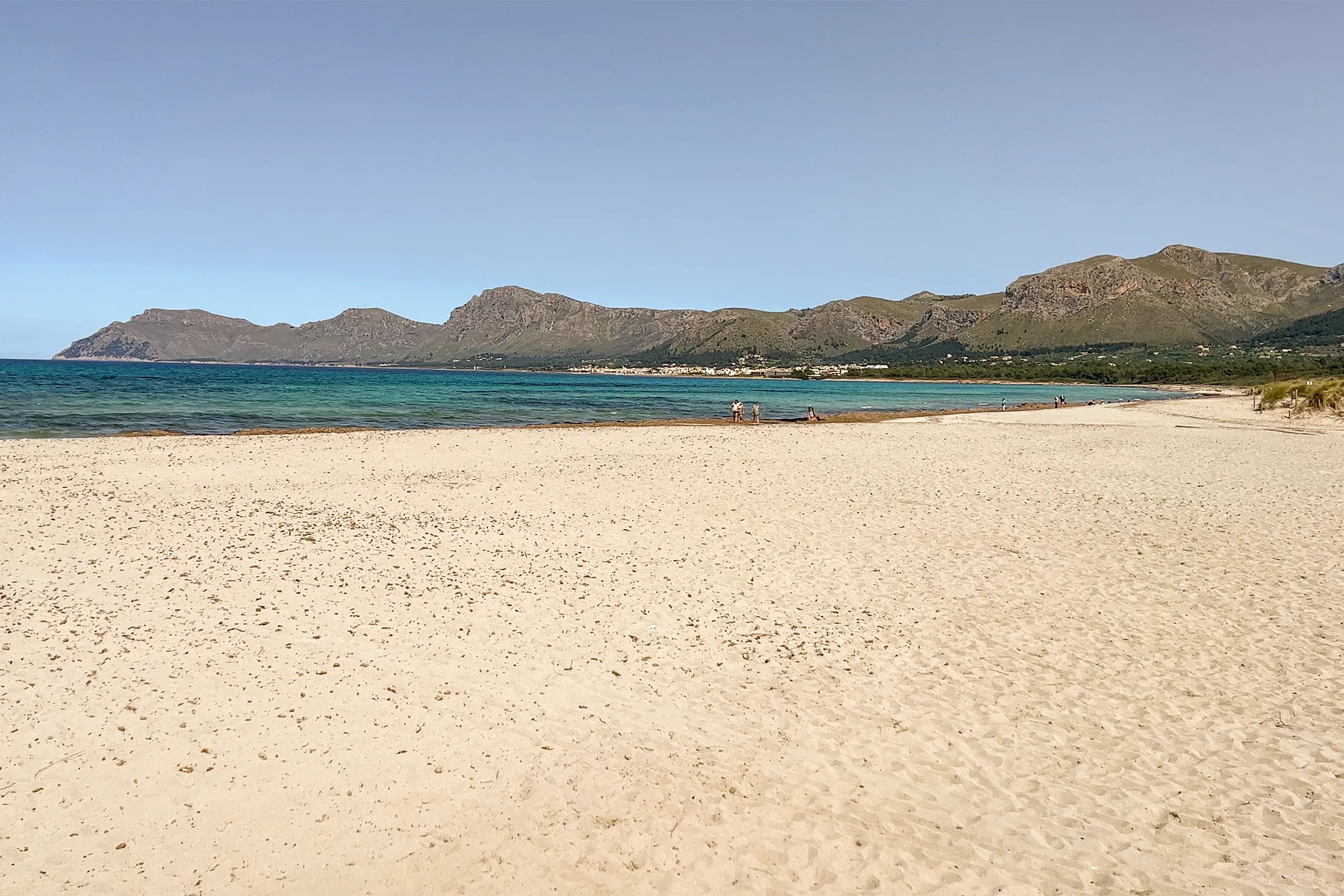
Son Serra de Marina
A planned village of grid-pattern streets, no hotels and houses no higher than two storeys. In front lies a long, natural beach backed by protected dune…
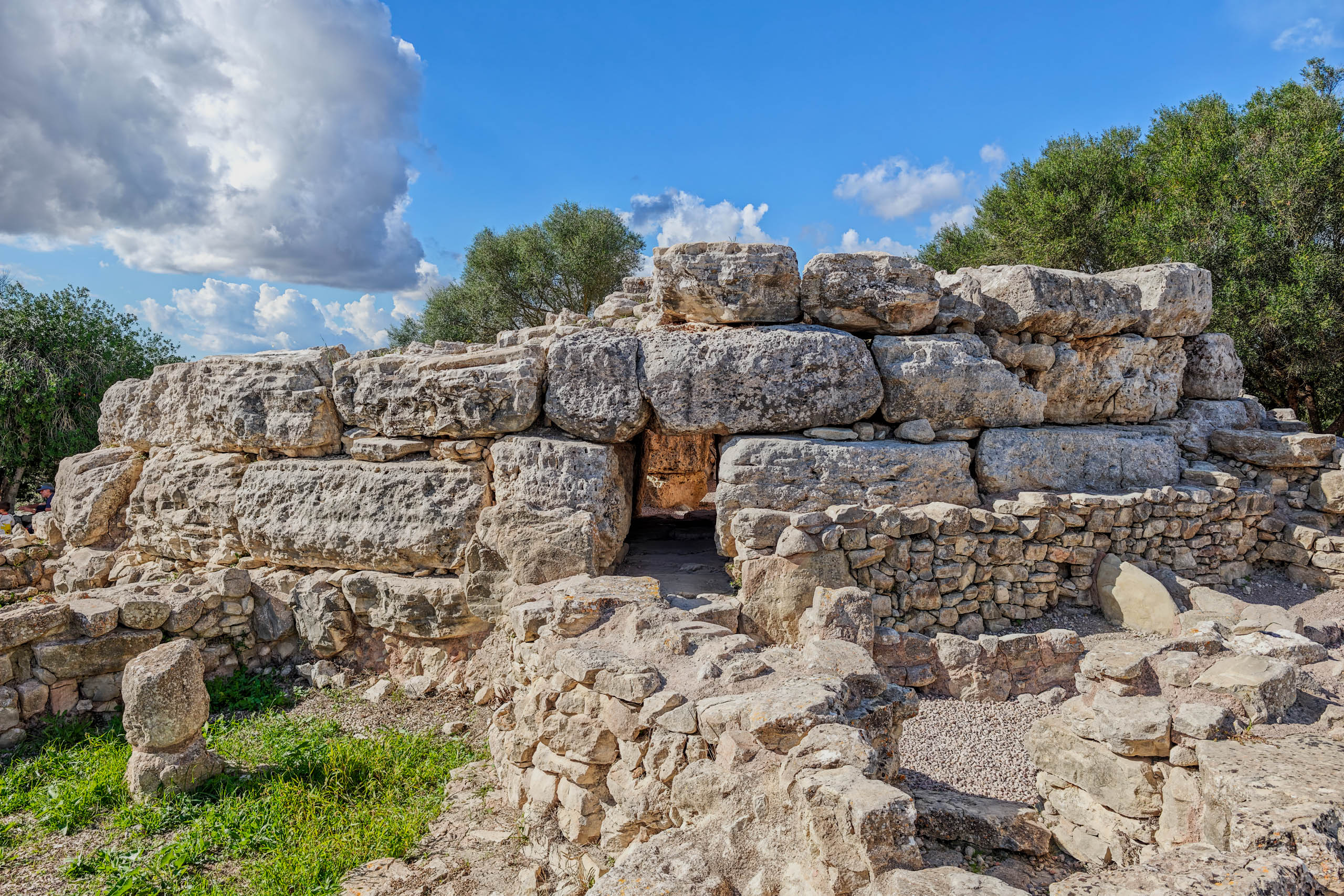
Talaiots de Son Fornés
On a low hill near Montuïri are the remains of a settlement founded almost 3,000 years ago. Massive talayots, low passages and the foundations of many b…
Where it is
Pla de Mallorca on Mallorca
- In Mallorca Fritz
- 32
- Places to explore
- Town: 1, Inland village: 13, Seaside resort: 3, Small village: 2, Place to visit: 13
- By the sea
- 3 of 32 places
- Largest place
- Santa Margalida , 12,500 residents
- Highest place
- Santuari de Cura , 548 m above sea level
- Area
- About 21% of the island
All 32 places in the region Open Google Maps
The shaded area is not an administrative boundary. Mallorca’s comarques have no officially defined boundaries. It shows which part of the island is closest to this region’s places, calculated from the coordinates in the place guides.
Views of the region
Pla de Mallorca on Mallorca