Talaiots de Son Fornés
On a low hill near Montuïri are the remains of a settlement founded almost 3,000 years ago. Massive talayots, low passages and the foundations of many buildings bring Mallorca's prehistory close. Entry to the archaeological site is free.
Talaiots de Son Fornés
Talaiots de Son Fornés in 30 seconds
The essentials at a glance
Among stones from another age.
- Worth a visit?
- A rewarding way to explore Mallorca's early history
- Best for
- History lovers and families with curious children
- Best months
- January–June, September–December
- Time to allow
- A short outing with time to explore and take a break
- With children
- History close up, with low passages and uneven ground
- Without a car
- Bus to Montuïri; plan the onward journey to the site separately
- Parking
- Large car park at the site entrance
- Highlight
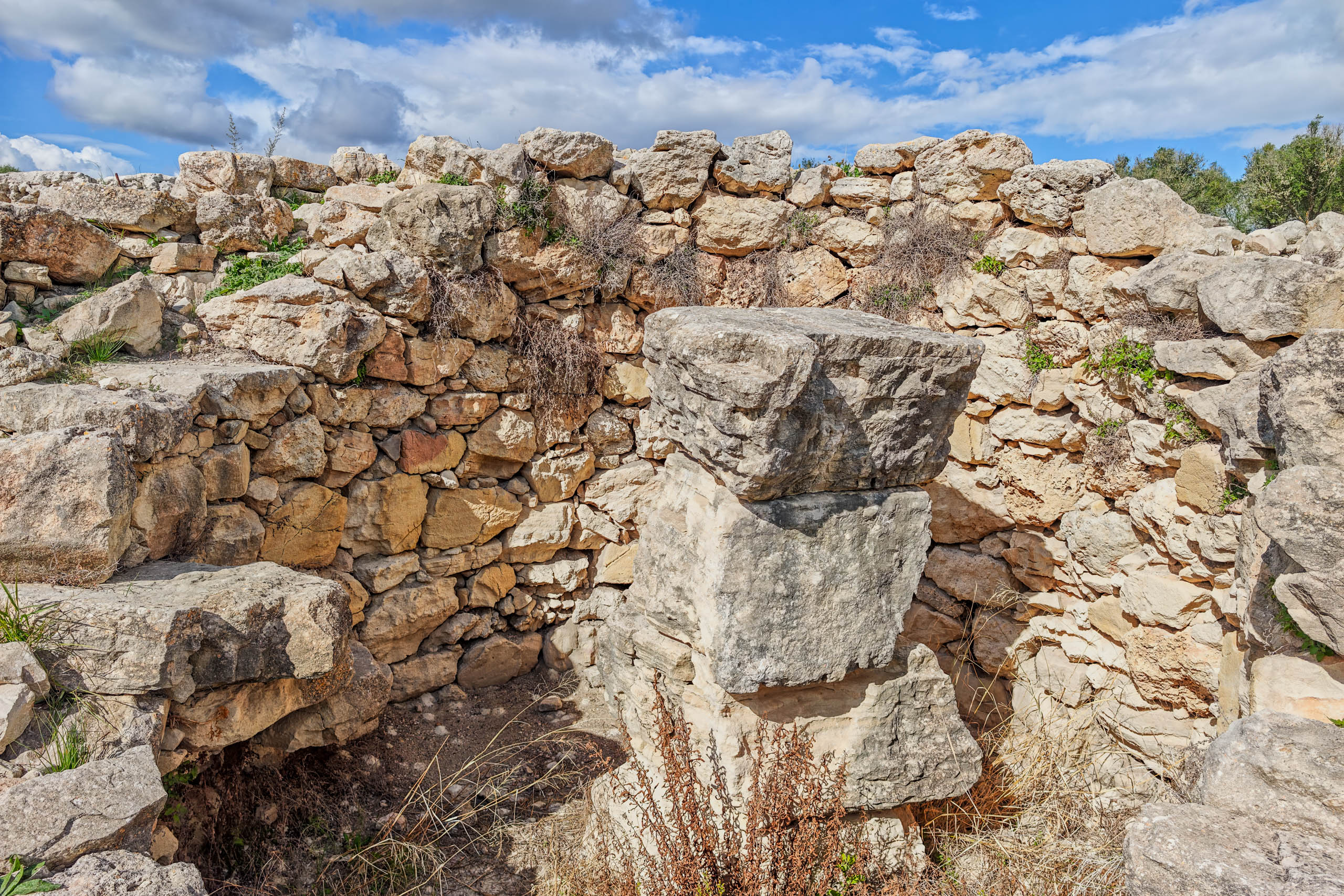
- The enormous stone blocks and surviving central pillar
- Keep in mind
- A fully covered or step-free visit
- Access
- Natural ground, stone thresholds and low entrances
Get a feel for Mallorca. Find your kind of place.
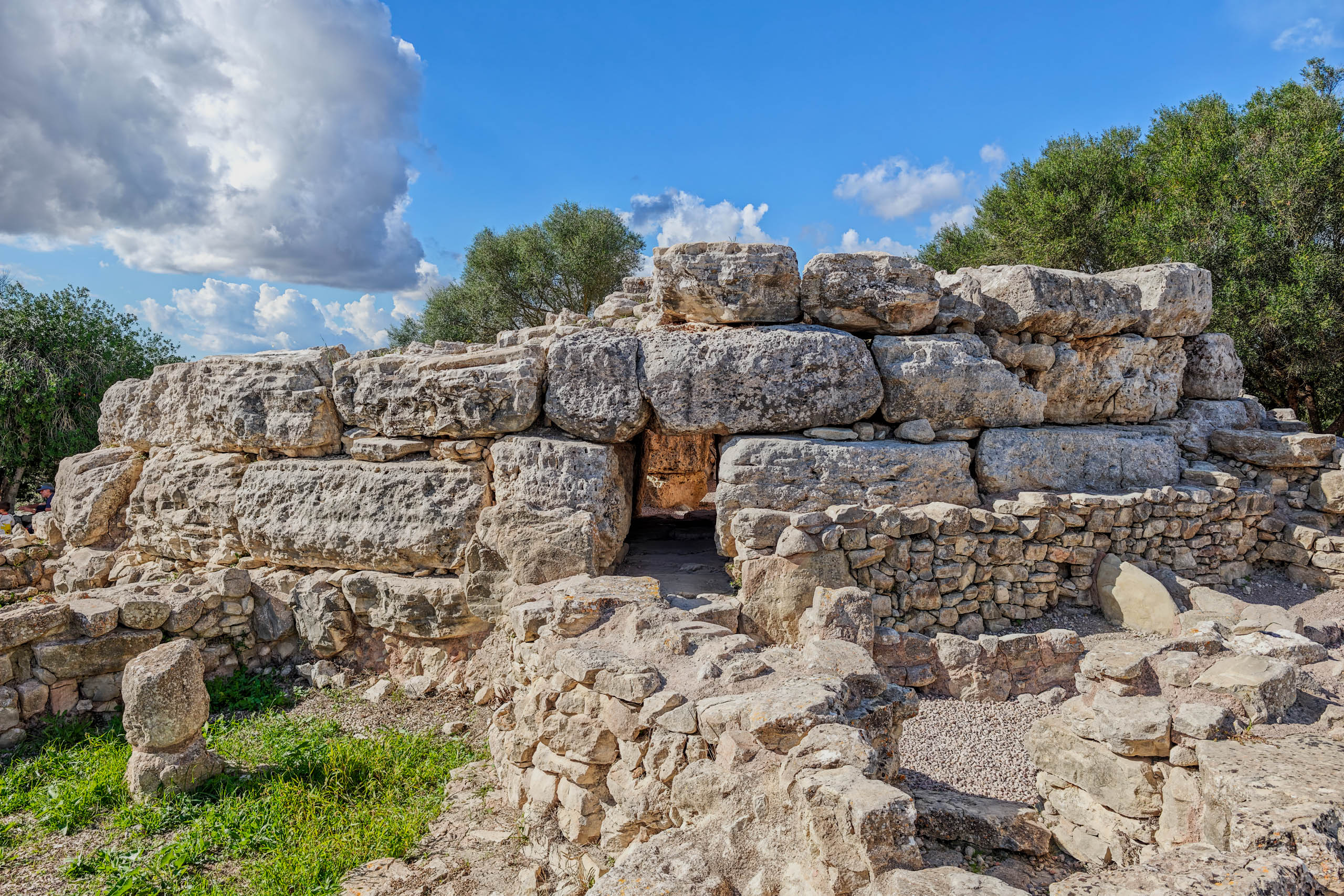
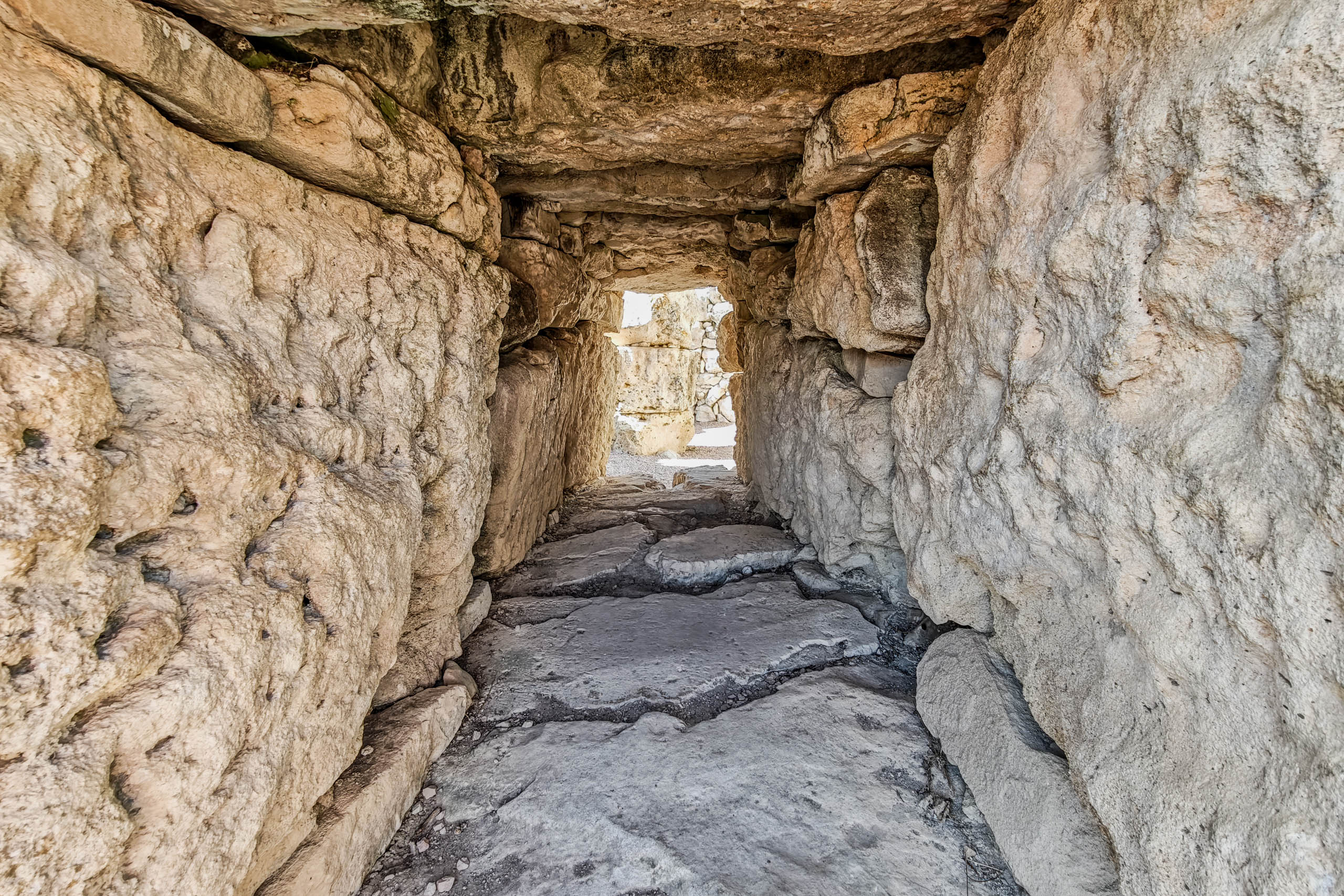
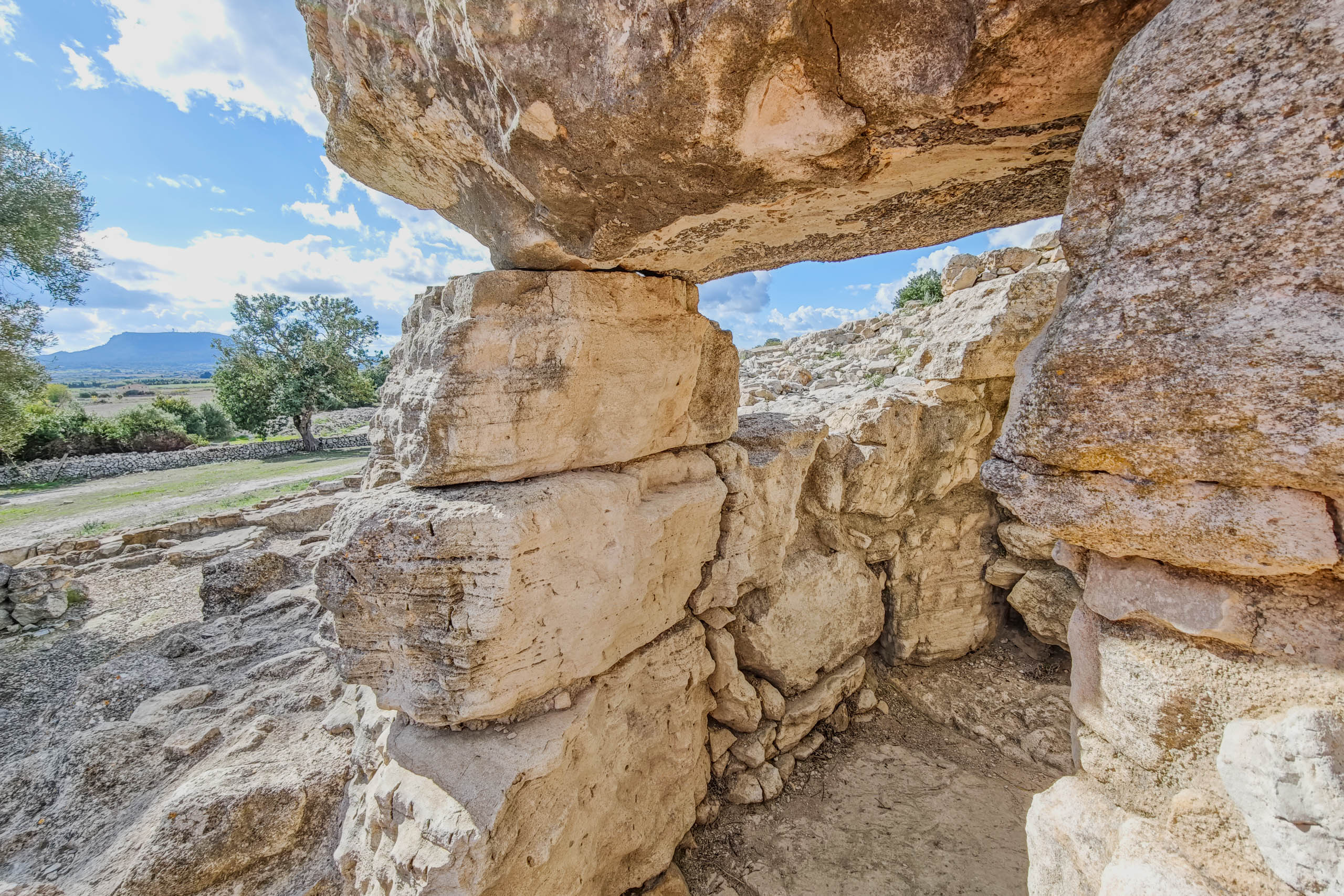
A low entrance sits between massive blocks, leading through a passage into the talayot.
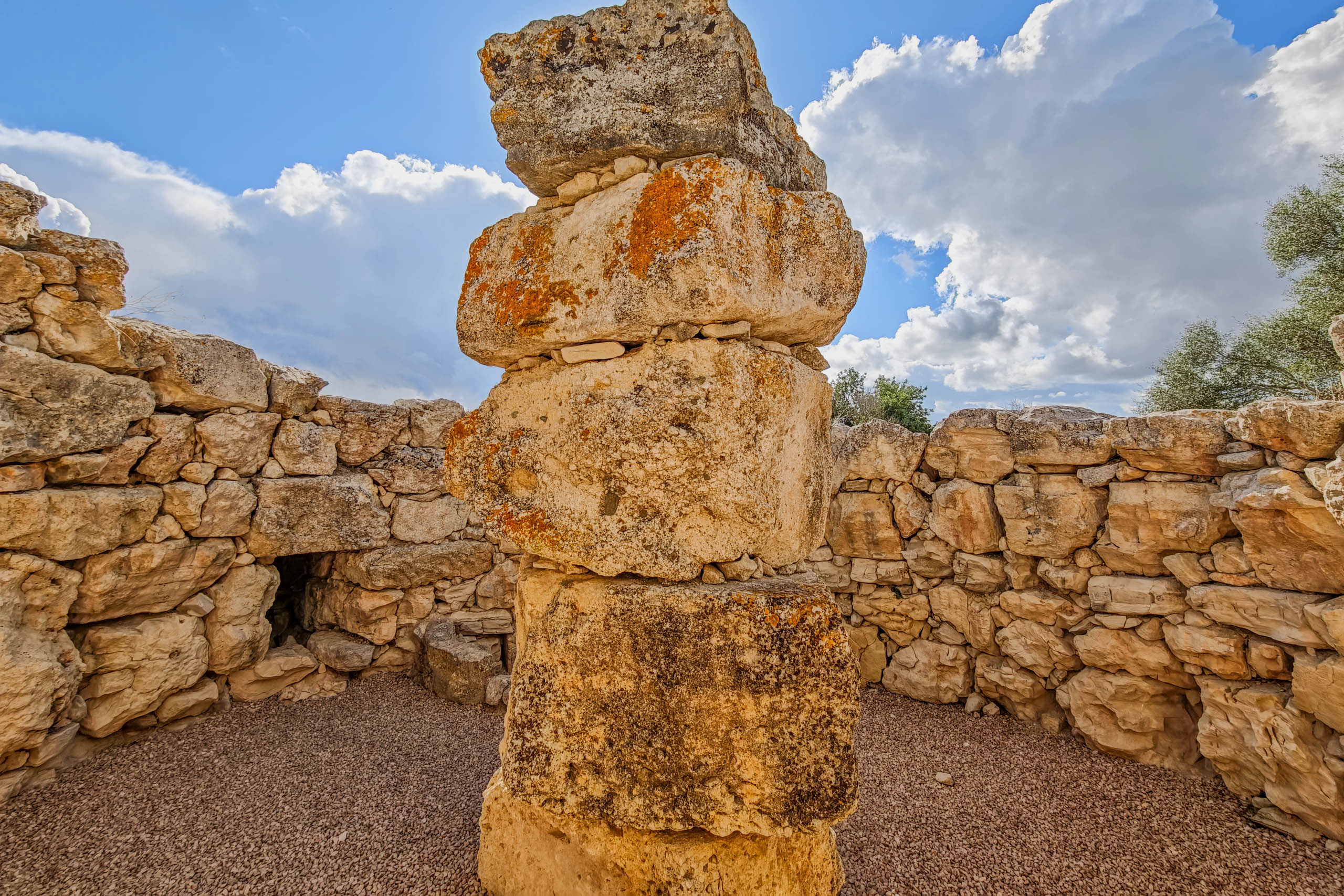
The surviving central pillar once supported the roof. It now stands beneath open sky.
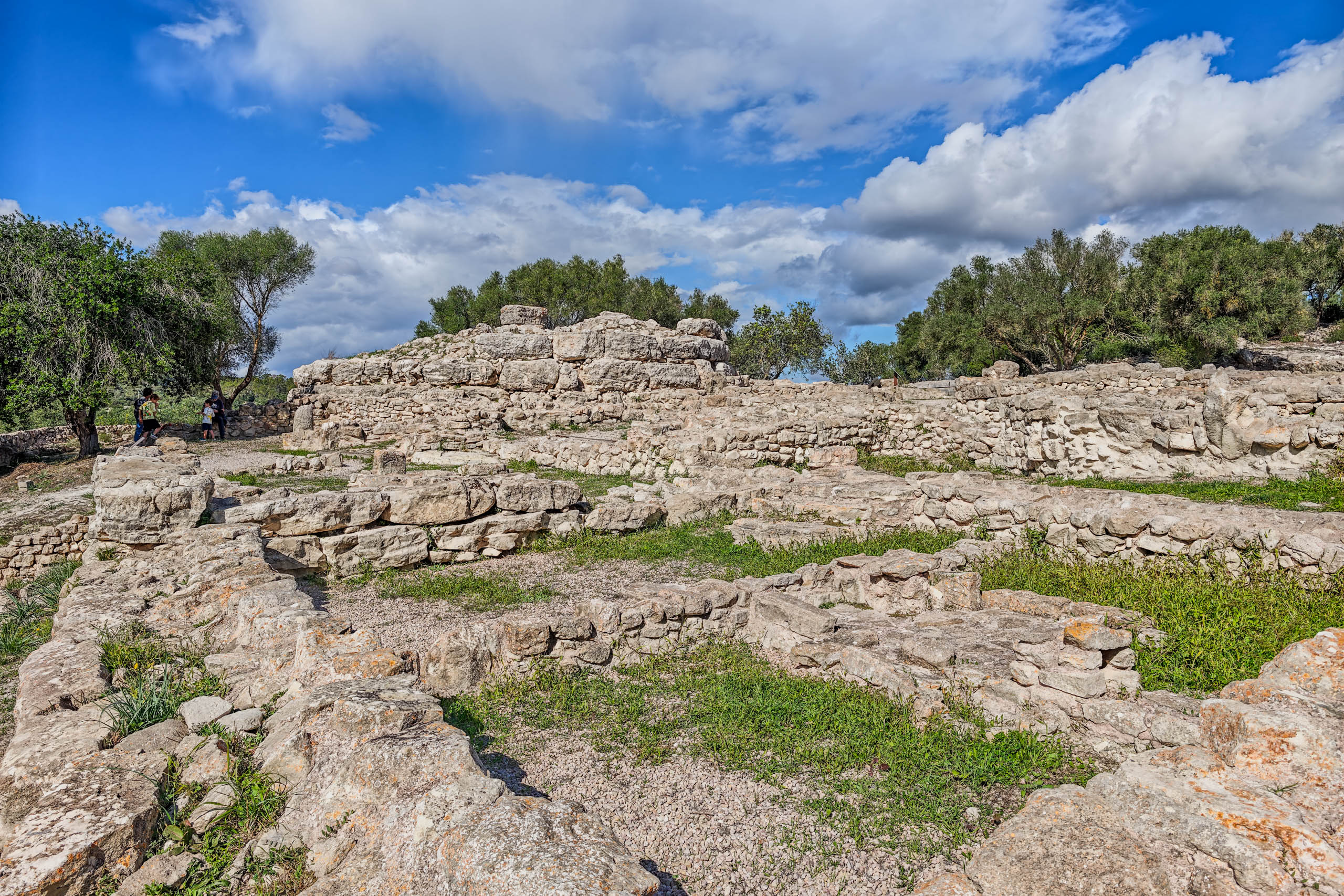
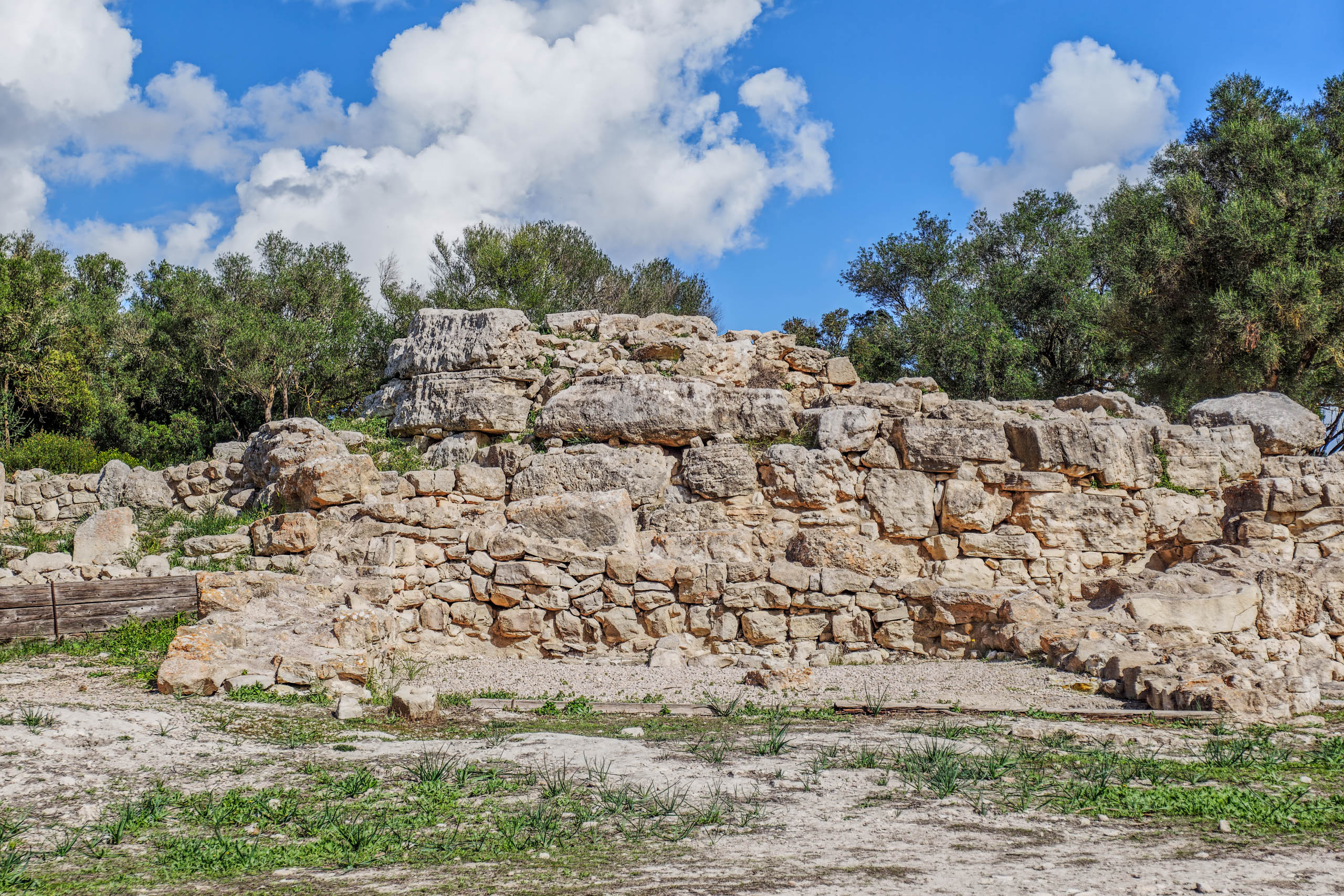
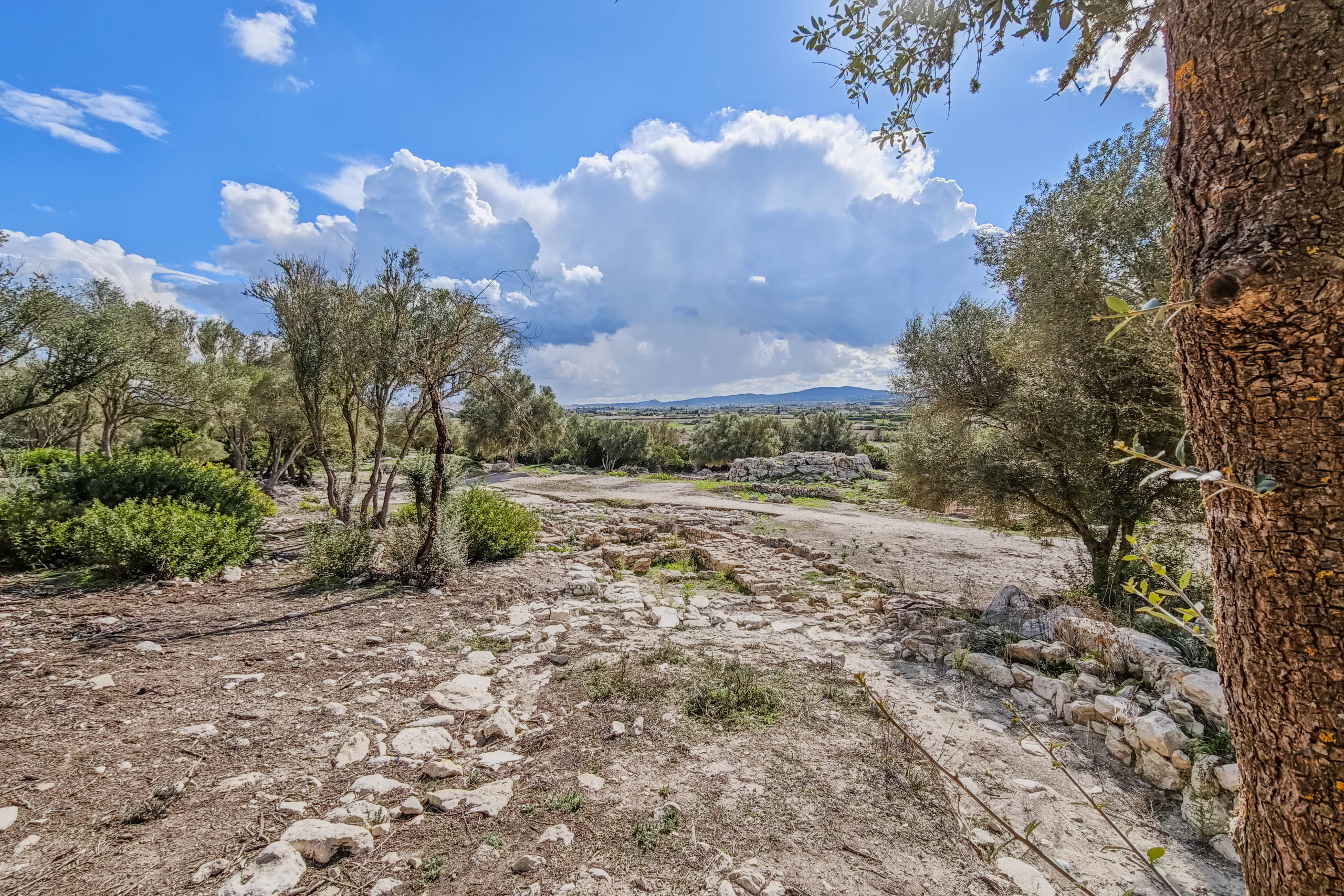
Many other buildings lie between the talayots, dating from different phases of the settlement.
Getting to know Talaiots de Son Fornés
Does Talaiots de Son Fornés suit your plans?
What to expect and what to know before you visit.
Who it suits
- You are interested in Mallorca's prehistory and large stone buildings
- You want children to explore ancient buildings close up
- You would like to combine a drive through the Pla with a walk and picnic
Things to bear in mind
- You need a fully covered attraction
- You rely on a route that is step-free throughout
Bus connections
Public buses to Montuïri
Region
Pla de Mallorca
Season guide for Talaiots de Son Fornés
November Worth a visit
Worth visiting in January, February, March, April, May, June, September, October, November and December.
Location
Location of Talaiots de Son Fornés
- Region
- Pla de Mallorca
- Municipality
- Montuïri
- Hire car
- recommended
- Worth visiting for
- a brief stop
- Coordinates
- 39.5840,2.9676
A settlement outside Montuïri
Son Fornés lies about 2.5 kilometres north-west of Montuïri, beside the road towards Pina. The archaeological site occupies a low hill among fields and trees. From the car park at the entrance, walk towards the surviving buildings.
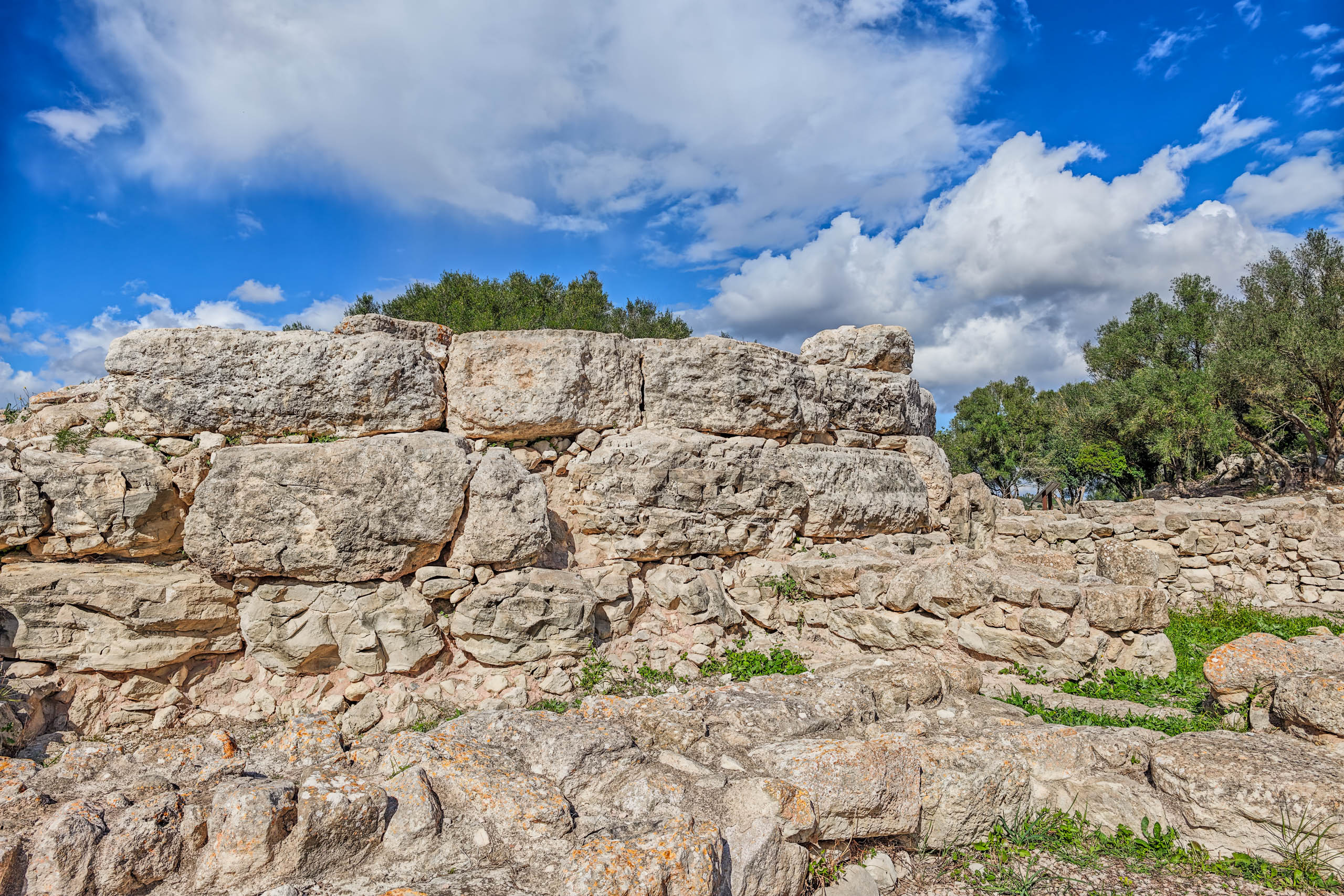
The enormous blocks of the talayots catch your eye immediately. Lower walls run between them, outlining rooms and routes that can be easy to overlook beside the big round towers.
Almost 3,000 years of history
The museum guide dates Son Fornés’ beginnings to around 850 BC, making the oldest buildings roughly 2,900 years old. The talayots belong to this early Iron Age phase.
The settlement was altered and occupied for many centuries afterwards, into Roman times. What you see side by side did not all exist at once. Older walls were reused, houses remodelled and new buildings added.
Huge stones and a low entrance
A talayot is a tower made from large blocks laid without mortar. Three talayots are known at Son Fornés. The museum gives the largest a diameter of 17 metres. Even the surviving walls show how much material had to be moved.
The low entrance and central pillar make this particularly clear. Duck through the passage, then stand beside the pillar’s massive blocks. The roof no longer survives. Enter only accessible areas and respect barriers on site.
The talayots served communal purposes. Research identifies meat processing and distribution in the largest, for example. Homes stood between the towers, so a walk reveals different aspects of life in the settlement.
Among the foundations
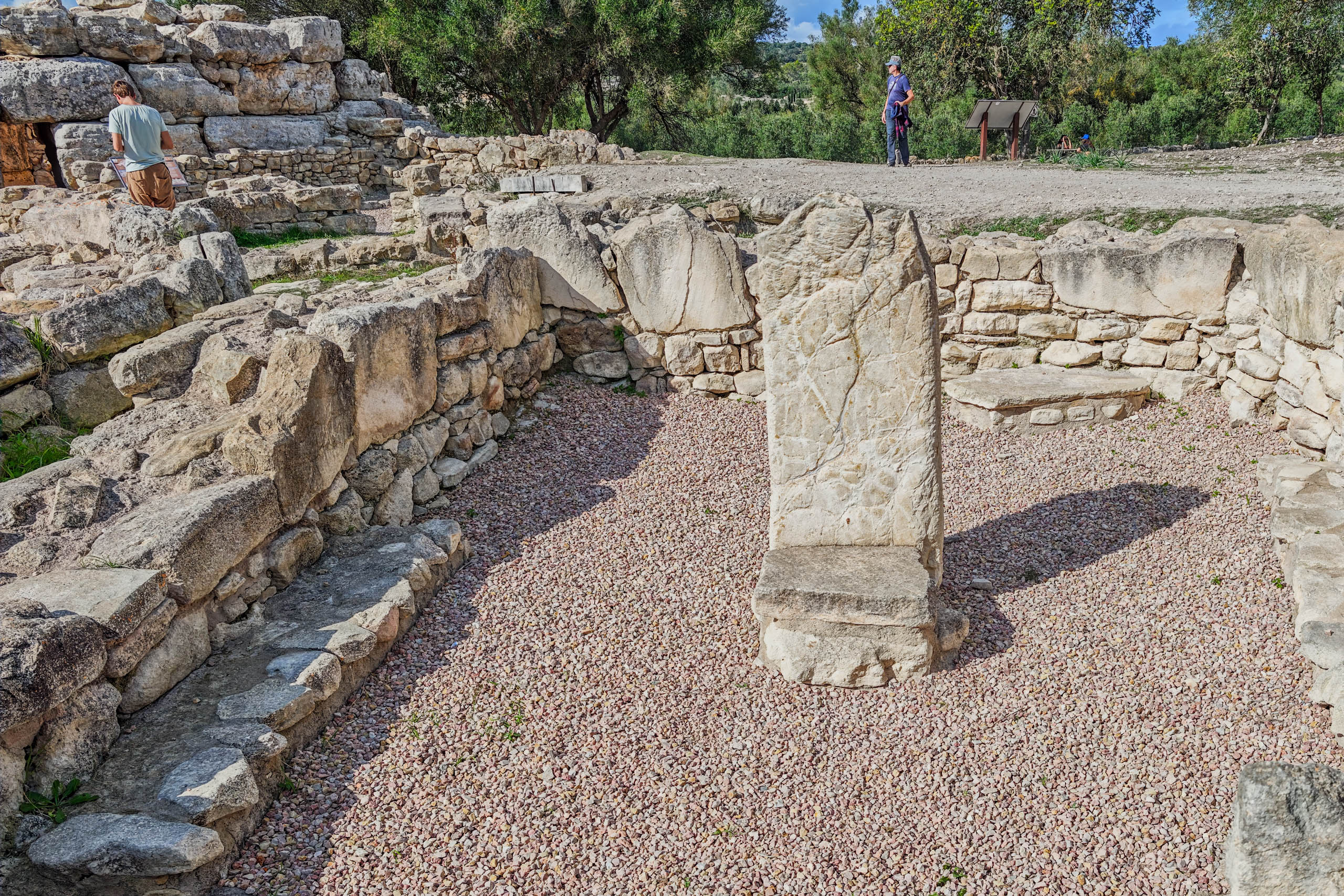
Between the monumental buildings are rooms with much lower walls, some retaining a stone support. Slow down and look for doorways, corners and connections between rooms.
The site is far from fully uncovered. Excavations began in 1975, and the museum states that only about a quarter has been excavated. Much of its history remains underground.
Exploring with children and taking a break
How were these stones moved? Why did a room need a pillar? Where was the roof? These are useful questions to explore with children. The surviving buildings make their scale and construction easy to grasp.
The ground is uneven and passages are low. Help smaller children over thresholds and through tight spaces; the walls are not for climbing. Tables and benches beneath the trees provide somewhere to rest. Bring food if you would like to finish with a picnic.
Directions, admission and the museum
The turn-off is on the Ma-3200 from Montuïri to Pina, around kilometre 4.5 according to the museum. A large car park stands at the entrance. Independent visits to the archaeological site are free. Some paths pass beneath trees, but most of the ruins are exposed.
The Museu Arqueològic de Son Fornés is separately located in Montuïri, in the Molí des Fraret on Carrer Emili Pou. Its finds add detail to what you have seen outside. Check the museum’s current hours and charges, which do not automatically apply to the freely accessible archaeological site.
Historical information comes from the Son Fornés museum guide, its description of the talayots and the museum’s excavation history.
Photographs
Talaiots de Son Fornés in Mallorca
Practical details
- Parking
- Large car park at the archaeological site entrance
- Time to allow
- A short outing with time to explore and take a break
- Good to know
- Independent visits to the archaeological site are free. Wear sturdy shoes for the uneven ground. Tables and benches beneath trees provide a place to rest. Bring water and sun protection in summer, as much of the excavation is exposed.
- Bus
- Public buses to Montuïri; the site is outside the town
- Access
- Natural ground, gravel and uneven stone surfaces, with thresholds in passages · Pushchairs: Unsuitable for narrow passages and uneven areas among the ruins · Wheelchairs: No fully step-free route through the surviving buildings
- Price guide
- Admission Archaeological site free; museum and guided tours have separate charges (as of 2026)
- Coordinates
- 39.5840,2.9676 Google Maps Apple Maps
Within reach
Places to visit
Nearby

A family glassworks dating back to 1719, beside the road to Manacor in a castle-like building. Watch glassblowers …

A small pilgrimage church on a hill above Sant Joan, reached by a broad stone staircase. There is a well, shade …

The middle of the three religious houses on Puig de Randa, built beneath an overhanging cliff that extends right …

A monastery estate on the highest point of the Pla, 548 metres above the plain. Ramon Llull retreated here in the …
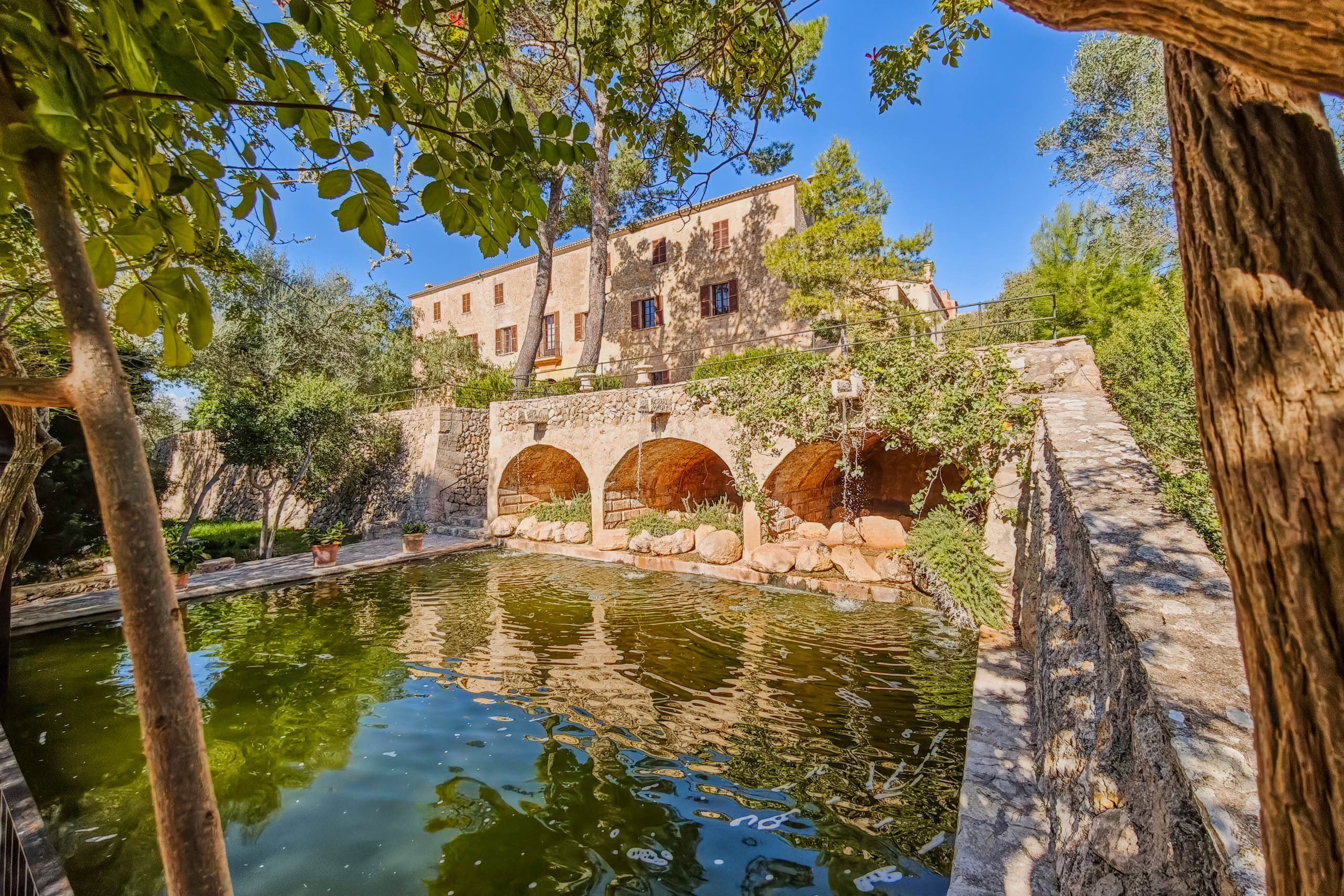
An old country estate near Sant Joan where it’s easy to stay longer than planned. Behind the substantial walls are …
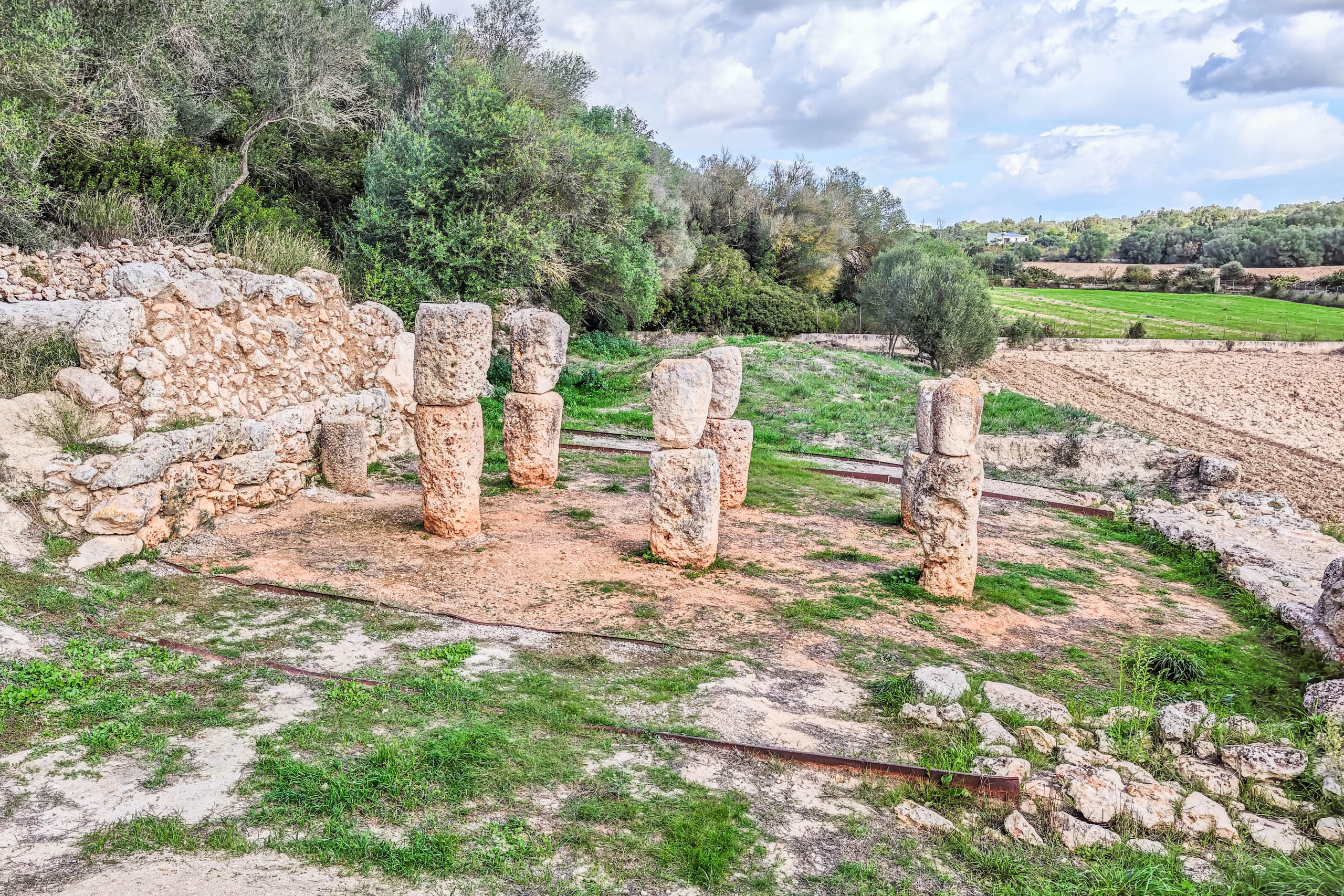
Son Corró is a small prehistoric sanctuary near Costitx. Six re-erected stone columns stand among low walls. The …
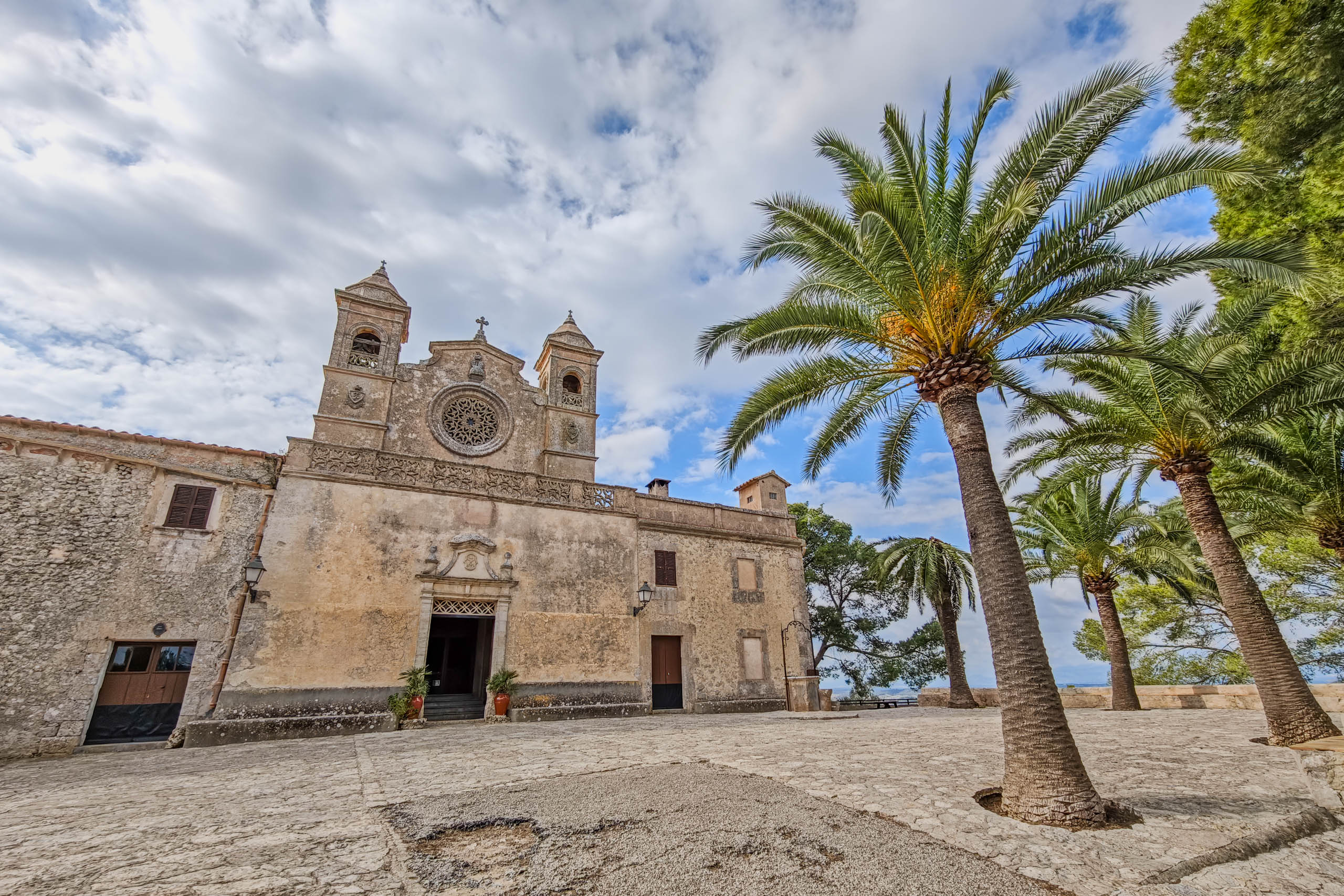
A pilgrimage sanctuary on the Puig de Bonany above Petra, 317 metres above sea level. Hermits lived here until …
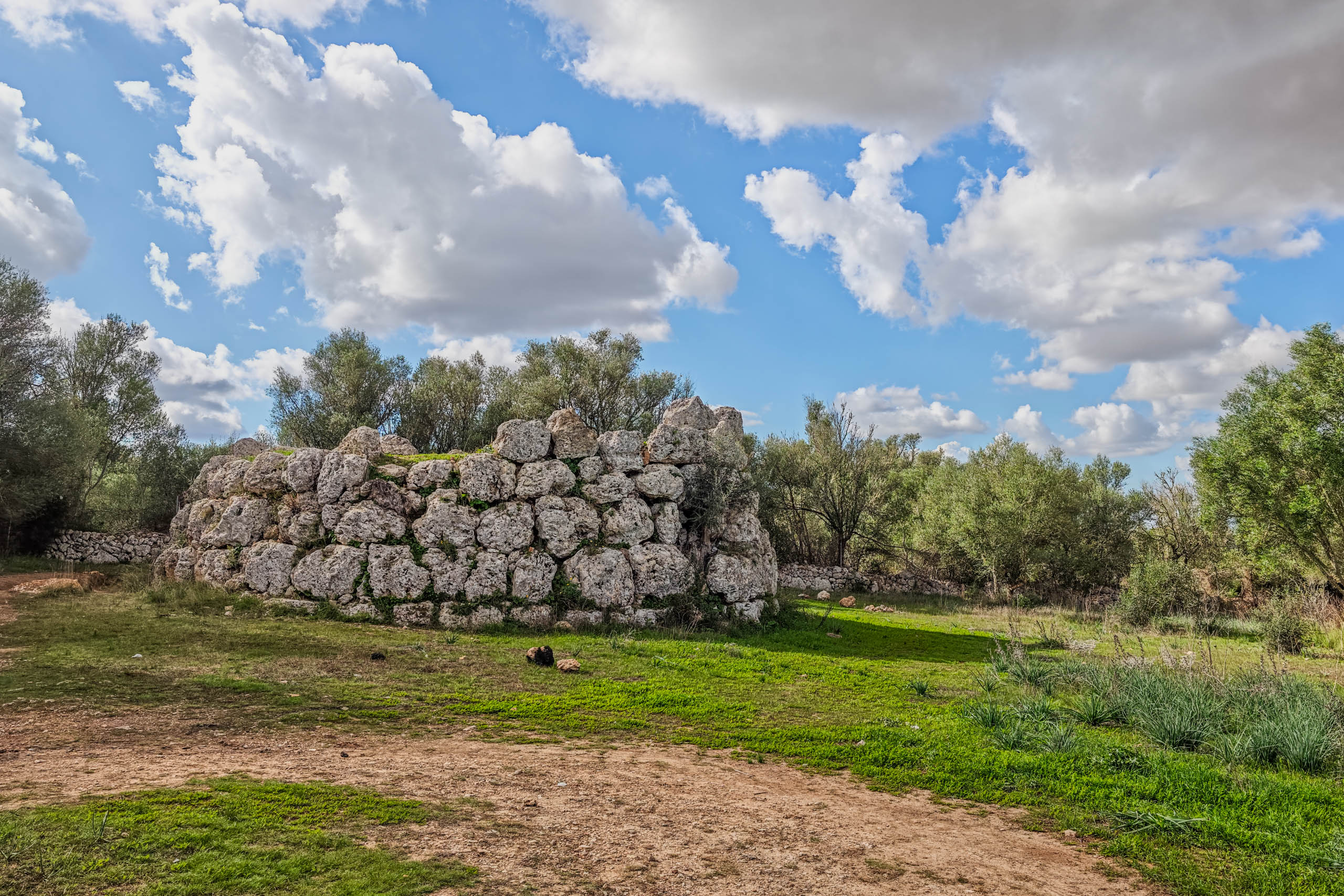
Son Fred is a well-preserved talayot near Sencelles, a round tower built from enormous stone blocks. Duck through …
Distances without a driving time are measured in a straight line. The road journey can be much longer; known driving times are shown alongside.
Places to stay within reach
Explore from here
Your questions answered
Your questions about Talaiots de Son Fornés
How old is Son Fornés?
The museum guide dates the settlement's foundation to around 850 BC, roughly 2,900 years ago. The oldest buildings are almost 3,000 years old. Many visible houses and walls were built or altered later.
What is a talayot?
A prehistoric tower built from large stones stacked without mortar. Three talayots are known at Son Fornés. They served communal purposes, while people lived in houses between them. Individual towers had different functions.
Has Son Fornés been fully excavated?
No. Excavations began in 1975. According to the museum, only about a quarter of the site has been excavated, so the visible buildings represent just part of the former settlement.
Is there an admission charge?
Independent access to the archaeological site is free. The museum in Montuïri and organised guided tours have their own hours and charges.
Is Son Fornés worthwhile with children?
Curious children can explore history directly through the low entrances, large stone blocks and surviving pillars. Adults should help them over thresholds and uneven ground. The ancient walls are for looking at, not climbing.
Can you have a picnic at Son Fornés?
On my visit, tables and benches stood beneath the trees. Local families also come for picnics at weekends. Use these seating areas and keep the excavated buildings clear.
Where is the Son Fornés museum?
In the Molí des Fraret in Montuïri, on Carrer Emili Pou, separate from the archaeological site. It displays finds from Son Fornés and explains the settlement's different periods.
Practical questions
When is the best time to visit Talaiots de Son Fornés?
Recommended months: January, February, March, April, May, June, September, October, November, December.
Is Talaiots de Son Fornés worth visiting in July and August?
July: worth considering with some reservations. It can get very hot. Much of the excavation is exposed, so come in the morning and bring water. Trees provide shade for a break. August: worth considering with some reservations. It can get very hot. Much of the excavation is exposed, so come in the morning and bring water. Trees provide shade for a break.
Do I need a hire car for Talaiots de Son Fornés?
A car is useful Public buses to Montuïri; the site is outside the town
Where can I park in Talaiots de Son Fornés?
Large car park at the archaeological site entrance
Can I visit Talaiots de Son Fornés with a pushchair or wheelchair?
Natural ground, gravel and uneven stone surfaces, with thresholds in passages Pushchairs: Unsuitable for narrow passages and uneven areas among the ruins Wheelchairs: No fully step-free route through the surviving buildings
Words and photographs: Friedhelm Fischer. Exploring Mallorca since 2013 — by bike, on foot and with a camera.