Santuari de Cura
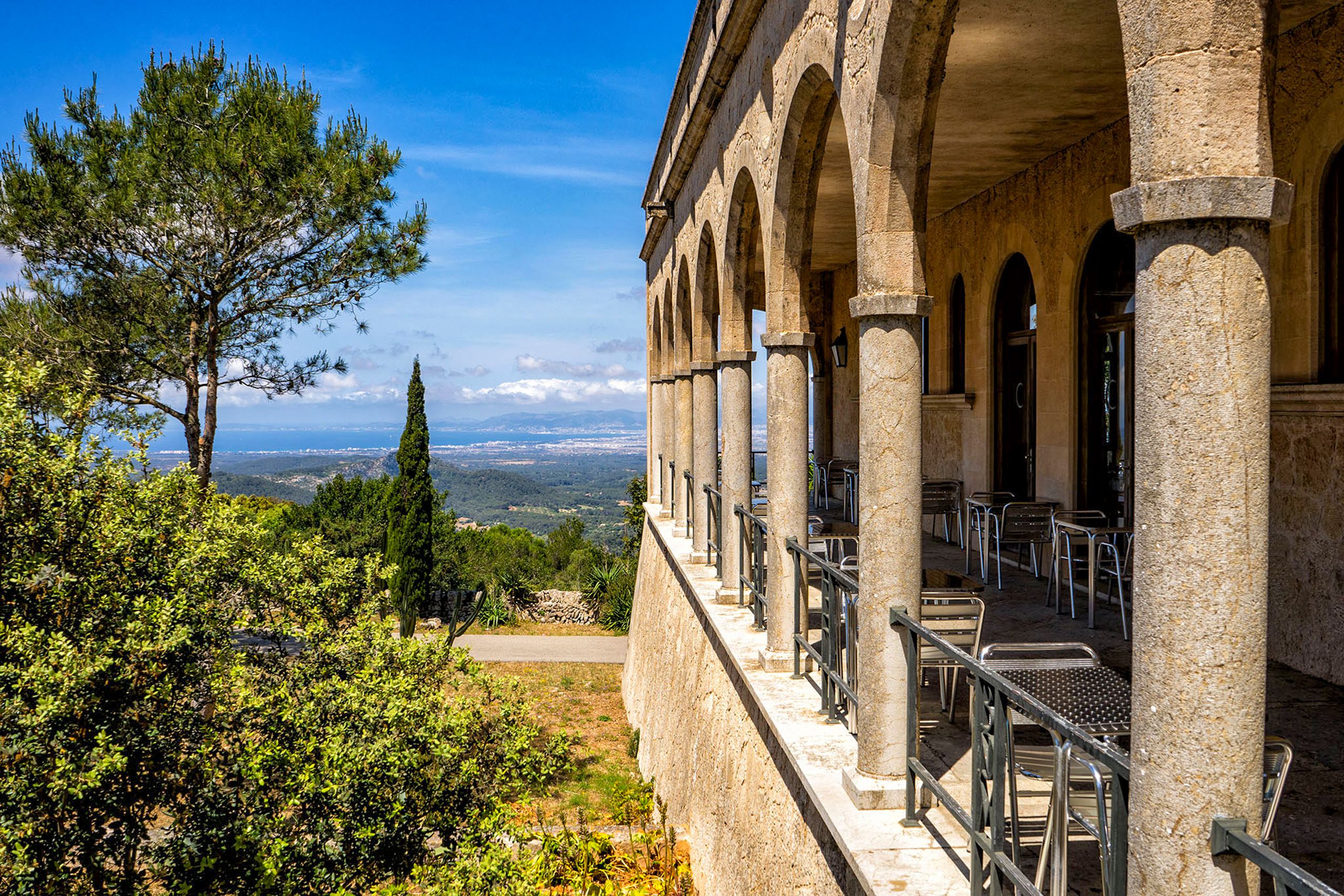
A monastery estate on the highest point of the Pla, 548 metres above the plain. Ramon Llull retreated here in the 13th century. Today, there is a cloister, small museum, restaurant and sweeping island views.
Santuari de Cura
Santuari de Cura in 30 seconds
The essentials at a glance
- Worth visiting for
- A short visit
- Best for
- Wide panoramic views across the island
- Best months
- January–May, September–December
- Time to allow
- One to two hours
- Without a car
- Hire car needed
- Parking
- Free car park beside the monastery; limited space at weekends
- Keep in mind
- Visiting in haze or low cloud, when the views disappear
- Access
- Pushchairs: Mostly manageable · Wheelchairs: Courtyards and gallery accessible, with occasional steps to negotiate
Get a feel for Mallorca. Find your kind of place.
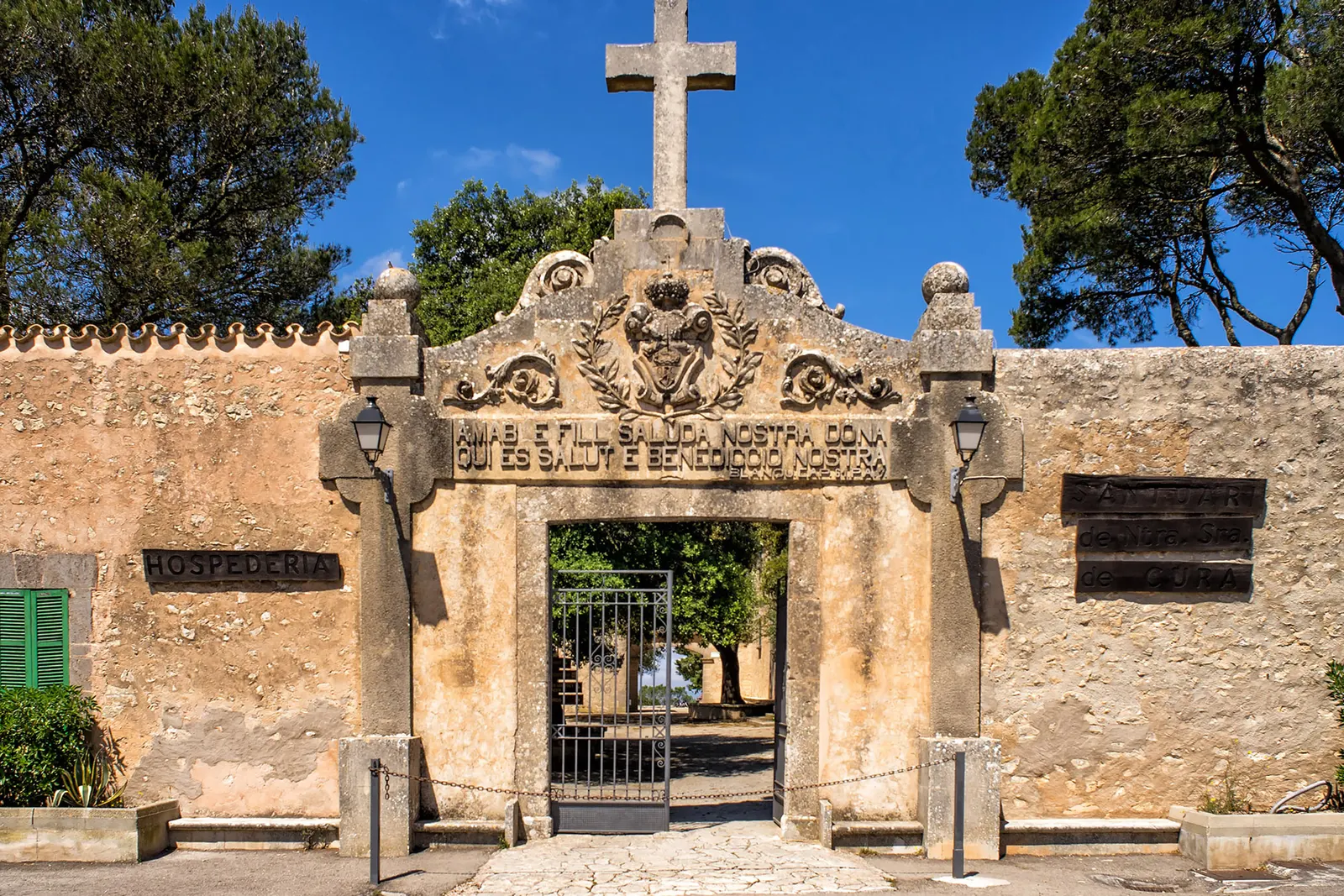
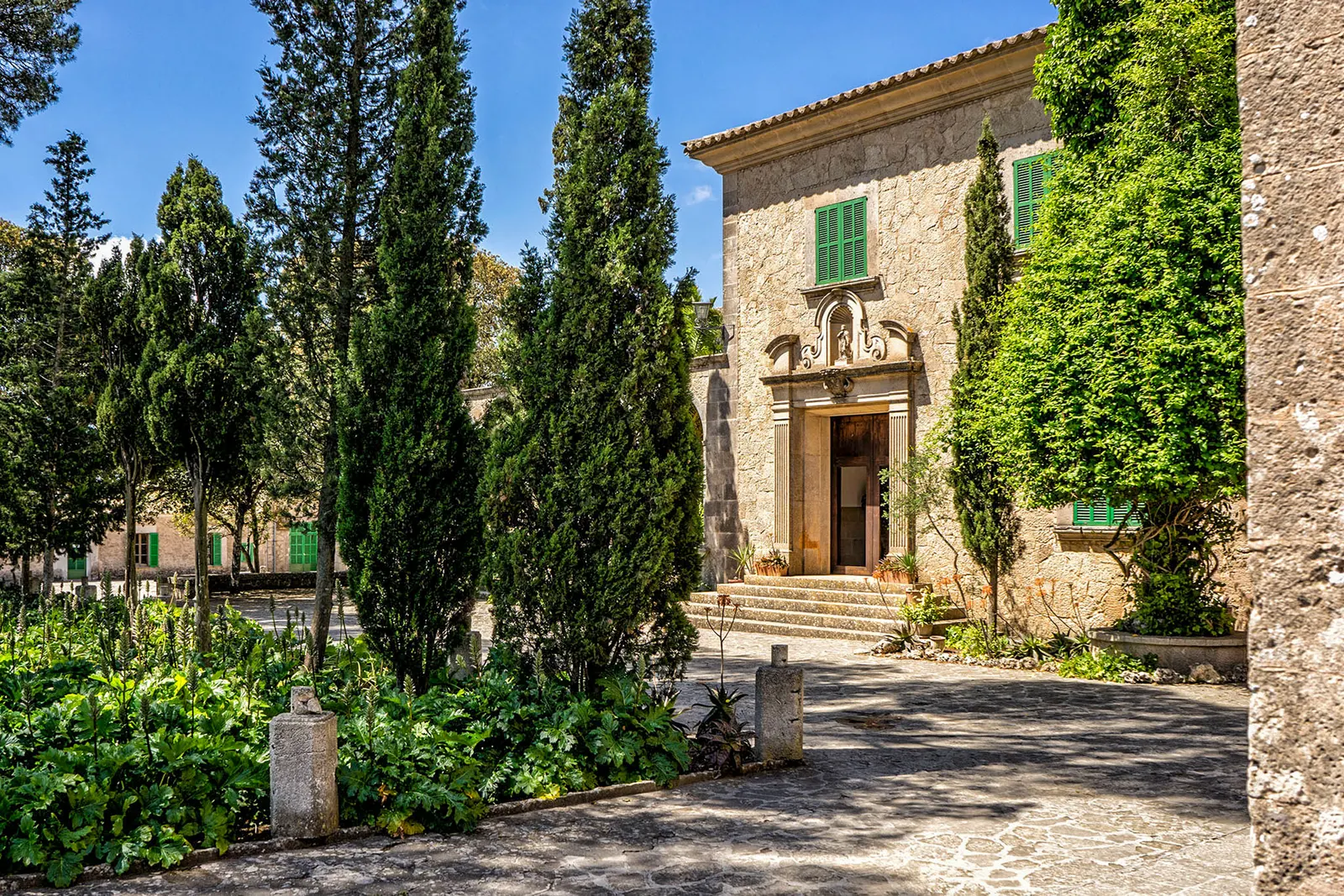
The entrance is ornate; the buildings beyond are much simpler.
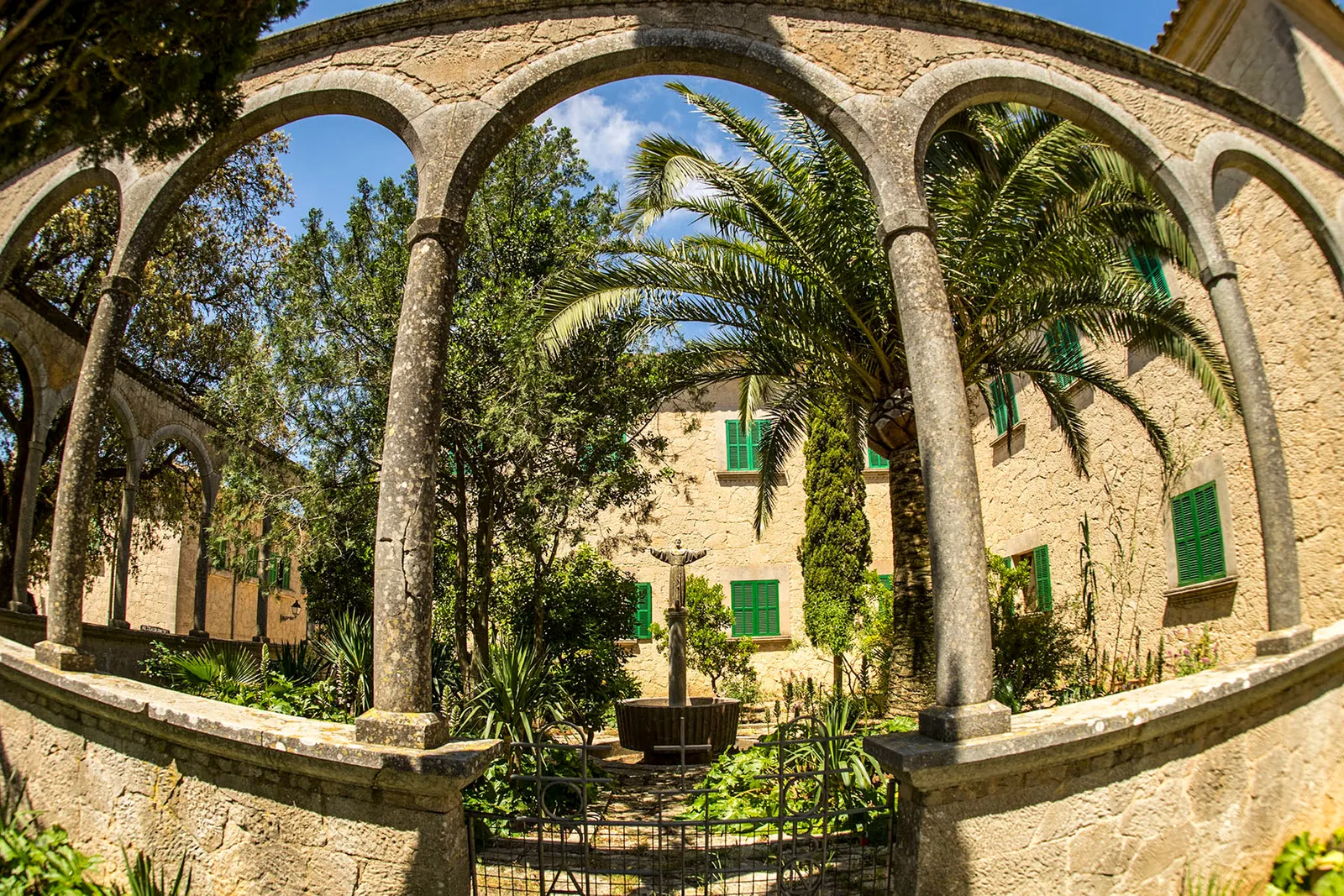
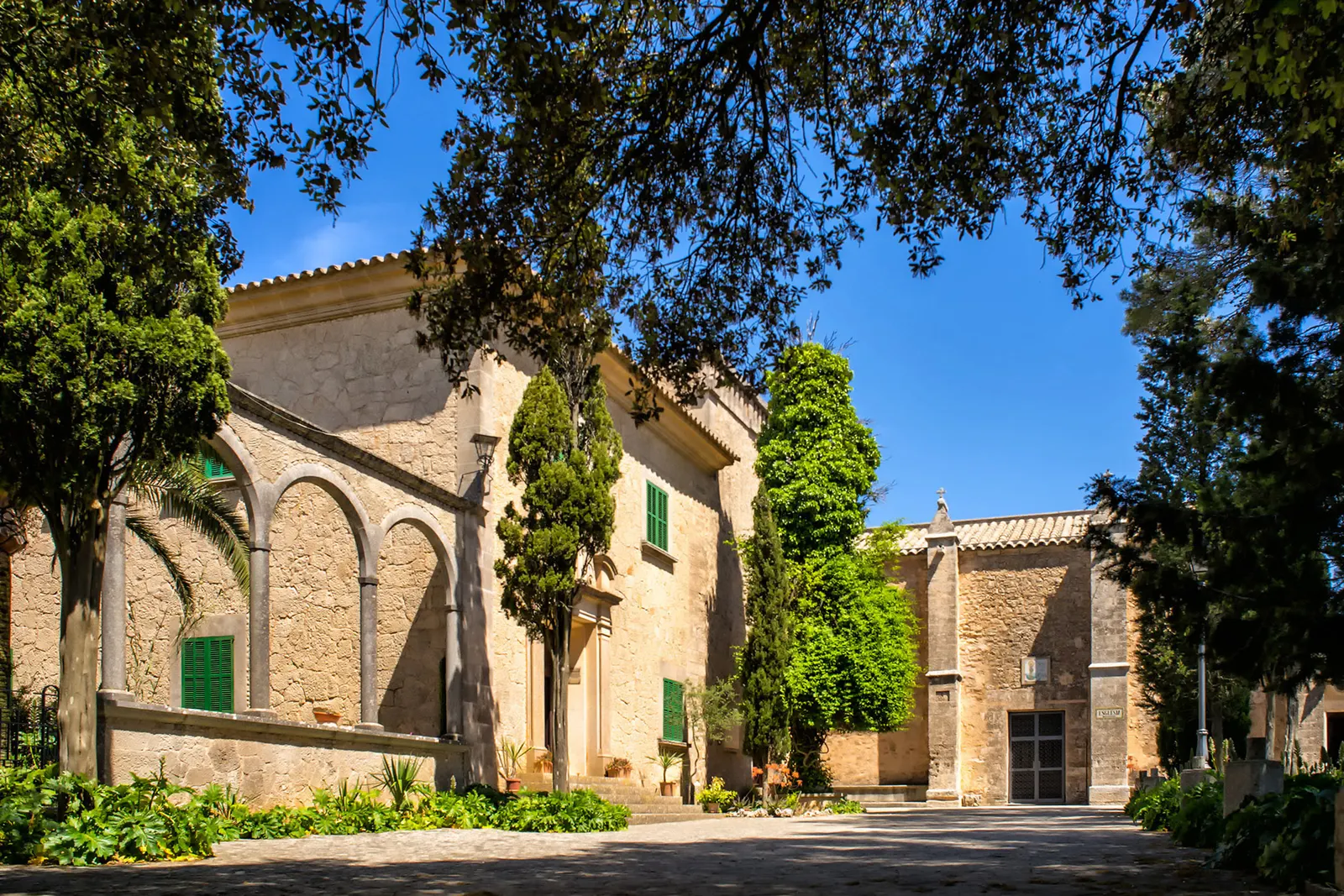
Palms grow in the cloister, a familiar Mallorcan touch.
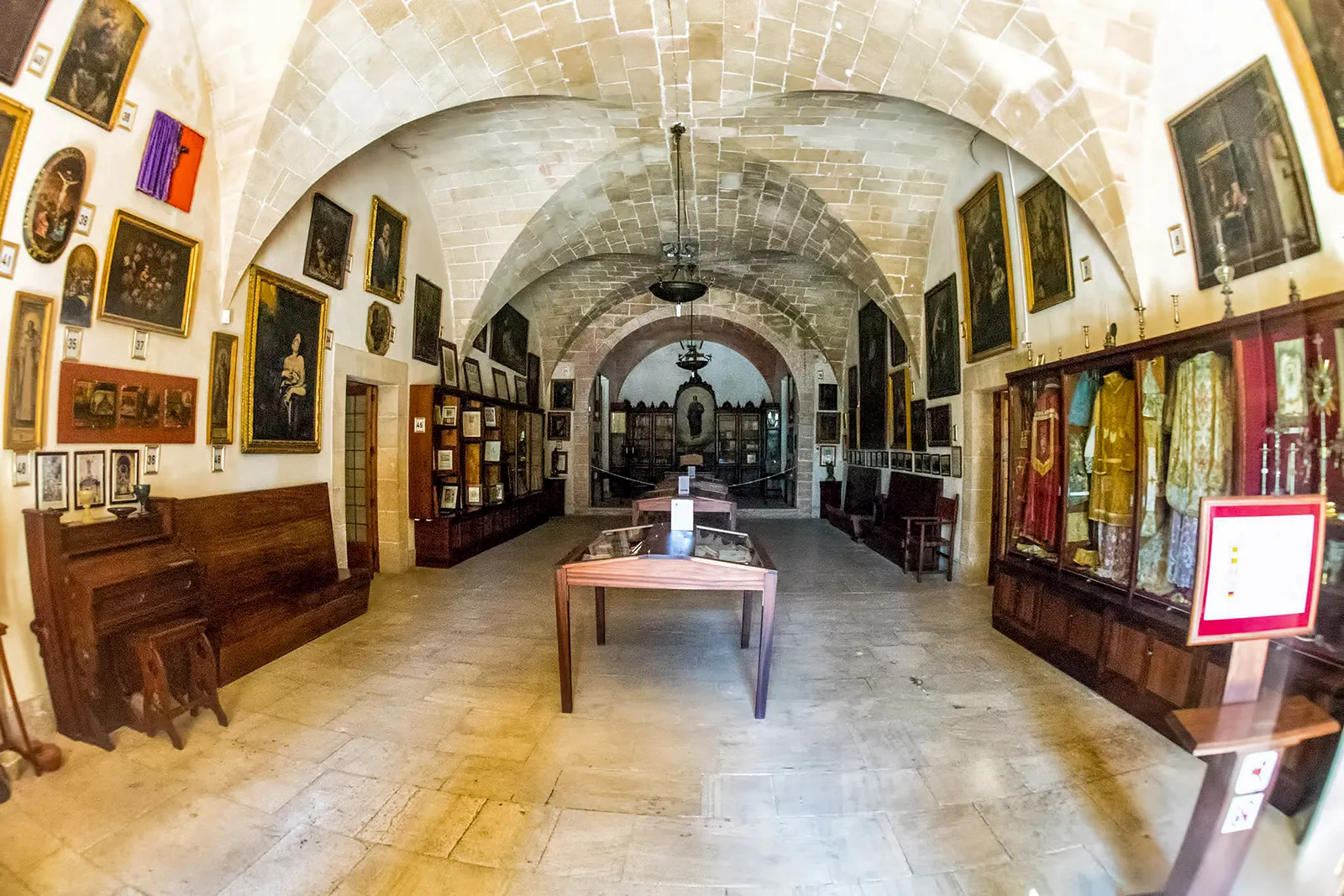
The former grammar classroom now houses a small museum devoted to Ramon Llull.
Getting to know Santuari de Cura
Does Santuari de Cura suit your plans?
What to expect and what to know before you visit.
Who it suits
- Wide panoramic views across the island
- An interest in Ramon Llull and Mallorca's history
- Staying in simple monastery guest rooms
- Road cyclists tackling a classic climb
Things to bear in mind
- Visiting in haze or low cloud, when the views disappear
- Expecting a large museum, as the former classroom is small
- Seeking peace without coming early or late
- Going for a swim
Drive from the airport
35 minutes
30 km
Bus connections
No bus service up the hill
Region
Pla de Mallorca
Elevation
548 m
above sea level
Season guide for Santuari de Cura
November Worth a visit
Very quiet Open
Worth visiting in January, February, March, April, May, September, October, November and December.
Location
Location of Santuari de Cura
- Region
- Pla de Mallorca
- Municipality
- Algaida
- Elevation
- 548 m above sea level
- Airport
- 30 km , around 35 minutes
- Hire car
- needed
- Worth visiting for
- a brief stop
- Coordinates
- 39.5250,2.9256
What is the Santuari de Cura?
A monastery estate on the summit of Puig de Randa, 548 metres above sea level, in Algaida municipality. Ramon Llull is said to have retreated here in the 13th century and founded the first hermitage in 1275. In the 20th century, Palma’s bishop entrusted its restoration to the Mallorcan Franciscans.
Why the view is special
The Tramuntana takes you higher, but much of what you see there is other mountains. Here, you stand above a broad flat plain, with an unusually wide view of Mallorca: the Pla, the Bay of Palma and, on clear days, coastlines on both sides.
In February, almond blossom spreads across the plain like a pale carpet.
What is at the top?
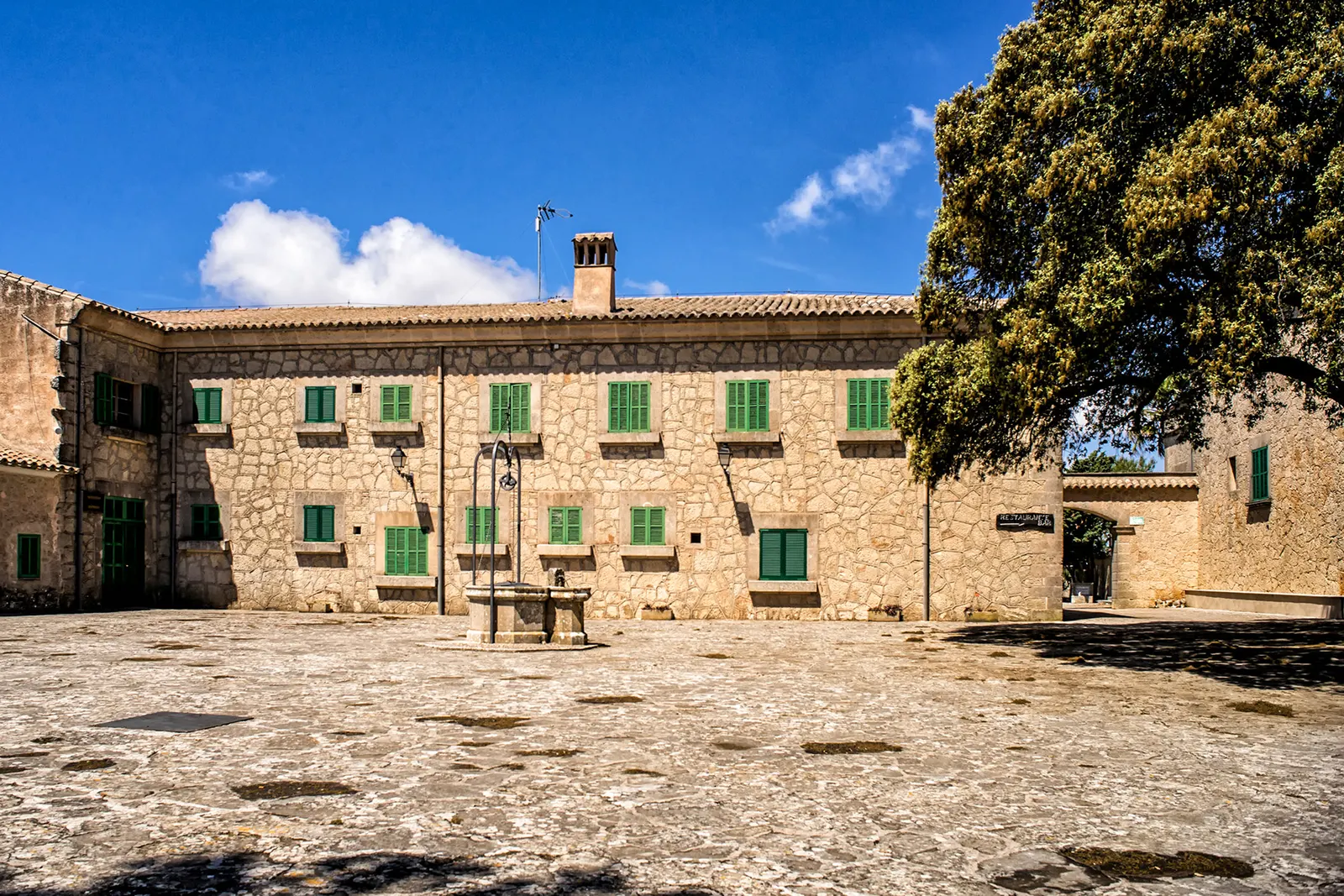
A cloister with palms, a church that is free to visit and the former grammar classroom, now a small museum with objects, books and manuscripts relating to Ramon Llull. There is also a restaurant with a terrace and simple guest rooms in the former monks’ cells.
Access to the grounds is free, with no ticket office.
Getting there
The narrow, winding road passes through Randa and is surfaced all the way to the car park at the top. There is no bus service. Walking up from Randa takes about an hour. For road cyclists, the ascent is one of Mallorca’s classic climbs.
When to visit
Choose January or February for the clearest air, or March and October for a good all-round visit. In high summer, haze can hide the distant views.
If you can, stay longer. Late afternoon is the loveliest time, and by evening there are very few people left.
Photographs
Santuari de Cura in Mallorca
How much time do you have?
Things to do in Santuari de Cura
Three hours
Drive up, visit the cloister and former classroom, then follow the gallery for views north across the Pla.
Half a day
Add the hill's other two religious sites — Gràcia halfway up and Sant Honorat between them — plus Randa village below.
A full day
Combine it with Montuïri, Algaida or Llucmajor, or stay for lunch at the top.
On a rainy day
Not worthwhile for the views. Low cloud can hide everything even at 548 metres.
Practical details
- Parking
- Free car park beside the monastery; limited space at weekends
- Time to allow
- One to two hours
- Good to know
- Access to the grounds, cloister and church is free. There is a restaurant with a terrace and simple guest rooms in the former monastery wing.
- Bus
- No bus service up the hill
- Access
- Paved courtyards with a few steps · Pushchairs: Mostly manageable · Wheelchairs: Courtyards and gallery accessible, with occasional steps to negotiate · Dogs: On a lead outside; not indoors
- What you will not find
- A bus service · A large museum · A ticket office · Clear views in haze
- Coordinates
- 39.5250,2.9256 Google Maps Apple Maps
Within reach
Places to visit
Nearby

The middle of the three religious houses on Puig de Randa, built beneath an overhanging cliff that extends right …

A family glassworks dating back to 1719, beside the road to Manacor in a castle-like building. Watch glassblowers …
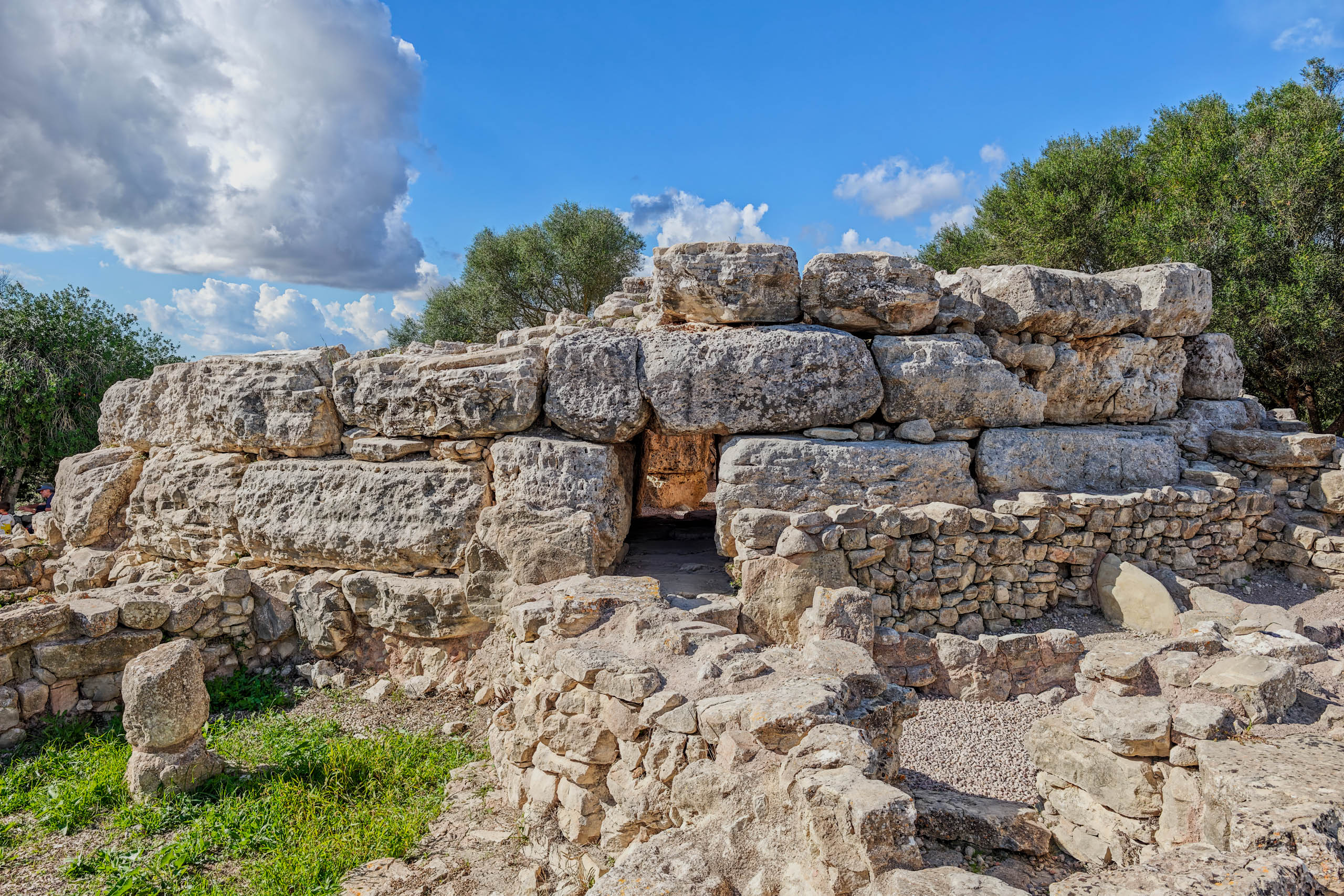
On a low hill near Montuïri are the remains of a settlement founded almost 3,000 years ago. Massive talayots, low …

A small pilgrimage church on a hill above Sant Joan, reached by a broad stone staircase. There is a well, shade …
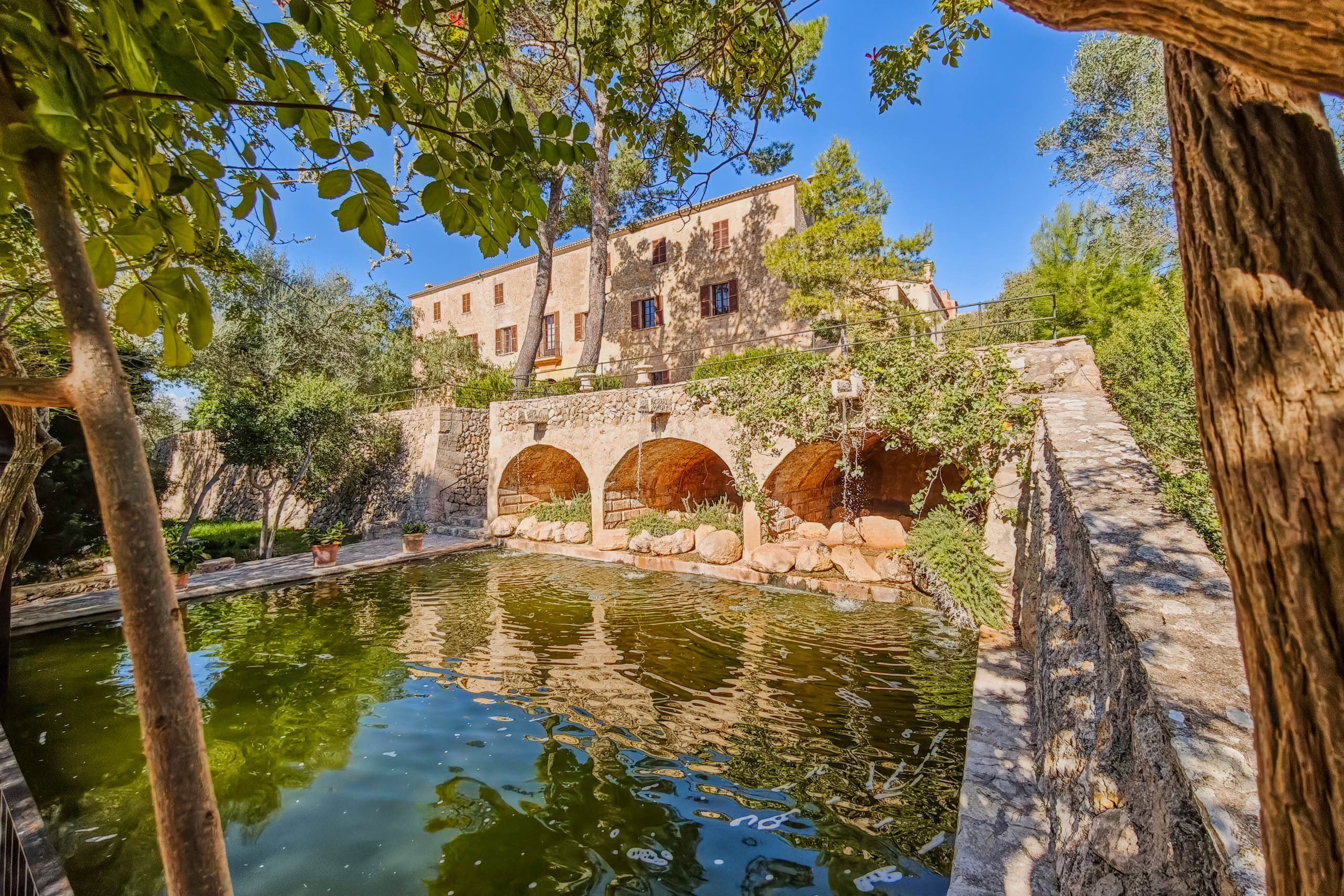
An old country estate near Sant Joan where it’s easy to stay longer than planned. Behind the substantial walls are …
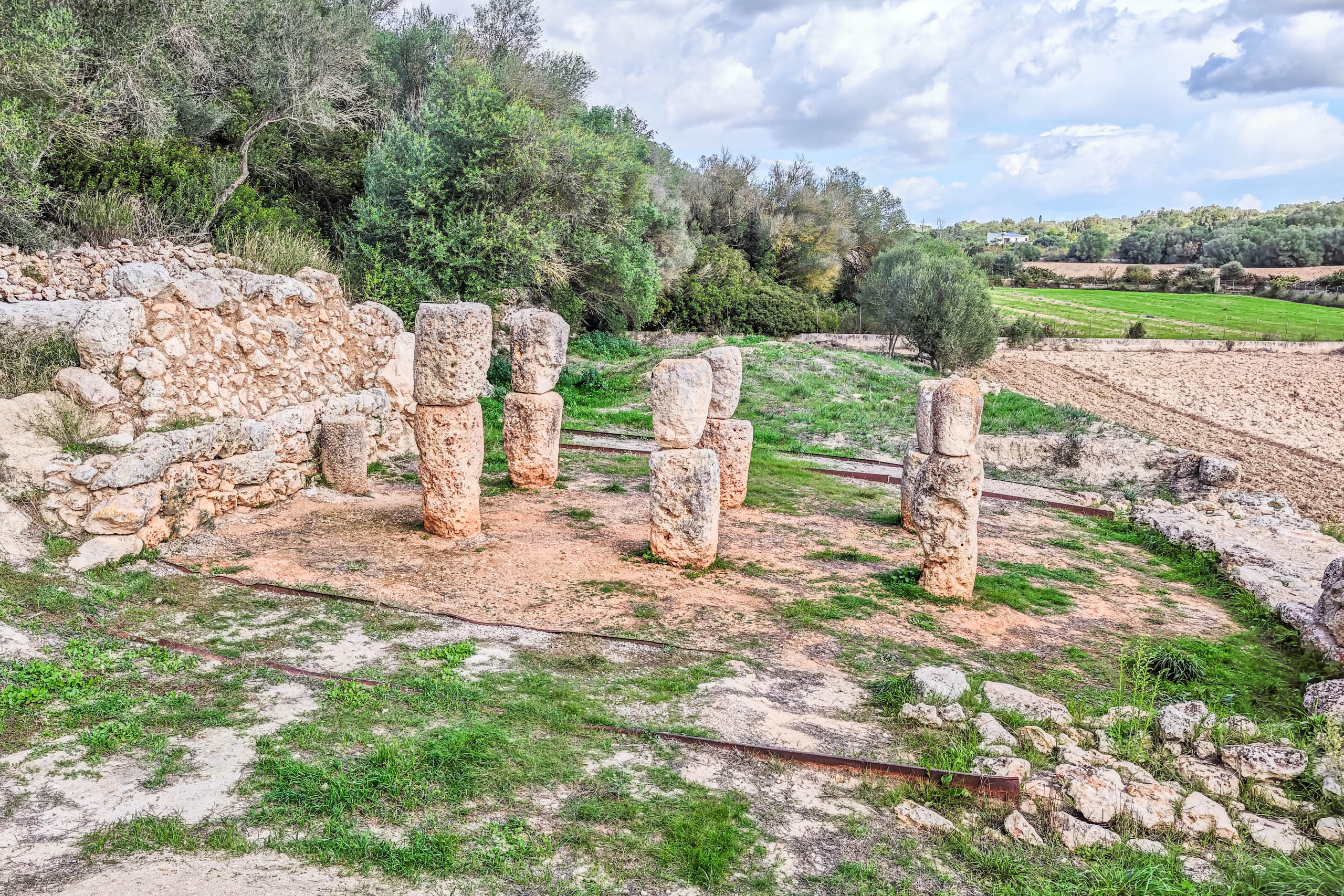
Son Corró is a small prehistoric sanctuary near Costitx. Six re-erected stone columns stand among low walls. The …
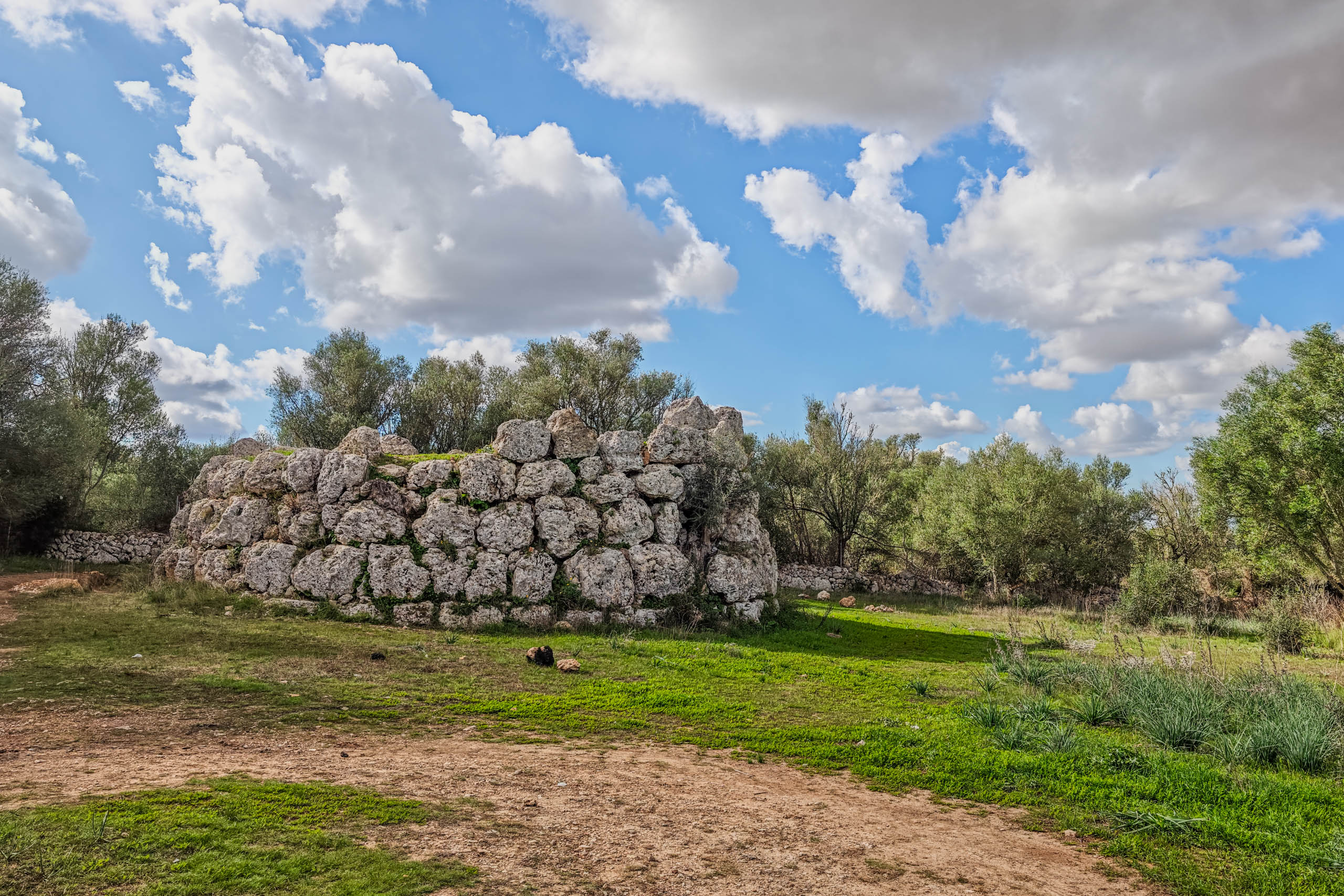
Son Fred is a well-preserved talayot near Sencelles, a round tower built from enormous stone blocks. Duck through …
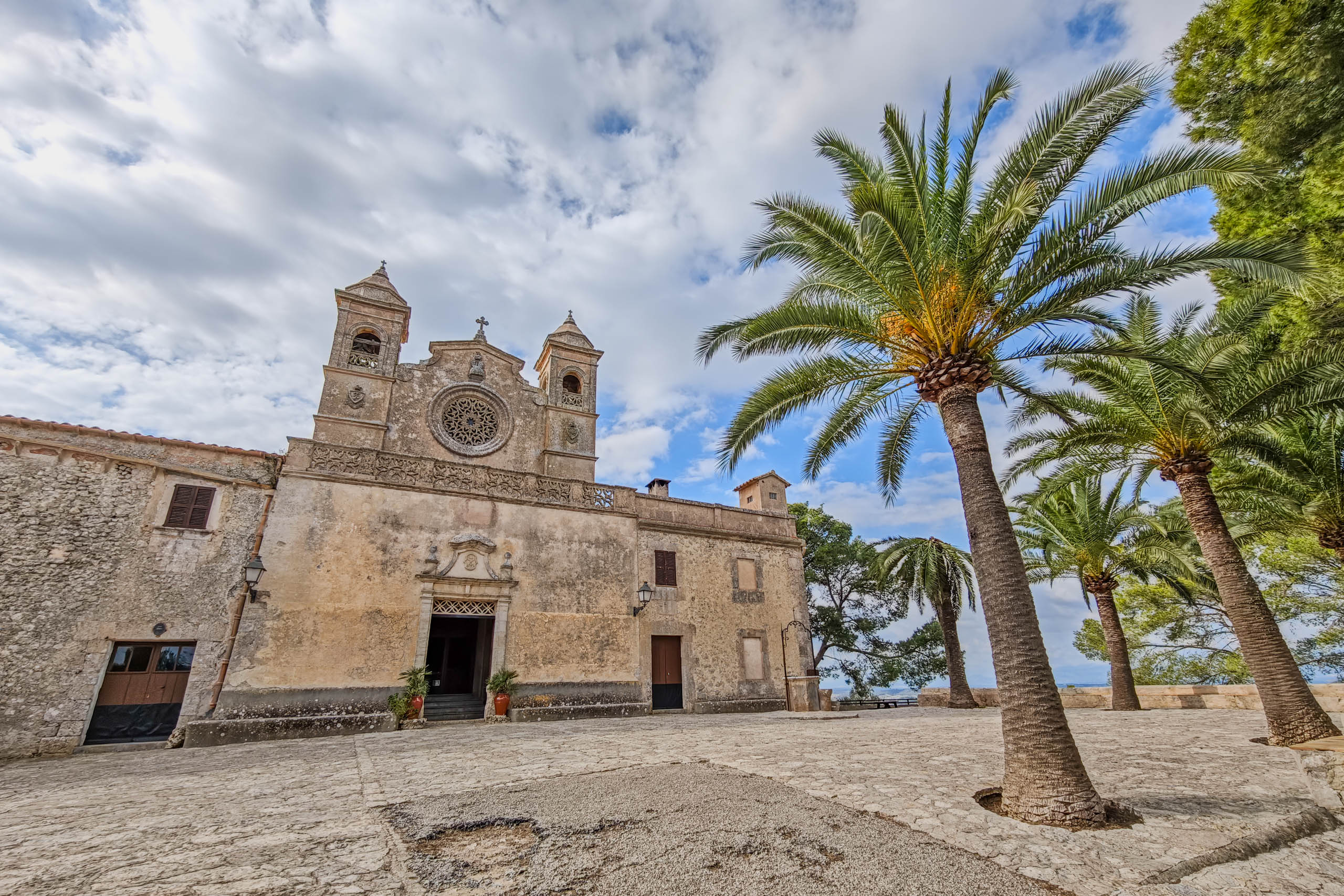
A pilgrimage sanctuary on the Puig de Bonany above Petra, 317 metres above sea level. Hermits lived here until …
Distances without a driving time are measured in a straight line. The road journey can be much longer; known driving times are shown alongside.
Places to stay within reach
Explore from here
Your questions answered
Your questions about Santuari de Cura
What is the Santuari de Cura?
A monastery estate on the 548-metre summit of Puig de Randa, in Algaida municipality. Ramon Llull is said to have retreated here in the 13th century and founded the first hermitage in 1275. In the 20th century, Palma's bishop entrusted its restoration to Mallorcan Franciscans.
What can you visit?
The palm-filled cloister, church and gallery overlooking the Pla, plus the former grammar classroom, now a small museum with objects, books and manuscripts relating to Ramon Llull. Access to the grounds is free.
Can you stay at the monastery?
Yes. Former monks' cells have been converted into simple guest rooms, and there is a restaurant with a terrace. It is a good place to watch sunset and the stars above the Pla.
How do you get up there?
Follow the narrow, winding road through Randa. It is surfaced throughout and has parking at the top. There is no bus service up the hill. Walking from Randa takes around an hour.
When is visibility best?
January and February usually have the clearest air, with March also a good option. Summer haze reduces the distant views that make the trip worthwhile. In low cloud, save the drive for another day.
Practical questions
When is the best time to visit Santuari de Cura?
Recommended months: January, February, March, April, May, September, October, November, December. The clearest air of the year, with excellent visibility when it is not raining.
Is Santuari de Cura worth visiting in July and August?
July: worth considering with some reservations. Usually busy. Haze reduces distant views and the car park fills at midday. August: worth considering with some reservations. Usually busy.
How far is Santuari de Cura from Palma airport?
About 30 km from Palma airport. Allow roughly 35 minutes by car. The only road climbs through Randa. It is narrow and winding but surfaced throughout, with parking at the top. Walking up from Randa takes about an hour.
Do I need a hire car for Santuari de Cura?
A car is needed No bus service up the hill
Where can I park in Santuari de Cura?
Free car park beside the monastery; limited space at weekends
Can I visit Santuari de Cura with a pushchair or wheelchair?
Paved courtyards with a few steps Pushchairs: Mostly manageable Wheelchairs: Courtyards and gallery accessible, with occasional steps to negotiate
Are dogs allowed at Santuari de Cura?
On a lead outside; not indoors
Santuari de Cura features in our Mallorca highlights
Words and photographs: Friedhelm Fischer. Exploring Mallorca since 2013 — by bike, on foot and with a camera.