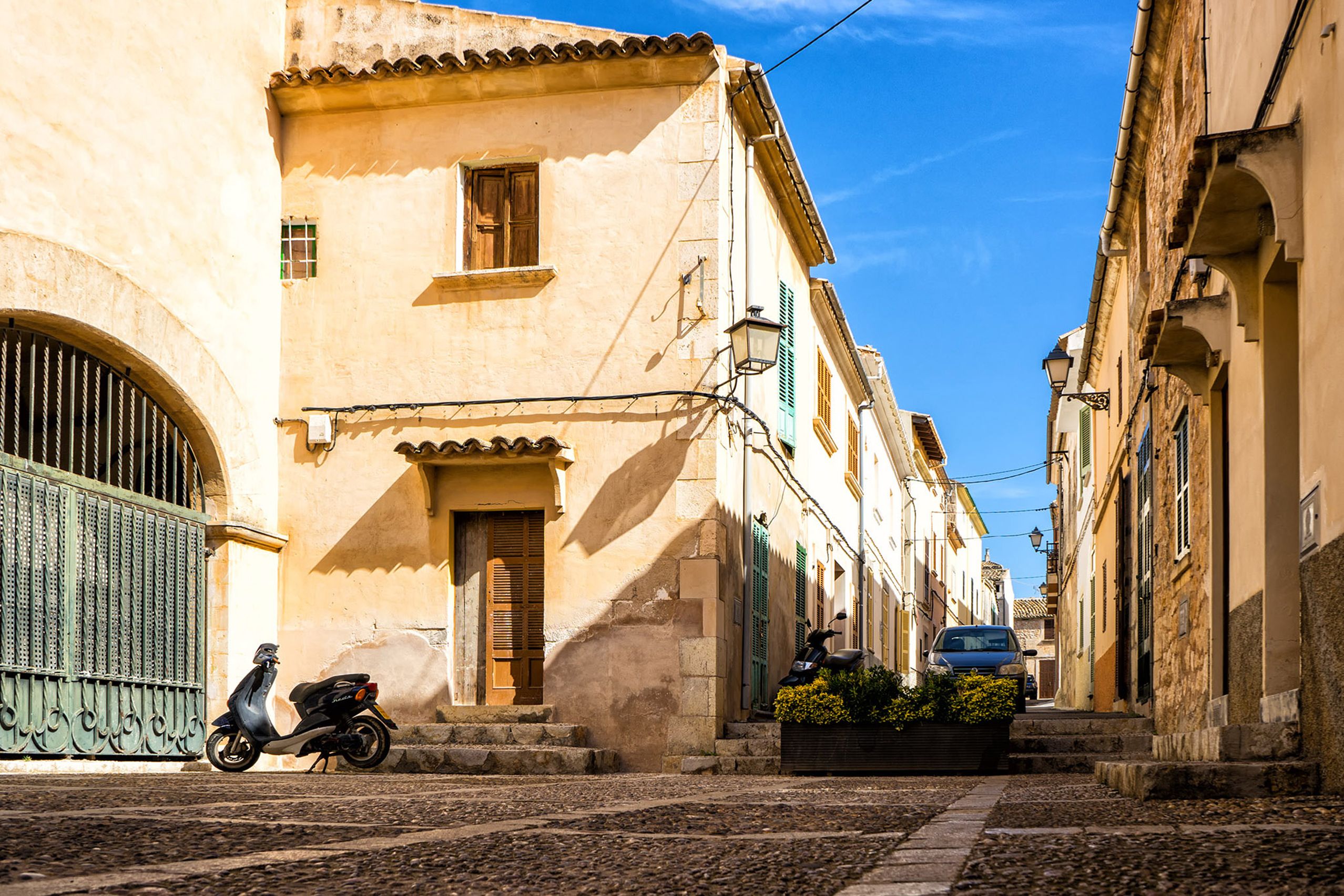
Muro
Behind Platja de Muro lies the town that gave the beach its name, often overlooked by holidaymakers. It has a late-Gothic church with a bridge to its separate bell tower and a museum in a manor house dating from around 1600.
Muro
Muro in 30 seconds
The essentials at a glance
- Worth visiting for
- A day trip
- Best for
- You’re staying at Platja de Muro and want half a day away from the beach.
- Best months
- January–June, September–December
- Time to allow
- Two to three hours.
- Without a car
- Hire car recommended
- Parking
- Free and straightforward in town.
- Keep in mind
- You want to swim; the sea is some distance away.
- Access
- Pushchairs: Mostly manageable. · Wheelchairs: Main routes are accessible.
Get a feel for Mallorca. Find your kind of place.
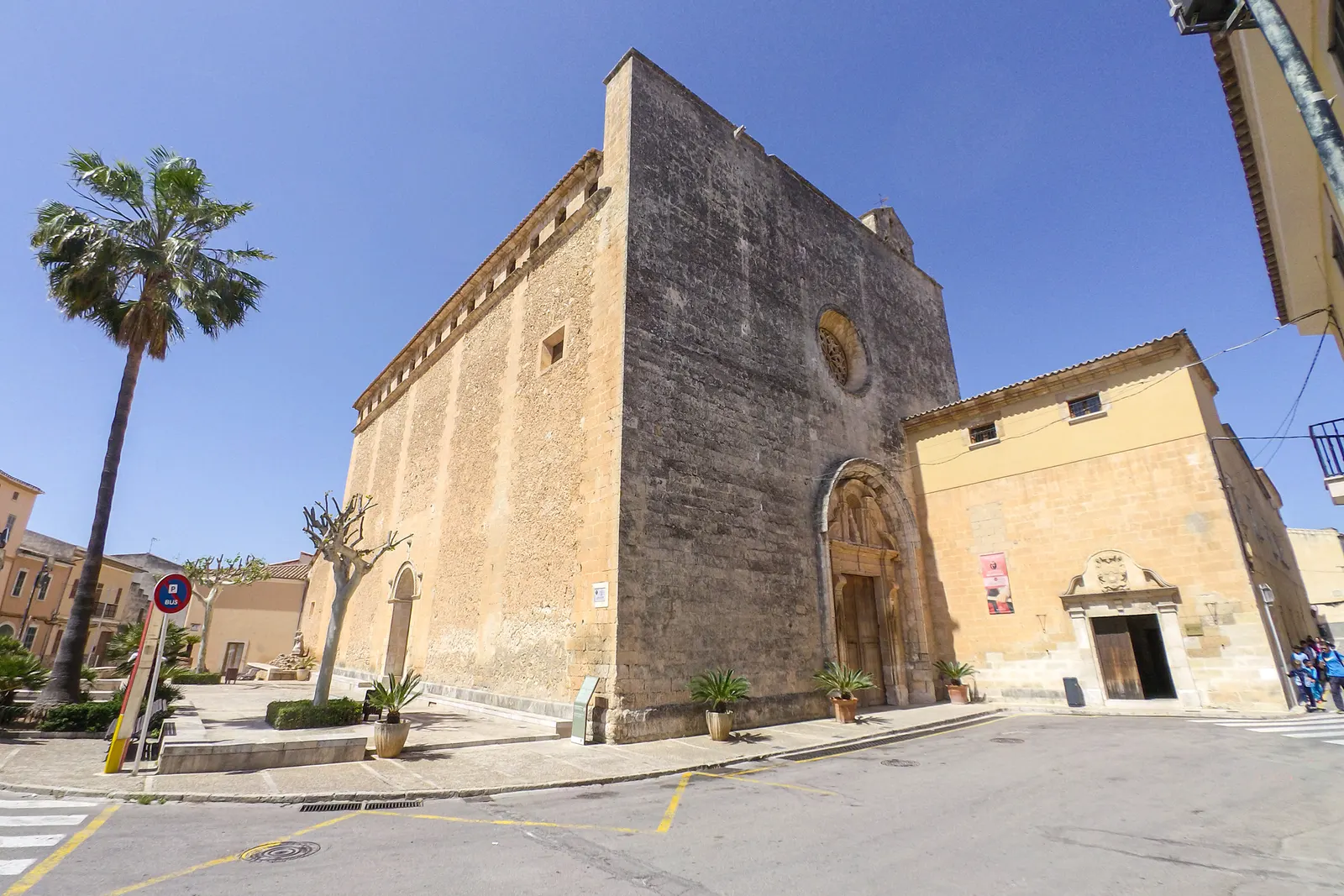
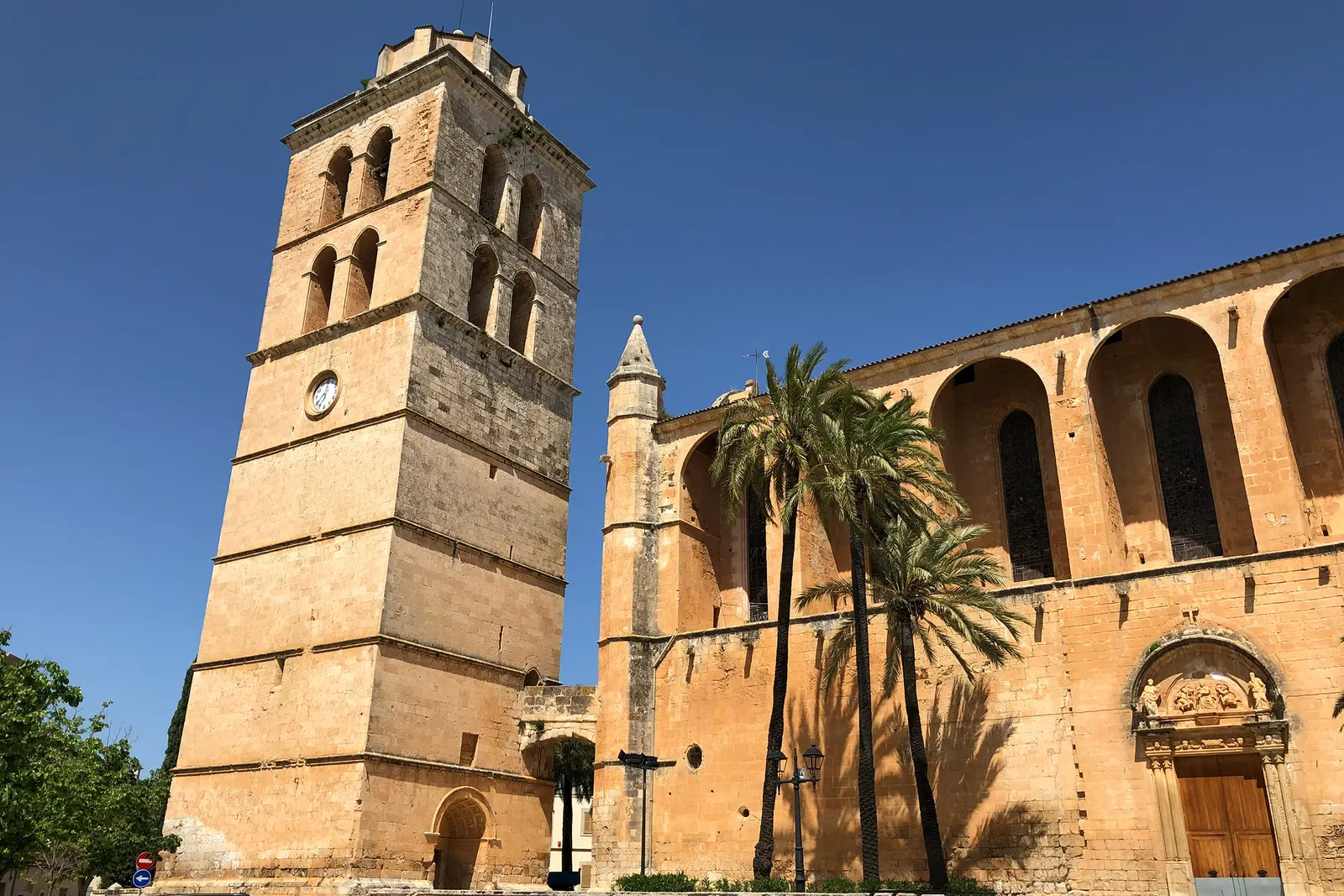
The 16th-century church looks almost fortified from the front.
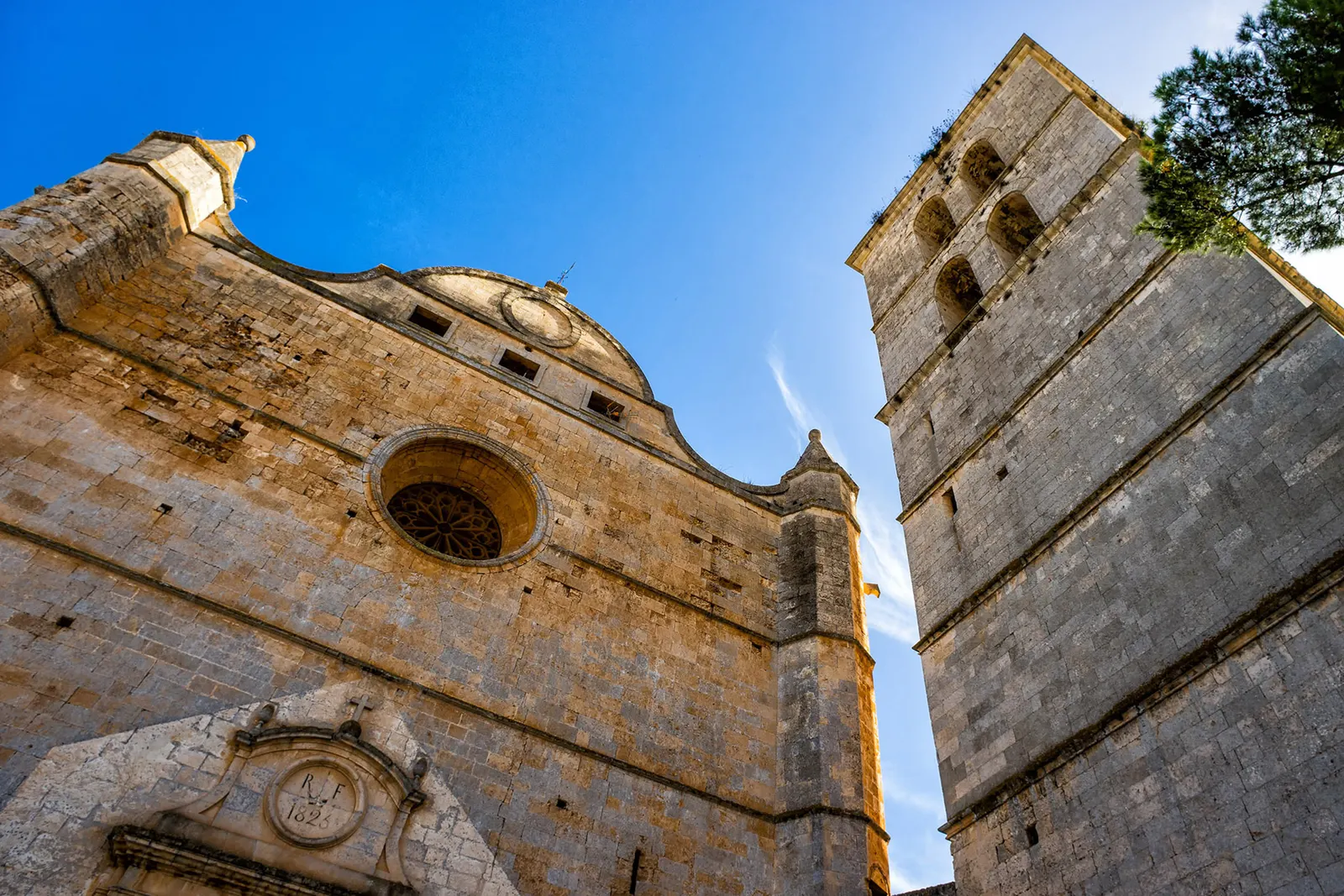
From below, you can appreciate the thickness of the walls.
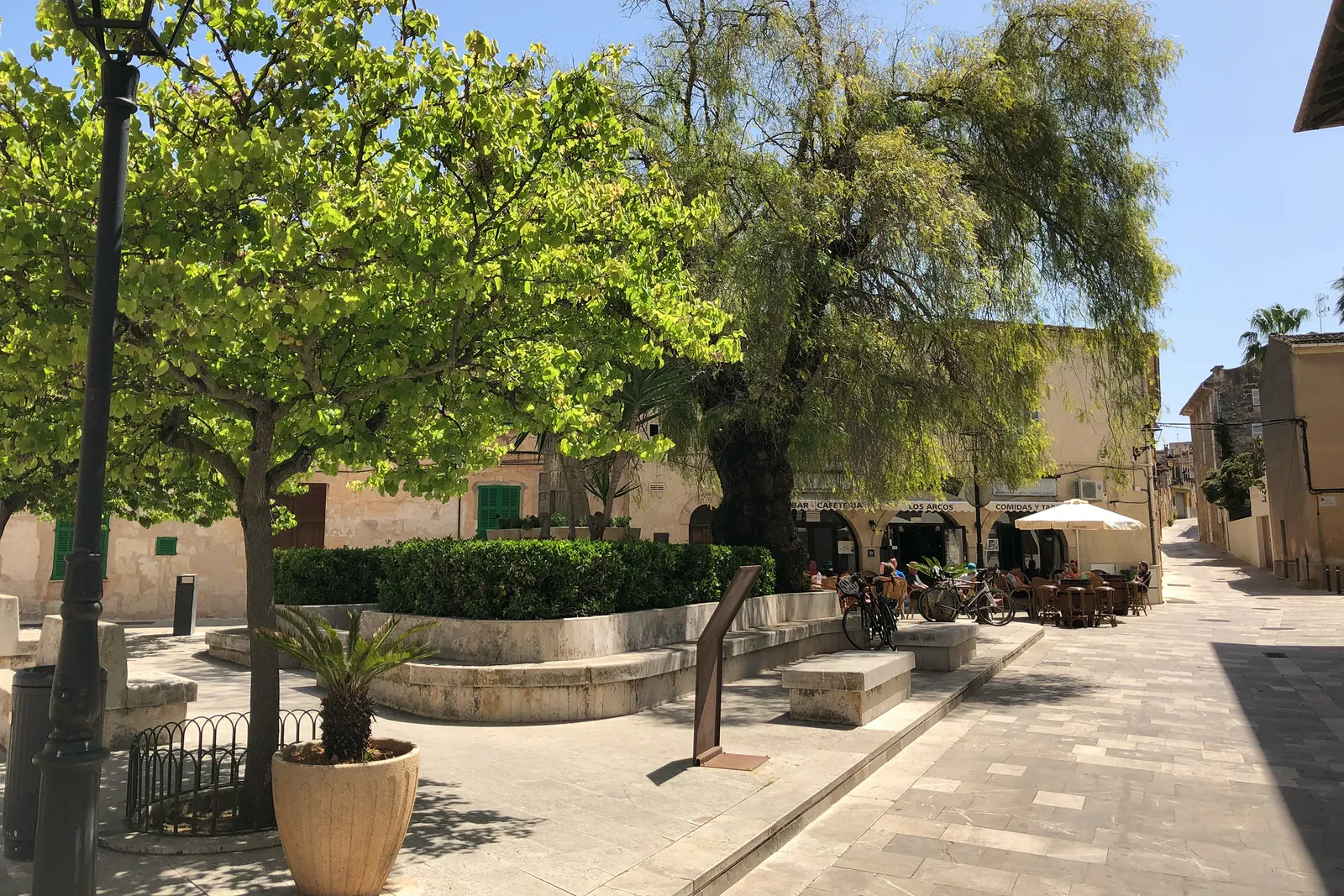
The square in front of the church offers sustained shade in the centre.
Getting to know Muro
Does Muro suit your plans?
What to expect and what to know before you visit.
Who it suits
- You’re staying at Platja de Muro and want half a day away from the beach.
- You’re interested in rural life and the Museu Etnològic.
- You need a rainy-day outing in the north.
- You’d like to see everyday life in a small Mallorcan town.
Things to bear in mind
- You want to swim; the sea is some distance away.
- You need lots of activity and choice.
- You’re arriving at midday in high summer, when the town is very quiet.
- You expect nightlife.
Drive from the airport
45 minutes
48 km
Bus connections
Services from Alcúdia
Region
Pla de Mallorca
Nearest beach
Can Picafort
9 km
Elevation
35 m
above sea level
Season guide for Muro
November Worth a visit
A good rainy-day choice, with the museum and church indoors.
Very quiet Open
Worth visiting in January, February, March, April, May, June, September, October, November and December.
Location
Location of Muro
- Region
- Pla de Mallorca
- Population
- 7,300
- Elevation
- 35 m above sea level
- Airport
- 48 km , around 45 minutes
- Hire car
- recommended
- Worth visiting for
- a day trip
- Coordinates
- 39.7345,3.0554
The town behind the beach
Tens of thousands of visitors spend holidays at Platja de Muro each year. Inland is the town that gave it its name, a community of around 7,300 people with daily life continuing throughout the year.
While many coastal businesses close between November and March, shops, cafés and everyday routines carry on here.
Mornings bring cyclists. Muro is well placed for a classic ride through the Pla via Llubí and Sineu. Arrive early on the main square and you’ll see bikes against the walls and cafés accustomed to cycling visitors.
The church with a bridge
Sant Joan Baptista is a substantial late-Gothic church dating from the 16th century. Beside it stands a detached square bell tower, joined to the nave by a narrow bridge.
The combination of church, square tower and bridge gives it an almost Moorish silhouette. It’s a distinctive arrangement on Mallorca.
The museum
Museu Etnològic, at Carrer Major 15, is the Museum of Mallorca’s branch devoted to rural life. It offers more than its modest name might suggest.
It occupies the Simó family’s 17th-century manor house, one of the town’s finest homes. The building later belonged to architect Gabriel Alomar i Esteve, who gave it to the museum.
Displays cover rural living and working life: furniture and household objects from Mallorcan farmhouses, a complete jeweller’s workshop, traditional tools, costumes and musical instruments. A water-lifting wheel in the courtyard shows how groundwater was raised, an important technique in an area of drained marshland.
The rooms retain the house’s traditional arrangement, with kitchen and working spaces downstairs and living rooms above. The layout itself helps explain daily life in the Pla.
Allow an hour. Opening hours are limited and change, so check before travelling.
The bullring
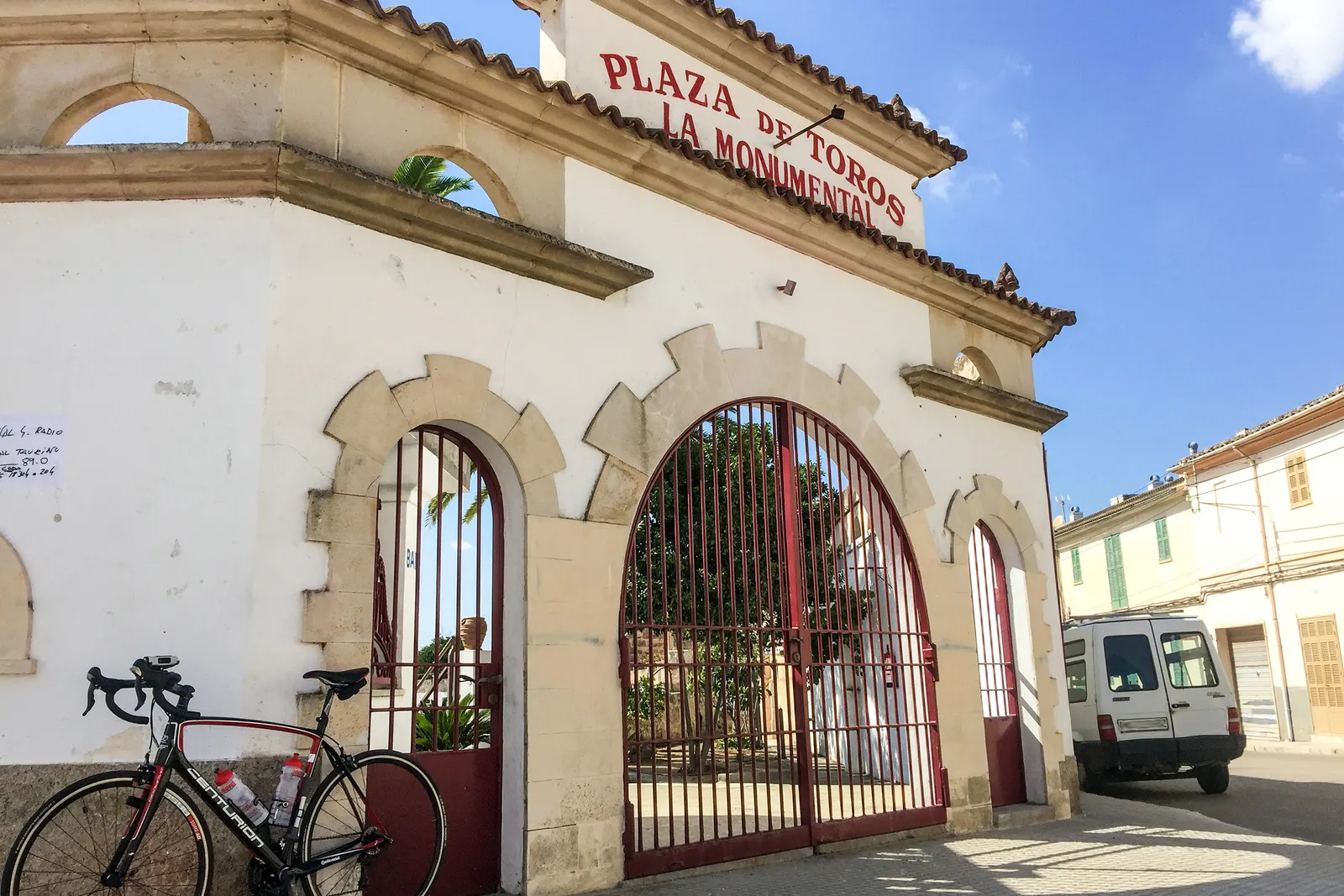
On the outskirts is a bullring built into an old quarry, which explains why it sits below road level. Events vary. As in Alcúdia, bullfights on Mallorca have declined considerably.
When to come
May and October are most comfortable. 24 June brings Sant Joan Baptista, the patron saint’s festival on the main square and the area’s first major summer celebration.
In July and August, inland heat builds, so visit in the morning.
In rain, Muro is a useful northern option. The museum, church and cafés are indoors, without the coach crowds you may encounter in Alcúdia.
Photographs
Muro in Mallorca
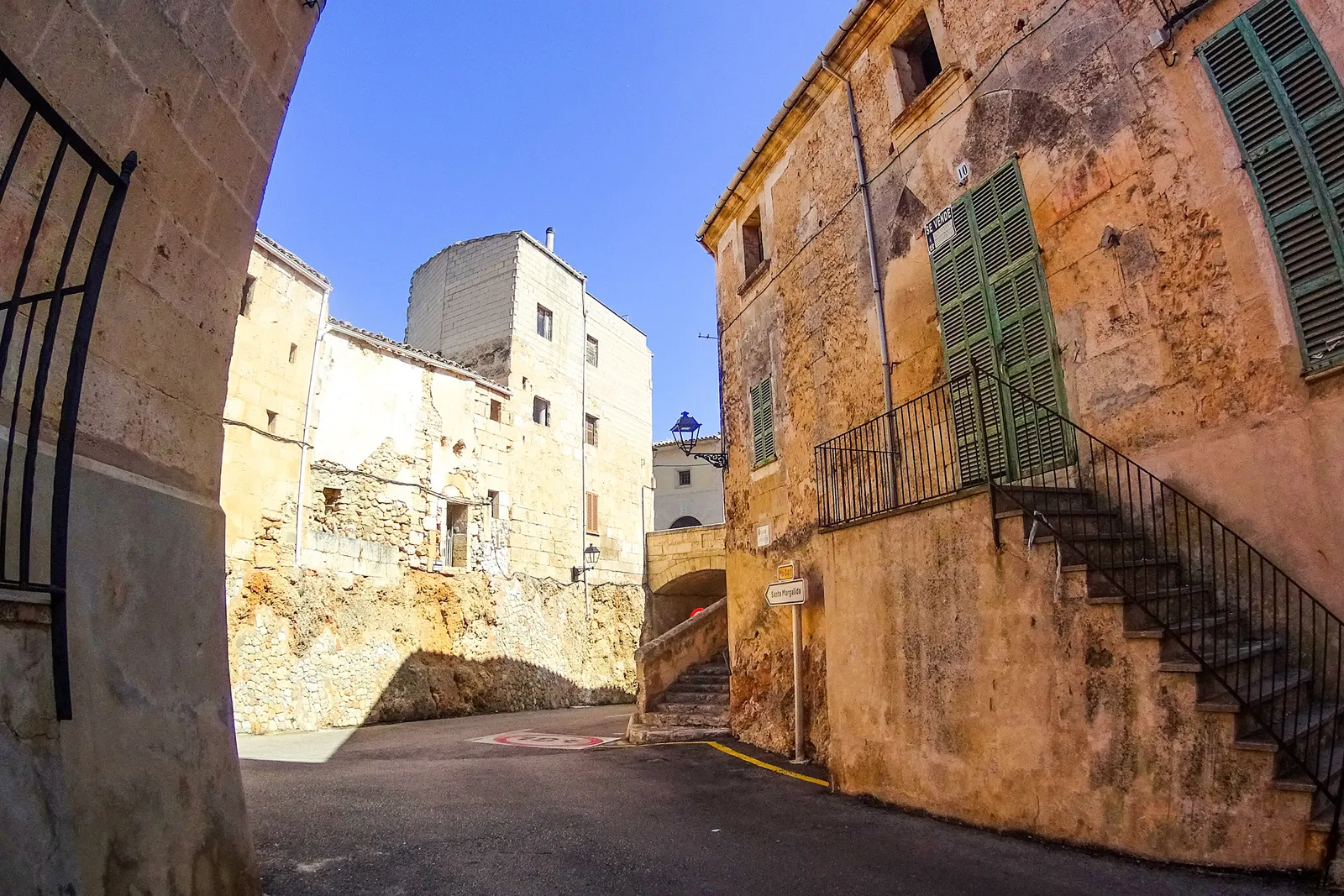
How much time do you have?
Things to do in Muro
Three hours
Walk around Sant Joan Baptista to see the bell tower and bridge, visit Museu Etnològic on Carrer Major, then have a coffee on the square.
Half a day
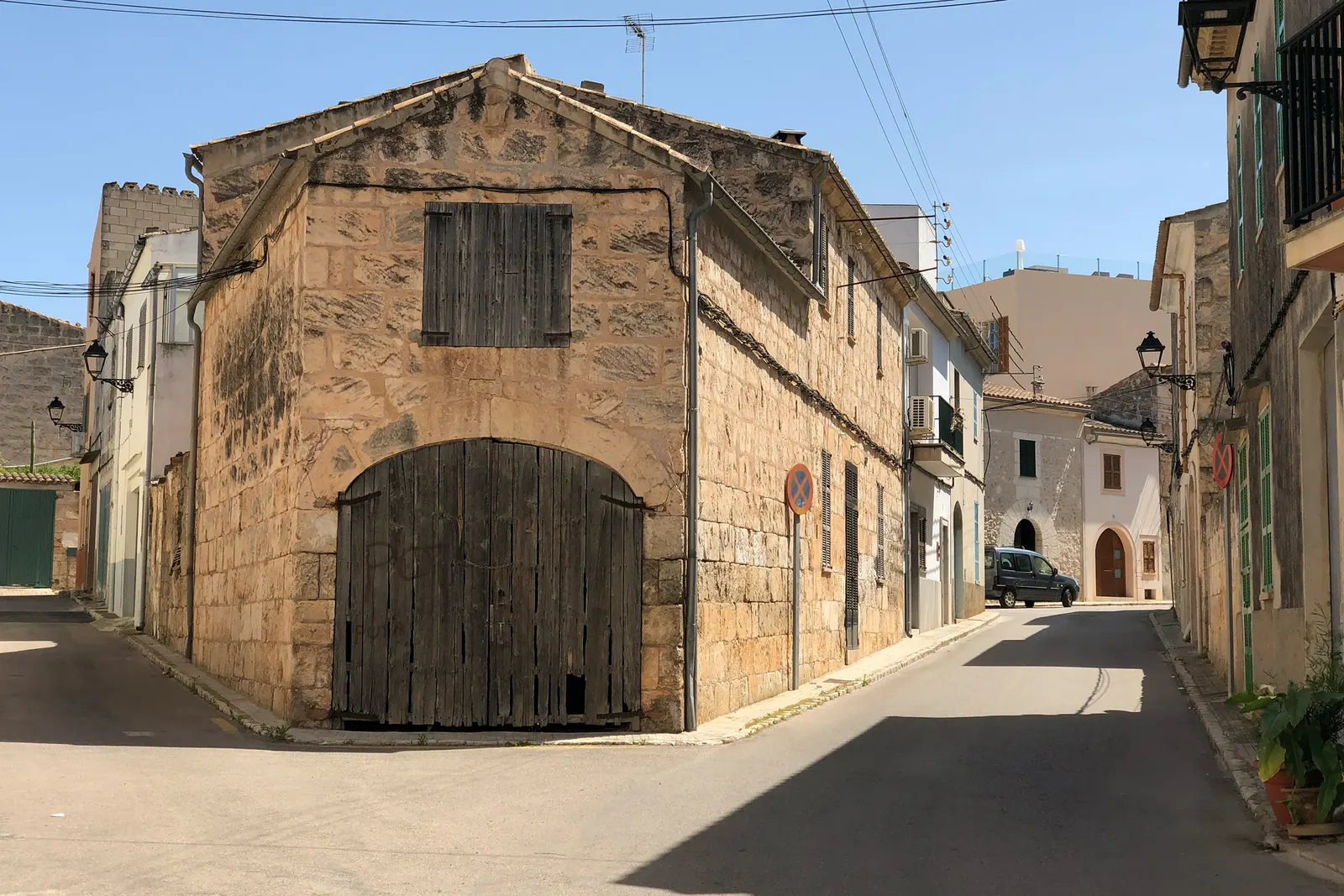
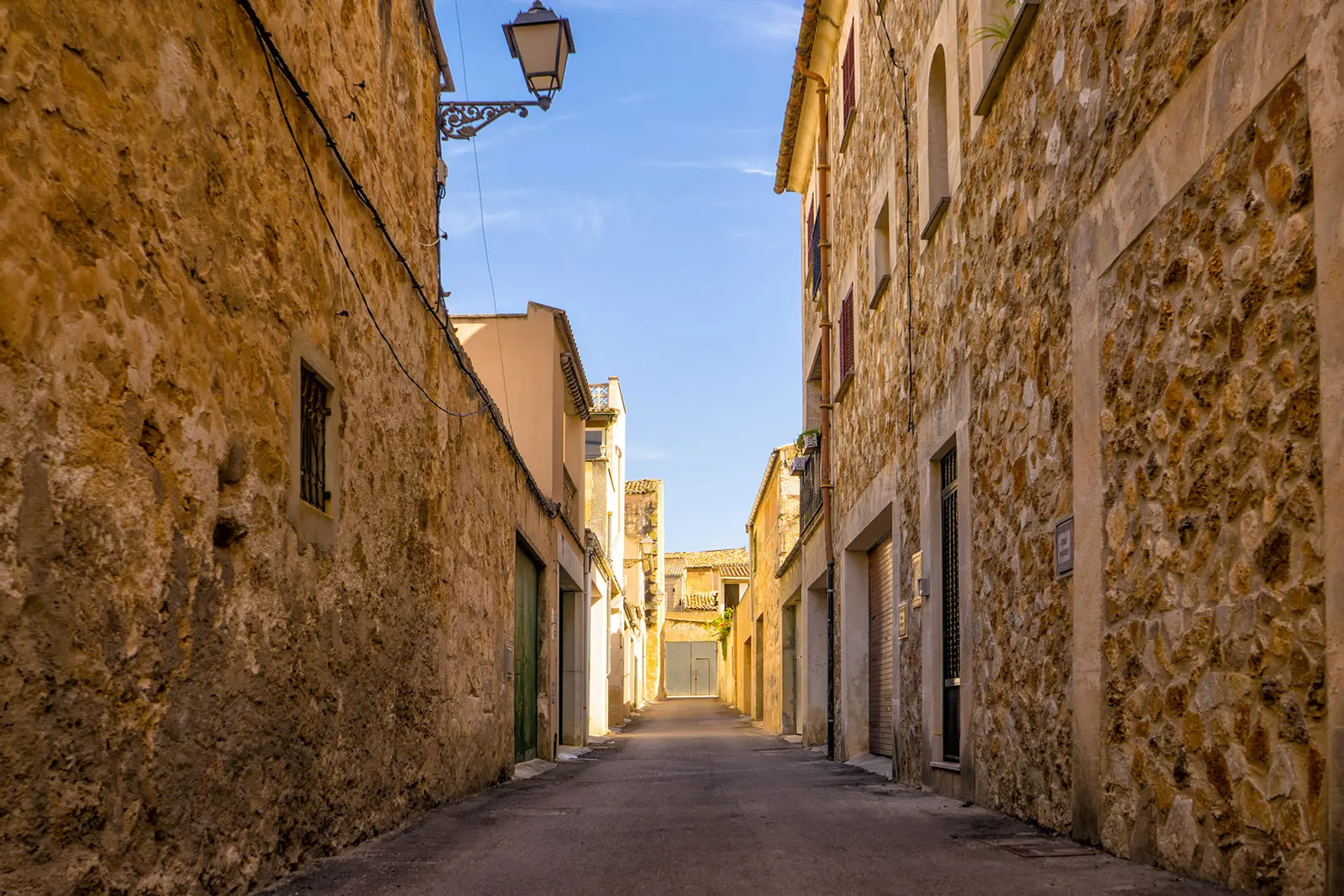
Add the bullring on the edge of town and a walk through the old lanes.
A full day
Visit Muro in the morning, s’Albufera nature park for birdwatching at lunchtime and Platja de Muro in the afternoon. They’re close enough to combine by car.
On a rainy day
A good northern option, with the museum, church and cafés indoors and mainly local people about.
Local celebrations
- 24 June — Sant Joan Baptista The patron saint’s festival on the main square, the area’s first major summer celebration.
Practical details
- Parking
- Free and straightforward in town.
- Public transport
- Services from Alcúdia, Can Picafort, Sa Pobla and Inca.
- Time to allow
- Two to three hours.
- Good to know
- Museu Etnològic is at Carrer Major 15 and belongs to the Museum of Mallorca. Check opening hours first; it isn’t open all day.
- Bus
- Services from Alcúdia, Can Picafort, Sa Pobla and Inca.
- Shops and services
- Supermarkets: Several in town, open year-round. · Pharmacy: Several. · Medical care: Health centre in town; hospital in Inca. · Cash machines: Plenty. · Fuel: On the roads out of town.
- Access
- Paved lanes, rising gently in the centre. · Pushchairs: Mostly manageable. · Wheelchairs: Main routes are accessible. · Dogs: Straightforward.
- What you will not find
- Beach · Nightlife · Souvenir shops · A busy visitor scene
- Coordinates
- 39.7345,3.0554 Google Maps Apple Maps
Within reach
Places to visit
Nearby

A small pilgrimage chapel among pines near Sa Pobla, on the site of an older settlement. A paved path leads up to …
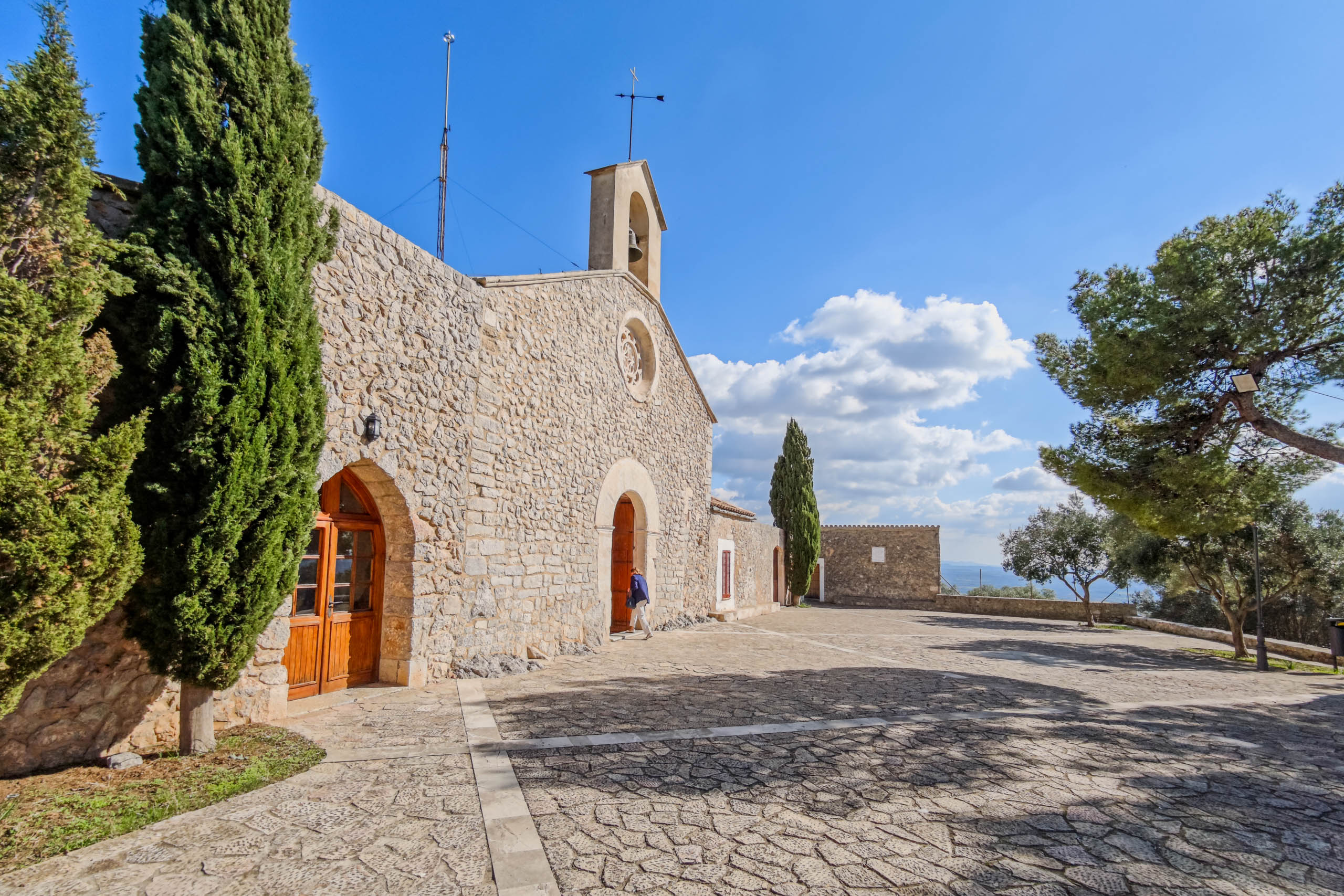
A small chapel and a wide view across Mallorca. Santa Magdalena stands on a hill near Inca. The winding climb is …

A church among the pines, beside the old Son Serra estate with its towers and farm buildings. A glimpse of the …

A quieter cave visit near Campanet, with limestone formations rather than a boat ride or colourful show. Allow …

One of Mallorca's oldest churches, standing alone among the fields outside Campanet. Built on the site of a mosque …
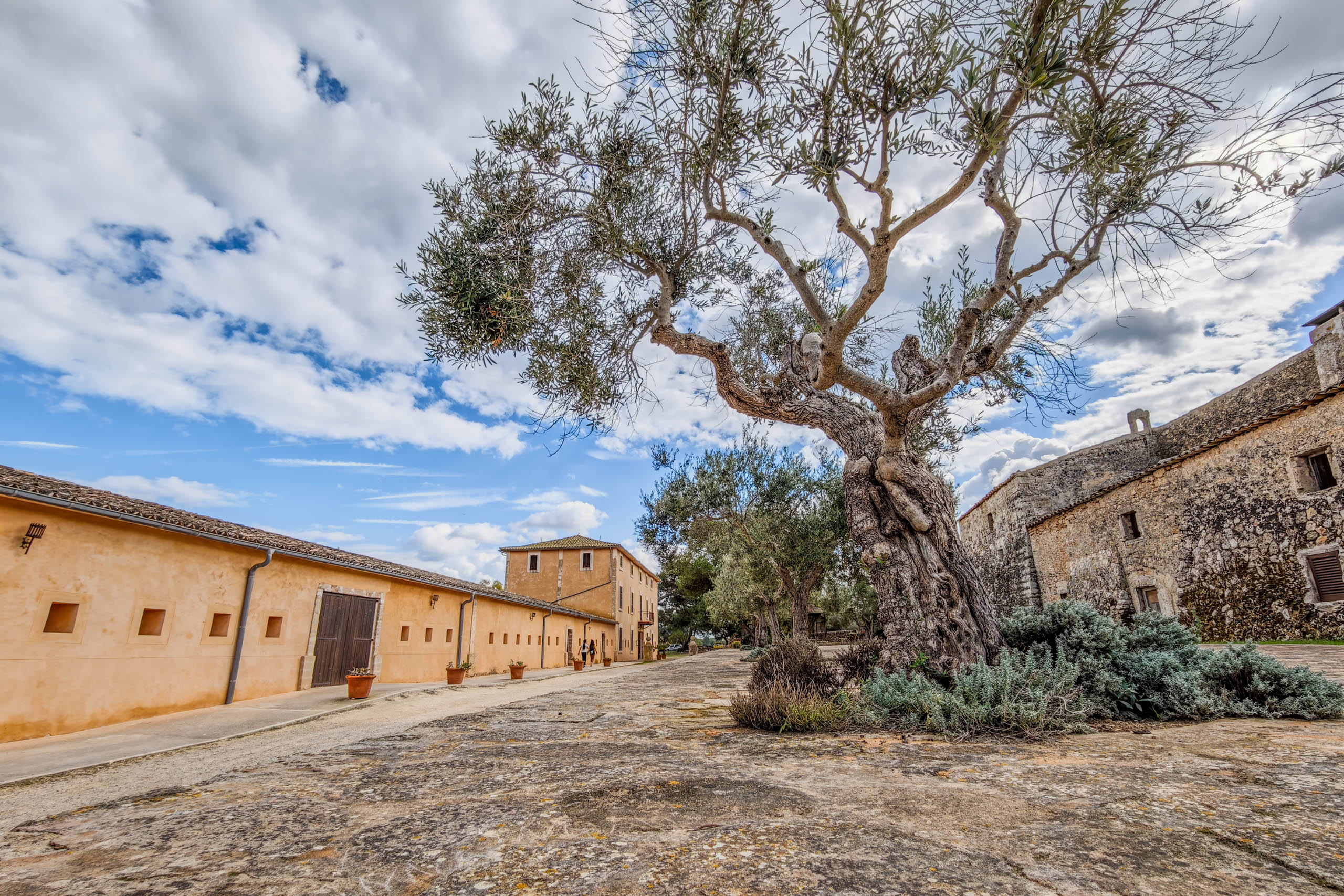
Old farm buildings, gnarled olive trees and a museum about earlier life on Mallorca. Son Real lies between Can …
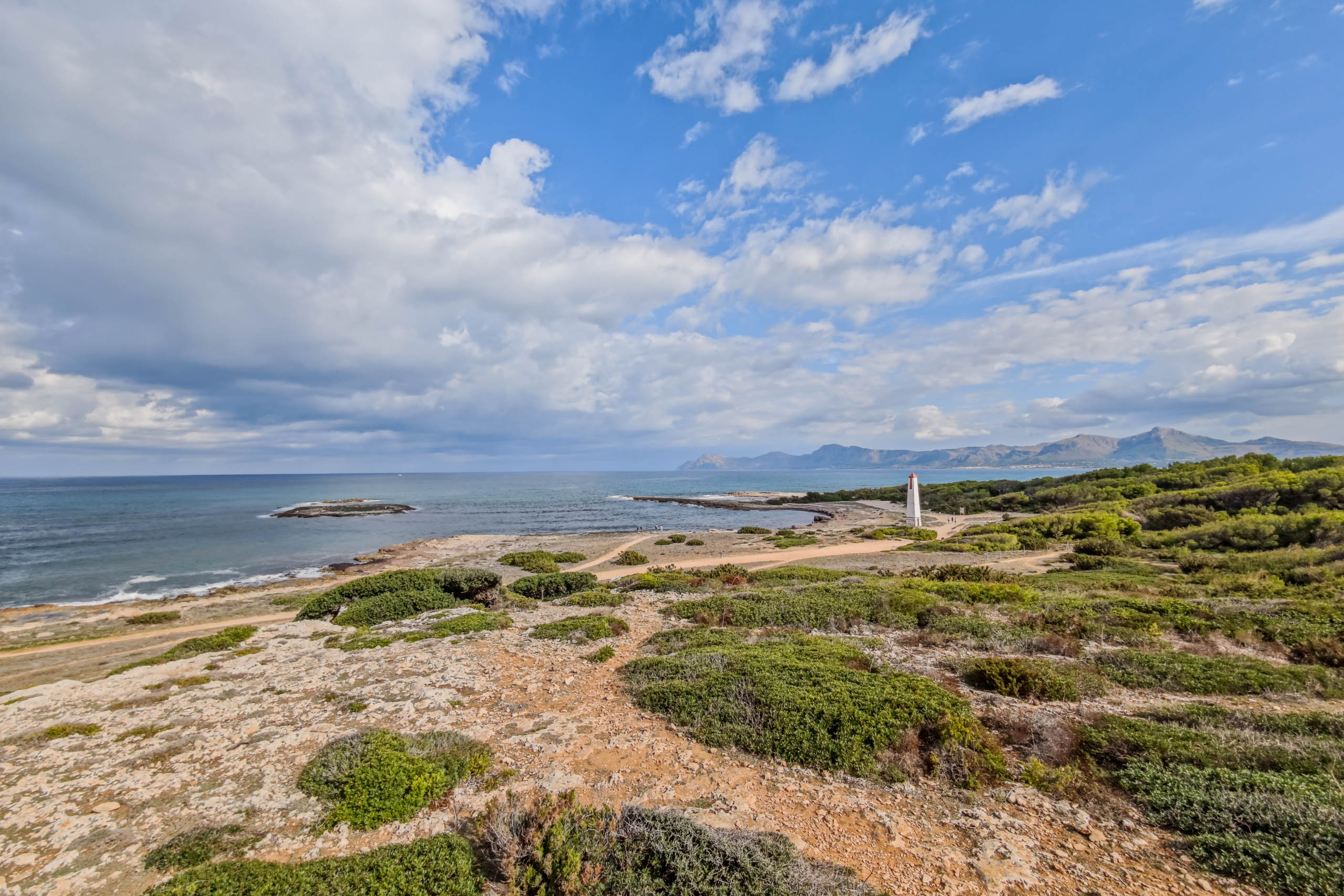
A few steps onto a wooden platform reveal the coast of Son Real. A dolmen lies beside the viewpoint, with the …

A Talayotic burial ground right beside the sea between Can Picafort and Son Serra de Marina. Around 110 tombs …
Distances without a driving time are measured in a straight line. The road journey can be much longer; known driving times are shown alongside.
Where to swim nearby
Beaches and swimming nearby

A small fishing settlement first recorded in 1860 has become a busy holiday resort. Come for the beach, the …

A long sandy stretch of the Bay of Alcúdia, with protected dunes and pines at Es Comú rather than a continuous …
Explore from here
Your questions answered
Your questions about Muro
Is Muro the same as Platja de Muro?
No. Platja de Muro is the beach on the Bay of Alcúdia; Muro is the town inland. They share a municipality but are different places, one with a church, museum and bullring, the other with five and a half kilometres of sand.
What makes Muro’s church unusual?
Sant Joan Baptista is a substantial late-Gothic parish church from the 16th century. Its detached square bell tower is joined to the nave by a narrow bridge, giving the building its distinctive outline.
What does Museu Etnològic show?
Rural Mallorcan life, including traditional furniture, a jeweller’s workshop and a water-lifting wheel in the garden. It occupies the Simó family’s 17th-century manor house at Carrer Major 15 and belongs to the Museum of Mallorca.
Does Muro have a bullring?
Yes, on the outskirts, built into an old quarry. Events vary; as in Alcúdia, bullfights on Mallorca have declined considerably.
Is Muro a good rainy-day destination?
Yes, it’s a useful option in the north. The museum, church and cafés are indoors, the town functions year-round and it has fewer coach groups than Alcúdia.
Practical questions
When is the best time to visit Muro?
Recommended months: January, February, March, April, May, June, September, October, November, December. The town functions all year, unlike much of the nearby coast.
Is Muro worth visiting in July and August?
July: worth considering with some reservations. Usually quiet. Heat builds inland. Come in the morning rather than at midday. August: worth considering with some reservations. Usually quiet. Some shops close for holidays.
How far is Muro from Palma airport?
About 48 km from Palma airport. Allow roughly 45 minutes by car. Inland from Platja de Muro. Parking in town is straightforward.
Do I need a hire car for Muro?
A car is useful Services from Alcúdia, Can Picafort, Sa Pobla and Inca.
Where can I park in Muro?
Free and straightforward in town.
Can you swim at Muro?
There is no beach here. See the nearby swimming options on this page.
Can I visit Muro with a pushchair or wheelchair?
Paved lanes, rising gently in the centre. Pushchairs: Mostly manageable. Wheelchairs: Main routes are accessible.
Are dogs allowed at Muro?
Straightforward.
Words and photographs: Friedhelm Fischer. Exploring Mallorca since 2013 — by bike, on foot and with a camera.