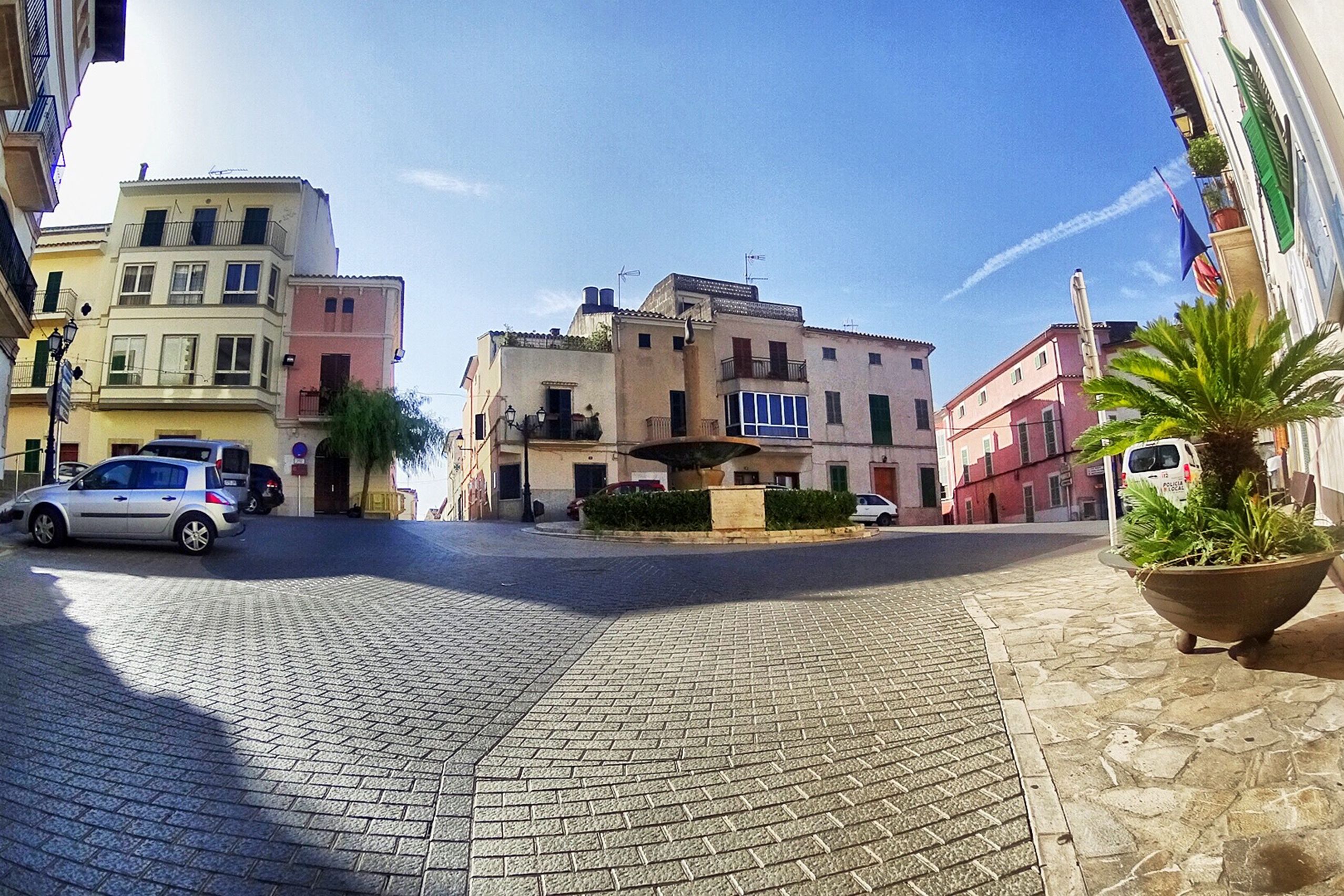
One of Mallorca's smallest municipalities: around a thousand people on a hill surrounded by almond and carob trees. No big attraction, souvenir shopping or hotel-lined streets — and that is precisely why I take the detour.
Búger
Búger in 30 seconds
The essentials at a glance
- Worth visiting for
- A short visit
- Best for
- Seeing a Mallorcan village away from the tourist trail
- Best months
- January–May, October–December
- Time to allow
- An hour for the village, or half a day including the surrounding countryside
- Without a car
- Hire car needed
- Parking
- Generally straightforward and free around the village
- Keep in mind
- Expecting a major attraction
- Access
- Pushchairs: Mostly manageable · Wheelchairs: The main streets are accessible, but the lanes towards the church climb uphill
Get a feel for Mallorca. Find your kind of place.
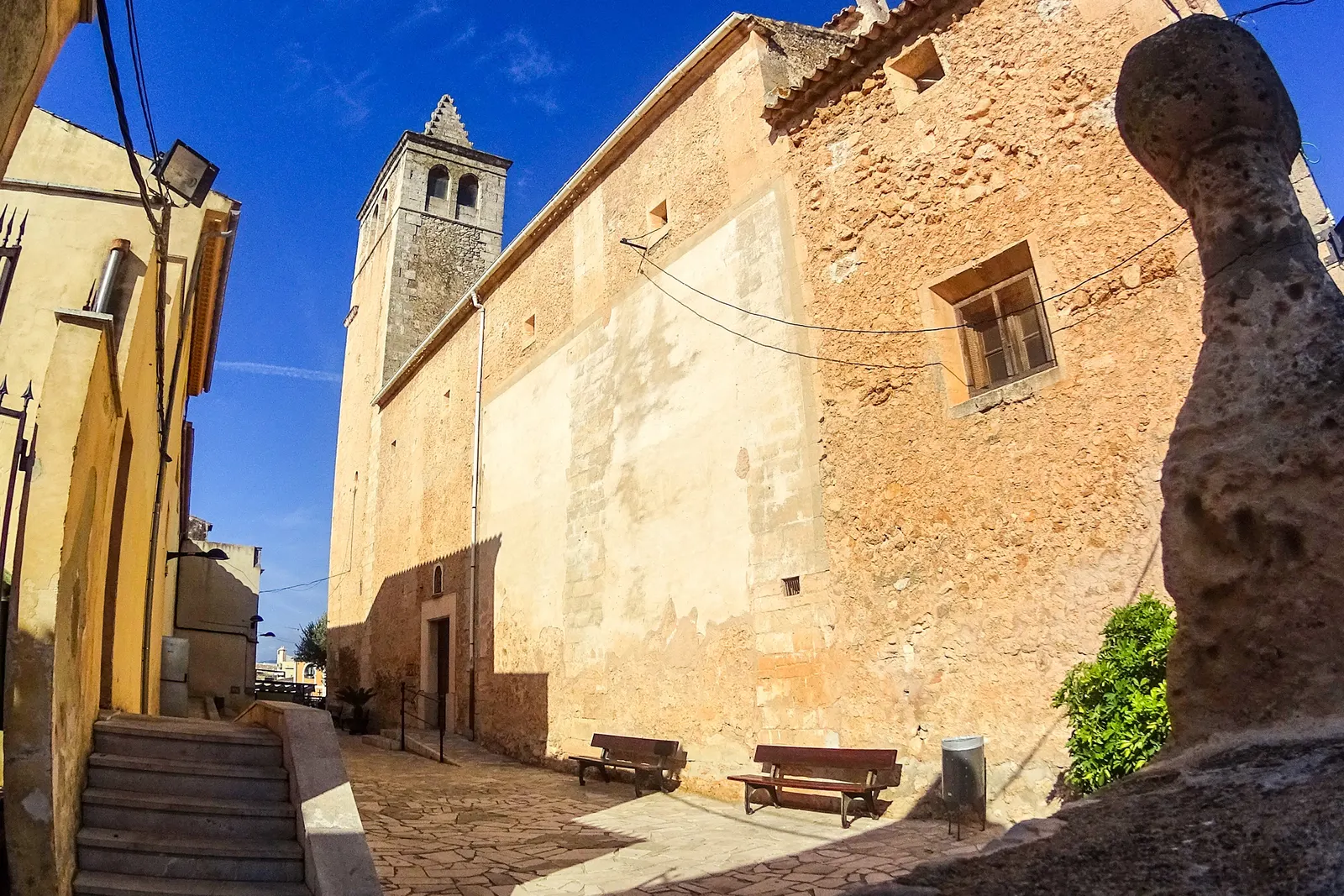
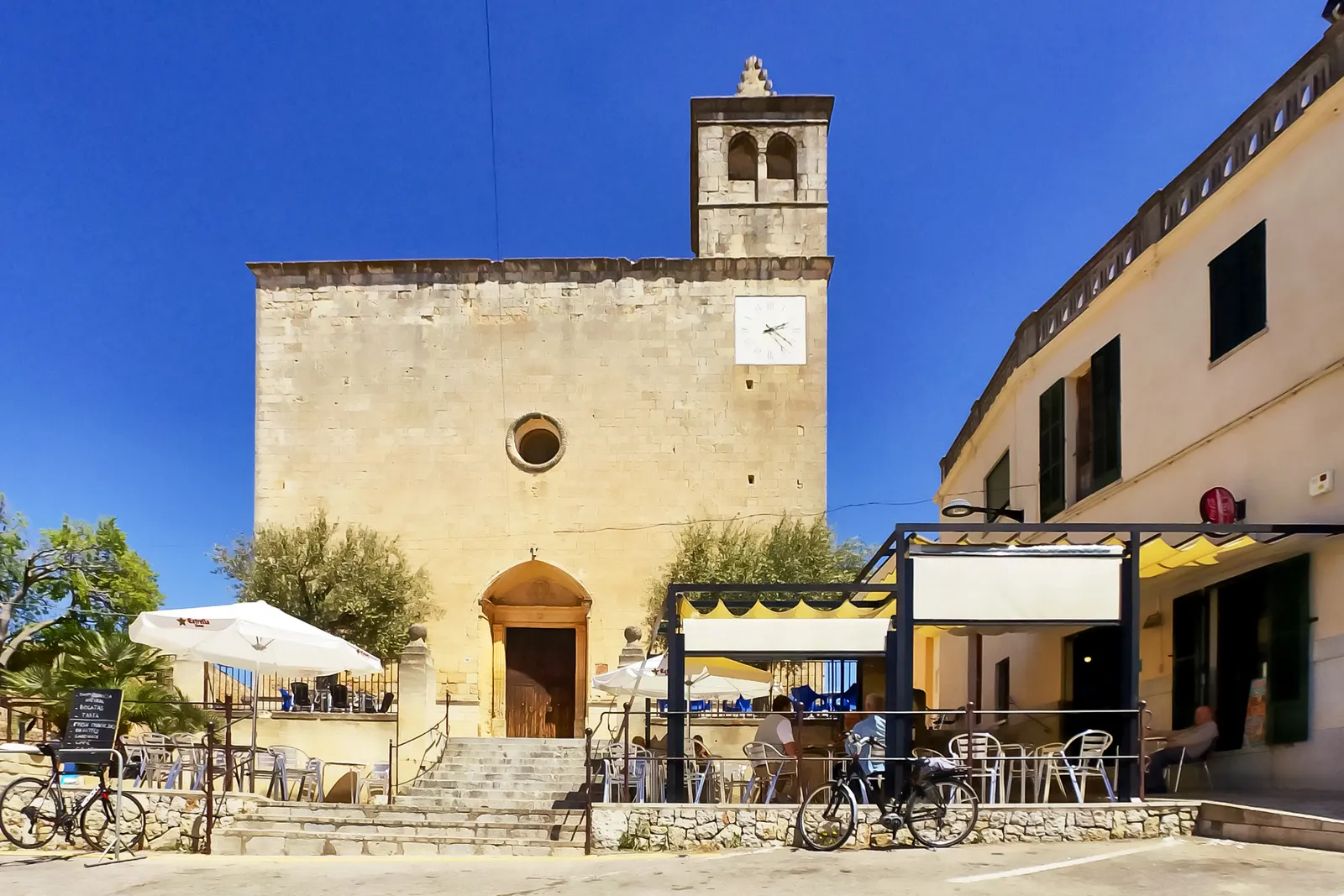
The weathered stonework shows the church's age. It was built in the 17th century and has changed little since.
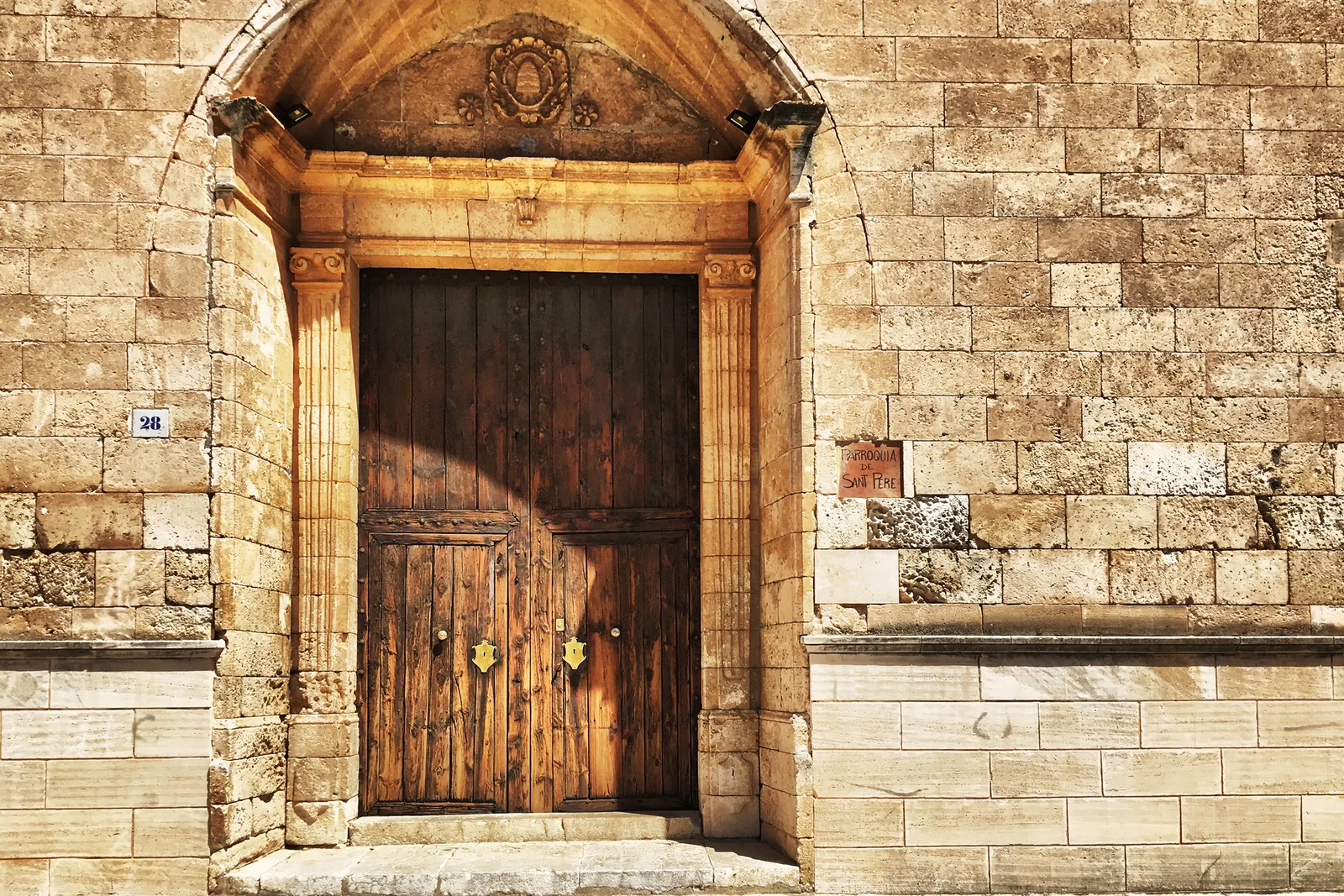
Behind these doors is an organ built by Pere Josep Bosch in 1763.
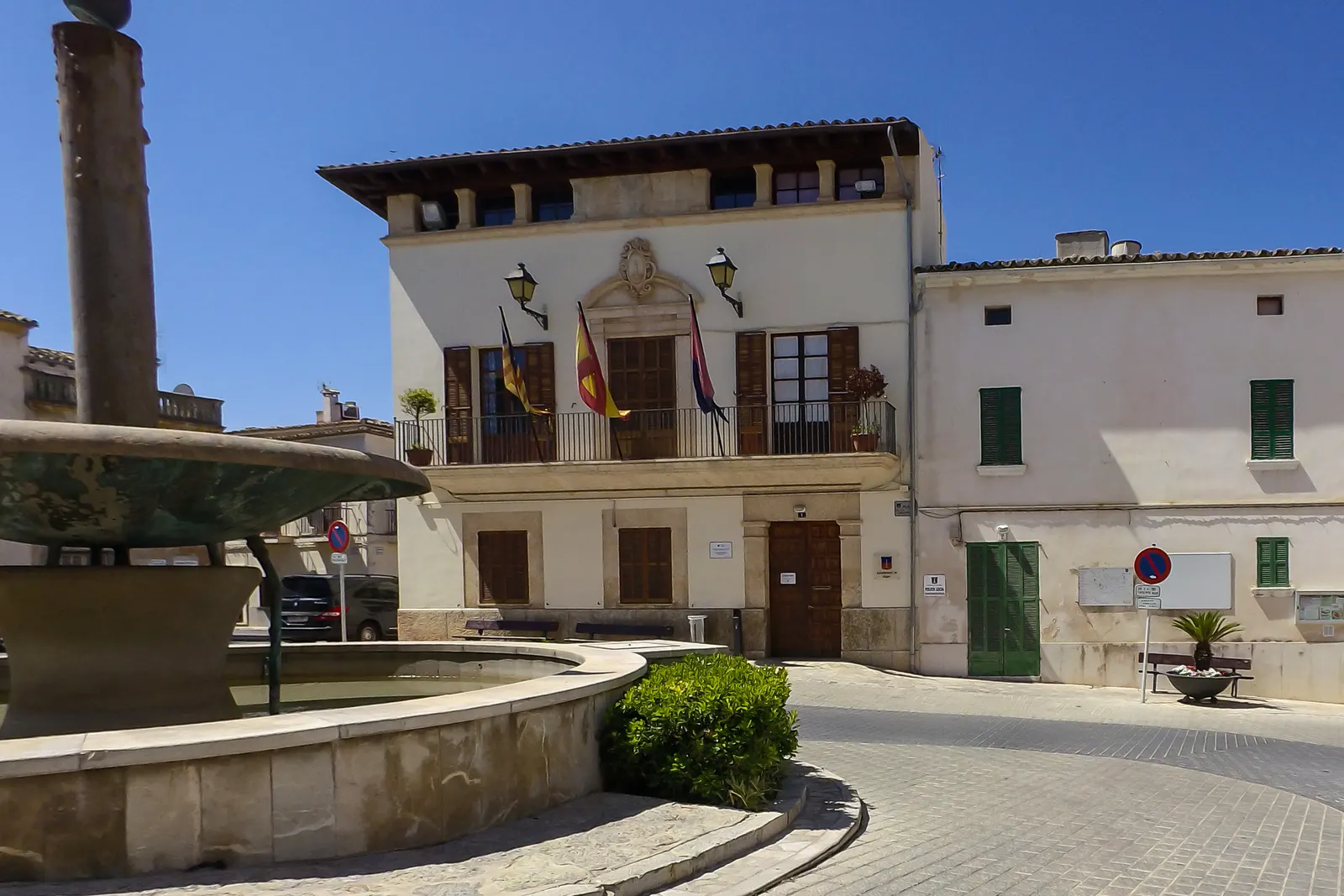
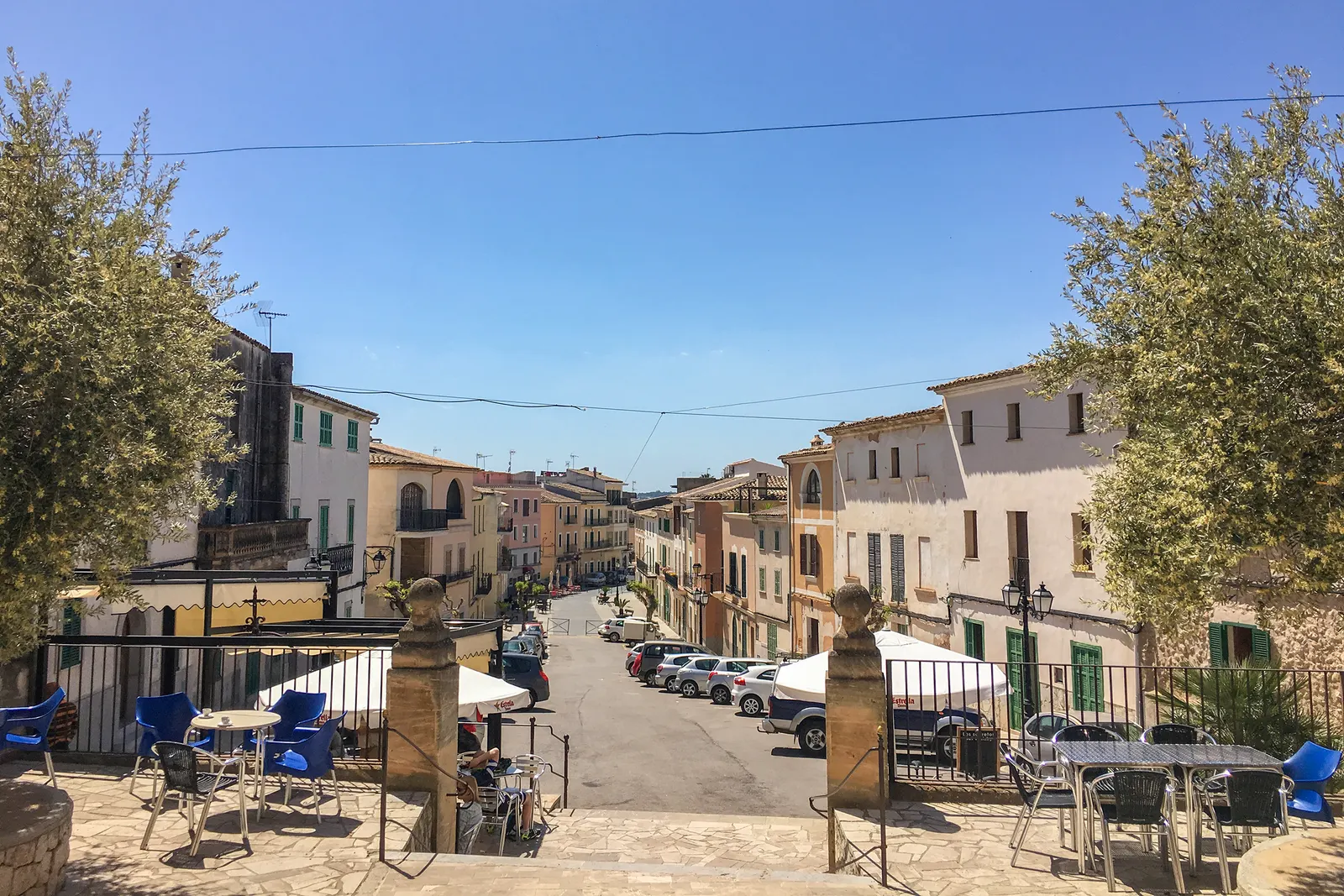
The town hall and well in one of Mallorca's smallest municipalities.
Getting to know Búger
Does Búger suit your plans?
What to expect and what to know before you visit.
Who it suits
- Seeing a Mallorcan village away from the tourist trail
- Visiting the almond groves in blossom in February
- Cycling on the narrow, fairly level and quiet roads nearby
- A stop between Inca and the north coast
Things to bear in mind
- Expecting a major attraction
- Needing plenty of restaurants and shops
- Arriving at midday in high summer, when the village is very quiet
- Swimming — the sea is around 20 km away
Drive from the airport
45 minutes
48 km
Bus connections
Limited services from Inca and Sa Pobla
Region
Raiguer
Elevation
90 m
above sea level
Season guide for Búger
November Worth a visit
Very quiet Open
Worth visiting in January, February, March, April, May, October, November and December. Less suitable in July and August.
Location
Location of Búger
- Region
- Raiguer
- Population
- 1,050
- Elevation
- 90 m above sea level
- Airport
- 48 km , around 45 minutes
- Hire car
- needed
- Worth visiting for
- a brief stop
- Coordinates
- 39.7591,2.9856
A small village above the plain
Búger has around a thousand residents and is one of Mallorca’s smallest municipalities. It stands on a hill in the Raiguer, the countryside below the Tramuntana, between Inca and Sa Pobla.
Almond and carob trees grow all around it. Farming is still part of everyday life here. Come in February for almond blossom, or in autumn to walk through the carob-growing countryside.
What there is to see
Start with Sant Pere parish church. The Bishop of Mallorca granted permission to build it in the mid-16th century, and construction followed in the 17th century. Its organ dates from 1763 and was made by Pere Josep Bosch, from the same Mallorcan family of organ builders responsible for the instrument in Santanyí.
Five stone crosses from the 17th century once marked the village boundaries. They are honoured during the Maundy Thursday procession.
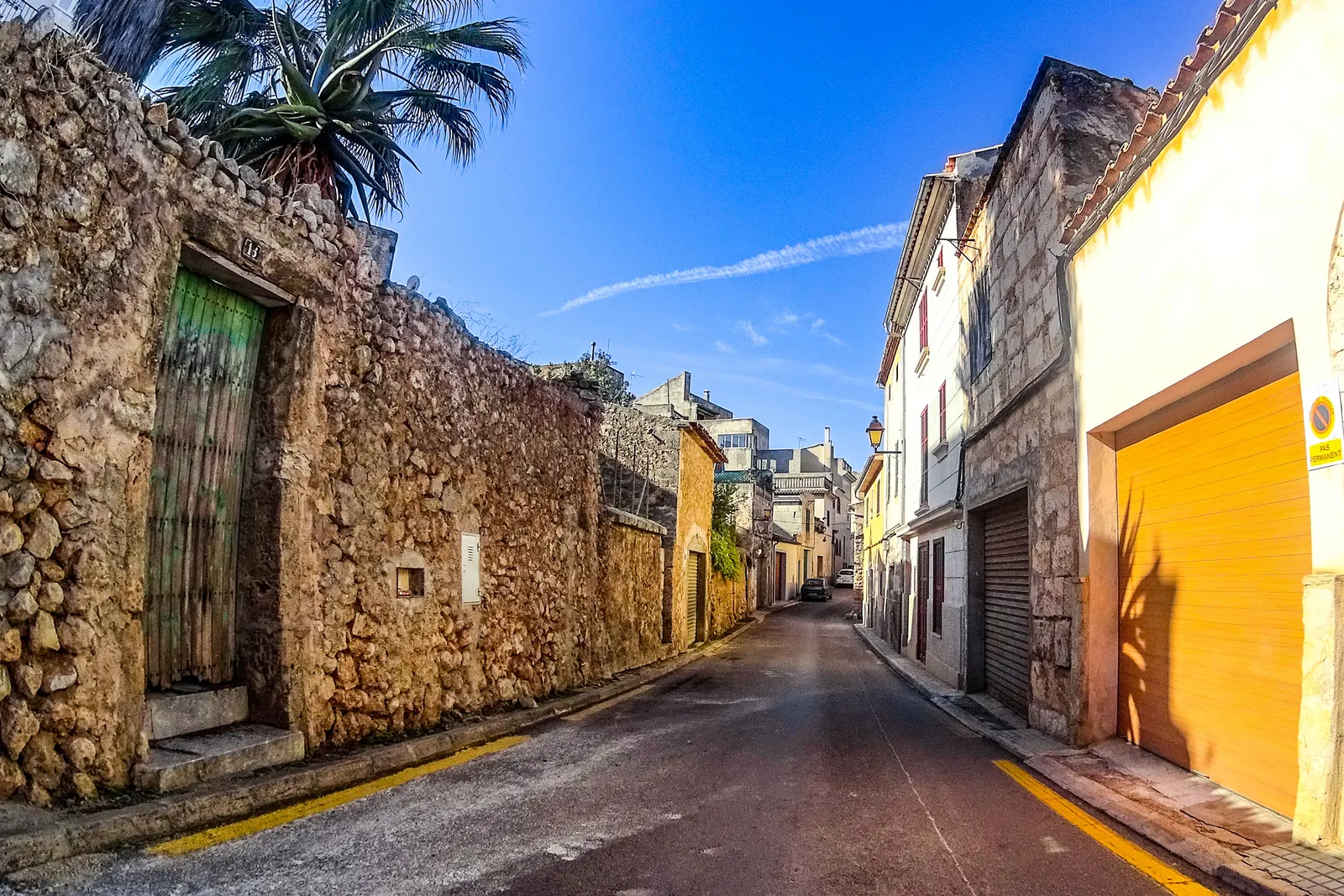
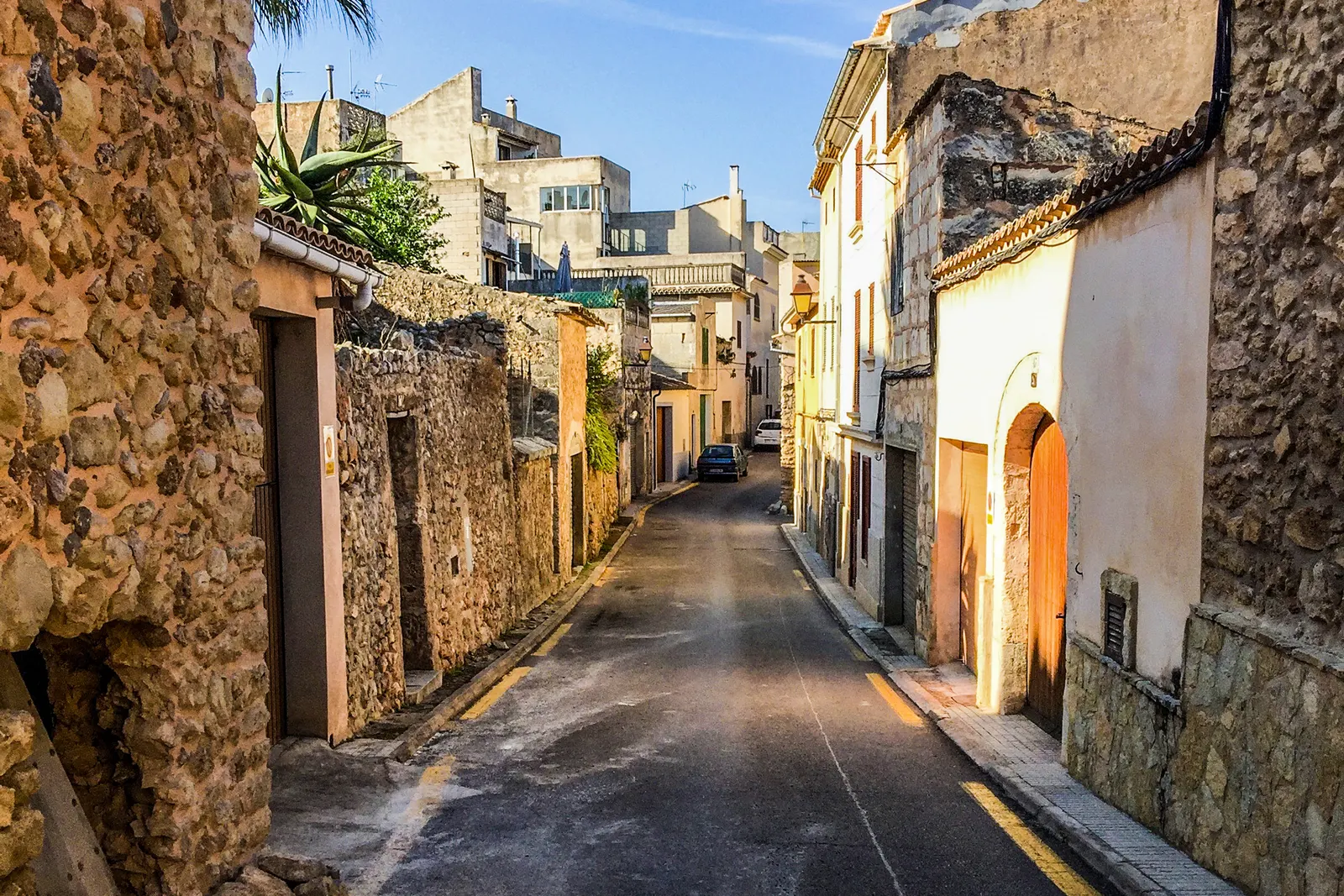
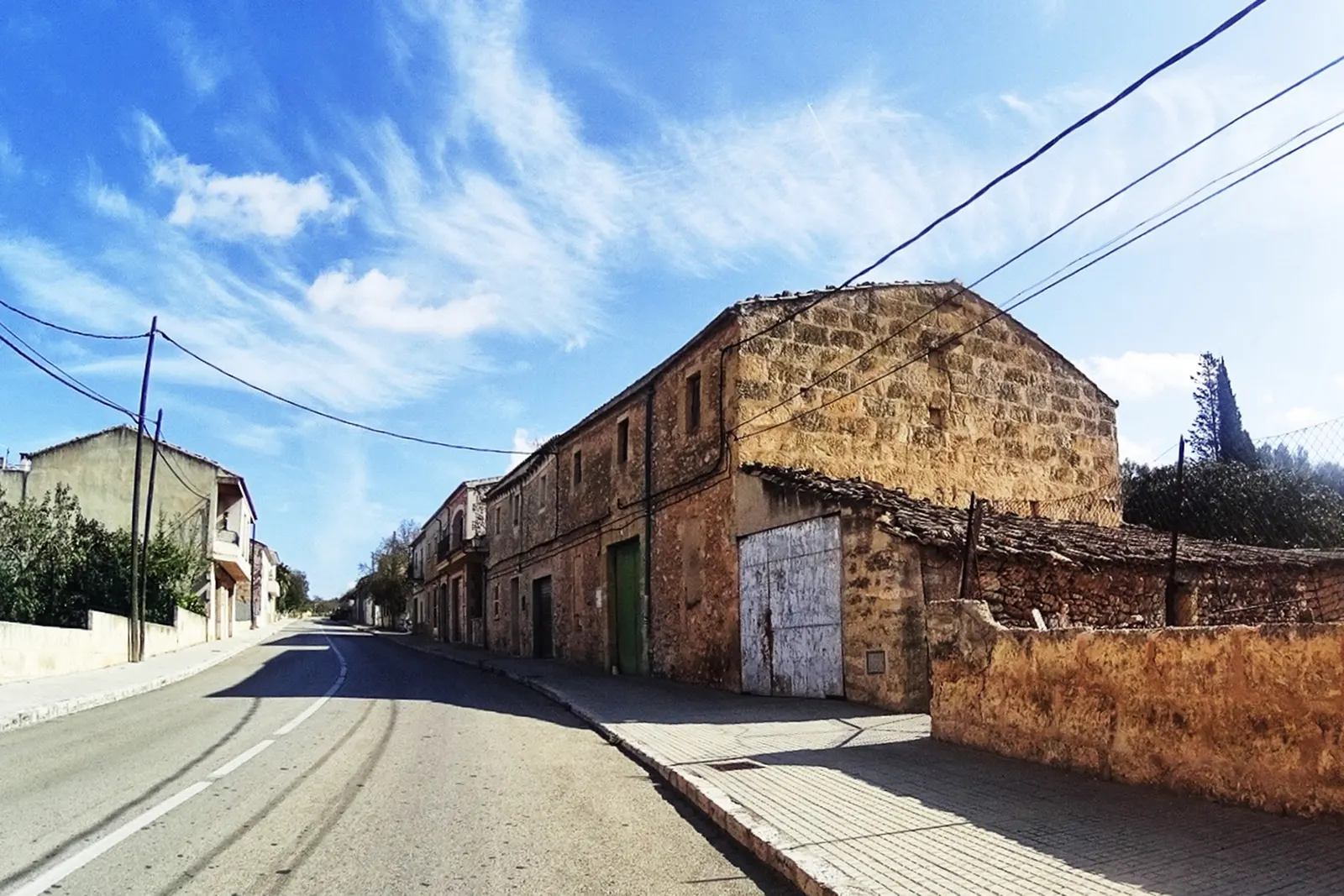
Then there are the lanes, the well, the town hall and the village shop. Take your time and wander.
What to expect
Búger has little tourist infrastructure. You won’t find a string of souvenir shops, museums or ticketed attractions to fill a day. Bus services from Inca and Sa Pobla are limited, so check the timetable before setting off.
For a wider choice of places to eat, head to Sa Pobla, Campanet or Inca.
The village’s early history
The name dates from the Muslim period, when Búger was an estate called Bujar de Rahal Algebel, belonging to Inca. The Can Mossenya cave and remains of a Talayotic settlement at Rafal des Puig show that people lived in the area much earlier.
During Muslim rule, several watermills were built here, taking advantage of the favourable conditions for irrigation.
When to make the detour
February brings almond blossom. April and October are pleasant months for exploring the fields and quiet roads that make this area popular with cyclists. In July and August, the inland heat can leave the village almost deserted at midday.
Búger works best as a stop between Inca or Alcúdia and the mountains, rather than a full-day outing.
Photographs
Búger in Mallorca
How much time do you have?
Things to do in Búger
Three hours
Walk up to Sant Pere church, through the lanes and past the well on the main street. Then head into the fields towards Campanet or Sa Pobla, among the almond and carob trees.
Half a day
Add the caves at Campanet or a visit to Sa Pobla, where the market takes place on Sundays.
A full day
Búger isn't a full-day destination. It makes a very good stop on the way from Inca or Alcúdia towards the mountains.
On a rainy day
There is little to do indoors. Try Inca or the caves at Campanet instead.
Local celebrations
- Maundy Thursday — Procession to the stone crosses The procession honours the five 17th-century stone crosses that once marked the village boundaries.
- 29 June — Sant Pere The village's patron saint's festival.
Practical details
- Parking
- Generally straightforward and free around the village
- Public transport
- Limited services from Inca and Sa Pobla
- Time to allow
- An hour for the village, or half a day including the surrounding countryside
- Good to know
- This is a residential village, with few places to eat. A visit is mainly a stroll through the streets, rather than a round of ticketed attractions.
- Bus
- Limited services from Inca and Sa Pobla; check the current timetable before travelling
- Shops and services
- Supermarkets: A small village shop · Pharmacy: In the village · Medical care: Local surgery; health centre in Sa Pobla · Cash machines: Limited availability · Fuel: In Sa Pobla or Inca
- Access
- Paved and tarmac lanes, rising towards the church · Pushchairs: Mostly manageable · Wheelchairs: The main streets are accessible, but the lanes towards the church climb uphill · Dogs: Generally straightforward
- What you will not find
- A choice of hotels · Souvenir shops · Ticketed visitor attractions · Frequent bus services · A beach
- Coordinates
- 39.7591,2.9856 Google Maps Apple Maps
Within reach
Places to visit
Nearby

A small pilgrimage chapel among pines near Sa Pobla, on the site of an older settlement. A paved path leads up to …

A quieter cave visit near Campanet, with limestone formations rather than a boat ride or colourful show. Allow …

One of Mallorca's oldest churches, standing alone among the fields outside Campanet. Built on the site of a mosque …
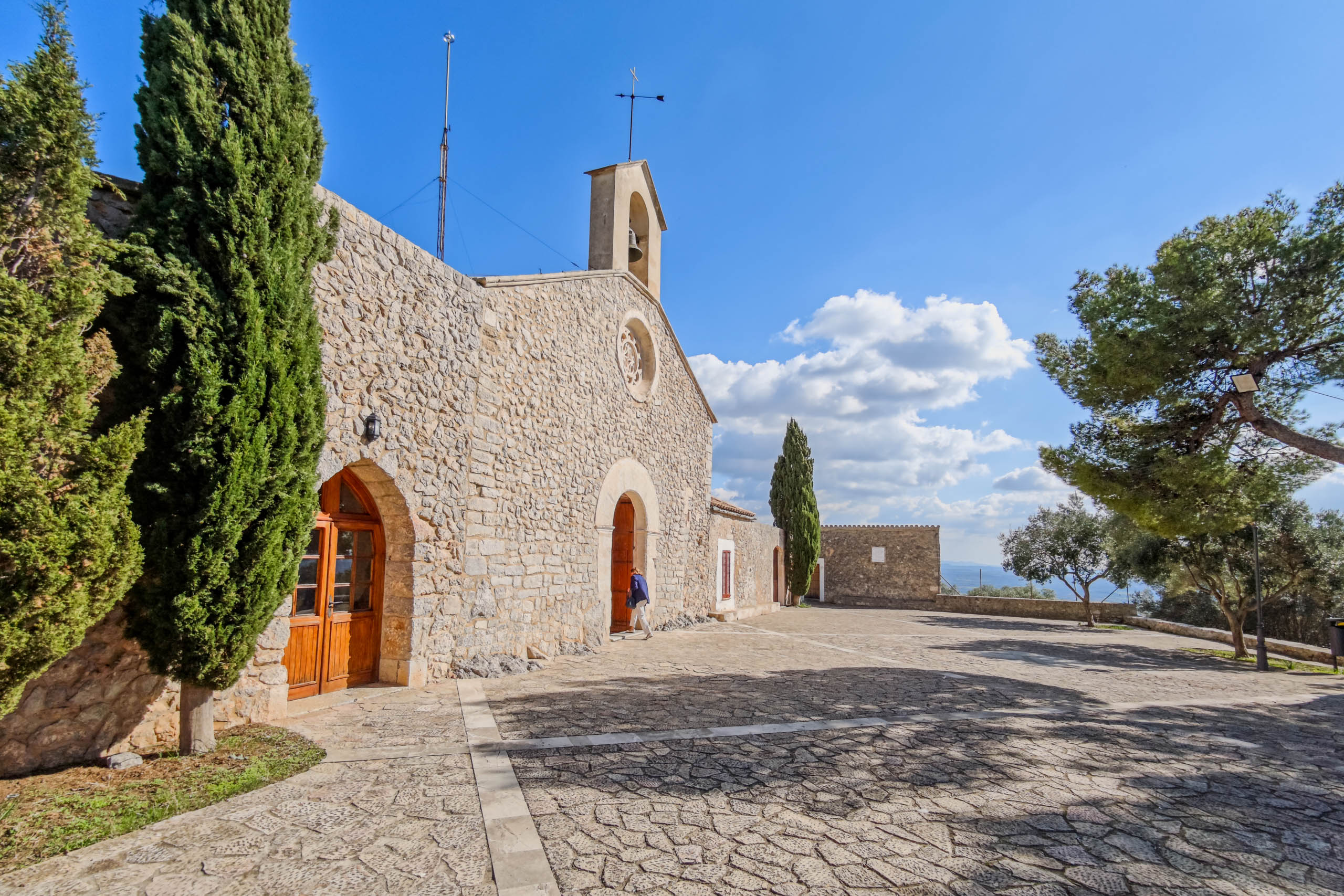
A small chapel and a wide view across Mallorca. Santa Magdalena stands on a hill near Inca. The winding climb is …

A pilgrimage church on a rocky ledge above Mancor de la Vall, documented since 1275. The terrace looks across much …

Mallorca's spiritual centre, a sanctuary at 525 metres in the heart of the Tramuntana, with guest rooms, a …
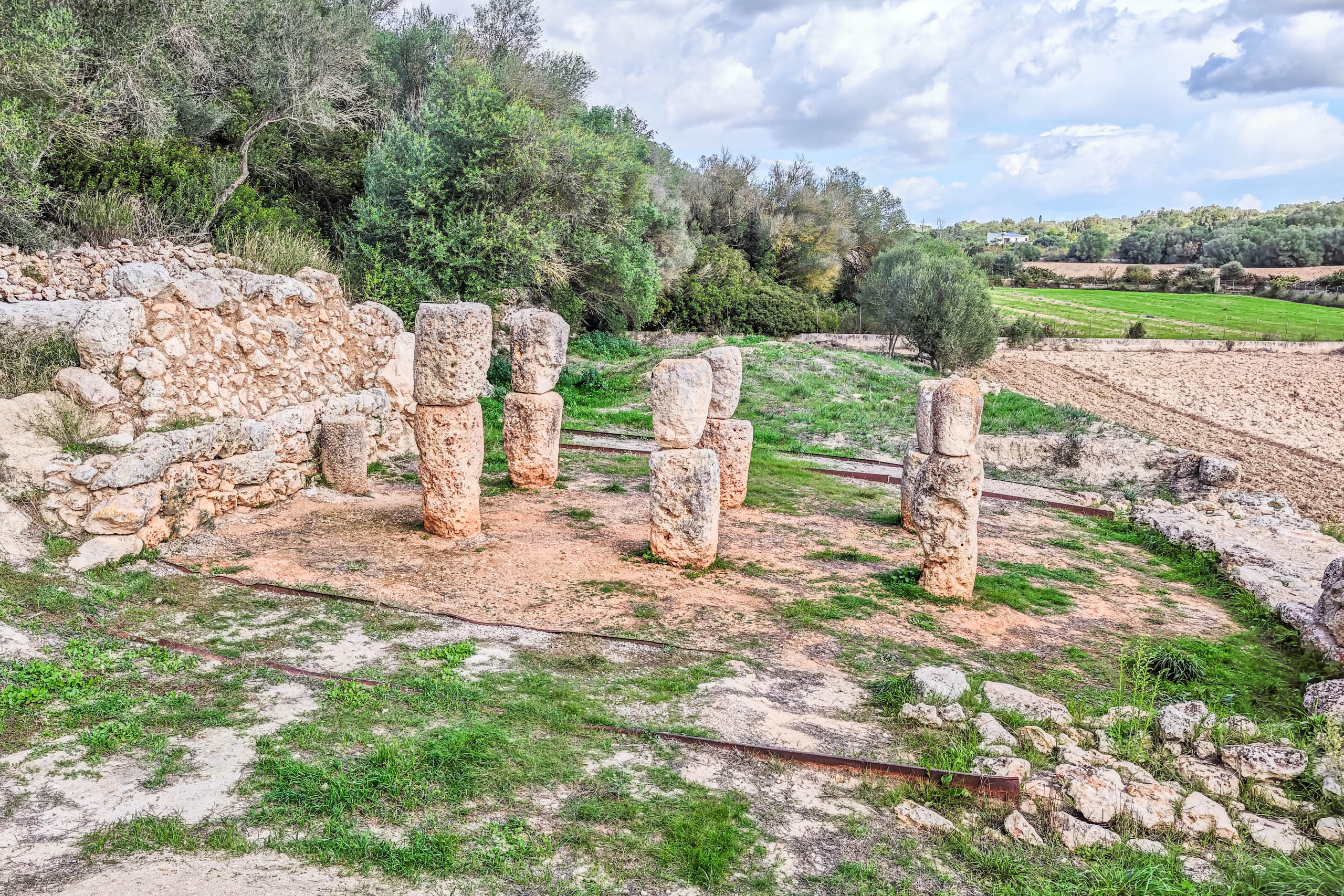
Son Corró is a small prehistoric sanctuary near Costitx. Six re-erected stone columns stand among low walls. The …
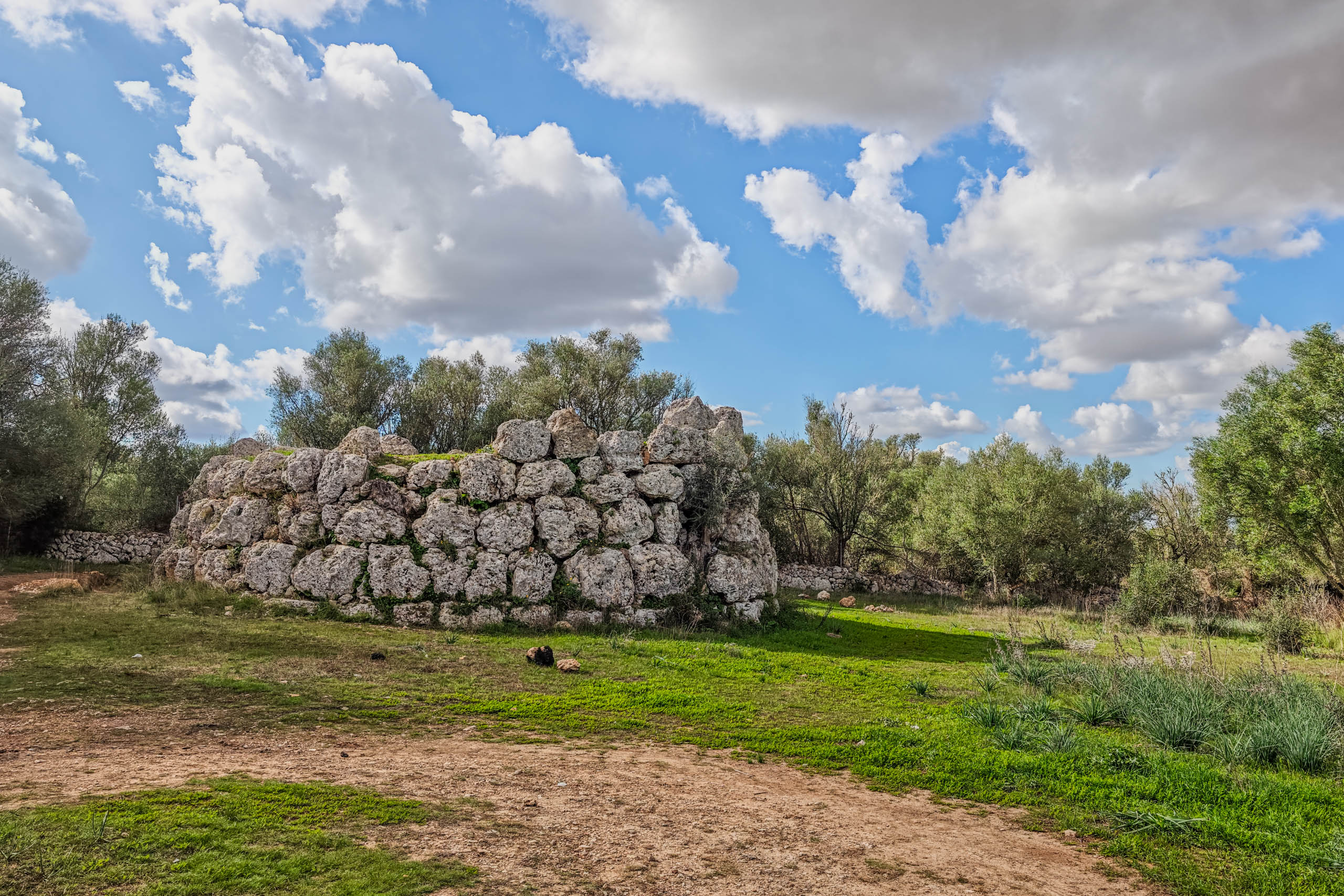
Son Fred is a well-preserved talayot near Sencelles, a round tower built from enormous stone blocks. Duck through …
Distances without a driving time are measured in a straight line. The road journey can be much longer; known driving times are shown alongside.
Explore from here
Your questions answered
Your questions about Búger
Is Búger Mallorca's smallest municipality?
Búger is one of Mallorca's smallest municipalities, with around a thousand residents. It stands in the Raiguer, the strip of countryside below the Tramuntana, between Inca and Sa Pobla.
What is there to see in Búger?
Sant Pere parish church was built in the 17th century, after the Bishop of Mallorca granted permission in the mid-16th century. Inside is an organ made in 1763 by Pere Josep Bosch. There are also village lanes, a well on the main street and five 17th-century stone crosses that once marked the boundaries.
Where does the name Búger come from?
It dates back to the Muslim period, when an estate called Bujar de Rahal Algebel stood here and belonged to Inca. People lived in the area much earlier, as the Can Mossenya cave and remains of a Talayotic settlement at Rafal des Puig show.
When is the best time to visit Búger?
February for almond blossom, or autumn for a walk among the carob groves. The village changes little through the year; the surrounding countryside provides the seasonal variety. In July and August, the inland heat leaves the streets very quiet at midday.
Are there restaurants in Búger?
The choice is limited. This is a residential village, with a small shop and a few local places to stop for a drink. Sa Pobla, Campanet and Inca offer more places to eat.
Practical questions
Is Búger worth visiting in July and August?
July: another month may suit you better. Usually very quiet. Heat builds up inland and the village is deserted at midday. August: another month may suit you better. Usually very quiet. Some businesses take their summer break; temperatures can exceed 33°C.
How far is Búger from Palma airport?
About 48 km from Palma airport. Allow roughly 45 minutes by car. Turn off the Ma-13 between Inca and Sa Pobla. Parking is generally straightforward around the village — an increasingly rare pleasure on Mallorca.
Do I need a hire car for Búger?
A car is needed Limited services from Inca and Sa Pobla; check the current timetable before travelling
Where can I park in Búger?
Generally straightforward and free around the village
Can you swim at Búger?
There is no beach here. See the nearby swimming options on this page.
Can I visit Búger with a pushchair or wheelchair?
Paved and tarmac lanes, rising towards the church Pushchairs: Mostly manageable Wheelchairs: The main streets are accessible, but the lanes towards the church climb uphill
Are dogs allowed at Búger?
Generally straightforward
Words and photographs: Friedhelm Fischer. Exploring Mallorca since 2013 — by bike, on foot and with a camera.