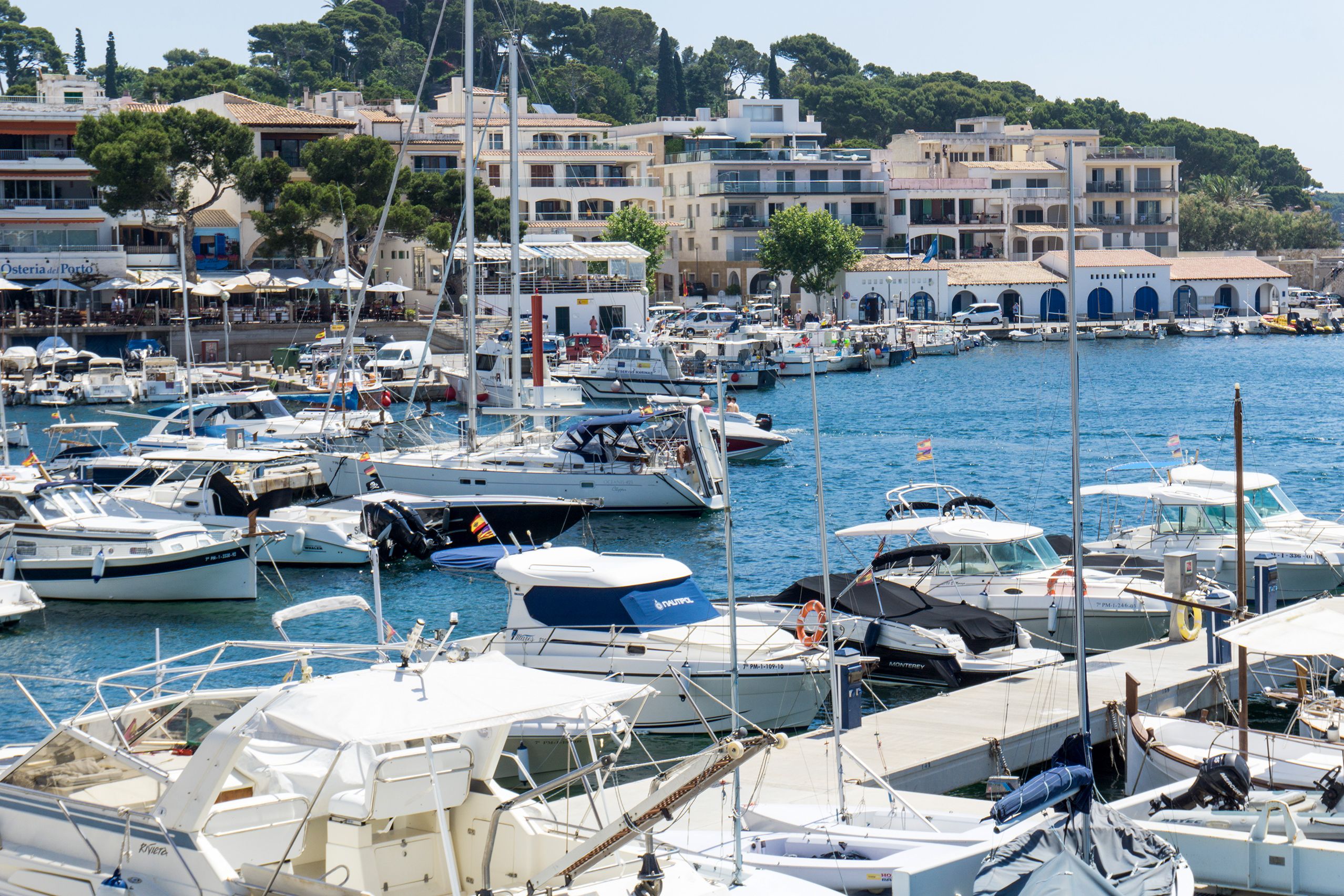
A working fishing harbour and lively holiday resort on Mallorca's north-east coast. Three different beaches are within reach on foot, with a 19th-century lighthouse and sculpture gardens on the hills above.
Cala Ratjada
Cala Ratjada in 30 seconds
The essentials at a glance
- Worth visiting for
- A longer stay
- Best for
- Having several different beaches within walking distance
- Best months
- March–June, September–October
- Time to allow
- A week as a holiday base, or half a day for a visit
- With children
- Son Moll suits families in calm conditions; supervise children at all beaches
- Without a car
- Easy enough
- Parking
- Paid spaces in the centre and near the harbour, scarce during summer mornings. Cala Agulla has a large paid car park.
- Getting into the water
- Sandy access at Son Moll and Cala Gat, with rocky edges nearby
- Keep in mind
- Quiet in July and August
- Access
- Pushchairs: Straightforward on the promenade, less so on coastal paths · Wheelchairs: The promenade and harbour are generally accessible; access to individual beaches varies
Get a feel for Mallorca. Find your kind of place.
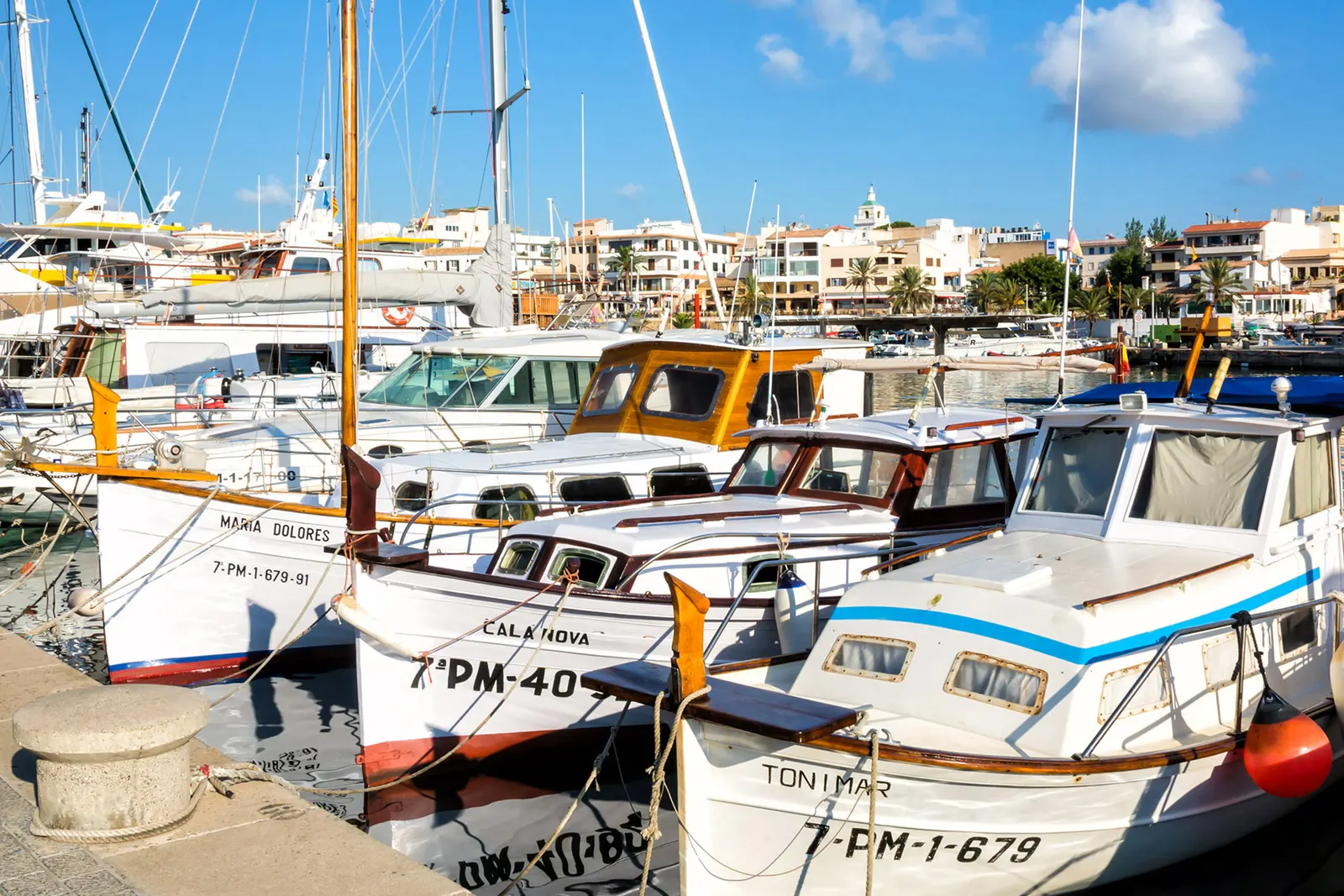
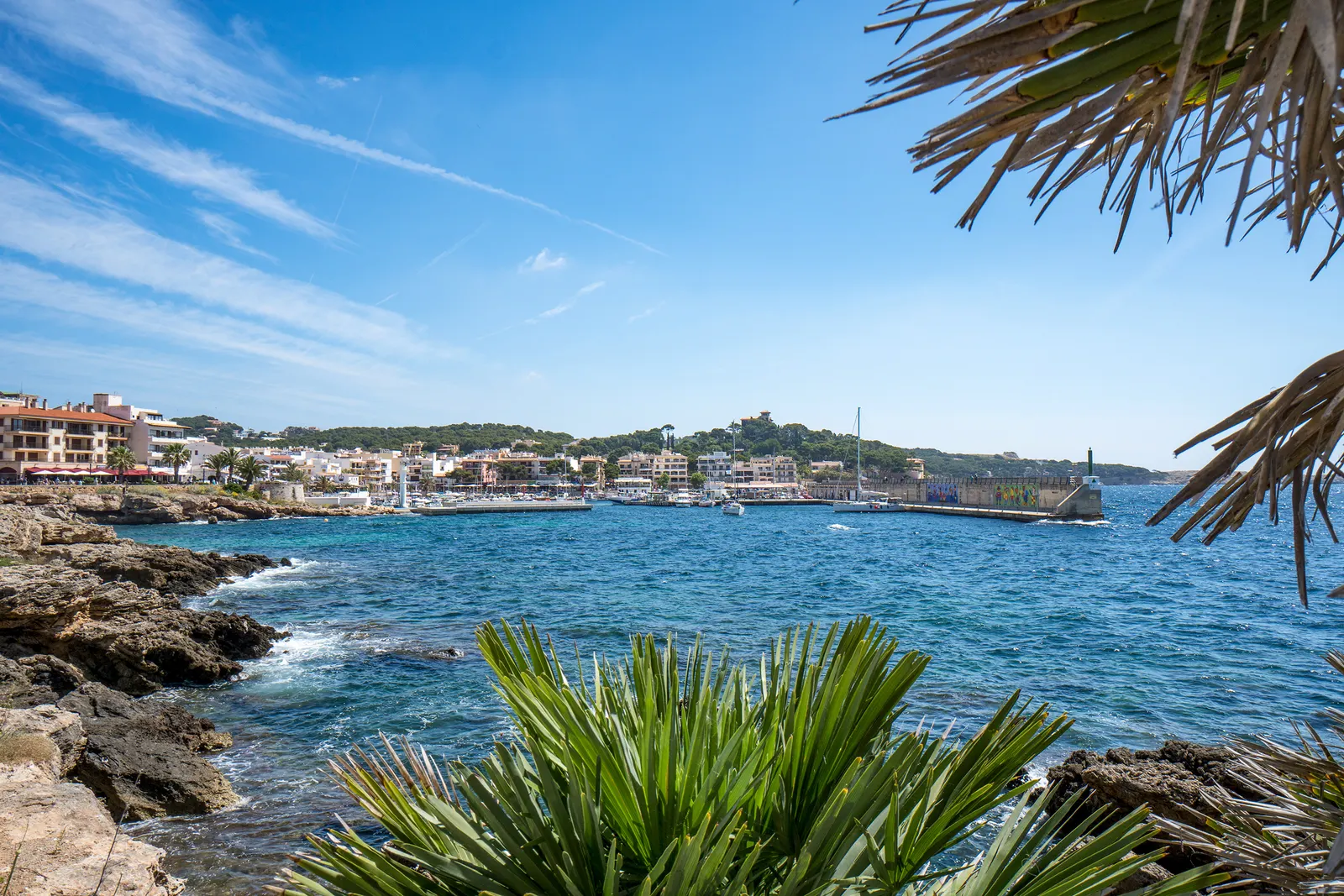
Working fishing boats remain part of everyday harbour life.
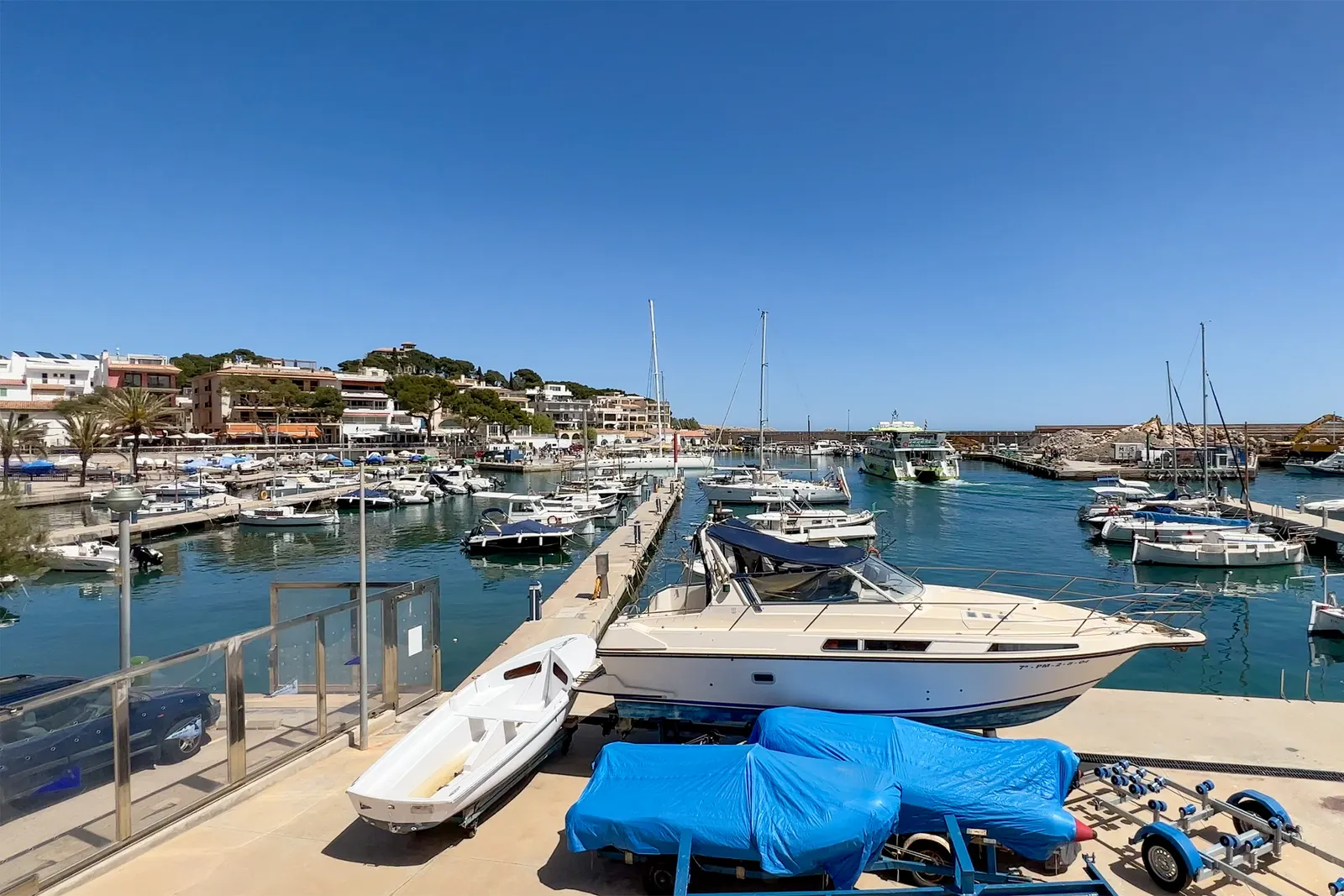
Fishing boats and leisure craft share the harbour.
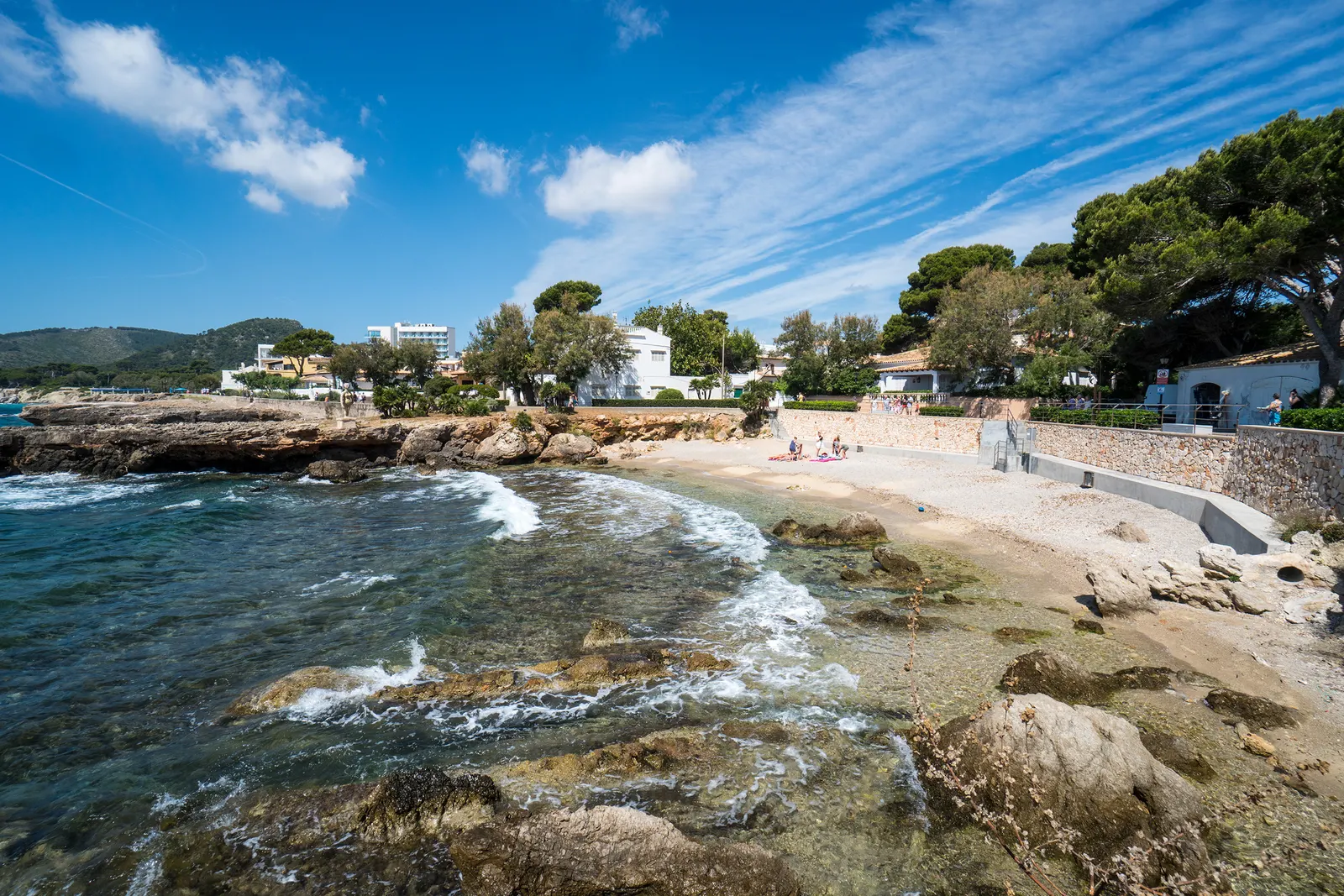
Platja de Na Ferradura sits among the resort buildings, with a short walk from nearby accommodation.
Getting to know Cala Ratjada
Does Cala Ratjada suit your plans?
What to expect and what to know before you visit.
Who it suits
- Having several different beaches within walking distance
- Seeing a working fishing harbour as well as leisure boats
- A holiday without a car, with everyday needs close together
- Coastal walks towards Cala Gat and the lighthouse
Things to bear in mind
- Quiet in July and August
- An undeveloped village
- Full resort services in winter
- One long, continuous sandy beach
Drive from the airport
80 minutes
80 km
Bus connections
Connections towards Capdepera
Region
Llevant
Nearest beach
Cala Agulla
1 km
Elevation
10 m
above sea level
Season guide for Cala Ratjada
November Worth considering
Very quiet Some places closed
Worth visiting in March, April, May, June, September and October. Less suitable in July and August. Mostly closed in January, February and December.
Location
Location of Cala Ratjada
- Region
- Llevant
- Municipality
- Capdepera
- Population
- 6,000
- Elevation
- 10 m above sea level
- Airport
- 80 km , around 80 minutes
- Hire car
- not essential
- Worth visiting for
- a longer stay
- Coordinates
- 39.7117,3.4597
Fishing port and holiday resort
Cala Ratjada grew as a fishing settlement connected with Capdepera, with its origins generally traced to the 17th century. Fishing remains part of the town today, alongside the holiday trade.
The port was once known for lobsters. The old white storage buildings at the eastern edge of the harbour recall that history.
German-speaking exiles settled here in the early 1930s, forming part of the town’s long connection with German-speaking visitors. Later tourism brought more services for those guests. A Protestant community holds German-language worship; check its current schedule if you would like to attend.
Choosing a beach
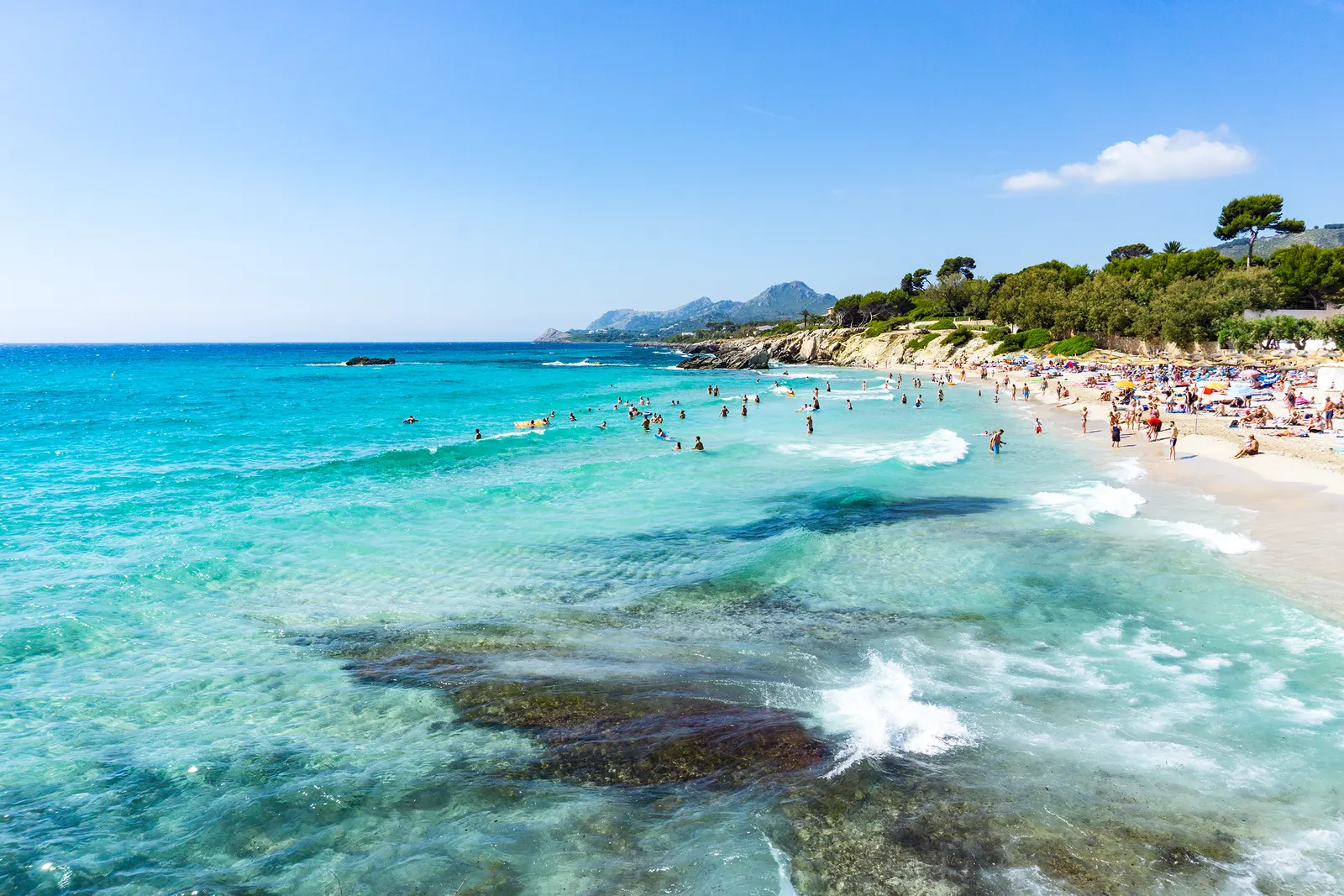
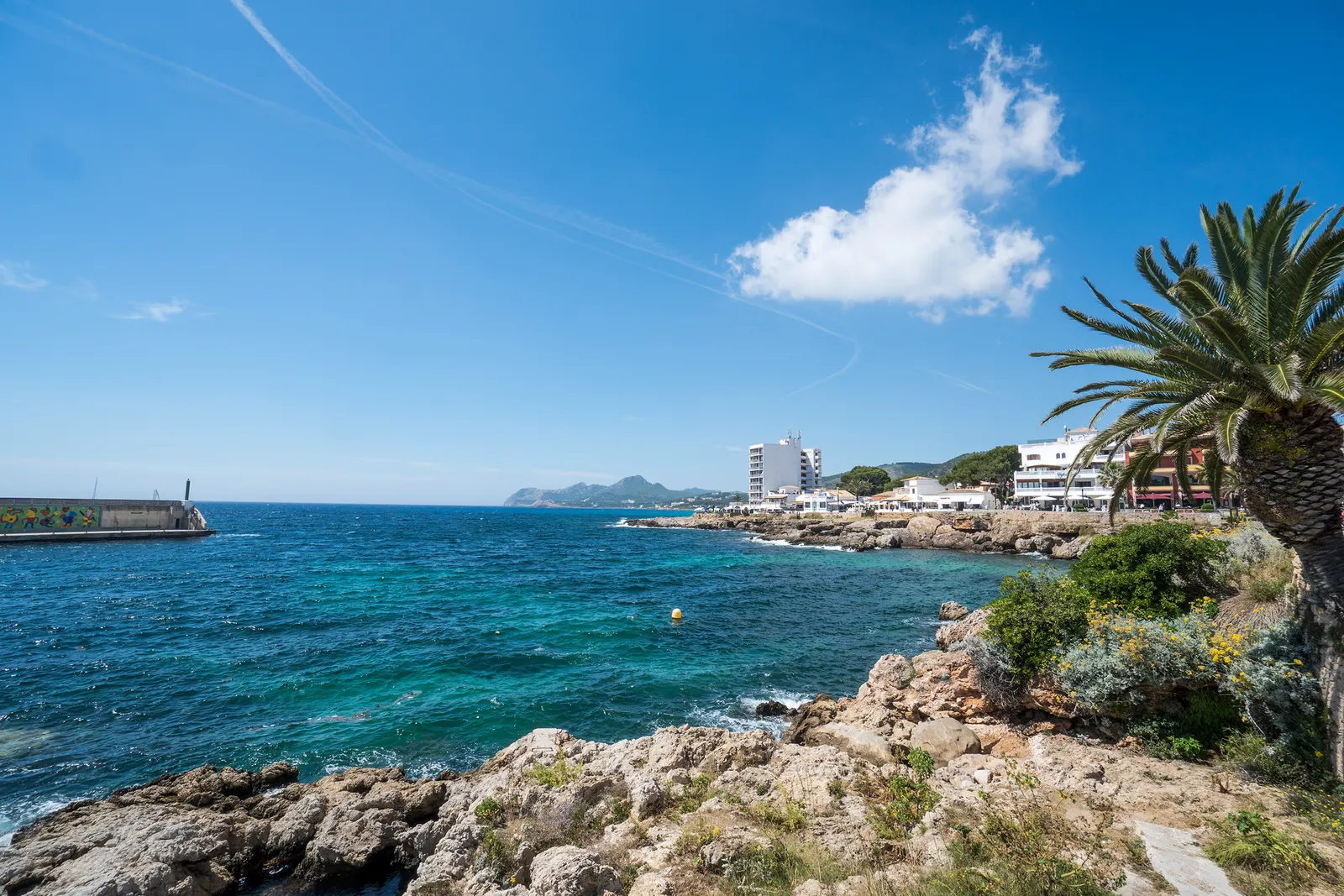
Three nearby beaches offer different sorts of day.
Son Moll is the town beach, with convenient access, seasonal services and little shade. It gets busy in summer.
Cala Gat is small, with pines around its edges, and reached along the coastal path beyond the harbour. Arrive early for more choice of space.
Cala Agulla, to the north-west, is larger and backed by dunes and pine woods. The walk from central parts of the resort takes a good half-hour; check current public transport if you prefer not to walk.
Further north lies Cala Mesquida. Rocky stretches between the beaches can be good for snorkelling when the sea is calm, though access and conditions need checking.
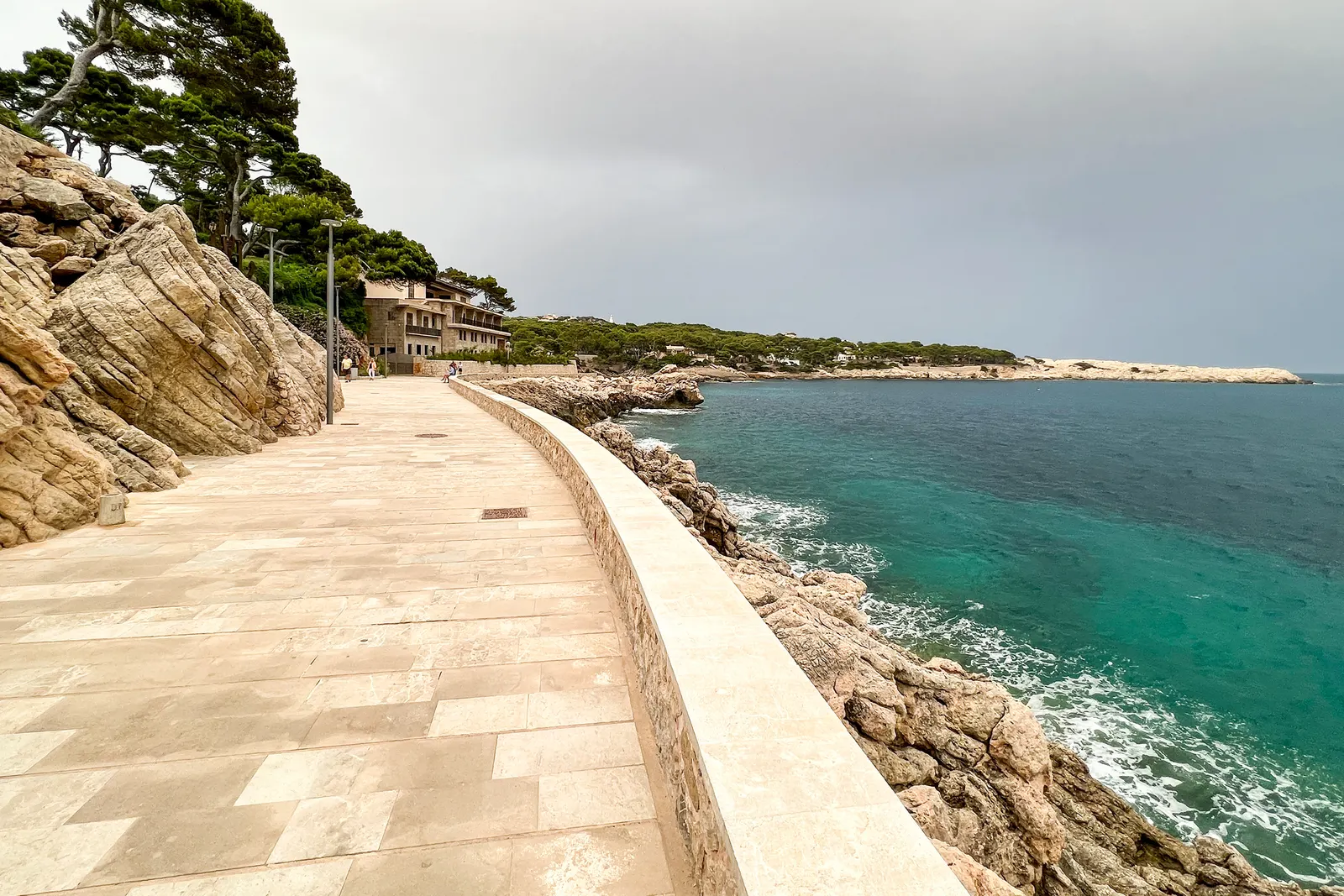
The coastal walk
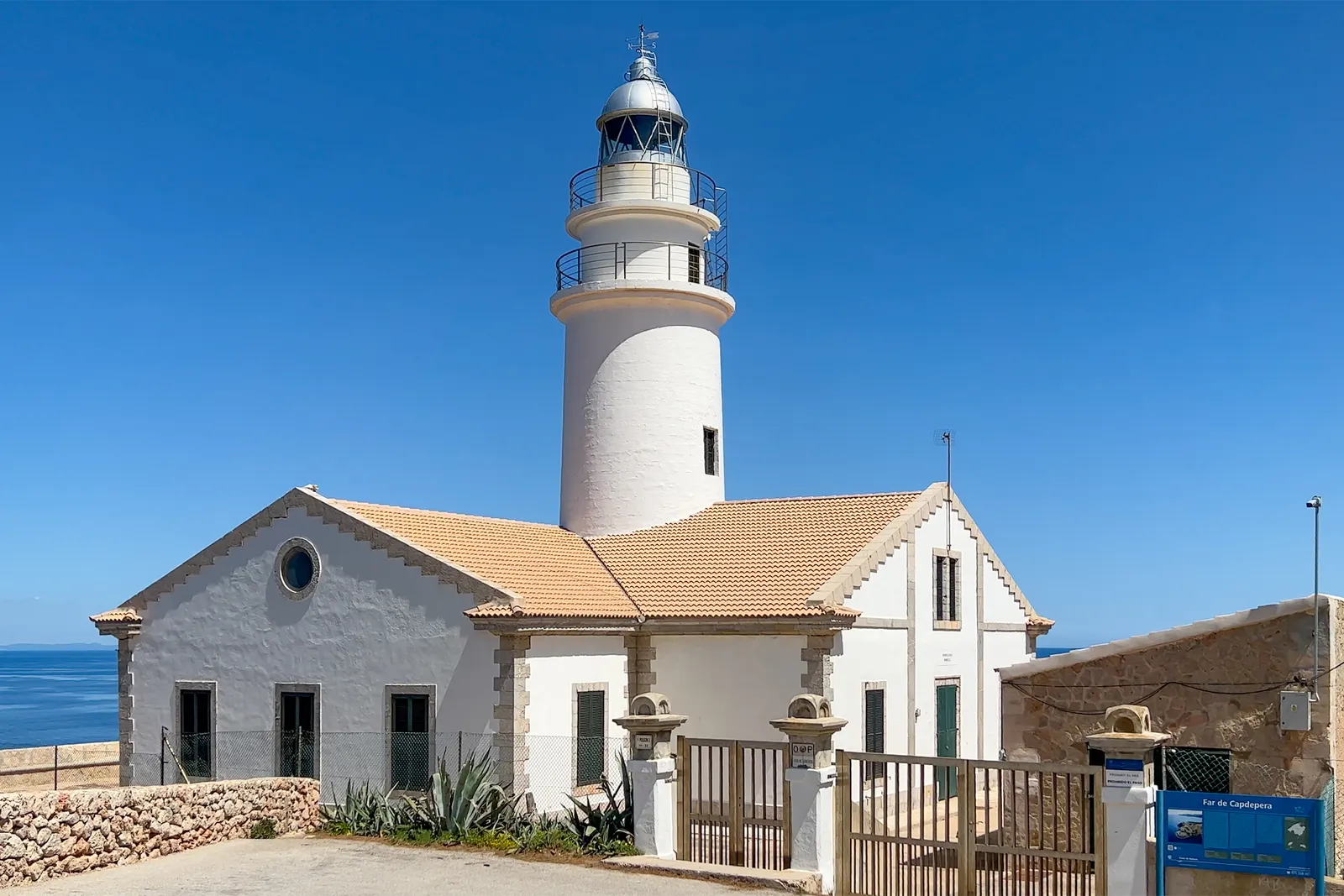
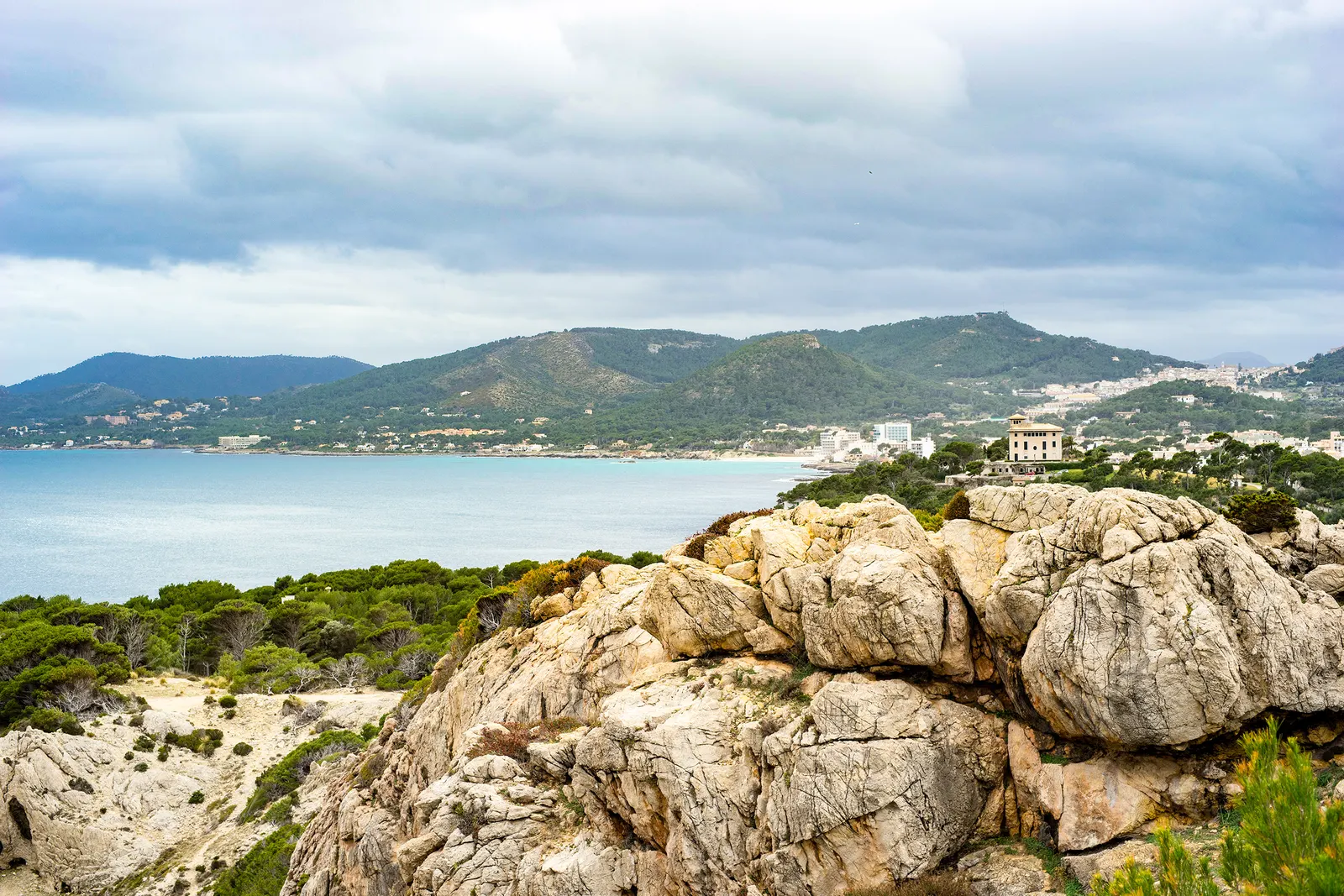
Start at the harbour and follow the shore past the old white lobster buildings towards Cala Gat. From there, you can continue uphill towards Far de Capdepera, the 19th-century lighthouse on Punta de Capdepera.
The light stands around 55 metres above sea level, with views towards Menorca when the air is clear. Allow for an uphill walk rather than a level promenade all the way.
The March gardens
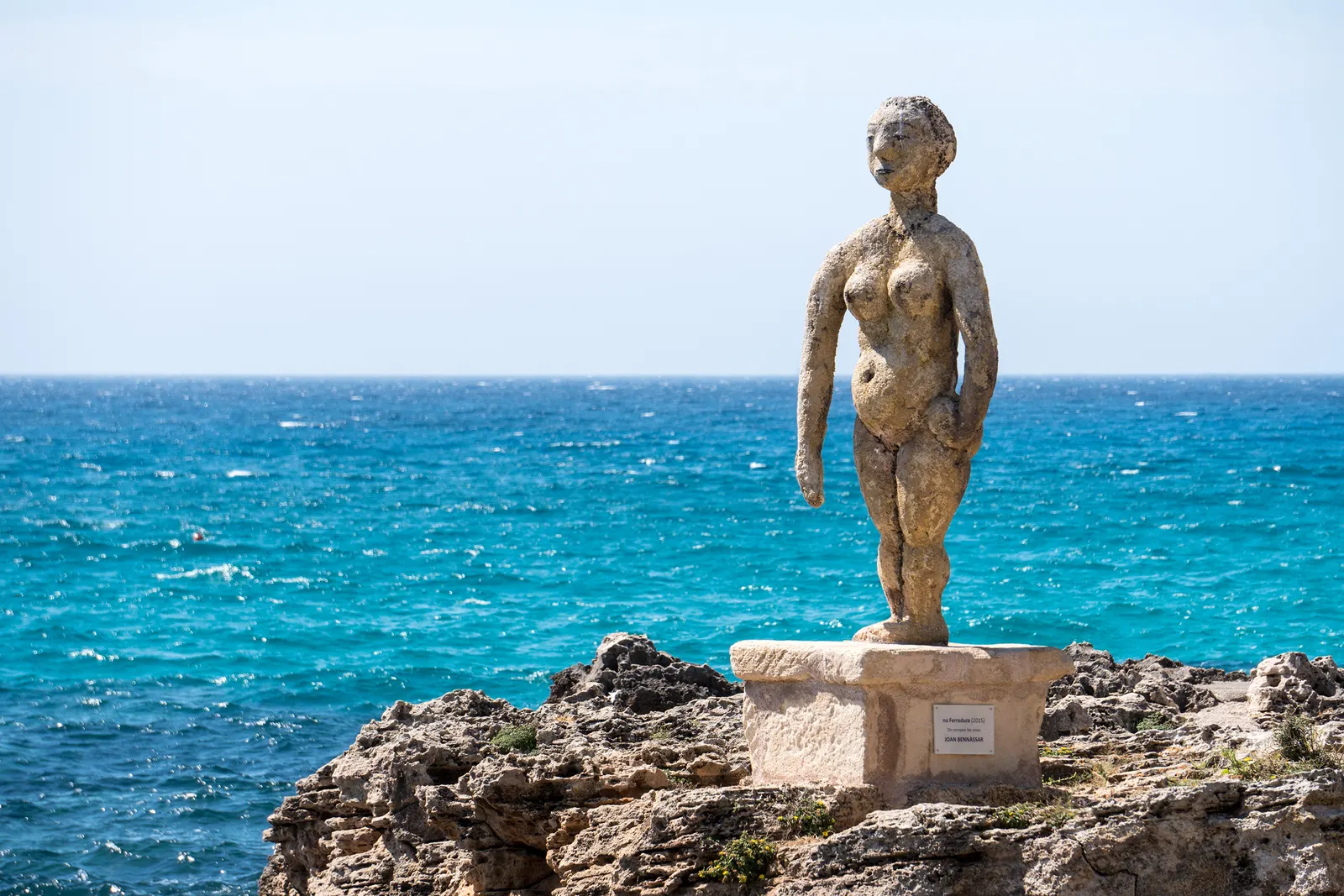
On the hill above the town are the Jardines March, part of the Sa Torre Cega estate associated with banker Juan March. Modern sculptures stand among the planting across a park of roughly 60,000 square metres.
It offers a different outing from the harbour and beaches. Check current visiting arrangements before setting off.
When to visit
I prefer May and October. During July and August, parking is difficult and the small beaches fill during the morning.
In winter, many restaurants and holiday businesses close. The coastal walks and lighthouse views are still worthwhile in suitable weather, with fewer people around.
Saturday market
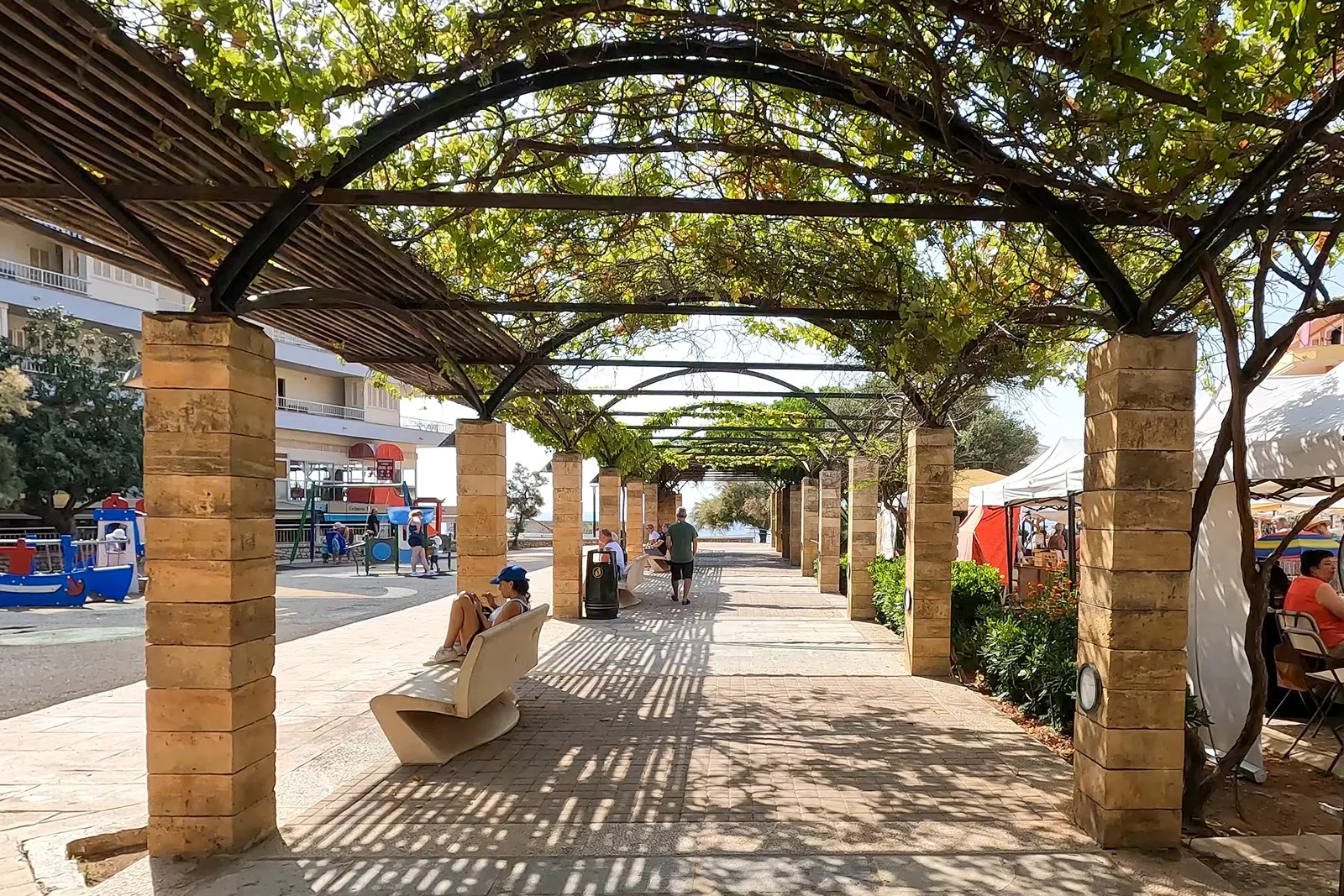
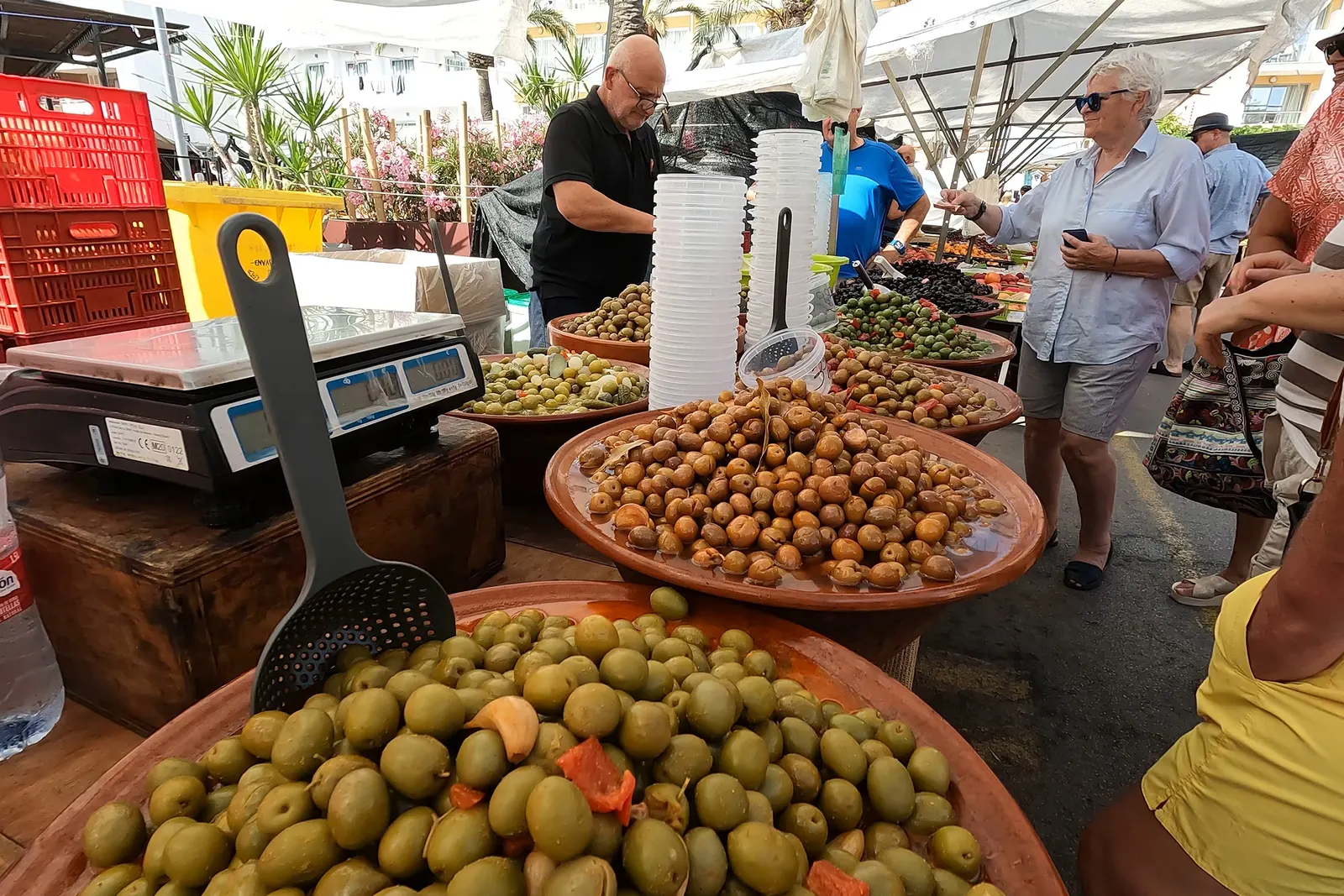
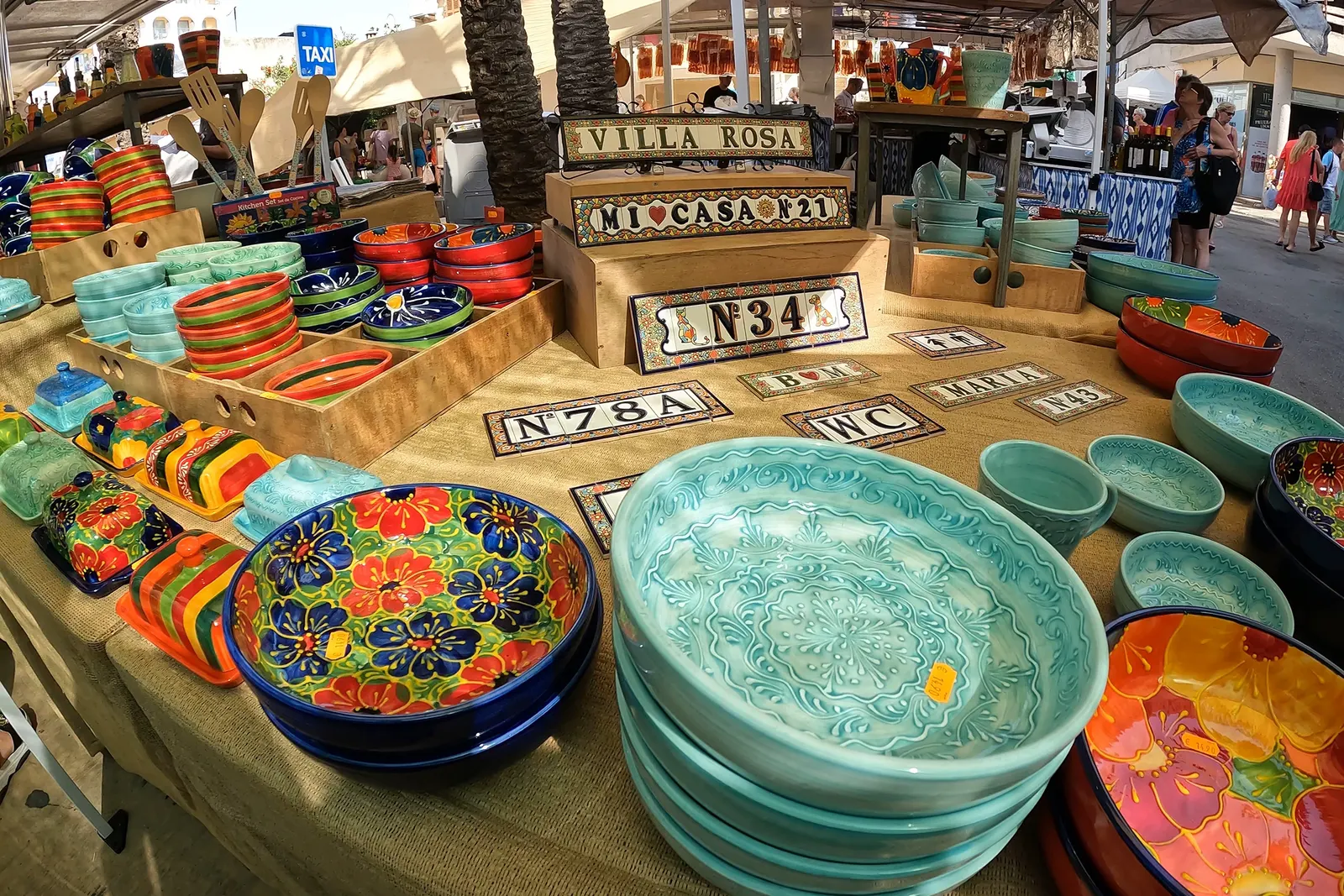
The market takes place on Saturday mornings at Plaça dels Pins. Expect olives, sausages and ham alongside ceramics, textiles and accessories.
Come early if you are shopping for food. Some stalls offer tastings, which help you choose what you like. For ceramics and souvenirs, compare prices rather than assuming a market stall will always be cheaper. Inland markets, including Artà on Tuesdays, offer another place to look.

Photographs
Cala Ratjada in Mallorca
How much time do you have?
Things to do in Cala Ratjada
Three hours
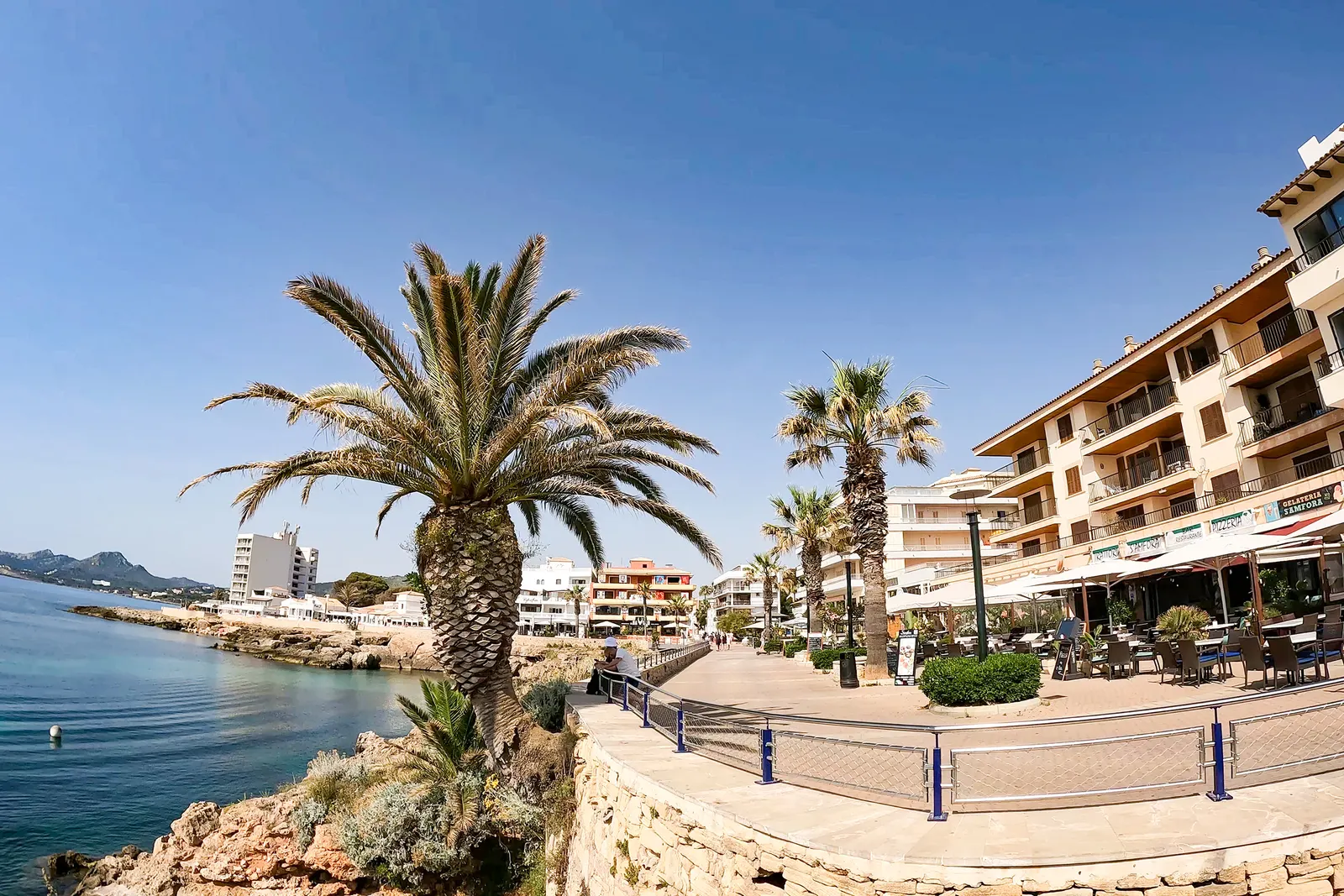
Start at the harbour, pass the old white lobster buildings and follow the coast towards Cala Gat. Return along the promenade for a coffee by the sea.
Half a day
Add the climb towards Far de Capdepera on the headland. In clear conditions, you can see Menorca from the lighthouse area.
A full day
Visit Cala Agulla or Cala Mesquida in the morning, return for lunch, then explore Capdepera's castle. On Saturday, you could start with the market on Plaça dels Pins instead.
On a rainy day
Try the Coves d'Artà or Capdepera's old centre and places to eat indoors.
The beach at a glance
- Underfoot
- Fine sand at Son Moll and Cala Agulla; sand and rock at smaller coves
- Getting into the water
- Sandy access at Son Moll and Cala Gat, with rocky edges nearby
- Length
- Son Moll is around 200 metres long; Cala Agulla is larger
- Shade
- Little at Son Moll; a few pines around Cala Gat
- Wind
- Northerly winds bring waves to exposed beaches. Shelter varies, so check the flags wherever you swim.
- With children
- Son Moll suits families in calm conditions; supervise children at all beaches
- Facilities
- Sunlounger and parasol hire at Son Moll and Cala Agulla · Beach bars and restaurants · Seasonal lifeguards
Local celebrations
- Saturday — Weekly market Local produce, clothing and other goods on Plaça dels Pins.
- 16 July — Verge del Carme The seafarers' festival, with a boat procession in the harbour.
- May, usually the third weekend — Mercat Medieval Capdepera A major local event in neighbouring Capdepera; check the year's programme.
Practical details
- Parking
- Paid spaces in the centre and near the harbour, scarce during summer mornings. Cala Agulla has a large paid car park.
- Public transport
- Check current services towards Artà and Manacor and seasonal beach connections
- Time to allow
- A week as a holiday base, or half a day for a visit
- Good to know
- The Saturday market is on Plaça dels Pins. A walk from the harbour to Cala Gat, with an optional climb towards the lighthouse, shows several different sides of the resort.
- Bus
- Connections towards Capdepera, Artà and Manacor, with onward travel to Palma; check current services to nearby beaches
- Taxi
- Ask for a current airport fare before booking; the source guide quoted roughly €110–140
- Shops and services
- Supermarkets: Several, with longer opening hours in season · Pharmacy: Several · Medical care: Local health centre; hospital in Manacor · Cash machines: Widely available · Fuel: On the road towards Capdepera
- Access
- Level paved promenade; coastal paths include rocks and steps · Pushchairs: Straightforward on the promenade, less so on coastal paths · Wheelchairs: The promenade and harbour are generally accessible; access to individual beaches varies · Dogs: Not permitted on the bathing beaches during the season
- What you will not find
- An undeveloped town centre · Peace and quiet in high summer · One long continuous sandy beach
- Coordinates
- 39.7117,3.4597 Google Maps Apple Maps
Three nearby beaches
| Beach | Location | Good for | Bear in mind |
|---|---|---|---|
| Son Moll | In the resort | Easy access, families and facilities | Little shade and busy in summer |
| Cala Gat | Along the coastal walk beyond the harbour | A small cove, snorkelling and pines | Very small and quick to fill |
| Cala Agulla | North-west, around 30 minutes on foot from central areas | A larger sandy beach and dunes | Paid parking and summer crowds |
Within reach
Places to visit
Nearby

Above Capdepera stands a former walled settlement, with walkable defensive walls, the Miquel Nunis tower and a …

A watchtower dating from 1566 on the summit above Cala Agulla and Cala Mesquida, now a ruin. The walk up takes …

A limestone cave with a huge opening above the sea near Canyamel. Inside, a guided route climbs and descends steps …
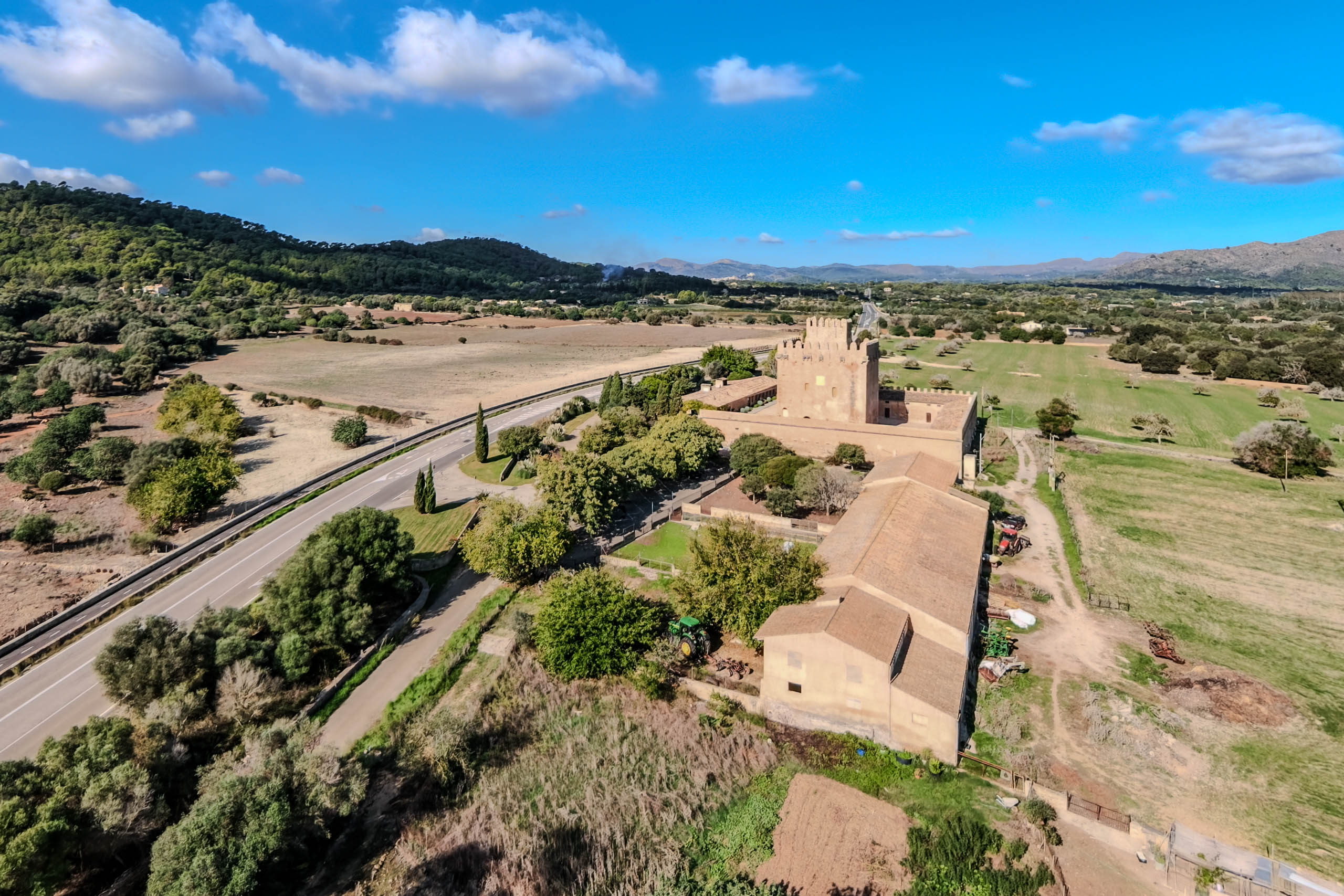
Torre de Canyamel stands in the valley beside the road to the coast. The imposing 13th-century defensive tower …
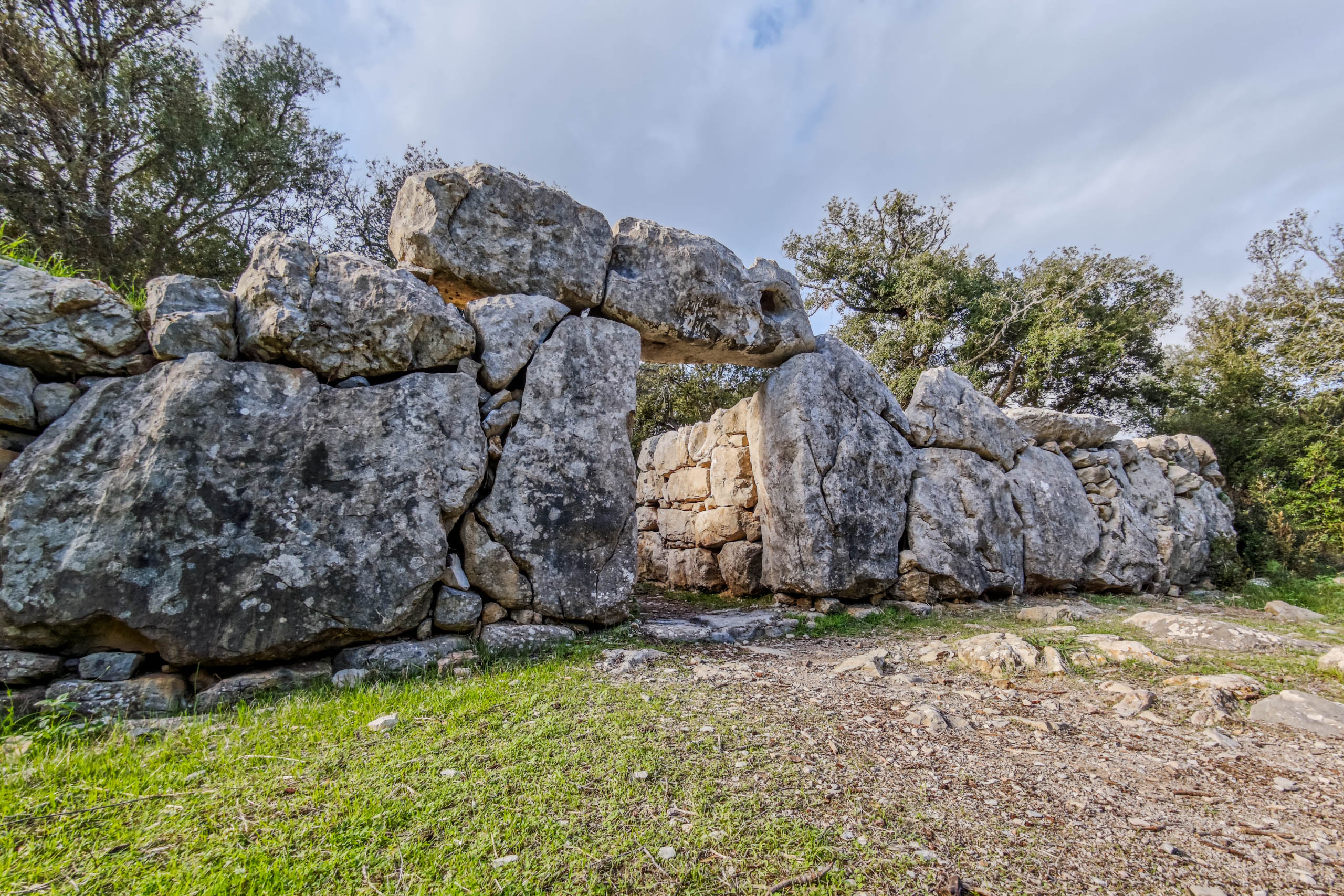
Behind a wall of enormous stone blocks on the edge of Artà lies a Talayotic settlement with around 3,000 years of …

A fortress with a church inside, high above Artà. Walls with nine towers surround a courtyard of palms, an old …

A hermitage founded in 1805 in the hills of Artà, reached by a narrow, winding road. The last resident hermits …
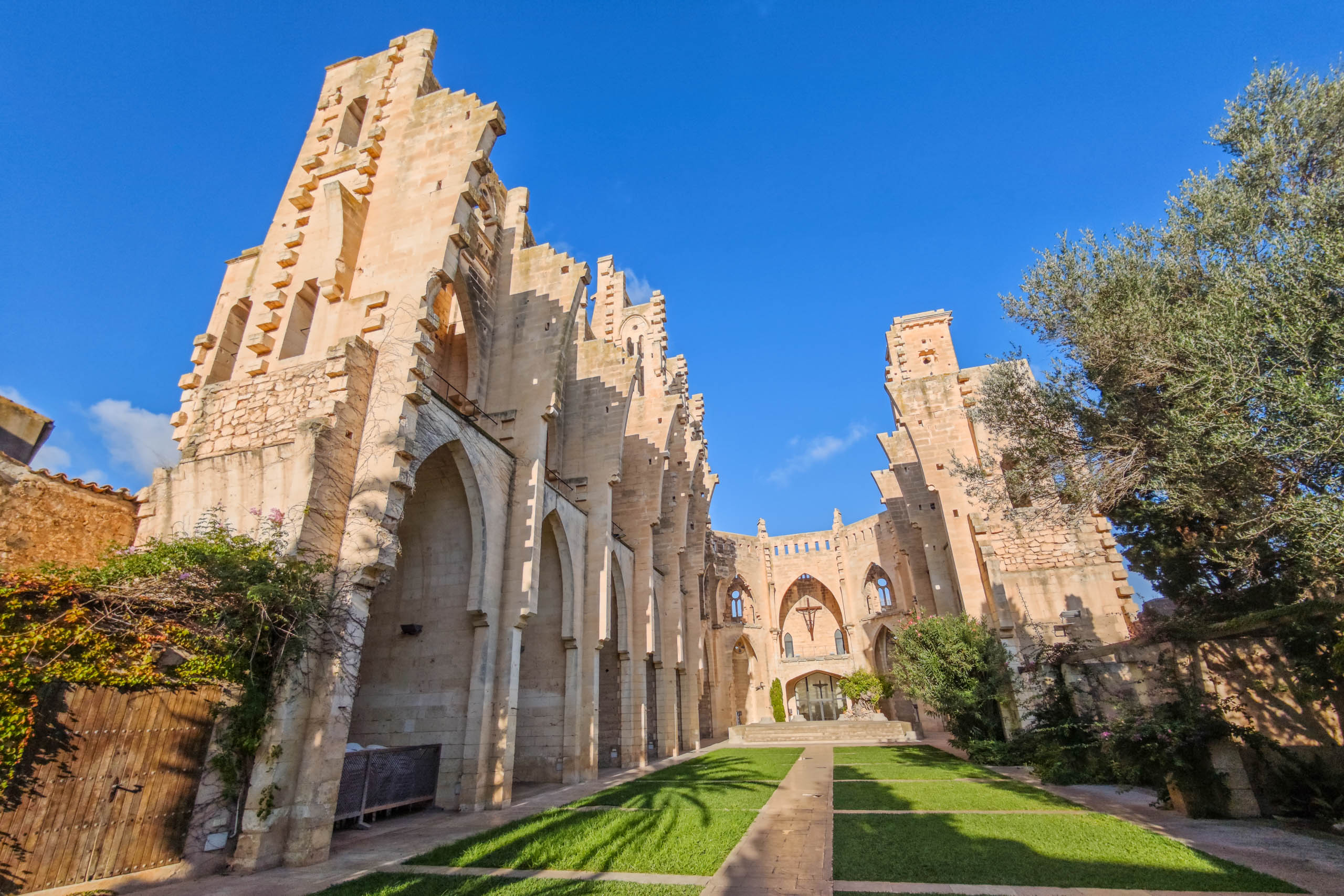
A church without a roof stands in the middle of Son Servera. Beyond Església Nova’s iron gate, garden paths pass …
Distances without a driving time are measured in a straight line. The road journey can be much longer; known driving times are shown alongside.
Other beaches to consider
Beaches and swimming nearby

A broad sandy bay north-west of Cala Ratjada, backed by pine woods and dunes. Pale sand fills the centre, with …

A small cove beyond Cala Agulla, reached by a ten-minute walk over rocky ground. There is a narrow strip of sand …

A broad stretch of pale sand with protected dunes behind it and a wooden boardwalk crossing them. Cala Mesquida …

A sandy bay backed by pine-covered slopes, a handful of hotels and a golf course. Canyamel is one of the quieter …
Explore from here
Your questions answered
Your questions about Cala Ratjada
Is it Cala Ratjada or Cala Rajada?
Both spellings are widely used for the same place. You will see Cala Rajada on official local information and Cala Ratjada frequently in travel guides and booking websites.
Which beaches are near Cala Ratjada?
Son Moll is within the resort. Small Cala Gat lies along the coastal path beyond the harbour, while larger Cala Agulla is to the north-west. Cala Mesquida is further north. Rocky stretches between the beaches can be interesting for snorkelling in calm conditions.
What is Far de Capdepera?
A 19th-century lighthouse on Punta de Capdepera, east of Cala Ratjada. Its light stands around 55 metres above sea level. From this eastern headland, you can see Menorca when visibility is good. A road leads uphill towards it.
What are the Jardines March?
The gardens of the Sa Torre Cega estate above the town, associated with the March family. The roughly 60,000-square-metre park contains modern sculptures among its planting. Check current visiting arrangements before going.
When is Cala Ratjada's market?
Saturday mornings on Plaça dels Pins. It is a mixed market, with food, textiles, ceramics and accessories rather than only farm produce. Compare prices before buying.
Why is Cala Ratjada popular with German visitors?
The town has long-standing German-speaking connections, including exiles who settled here in the early 1930s. Tourism later developed with many services for German-speaking guests. The Protestant community also holds German-language services; check its current schedule if you want to attend.
Do you need a car in Cala Ratjada?
Not for most everyday needs. The harbour, Son Moll and Cala Gat are walkable, and Cala Agulla is within reach on foot too. Check buses for other beaches and excursions. A car is useful for exploring Artà, the caves or inland routes, but not essential for a stay in town.
Practical questions
When is the best time to visit Cala Ratjada?
Recommended months: March, April, May, June, September, October. Access and opening are limited in January, February, December. See the visiting advice on this page. Some accommodation and restaurants reopen around Easter.
Is Cala Ratjada worth visiting in July and August?
July: another month may suit you better. Usually very crowded. Parking is difficult and beaches fill during the morning. August: another month may suit you better. Usually very crowded.
How far is Cala Ratjada from Palma airport?
About 80 km from Palma airport. Allow roughly 80 minutes by car. Taxi: Ask for a current airport fare before booking; the source guide quoted roughly €110–140 For everyday life in the resort, a car isn't essential. Son Moll, the harbour and Cala Gat are walkable. Reaching the lighthouse involves a longer uphill walk, while Cala Agulla is another coastal walk away.
Do I need a hire car for Cala Ratjada?
Easy to manage without a car Connections towards Capdepera, Artà and Manacor, with onward travel to Palma; check current services to nearby beaches
Where can I park in Cala Ratjada?
Paid spaces in the centre and near the harbour, scarce during summer mornings. Cala Agulla has a large paid car park.
Can you swim at Cala Ratjada?
Yes. Fine sand at Son Moll and Cala Agulla; sand and rock at smaller coves Sandy access at Son Moll and Cala Gat, with rocky edges nearby Son Moll is around 200 metres long; Cala Agulla is larger Little at Son Moll; a few pines around Cala Gat Son Moll suits families in calm conditions; supervise children at all beaches
Can I visit Cala Ratjada with a pushchair or wheelchair?
Level paved promenade; coastal paths include rocks and steps Pushchairs: Straightforward on the promenade, less so on coastal paths Wheelchairs: The promenade and harbour are generally accessible; access to individual beaches varies
Are dogs allowed at Cala Ratjada?
Not permitted on the bathing beaches during the season
Cala Ratjada features in our Mallorca highlights
Words and photographs: Friedhelm Fischer. Exploring Mallorca since 2013 — by bike, on foot and with a camera.