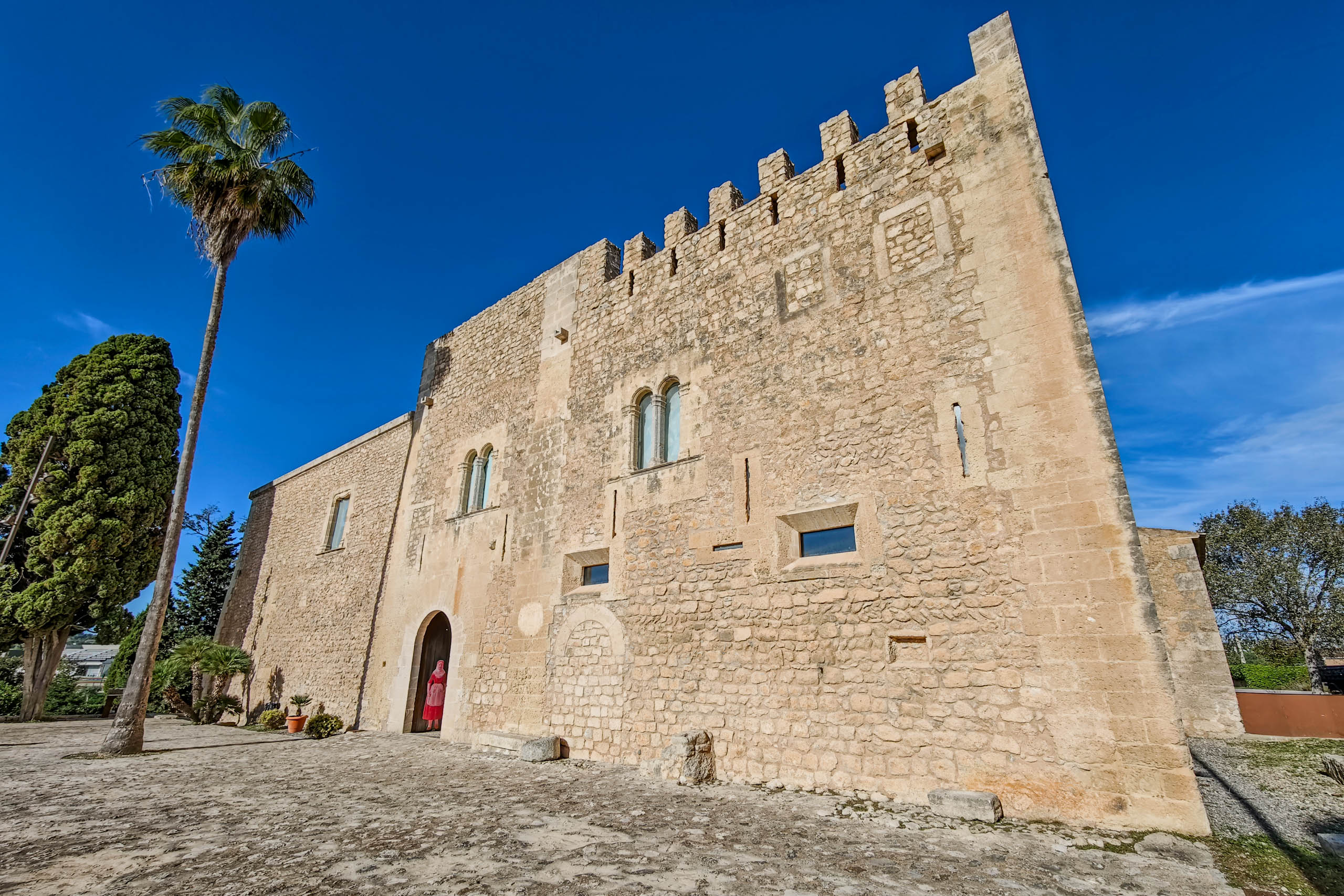
Behind the Rafa Nadal Sports Center is a museum worth taking time over. Inside Torre dels Enagistes, the galleries explore the history of Manacor and its surroundings, with a lovely courtyard between them and temporary exhibitions upstairs. One to two hours well spent, with free admission.
Museu d'Història de Manacor
Museu d'Història de Manacor in 30 seconds
The essentials at a glance
Just a quick look? You may stay longer.
- Worth a visit?
- Yes, a museum where you’ll happily stay longer
- Best for
- History lovers and anyone wanting to know Manacor better
- Best months
- January–December
- Time to allow
- One to two hours for the rooms, courtyard and an upstairs exhibition.
- Without a car
- Allow for a walk or taxi from Manacor for the final stretch
- Parking
- Large public car park at the museum
- Highlight
- The exhibition rooms and beautiful courtyard
- Keep in mind
- Mondays, when the museum is closed
- Access
- Free admission; check summer and winter opening hours
Get a feel for Mallorca. Find your kind of place.
Torre dels Enagistes from the front. Manacor’s history museum lies behind these old walls.
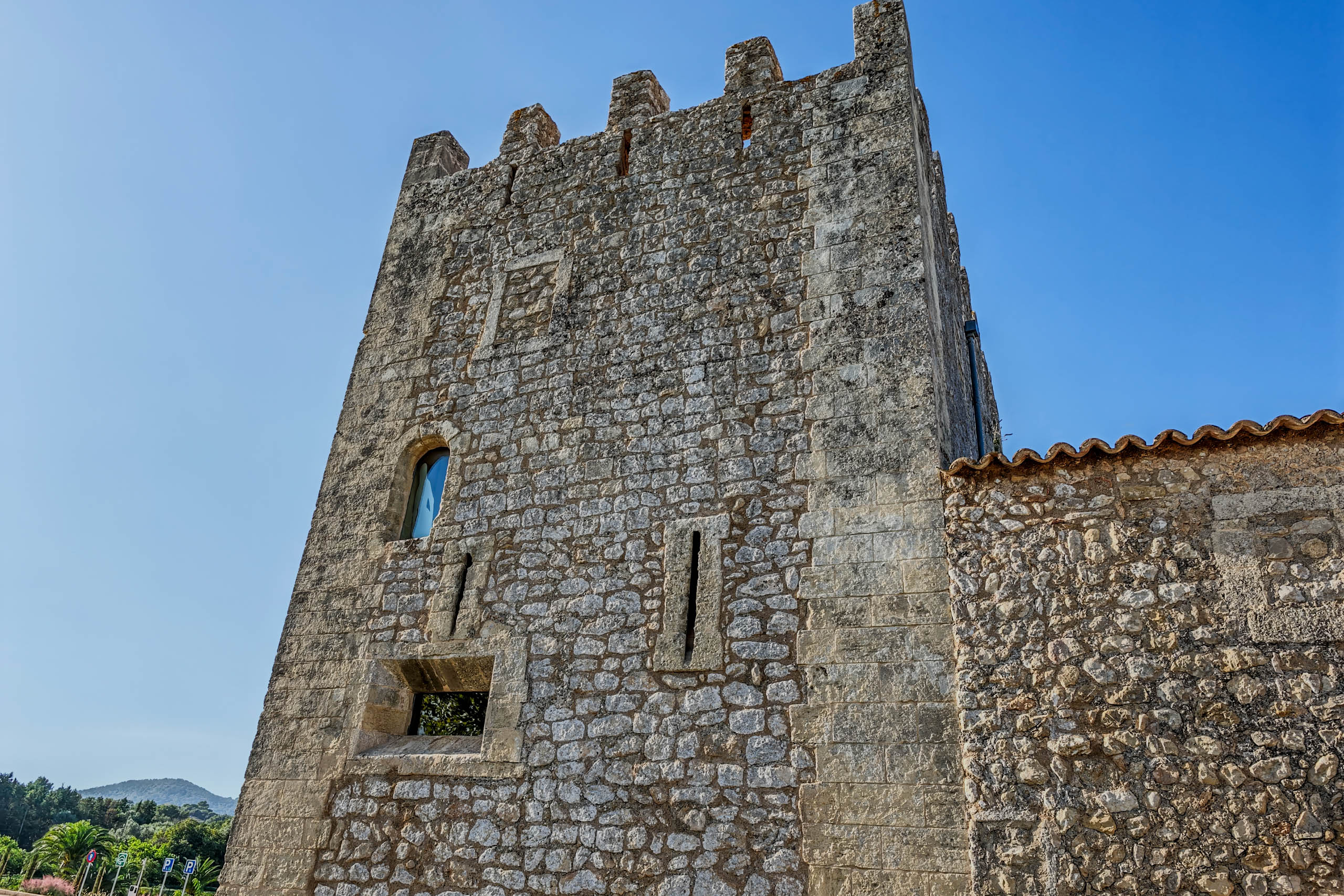
The high walls and battlements of Torre dels Enagistes greet you as you arrive from Manacor.
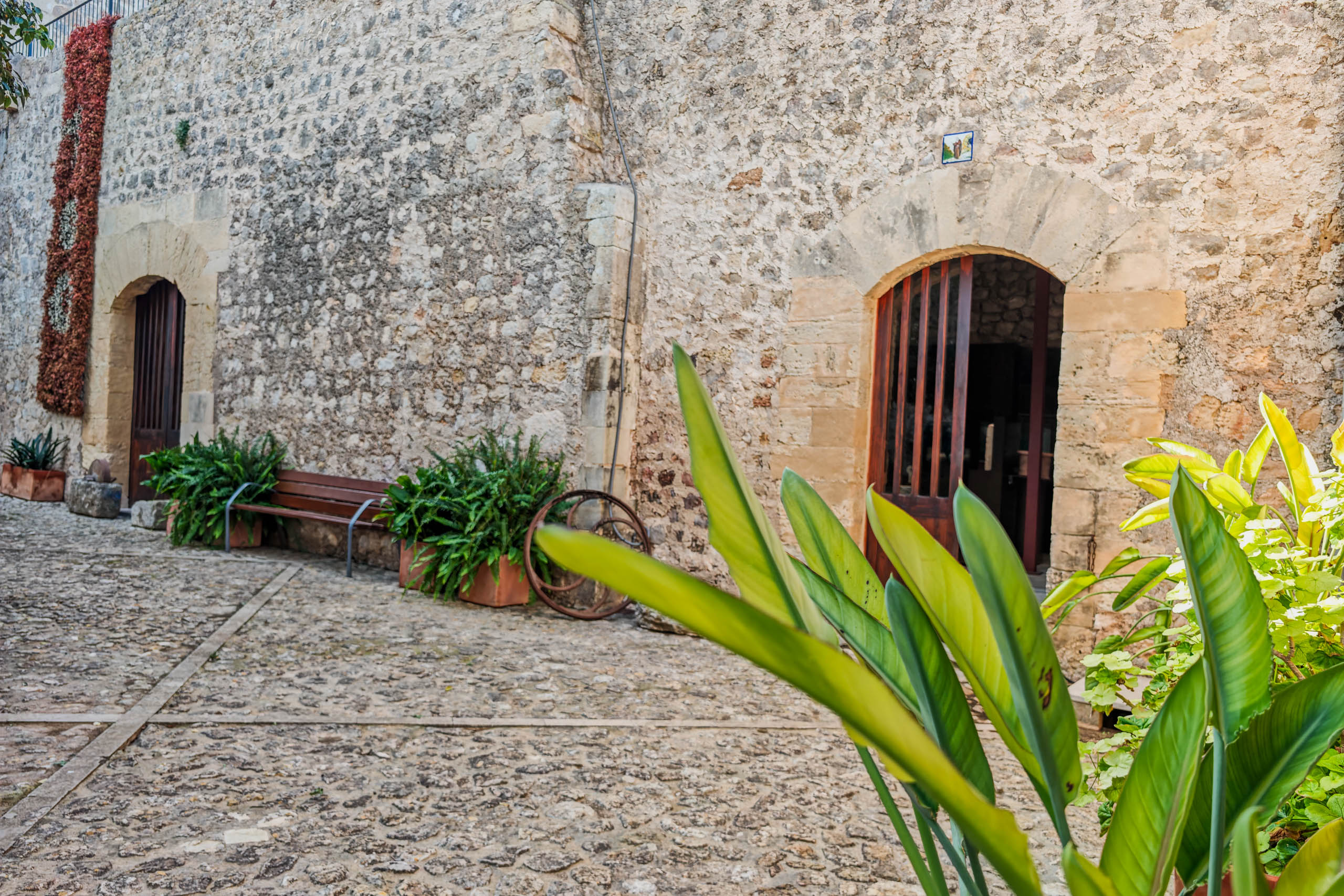
The museum courtyard, with old stone walls and plant pots, leads into the exhibition rooms.
Getting to know Museu d'Història de Manacor
Does Museu d'Història de Manacor suit your plans?
What to expect and what to know before you visit.
Who it suits
- You want to learn about the history of Manacor and its surroundings.
- You enjoy looking closely at old buildings, models and archaeological finds.
- You’d like to combine a museum with a walk around Manacor.
Things to bear in mind
- You’re planning to visit on Monday, when the museum is closed.
Region
Llevant
Nearest beach
Cala Anguila
9 km
Season guide for Museu d'Història de Manacor
November Worth a visit
Worth visiting in January, February, March, April, May, June, July, August, September, October, November and December.
Location
Location of Museu d'Història de Manacor
- Region
- Llevant
- Municipality
- Manacor
- Hire car
- recommended
- Worth visiting for
- a brief stop
- Coordinates
- 39.5580,3.2179
A museum within old walls
On Manacor’s outskirts, behind the Rafa Nadal Sports Center, stands Torre dels Enagistes. Its tall stone walls and battlements are visible from the road. They house Museu d’Història de Manacor. If you’re visiting town, set aside one or two hours for this stop.
A large public car park is only a few steps from the entrance. Admission is free, so you can look in and decide how long to stay.
History, room by room
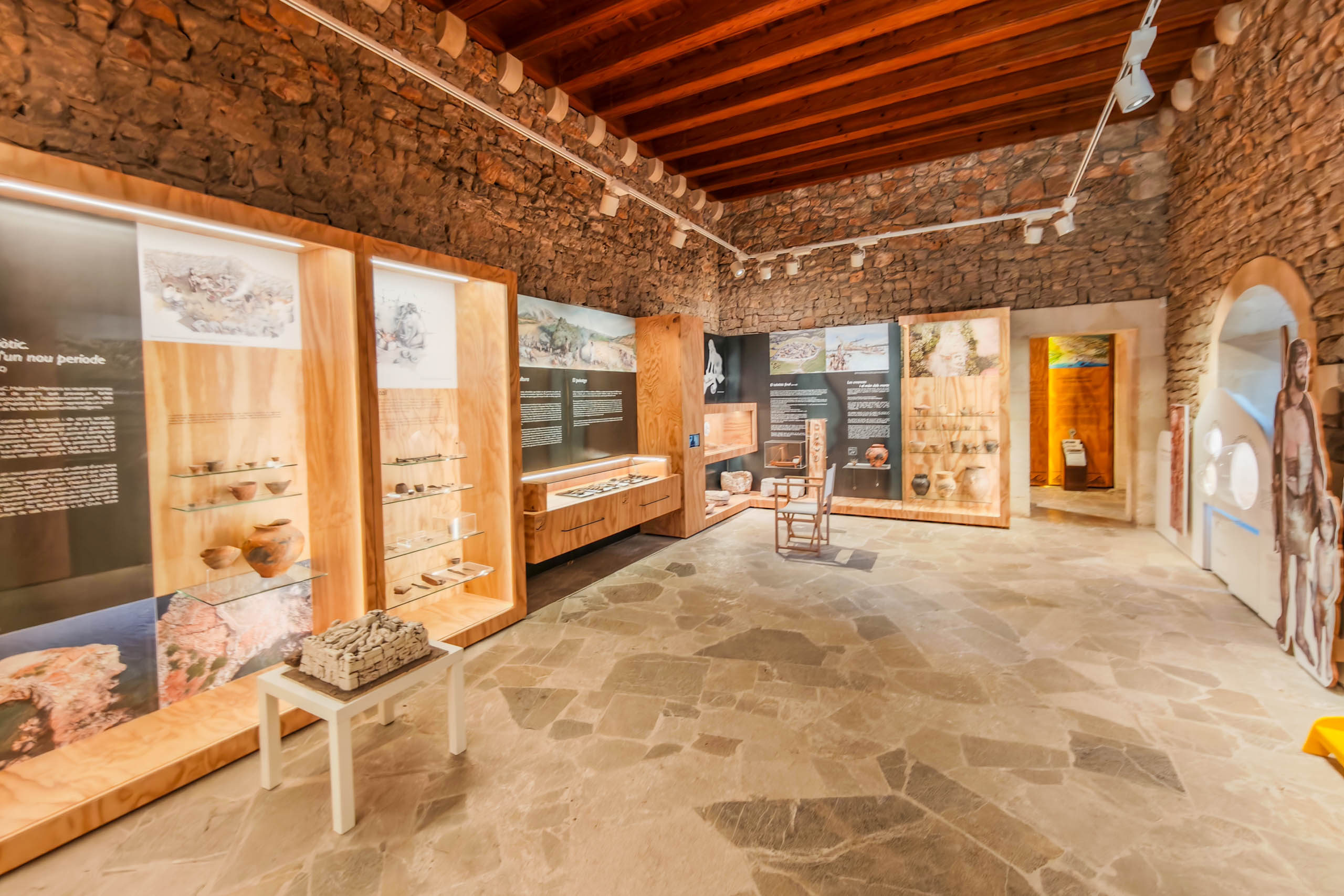
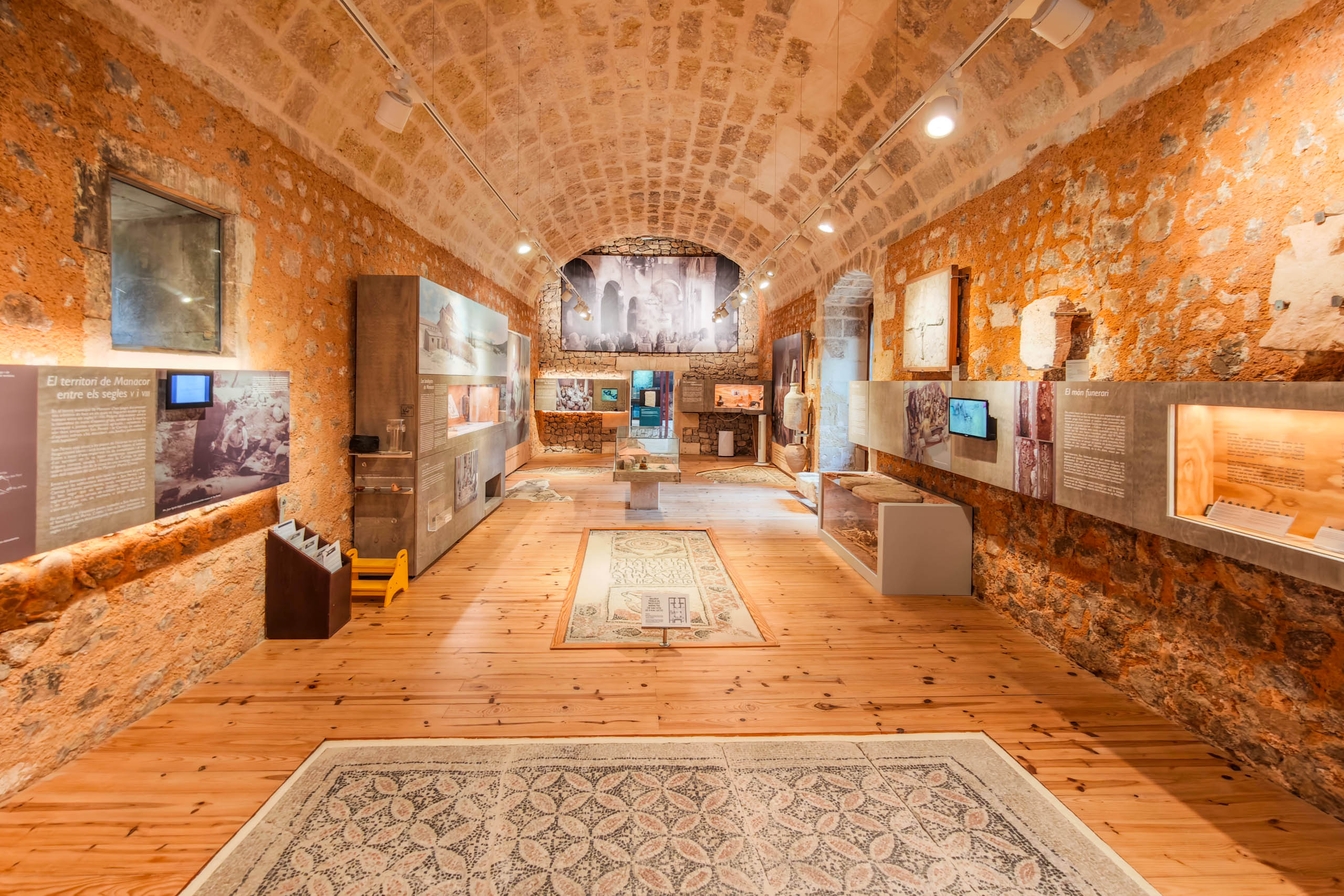
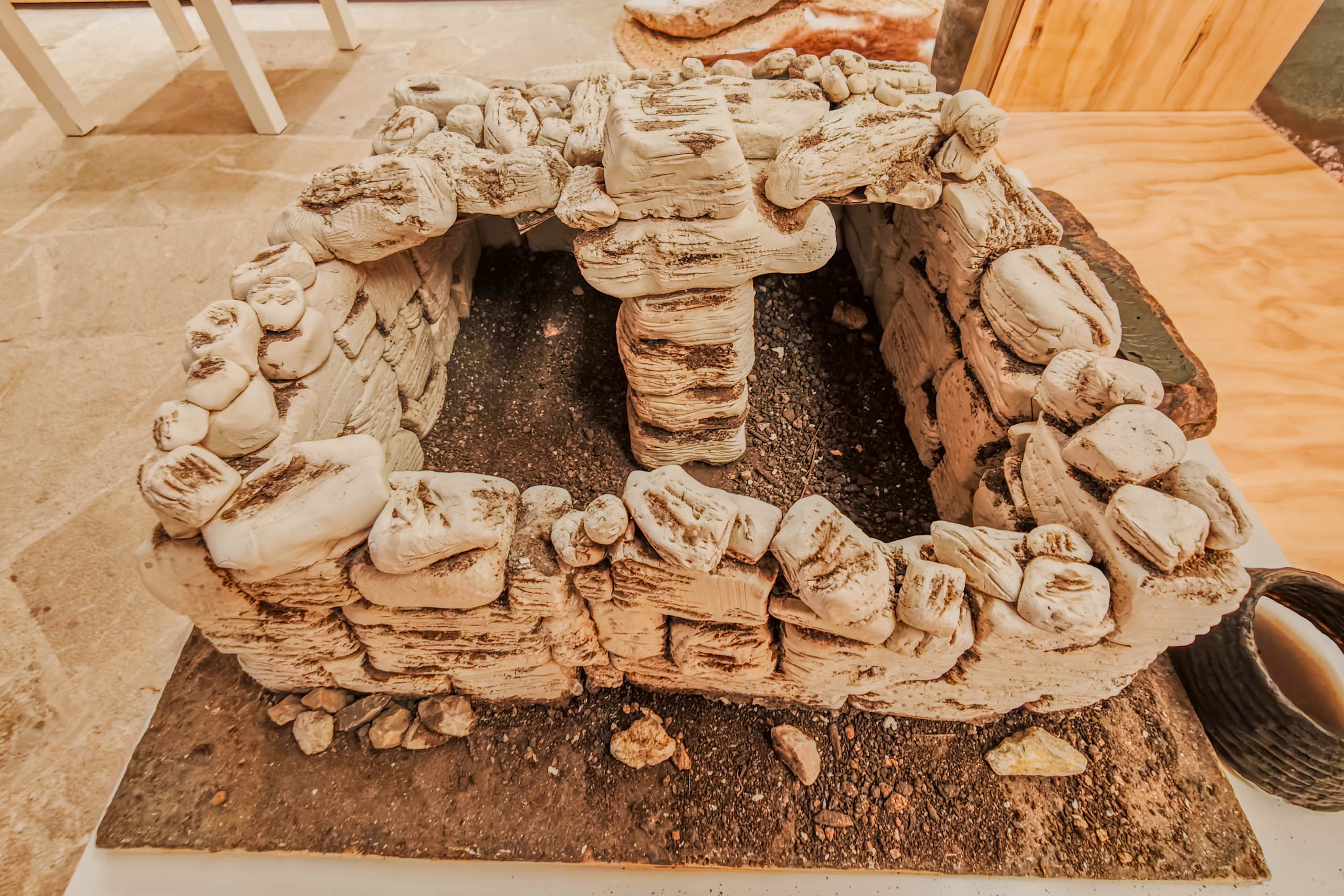
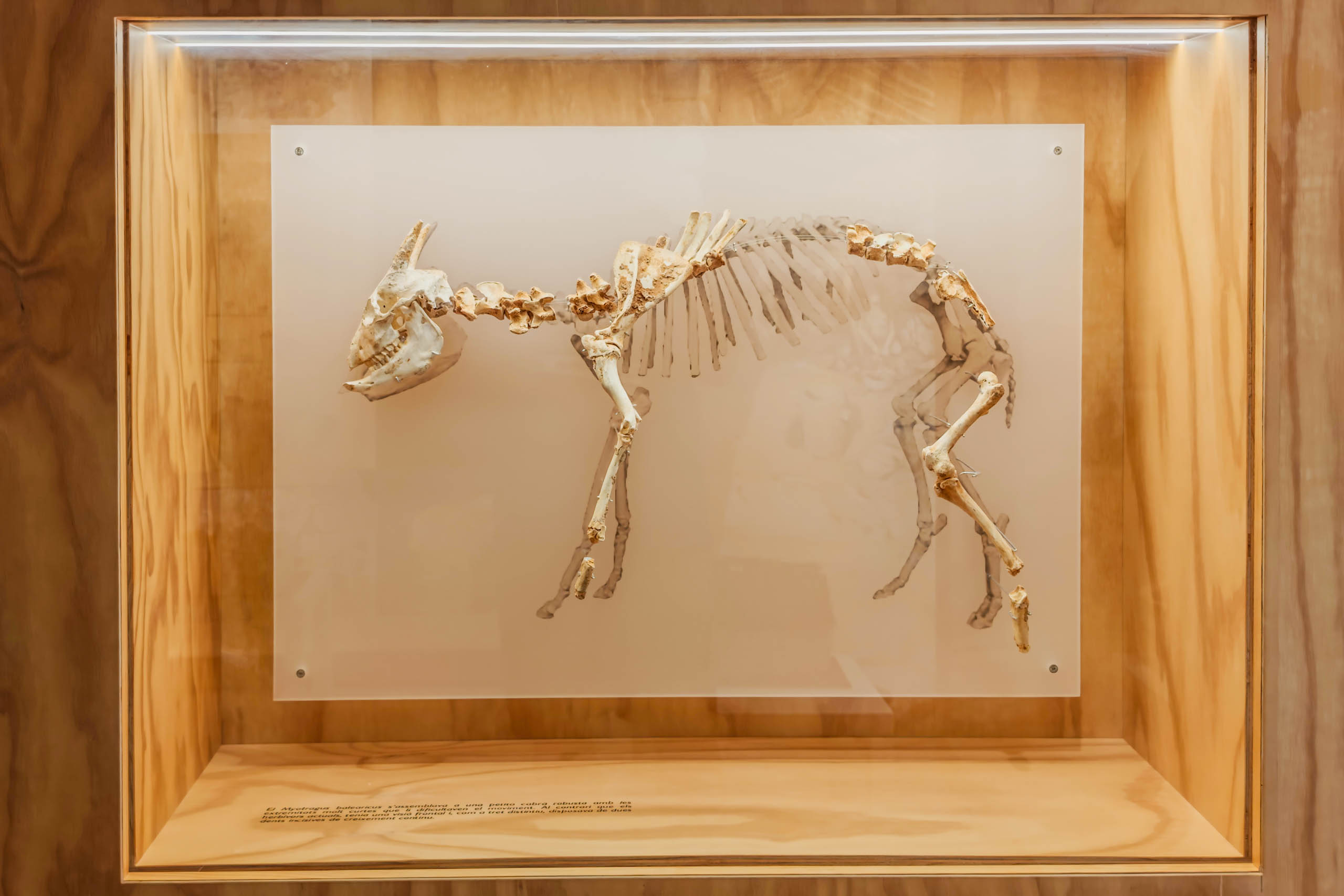
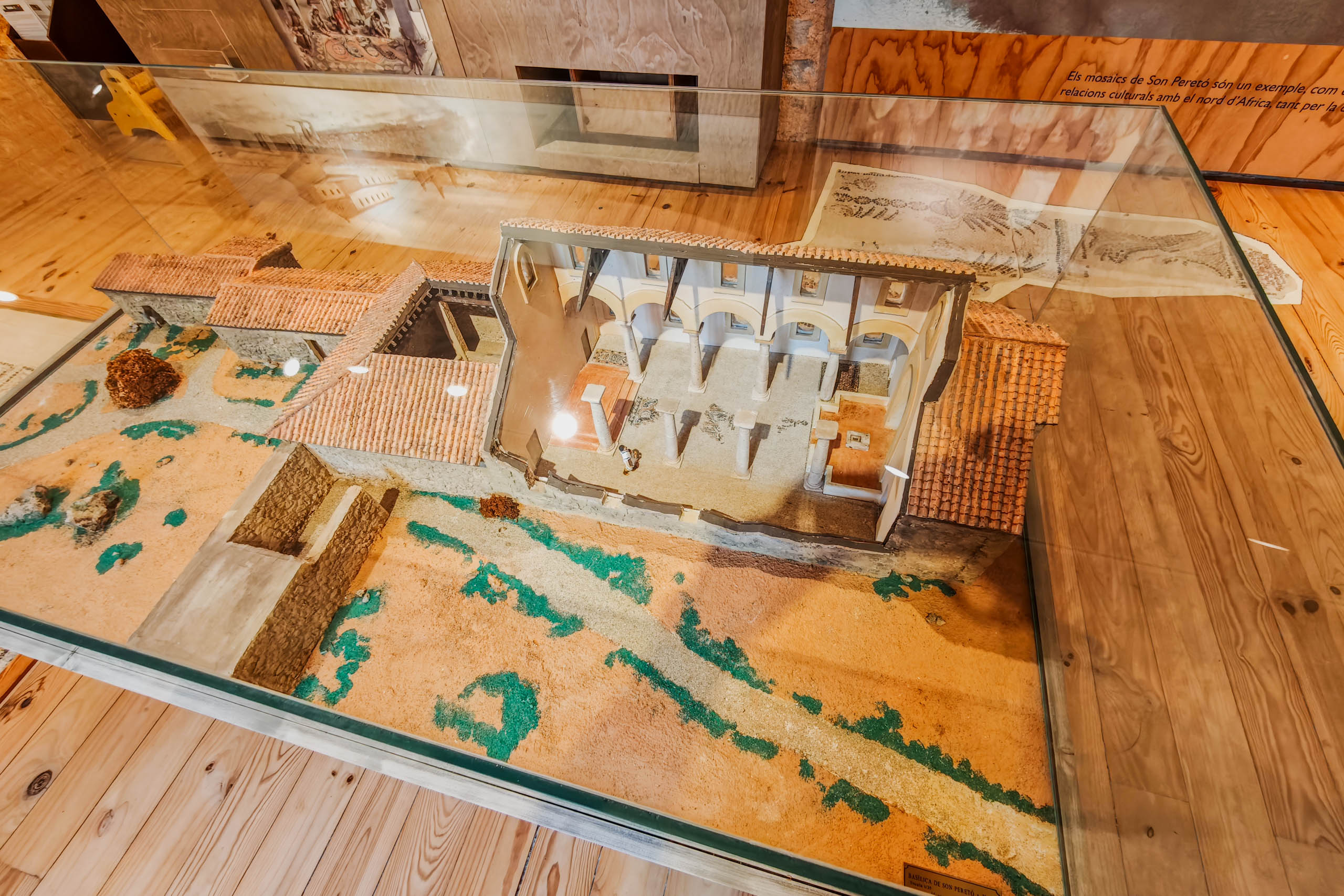
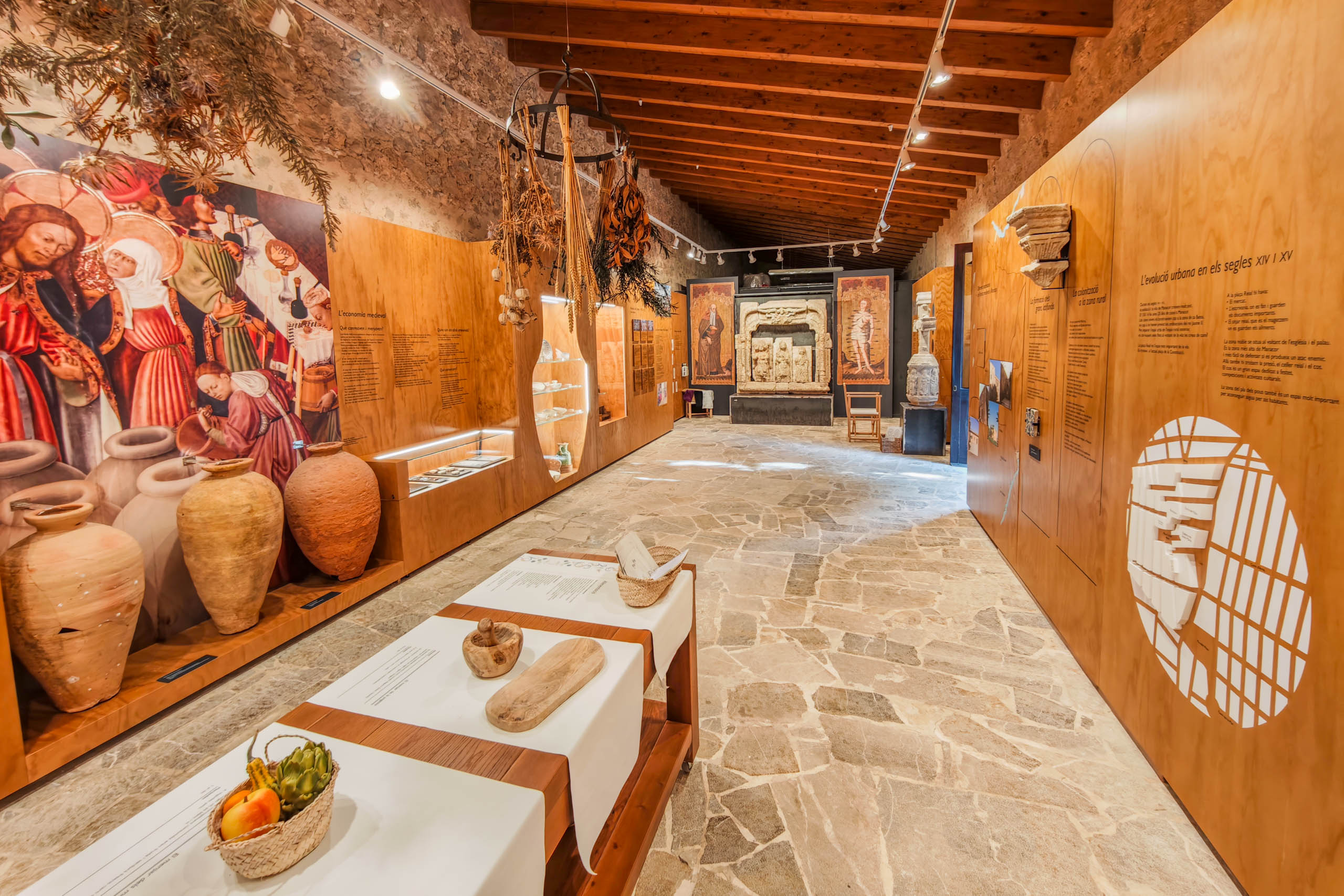
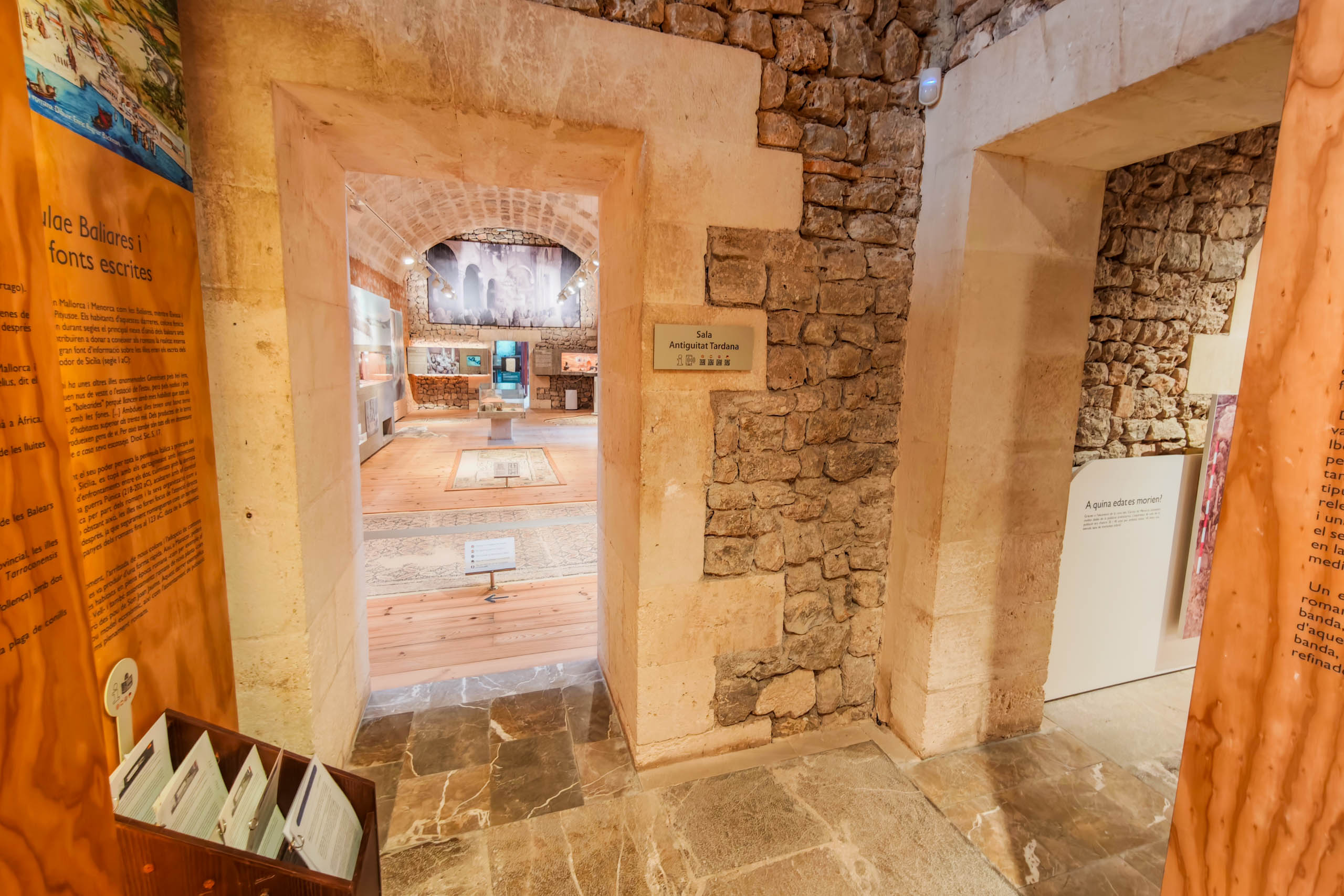
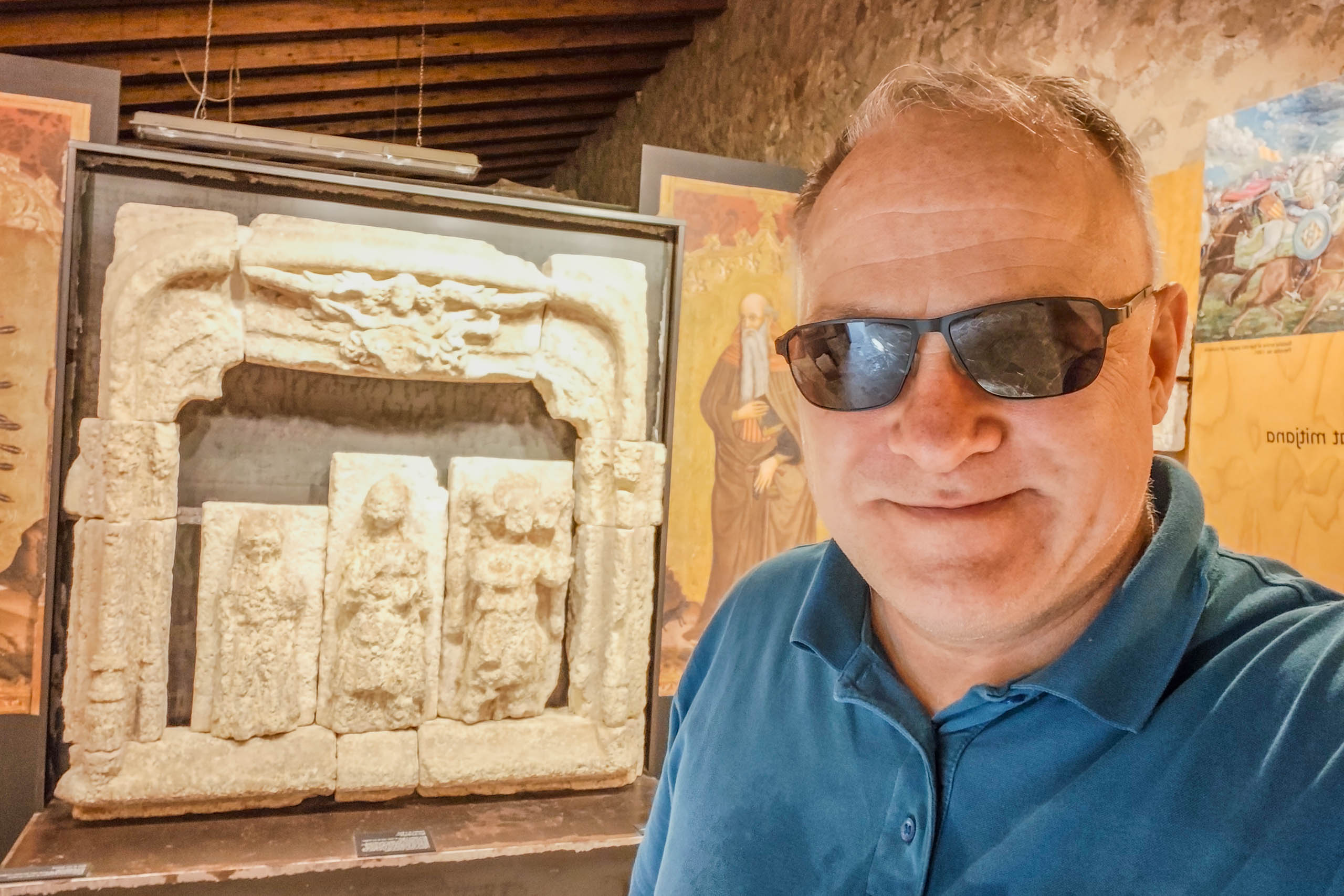
The permanent exhibition covers prehistory, Roman times, Late Antiquity and the Islamic and Christian Middle Ages. Models, finds and mosaics make it approachable. You don’t need to be an archaeologist; take your time and you’ll spot plenty of details in the cases and old rooms.
Ask at reception for information sheets in your language. During Friedhelm’s visit, they were available at each room’s entrance, making it easy to explore at his own pace.
The courtyard and upstairs exhibitions
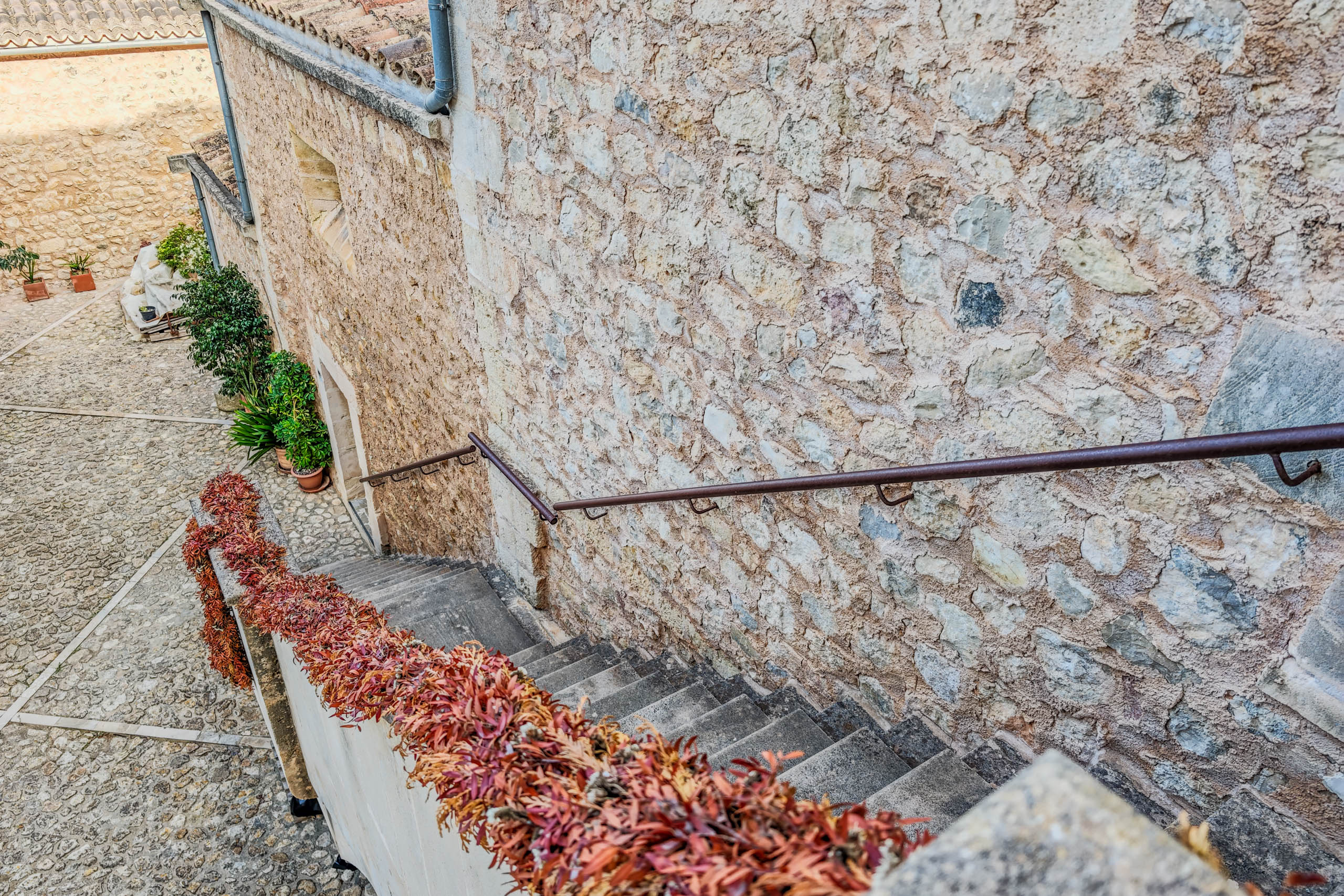
Between galleries, you enter a courtyard with plants against the stone walls and a staircase leading up. This part of the building deserves a look in its own right.
The upper floor hosts temporary exhibitions. During Friedhelm’s visit, their text was mostly Spanish. A phone’s translation function can help if you want to read more closely. The museum website lists current exhibitions.
The staircase isn’t the only way up. The museum also lists a lift, wheelchair access and accessible toilets. See its accessibility information for details.
When is it worth visiting?
All year. The galleries work well on rainy days and offer a change from the beach in summer. For Friedhelm, it’s a place where a quick look can easily become a longer visit.
Check the day: Mondays are closed, as are Sundays in summer. Full hours are in Getting here and practical information. Check the official visitor page before travelling, especially on public holidays.
Afterwards, explore Manacor
Combine the museum with a walk through the centre and Església de Nostra Senyora dels Dolors. Its high vaults and coloured window light make a worthwhile second stop before settling into a café.
If you want the sea afterwards, continue towards Porto Cristo.
Photographs
Museu d'Història de Manacor in Mallorca
How much time do you have?
Things to do in Museu d'Història de Manacor
Three hours
Allow one to two hours for the museum, then walk or drive into central Manacor for a coffee or a visit to Nostra Senyora dels Dolors.
On a rainy day
The galleries make a pleasant rainy-day outing. The courtyard is outdoors, but you can still enjoy the exhibition rooms.
Practical details
- Parking
- Large public car park directly outside the museum.
- Time to allow
- One to two hours for the rooms, courtyard and an upstairs exhibition.
- Good to know
- Closed Mondays. Tuesday to Saturday 9am–2pm, with additional Thursday-to-Saturday afternoons, 5pm–8.15pm in summer and 5pm–7.30pm in winter. Sundays open only in winter, 10.30am–1pm. Summer hours apply from 1 June to 15 September, winter from 16 September to 31 May. Additional public-holiday closures apply.
- Access
- Indoor galleries and a paved courtyard; stairs and a lift serve the upper floor. · Wheelchairs: The museum lists wheelchair access, a lift and accessible toilets.
- Price guide
- Admission Free admission (as of 2026)
- Coordinates
- 39.5580,3.2179 Google Maps Apple Maps
Within reach
Places to visit
Nearby
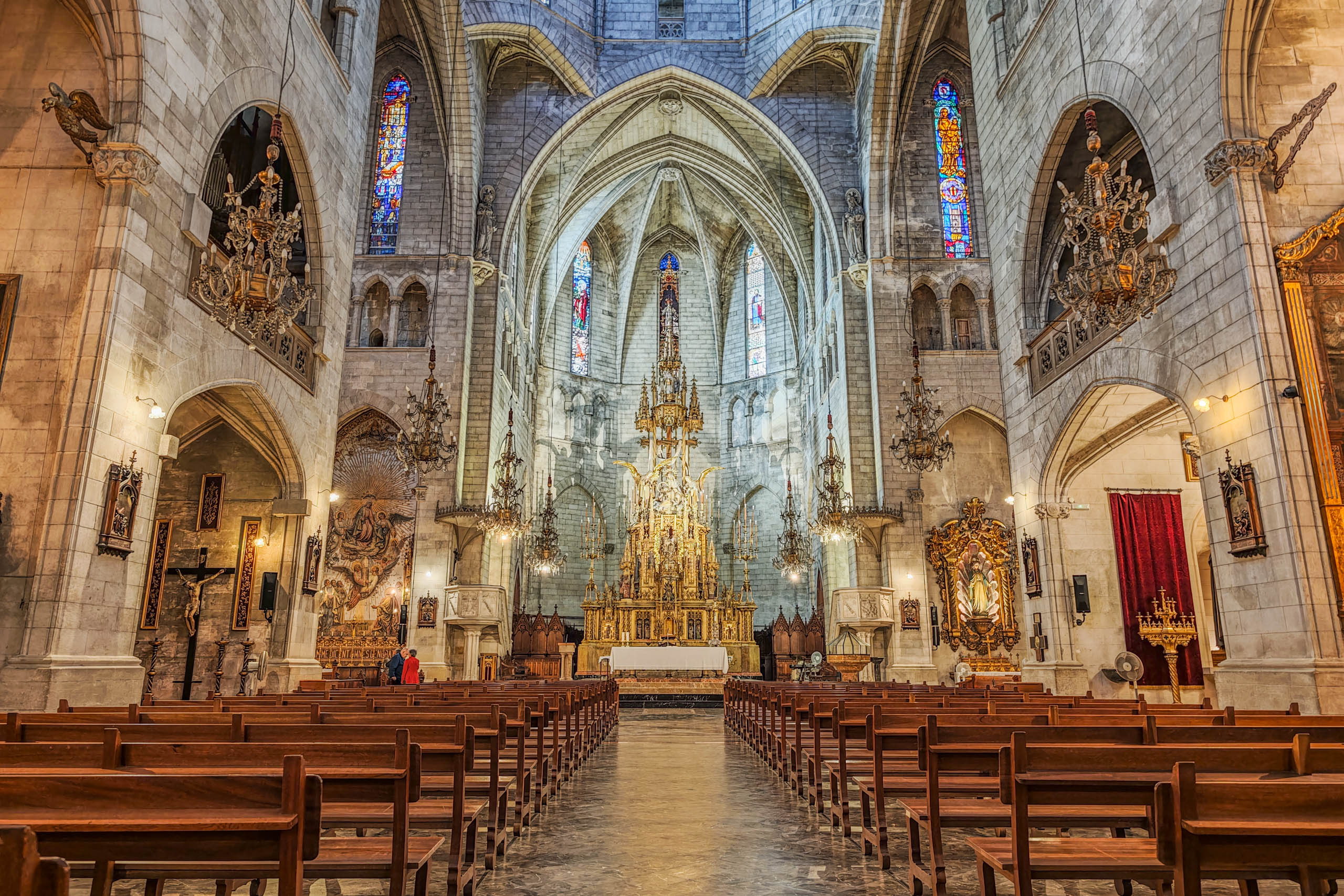
The tall bell tower of Nostra Senyora dels Dolors rises above Manacor’s rooftops. Inside are a lofty vaulted nave …

The caves near Porto Cristo take their name from their hook-shaped formations. Smaller than the nearby Coves del …
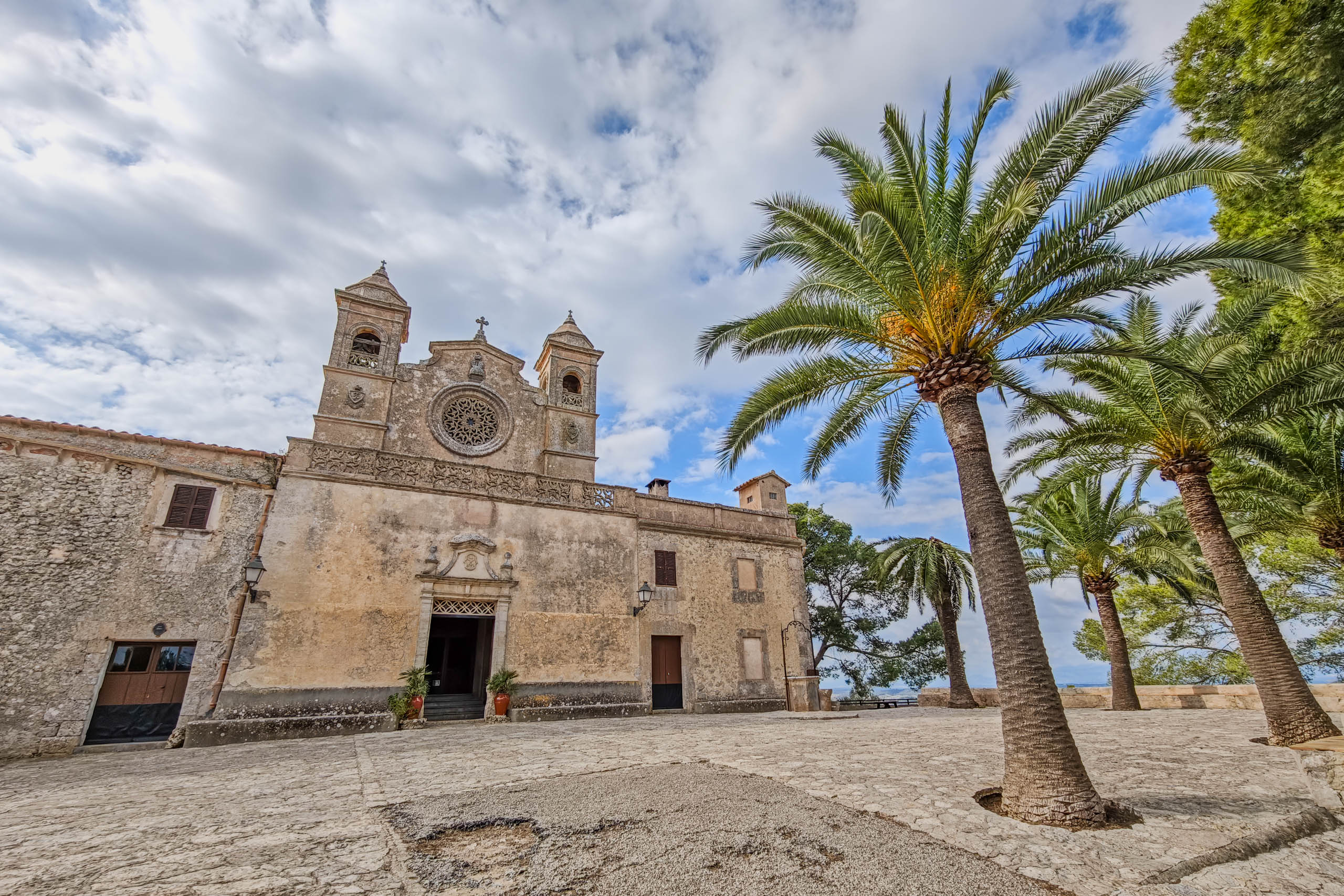
A pilgrimage sanctuary on the Puig de Bonany above Petra, 317 metres above sea level. Hermits lived here until …

A pilgrimage church has stood here since 1348, 509 metres above Felanitx at the southern end of the Serra de …

A rocky hilltop fortress 408 metres above sea level near Felanitx, its walls rising directly from the cliff edge …
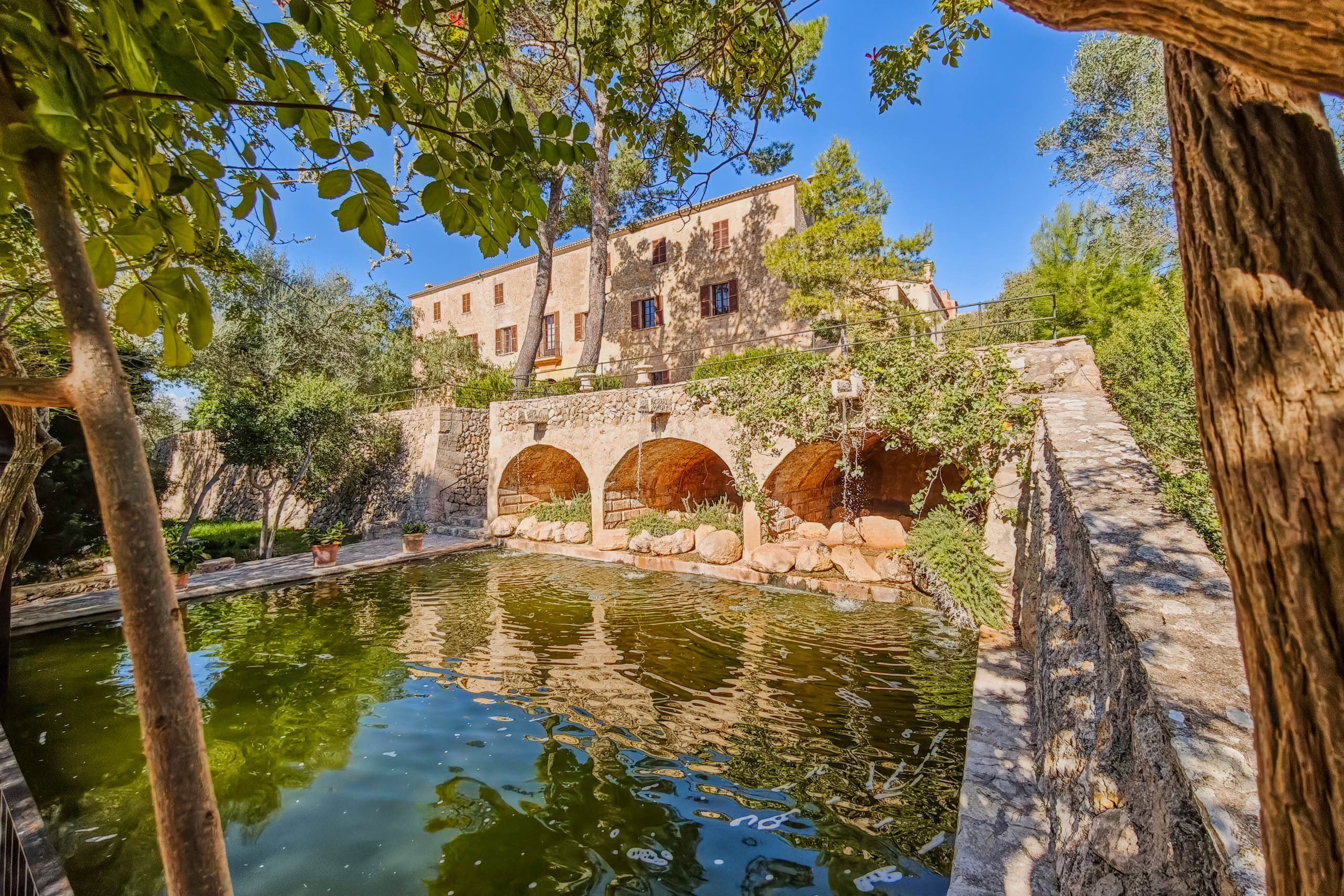
An old country estate near Sant Joan where it’s easy to stay longer than planned. Behind the substantial walls are …
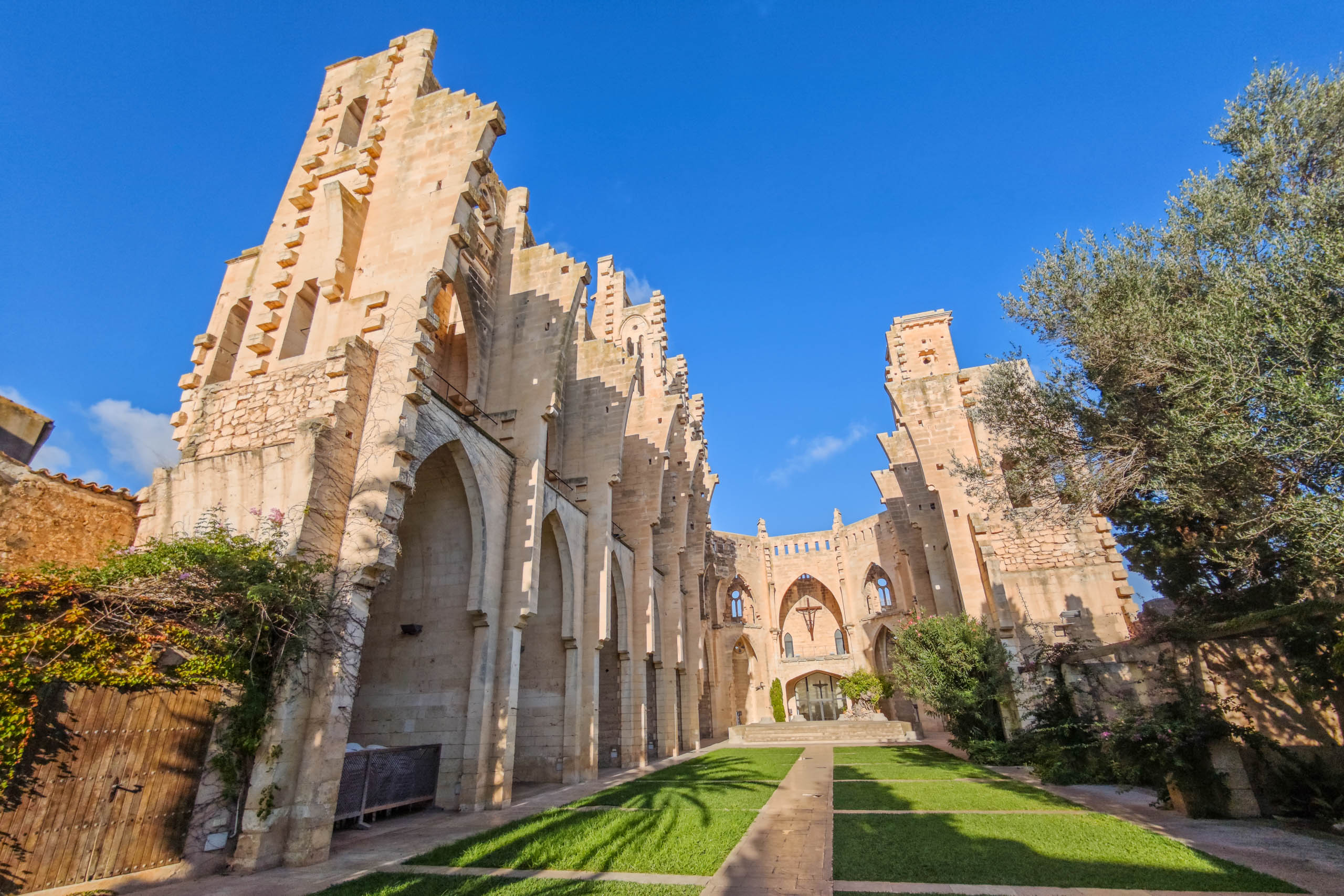
A church without a roof stands in the middle of Son Servera. Beyond Església Nova’s iron gate, garden paths pass …

A small pilgrimage church on a hill above Sant Joan, reached by a broad stone staircase. There is a well, shade …
Distances without a driving time are measured in a straight line. The road journey can be much longer; known driving times are shown alongside.
Where to swim nearby
Beaches and swimming nearby
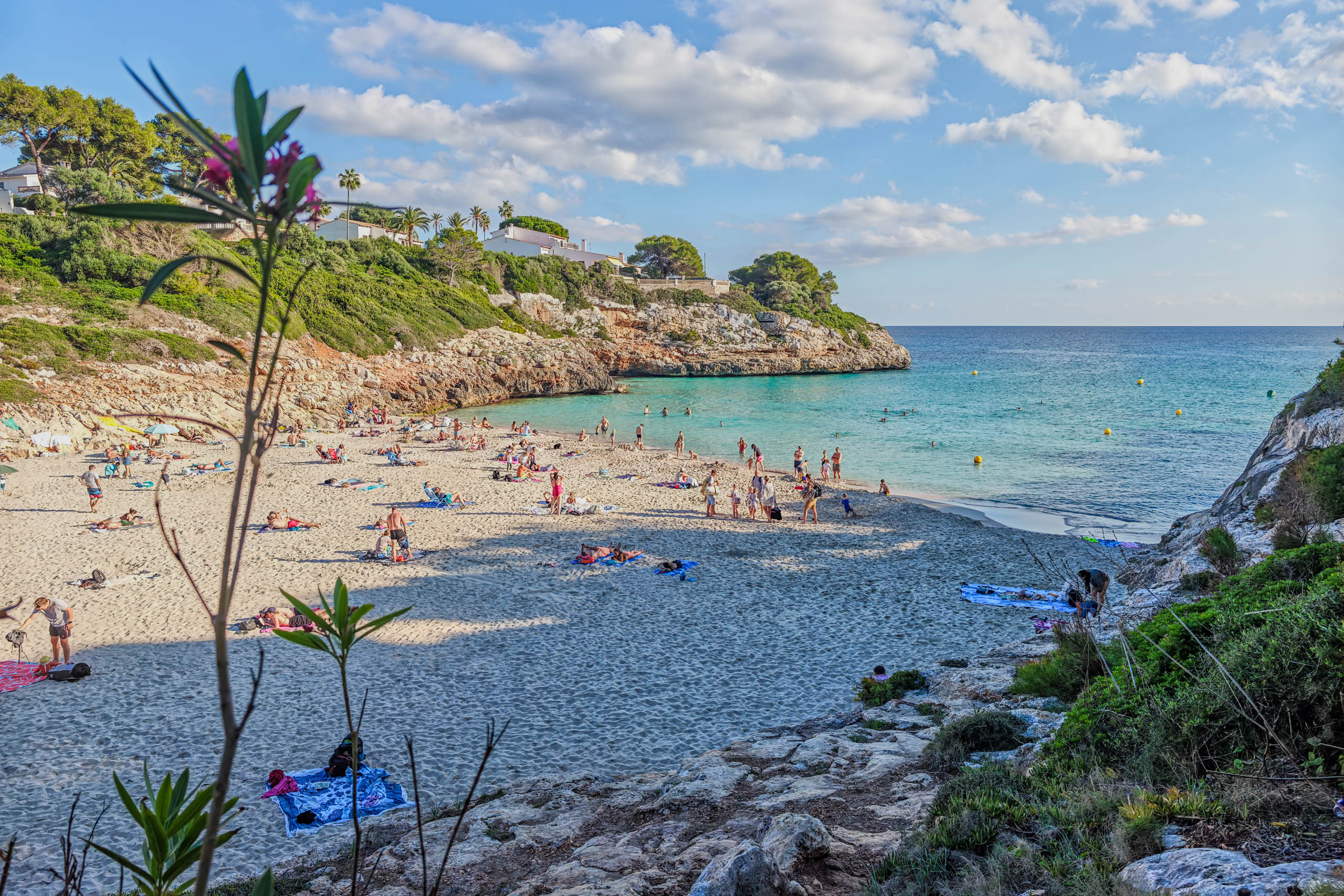
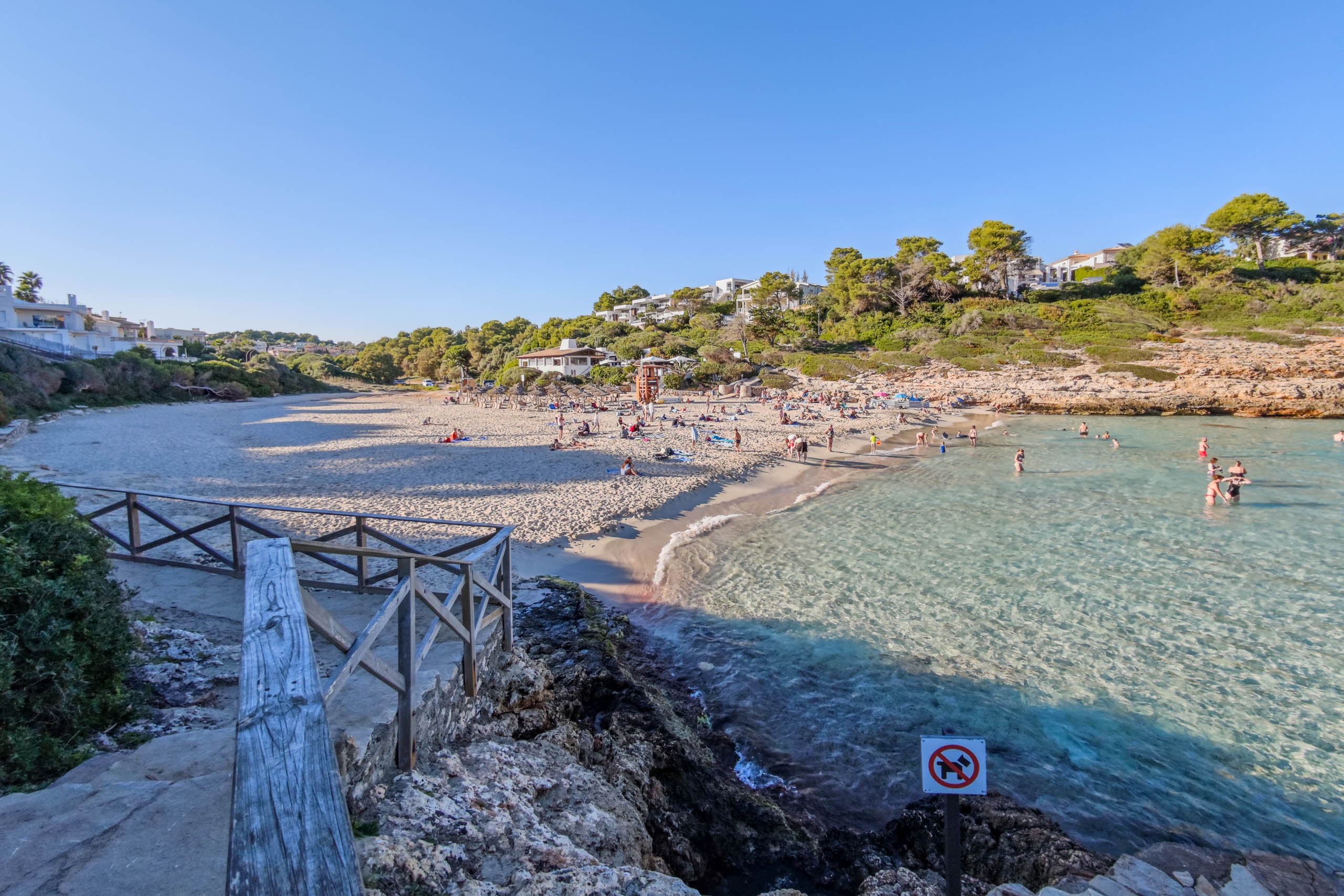
Cala Anguila lies south of Porto Cristo, beside Cala Mandia. A small sandy beach opens between low rocks and …
Cala Mandia, also called Cala Mendia, lies south of Porto Cristo. Pale sand, clear water and gently shelving …

A town with two different daily moods. From ten until four, coaches bring visitors to the Coves del Drac. Before …
Places to stay within reach
Explore from here
Your questions answered
Your questions about Museu d'Història de Manacor
Is there an admission charge at Manacor’s museum?
The museum states that admission is free. A public car park stands directly outside.
How much time should you allow?
One to two hours is a good guide. Allow longer if you want to read the exhibitions in detail.
What can you see in the museum?
The permanent exhibition covers prehistory, Roman times, Late Antiquity and the Islamic and Christian Middle Ages. There’s also the courtyard and temporary exhibitions.
Is the museum open all year?
It has summer and winter schedules. Mondays are closed, as are Sundays in summer and certain public holidays. Check the official museum website for precise hours.
Is there a lift?
Yes. The museum lists a lift, wheelchair access and accessible toilets. Stairs also lead from the courtyard to the upper floor.
Practical questions
When is the best time to visit Museu d'Història de Manacor?
Museu d'Història de Manacor is worth visiting throughout the year. What you can do depends on the season and weather.
Is Museu d'Història de Manacor worth visiting in July and August?
July: worth a visit. August: worth a visit.
Do I need a hire car for Museu d'Història de Manacor?
A car is useful
Where can I park in Museu d'Història de Manacor?
Large public car park directly outside the museum.
Can I visit Museu d'Història de Manacor with a pushchair or wheelchair?
Indoor galleries and a paved courtyard; stairs and a lift serve the upper floor. Wheelchairs: The museum lists wheelchair access, a lift and accessible toilets.
Words and photographs: Friedhelm Fischer. Exploring Mallorca since 2013 — by bike, on foot and with a camera.