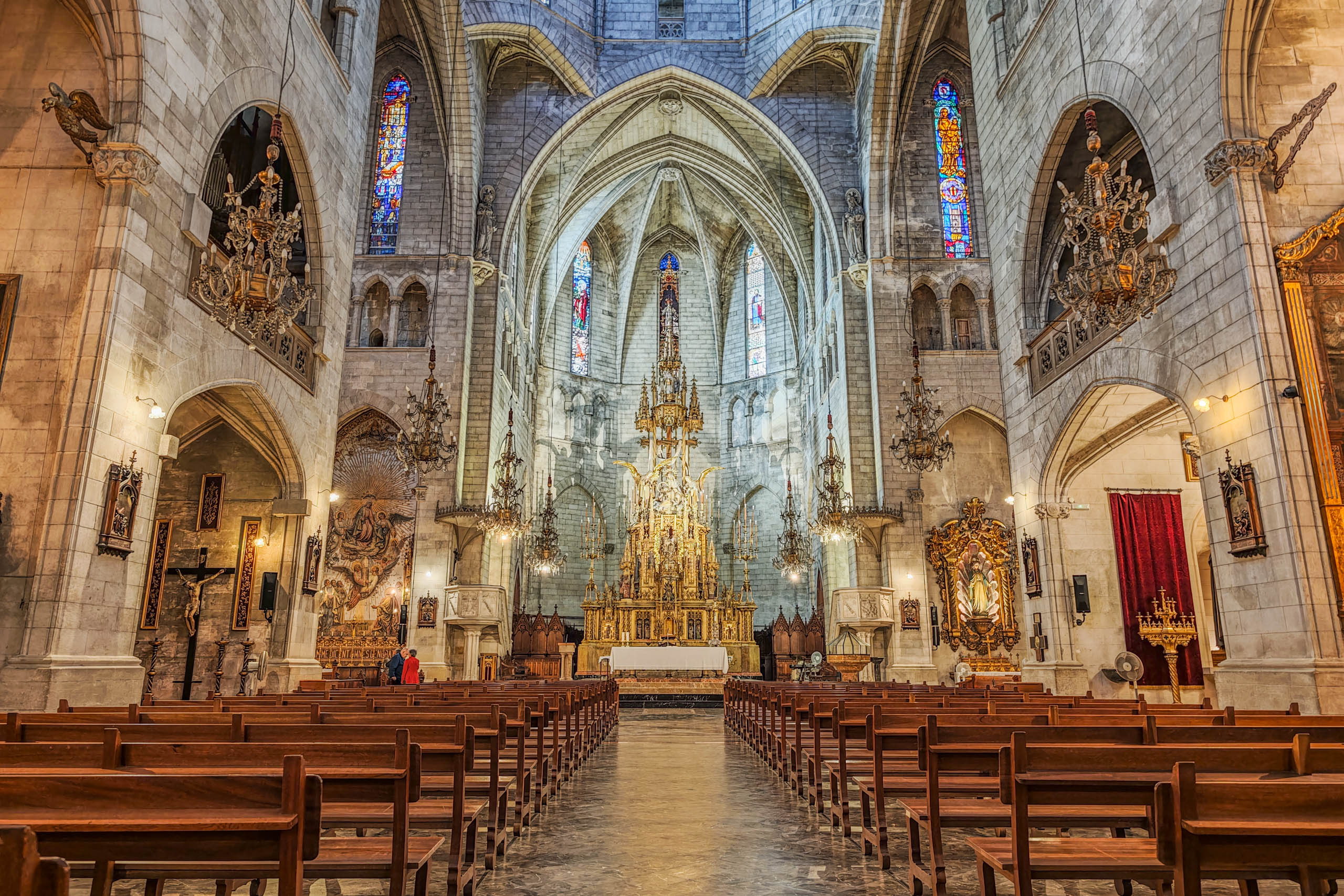
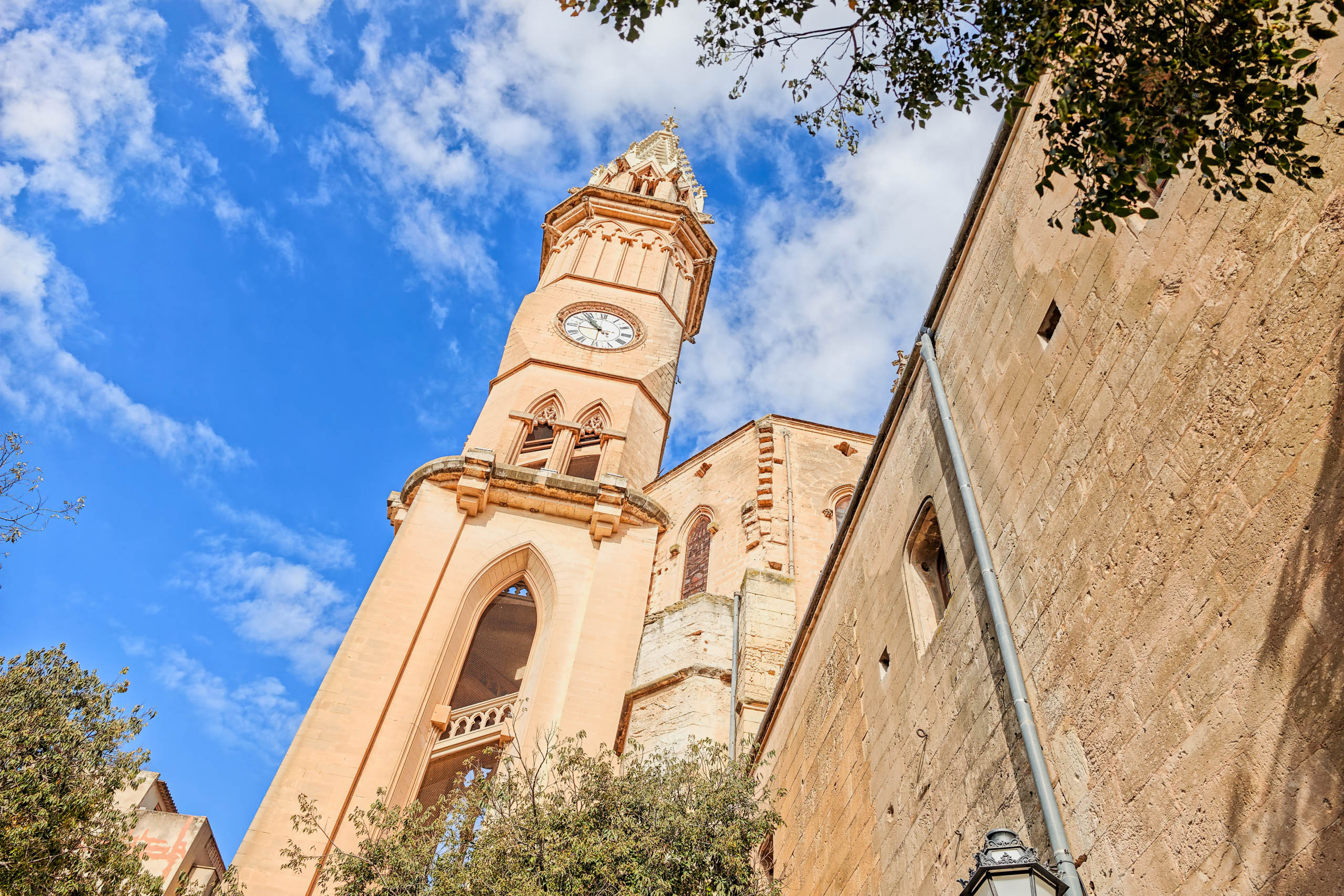
The tall bell tower of Nostra Senyora dels Dolors rises above Manacor’s rooftops. Inside are a lofty vaulted nave, richly decorated side chapels and a large sanctuary. Light from the stained-glass windows falls across the stone — a good reason to sit on a pew and stay a while.
Església de Nostra Senyora dels Dolors
Església de Nostra Senyora dels Dolors in 30 seconds
The essentials at a glance
A place to pause and look around.
- Worth a visit?
- Yes — make sure you go inside too
- Best for
- Worshippers, art lovers and visitors to Manacor
- Best months
- January–December
- Time to allow
- Leave time to look around and sit quietly on a pew.
- Without a car
- T3 train or bus to Manacor, then walk
- Parking
- Look for a space outside the narrow central streets
- Highlight
- The sanctuary and light through the stained glass
- Keep in mind
- Uninterrupted sightseeing during a service
- Access
- In central Manacor, on Plaça del Rector Rubí
Get a feel for Mallorca. Find your kind of place.
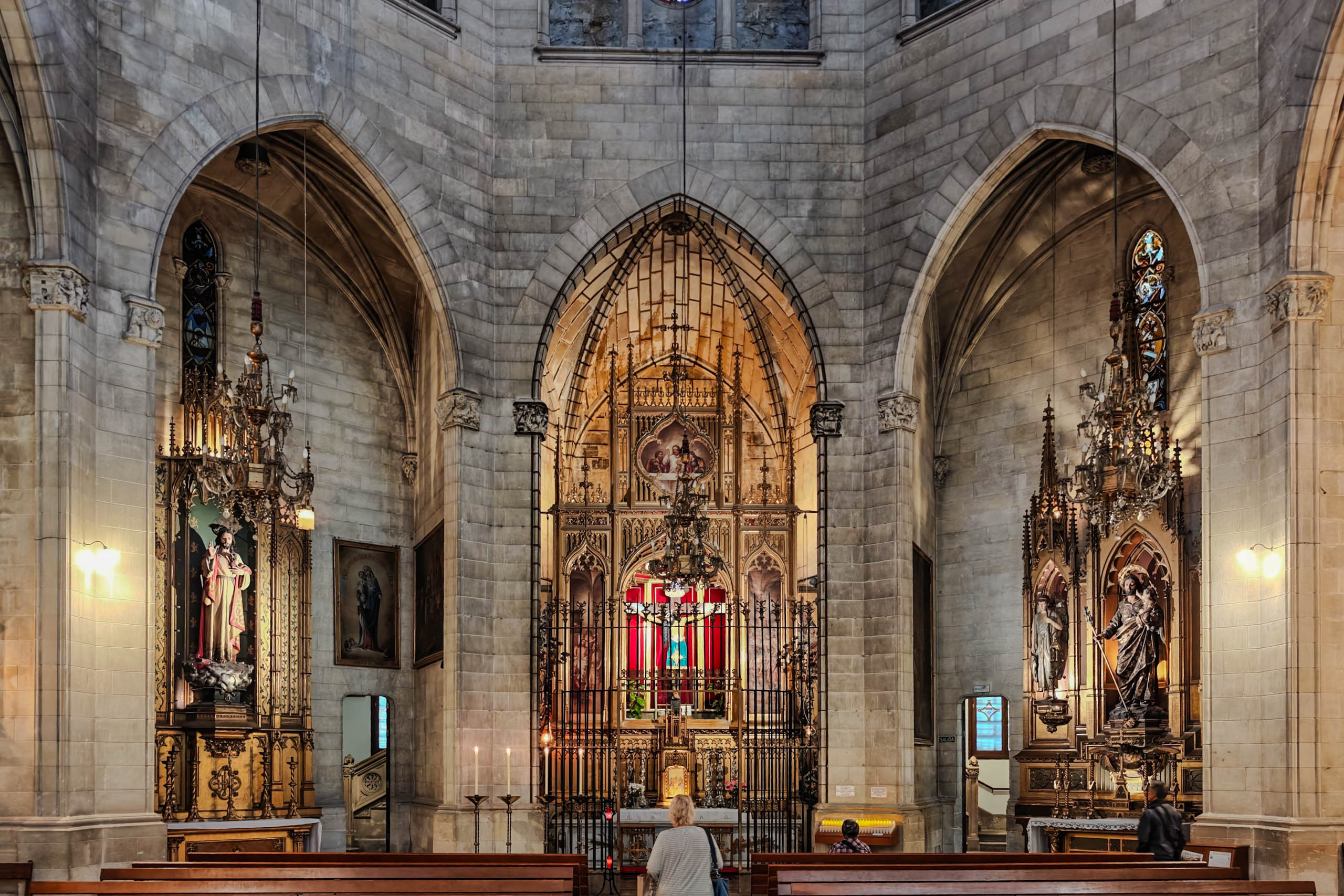
The central aisle opens towards the sanctuary. Above the pews, arches and stained glass draw your eyes upwards.
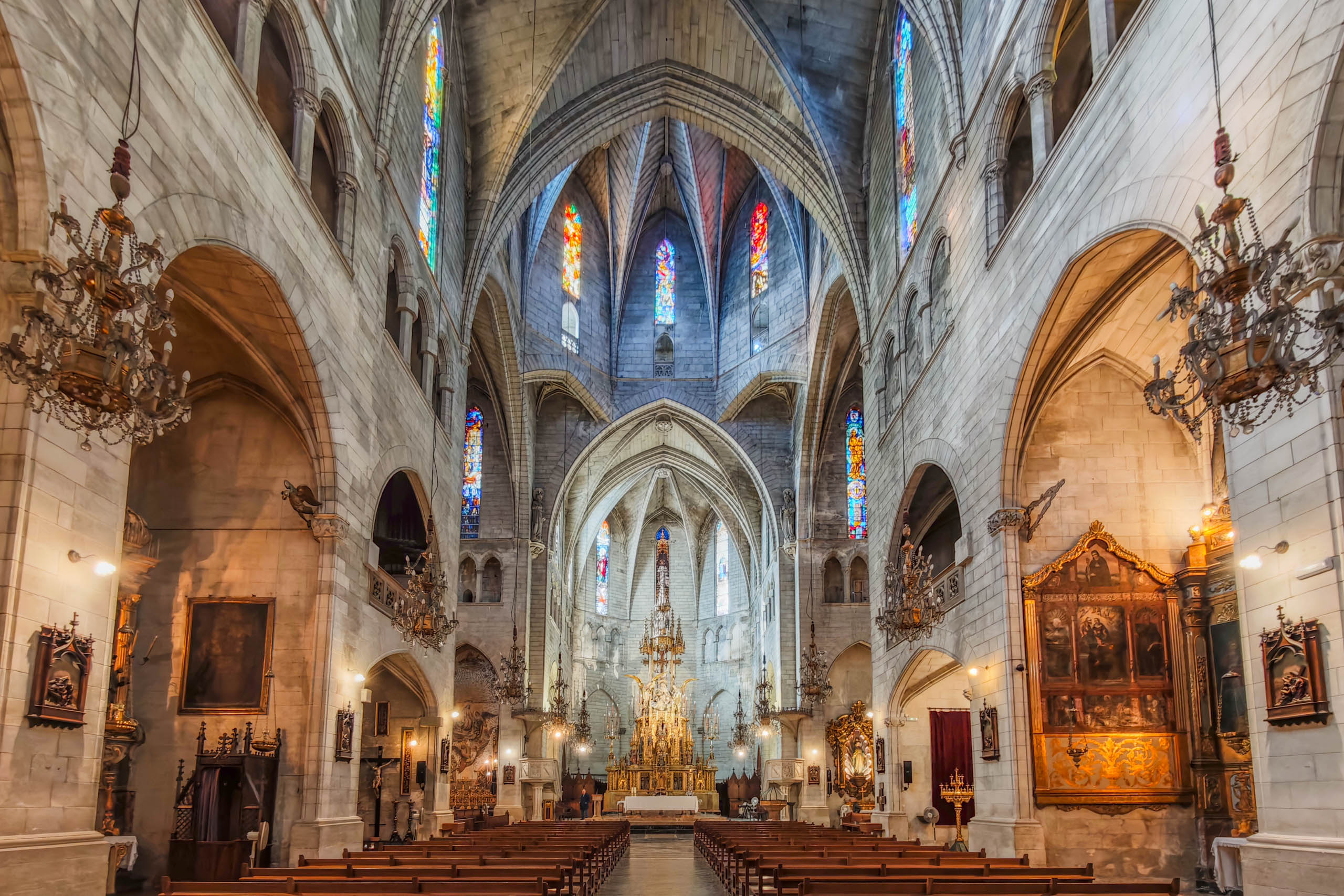
Manacor’s spacious parish church. From a pew, you can take in the altars and the windows above the nave.
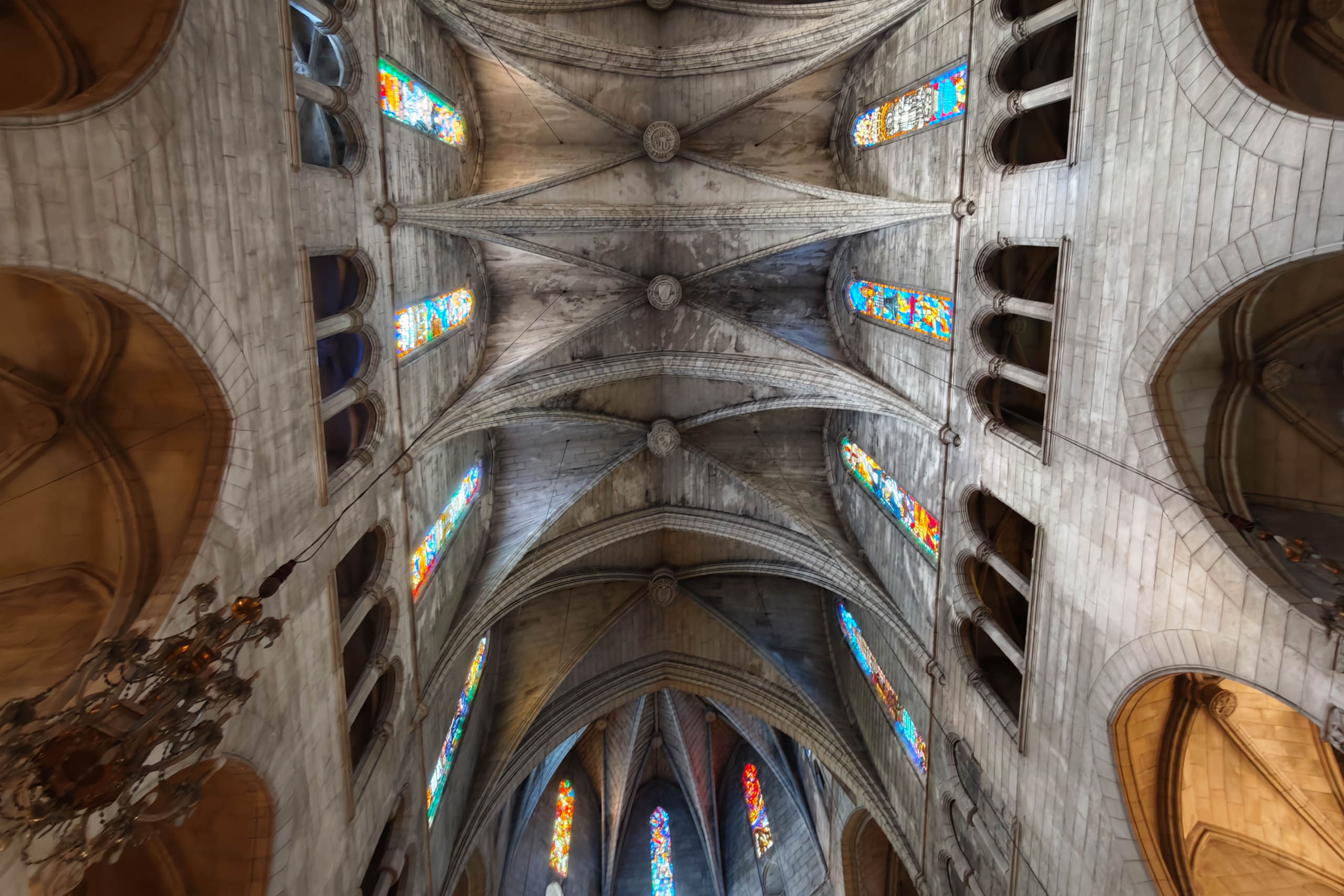
Looking directly into the vault. The windows sit high in the walls, and their light changes with the weather and the sun’s position.
Getting to know Església de Nostra Senyora dels Dolors
Does Església de Nostra Senyora dels Dolors suit your plans?
What to expect and what to know before you visit.
Who it suits
- You like visiting churches as places of faith and quiet.
- You enjoy stained glass, vaulted ceilings and elaborate altars.
- You’d like a pause during your walk around Manacor.
Things to bear in mind
- You want to walk around and take photographs during Mass.
Bus connections
T3 train from Palma
Region
Llevant
Nearest beach
Cala Mandia
10 km
A glimpse of Església de Nostra Senyora dels Dolors
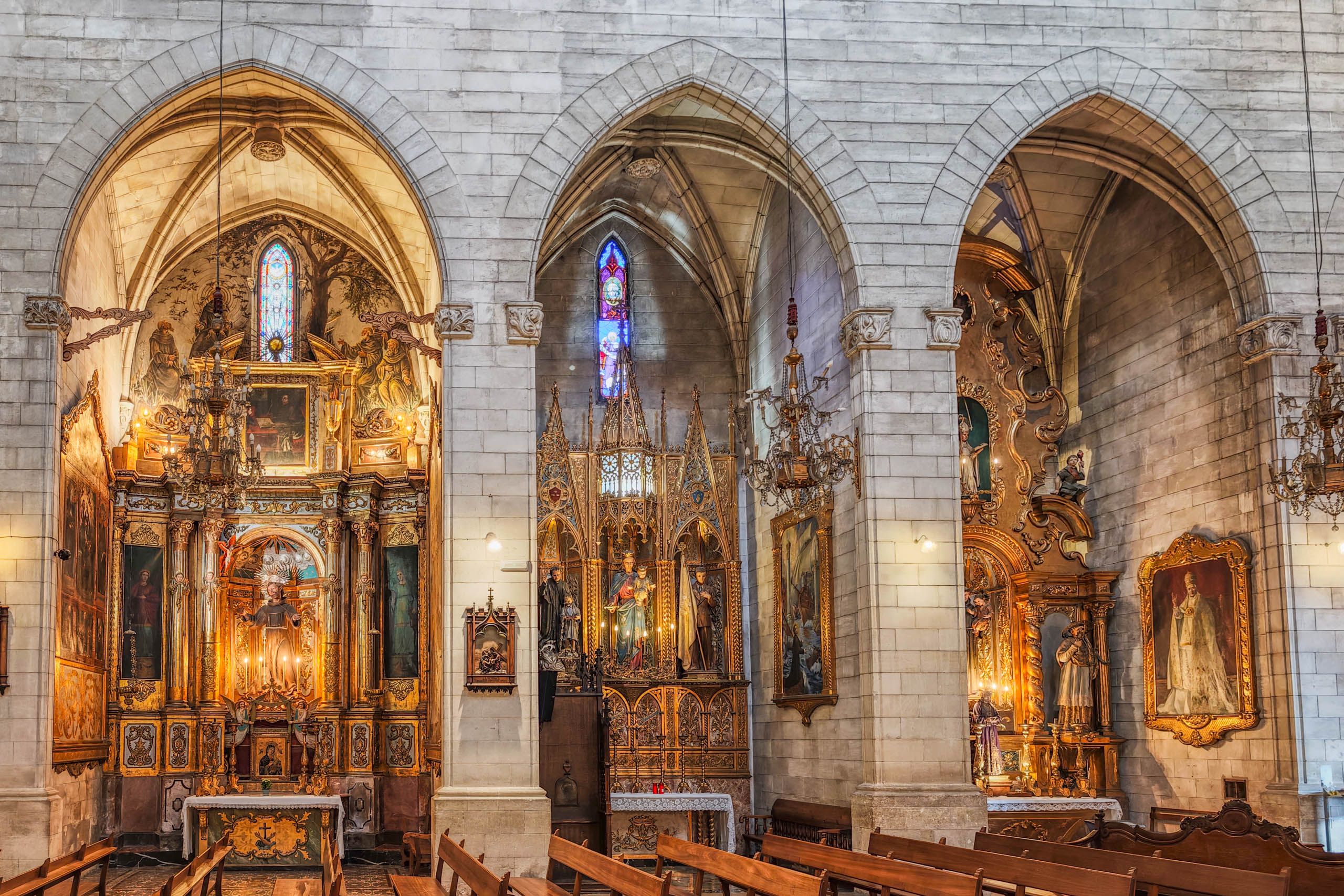
More photographs of Església de Nostra Senyora dels Dolors →
Season guide for Església de Nostra Senyora dels Dolors
November Worth a visit
Worth visiting in January, February, March, April, May, June, July, August, September, October, November and December.
Location
Location of Església de Nostra Senyora dels Dolors
- Region
- Llevant
- Municipality
- Manacor
- Hire car
- not essential
- Worth visiting for
- a brief stop
- Coordinates
- 39.5687,3.2108
Remember to look up
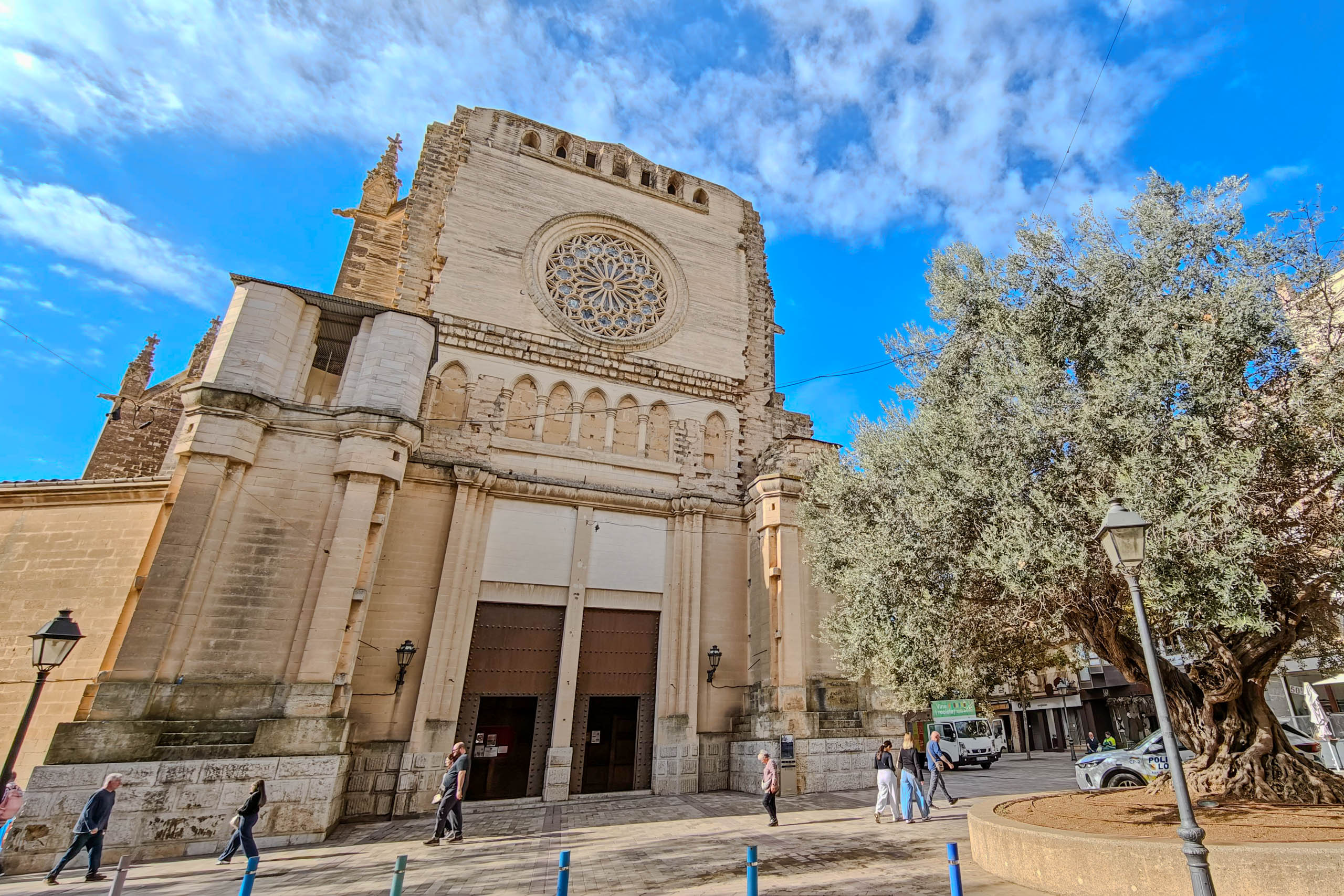
Església de Nostra Senyora dels Dolors stands in central Manacor, on Plaça del Rector Rubí. Its tall bell tower catches your eye from outside. The main entrance and large rose window sit among the town’s buildings, opening onto an interior that deserves a little time.
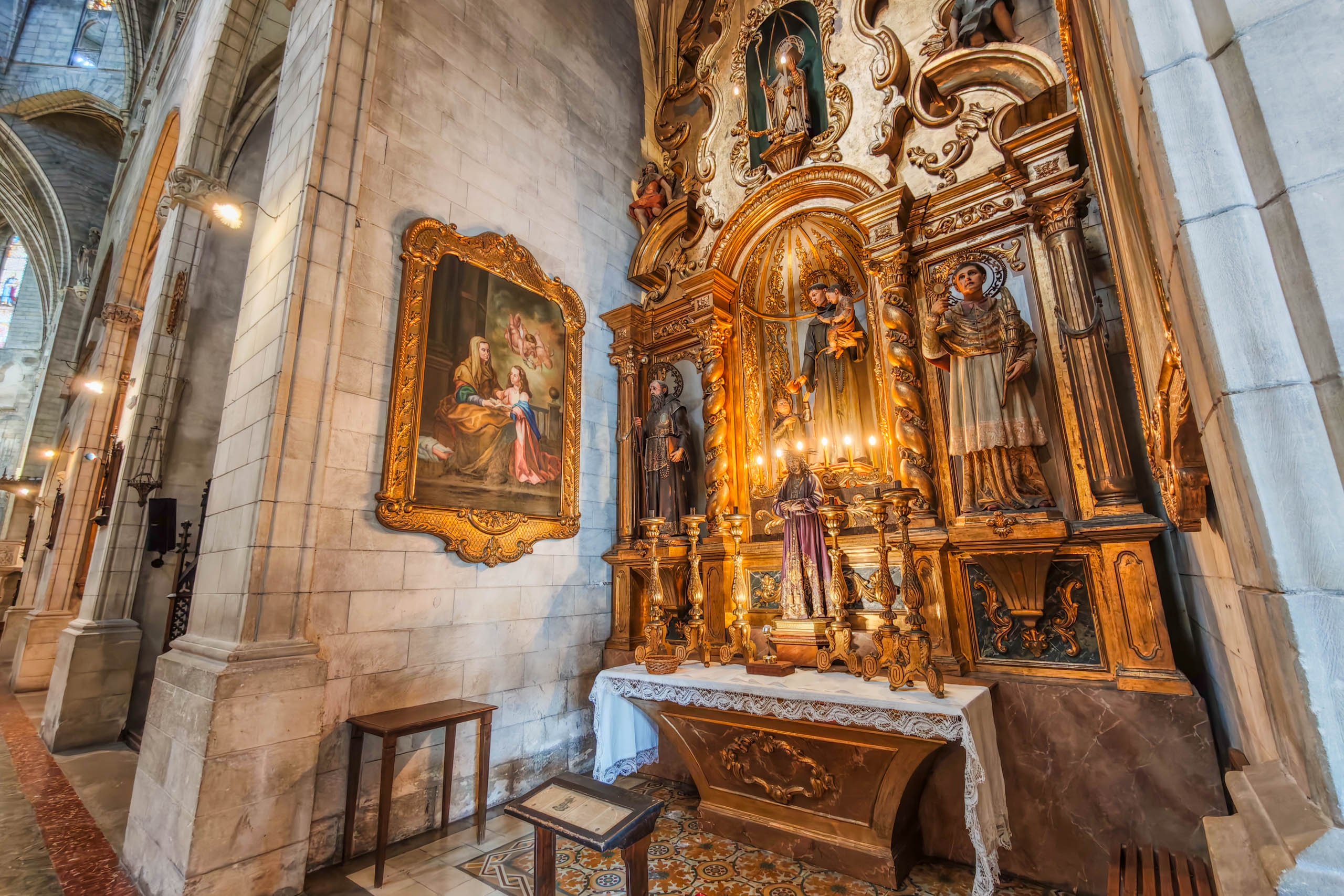
From the aisle between the pews, your eye goes straight to the altar, then upwards along the high arches. Side chapels contain richly decorated altars, paintings and statues of saints. Go no farther than the first pew and you’ll miss many of these details.
The colours of the windows
The stained glass is set high in the walls. On sunny days, its light changes the character of the church. Looking back into the nave from the altar gives you different colours and shapes from those you see on entering. From a pew, you can quietly study the ribs of the vault and the way the arches meet.
For Friedhelm, this combination of light, scale and stillness is the reason to stay. The church is worth visiting throughout the year. The windows are especially striking in the sunnier months, but the best light depends on both the weather and the sun’s position.
Manacor’s parish church
Construction of the present church began around 1890, to plans by Josep Barceló Runggaldier. Gaspar Bennàssar continued the work and designed the bell tower. The driving force was priest Rafel Ignasi Rubí, whose name survives in the square and in the tower’s name, Torre Rubí.
The parish website gives the tower’s height as 75 metres. Parts of an older church remain within the neo-Gothic interior, so the side chapels and their furnishings reflect more than one period.
Visiting and getting here
Maiorica Sacra, the Diocese of Mallorca’s cultural website, lists opening daily from 8.30am–12.45pm and 5.30–7.45pm. If you’re making a special trip, check the latest details beforehand. Regular admission is free according to the official tourism website. During services, leave sightseeing until afterwards; you can sit quietly on a pew if you wish.
From Palma, take the T3 train to Manacor. From Porto Cristo, Sa Coma and Cala Millor, bus 401 passes through the town on its way to Palma. Walk to the church from the station or bus stop. If driving, find a permitted space outside the narrow central streets.
For a very different church visit, try Església Nova in Son Servera, with its roofless nave open to the sky.
To learn more about the town afterwards, visit Museu d’Història de Manacor on the outskirts. Allow one to two hours for its exhibition rooms and courtyard.
Photographs
Església de Nostra Senyora dels Dolors in Mallorca
How much time do you have?
Things to do in Església de Nostra Senyora dels Dolors
Three hours
Take your time in the church, then walk around central Manacor. Leave room for a café stop.
On a rainy day
The interior is worth visiting in the rain too. Coloured sunlight depends on the weather and the sun’s position.
Practical details
- Parking
- Find a permitted space outside the narrowest central streets and combine the church with a walk through town.
- Public transport
- T3 to Manacor Estació or bus 401 to Manacor, followed by a walk.
- Time to allow
- Leave time to look around and sit quietly on a pew.
- Good to know
- Maiorica Sacra lists daily opening from 8.30am–12.45pm and 5.30–7.45pm. Check current times and services before visiting. Pause sightseeing during Mass.
- Bus
- T3 train from Palma; bus 401 from Porto Cristo and Cala Millor.
- Price guide
- Admission Regular church visits are free according to the official tourism website. (as of 2026)
- Coordinates
- 39.5687,3.2108 Google Maps Apple Maps
Within reach
Places to visit
Nearby
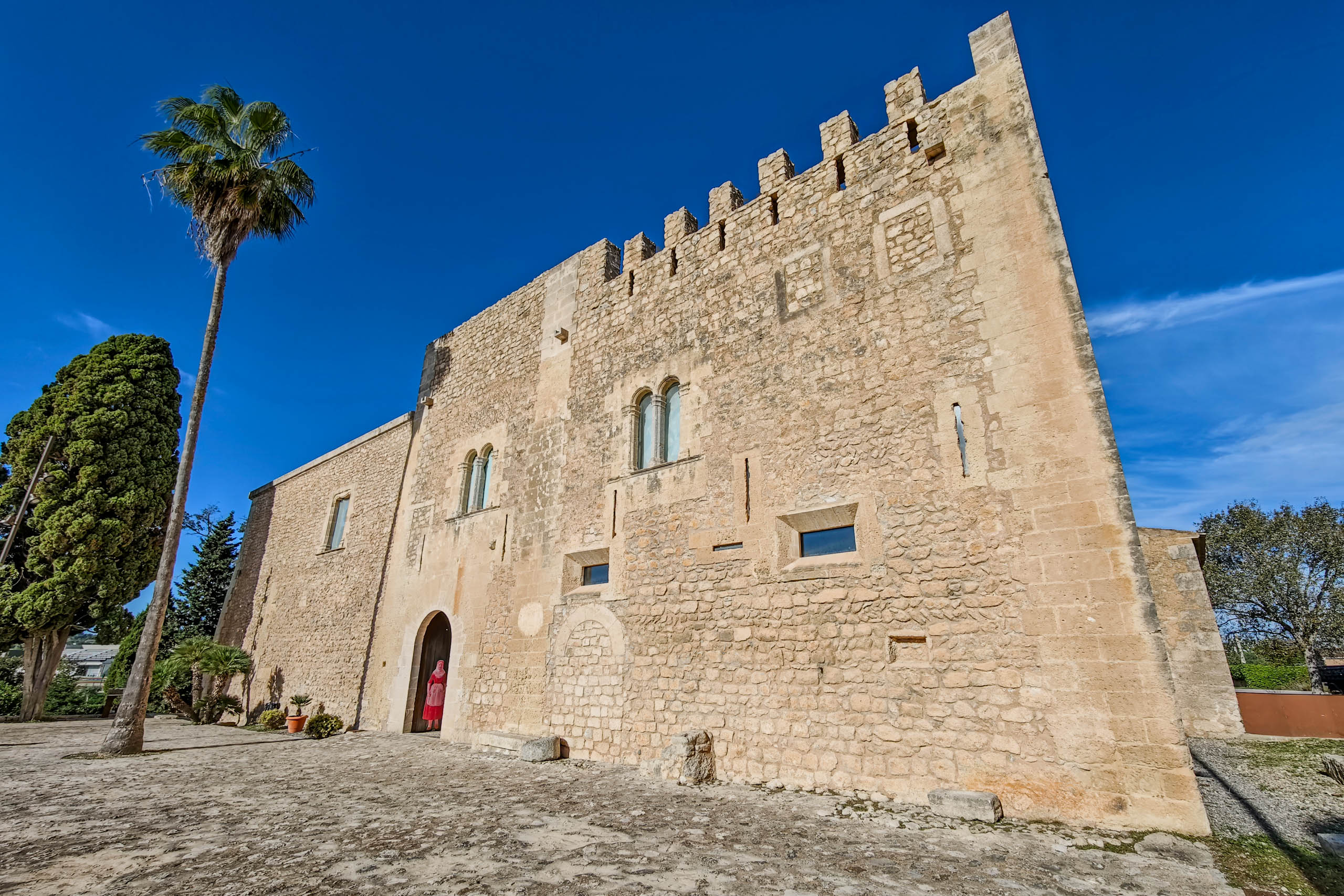
Behind the Rafa Nadal Sports Center is a museum worth taking time over. Inside Torre dels Enagistes, the galleries …

The caves near Porto Cristo take their name from their hook-shaped formations. Smaller than the nearby Coves del …
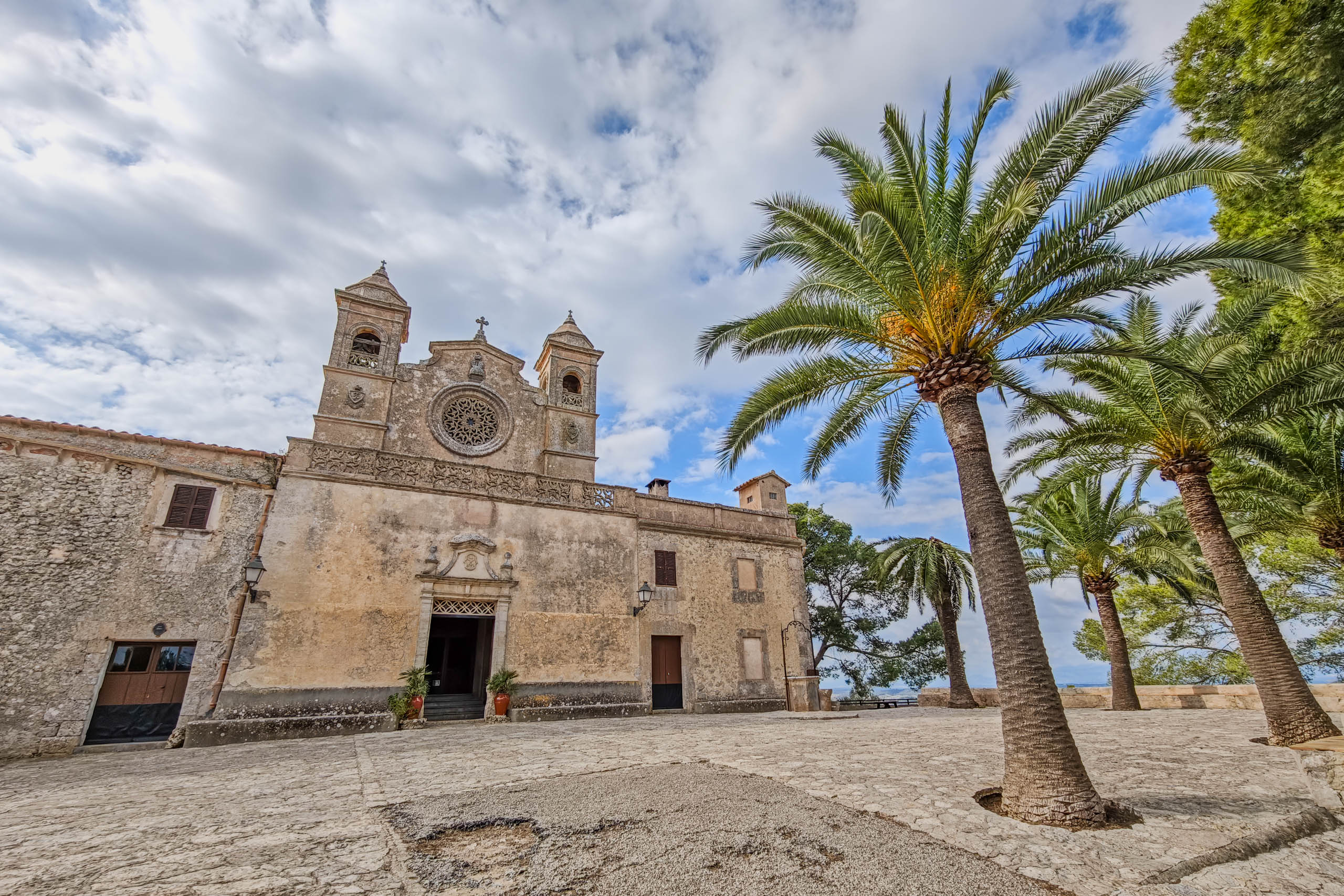
A pilgrimage sanctuary on the Puig de Bonany above Petra, 317 metres above sea level. Hermits lived here until …
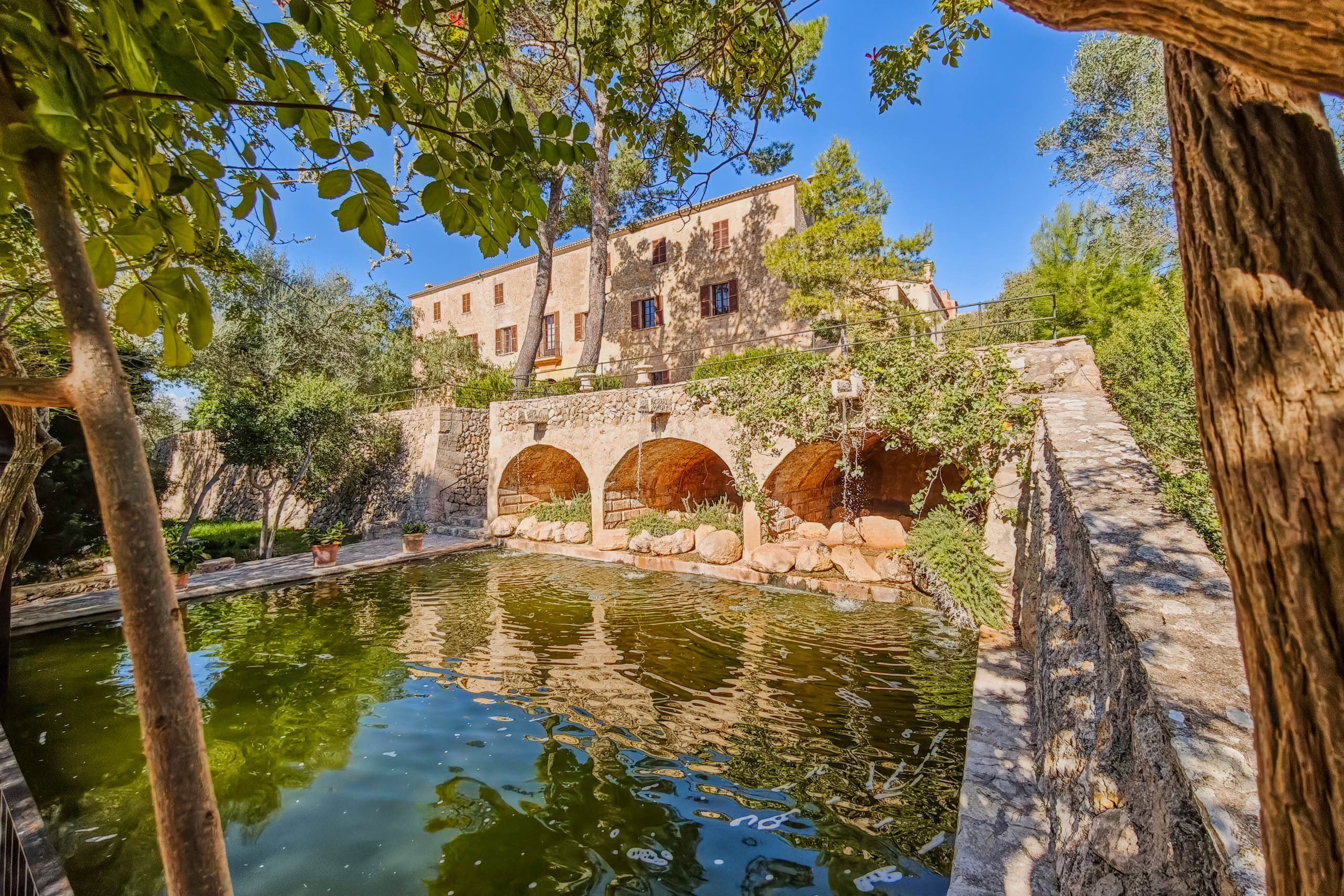
An old country estate near Sant Joan where it’s easy to stay longer than planned. Behind the substantial walls are …

A pilgrimage church has stood here since 1348, 509 metres above Felanitx at the southern end of the Serra de …
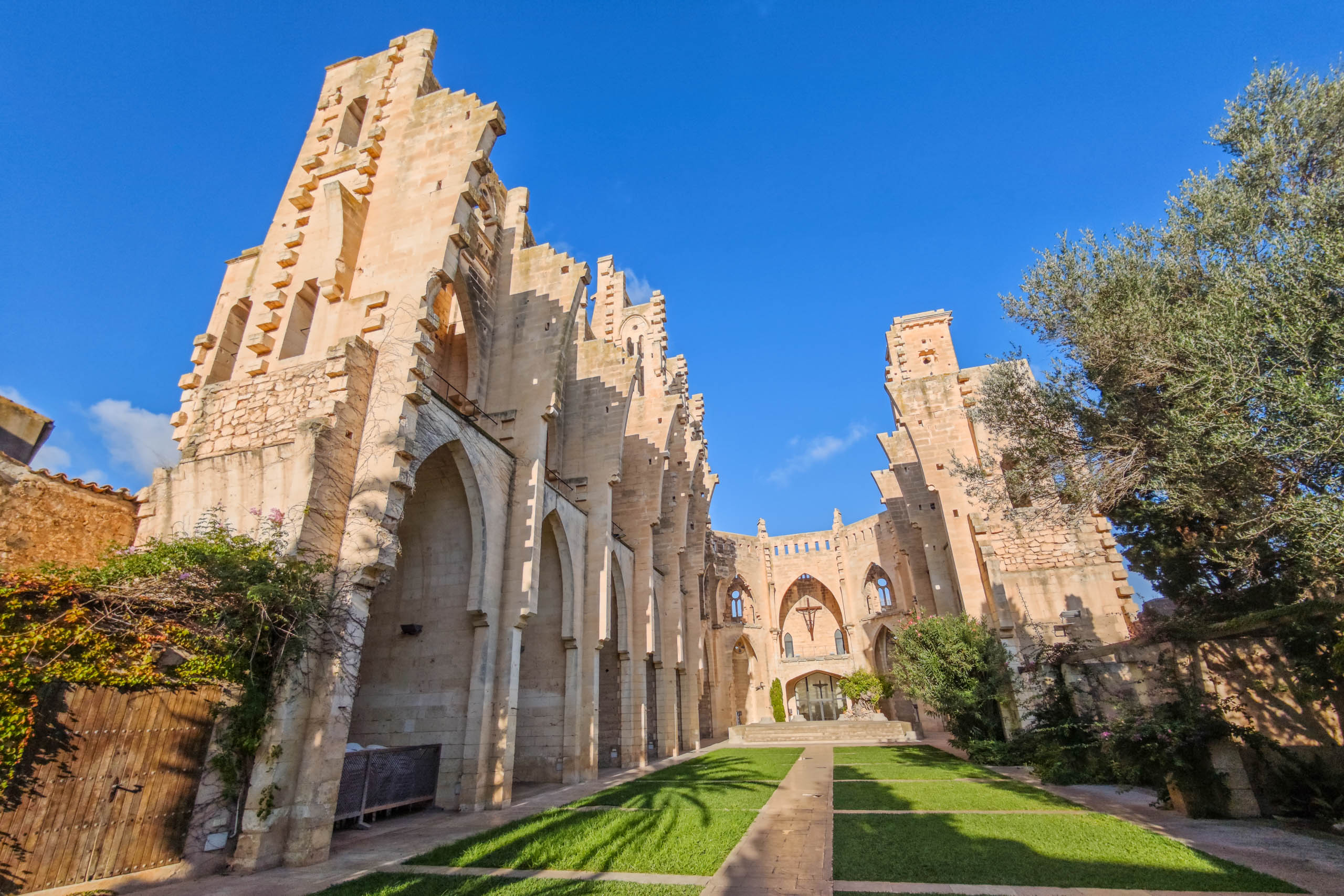
A church without a roof stands in the middle of Son Servera. Beyond Església Nova’s iron gate, garden paths pass …

A rocky hilltop fortress 408 metres above sea level near Felanitx, its walls rising directly from the cliff edge …

A small pilgrimage church on a hill above Sant Joan, reached by a broad stone staircase. There is a well, shade …
Distances without a driving time are measured in a straight line. The road journey can be much longer; known driving times are shown alongside.
Where to swim nearby
Beaches and swimming nearby
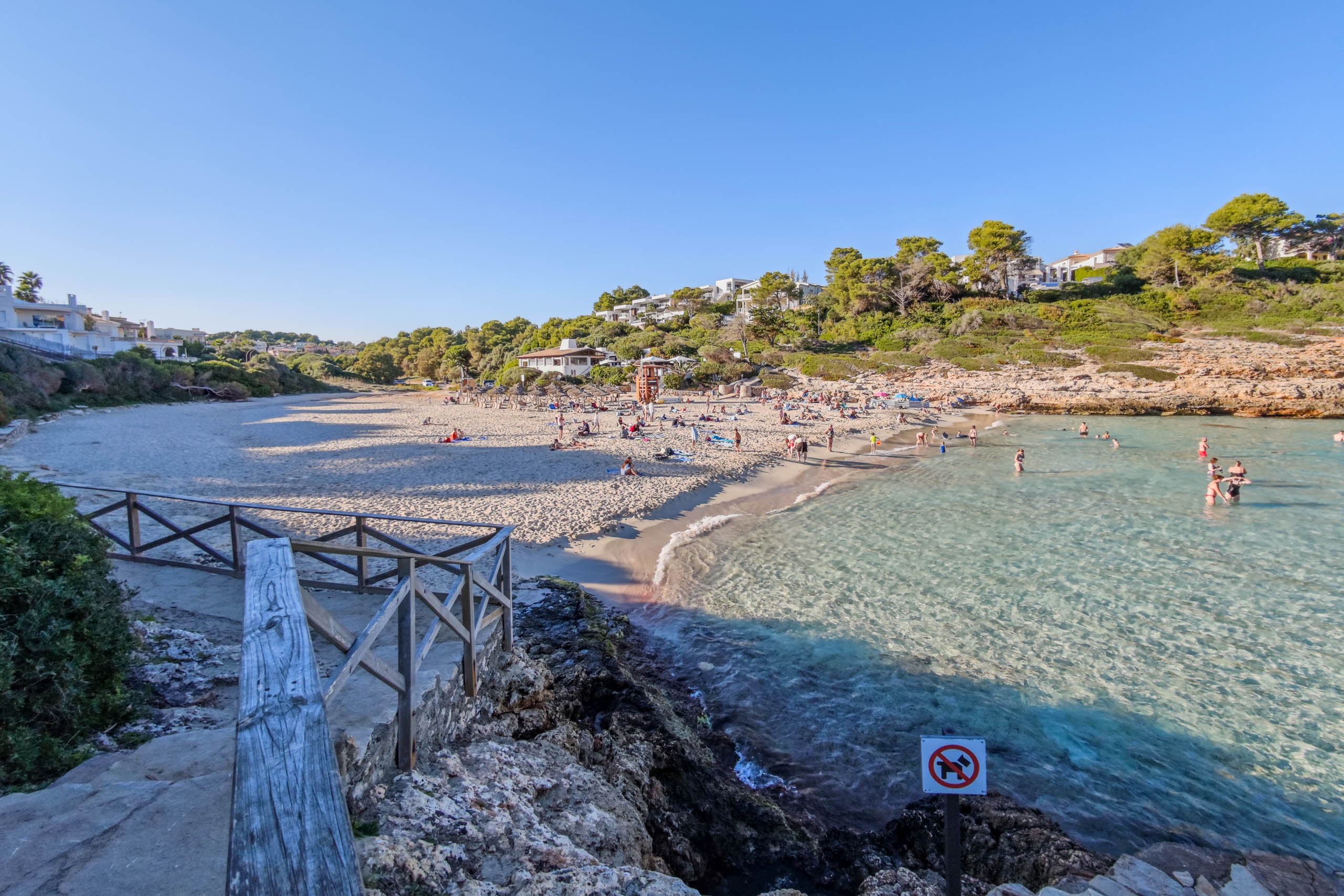
Cala Mandia, also called Cala Mendia, lies south of Porto Cristo. Pale sand, clear water and gently shelving …
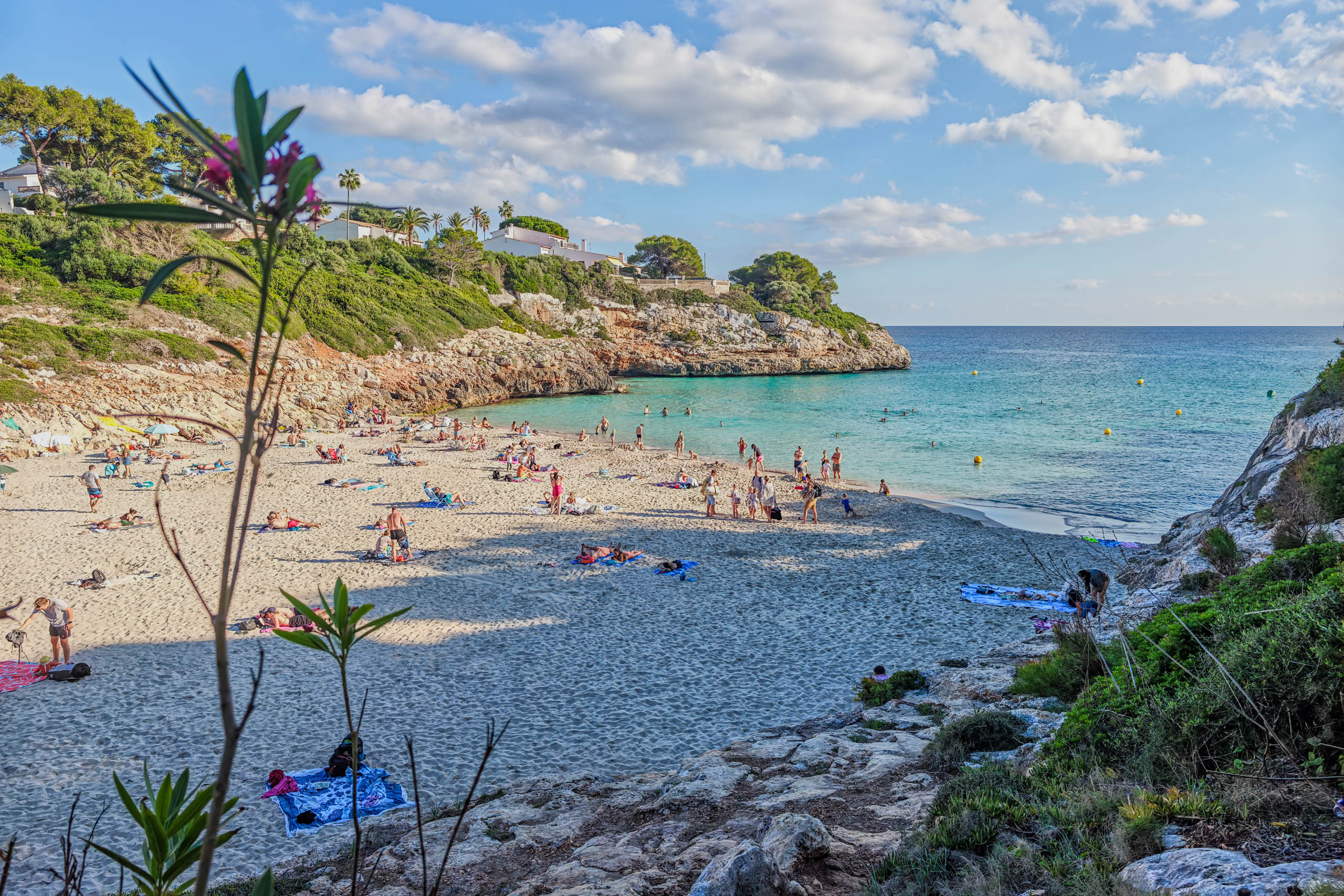
Cala Anguila lies south of Porto Cristo, beside Cala Mandia. A small sandy beach opens between low rocks and …

A town with two different daily moods. From ten until four, coaches bring visitors to the Coves del Drac. Before …
Places to stay within reach
Explore from here
Your questions answered
Your questions about Església de Nostra Senyora dels Dolors
Where is Nostra Senyora dels Dolors?
In central Manacor, on Plaça del Rector Rubí. Its tall bell tower is a useful landmark. Walk from the railway station or central bus stops.
When is the church open?
Maiorica Sacra, the church’s cultural information service, lists daily opening from 8.30am–12.45pm and 5.30–7.45pm. Check current details and service times before visiting; worship takes priority during Mass.
Is there an admission charge?
The official Balearic tourism website lists free admission for a regular church visit. Guided tours or special events may have separate arrangements.
Is this a medieval church?
The present neo-Gothic building was begun around 1890. Earlier churches stood on the same site, and some parts were retained. Its tall pointed arches don’t mean the whole building is medieval.
What should you look at inside?
The large sanctuary, statues and altars in the side chapels, and stained-glass windows. Take time to look up at the vault and enjoy the space from a pew.
Is it only worth visiting in summer?
No, it’s worthwhile all year. Friedhelm particularly likes the sunny months for the light through the coloured glass. The architecture and furnishings are still worth seeing on cloudy days.
Practical questions
When is the best time to visit Església de Nostra Senyora dels Dolors?
Església de Nostra Senyora dels Dolors is worth visiting throughout the year. What you can do depends on the season and weather.
Is Església de Nostra Senyora dels Dolors worth visiting in July and August?
July: worth a visit. Sunny days bring colour into the church through its windows. Leave time to sit on a pew. August: worth a visit. Sunny days bring colour into the church through its windows. Leave time to sit on a pew.
Do I need a hire car for Església de Nostra Senyora dels Dolors?
Easy to manage without a car T3 train from Palma; bus 401 from Porto Cristo and Cala Millor.
Where can I park in Església de Nostra Senyora dels Dolors?
Find a permitted space outside the narrowest central streets and combine the church with a walk through town.
Words and photographs: Friedhelm Fischer. Exploring Mallorca since 2013 — by bike, on foot and with a camera.