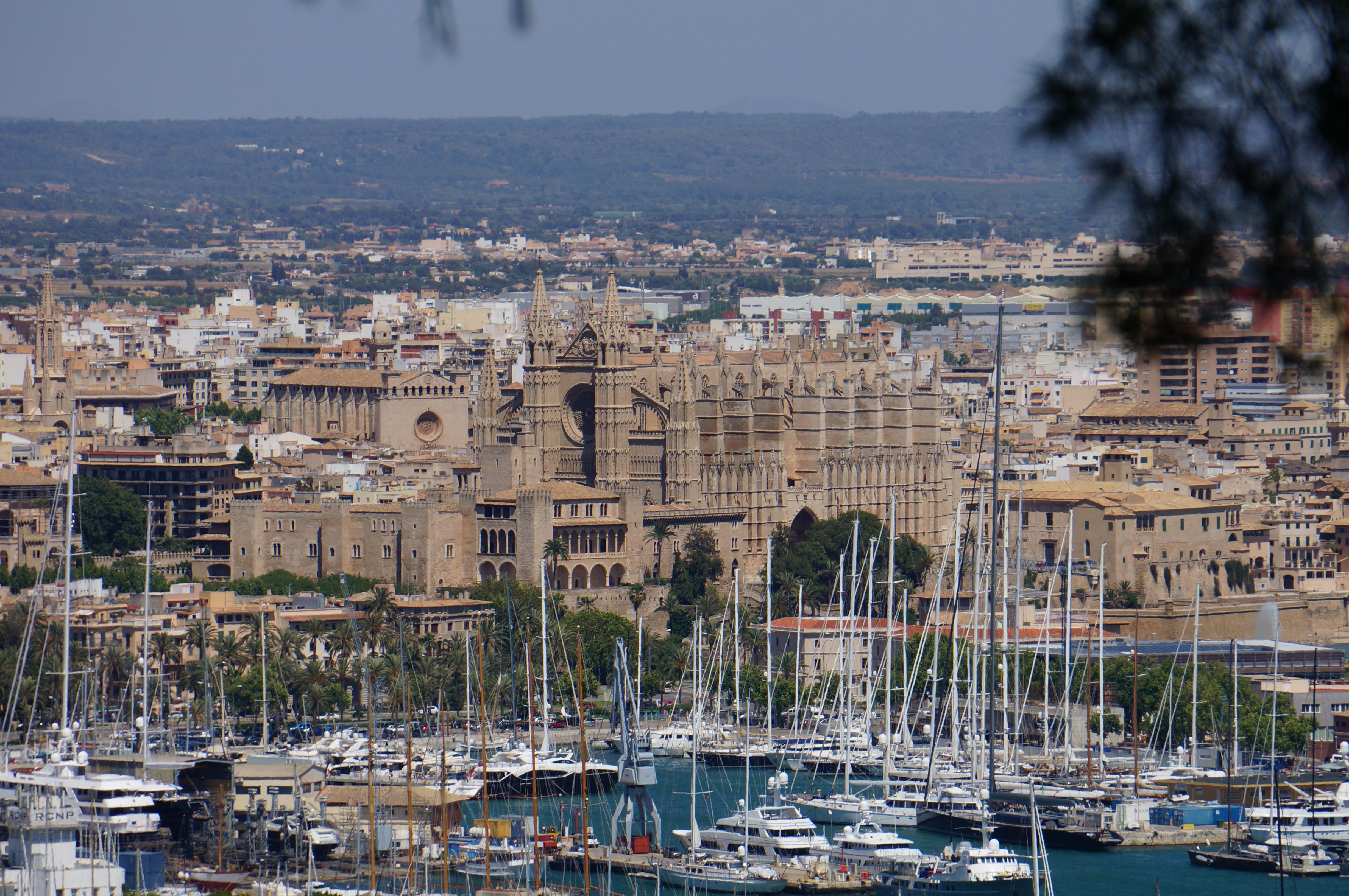
This is no oversized village passing as an island capital. Palma is a Mediterranean city with more than a thousand years of history, home to almost half of Mallorca's population. Distinctive neighbourhoods, a major Gothic cathedral and a Moorish street plan you can still get lost in.
Palma
Palma in 30 seconds
The essentials at a glance
- Worth visiting for
- A longer stay
- Best for
- Culture, neighbourhoods and a holiday without a hire car
- Best months
- January–May, September–December
- Time to allow
- At least two full days. Allow four or five for museums and neighbourhoods beyond the old town.
- Without a car
- Better without a car
- Parking
- Don't drive into the old town, much of which is pedestrianised or restricted to residents. Use Parc de la Mar or Plaça Major car parks, or cheaper park-and-ride sites on the outskirts.
- Highlight
- The cathedral and historic old town
- Keep in mind
- Seclusion and rural peace
- Access
- Accessibility varies; use official routes for each neighbourhood
Get a feel for Mallorca. Find your kind of place.
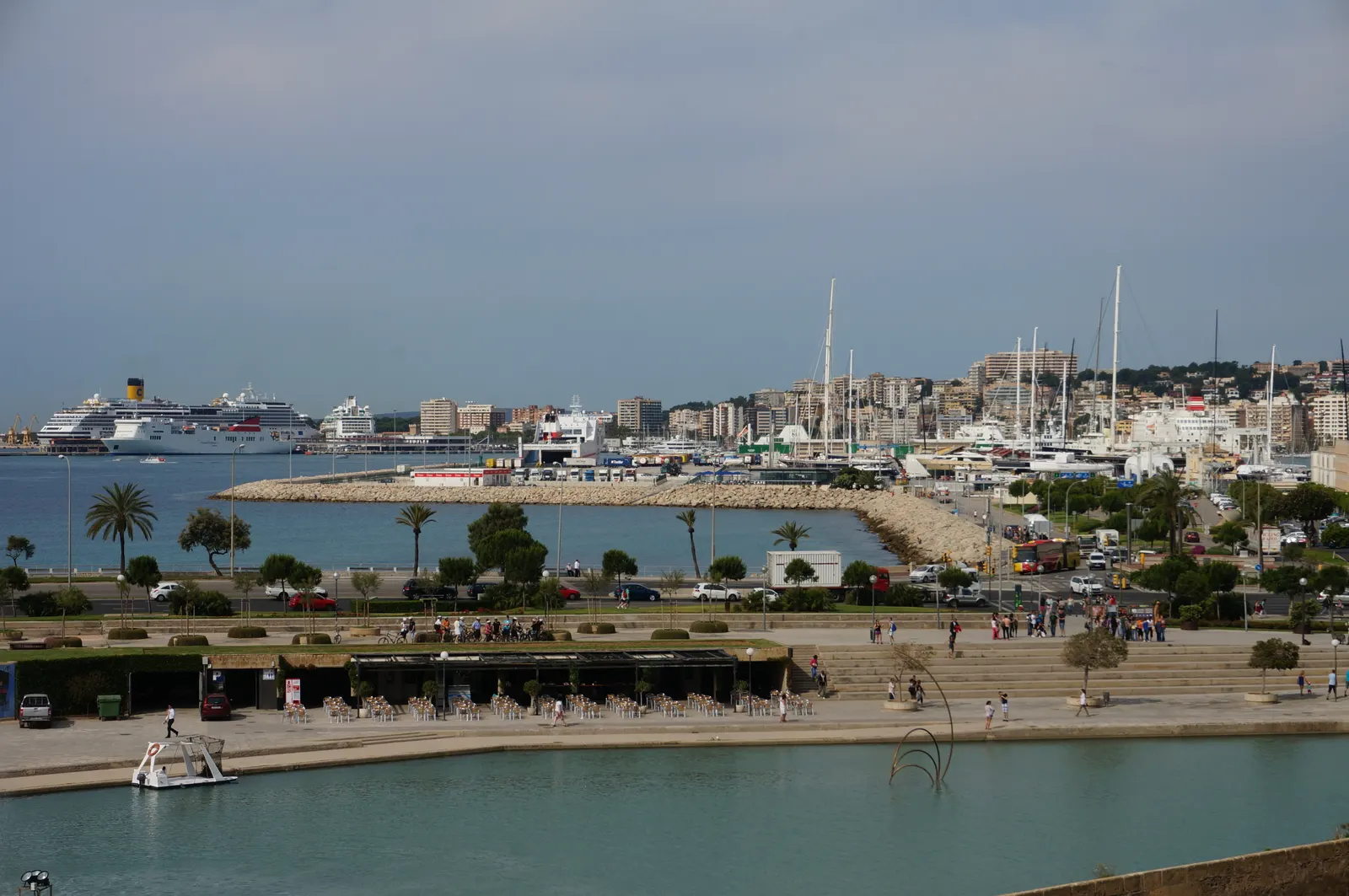
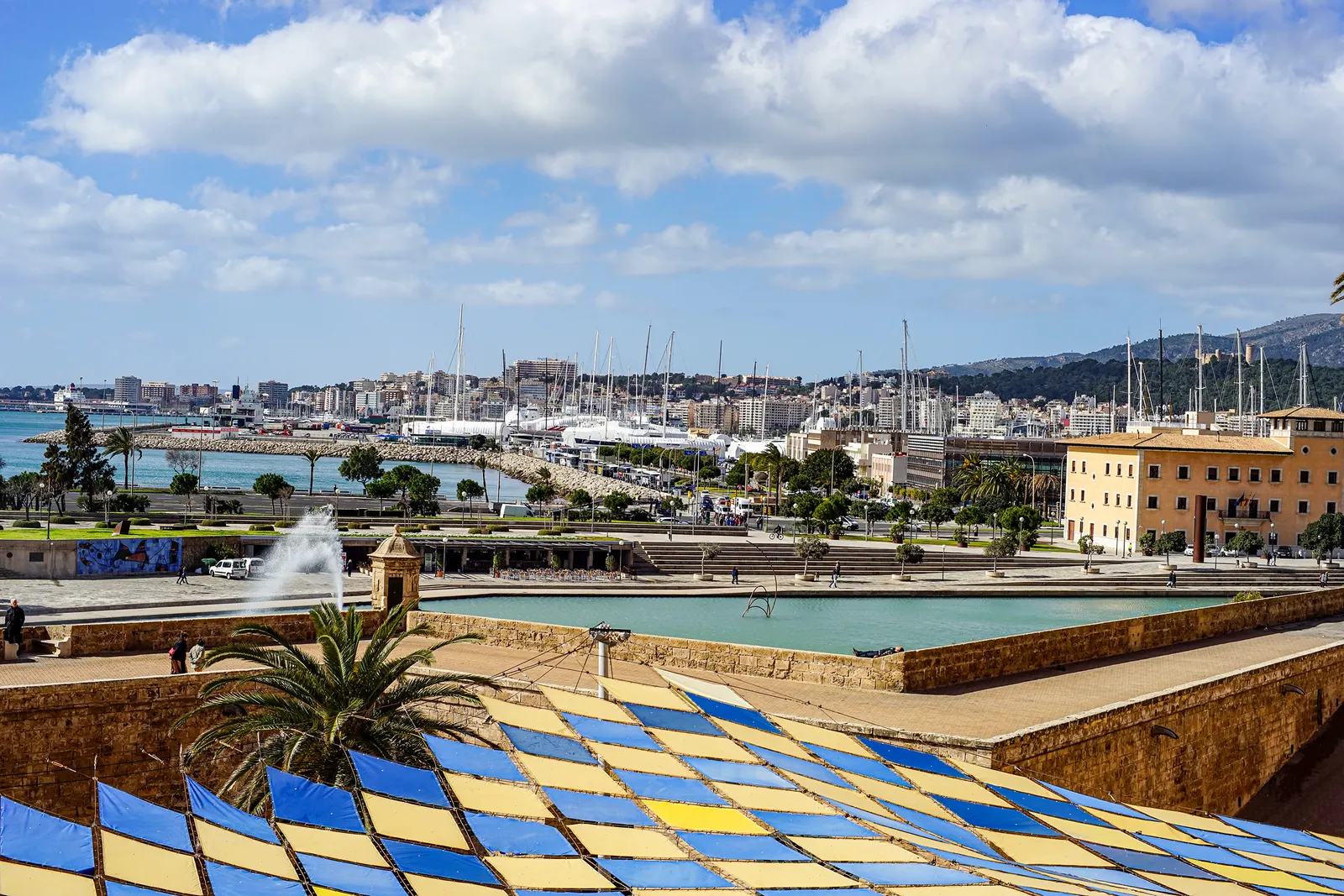
The harbour and cruise terminals, busiest from spring to autumn.
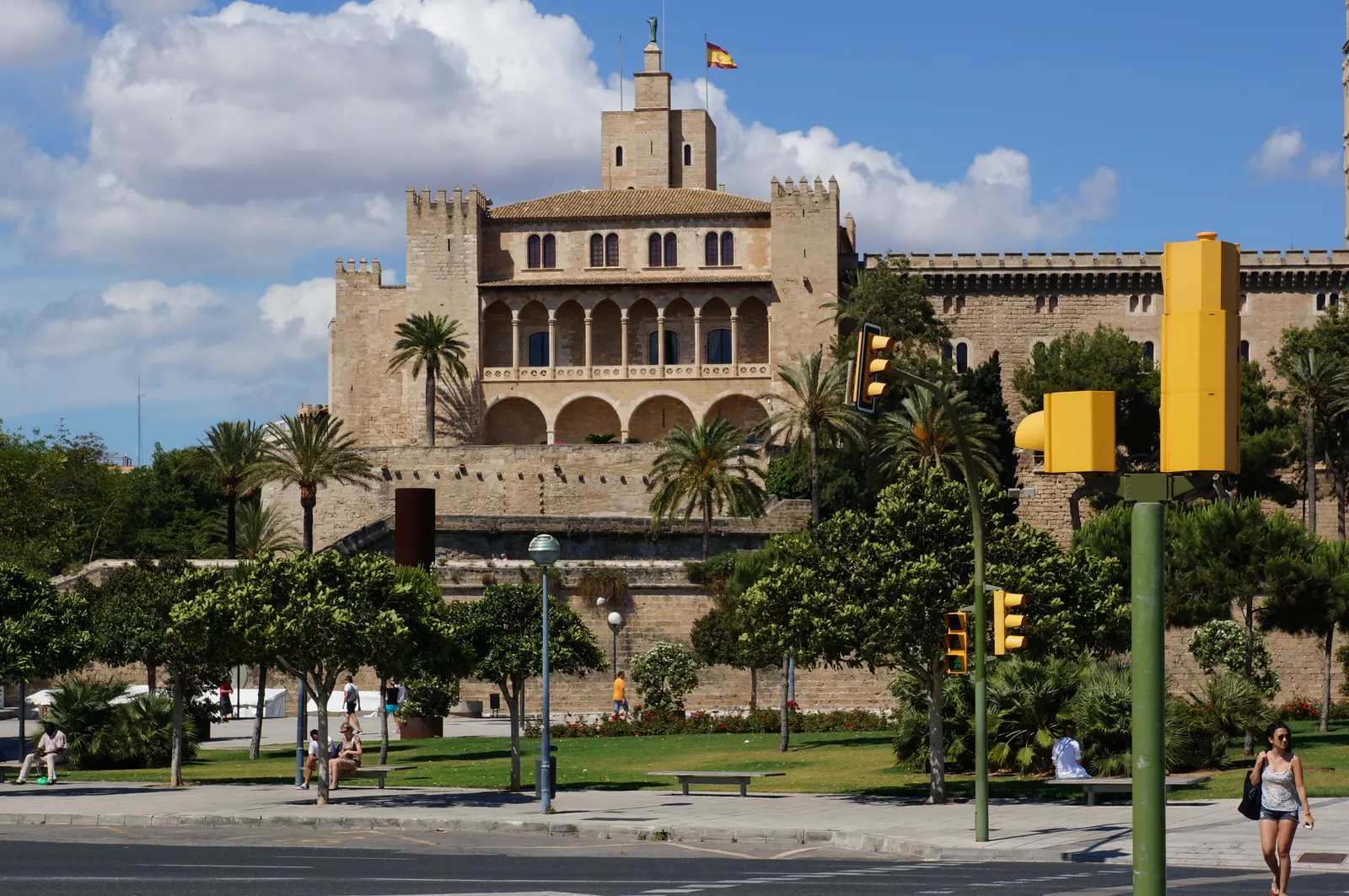
Palau de l'Almudaina — an Islamic fortress, later a royal residence, and still state-owned.
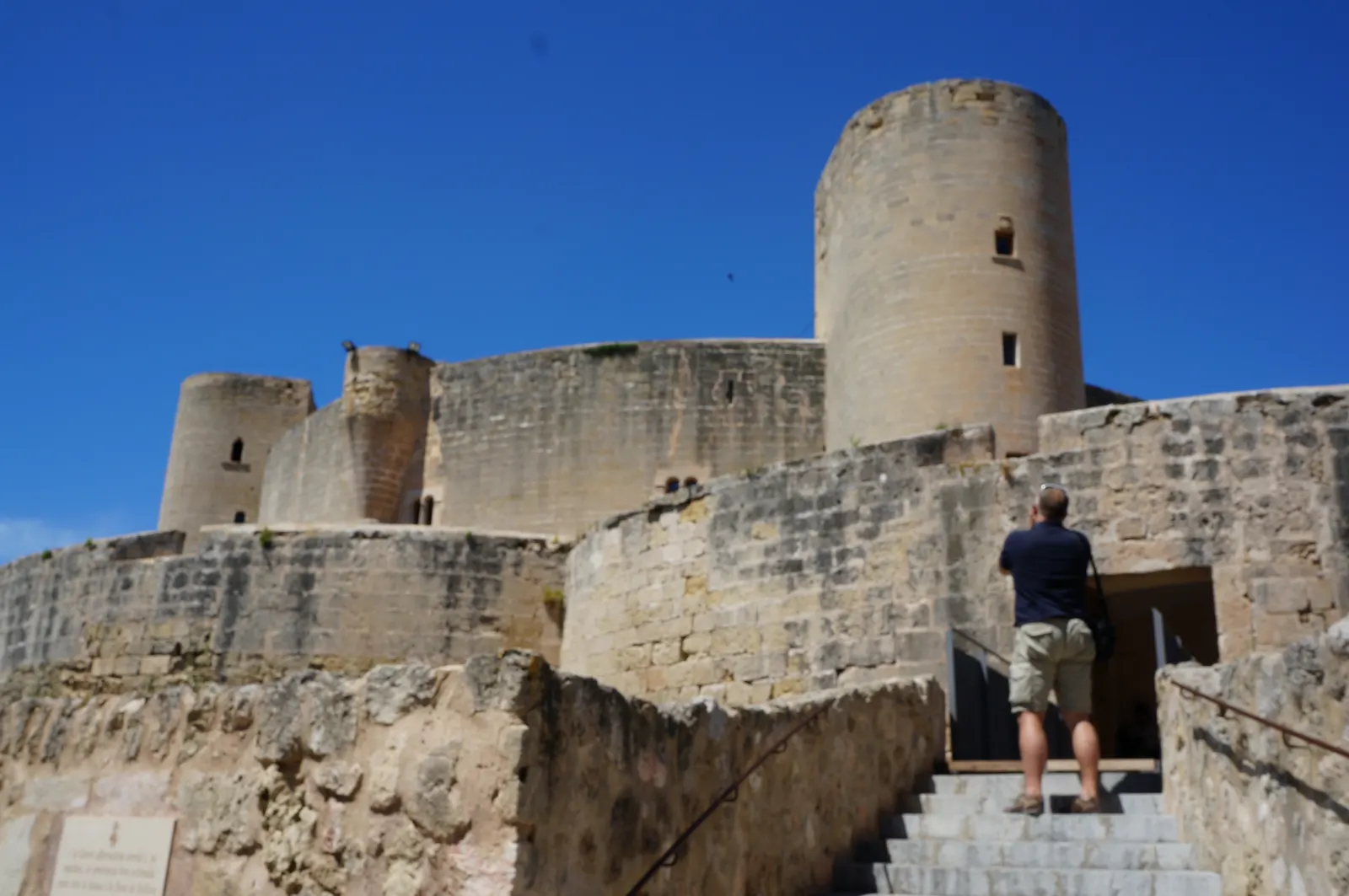
Castell de Bellver, one of Europe's few circular castles.
Drive from the airport
20 minutes
8 km
Bus connections
A1 airport bus to the centre
Region
Palma
Nearest beach
Can Pastilla
7 km
Elevation
13 m
above sea level
Season guide for Palma
November Worth a visit
The cathedral's light display returns around 11 November.
Quiet Open
Worth visiting in January, February, March, April, May, September, October, November and December. Less suitable in August.
Location
Location of Palma
- Region
- Palma
- Population
- 419,000
- Elevation
- 13 m above sea level
- Airport
- 8 km , around 20 minutes
- Hire car
- more hindrance than help
- Worth visiting for
- a longer stay
- Coordinates
- 39.5696,2.6502
A city of neighbourhoods
Palma has more than 400,000 residents, almost half Mallorca’s population. Start with the cathedral and old town, then make time for its other neighbourhoods. The guides below have photographs, practical advice and a seasonal overview for each area.
How the city developed
The Romans established Palma following their conquest around 123 BC. From 903, the island belonged to the Emirate of Córdoba and the city was called Madina Mayurqa, with walls, water supplies, baths and streets whose routes you can still follow. Jaume I of Aragón conquered the city in 1229; the cathedral later replaced its main mosque.
Those successive periods run through Palma: Roman origins, an Islamic street plan, major Gothic buildings, Renaissance courtyards, Modernisme architecture around 1900 and 20th-century expansion. The cathedral is only one part of that story.
The main buildings
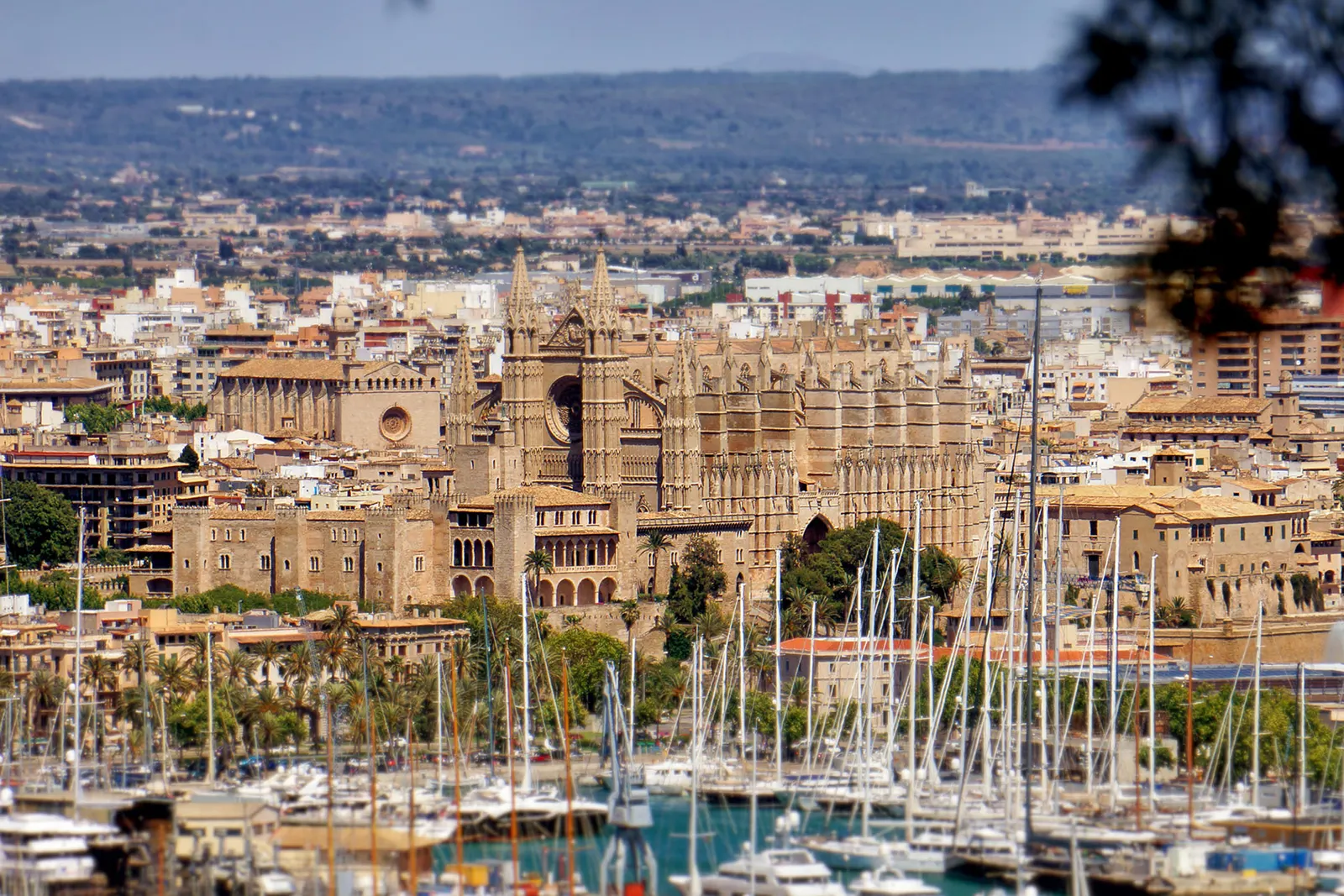
La Seu, the cathedral, developed after the conquest of 1229 and was largely completed in 1601. Its nave is among the tallest in European Gothic architecture, and its great rose window, almost 14 metres across, is among the largest. Between 1901 and 1914, Antoni Gaudí remodelled the interior, moving the choir, opening the view towards the altar and installing the canopy that still looks unfinished. He left the work following a disagreement. From 2001, Miquel Barceló added the ceramic wall in the Sant Pere chapel, a work that continues to divide opinion locally.
Beside it stands Palau de l’Almudaina, originally an Islamic fortress and later remodelled as a royal residence. It remains an official royal residence today, on a site with more than a thousand years of history.
Above the city, Castell de Bellver was built under Jaume II between 1300 and 1311. One of Europe’s few circular castles, it served for centuries as a prison. Its ramparts provide an excellent view of the city, bay and Tramuntana foothills.
La Llotja, Guillem Sagrera’s 15th-century Gothic merchants’ exchange, is one of the city’s finest secular buildings: a single hall whose twisting columns spread into the vaulting like palms.
Modernisme
The architectural style everyone knows from Barcelona is here in Palma too, usually without the queues. Between 1900 and 1915 came Gran Hotel by Lluís Domènech i Montaner, now an exhibition venue, Can Casasayas on Plaça del Mercat and the richly decorated Can Forteza Rey on Carrer Colom. Gaudí’s cathedral alterations are another part of this period. You can spend two hours exploring the city’s architecture on foot without paying admission.
The markets
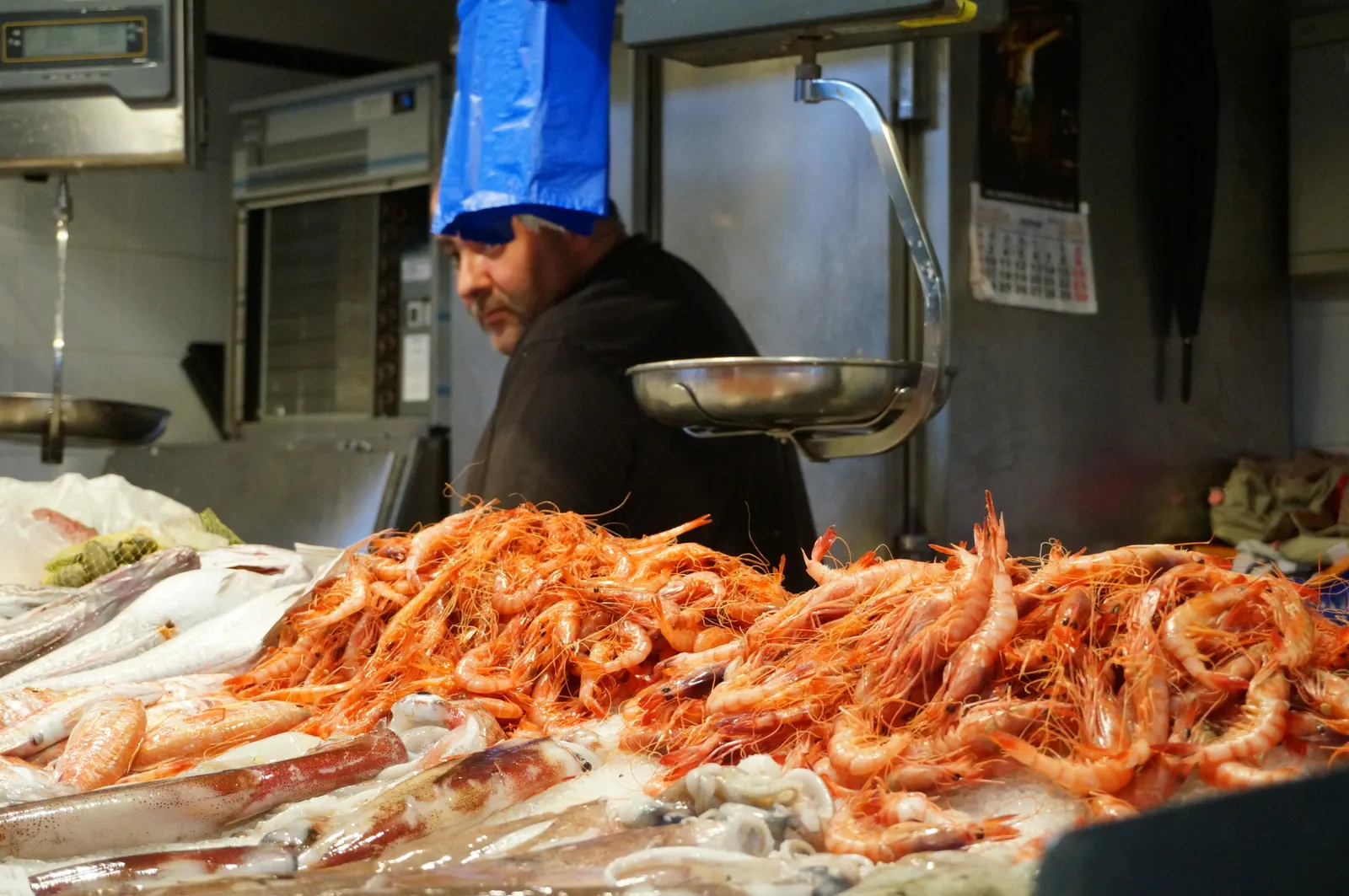
Mercat de l’Olivar is the large central market hall, selling fish, meat, fruit and vegetables alongside stalls where you can eat. Mercat de Santa Catalina is smaller, older — dating from 1920 — and more geared towards visitors, but still used by residents. Mercat de Pere Garau, to the east, is the least showy and largest on Saturdays. All three are liveliest in the morning and quietest on Mondays.
RCD Mallorca and the stadium
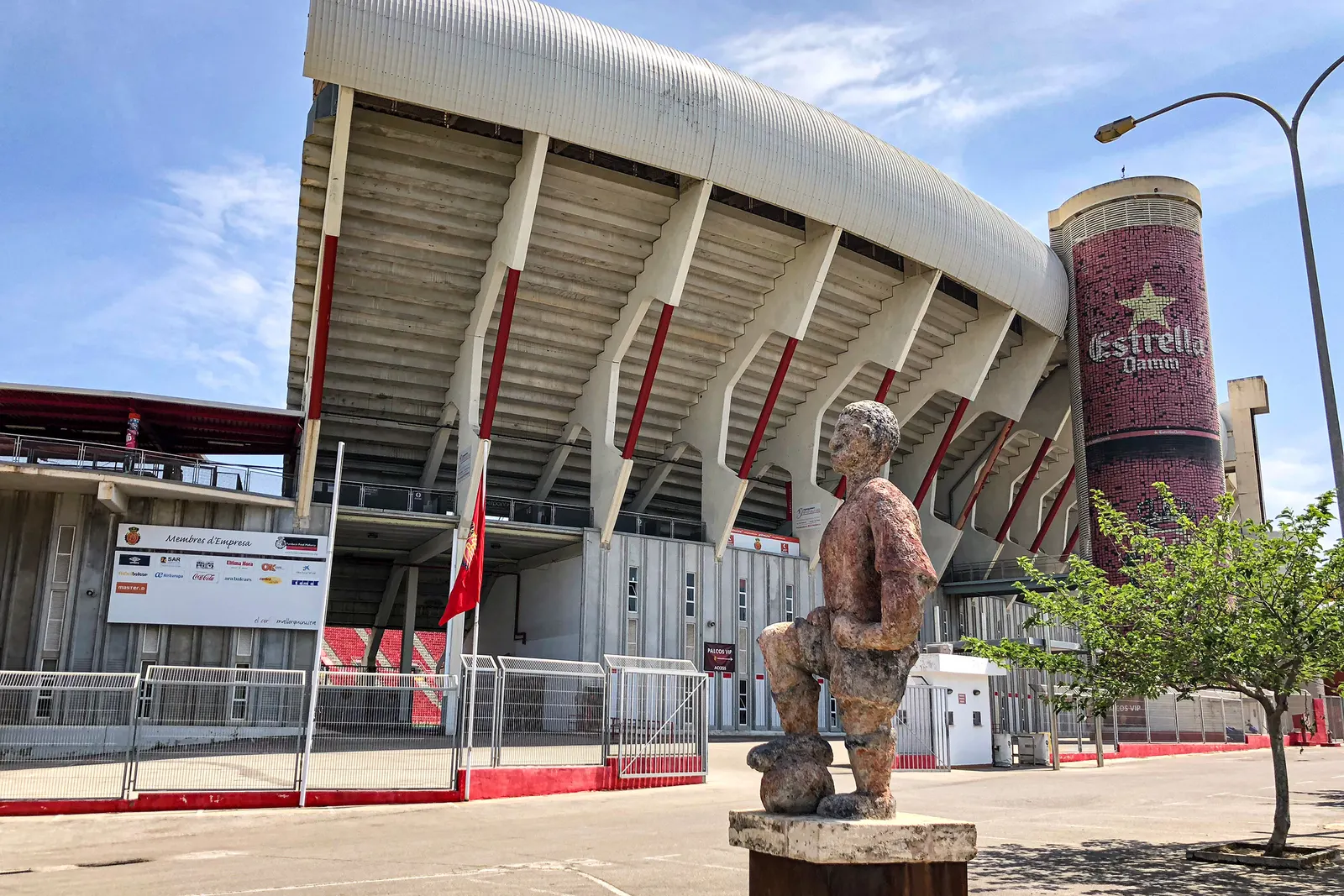
Palma has a football club with a long history: RCD Mallorca, founded in 1916 and carrying “Real” in its name since 1949.
The club plays at Estadi Mallorca Son Moix, west of the city, around twenty minutes from the centre. City buses run there from the old town, and matchdays noticeably change the flow of passengers.
The club’s biggest years
Its most successful period came around the turn of the millennium:
- In 1998, Mallorca won the Supercopa de España, the Spanish Super Cup.
- In 1998/99, the team reached the European Cup Winners’ Cup final, losing 2–1 to Lazio in the competition’s last edition. They also finished third in the league, their best placing, repeated in 2000/01.
- On 28 June 2003, Mallorca beat Recreativo Huelva 3–0 in Elche to win the Copa del Rey.
The club today
With an evening to spare, a match offers a very local experience among supporters who have followed the club through promotions and setbacks. Check the current fixture list, division and ticket availability before planning a visit.
The neighbourhoods
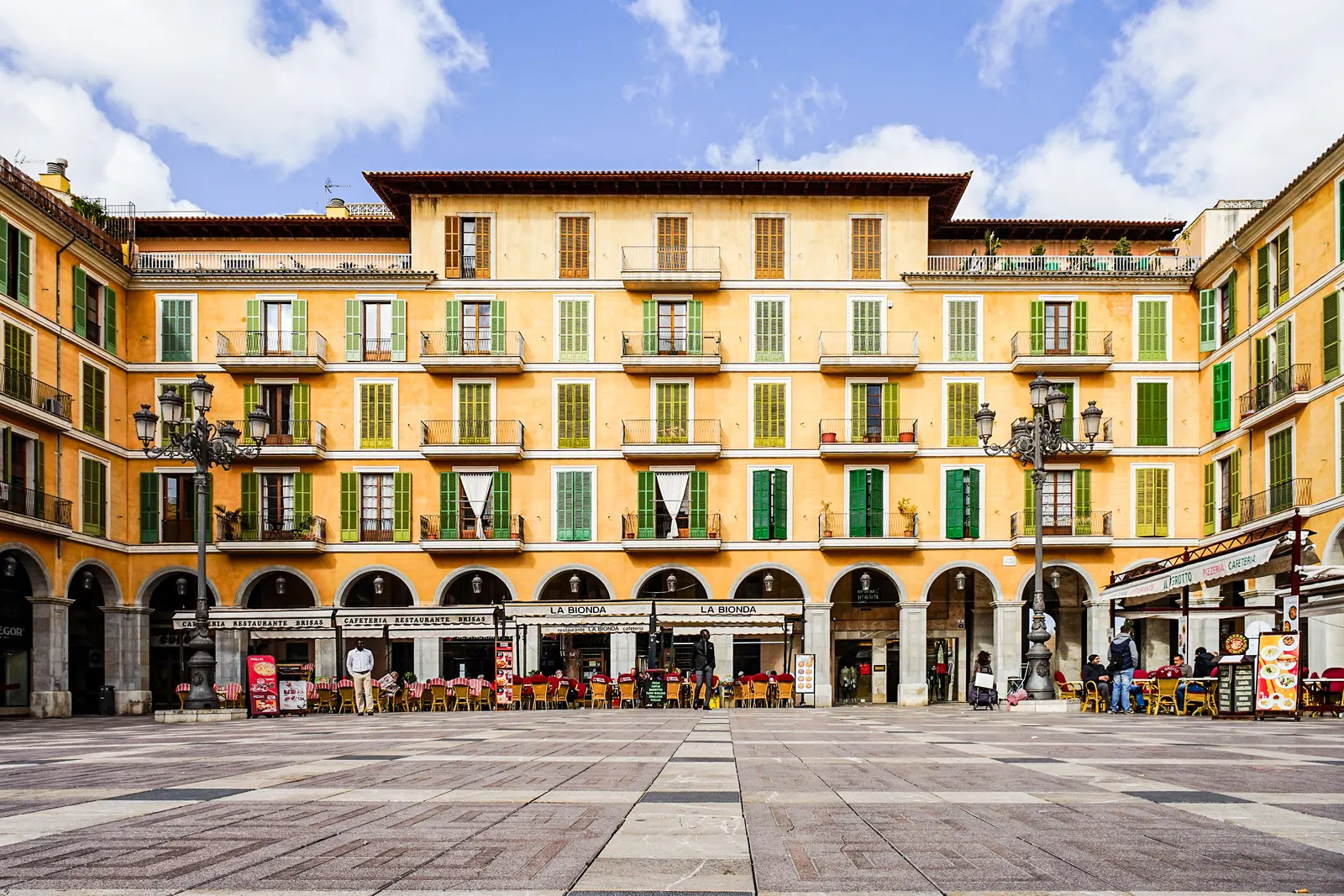
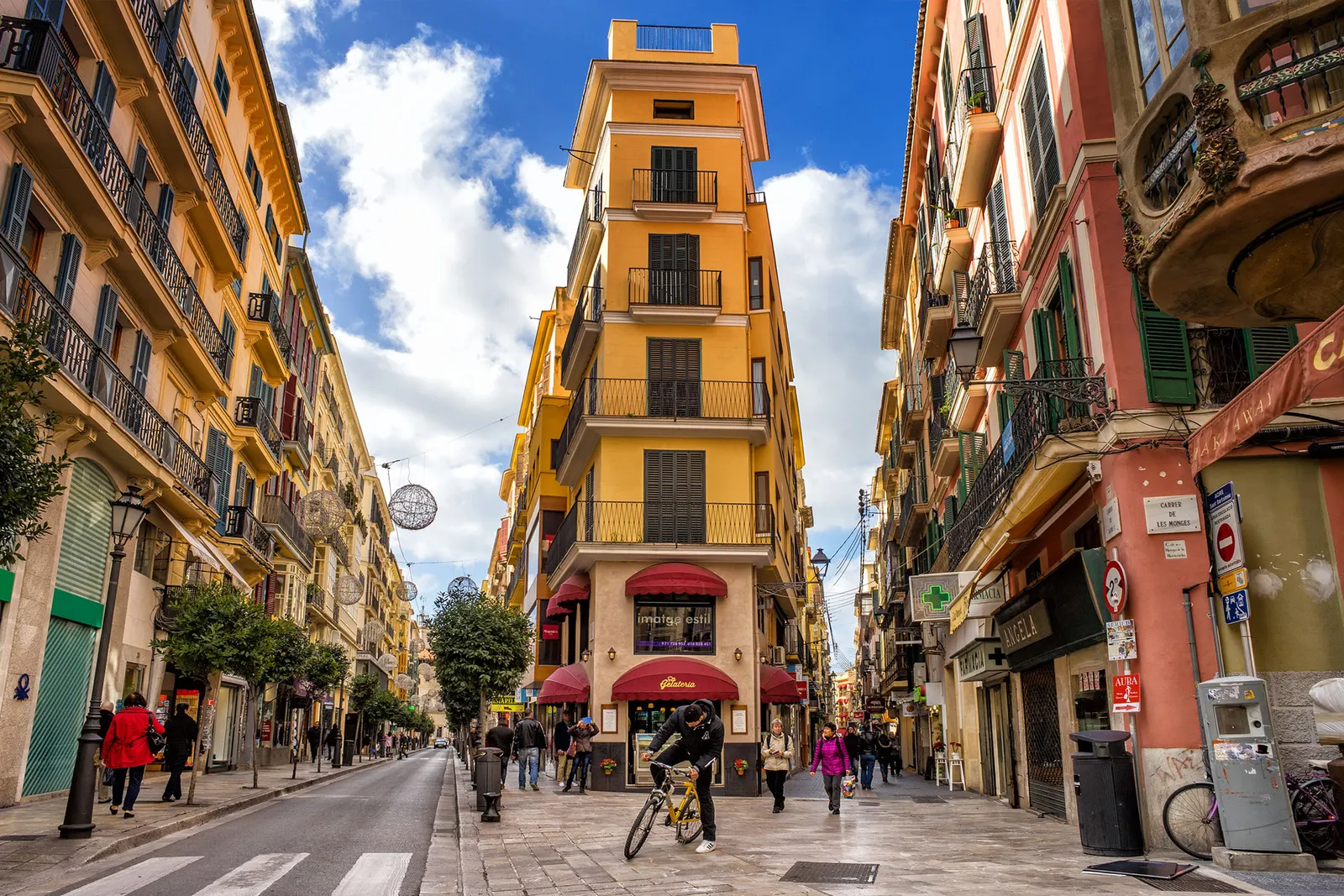
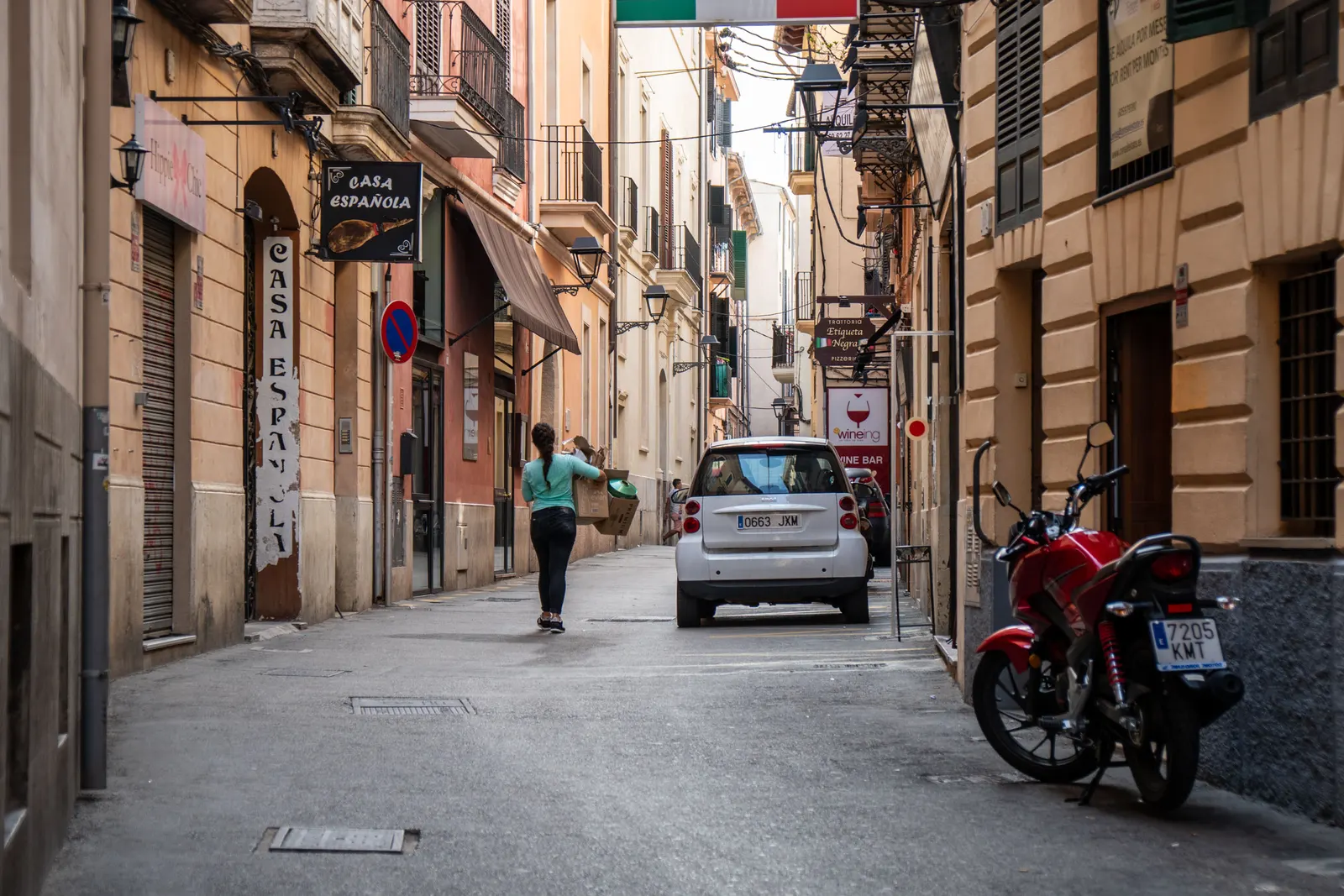
Palma has very different districts. An evening in Santa Catalina feels quite unlike an afternoon in Casc Antic, while Es Molinar is only twenty minutes from the old town but has a different pace altogether. Use the neighbourhood guides below to explore further.
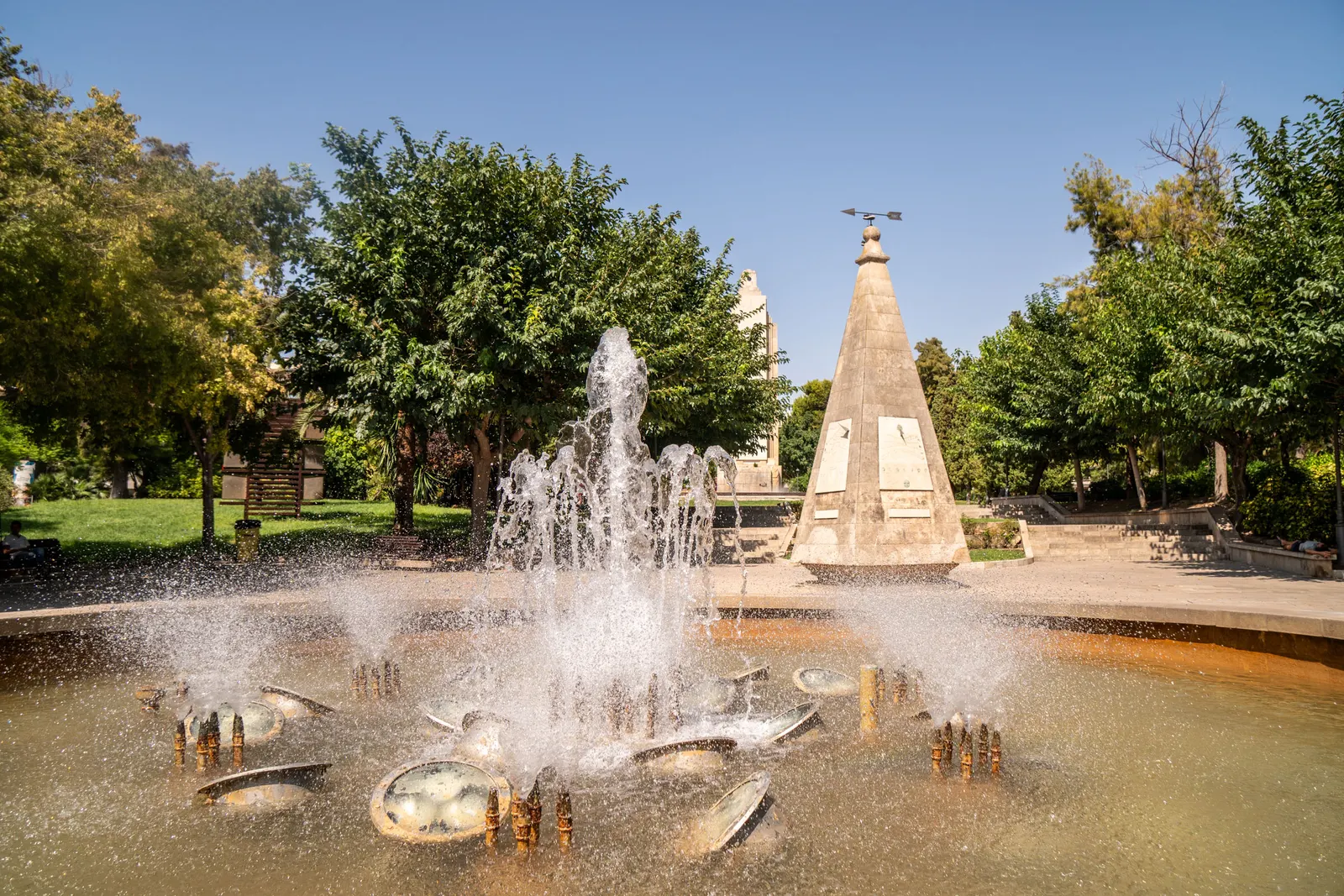
Palma in Mallorca Fritz
Neighbourhoods
Casc Antic
Palma's old town between the cathedral, Plaça Major and the old city walls: a Moorish street plan, major Gothic buildings, Renaissance courtyards and Ar…
El Terreno & Bellver
On the hillside west of the harbour, beneath Castell de Bellver and a pine forest in the middle of the city. Mallorca's nightlife centre in the 1960s, f…
Es Jonquet
Palma's smallest and most distinctive neighbourhood: a rocky spur above the harbour with five surviving windmills and a handful of low fishermen's house…
La Llotja & Es Puig de Sant Pere
The strip between old town and harbour, named after the Gothic merchants' exchange Sa Llotja, one of Mallorca's finest secular buildings. Museums and qu…
Platja de Palma & S'Arenal
Six kilometres of sand east of Palma, from Ca'n Pastilla to S'Arenal, with Son Verí Nou beyond — Mallorca's most developed holiday coast. The Palma end…
Santa Catalina
A former fishermen's and craftspeople's district west of the harbour, now packed with restaurants. Two-storey terraces line a grid of streets, with a ma…
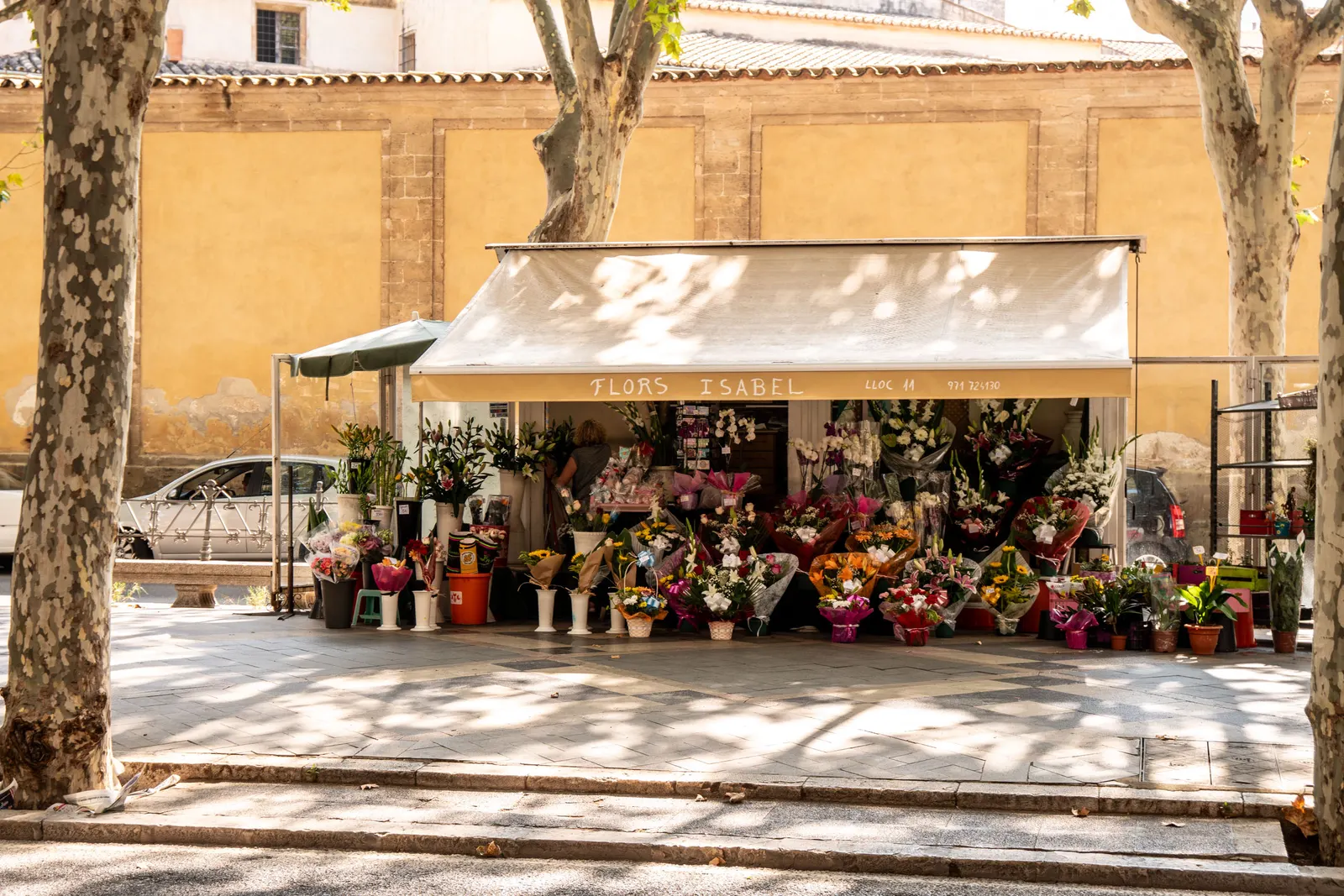
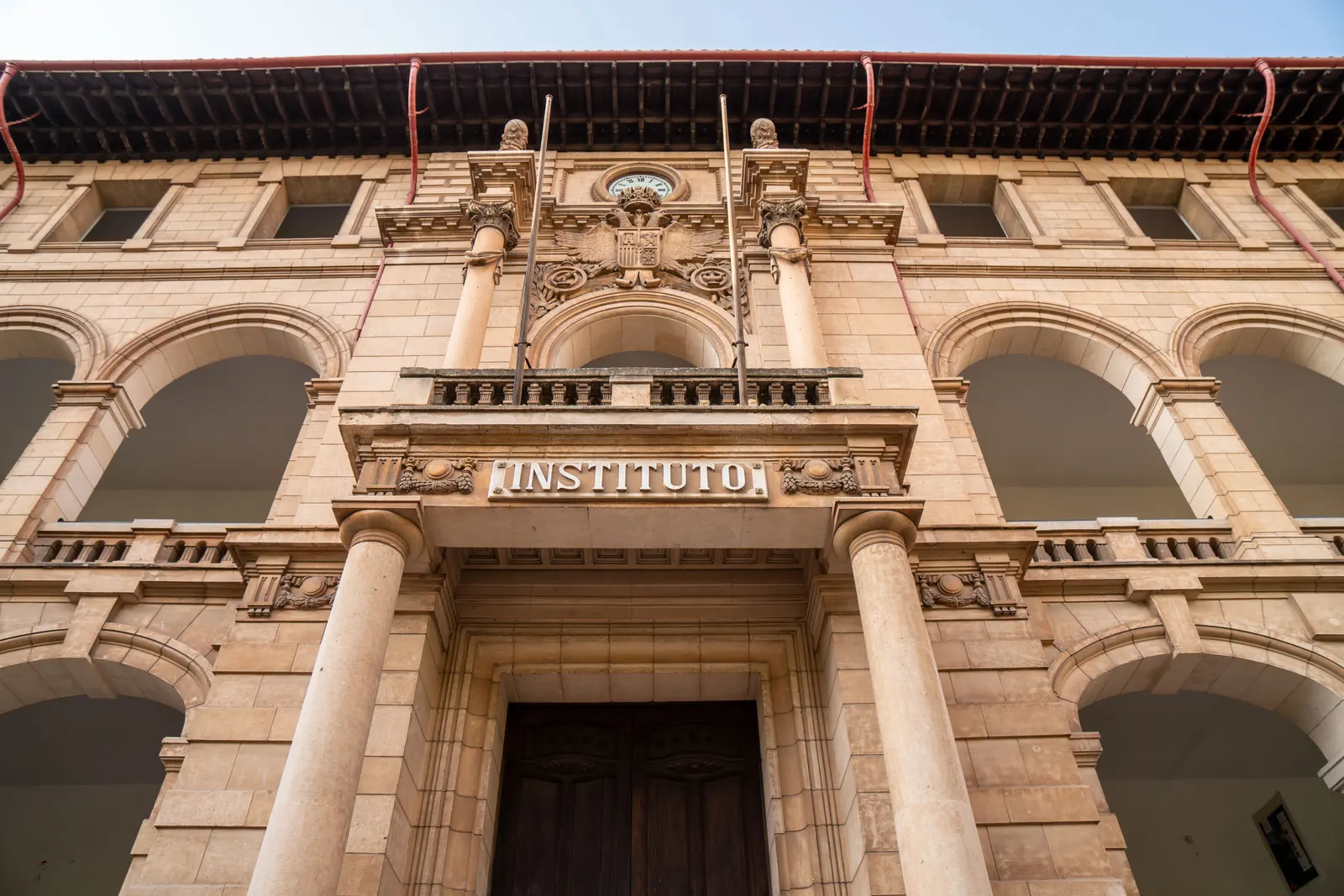
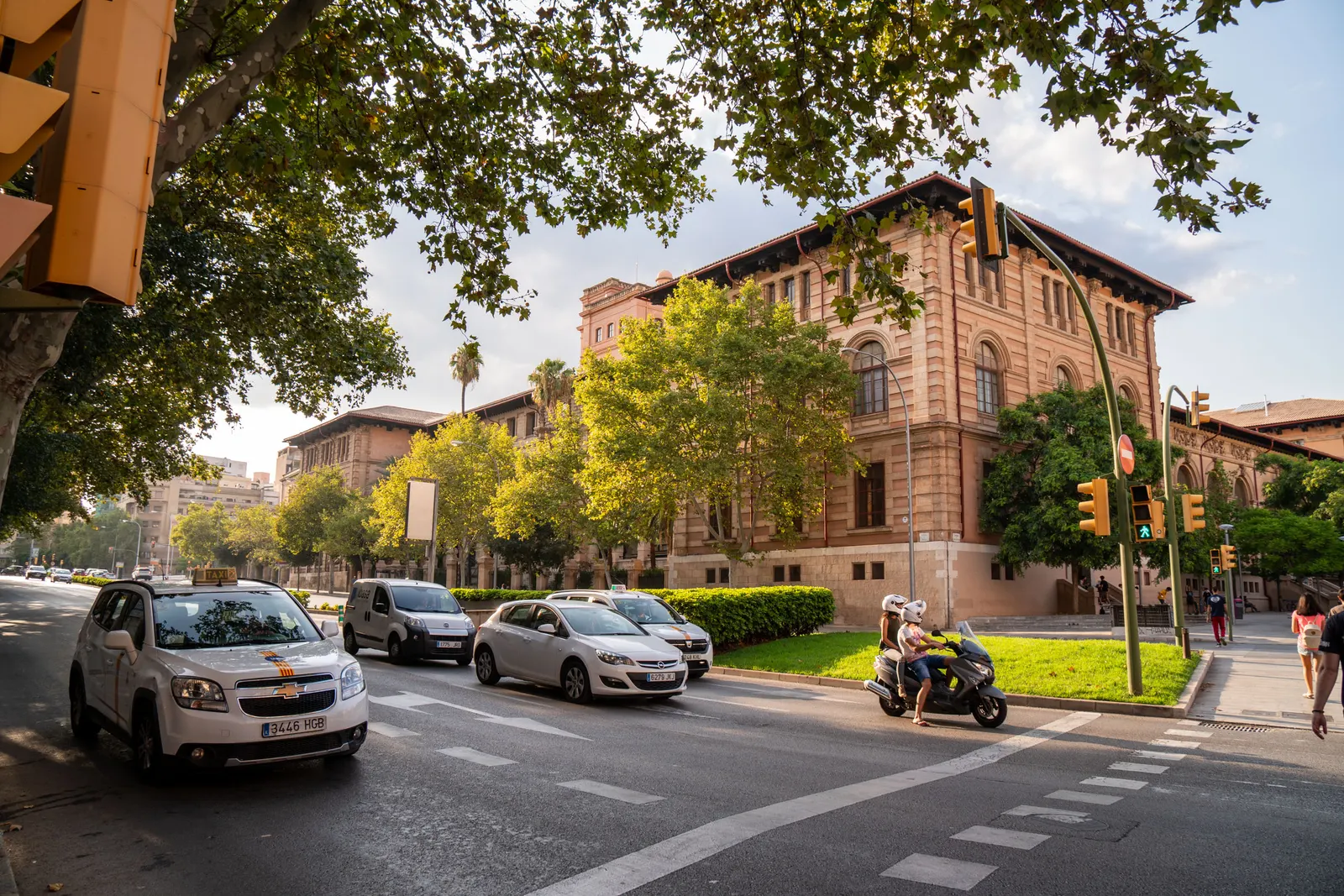
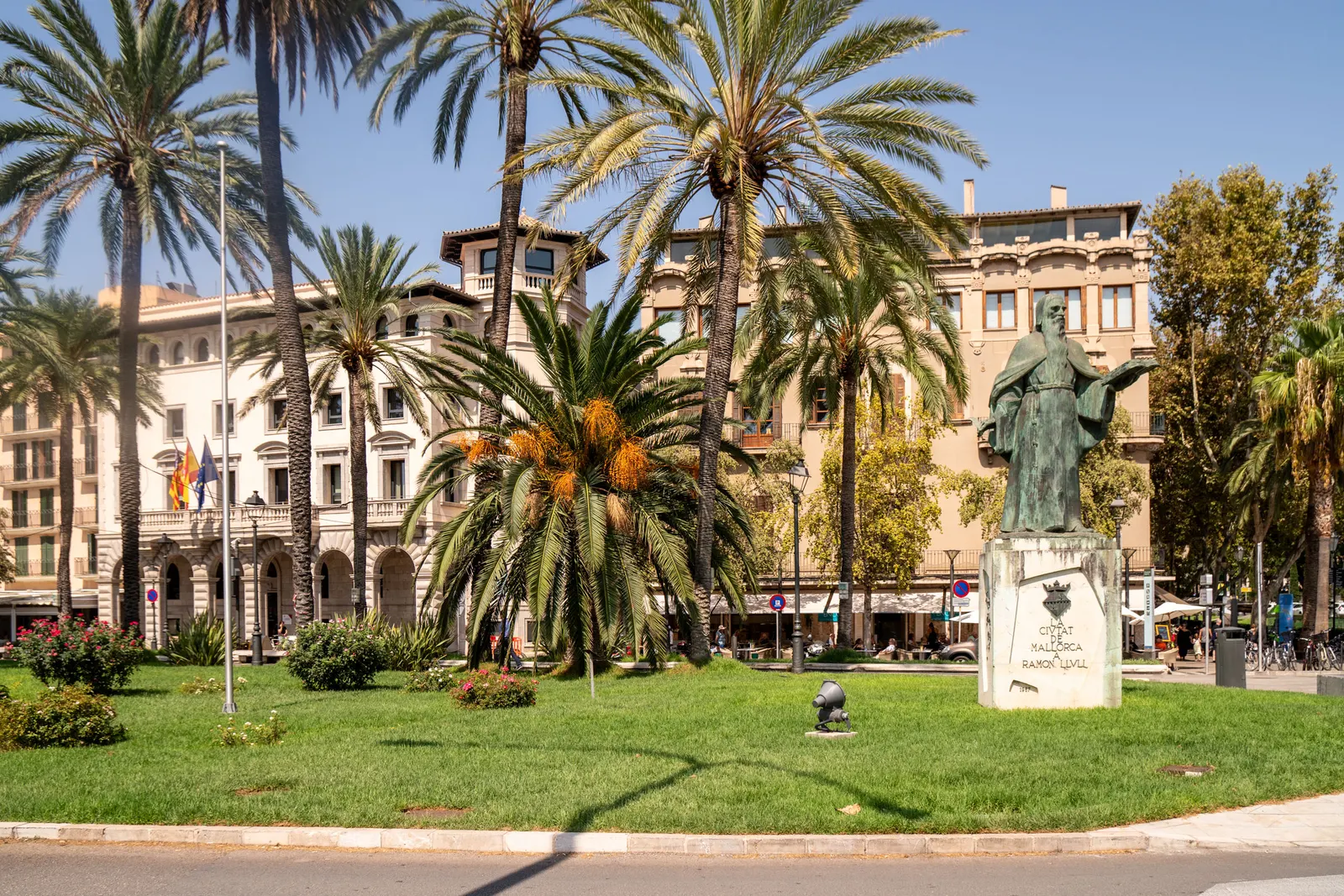
Photographs
Palma in Mallorca
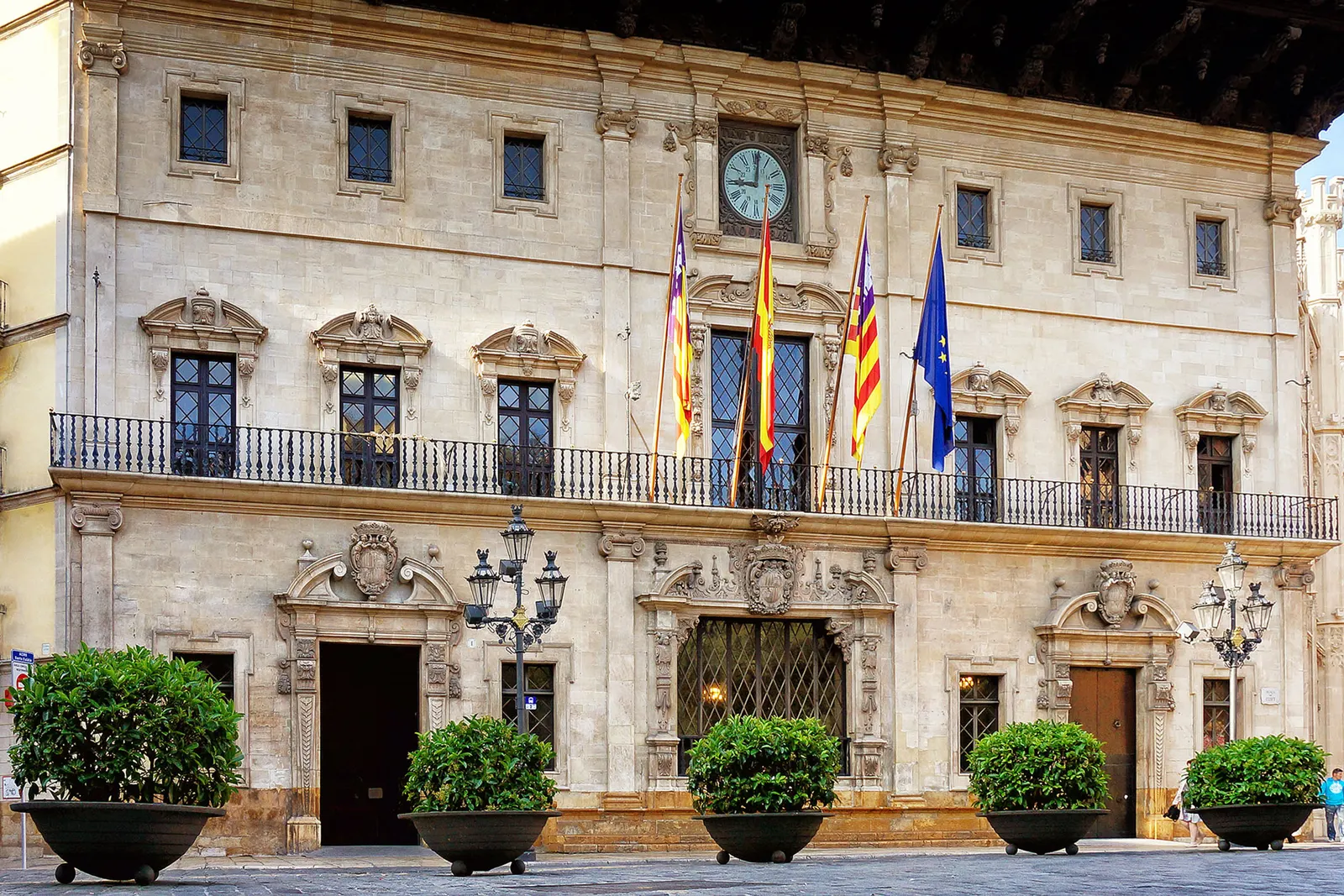
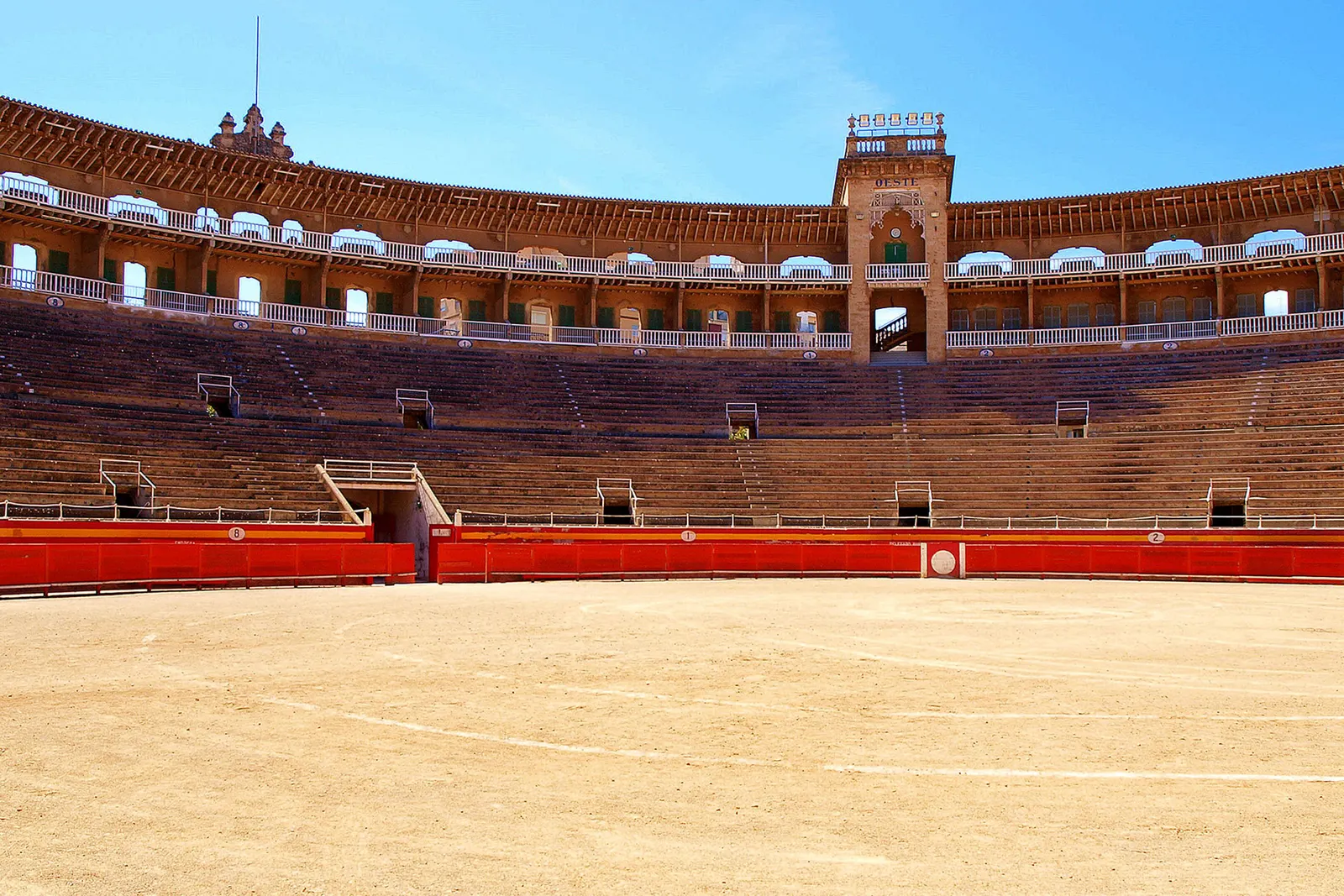
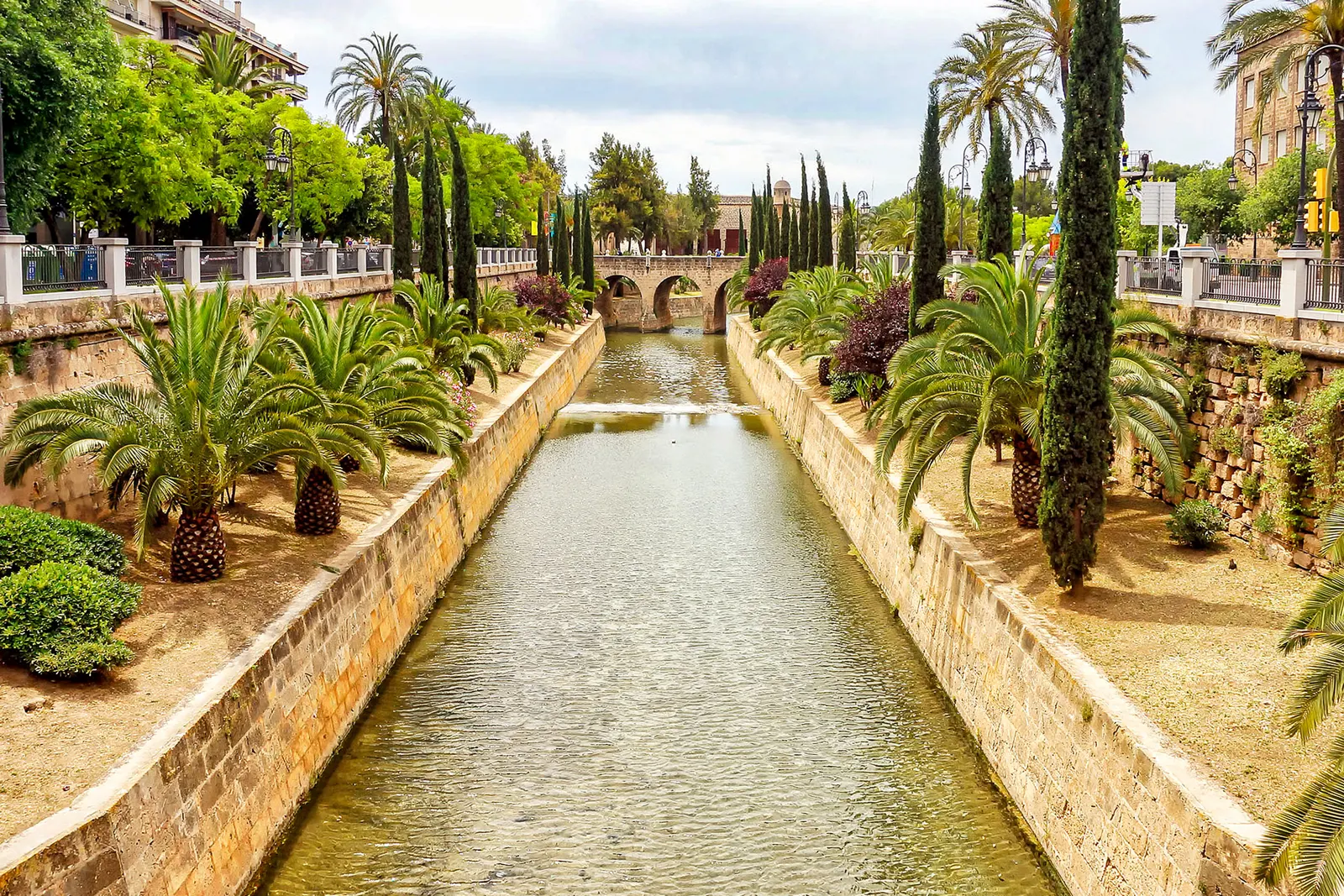
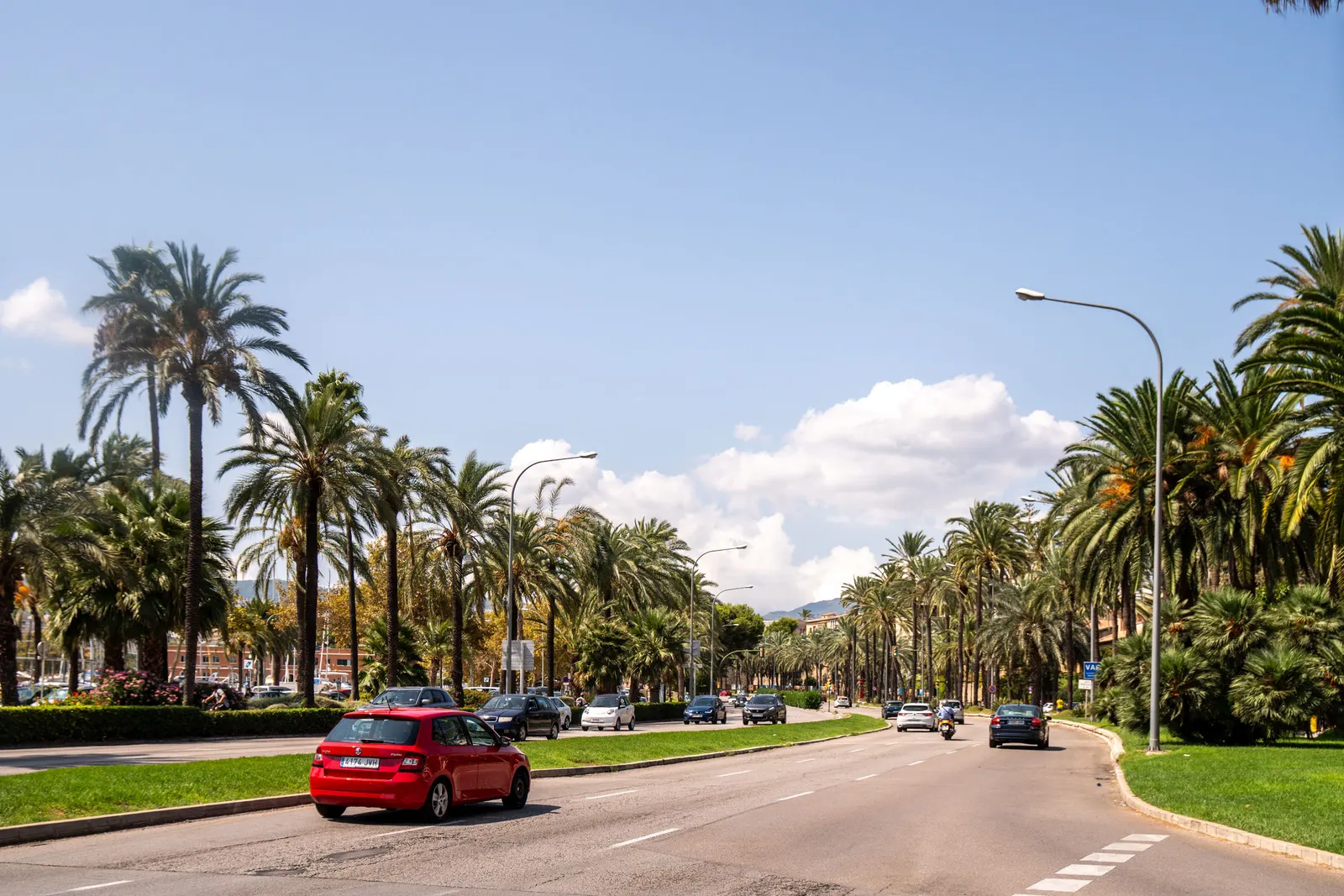
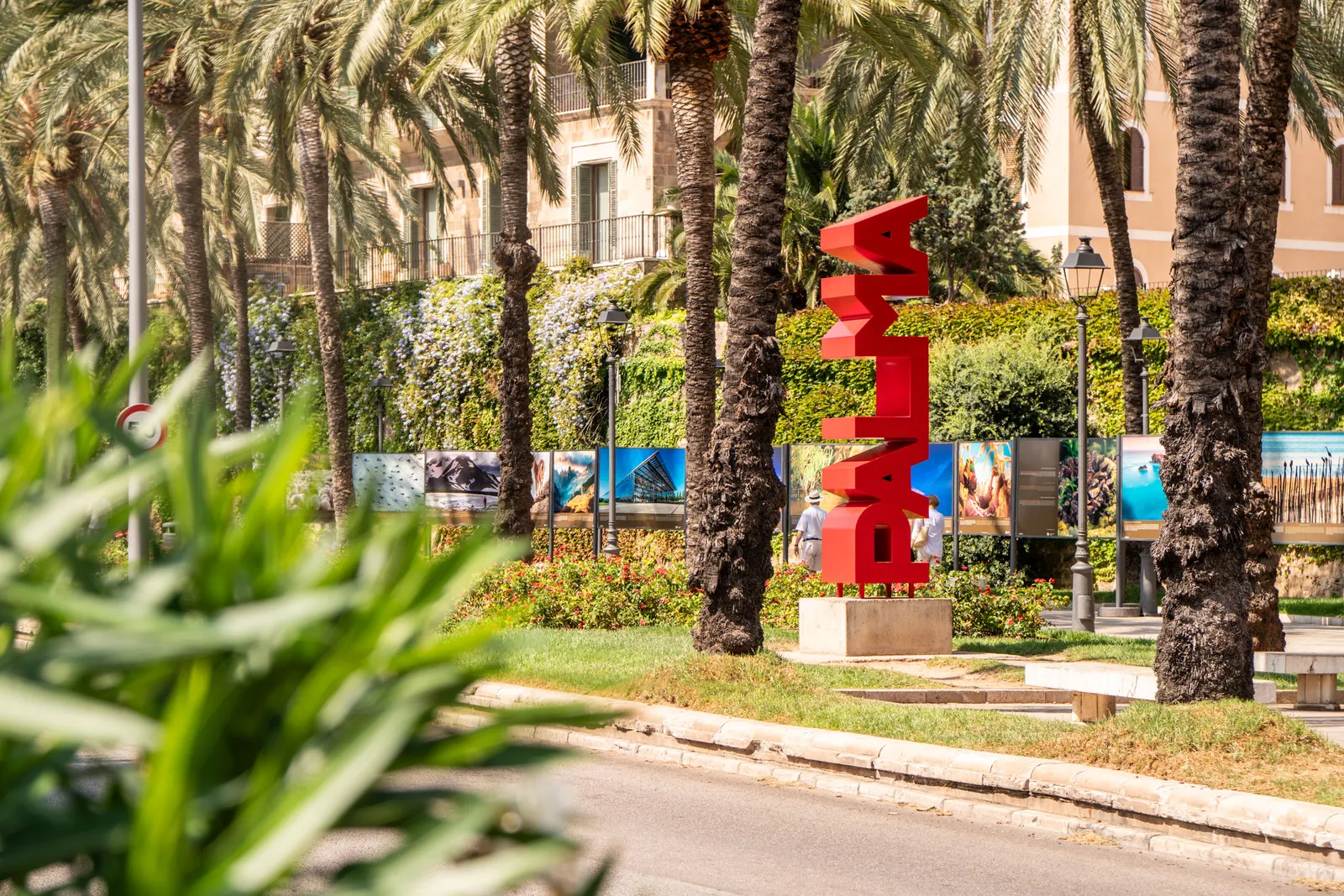
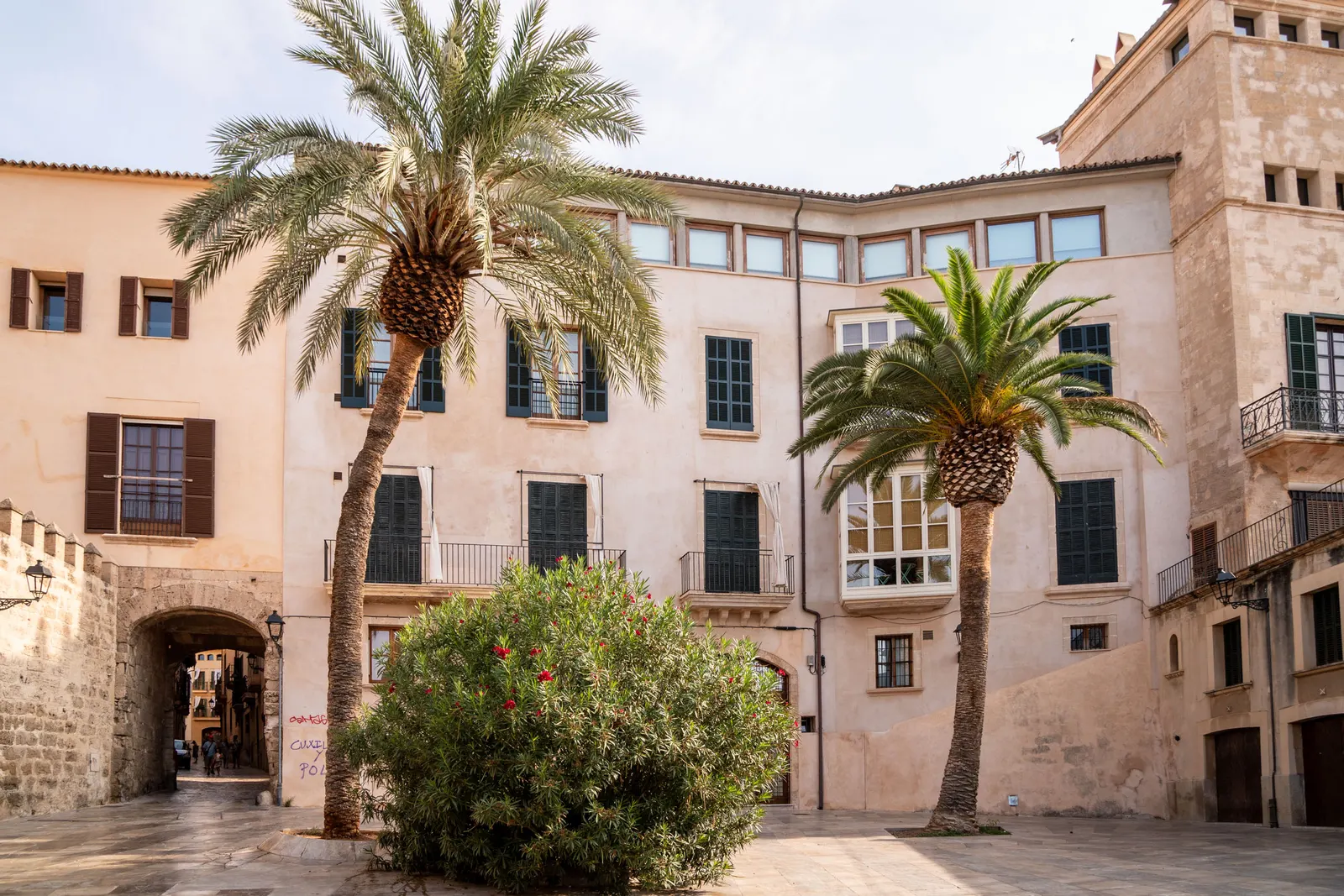
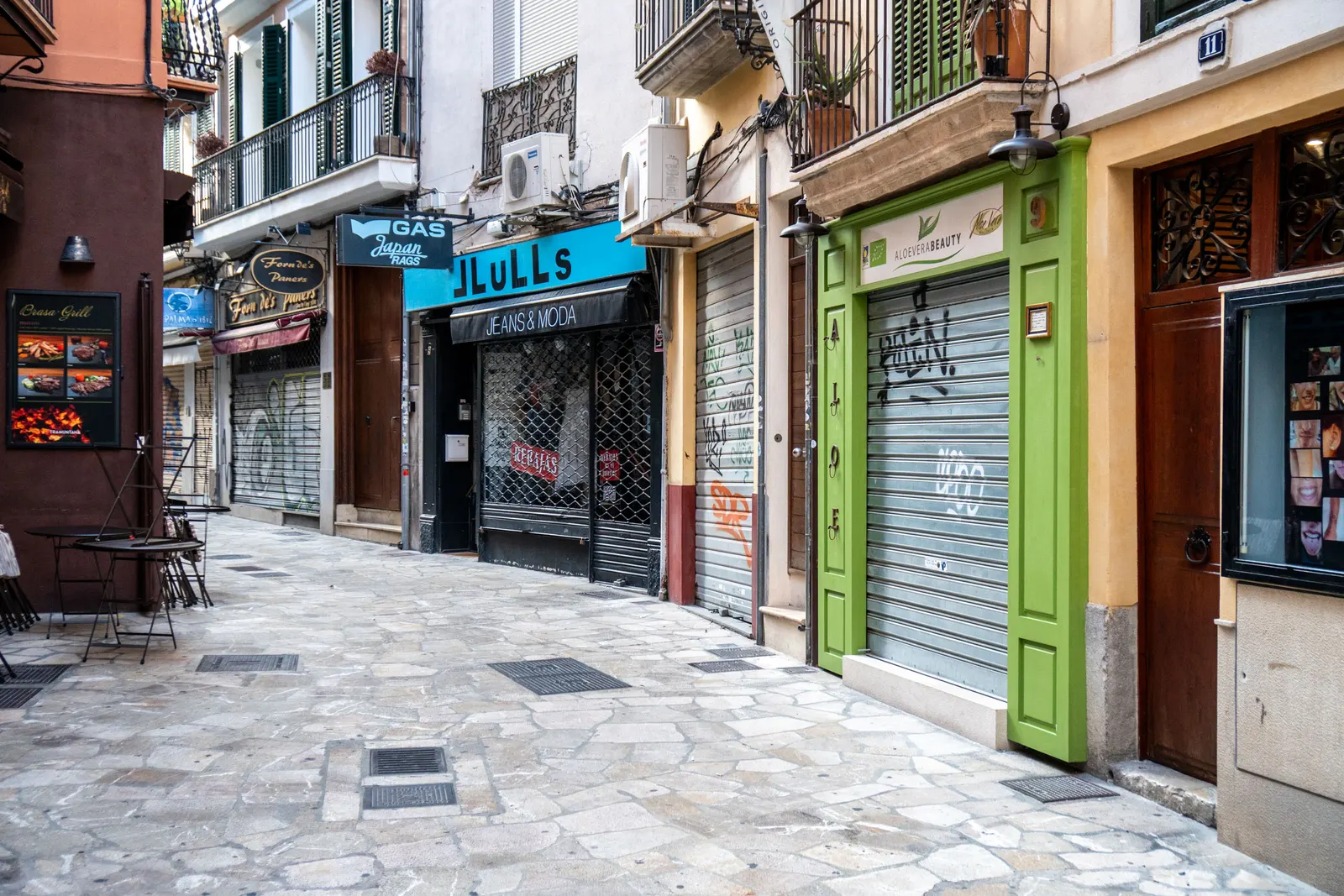
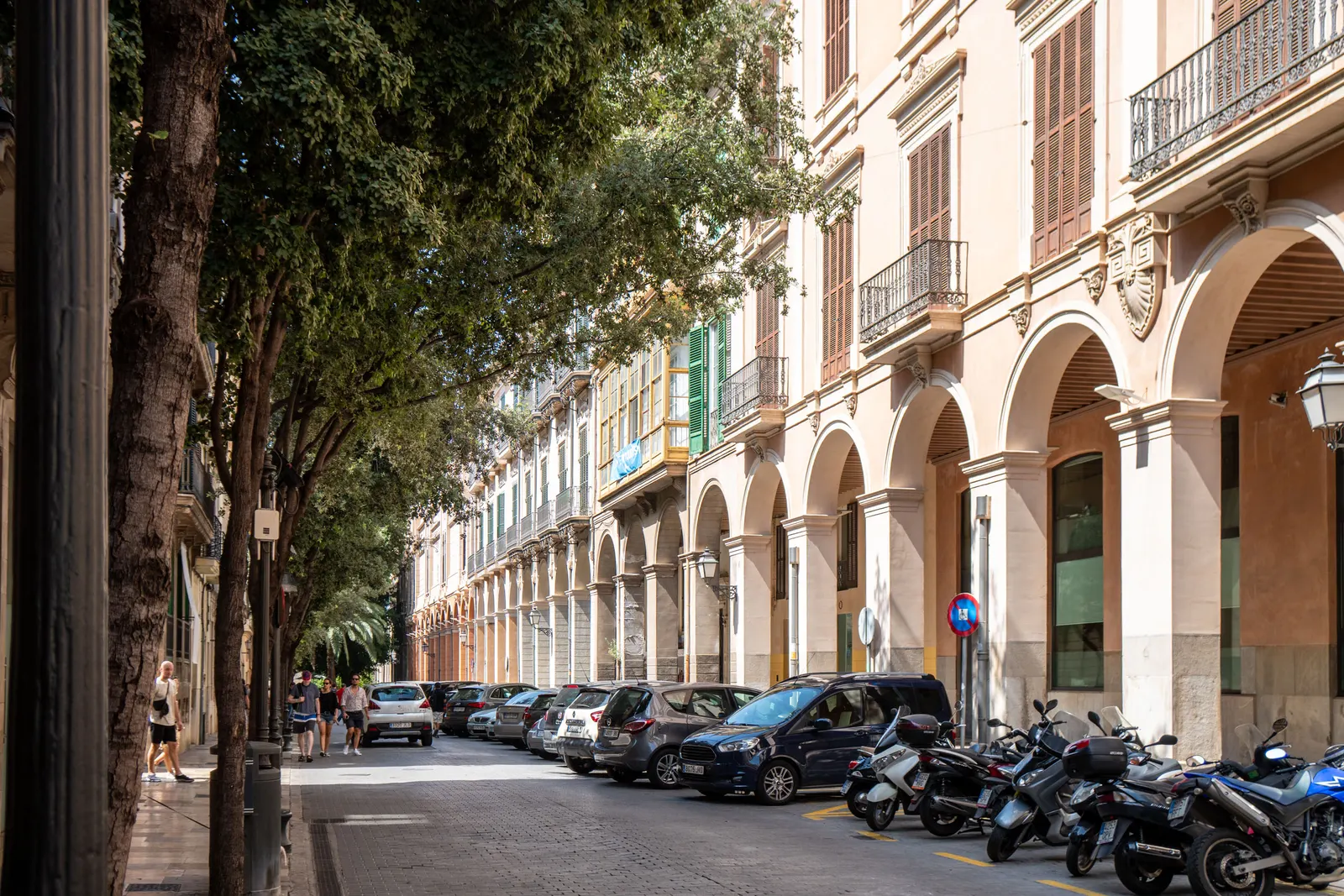
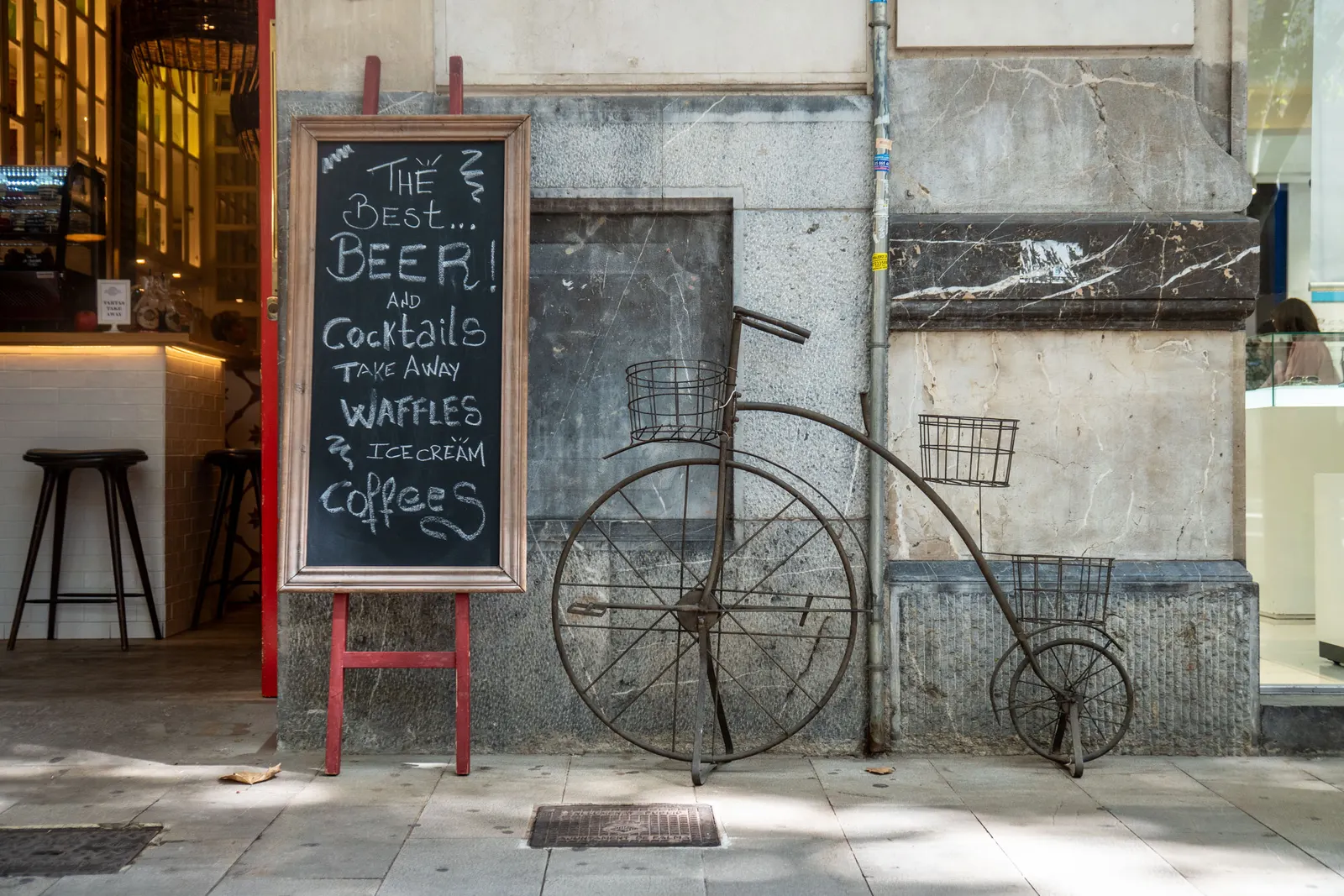
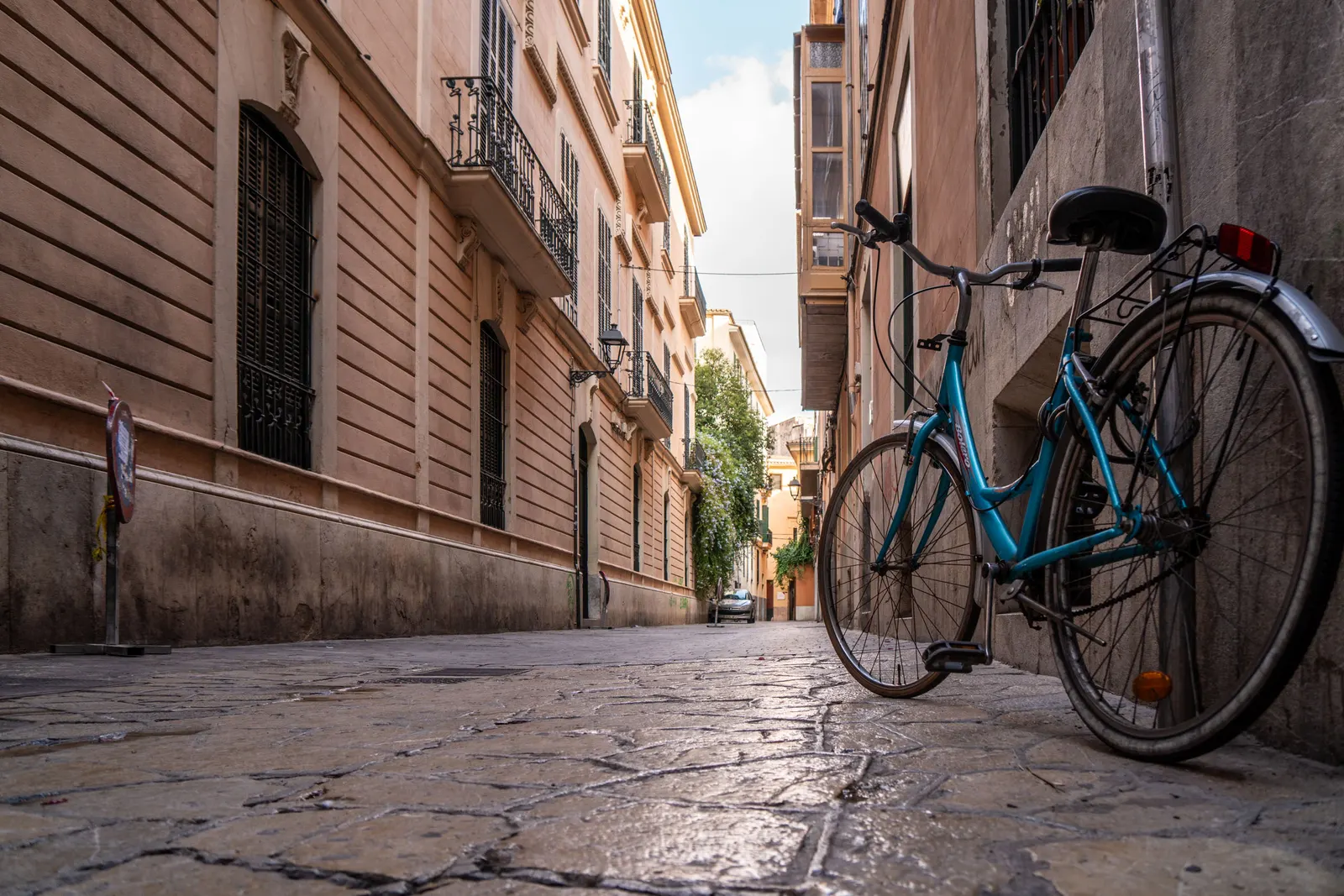
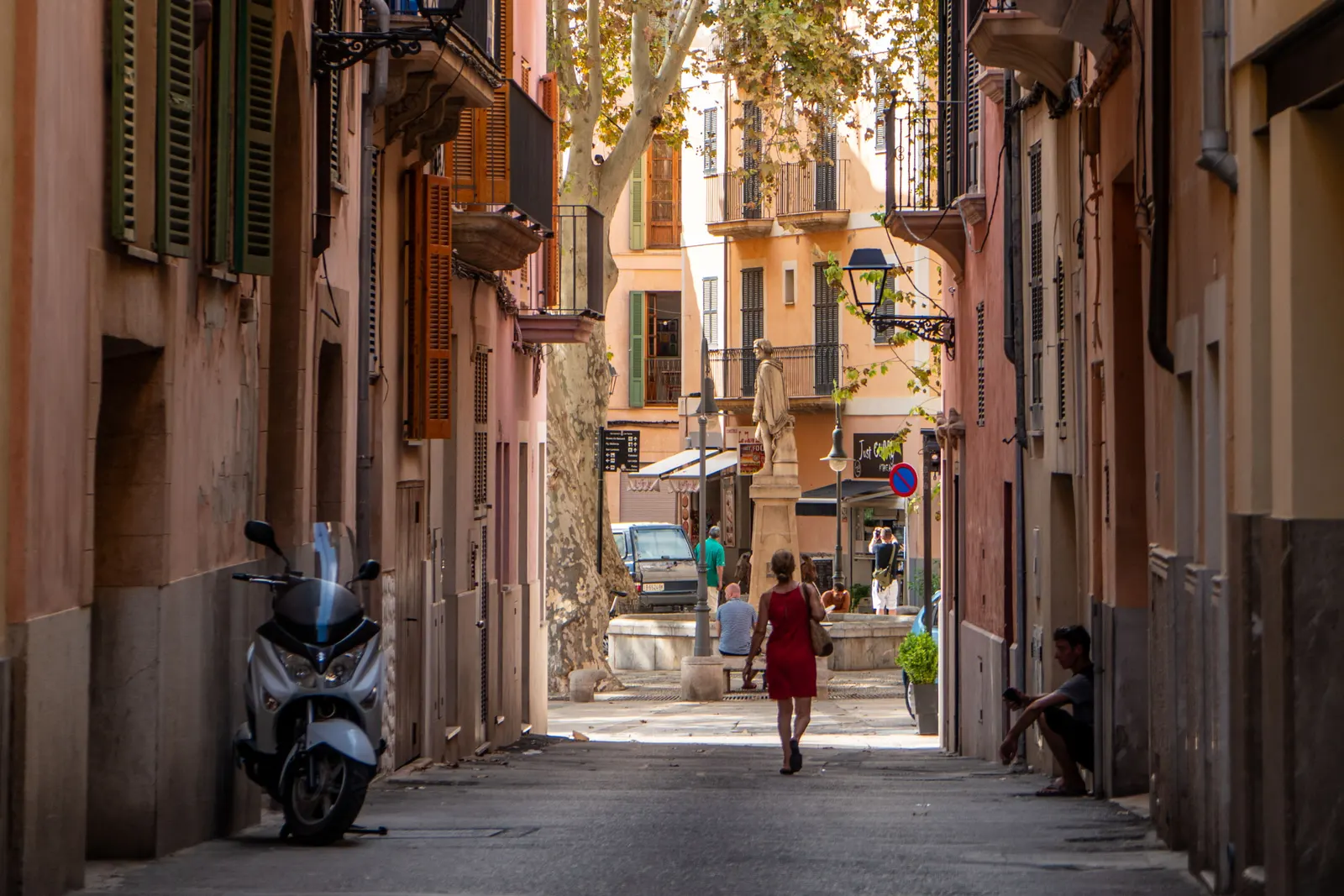
Practical details
- Parking
- Don't drive into the old town, much of which is pedestrianised or restricted to residents. Use Parc de la Mar or Plaça Major car parks, or cheaper park-and-ride sites on the outskirts.
- Public transport
- The A1 airport bus runs to the centre roughly every 15 minutes, taking around 20 minutes. Use EMT buses within the city and explore the old town on foot. SFM trains leave Plaça d'Espanya for inland towns.
- Time to allow
- At least two full days. Allow four or five for museums and neighbourhoods beyond the old town.
- Good to know
- Start with this overview, then explore the neighbourhood guides below for photographs, practical advice and seasonal recommendations.
- Bus
- A1 airport bus to the centre, approximately every 15 minutes
- Coordinates
- 39.5696,2.6502 Google Maps Apple Maps
Dates that change the town
When a race comes to town
Trofeo Princesa Sofía Sailing · 27 March–4 April 2026
The participating harbours are busy. Race courses are often well offshore, so views from the beach are limited.
Copa del Rey MAPFRE Sailing · 1–8 August 2026
Expect extra activity around the regatta harbour. If you are travelling for the event, plan accommodation and a berth well ahead.
The season guide describes whole months. A race weekend can transform a normally quiet town for a couple of days. Find the dates in our guide to Sporting events.
Which neighbourhood suits you?
| Neighbourhood | Character | Good for | Best month |
|---|---|---|---|
| Casc Antic | Old town, cathedral, lanes and patios | First visits, culture and walking | October |
| La Llotja | Gothic exchange, bars and waterfront | Evenings and eating out | May |
| Santa Catalina | Former fishing district and market hall | Food, nightlife and a city base | October |
| Es Jonquet | Five windmills above the harbour | Short walks and photography | March |
| Eixample | Modernisme, shops and residential streets | Architecture and shopping | November |
| El Terreno | Hillside below Castell de Bellver | Views and museums | April |
| Es Molinar | Promenade, fishermen’s houses and beach | Swimming away from large hotels | September |
| Cala Major | Beach, Miró Foundation and Marivent | Beach and art | September |
| Génova | Hillside village and grill restaurants | Dinner with a view | May |
| Platja de Palma | Six kilometres of sandy beach | A lively beach holiday | July |
Explore the neighbourhood guides below for fuller advice and seasonal recommendations.
Within reach
Places to visit
Nearby

An 11th-century brick chamber in an old-town garden, with twelve columns, horseshoe arches and a dome pierced by …

Palma’s cathedral was begun in 1230 and built over several centuries. Its Gothic buttresses rise above the water …

The royal palace beside Palma cathedral began as a Moorish alcázar, later converted into a residence for …

The March family's city palace between the cathedral and the Almudaina: a terrace filled with 20th-century …

Palma's grand promenade between Plaça de la Reina and Plaça del Rei Joan Carles I. It follows the bed of a torrent …

Sant Pere bastion, built in the late 16th century on the western edge of Palma’s old town, became home to a …

The Balearics' largest harbour sits in the city, in front of the old town. Cargo quays, cruise terminals, marinas …

A striking circular Gothic castle, built above Palma between 1300 and 1311. Inside is a two-storey round …
Distances without a driving time are measured in a straight line. The road journey can be much longer; known driving times are shown alongside.
Where to swim nearby
Beaches and swimming nearby

At the western end of Playa de Palma, ten minutes from the airport by car: a marina, a rocky waterfront promenade …

Broad sandy bays with pale, shallow water, right beside Magaluf but with a different feel. The quieter neighbour …
Explore from here
Your questions answered
Your questions about Palma
How many days should I spend in Palma?
Two full days is a minimum for the old town, cathedral and a second neighbourhood. Allow four or five for museums, Castell de Bellver and districts beyond the centre. A day trip covers the cathedral and an old town walk, but little more.
When is the best time to visit Palma?
October and May are warm, businesses are open and crowds are manageable. November to March is worthwhile too — Palma is a working city, not a resort that closes for winter. August is my least favourite month, with heat, independent businesses taking holidays and heavy cruise traffic.
Do I need a car in Palma?
No. Much of the old town is car-free, and parking is expensive and difficult. The A1 airport bus runs to the centre roughly every 15 minutes. EMT buses and walking cover the city; consider car hire for trips into the Tramuntana or inland.
Can I go swimming in Palma?
Yes, though not in the city centre. Head east to Es Molinar and Portitxol, west to Cala Major, or to the six-kilometre sandy beach at Platja de Palma. The sea still holds much of its summer warmth in September.
How much does it cost to visit La Seu cathedral?
Sightseeing admission is charged, while worshippers enter services free. Check the official website for current prices and hours. The rose-window light display happens around 2 February and 11 November; check its separate visiting arrangements well ahead.
Is Palma the same as Palma de Mallorca?
The official city name is simply Palma. The words “de Mallorca” were officially dropped in 2016, though airlines and tour operators still use them to distinguish it from other places called Palma.
Where can I find Palma's patios?
Around 150 courtyards survive in town palaces dating from the 15th to 18th centuries. Most are in Casc Antic, around Carrer de Sa Portella, Carrer de Can Savellà and Carrer de Morey. Many gates open during the day so you can look in from the lane, free and without a tour.
Practical questions
Is Palma worth visiting in July and August?
July: worth considering with some reservations. Usually busy. Temperatures can exceed 33°C between the stone walls, and many independent shops take summer holidays. August: another month may suit you better. Usually busy. Much of the city takes its own holiday. Heat and business closures coincide with cruise crowds; my least favourite month.
How far is Palma from Palma airport?
About 8 km from Palma airport. Allow roughly 20 minutes by car. A car creates more problems than it solves in Palma. Much of the old town is pedestrianised, car parks are expensive, and the main sights are within walking distance or an EMT bus ride away.
Do I need a hire car for Palma?
A car can be more trouble than it’s worth A1 airport bus to the centre, approximately every 15 minutes
Where can I park in Palma?
Don't drive into the old town, much of which is pedestrianised or restricted to residents. Use Parc de la Mar or Plaça Major car parks, or cheaper park-and-ride sites on the outskirts.
Palma features in our Mallorca highlights
Words and photographs: Friedhelm Fischer. Exploring Mallorca since 2013 — by bike, on foot and with a camera.