Palma
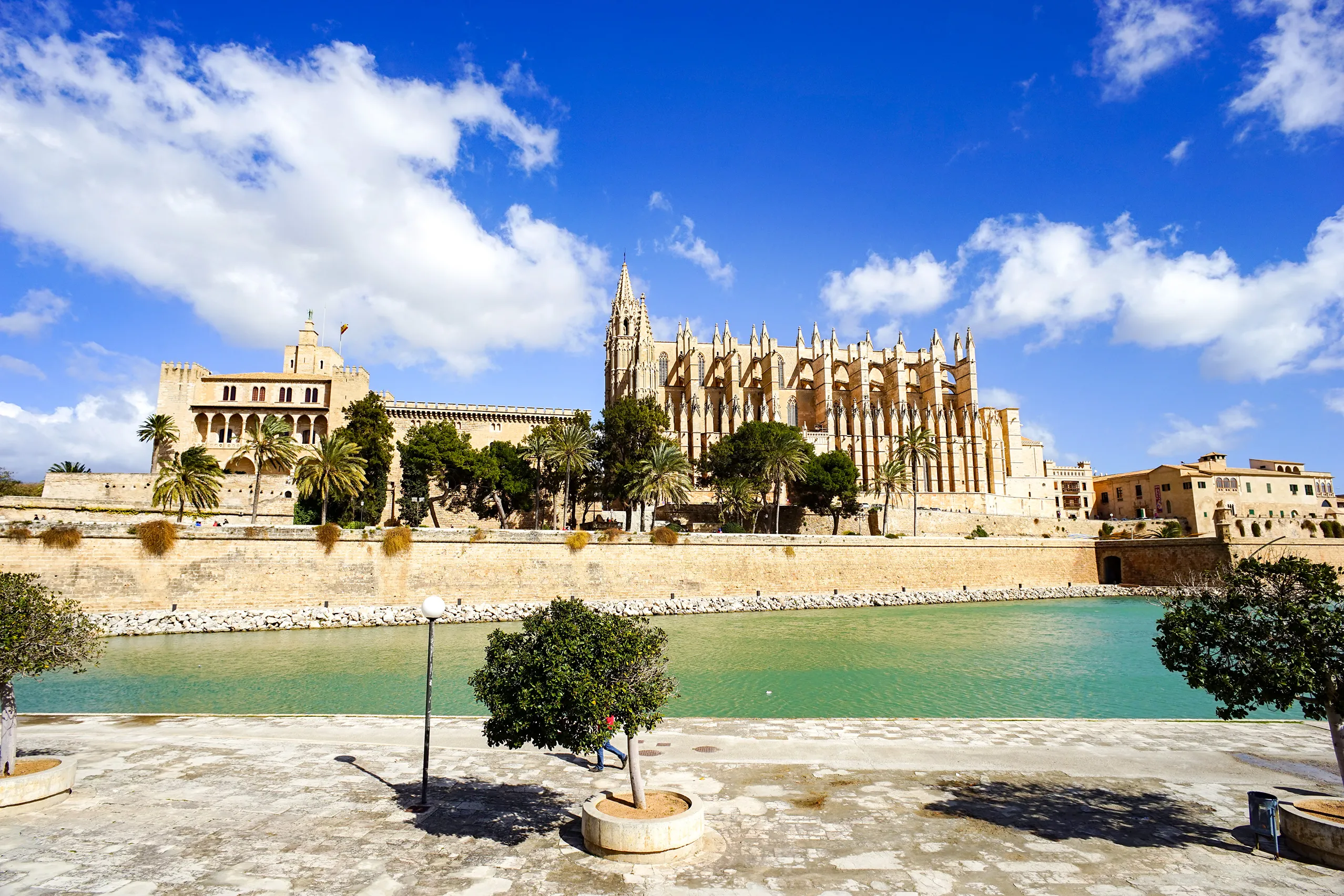
From Parc de la Mar you can see both the cathedral and the royal palace beside it.
Palma is a living city, home to a large share of Mallorca’s population. There are everyday neighbourhoods as well as major sights, and a single morning only gives you a first taste. Administratively, the Cabrera archipelago off the south coast also belongs to Palma, which is why it appears in this region.
The landmark buildings
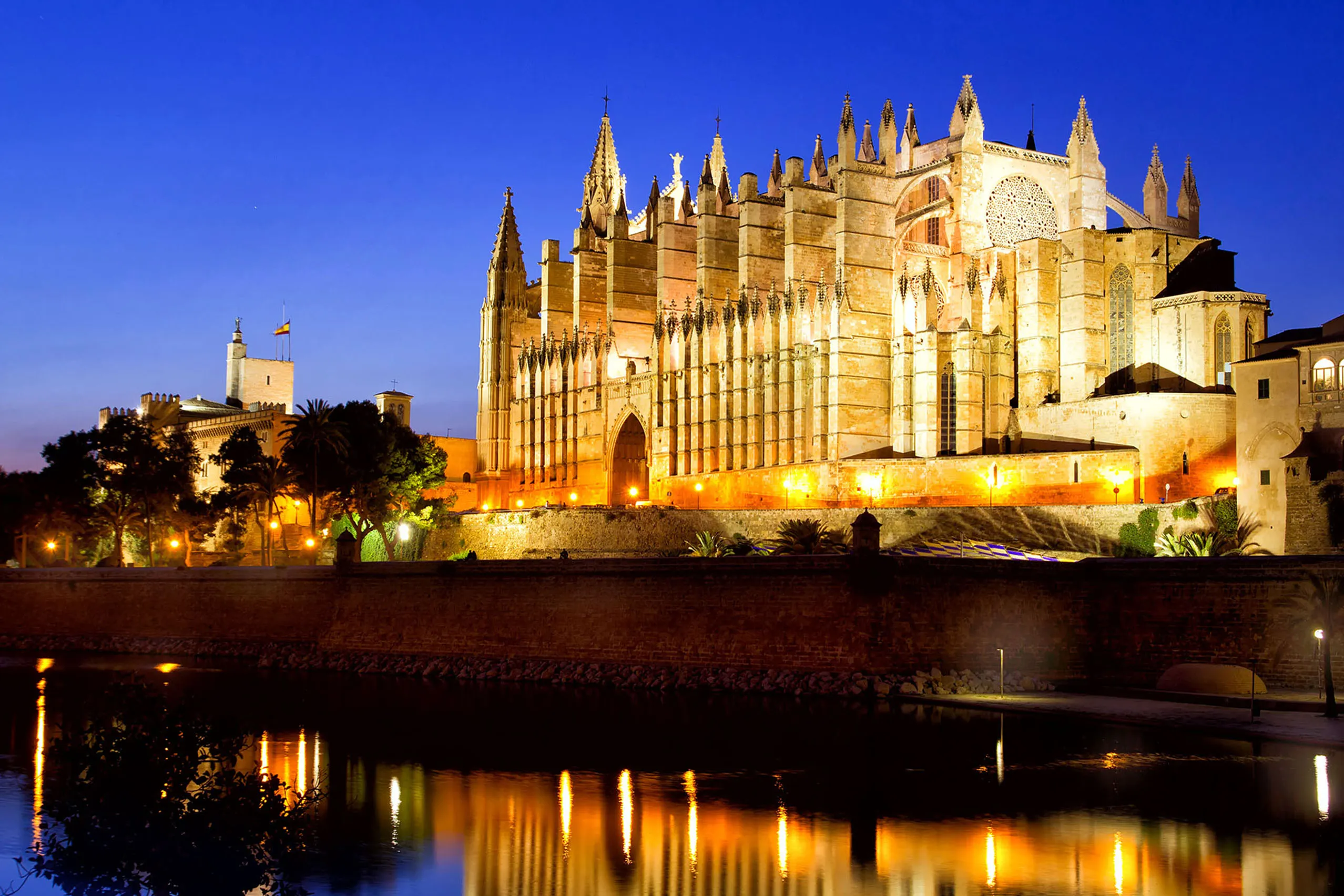
La Seu cathedral rises above the waterfront, built after the Christian conquest on the site of a mosque. Opposite stands the Palau de l’Almudaina, an Islamic fortress substantially rebuilt as a royal residence under Jaume II, with a new visitor route introduced in July 2026. Above the city is the circular Castell de Bellver, one of Europe’s unusual round castles. The Banys Àrabs preserve a small but striking bath chamber from Islamic Mallorca.
The neighbourhoods
An evening in Santa Catalina feels very different from an afternoon in Casc Antic. Santa Catalina has a lively concentration of restaurants. La Llotja is the harbour-side quarter around the Gothic exchange. Es Jonquet is known for its windmills above the marina, while Es Molinar grew from a fishing village on the eastern edge of the city. Leave time to wander as well as visiting the main sights.
Easier without a car
A hire car can be more trouble than it’s worth in central Palma. Much of the old town has restricted traffic, and car parks can be expensive and busy. Walking, EMT buses and the metro cover many journeys. The A1 bus connects the airport with the centre.
When to come
Palma is a year-round destination. March to May and October to December are especially comfortable for being outside, without the strongest summer heat or peak visitor numbers. January and February can be quieter times for museums and galleries.
All the places in the region
Palma: towns, coves and places to visit
Banys Àrabs
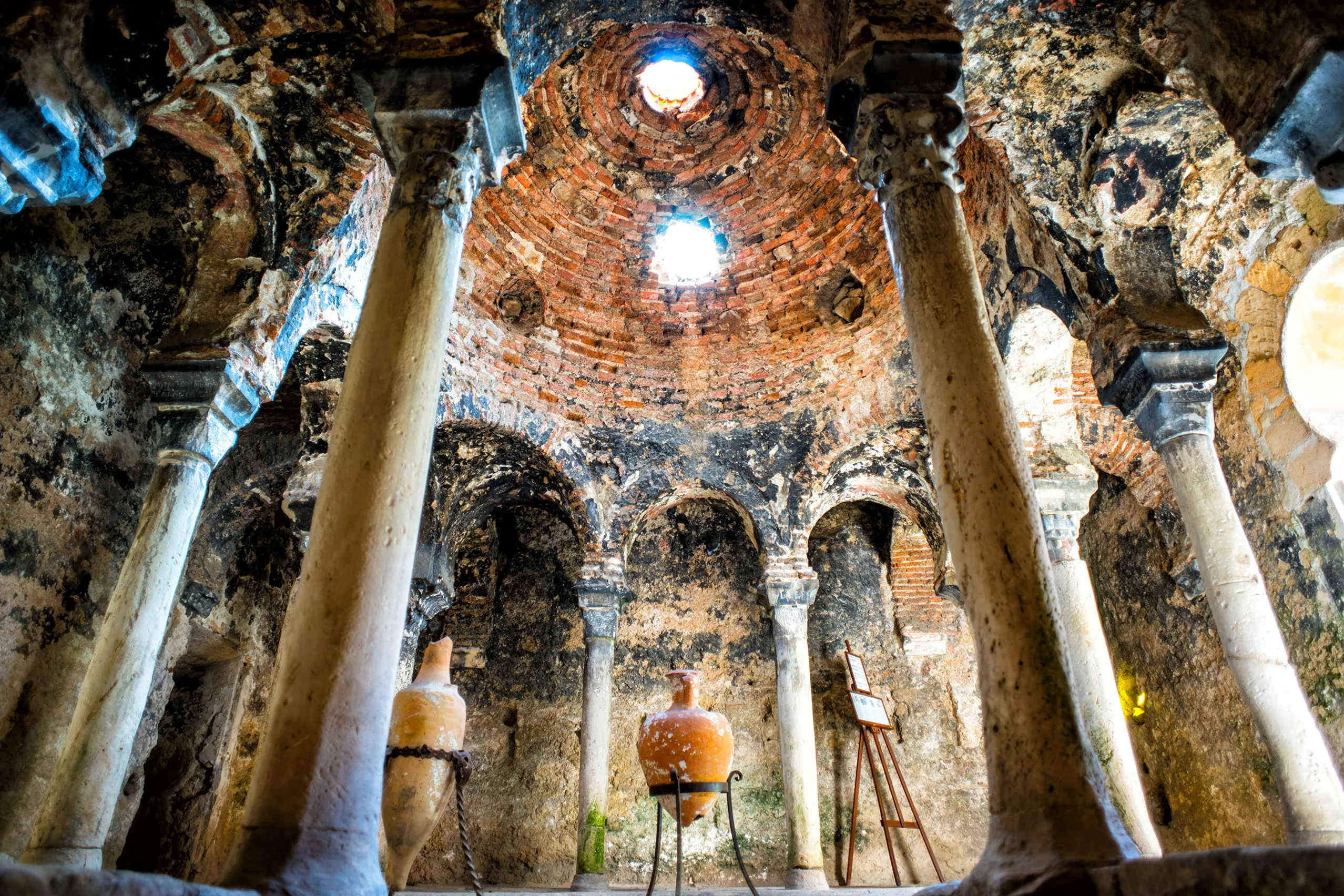
An 11th-century brick chamber in an old-town garden, with twelve columns, horseshoe arches and a dome pierced by round skylights. The Arab Baths are amo…
Cabrera
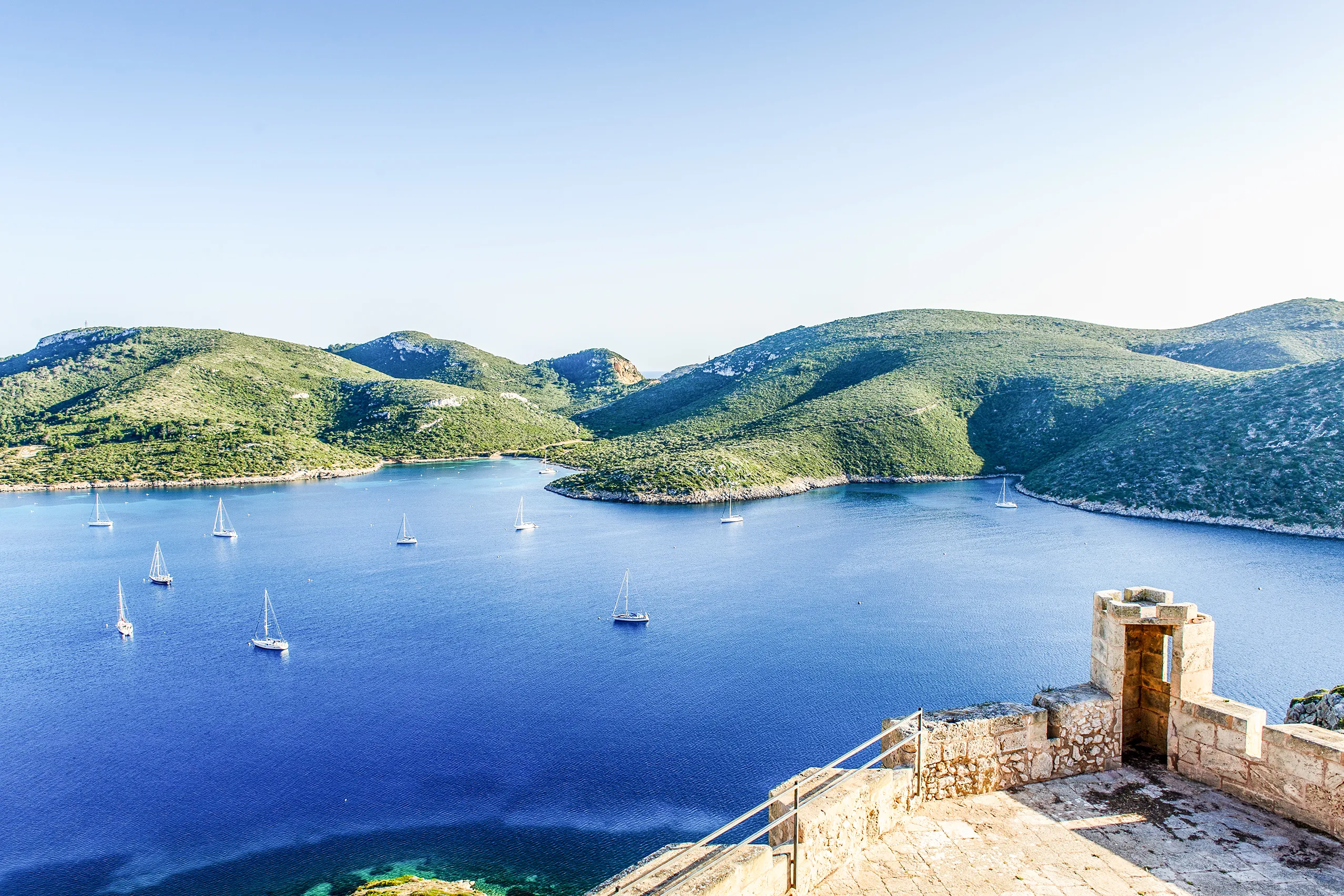
Cabrera lies around ten kilometres south of Mallorca and has been a national park since 1991. You arrive by boat to find quiet bays, walking paths and v…
Can Pastilla
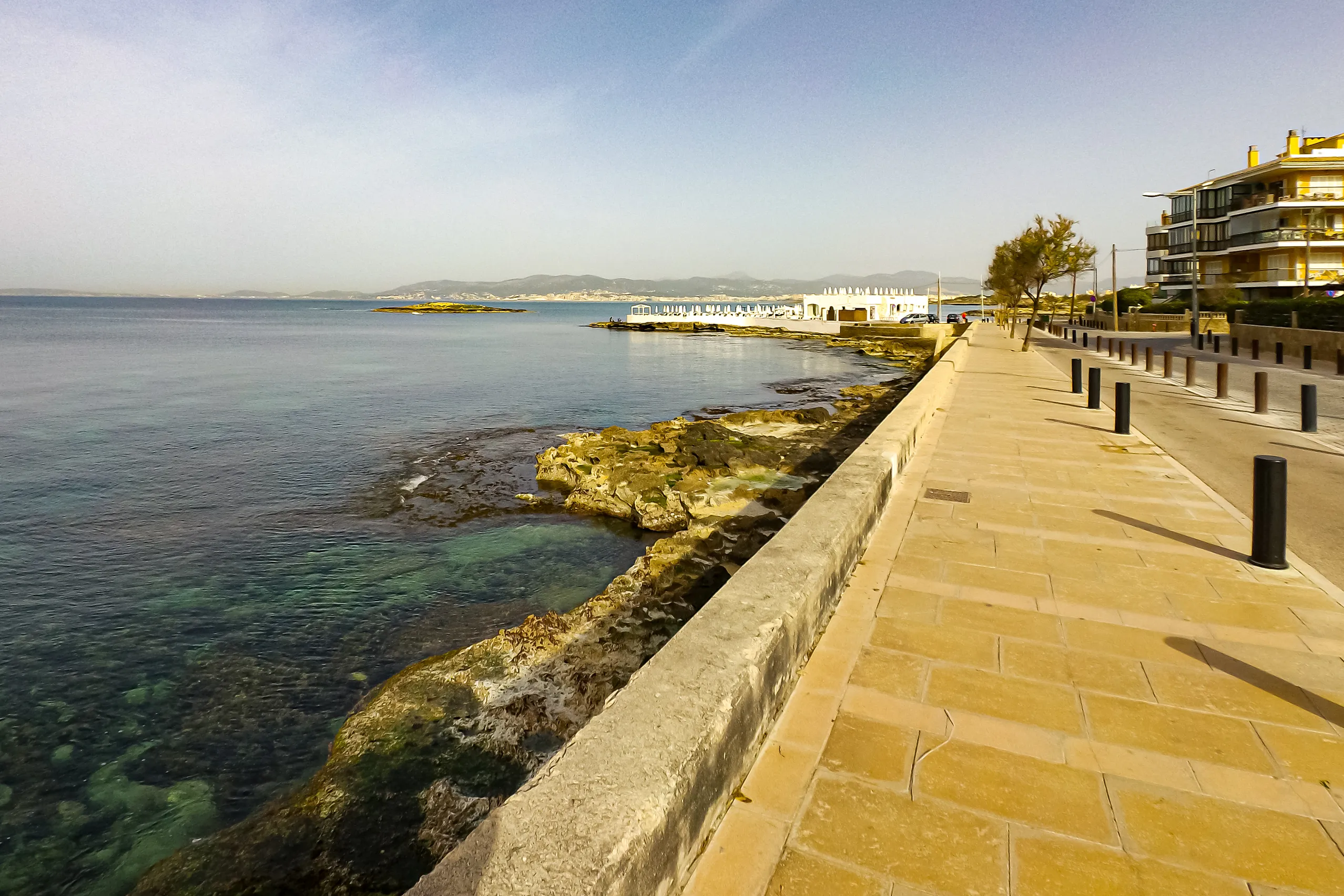
At the western end of Playa de Palma, ten minutes from the airport by car: a marina, a rocky waterfront promenade and the start of the long sandy beach…
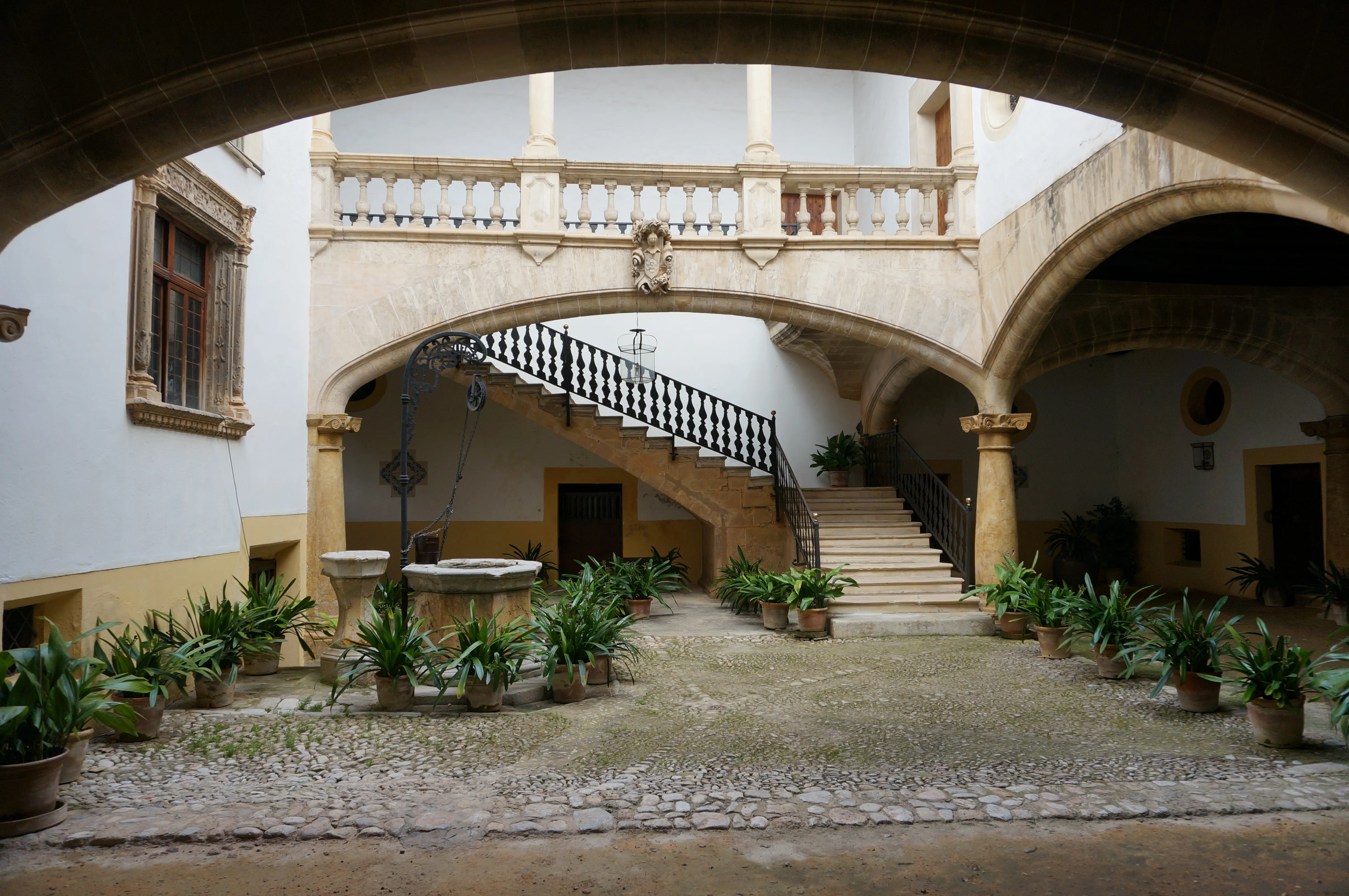
Casc Antic
Palma's old town between the cathedral, Plaça Major and the old city walls: a Moorish street plan, major Gothic buildings, Renaissance courtyards and Ar…
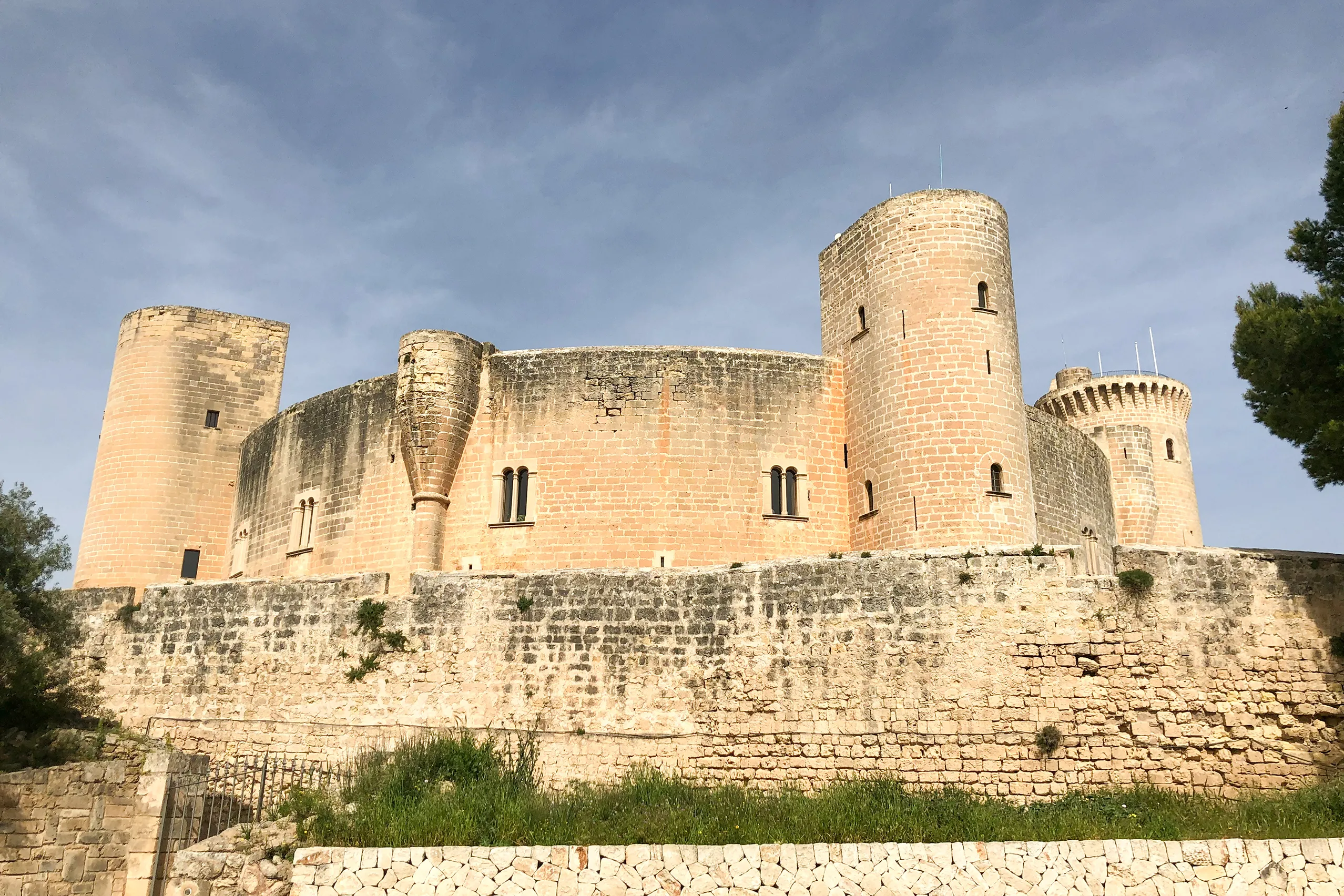
Castell de Bellver
A striking circular Gothic castle, built above Palma between 1300 and 1311. Inside is a two-storey round courtyard; outside are views over the city, har…
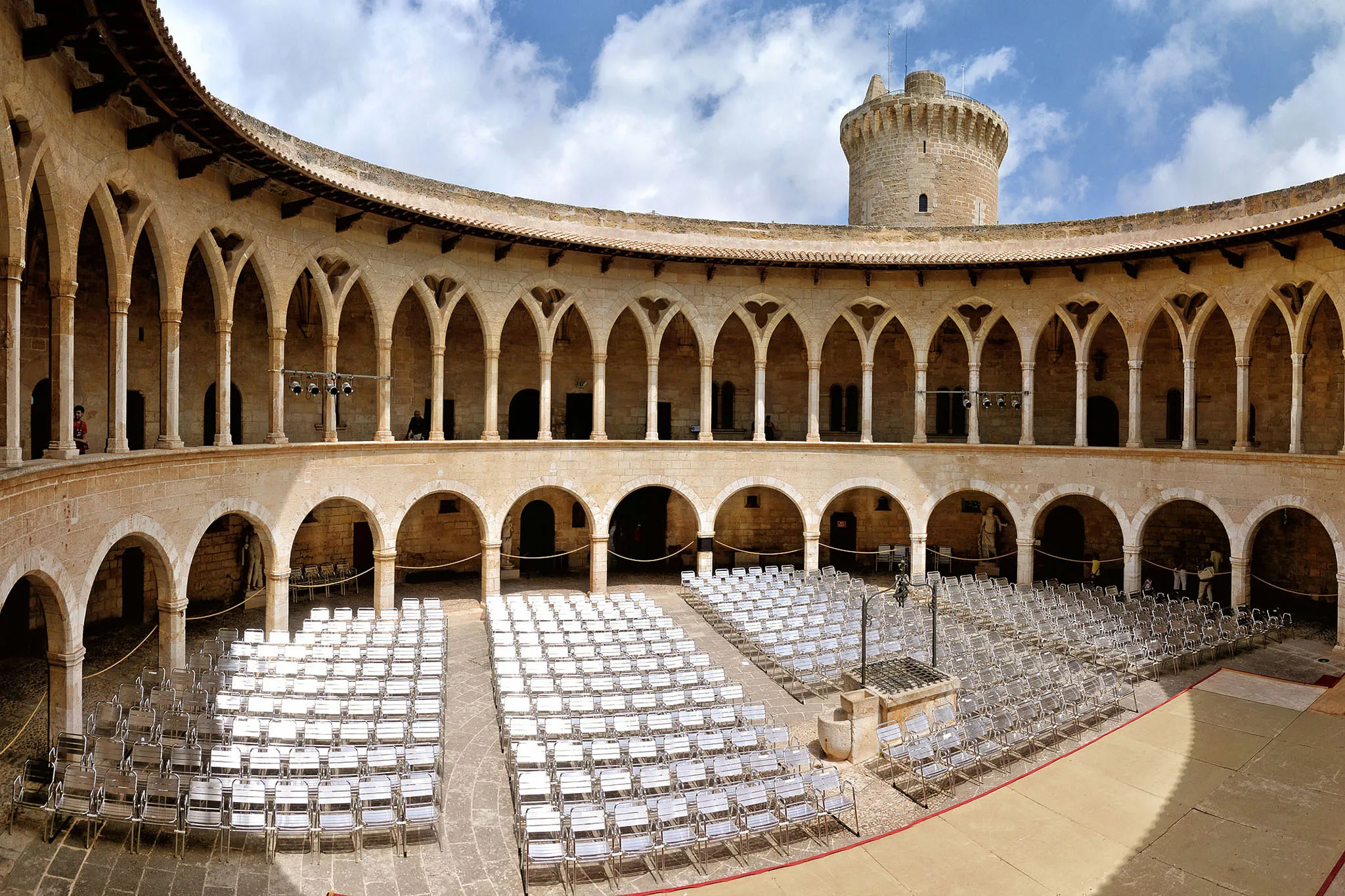
El Terreno & Bellver
On the hillside west of the harbour, beneath Castell de Bellver and a pine forest in the middle of the city. Mallorca's nightlife centre in the 1960s, f…
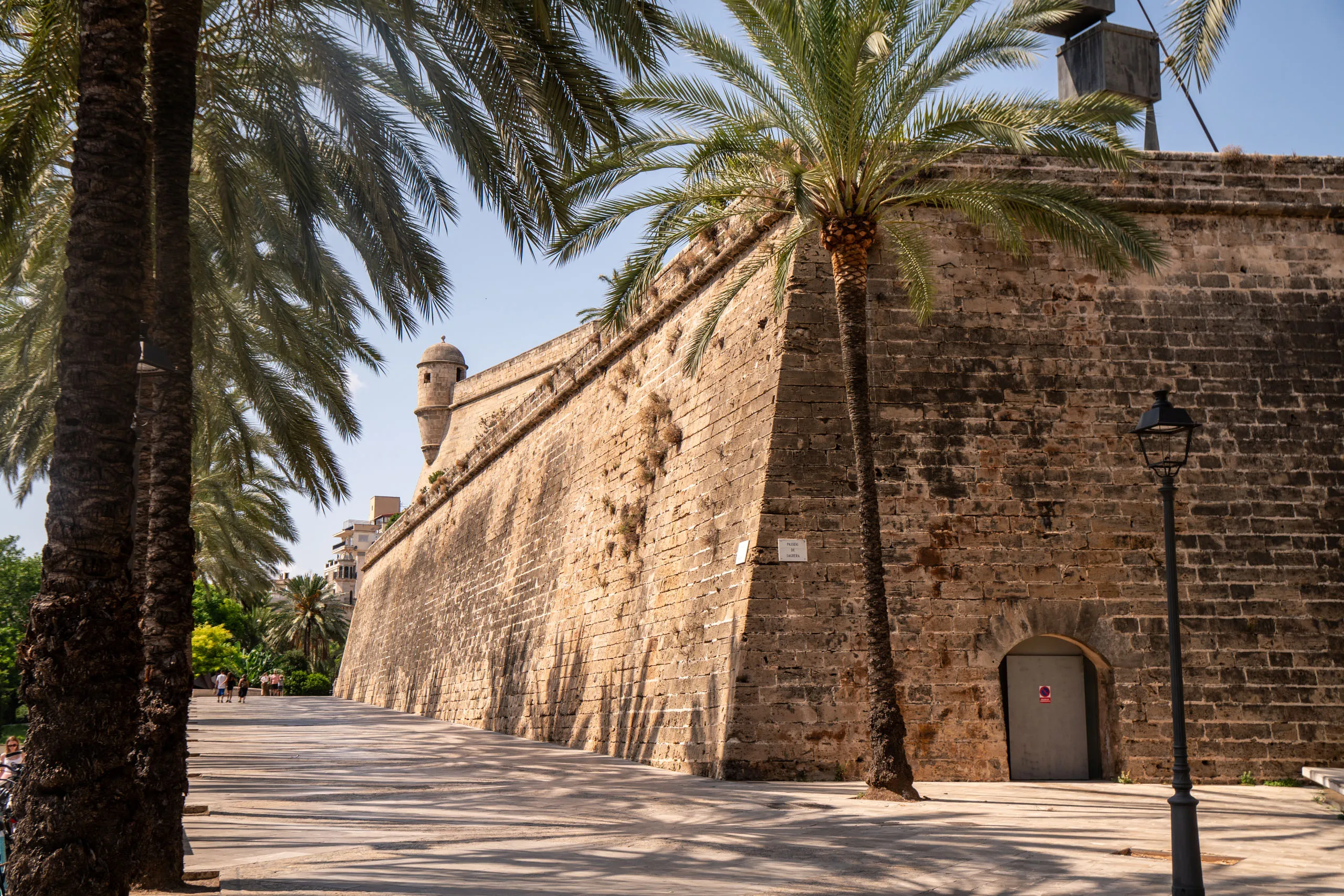
Es Baluard
Sant Pere bastion, built in the late 16th century on the western edge of Palma’s old town, became home to a contemporary art museum in 2004. Concrete an…
Es Jonquet
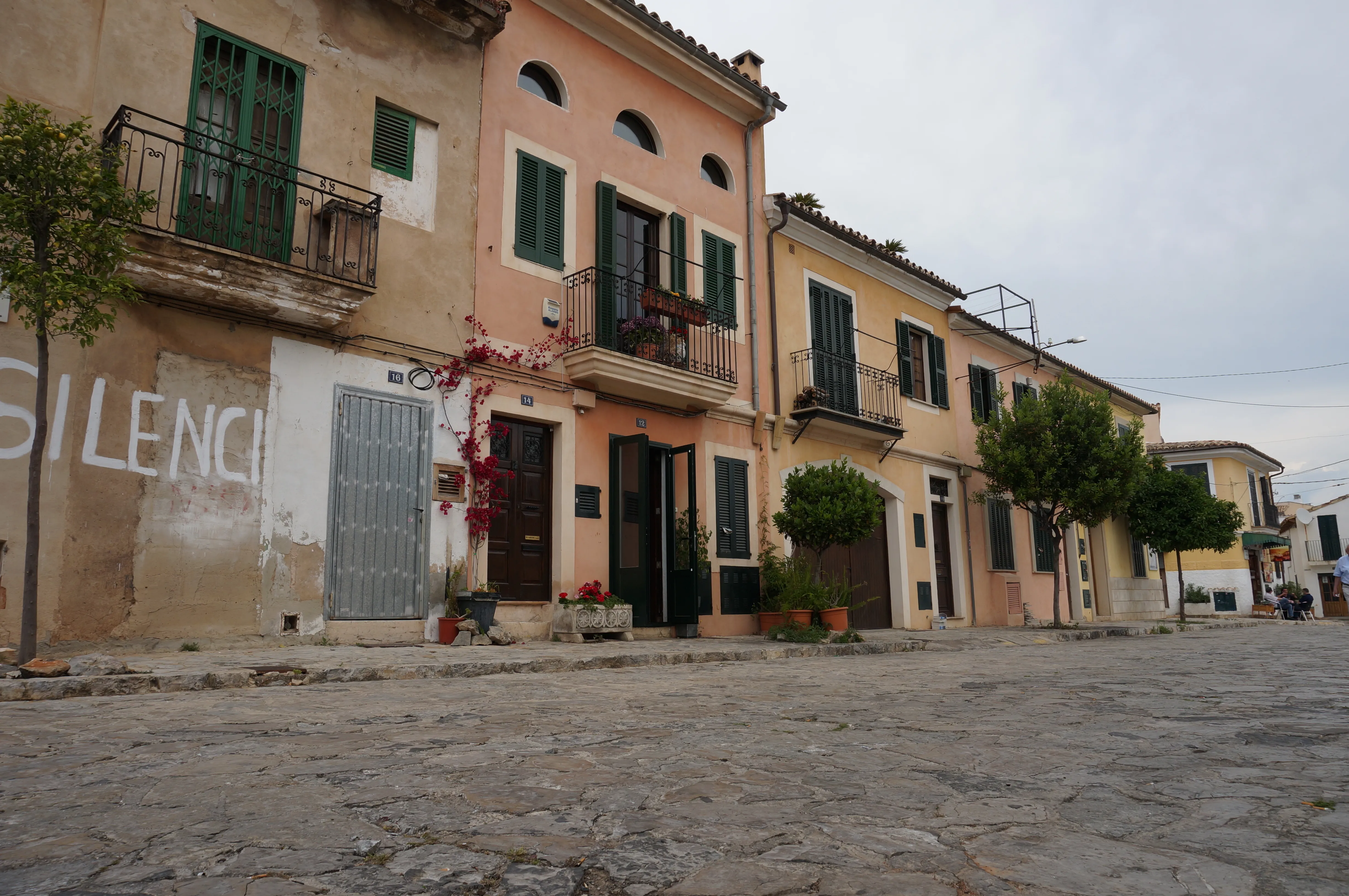
Palma's smallest and most distinctive neighbourhood: a rocky spur above the harbour with five surviving windmills and a handful of low fishermen's house…
Hafen von Palma
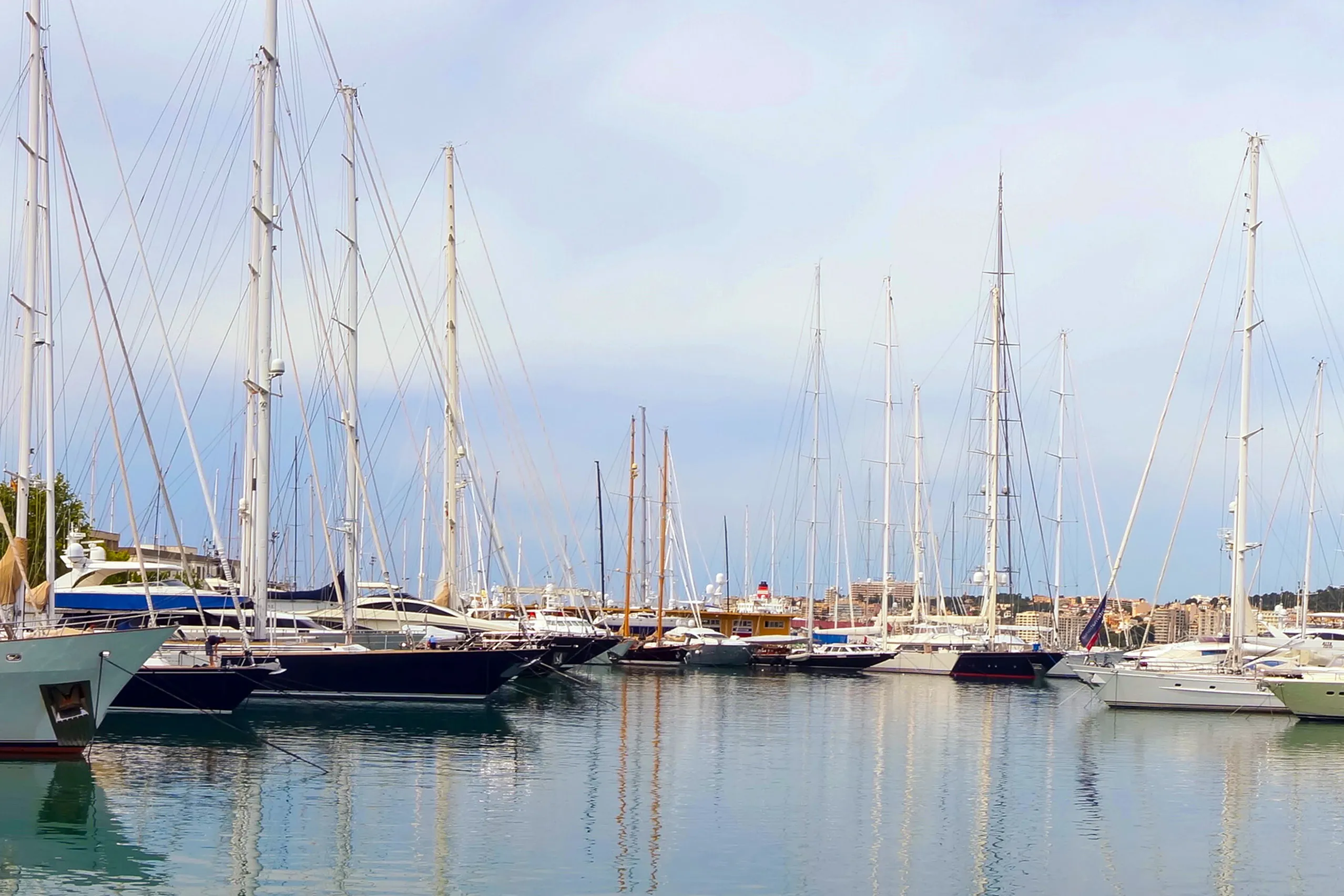
The Balearics' largest harbour sits in the city, in front of the old town. Cargo quays, cruise terminals, marinas and fishing boats share the waterfront…
La Llotja & Es Puig de Sant Pere
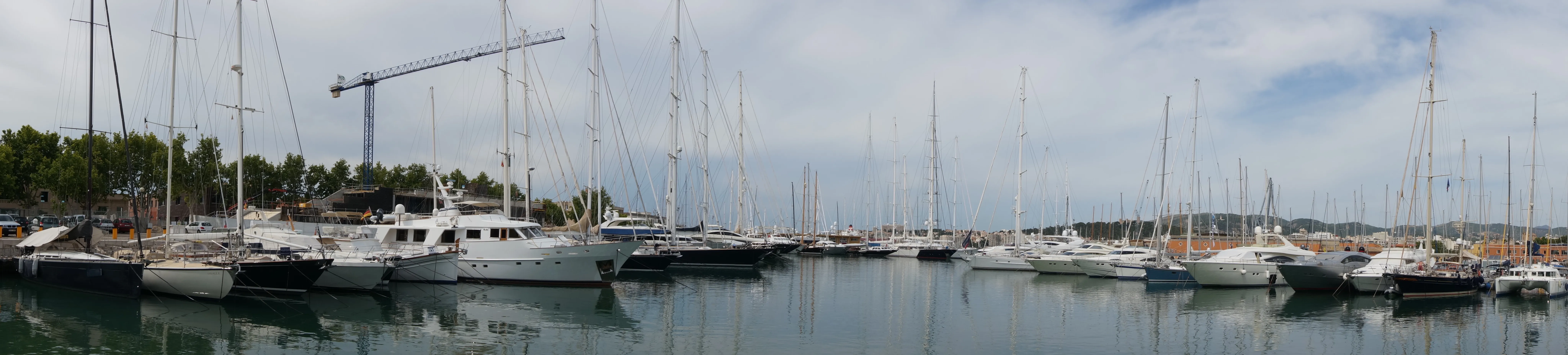
The strip between old town and harbour, named after the Gothic merchants' exchange Sa Llotja, one of Mallorca's finest secular buildings. Museums and qu…
La Seu
Palma’s cathedral was begun in 1230 and built over several centuries. Its Gothic buttresses rise above the water, with one of the world’s largest rose w…
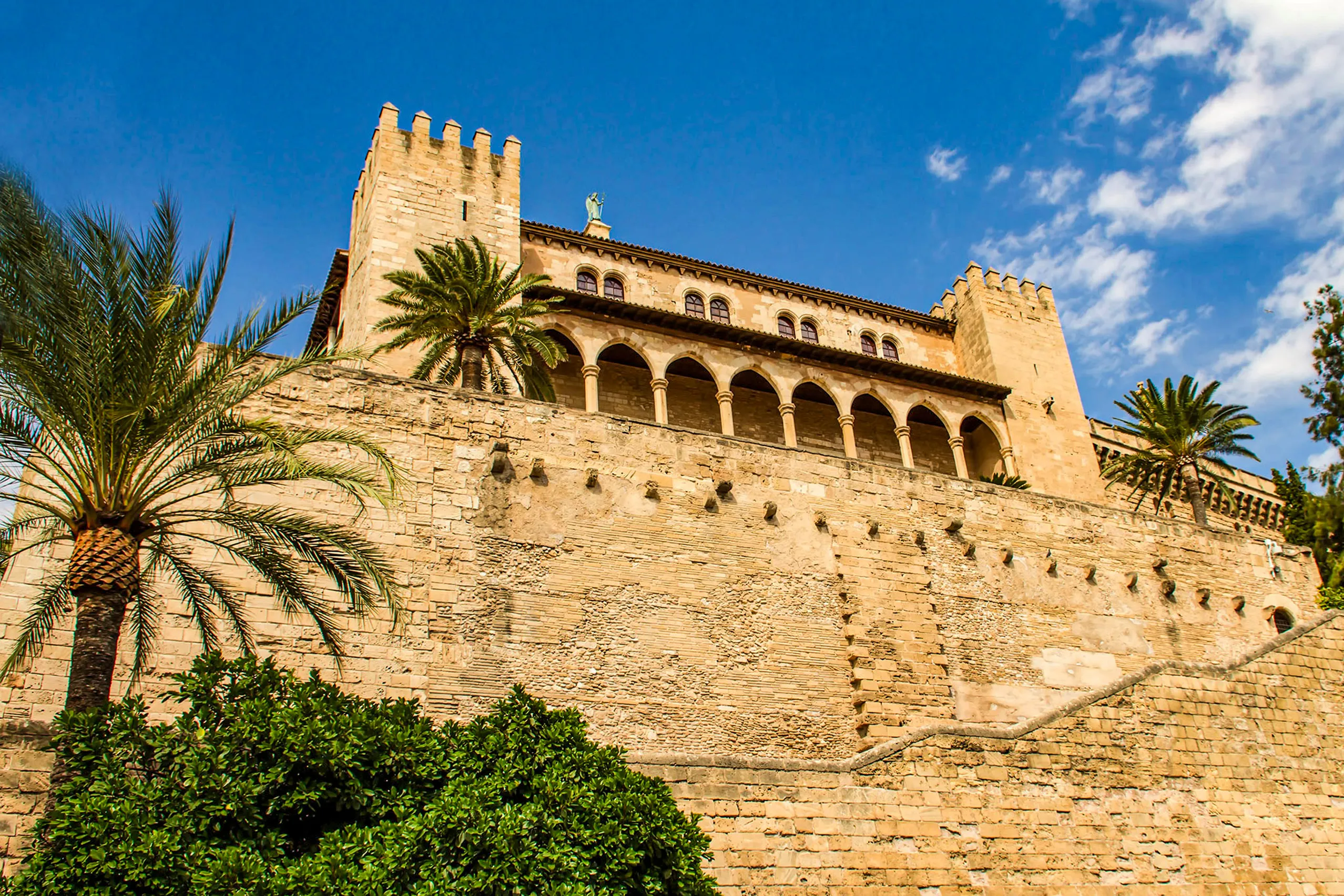
Palau de l'Almudaina
The royal palace beside Palma cathedral began as a Moorish alcázar, later converted into a residence for Mallorca’s kings by Jaume II. Reopened on 29 Ju…
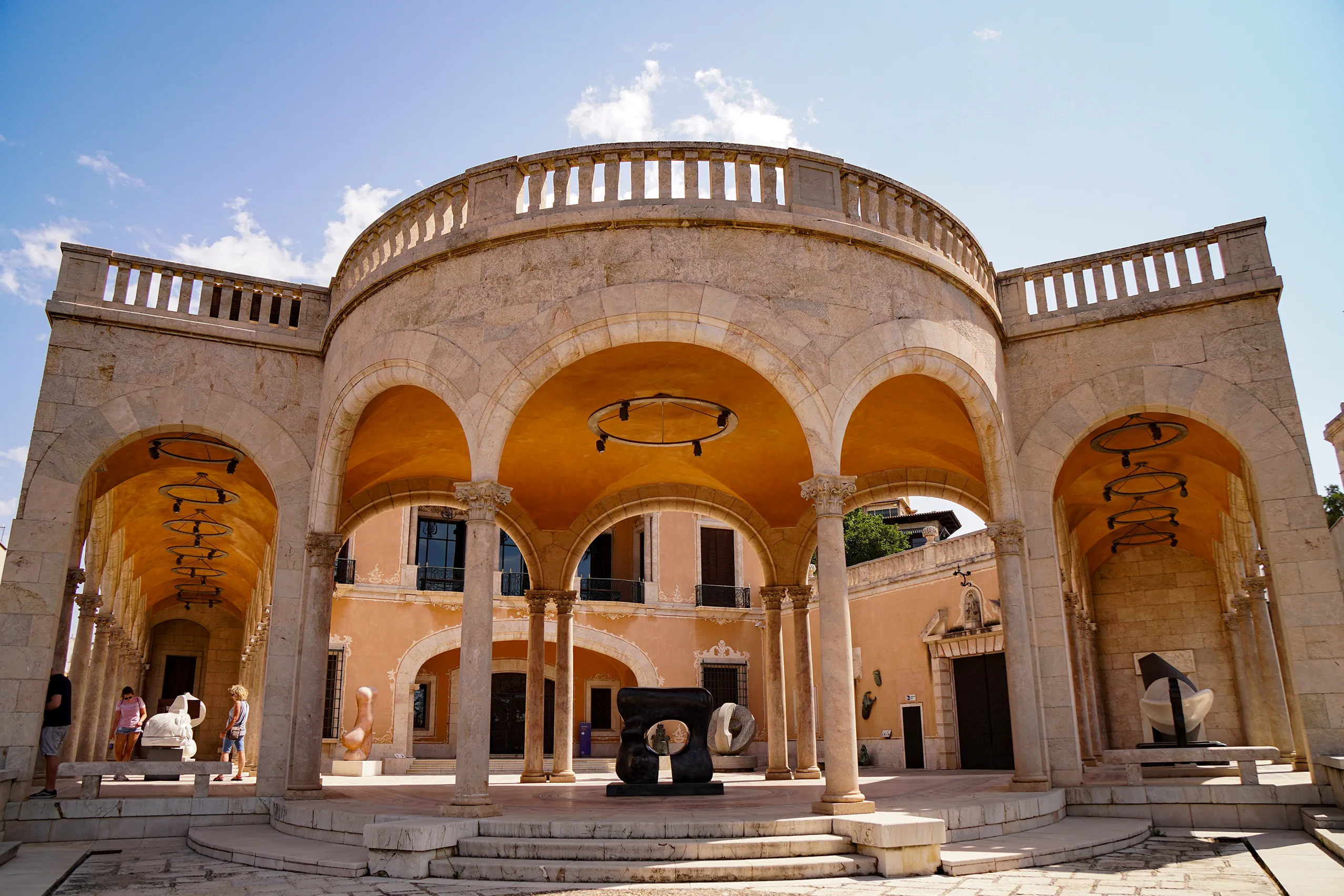
Palau March
The March family's city palace between the cathedral and the Almudaina: a terrace filled with 20th-century sculpture, historic living rooms and an 18th-…
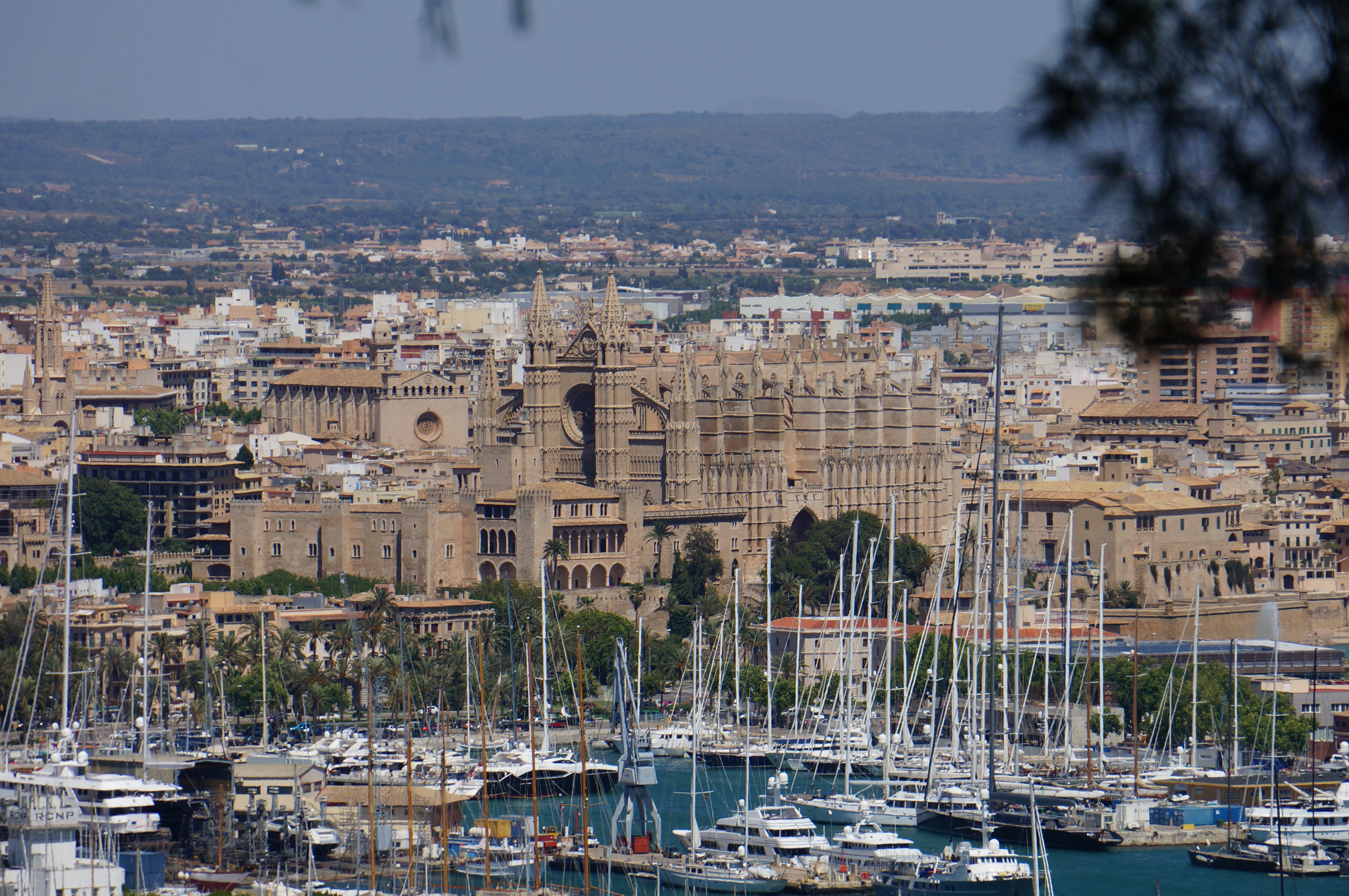
Palma
This is no oversized village passing as an island capital. Palma is a Mediterranean city with more than a thousand years of history, home to almost half…
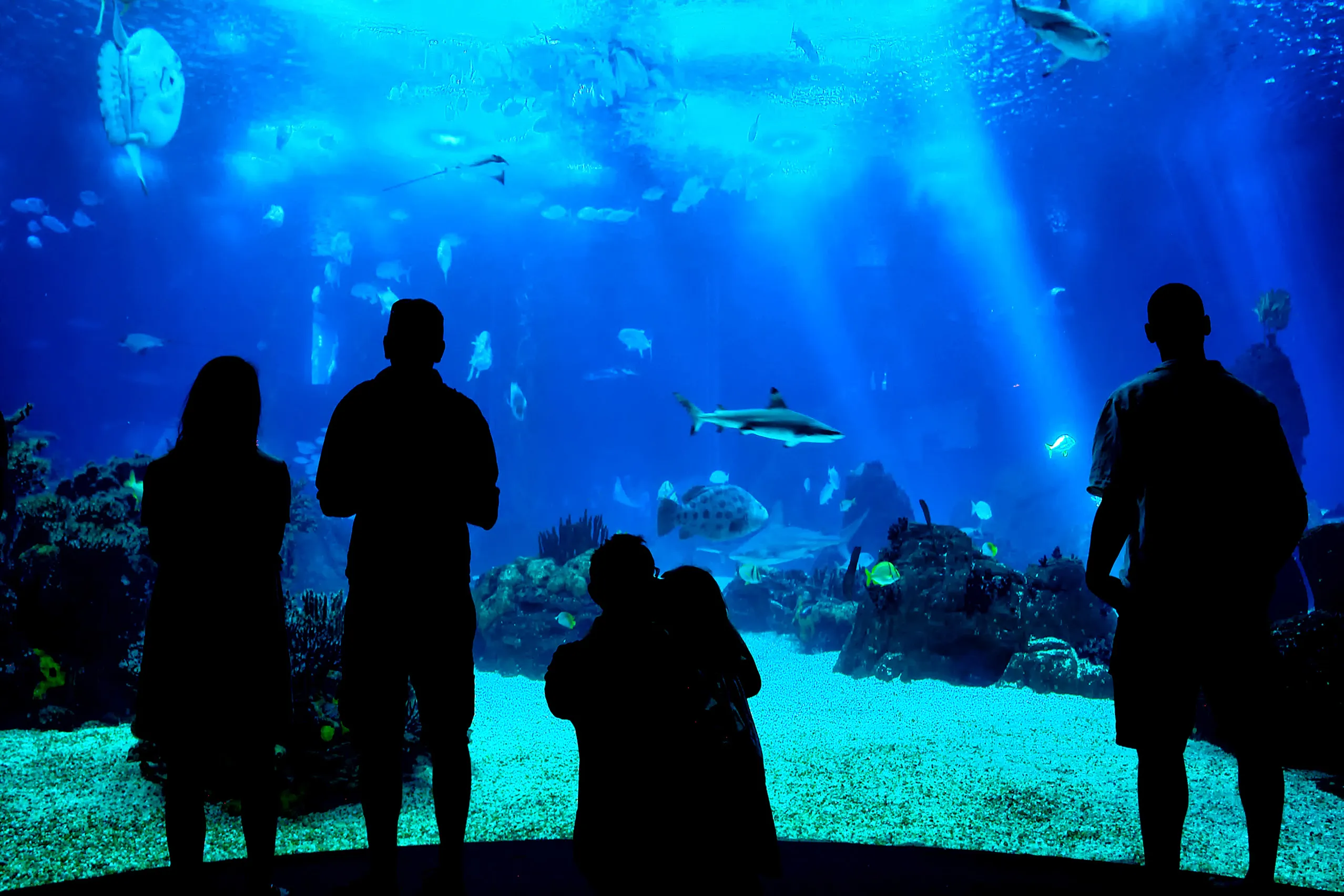
Palma Aquarium
A large aquarium on Playa de Palma, with Europe's deepest shark tank. Open all year, it is a reliable option for a rainy day with children.
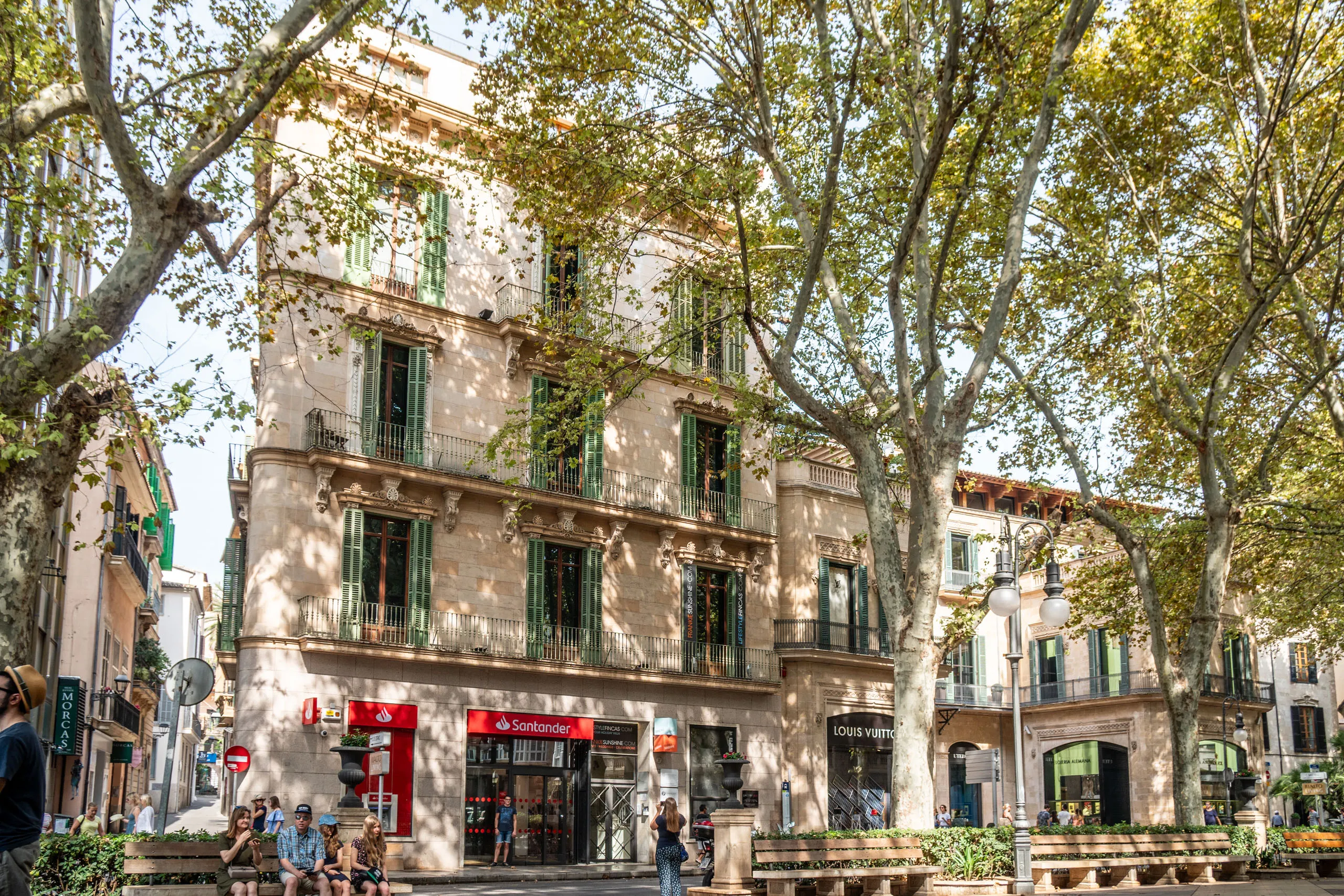
Passeig del Born
Palma's grand promenade between Plaça de la Reina and Plaça del Rei Joan Carles I. It follows the bed of a torrent diverted out of the city in 1613, tak…
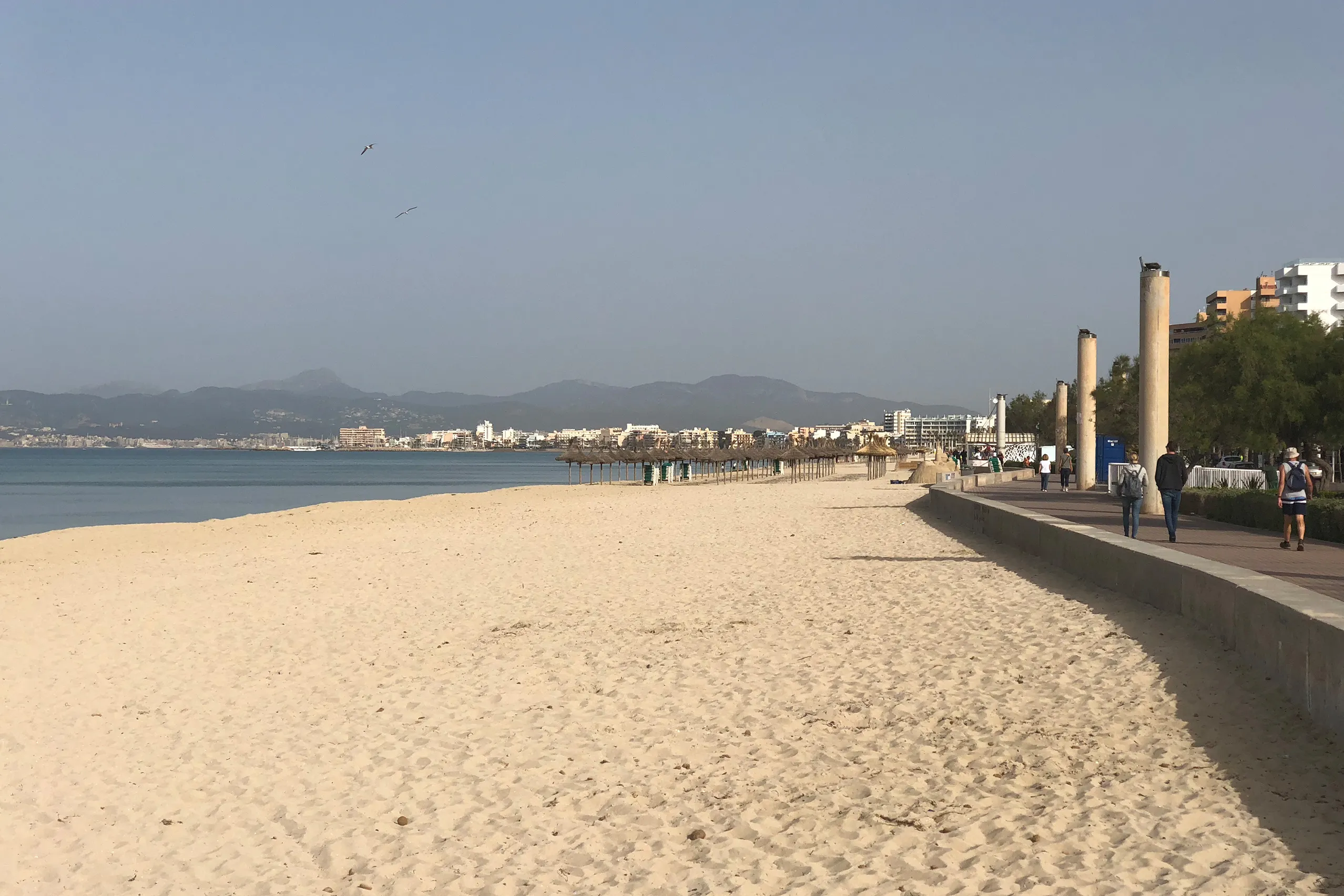
Platja de Palma & S'Arenal
Six kilometres of sand east of Palma, from Ca'n Pastilla to S'Arenal, with Son Verí Nou beyond — Mallorca's most developed holiday coast. The Palma end…
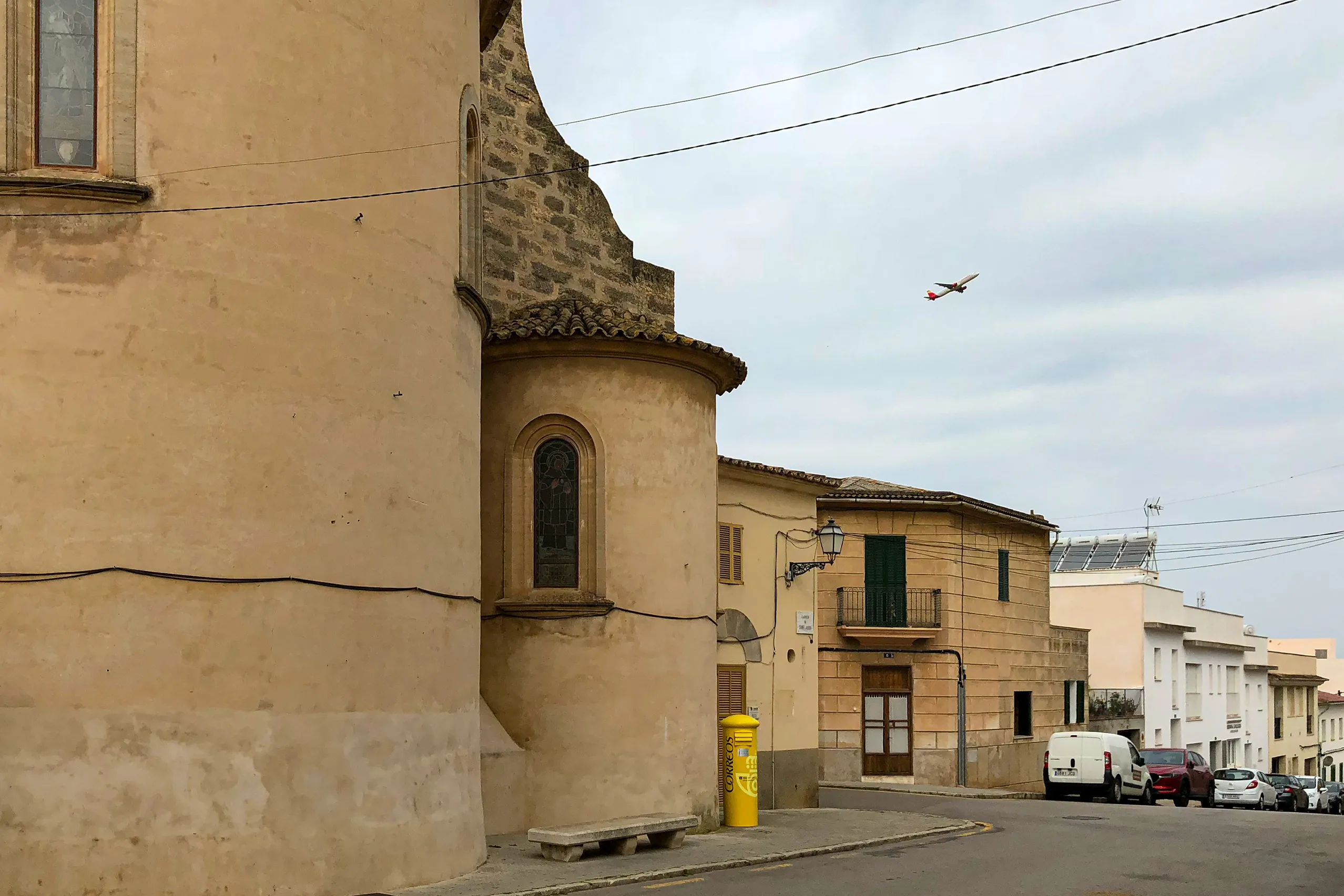
Sant Jordi
A village in the Prat de Sant Jordi, the flat plain east of Palma, between fields, farm tracks and the airport flight path. Aircraft climb away above th…
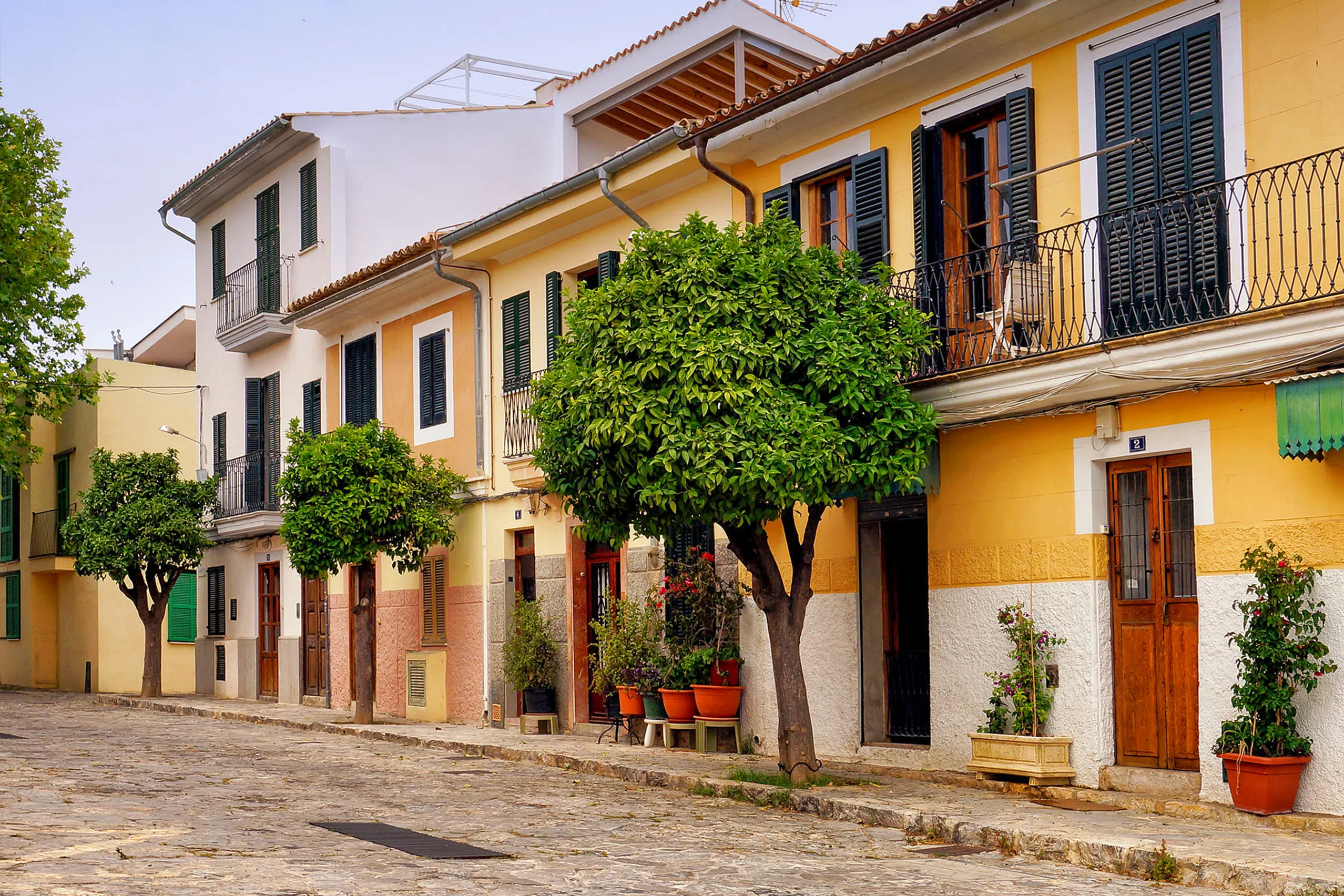
Santa Catalina
A former fishermen's and craftspeople's district west of the harbour, now packed with restaurants. Two-storey terraces line a grid of streets, with a ma…
Where it is
Palma on Mallorca
- In Mallorca Fritz
- 19
- Places to explore
- Town: 1, Inland village: 1, Neighbourhood: 7, Place to visit: 10
- Largest place
- Palma , 419,000 residents
- Highest place
- Cabrera , 172 m above sea level
- Area
- About 6% of the island
All 19 places in the region Open Google Maps
The shaded area is not an administrative boundary. Mallorca’s comarques have no officially defined boundaries. It shows which part of the island is closest to this region’s places, calculated from the coordinates in the place guides.