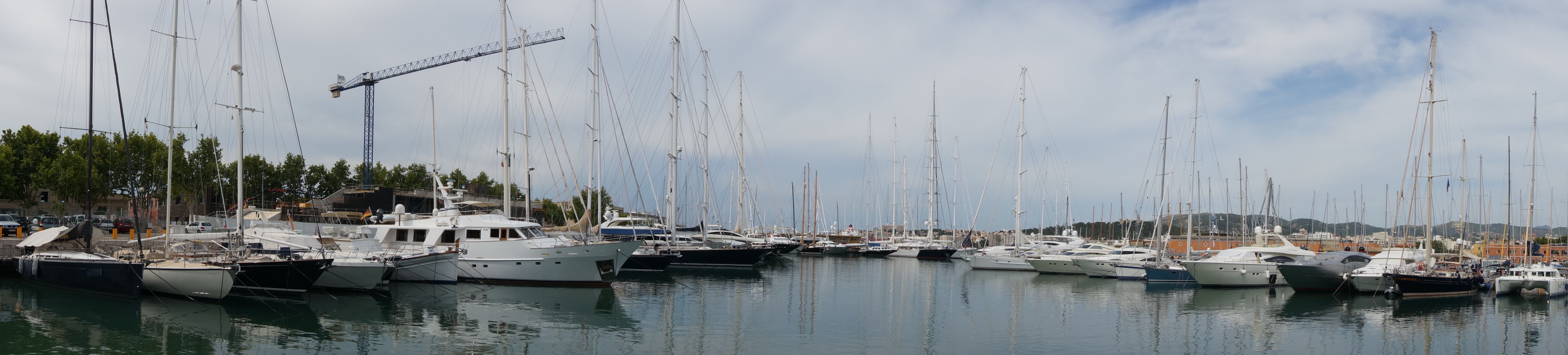
The strip between old town and harbour, named after the Gothic merchants' exchange Sa Llotja, one of Mallorca's finest secular buildings. Museums and quiet lanes by day; after dark, one of the liveliest areas within the old city walls.
La Llotja & Es Puig de Sant Pere
La Llotja & Es Puig de Sant Pere in 30 seconds
The essentials at a glance
- Worth visiting for
- A longer stay
- Best for
- Gothic architecture, old lanes and evenings out
- Best months
- January–May, September–December
- Time to allow
- An hour for Sa Llotja and the lanes; a whole evening for everything else.
- Without a car
- Better without a car
- Parking
- Parc de la Mar car park or parking by the harbour. Finding a space in the neighbourhood itself is almost hopeless.
- Highlight
- The Gothic merchants' exchange, Sa Llotja
- Keep in mind
- Guaranteed peace and quiet in the evening
- Access
- Gradients vary from street to street; check access to individual buildings
Get a feel for Mallorca. Find your kind of place.
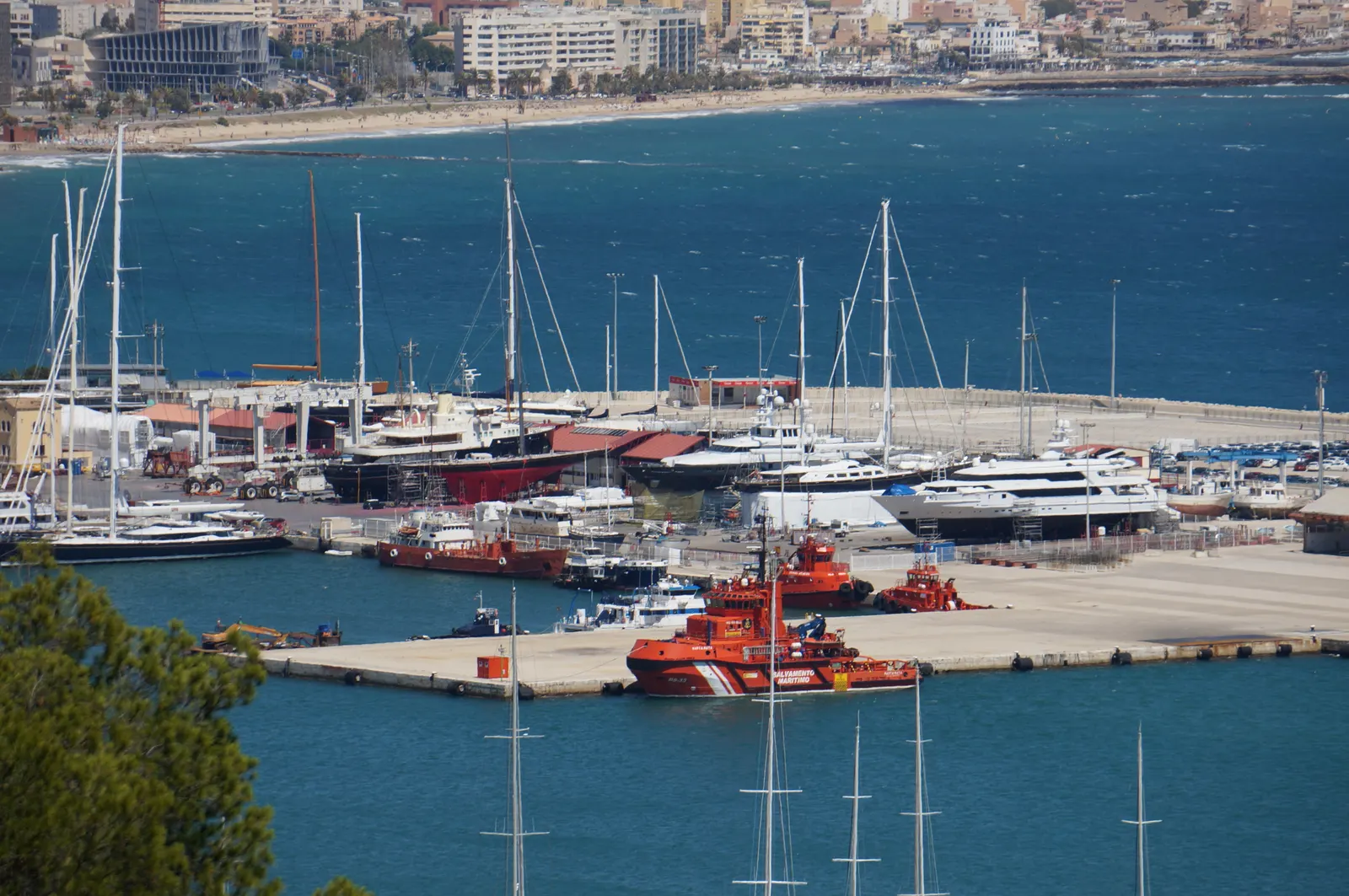
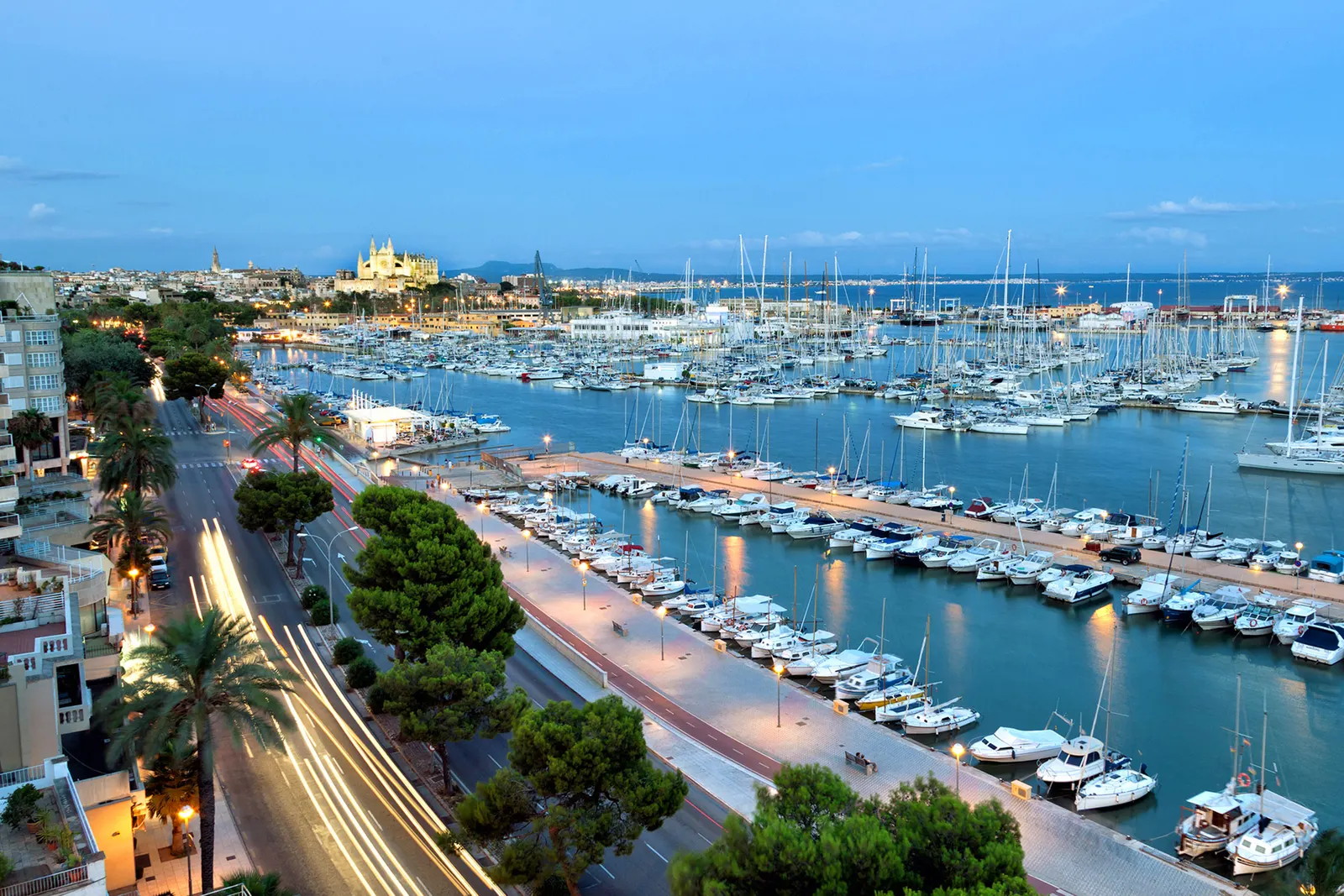
Looking across the harbour basin towards the city.
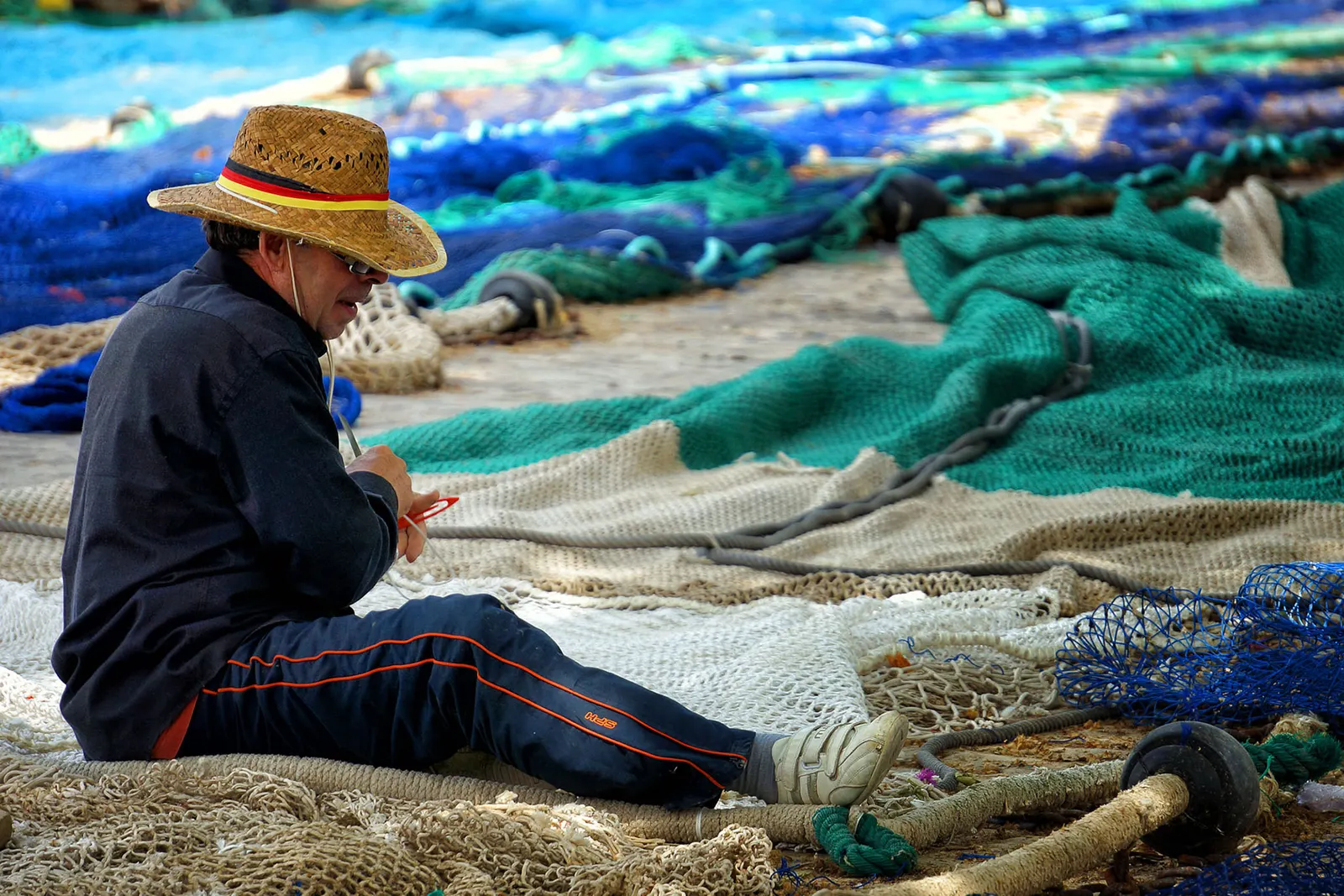
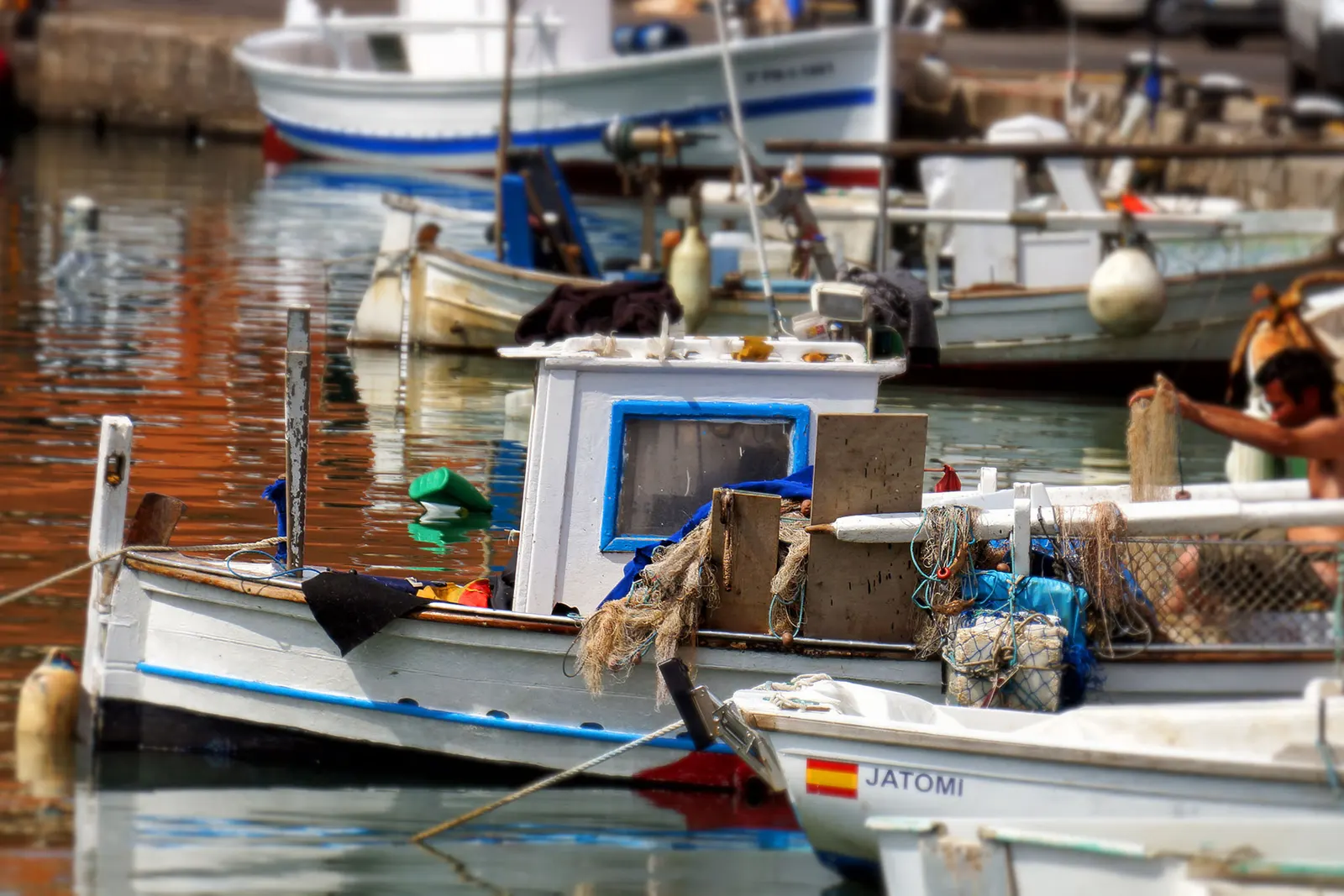
Fishermen still work among the yachts. You just need to arrive early enough.
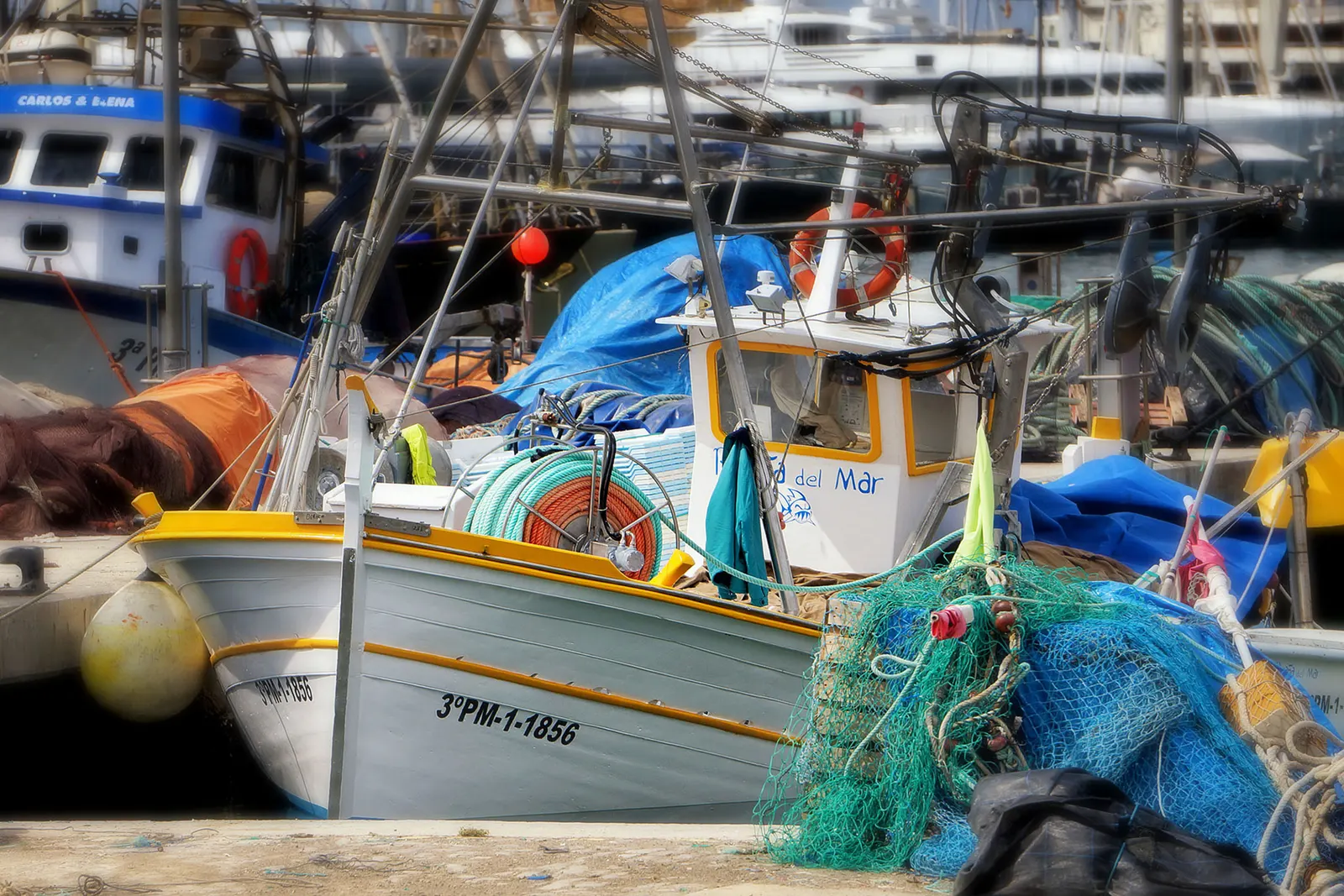
The boat carries its number and little decoration. This was once a familiar sight throughout the harbour.
Drive from the airport
20 minutes
10 km
Bus connections
EMT services and the A1 airport bus
Region
Palma
Nearest beach
Can Pastilla
7 km
Elevation
8 m
above sea level
A glimpse of La Llotja & Es Puig de Sant Pere
Season guide for La Llotja & Es Puig de Sant Pere
November Worth a visit
Quiet Open
Worth visiting in January, February, March, April, May, September, October, November and December. Less suitable in August.
Location
Location of La Llotja & Es Puig de Sant Pere
- Region
- Palma
- Municipality
- Palma
- Population
- 2,400
- Elevation
- 8 m above sea level
- Airport
- 10 km , around 20 minutes
- Hire car
- more hindrance than help
- Worth visiting for
- a longer stay
- Coordinates
- 39.5687,2.6432
What is La Llotja?
Palma’s harbour-side neighbourhood west of the cathedral, between the old town and Passeig Marítim. It has two parts: the flatter area around the old merchants’ exchange Sa Llotja, and Es Puig de Sant Pere, the hill above it.
By day, come for museums; in the evening, for a night out.
Sa Llotja, the merchants’ exchange
The neighbourhood takes its name from this building. Guillem Sagrera built it between 1426 and 1452 as a merchants’ exchange, home to the Col·legi de Mercaders, the merchants’ guild, and for a time the island administration. Palma was then one of the western Mediterranean’s leading trading ports, and the building was intended to show it.
Inside is a single room, divided by six spiral columns without capitals or bases. They rise from the floor and merge directly into the ribbed vaulting. The effect is like a grove of stone palms, so successful that the exchange in Valencia later adopted similar columns.
Above the main doorway stands the angel, patron of the merchants. The west doorway’s tympanum shows the Virgin being crowned by an angel.
Sagrera did not see it finished: a dispute with his clients led him to leave for Naples in 1447, where he worked on Castel Nuovo from 1450.
Today Sa Llotja hosts exhibitions, so opening depends on the programme. Check ahead if you want to go inside — you cannot see the columns from outside.
Es Puig de Sant Pere
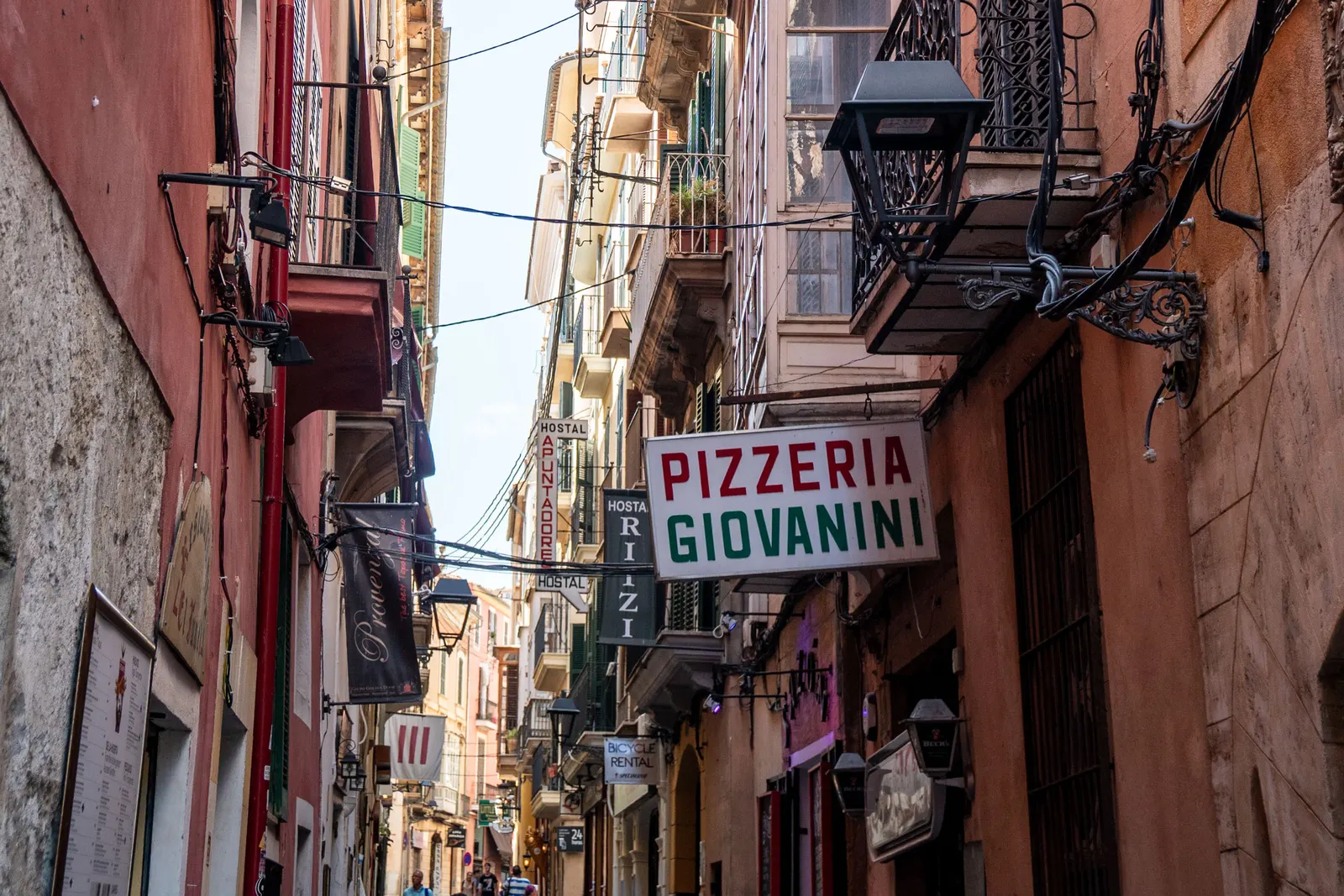
The hill to the north was once home to sailors and dock workers, with narrow lanes, tall narrow houses and little space. Today flats, small hotels and restaurants sit close together. Carrer Apuntadors is the best-known address and gets busy in the evening.
Museums nearby
Palau March, with its sculpture terrace, and Es Baluard, the modern art museum on the old city-wall bastion, are a few minutes away. Both are worth visiting and generally much quieter than the cathedral.
When to go
The neighbourhood is quiet, sometimes almost empty, during the day, making it pleasant for museums. From around eight in the evening it changes into one of the old town’s noisiest areas.
Photographs
La Llotja & Es Puig de Sant Pere in Mallorca
Practical details
- Parking
- Parc de la Mar car park or parking by the harbour. Finding a space in the neighbourhood itself is almost hopeless.
- Public transport
- EMT services on Passeig Marítim and Avinguda d'Antoni Maura.
- Time to allow
- An hour for Sa Llotja and the lanes; a whole evening for everything else.
- Good to know
- Sa Llotja is an exhibition venue rather than a museum with permanent opening hours. Check whether an exhibition is running before visiting, or you may find it closed.
- Bus
- EMT services and the A1 airport bus
- Coordinates
- 39.5687,2.6432 Google Maps Apple Maps
Dates that change the town
When a race comes to town
Trofeo Princesa Sofía Sailing · 27 March–4 April 2026
The participating harbours are busy. Race courses are often well offshore, so views from the beach are limited.
Copa del Rey MAPFRE Sailing · 1–8 August 2026
Expect extra activity around the regatta harbour. If you are travelling for the event, plan accommodation and a berth well ahead.
The season guide describes whole months. A race weekend can transform a normally quiet town for a couple of days. Find the dates in our guide to Sporting events.
Within reach
Places to visit
Nearby

Sant Pere bastion, built in the late 16th century on the western edge of Palma’s old town, became home to a …

Palma’s cathedral was begun in 1230 and built over several centuries. Its Gothic buttresses rise above the water …

The royal palace beside Palma cathedral began as a Moorish alcázar, later converted into a residence for …

The March family's city palace between the cathedral and the Almudaina: a terrace filled with 20th-century …

The Balearics' largest harbour sits in the city, in front of the old town. Cargo quays, cruise terminals, marinas …

Palma's grand promenade between Plaça de la Reina and Plaça del Rei Joan Carles I. It follows the bed of a torrent …

An 11th-century brick chamber in an old-town garden, with twelve columns, horseshoe arches and a dome pierced by …

A striking circular Gothic castle, built above Palma between 1300 and 1311. Inside is a two-storey round …
Distances without a driving time are measured in a straight line. The road journey can be much longer; known driving times are shown alongside.
Where to swim nearby
Beaches and swimming nearby

At the western end of Playa de Palma, ten minutes from the airport by car: a marina, a rocky waterfront promenade …

Broad sandy bays with pale, shallow water, right beside Magaluf but with a different feel. The quieter neighbour …
Explore from here
Your questions answered
Your questions about La Llotja & Es Puig de Sant Pere
What is Sa Llotja in Palma?
Palma's Gothic merchants' exchange, built between 1426 and 1452 by Guillem Sagrera. One large hall contains six twisting columns that spread into ribbed vaults. It is regarded as the Balearics' leading secular Gothic building and now hosts exhibitions.
Can I visit Sa Llotja?
It opens for exhibitions rather than keeping permanent museum hours. Exhibition admission is generally free. Check what is on before visiting.
Where can I go out in Palma's old town?
Around Sa Llotja and Es Puig de Sant Pere, especially Carrer Apuntadors and its neighbouring lanes. It is one of the liveliest areas inside the old city walls. Santa Catalina has more emphasis on restaurants and can offer a quieter alternative.
Practical questions
When is the best time to visit La Llotja & Es Puig de Sant Pere?
Recommended months: January, February, March, April, May, September, October, November, December. Very quiet by day but still lively in the evening — the neighbourhood doesn't rely solely on seasonal visitors.
Is La Llotja & Es Puig de Sant Pere worth visiting in July and August?
July: worth considering with some reservations. Usually busy. Cruise visitors arriving through the harbour come straight into this area. August: another month may suit you better. Usually busy. Hot and crowded, with some establishments taking their summer break.
How far is La Llotja & Es Puig de Sant Pere from Palma airport?
About 10 km from Palma airport. Allow roughly 20 minutes by car.
Do I need a hire car for La Llotja & Es Puig de Sant Pere?
A car can be more trouble than it’s worth EMT services and the A1 airport bus
Where can I park in La Llotja & Es Puig de Sant Pere?
Parc de la Mar car park or parking by the harbour. Finding a space in the neighbourhood itself is almost hopeless.
Words and photographs: Friedhelm Fischer. Exploring Mallorca since 2013 — by bike, on foot and with a camera.