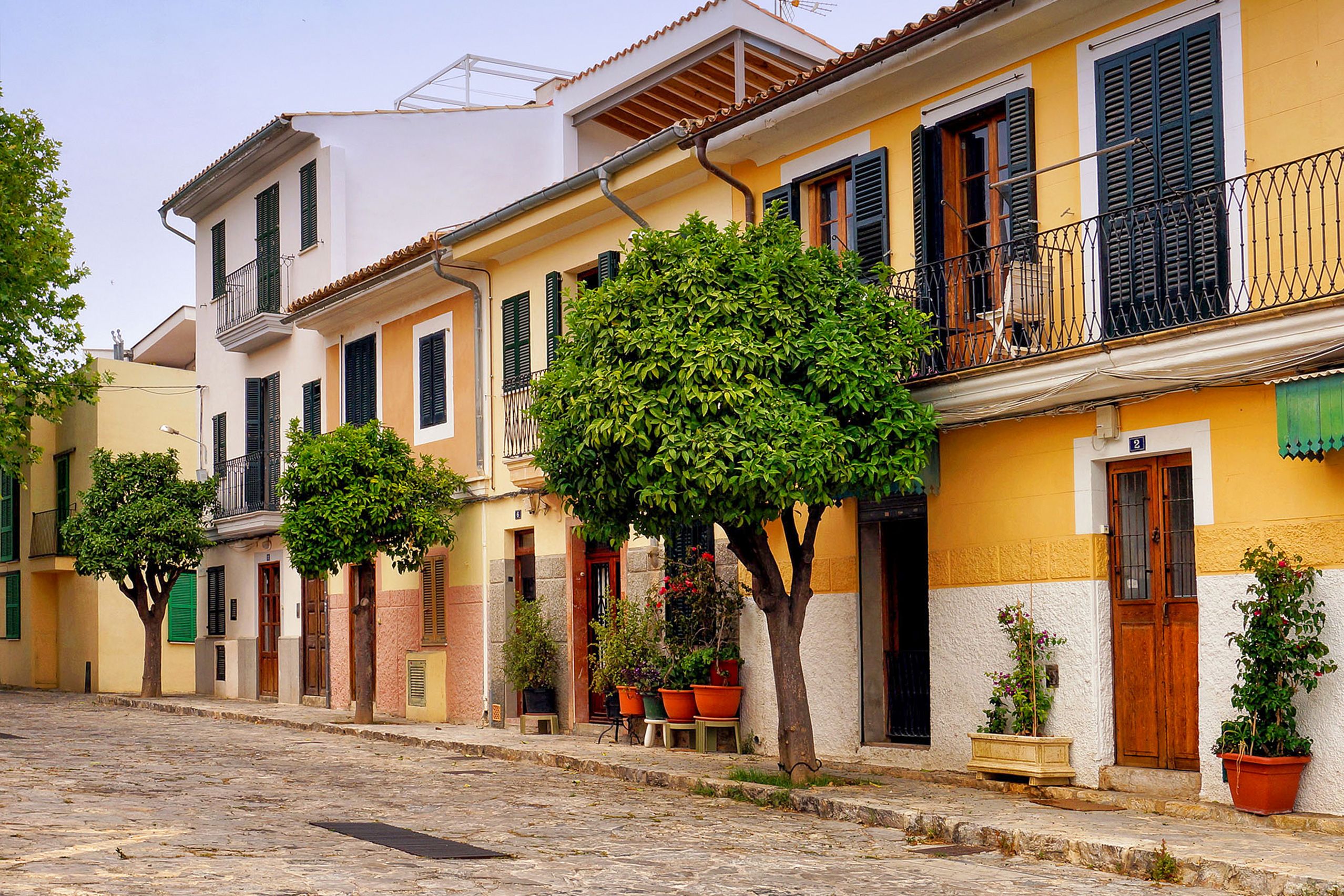
A former fishermen's and craftspeople's district west of the harbour, now packed with restaurants. Two-storey terraces line a grid of streets, with a market hall dating from 1920 at the centre of neighbourhood life.
Santa Catalina
Santa Catalina in 30 seconds
The essentials at a glance
- Worth visiting for
- A longer stay
- Best for
- The market hall, restaurants and neighbourhood life
- Best months
- January–May, September–December
- Time to allow
- A morning for the market hall, an evening for everything else. It can also serve as a base for your whole stay.
- Without a car
- Better without a car
- Parking
- Resident parking dominates and free spaces are rare. Use a harbour car park or walk from the old town, about 15 minutes via Avinguda Argentina.
- Highlight
- Mercat de Santa Catalina
- Keep in mind
- A secluded, quiet holiday base
- Access
- Pavement widths and crossings vary; the city's access route helps with planning
Get a feel for Mallorca. Find your kind of place.
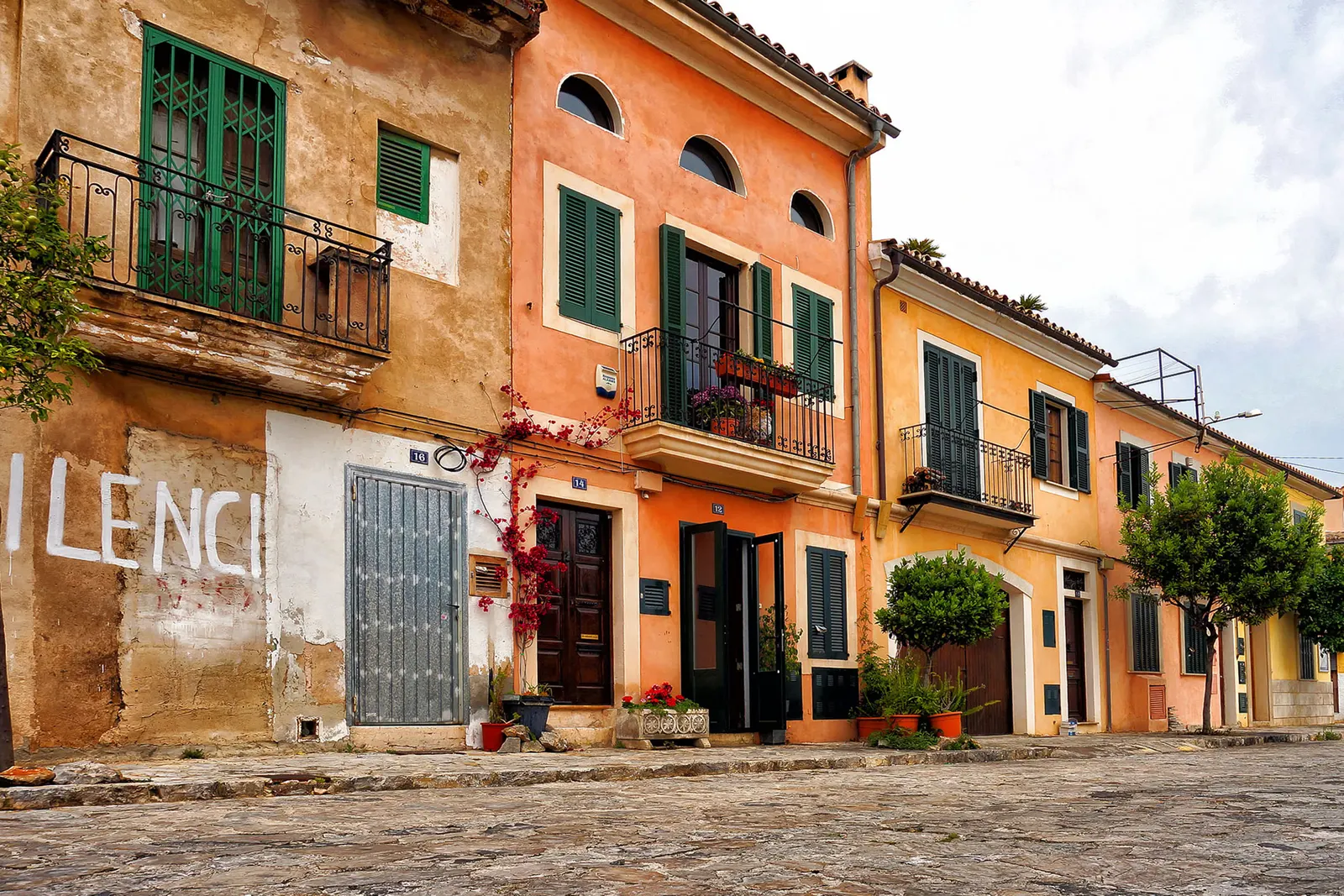
A street grid rather than a maze of lanes. The neighbourhood was planned that way.
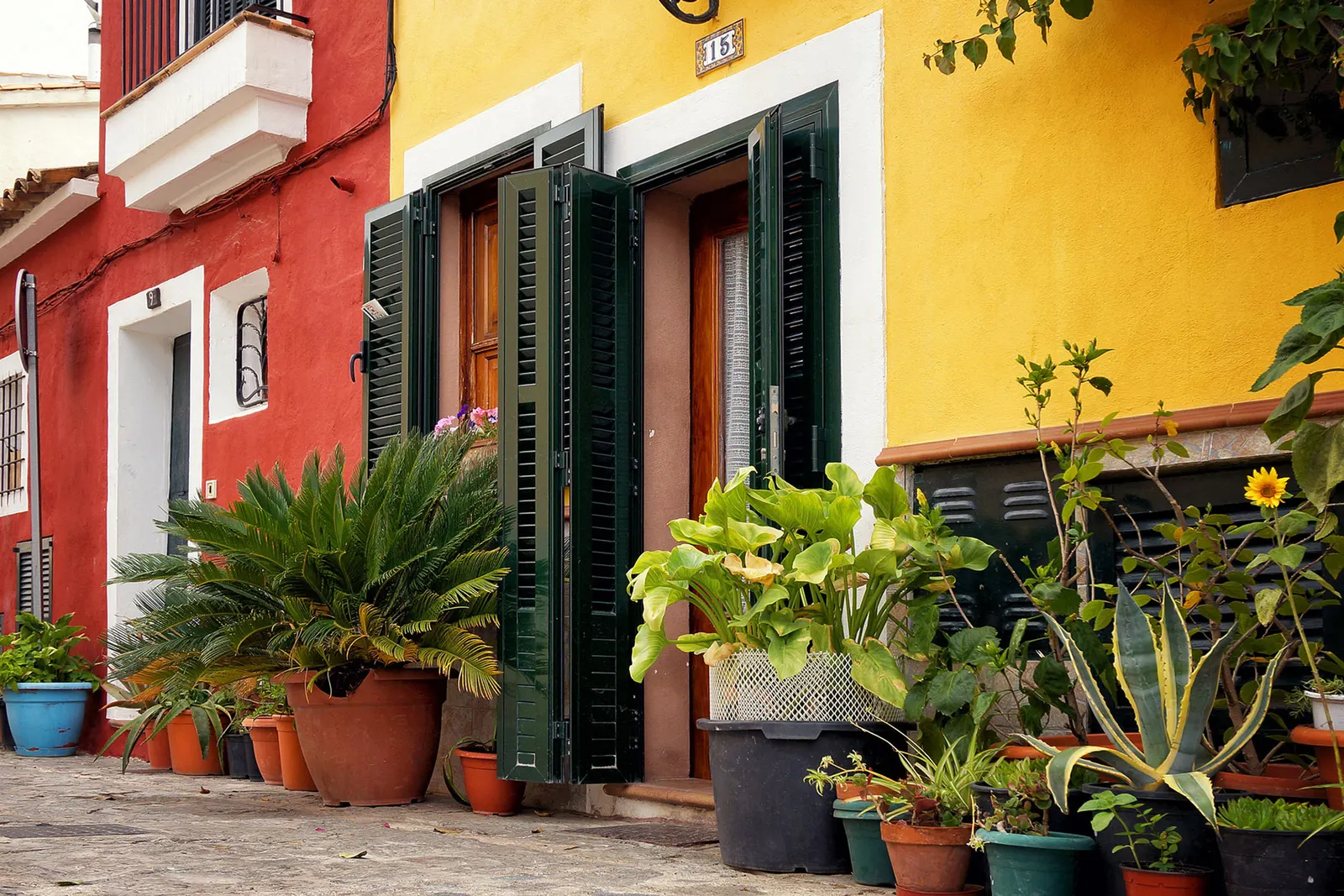
The front garden is on the pavement. Space has always been tight.
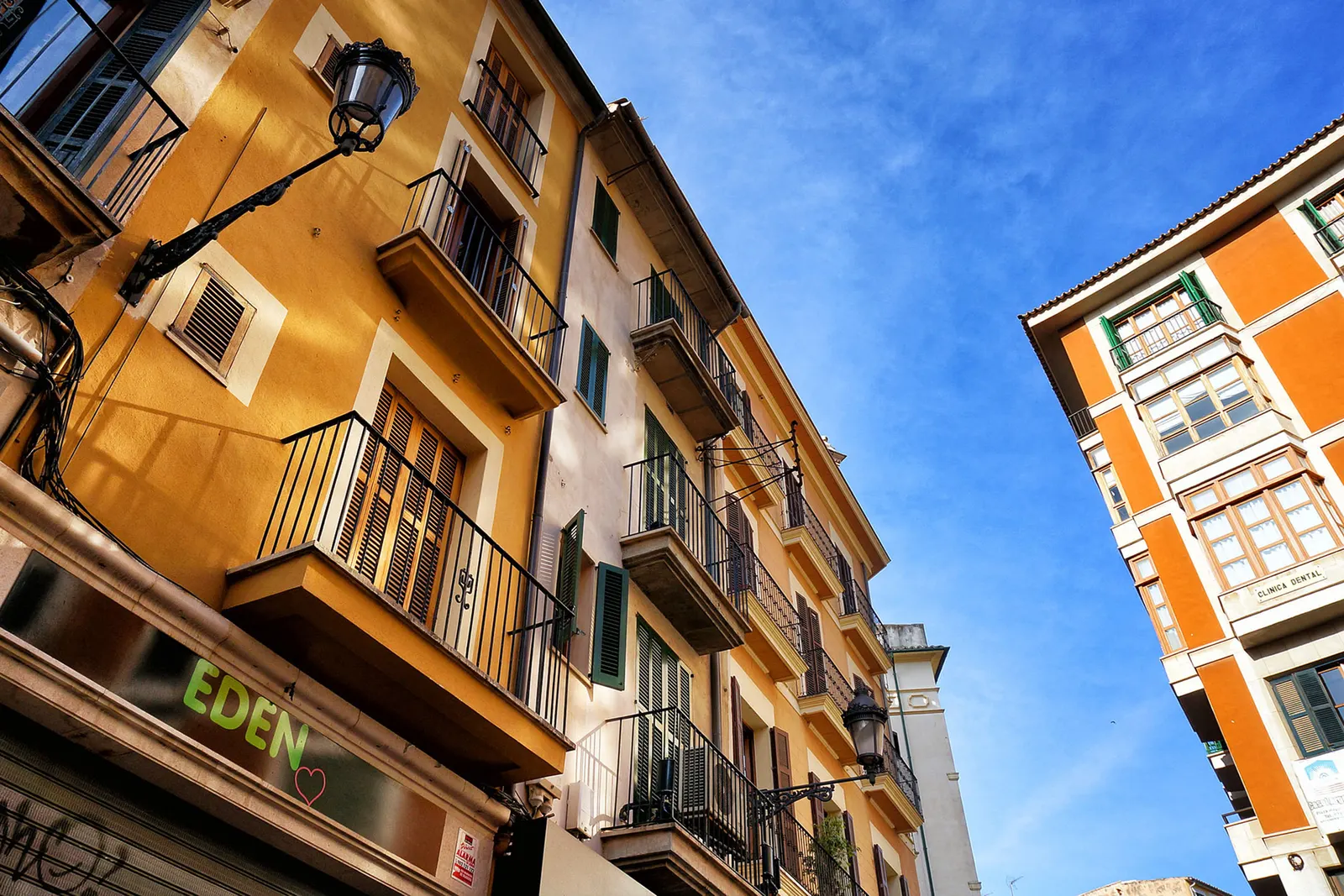
Bar downstairs, flat upstairs — a familiar arrangement here. The iron balconies and glazed bays date from the days when craftspeople lived here.
Drive from the airport
20 minutes
10 km
Bus connections
EMT buses
Region
Palma
Nearest beach
Can Pastilla
8 km
Elevation
12 m
above sea level
Season guide for Santa Catalina
November Worth a visit
Quiet Open
Worth visiting in January, February, March, April, May, September, October, November and December. Less suitable in August.
Location
Location of Santa Catalina
- Region
- Palma
- Municipality
- Palma
- Population
- 8,600
- Elevation
- 12 m above sea level
- Airport
- 10 km , around 20 minutes
- Hire car
- more hindrance than help
- Worth visiting for
- a longer stay
- Coordinates
- 39.5722,2.6383
What is Santa Catalina?
A Palma neighbourhood west of the old town, just beyond Passeig Mallorca. Within a few hundred metres, around Carrer de Sant Magí, Carrer de la Fàbrica and the streets between them, you can find Mallorcan, Argentinian, Peruvian and Japanese cooking, all within walking distance.
It gets busy from around 8pm, and from May onwards dinner without a reservation can be difficult.
Why the neighbourhood is here
For centuries Santa Catalina stood outside the city walls, across a torrent that shaped Palma’s history.
The Torrent de Sa Riera originally flowed through the city along the route now taken by La Rambla, Carrer Unió and Passeig del Born. On 14 October 1403, it burst its banks. Chronicles describe more than a thousand buildings destroyed and around 5,000 deaths. On Mallorca, the disaster is still known as “lo Diluvi”, the flood.
The response came two hundred years later: in 1613, the torrent was diverted around the old town. It has since followed today’s Passeig Mallorca, reaching the sea at La Feixina. This remains the boundary between the old town and Santa Catalina.
Across the water lived fishermen, craftspeople and dock workers. Their neighbourhood has a regular grid of narrow streets and two-storey terraces, rather than the Moorish maze of the old town.
It remained a modest residential area into the 1990s. The rapid transformation that followed has made it a much more expensive place to live.
The market hall
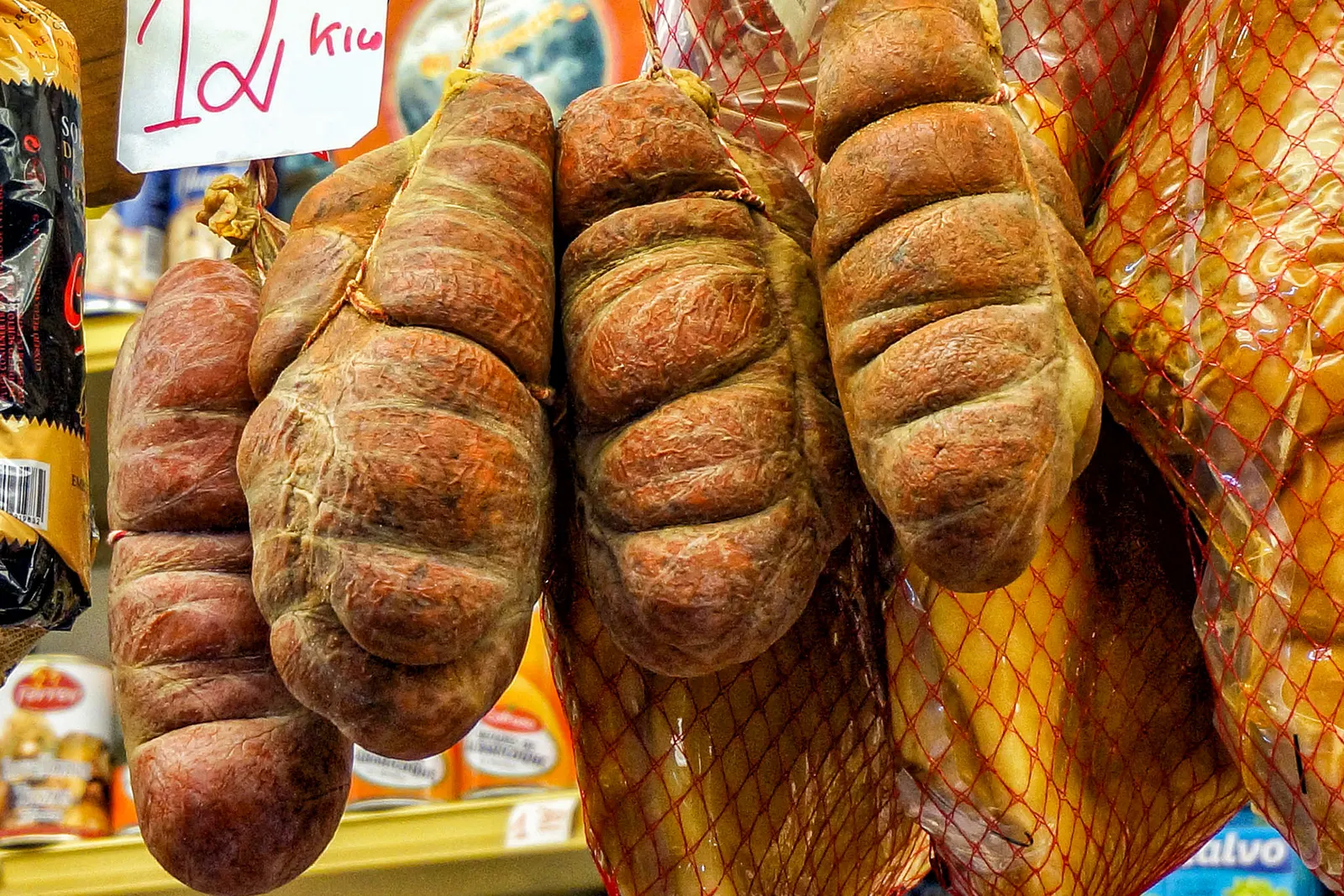
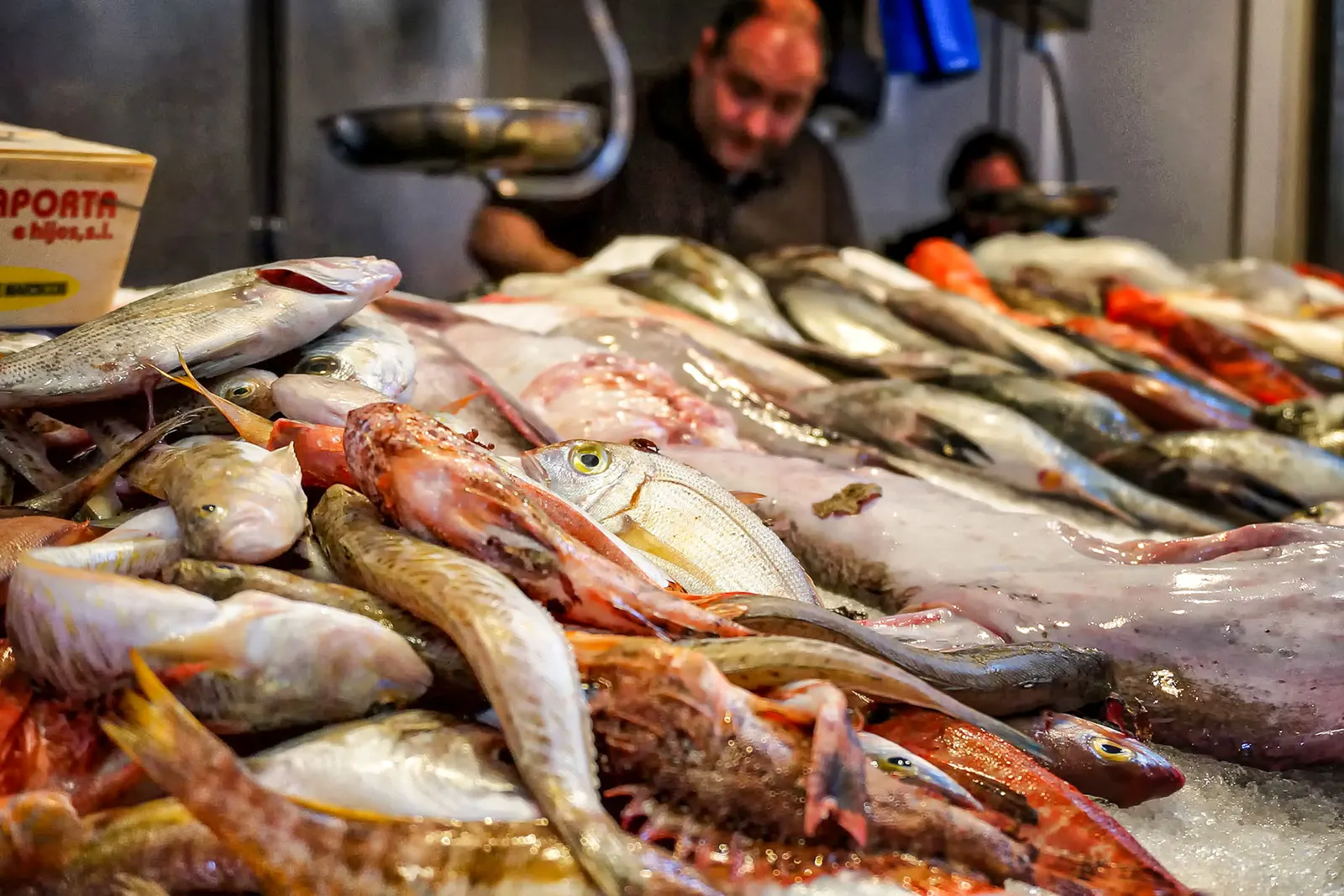
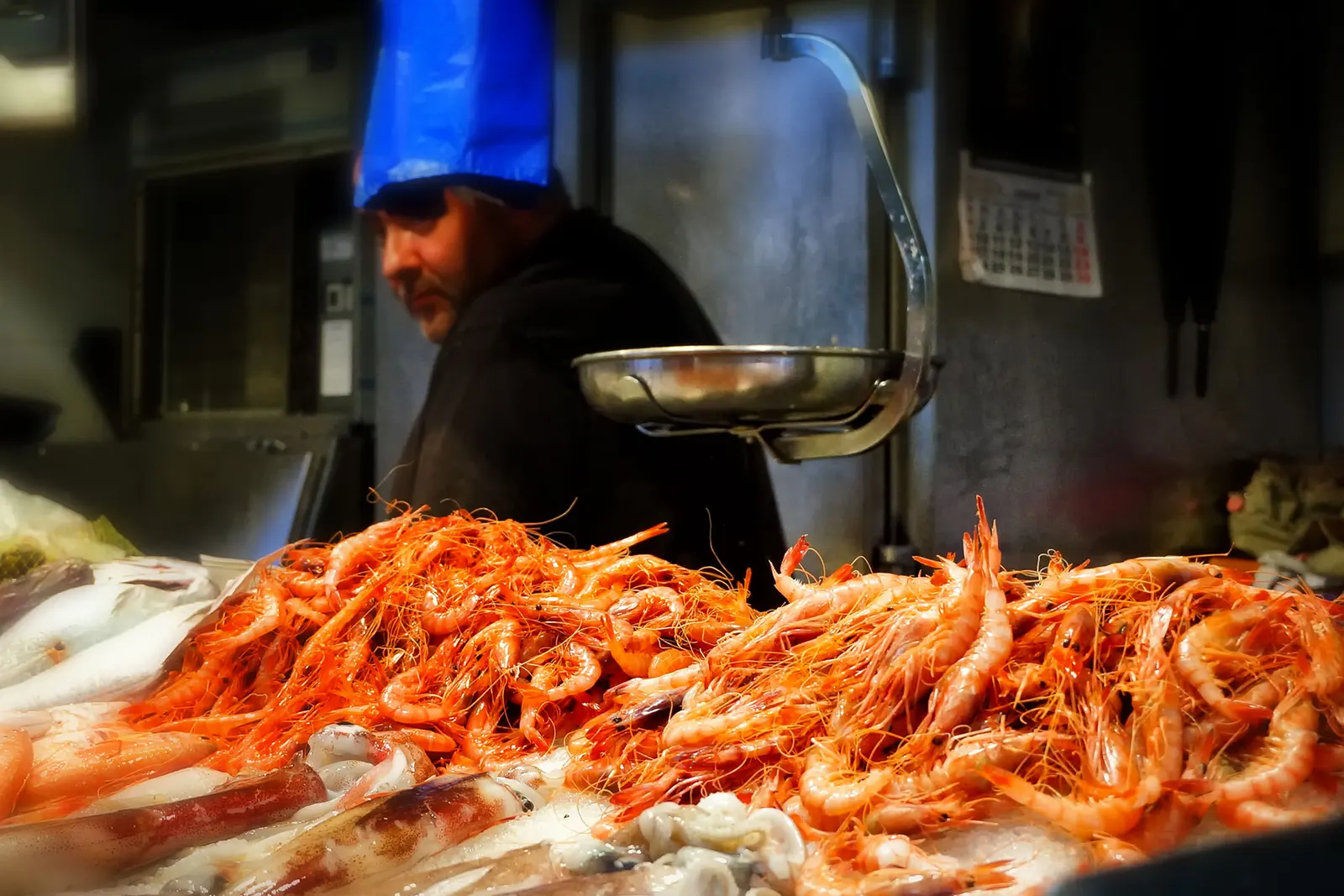
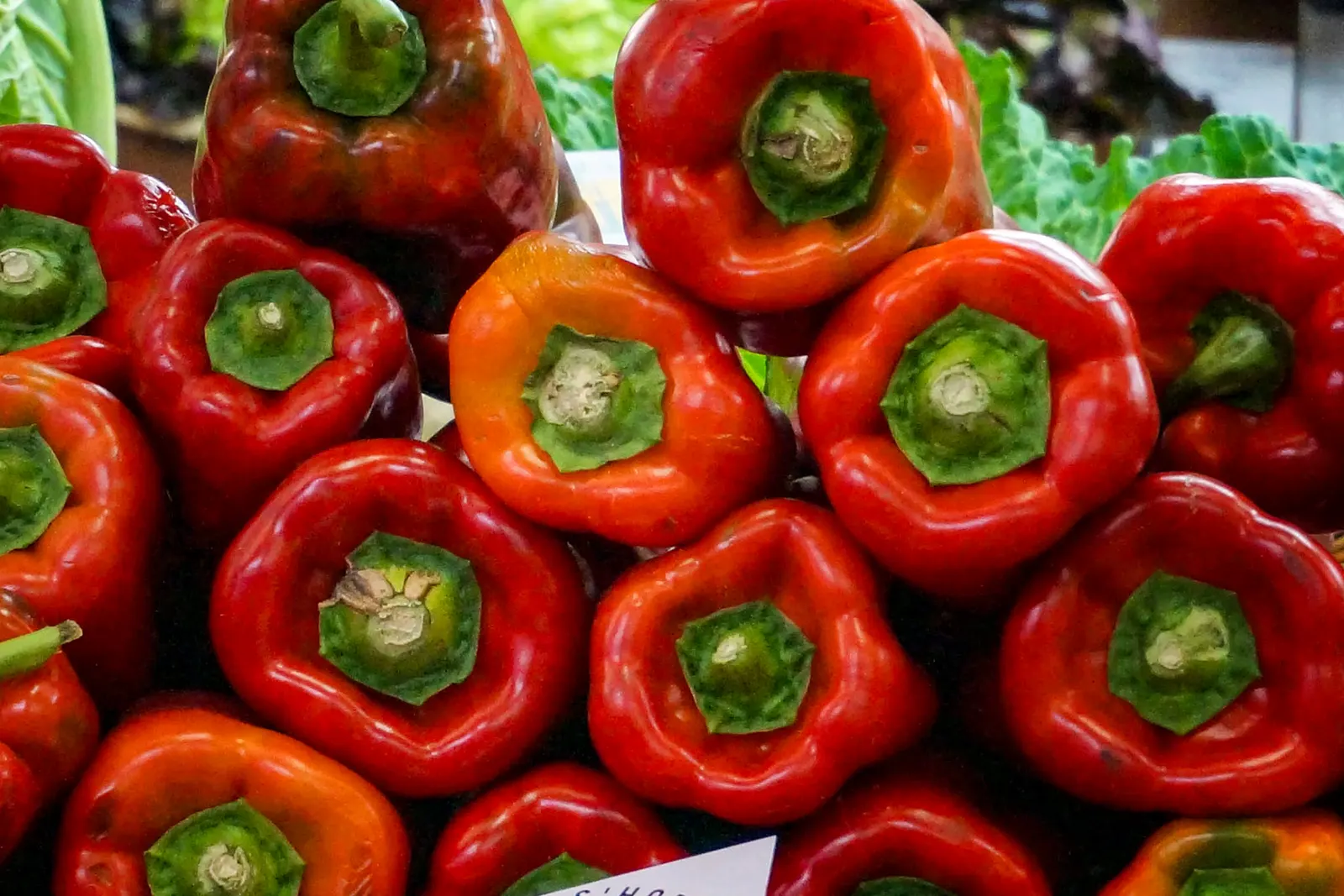
The Mercat de Santa Catalina, dating from 1920, is Palma’s oldest working market. Fish, meat, fruit and vegetables share the hall with stalls where you can eat and drink on the spot.
It is smaller than Mercat de l’Olivar and now more geared towards visitors, but residents still do their weekly shopping here.
Come Tuesday to Saturday mornings for the full market. Mondays are quieter, and it is closed on Sundays. Arrive before eleven to see the fish stalls at work.
A changing neighbourhood
Santa Catalina is now one of Palma’s most desirable addresses, and that comes at a price. Rents have risen sharply, while housing and holiday lets remain subjects of lively debate.
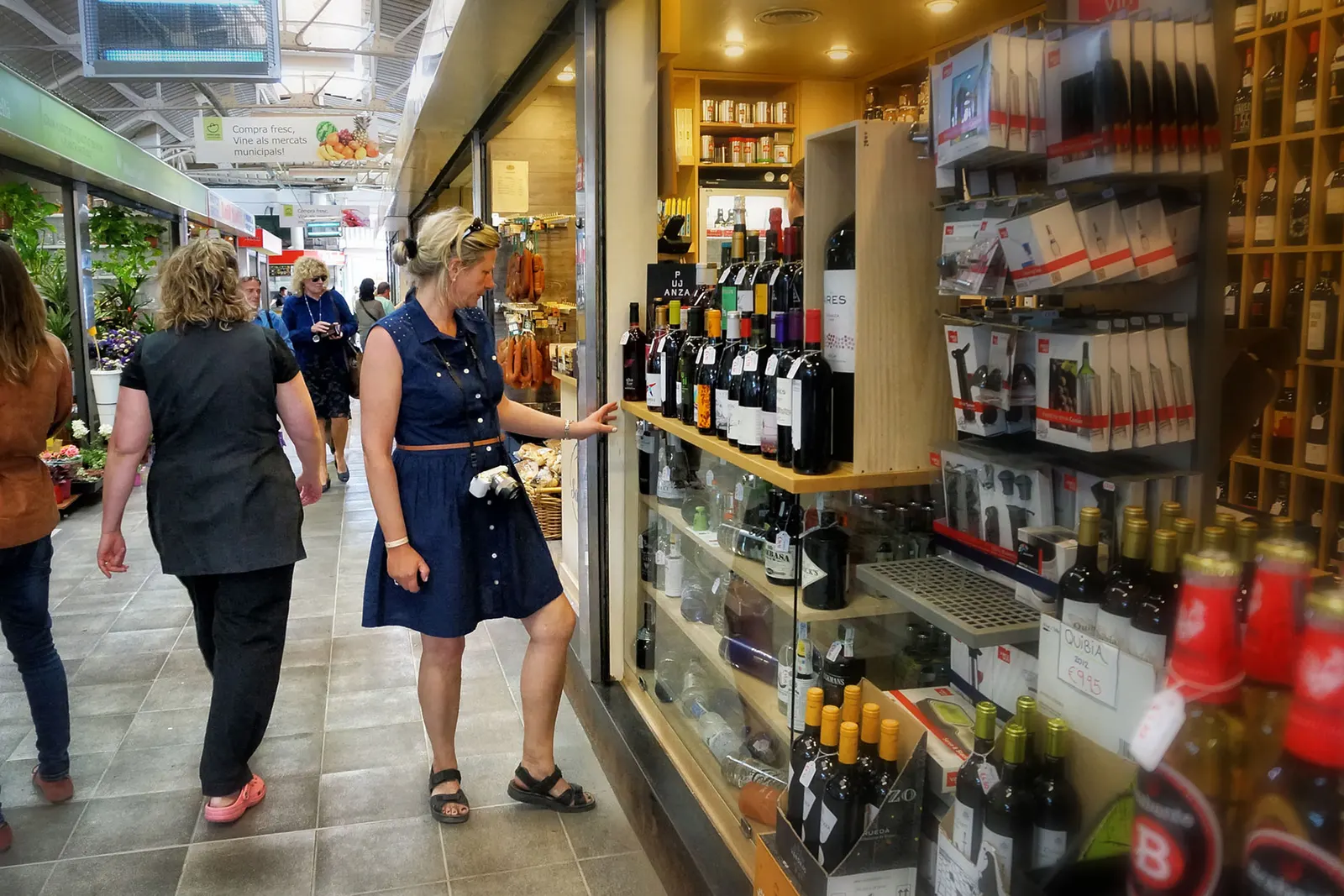
That helps explain why you may find an old hardware shop beside a wine bar on the same street. Both belong to the neighbourhood, and seeing them together is part of what makes a walk here interesting.
Photographs
Santa Catalina in Mallorca
Practical details
- Parking
- Resident parking dominates and free spaces are rare. Use a harbour car park or walk from the old town, about 15 minutes via Avinguda Argentina.
- Public transport
- Several EMT services stop on Avinguda Argentina or Passeig Mallorca.
- Time to allow
- A morning for the market hall, an evening for everything else. It can also serve as a base for your whole stay.
- Good to know
- Mercat de Santa Catalina closes on Sundays and is quiet on Mondays. For the market in full swing, visit on a Tuesday to Saturday morning.
- Bus
- EMT buses, with stops on Passeig Mallorca
- Coordinates
- 39.5722,2.6383 Google Maps Apple Maps
Within reach
Places to visit
Nearby

Sant Pere bastion, built in the late 16th century on the western edge of Palma’s old town, became home to a …

An 11th-century brick chamber in an old-town garden, with twelve columns, horseshoe arches and a dome pierced by …

Palma’s cathedral was begun in 1230 and built over several centuries. Its Gothic buttresses rise above the water …

The royal palace beside Palma cathedral began as a Moorish alcázar, later converted into a residence for …

The March family's city palace between the cathedral and the Almudaina: a terrace filled with 20th-century …

The Balearics' largest harbour sits in the city, in front of the old town. Cargo quays, cruise terminals, marinas …

Palma's grand promenade between Plaça de la Reina and Plaça del Rei Joan Carles I. It follows the bed of a torrent …

A striking circular Gothic castle, built above Palma between 1300 and 1311. Inside is a two-storey round …
Distances without a driving time are measured in a straight line. The road journey can be much longer; known driving times are shown alongside.
Where to swim nearby
Beaches and swimming nearby

At the western end of Playa de Palma, ten minutes from the airport by car: a marina, a rocky waterfront promenade …

Broad sandy bays with pale, shallow water, right beside Magaluf but with a different feel. The quieter neighbour …
Explore from here
Your questions answered
Your questions about Santa Catalina
What is Santa Catalina in Palma known for?
Its concentration of restaurants and bars, and the Mercat de Santa Catalina market hall dating from 1920. Originally a fishermen's and craftspeople's district outside the walls, it is now one of Palma's main areas for eating and going out.
When does Mercat de Santa Catalina open?
The market operates on Monday to Saturday mornings and closes on Sundays. Monday trading is much reduced. Individual stall hours vary; it is liveliest from Tuesday to Saturday between 9am and 1pm.
Can I walk to Santa Catalina from the old town?
Yes. From Passeig del Born, allow about 15 minutes via Passeig Mallorca and Avinguda Argentina. The route follows Torrent de Sa Riera, the channelled torrent separating the old town from the neighbourhood.
Practical questions
When is the best time to visit Santa Catalina?
Recommended months: January, February, March, April, May, September, October, November, December. The neighbourhood stays active all year, with local residents rather than seasonal visitors keeping it going.
Is Santa Catalina worth visiting in July and August?
July: worth considering with some reservations. Usually busy. Some independent restaurants close for several weeks. August: another month may suit you better. Usually lively. Summer holidays mean a noticeable number of restaurants close, including some favourites. The weakest month.
How far is Santa Catalina from Palma airport?
About 10 km from Palma airport. Allow roughly 20 minutes by car.
Do I need a hire car for Santa Catalina?
A car can be more trouble than it’s worth EMT buses, with stops on Passeig Mallorca
Where can I park in Santa Catalina?
Resident parking dominates and free spaces are rare. Use a harbour car park or walk from the old town, about 15 minutes via Avinguda Argentina.
Words and photographs: Friedhelm Fischer. Exploring Mallorca since 2013 — by bike, on foot and with a camera.