Muslim Mallorca
People and trade on Mallorca’s coast
Beneath the dome of the Arab Baths, at the royal palace and among the Tramuntana’s water channels, you can discover traces of Muslim Mallorca. Learn how people lived, who ruled the island and what remains to visit today.
From 902–903
Mallorca joins the Islamic world
In 902–903, Isam al-Khawlani conquered Mallorca and brought it into the Emirate of Córdoba. The capital, Madina Mayurqa, became the centre of the Muslim island. Córdoba did not become a caliphate until 929; at the time of the conquest, it was still ruled by an emir.
Muslim fleets had attacked the Balearics before, but permanent incorporation began in the early 10th century. It ended the long transition after Vandal and Eastern Roman rule.
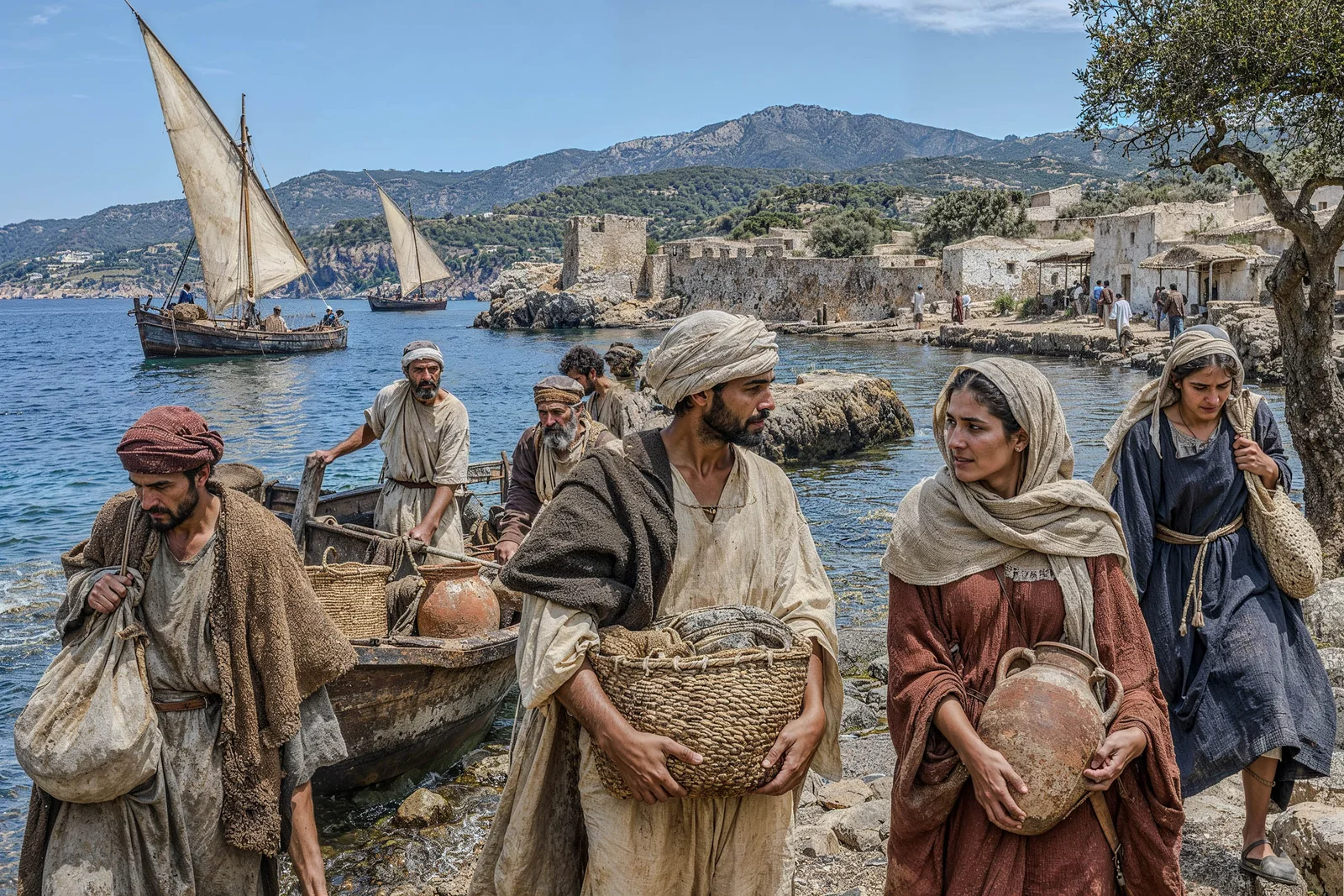
People from North Africa and the Iberian Peninsula settled on Mallorca, including Berbers, also known as Amazigh. They established rural settlements and brought their farming practices and forms of community organisation.
 AI
People and origins
Who were the Moors?
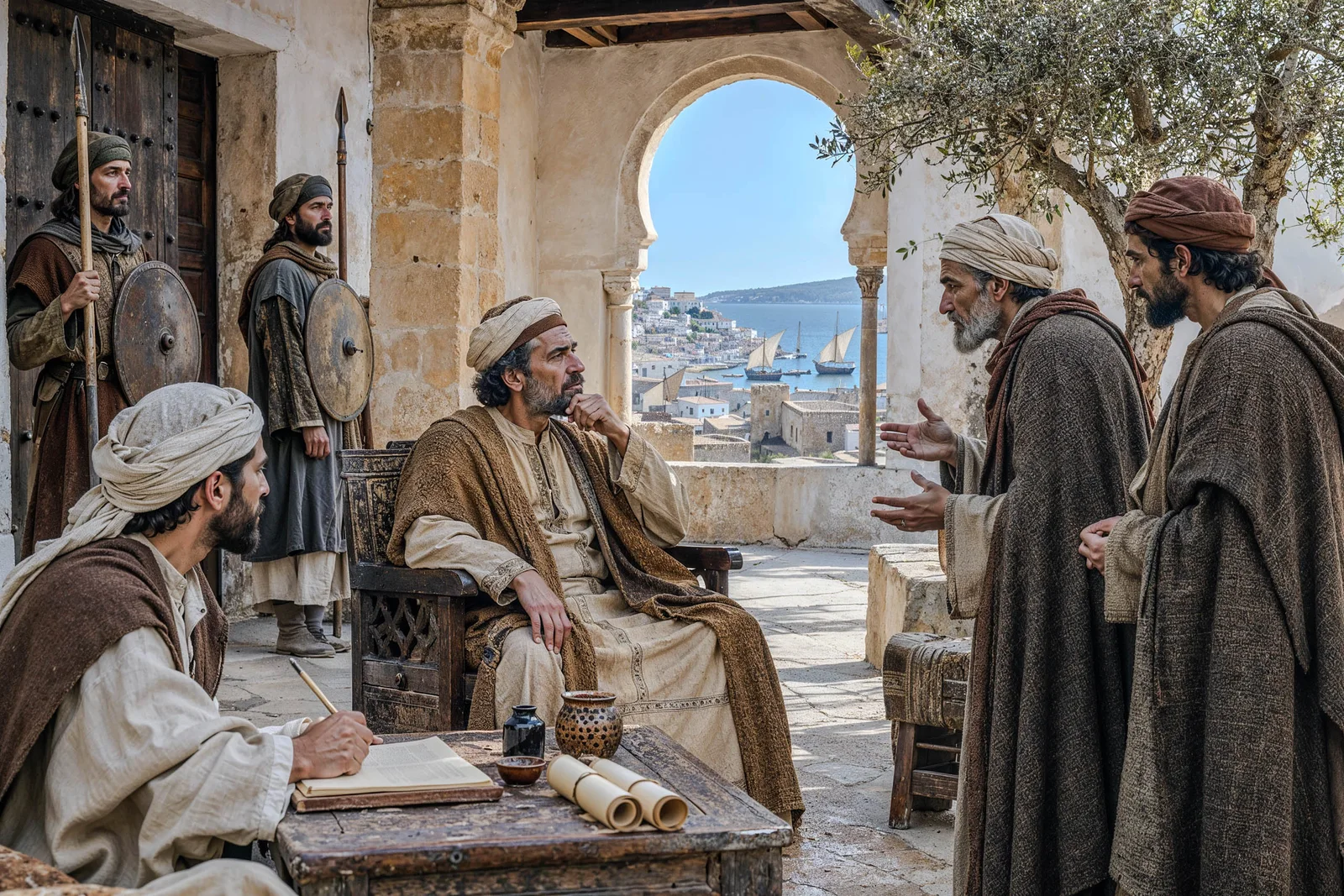
On Mallorca, “Moors” usually means the island's medieval Muslim inhabitants and rulers. The familiar term does not describe a single people. Residents came from different backgrounds, and not every Muslim was Arab.
Arabic was important in administration, religion and literature. The population included migrants from North Africa and al-Andalus, the Muslim-ruled parts of the Iberian Peninsula, as well as descendants of earlier islanders. Their ways of life and political connections changed over the centuries.
 AI
More than three centuries
Córdoba, taifa rulers and North African dynasties
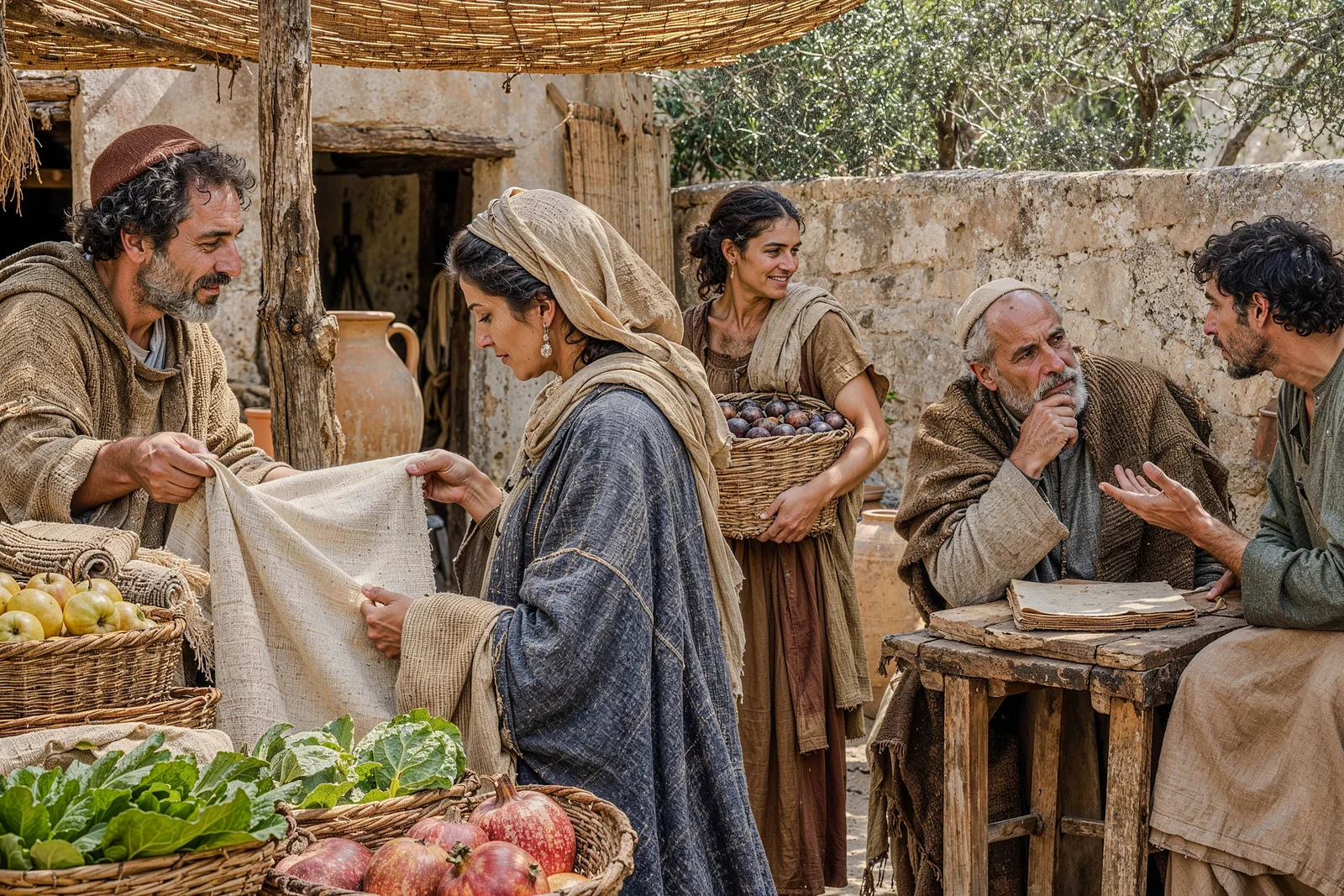
As Córdoba's power broke up, smaller Islamic states known as taifas emerged. From around 1015, Mallorca was linked to the taifa of Dénia. By the late 11th century, the Balearics were governed independently.
A Pisan–Catalan fleet attacked in 1114–1115, badly damaging Madina Mayurqa. The invaders did not stay permanently. From 1115–1116, the Almoravids, a dynasty centred in North Africa, took control.
The Almoravid Banu Ghaniya family later held the Balearics while Almohad influence grew on the mainland. The Almohads conquered Mallorca in 1203. The final phase of Muslim rule ended with Jaume I's invasion in 1229.
 AI
Present-day Palma
Life in Madina Mayurqa
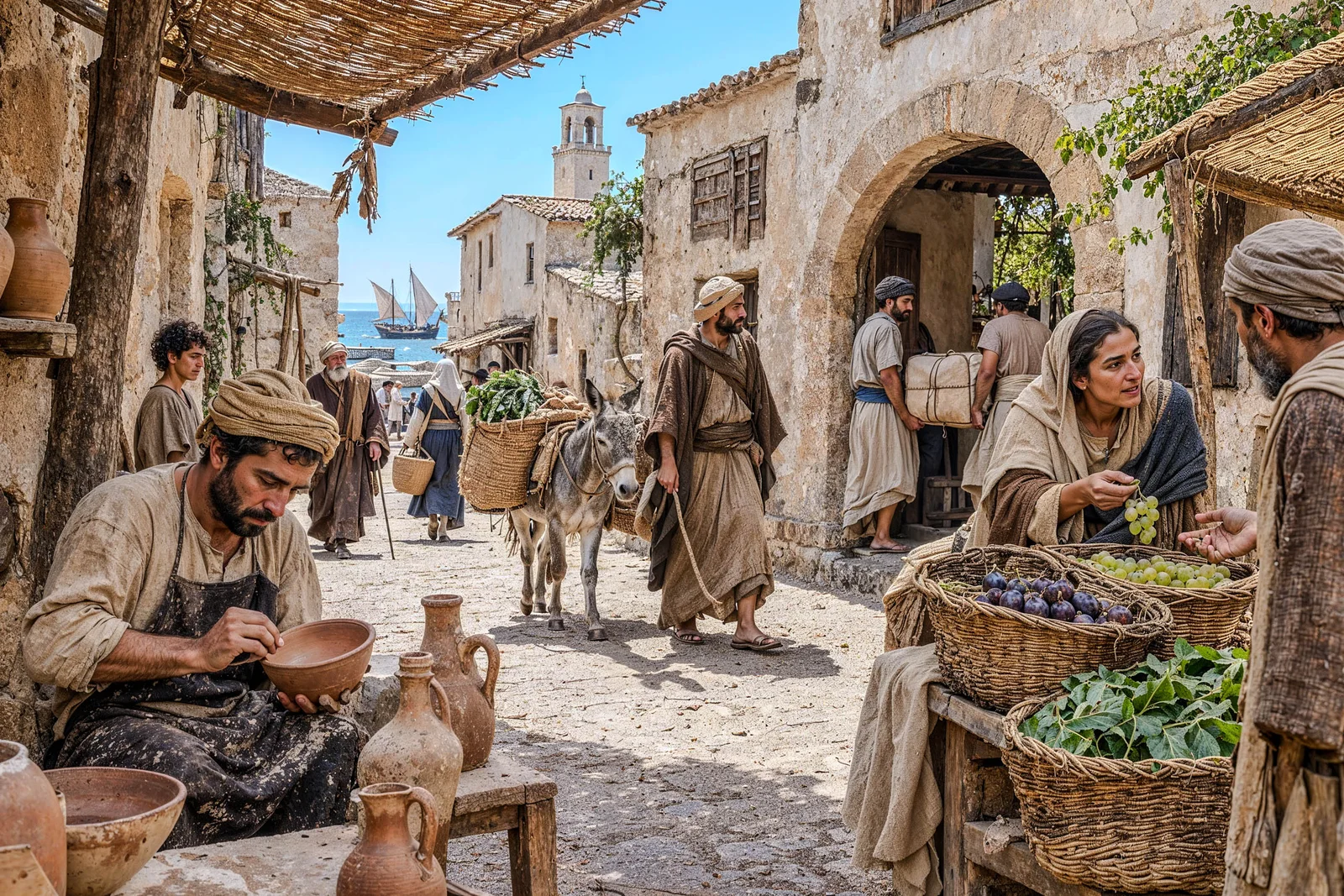
Mosques, houses, baths and inns once stood where you now walk through Palma's old town. Rulers lived in a fortified residence on the site of today's Almudaina. Craftspeople and traders worked in the town, supplied with farm produce from the surrounding countryside.
The harbour connected Mallorca with North Africa, the Iberian Peninsula and other parts of the Mediterranean. Alongside trade, armed voyages and raids played a part in the island's economy and politics. Trade, taxes and privateering helped fund its rulers.
Poets also lived at court. Ibn al-Labbana, from the Dénia area, praised Madina Mayurqa and its rulers in verse. Little of its housing or mosques is directly visible today, but a surviving bathing room can be visited at the Banys Àrabs.
 AI
Fields, springs and mills
How water changed farming
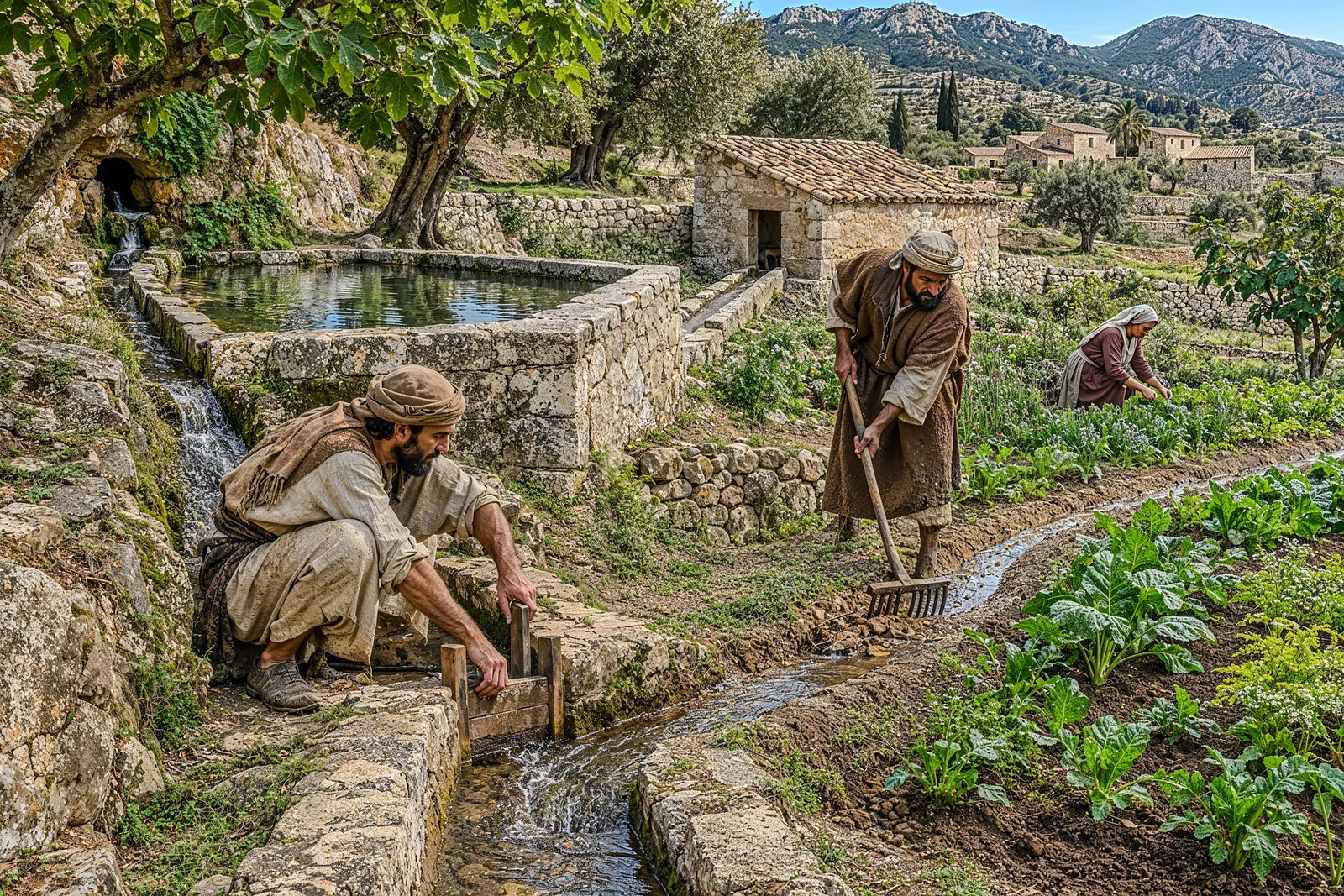
Rural communities lived in settlements and agricultural units described in the sources as alquerías and rafals. Springs and land that could be irrigated helped determine where they were built.
Water was collected at springs, tapped through underground tunnels and channelled to fields. Storage pools held supplies, while mills used the flow for power. Gradients had to be right to move water without pumps. Building, maintaining and sharing these systems required agreements between the people who depended on them.
Look for channels, pools and terraces in the Serra de Tramuntana. Muslim farming shaped parts of this cultural landscape. Later generations expanded and altered the systems for centuries, so not every dry-stone wall you see dates from Islamic rule.
 AI
Carrer de Can Serra · Palma
Banys Àrabs: beneath the dome
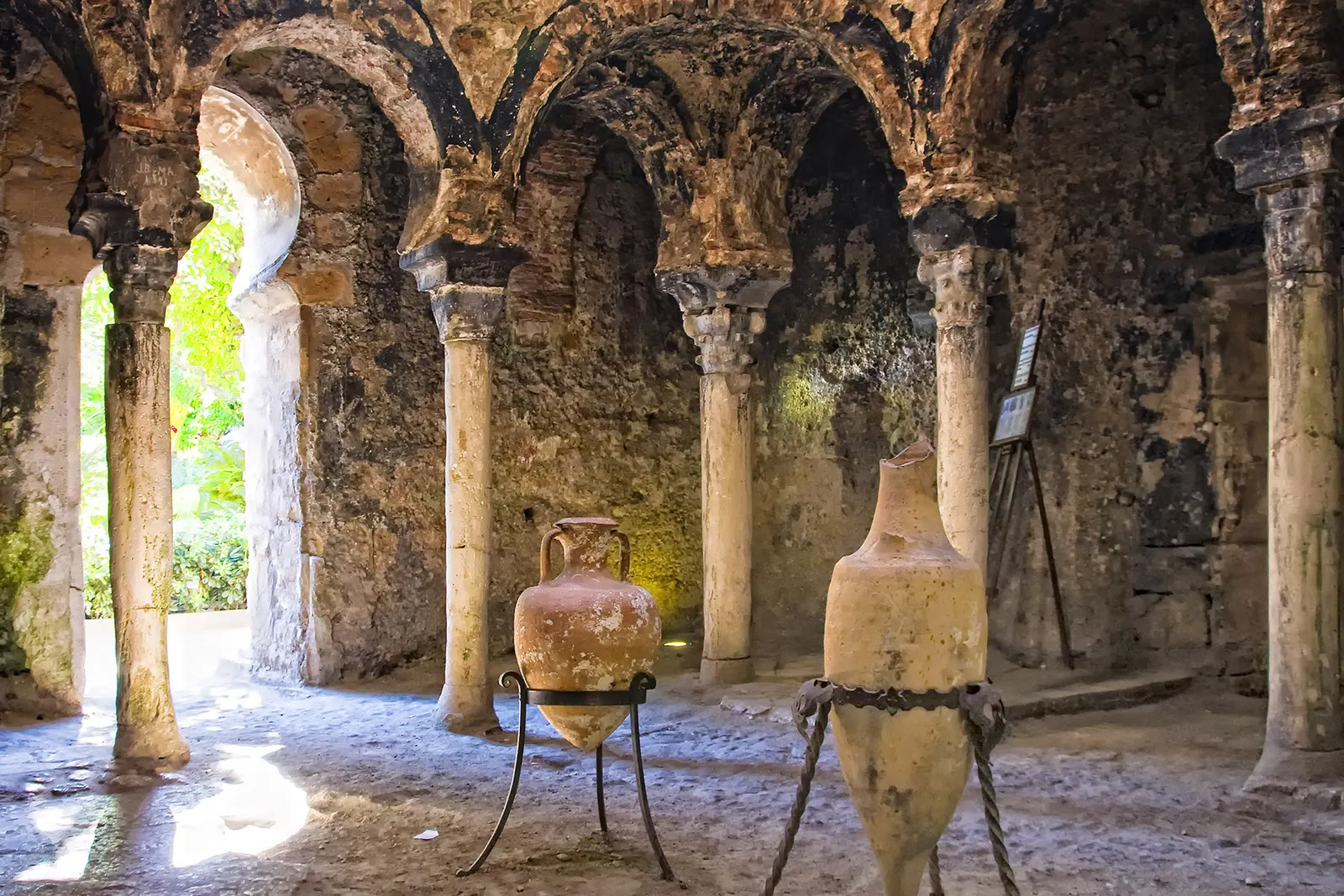
A small chamber, twelve columns and a dome pierced by openings for daylight: the Banys Àrabs are among the surviving buildings of Muslim Palma, usually dated to the 11th century.
The warm bathing room and an adjoining rectangular room survive. Look closely at the column capitals. They differ because older building materials were reused. Light falls through the openings in the dome.
The baths are associated with a private residence, rather than a large public complex. The small interior and garden make a pleasant short stop on an old-town walk. You will find them at Carrer de Can Serra 7.
Opposite the cathedral
The Almudaina: from citadel to royal palace
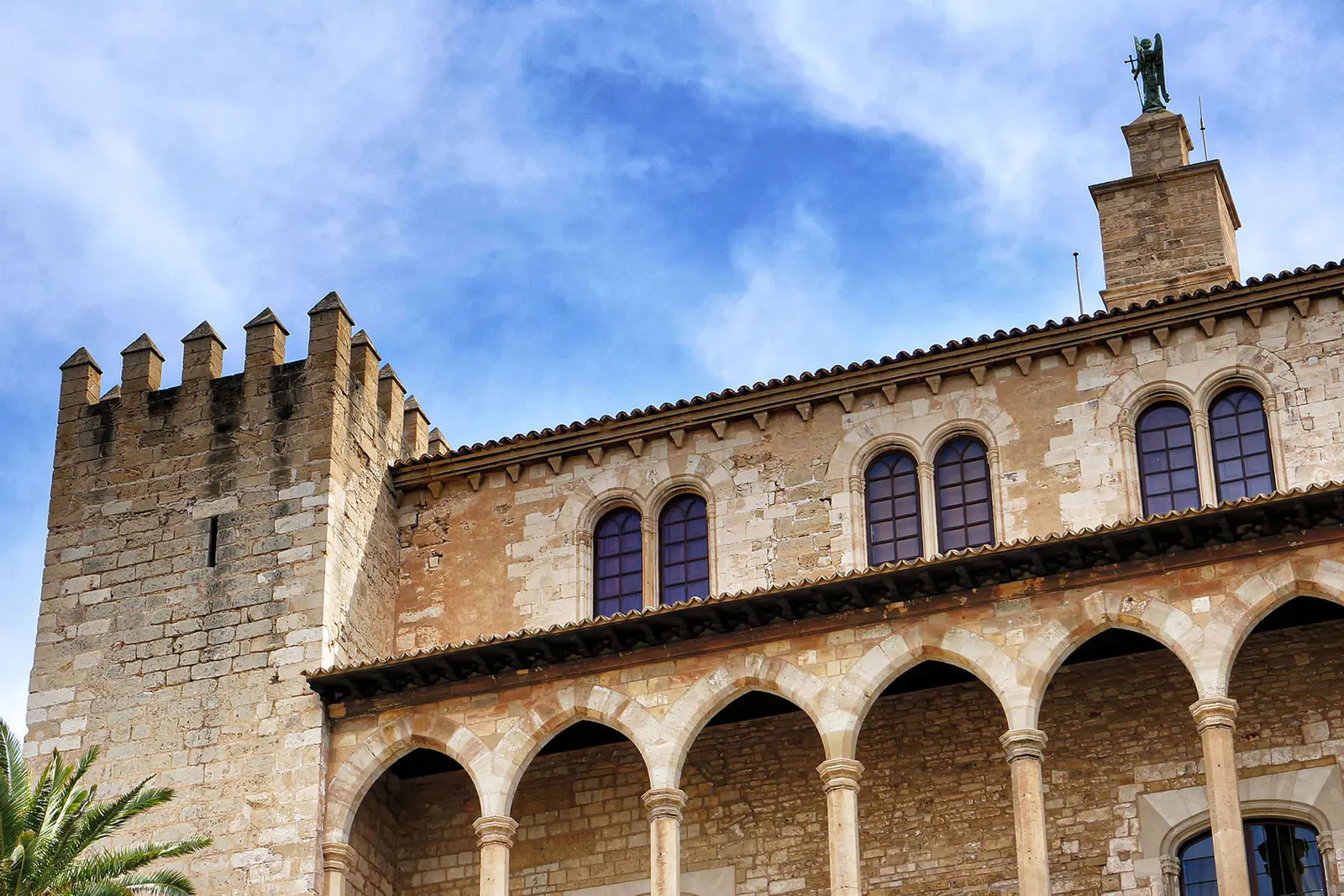
The fortified residence of Mallorca's Muslim rulers stood on the site of today's Palau de l’Almudaina. An Islamic citadel is documented here in the 12th and 13th centuries, and parts of its layout can still be traced within the later palace.
After the conquest, Christian kings substantially altered the building. A major rebuilding phase under Jaume II took place between 1305 and 1314. Gothic halls and Christian chapels belong to this later use.
You are therefore not walking through an unchanged Moorish palace. It is a former Islamic residence remodelled for the kings of Mallorca and altered further afterwards.
1229 and its aftermath
War, flight and the division of the land
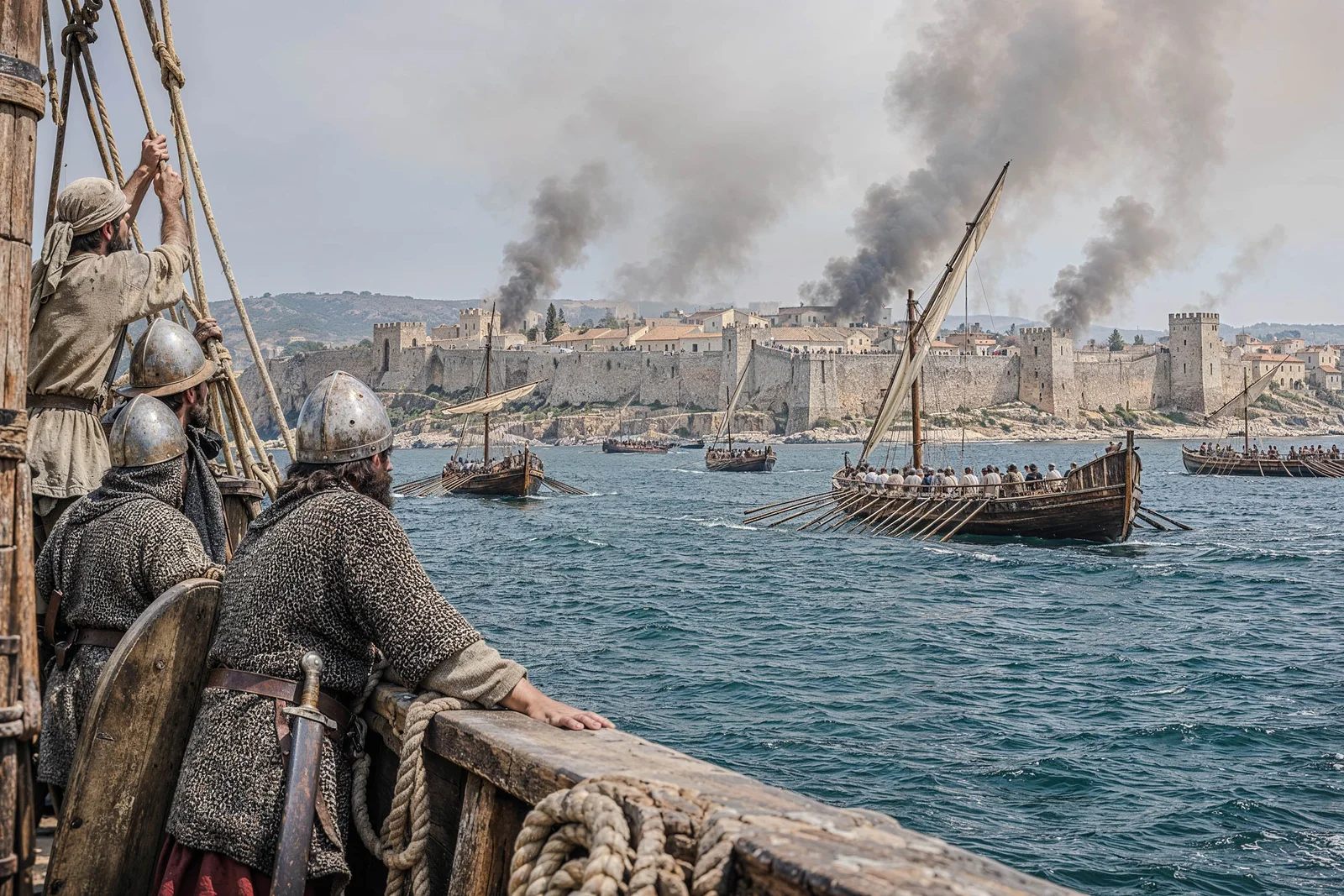
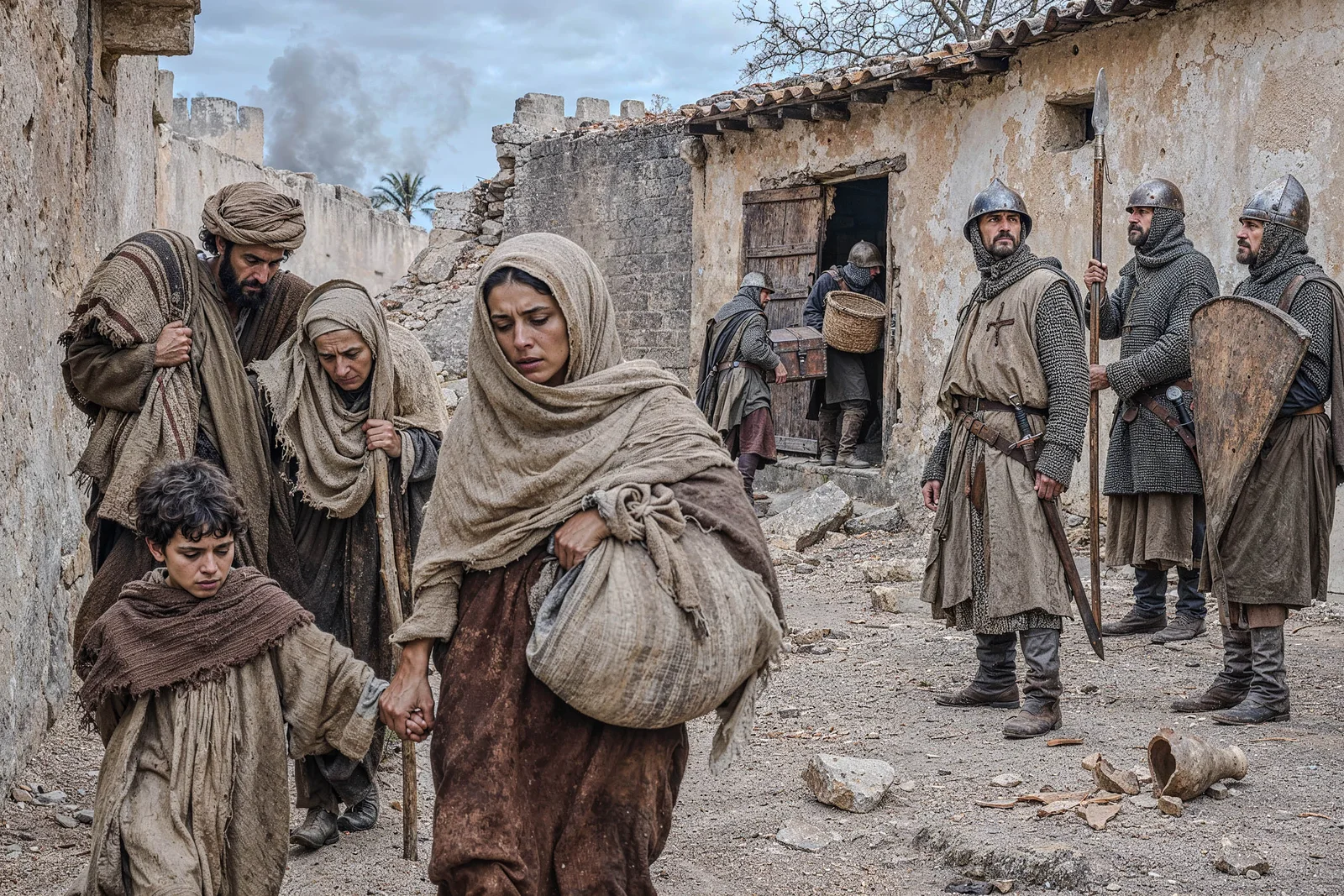
Jaume I's army landed near Santa Ponça in September 1229. His troops captured Madina Mayurqa on 31 December. The assault brought looting and widespread violence. People were killed or enslaved, while others fled into the mountains.
The conquerors divided land and property between them. New settlers arrived, mainly from Catalan territories. Language, religion and ownership changed fundamentally. Many Christian buildings you visit today were built afterwards, including La Seu cathedral.
The capital's fall did not mean immediate control of the whole island. Resistance continued in the Tramuntana until 1232. Read more about land distribution, migration and the new kingdom in the conquest of Mallorca and its aftermath.
 AI
Beside today’s Gorg Blau reservoir
Almallutx: refuge in the mountains
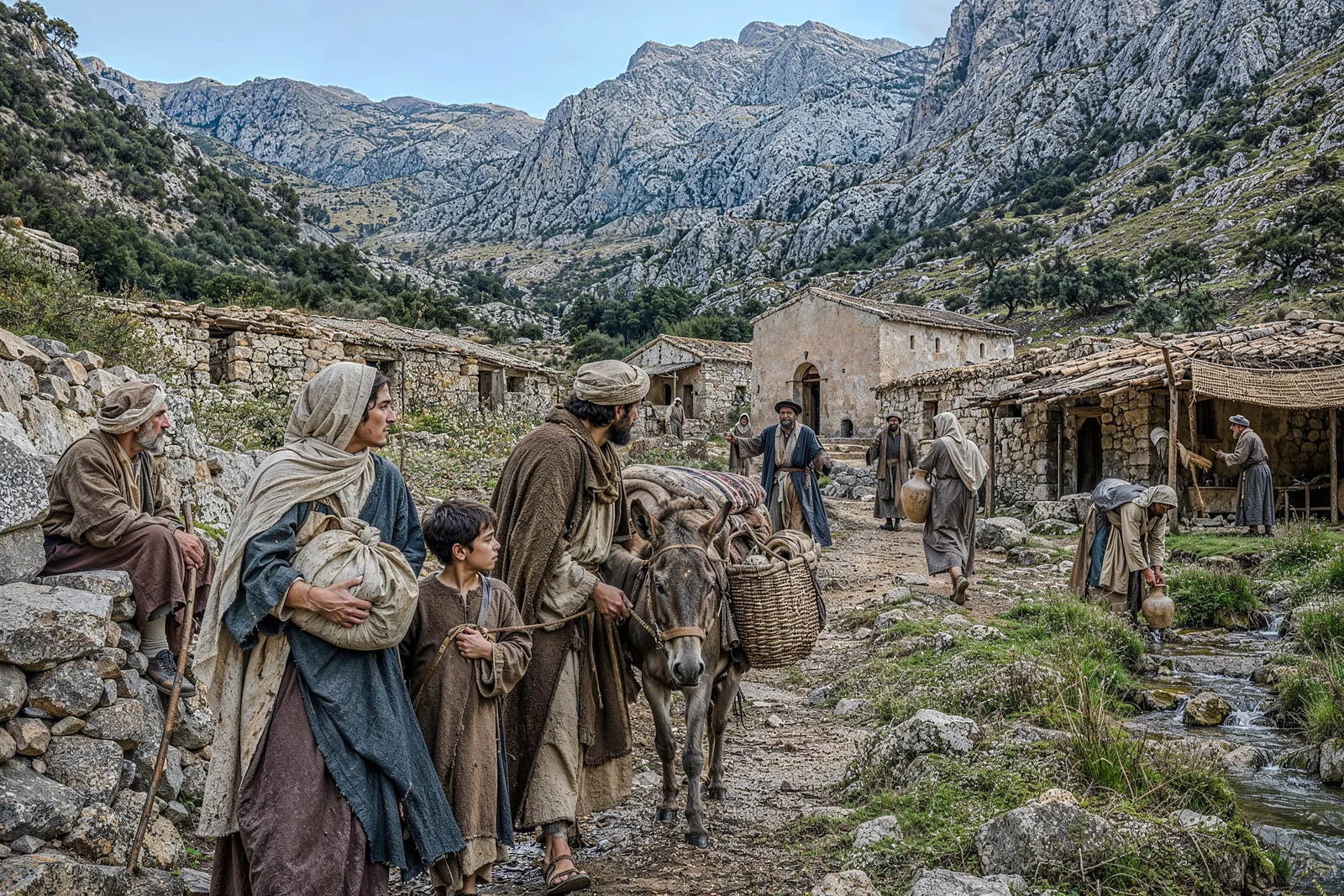
Almallutx lies in the area now occupied by Gorg Blau reservoir. Archaeologists have studied an Islamic settlement with houses, a mosque and a cemetery, among the most important evidence for Muslim Mallorca's final years.
After Palma's conquest, people sought refuge in the mountains. Excavators connect Almallutx with accounts of flight and resistance between 1230 and 1232. The precise circumstances of surrender and the fate of all its inhabitants are not fully known.
The site lies within the reservoir's flood zone. It is not a regularly accessible open-air museum. For surviving Islamic architecture you can reliably plan to visit, choose the Banys Àrabs in Palma.
 AI
History on your travels
Where to explore Muslim Mallorca
The Banys Àrabs preserve a domed bathing chamber with twelve columns. The Almudaina was rebuilt from an older Islamic citadel. Combine both with a walk through Palma, the former Madina Mayurqa.

A surviving bathing chamber
Banys Àrabs
A dome, openings for light and twelve columns: a short visit in Palma’s old town.
Photographs and visiting tips →
A residence with an Islamic past
Palau de l’Almudaina
Today’s royal palace was created by rebuilding the older citadel.
Photographs and visiting tips →
The former Madina Mayurqa
Palma
Combine the baths and palace with a walk through the old town.
Photographs and visiting tips →Your walk through Palma
The palace and baths in one day
Start at the Almudaina, opposite the cathedral. Allow time for the rooms inside; from outside, you can already appreciate its substantial walls. Then follow the old-town lanes to Carrer de Can Serra and the Banys Àrabs.
The baths centre on a small surviving chamber. Afterwards, continue exploring Palma and stop at a café. The two sights are easily combined on foot.
Sources and further reading
Friedhelm Fischer’s notes and research from 2013 to 2026, together with:
- Calvià council / UIB: Calvià durante la época medieval islámica
- Balearic tourism: Banys Àrabs
- Visit Palma: the Arab Baths
- UIB: architectural documentation of Banys Àrabs
- Patrimonio Nacional: Palau de l’Almudaina
- Jaime Sastre Moll: rebuilding the Almudaina, 1305–1314
- Jaume Mateu Lladó: Islamic landscape heritage in the Tramuntana
- Consorci Serra de Tramuntana: historic water systems
- Cultural history: Ibn al-Labbana and the eastern islands of al-Andalus
- Deyà Miró / Galera Pérez: Almallutx, último asentamiento musulmán de Mallorca, pp. 343–359
- Study of women during the conquest of Mallorca
- Muhammad Ben Maamar: the end of Almohad power according to Ibn Amira