Santa Ponça
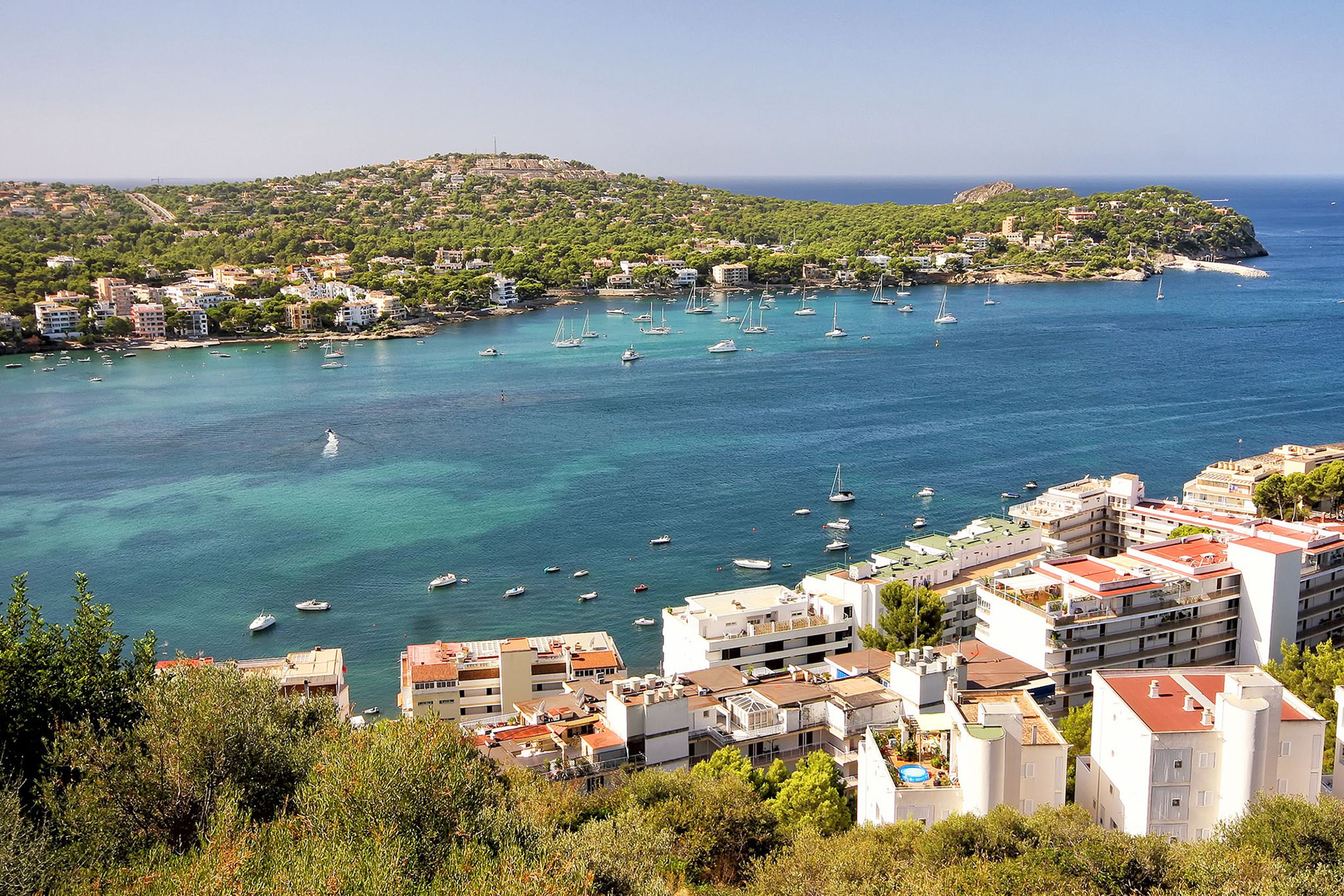
A large resort in the south-west with a broad sandy beach, marina and offshore islands. Jaume I landed here in 1229 — a stone cross above the bay marks the event.
Santa Ponça
Santa Ponça in 30 seconds
The essentials at a glance
- Worth visiting for
- A longer stay
- Best for
- Families — the beach is broad and gently shelving
- Best months
- March–May, September–October
- Time to allow
- Half a day, or longer as a holiday base
- Without a car
- Hire car recommended
- Parking
- Limited in season; managed parking areas by the beach
- Keep in mind
- Anyone looking for a traditional village
- Access
- Pushchairs: Good around town and the beach; awkward at the cross · Wheelchairs: Promenade and beach access largely manageable
Get a feel for Mallorca. Find your kind of place.
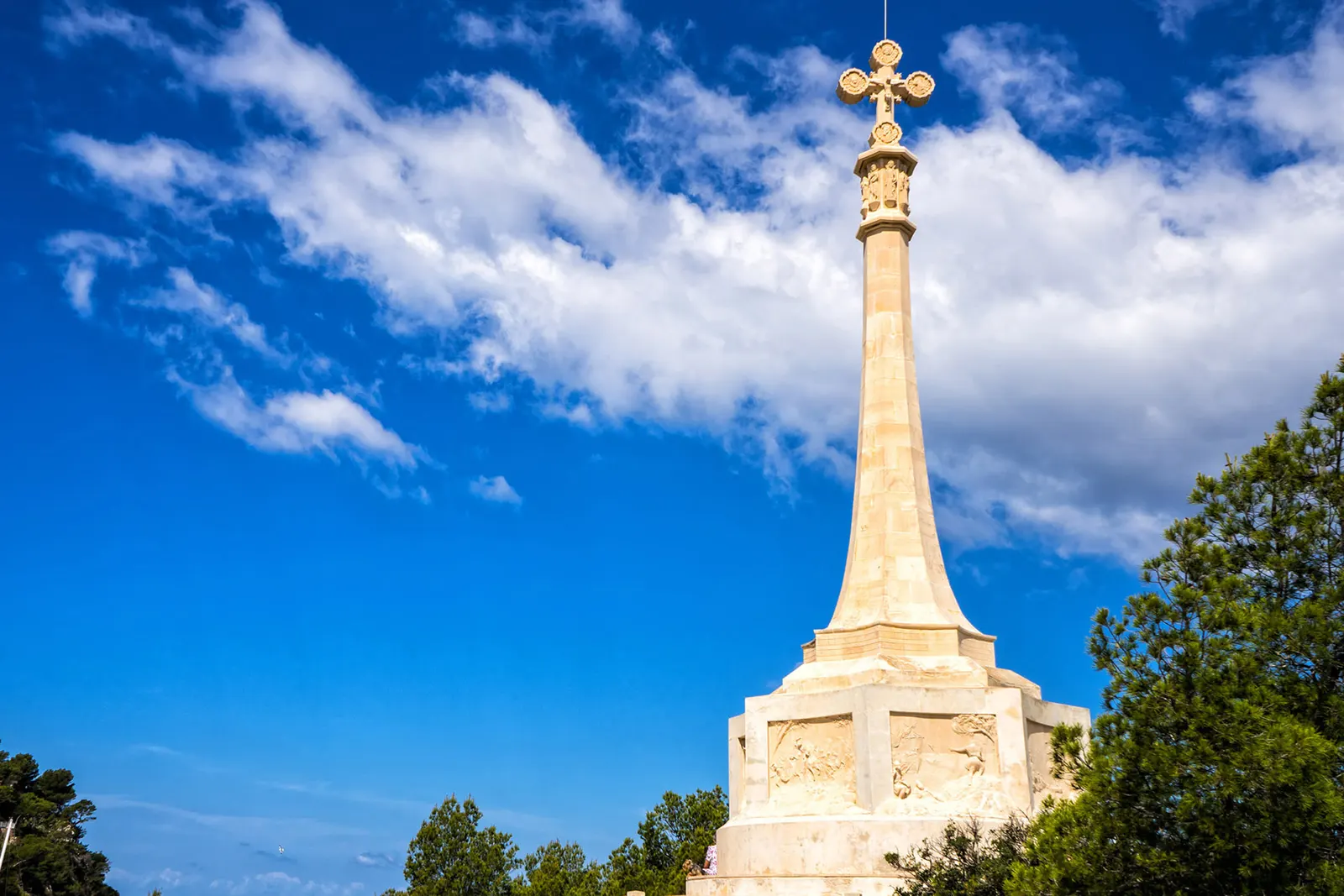
The cross dates from 1929 and marks the landing of Jaume I's troops in 1229, a turning point in Mallorca's history.
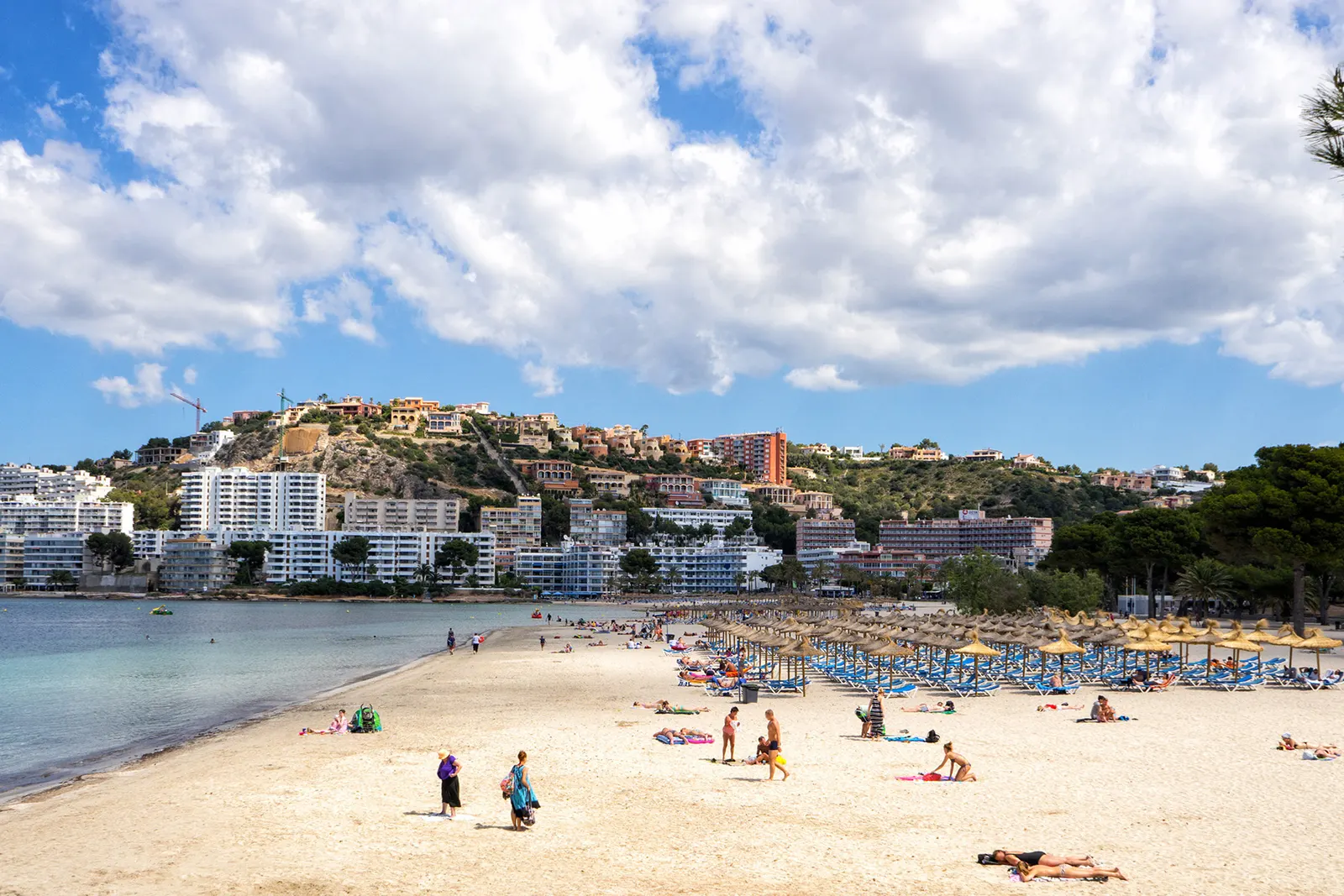
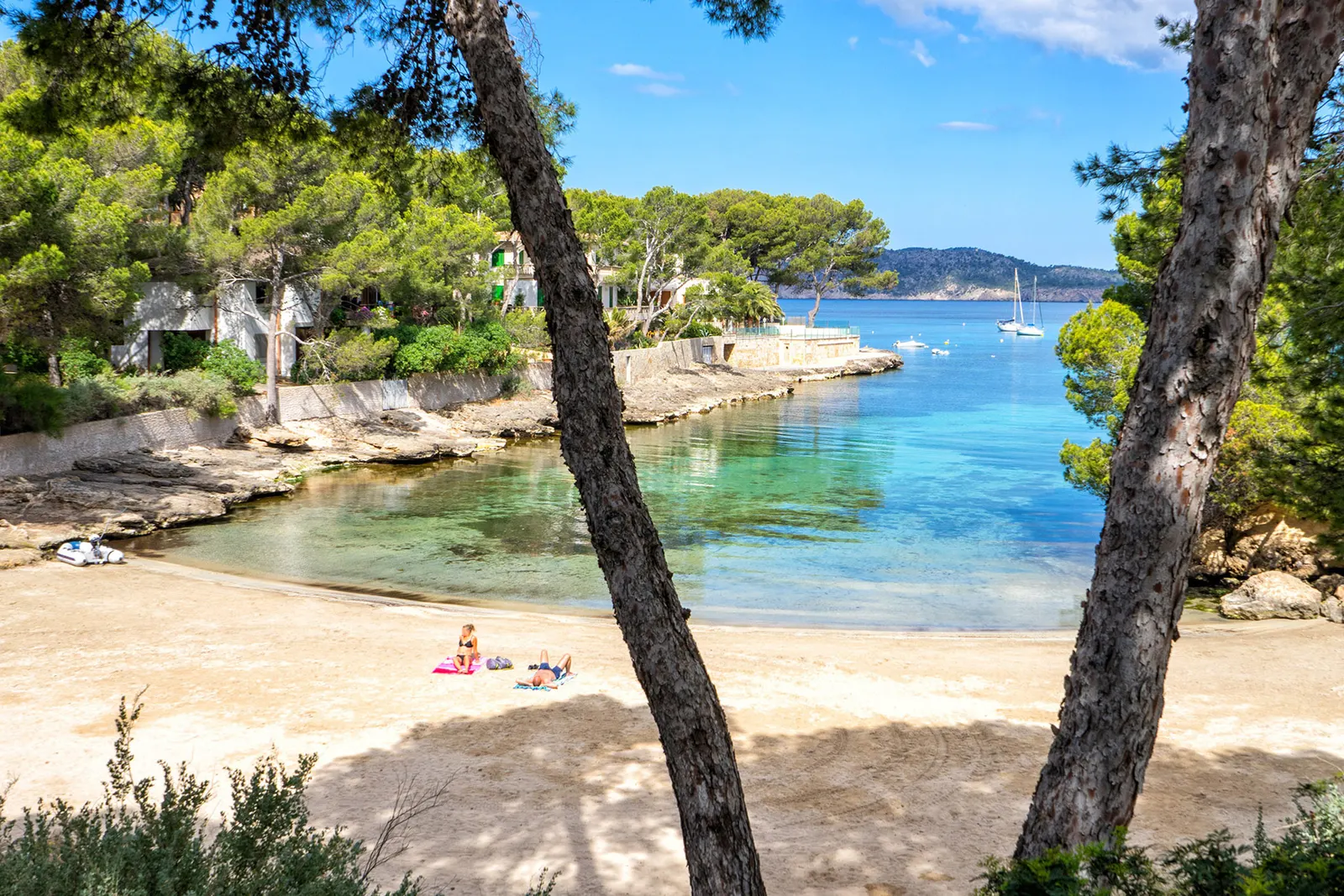
Broad, gently shelving sand with hotels behind. This is Santa Ponça in April.
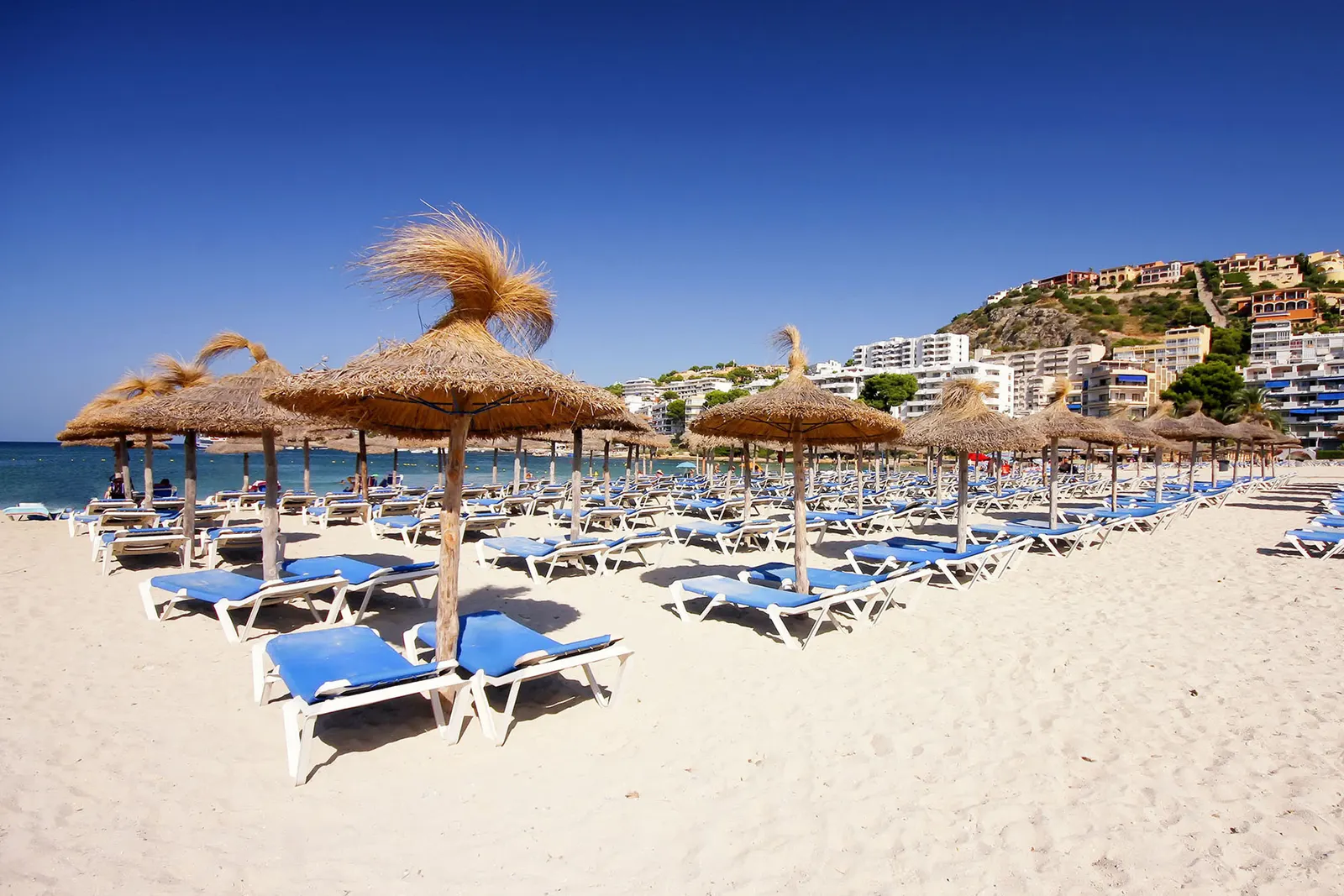
Before nine, everything is ready and still empty. Two hours later, every row is occupied.
Getting to know Santa Ponça
Does Santa Ponça suit your plans?
What to expect and what to know before you visit.
Who it suits
- Families — the beach is broad and gently shelving
- Snorkellers and divers heading for the Illes Malgrats and El Toro
- Visitors arriving by boat — there is a large marina
- Anyone wanting plenty of facilities within twenty minutes of Palma
Things to bear in mind
- Anyone looking for a traditional village
- Anyone expecting peace in high summer
- Swimmers hoping to have the water to themselves
- Visitors looking for historic buildings
Drive from the airport
25 minutes
26 km
Bus connections
Good services from Palma and along the coast
Region
Serra de Tramuntana
Nearest beach
El Toro
3 km
Elevation
10 m
above sea level
Season guide for Santa Ponça
November Worth considering
Very quiet Some places closed
Worth visiting in March, April, May, September and October. Less suitable in July and August.
Location
Location of Santa Ponça
- Region
- Serra de Tramuntana
- Municipality
- Calvià
- Population
- 11,500
- Elevation
- 10 m above sea level
- Airport
- 26 km , around 25 minutes
- Hire car
- recommended
- Worth visiting for
- a longer stay
- Coordinates
- 39.5150,2.4827
What Santa Ponça is like
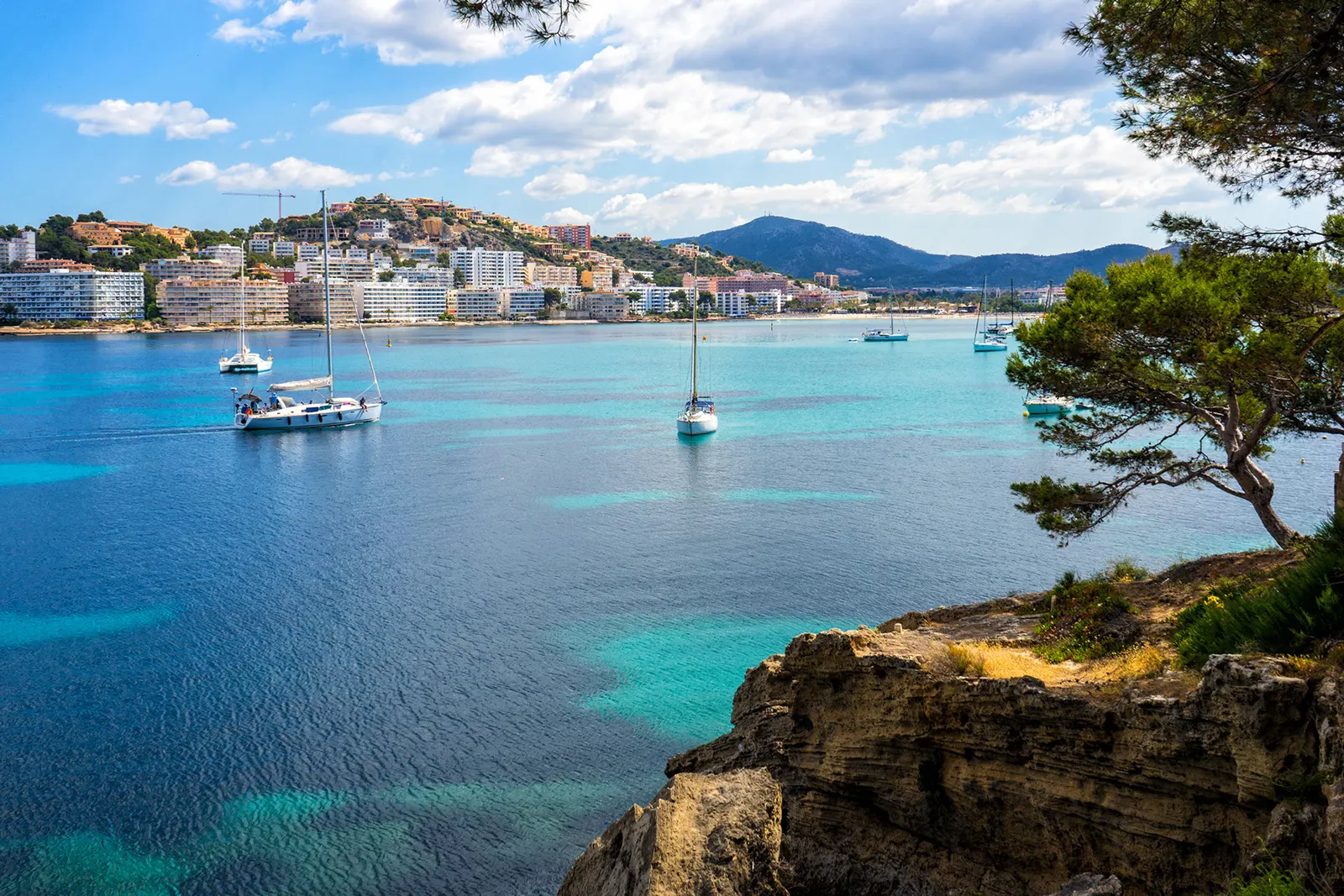
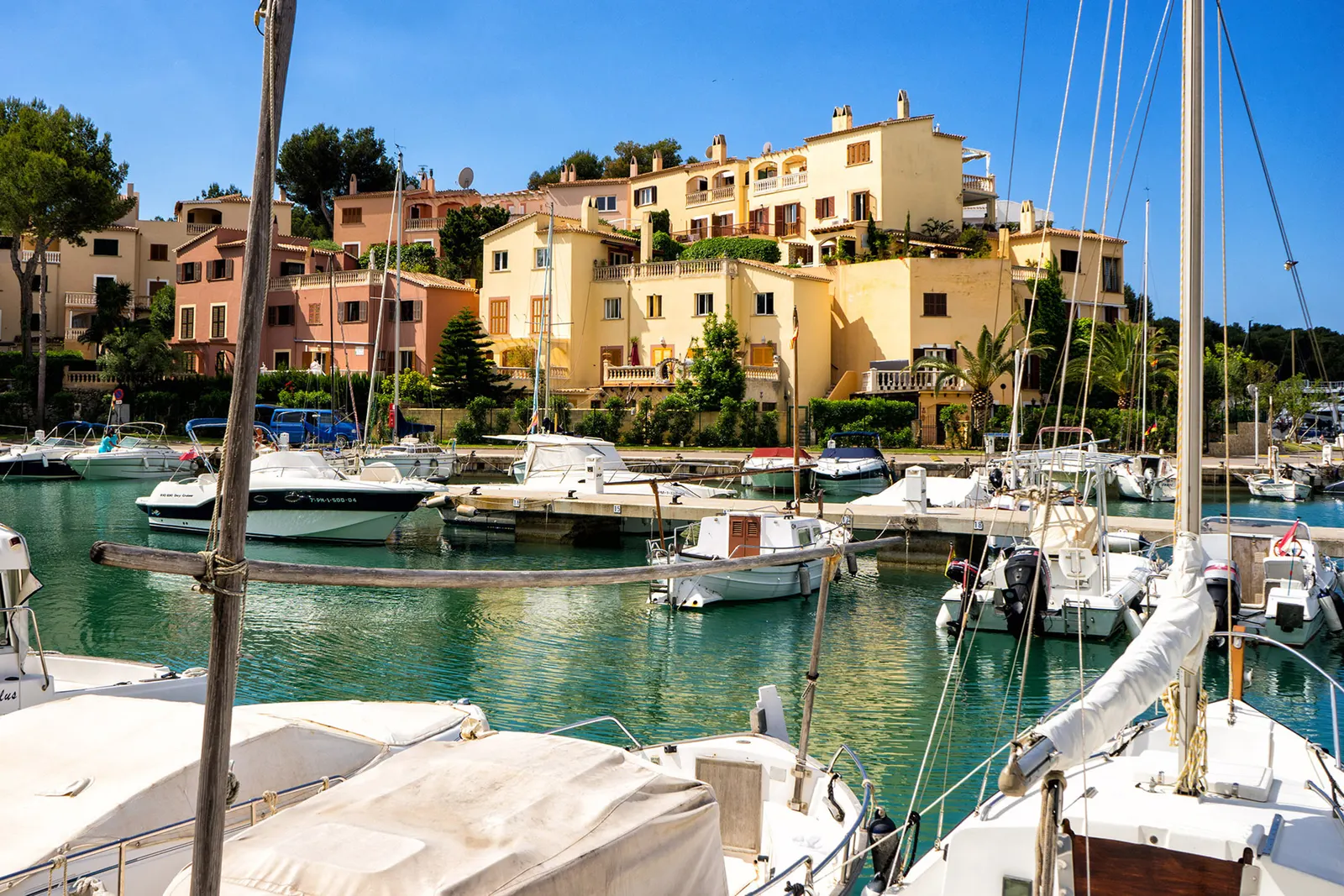
A large seaside resort in Calvià, around 25 minutes by car from Palma. A broad sandy beach, a row of hotels, apartments climbing the hillside, a marina and several smaller coves around the edges.
The resort is modern. The bay is its great asset.
Where the conquest of Mallorca began
This beach was the setting for an event that changed the island’s history. It is worth pausing to hear the story.
James I of Aragón, known here as Jaume I, was twenty-one when he launched the campaign. Mallorca had been under Muslim rule for more than three hundred years. Madina Mayurqa was a prosperous trading centre, also used by privateers who troubled Catalan merchants. Those merchants helped fund the expedition, alongside Barcelona trading houses and an alliance of Aragonese and Catalan nobles.
The fleet sailed in September. Why Santa Ponça? The bay was wide and shallow, far enough from the capital to avoid immediately confronting its defenders. Men and horses could be brought ashore before they were challenged.
On 10 September 1229, the main fleet anchored here and landed.
Two days later came the first major battle in the hills behind the coast: the Battle of Portopí, on 12 September, against the forces of the governor Abu Yahya. James’s army won, but losses were heavy and it took months to reach victory at Palma.
The city fell on 31 December 1229. Madina Mayurqa became Palma and the island a Christian kingdom. Around seventy years later, James’s grandson established the inland towns that you can visit on the Pla today.
The cross above the bay
A stone monument topped by a gilded cross stands above the landing place. It was erected in 1929, on the 700th anniversary.
From here you have a wide view over the bay and offshore islands, and can see why the fleet chose this stretch of coast.
The sea and islands
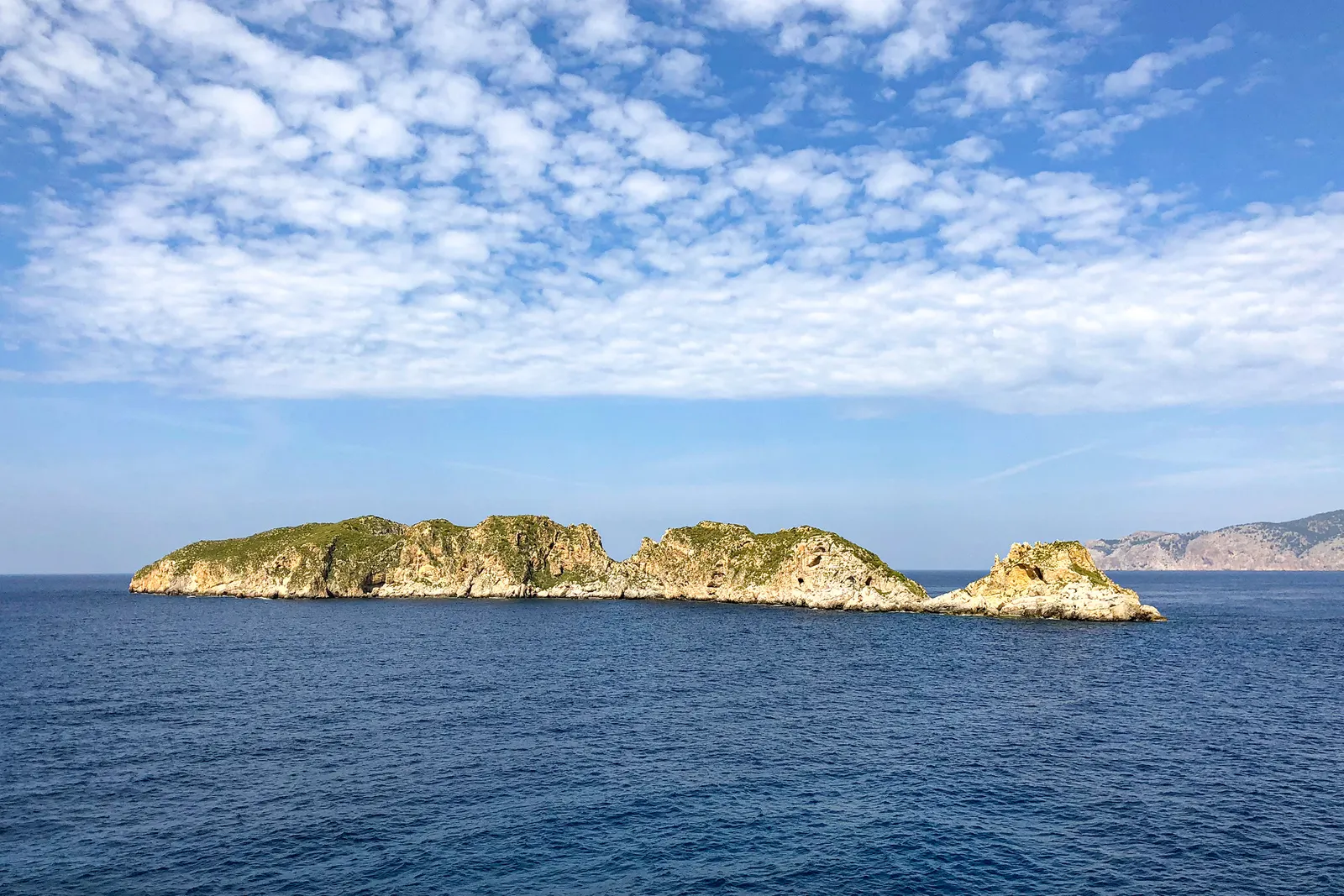
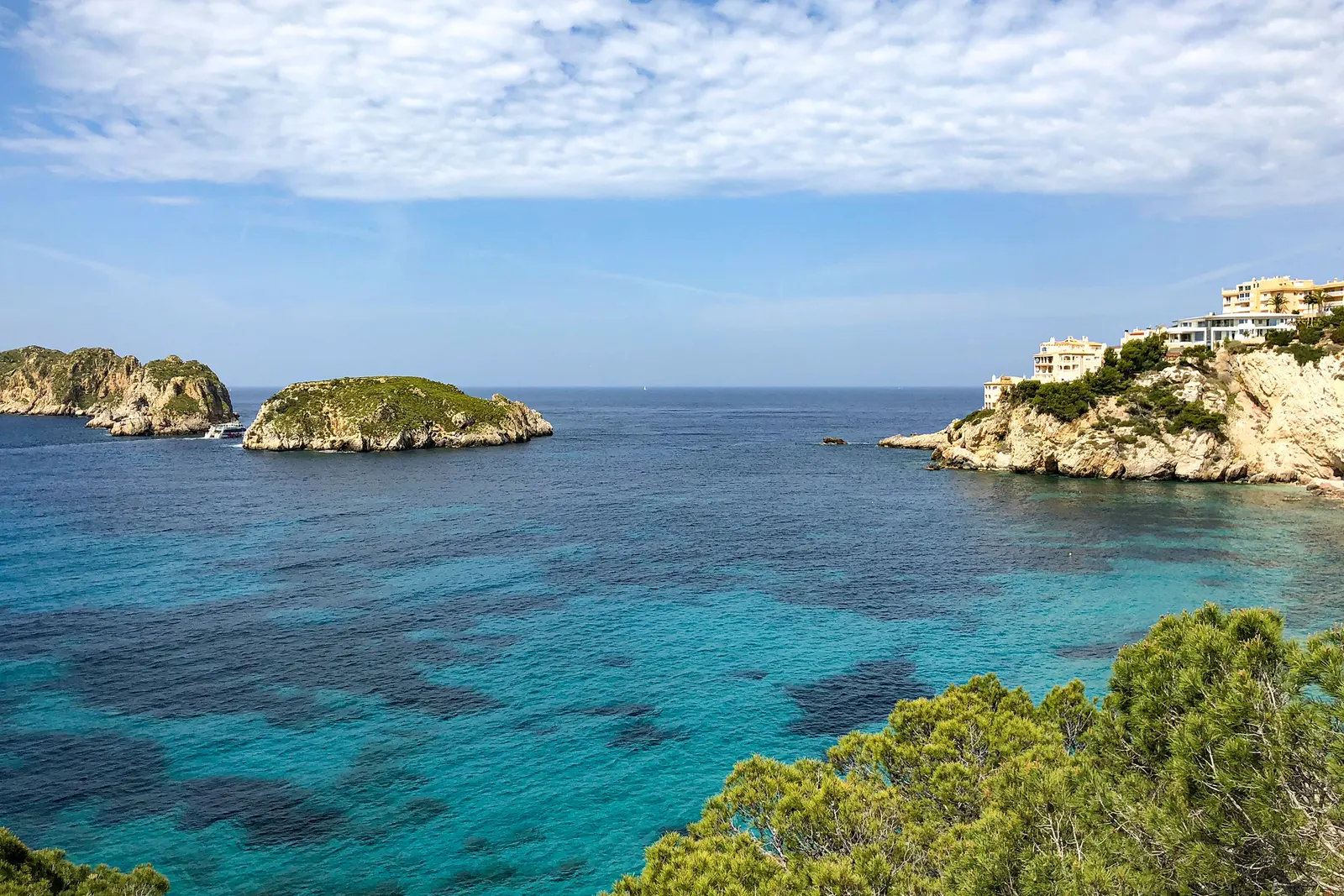
The bay opens to the south. The water is shallow and very clear on calm days. Offshore are the Illes Malgrats, designated a marine reserve.
For snorkelling, head to the rocky edges of the bay. There is much less to see over the sand in front of the main beach.
When to visit
April and October are my choices. In April the resort is open but the beach is not yet crowded. In October the sea still holds its summer warmth and the town is quieter again.
In July and August, both beach and car parks fill during the morning. Some hotels and restaurants close for winter.
Photographs
Santa Ponça in Mallorca
How much time do you have?
Things to do in Santa Ponça
Three hours
Spend the morning at the beach, then walk up to the landing cross for views over the bay and islands.
Half a day
Add a snorkel around the rocks towards the Illes Malgrats, or take a boat trip.
A full day
Combine it with Peguera, Camp de Mar and El Toro for a day exploring the south-west coast.
On a rainy day
Little to do here. Head to Palma, twenty minutes away by car.
Practical details
- Parking
- Limited in season; managed parking areas by the beach
- Public transport
- Good services from Palma and along the coast
- Time to allow
- Half a day, or longer as a holiday base
- Good to know
- The beach has lifeguards, sunbeds, showers and places to eat. For snorkelling, head to the rocky edges of the bay — there is little to see over the sand.
- Bus
- Good services from Palma and along the coast
- Shops and services
- Supermarkets: Several in town · Pharmacy: Several · Medical care: Health centre in town; hospitals in Palma · Cash machines: Plenty · Fuel: On the approach road
- Access
- Level promenade and beach approaches; steps up to the cross · Pushchairs: Good around town and the beach; awkward at the cross · Wheelchairs: Promenade and beach access largely manageable · Dogs: Not allowed on the main beach in season
- What you will not find
- A historic town centre · Peace in high summer · An unspoilt village atmosphere · Beach shade without paying for it
- Coordinates
- 39.5150,2.4827 Google Maps Apple Maps
Within reach
Places to visit
Nearby

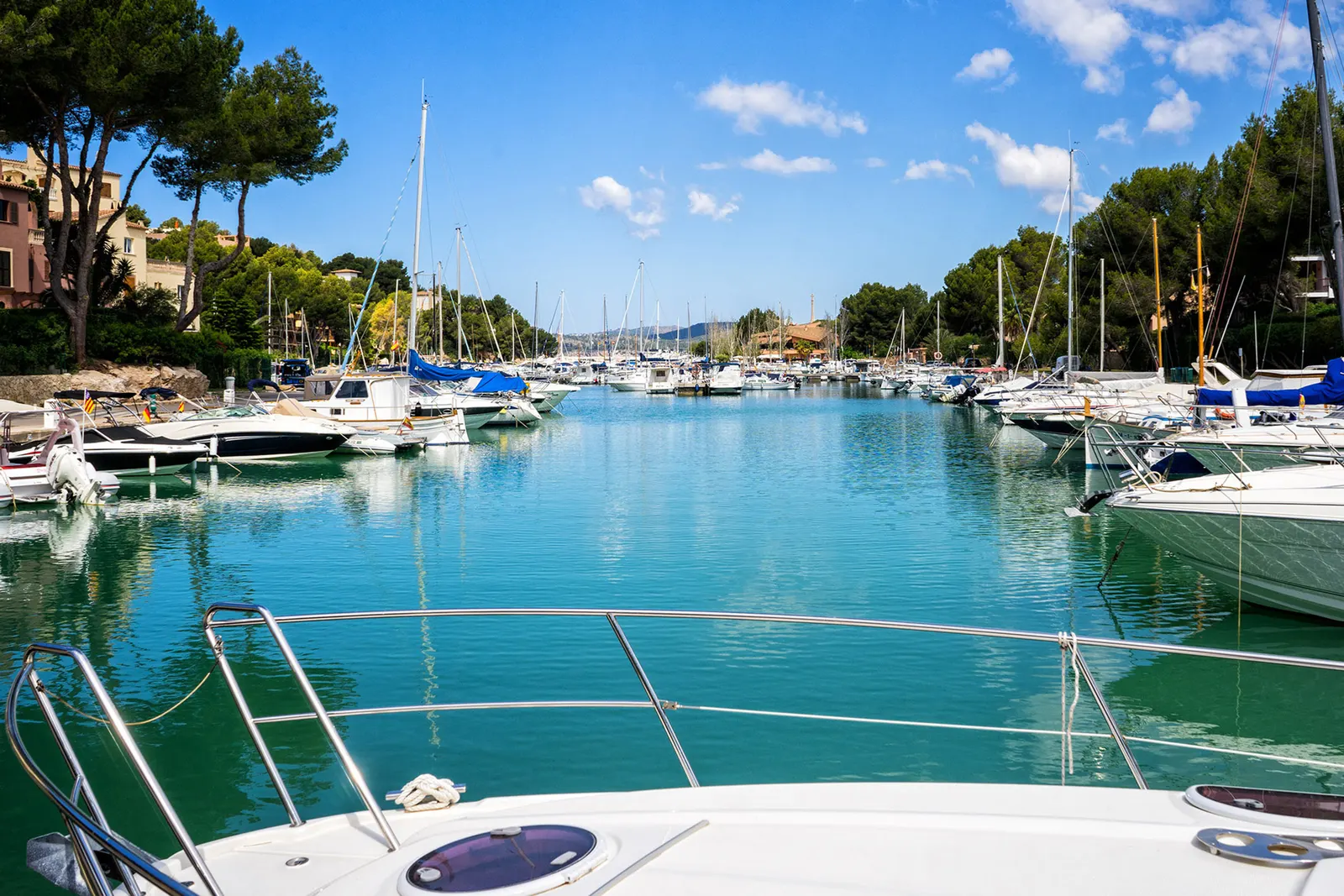
The south-west's marina, with 670 berths, rows of white boats and a white tower by the quay. You come here to look …

A striking circular Gothic castle, built above Palma between 1300 and 1311. Inside is a two-storey round …

Sant Pere bastion, built in the late 16th century on the western edge of Palma’s old town, became home to a …

Palma’s cathedral was begun in 1230 and built over several centuries. Its Gothic buttresses rise above the water …

The first major viewpoint on the west-coast road after Andratx. Stone steps climb from beside a road tunnel to a …

The royal palace beside Palma cathedral began as a Moorish alcázar, later converted into a residence for …

The March family's city palace between the cathedral and the Almudaina: a terrace filled with 20th-century …

The Balearics' largest harbour sits in the city, in front of the old town. Cargo quays, cruise terminals, marinas …
Distances without a driving time are measured in a straight line. The road journey can be much longer; known driving times are shown alongside.
Where to swim nearby
Beaches and swimming nearby

A residential neighbourhood above a south-western bay, beside Port Adriano, the marina redesigned by Philippe …

Around two kilometres from Paguera, Cala Fornells feels quite different. Rocky shores and small patches of coarse …

Three sandy bays in a row, separated by pine-covered rocky headlands, with a plane-tree-lined boulevard behind …

Broad sandy bays with pale, shallow water, right beside Magaluf but with a different feel. The quieter neighbour …
Explore from here
Your questions answered
Your questions about Santa Ponça
What is the cross above the bay?
It commemorates the landing of Jaume I's troops in September 1229, the beginning of the Christian conquest of Mallorca. The monument was erected in 1929 for the 700th anniversary. It also gives you an excellent view over the bay and offshore islands.
Where can I snorkel in Santa Ponça?
Around the rocky edges of the bay and by the Illes Malgrats, which form a marine reserve. There is much less to see over the sand in front of the main beach.
Is the beach suitable for children?
Yes. It is broad and gently shelving, with lifeguards in season, showers, sunbeds and places to eat nearby. It does get correspondingly busy in July and August.
How far is Palma?
Around 25 minutes by car on the Ma-1. That makes Santa Ponça a useful base if you want to combine city visits with the beach.
Practical questions
When is the best time to visit Santa Ponça?
Recommended months: March, April, May, September, October. The season is starting. This is a particularly pleasant time for the cross and coastal walks.
Is Santa Ponça worth visiting in July and August?
July: another month may suit you better. Usually very crowded. The beach and car parks fill up during the morning. August: another month may suit you better. Usually very crowded.
How far is Santa Ponça from Palma airport?
About 26 km from Palma airport. Allow roughly 25 minutes by car. Take the Ma-1 to the Santa Ponça exit, around 25 minutes from the airport. Parking in town is difficult in season; there are managed parking areas by the beach. A separate road leads to the cross above the bay.
Do I need a hire car for Santa Ponça?
A car is useful Good services from Palma and along the coast
Where can I park in Santa Ponça?
Limited in season; managed parking areas by the beach
Can you swim at Santa Ponça?
There is no beach here. See the nearby swimming options on this page.
Can I visit Santa Ponça with a pushchair or wheelchair?
Level promenade and beach approaches; steps up to the cross Pushchairs: Good around town and the beach; awkward at the cross Wheelchairs: Promenade and beach access largely manageable
Are dogs allowed at Santa Ponça?
Not allowed on the main beach in season
Words and photographs: Friedhelm Fischer. Exploring Mallorca since 2013 — by bike, on foot and with a camera.