 AI
From around 900 BC
The Talayotic culture
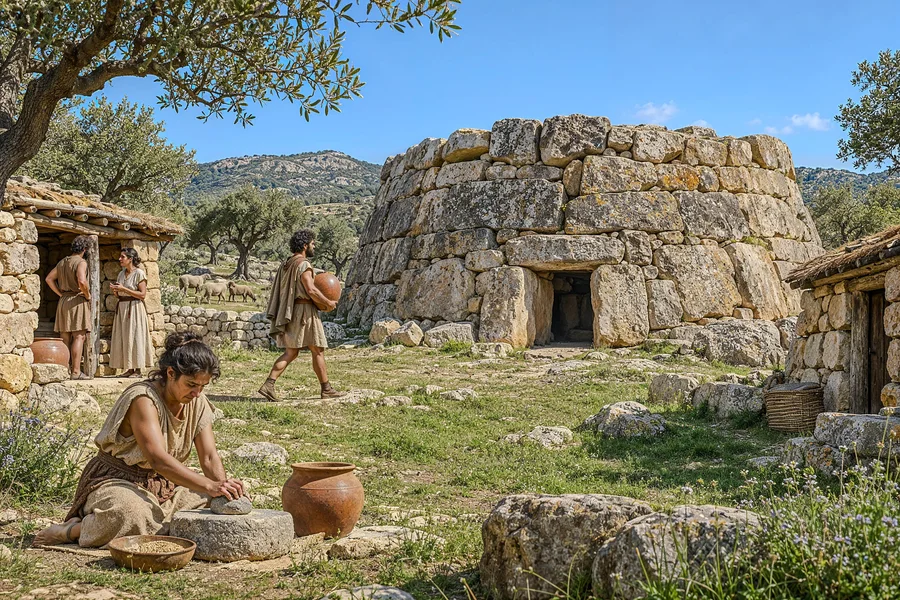
How did people live around the great stone towers? Explore everyday life and the archaeological sites you can visit on Mallorca today.
Daily life and culture · Site map · Places to visit
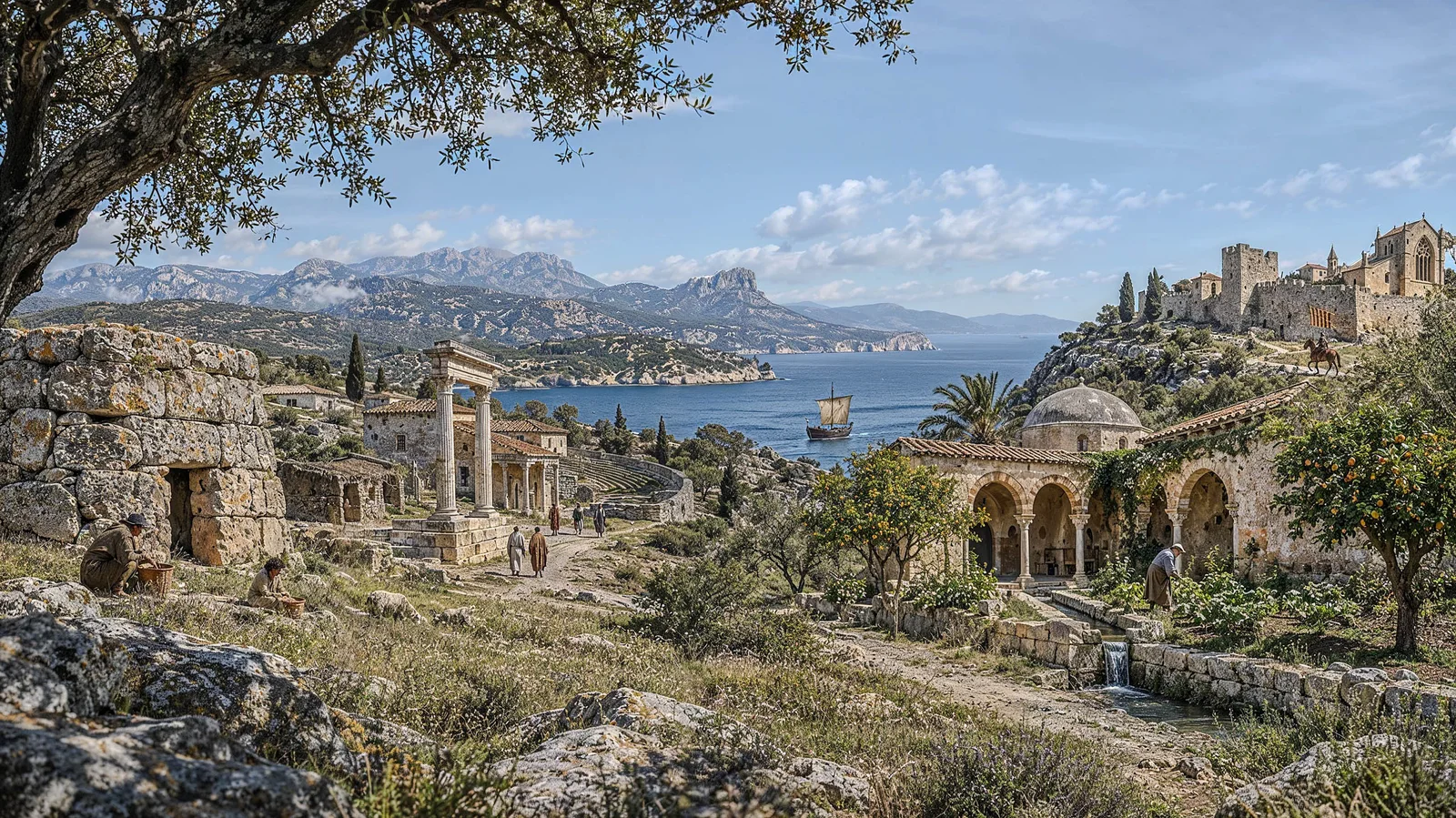
Mallorca’s history in one scene
Ancient stones and centuries of island life. Much of Mallorca’s past is closer to your holiday route than you might think.
Mallorca has more history to discover than a first beach holiday might suggest. Talayotic settlements, Roman ruins, Arab baths and medieval buildings are scattered across the island.
Find out how people lived here and how Mallorca changed over the centuries, from the Talayotic culture through Roman, Vandal and Islamic rule to the conquest by Jaume I. Each chapter explores a period in more depth and points you towards places where you can see its traces today.
Explore the island’s past
AIHow did people live around the great stone towers? Explore everyday life and the archaeological sites you can visit on Mallorca today.
Daily life and culture · Site map · Places to visit
 AI
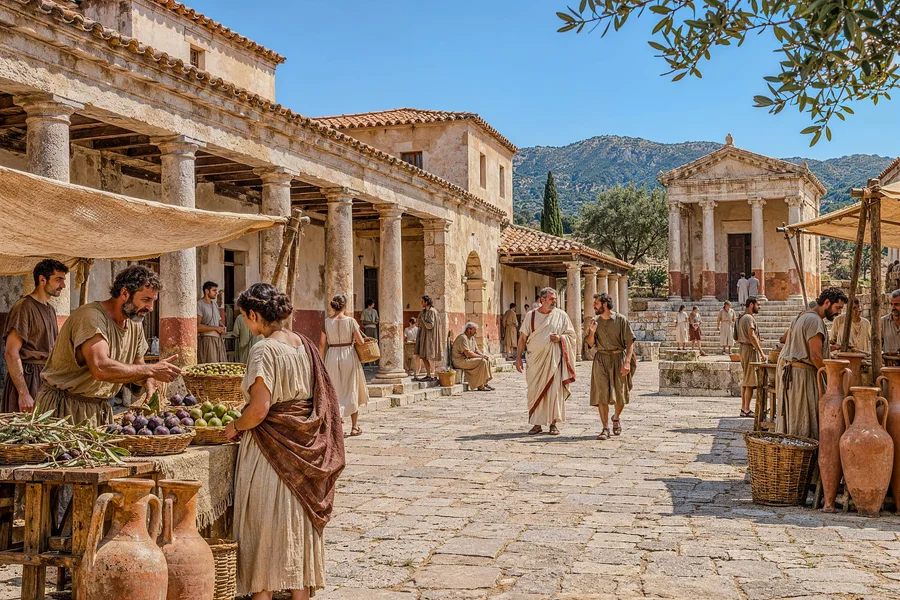
Towns, trade and a theatre now standing among the fields near Alcúdia.
 AI
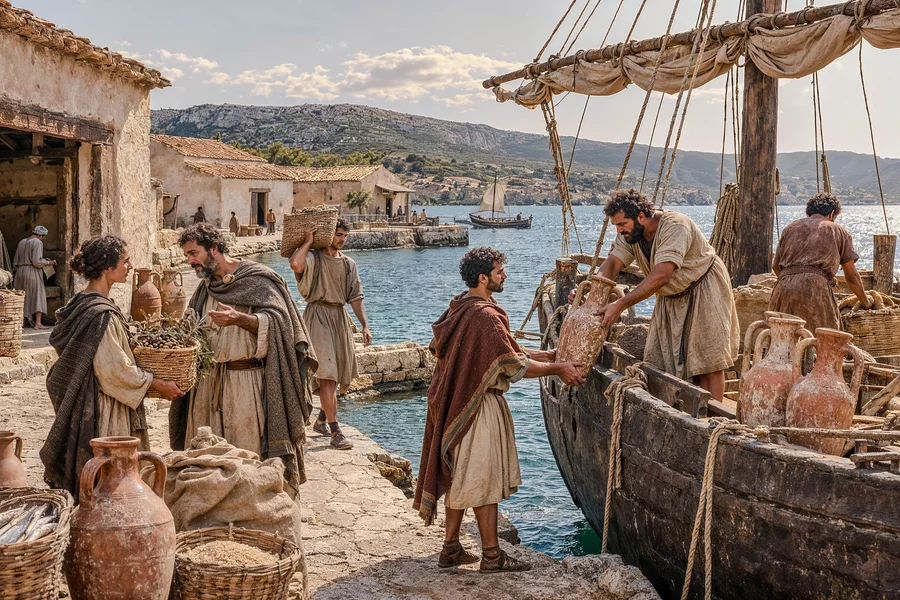
A less visible period between Roman rule and the Byzantine Empire.
 AI
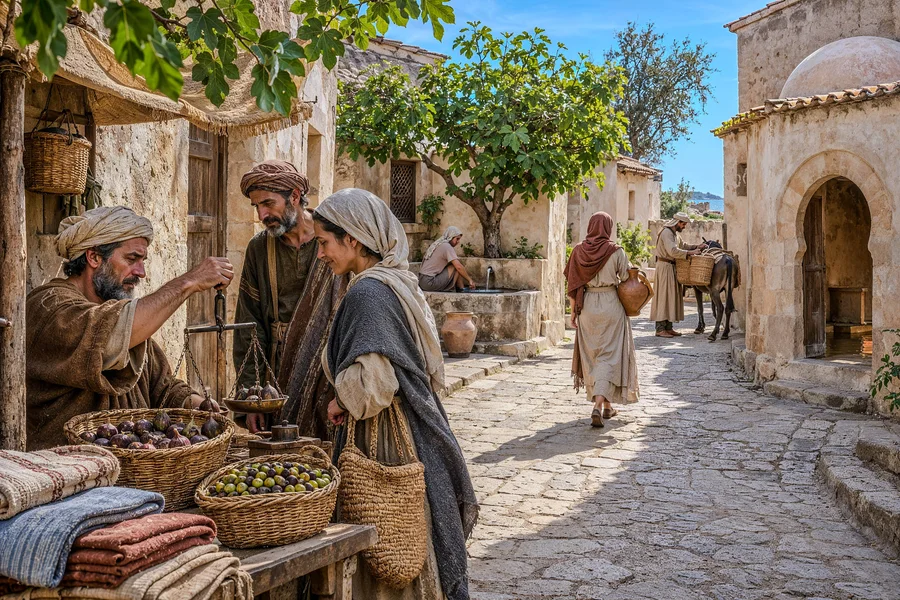
Life under Islamic rule and the traces you can still find in Palma.
 AI
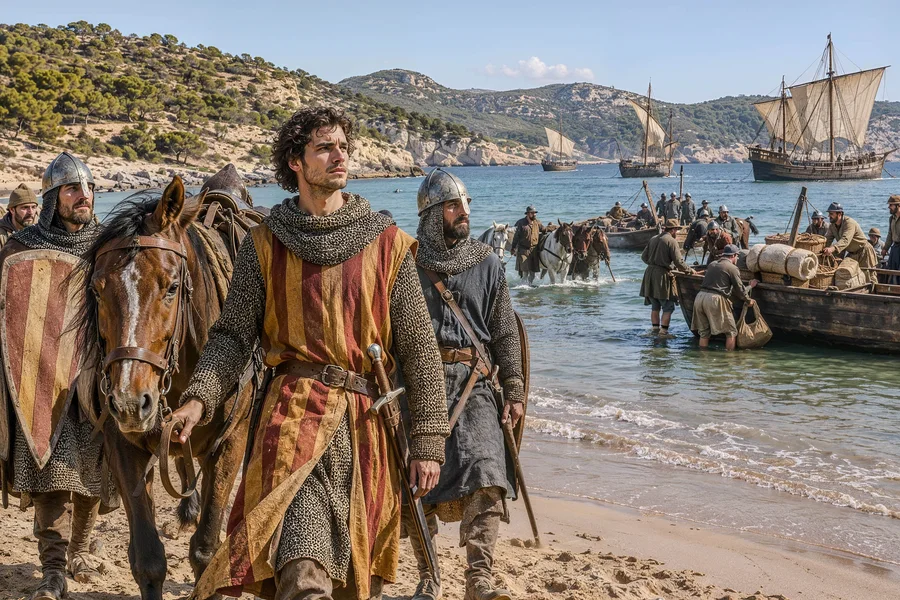
A landing at Santa Ponça, a war and profound changes across the island.
From 1700 to today
The War of the Spanish Succession reached Mallorca in the early 18th century. Bourbon rule was established in 1715. The Nueva Planta reforms fundamentally changed the island’s political institutions and tied it more closely to the centralised monarchy. For many people, everyday life still revolved around farming, crafts and their village.
Trade and industry grew during the 19th century, while early visitors began discovering the island. George Sand and Frédéric Chopin spent the winter of 1838–39 on Mallorca, a stay particularly associated with Valldemossa. Later, Archduke Ludwig Salvator’s work brought wider attention to its landscapes and way of life. You can explore his story at Son Marroig.
The Spanish Civil War, which began in 1936, brought violence and persecution. The military rebels secured control of Mallorca, and a Republican landing on the east coast failed. Political repression continued under Franco’s dictatorship. Castell de Bellver is part of that history: it was used as a prison during the Civil War.
Tourism transformed the island from the 1950s onwards, particularly during the 1960s. Growing air travel brought more holidaymakers. In 1960, Son Sant Joan took over commercial flights from Son Bonet. Hotels, roads and resorts were built or expanded, and many people found work in tourism. Stretches of coast became the holiday destinations you know today.
After Franco’s death in 1975, Spain began its transition to democracy. The Balearic Islands gained their Statute of Autonomy and their own political institutions in 1983. Today, Mallorca is a home, a workplace and a holiday destination. How to balance tourism with the protection of landscapes, water supplies and places to live remains one of its central challenges.
A journey from a coastal resort into the inland villages shows these changes side by side: old estates, established village centres and a coast shaped by tourism. The island’s history extends well beyond its archaeological sites.
Friedhelm Fischer’s notes and research from 2013 to 2026, together with: