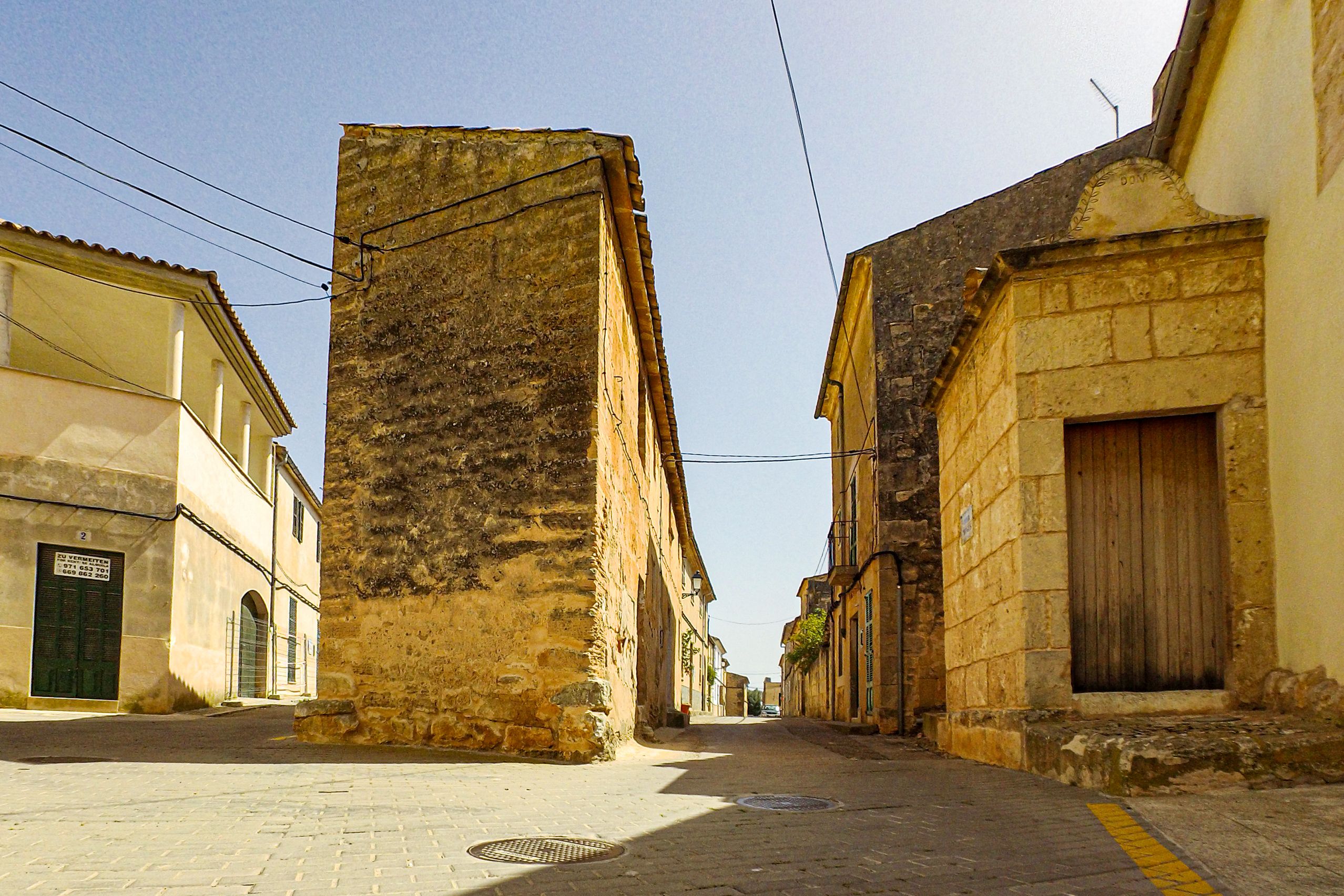
A village of golden sandstone on the road to Mallorca's southern tip, named after the coastal saltworks. In the centre, a lane forks around a tall windowless gable, while Botanicactus, one of Europe's largest cactus gardens, lies on the outskirts.
Ses Salines
Ses Salines in 30 seconds
The essentials at a glance
- Worth visiting for
- A short visit
- Best for
- A stop on the way to the southern tip or Colònia de Sant Jordi
- Best months
- February–May, October–November
- Time to allow
- Twenty minutes to an hour
- Without a car
- Hire car needed
- Parking
- Easy, free parking in the village
- Keep in mind
- Expecting a major attraction in the village centre
- Access
- Pushchairs: Straightforward · Wheelchairs: Mostly accessible
Get a feel for Mallorca. Find your kind of place.
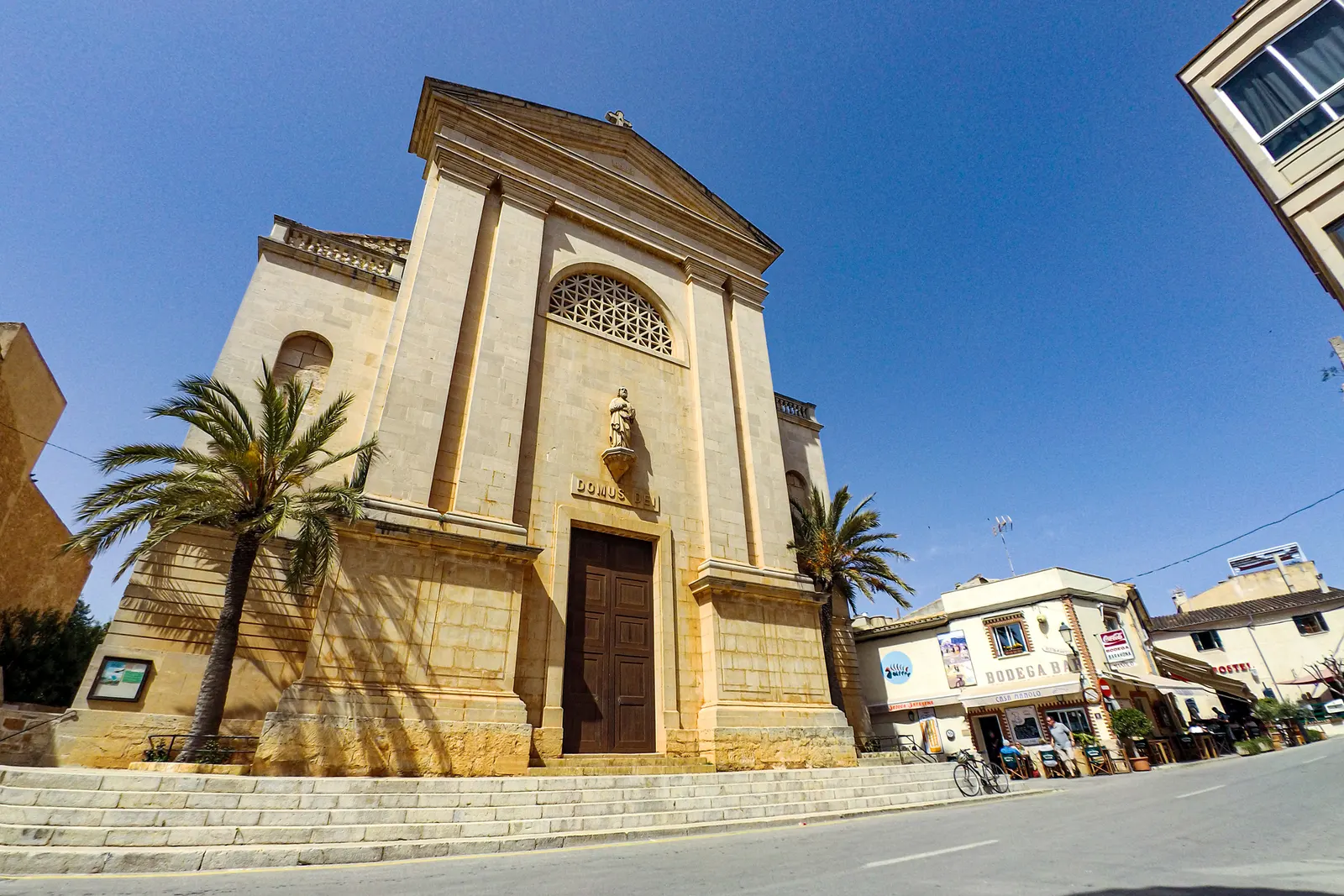
The stone is warmer and yellower than in the Pla. It was quarried here.
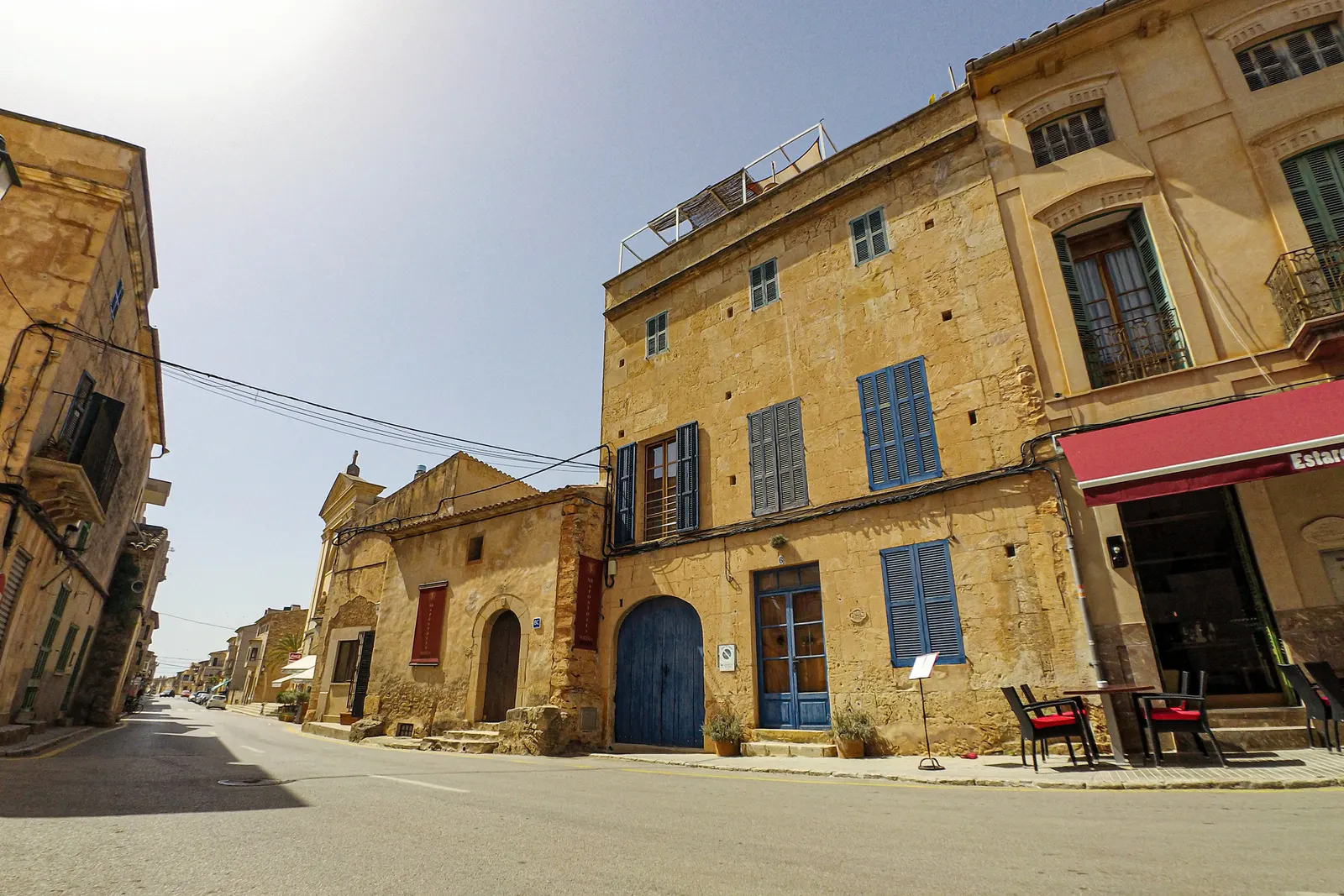
The road to the southern tip passes through the village. This is not its quietest street.
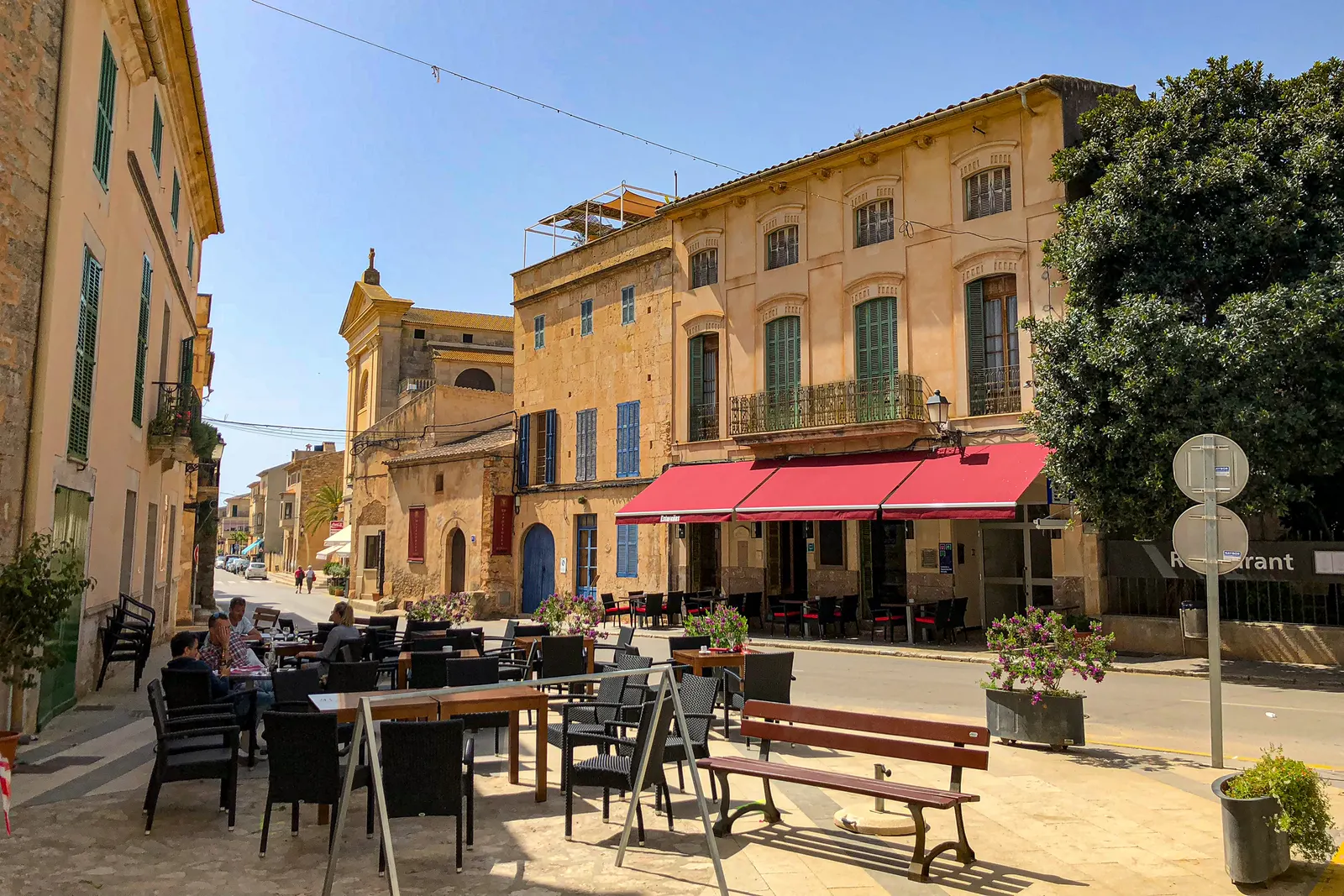
A square, a tree and an awning — a small village centre.
Getting to know Ses Salines
Does Ses Salines suit your plans?
What to expect and what to know before you visit.
Who it suits
- A stop on the way to the southern tip or Colònia de Sant Jordi
- Visiting the large Botanicactus garden on the outskirts
- Stone-built villages and the place where their stone was quarried
- Cyclists exploring quiet, flat roads in the south
Things to bear in mind
- Expecting a major attraction in the village centre
- Swimming, with the sea several kilometres away
- Looking for a lively place
- Visiting at midday in high summer
Drive from the airport
45 minutes
48 km
Bus connections
Occasional services from Santanyí and Campos
Region
Migjorn
Nearest beach
Platja des Carbó
5 km
Elevation
40 m
above sea level
Season guide for Ses Salines
November Worth a visit
Very quiet Some places closed
Worth visiting in February, March, April, May, October and November. Less suitable in July and August.
Location
Location of Ses Salines
- Region
- Migjorn
- Population
- 5,000
- Elevation
- 40 m above sea level
- Airport
- 48 km , around 45 minutes
- Hire car
- needed
- Worth visiting for
- a brief stop
- Coordinates
- 39.3372,3.0533
Getting to know Ses Salines
A village of around 5,000 people in southern Mallorca, where the roads to Santanyí, Campos and the island’s southern tip meet. Its name comes from the saltworks on the coast to the south-west, which still produce sea salt. The village is several kilometres inland and has no beach of its own.
Marès stone
The stone quarried here is called marès, a type of calcareous sandstone characteristic of the Balearics. An estimated one sixth of Mallorca’s surface consists of it. The cathedral, Castell de Bellver and countless farm walls in the south were built from this stone.
Freshly quarried, it is soft enough to saw by hand, then hardens in the air. Rather than blasting it, quarry workers cut blocks and lifted them out individually. The craft has its own name, trencador de marès, and is now recognised as intangible cultural heritage.
The measurements are interesting too. Standard pieces were cut from the rough block, known as the rodona. The most common, the cantó, measures 60 by 33 by 33 centimetres. This standard size explains many building proportions across the south, from wall thicknesses to window surrounds and arches. It helps explain why village houses share so many features.
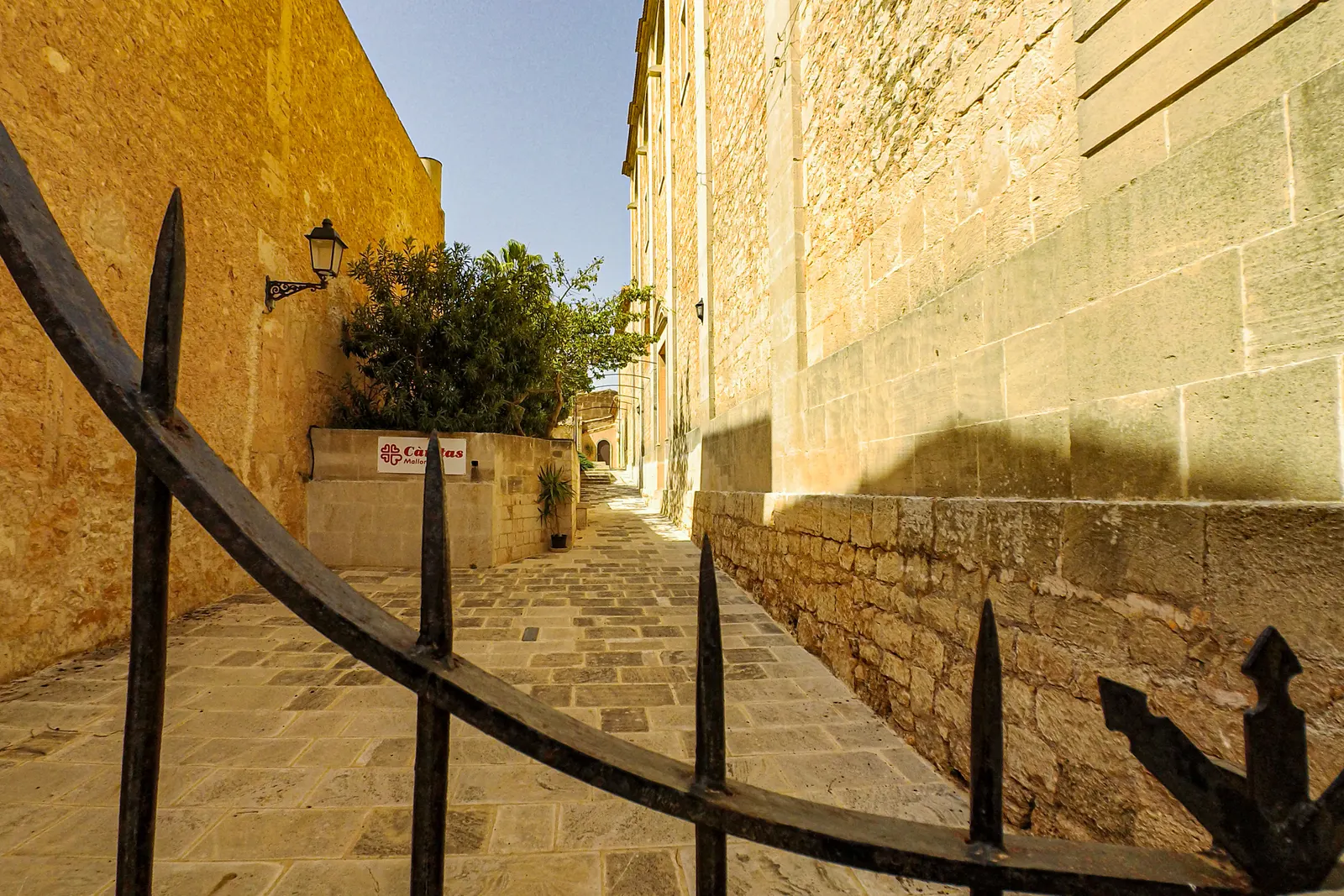
In the centre, a lane forks around a tall, windowless rubble-stone gable wall, opposite an old marès doorway. The stone is warmer and yellower than in the Pla because it comes from a different local source.
And the salt?
The village takes its name from the saltworks several kilometres south-west, where sea salt is still harvested. There are no salt pans or beaches among its houses. To see the pools, head towards Colònia de Sant Jordi and Es Trenc.
Botanicactus
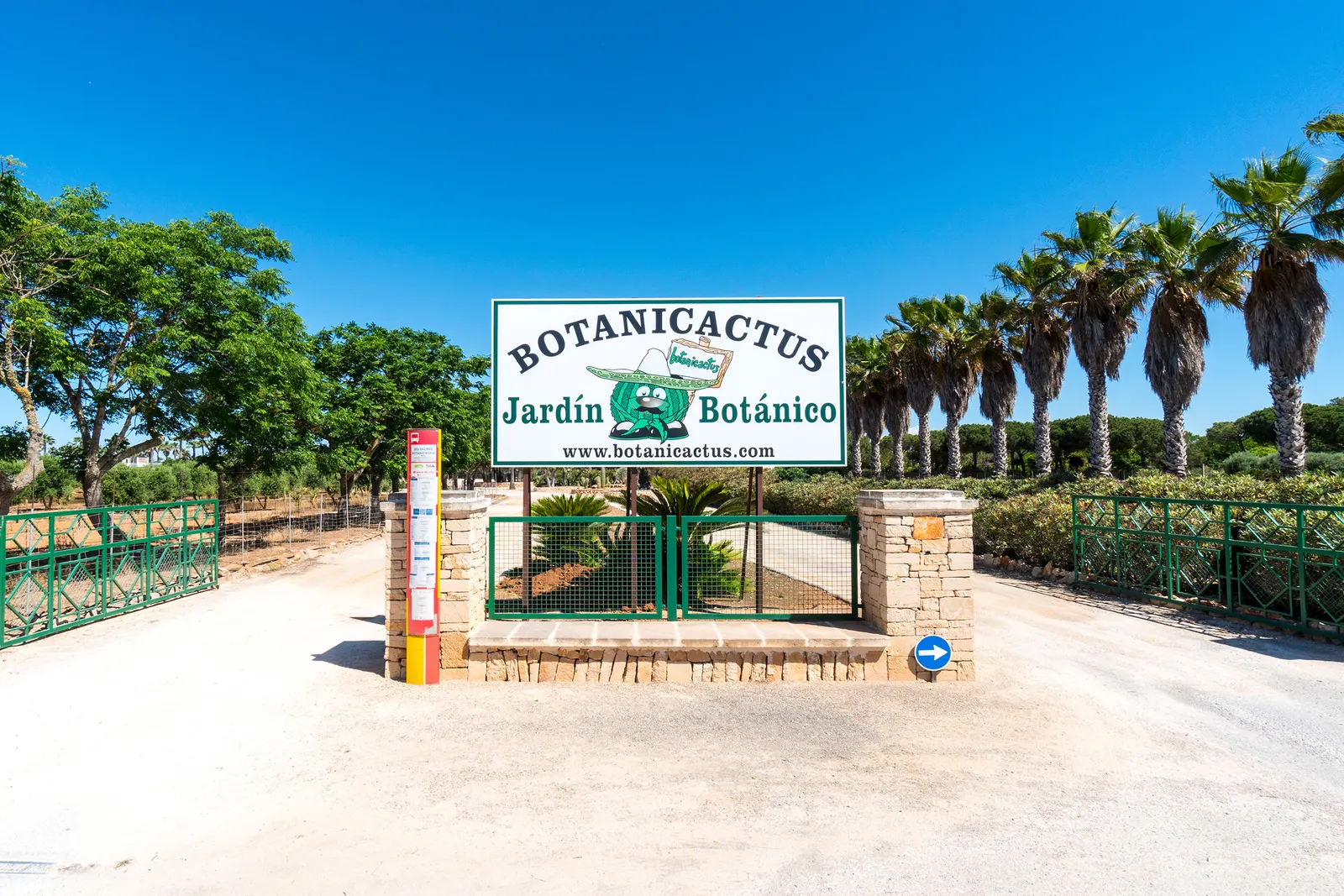
On the outskirts is a large botanical garden specialising in cacti and succulents, with ponds and areas of Mallorcan and tropical vegetation. It is one of Europe’s largest gardens of its kind and the main reason to make a special trip to Ses Salines.
Before heading to the cape
Ses Salines is your last stop for supplies before the southern tip. Fill up, buy anything you need and withdraw cash here. These services are not available at Cap de ses Salines.
When to visit
March and October are good months. February brings almond blossom to the plain.
In July and August, the south is particularly hot, and the air between the houses feels still at midday.
Photographs
Ses Salines in Mallorca
How much time do you have?
Things to do in Ses Salines
Three hours
Walk through the centre to the church and along the marès-built streets, then visit Botanicactus on the outskirts.
Half a day
Add Cap de ses Salines or Colònia de Sant Jordi, both around fifteen minutes away.
A full day
Combine it with Es Trenc and the southern tip for a full day.
On a rainy day
Limited options. Both the cactus garden and village are best explored outdoors.
Practical details
- Parking
- Easy, free parking in the village
- Public transport
- Occasional services from Santanyí and Campos
- Time to allow
- Twenty minutes to an hour
- Good to know
- Ses Salines is the last place before the southern tip to fill up, shop or withdraw cash. None of these services is available at the cape.
- Bus
- Occasional services from Santanyí and Campos
- Shops and services
- Supermarkets: Several in the village · Pharmacy: In the village · Medical care: Local health centre · Cash machines: On the main square · Fuel: On the Ma-6100
- Access
- Paved and tarmac streets, mostly level · Pushchairs: Straightforward · Wheelchairs: Mostly accessible · Dogs: No particular difficulties
- What you will not find
- A beach in the village · A major attraction in the centre · A lively evening scene · Peace and quiet beside the main road
- Coordinates
- 39.3372,3.0533 Google Maps Apple Maps
Within reach
Places to visit
Nearby

Around 170 hectares of salt pans between Campos and the coast produce roughly ten thousand tonnes of sea salt each …

A freestanding rock arch in the sea, one of the south-east coast’s best-known views. The viewpoint lies between …

Mallorca’s southernmost point has a lighthouse built in 1863, flat coastal rocks and open sea, with the …

A small 15th-century sanctuary on a 205-metre hill near S'Alqueria Blanca, rarely busy and with views over the …

A rocky hilltop fortress 408 metres above sea level near Felanitx, its walls rising directly from the cliff edge …
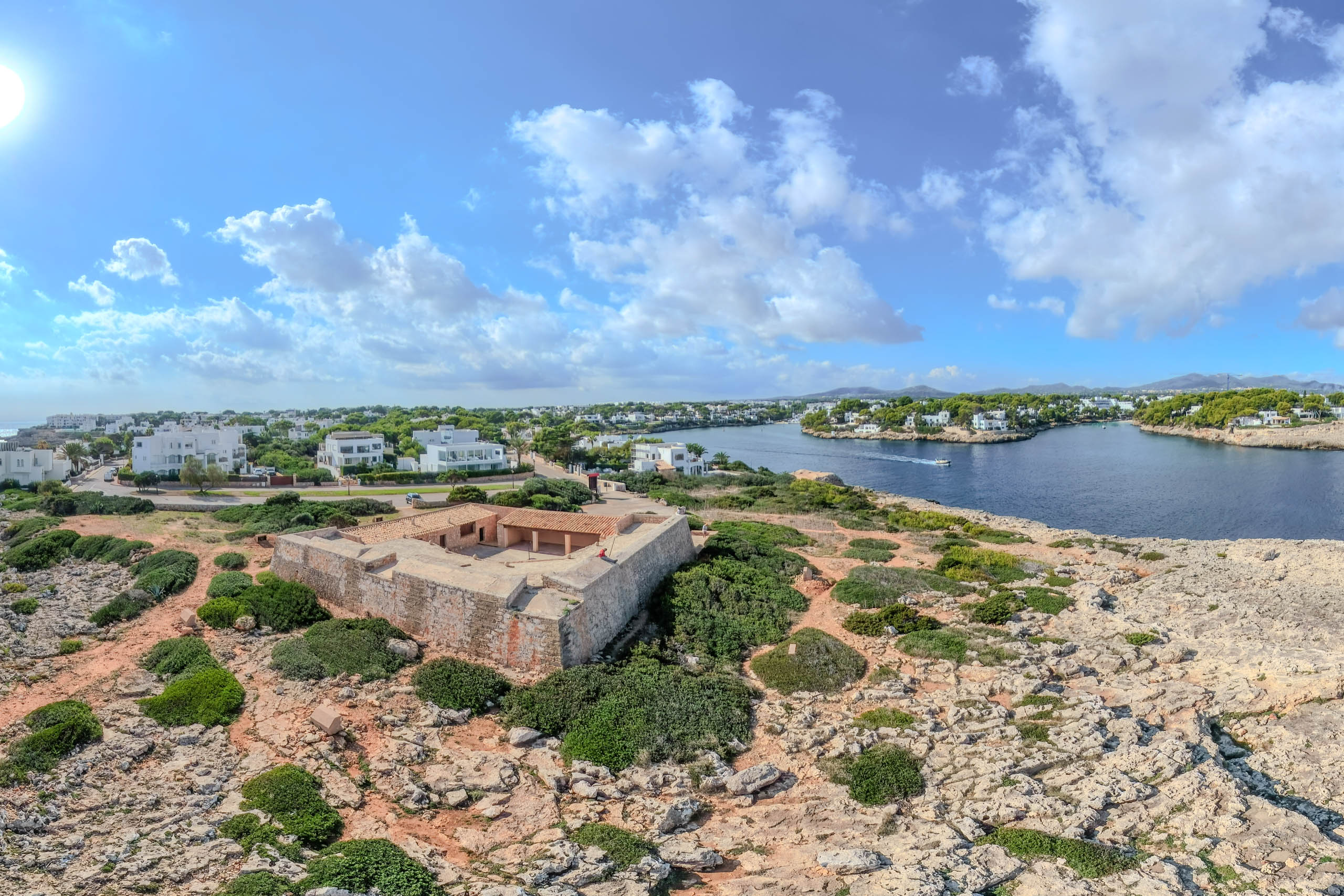
Es Fortí stands on the rocky headland at the entrance to Cala Llonga in Cala d’Or. Behind its thick walls is a …

A pilgrimage church has stood here since 1348, 509 metres above Felanitx at the southern end of the Serra de …
Distances without a driving time are measured in a straight line. The road journey can be much longer; known driving times are shown alongside.
Where to swim nearby
Beaches and swimming nearby

A strip of white sand between Colònia de Sant Jordi and Mallorca's southern tip, reached on foot or by boat. The …

Around 110 steep steps lead down to fishermen's cottages, boathouses, rock and a tiny strip of sand. Cala …

One of Mallorca's best-known small coves, with turquoise water below steep rocky sides. Reaching the tiny sandy …

A former fishing harbour in southern Mallorca, now a holiday resort with several beaches close by. Boats leave for …
Explore from here
Your questions answered
Your questions about Ses Salines
Where does the name Ses Salines come from?
From the coastal saltworks to the south-west, which still produce sea salt. The village itself is several kilometres inland and has no beach of its own.
What is Botanicactus?
A large botanical garden on the outskirts, specialising in cacti and succulents, with ponds and areas of Mallorcan and tropical vegetation. It is among the largest gardens of its kind in Europe and the main reason for making a special trip to Ses Salines.
What is there to see in the village centre?
The church with its pale sandstone façade and streets built from marès. A lane forks around a tall, windowless rubble-stone gable, opposite an old stone doorway. Twenty minutes is enough for a look around.
Should you buy supplies in Ses Salines before visiting the cape?
Yes. This is your last chance to buy fuel, shop and withdraw cash before the southern tip. Cap de ses Salines has no shop, cash machine or café.
Practical questions
When is the best time to visit Ses Salines?
Recommended months: February, March, April, May, October, November. Almond blossom on the surrounding plain.
Is Ses Salines worth visiting in July and August?
July: another month may suit you better. Usually lively. The south gets particularly hot; the air feels still at midday. August: another month may suit you better. Usually lively.
How far is Ses Salines from Palma airport?
About 48 km from Palma airport. Allow roughly 45 minutes by car. At the junction of the Ma-6100 and Ma-6110. The road to the southern tip and lighthouse starts here. It is your last chance to buy fuel and supplies before the cape.
Do I need a hire car for Ses Salines?
A car is needed Occasional services from Santanyí and Campos
Where can I park in Ses Salines?
Easy, free parking in the village
Can you swim at Ses Salines?
There is no beach here. See the nearby swimming options on this page.
Can I visit Ses Salines with a pushchair or wheelchair?
Paved and tarmac streets, mostly level Pushchairs: Straightforward Wheelchairs: Mostly accessible
Are dogs allowed at Ses Salines?
No particular difficulties
Words and photographs: Friedhelm Fischer. Exploring Mallorca since 2013 — by bike, on foot and with a camera.