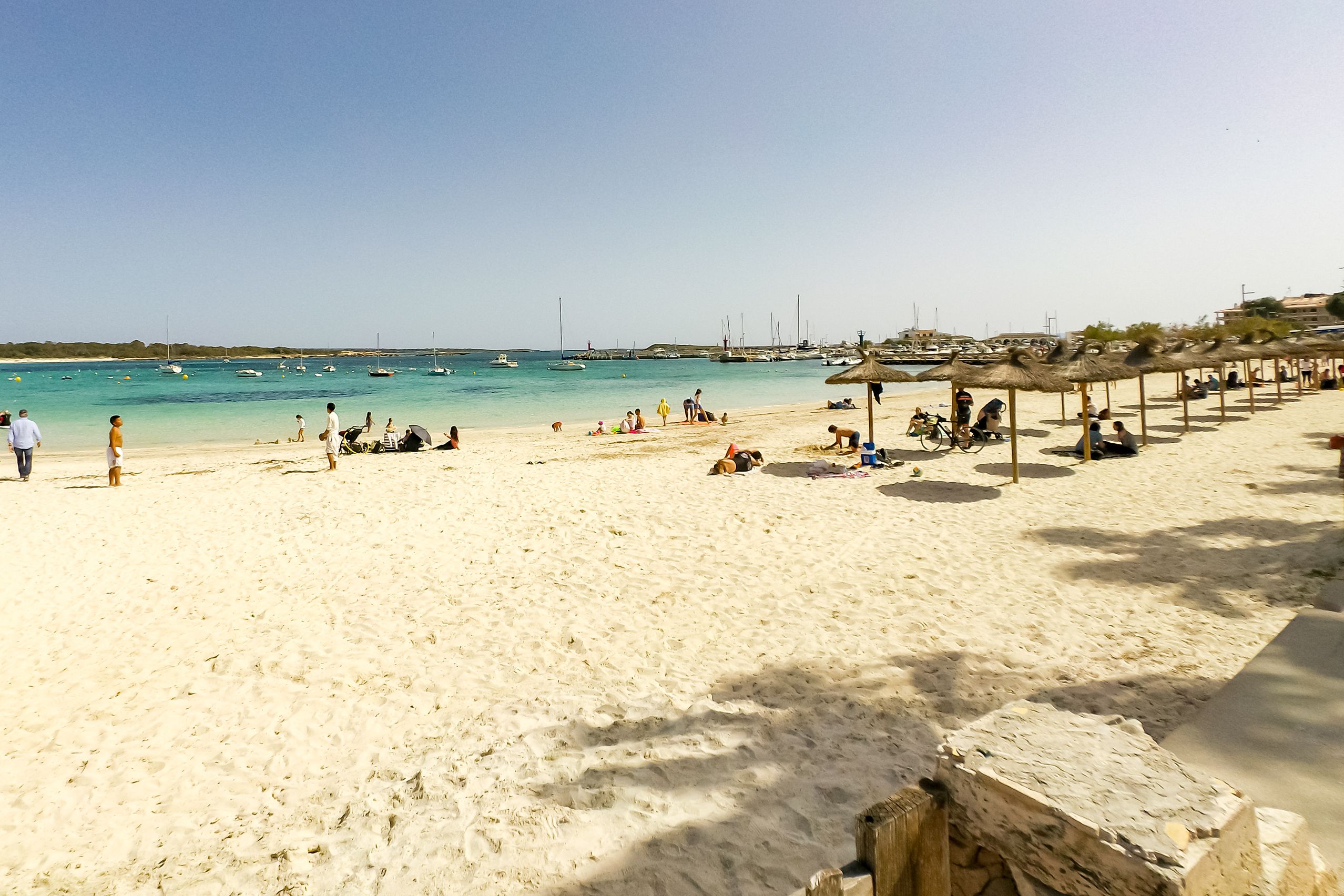
A former fishing harbour in southern Mallorca, now a holiday resort with several beaches close by. Boats leave for Cabrera, and you can walk along the coast towards Es Trenc.
Colònia de Sant Jordi
Colònia de Sant Jordi in 30 seconds
The essentials at a glance
- Worth visiting for
- A longer stay
- Best for
- Taking a boat trip to Cabrera
- Best months
- April–June, September–October
- Time to allow
- Several days as a base, or half a day for a visit
- With children
- Good in calm conditions; always supervise children near the water
- Without a car
- Hire car recommended
- Parking
- Parking in town; waterfront spaces are scarce in season
- Getting into the water
- Very shallow along several sandy sections
- Keep in mind
- Exploring a historic old centre
- Access
- Pushchairs: Straightforward on the promenade and approaches to the main beaches · Wheelchairs: Accessible promenade, with ramps at some beach entrances
Get a feel for Mallorca. Find your kind of place.
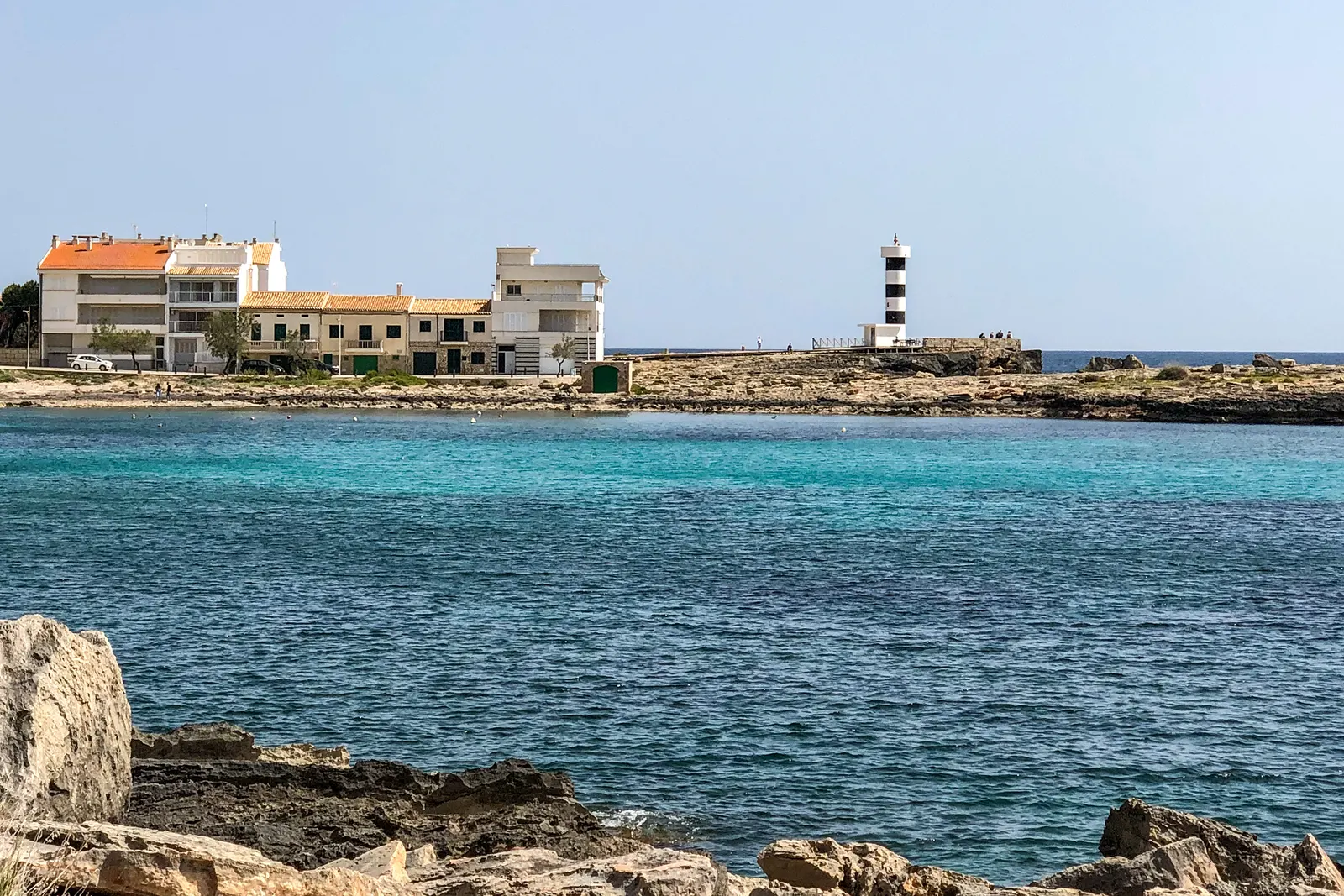
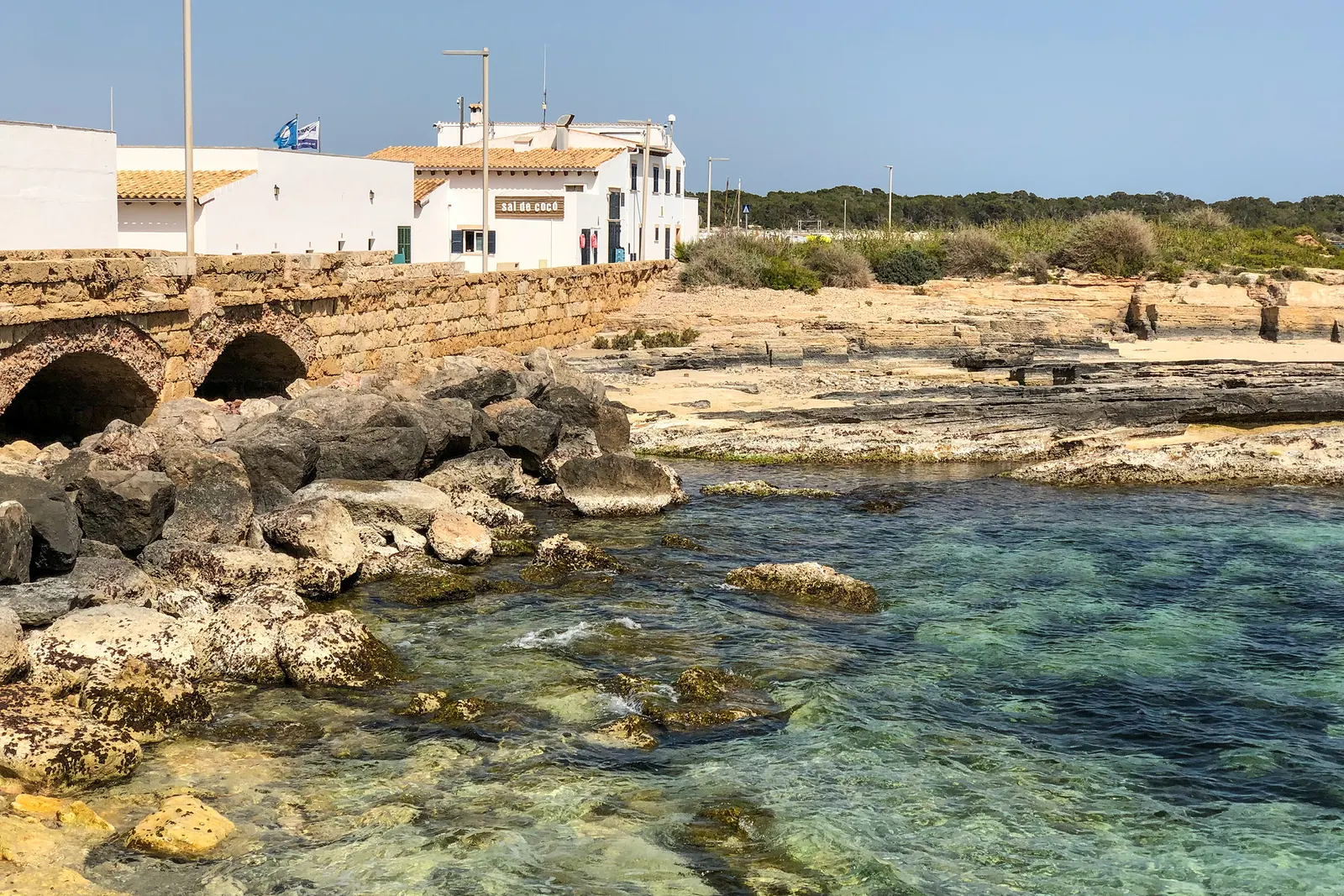
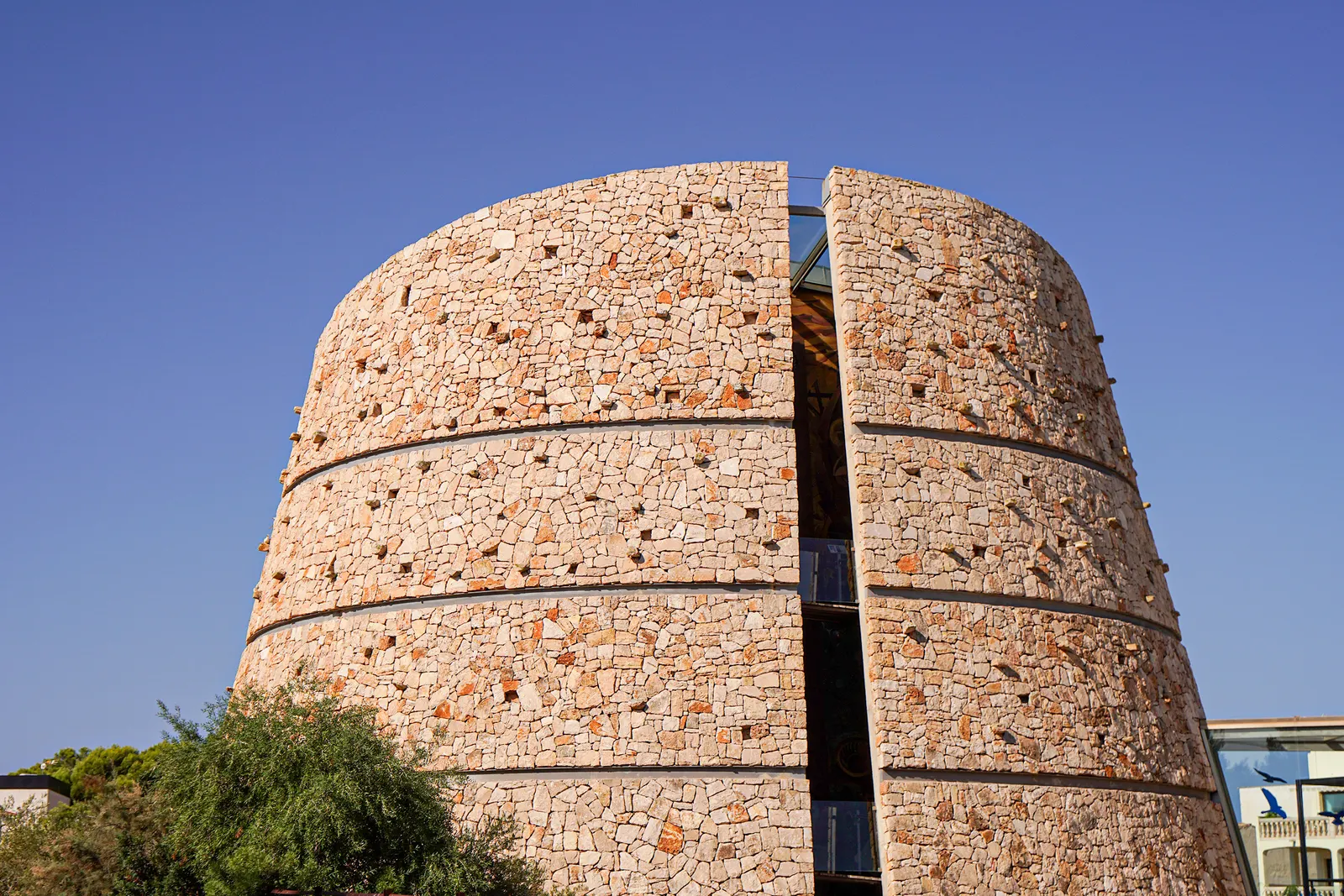
The old fishing harbour and its small lighthouse, with boats departing for Cabrera.
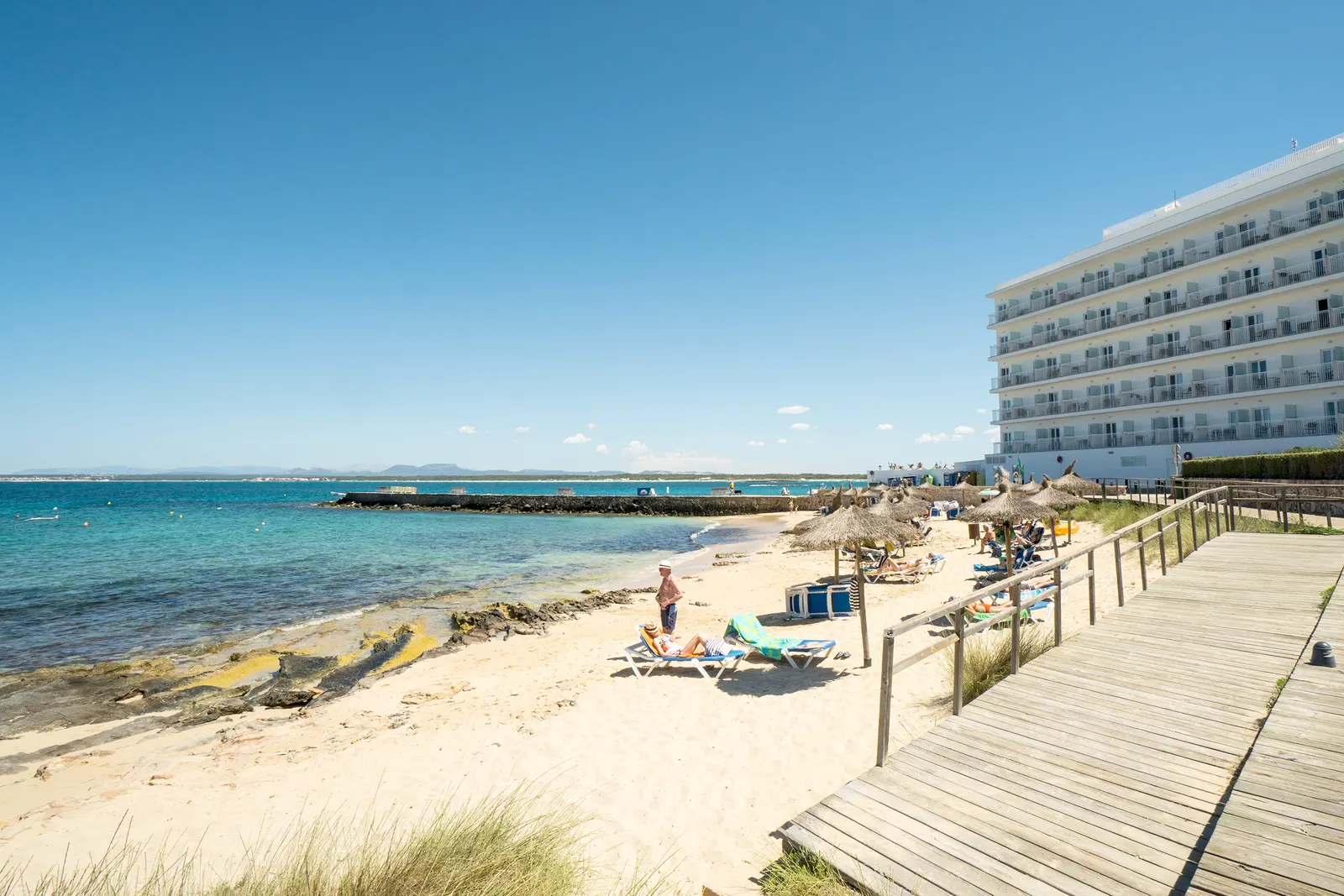
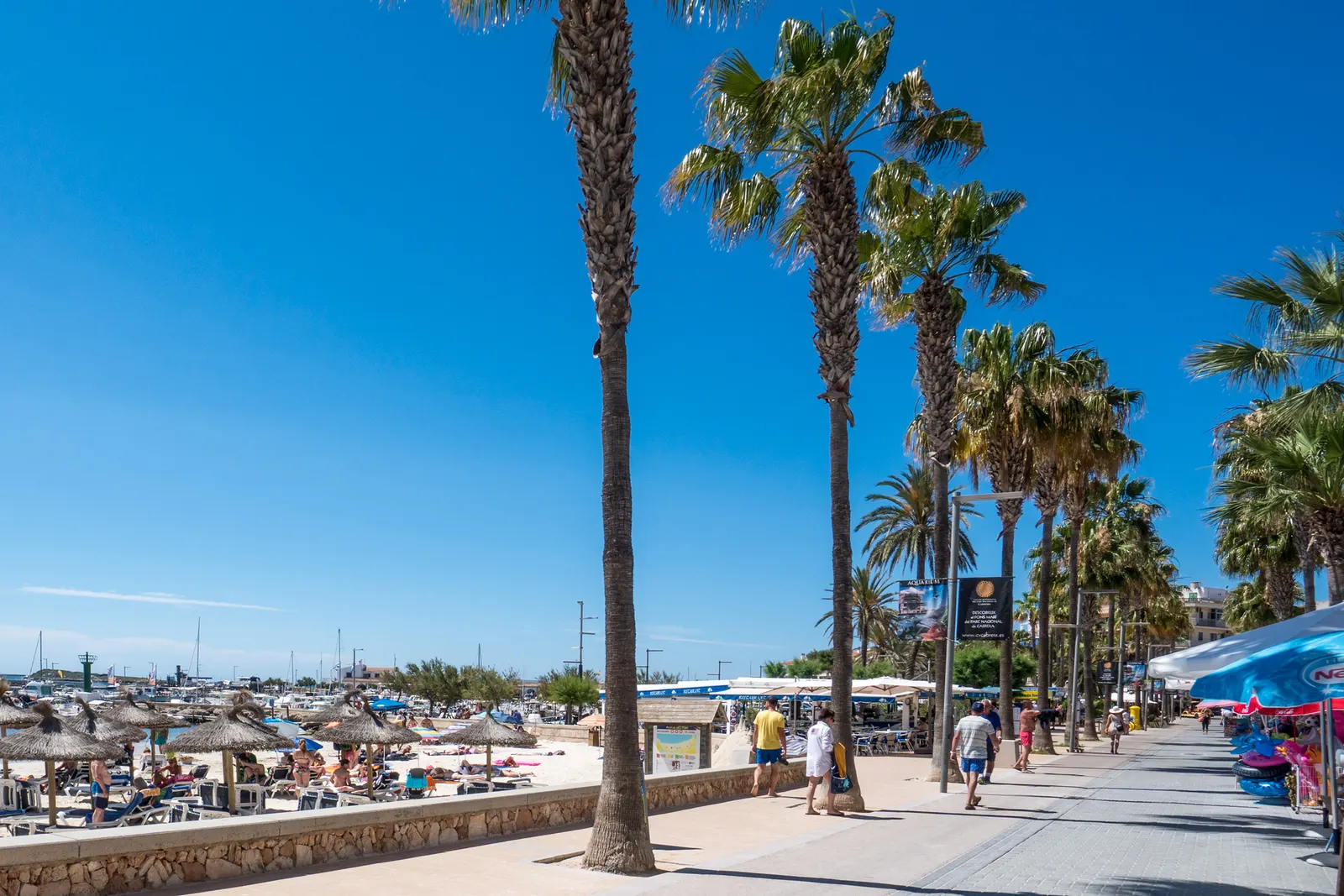
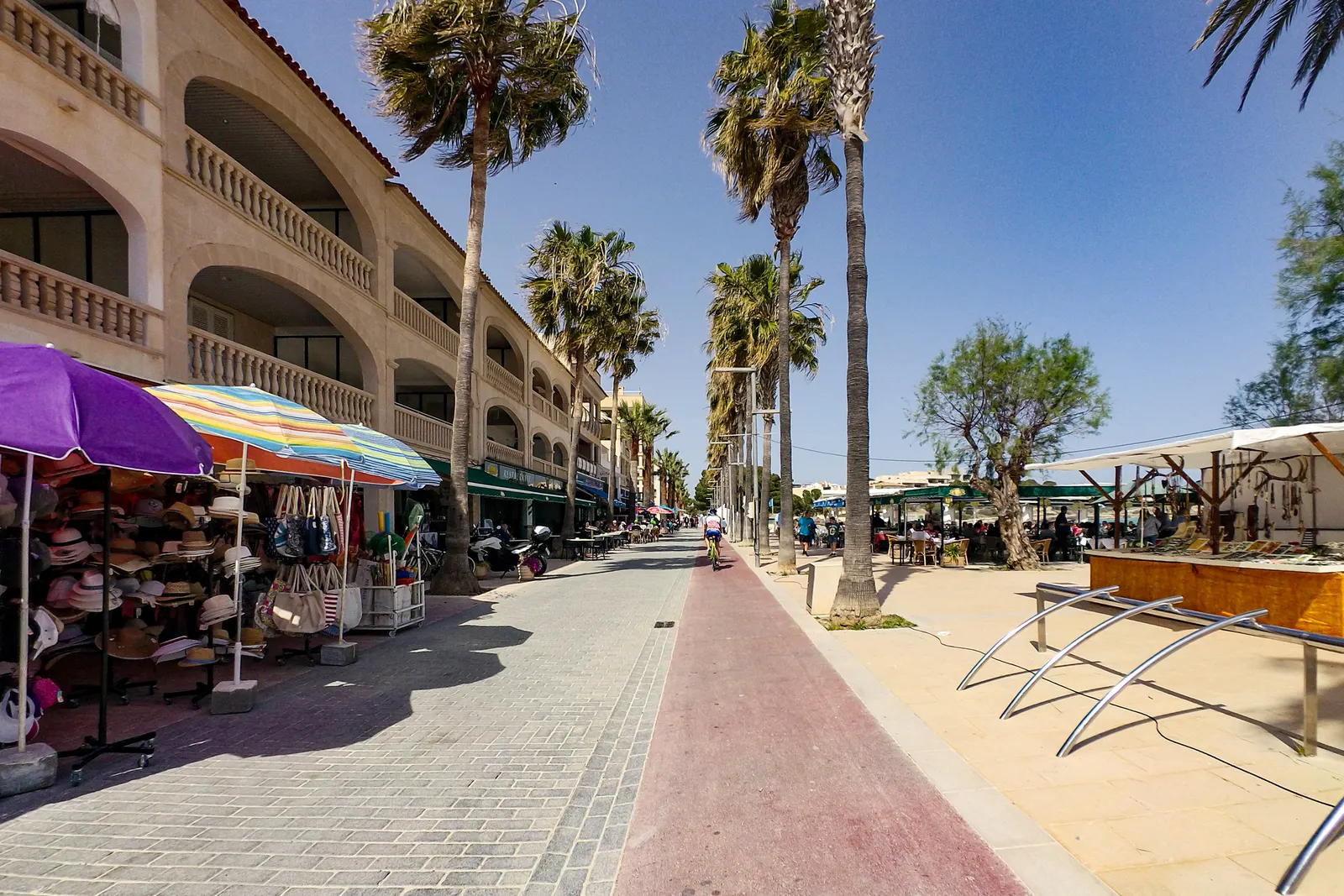
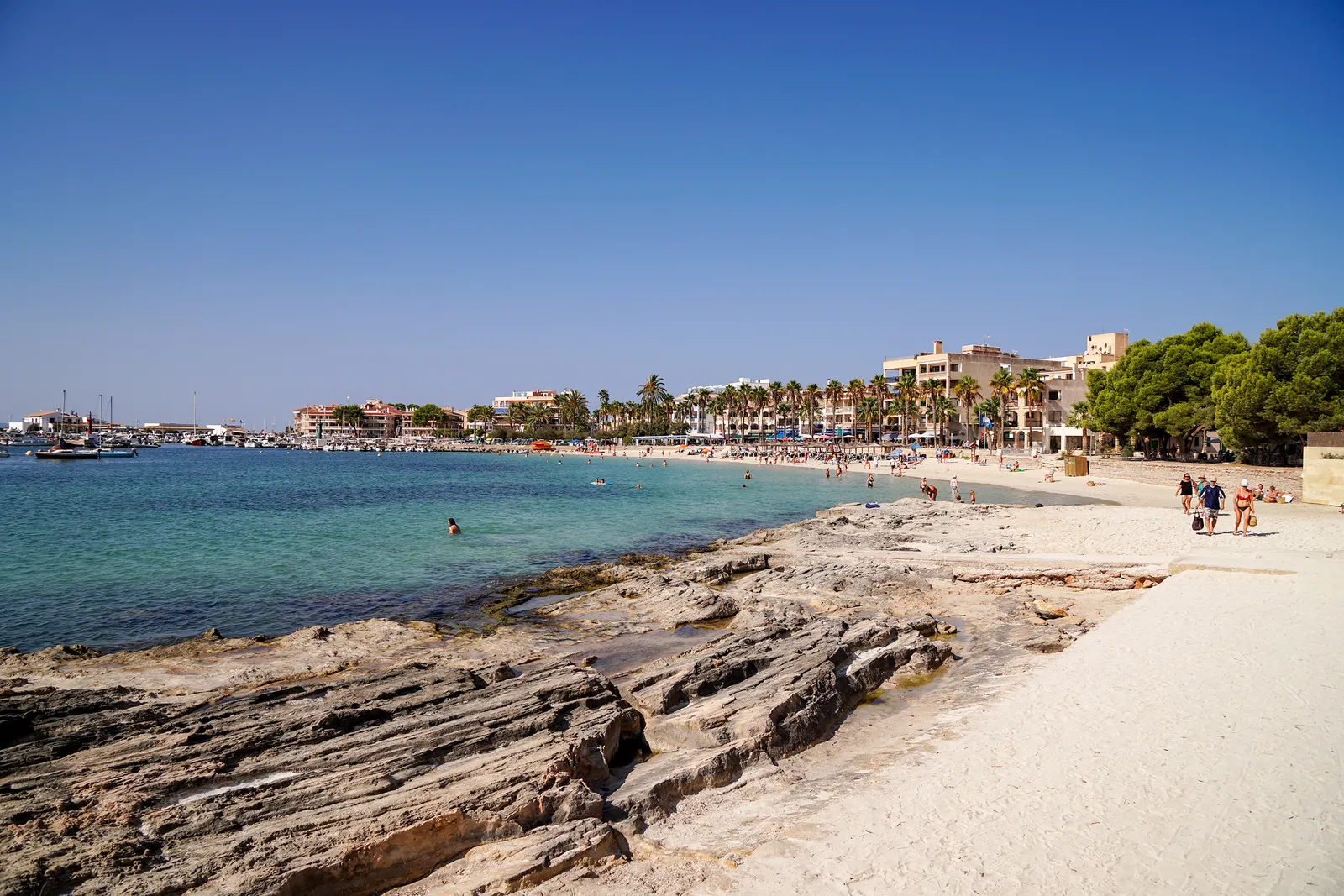
The promenade is a busy meeting place in July and August.
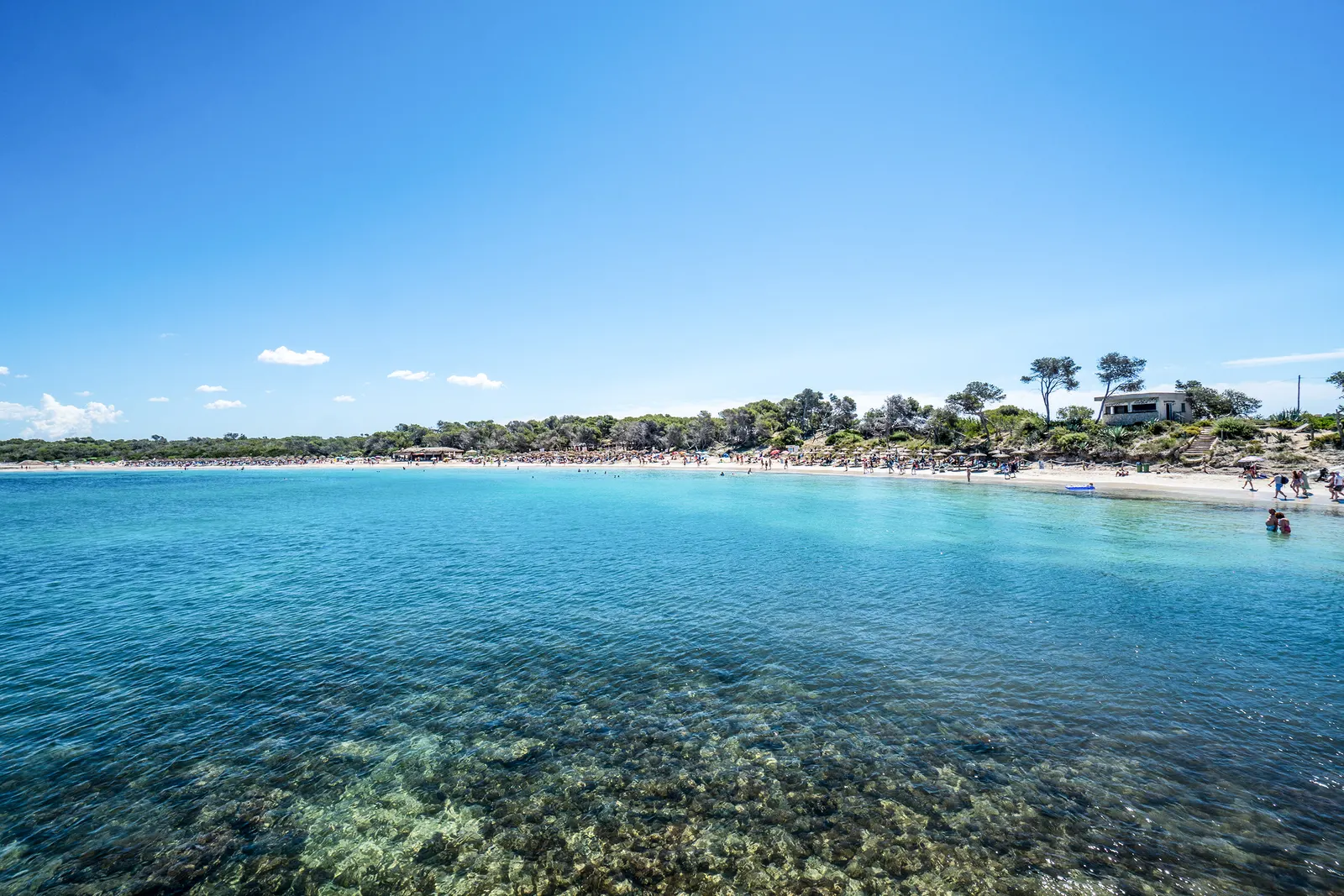
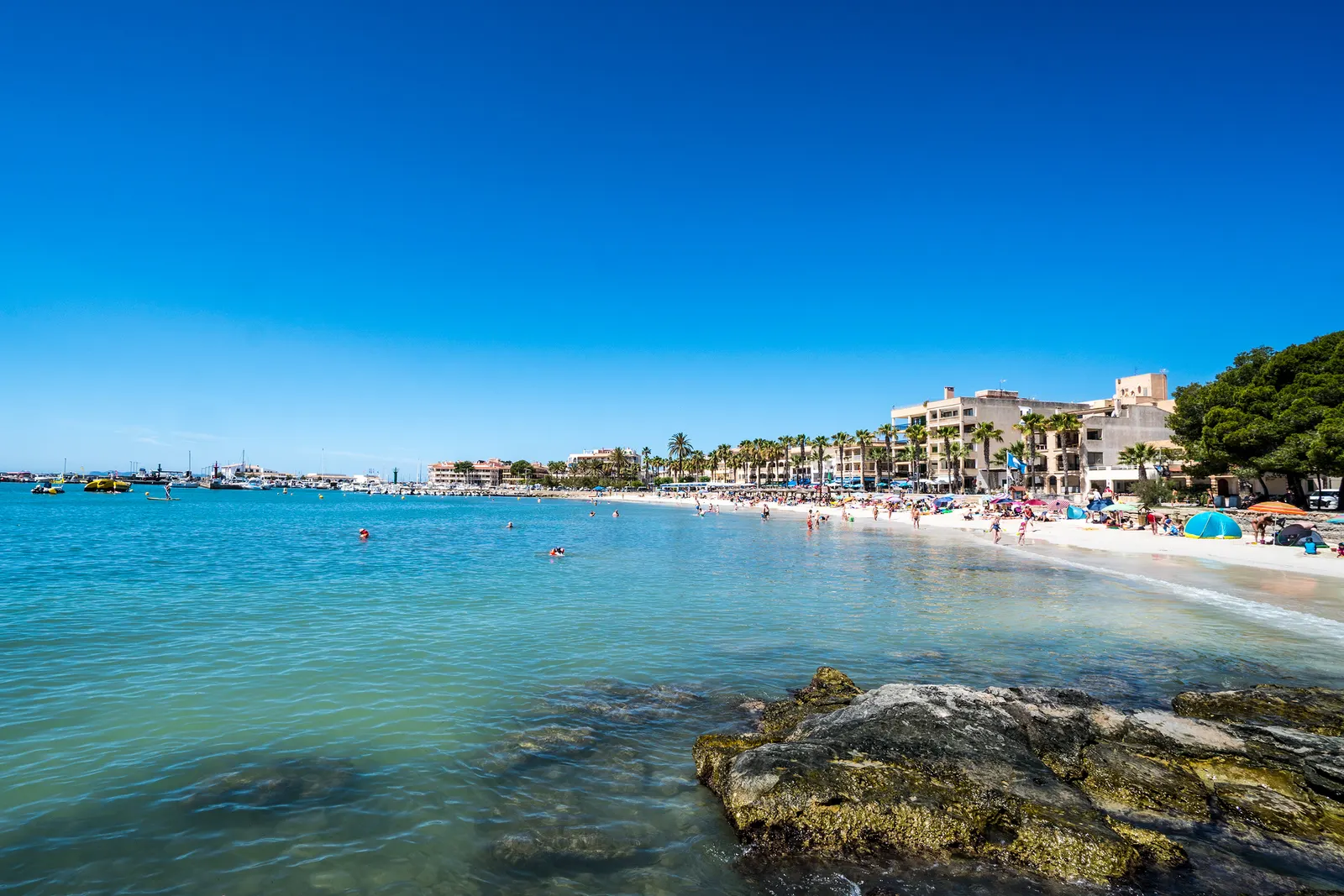
The town beach is convenient and popular.
Getting to know Colònia de Sant Jordi
Does Colònia de Sant Jordi suit your plans?
What to expect and what to know before you visit.
Who it suits
- Taking a boat trip to Cabrera
- Having several beaches within walking distance
- Walking along the coast towards Es Trenc
- Families looking for gently shelving sandy beaches
Things to bear in mind
- Exploring a historic old centre
- Peace and quiet in July and August
- Mountain scenery and the Tramuntana
- A winter stay with the full summer range of facilities
Drive from the airport
45 minutes
50 km
Bus connections
Check current TIB connections via Campos and other nearby towns
Region
Migjorn
Nearest beach
Platja des Carbó
2 km
Elevation
5 m
above sea level
Season guide for Colònia de Sant Jordi
November Less suitable
Very quiet Mostly closed
Worth visiting in April, May, June, September and October. Less suitable in January, February, November and December. Mostly closed in January, February, November and December.
Location
Location of Colònia de Sant Jordi
- Region
- Migjorn
- Municipality
- Ses Salines
- Population
- 2,900
- Elevation
- 5 m above sea level
- Airport
- 50 km , around 45 minutes
- Hire car
- recommended
- Worth visiting for
- a longer stay
- Coordinates
- 39.3167,2.9928
What Colònia de Sant Jordi is like
A former fishing harbour in the municipality of Ses Salines, Colònia de Sant Jordi has around 2,900 residents. Today it is also a holiday resort, with a promenade, hotels and beach shops around the old harbour and its small lighthouse.
It is busier than a secluded fishing village. The appeal lies in its coastal setting and the trips you can make from here.
The location
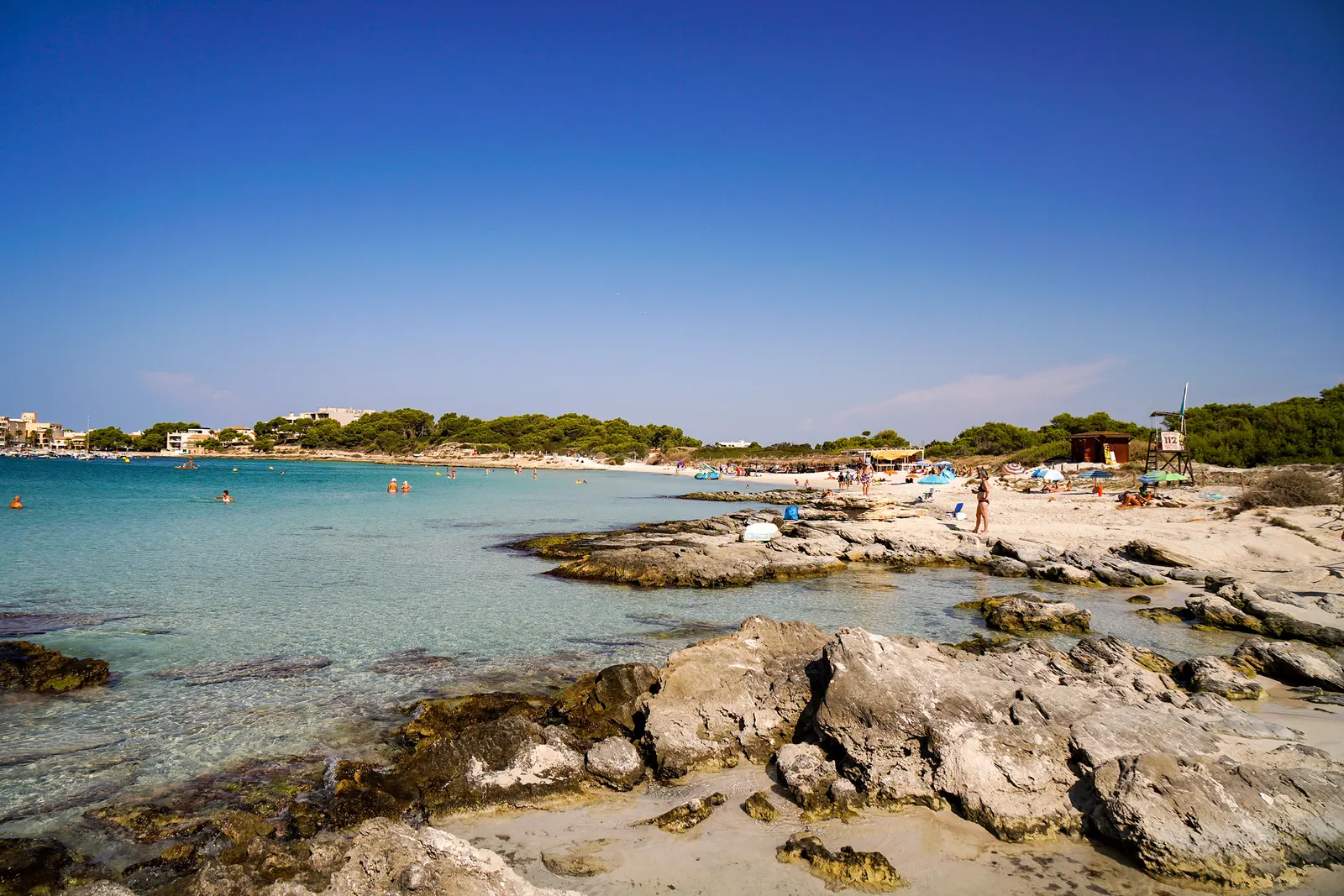
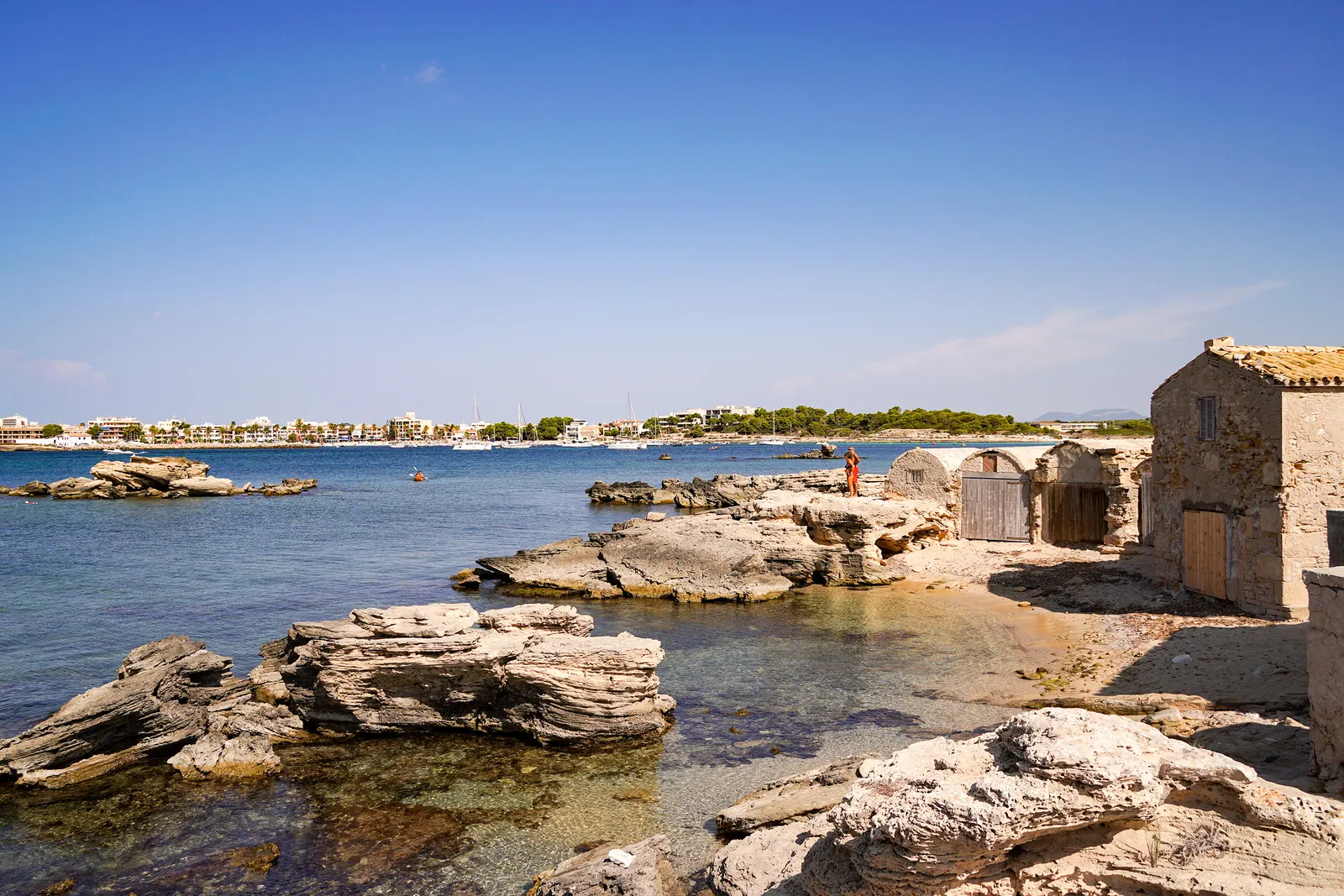
Several beaches are within walking distance. Eastwards are sandy stretches with clear, shallow water; westwards, you can follow the coast towards Es Trenc.
Walking avoids the need to drive to a beach car park, but remember the return distance, particularly in hot weather. Bring water and sun protection.
Cabrera
Excursion boats leave the harbour for Cabrera National Park. Access is regulated, and trips depend on sea conditions. Some itineraries fill a day; others are shorter, so compare the schedule before booking.
Book ahead in the main season and follow your operator’s departure instructions.
The national park’s visitor centre in town is another way to learn about Cabrera, including when a boat trip does not fit your plans.
When to visit
May is a good time for coastal walks and quieter beach days, though the sea can still feel cool. In September, it retains more of its summer warmth. April and October can also work well.
From November to March, many seasonal businesses close. The coast is still there to explore, but check accommodation, restaurants and any boat departures before planning a stay.
Photographs
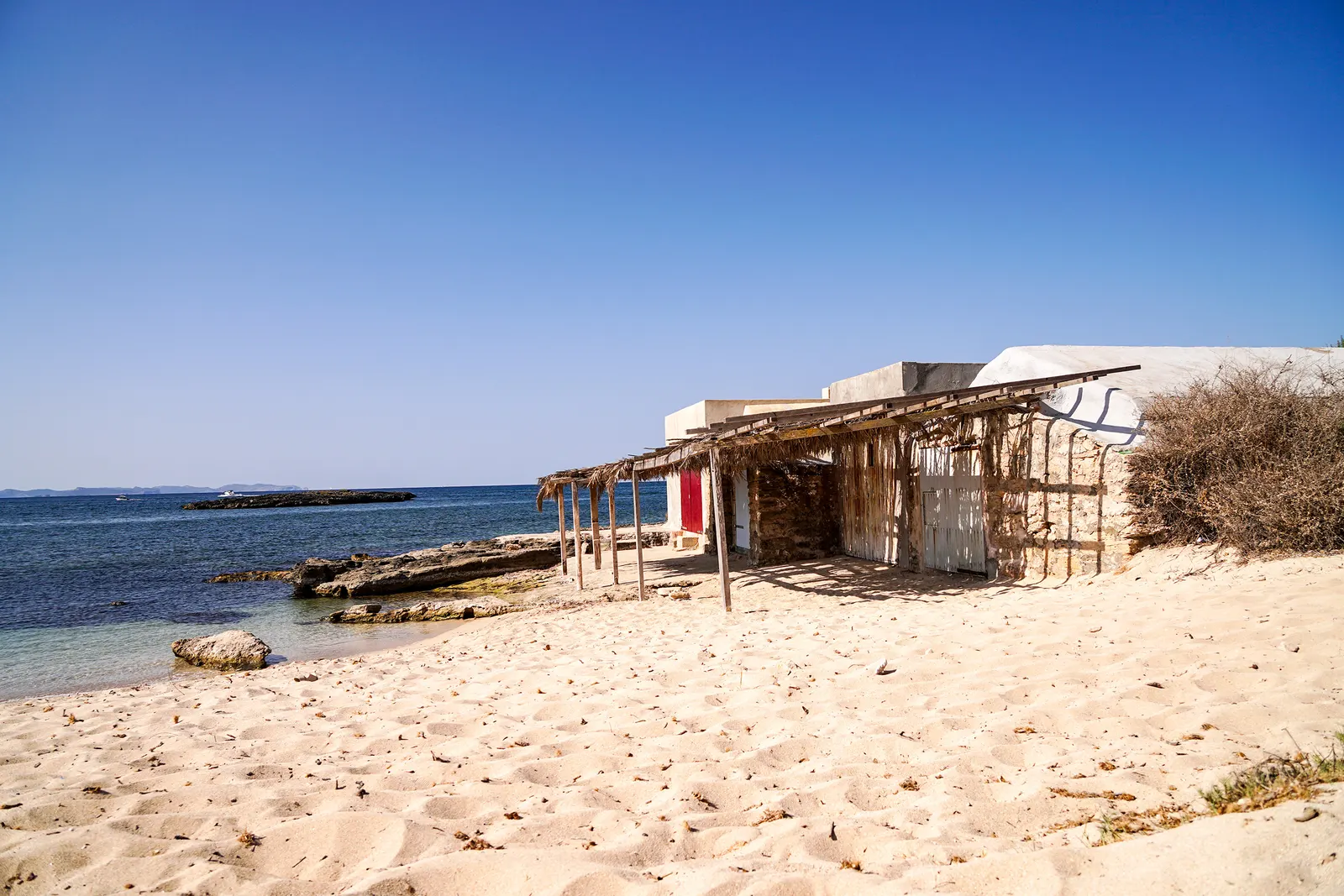
Colònia de Sant Jordi in Mallorca
How much time do you have?
Things to do in Colònia de Sant Jordi
Three hours
Try a beach east of the harbour, then stroll along the promenade to the old harbour and its small lighthouse.
Half a day
Walk west towards Es Trenc, following the coast and sandy stretches.
A full day
Take a boat trip to Cabrera. Check the itinerary and duration, and book ahead in the main season.
On a rainy day
Consider Santanyí, Campos or Palma, or check the Cabrera visitor centre's opening times.
The beach at a glance
- Underfoot
- Fine pale sand, with rocky stretches between beaches
- Getting into the water
- Very shallow along several sandy sections
- Length
- Several beaches, from around a hundred to several hundred metres long
- Shade
- Pines at a few spots, but little shade on most stretches
- Wind
- Shelter varies between beaches and with wind direction
- With children
- Good in calm conditions; always supervise children near the water
- Facilities
- Sunbeds and parasols at the main beaches · Beach bars and restaurants along the promenade · Seasonal lifeguards at the main beaches · Boat departures for Cabrera from the harbour
Practical details
- Parking
- Parking in town; waterfront spaces are scarce in season
- Public transport
- Check current connections via Campos and surrounding towns
- Time to allow
- Several days as a base, or half a day for a visit
- Good to know
- Cabrera trips depend on sea conditions and can sell out in high season. Book ahead and check the operator's departure information.
- Bus
- Check current TIB connections via Campos and other nearby towns
- Shops and services
- Supermarkets: Several in town · Pharmacy: In town · Medical care: Local medical services; hospital in Manacor · Cash machines: Along the promenade · Fuel: Towards Campos
- Access
- Level promenade, with sand on the beaches · Pushchairs: Straightforward on the promenade and approaches to the main beaches · Wheelchairs: Accessible promenade, with ramps at some beach entrances · Dogs: Check the current restrictions at each beach
- What you will not find
- A historic old centre · The full summer range of facilities in winter · Shade along most beach stretches · Mountain scenery
- Coordinates
- 39.3167,2.9928 Google Maps Apple Maps
Within reach
Places to visit
Nearby

Around 170 hectares of salt pans between Campos and the coast produce roughly ten thousand tonnes of sea salt each …

Mallorca’s southernmost point has a lighthouse built in 1863, flat coastal rocks and open sea, with the …

A freestanding rock arch in the sea, one of the south-east coast’s best-known views. The viewpoint lies between …

A small 15th-century sanctuary on a 205-metre hill near S'Alqueria Blanca, rarely busy and with views over the …

A Talayotic settlement beside the south-coast road, with five massive dry-stone towers and the outlines of …
Distances without a driving time are measured in a straight line. The road journey can be much longer; known driving times are shown alongside.
Other beaches to consider
Beaches and swimming nearby

A strip of white sand between Colònia de Sant Jordi and Mallorca's southern tip, reached on foot or by boat. The …

Pale sand, dunes and turquoise water: Es Trenc lies on Mallorca’s south coast between Ses Covetes and Colònia de …

A small coastal settlement at the western end of Es Trenc, giving access to the natural beach. The unfinished …

A marina on the flat south coast, with an old watchtower and a beach strewn with seagrass rather than loungers …
Explore from here
Your questions answered
Your questions about Colònia de Sant Jordi
How do I get to Cabrera?
Excursion boats leave from Colònia de Sant Jordi's harbour. Cabrera is a national park with regulated access, and trips depend on sea conditions. Itineraries and durations vary; book ahead in the main season.
Can I walk to Es Trenc from here?
Yes. Head west along the coast towards the sandy stretches leading to Es Trenc. It is a longer beach walk, so allow for the return journey and bring water and sun protection.
Which beach is best?
It depends on the wind and how far you want to walk. East of the harbour are beaches with clear, shallow water; westwards, the sandy coast leads towards Es Trenc. The beaches beside the promenade are convenient but generally busier.
Is Colònia de Sant Jordi worth visiting in winter?
It can suit a quiet coastal walk, but many holiday businesses close. Check accommodation, restaurants and boat departures before planning a winter stay.
Is it suitable for children?
Yes, the gently shelving sandy beaches and level promenade work well for families. Check sea conditions and lifeguard coverage, and bring shade, which is scarce on many stretches.
Practical questions
When is the best time to visit Colònia de Sant Jordi?
Recommended months: April, May, June, September, October. Access and opening are limited in January, February, November, December. See the visiting advice on this page. More seasonal businesses reopen, and the beaches are quieter than in summer.
Is Colònia de Sant Jordi worth visiting in July and August?
July: worth considering with some reservations. Usually busy. The promenade and beaches are busy; book Cabrera trips ahead. August: worth considering with some reservations. Usually busy.
How far is Colònia de Sant Jordi from Palma airport?
About 50 km from Palma airport. Allow roughly 45 minutes by car. Approach on the Ma-6040 from Campos or via Ses Salines. There is parking in town, but waterfront spaces are scarce in high season.
Do I need a hire car for Colònia de Sant Jordi?
A car is useful Check current TIB connections via Campos and other nearby towns
Where can I park in Colònia de Sant Jordi?
Parking in town; waterfront spaces are scarce in season
Can you swim at Colònia de Sant Jordi?
Yes. Fine pale sand, with rocky stretches between beaches Very shallow along several sandy sections Several beaches, from around a hundred to several hundred metres long Pines at a few spots, but little shade on most stretches Good in calm conditions; always supervise children near the water
Can I visit Colònia de Sant Jordi with a pushchair or wheelchair?
Level promenade, with sand on the beaches Pushchairs: Straightforward on the promenade and approaches to the main beaches Wheelchairs: Accessible promenade, with ramps at some beach entrances
Are dogs allowed at Colònia de Sant Jordi?
Check the current restrictions at each beach
Colònia de Sant Jordi features in our Mallorca highlights
Words and photographs: Friedhelm Fischer. Exploring Mallorca since 2013 — by bike, on foot and with a camera.