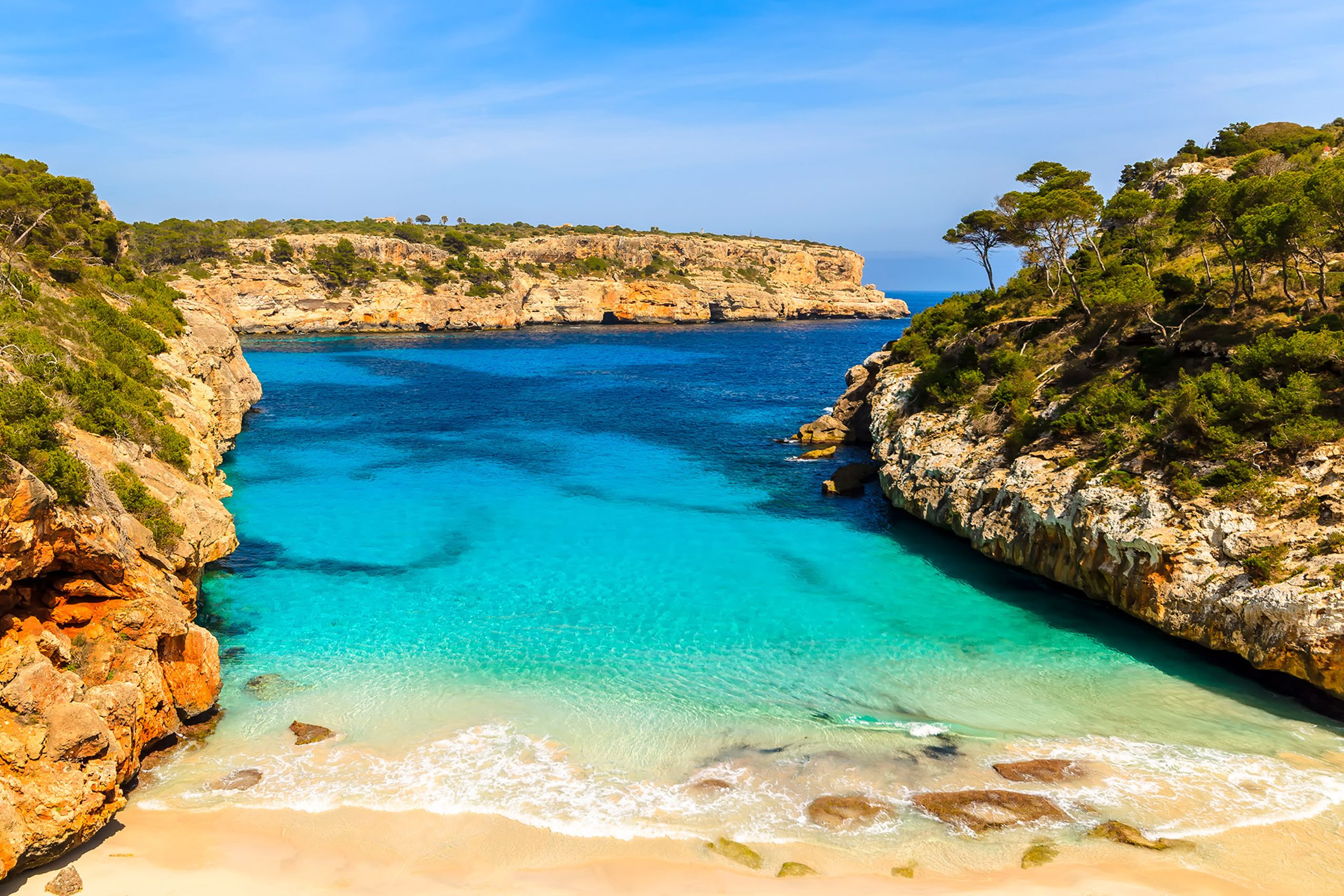
One of Mallorca's best-known small coves, with turquoise water below steep rocky sides. Reaching the tiny sandy area involves rough paths and a demanding final descent. The nearby Cala s'Almunia route also includes a long flight of steps.
Caló des Moro
Caló des Moro in 30 seconds
The essentials at a glance
- Worth visiting for
- A short visit
- Best for
- Sure-footed walkers who allow time for the difficult approach
- Best months
- March–April, October–November
- Time to allow
- Two to three hours, with extra time for parking and the approach
- With children
- Difficult with young children
- Without a car
- Hire car needed
- Parking
- Follow current signs to authorised visitor parking; roadside and residential access restrictions apply
- Getting into the water
- Sandy where the small beach is present, with rock around it
- Keep in mind
- Families with very young children
- Access
- Pushchairs: Not suitable · Wheelchairs: Not suitable
Get a feel for Mallorca. Find your kind of place.
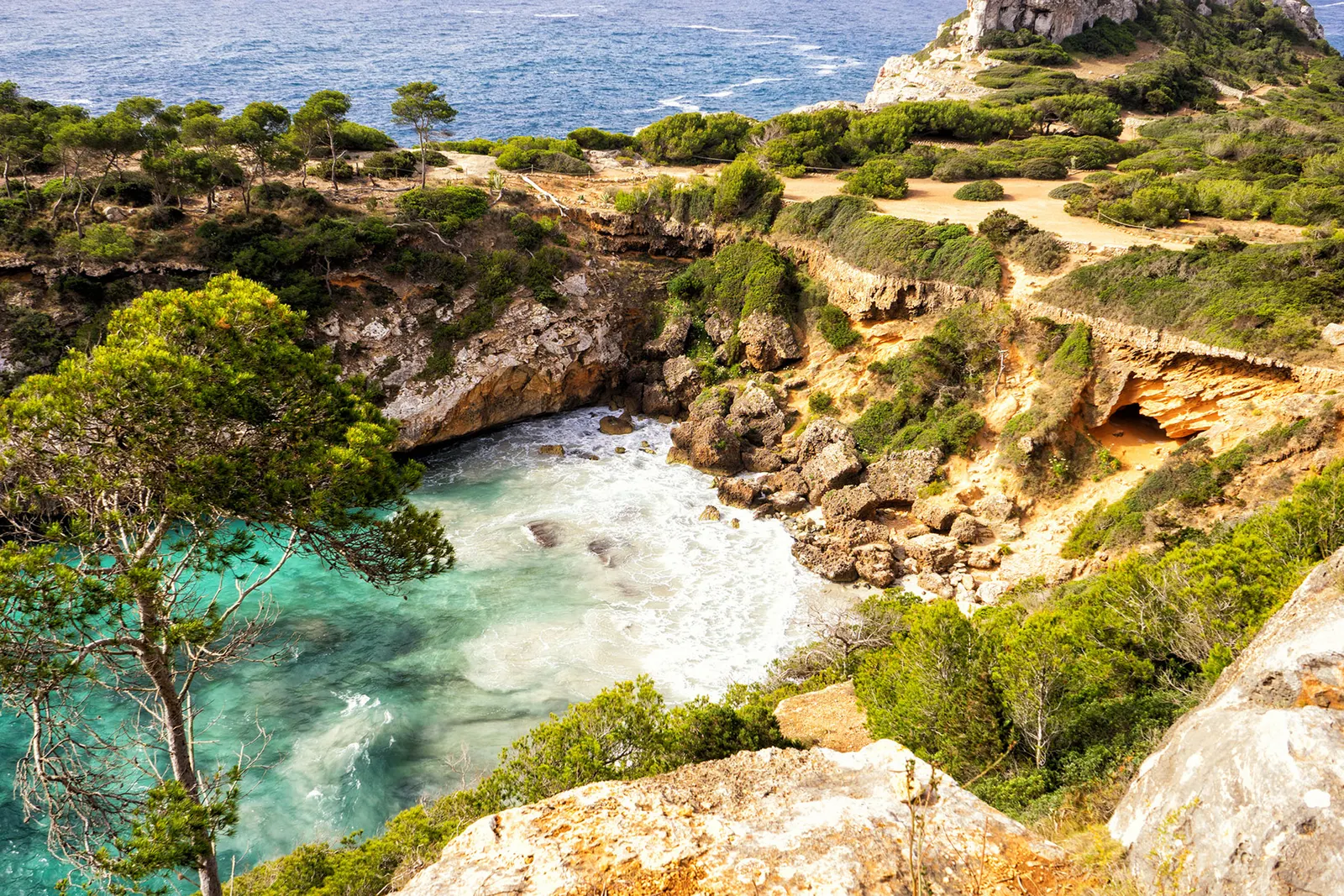
The final approach is steep and rocky, rather than a straightforward beach path.
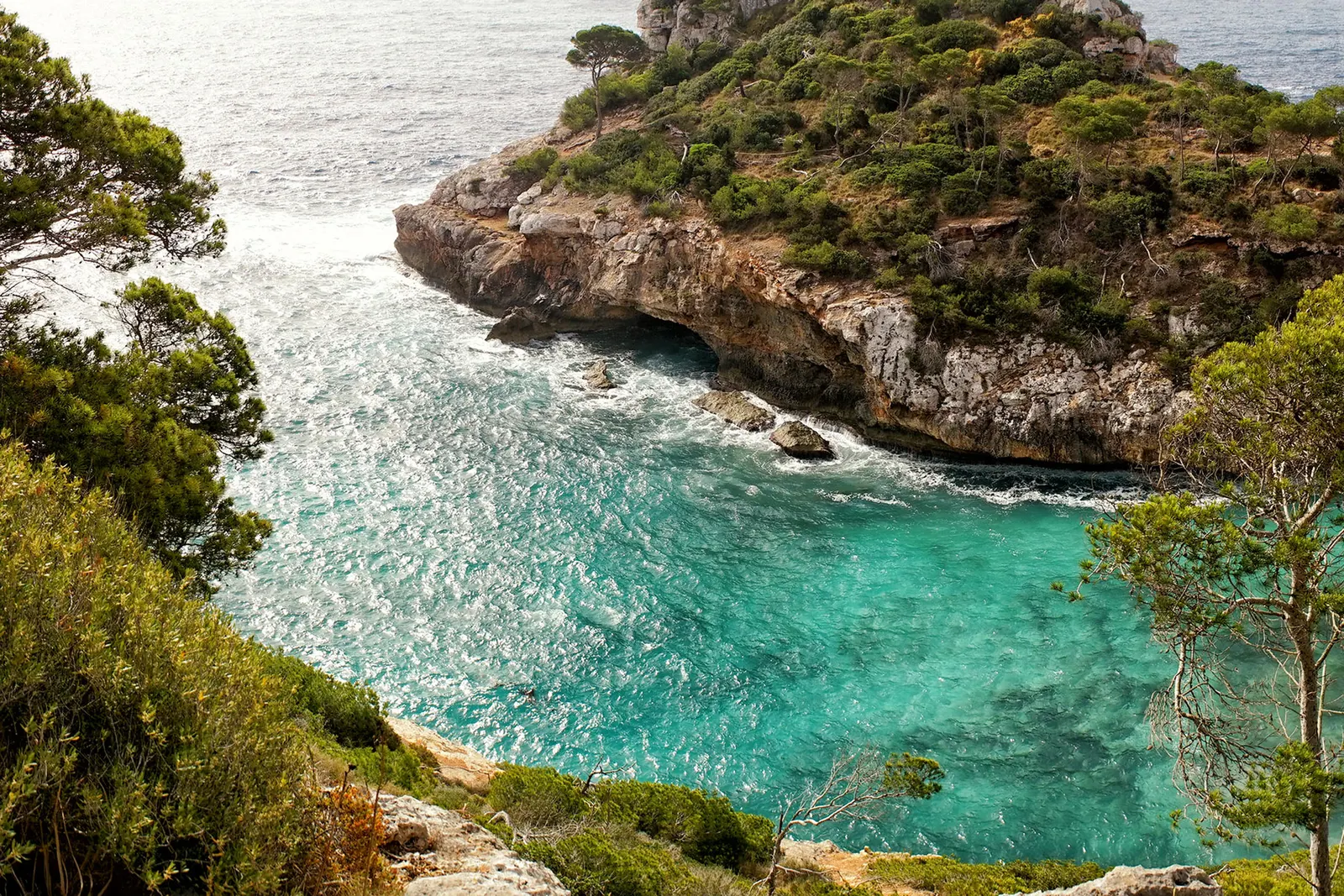
You can appreciate the view from above without tackling the descent. Keep back from exposed edges.
Getting to know Caló des Moro
Does Caló des Moro suit your plans?
What to expect and what to know before you visit.
Who it suits
- Sure-footed walkers who allow time for the difficult approach
- Snorkelling around the rocky sides in calm conditions
- Visiting early outside high season
- Bringing your own food, water and sun protection
Things to bear in mind
- Families with very young children
- Anyone unable or unwilling to tackle steep rocky ground
- A last-minute visit in July or August
- Swimming in strong waves
Drive from the airport
60 minutes
58 km
Bus connections
Check current seasonal transport to the Cala Llombards area
Region
Migjorn
Nearest beach
Cala s'Almunia
0 km
Elevation
5 m
above sea level
A glimpse of Caló des Moro
Season guide for Caló des Moro
November Worth a visit
Very quiet Mostly closed
Worth visiting in March, April, October and November. Less suitable in June, July and August. Mostly closed in January, February, March, April, May, June, July, August, September, October, November and December.
Location
Location of Caló des Moro
- Region
- Migjorn
- Municipality
- Santanyí
- Elevation
- 5 m above sea level
- Airport
- 58 km , around 60 minutes
- Hire car
- needed
- Worth visiting for
- a brief stop
- Coordinates
- 39.3138,3.1214
Why it draws so many visitors
Caló des Moro is one of Mallorca’s best-known coves. Its small sandy area, around 30 metres across when conditions allow, sits below steep rocky sides, with vivid turquoise water in front.
The setting is beautiful, but space is extremely limited. In summer, far more people arrive than the beach can comfortably accommodate.
Reaching the cove
From Santanyí, travel around nine kilometres towards the Cala Llombards area. Use authorised parking and follow current signs rather than leaving a car wherever there appears to be room.
Walking routes lead towards Caló des Moro from above and from the nearby Cala s’Almunia area. The latter cove has its own flight of roughly 110 steps. Whichever approach you take, the final descent towards Caló des Moro is steep and rocky.
Wear proper shoes and continue only if you are comfortable with the terrain. Wet rock makes the descent hazardous. It is not a suitable outing for very young children or anyone with difficulty walking.
Bring your own supplies
Pack drinking water, food and sun protection. There is no bar, toilet, lifeguard service or dependable shade. Save enough water and energy for the return climb.
Swim only when conditions are suitable. Even apparently calm water needs care, and strong waves can push into the narrow inlet.
My advice
Come early and outside high season. March, early April, October and November offer a better chance of a quieter visit, depending on the weather. July and August bring heavy pressure on both the access routes and the little beach.
If there is no room below, enjoy the view from a safe place above and move on. Cala s’Almunia nearby is another striking rocky cove, though it also has difficult access and can be busy.
Photographs
Caló des Moro in Mallorca
How much time do you have?
Things to do in Caló des Moro
Three hours
Arrive early, allow time for the walk and descent, swim only in suitable conditions and keep enough energy for the return climb.
Half a day
Add a look at nearby Cala s'Almunia, remembering its steep steps and lack of facilities.
A full day
Visit in the morning, then head to Cala Llombards or Cala Santanyí for seasonal refreshments and an easier beach setting.
On a rainy day
Avoid the descent when wet; the rocks become slippery.
The beach at a glance
- Underfoot
- A small sandy area between high rocky sides; the amount of sand can vary
- Getting into the water
- Sandy where the small beach is present, with rock around it
- Length
- Roughly 30 metres of beach space, varying with conditions
- Shade
- Very little; bring sun protection
- Wind
- Strong waves can push into the narrow cove
- With children
- Difficult with young children
- Facilities
- None
Practical details
- Parking
- Follow current signs to authorised visitor parking; roadside and residential access restrictions apply
- Time to allow
- Two to three hours, with extra time for parking and the approach
- Good to know
- No drinking water, refreshments, toilets or lifeguards, and very little shade. The final descent is steep and rocky.
- Bus
- Check current seasonal transport to the Cala Llombards area; continue on foot
- Shops and services
- Supermarkets: None at the cove · Pharmacy: In Santanyí · Medical care: In Santanyí · Cash machines: None at the cove · Fuel: In Santanyí
- Access
- Rough paths and a steep rocky descent; the approach via Cala s'Almunia also includes steps · Pushchairs: Not suitable · Wheelchairs: Not suitable · Dogs: Not recommended on the difficult approach; check current restrictions
- What you will not find
- Food and drink outlets · Drinking water · Lifeguards · Reliable shade · Parking directly at the cove · Step-free access
- Coordinates
- 39.3138,3.1214 Google Maps Apple Maps
Within reach
Places to visit
Nearby

A freestanding rock arch in the sea, one of the south-east coast’s best-known views. The viewpoint lies between …

Mallorca’s southernmost point has a lighthouse built in 1863, flat coastal rocks and open sea, with the …

A small 15th-century sanctuary on a 205-metre hill near S'Alqueria Blanca, rarely busy and with views over the …
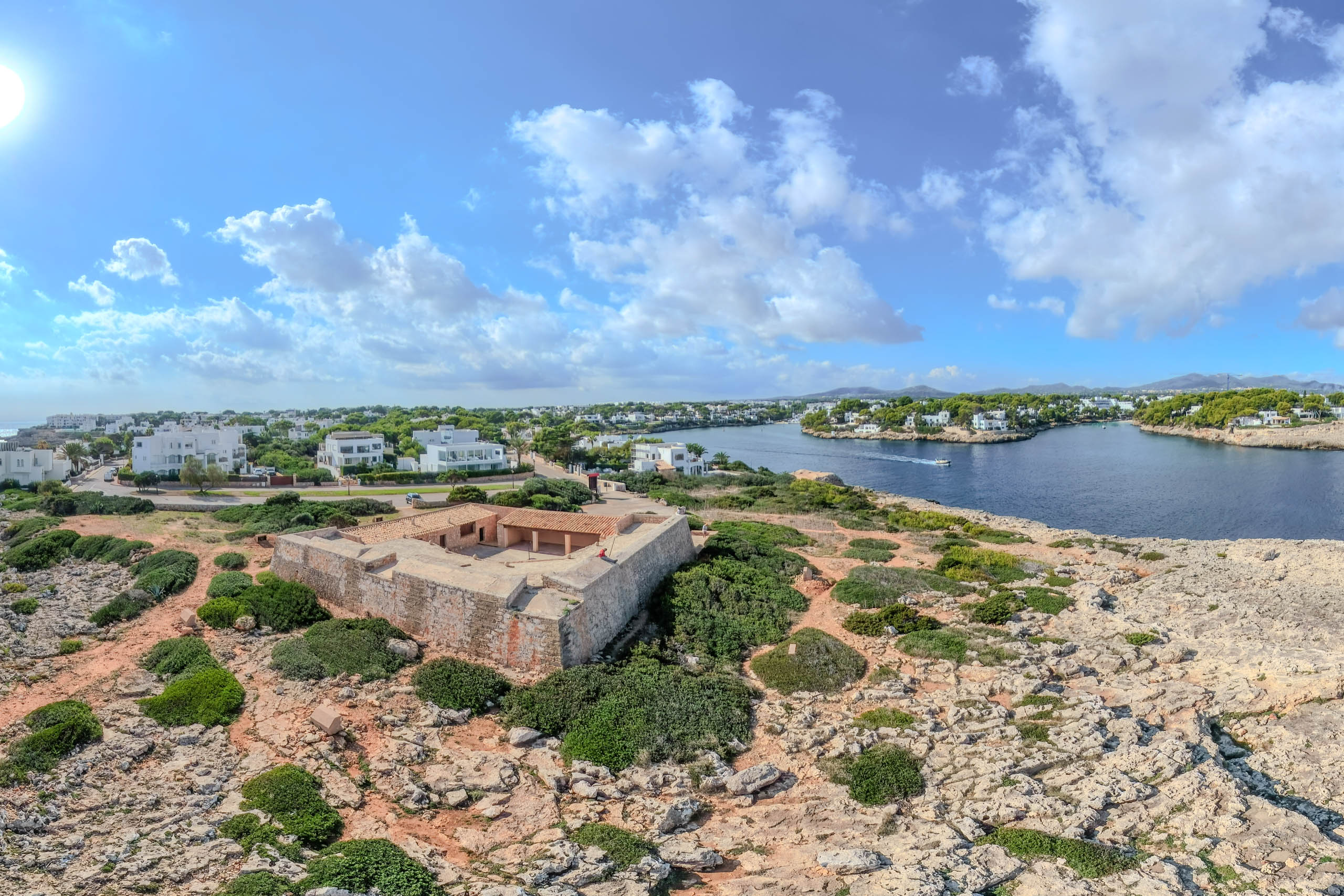
Es Fortí stands on the rocky headland at the entrance to Cala Llonga in Cala d’Or. Behind its thick walls is a …

Around 170 hectares of salt pans between Campos and the coast produce roughly ten thousand tonnes of sea salt each …

A rocky hilltop fortress 408 metres above sea level near Felanitx, its walls rising directly from the cliff edge …

A pilgrimage church has stood here since 1348, 509 metres above Felanitx at the southern end of the Serra de …
Distances without a driving time are measured in a straight line. The road journey can be much longer; known driving times are shown alongside.
Other beaches to consider
Beaches and swimming nearby

Around 110 steep steps lead down to fishermen's cottages, boathouses, rock and a tiny strip of sand. Cala …
On foot over rough paths; steps lead into Cala s'Almunia

Pale sand between high rocky sides, clear water and boathouses built into the shore. Cala Llombards is no secret …

Pale sand and gently shelving water in a rocky-sided bay, with hotels close behind. Cala Santanyí is a practical …

A fishing village around a narrow, forked inlet, with boathouses and slipways tucked against its rocky sides. Come …
Explore from here
Your questions answered
Your questions about Caló des Moro
How do you reach Caló des Moro?
Travel towards the Cala Llombards area from Santanyí, use authorised visitor parking and follow current access signs. Paths approach the cove from above and from the Cala s'Almunia area. The final descent is steep and rocky, requiring suitable shoes and sure footing.
Is the descent difficult?
Yes. It involves steep, uneven rock rather than an easy beach path. Sure-footed adults may manage it in dry conditions, but it is unsuitable for very young children, pushchairs or anyone with limited mobility. Avoid it when wet.
Can you buy food or drinks at Caló des Moro?
No. There are no bars, drinking-water supplies, toilets or lifeguards. Bring enough water, food and sun protection for the entire visit and walk back.
When should you visit Caló des Moro?
I would choose March, early April, October or November, arriving early and checking the weather. The small beach attracts heavy crowds in summer, with pressure on access and parking too.
Can you snorkel at Caló des Moro?
The rocky sides can be interesting in calm conditions, but there are no lifeguards and clear water does not guarantee safety. Stay out when waves push into the narrow cove, and keep enough energy for the steep return climb.
Practical questions
When is the best time to visit Caló des Moro?
Recommended months: March, April, October, November. Access and opening are limited in January, February, March, April, May, June, July, August, September, October, November, December. See the visiting advice on this page. More comfortable walking temperatures and usually fewer people than in summer.
Is Caló des Moro worth visiting in July and August?
July: another month may suit you better. Usually very crowded. A very small beach with heavy visitor pressure. I would choose another time of year. August: another month may suit you better. Usually very crowded.
How far is Caló des Moro from Palma airport?
About 58 km from Palma airport. Allow roughly 60 minutes by car. Around nine kilometres from Santanyí. Use authorised visitor parking and follow current access restrictions in the residential area. Walking approaches lead towards Caló des Moro and nearby Cala s'Almunia.
Do I need a hire car for Caló des Moro?
A car is needed Check current seasonal transport to the Cala Llombards area; continue on foot
Where can I park in Caló des Moro?
Follow current signs to authorised visitor parking; roadside and residential access restrictions apply
Can you swim at Caló des Moro?
Yes. A small sandy area between high rocky sides; the amount of sand can vary Sandy where the small beach is present, with rock around it Roughly 30 metres of beach space, varying with conditions Very little; bring sun protection Difficult with young children
Can I visit Caló des Moro with a pushchair or wheelchair?
Rough paths and a steep rocky descent; the approach via Cala s'Almunia also includes steps Pushchairs: Not suitable Wheelchairs: Not suitable
Are dogs allowed at Caló des Moro?
Not recommended on the difficult approach; check current restrictions
Caló des Moro features in our Mallorca highlights
Words and photographs: Friedhelm Fischer. Exploring Mallorca since 2013 — by bike, on foot and with a camera.