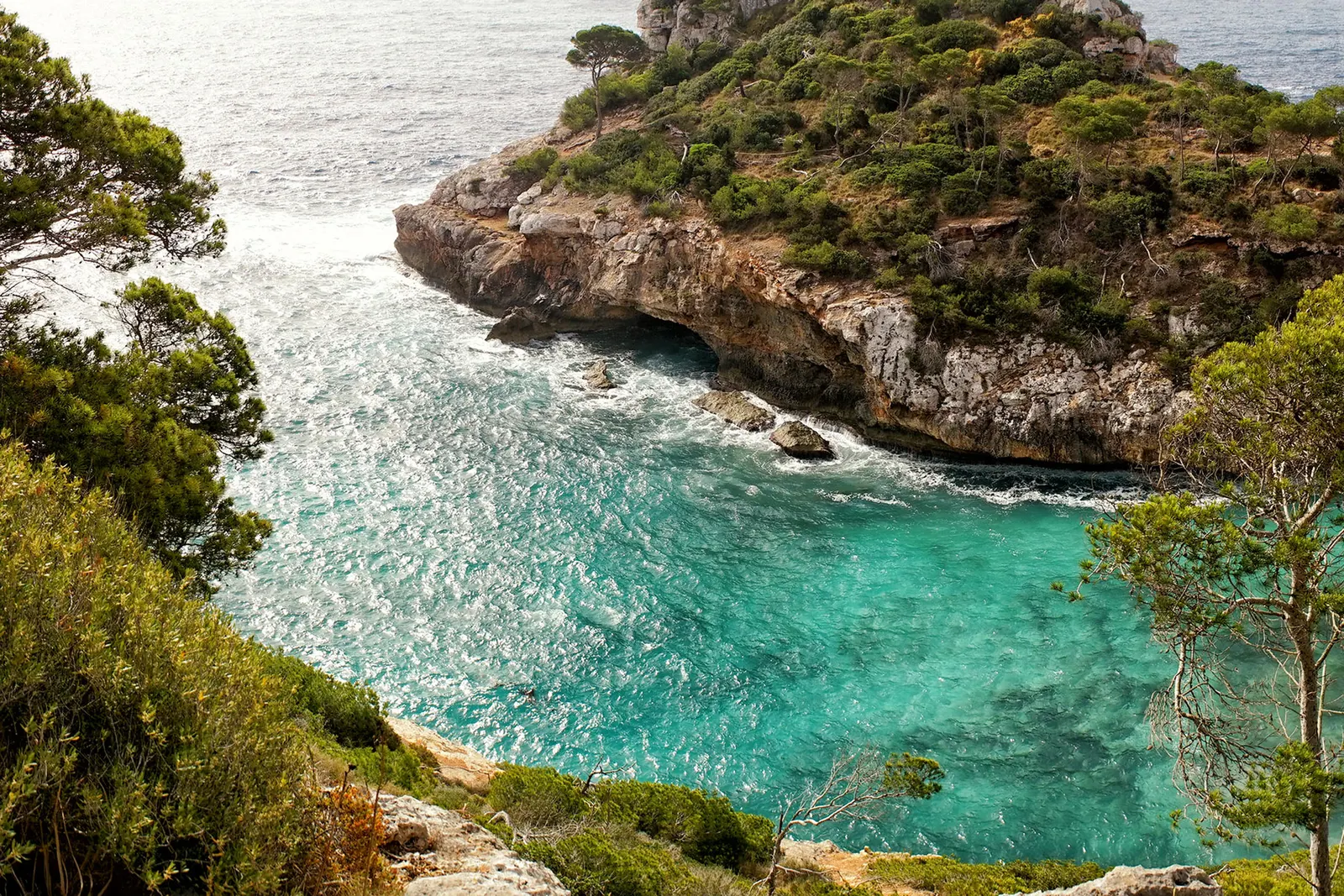
Mallorca’s 9 most beautiful coves
Turquoise water, rocky inlets and lovely little spots by the sea.
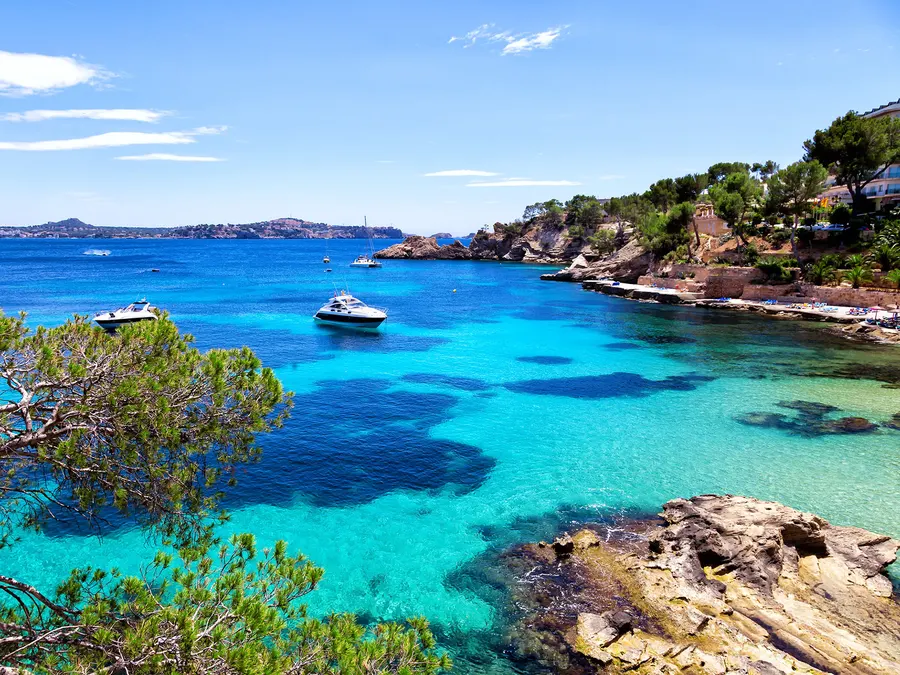
Little beaches beneath high cliffs, old boathouses at the water’s edge and swimming spots you only discover after a walk: Mallorca’s coves are one of the great pleasures of the island.
I have been returning to these nine calas for years. Here is what makes each one special, how to get there and when I would go.
Which cove suits your holiday?
Mallorca has hundreds of beaches and coves. Some are easy to reach; others involve long flights of steps or a scramble over rocks. Some are ideal for families. Others suit visitors who want a quieter spot and are happy to bring water, a picnic and sturdy shoes.
For this selection, I have followed the coast from Calvià in the south-west to Sa Calobra in the north. These are not simply the island’s nine best-known coves. They are places I enjoy returning to, for the clear water, the scenery or the pleasure of that first glimpse of the sea.
Each entry explains the access, beach surface, wind conditions and likely crowds, so you can decide which cala suits you before you set off.
-
1. Cala Fornells
Just a few minutes from Peguera, the coast changes completely. Instead of a broad sandy beach, you find rocks, small swimming spots and remarkably clear turquoise water.
Cala Fornells is lovely for a swim or a spot of snorkelling. Bring a mask: there is plenty to see around the rocks. If you want to spend all day stretched out on soft sand, another cove would suit you better. For a few quiet hours by the water, though, this is a lovely choice.
- Access
- A surfaced road, then steps and rocks down to the water
- Underfoot
- Rock and coarse sand
- Best for
- Swimming and snorkelling
-
2. Cala Pi
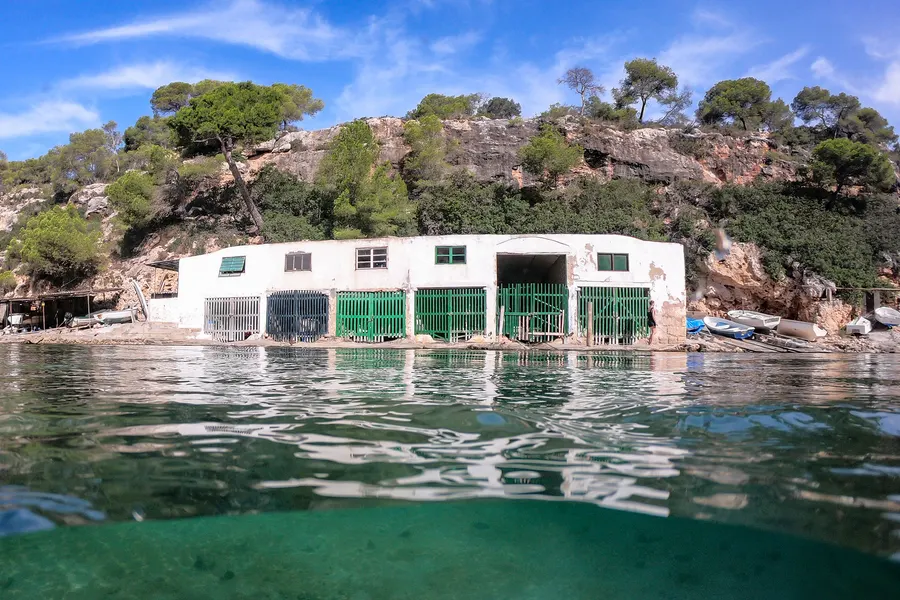
Cala Pi sits at the end of a deep, narrow ravine. From above, you look down on pale sand, turquoise water and old boathouses tucked against the rock walls.
There are 147 steps down to the beach. You need to be reasonably comfortable with stairs, but the setting and usually sheltered water make the effort worthwhile. Remember that everything you carry down has to come back up with you.
- Access
- A steep staircase with 147 steps
- Underfoot
- Fine, pale sand
- Best for
- A sheltered beach in a striking setting
-
3. Cala Llombards
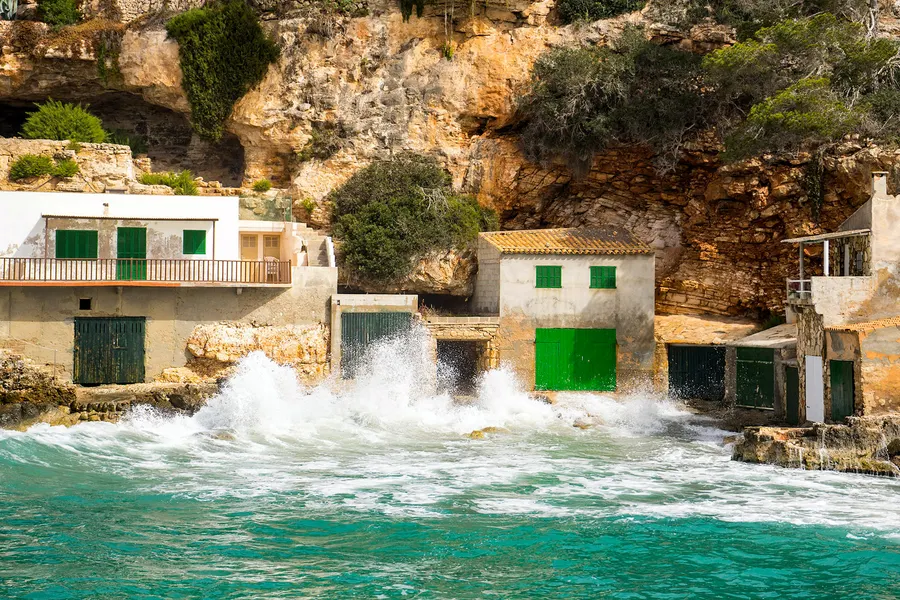
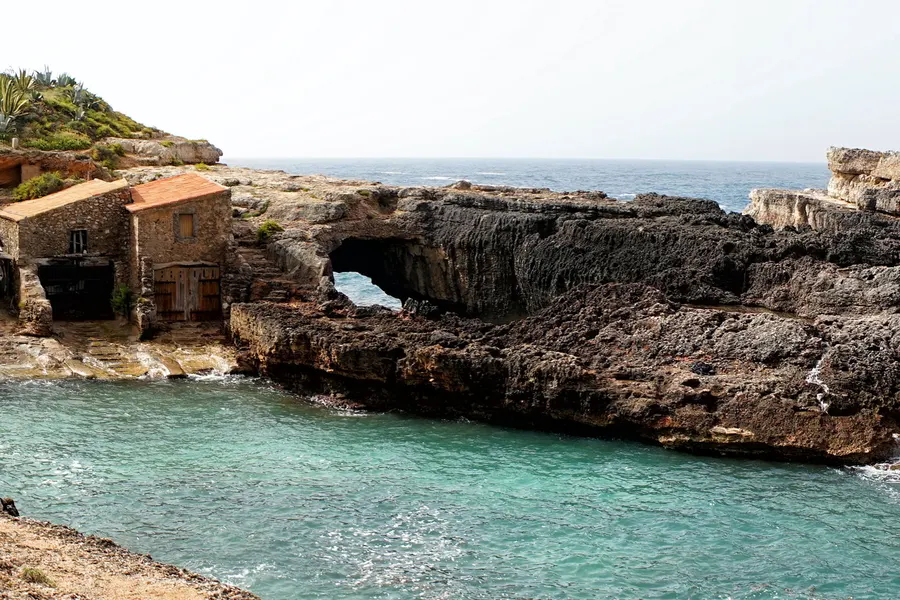
White sand, clear water and little fishermen’s houses with boat doors opening onto the sea make Cala Llombards one of the loveliest swimming coves in south-east Mallorca.
It is very popular in summer. Come early in the morning, or visit in April, May, September or October if you would prefer a quieter beach. A strong easterly wind changes things considerably: waves roll between the rocks and spray can reach the boathouses. In those conditions, keep well back from the water.
- Access
- A short path and steps from the parking area
- Underfoot
- Fine, pale sand
- Best for
- Swimming, photography and a day by the sea
-
4. Caló des Moro
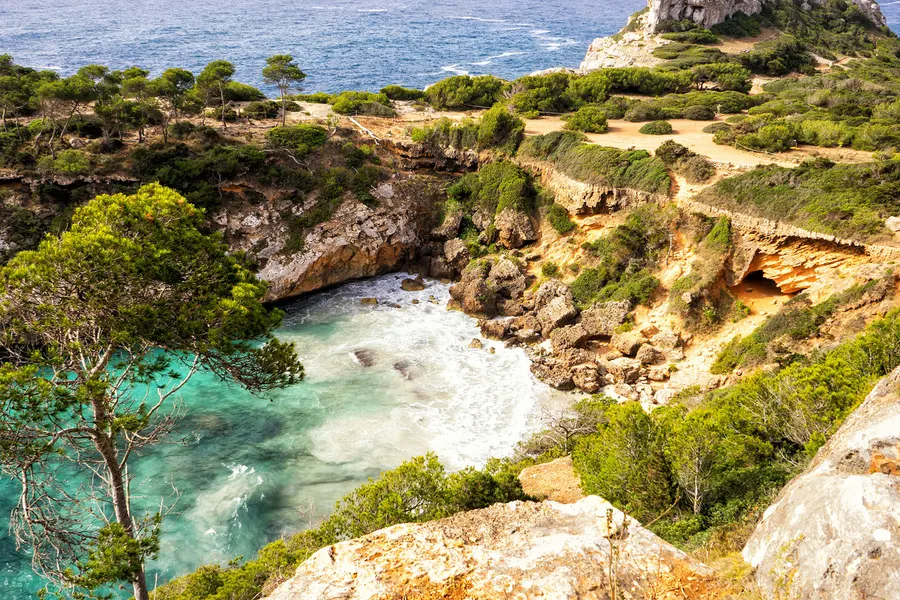
Caló des Moro is tiny, spectacular and certainly no secret any more. Between the steep rock walls, the water glows blue and turquoise. The famous photographs do it justice; they just do not show how little space there is on the beach.
The descent involves steps, narrow paths and a rocky section, so wear sturdy shoes. Early morning outside peak season is the best time to appreciate it. Cala s’Almunia is just next door if you would like to explore another cove, although it can get busy too.
- Access
- Steps, an unsurfaced path and a short rocky section
- Underfoot
- A tiny sandy beach between high rock walls
- Best for
- Confident walkers looking for a spectacular coastal setting
-
5. Cala s'Almunia
Old boat sheds, rocky swimming spots and clear water give Cala s’Almunia its character. It is right beside Caló des Moro, but feels less like a conventional beach and is often a little quieter.
More than a hundred steep steps lead down. There is no kiosk, no sunbed hire and very little shade, so bring enough water, sun protection and something to eat. If you are comfortable on your feet and prefer a natural swimming spot to a sandy resort beach, this is a good one to try.
- Access
- Around 110 steep steps, followed by rocks
- Underfoot
- Rock with a very small patch of sand
- Best for
- Swimmers who enjoy natural coastal spots
-
6. Cala Mondragó
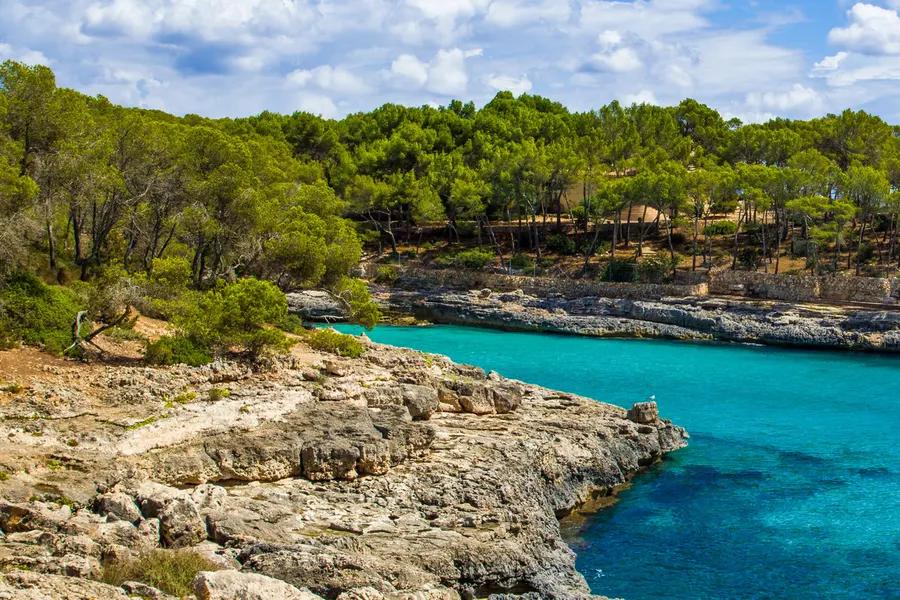
Pale sandy beaches, clear water, rocks and fragrant pine woods meet in Mondragó Natural Park. You can combine several coves with short walks and easily spend the whole day here.
The neighbouring S’Amarador beach shelves gently into the water, making it a good choice for families with children. Straightforward paths lead from the designated car parks to the beaches. In peak season, it still pays to arrive early.
- Access
- Easy walking paths from the car parks
- Underfoot
- Fine, pale sand
- Best for
- Families, short walks and a relaxed swimming day
-
7. Cala Brafi
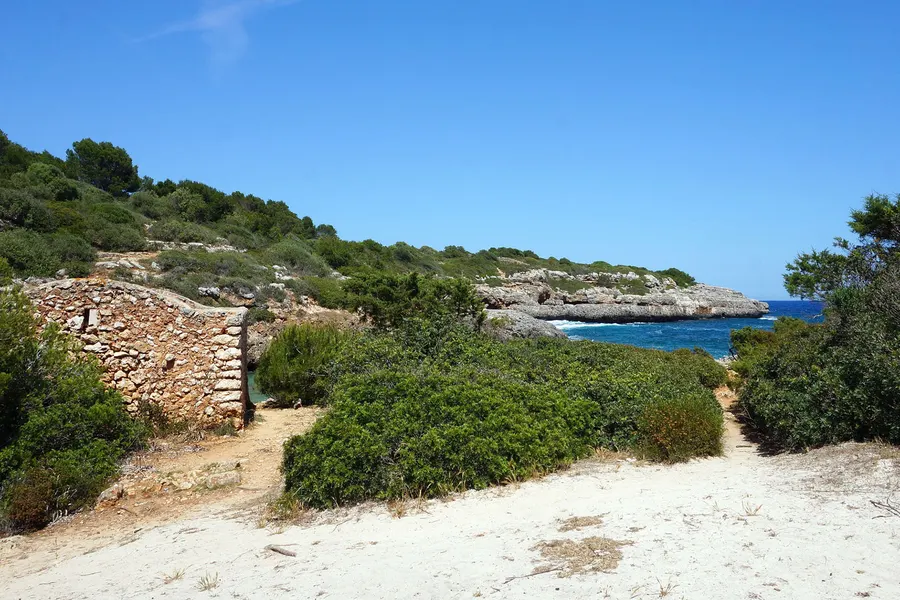
Cala Brafi takes a little more finding. There is no kiosk, no sunbed hire and no road down to the beach. From Portocolom, an unsurfaced path leads between dry-stone walls towards the cove. Follow the permitted access on the day rather than climbing walls or crossing closed land.
Down below is a quiet, largely undeveloped inlet with sand, scattered pebbles and the remains of an old fisherman’s house. Washed-up seagrass is part of this natural shoreline. It is not the place for beach comforts, but if you enjoy a simple day by the sea, it is well worth the walk.
- Access
- A gravel track and unsurfaced footpath; check the permitted route locally
- Underfoot
- Sand, pebbles and patches of washed-up seagrass
- Best for
- A quieter beach in natural surroundings
-
8. Cala Moltó
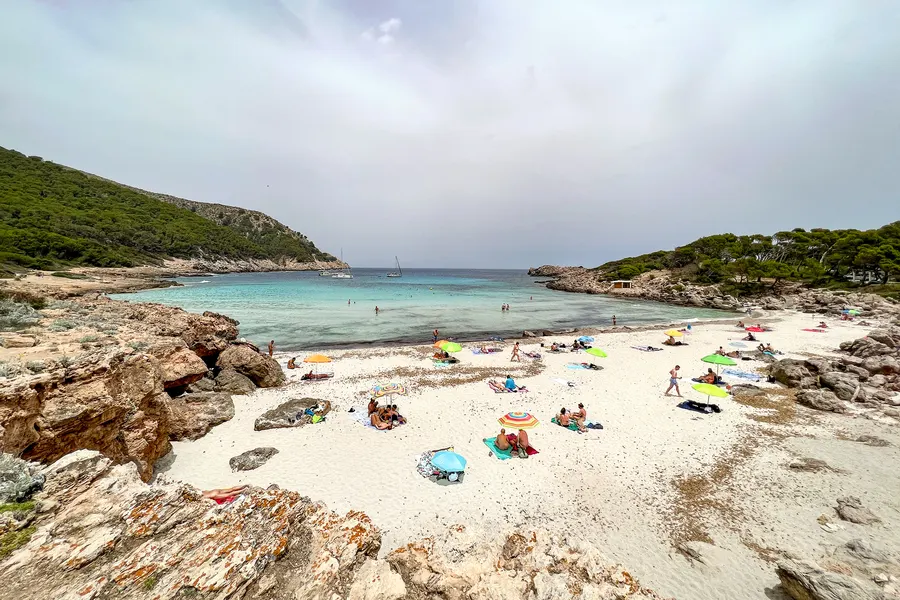
Around ten minutes’ walk from lively Cala Agulla, Cala Moltó offers a much quieter setting. An uneven path crosses rocks and low coastal vegetation to a small sandy patch among pale rock ledges.
There is no beach bar, sunbed hire or lifeguard service. Bring what you need for a few hours, especially water and sun protection. A towel, a book and a snorkelling mask are enough for a wonderfully simple holiday afternoon here.
- Access
- An uneven path over rocks and through coastal vegetation
- Underfoot
- Sand and rock
- Best for
- Peace and quiet, swimming and snorkelling
-
9. Sa Calobra
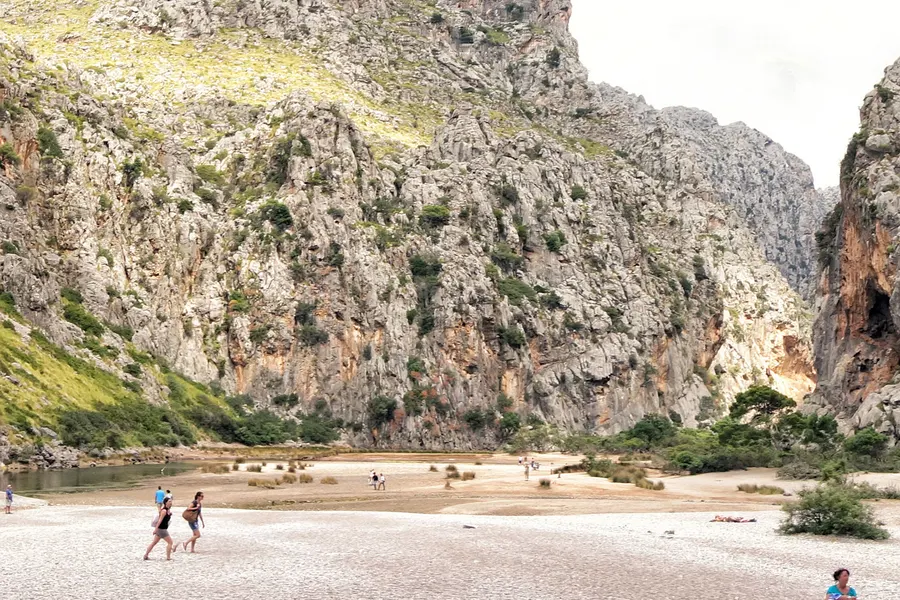
Sa Calobra is much more than a swimming cove. The winding drive through the Serra de Tramuntana is an experience in itself. At the coast, pedestrian tunnels lead to the mouth of the Torrent de Pareis, where immense rock walls create one of Mallorca’s most impressive views.
The beach is pebbly and not the most comfortable choice for an ordinary beach day. The mountain road, gorge and sea are the real reasons to come. Outside the summer rush, you have a much better chance of enjoying the setting in peace.
- Access
- Paved paths and pedestrian tunnels
- Underfoot
- Coarse pebbles
- Best for
- Scenery, photography and a day out in the Tramuntana
Questions about Mallorca’s coves
Which is Mallorca’s most beautiful cove?
It depends on the day you have in mind. Caló des Moro has extraordinary water colours. Cala Mondragó suits a relaxed family day. Sa Calobra has the most dramatic scenery, while Cala Brafi and Cala Moltó appeal to those looking for somewhere quieter.
Which coves are best for families?
Cala Mondragó and neighbouring S’Amarador are good choices, with relatively easy paths and gently shelving water in many places. Cala Pi also has a sandy beach, but you need to manage 147 steps down and back up.
When is the best time to visit Mallorca’s coves?
May, June, September and October are particularly pleasant. The weather is often warm, with less pressure on beaches and parking than in July and August. In peak season, arrive at the popular coves early in the morning.
Which coves are quieter?
Cala Brafi and Cala Moltó are often quieter because you have to walk there and they have no beach facilities. You cannot count on having either to yourself, whatever the season.
What is the difference between cala and platja?
Cala is the Catalan word for a cove, usually a small inlet framed by rocks. Platja means beach and is often used for longer, open sandy stretches such as Es Trenc or Platja de Muro.
Find your favourite cove
You might be drawn to famous Caló des Moro or feel more at home among the rocks at Cala Moltó. The best cove is the one that suits the day you want to have.
Every recommendation on this page comes from a personal visit. Words and photographs are by Friedhelm Fischer, who has been exploring Mallorca on foot, by bike and with his camera since 2013.