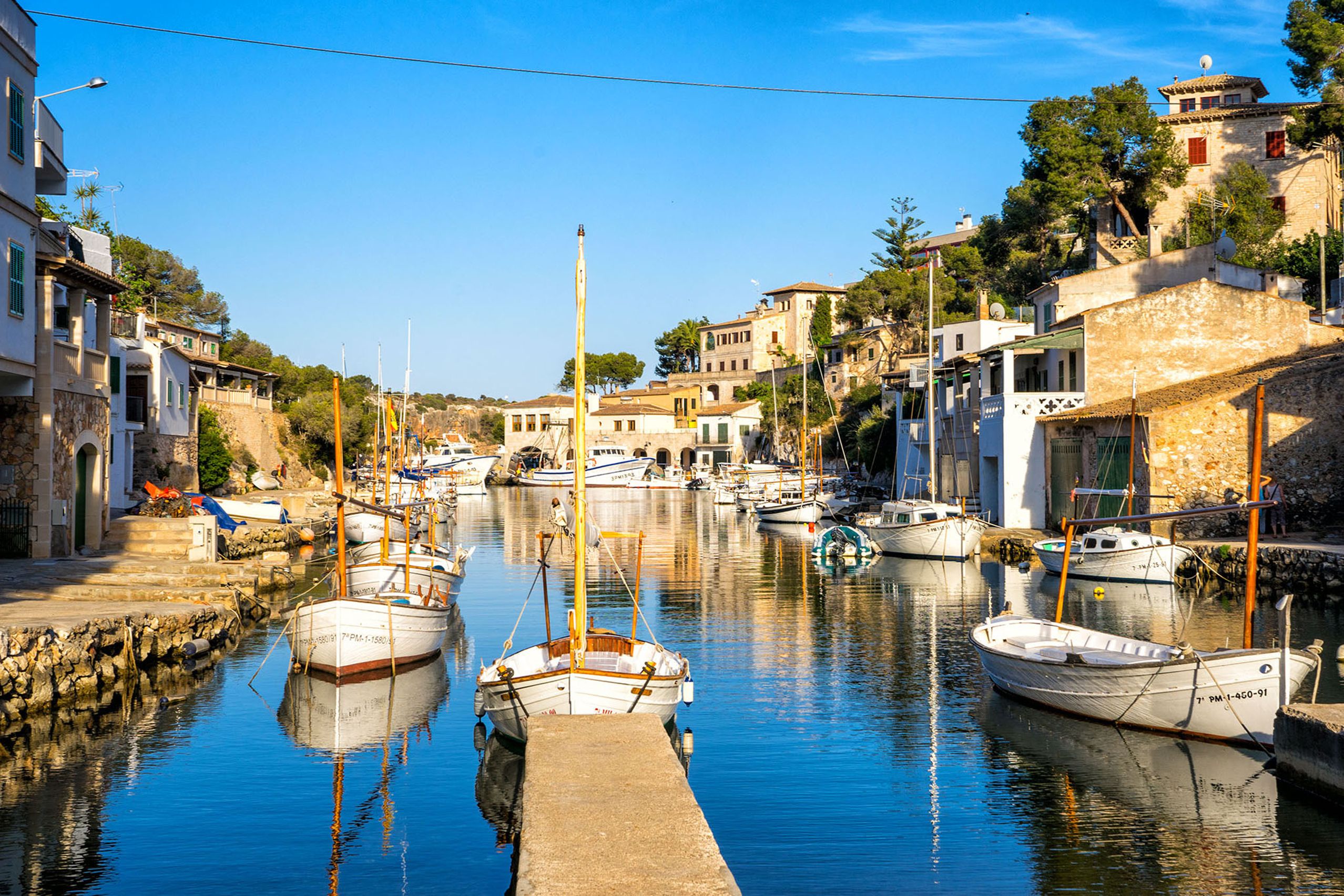
A fishing village around a narrow, forked inlet, with boathouses and slipways tucked against its rocky sides. Come for a working harbour and a waterfront walk, rather than a sandy beach.
Cala Figuera
Cala Figuera in 30 seconds
The essentials at a glance
- Worth visiting for
- A longer stay
- Best for
- Seeing a working fishing harbour rather than a yacht marina
- Best months
- March–June, September–October
- Time to allow
- Two hours for a visit, or a week as a quiet base for the south-east.
- Without a car
- Hire car recommended
- Parking
- Small parking areas near the village entrance. Tight in season, easier at other times.
- Keep in mind
- Needing a sandy beach on your doorstep
- Access
- Pushchairs: Manageable on the main street; difficult beside the boathouses · Wheelchairs: Limited
Get a feel for Mallorca. Find your kind of place.
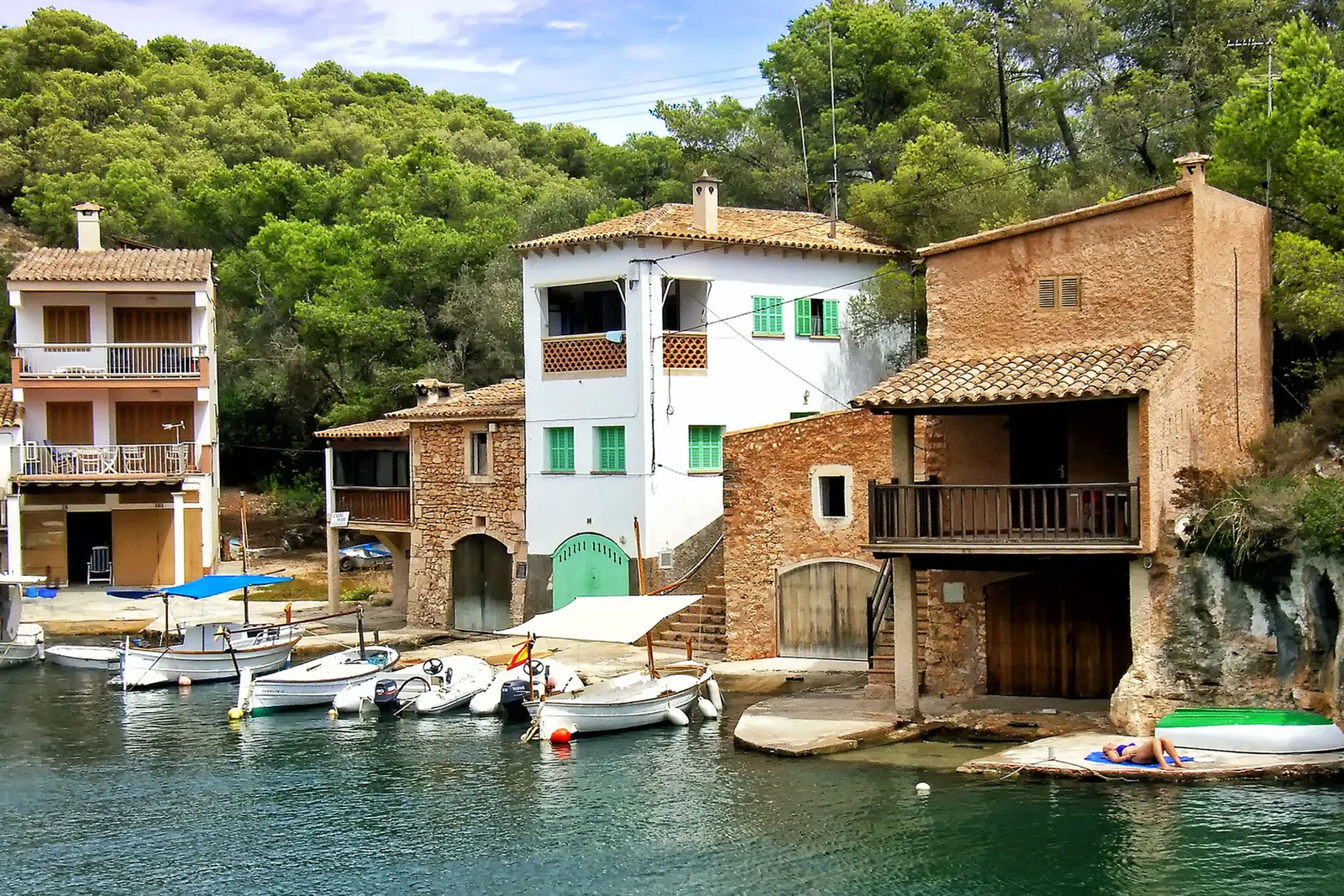
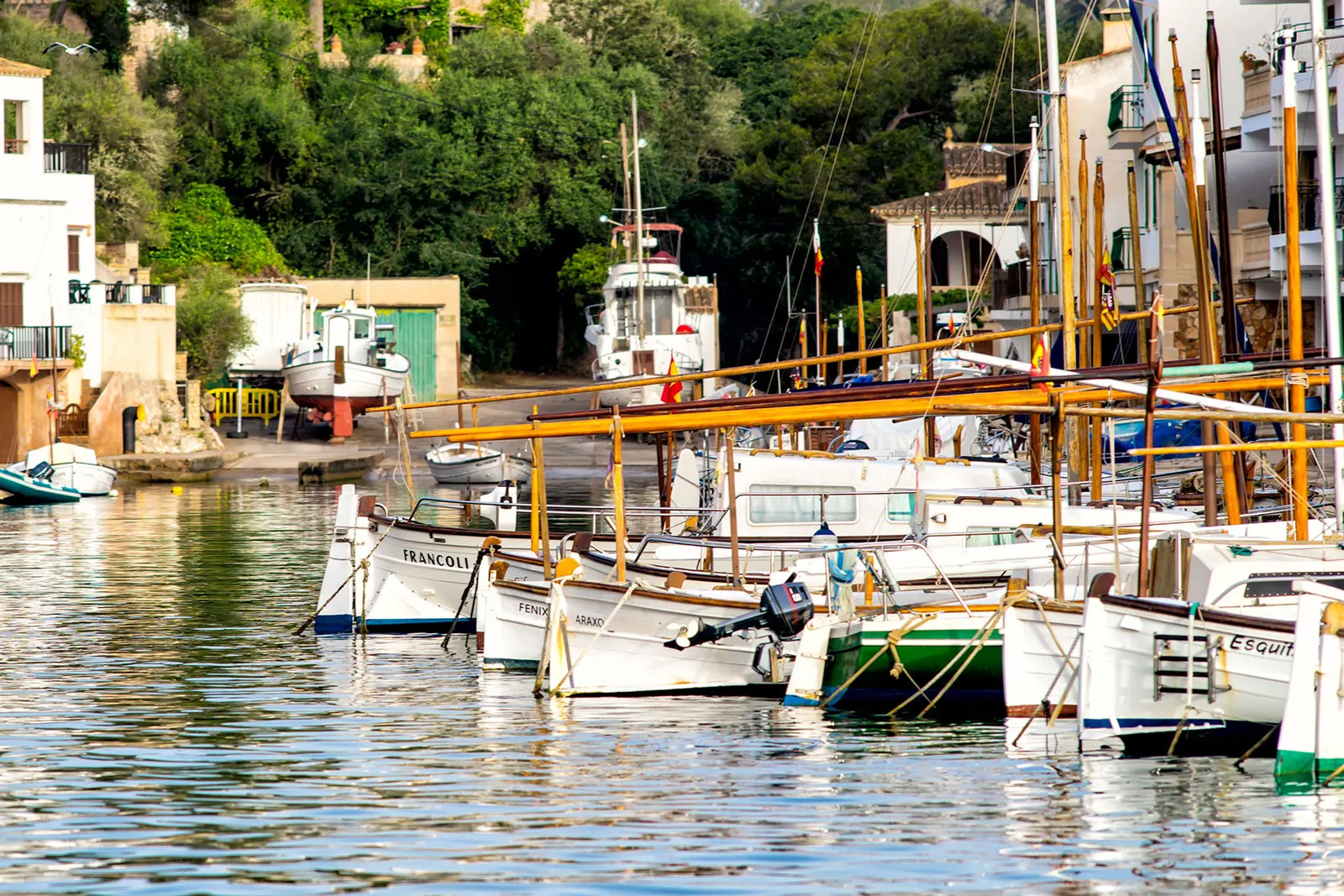
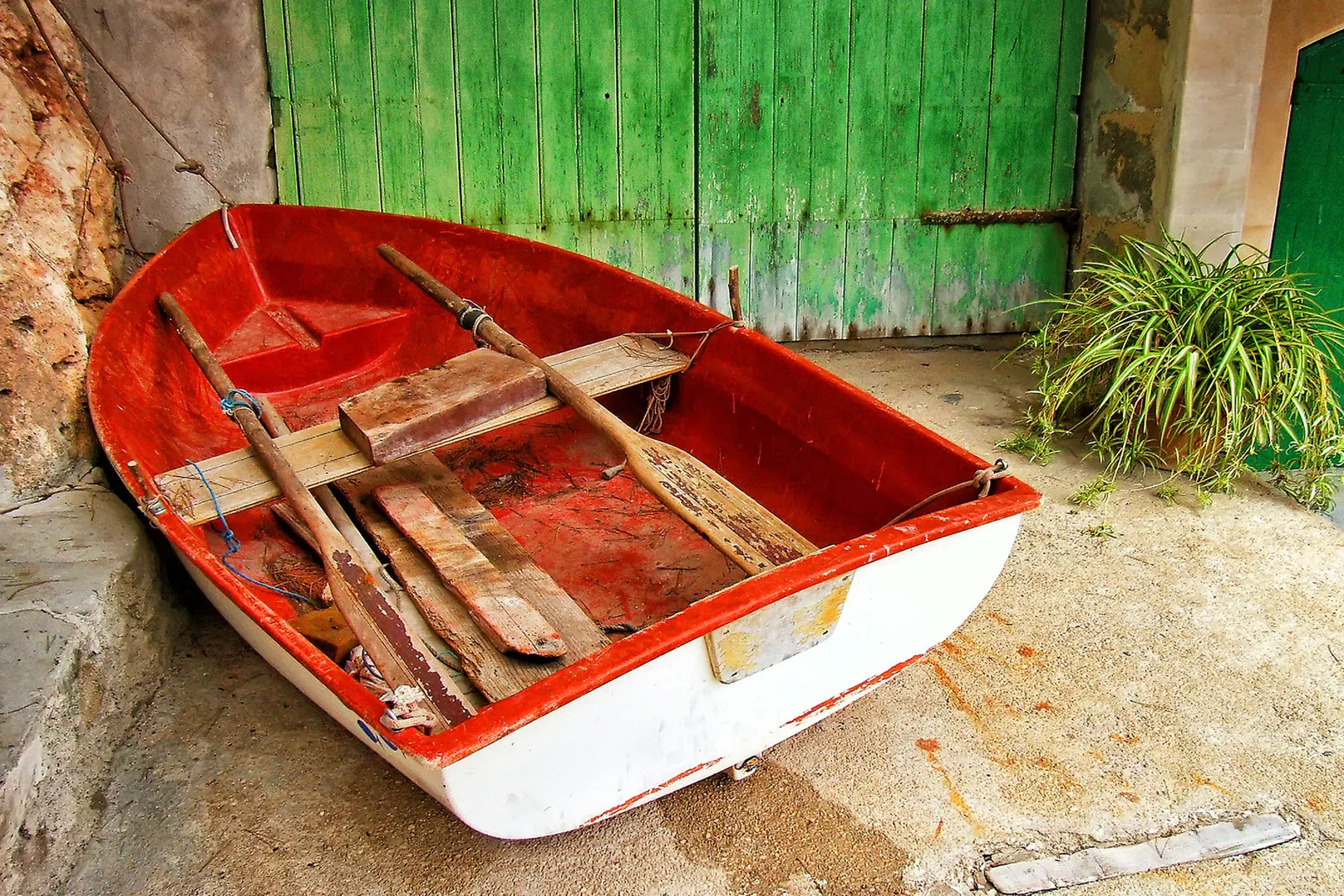
The ramps allow llaüts to be winched from the water into the boathouses.
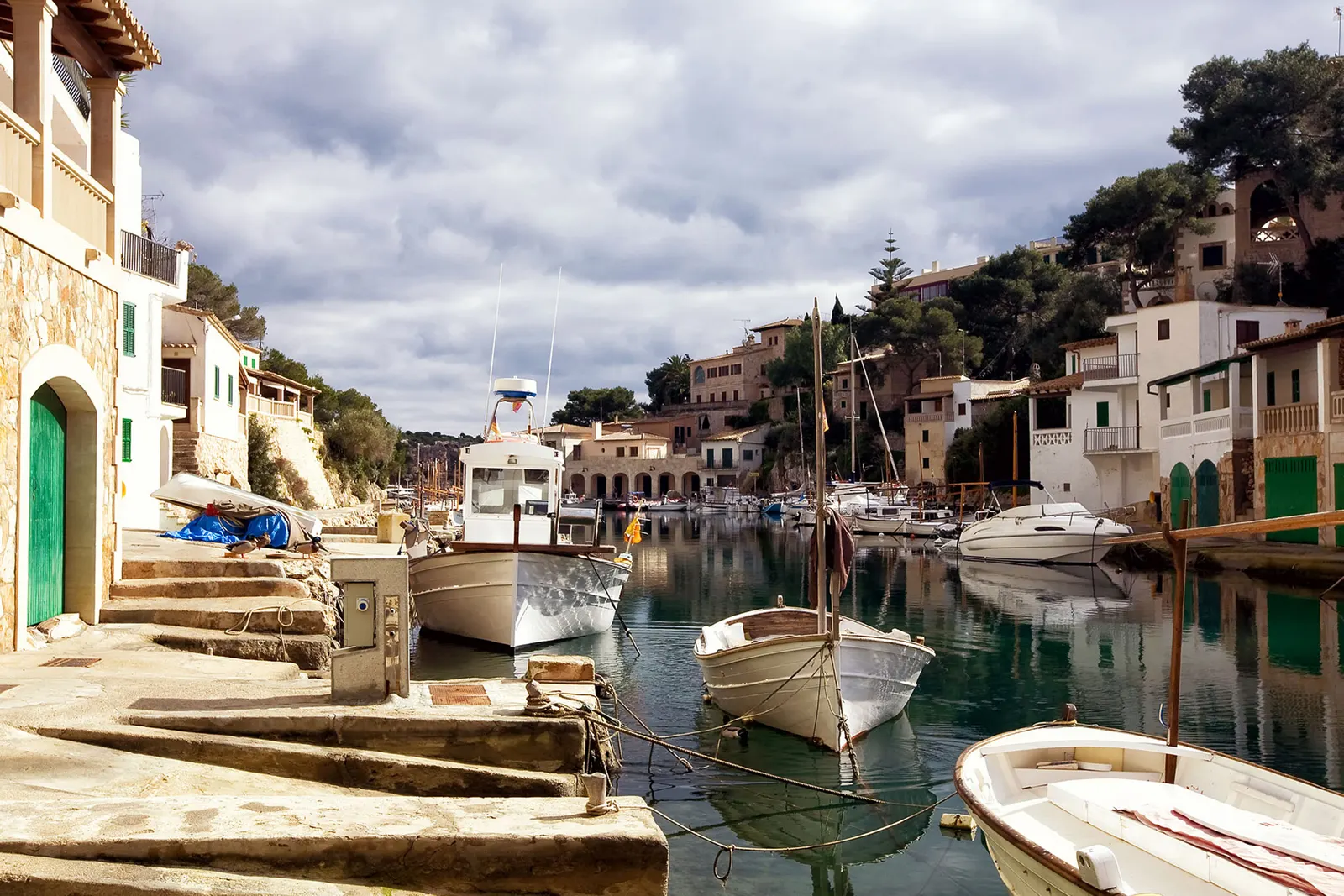
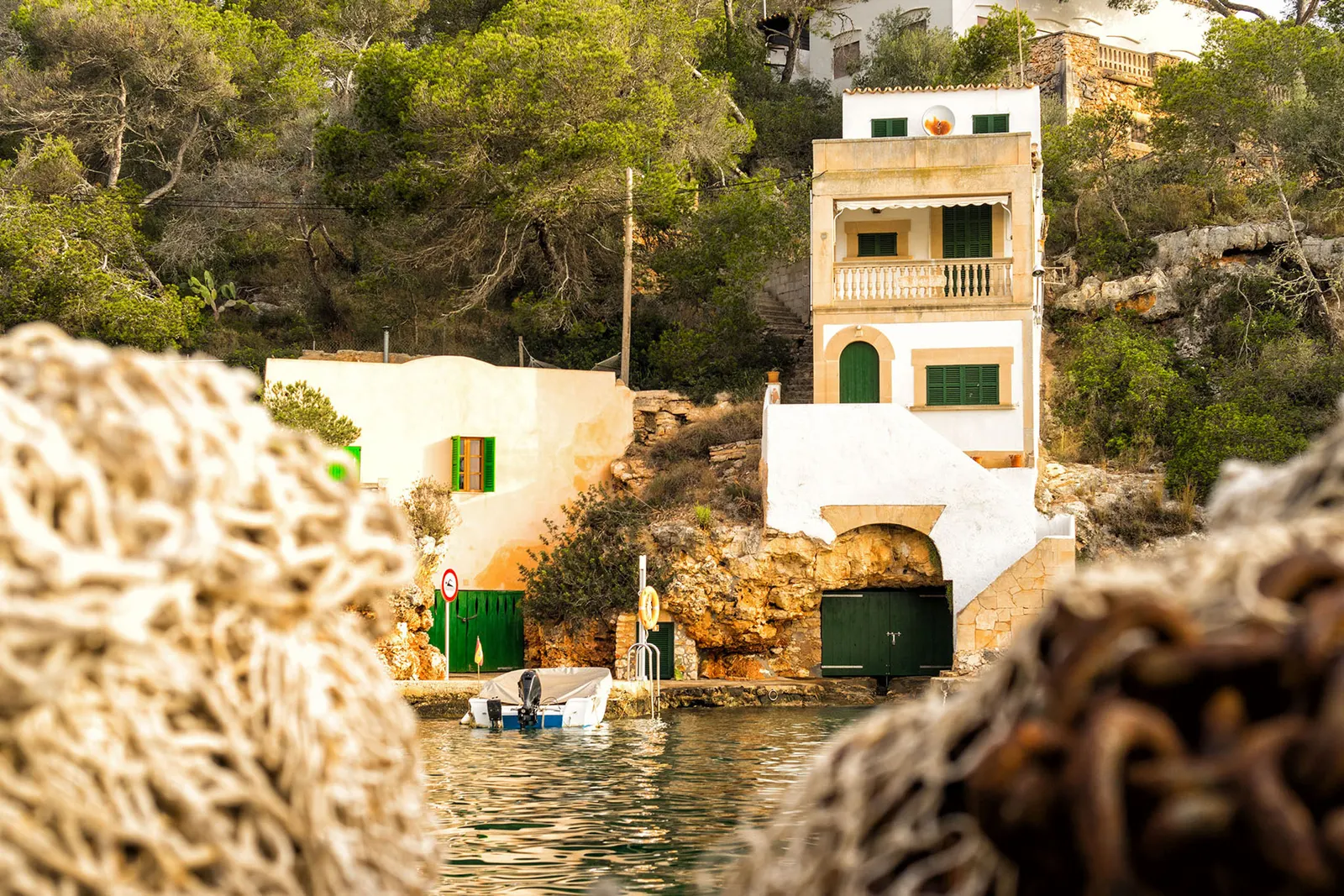
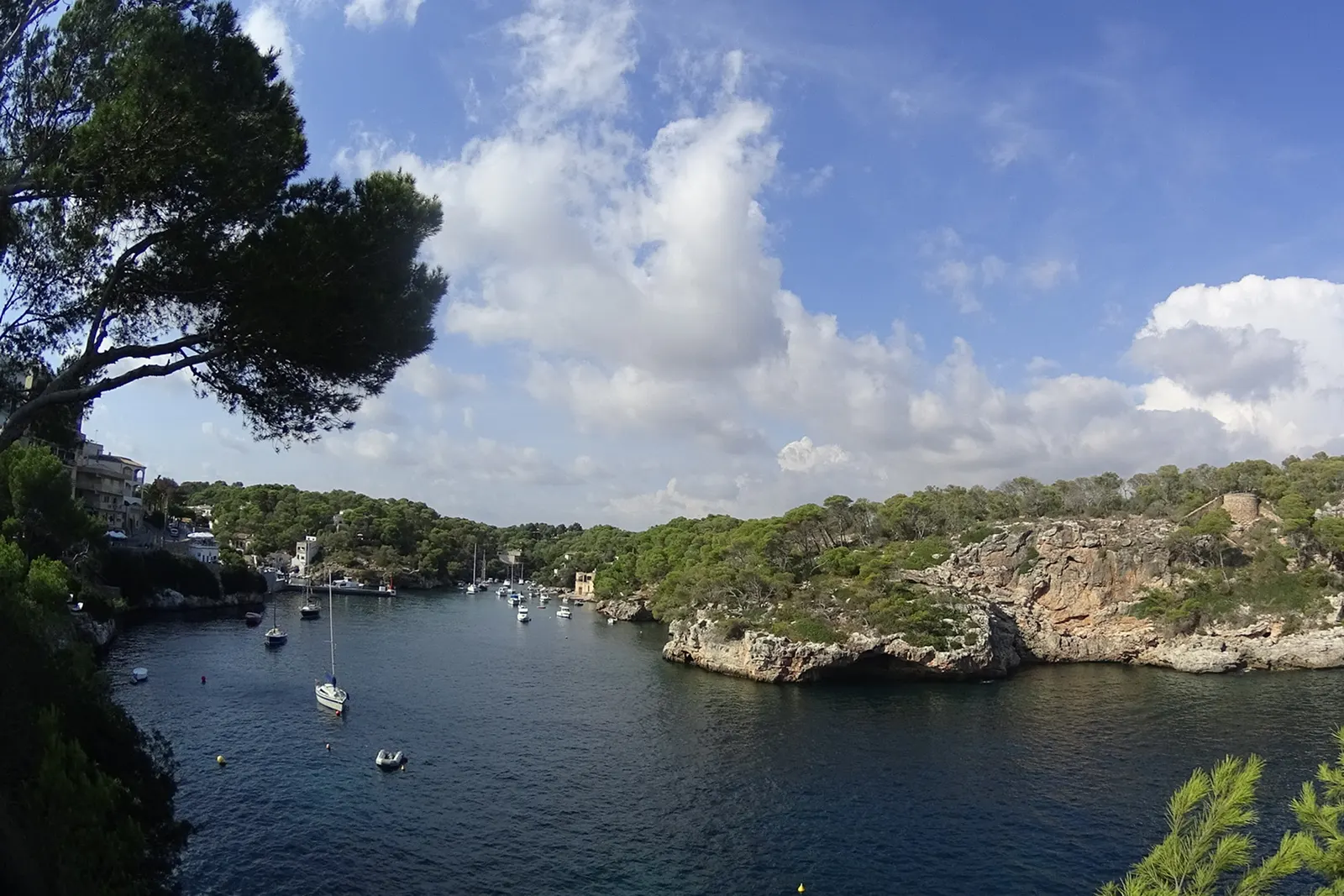
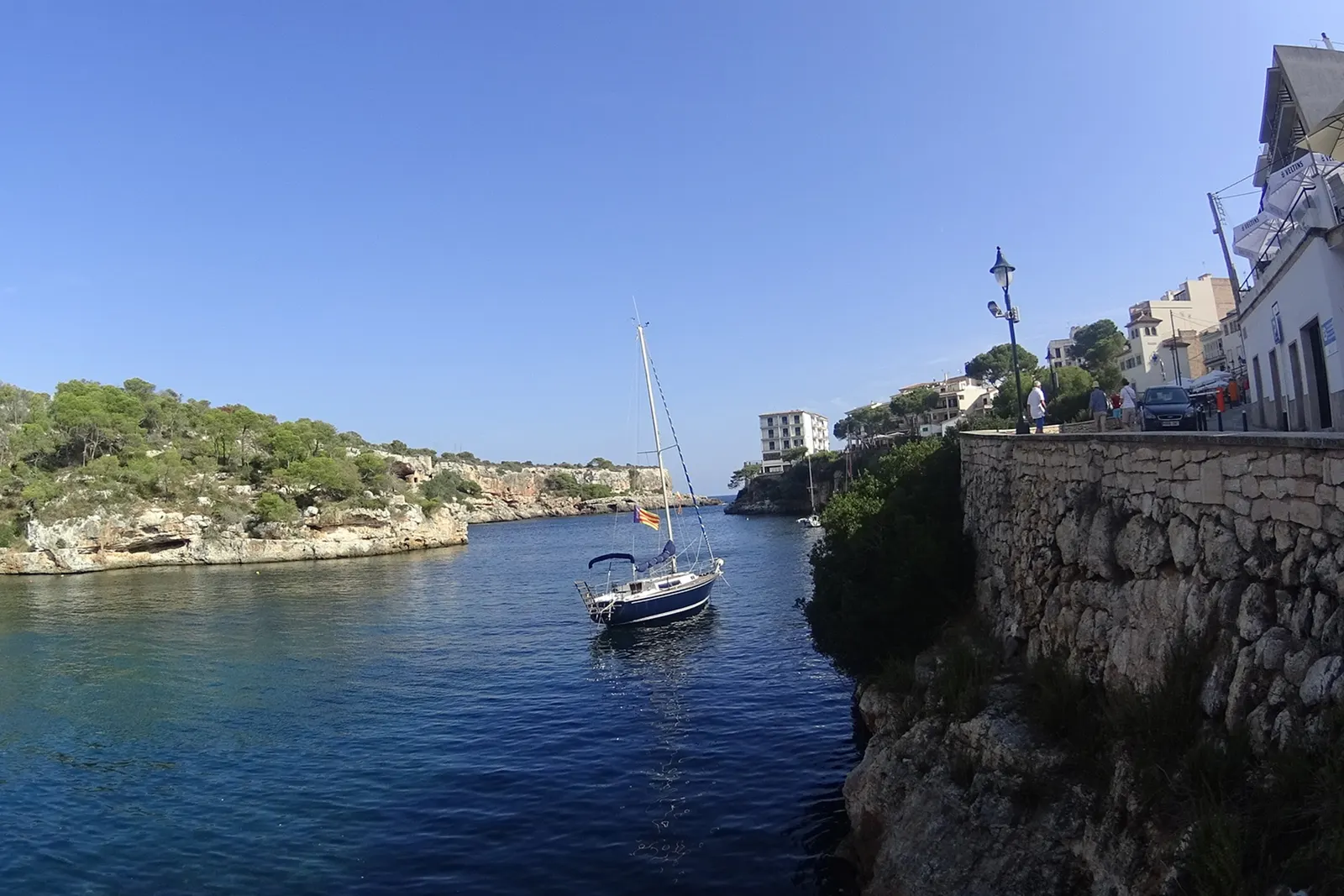
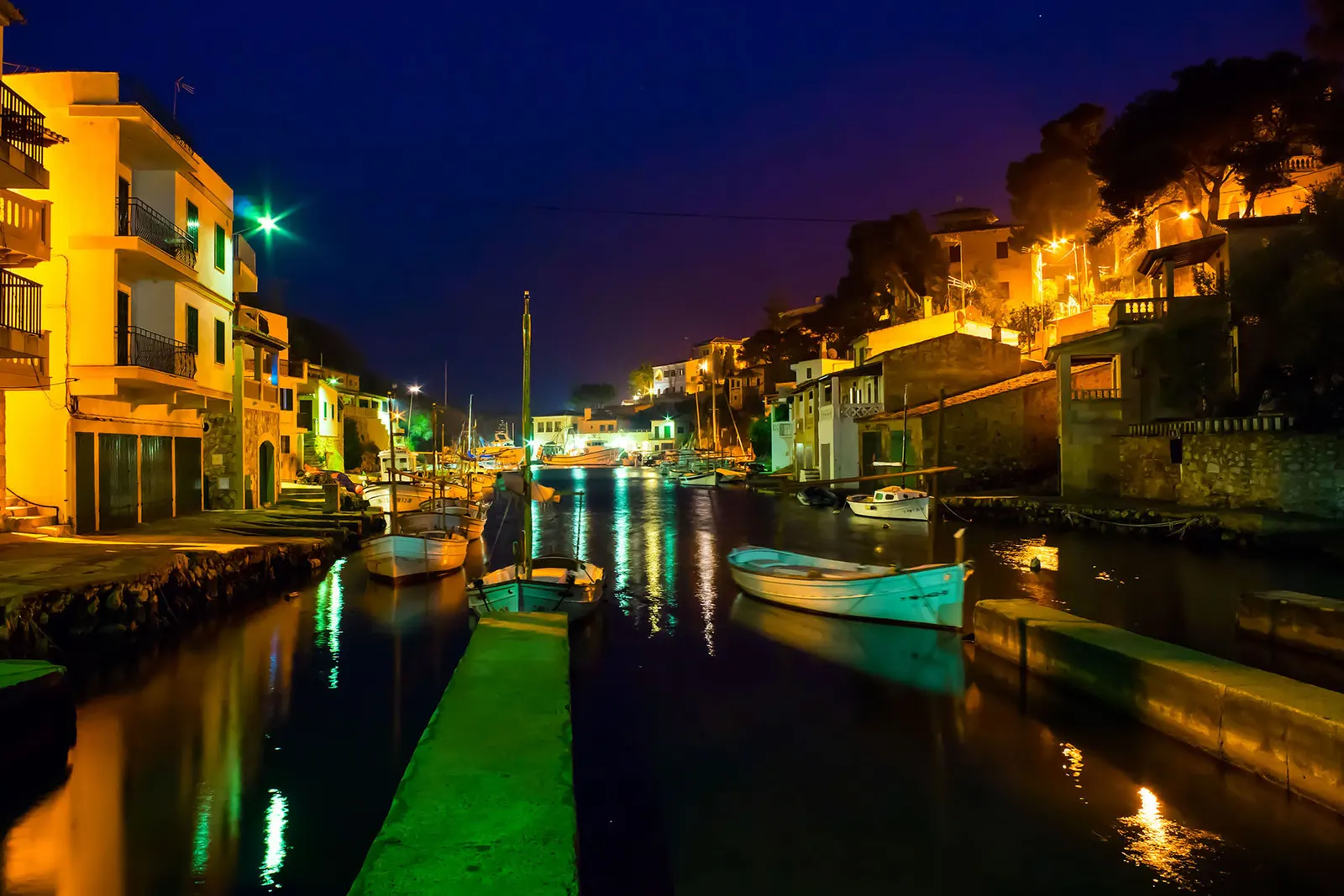
The houses sit so close to the steep shoreline that they seem to hang above the water.
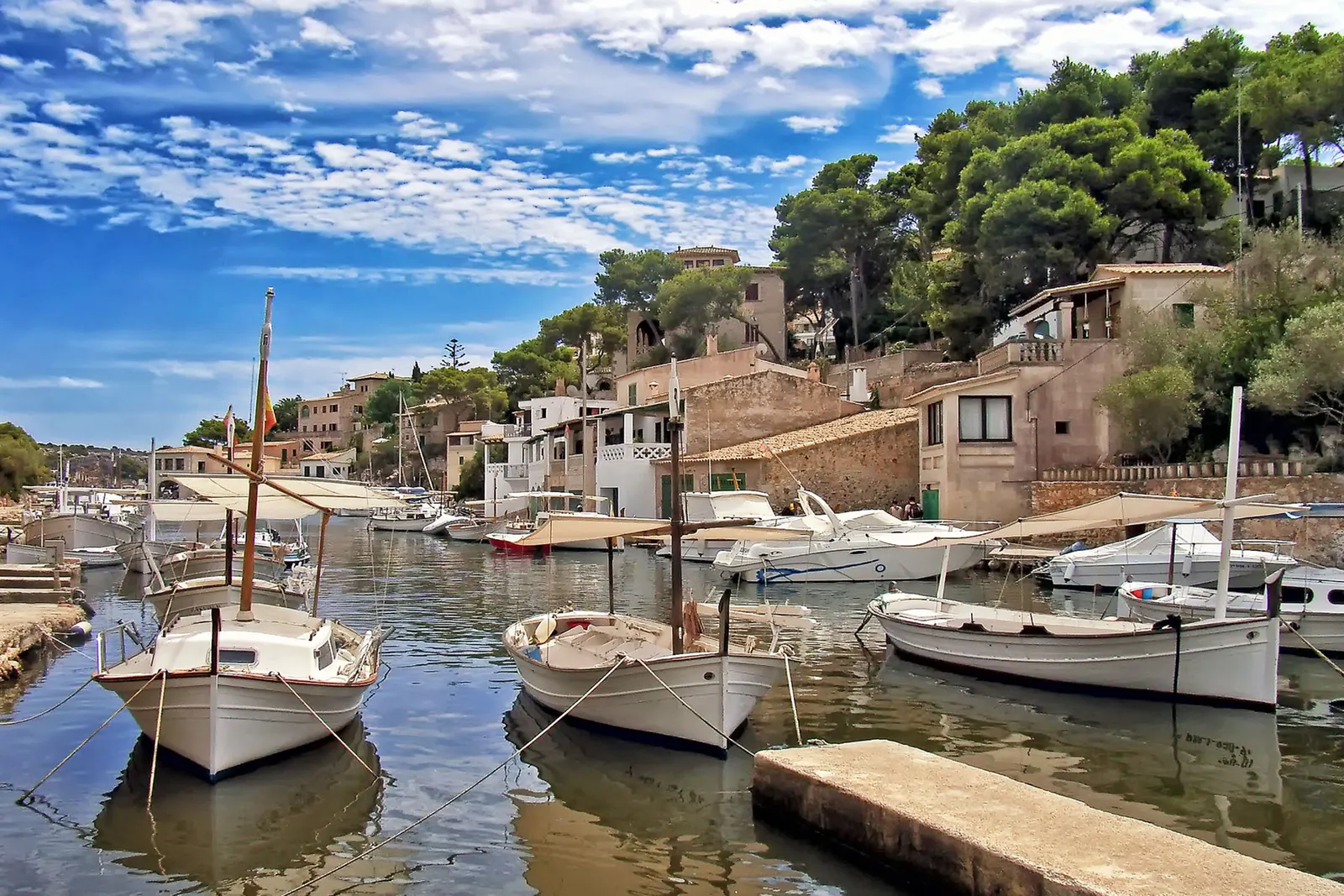
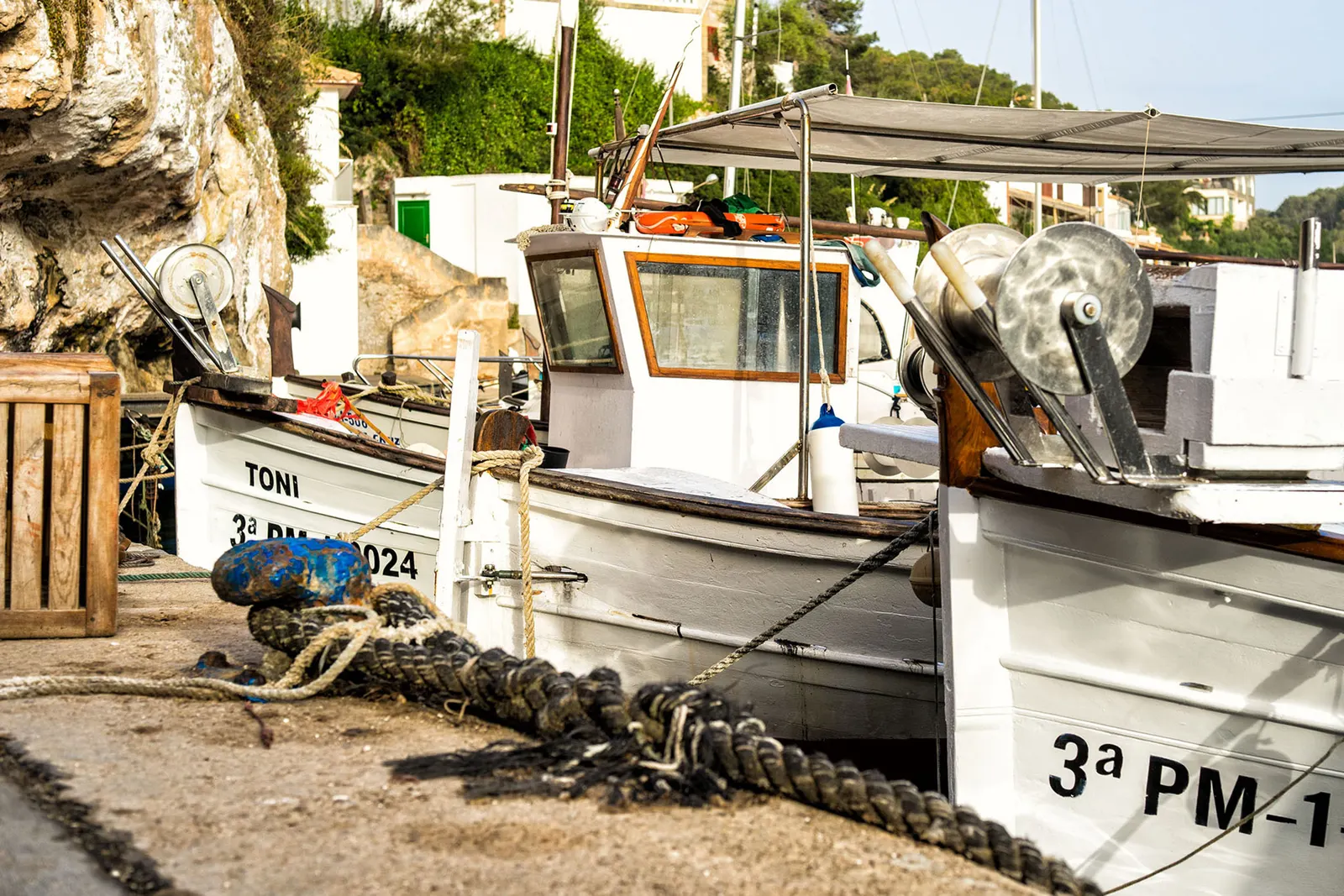
Traditional llaüts are still used here, rather than simply displayed.
Getting to know Cala Figuera
Does Cala Figuera suit your plans?
What to expect and what to know before you visit.
Who it suits
- Seeing a working fishing harbour rather than a yacht marina
- Photography, especially in the morning and evening light
- A quiet base for exploring the south-east
- Visiting beaches by day and returning to a different atmosphere in the evening
Things to bear in mind
- Needing a sandy beach on your doorstep
- Expecting an uncrowded visit in August
- Nightlife
- Wanting a lively resort in winter
Drive from the airport
60 minutes
58 km
Bus connections
Check seasonal connections from Santanyí
Region
Migjorn
Nearest beach
Cala Santanyí
2 km
Elevation
10 m
above sea level
Season guide for Cala Figuera
November Worth considering
Very quiet Some places closed
Worth visiting in March, April, May, June, September and October. Less suitable in August and December. Mostly closed in January, February and December.
Location
Location of Cala Figuera
- Region
- Migjorn
- Municipality
- Santanyí
- Population
- 620
- Elevation
- 10 m above sea level
- Airport
- 58 km , around 60 minutes
- Hire car
- recommended
- Worth visiting for
- a longer stay
- Coordinates
- 39.3289,3.1711
The narrow inlet
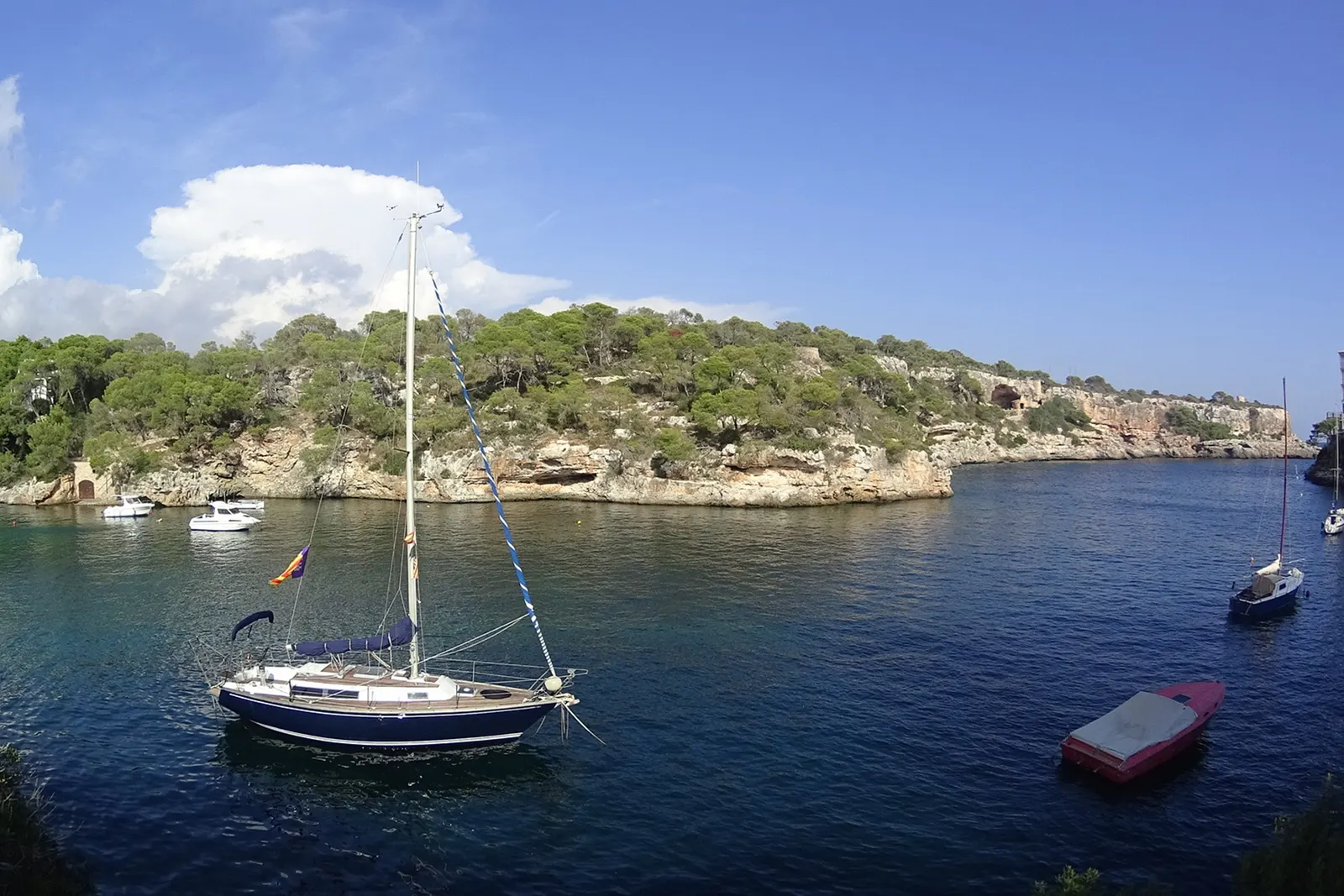
Cala Figuera occupies a long, winding inlet that divides into two arms, Caló d’en Busques and Caló d’en Boira. Its rocky sides are low enough for houses, yet steep enough to make them appear suspended above the water.
The escars
The waterfront escars are traditional boathouses with slipways. A winch pulls the llaüts, Mallorca’s familiar fishing boats, from the water and up the ramp.
These buildings are a large part of the reason to visit. Preserving privately owned structures like these involves heritage protection, changing ownership and the cost of maintenance.
A harbour walk
Allow around 20 minutes to follow the northern side towards the harbour mouth and its view of the open sea. Early morning is a lovely time to watch the harbour at work, though the boats’ movements vary.
Early holidaymakers
Cala Figuera was an early destination for visitors from Germany and Austria. Holidaymakers were arriving by 1955, before the island’s later tourism boom.
The fishing village was already here, giving it a different shape and atmosphere from resorts built from scratch in the 1960s.
A painter beside the harbour
German painter Hein Driessen (1932–2025) kept a studio at Cala Figuera’s harbour for 38 years. His watercolours and oil paintings of the bay became reminders of the village for many visitors. From 2013, he worked mainly back in his home region on Germany’s Lower Rhine. Mallorcan painter Jesús Camargo later continued the gallery.
The boathouses and harbour walls you photograph today were subjects Driessen returned to for much of his working life.
The former church
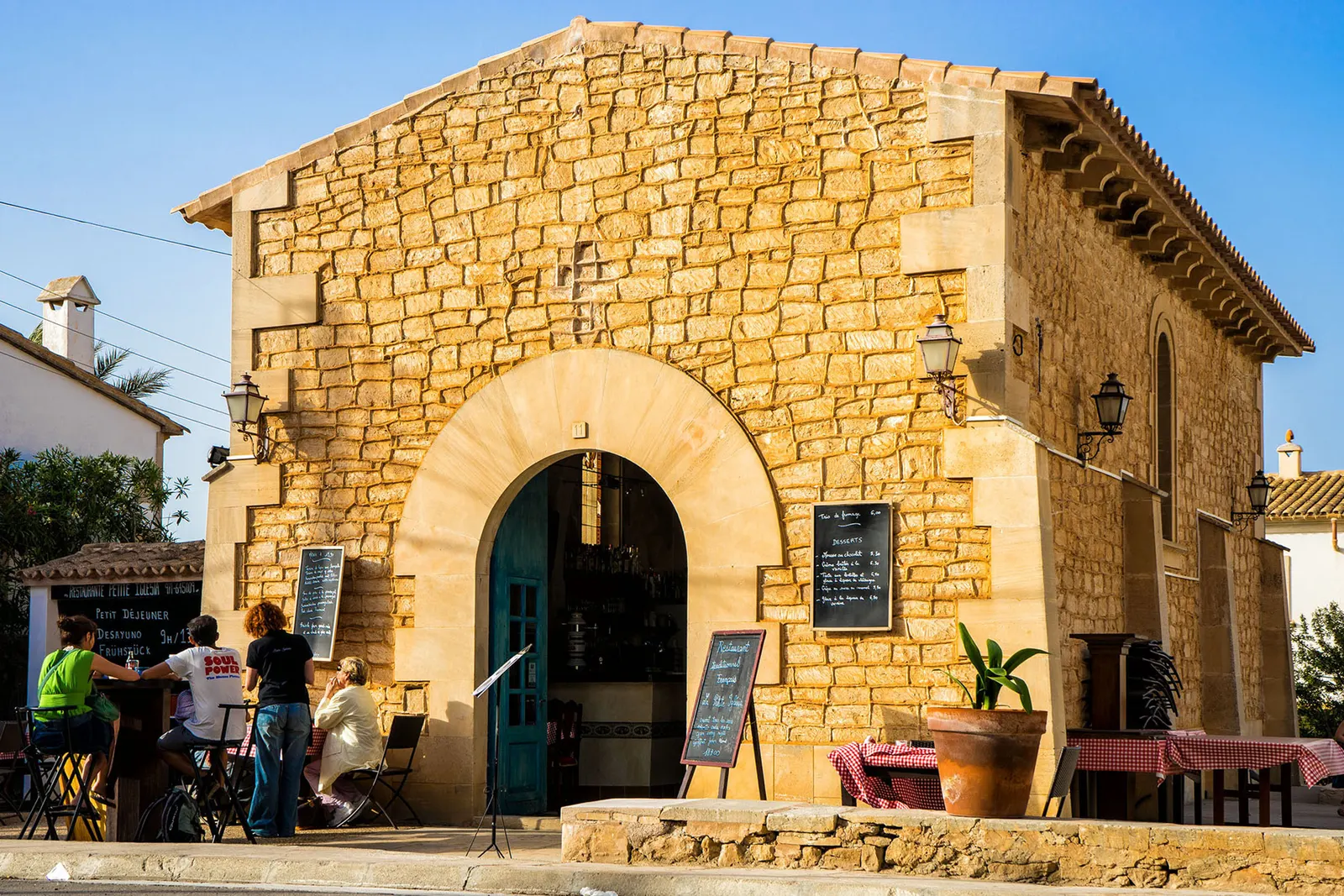
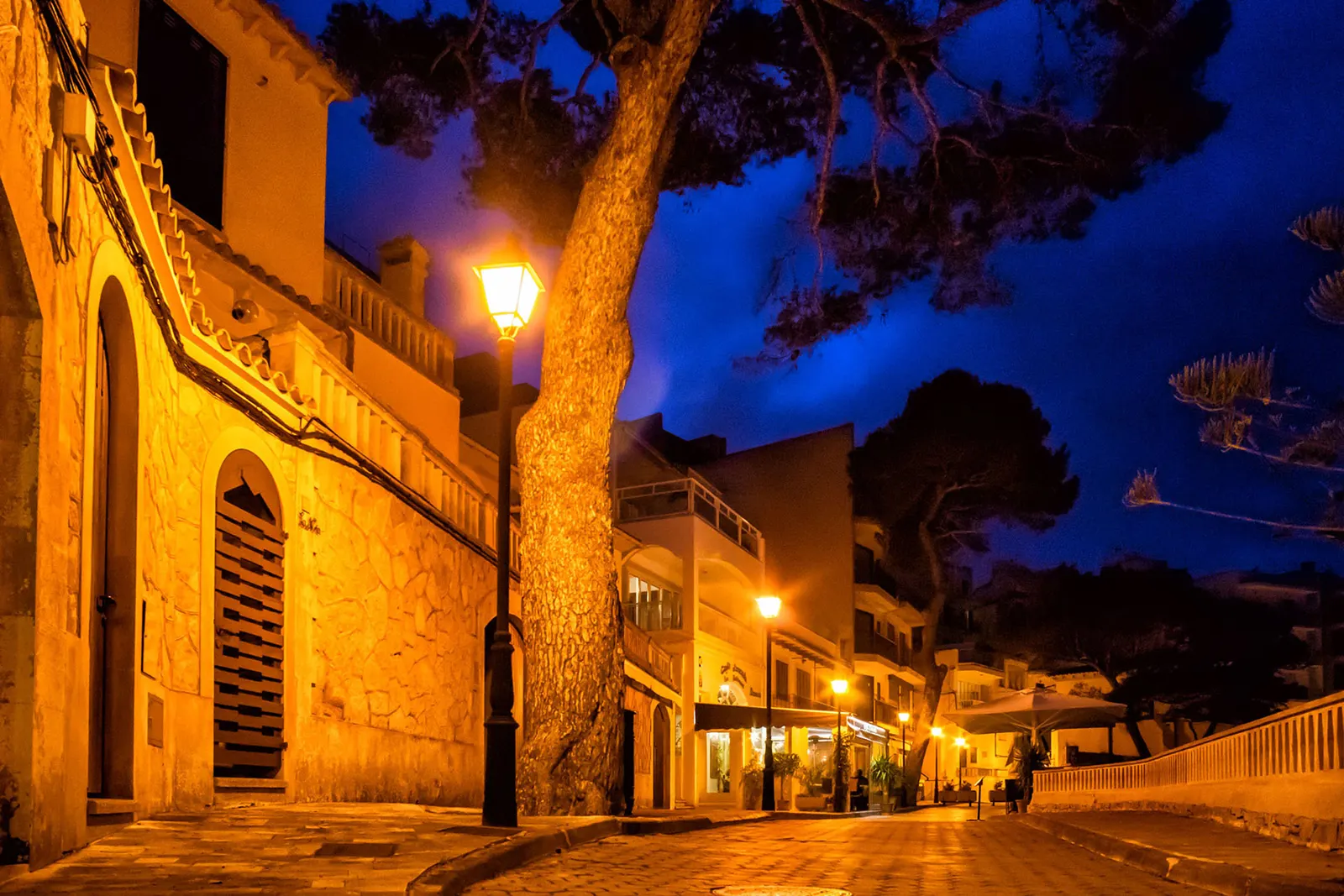
The building with a large arched doorway on the way to the harbour was Cala Figuera’s church, built in 1938. It now houses La Petite Iglesia restaurant, preserving the building with a different use.
Photographs
Cala Figuera in Mallorca
How much time do you have?
Things to do in Cala Figuera
Three hours
Park near the entrance, follow the harbour inlet to its end, then walk towards the mouth along the northern side. Finish with a coffee by the water.
Half a day
Add a swim at nearby Cala Santanyí or a visit to Mondragó Natural Park.
A full day
Visit coves such as Cala Llombards, Cala s'Almunia or Caló des Moro during the day, then return to Cala Figuera as the lights come on around the harbour.
On a rainy day
Head inland to Santanyí's sandstone streets, around ten minutes away.
Practical details
- Parking
- Small parking areas near the village entrance. Tight in season, easier at other times.
- Public transport
- Check seasonal services from Santanyí; winter connections are limited.
- Time to allow
- Two hours for a visit, or a week as a quiet base for the south-east.
- Good to know
- For a sandy beach, try Cala Santanyí nearby. Caló des Moro is another option, but very small and often crowded. Cala Figuera itself has rocky shores and a working harbour.
- Bus
- Check seasonal connections from Santanyí; services are limited in winter
- Shops and services
- Supermarkets: Small seasonal shops in the village · Pharmacy: Local availability may be limited outside the season · Medical care: In Santanyí · Cash machines: Limited availability in the village · Fuel: In Santanyí
- Access
- Village streets and waterfront paths, with some cobbles and steps · Pushchairs: Manageable on the main street; difficult beside the boathouses · Wheelchairs: Limited · Dogs: Generally straightforward
- What you will not find
- A sandy beach · Lively nightlife · Large supermarkets · Plenty of parking in season
- Coordinates
- 39.3289,3.1711 Google Maps Apple Maps
Within reach
Places to visit
Nearby

A freestanding rock arch in the sea, one of the south-east coast’s best-known views. The viewpoint lies between …
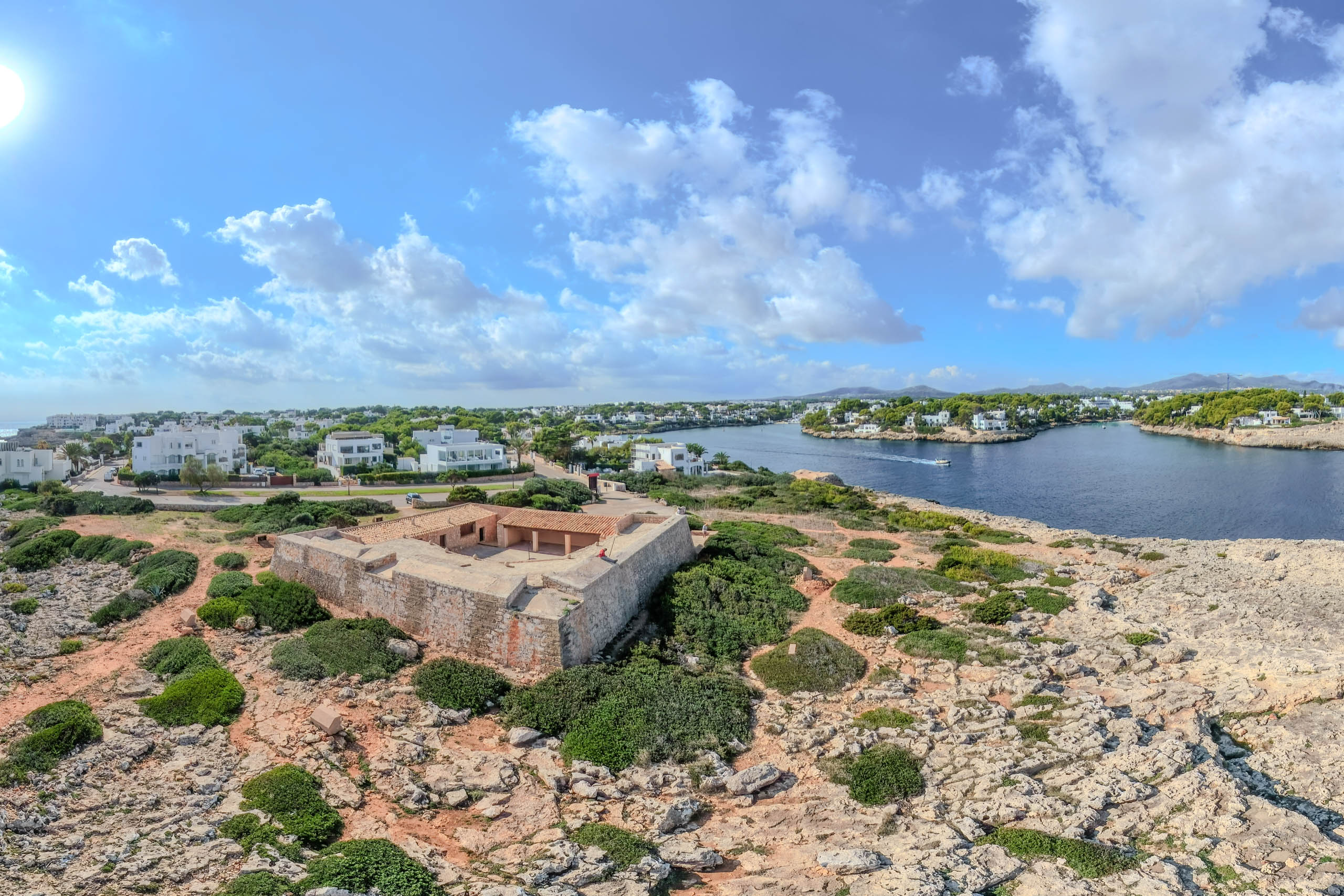
Es Fortí stands on the rocky headland at the entrance to Cala Llonga in Cala d’Or. Behind its thick walls is a …

A small 15th-century sanctuary on a 205-metre hill near S'Alqueria Blanca, rarely busy and with views over the …

A rocky hilltop fortress 408 metres above sea level near Felanitx, its walls rising directly from the cliff edge …

Mallorca’s southernmost point has a lighthouse built in 1863, flat coastal rocks and open sea, with the …

A pilgrimage church has stood here since 1348, 509 metres above Felanitx at the southern end of the Serra de …

Around 170 hectares of salt pans between Campos and the coast produce roughly ten thousand tonnes of sea salt each …
Distances without a driving time are measured in a straight line. The road journey can be much longer; known driving times are shown alongside.
Where to swim nearby
Beaches and swimming nearby

Pale sand and gently shelving water in a rocky-sided bay, with hotels close behind. Cala Santanyí is a practical …

Pale sand between high rocky sides, clear water and boathouses built into the shore. Cala Llombards is no secret …

Three beaches within a natural park — S'Amarador, Ses Fonts de n'Alís and small Caló des Borgit. Pale sand lies …

Around 110 steep steps lead down to fishermen's cottages, boathouses, rock and a tiny strip of sand. Cala …
Explore from here
Your questions answered
Your questions about Cala Figuera
Does Cala Figuera have a beach?
No sandy beach. The village surrounds a narrow inlet with rocky sides and a working harbour. Nearby Cala Santanyí is a more practical choice for swimming. Caló des Moro is another small cove in the area, though it becomes very crowded.
What are Cala Figuera's escars?
Traditional boathouses with slipways, used to winch llaüts out of the water. They give the harbour much of its character. Maintaining these privately owned structures involves questions of heritage protection, ownership and the cost of upkeep.
Is Cala Figuera a good holiday base?
Yes, if you want somewhere quiet. There is accommodation, a few places to eat by the water and several coves within driving distance. A car is useful. For more shops, evening activity or a beach on your doorstep, choose another base.
When is Cala Figuera at its best?
May and October are lovely months. Early morning and dusk offer particularly good light, with reflections in the harbour water. August brings more visitors than this small village comfortably accommodates.
How do you get to Cala Figuera?
Drive around six kilometres from Santanyí, or check the current seasonal bus timetable. Parking along the main village road is difficult at busy times, so look for spaces near the entrance.
Practical questions
When is the best time to visit Cala Figuera?
Recommended months: March, April, May, June, September, October. Access and opening are limited in January, February, December. See the visiting advice on this page. The first restaurants reopen. Mild weather suits exploring the nearby coast.
Is Cala Figuera worth visiting in July and August?
July: worth considering with some reservations. Usually busy. August: another month may suit you better. Usually busy. August puts pressure on this small village, with parking particularly difficult.
How far is Cala Figuera from Palma airport?
About 58 km from Palma airport. Allow roughly 60 minutes by car. Around six kilometres from Santanyí. The main road through the village becomes congested with parked cars in season.
Do I need a hire car for Cala Figuera?
A car is useful Check seasonal connections from Santanyí; services are limited in winter
Where can I park in Cala Figuera?
Small parking areas near the village entrance. Tight in season, easier at other times.
Can you swim at Cala Figuera?
There is no beach here. See the nearby swimming options on this page.
Can I visit Cala Figuera with a pushchair or wheelchair?
Village streets and waterfront paths, with some cobbles and steps Pushchairs: Manageable on the main street; difficult beside the boathouses Wheelchairs: Limited
Are dogs allowed at Cala Figuera?
Generally straightforward
Words and photographs: Friedhelm Fischer. Exploring Mallorca since 2013 — by bike, on foot and with a camera.