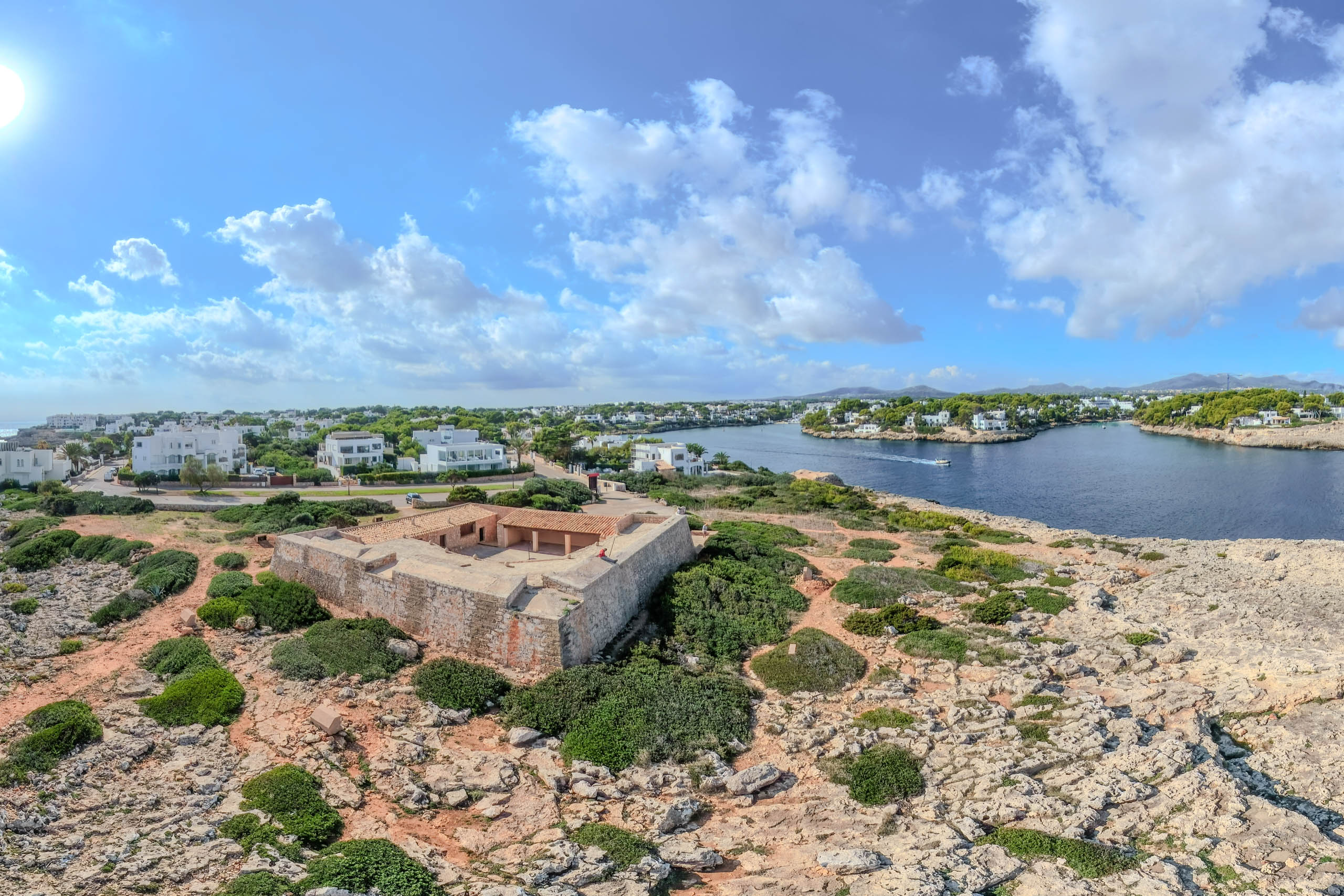
Es Fortí stands on the rocky headland at the entrance to Cala Llonga in Cala d’Or. Behind its thick walls is a small courtyard, with a ramp leading up to the old gun platforms. From there, you look across the coves and open sea. A short, free stop for coastal views and a little island history.
Es Fortí
Es Fortí in 30 seconds
The essentials at a glance
Old walls and open sea views.
- Worth a visit?
- Yes — a short stop with wide sea views
- Best for
- Mallorca enthusiasts, coastal walkers and anyone interested in history
- Best months
- January–June, September–December
- Time to allow
- A short look around, with time to enjoy the view.
- Without a car
- Walk from Cala Egos, or around the harbour from central Cala d’Or
- Parking
- A large parking area near the fort; plenty of space when I visited
- Highlight
- The view from the former gun platforms
- Keep in mind
- A full day of sightseeing or a cool retreat in high summer
- Access
- Paved courtyard and ramp to the upper platform; uneven rocks around the outside
Get a feel for Mallorca. Find your kind of place.
From above, you can see the small courtyard, raised platforms and position right beside the harbour entrance.
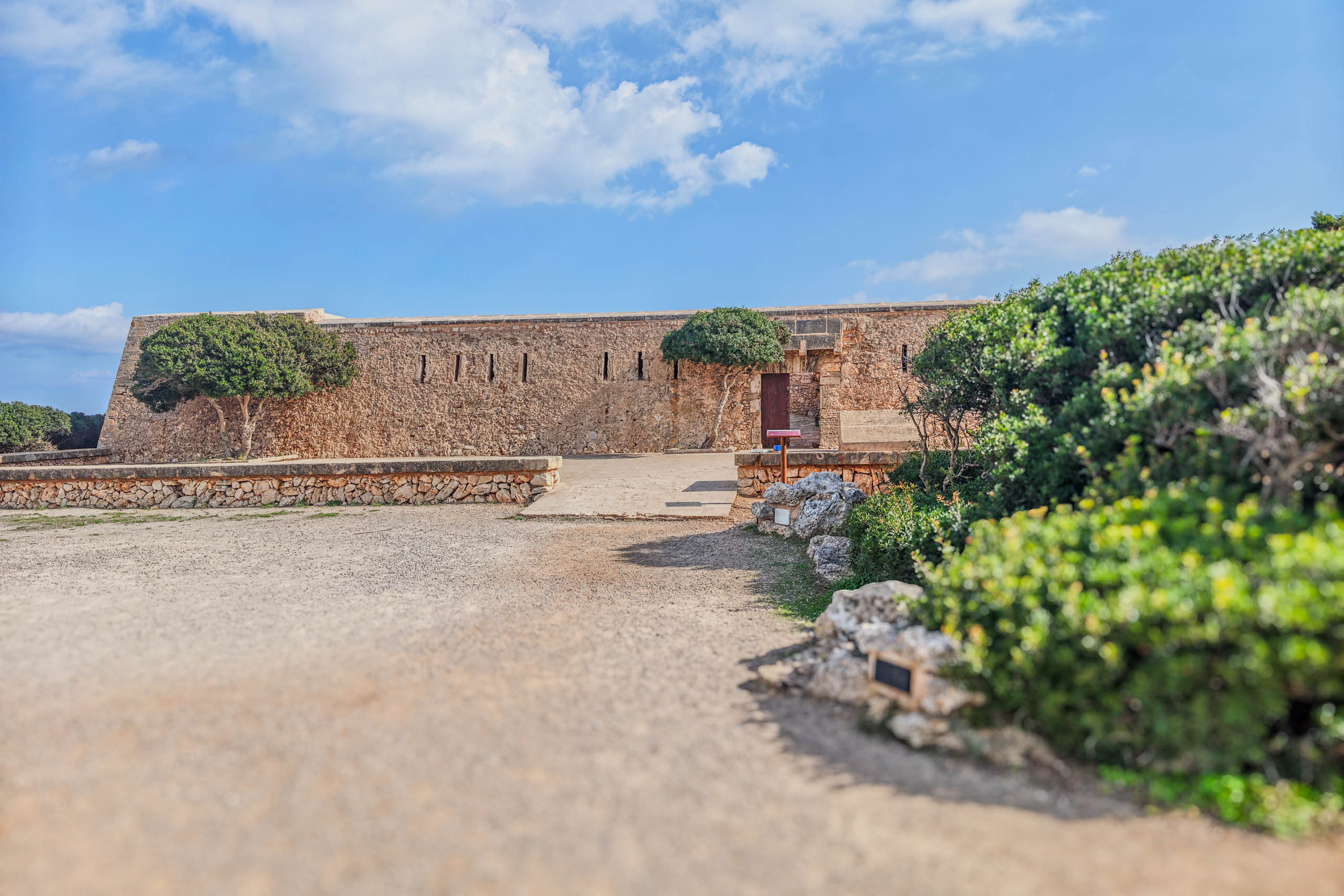
From Avinguda d’es Fortí, the approach crosses the forecourt to the gate.
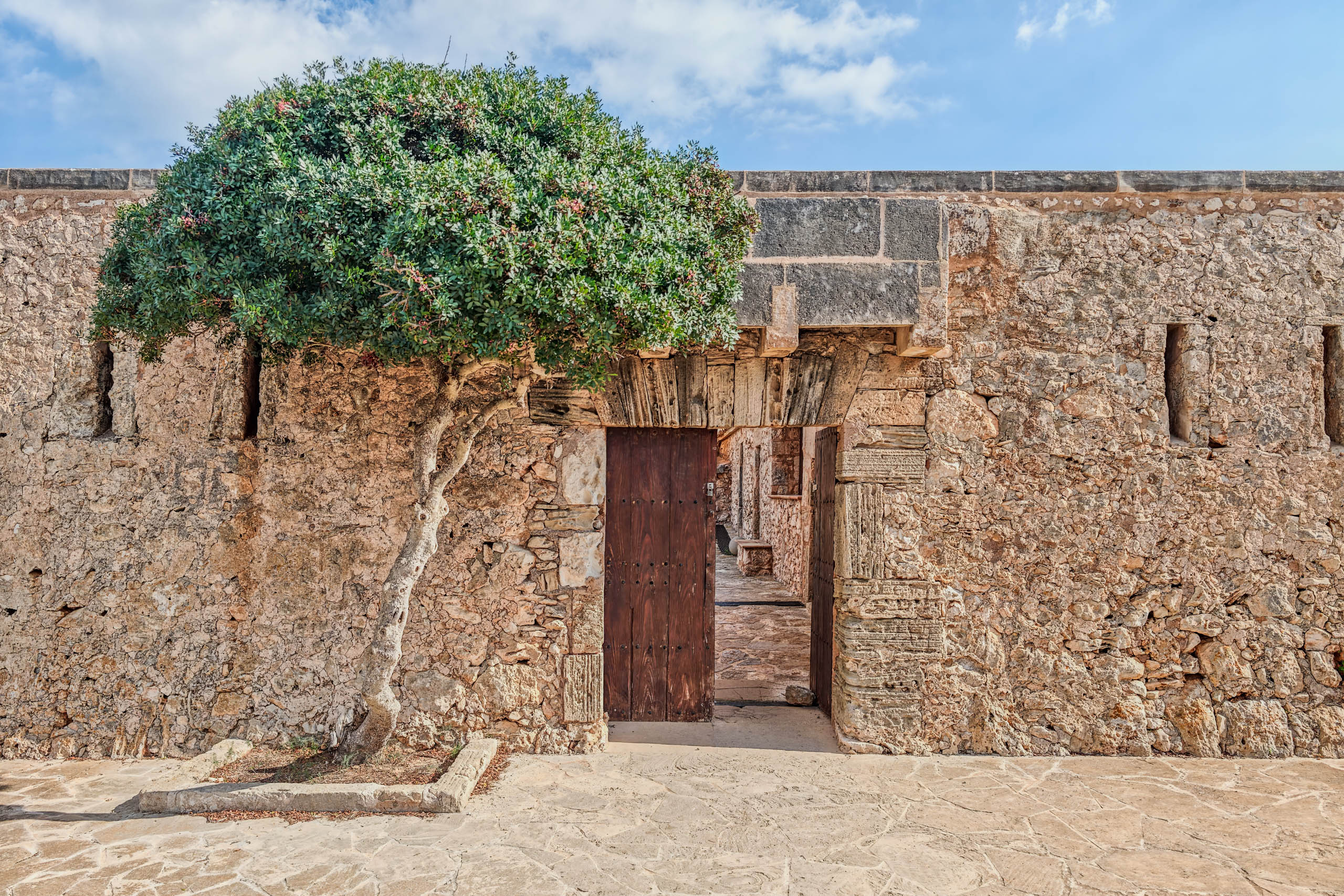
The gateway leads into the courtyard. A stone defensive structure projects above the entrance.
Getting to know Es Fortí
Does Es Fortí suit your plans?
What to expect and what to know before you visit.
Who it suits
- You’d like to include a historic building in a walk around Cala d’Or.
- You enjoy looking across coves, boats and the open sea.
- You’re after a short stop with no admission charge.
Things to bear in mind
- You want a large site to explore for several hours.
- You’re planning to visit in the midday heat on a hot summer’s day.
Region
Migjorn
Nearest beach
Cala d'Or
1 km
Season guide for Es Fortí
November Worth a visit
Open
Worth visiting in January, February, March, April, May, June, September, October, November and December.
Location
Location of Es Fortí
- Region
- Migjorn
- Municipality
- Santanyí
- Hire car
- not essential
- Worth visiting for
- a brief stop
- Coordinates
- 39.3668,3.2339
Es Fortí at the harbour entrance
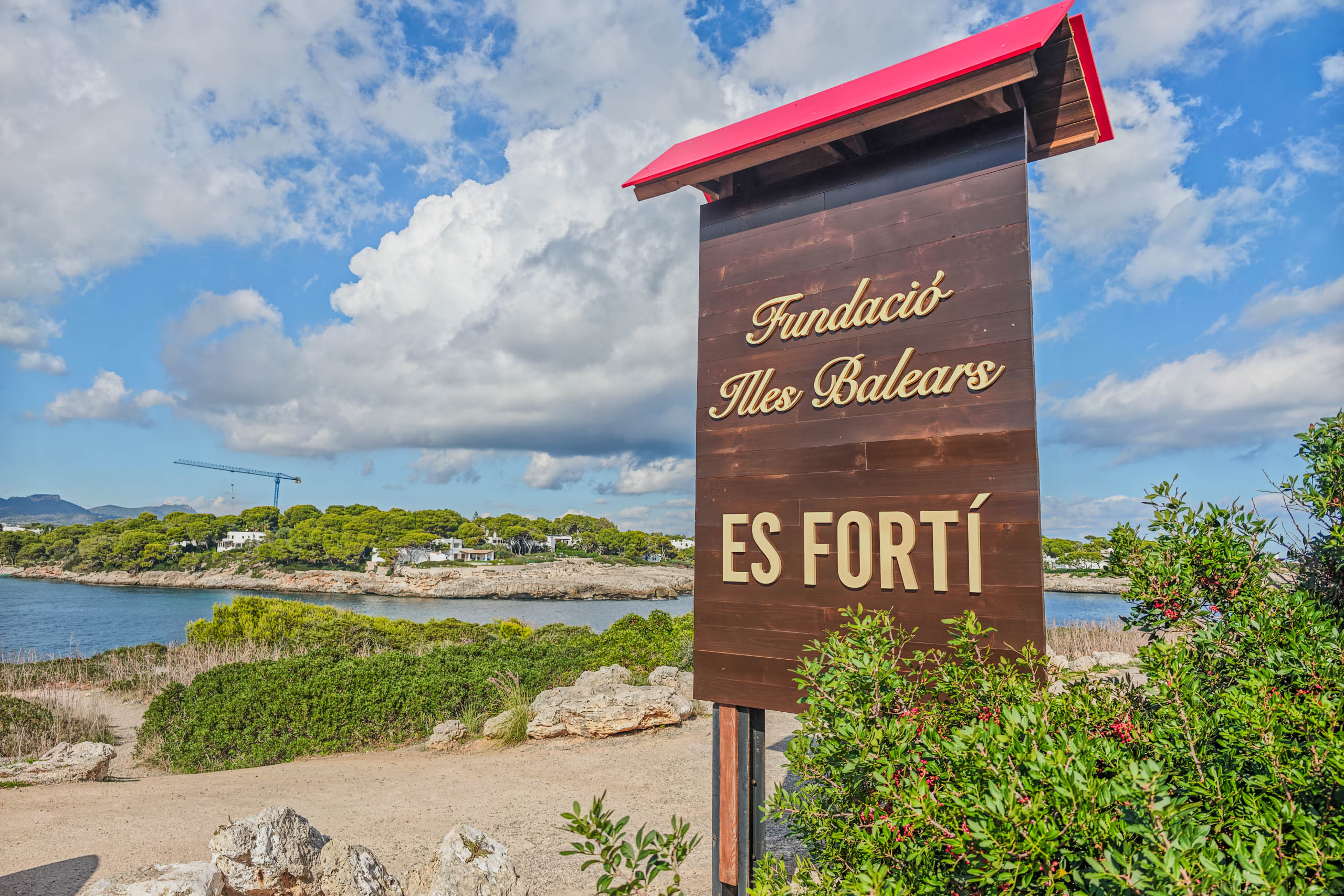
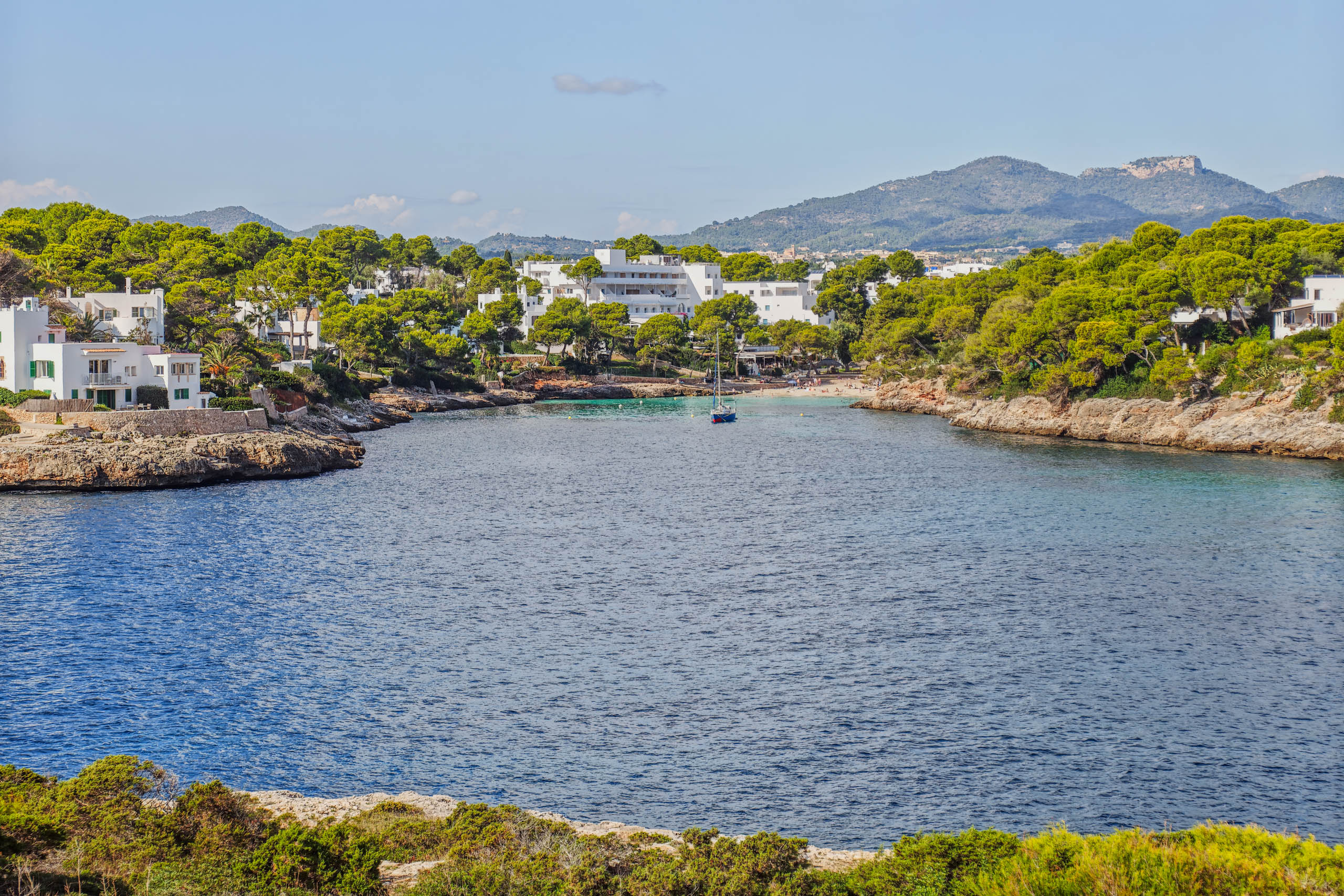
Es Fortí stands at the end of Avinguda d’es Fortí, on the southern side of Cala Llonga. This long inlet contains the harbour of Cala d’Or. The fort occupies the rocky headland between the resort and the open sea.
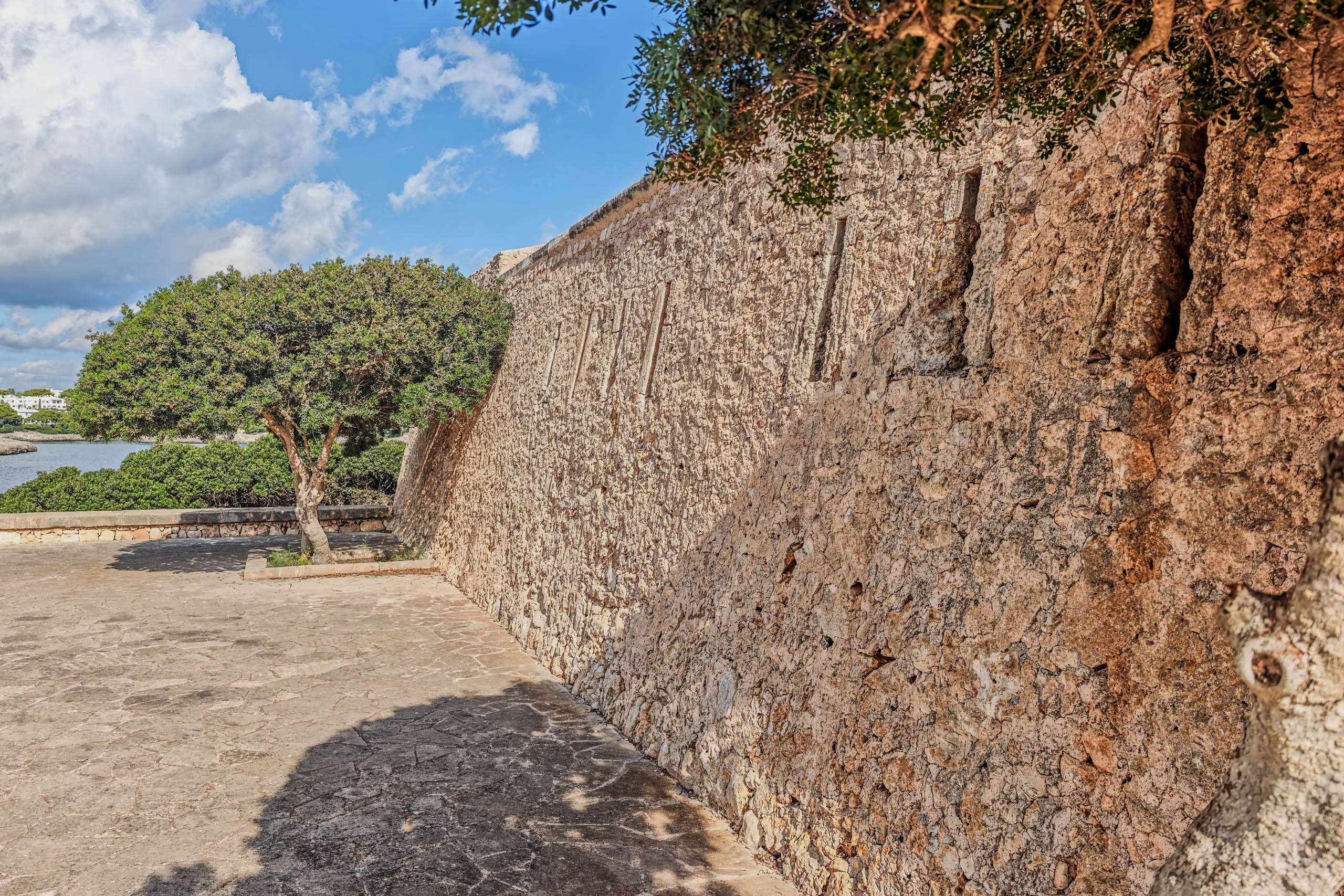
Before going in, take a look at the low, broad building. Its outer walls slope outwards towards the ground. On the landward side, a gate leads into the courtyard, with a projecting stone defence above it. Parking is close to the entrance. From Cala Egos, it’s easy to include the fort in a walk.
A small courtyard and substantial walls
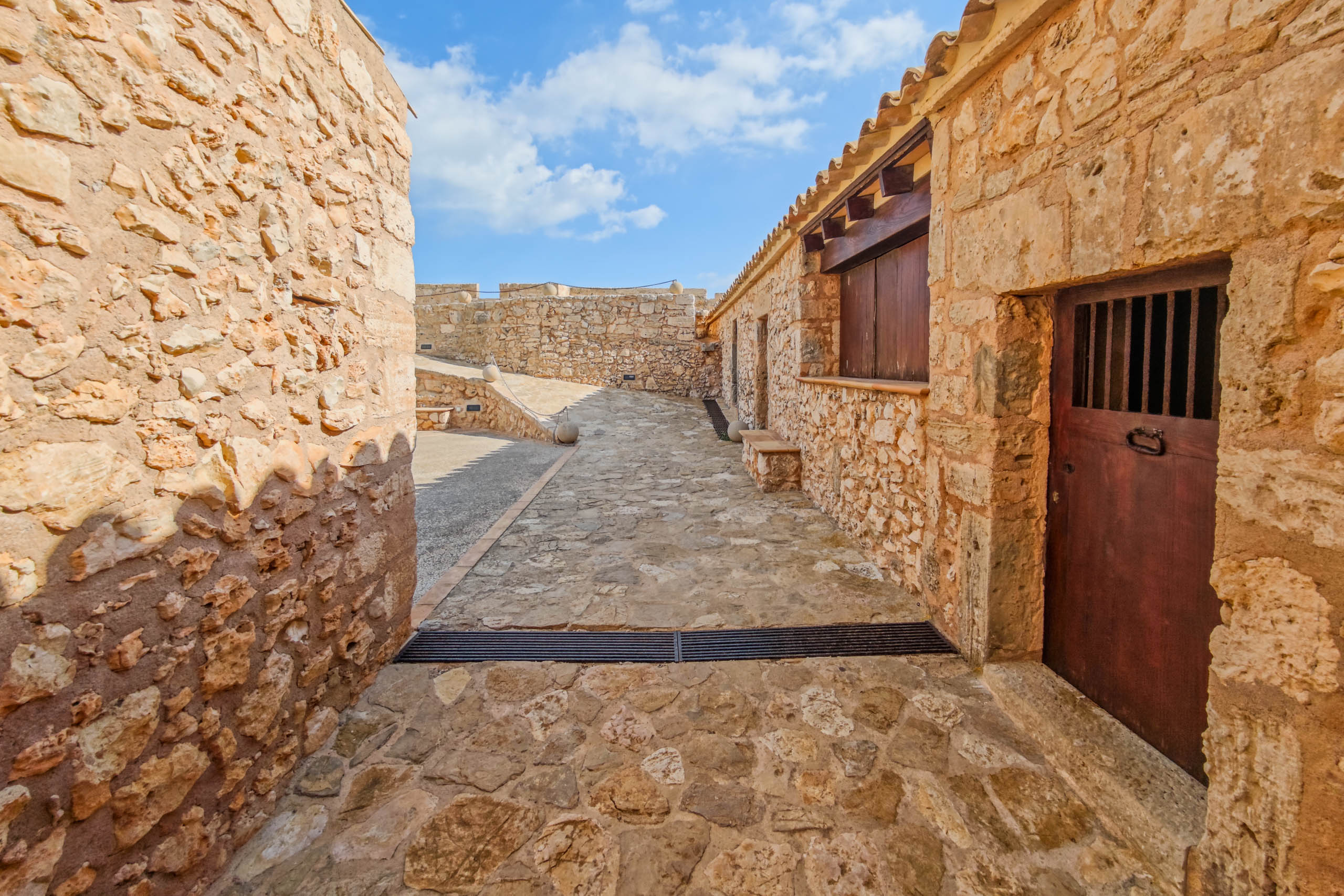
Inside, it soon becomes clear why the courtyard is smaller than you might expect. Low buildings occupy two sides, while raised gun platforms take up much of the remaining space. The seaward side was built particularly strongly, with the platforms resting on earth piled behind the outer walls.
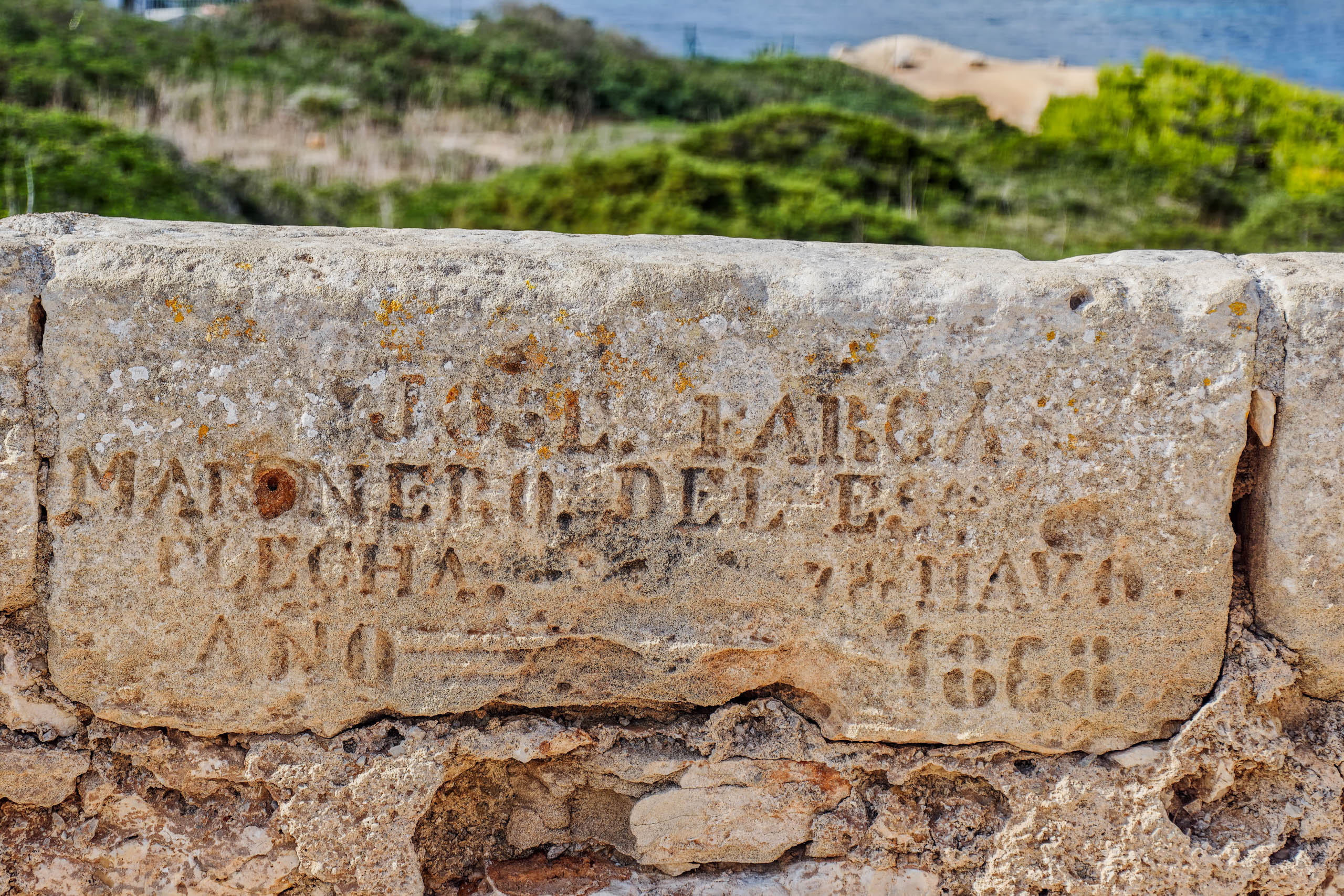
A cistern surround stands in the middle of the courtyard. A ramp leads to the top, where you can see the openings once used by the cannons. Old inscriptions remain in the parapet too. In one of my photographs, you can still read the date 1868.
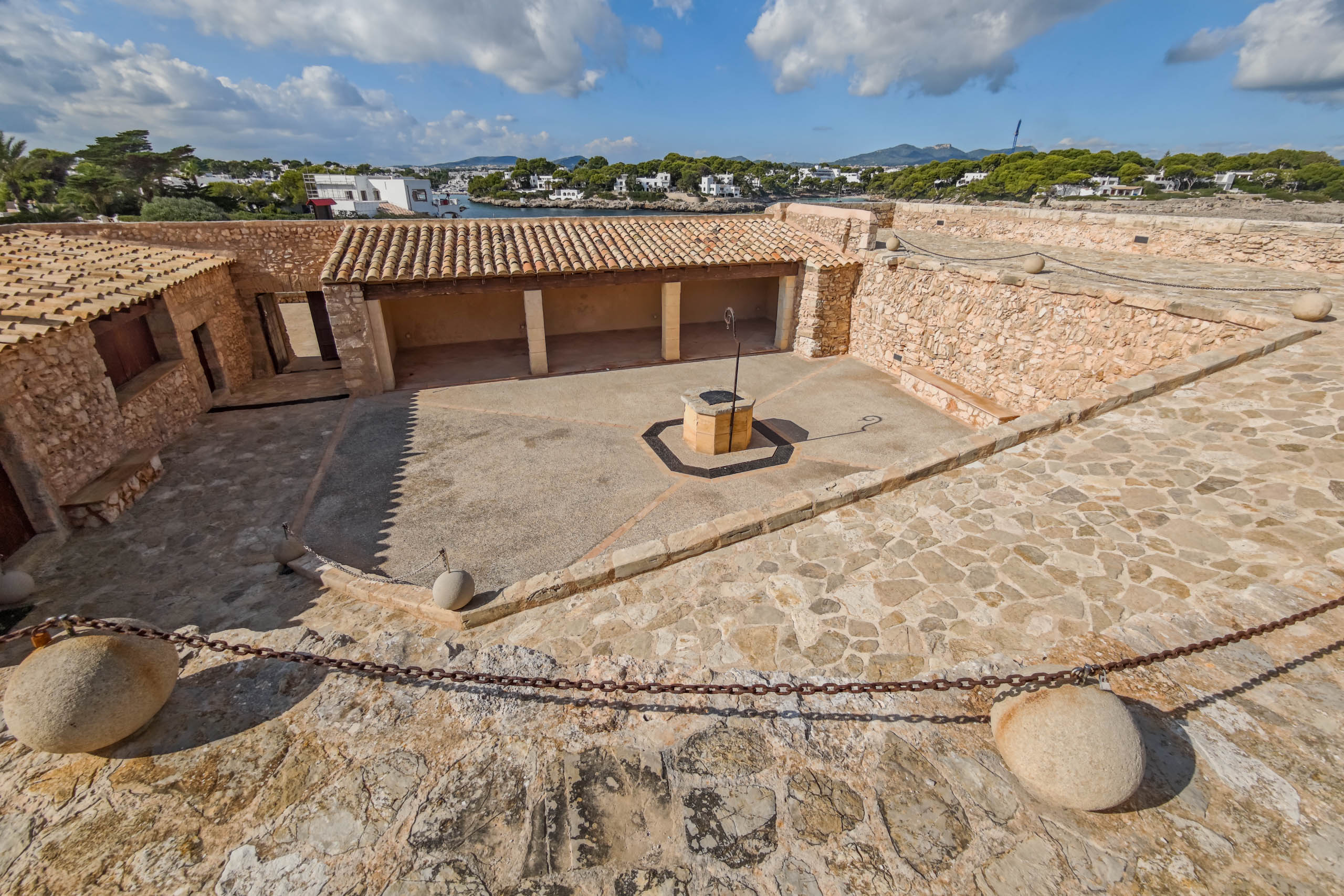
Looking across the coves
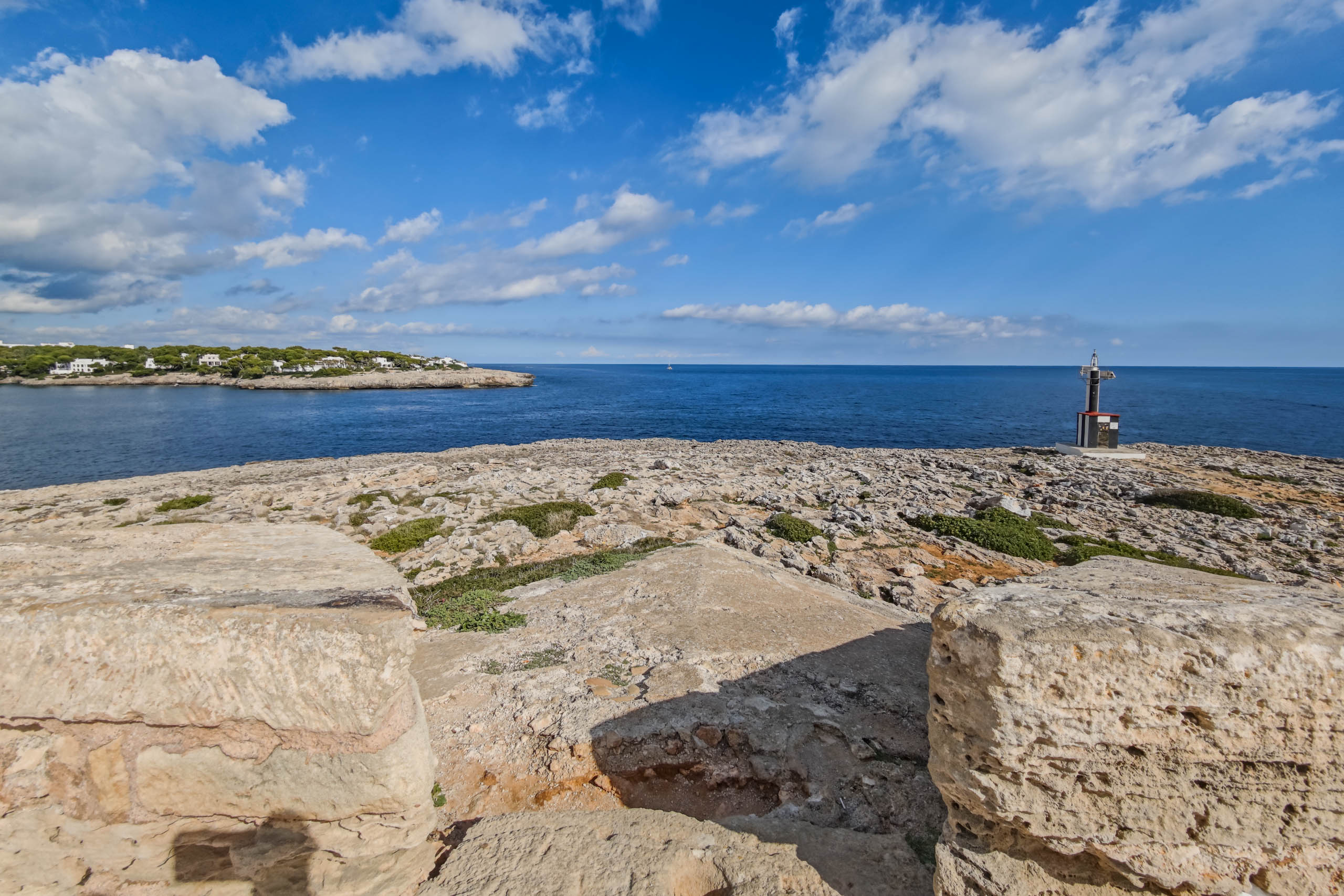
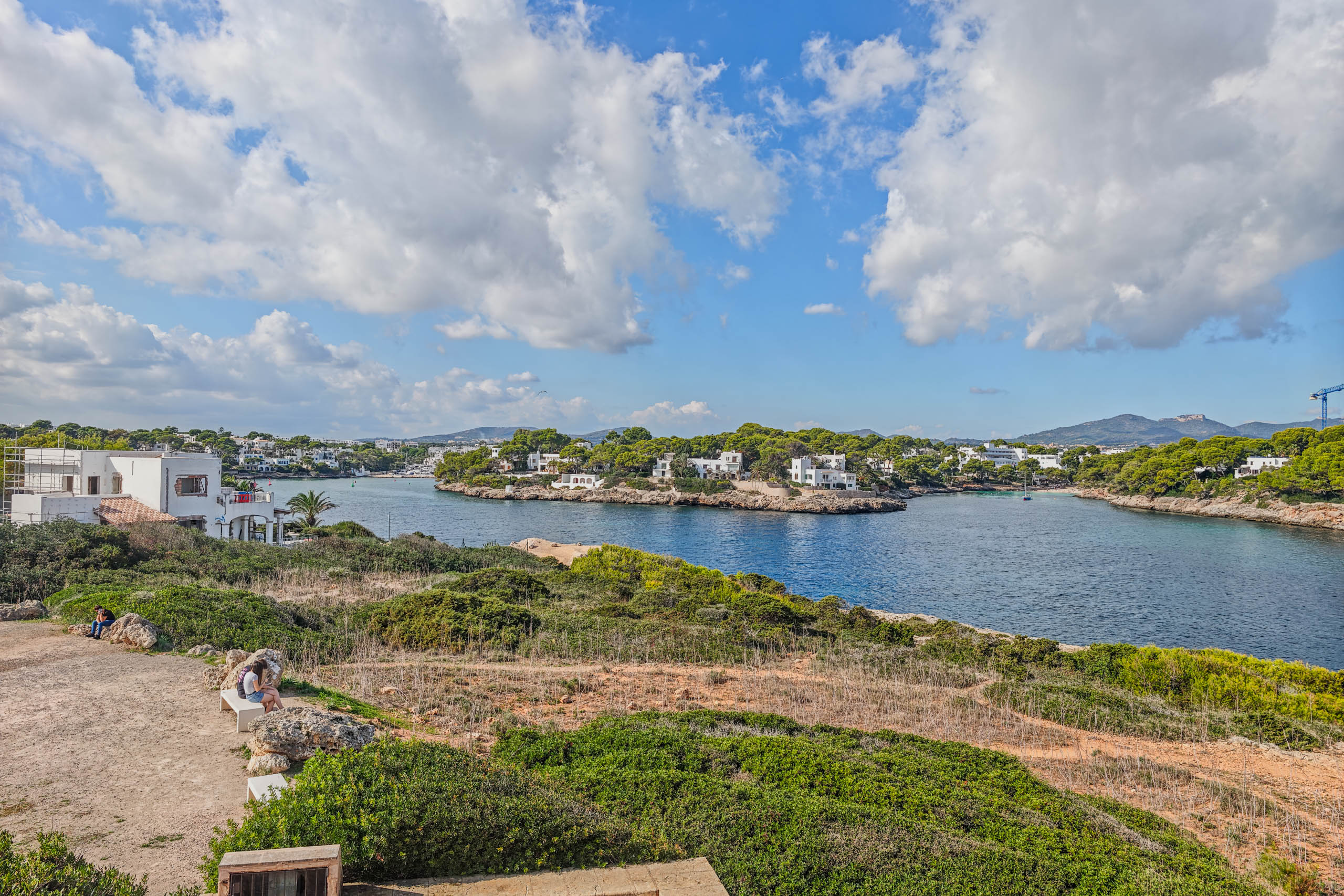
From the top, you look over water, rocky shoreline and Cala d’Or’s white houses. Boats head towards the harbour entrance or out to sea. Stay a while to enjoy the view, then walk back through the courtyard to the exit.
Es Fortí suits a short stop. Combine it with a harbour stroll or some time on one of Cala d’Or’s beaches. In July and August, I’d choose the cooler hours: there’s no shade on the upper platform, and the stone surfaces heat up.
A little coastal history
The fort is one of Mallorca’s 18th-century coastal defences. It protected the entrance to Cala Llonga and the neighbouring coast. The low design provided space for guns, while the position gave a clear view of approaching ships.
After military use ended, the site was altered several times and fell into disrepair for a period. Fundació Illes Balears took it over in 1992. Restoration from 1993 to 1995 gave the fort its present appearance. These days, most people visit for the views.
Admission is free, and the local tourism service lists year-round access. Find visiting information at Visit Cala d’Or. Its construction and restoration are documented in the official heritage designation.
Making a day of it
For a longer outing, add the coves of Cala d’Or, Portopetro harbour or the beaches in Mondragó Natural Park. For a stroll around a traditional town centre afterwards, carry on to Santanyí.
Photographs
Es Fortí in Mallorca
Practical details
- Parking
- A large parking area near the fort, with plenty of space during my visit.
- Time to allow
- A short look around, with time to enjoy the view.
- Good to know
- Entry is free. In July and August, the open platform can become very hot, and the stonework heats up too. Come in the morning or late afternoon, and bring water and sun protection.
- Access
- A paved courtyard and ramp; uneven rock outside the fort.
- Price guide
- Admission Free (as of 2026)
- Coordinates
- 39.3668,3.2339 Google Maps Apple Maps
Within reach
Places to visit
Nearby

A rocky hilltop fortress 408 metres above sea level near Felanitx, its walls rising directly from the cliff edge …

A small 15th-century sanctuary on a 205-metre hill near S'Alqueria Blanca, rarely busy and with views over the …

A freestanding rock arch in the sea, one of the south-east coast’s best-known views. The viewpoint lies between …

A pilgrimage church has stood here since 1348, 509 metres above Felanitx at the southern end of the Serra de …
Distances without a driving time are measured in a straight line. The road journey can be much longer; known driving times are shown alongside.
Where to swim nearby
Beaches and swimming nearby

A resort planned in the 1930s by an Ibizan who brought the style of his home island with him. Low white buildings …

A kilometre and a half from Cala d'Or, but a different world — a natural harbour where fishermen still unload …

Golden sand, gently shelving water and a nearby bus stop make Cala d'en Marçal Portocolom's convenient family …

Three beaches within a natural park — S'Amarador, Ses Fonts de n'Alís and small Caló des Borgit. Pale sand lies …
Places to stay within reach
Explore from here
Your questions answered
Your questions about Es Fortí
What is Es Fortí in Cala d’Or?
A small 18th-century coastal fort on the headland at the entrance to Cala Llonga. It defended the harbour and neighbouring coastline. Today you can explore the fort and look across the coves and sea from its upper platforms.
Is there an admission charge at Es Fortí?
No. The local tourist information service lists free access throughout the year. The fort was freely accessible when I visited.
Can you climb up onto the walls of Es Fortí?
A paved ramp leads from the courtyard to the raised platforms where the guns once stood. You can look across the coast from there. Don’t climb on the parapets themselves.
When was Es Fortí restored?
Fundació Illes Balears took over the site in 1992. Restoration took place from 1993 to 1995. The fort dates from the 18th century and has been altered several times during its history.
Is there parking at Es Fortí?
There was a large parking area close to the fort when I visited. The approach follows Avinguda d’es Fortí on the southern side of Cala Llonga.
Can you walk to Es Fortí?
Yes, it’s within walking distance of Cala Egos. From the centre of Cala d’Or, walk around Cala Llonga’s harbour inlet.
Practical questions
When is the best time to visit Es Fortí?
Recommended months: January, February, March, April, May, June, September, October, November, December.
Is Es Fortí worth visiting in July and August?
July: worth considering with some reservations. There’s no shade on the open platform. Sun and hot stone walls make a visit tiring on very warm days; come in the morning or late afternoon. August: worth considering with some reservations. There’s no shade on the open platform. Sun and hot stone walls make a visit tiring on very warm days; come in the morning or late afternoon.
Do I need a hire car for Es Fortí?
Easy to manage without a car
Where can I park in Es Fortí?
A large parking area near the fort, with plenty of space during my visit.
Can I visit Es Fortí with a pushchair or wheelchair?
A paved courtyard and ramp; uneven rock outside the fort.
Words and photographs: Friedhelm Fischer. Exploring Mallorca since 2013 — by bike, on foot and with a camera.