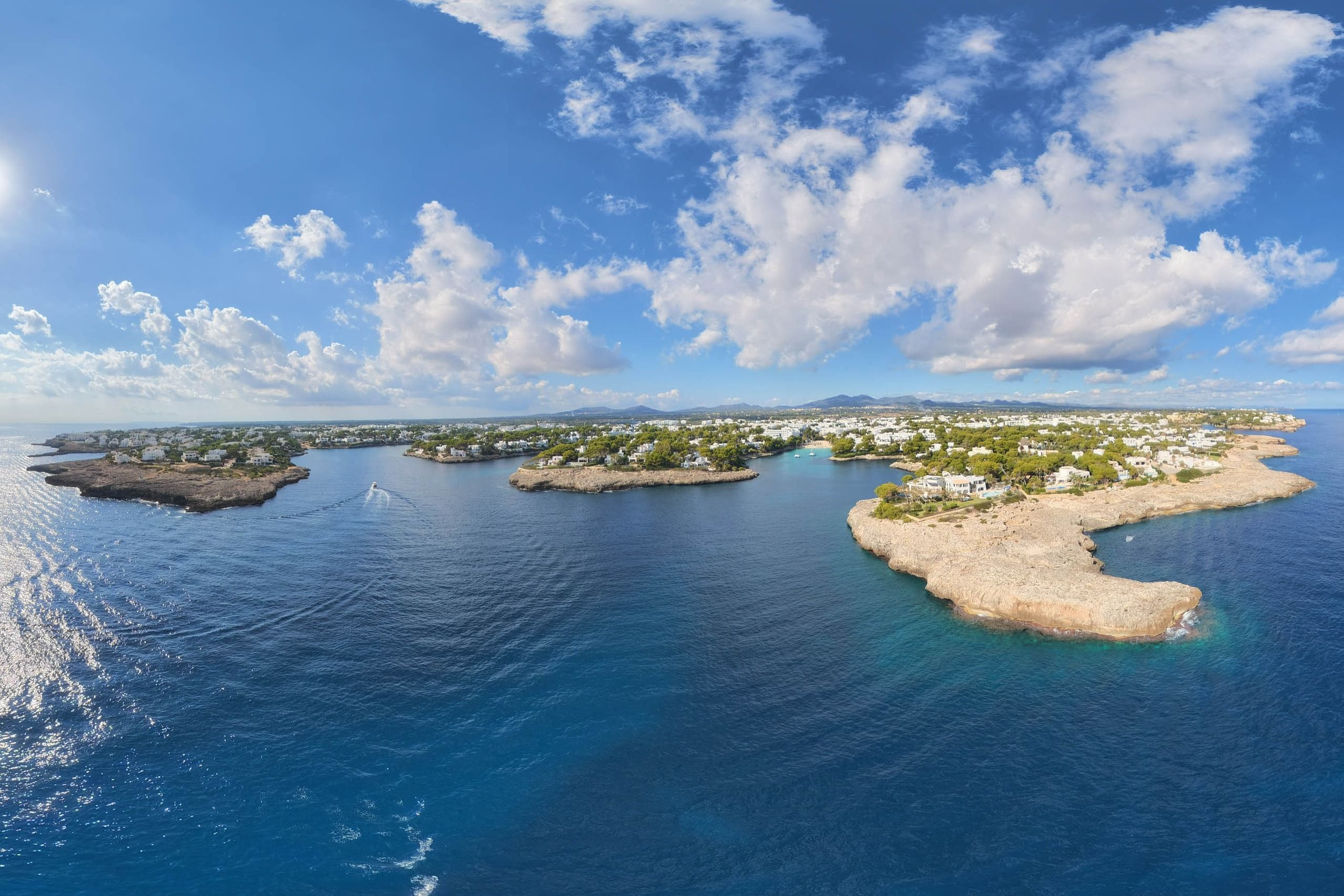
A resort planned in the 1930s by an Ibizan who brought the style of his home island with him. Low white buildings surround turquoise coves and a marina, giving Cala d'Or a distinctive look.
Cala d'Or
Cala d'Or in 30 seconds
The essentials at a glance
- Worth visiting for
- A longer stay
- Best for
- Families looking for small sandy coves with shallow water in calm conditions
- Best months
- April–June, September–October
- Time to allow
- A week as a holiday base, or half a day for a visit
- With children
- Good at the sandy beaches in calm conditions
- Without a car
- Easy enough
- Parking
- Street parking and spaces near the coves; scarce in high season
- Getting into the water
- Sandy shallows at the swimming beaches; conditions vary by cove
- Keep in mind
- Looking for a traditional old town with a long history
- Access
- Pushchairs: Manageable at many access points; choose your route · Wheelchairs: Some coves have easier access; check the specific beach and route beforehand
Get a feel for Mallorca. Find your kind of place.
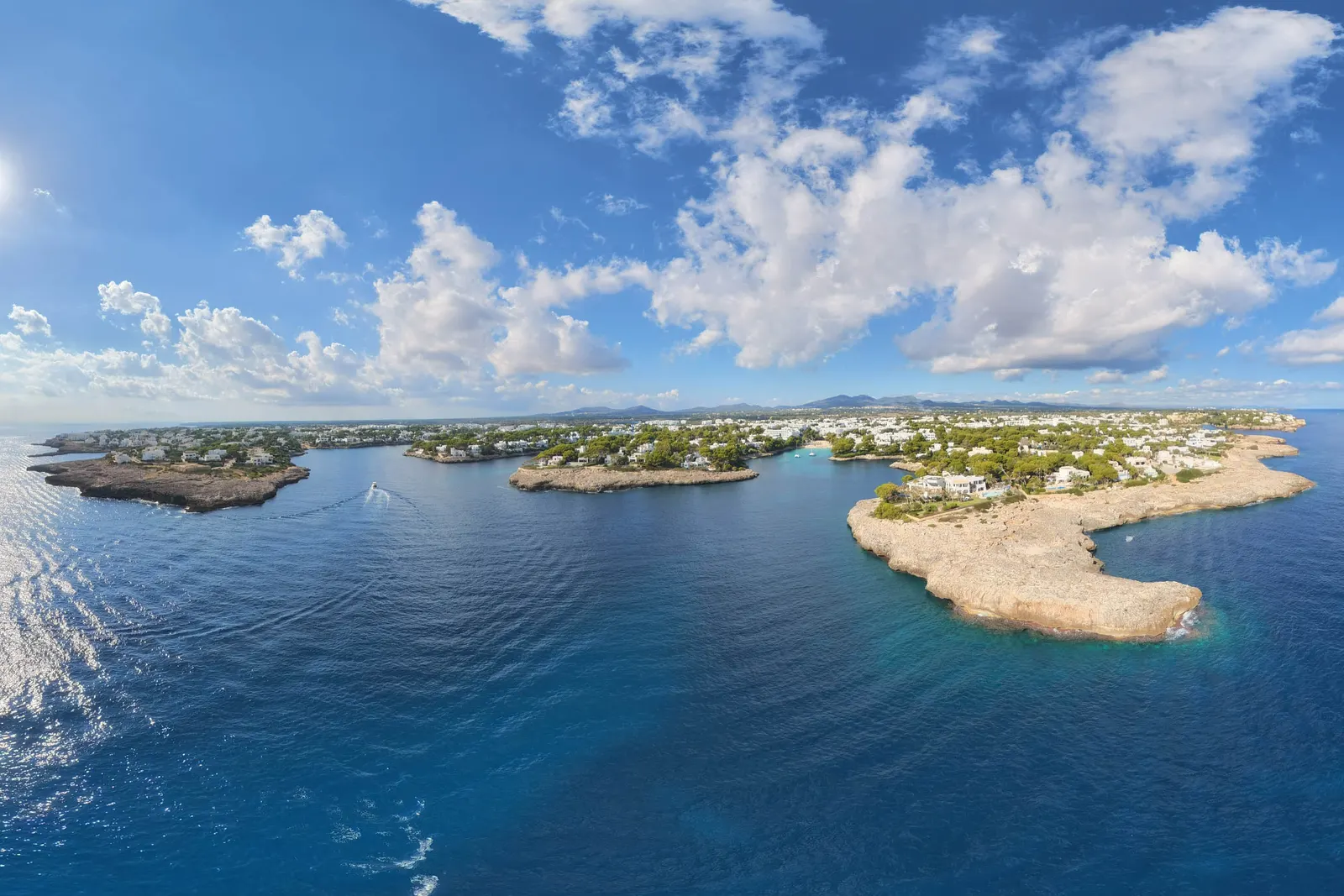
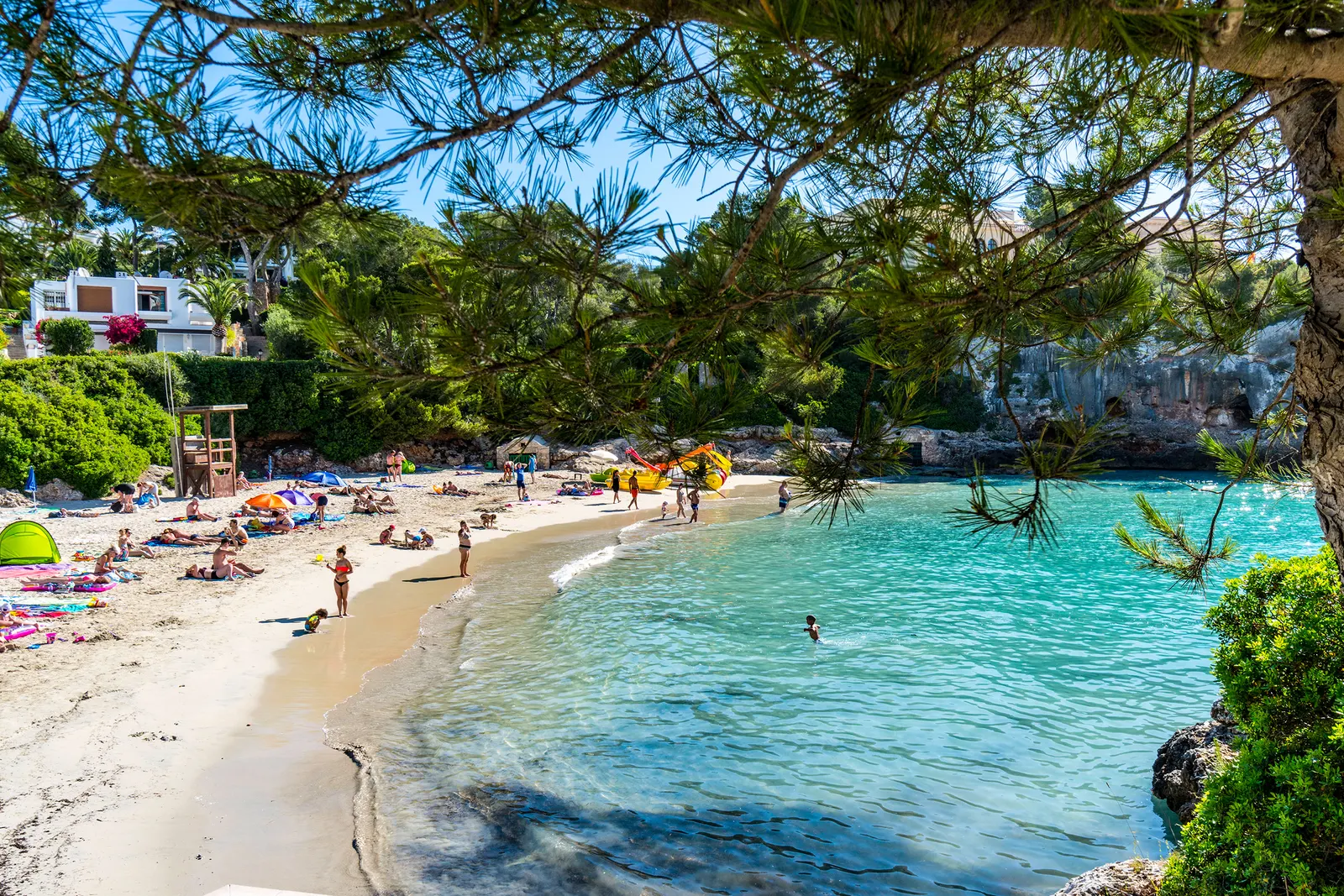
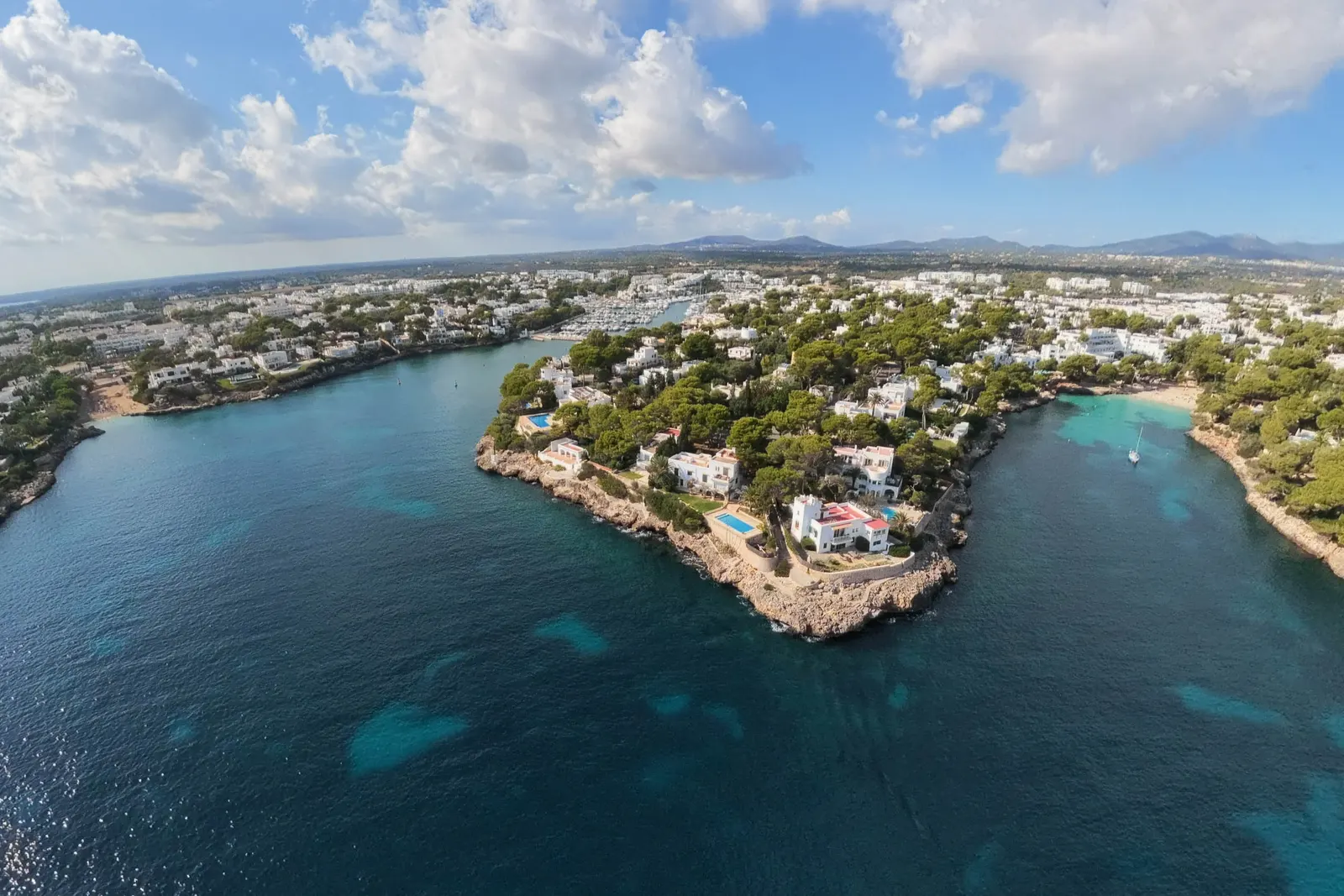
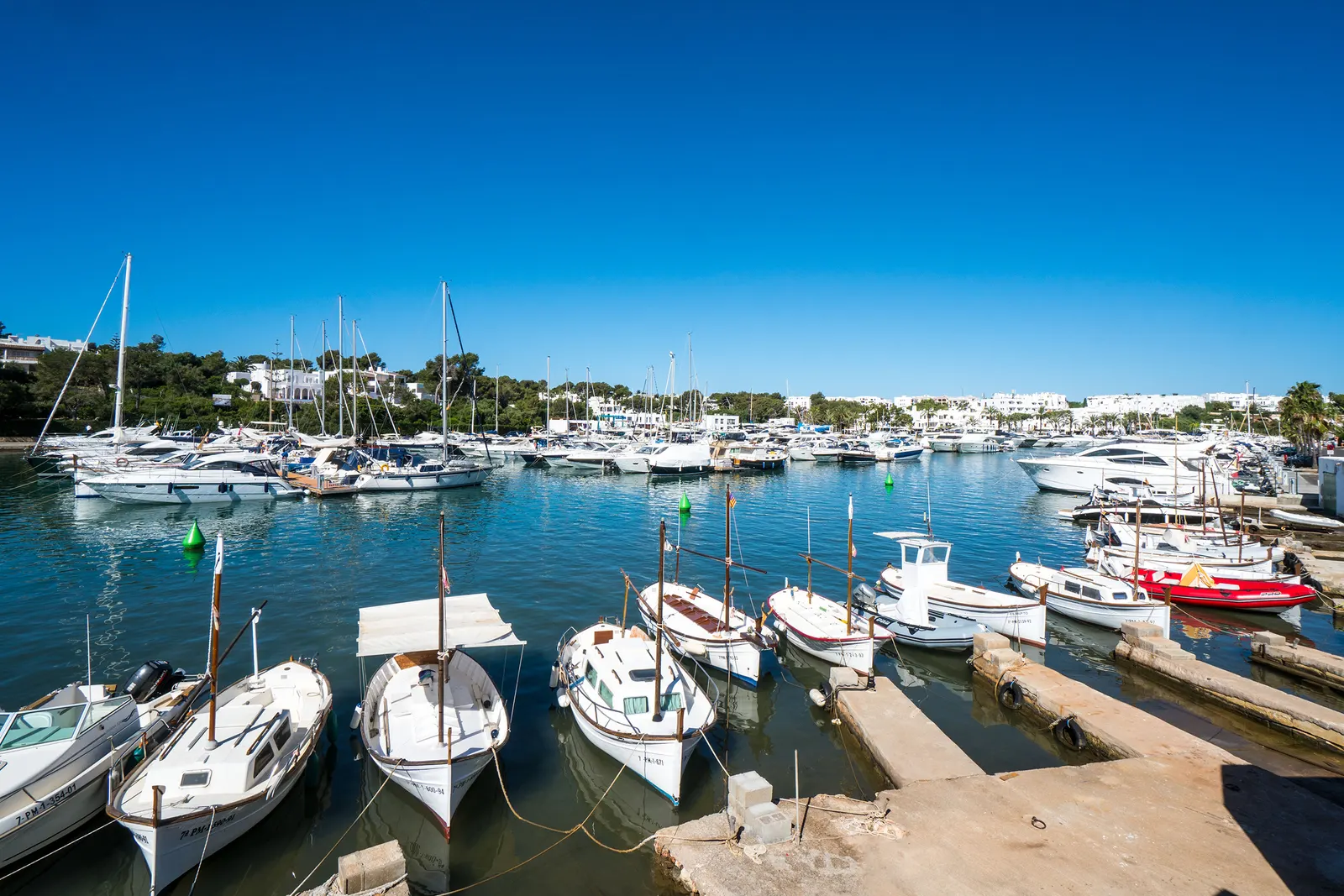
The harbour entrance links the sheltered marina with the open sea.
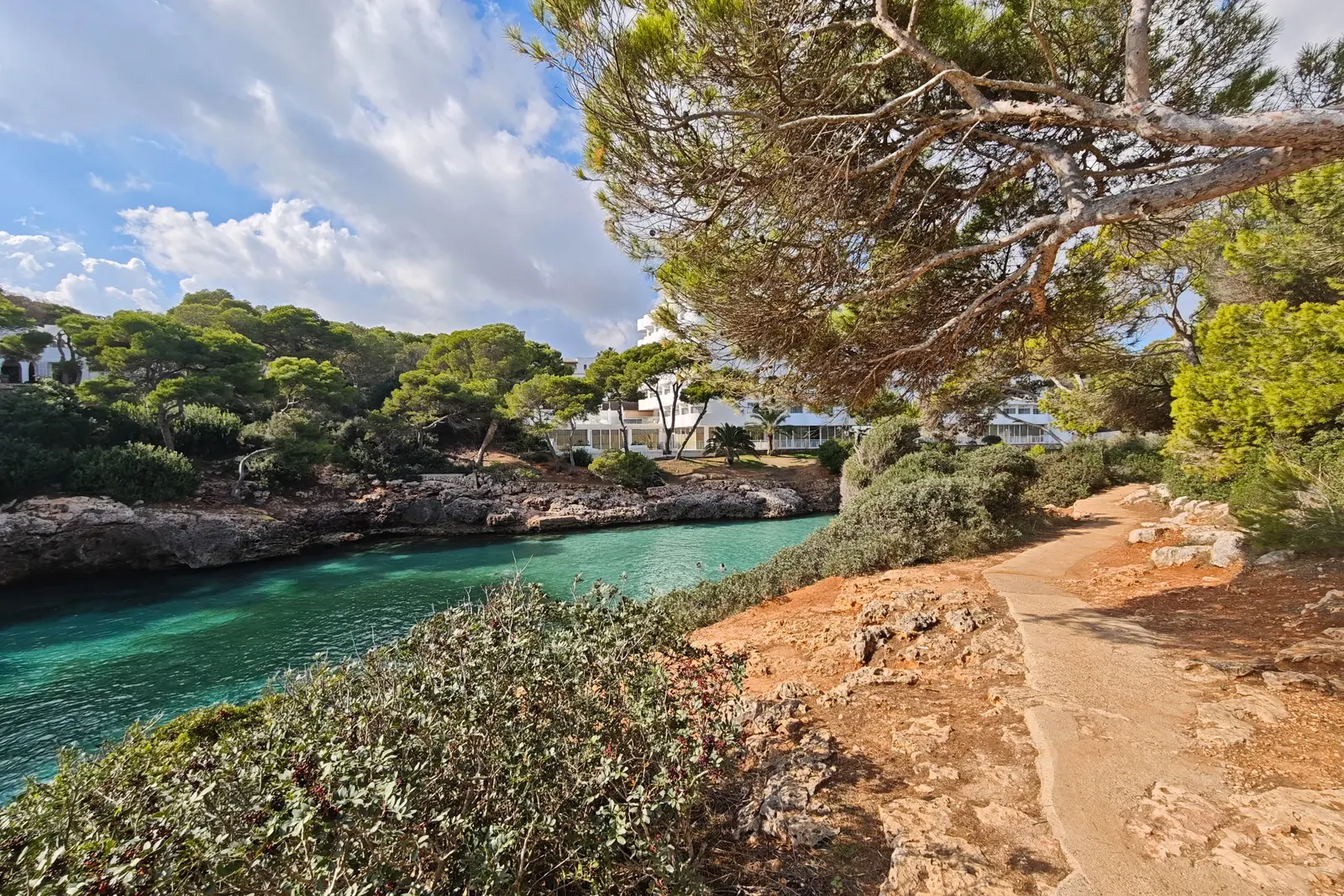
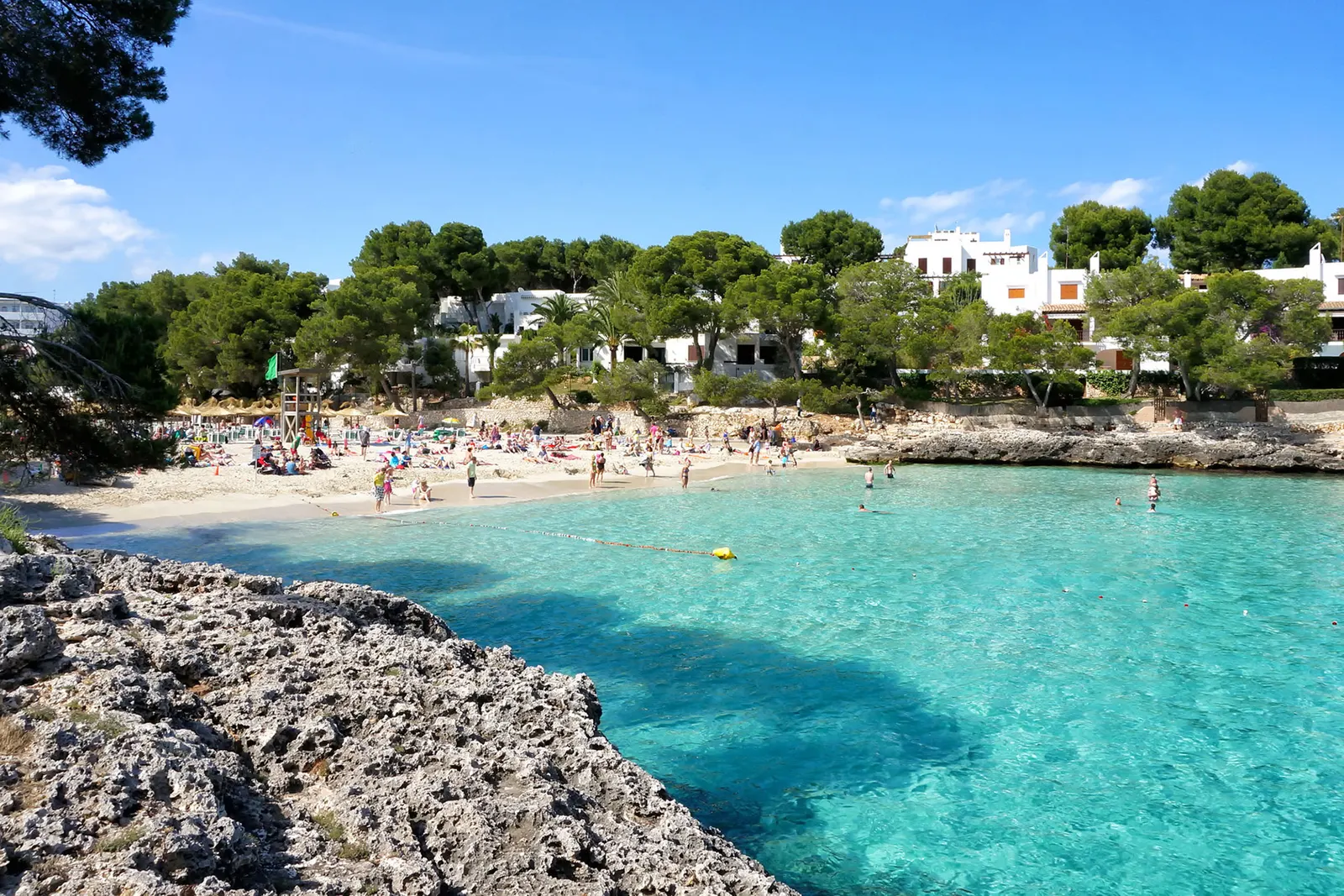
Pines and rocky paths line the small coves between the houses.
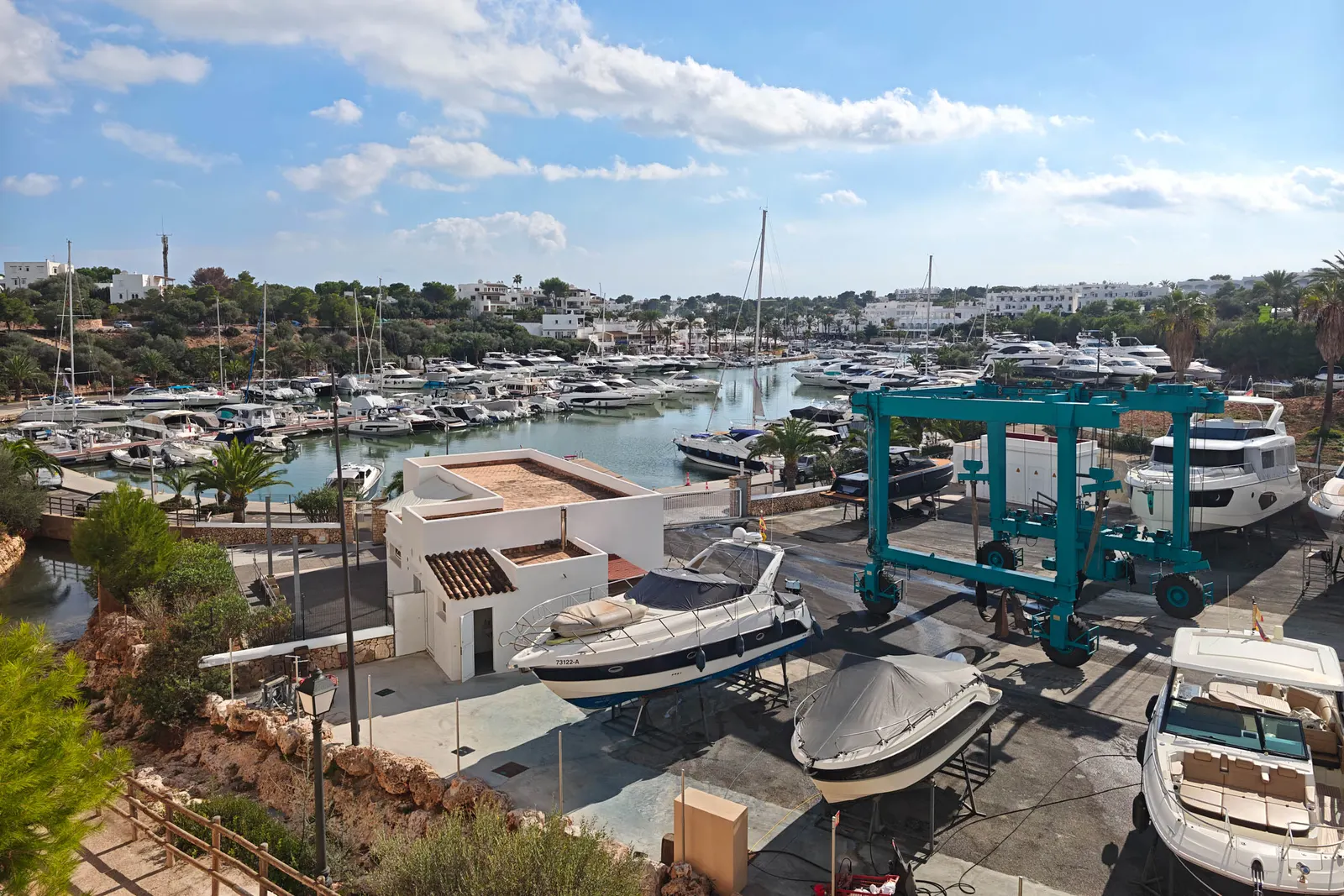
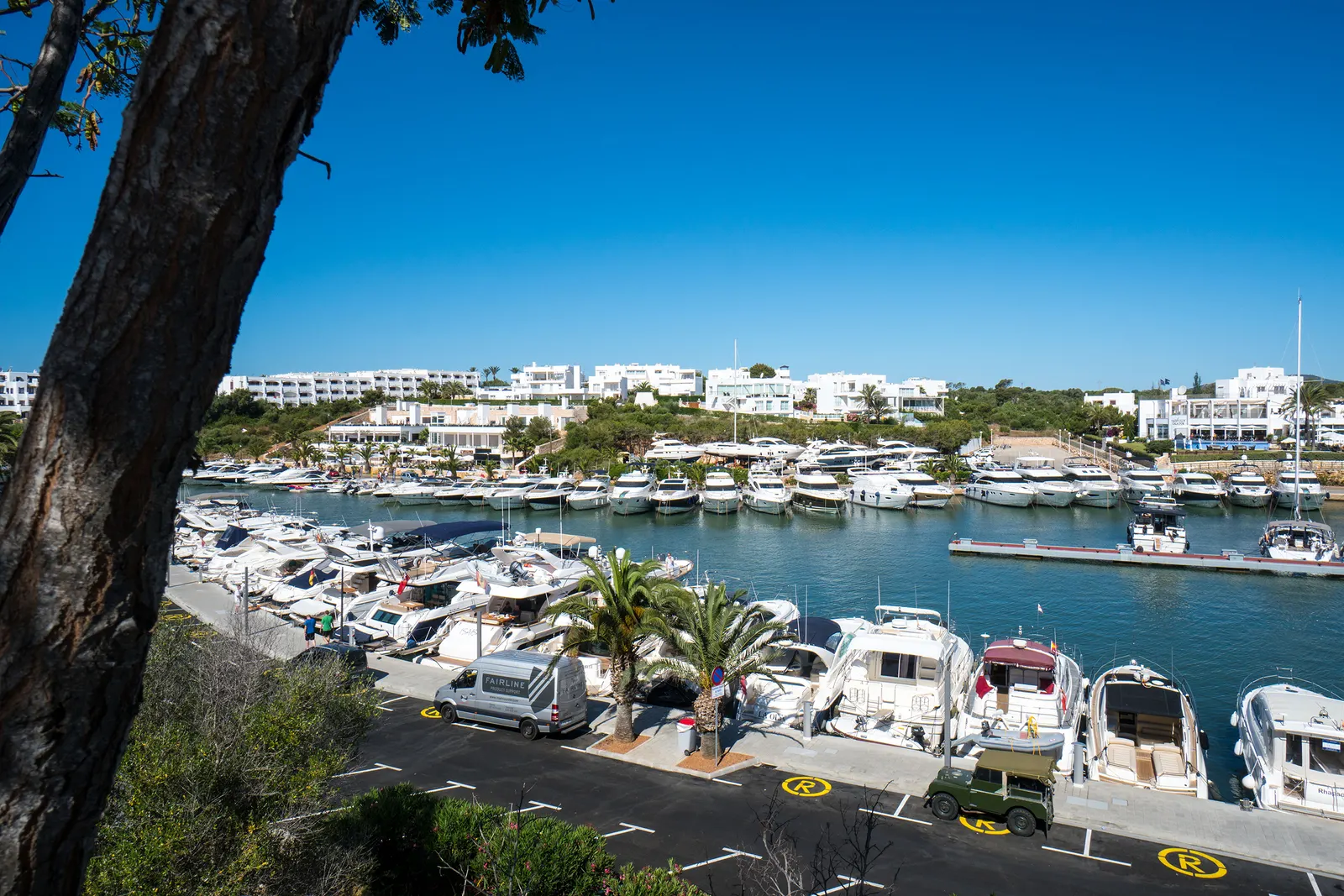
The marina also has boatyard areas where vessels are maintained ashore.
Getting to know Cala d'Or
Does Cala d'Or suit your plans?
What to expect and what to know before you visit.
Who it suits
- Families looking for small sandy coves with shallow water in calm conditions
- Walking between several different beaches
- A holiday resort with low-rise buildings
- Choosing accommodation near one of the easier beach access points
Things to bear in mind
- Looking for a traditional old town with a long history
- Expecting quiet in August
- Wanting one long, continuous beach
- A winter holiday with all resort facilities open
Drive from the airport
55 minutes
60 km
Bus connections
Check connections from Palma
Region
Migjorn
Nearest beach
Porto Petro
2 km
Elevation
15 m
above sea level
Season guide for Cala d'Or
November Worth considering
Very quiet Mostly closed
Worth visiting in April, May, June, September and October. Less suitable in August. Mostly closed in January, February, November and December.
Location
Location of Cala d'Or
- Region
- Migjorn
- Municipality
- Santanyí
- Population
- 4,200
- Elevation
- 15 m above sea level
- Airport
- 60 km , around 55 minutes
- Hire car
- not essential
- Worth visiting for
- a longer stay
- Coordinates
- 39.3739,3.2314
A resort planned with care
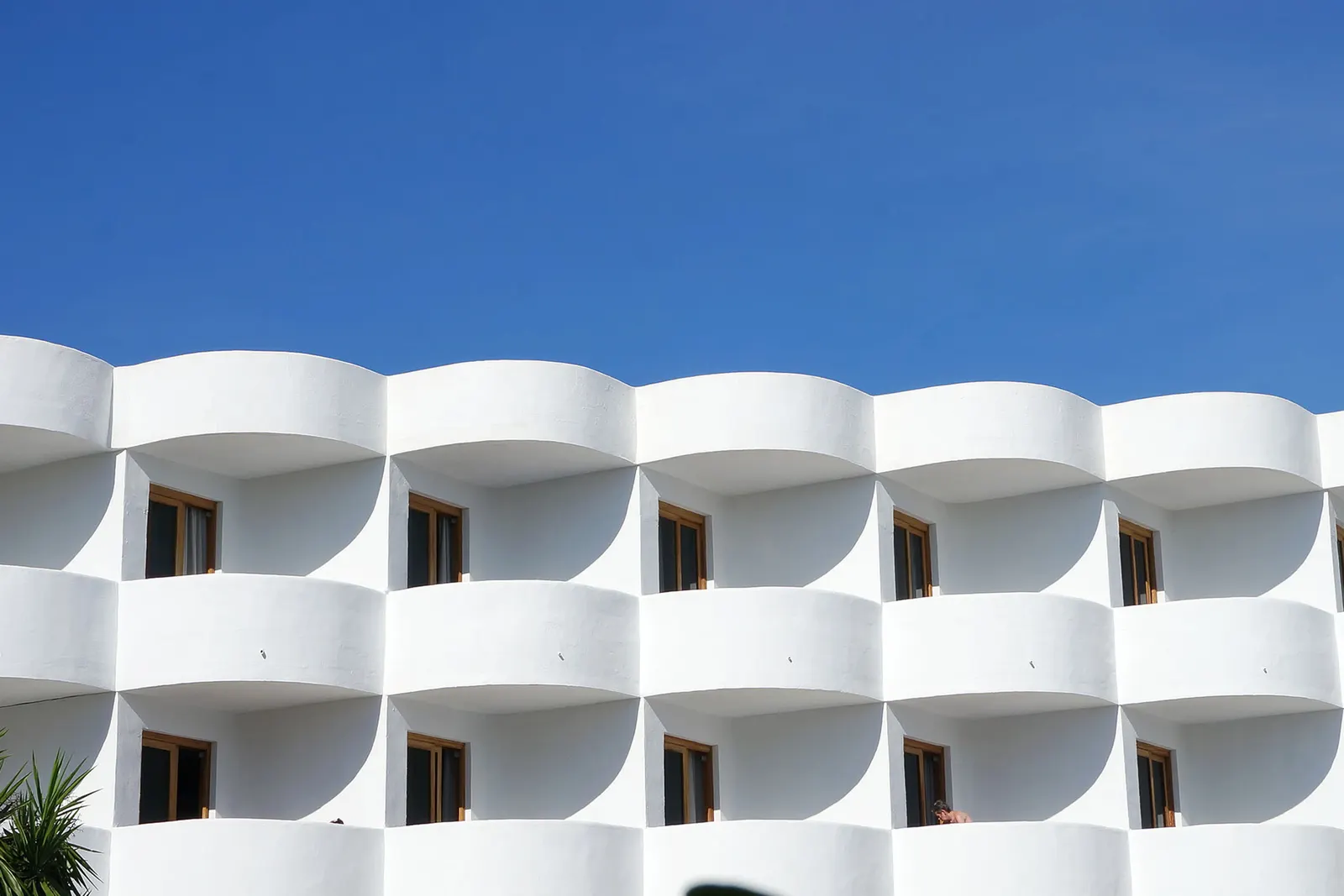
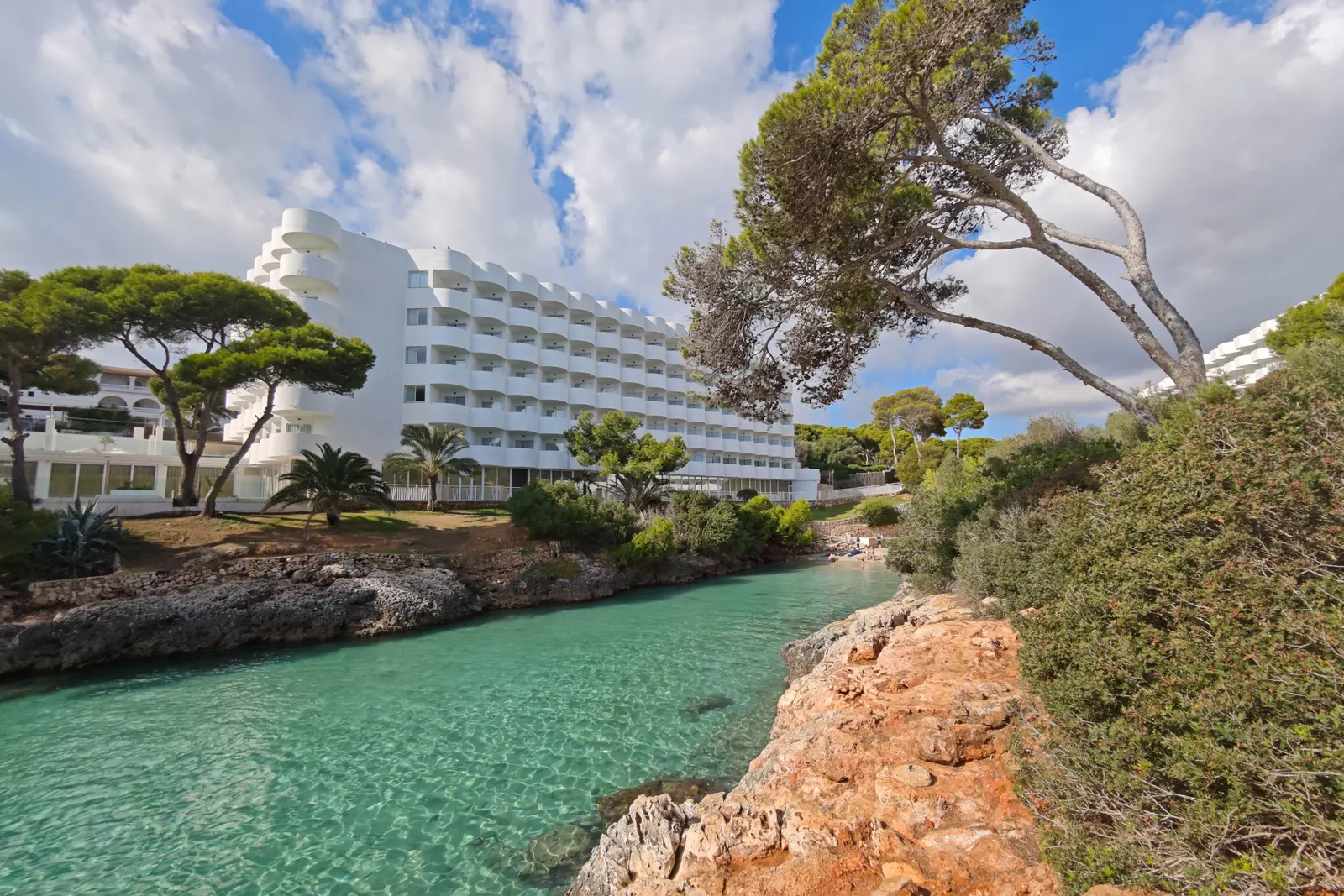
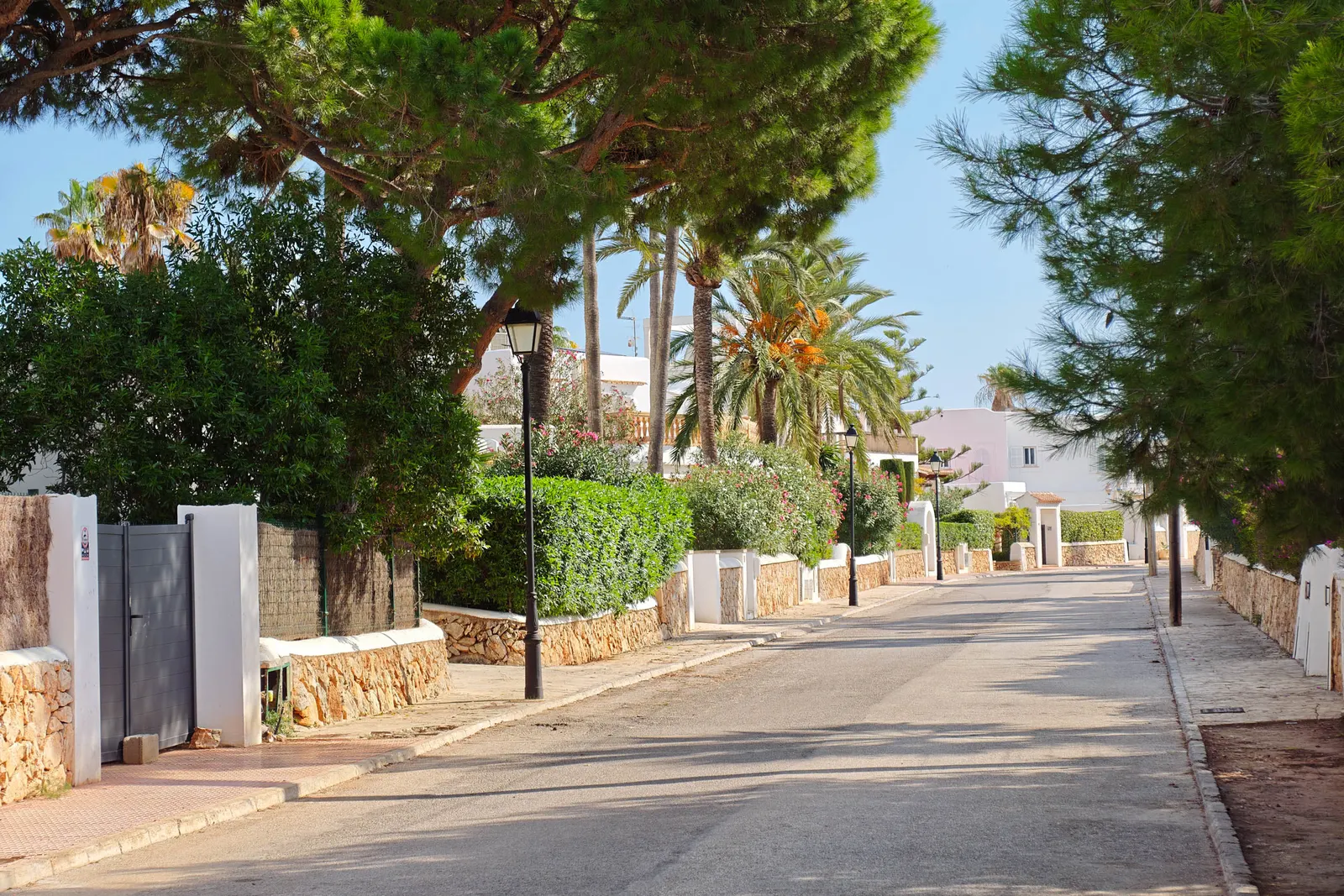
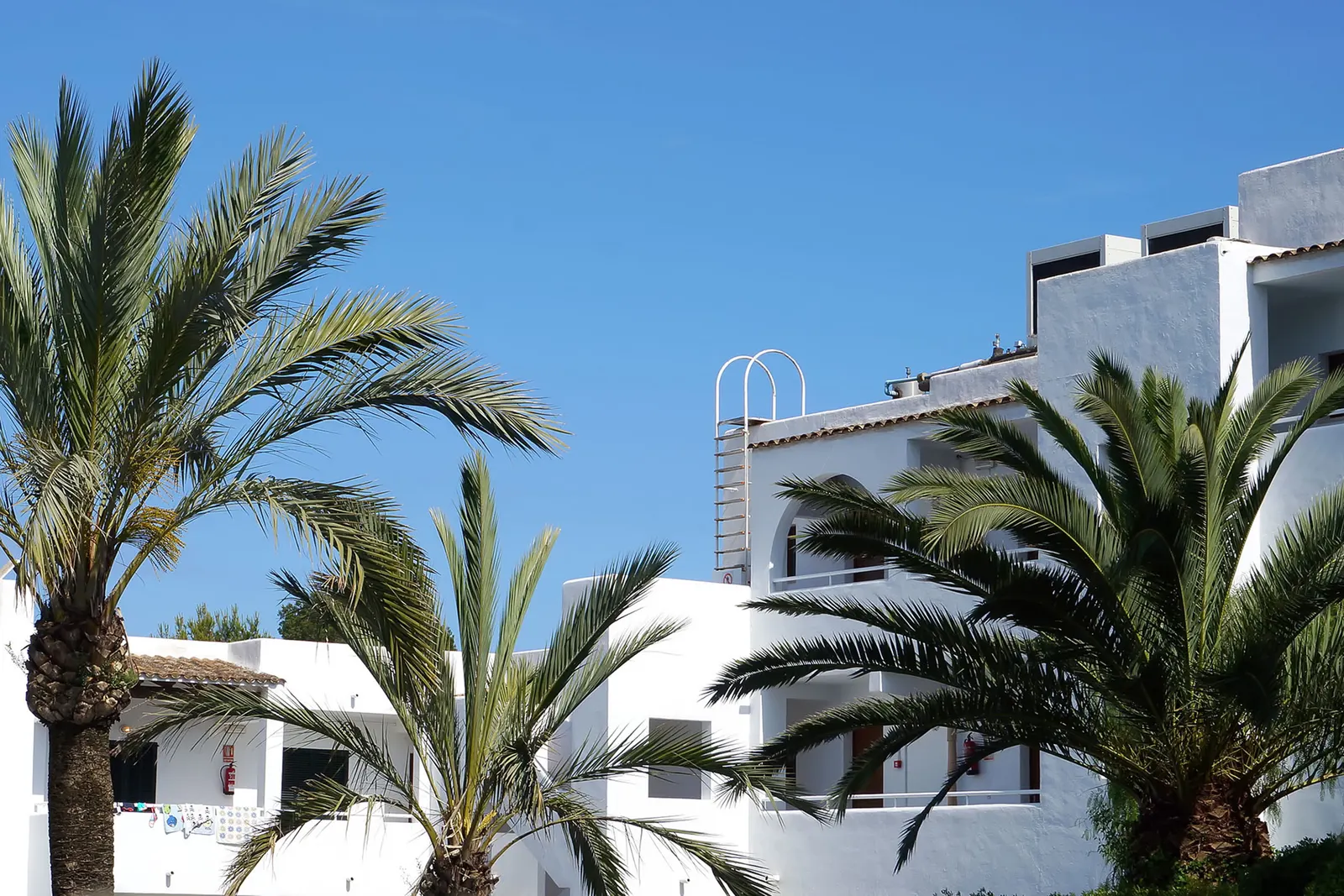
Josep Costa Ferrer, originally from Ibiza, began developing Cala d’Or in the 1930s. He used the style of his home island: low, white, cubical buildings. Much of the resort continued to grow in the same way.
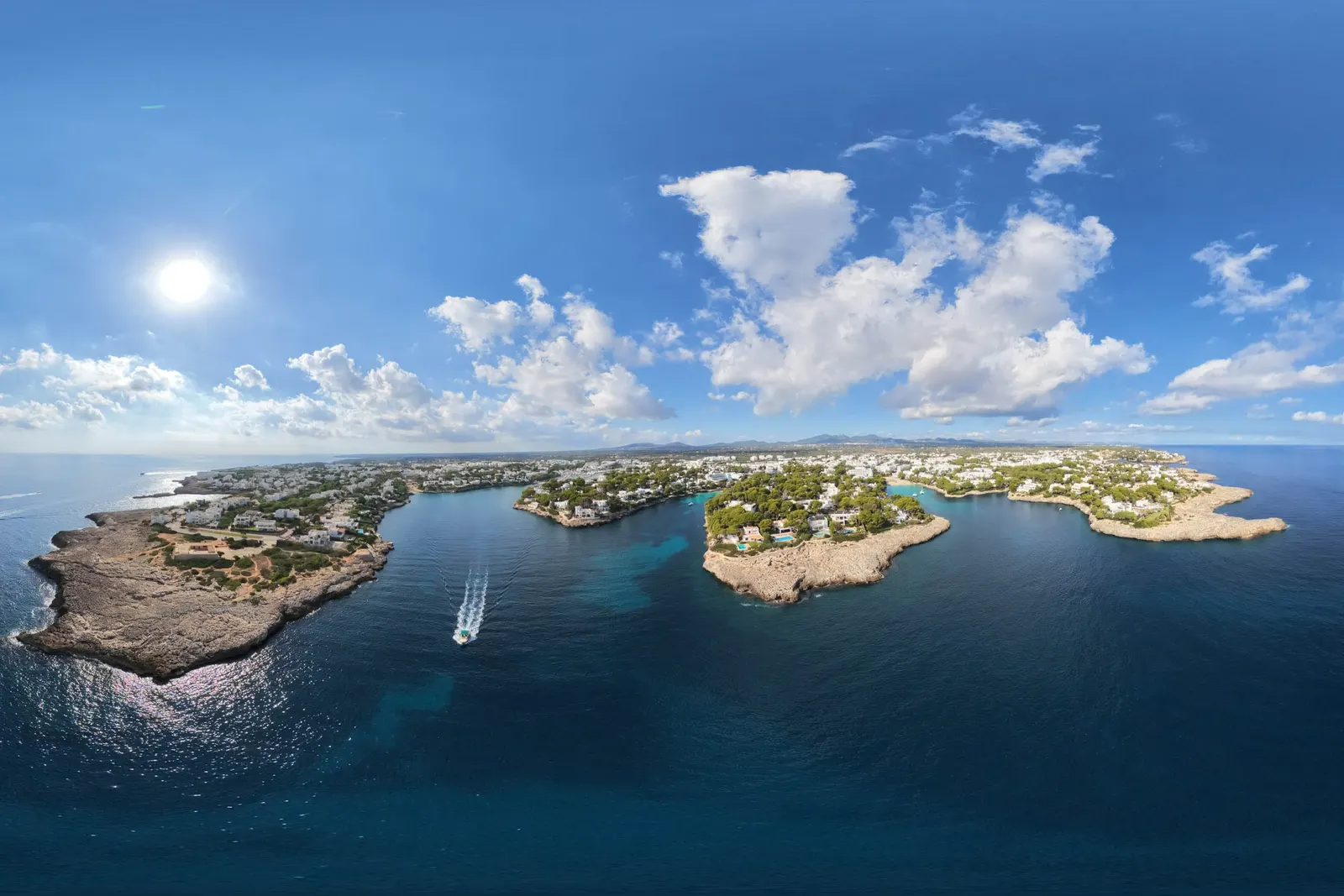
That low-rise character makes a difference. Instead of a wall of tall hotels, houses and holiday accommodation sit around the coves, with the sea reaching between them.
It is still a purpose-built holiday resort, but one with a recognisable look of its own.
The coves
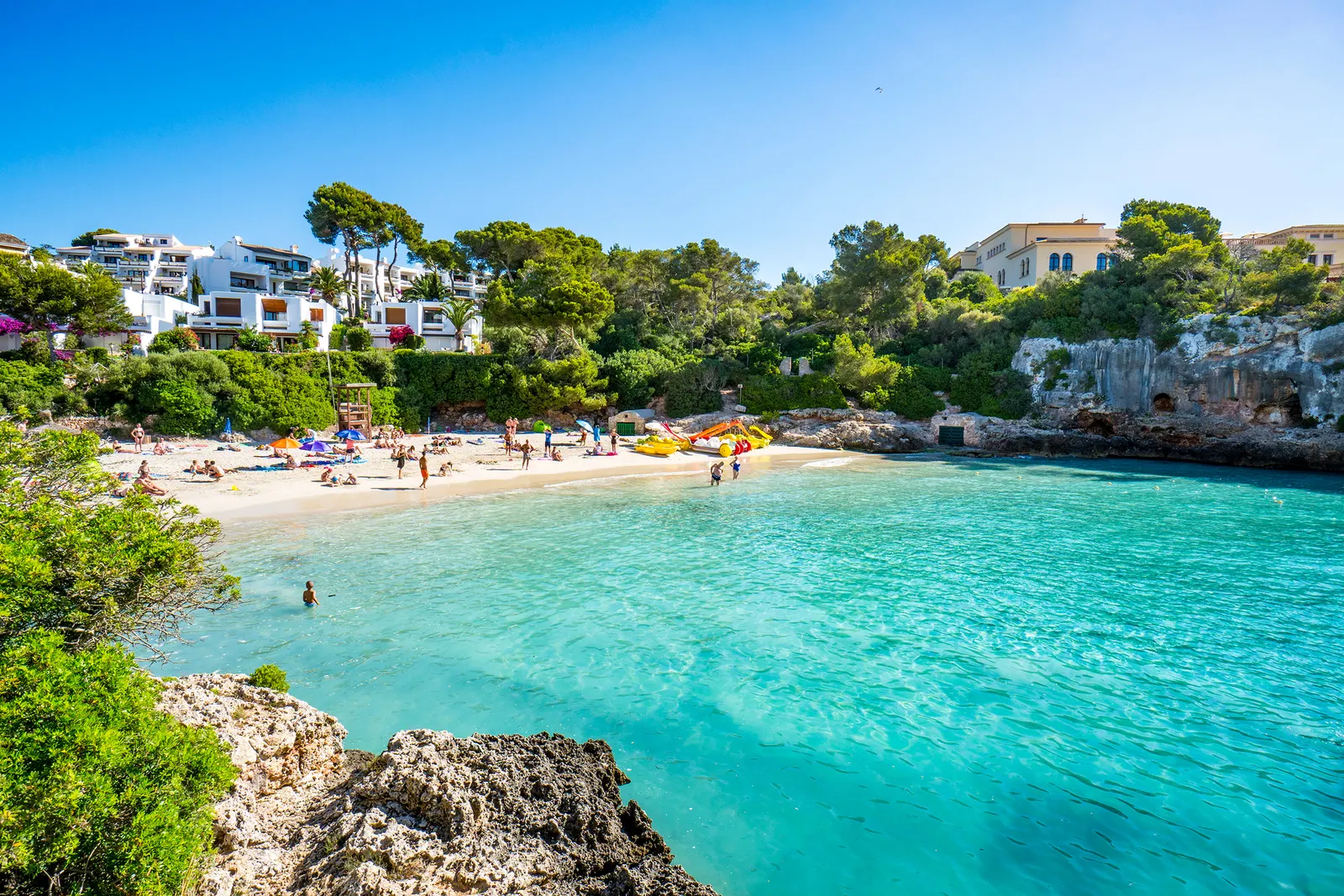
Cala Gran is the largest sandy beach, with fine, almost white sand. Nearby are Cala d’Or itself, Cala Esmeralda, Cala Ferrera, Cala Serena, Cala Egos, Cala d’es Forti and Cala Llonga, which contains the marina.
They vary in size, atmosphere and access. The sandy swimming beaches have shallows that appeal to families when conditions are calm. Some approaches are easier than others, so check the particular beach if you need step-free access.
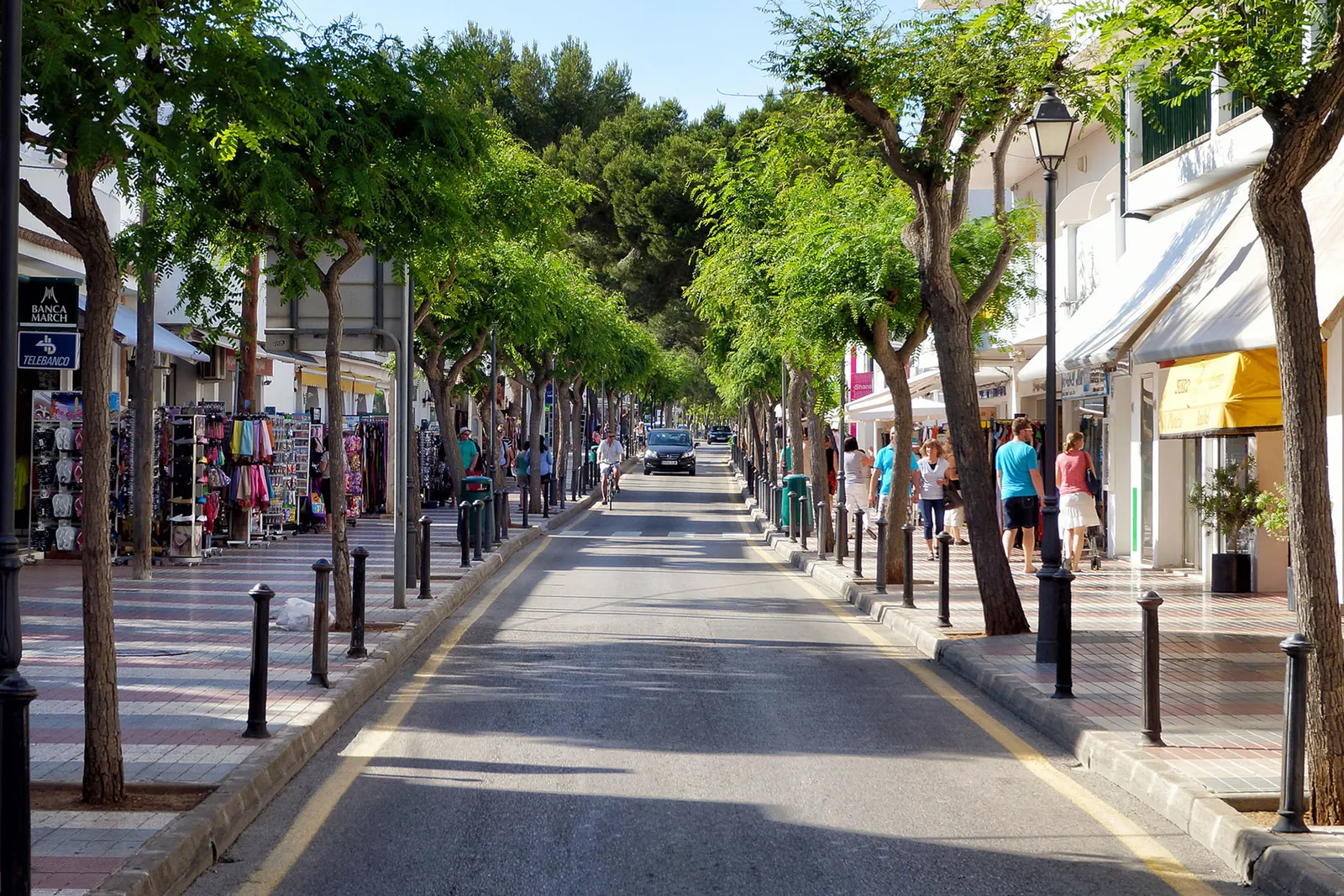
A tourist road train links different parts of the resort during the season.
The marina and Es Fortí
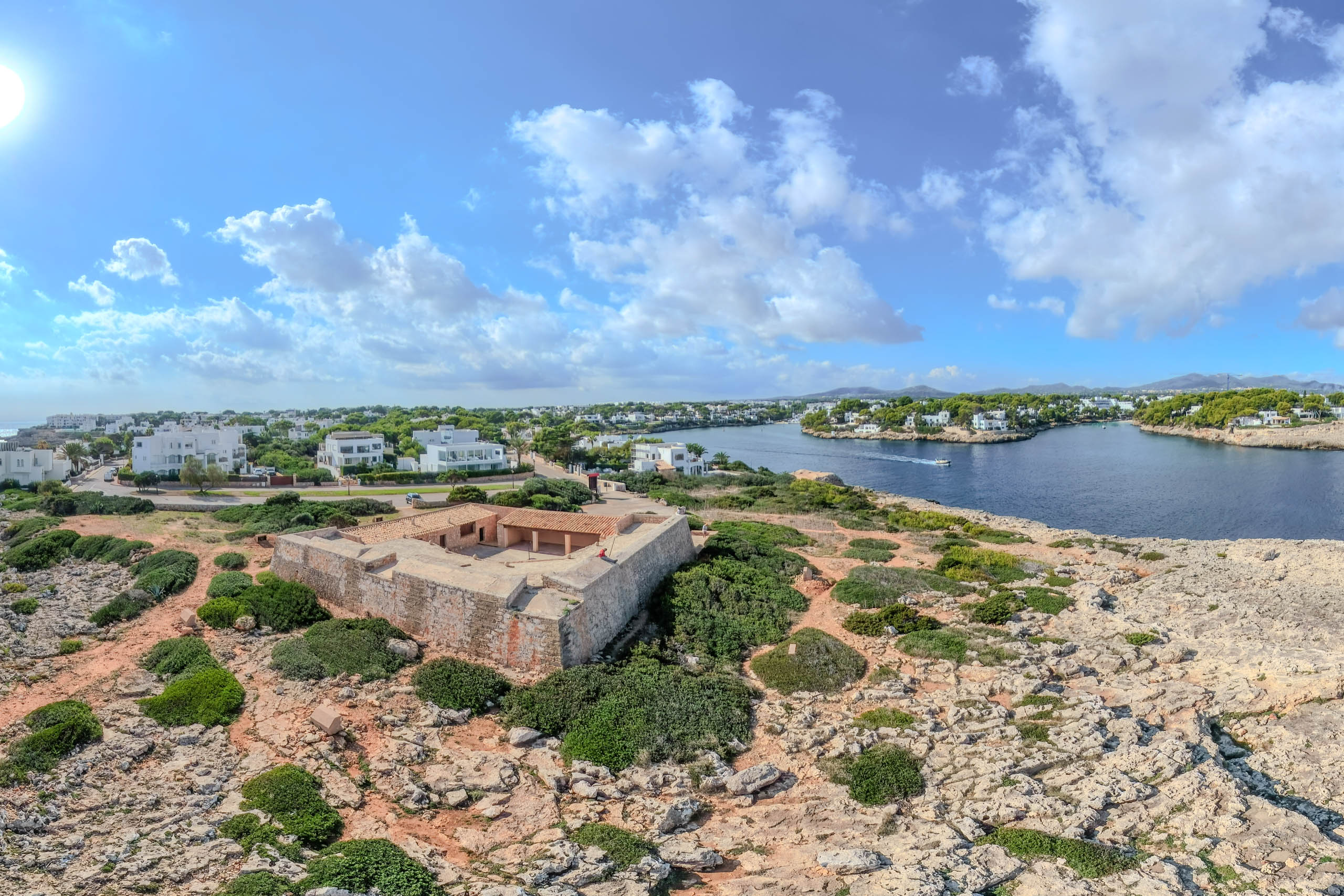
The marina in Cala Llonga offers sheltered berths for yachts and charter boats. At the entrance stands Es Fortí, an 18th-century coastal fort. A ramp leads from its small courtyard to the former gun positions, where you can look across the bays and open sea. Entry is free.
Before you choose it as a base
Cala d’Or is a holiday resort, rather than an old town. For a historic centre, church and market, head inland to Santanyí, around 15 minutes away.
July and August bring peak family holiday season, and the smaller beaches can fill during the morning. The low buildings do not stop the coves getting crowded, so arrive early if you want your choice of spot.
Between November and March, many businesses close, though the coves remain accessible.
Photographs
Cala d'Or in Mallorca
How much time do you have?
Things to do in Cala d'Or
Three hours
Choose a bay, such as larger Cala Gran or Cala Esmeralda, and stay for a swim. Return along the paths and streets between the coves.
Half a day
Swim in the morning, visit the marina in Cala Llonga for lunch, then continue to Es Fortí above the harbour entrance.
A full day
Add nearby Porto Petro or Mondragó Natural Park, both a short drive away and offering a change of scene.
On a rainy day
Visit Santanyí inland, around 15 minutes away, or the caves near Porto Cristo.
The beach at a glance
- Underfoot
- Fine pale sand in the coves, with rock between them
- Getting into the water
- Sandy shallows at the swimming beaches; conditions vary by cove
- Length
- Several separate coves rather than a continuous beach
- Shade
- Pines at the edges of some coves
- Wind
- Deeply indented coves offer some shelter, but sea conditions still vary
- With children
- Good at the sandy beaches in calm conditions
- Facilities
- Sunloungers and parasols at the larger beaches · Beach bars and restaurants · Lifeguards in the main season · Some easier access points; check the individual beach
Practical details
- Parking
- Street parking and spaces near the coves; scarce in high season
- Public transport
- Connections from Palma and Santanyí, plus a seasonal tourist road train
- Time to allow
- A week as a holiday base, or half a day for a visit
- Good to know
- The coves include Cala Gran, Cala d'Or, Cala Esmeralda, Cala Ferrera, Cala Serena, Cala Egos, Cala d'es Forti and Cala Llonga, where the marina is. Their size, access and atmosphere differ, so it is worth looking around.
- Bus
- Check connections from Palma, Santanyí and Porto Petro. A seasonal tourist road train links parts of the resort and its beaches.
- Shops and services
- Supermarkets: Several in the resort · Pharmacy: Several · Medical care: In the resort; hospital in Manacor · Cash machines: Widely available · Fuel: On the road out of town
- Access
- Tarmac paths and streets, with beach access varying between coves · Pushchairs: Manageable at many access points; choose your route · Wheelchairs: Some coves have easier access; check the specific beach and route beforehand · Dogs: Not permitted on the bathing beaches during the season
- What you will not find
- A traditional historic town centre · High-rise resort streets · One long continuous beach · Full resort services throughout the year
- Coordinates
- 39.3739,3.2314 Google Maps Apple Maps
Within reach
Places to visit
In the town
Nearby

A rocky hilltop fortress 408 metres above sea level near Felanitx, its walls rising directly from the cliff edge …

A small 15th-century sanctuary on a 205-metre hill near S'Alqueria Blanca, rarely busy and with views over the …

A freestanding rock arch in the sea, one of the south-east coast’s best-known views. The viewpoint lies between …

A pilgrimage church has stood here since 1348, 509 metres above Felanitx at the southern end of the Serra de …
Distances without a driving time are measured in a straight line. The road journey can be much longer; known driving times are shown alongside.
Other beaches to consider
Beaches and swimming nearby

A kilometre and a half from Cala d'Or, but a different world — a natural harbour where fishermen still unload …

Golden sand, gently shelving water and a nearby bus stop make Cala d'en Marçal Portocolom's convenient family …

Three beaches within a natural park — S'Amarador, Ses Fonts de n'Alís and small Caló des Borgit. Pale sand lies …

One of Mallorca's largest natural harbours, with a quieter atmosphere than many east-coast resorts. Fishing boats …
Explore from here
Your questions answered
Your questions about Cala d'Or
Why does Cala d'Or look like Ibiza?
It was planned that way. From the 1930s, Josep Costa Ferrer, who came from Ibiza, developed the resort with low, white, cubical buildings inspired by his home island. Much of Cala d'Or still follows that style, rather than the high-rise development seen in some other resorts.
Which coves are in Cala d'Or?
They include Cala Gran, with its pale fine sand, Cala d'Or itself, Cala Esmeralda, Cala Ferrera, Cala Serena, Cala Egos, Cala d'es Forti and Cala Llonga, which contains the marina. Walking routes and the seasonal road train connect different parts of the resort.
Is Cala d'Or suitable for families?
Yes. Its small sandy beaches and shallow water in calm conditions appeal to families. Some access points are easier than others, so choose your accommodation and nearest beach carefully. July and August are particularly busy.
Do you need a car in Cala d'Or?
Not necessarily. Several coves are within walking distance, depending on where you stay, and a tourist road train operates in season. A car is useful for trips to Santanyí, Mondragó Natural Park or the caves, but not essential for daily life in the resort.
What is Es Fortí?
An 18th-century coastal fort on the headland at the entrance to Cala Llonga. Entry is free. A ramp leads to the former gun positions, with views across the bays and open sea.
Practical questions
When is the best time to visit Cala d'Or?
Recommended months: April, May, June, September, October. Access and opening are limited in January, February, November, December. See the visiting advice on this page.
Is Cala d'Or worth visiting in July and August?
July: worth considering with some reservations. Usually very crowded. Peak family holiday season; smaller beaches fill during the morning. August: another month may suit you better. Usually very crowded.
How far is Cala d'Or from Palma airport?
About 60 km from Palma airport. Allow roughly 55 minutes by car. Depending on where you stay, you can reach the coves on foot or use the seasonal road train. A car is useful for exploring further afield rather than essential for every day.
Do I need a hire car for Cala d'Or?
Easy to manage without a car Check connections from Palma, Santanyí and Porto Petro. A seasonal tourist road train links parts of the resort and its beaches.
Where can I park in Cala d'Or?
Street parking and spaces near the coves; scarce in high season
Can you swim at Cala d'Or?
Yes. Fine pale sand in the coves, with rock between them Sandy shallows at the swimming beaches; conditions vary by cove Several separate coves rather than a continuous beach Pines at the edges of some coves Good at the sandy beaches in calm conditions
Can I visit Cala d'Or with a pushchair or wheelchair?
Tarmac paths and streets, with beach access varying between coves Pushchairs: Manageable at many access points; choose your route Wheelchairs: Some coves have easier access; check the specific beach and route beforehand
Are dogs allowed at Cala d'Or?
Not permitted on the bathing beaches during the season
Cala d'Or features in our Mallorca highlights
Words and photographs: Friedhelm Fischer. Exploring Mallorca since 2013 — by bike, on foot and with a camera.