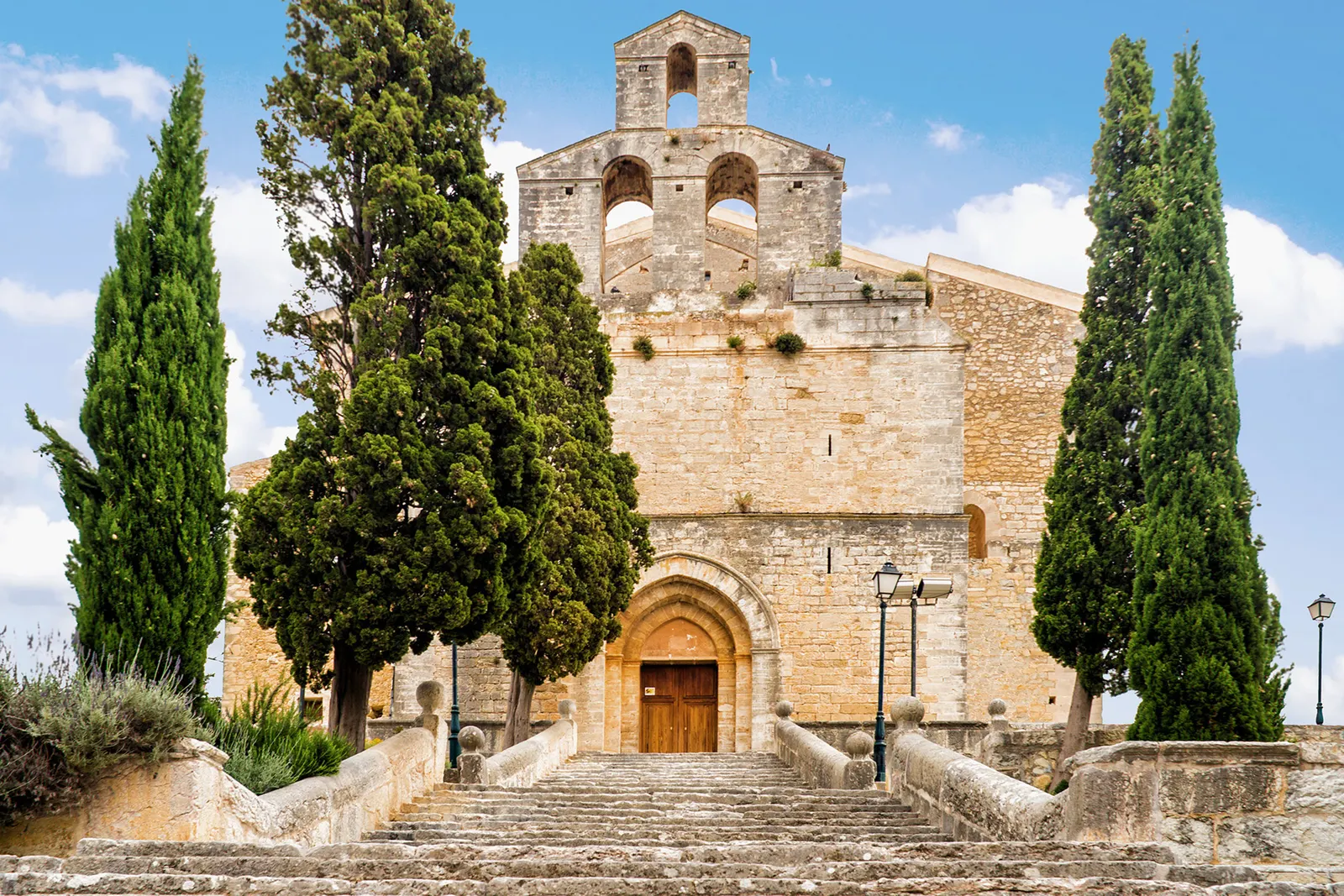
A village at the foot of the Tramuntana on the road to Lluc. Sant Llorenç church stands above a broad outdoor staircase lined with cypresses — the loveliest church approach in the Raiguer.
Selva
Selva in 30 seconds
The essentials at a glance
- Worth visiting for
- A short visit
- Best for
- A stop on the way to Lluc or the mountains
- Best months
- January–May, September–December
- Time to allow
- Half an hour
- Without a car
- Hire car recommended
- Parking
- Easy, free parking on the edge of the village
- Keep in mind
- Looking for a full programme of activities
- Access
- Pushchairs: Manageable in the lower village; steps lead to the church · Wheelchairs: The main street is accessible, but the church staircase is not
Get a feel for Mallorca. Find your kind of place.
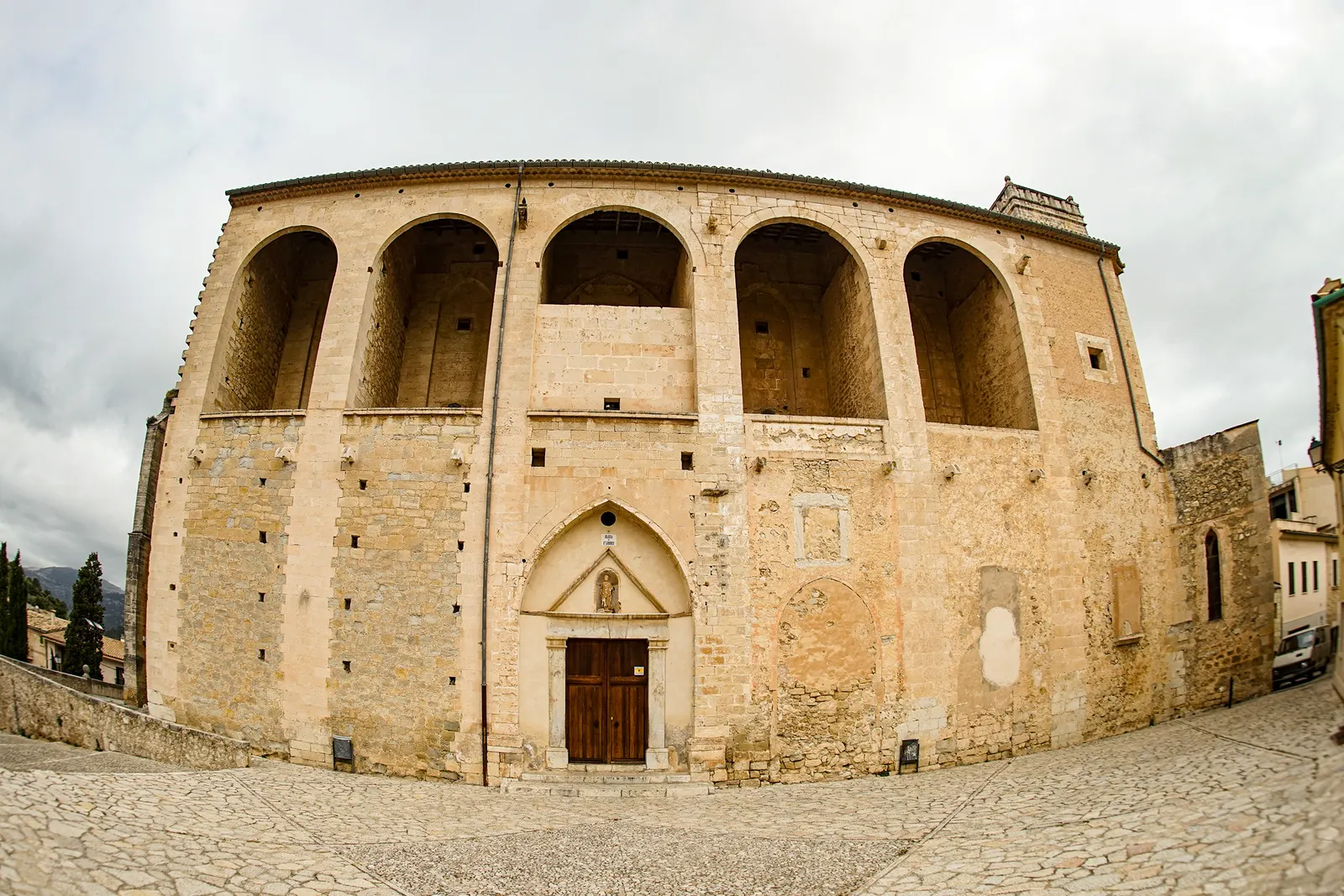
From the side, you see how substantial the church is — less obvious from the steps.
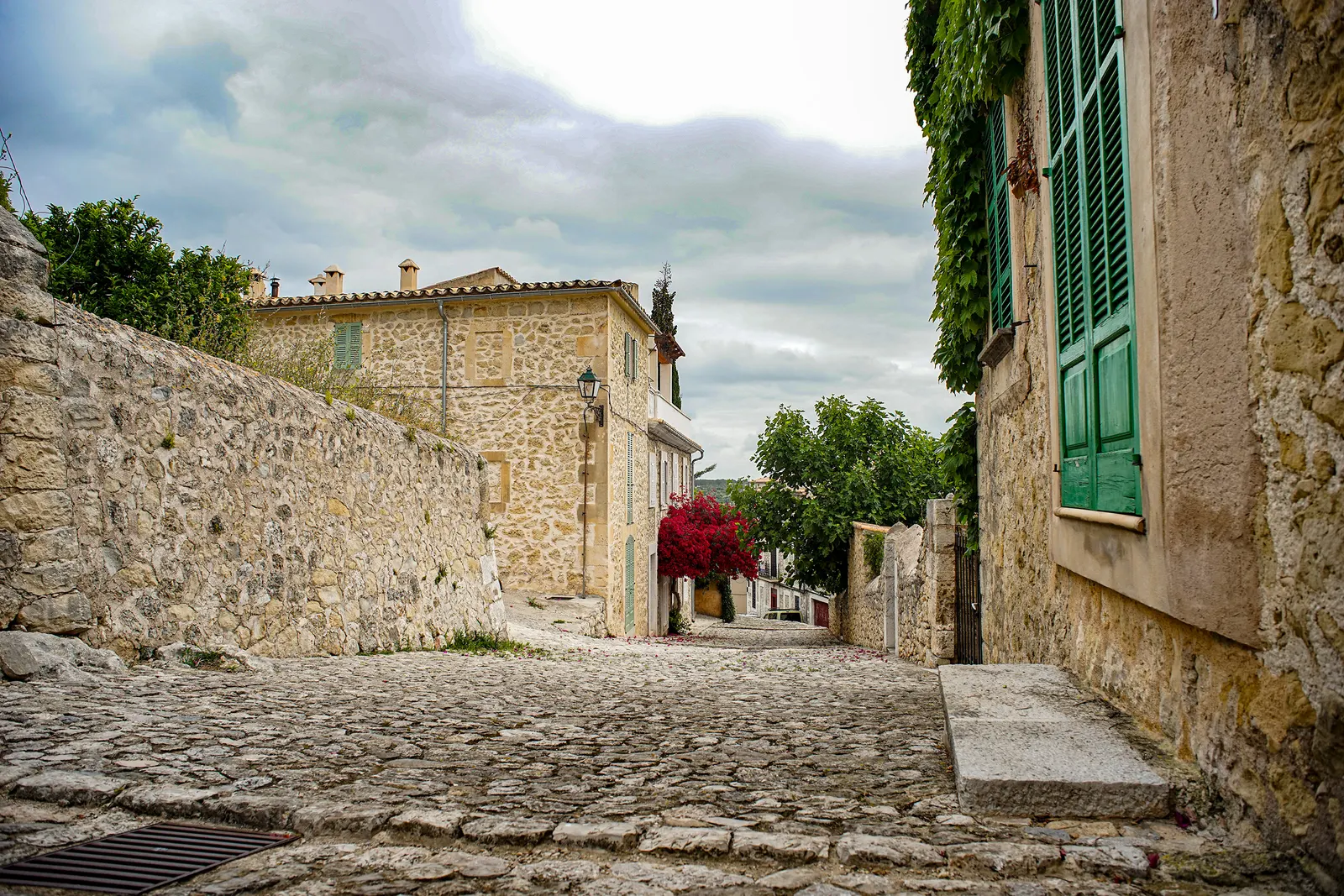
Behind the church, the lanes continue up the hillside towards the edge of the village.
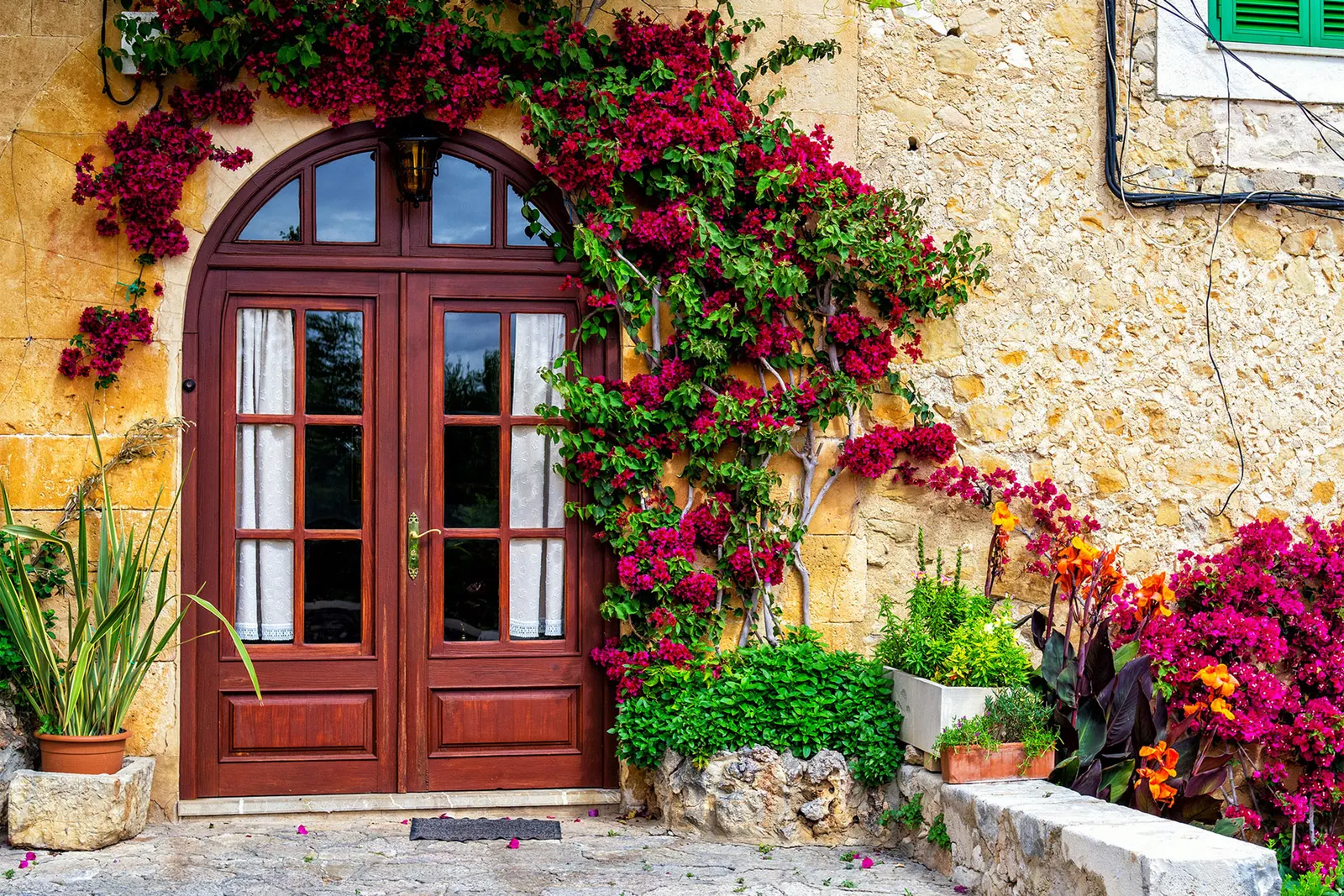
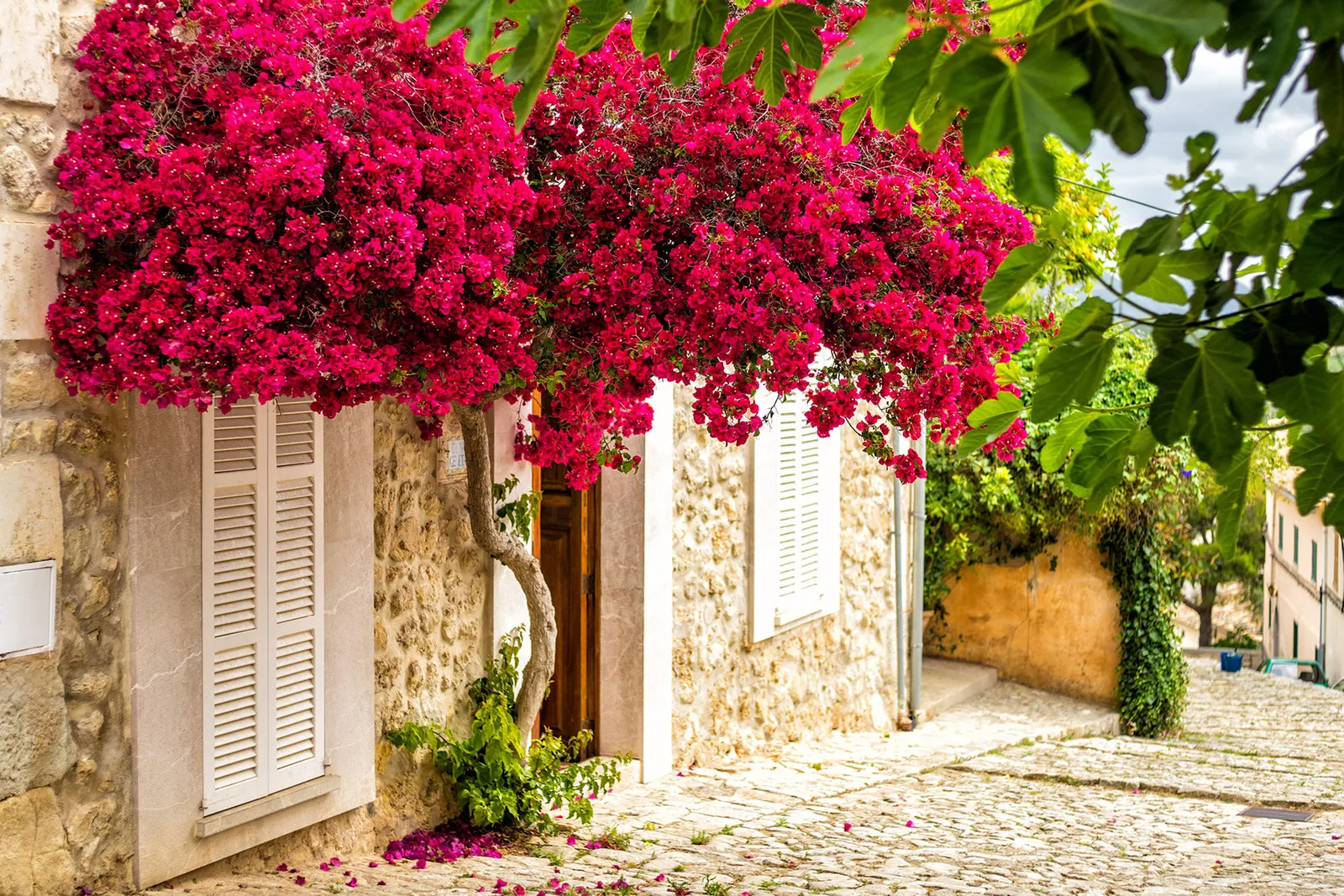
In April, bougainvillea trails over the doorways.
Getting to know Selva
Does Selva suit your plans?
What to expect and what to know before you visit.
Who it suits
- A stop on the way to Lluc or the mountains
- Paved lanes and stone houses
- Photographing the cypress-lined church steps
- Combining a visit with Caimari and Biniamar
Things to bear in mind
- Looking for a full programme of activities
- Going for a swim
- Wanting a wide choice of places to eat
- Limited mobility, as the village streets climb uphill
Drive from the airport
40 minutes
40 km
Bus connections
Connections from Inca
Region
Raiguer
Elevation
180 m
above sea level
Season guide for Selva
November Worth a visit
Very quiet Open
Worth visiting in January, February, March, April, May, September, October, November and December.
Location
Location of Selva
- Region
- Raiguer
- Population
- 4,100
- Elevation
- 180 m above sea level
- Airport
- 40 km , around 40 minutes
- Hire car
- recommended
- Worth visiting for
- a brief stop
- Coordinates
- 39.7545,2.9007
The steps
Selva’s defining sight is its broad stone staircase, lined with tall cypresses and crowned by Sant Llorenç church. Walk up, turn around and look across the rooftops towards the plain.
The church is not reliably open, but the approach itself is the main attraction.
The village behind the church
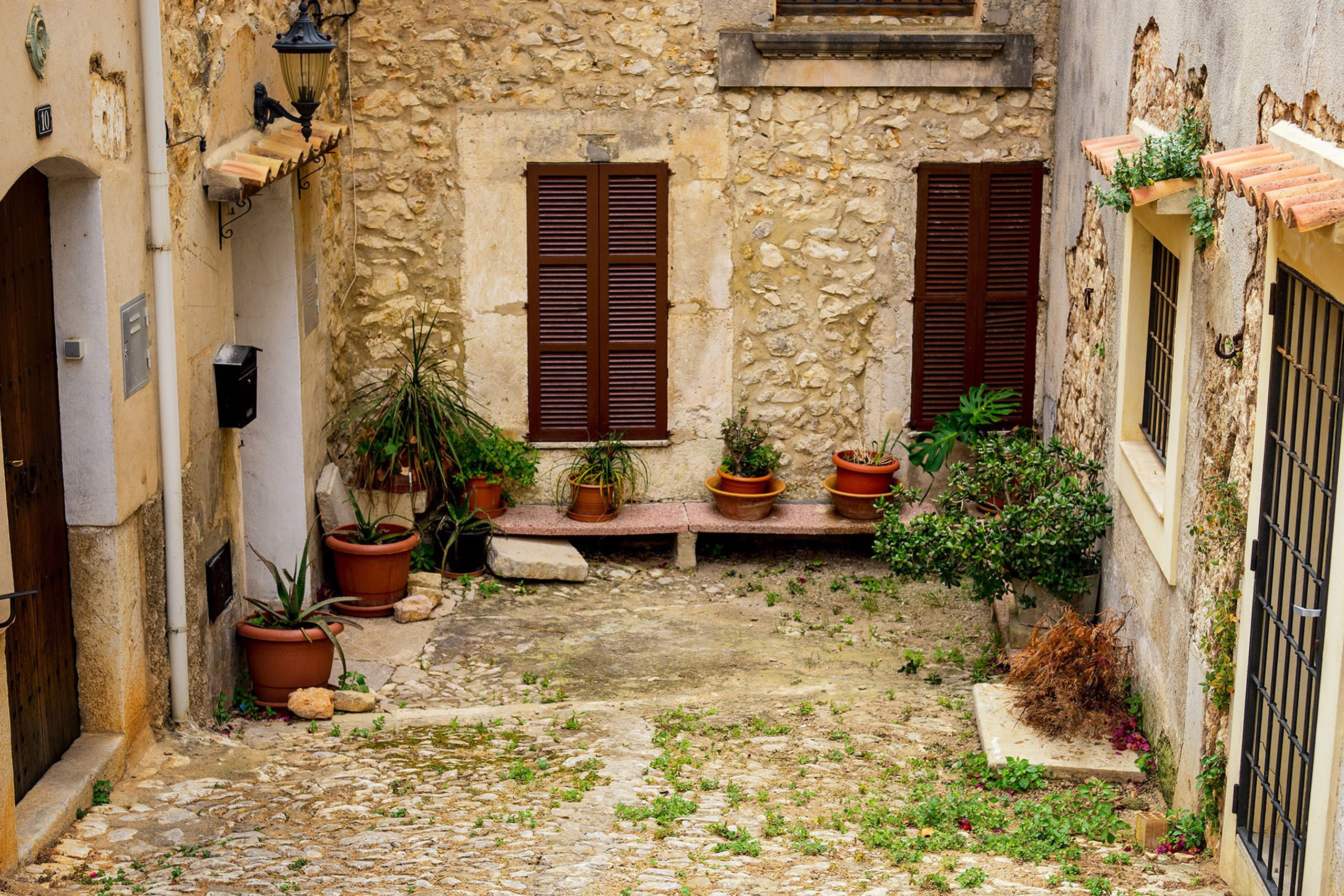
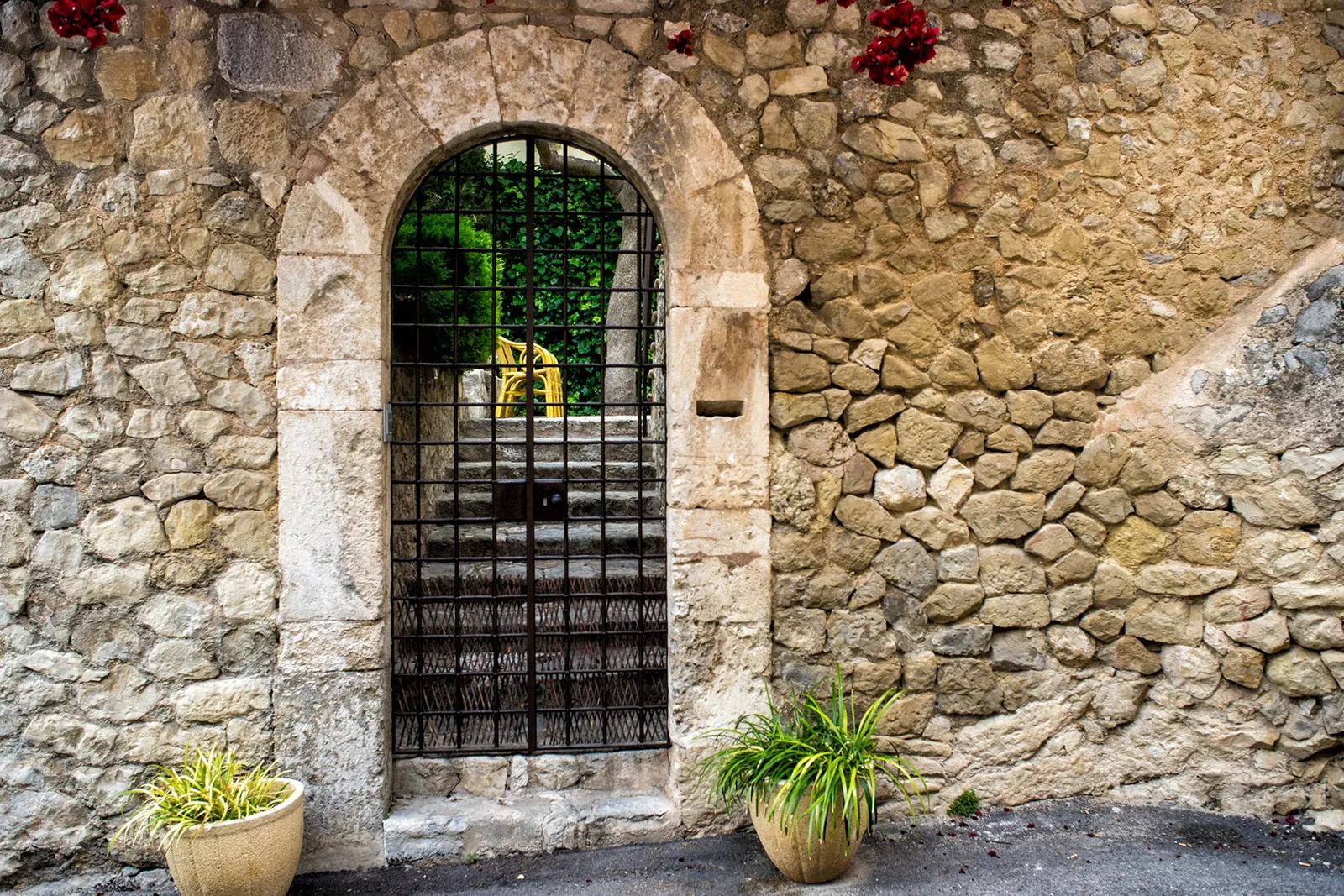
Behind the church, paved lanes climb between stone walls. They lead into courtyards that are sometimes private, though this is not always immediately obvious.
In spring, bougainvillea trails over the façades, growing freely around the houses.
The church
Sant Llorenç stands on a rocky ledge above the village, with mountains behind. Its façade is Gothic, approached by the monumental staircase.
Opening is irregular. Even if the doors are closed, the climb up is worthwhile.
Four villages within the municipality
Besides Selva itself, the municipality includes Caimari, Moscari, Biniamar and Binibona — four small villages, each with its own character, all within a few kilometres.
Binibona is the smallest and lies furthest into the foothills, with walking routes into the Tramuntana. Caimari is known for olives. Its olive fair takes place on the third weekend in November, when you can also visit the old Cas Manescal olive mill.
Allow half an hour for Selva itself and at least an hour for a circuit through the surrounding villages.
Where Selva is
At the foot of the Serra de Tramuntana, on the road from Inca to Lluc. Inca is ten minutes away, Caimari five and Campanet fifteen.
You can stop without a detour when driving into the mountains. Fill up with fuel in Inca first.
When to visit
Come in March or April for green countryside and flowers, or October for the olive harvest on the slopes above. January has the clearest air and the longest views from the church steps.
In high summer, the Raiguer gets hot, with shade mainly in the narrow lanes.
Photographs
Selva in Mallorca
How much time do you have?
Things to do in Selva
Three hours
Climb the church steps, explore the lanes behind the church, then continue to Caimari.
Half a day
Add the Santuari de Santa Llúcia via Mancor de la Vall, or continue towards Lluc.
A full day
Combine it with Inca, Campanet and the mountain road to Lluc.
On a rainy day
A limited option. The lanes are quiet and the wet stone looks lovely, but there is little to do indoors.
Practical details
- Parking
- Easy, free parking on the edge of the village
- Public transport
- Connections from Inca
- Time to allow
- Half an hour
- Good to know
- The church is not reliably open, but the steps and view from the top are the main attraction anyway. If you are continuing to Lluc, fill up in Inca.
- Bus
- Connections from Inca
- Shops and services
- Supermarkets: Small village shops · Pharmacy: In the village · Medical care: Local surgery; hospital in Inca · Cash machines: In the village · Fuel: In Inca
- Access
- Paved lanes, with a broad outdoor staircase up to the church · Pushchairs: Manageable in the lower village; steps lead to the church · Wheelchairs: The main street is accessible, but the church staircase is not · Dogs: No particular difficulties
- What you will not find
- A museum · Reliable church opening hours · A beach · A lively evening scene
- Coordinates
- 39.7545,2.9007 Google Maps Apple Maps
Within reach
Places to visit
Nearby

A pilgrimage church on a rocky ledge above Mancor de la Vall, documented since 1275. The terrace looks across much …
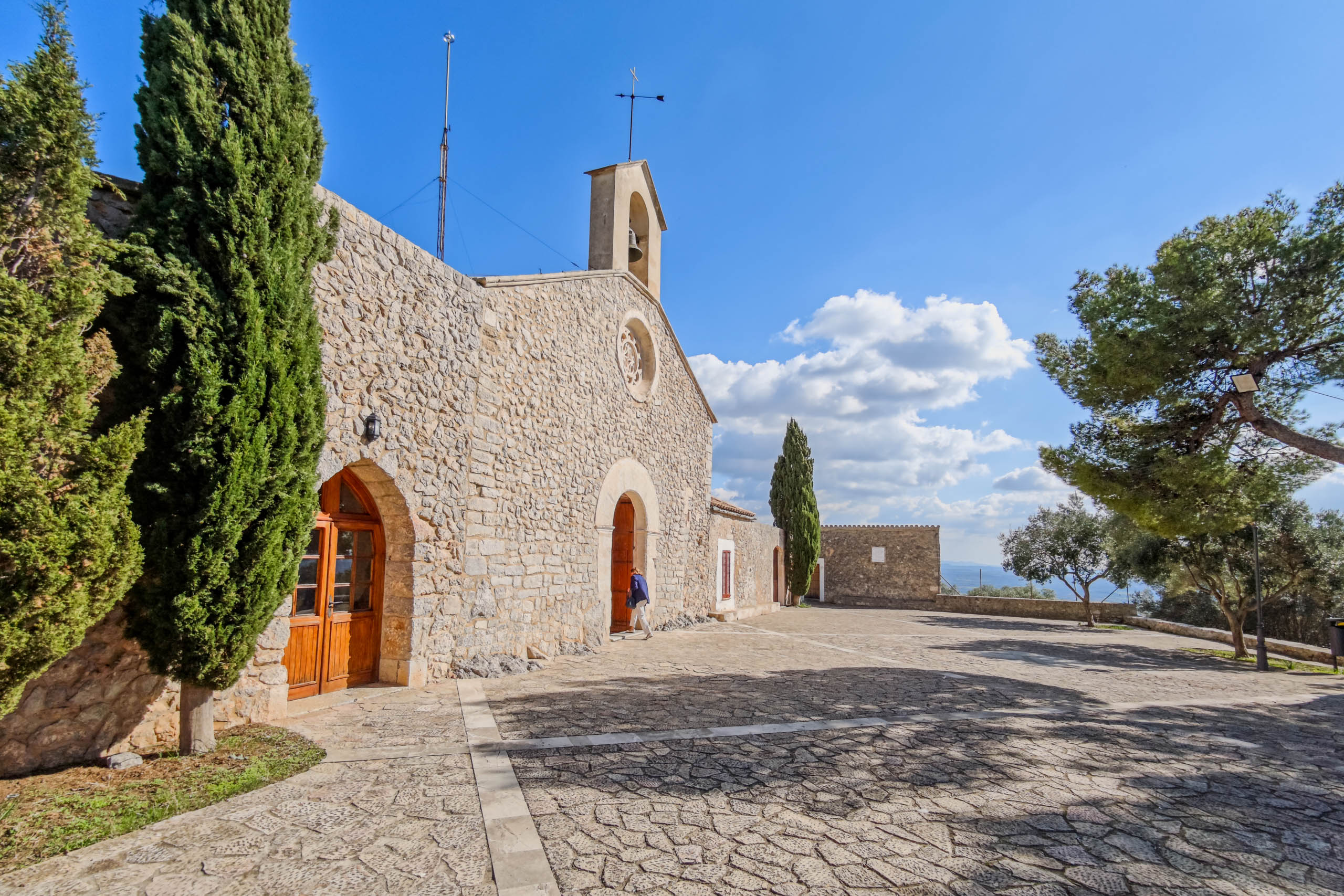
A small chapel and a wide view across Mallorca. Santa Magdalena stands on a hill near Inca. The winding climb is …

A quieter cave visit near Campanet, with limestone formations rather than a boat ride or colourful show. Allow …

One of Mallorca's oldest churches, standing alone among the fields outside Campanet. Built on the site of a mosque …

Mallorca's spiritual centre, a sanctuary at 525 metres in the heart of the Tramuntana, with guest rooms, a …

A small pilgrimage chapel among pines near Sa Pobla, on the site of an older settlement. A paved path leads up to …

Mallorca’s largest reservoir sits in the heart of the Tramuntana beside the MA-10. Swimming is forbidden, there’s …
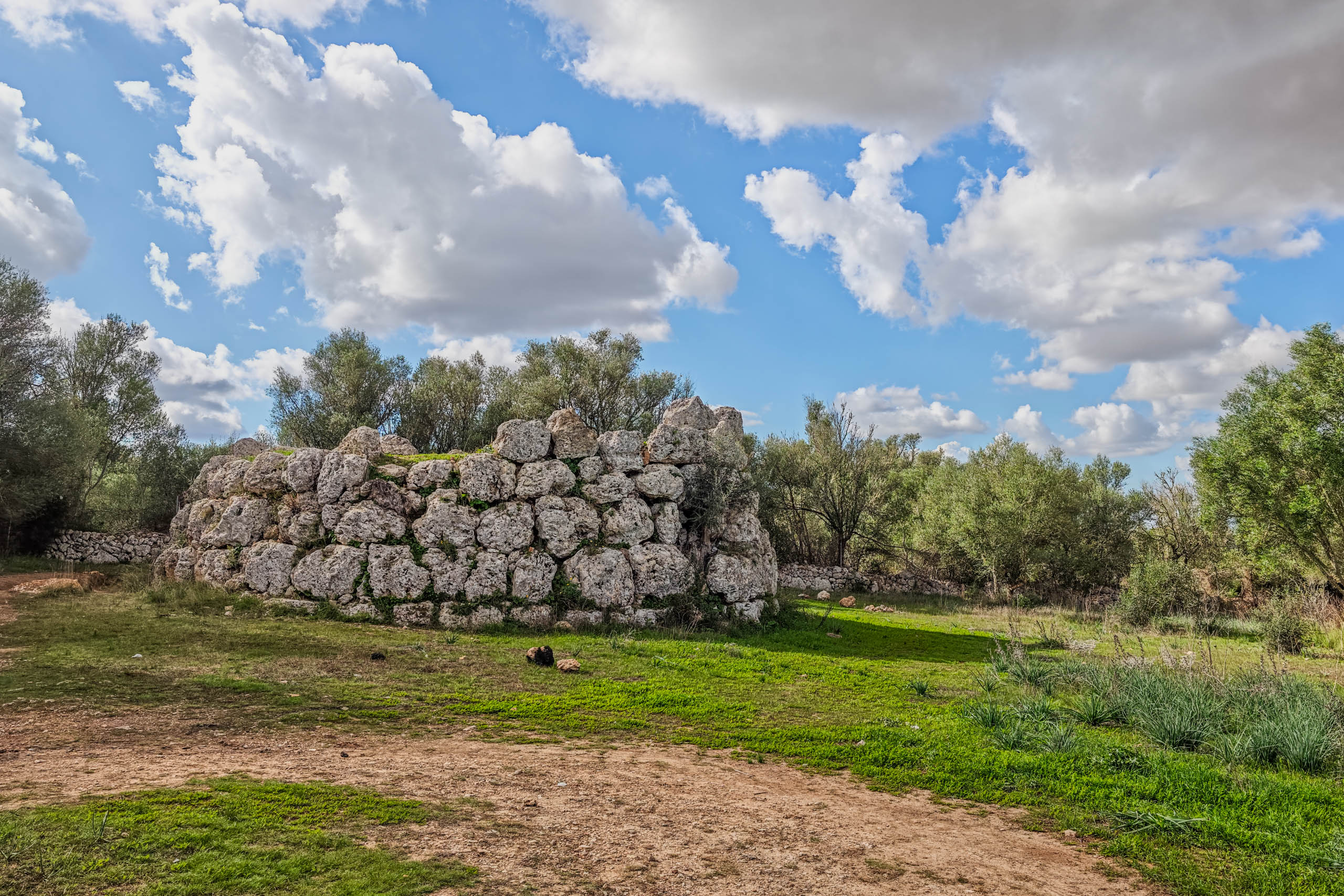
Son Fred is a well-preserved talayot near Sencelles, a round tower built from enormous stone blocks. Duck through …
Distances without a driving time are measured in a straight line. The road journey can be much longer; known driving times are shown alongside.
Explore from here
Your questions answered
Your questions about Selva
What is worth seeing in Selva?
Sant Llorenç church above its broad staircase lined with tall cypresses, and the paved lanes behind it. Half an hour is enough for a look around.
Can you visit the church?
Not reliably, as it opens irregularly. The steps, cypresses and view across the rooftops towards the plain are the main reasons to stop.
Is Selva on the way to Lluc?
Yes. The road from Inca climbs through Selva and Caimari to Lluc monastery. You can stop here without a detour on that mountain drive.
How do you get here without a car?
Take a bus from Inca, which is reached by train from Palma. For the surrounding villages of Caimari, Biniamar and Mancor, a vehicle is useful.
Practical questions
When is the best time to visit Selva?
Recommended months: January, February, March, April, May, September, October, November, December. Clear air gives long views across the plain from the church.
Is Selva worth visiting in July and August?
July: worth considering with some reservations. Usually very quiet. The Raiguer gets hot, with shade mainly in the lanes. August: worth considering with some reservations. Usually very quiet.
How far is Selva from Palma airport?
About 40 km from Palma airport. Allow roughly 40 minutes by car. Around ten minutes from Inca towards Lluc. Parking is straightforward on the edge of the village, but space near the church is limited.
Do I need a hire car for Selva?
A car is useful Connections from Inca
Where can I park in Selva?
Easy, free parking on the edge of the village
Can you swim at Selva?
There is no beach here. See the nearby swimming options on this page.
Can I visit Selva with a pushchair or wheelchair?
Paved lanes, with a broad outdoor staircase up to the church Pushchairs: Manageable in the lower village; steps lead to the church Wheelchairs: The main street is accessible, but the church staircase is not
Are dogs allowed at Selva?
No particular difficulties
Words and photographs: Friedhelm Fischer. Exploring Mallorca since 2013 — by bike, on foot and with a camera.