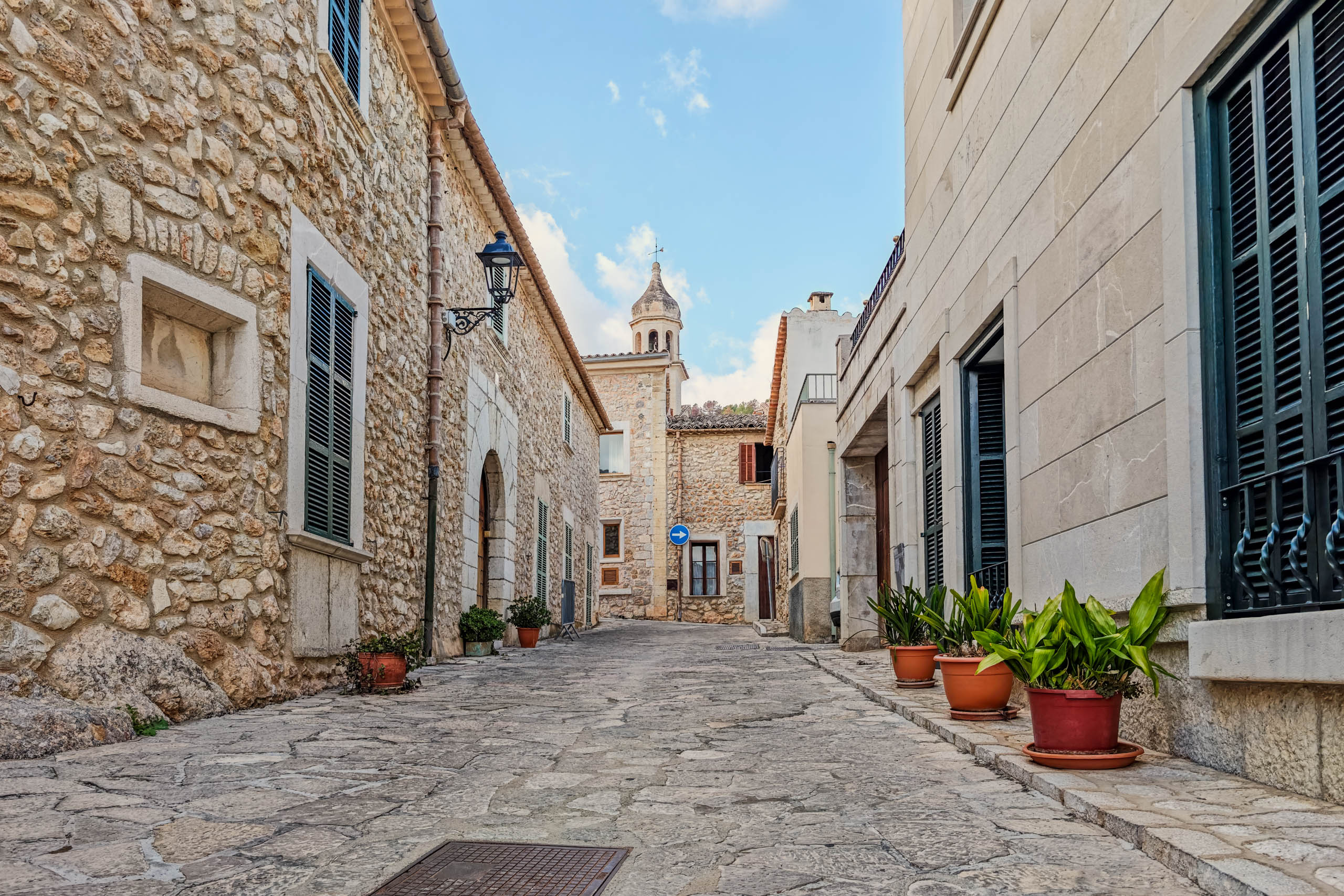
Old stone houses, narrow lanes and a coffee at the foot of the Tramuntana. Mancor de la Vall is worth a quiet village walk or a stop on a cycle ride or hike. Santa Llúcia stands above it. If driving, find a permitted space on the outskirts and explore on foot.
Mancor de la Vall
Mancor de la Vall in 30 seconds
The essentials at a glance
First, a coffee.
- Worth a visit?
- Yes, for a village break and a walk through old lanes
- Best for
- People who enjoy strolling, cycling and walking
- Best months
- January–December
- Time to allow
- One to two hours for a village walk and coffee; allow extra time for Santa Llúcia.
- Without a car
- Reachable on TIB bus 311 from Inca
- Parking
- Find a permitted space on the outskirts; Sundays and public holidays can be busy
- Highlight
- The lanes around the church and town hall
- Keep in mind
- A long shopping trip
- Access
- Wheelchairs: The walk includes slopes, and there are steps at the town-hall square.
Get a feel for Mallorca. Find your kind of place.
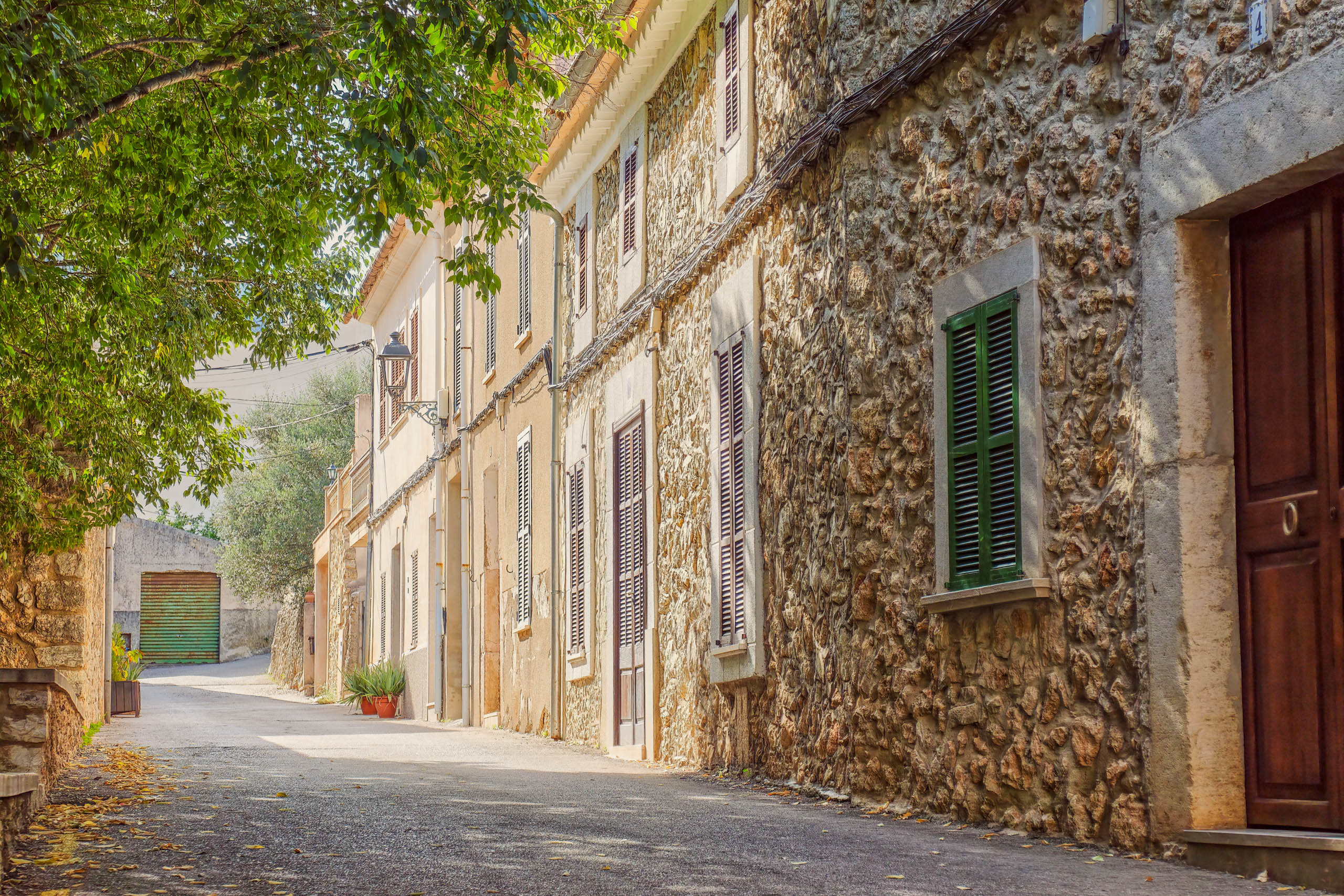
Walking through Mancor de la Vall’s centre, with the tower of Sant Joan Baptista appearing between the houses.
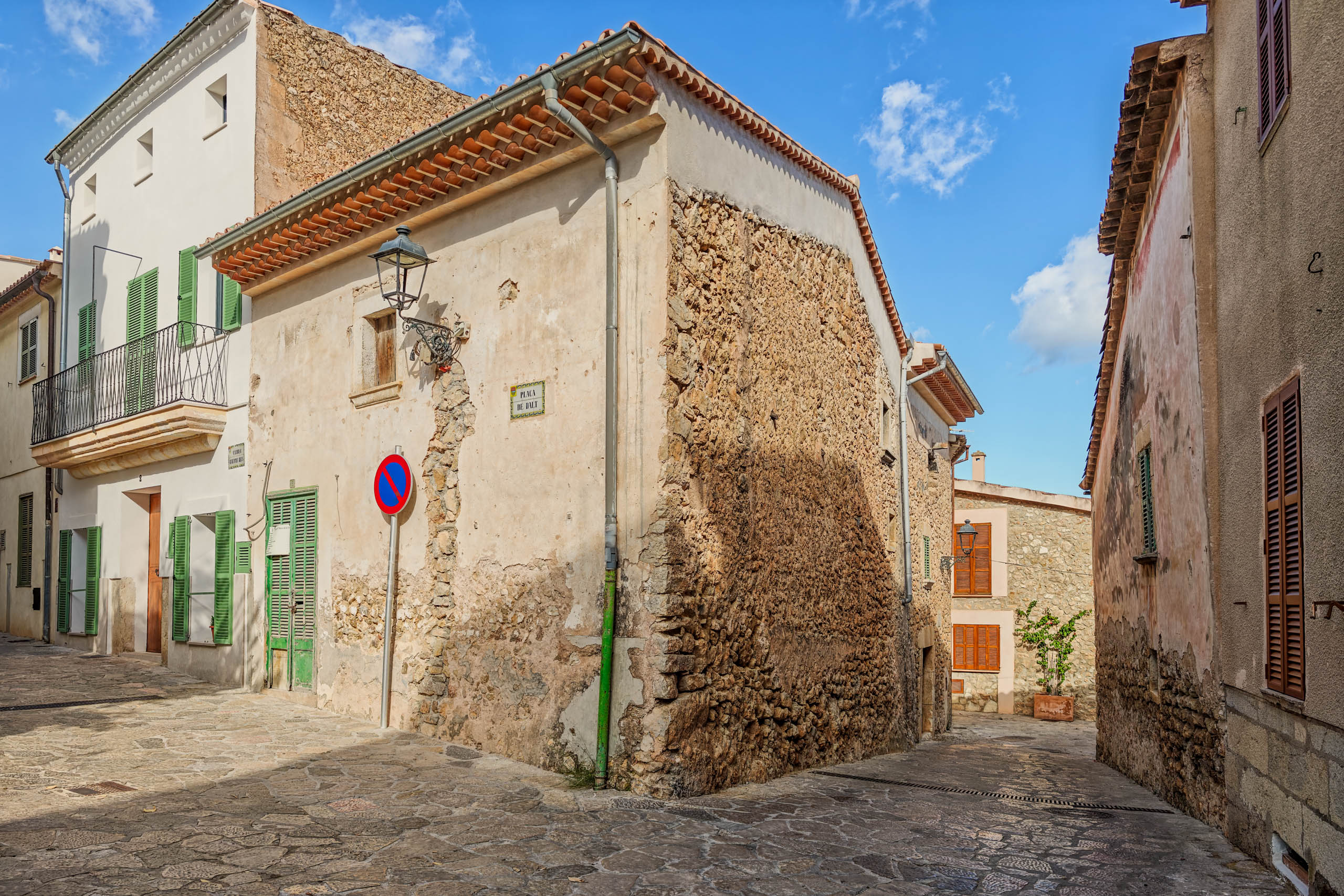
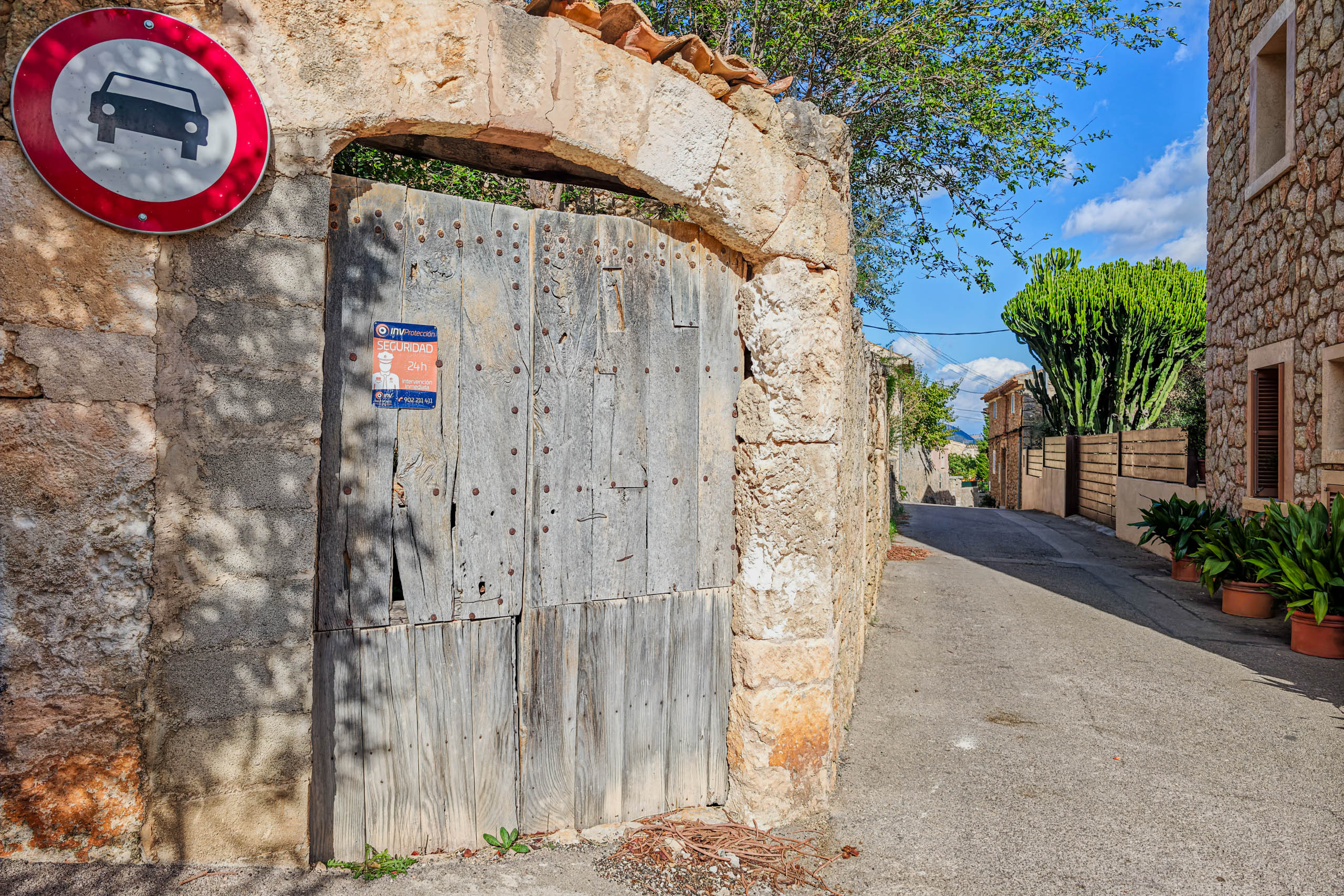
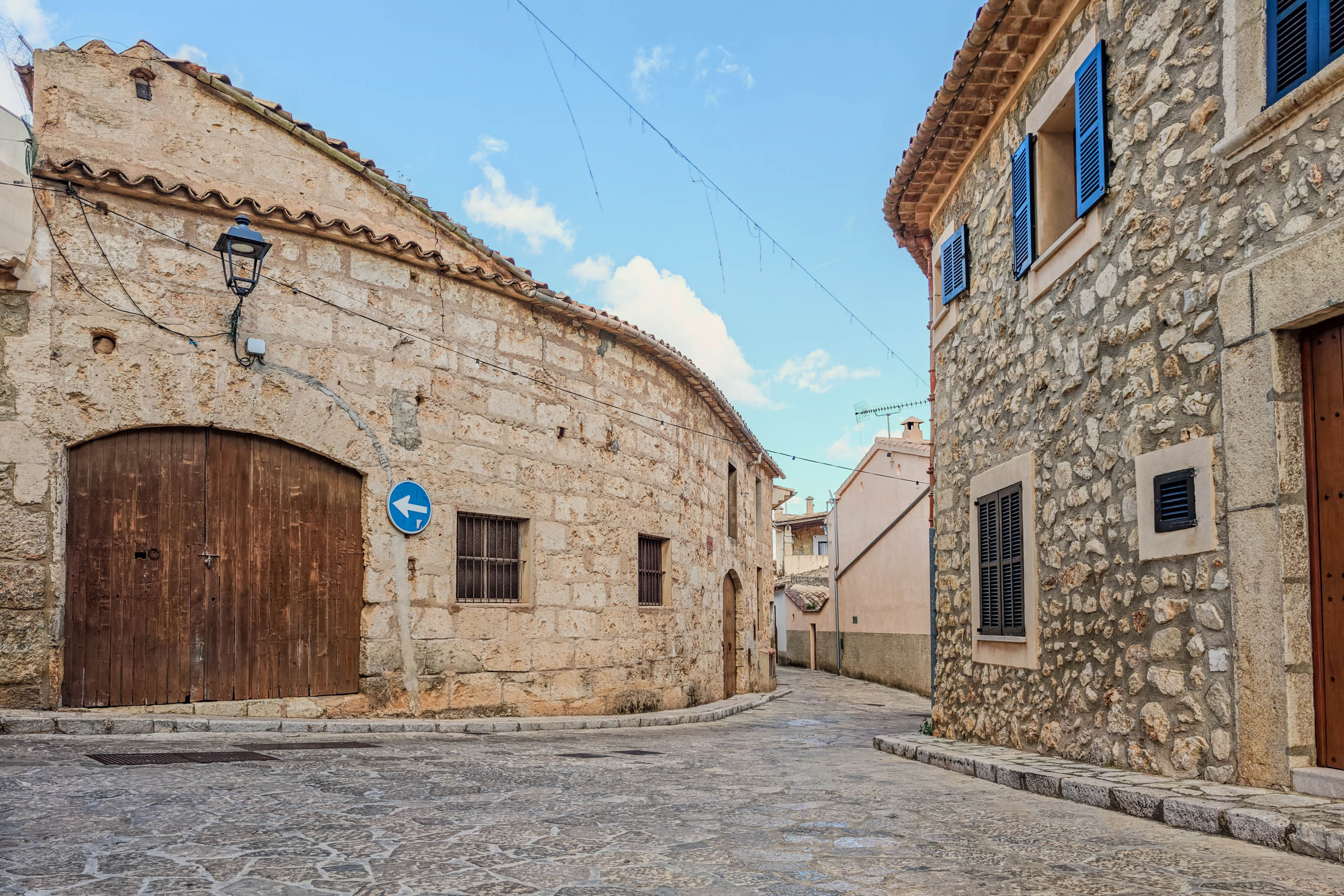
Old façades meet narrow lanes at Plaça de Dalt. The sign on the corner tells you where you are.
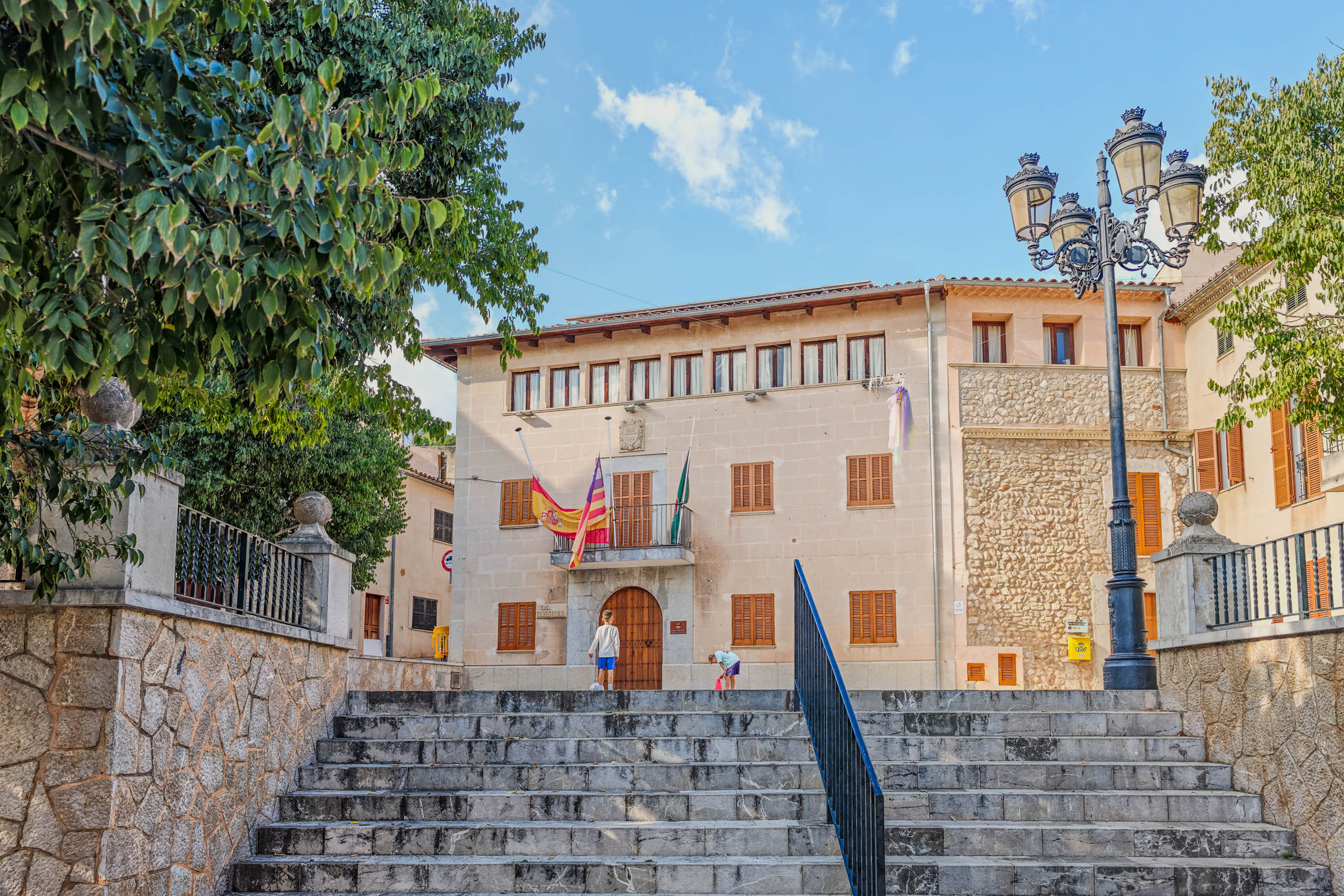
Mancor de la Vall town hall on Plaça de l’Ajuntament, reached by steps from the square.
Getting to know Mancor de la Vall
Does Mancor de la Vall suit your plans?
What to expect and what to know before you visit.
Who it suits
- You enjoy old lanes, house fronts and doorways.
- You want a coffee stop on a cycle ride or walk.
- You’d like to experience Mallorcan village life away from the coast.
Things to bear in mind
- You’re mainly interested in shopping.
- You expect parking immediately outside every destination.
Bus connections
TIB route 311 between Inca and Mancor de la Vall
Region
Raiguer
Season guide for Mancor de la Vall
November Worth a visit
Worth visiting in January, February, March, April, May, June, July, August, September, October, November and December.
Location
Location of Mancor de la Vall
- Region
- Raiguer
- Hire car
- not essential
- Worth visiting for
- a day trip
- Coordinates
- 39.7502,2.8710
A break at the foot of the Tramuntana
Mancor de la Vall lies in the Raiguer at the foot of the Serra de Tramuntana, near Inca and Selva. It makes a good stop when walking or cycling in the area. Order a coffee, sit for a while and decide where to go next afterwards.
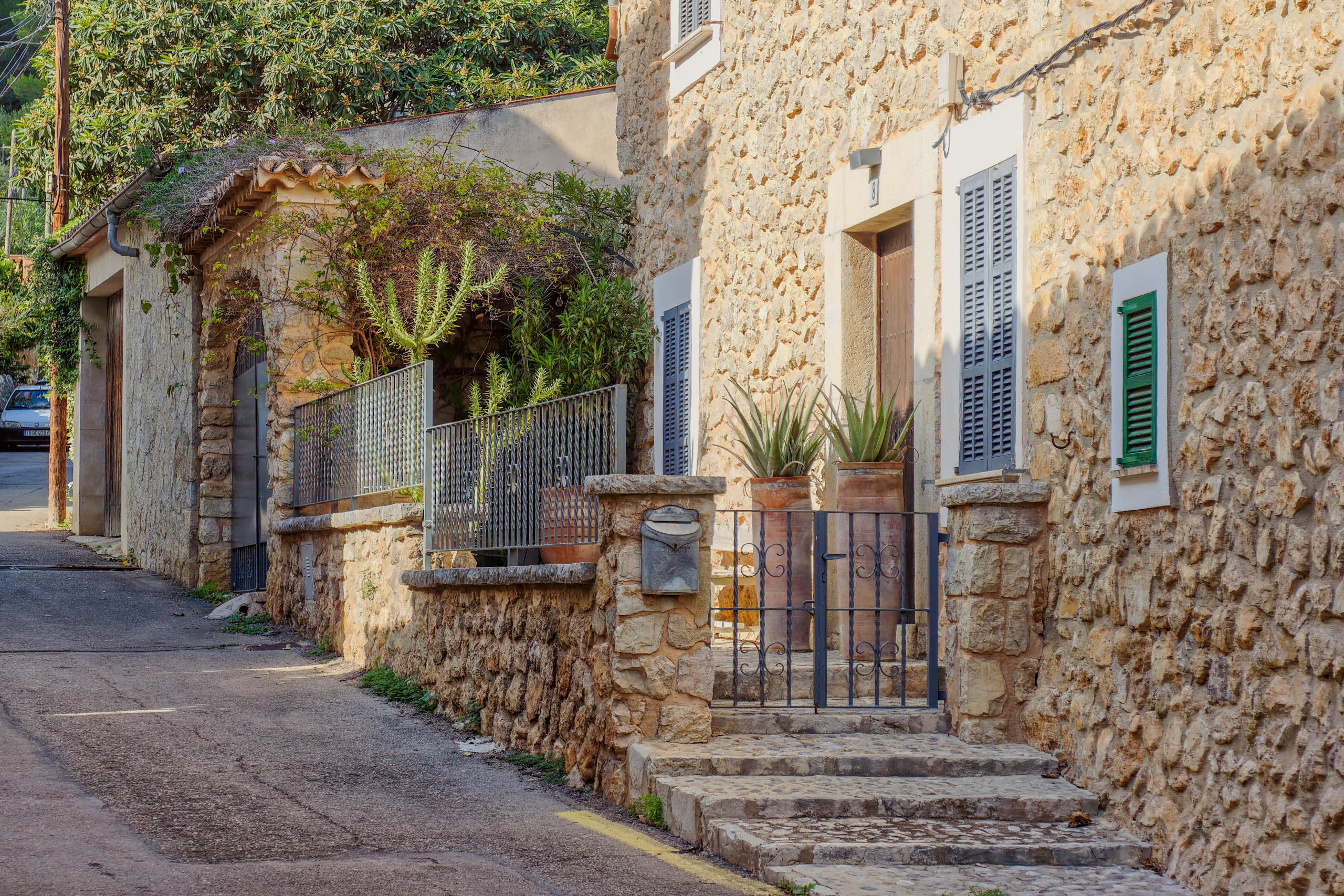
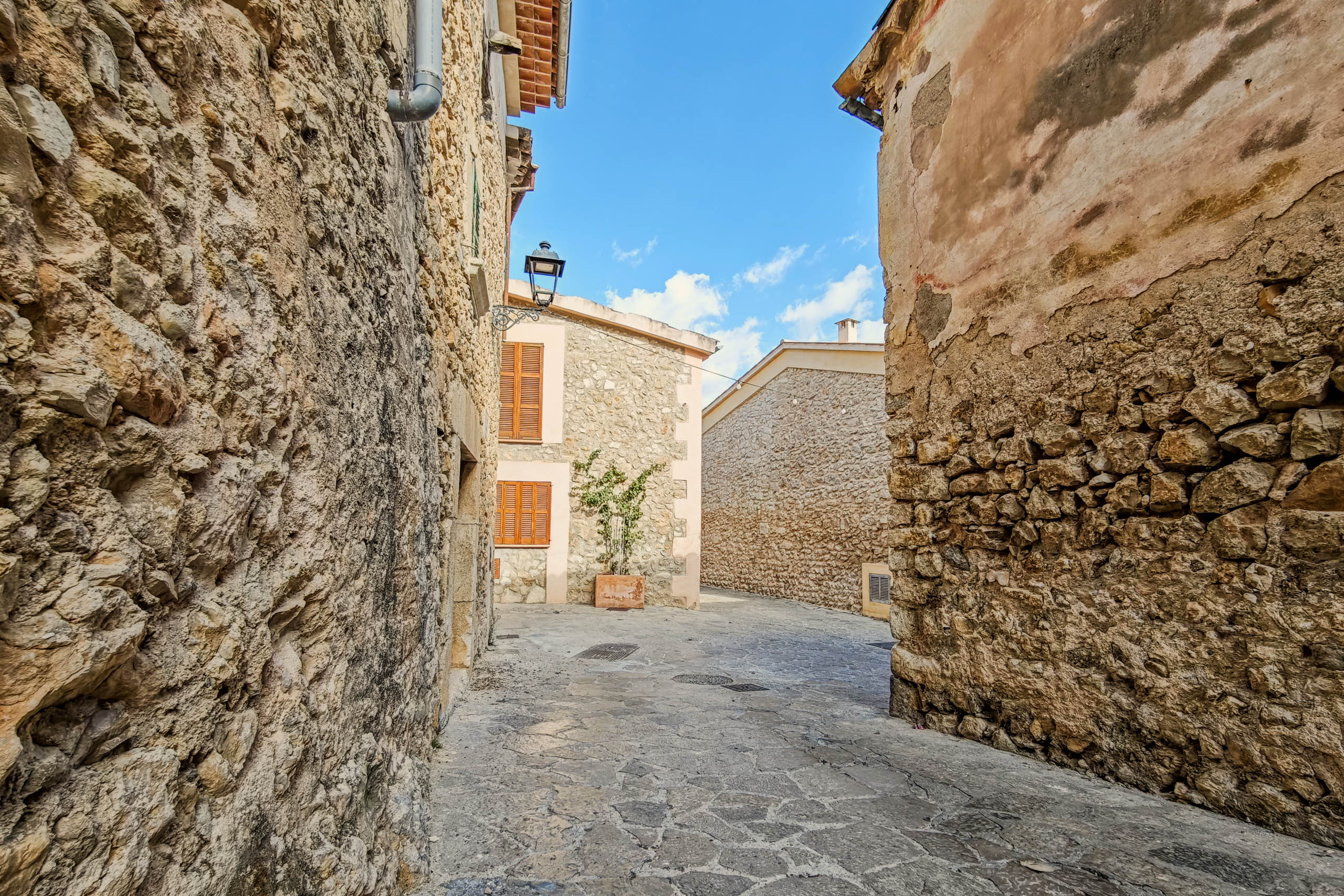
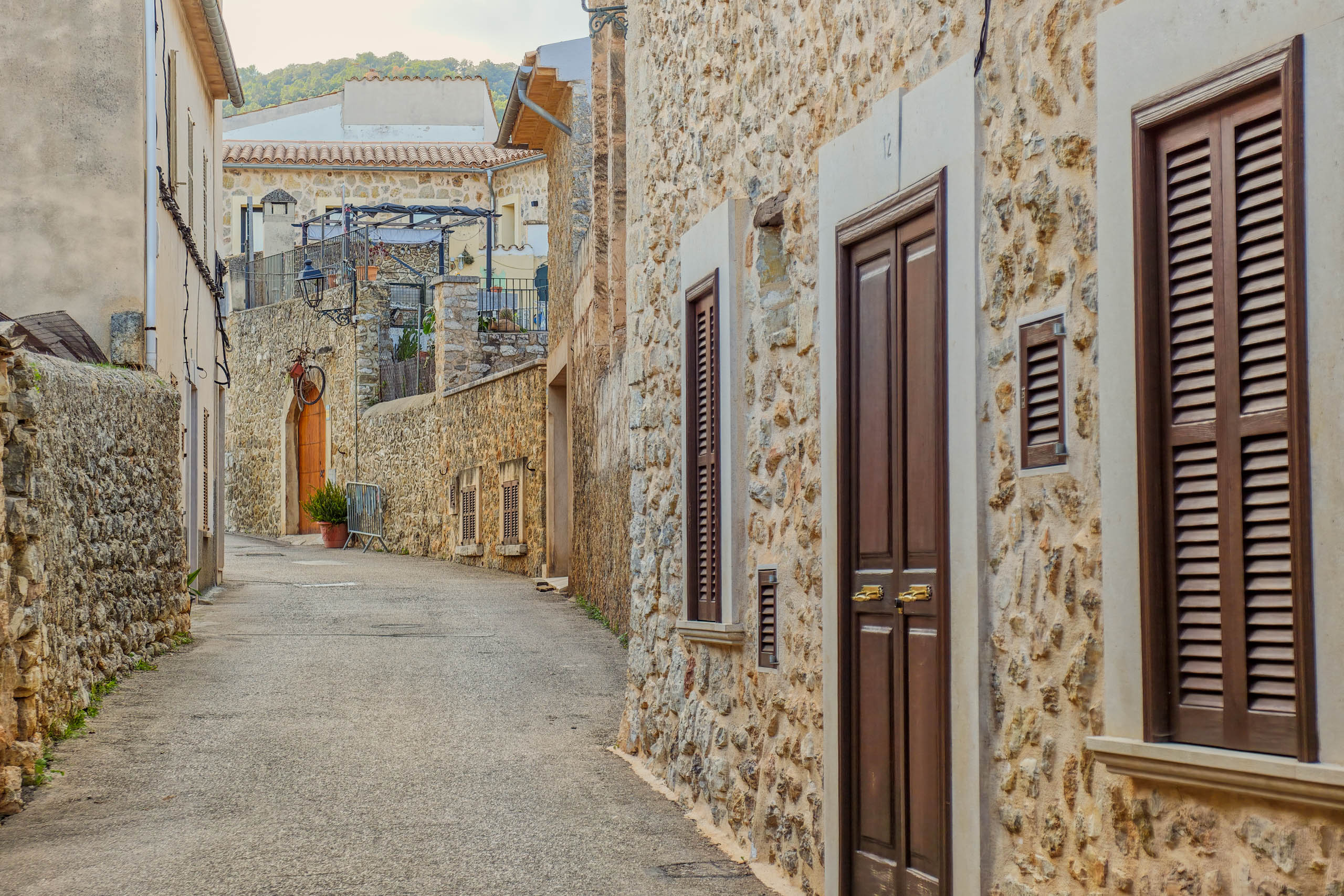
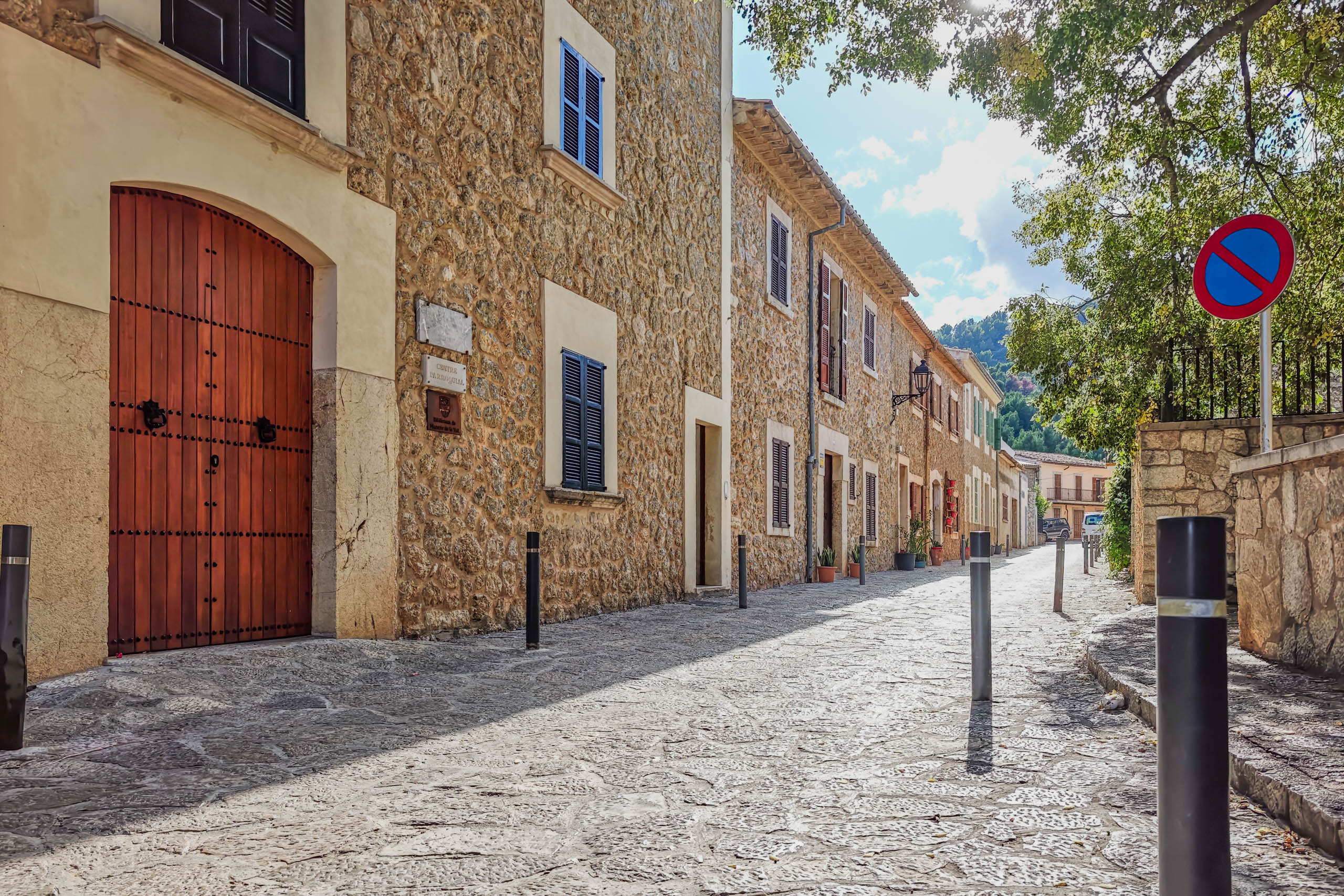
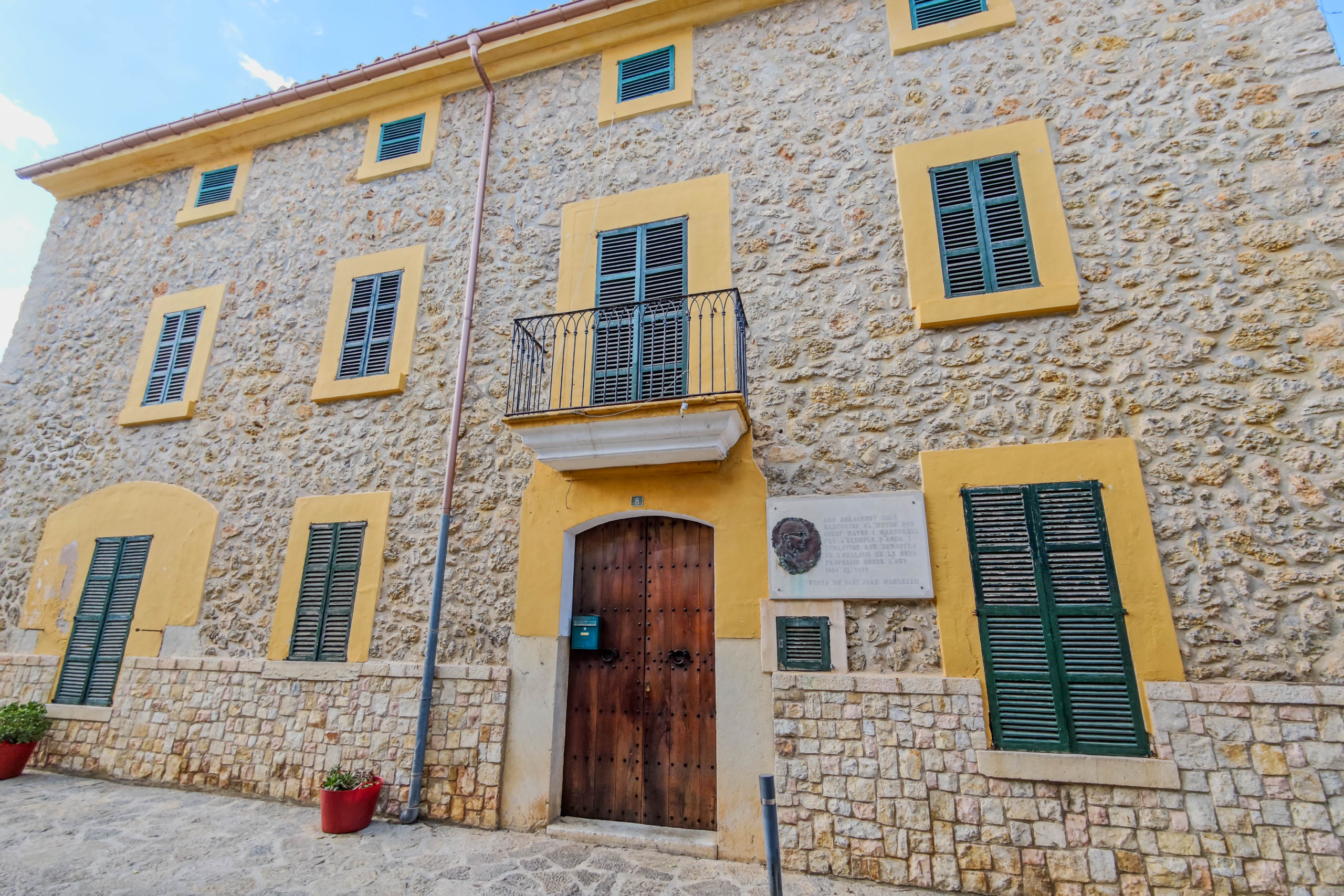
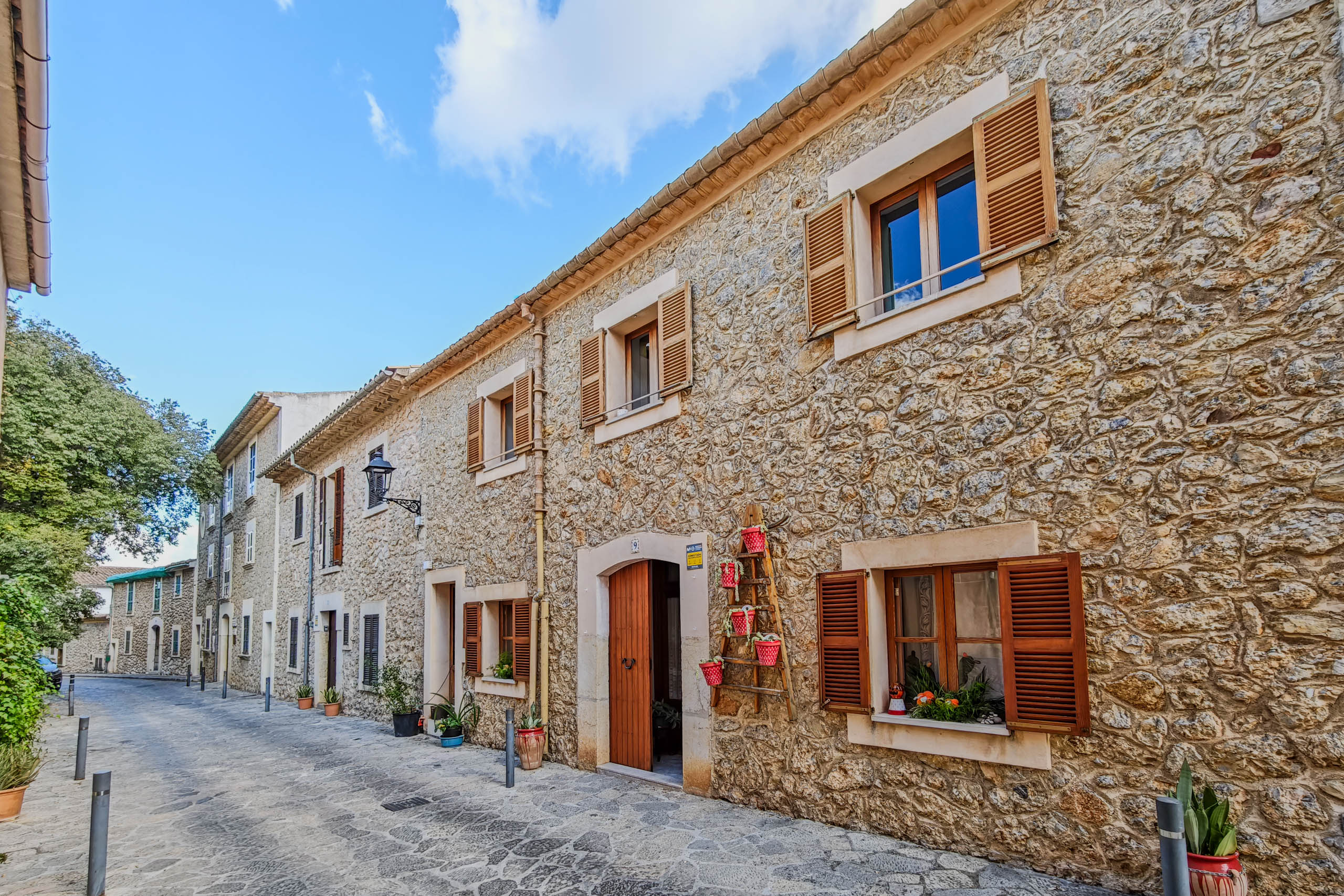
You don’t need a planned route to enjoy a visit. The old centre is easy to explore on foot, with colourful shutters, large wooden gates and plants outside stone houses. Some lanes stay shaded; others open onto a small square.
Around the church and town hall
Plaça de l’Ajuntament, nearby Plaça de Dalt and Sant Joan Baptista church help you find your way. Steps lead up to the town hall, while narrow lanes branch from Plaça de Dalt between old façades.
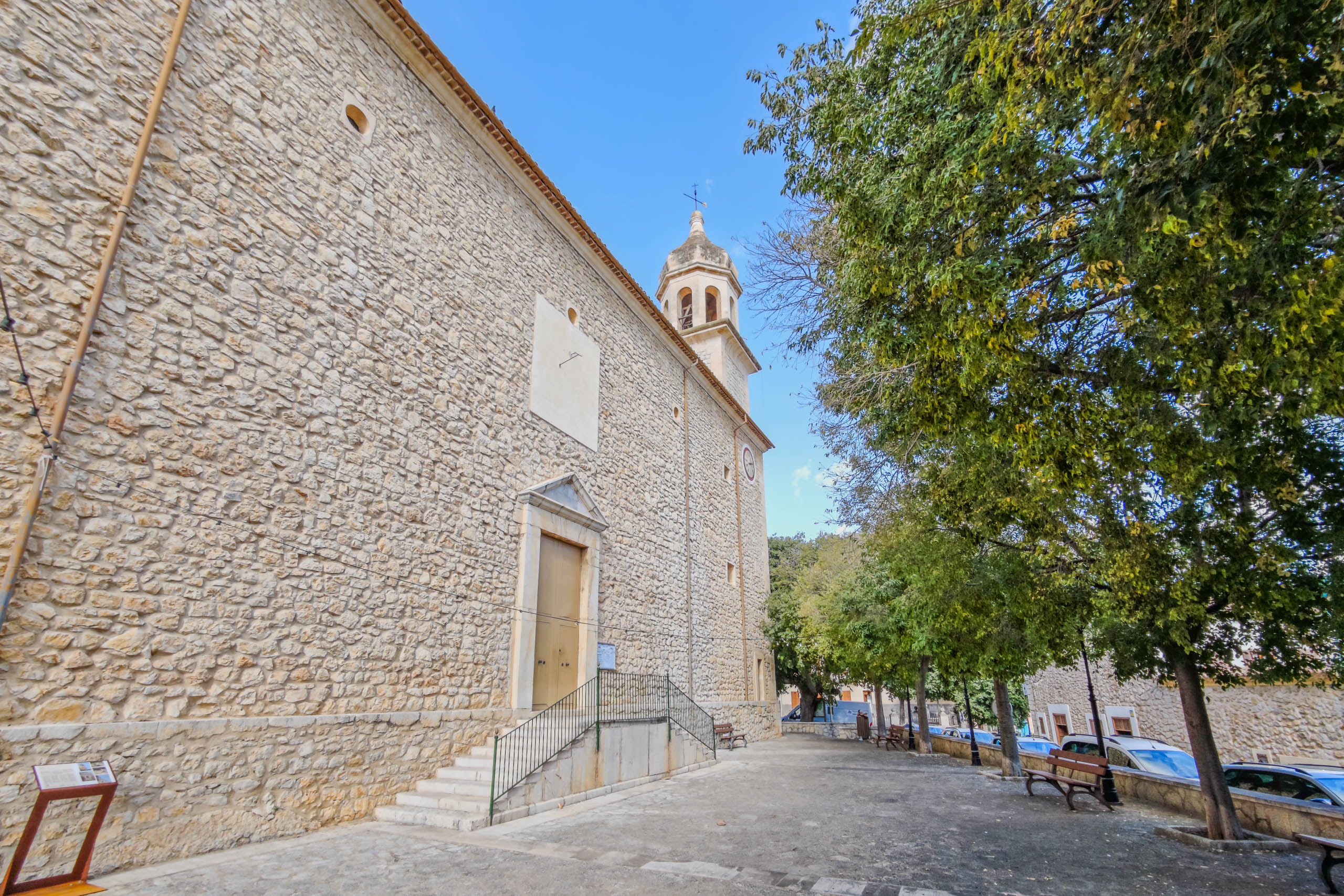
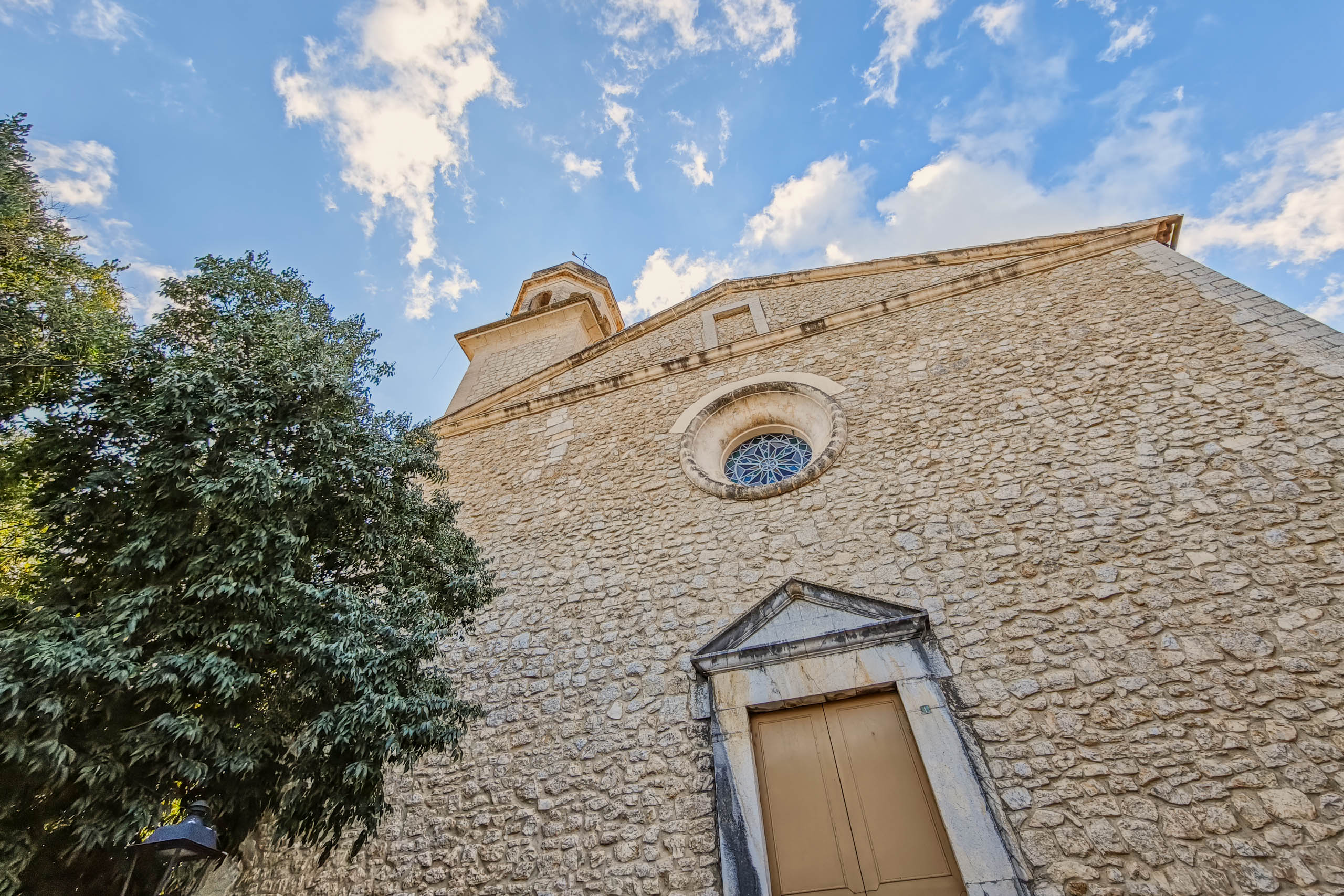
The church stands on Carrer del Metge Josep Mateu. According to the Consell de Mallorca’s cultural guide, the present parish church was built between 1800 and 1854. Its high walls and tower shape the village even from outside. Don’t assume the door will be open when you pass.
Continue through the neighbouring lanes. Doorways and little side streets are much of the village’s charm. Friedhelm only discovered some because he’d had to park further out.
On by bike to Santa Llúcia
Above Mancor stands Santuari de Santa Llúcia, a small pilgrimage church with views over the village and countryside. Allow time and energy for the climb.
The local tourism website records Santa Llúcia as early as 1275. Long before today’s parish church existed below, the hilltop was a religious centre for surrounding settlements.
For Friedhelm, a pause in the village is part of such an outing. You can just as happily stay in Mancor, explore another lane and return to the café.

Parking or arriving by bus
Central streets are narrow and parking is limited. Look for a permitted space on the village edge, keep entrances clear and follow the signs. During Friedhelm’s Sunday visit, finding parking took up much of his arrival time.
You can also use TIB bus 311 between Inca and Mancor de la Vall. Check your return journey before setting out, especially on Sundays and public holidays.
A village for every season
Friedhelm recommends Mancor throughout the year, for its streets, houses and a quiet break. It’s less suited to a major shopping trip.
Sundays and public holidays can be busier, mainly with local people in his experience. Choose an ordinary weekday if you prefer quieter lanes.
In summer, some lanes and trees provide shade. Even so, plan longer walks or the climb to Santa Llúcia around the temperature. And a year-round recommendation doesn’t mean every café or restaurant opens every day.
Photographs
Mancor de la Vall in Mallorca
Practical details
- Parking
- Limited space in the centre; follow signs and keep entrances clear.
- Public transport
- Route 311 from Inca; check weekend and public-holiday services separately.
- Time to allow
- One to two hours for a village walk and coffee; allow extra time for Santa Llúcia.
- Good to know
- Parking can take longer on Sundays and public holidays. The village is worth visiting, but individual cafés, restaurants and the church have their own opening hours.
- Bus
- TIB route 311 between Inca and Mancor de la Vall.
- Access
- Paved and tarmac lanes, with slopes and narrow walking areas in places. · Wheelchairs: The walk includes slopes, and there are steps at the town-hall square.
- Coordinates
- 39.7502,2.8710 Google Maps Apple Maps
Within reach
Places to visit
Nearby

A pilgrimage church on a rocky ledge above Mancor de la Vall, documented since 1275. The terrace looks across much …

Mallorca’s largest reservoir sits in the heart of the Tramuntana beside the MA-10. Swimming is forbidden, there’s …
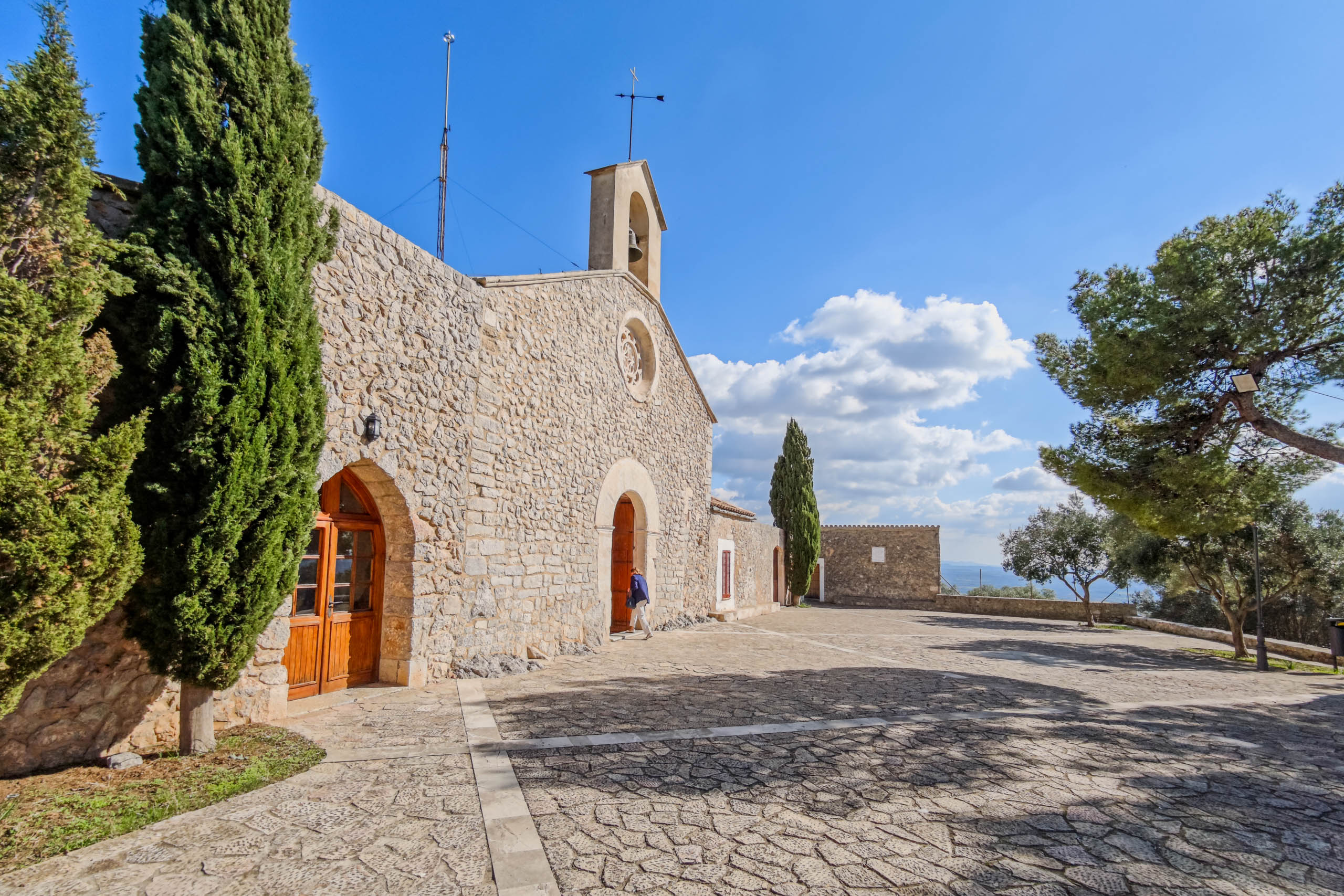
A small chapel and a wide view across Mallorca. Santa Magdalena stands on a hill near Inca. The winding climb is …

Mallorca's spiritual centre, a sanctuary at 525 metres in the heart of the Tramuntana, with guest rooms, a …

One of Mallorca's oldest churches, standing alone among the fields outside Campanet. Built on the site of a mosque …

A quieter cave visit near Campanet, with limestone formations rather than a boat ride or colourful show. Allow …
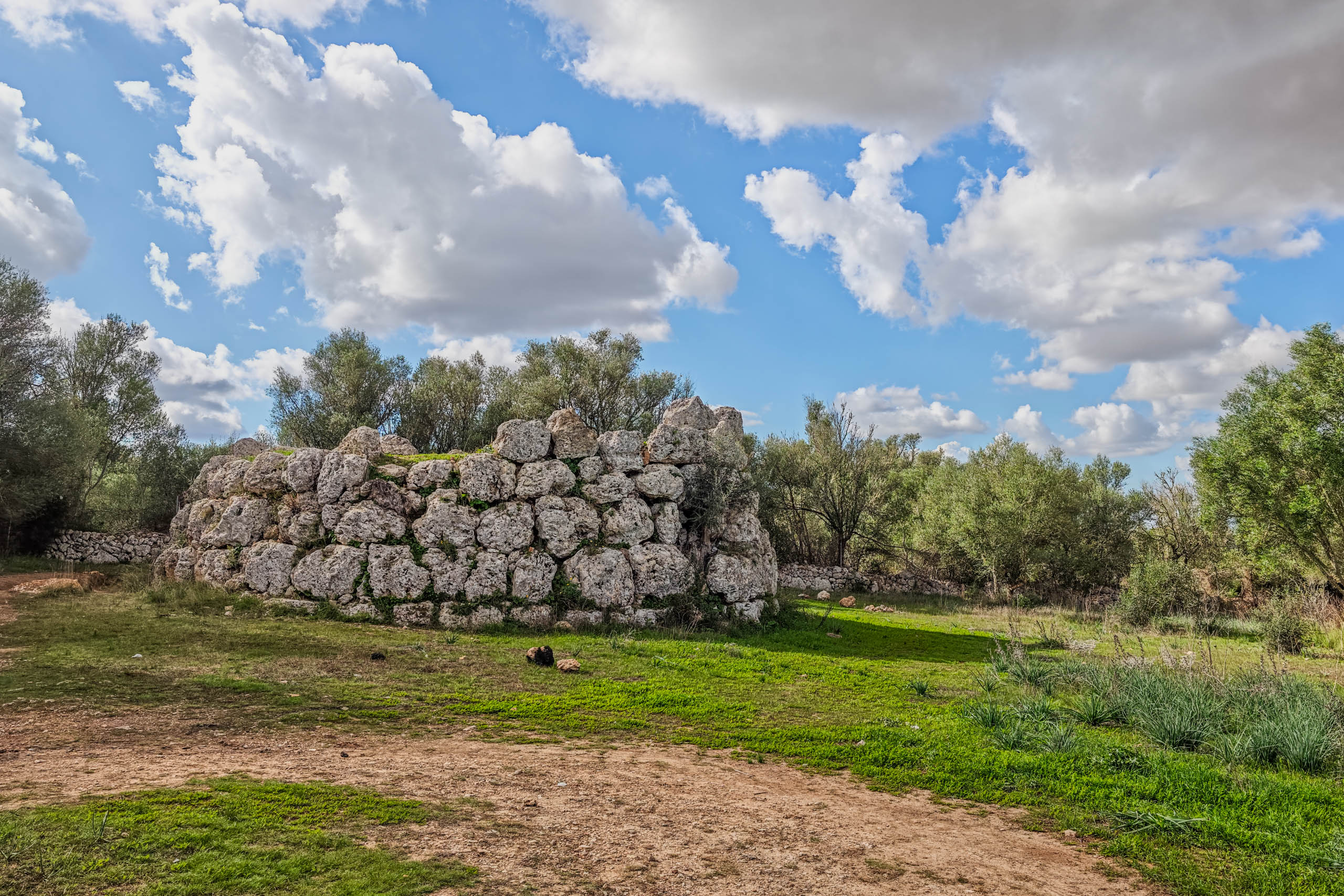
Son Fred is a well-preserved talayot near Sencelles, a round tower built from enormous stone blocks. Duck through …

A small pilgrimage chapel among pines near Sa Pobla, on the site of an older settlement. A paved path leads up to …
Distances without a driving time are measured in a straight line. The road journey can be much longer; known driving times are shown alongside.
Explore from here
Your questions answered
Your questions about Mancor de la Vall
What is Mancor de la Vall worth visiting for?
A walk through old lanes, a coffee break and a starting point for cycling or walking. Santuari de Santa Llúcia stands above the village.
Can you reach Mancor de la Vall without a car?
Yes. TIB bus 311 connects Inca with Mancor de la Vall. Check suitable outward and return services in the current timetable, particularly at weekends and on public holidays.
Where can you park in Mancor de la Vall?
Look for a permitted space on the village edge and continue on foot. Space in the old centre is limited. Finding somewhere took longer during Friedhelm’s Sunday visit.
Is Mancor de la Vall worth visiting all year?
Yes. Friedhelm recommends it year-round for a stroll and a break. Individual cafés, restaurants and the church have their own hours. Plan longer summer outings around the temperature and time of day.
Practical questions
When is the best time to visit Mancor de la Vall?
Mancor de la Vall is worth visiting throughout the year. What you can do depends on the season and weather.
Is Mancor de la Vall worth visiting in July and August?
July: worth a visit. A village stroll is worthwhile in summer too. Account for the heat on longer outings. August: worth a visit. A village stroll is worthwhile in summer too. Account for the heat on longer outings.
Do I need a hire car for Mancor de la Vall?
Easy to manage without a car TIB route 311 between Inca and Mancor de la Vall.
Where can I park in Mancor de la Vall?
Limited space in the centre; follow signs and keep entrances clear.
Can I visit Mancor de la Vall with a pushchair or wheelchair?
Paved and tarmac lanes, with slopes and narrow walking areas in places. Wheelchairs: The walk includes slopes, and there are steps at the town-hall square.
Words and photographs: Friedhelm Fischer. Exploring Mallorca since 2013 — by bike, on foot and with a camera.