Mallorca’s third-largest town has long been shaped by leatherworking. It has the bustle of an inland commercial centre, the island’s largest market on Thursdays and the Dijous Bo fair in November.
Inca
Inca in 30 seconds
The essentials at a glance
- Worth visiting for
- A short visit
- Best for
- You want to see the island’s largest market on a Thursday.
- Best months
- January–May, October–December
- Time to allow
- Two to three hours, or half a day on Thursdays.
- Without a car
- Easy enough
- Parking
- Car parks around the centre; they fill early on Thursdays.
- Keep in mind
- You expect a picturesque old town; Inca is a working town.
- Access
- Pushchairs: Straightforward. · Wheelchairs: Most of the centre is accessible.
Get a feel for Mallorca. Find your kind of place.
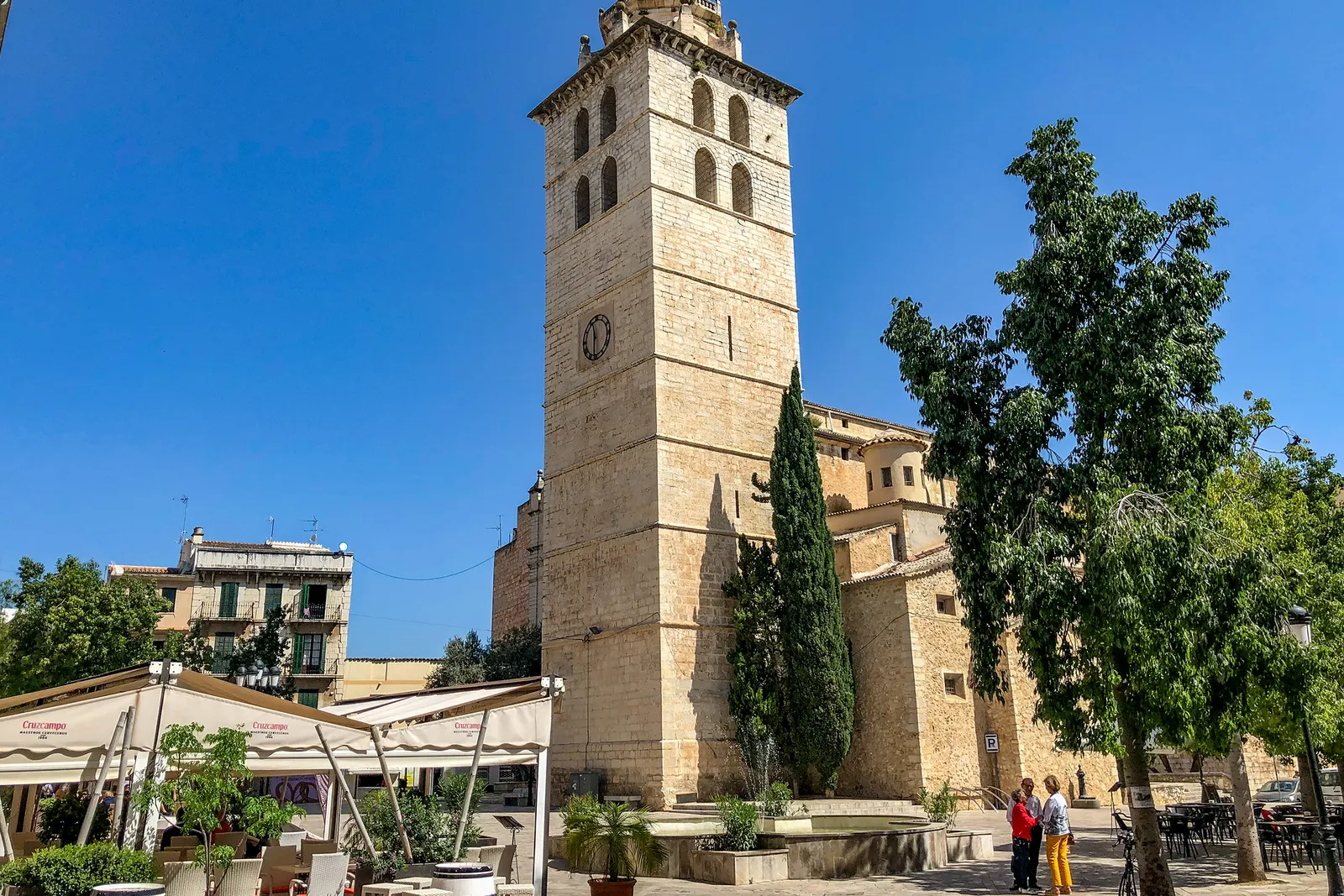
Santa Maria la Major’s tower is a useful landmark above the squares.
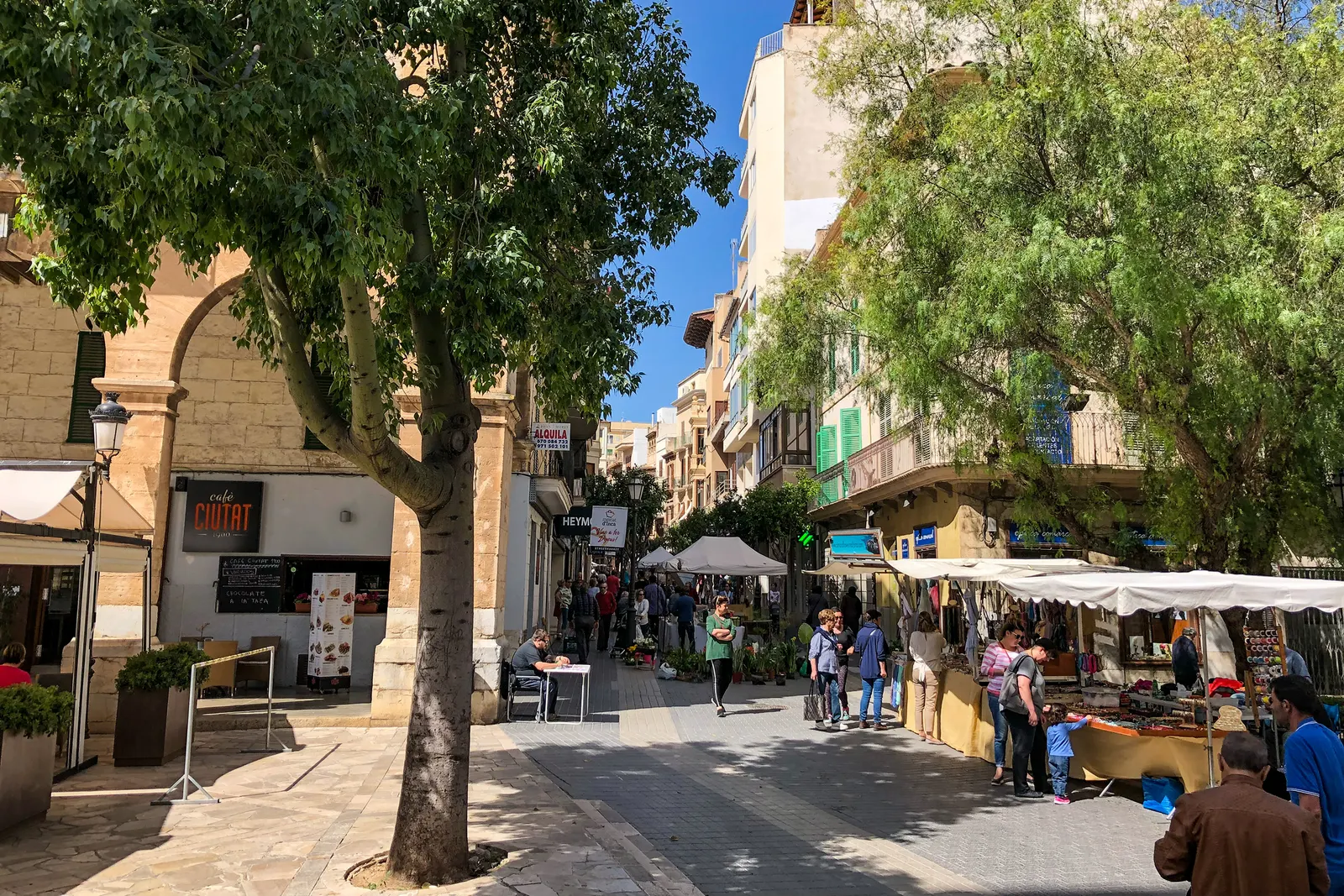
Thursday’s street market spreads across several streets.
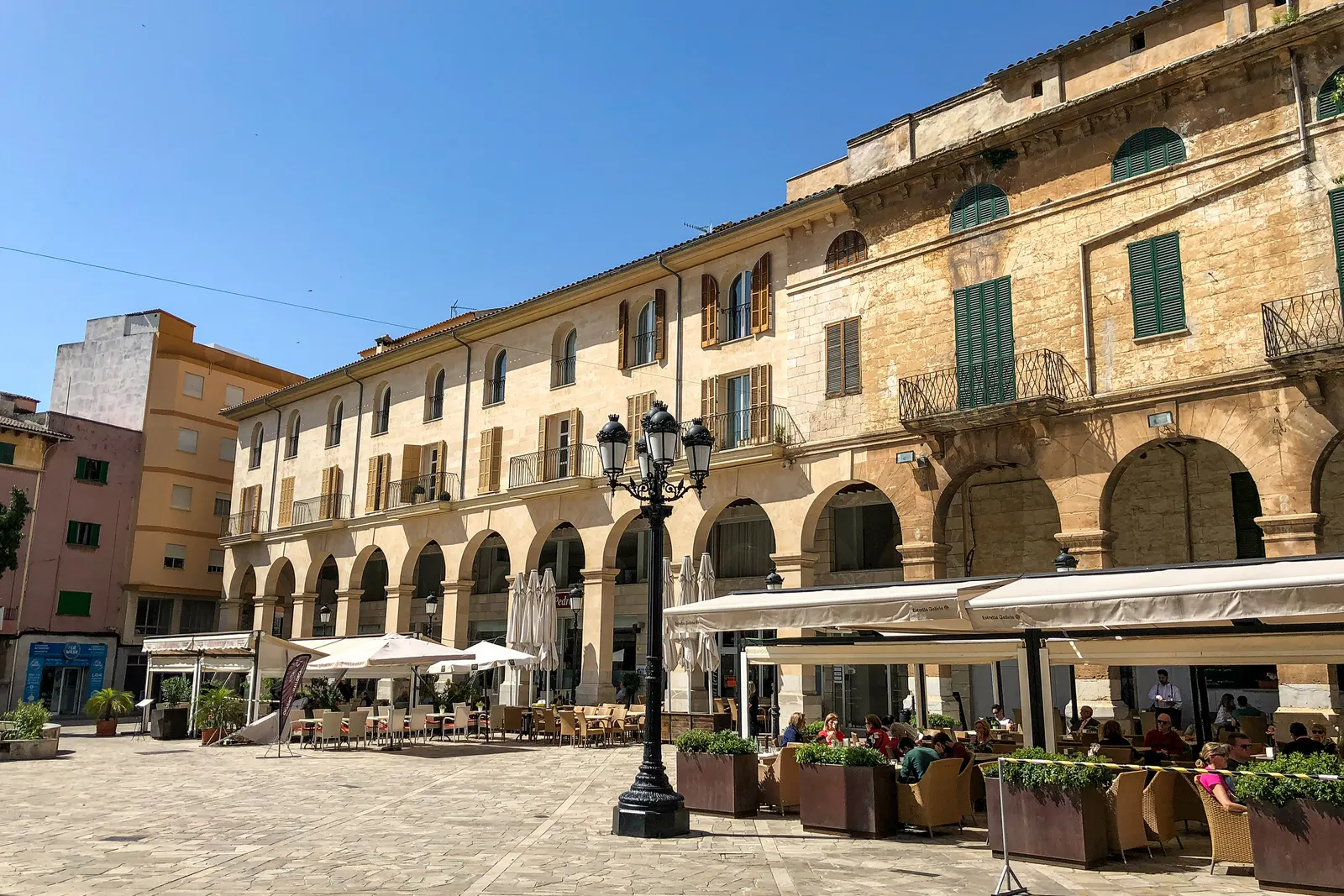
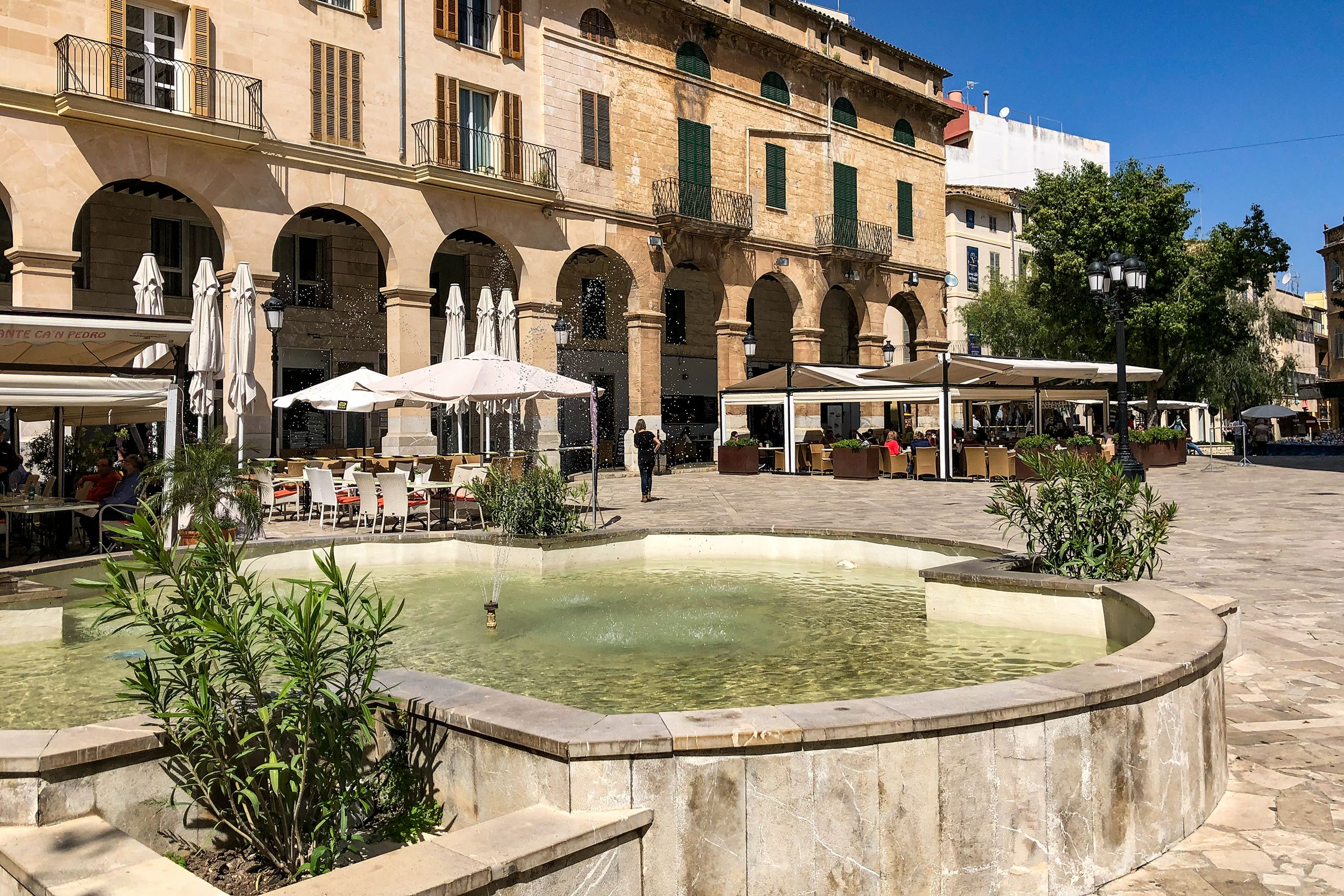
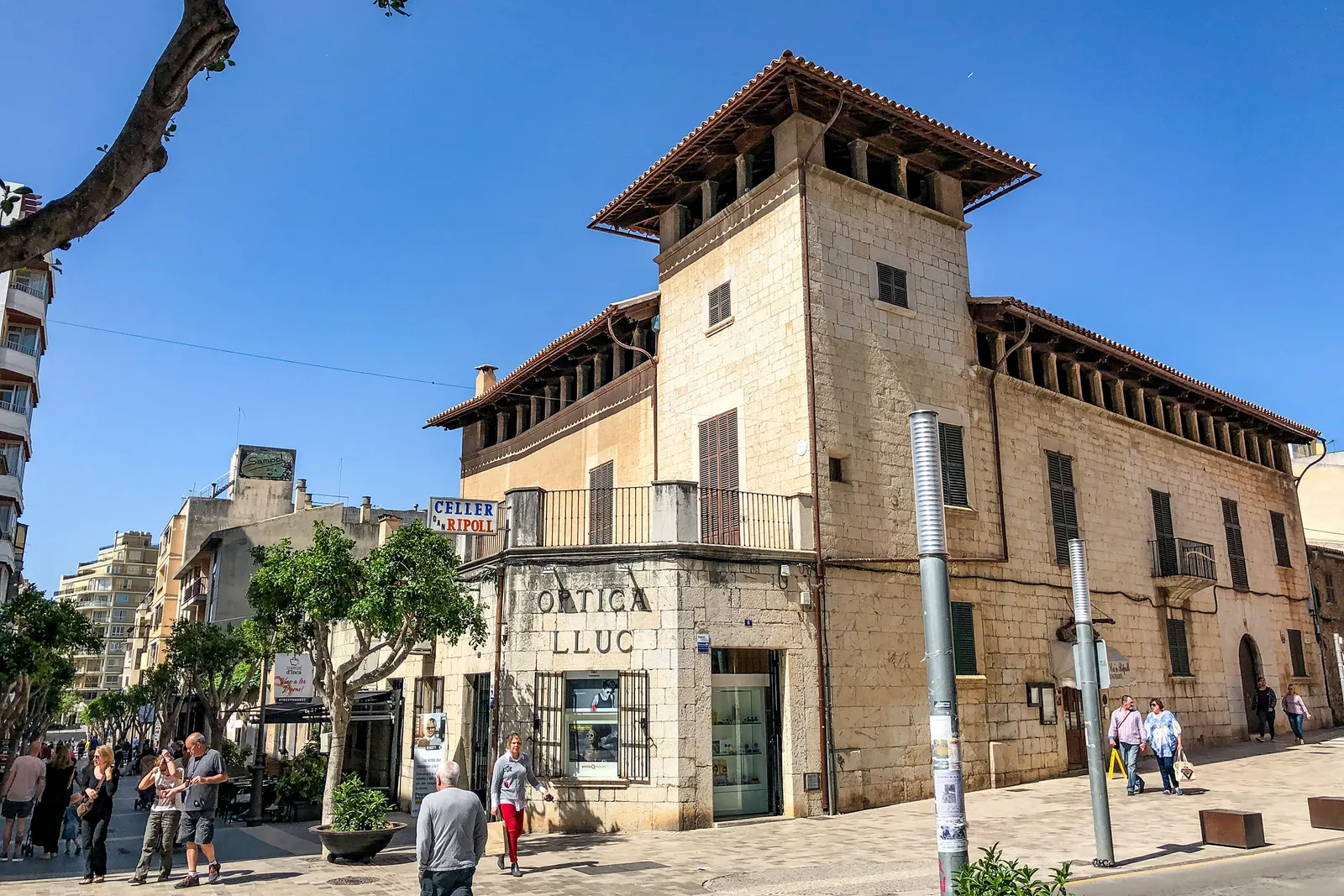
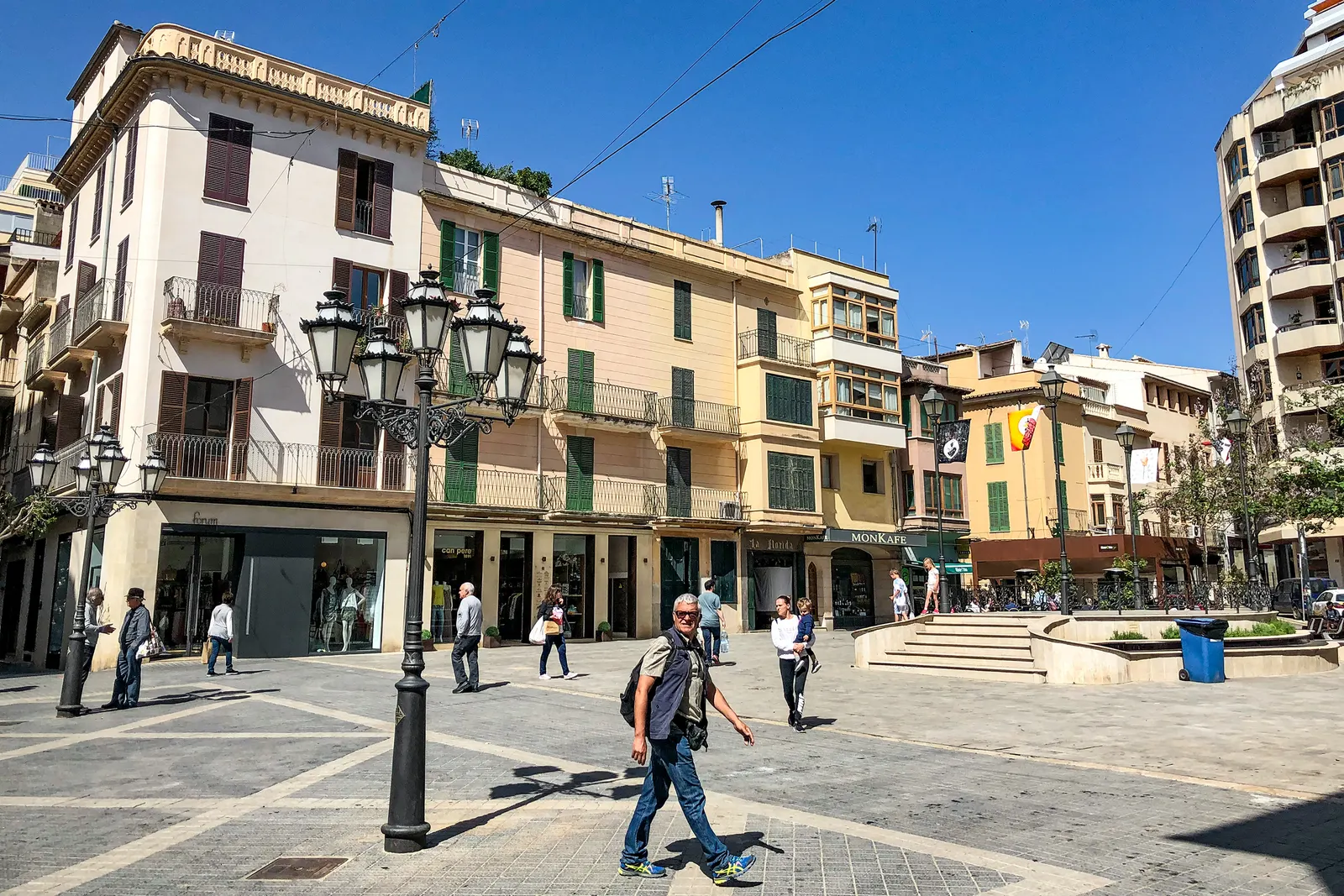
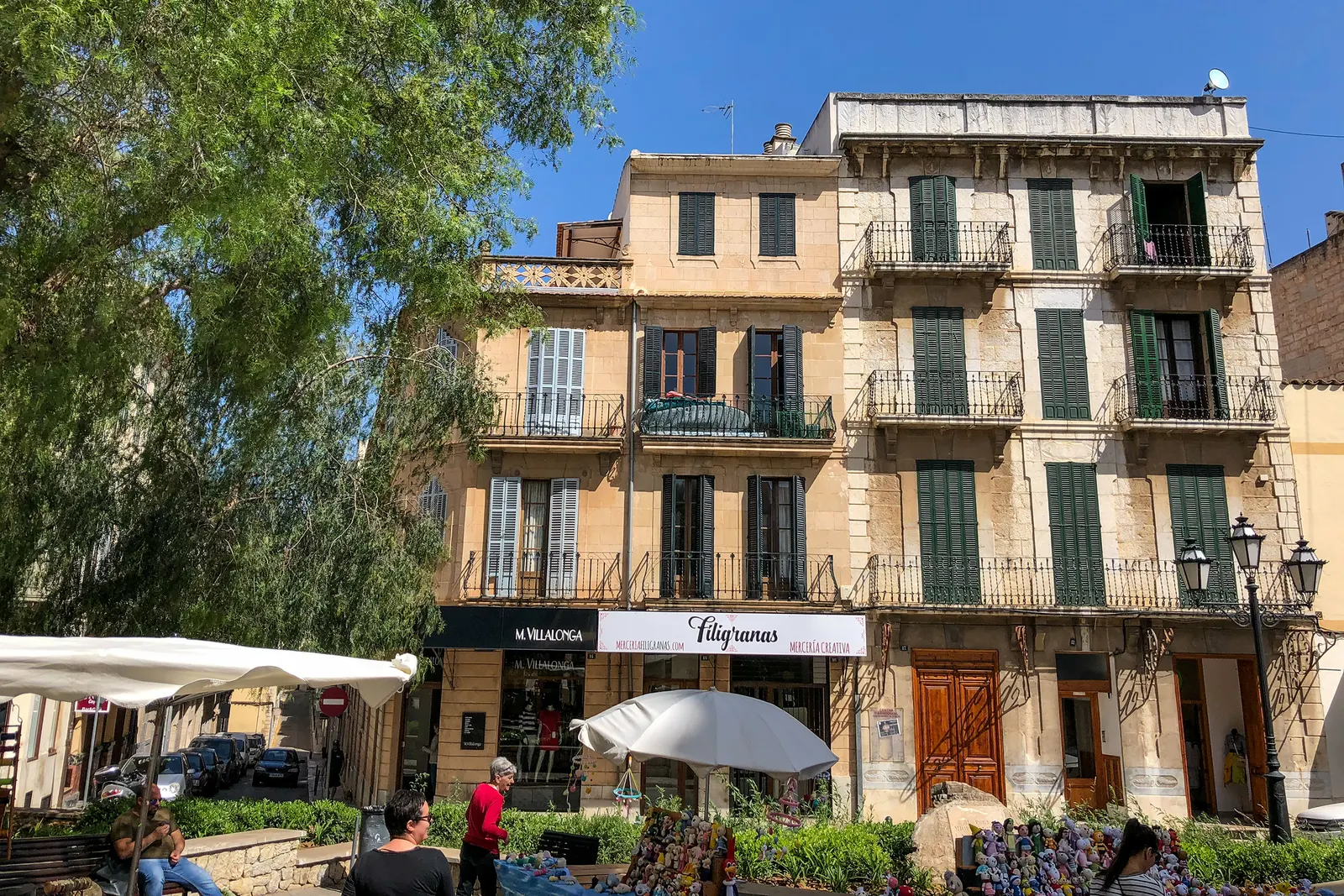
A continuous frontage of matching stone and arcades gives this square its character.
Getting to know Inca
Does Inca suit your plans?
What to expect and what to know before you visit.
Who it suits
- You want to see the island’s largest market on a Thursday.
- You’d like to eat in a celler; Inca has some of the best-known ones.
- You’re coming for the Dijous Bo fair in November.
- You’re travelling without a car; Inca is on the Palma–Manacor railway.
Things to bear in mind
- You expect a picturesque old town; Inca is a working town.
- You’re coming mainly to see leather being made.
- You want to swim.
- You’re driving here on Thursday without arriving early.
Drive from the airport
30 minutes
32 km
Bus connections
Good bus services
Region
Raiguer
Elevation
120 m
above sea level
Markets
Thursday & Sunday
Season guide for Inca
November Worth a visit
Dijous Bo on the third Thursday is the island’s largest fair. Driving through town is very difficult then.
Busy Open
Worth visiting in January, February, March, April, May, October, November and December. Less suitable in July and August.
Location
Location of Inca
- Region
- Raiguer
- Population
- 35,000
- Elevation
- 120 m above sea level
- Airport
- 32 km , around 30 minutes
- Hire car
- not essential
- Worth visiting for
- a brief stop
- Coordinates
- 39.7167,2.9167
About Inca
Mallorca’s third-largest town, with around 35,000 people, Inca is the centre of the Raiguer. Its prosperity grew from leather, tanneries, shoe factories and well-known island brands. That wealth remains visible in the buildings, though the factory outlets on the roads out are shops rather than workshops.
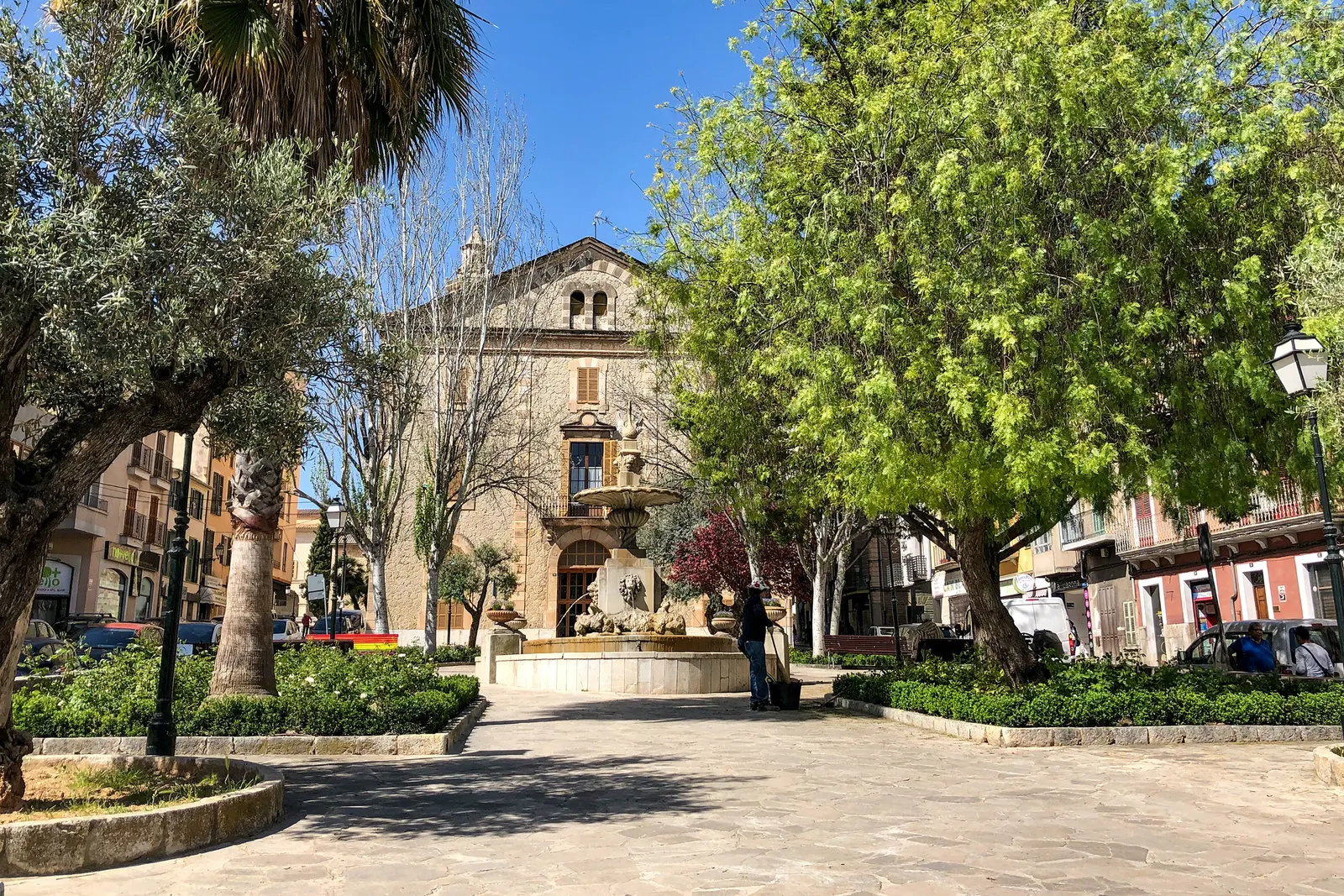
The squares make a visit worthwhile, with pale stone façades, continuous arcades, fountains and old trees. The tower of Santa Maria la Major rises above them.
Thursday market
Every Thursday from 8am until about 1pm, Mallorca’s largest street market spreads across several streets and squares. It’s anything but quiet then.
If driving, arrive before 10am. Better still, take the train from Palma, which takes about 35 minutes. Inca is one of the places on the island where having a car offers little advantage.
Dijous Bo
On the third Thursday in November, the island’s largest fair brings more than two thousand exhibitors, filling the centre with stalls, animals, music and demonstrations.
People arrive from all over Mallorca. If you’re curious about island life beyond tourism, this is a particularly worthwhile day to visit.
The cellers
These former wine cellars are now restaurants, with large barrels against the walls, long tables and Mallorcan dishes. Inca has some of the island’s best-known examples, including several in 18th-century buildings. At lunchtime, local people fill them.
When to come
Choose April or October, or November for Dijous Bo. In July and August, heat builds between the buildings, making the town less appealing for a visit.
On rainy days, though, it’s a good inland option. Arcades, shops and cellers work well in poor weather.
A view from above
After exploring town, you can drive up to the Ermita de Santa Magdalena. The small chapel stands above the plain, reached by a narrow, winding road. On a bike, the short climb is noticeably steep.
Photographs
Inca in Mallorca
How much time do you have?
Things to do in Inca
Three hours
Walk through Plaça d’Espanya to Santa Maria la Major church, then through the lanes to Plaça Mallorca, finishing with lunch in a celler.
Half a day
Add the market on Thursdays, spread across several streets. Otherwise, combine Inca with Campanet, Búger or Selva.
A full day
Only for Dijous Bo. On ordinary days, Inca is better as a stop than a full-day outing.
On a rainy day
A good inland choice in the rain, with sheltered shopping streets, arcaded cafés and cellers where you can linger.
Practical details
- Parking
- Car parks around the centre; they fill early on Thursdays.
- Public transport
- Good services, plus the station on the Palma–Manacor line.
- Time to allow
- Two to three hours, or half a day on Thursdays.
- Good to know
- The weekly market runs on Thursdays from 8am until about 1pm. Arrive by car after 10am and parking can take a long time. The train from Palma is the more practical option that day.
- Bus
- Good bus services, plus trains on the Palma–Manacor and Sa Pobla lines.
- Shops and services
- Supermarkets: Several, including large supermarkets on the outskirts. · Pharmacy: Several in the centre. · Medical care: Hospital Comarcal d’Inca. · Cash machines: Throughout the centre. · Fuel: On the main roads out of town.
- Access
- Paved pedestrian streets and squares, mostly level. · Pushchairs: Straightforward. · Wheelchairs: Most of the centre is accessible. · Dogs: Generally straightforward, but the market is crowded.
- What you will not find
- Beach · Picturesque old town · Quiet on market days · Leatherworking demonstrations
- Coordinates
- 39.7167,2.9167 Google Maps Apple Maps
Within reach
Places to visit
Nearby
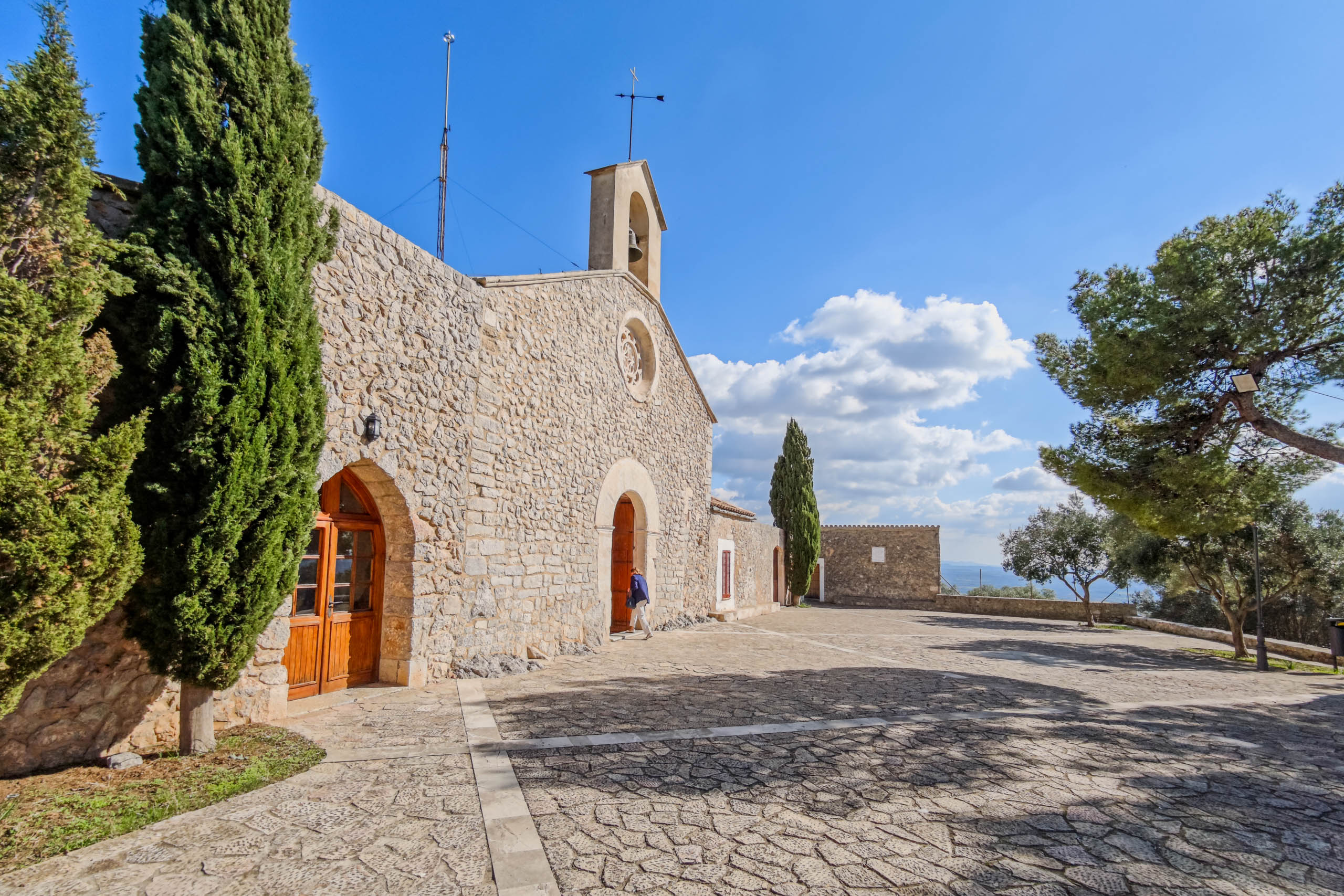
A small chapel and a wide view across Mallorca. Santa Magdalena stands on a hill near Inca. The winding climb is …

A pilgrimage church on a rocky ledge above Mancor de la Vall, documented since 1275. The terrace looks across much …
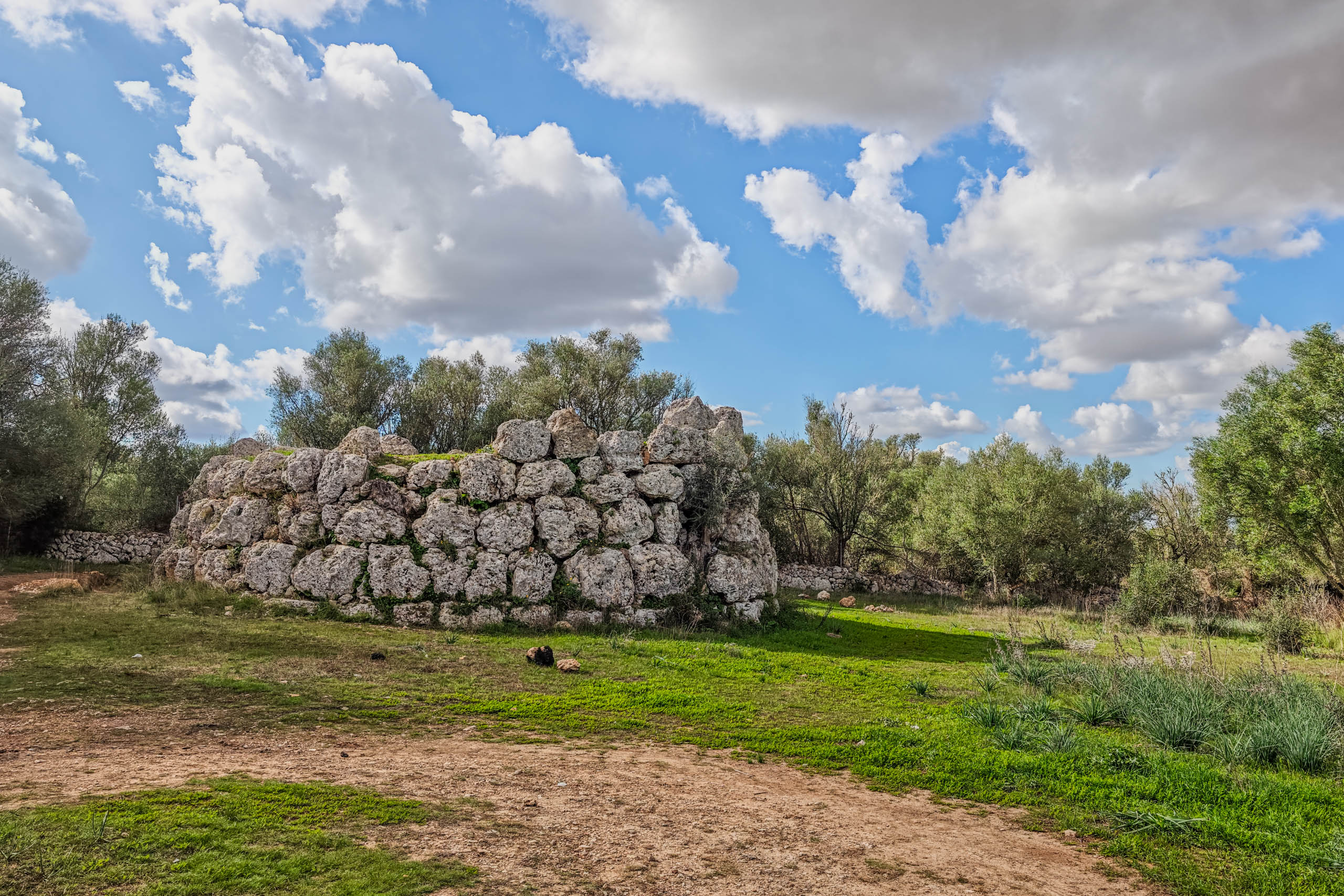
Son Fred is a well-preserved talayot near Sencelles, a round tower built from enormous stone blocks. Duck through …
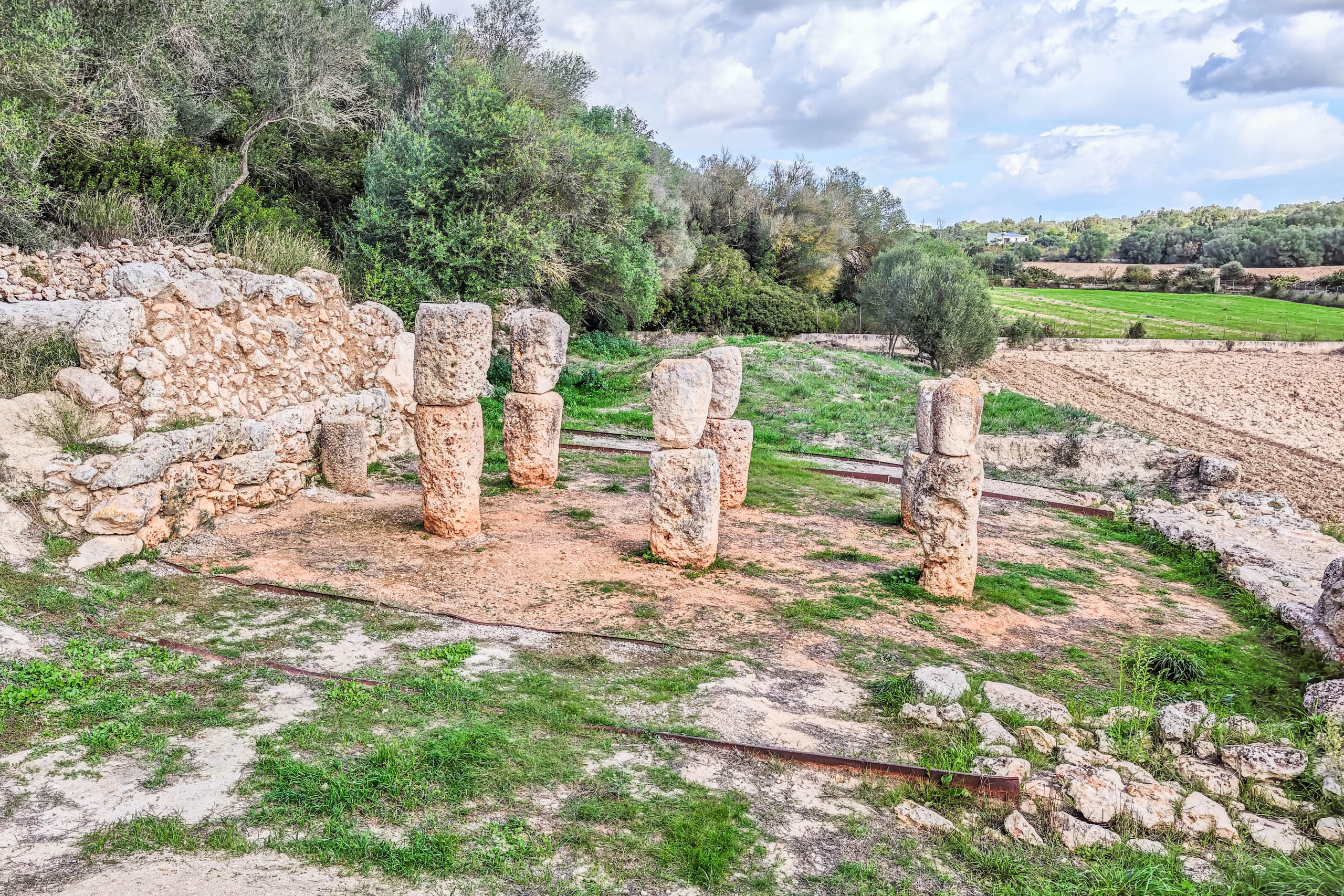
Son Corró is a small prehistoric sanctuary near Costitx. Six re-erected stone columns stand among low walls. The …

One of Mallorca's oldest churches, standing alone among the fields outside Campanet. Built on the site of a mosque …

A quieter cave visit near Campanet, with limestone formations rather than a boat ride or colourful show. Allow …

A small pilgrimage chapel among pines near Sa Pobla, on the site of an older settlement. A paved path leads up to …

Mallorca's spiritual centre, a sanctuary at 525 metres in the heart of the Tramuntana, with guest rooms, a …
Distances without a driving time are measured in a straight line. The road journey can be much longer; known driving times are shown alongside.
Explore from here
Your questions answered
Your questions about Inca
When is Inca’s market?
Every Thursday from 8am until about 1pm. Mallorca’s largest street market spreads across several streets and squares. Arrive before 10am if driving, or take the train from Palma instead.
What is Dijous Bo?
The island’s largest fair, held on the third Thursday of November. More than two thousand exhibitors and traders fill the centre with stalls, demonstrations, animals and music. People come from across Mallorca, making it a particularly rewarding day to see the town.
Are Inca’s leather factories worth visiting?
Perhaps for bargain hunters, but the outlets on the roads out of town are retail spaces, not workshops. There’s no production to watch. Leatherworking shaped Inca, but the industry itself isn’t a sightseeing attraction today.
Can you reach Inca without a car?
Yes, more easily than most inland towns. Inca is on the railway from Palma to Manacor and Sa Pobla, with the journey from Palma taking about 35 minutes. Buses also serve neighbouring towns and villages.
What is a celler?
A former wine cellar turned into a restaurant, often with large barrels against the walls, long tables and Mallorcan cooking. Inca has some of the island’s best-known examples, a few in 18th-century buildings. At lunchtime they fill with local people.
Practical questions
When is the best time to visit Inca?
Recommended months: January, February, March, April, May, October, November, December. Sant Antoni on 16–17 January brings fires and animal blessings across the area.
Is Inca worth visiting in July and August?
July: another month may suit you better. Usually lively. Heat builds up between the buildings inland. August: another month may suit you better. Usually lively.
How far is Inca from Palma airport?
About 32 km from Palma airport. Allow roughly 30 minutes by car. Inca is one of the island’s easier places to reach without a car. Trains from Palma take about 35 minutes and are a much better choice on Thursdays.
Do I need a hire car for Inca?
Easy to manage without a car Good bus services, plus trains on the Palma–Manacor and Sa Pobla lines.
Where can I park in Inca?
Car parks around the centre; they fill early on Thursdays.
Can you swim at Inca?
There is no beach here. See the nearby swimming options on this page.
Can I visit Inca with a pushchair or wheelchair?
Paved pedestrian streets and squares, mostly level. Pushchairs: Straightforward. Wheelchairs: Most of the centre is accessible.
Are dogs allowed at Inca?
Generally straightforward, but the market is crowded.
Words and photographs: Friedhelm Fischer. Exploring Mallorca since 2013 — by bike, on foot and with a camera.