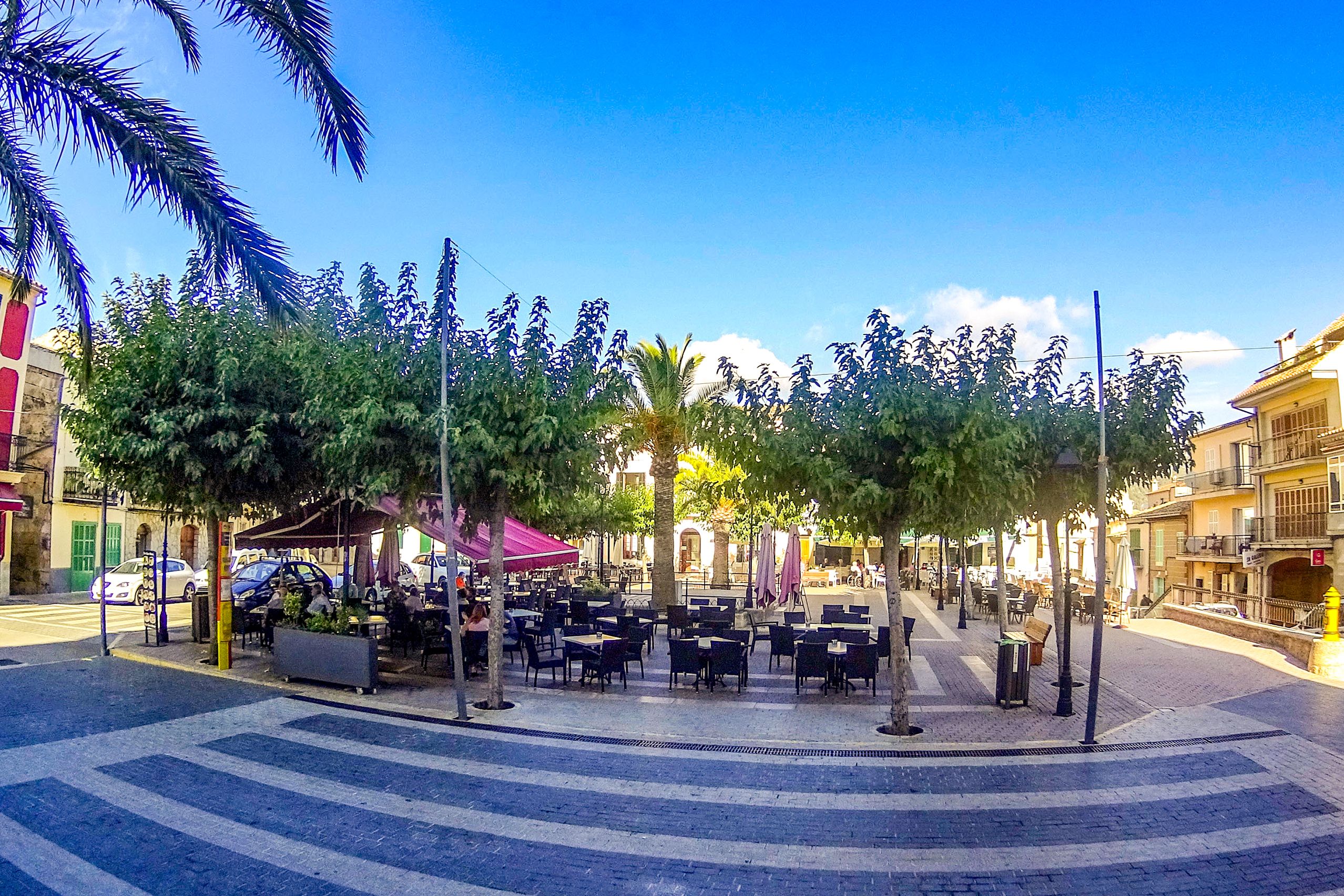
A village below the Tramuntana with a large church and a broad, tree-lined square. Nearby are two very different natural sights — the caves and Fonts Ufanes, springs that flow after substantial rain.
Campanet
Campanet in 30 seconds
The essentials at a glance
- Worth visiting for
- A short visit
- Best for
- Visiting after substantial rain, when Fonts Ufanes may be flowing
- Best months
- January–May, October–December
- Time to allow
- Around half an hour for the centre, or half a day with the caves and springs
- Without a car
- Hire car needed
- Parking
- Generally straightforward on the outskirts and around the village, with free spaces
- Keep in mind
- Expecting the springs to flow in dry summer weather
- Access
- Pushchairs: Manageable in the village, more difficult in the woodland · Wheelchairs: Much of the village is accessible; the caves and woodland routes are more difficult
Get a feel for Mallorca. Find your kind of place.
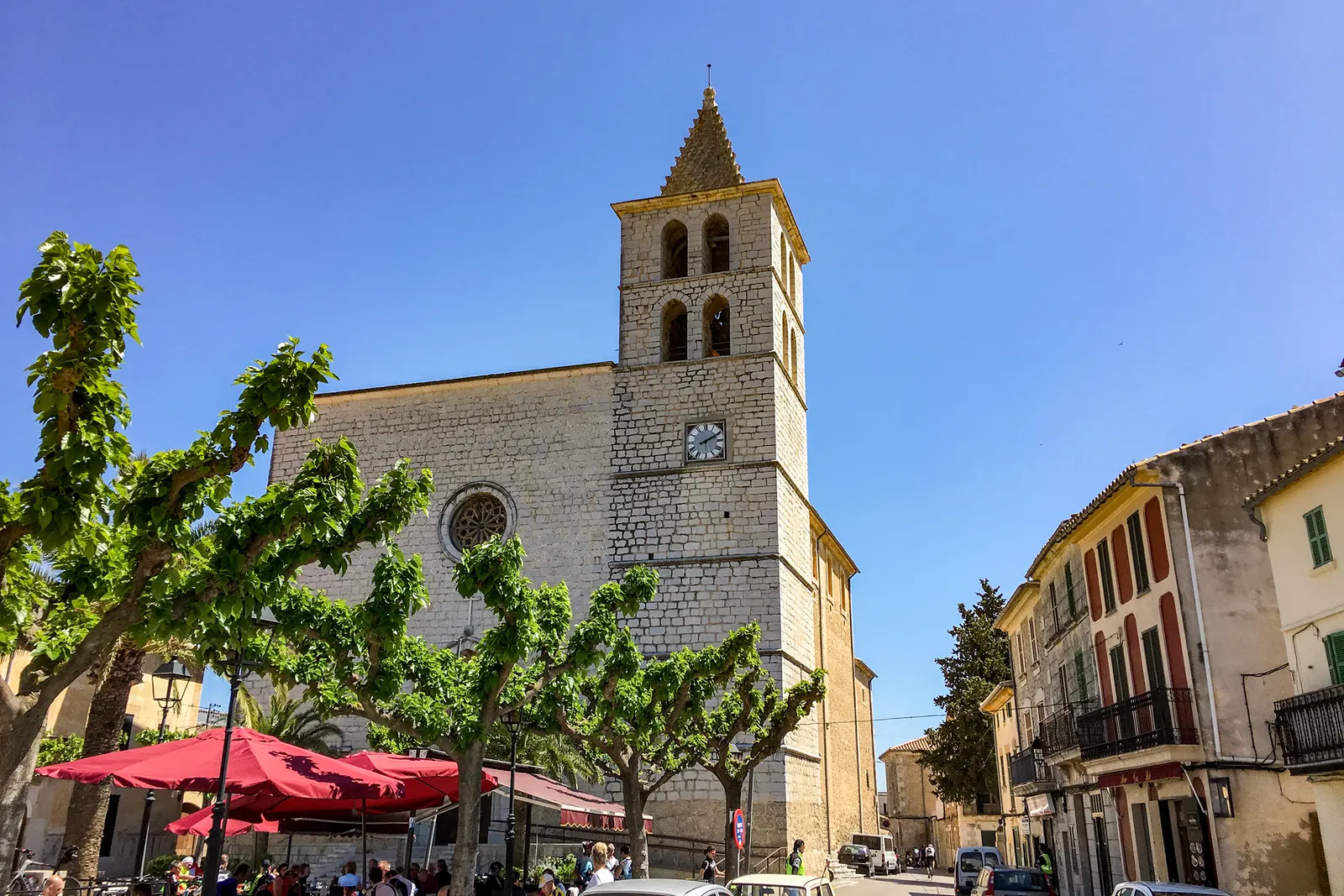
The bell tower is an easy landmark to follow from the square.
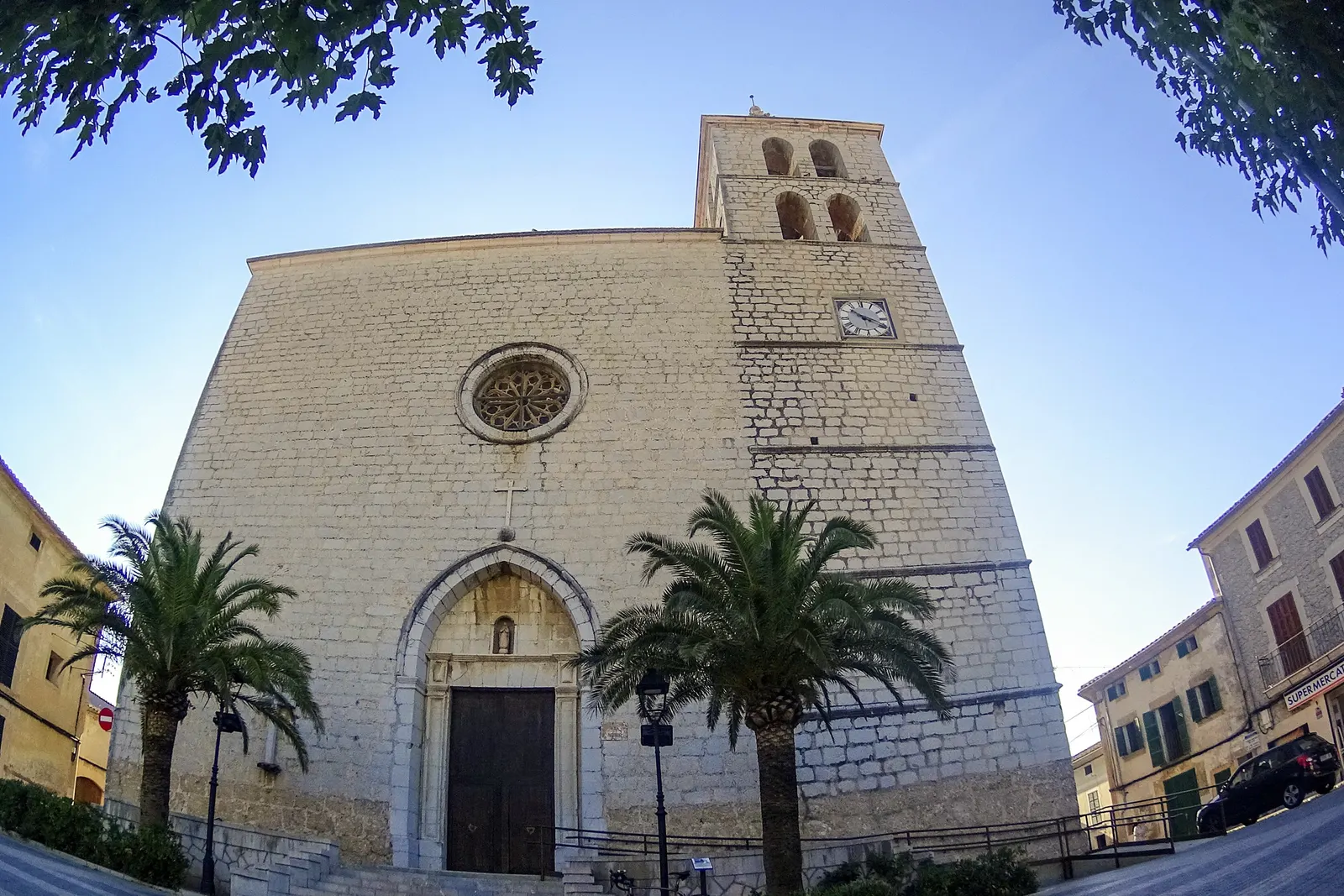
The parish church stands prominently above the village centre.
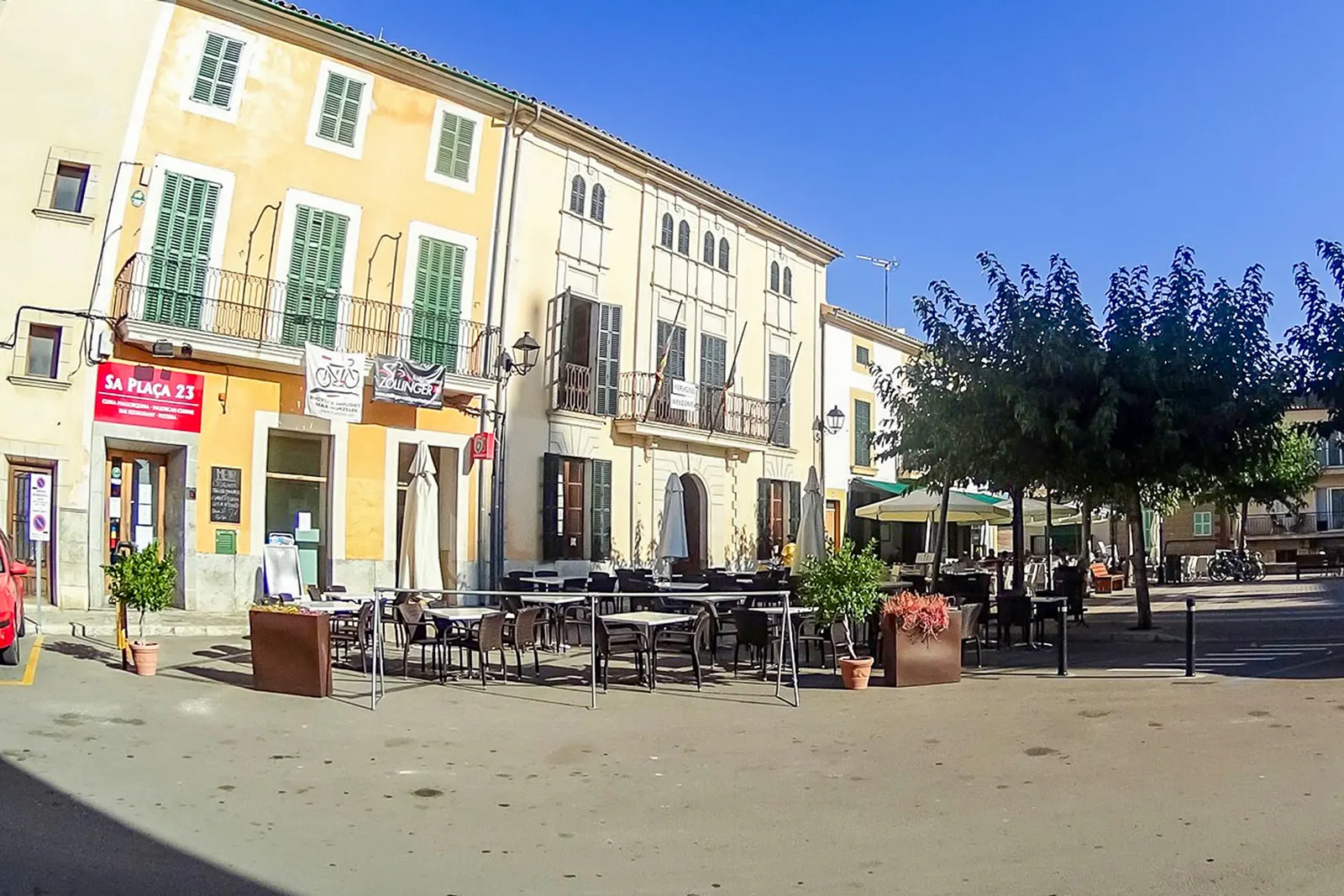
Stop at one of the square's bars, or head to Inca for a wider choice of places to eat.
Getting to know Campanet
Does Campanet suit your plans?
What to expect and what to know before you visit.
Who it suits
- Visiting after substantial rain, when Fonts Ufanes may be flowing
- A quieter cave visit than some of the larger eastern attractions
- A peaceful stop between Inca and the mountains
- Cycling through the villages below the Tramuntana
Things to bear in mind
- Expecting the springs to flow in dry summer weather
- Swimming
- Needing a large choice of restaurants
- A full day of attractions within the village centre
Drive from the airport
40 minutes
42 km
Bus connections
Check current connections from Inca
Region
Raiguer
Elevation
140 m
above sea level
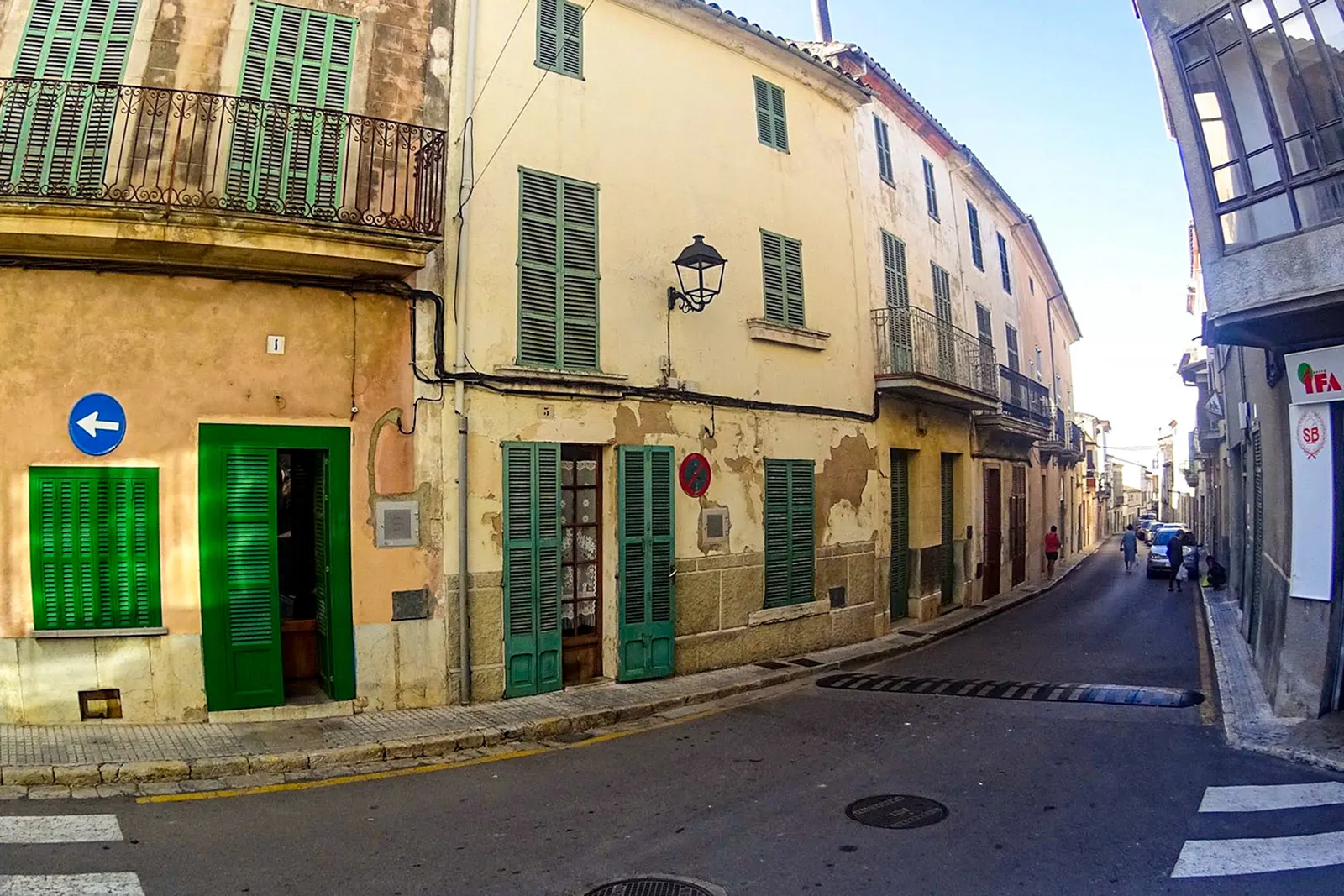
A glimpse of Campanet
Season guide for Campanet
November Worth a visit
Inca's Dijous Bo fair is another nearby outing this month.
Very quiet Open
Worth visiting in January, February, March, April, May, October, November and December. Less suitable in July and August.
Location
Location of Campanet
- Region
- Raiguer
- Population
- 2,600
- Elevation
- 140 m above sea level
- Airport
- 42 km , around 40 minutes
- Hire car
- needed
- Worth visiting for
- a brief stop
- Coordinates
- 39.7667,2.9667
The village
Campanet has around 2,600 residents and lies in the Raiguer, below the Tramuntana. Its centre has a broad tree-lined square, a few bars and a notably large parish church.
A short stroll takes around half an hour. The surrounding countryside gives you more reasons to stay in the area.
Fonts Ufanes
At the Gabellí Petit estate outside the village, Fonts Ufanes has been protected as a natural monument since 2001. After substantial rain, groundwater rises through the floor of a holm oak wood, appearing between roots and gathering into streams.
Flow is most likely in the wetter months, often between November and March, but depends on rainfall and groundwater conditions. It may last only a few days. Check current information before travelling specifically to see the water.
When the springs are dry, the woodland is still a pleasant place for a walk, but the experience is quite different.
The caves
The Coves de Campanet are smaller and usually quieter than the large cave attractions on the east coast. I like their less theatrical atmosphere. If you already know the Coves del Drac, come expecting a different visit rather than a bigger spectacle.
When to come
March brings green countryside, comfortable walking temperatures and a chance of flowing springs after rain. October and November offer another opportunity as autumn rainfall returns.
In July and August, it is hot inland and the springs are generally dry, though the caves remain a reason to visit.
Rain needn’t spoil an outing here, but check the weather and woodland access before setting off.
Photographs
Campanet in Mallorca
How much time do you have?
Things to do in Campanet
Three hours
Walk around the square and church, then visit the Coves de Campanet.
Half a day
Add the woodland walk to Fonts Ufanes, allowing around 20 minutes from the entrance to explore the area.
A full day
Combine Campanet with Inca, Búger or a trip towards Lluc.
On a rainy day
The caves offer an indoor option. After substantial rain the springs may flow, but check access and conditions before entering the woodland.
Practical details
- Parking
- Generally straightforward on the outskirts and around the village, with free spaces
- Public transport
- Check current services from Inca
- Time to allow
- Around half an hour for the centre, or half a day with the caves and springs
- Good to know
- Fonts Ufanes flows only after enough rain, often in the cooler months and sometimes for only a few days. Check current conditions before making a special trip. The woodland is pleasant even when the springs are dry.
- Bus
- Check current connections from Inca
- Shops and services
- Supermarkets: Small shops in the village · Pharmacy: In the village · Medical care: Local surgery; hospital in Inca · Cash machines: Near the square · Fuel: In Inca
- Access
- Paved village streets; unsurfaced woodland paths at the springs · Pushchairs: Manageable in the village, more difficult in the woodland · Wheelchairs: Much of the village is accessible; the caves and woodland routes are more difficult · Dogs: Generally straightforward in the village; follow lead requirements in the protected area
- What you will not find
- A beach · A large choice of hotels in the centre · Extensive restaurant choice · A guarantee that Fonts Ufanes will be flowing
- Coordinates
- 39.7667,2.9667 Google Maps Apple Maps
Within reach
Places to visit
Nearby

A quieter cave visit near Campanet, with limestone formations rather than a boat ride or colourful show. Allow …

A small pilgrimage chapel among pines near Sa Pobla, on the site of an older settlement. A paved path leads up to …

One of Mallorca's oldest churches, standing alone among the fields outside Campanet. Built on the site of a mosque …
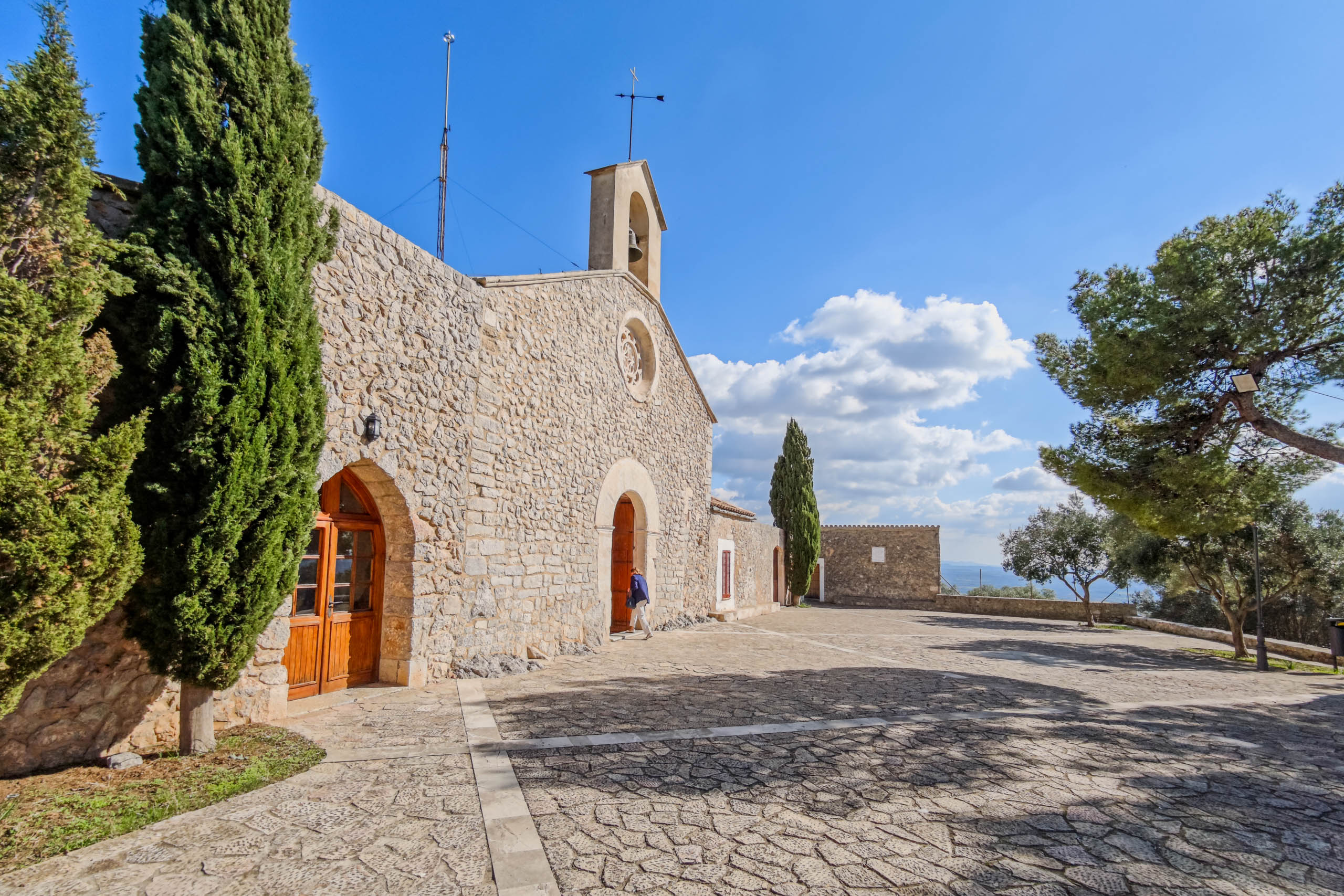
A small chapel and a wide view across Mallorca. Santa Magdalena stands on a hill near Inca. The winding climb is …

A pilgrimage church on a rocky ledge above Mancor de la Vall, documented since 1275. The terrace looks across much …

Mallorca's spiritual centre, a sanctuary at 525 metres in the heart of the Tramuntana, with guest rooms, a …

Mallorca’s largest reservoir sits in the heart of the Tramuntana beside the MA-10. Swimming is forbidden, there’s …
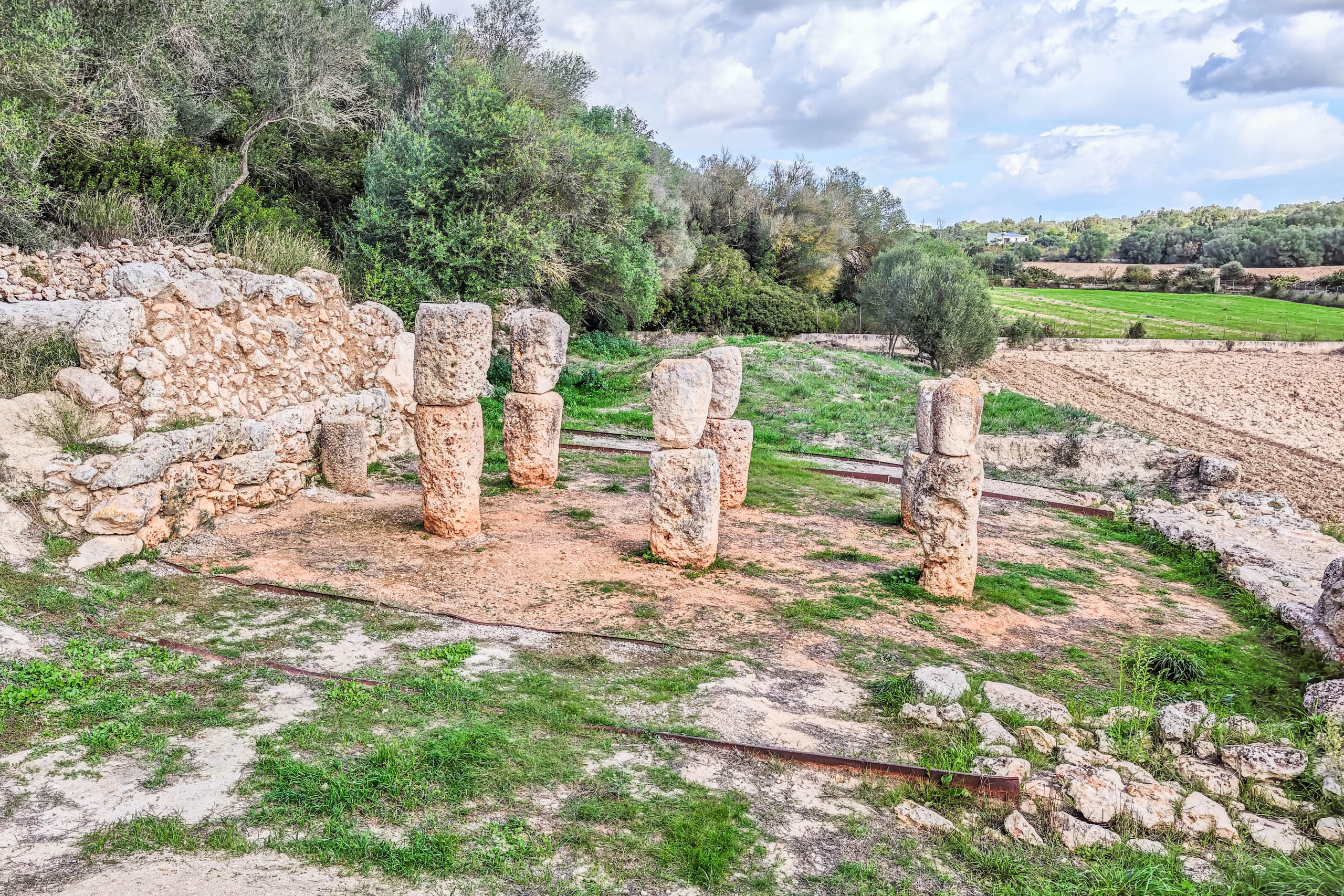
Son Corró is a small prehistoric sanctuary near Costitx. Six re-erected stone columns stand among low walls. The …
Distances without a driving time are measured in a straight line. The road journey can be much longer; known driving times are shown alongside.
Explore from here
Your questions answered
Your questions about Campanet
What are Fonts Ufanes?
Intermittent springs in the holm oak woodland of Gabellí Petit, protected as a natural monument since 2001. After substantial rain, water rises through the ground and gathers into streams. In dry periods, there may be no visible flow.
When does Fonts Ufanes flow?
It depends on substantial rainfall and groundwater conditions, rather than a fixed season. Flow is more likely in the wetter months and can last only a few days. Check current reports before making a special trip.
Are the Coves de Campanet worth visiting?
They offer a smaller, quieter cave experience than some of the large eastern cave attractions. If you already know the Coves del Drac, expect a different atmosphere rather than a larger spectacle.
What is there to see in Campanet itself?
The large parish church, broad tree-lined square and residential lanes behind it. Allow around half an hour for a short look around, then combine the village with the caves or woodland nearby.
Practical questions
When is the best time to visit Campanet?
Recommended months: January, February, March, April, May, October, November, December. The springs may flow after rain. Sant Antoni celebrations fall around 16–17 January.
Is Campanet worth visiting in July and August?
July: another month may suit you better. Usually quiet. Hot inland conditions; the springs are usually dry. August: another month may suit you better. Usually quiet.
How far is Campanet from Palma airport?
About 42 km from Palma airport. Allow roughly 40 minutes by car. Follow the signed approach to Campanet from the main road network. The caves and Fonts Ufanes are outside the village; use their designated access routes and parking arrangements.
Do I need a hire car for Campanet?
A car is needed Check current connections from Inca
Where can I park in Campanet?
Generally straightforward on the outskirts and around the village, with free spaces
Can you swim at Campanet?
There is no beach here. See the nearby swimming options on this page.
Can I visit Campanet with a pushchair or wheelchair?
Paved village streets; unsurfaced woodland paths at the springs Pushchairs: Manageable in the village, more difficult in the woodland Wheelchairs: Much of the village is accessible; the caves and woodland routes are more difficult
Are dogs allowed at Campanet?
Generally straightforward in the village; follow lead requirements in the protected area
Words and photographs: Friedhelm Fischer. Exploring Mallorca since 2013 — by bike, on foot and with a camera.