Banyalbufar
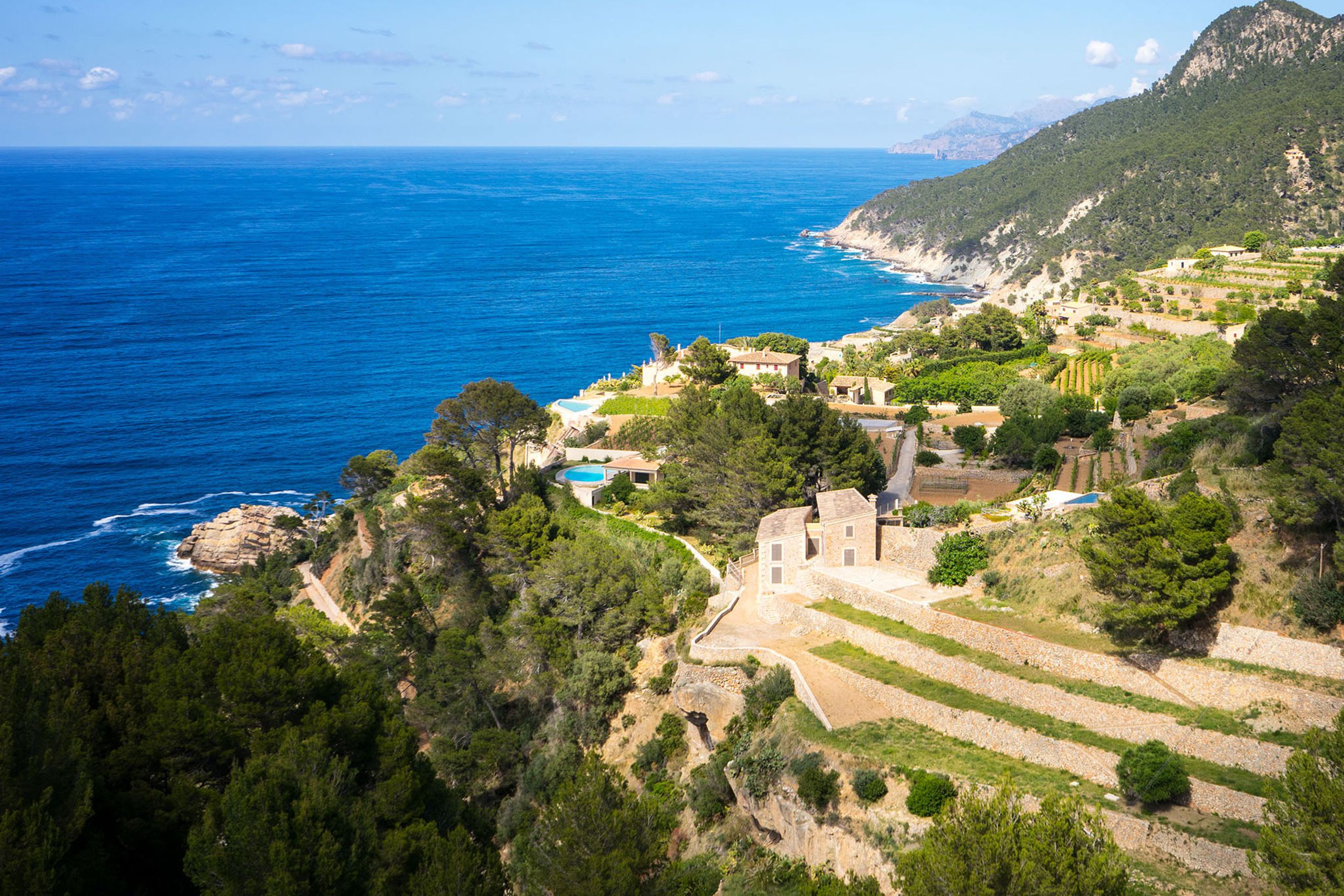
A terraced village above the sea, shaped by Moorish farming and wine-growing. Around two thousand dry-stone terraces step down towards the water. The steep hillside still shows how much work farming this coast has always involved.
Banyalbufar
Banyalbufar in 30 seconds
The essentials at a glance
- Worth visiting for
- A short visit
- Best for
- Terraced landscapes, sea views and village walks
- Best months
- February–May, September–November
- Time to allow
- Two hours for the village. Allow half a day for a walk towards Port des Canonge and back, with a substantial climb on the return.
- Without a car
- Hire car needed
- Parking
- Roadside spaces on the Ma-10 above and below the village. Very difficult from June to September; easier outside that period.
- Highlight
- Dry-stone terraces above the coast
- Keep in mind
- This is not a level seafront stroll
- Access
- A hillside village, with climbs on the paths down to the coast
Get a feel for Mallorca. Find your kind of place.
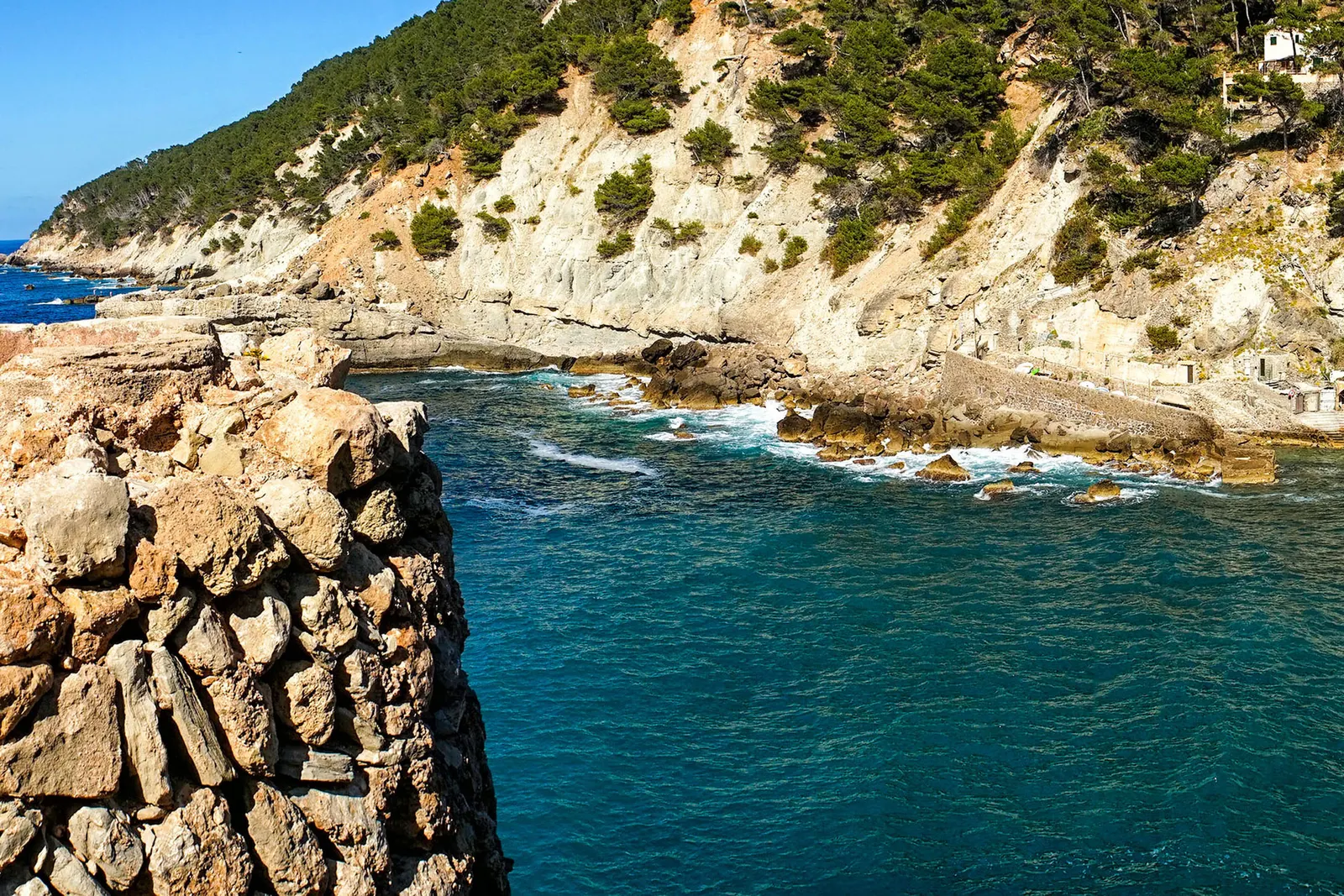
The cove at the foot of the village. Port des Canonge is a longer coastal walk away.
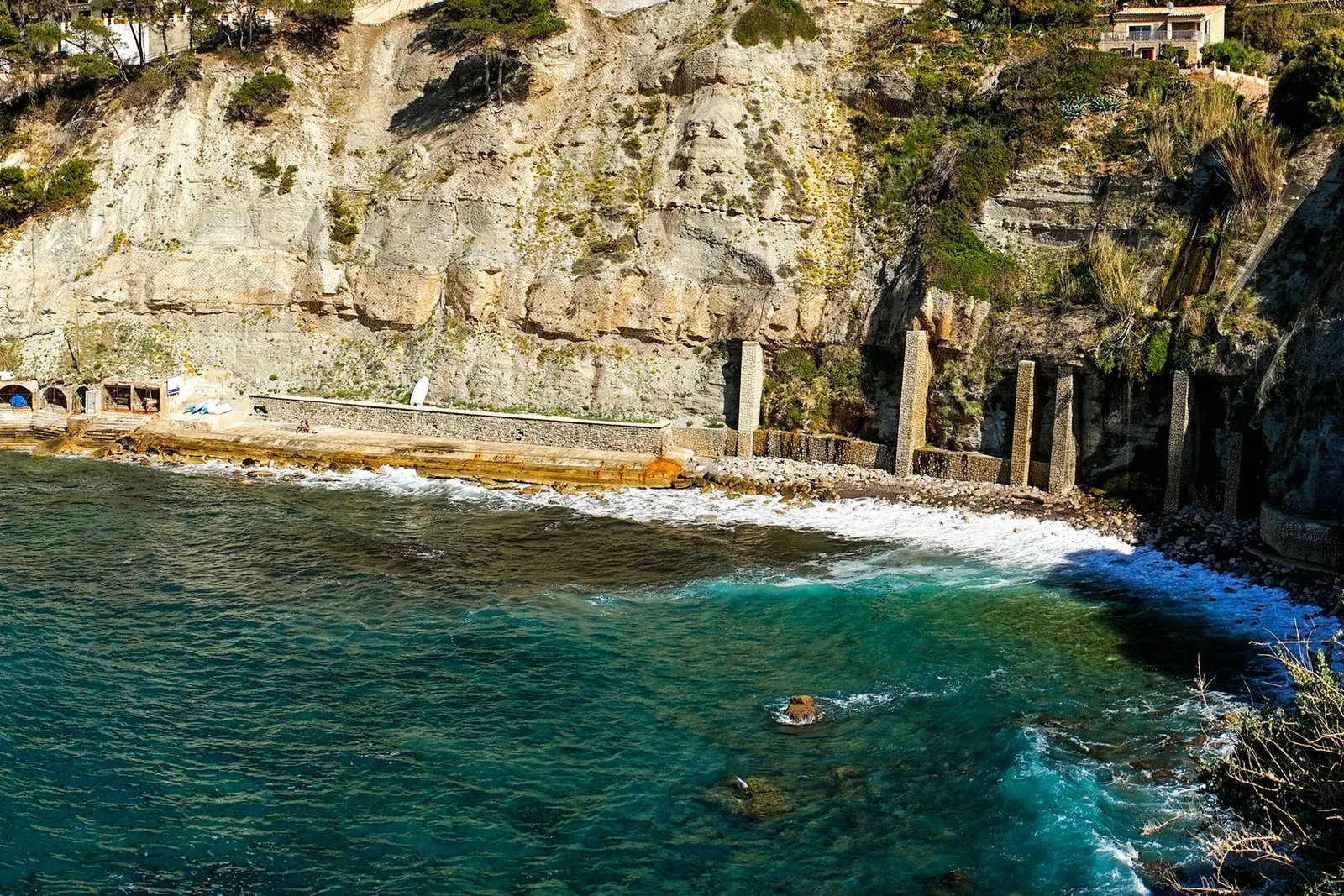
The masonry path makes it possible to reach the water beneath the cliff.
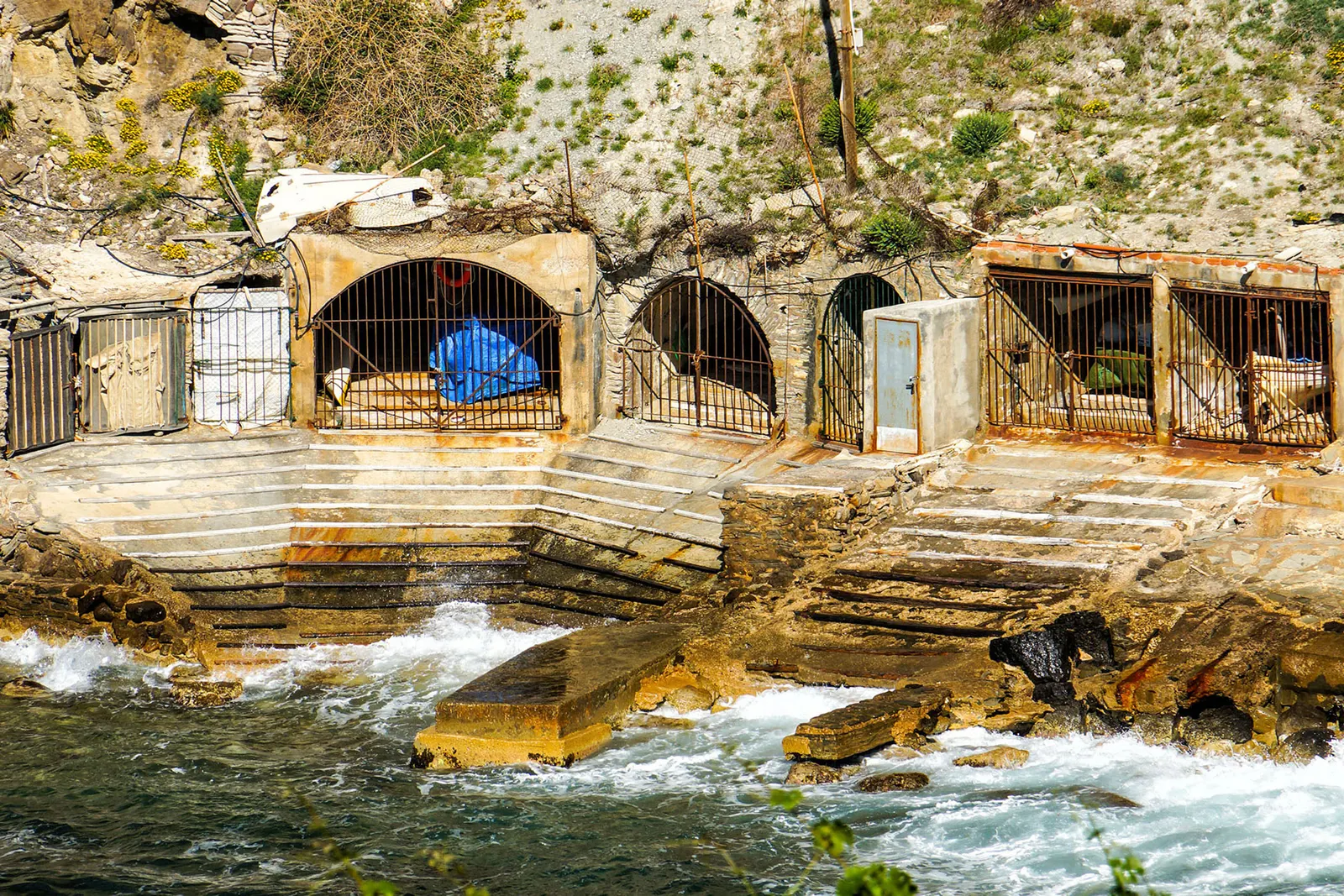
Boathouses built into the rock. Boats only head out from here in calm seas.
Drive from the airport
45 minutes
30 km
Bus connections
TIB services from Palma
Region
Serra de Tramuntana
Nearest beach
Port de Valldemossa
7 km
Elevation
100 m
above sea level
Season guide for Banyalbufar
November Worth a visit
My favourite month on this coast: clear light, rougher seas and very little traffic.
Very quiet Some places closed
Worth visiting in February, March, April, May, September, October and November. Less suitable in July and August.
Location
Location of Banyalbufar
- Region
- Serra de Tramuntana
- Population
- 520
- Elevation
- 100 m above sea level
- Airport
- 30 km , around 45 minutes
- Hire car
- needed
- Worth visiting for
- a brief stop
- Coordinates
- 39.6869,2.5147
A village of terraces
Banyalbufar’s name has been interpreted as a small vineyard beside the sea or built by people beside the sea. Either suits the setting. A main street and a few side lanes sit above around two thousand terraces, stepping down from roughly 100 metres above sea level towards the water.
Established during Moorish times, the terraces use cisterns and open channels for irrigation. Their walls are built from stone without mortar. UNESCO added dry-stone walling skills to its intangible cultural heritage list in 2018.
Until the 19th century, the terraces produced Malvasia, a sweet wine exported as far as England. Phylloxera devastated the vines. Since the 2000s, a few terraces have been replanted with Malvasia, but production remains very small.
Walking towards the coast
The old paths offer stone walls, patches of shade and sea views. A longer walk leads towards Port des Canonge, a small coastal settlement with fishermen’s huts and a pebbly beach. Don’t underestimate the climb back up, and take water.
What to expect
There’s no museum, monastery complex or ticketed viewing tower in the village. If you want a major historic attraction, try Valldemossa. Come to Banyalbufar to see the steep terraced landscape and how people have lived and worked on this coast for centuries.
For public transport, check the current TIB timetable, including your return journey.
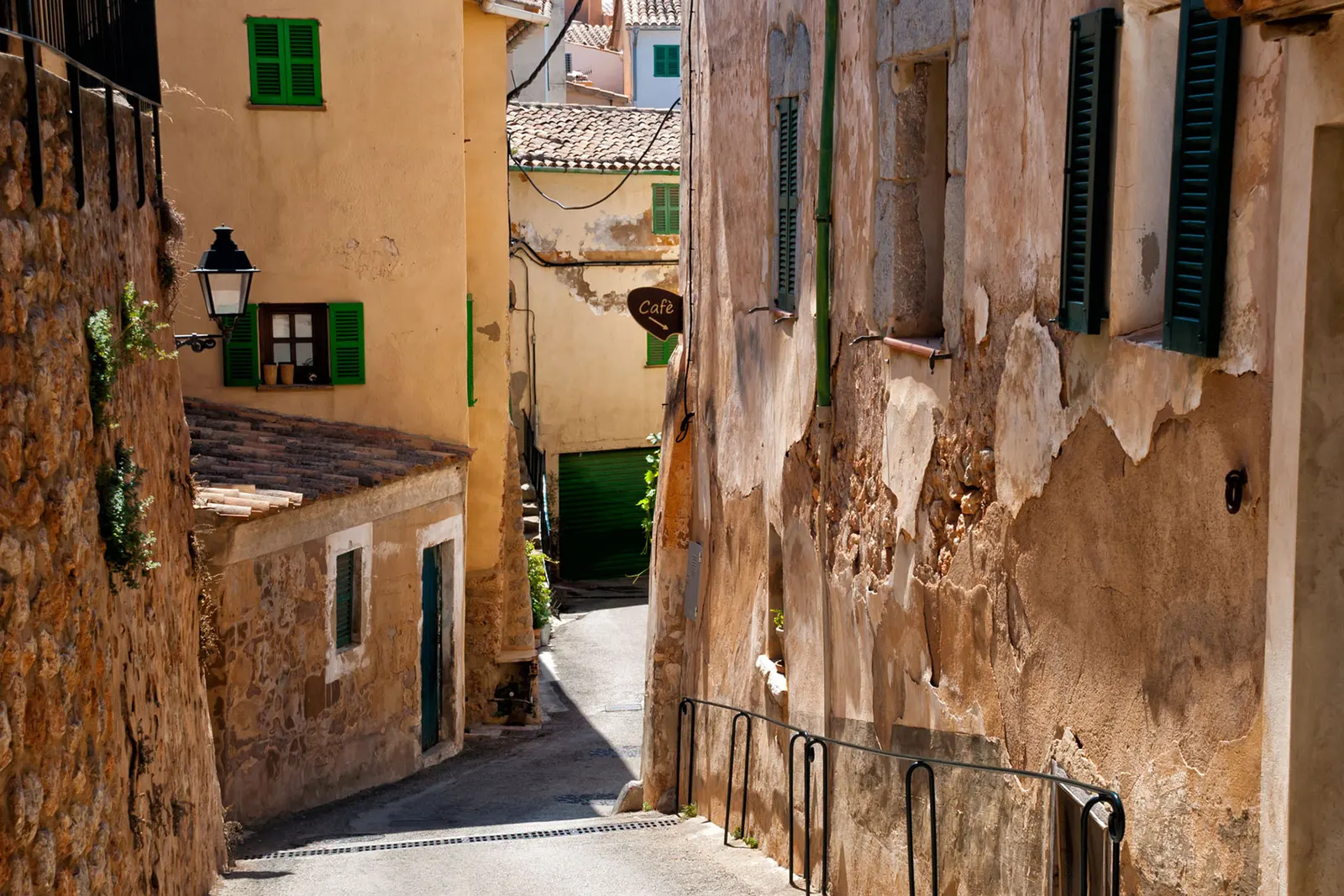
Photographs
Banyalbufar in Mallorca
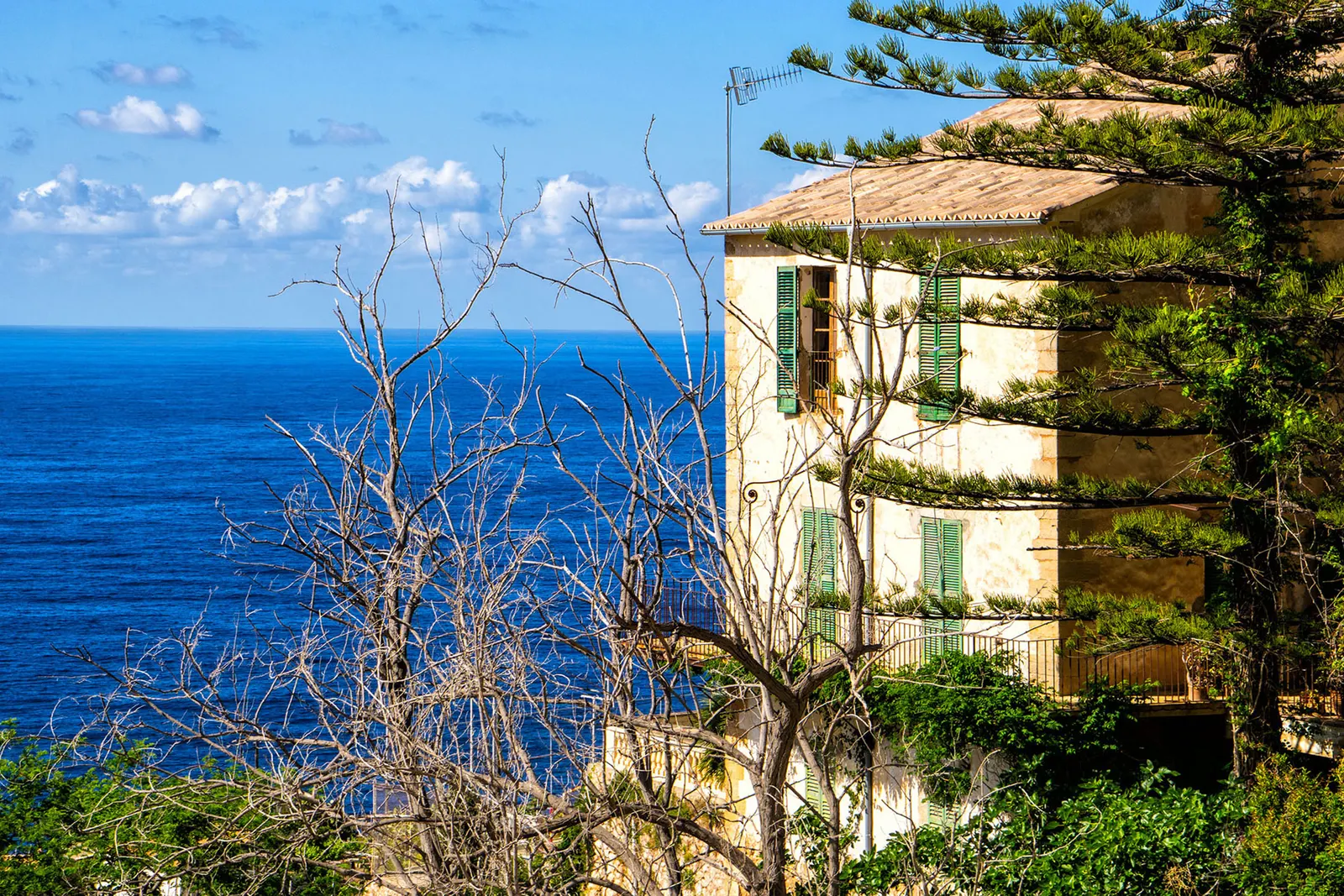
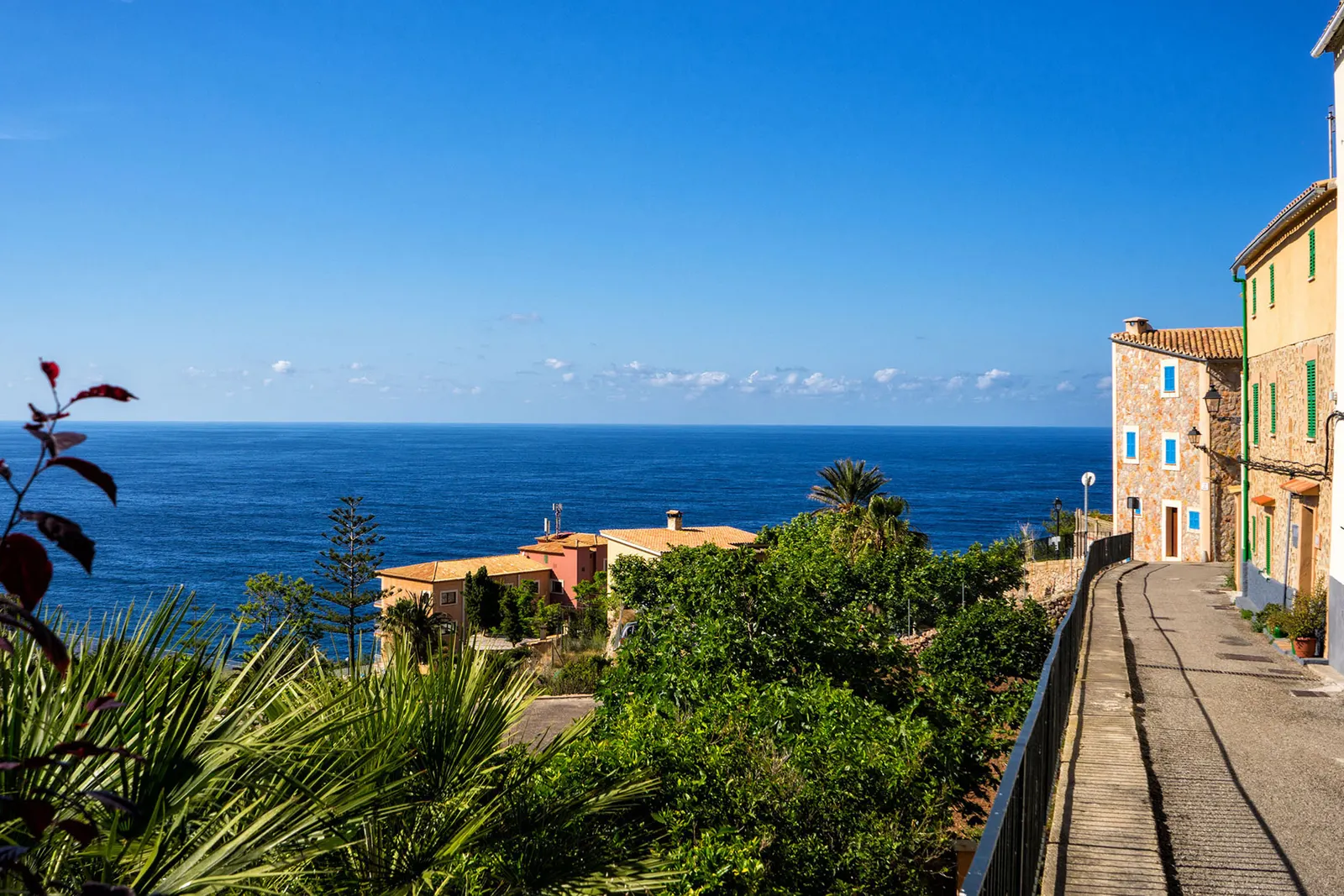
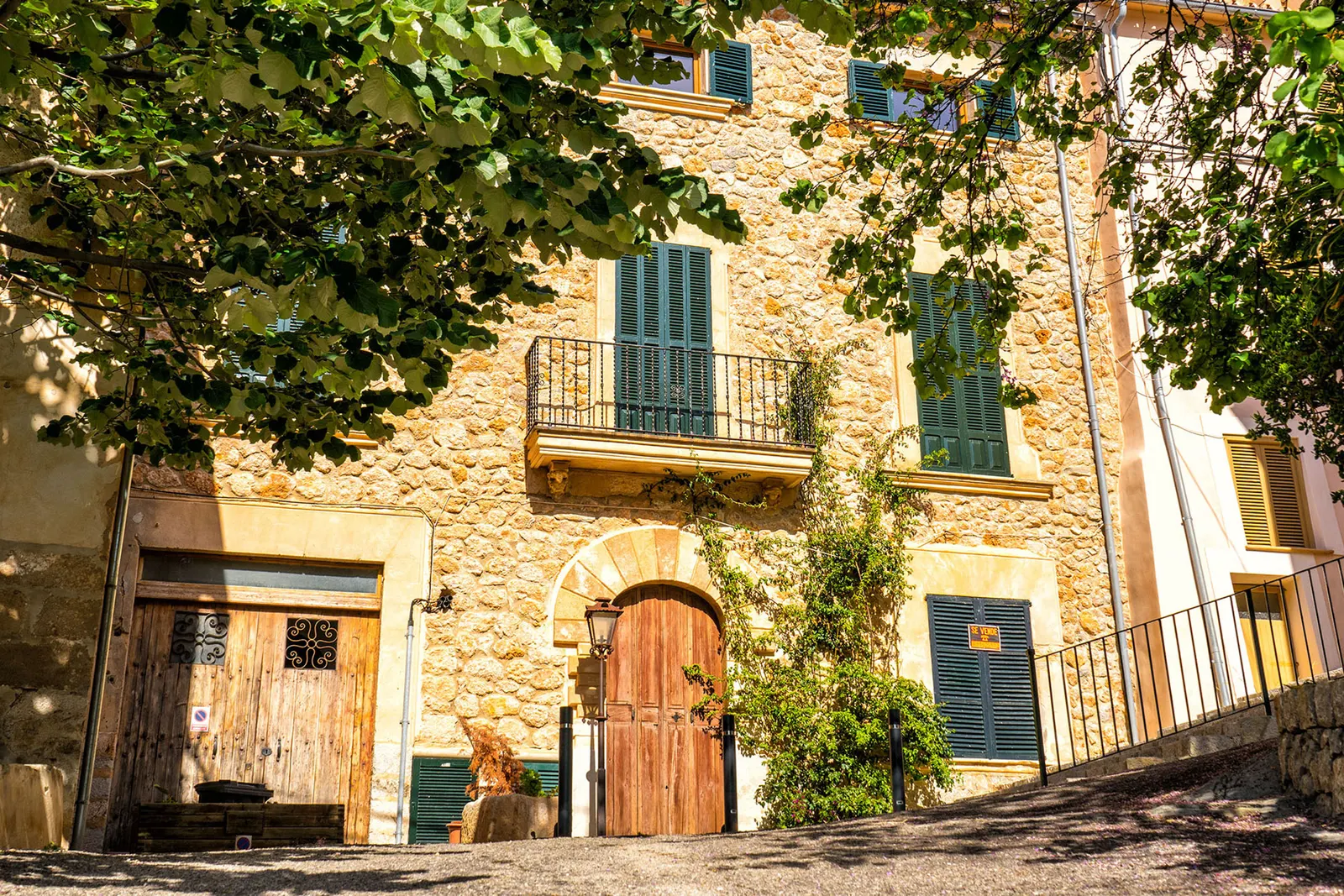
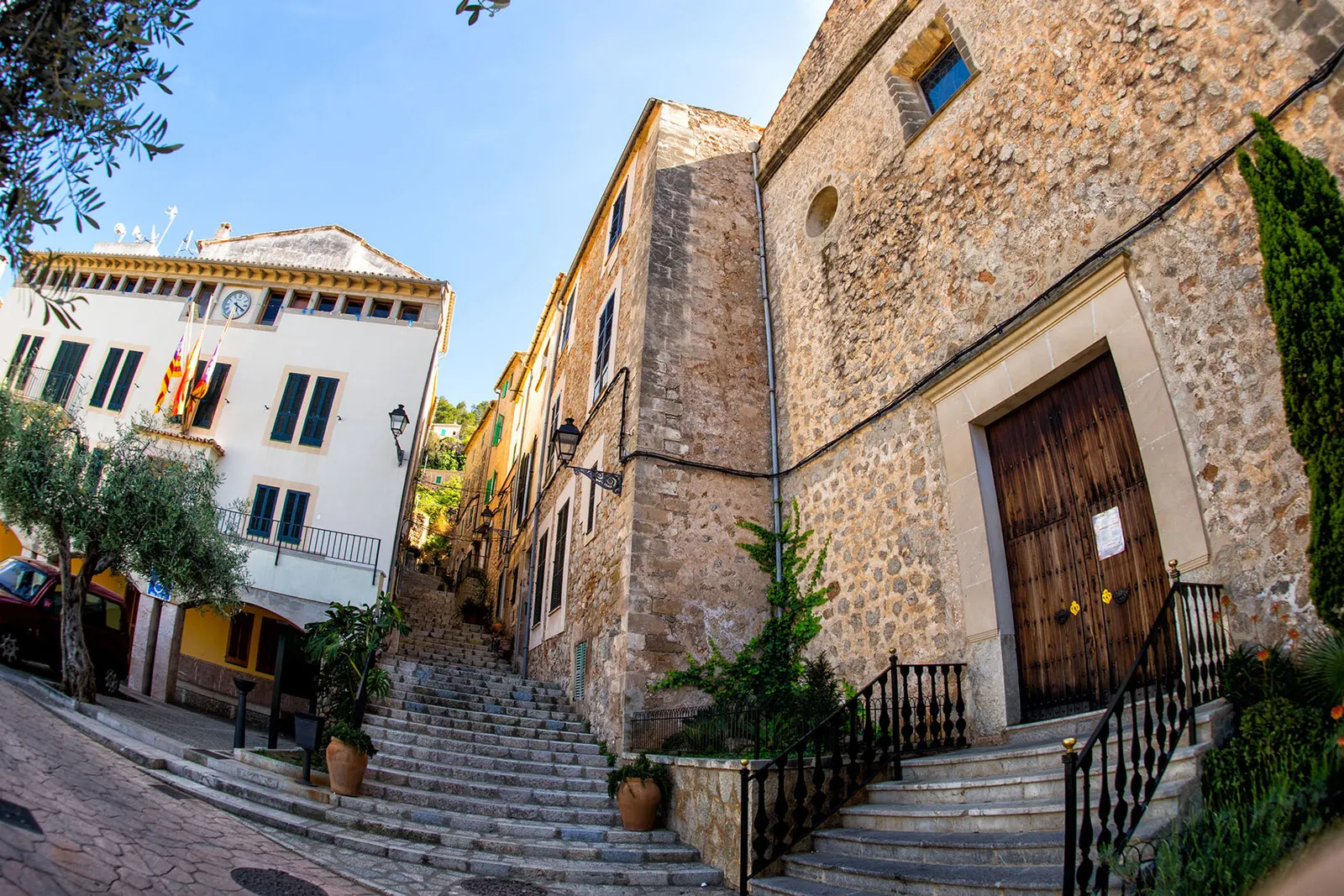
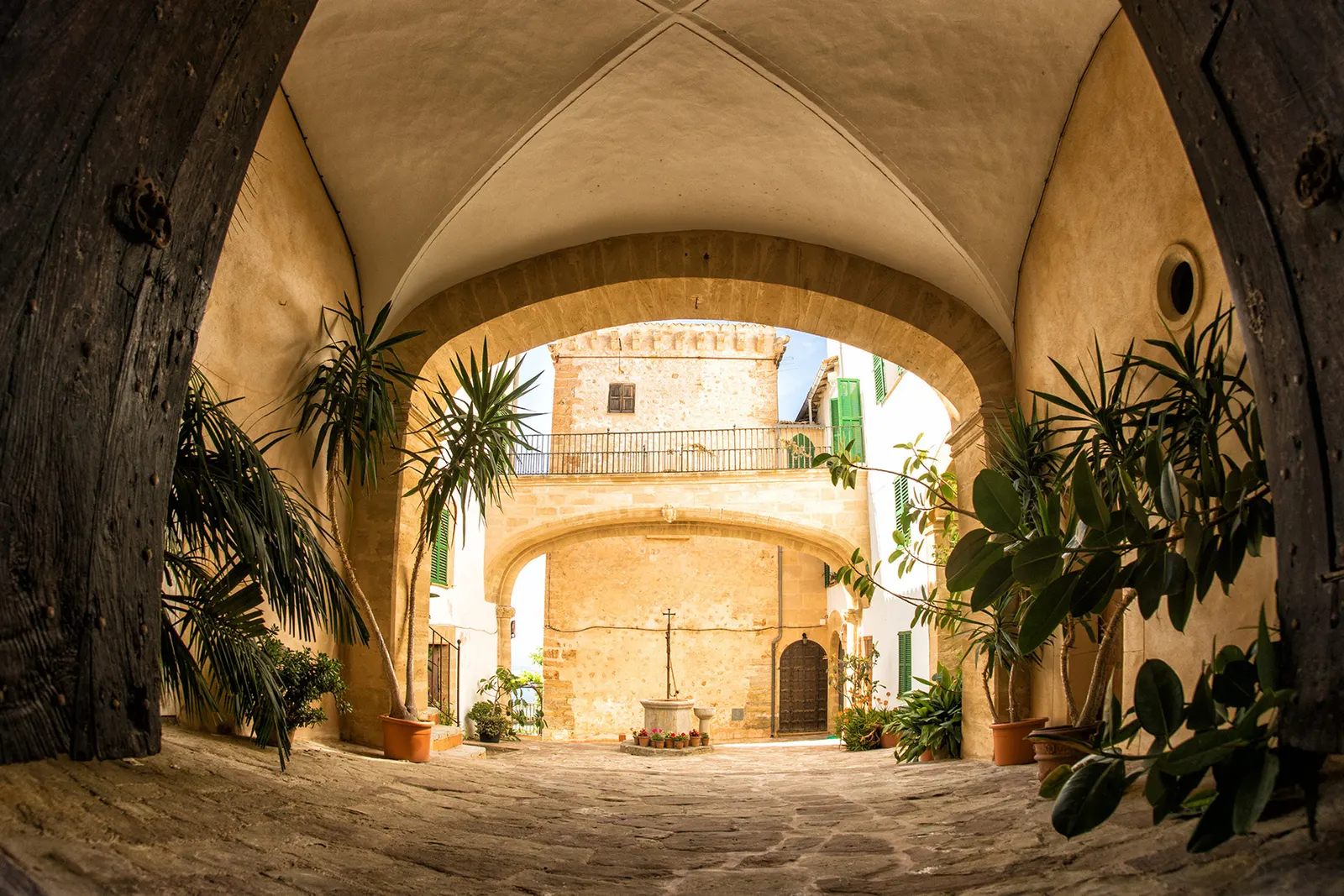
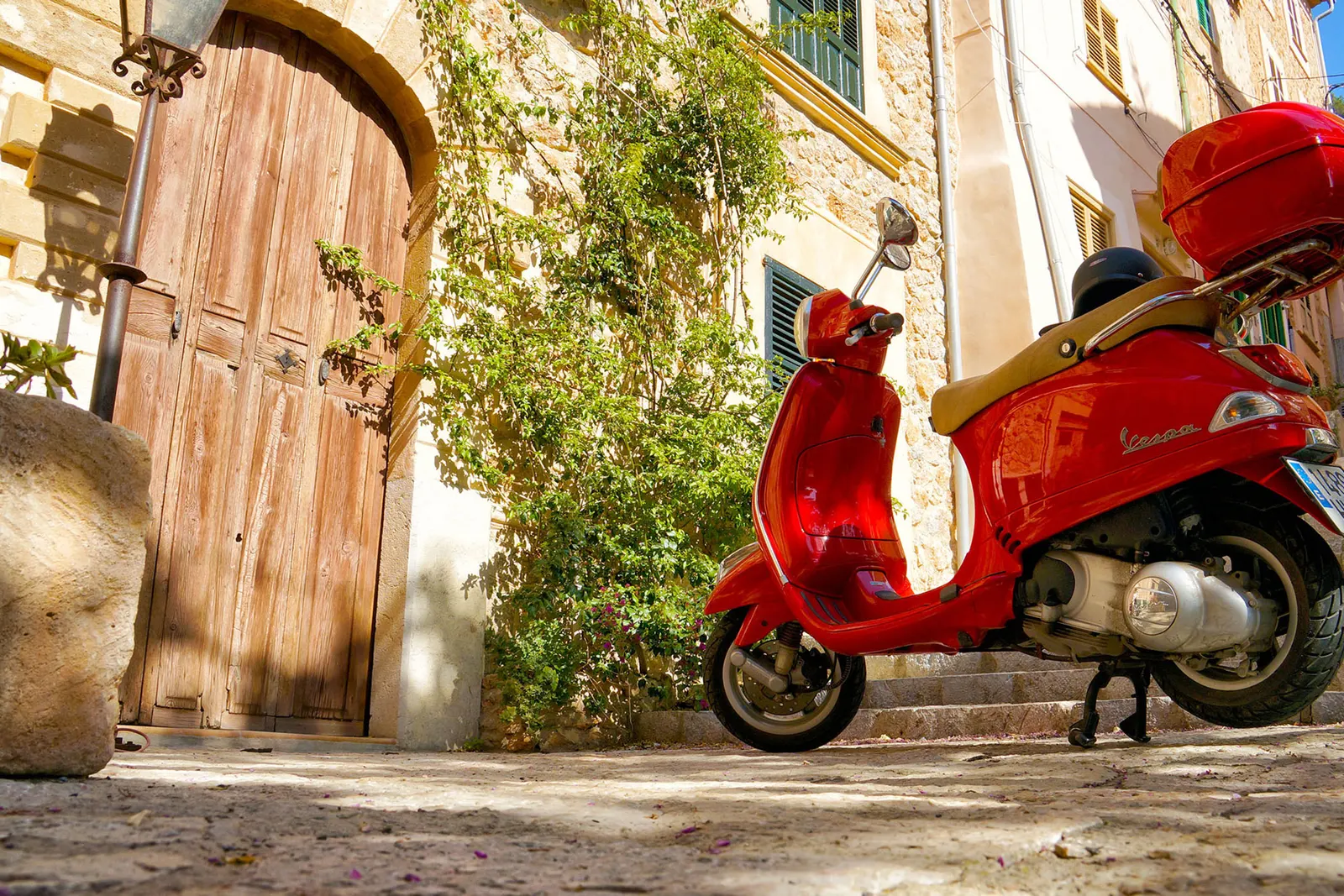
Practical details
- Parking
- Roadside spaces on the Ma-10 above and below the village. Very difficult from June to September; easier outside that period.
- Public transport
- TIB buses serve the village from Palma. The journey itself offers lovely coastal views; check the current service rather than relying on an old timetable.
- Time to allow
- Two hours for the village. Allow half a day for a walk towards Port des Canonge and back, with a substantial climb on the return.
- Good to know
- Torre des Verger, 2 km west, is a lovely sunset viewpoint, but its parking area is tiny.
- Bus
- TIB services from Palma; check the current timetable and return connection.
- Coordinates
- 39.6869,2.5147 Google Maps Apple Maps
Dates that change the town
When a race comes to town
Mallorca 312 Road cycling · 25 April 2026
Road closures begin in the morning. The affected roads and reopening times follow the organiser’s traffic plan. Allow extra time for transfers and day trips.
The season guide describes whole months. A race weekend can transform a normally quiet town for a couple of days. Find the dates in our guide to Sporting events.
Within reach
Places to visit
Nearby

A round 16th-century watchtower on an isolated rocky outcrop above the west coast. Climb the stone steps to the …

A historic country estate near Esporles, with a manor house and gardens. Public access hasn’t been confirmed, so …

The first major viewpoint on the west-coast road after Andratx. Stone steps climb from beside a road tunnel to a …

Ramon Llull founded a school for Eastern languages here in 1276. Six hundred years later, Archduke Ludwig Salvator …

Archduke Ludwig Salvator's country estate above the west coast, with a white marble pavilion on the edge — the …

A country estate near Bunyola, transformed by an 18th-century cardinal into an Italian-style villa. A terraced …

A striking circular Gothic castle, built above Palma between 1300 and 1311. Inside is a two-storey round …

Sant Pere bastion, built in the late 16th century on the western edge of Palma’s old town, became home to a …
Distances without a driving time are measured in a straight line. The road journey can be much longer; known driving times are shown alongside.
Where to swim nearby
Beaches and swimming nearby

Explore from here
Your questions answered
Your questions about Banyalbufar
What are Banyalbufar’s terraces?
Around two thousand dry-stone terraces step down from roughly 100 metres above sea level towards the water. They were established during Moorish times, watered through cisterns and open channels, and built without mortar. UNESCO added dry-stone walling skills to its intangible cultural heritage list in 2018.
What is the story of Malvasia wine here?
Malvasia sweet wine was grown on the terraces and exported as far as England until the 19th century, when phylloxera devastated the vines. Since the 2000s, Malvasia has been replanted on a few terraces, producing only small quantities.
Can you walk from Banyalbufar to the sea?
There are paths down towards the coast, and a longer walk towards Port des Canonge, a small coastal settlement with fishermen’s huts and a pebbly beach. Expect stone walls, shade in places and sea views, but leave time and energy for the uphill return. Bring water.
Are there major visitor attractions in Banyalbufar?
There’s no museum, monastery complex or ticketed viewing tower in the village. Its appeal is the landscape and the way people have lived and farmed on this steep coast for centuries. Valldemossa is a better choice if you want a major historic attraction.
What does the name Banyalbufar mean?
It has been interpreted as either a small vineyard beside the sea or something built by people beside the sea. Both suit the landscape you see today.
Practical questions
When is the best time to visit Banyalbufar?
Recommended months: February, March, April, May, September, October, November. Almond blossom may fall in this period, depending on the winter. There is no fixed flowering date.
Is Banyalbufar worth visiting in July and August?
July: another month may suit you better. Usually busy. The Ma-10 becomes congested around midday, and village parking is very difficult. August: another month may suit you better. Usually very crowded. The busiest month. I would choose another time to enjoy the village.
How far is Banyalbufar from Palma airport?
About 30 km from Palma airport. Allow roughly 45 minutes by car.
Do I need a hire car for Banyalbufar?
A car is needed TIB services from Palma; check the current timetable and return connection.
Where can I park in Banyalbufar?
Roadside spaces on the Ma-10 above and below the village. Very difficult from June to September; easier outside that period.
Banyalbufar features in our Mallorca highlights
Words and photographs: Friedhelm Fischer. Exploring Mallorca since 2013 — by bike, on foot and with a camera.