Fornalutx
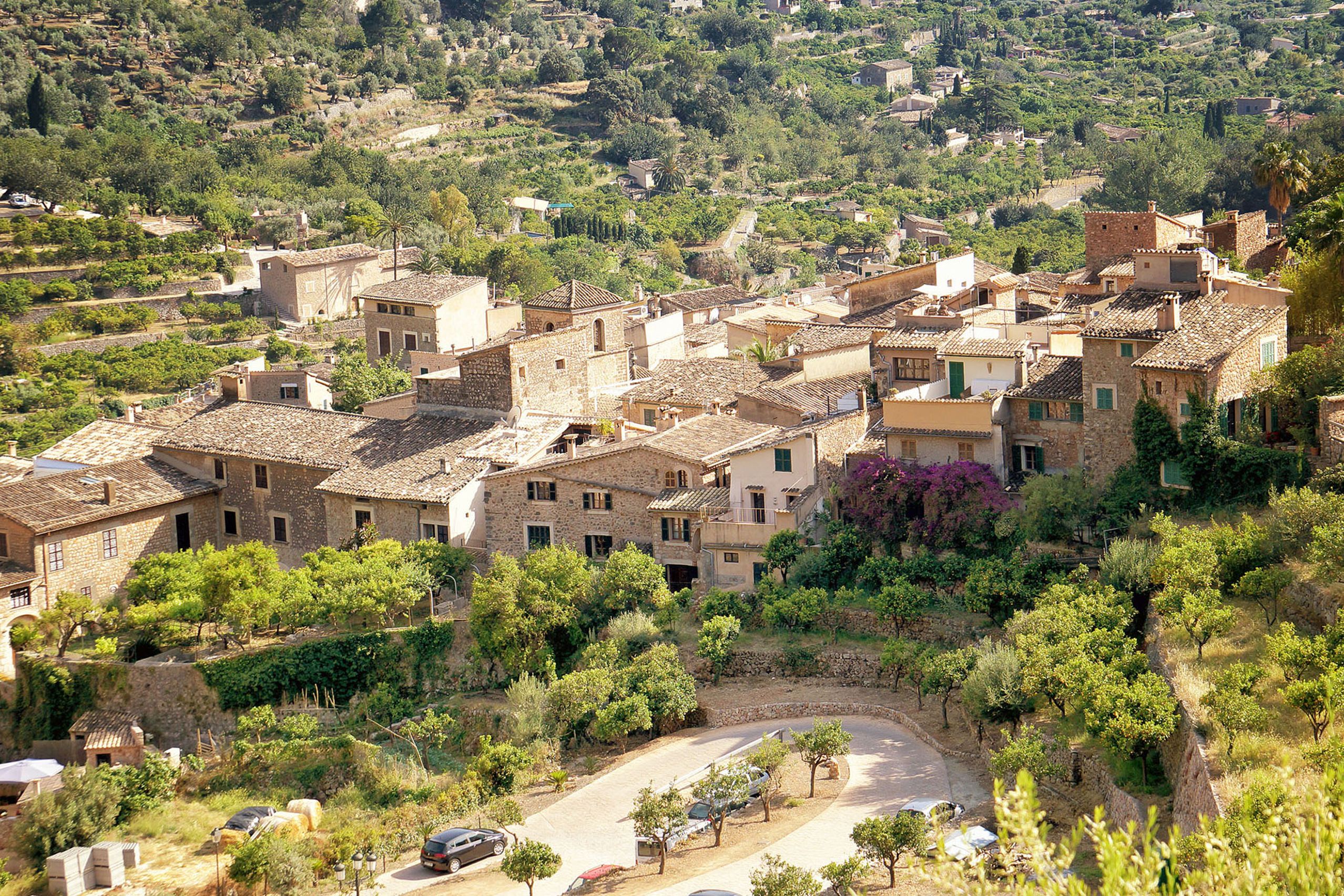
The island’s steepest village, built from the rock it stands on. Stepped lanes replace streets, painted tiles line the eaves and terraces climb towards the north face of Puig Major.
Fornalutx
Fornalutx in 30 seconds
The essentials at a glance
- Worth visiting for
- A short visit
- Best for
- You enjoy walking, with access to the Barranc de Biniaraix nearby.
- Best months
- January–May, September–December
- Time to allow
- An hour for the village, or a full day including the Barranc de Biniaraix.
- Without a car
- Hire car needed
- Parking
- Very few spaces at the entrance; better to park in Sóller and walk via Biniaraix.
- Keep in mind
- You need an easy parking space.
- Access
- Pushchairs: Not suitable. · Wheelchairs: Not suitable.
Get a feel for Mallorca. Find your kind of place.
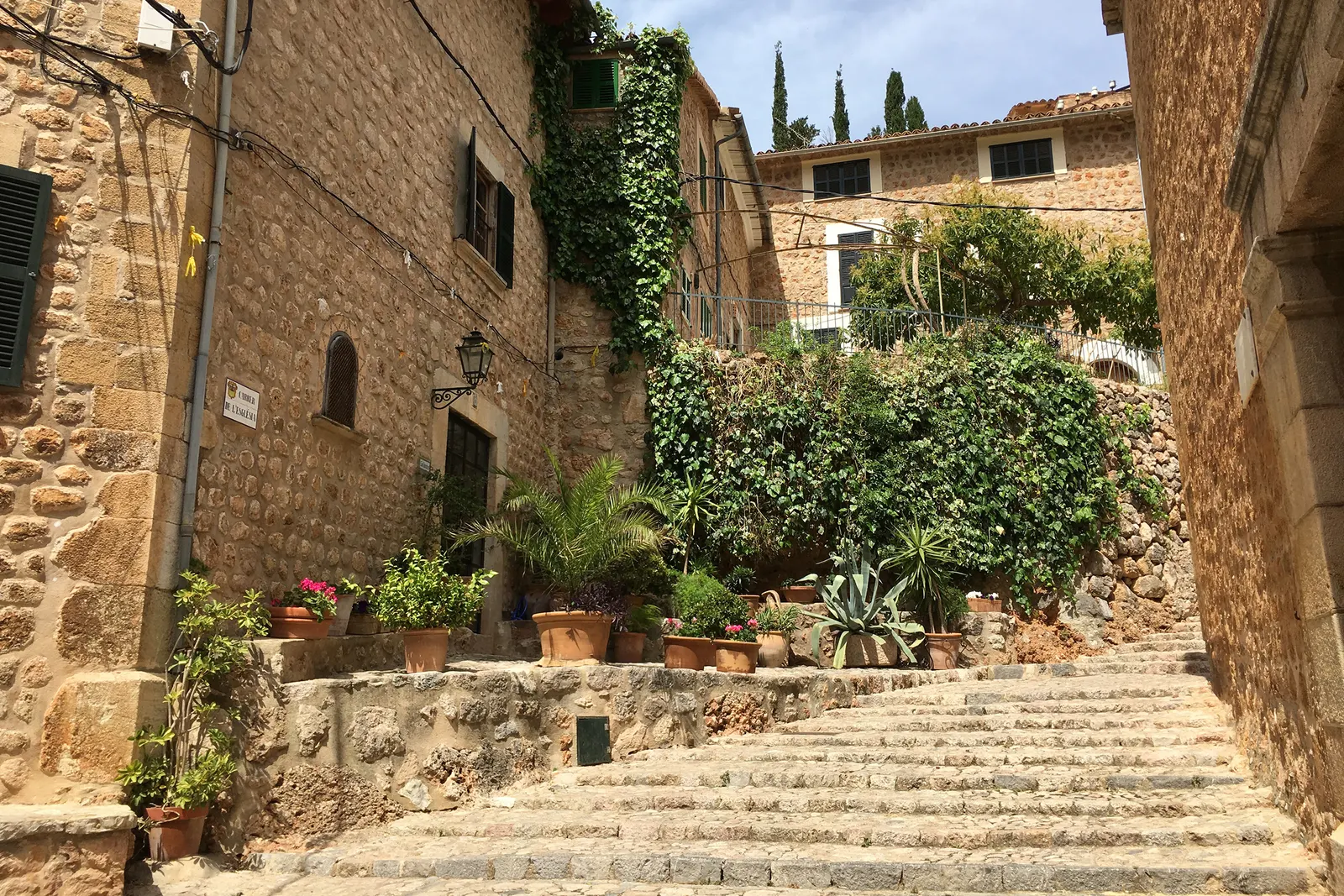
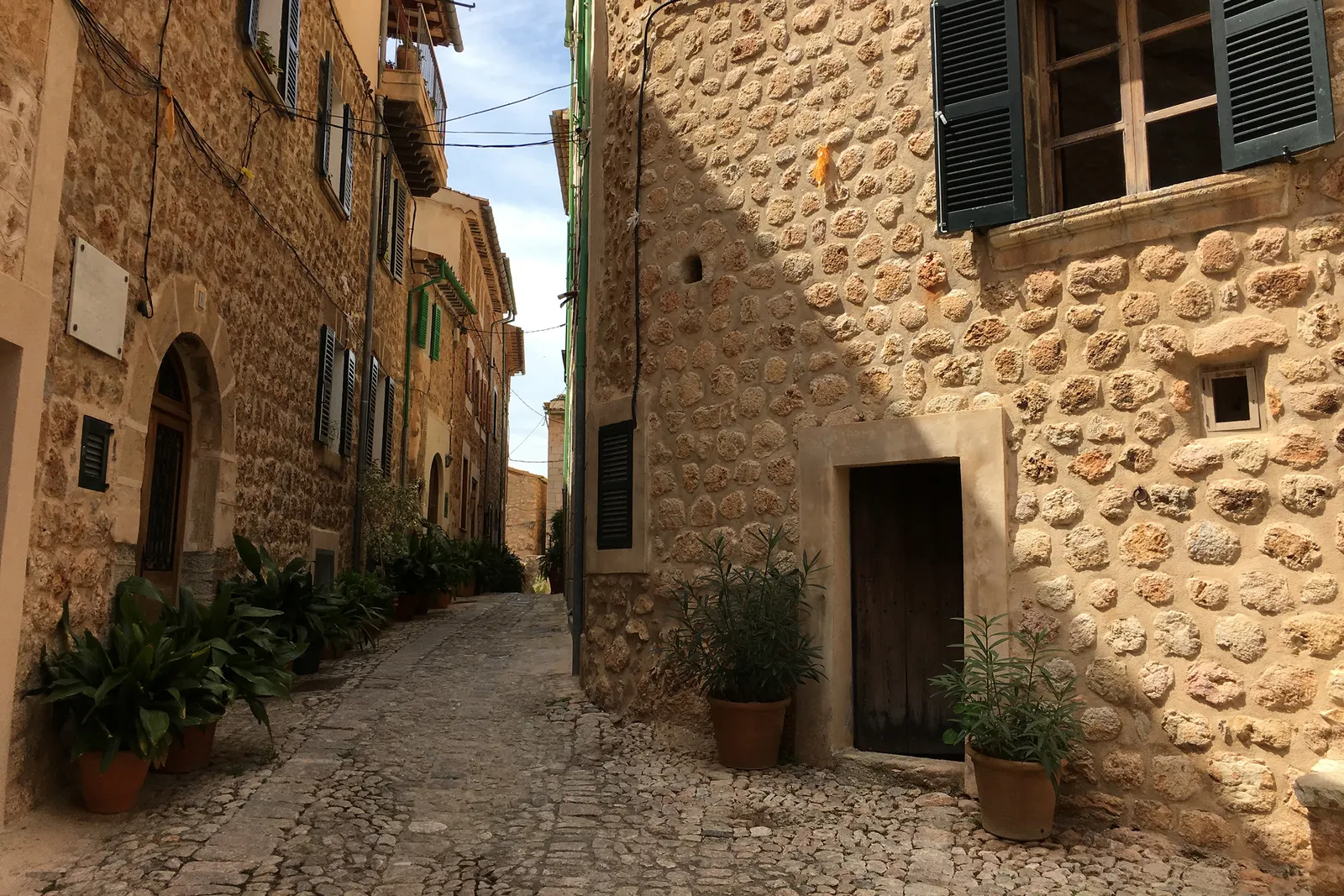
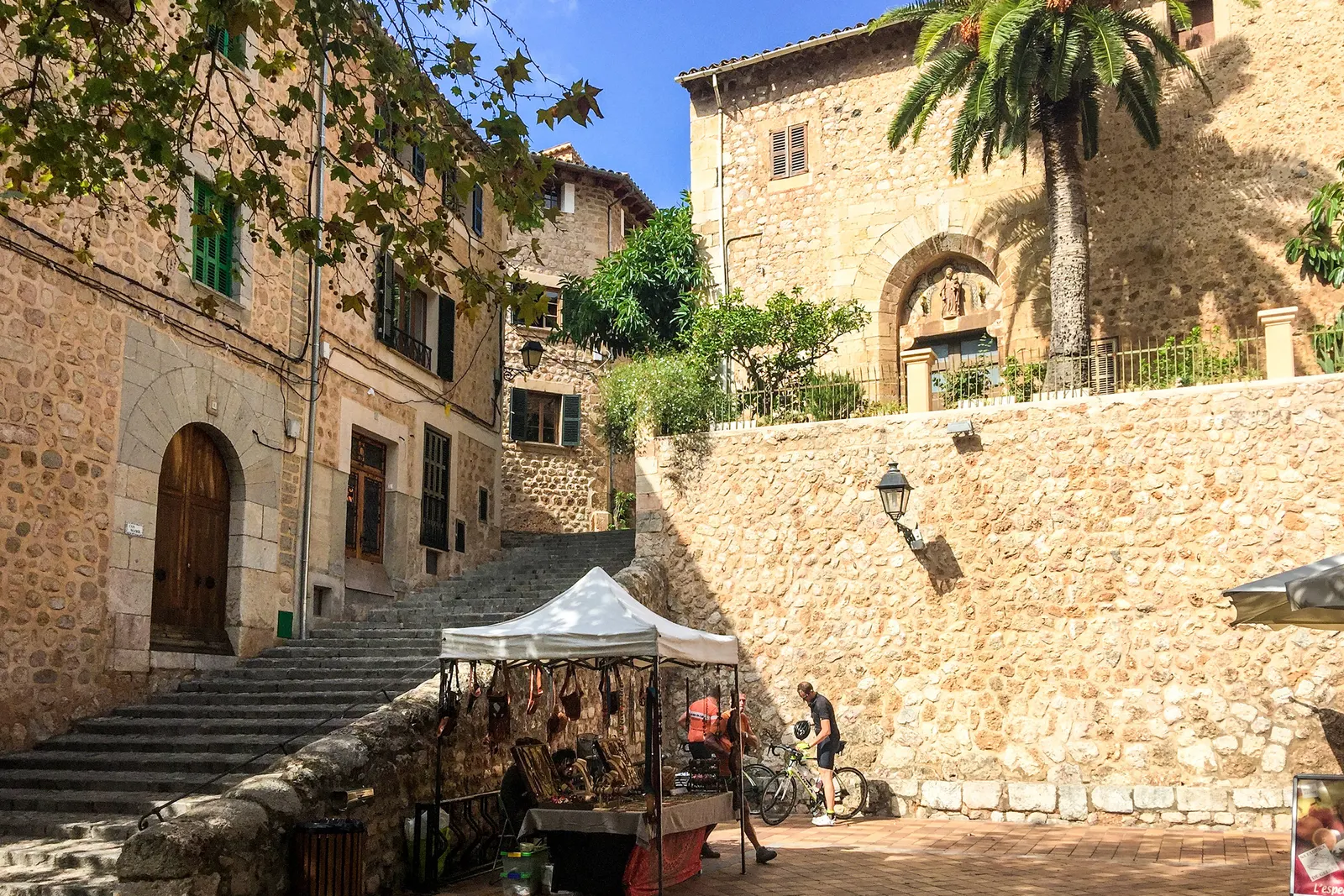
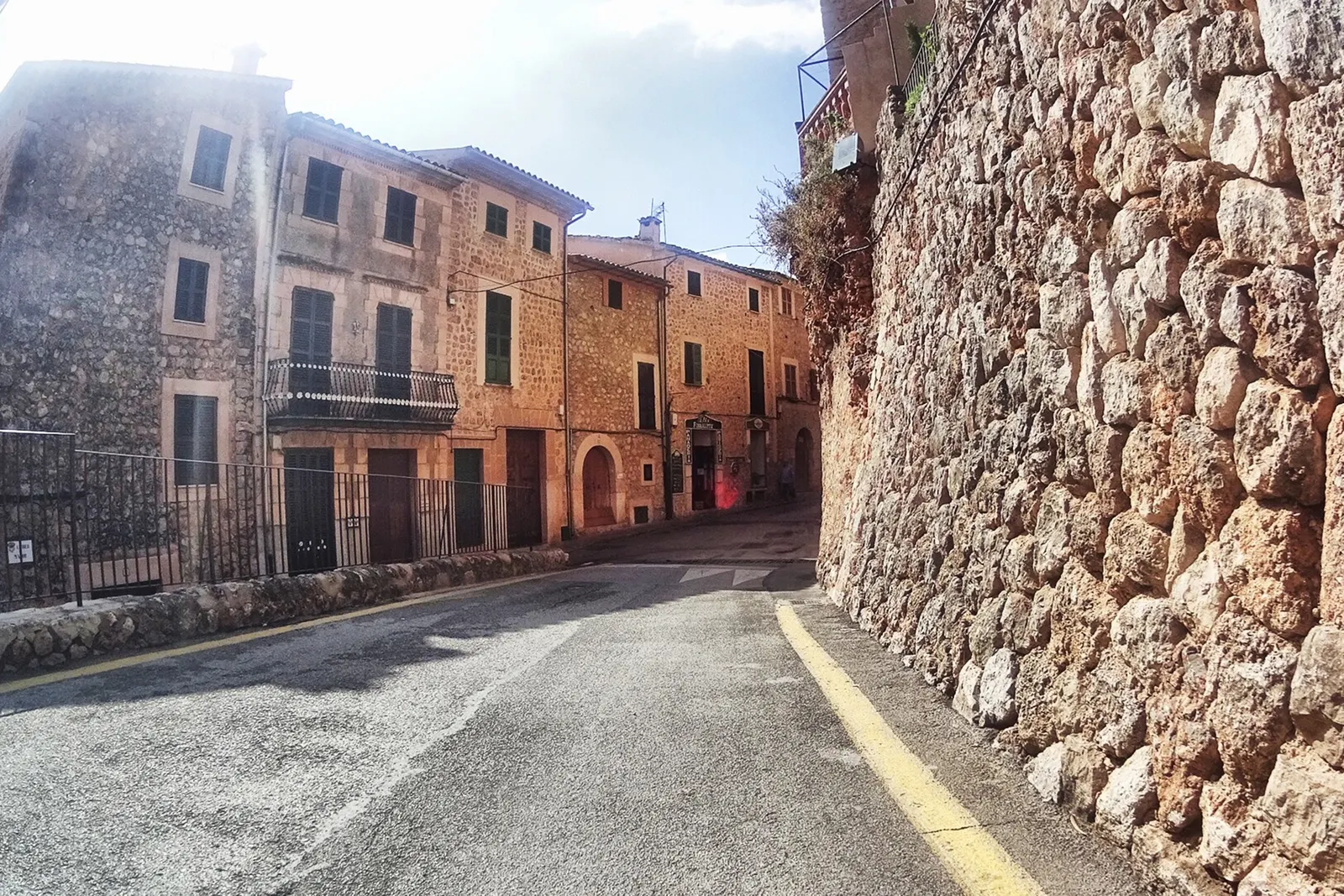
There are few ordinary streets. Most routes uphill involve steps.
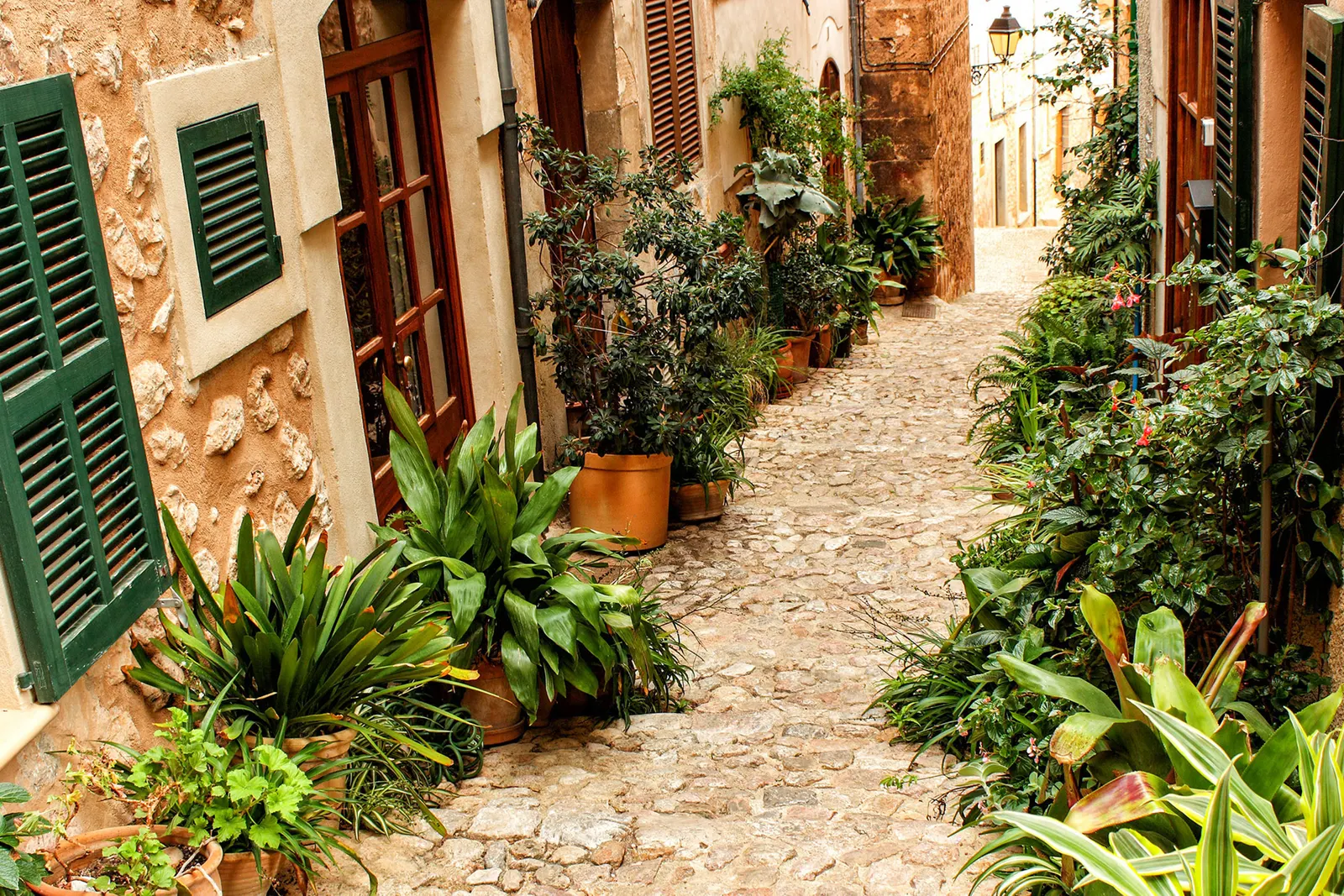
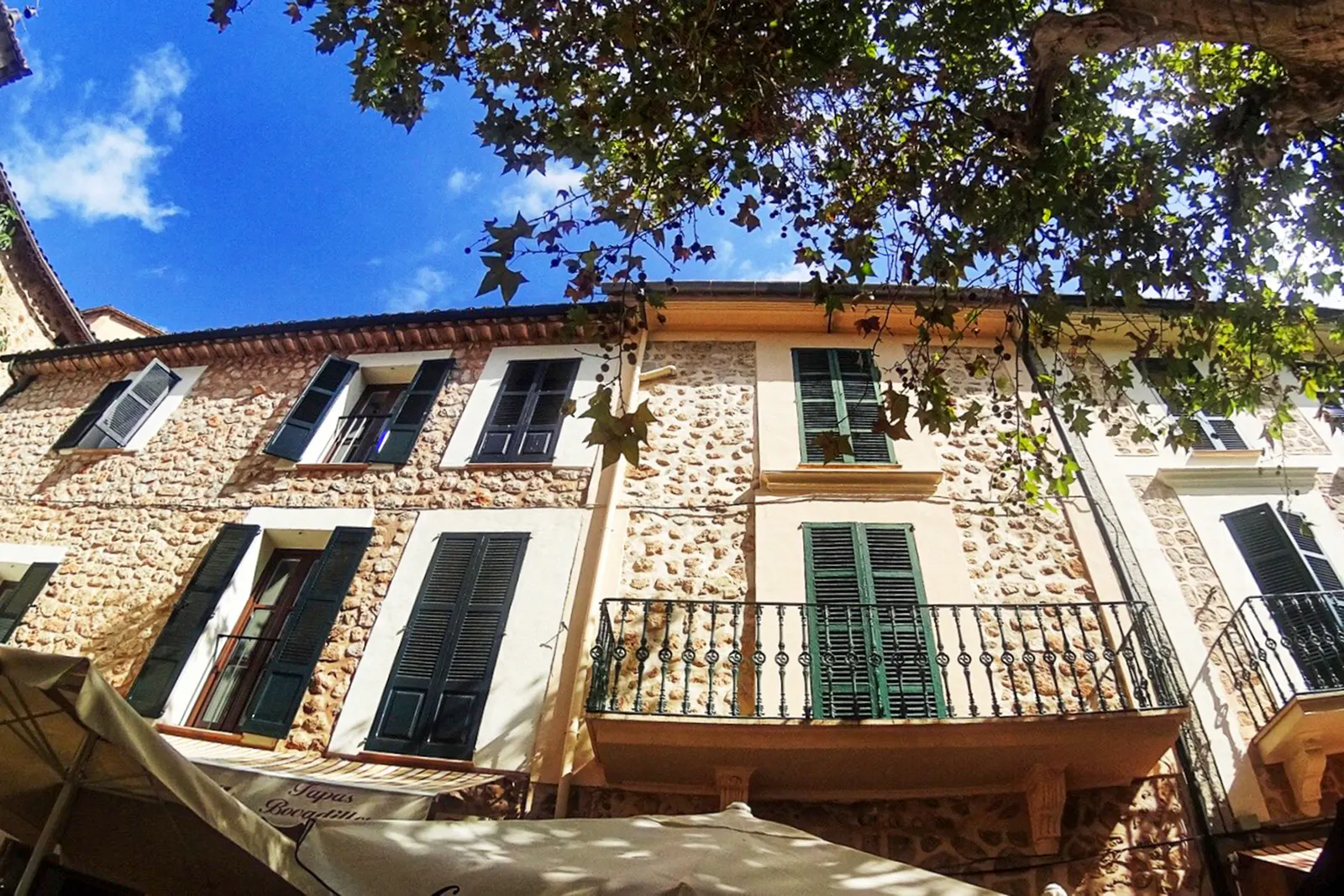
With little space for gardens, plants gather outside the front doors.
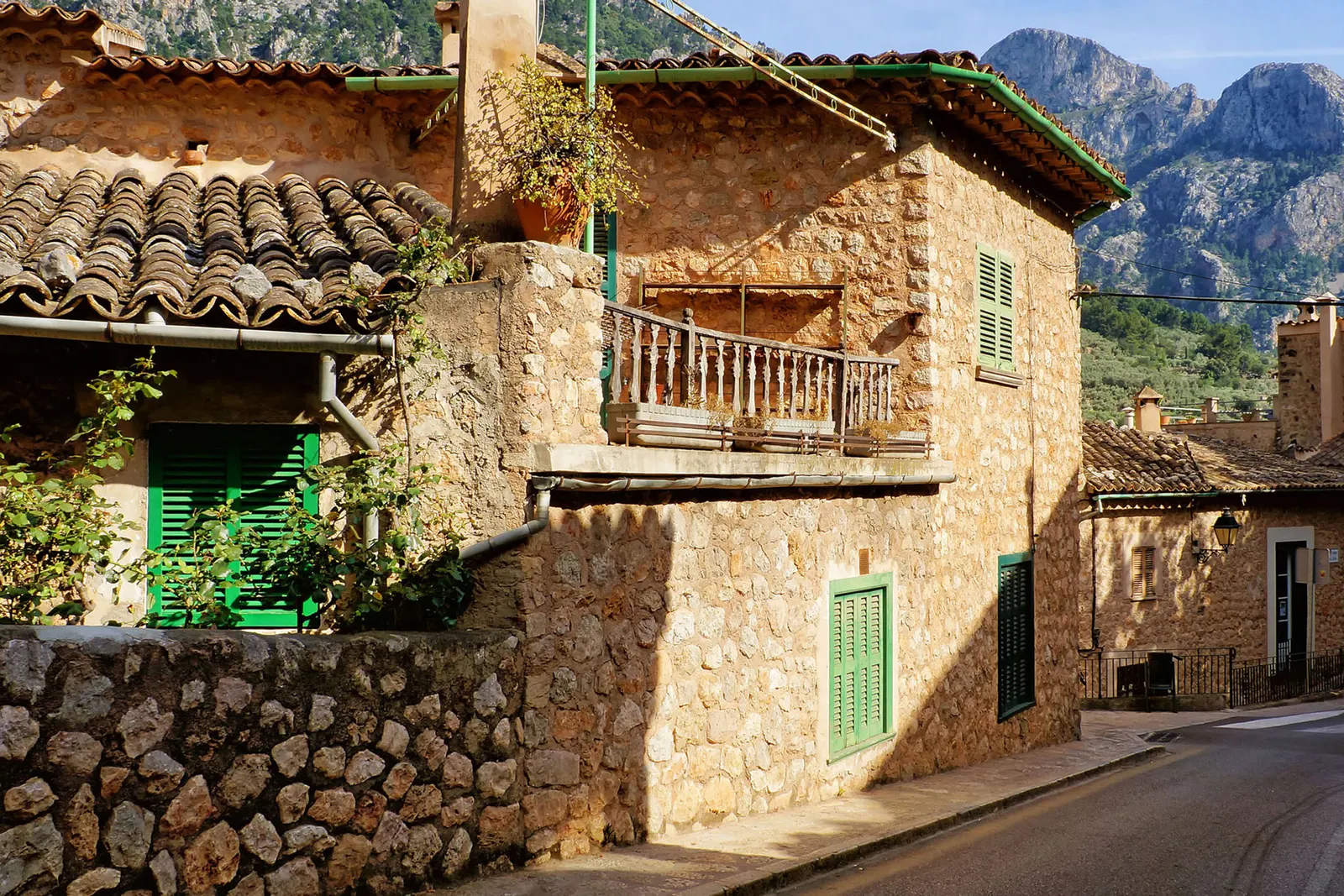
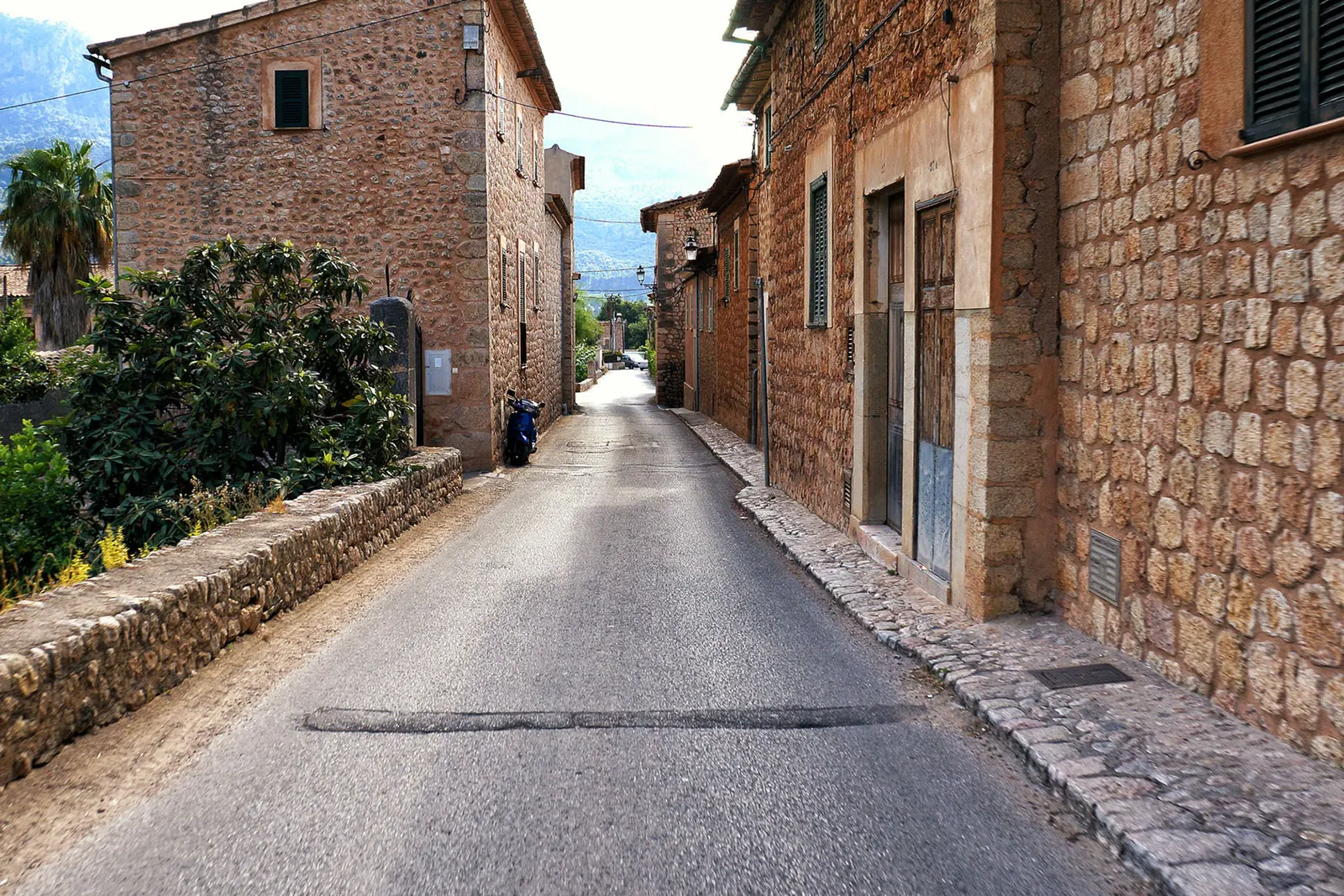
Beyond the last house, the rocks rise. This view captures the village’s setting.
Getting to know Fornalutx
Does Fornalutx suit your plans?
What to expect and what to know before you visit.
Who it suits
- You enjoy walking, with access to the Barranc de Biniaraix nearby.
- You’d like a village without coaches passing through.
- You want to see the January orange harvest below snow-covered mountains.
- You’re comfortable walking uphill.
Things to bear in mind
- You need an easy parking space.
- You dislike steps; the village is full of them.
- You’re visiting with a pushchair or wheelchair.
- You expect peace and quiet in high summer.
Drive from the airport
50 minutes
45 km
Bus connections
Minibus from Sóller
Region
Serra de Tramuntana
Nearest beach
Port de Sóller
4 km
Elevation
180 m
above sea level
Season guide for Fornalutx
November Worth a visit
Very quiet Some places closed
Worth visiting in January, February, March, April, May, September, October, November and December. Less suitable in August.
Location
Location of Fornalutx
- Region
- Serra de Tramuntana
- Population
- 700
- Elevation
- 180 m above sea level
- Airport
- 45 km , around 50 minutes
- Hire car
- needed
- Worth visiting for
- a brief stop
- Coordinates
- 39.7827,2.7409
About Fornalutx
Fornalutx is a mountain village in the Sóller valley, three kilometres above the main town and around 150 metres higher. Roads from Sóller lead towards the Coll de Sóller and Puig Major, Mallorca’s highest mountain at 1,445 metres. You can see its radar domes from the upper lanes.
The setting explains the village’s layout. Fornalutx occupies terraces climbing the hillside. Lanes double as staircases, and the houses use the stone found here. Orange and lemon groves surround it, watered by the mountains.
Sóller is ten minutes away by car or a good hour on foot via Biniaraix. Paths lead to the Barranc de Biniaraix and on into the higher Tramuntana.
The painted tiles
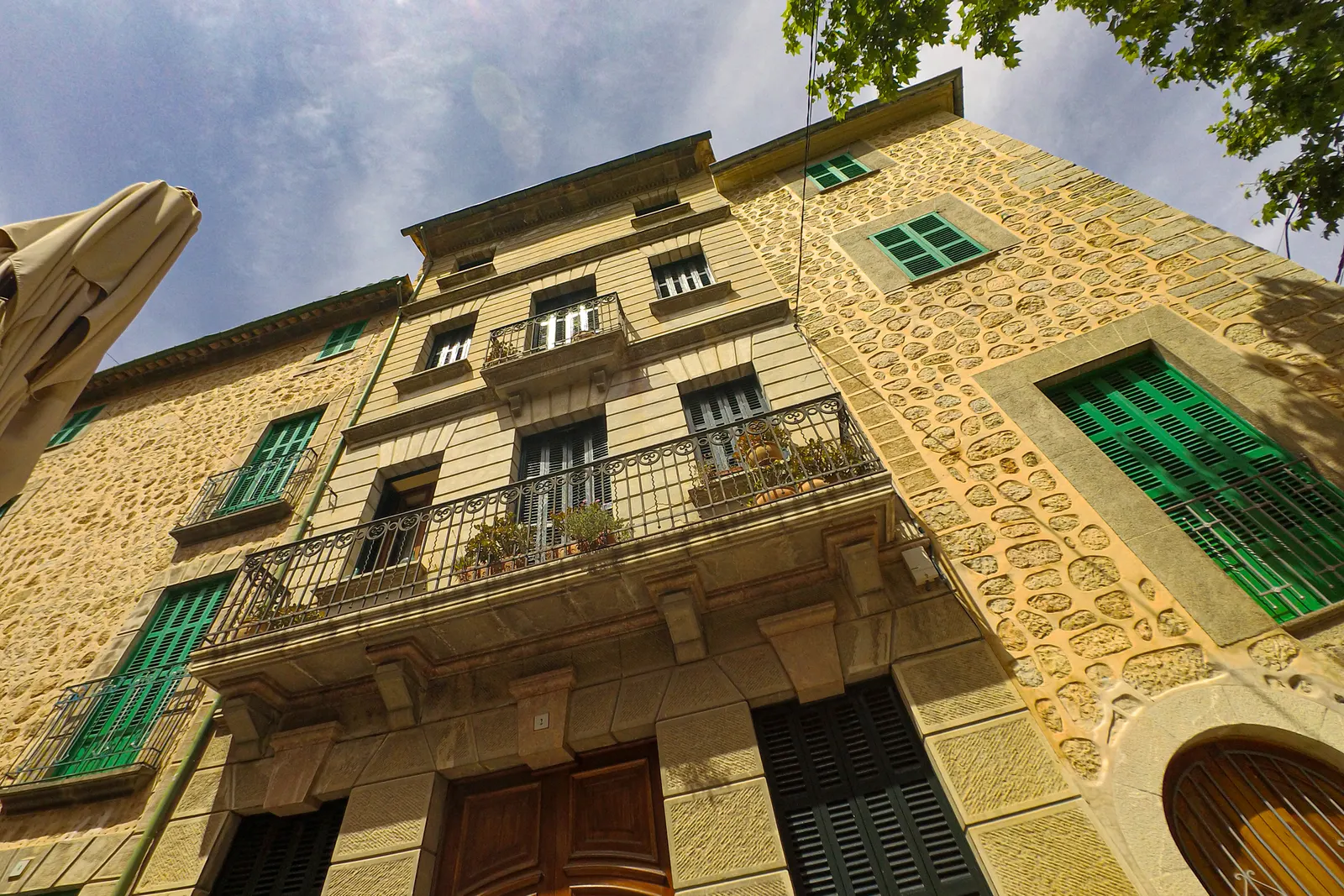
Look beneath the eaves for roof tiles with painted undersides, decorated with figures, animals and patterns. Several houses have them, but you’ll only spot them if you look up.
They’re worth taking a moment to find.
How the village has survived
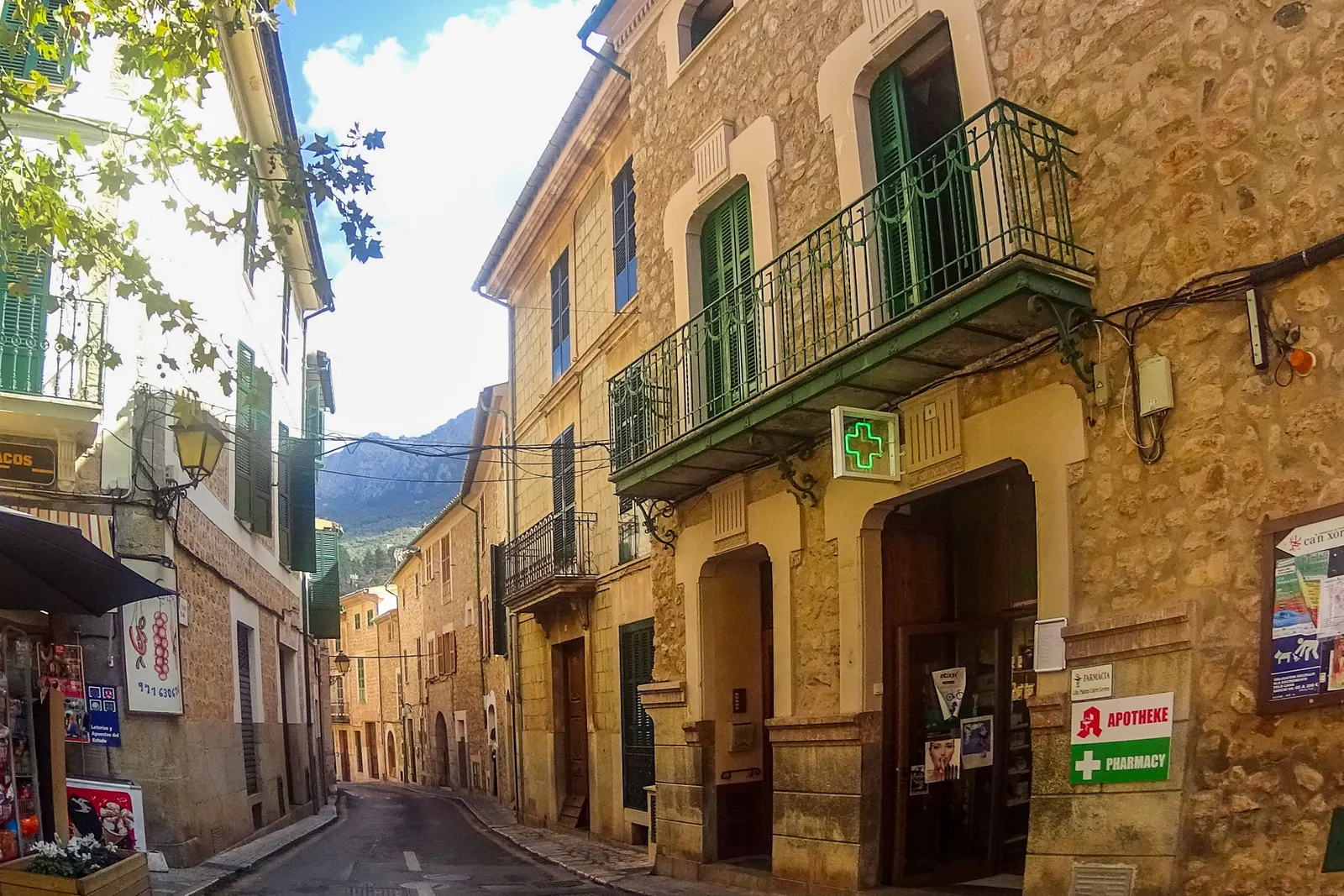
Fornalutx is too steep for much redevelopment. Coaches can’t get in, hotel complexes have no room and parking is scarce.
The terrain has helped protect the village.
The Barranc de Biniaraix
A paved dry-stone path climbs around 800 metres through the gorge as part of the GR 221. It’s an extraordinary piece of traditional path building.
March and October are the best times to walk it. Heat builds up in the gorge in high summer.
When to come
January. The oranges are ripe in the valley and Puig Major may have snow, a view few people associate with Mallorca.
Otherwise, choose March or October for walking. In August, cars can outnumber parking spaces three to one.
Parking
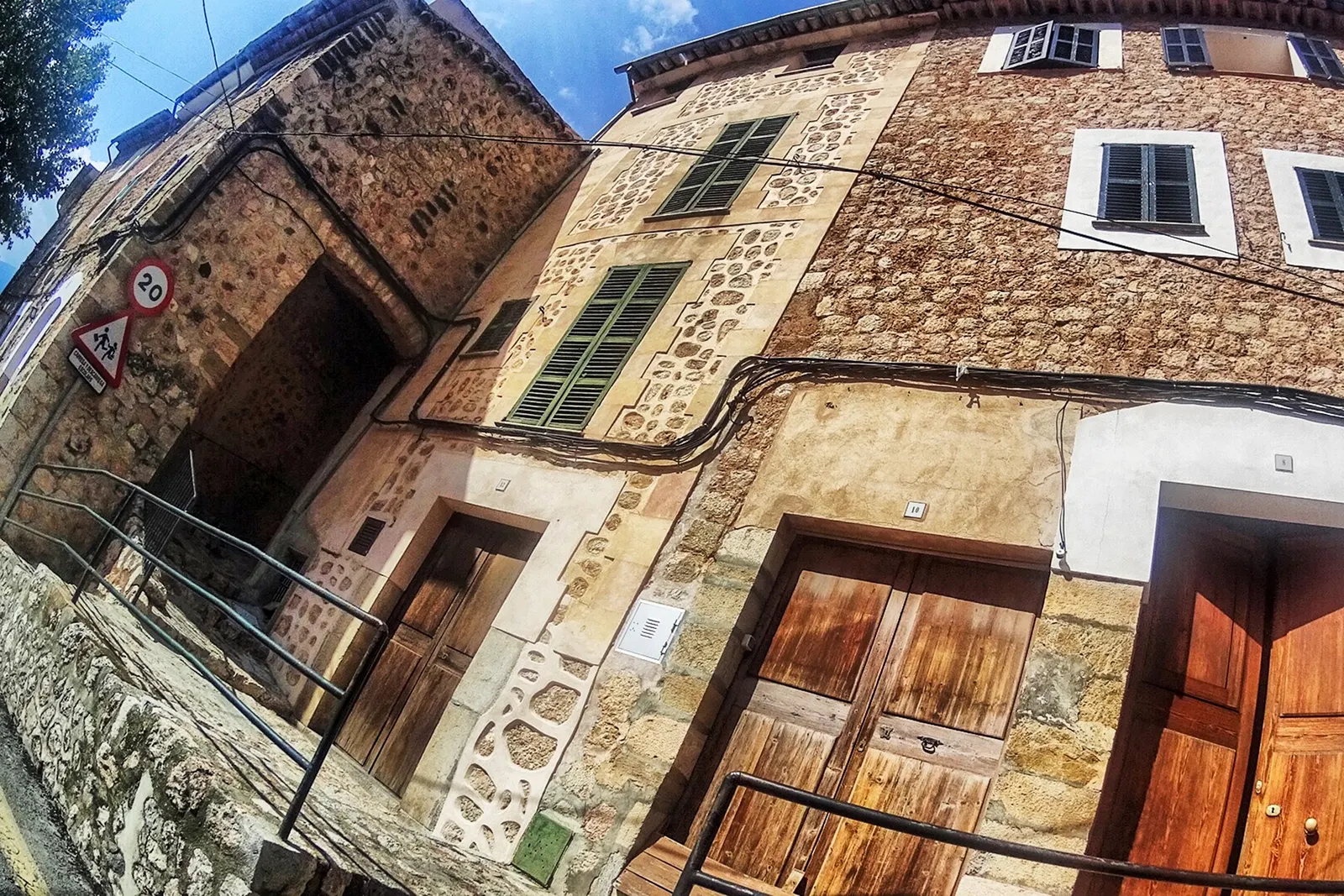
It’s best to avoid parking in the village. For a relaxed visit, leave your car in Sóller and walk up via Biniaraix.
Photographs
Fornalutx in Mallorca
How much time do you have?
Things to do in Fornalutx
Three hours
Climb the stepped lanes to the church square, look for painted roof tiles and walk to the village edge for views of Puig Major.
Half a day
Walk up the Barranc de Biniaraix and back, admiring some of the island’s finest traditional path building.
A full day
Combine it with Sóller, Biniaraix and a drive over the Coll de Sóller or to Deià.
On a rainy day
Not a good choice. The steps become slippery and the mountains disappear into cloud.
Practical details
- Parking
- Very few spaces at the entrance; better to park in Sóller and walk via Biniaraix.
- Public transport
- Minibus from Sóller, with only a few services each day.
- Time to allow
- An hour for the village, or a full day including the Barranc de Biniaraix.
- Good to know
- The Barranc de Biniaraix is a stone-paved, dry-stone path climbing about 800 metres through a gorge. It’s an outstanding example of traditional path building and forms part of the GR 221.
- Bus
- Minibus from Sóller, with only a few services each day.
- Shops and services
- Supermarkets: Small village shop. · Pharmacy: In the village. · Medical care: In Sóller. · Cash machines: In Sóller. · Fuel: In Sóller.
- Access
- Stepped lanes and cobbles, steep throughout. · Pushchairs: Not suitable. · Wheelchairs: Not suitable. · Dogs: Keep dogs on a lead; walking trails are generally straightforward.
- What you will not find
- Plenty of parking · Level paths · Hotel complexes · Coaches
- Coordinates
- 39.7827,2.7409 Google Maps Apple Maps
Within reach
Places to visit
Nearby

Mallorca’s largest reservoir sits in the heart of the Tramuntana beside the MA-10. Swimming is forbidden, there’s …

At the foot of the Sóller pass, this garden has irrigation rooted in Moorish times. Palm groves, a pergola with …

Archduke Ludwig Salvator's country estate above the west coast, with a white marble pavilion on the edge — the …

Ramon Llull founded a school for Eastern languages here in 1276. Six hundred years later, Archduke Ludwig Salvator …

A pilgrimage church on a rocky ledge above Mancor de la Vall, documented since 1275. The terrace looks across much …

A country estate near Bunyola, transformed by an 18th-century cardinal into an Italian-style villa. A terraced …

Mallorca's spiritual centre, a sanctuary at 525 metres in the heart of the Tramuntana, with guest rooms, a …
Distances without a driving time are measured in a straight line. The road journey can be much longer; known driving times are shown alongside.
Where to swim nearby
Beaches and swimming nearby

Explore from here
Your questions answered
Your questions about Fornalutx
Why is Fornalutx considered such a beautiful village?
Its steep setting has left little scope for redevelopment. Coaches can’t get in, hotel complexes have no room and parking is scarce. The terrain has helped preserve the village.
What are the painted roof tiles?
Tiles decorated underneath with figures, animals and patterns. Look up beneath the overhanging roof edges as you explore.
How do you reach the Barranc de Biniaraix?
On foot from Fornalutx or Biniaraix. The stone-paved, dry-stone path climbs around 800 metres through a gorge and forms part of the GR 221. It’s an outstanding example of traditional path building.
Where should you park?
Ideally, outside the village. There are very few spaces at the entrance, and in summer cars can outnumber them three to one. For a more relaxed visit, park in Sóller and walk up via Biniaraix.
Practical questions
When is the best time to visit Fornalutx?
Recommended months: January, February, March, April, May, September, October, November, December. Orange harvesting in the valley, with occasional snow on Puig Major above. The most striking month here.
Is Fornalutx worth visiting in July and August?
July: worth considering with some reservations. Usually busy. Parking is very limited; in summer there can be three times as many cars as spaces. August: another month may suit you better. Usually busy.
How far is Fornalutx from Palma airport?
About 45 km from Palma airport. Allow roughly 50 minutes by car. About ten minutes uphill from Sóller via Biniaraix on a narrow road. There are very few spaces at the village entrance. A more relaxed option is to park in Sóller and walk via Biniaraix.
Do I need a hire car for Fornalutx?
A car is needed Minibus from Sóller, with only a few services each day.
Where can I park in Fornalutx?
Very few spaces at the entrance; better to park in Sóller and walk via Biniaraix.
Can I visit Fornalutx with a pushchair or wheelchair?
Stepped lanes and cobbles, steep throughout. Pushchairs: Not suitable. Wheelchairs: Not suitable.
Are dogs allowed at Fornalutx?
Keep dogs on a lead; walking trails are generally straightforward.
Fornalutx features in our Mallorca highlights
Words and photographs: Friedhelm Fischer. Exploring Mallorca since 2013 — by bike, on foot and with a camera.